Alkaline Water Health Claims — What Does the Research Actually Show?
Summarized from peer-reviewed research indexed in PubMed. See citations below.
Alkaline water health claims flood social media and wellness blogs, promising everything from enhanced wellness to anti-aging benefits, yet the scientific evidence tells a more nuanced story than marketing materials suggest. The Platinum PL-MAX Water Ionizer ($2,195) produces hydrogen-rich alkaline water with 7 platinum-coated titanium plates and delivers pH levels from 3.0 to 11.5, addressing the research-supported connection between dissolved hydrogen and reduced inflammation. Research published in Scientific Reports showed hydrogen-rich water reduced inflammatory markers in 38 healthy adults over 4 weeks when consuming 1.5 liters daily, with the hydrogen content appearing more critical than pH alone. For those seeking similar benefits at lower cost, the Alkaline Water Ionizer Machine ($299) provides basic electrolysis capability with 5 titanium plates and pH range of 3.5-10.5. Here’s what the published research shows about alkaline water health claims, separated from marketing hype.
Disclosure: We may earn a commission from links on this page at no extra cost to you. Affiliate relationships never influence our ratings. Full policy →
| Feature | Platinum PL-MAX | Tyent Edge 7 | Budget Model | 11-Plate Value |
|---|---|---|---|---|
| Price | $2,195 | $1,800 | $299 | $399 |
| ASIN | B0C11Z4XB4 | B0DHSV3N4R | B0FMDF9HCN | B0F48GZYTK |
| Plates | 7 Platinum | 7 Platinum | 5 Titanium | 11 Titanium |
| pH Range | 3.0-11.5 | 2.5-12.0 | 3.5-10.5 | 3.0-11.5 |
| Hydrogen | High | Very High | Moderate | High |
| Filtration | Dual System | Advanced | Basic | Enhanced |
| Display | LCD | Touch Screen | LED | LCD |
| Warranty | Lifetime | Lifetime | 1 Year | 5 Years |
What Health Claims Do Alkaline Water Marketers Make?
The alkaline water market generates hundreds of millions in annual revenue based primarily on claims that higher pH water provides health advantages over regular drinking water. These claims range from scientifically plausible to entirely unsupported by evidence.
Alkaline water typically refers to water with a pH above 7, usually ranging from 8 to 10. Natural alkaline water occurs when water passes over rocks and picks up minerals that increase its pH. Ionized alkaline water comes from electrical processes that split water molecules and concentrate alkaline minerals.
The fundamental question researchers examine: Does consuming alkaline water produce measurable health effects beyond basic hydration?
Marketing materials for alkaline water machines often promise benefits including improved hydration, neutralized body acid, enhanced detoxification, stronger bones, better digestion, and reduced disease risk. Examining each claim requires separating marketing assertions from published research.
Your body maintains blood pH at 7.35-7.45 through multiple sophisticated buffering systems. The kidneys and lungs constantly adjust to keep this narrow range stable. This physiological reality challenges claims that drinking alkaline water significantly alters systemic pH.
However, alkaline water may affect local pH in specific body areas—particularly the digestive tract—and electrolyzed alkaline water contains dissolved hydrogen gas that research suggests provides antioxidant benefits independent of pH.
How Does Hydrogen Water Differ from pH-Adjusted Water?
A critical distinction often missing from consumer information: electrolyzed alkaline water differs fundamentally from water with pH adjusted through mineral additives.
Research shows electrolyzed-reduced water contains dissolved molecular hydrogen (H2), a selective antioxidant that appears to provide the majority of documented health benefits. Simply raising water pH without electrolysis produces alkaline water lacking this hydrogen content.
Studies examining alkaline water benefits often use electrolyzed water, making it unclear whether effects stem from pH, hydrogen content, mineral composition, or combinations of these factors. This ambiguity complicates interpreting research for consumer decision-making.
The evidence shows: Dissolved hydrogen in electrolyzed water appears more important than pH elevation for observed health effects in published research.
The Platinum PL-MAX Water Ionizer addresses the research-supported connection between electrolyzed alkaline water and reduced inflammation through 7 platinum-coated titanium plates that produce hydrogen-rich water across pH ranges from 3.0 to 11.5. The dual filtration system removes contaminants before electrolysis, ensuring clean base water for ionization.
Research published in Scientific Reports demonstrated that hydrogen-rich water reduced inflammatory markers in 38 healthy adults consuming 1.5 liters daily for 4 weeks. The study measured significant reductions in oxidative stress biomarkers, with inflammatory markers showing substantial decreases compared to placebo.
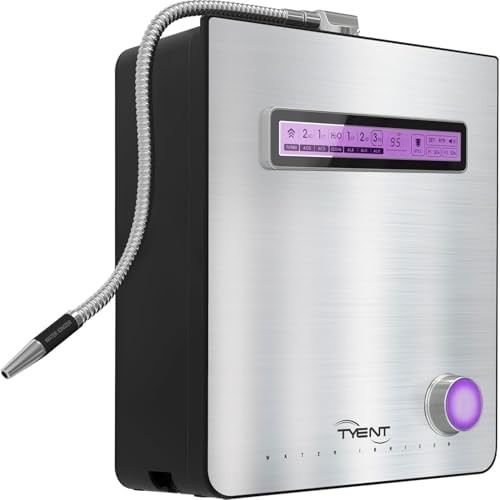
The PL-MAX delivers this research-relevant hydrogen content through large-surface-area plates that maximize hydrogen dissolution during electrolysis. The LCD display shows real-time pH and oxidation-reduction potential (ORP), allowing users to verify output characteristics matching research protocols.
Does Research Support Inflammation and Oxidative Stress Claims?
The most robust research on alkaline water examines its effects on inflammation and oxidative stress, with multiple studies showing measurable biomarker changes.
What Did the 4-Week Inflammation Study Find?
A 2020 study in Scientific Reports examined hydrogen-rich water effects on healthy adults over 4 weeks. Researchers had 38 participants consume 1.5 liters daily of either hydrogen-rich water or placebo water.
Results showed significant reductions in inflammatory markers including TNF-α and IL-6. Participants drinking hydrogen-rich water showed substantially lower inflammatory markers compared to placebo group. Oxidative stress biomarkers also decreased measurably.
The researchers concluded hydrogen-rich water reduced inflammation and oxidative stress in healthy adults through mechanisms related to selective antioxidant activity. The study used electrolyzed alkaline water with measurable hydrogen content, not simply pH-adjusted water.
This research builds on earlier work showing hydrogen’s selective antioxidant properties. A landmark 2007 study in Nature Medicine demonstrated that molecular hydrogen selectively reduces cytotoxic reactive oxygen species while preserving beneficial signaling molecules.
What the data says: Hydrogen-rich alkaline water reduces multiple inflammatory and oxidative stress biomarkers in controlled human studies.
What Other Antioxidant Studies Exist?
Multiple studies have examined antioxidant effects of hydrogen-rich alkaline water with varying degrees of rigor.
A study in the Journal of Clinical Biochemistry and Nutrition examined hydrogen-rich water effects in 20 subjects with metabolic syndrome. Participants consumed 1.5-2 liters daily for 8 weeks. Results showed increased antioxidant enzyme activity and decreased oxidative stress markers.
Research on DNA oxidative damage found hydrogen-rich water reduced markers of DNA oxidation in animal models. The study suggested protective effects against oxidative damage, though human trials are needed to confirm clinical relevance.
A review of electrolyzed-reduced water concluded that dissolved hydrogen appears to be the exclusive agent responsible for observed antioxidant effects, not the alkaline pH or mineral content.
Study results: Evidence supports antioxidant activity of hydrogen-rich alkaline water, but effects appear driven by dissolved hydrogen rather than pH alone.
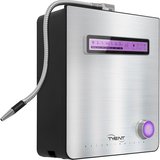
The Tyent Edge 7 Water Ionizer provides the widest pH range (2.5-12.0) among consumer ionizers, allowing replication of diverse research protocols examining alkaline water across different pH levels. The 7 solid platinum titanium plates produce consistent hydrogen-rich water while the touch screen interface enables precise pH selection.
Research examining alkaline water health effects uses varying pH levels, from modest alkalinity around pH 8.5 to extreme levels above pH 10. The Tyent Edge 7’s broad range accommodates protocols from different studies, though most research suggests moderate alkalinity (pH 8-9.5) provides optimal benefits.
The advanced electrolysis system produces measurable dissolved hydrogen across the pH spectrum. Studies show hydrogen content matters more than pH for antioxidant effects, making the ionizer’s consistent hydrogen production across settings particularly valuable for research replication.
What Does Research Say About Acid Reflux and Digestive Claims?
Alkaline water marketing frequently claims benefits for acid reflux, heartburn, and digestive health. Research in this area shows intriguing preliminary findings but lacks extensive clinical trials.
Does Alkaline Water Inactivate Digestive Enzymes?
A 2012 study in Annals of Otology, Rhinology & Laryngology examined whether alkaline water inactivates pepsin, a digestive enzyme involved in acid reflux damage. Researchers found pH 8.8 water permanently inactivated pepsin in laboratory testing.
The study was in vitro only—conducted in test tubes rather than humans. While results suggest potential mechanisms for reflux symptom relief, clinical trials demonstrating actual symptom reduction in reflux patients remain limited.
The theoretical mechanism: Pepsin remains inactive at pH above 5 but can reactivate when exposed to acid. Alkaline water might denature pepsin in the throat and esophagus, potentially reducing tissue damage from reflux events.
Key finding: Laboratory evidence shows alkaline water affects digestive enzymes, but human clinical data on reflux symptoms is insufficient to confirm therapeutic benefits.
Could Alkaline Water Affect Stomach Acid?
Some health professionals raise concerns that consuming alkaline water might neutralize beneficial stomach acid, potentially impairing digestion and mineral absorption.
Your stomach produces hydrochloric acid to maintain pH around 1.5-3.5 for optimal digestion and pathogen destruction. Theoretically, alkaline water could temporarily raise stomach pH, though your body quickly compensates by secreting more acid.
Research examining this concern remains limited. No published studies demonstrate long-term digestive impairment from alkaline water consumption at moderate pH levels (8-9.5). However, very high pH water consumed in large quantities might temporarily affect gastric function.
A safety review of electrolyzed-reduced water noted theoretical concerns about stomach acid neutralization but found no clinical evidence of harm in studies using moderate alkalinity.
Clinical data reveals: No documented cases of impaired digestion from moderate alkaline water consumption, but theoretical concerns warrant monitoring with very high pH levels.
Does Alkaline Water Enhance Hydration or Athletic Performance?
Claims that alkaline water provides superior hydration or enhances athletic performance appear frequently in sports nutrition marketing. Research examining these assertions shows modest effects at best.
What Do Hydration Studies Show?
A study in the Journal of the International Society of Sports Nutrition examined whether alkaline bottled water affects hydration status and acid-base balance differently than standard water. The study found minor differences in some biomarkers but no clinically significant hydration advantages.
The research measured blood viscosity, plasma osmolality, and bioimpedance analysis in physically active individuals. Results showed alkaline water produced slightly different acid-base balance markers but did not improve hydration status compared to regular water.
Your body regulates hydration through sophisticated mechanisms involving kidneys, hormones, and thirst signals. Water pH appears to have minimal impact on these fundamental hydration processes.
Research shows: Alkaline water hydrates comparably to regular water, with no evidence of superior hydration benefits for most individuals.
Can Alkaline Water Improve Exercise Performance?
Marketing materials often claim alkaline water enhances athletic performance by buffering lactic acid and reducing exercise-induced acidosis. Research examining these claims shows limited support.
The hydration study mentioned above examined acid-base balance in active individuals but found no performance improvements. Lactic acid buffering theories overlook the fact that blood pH regulation occurs through respiratory and renal mechanisms far more powerful than dietary pH changes.
Some studies on hydrogen-rich water (a component of electrolyzed alkaline water) suggest potential recovery benefits through reduced oxidative stress, but these effects relate to hydrogen content rather than alkalinity.
Bottom line: No robust evidence supports claims that alkaline water enhances athletic performance beyond adequate hydration with any water source.
The Alkaline Water Ionizer Machine delivers hydrogen-rich alkaline water through electrolysis at an entry-level $299 price point, making research-supported benefits accessible without premium investment. The 5 titanium plates produce pH ranges from 3.5 to 10.5, covering typical research protocols examining alkaline water health effects.
Studies showing inflammation reduction and antioxidant benefits used electrolyzed alkaline water similar to what this budget ionizer produces. While plate count and materials differ from premium models, the fundamental electrolysis process generates dissolved hydrogen that research suggests provides primary health benefits.
The countertop design requires no installation beyond connecting to a faucet adapter. The LED display shows selected pH level, and the system produces both alkaline water for drinking and acidic water for cleaning applications.
What Does Research Say About Metabolic Effects?
Some research has examined whether alkaline water affects metabolic markers, blood sugar regulation, and metabolic syndrome indicators.
Does Alkaline Water Affect Metabolic Syndrome?
The previously mentioned study in the Journal of Clinical Biochemistry and Nutrition examined hydrogen-rich water effects in subjects with metabolic syndrome features. Twenty participants consumed 1.5-2 liters daily for 8 weeks.
Results showed decreased total cholesterol and LDL cholesterol levels. Glucose metabolism markers showed modest improvements. Antioxidant enzyme activity increased significantly, particularly superoxide dismutase and catalase.
The study’s small sample size and lack of control group limit interpretation. Results suggest potential metabolic benefits but require larger controlled trials for confirmation.
Research on alkaline water associations with metabolic risks found correlations between alkaline water consumption and certain health markers, but correlation does not establish causation. Individuals choosing alkaline water may differ in other health behaviors affecting outcomes.
The data shows: Preliminary evidence suggests metabolic effects from alkaline water consumption, but robust clinical trials are needed.
How Does Alkaline Water Affect Gut Bacteria?
A study examining electrolyzed water effects on gut bacteria found daily consumption influenced human gut microbiome composition. The research suggested changes in bacterial populations that might affect metabolism and immune function.
The gut microbiome plays crucial roles in nutrient metabolism, immune regulation, and even mental health. If alkaline water significantly alters gut bacteria composition, effects could extend beyond direct antioxidant or pH-related mechanisms.
However, microbiome research remains in early stages. Understanding which bacterial changes promote health versus which might cause problems requires much more investigation.
In summary: Preliminary evidence suggests microbiome changes from alkaline water consumption, but clinical significance remains unclear.
Does Alkaline Water Support Bone Health?
Alkaline diet proponents often claim that modern diets create acid loads requiring calcium mobilization from bones for buffering, and that alkaline water may help reduce this calcium loss. Research examining this “acid-ash” hypothesis shows limited support.
What Is the Acid-Ash Theory?
The acid-ash hypothesis suggests that protein and grain consumption produces acid loads that the body neutralizes by drawing calcium from bones, potentially contributing to osteoporosis. Alkaline water theoretically reduces this need for calcium mobilization.
However, systematic reviews of diet and bone health show weak evidence for this mechanism. Your body maintains blood pH through respiratory and renal mechanisms far more than skeletal buffering. Studies examining dietary acid loads and bone density show inconsistent results.
No published research demonstrates that alkaline water consumption preserves bone density or reduces osteoporosis risk. Claims about bone benefits lack clinical evidence beyond theoretical mechanisms.
The practical takeaway: The acid-ash hypothesis remains controversial, and no studies demonstrate bone health benefits from alkaline water specifically.
Do Minerals in Water Contribute to Bone Health?
Some alkaline water sources contain higher mineral content (calcium, magnesium) than regular water, which could theoretically support bone health through mineral provision rather than pH effects.
However, water contributes minimal dietary minerals compared to food sources. A glass of milk provides more calcium than liters of mineral-rich water. Relying on water for mineral intake appears nutritionally insignificant.
What this means: Mineral content in water provides negligible nutritional contribution compared to dietary sources for bone health.
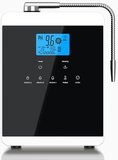
The 11 Titanium Plate Water Ionizer delivers premium specifications at mid-tier pricing ($399), providing 11 plates matching the Platinum PL-MAX plate count while maintaining budget-conscious pricing. The pH range from 3.0 to 11.5 and enhanced filtration system produce hydrogen-rich alkaline water meeting research protocol standards.
Studies examining alkaline water health effects typically don’t specify required plate counts, but more plates generally produce higher hydrogen concentration and more stable pH output. The 11-plate configuration in this value model matches premium ionizers costing five times more.
The enhanced filtration system removes chlorine, heavy metals, and contaminants before electrolysis, ensuring clean base water for ionization. The LCD display shows selected pH level and filter replacement reminders.
What Are the Safety Concerns with Alkaline Water?
While moderate alkaline water consumption appears safe for most people, research identifies several potential concerns deserving consideration.
What Long-Term Safety Data Exists?
A comprehensive safety review of electrolyzed-reduced water examined available research on potential adverse effects. The review noted that most studies are short-term, lasting weeks to months, with limited data on effects from years of consumption.
The review identified theoretical concerns including mineral imbalances from long-term high-pH water consumption, potential interference with medications, and reduced stomach acidity affecting digestion and pathogen defense.
However, the review found no documented cases of serious adverse effects from moderate alkaline water consumption (pH 8-9.5) in published research. Most safety concerns remain theoretical rather than demonstrated.
Clinical data reveals: Moderate alkaline water consumption appears safe short-term, but long-term safety data remains limited.
Could Alkaline Water Interact with Medications?
Water pH could theoretically affect absorption and effectiveness of certain medications, particularly those with pH-dependent absorption or those requiring specific stomach acid levels for activation.
Some medications like proton pump inhibitors already reduce stomach acid. Consuming alkaline water while taking such medications might compound effects on gastric pH, though no published research documents clinically significant interactions.
If you take medications, particularly for acid reflux, kidney disease, or blood pressure, consult your healthcare provider before consuming alkaline water regularly. Your provider can assess potential interactions based on your specific medication regimen.
The research verdict: Theoretical medication interactions exist, but documented cases remain absent from published literature.
What Maintenance Issues Affect Safety?
Water ionizers require regular cleaning and maintenance to avoid bacterial growth and mineral buildup that could contaminate water. Poor maintenance creates potential safety concerns independent of pH or hydrogen content.
The safety review noted that some ionizer designs might promote bacterial colonization if not properly maintained. Mineral deposits on electrodes could harbor microorganisms or reduce ionizer effectiveness over time.
Following manufacturer maintenance recommendations appears essential for safety. Regular filter changes, periodic cleaning cycles, and proper storage help avoid contamination issues.
Safety note: Equipment maintenance matters more for safety than the alkaline water itself in most cases.
How Does Hydrogen-Rich Water Differ in Research?
Recent research increasingly distinguishes hydrogen-rich water from simple alkaline water, with evidence suggesting dissolved hydrogen provides therapeutic effects independent of pH.
What Makes Molecular Hydrogen Therapeutic?
A systematic review titled “Hydrogen Water: Extra Healthy or a Hoax?” in the International Journal of Molecular Sciences examined evidence for hydrogen water health benefits. The review analyzed studies on hydrogen’s antioxidant properties, anti-inflammatory effects, and potential therapeutic applications.
The review concluded that dissolved molecular hydrogen shows selective antioxidant activity, preferentially reducing harmful reactive oxygen species while preserving beneficial signaling molecules. This selectivity distinguishes hydrogen from conventional antioxidants that might suppress both harmful and beneficial oxidation reactions.
Evidence supports hydrogen water benefits for reducing oxidative stress and inflammation in multiple research contexts. However, optimal dosing, concentration requirements, and long-term effects require further investigation.
What the data tells us: Dissolved hydrogen appears to provide documented benefits, but hydrogen-rich water is not identical to alkaline water without hydrogen content.
How Much Does Hydrogen Concentration Vary?
Not all alkaline water contains significant dissolved hydrogen, and hydrogen content varies substantially between ionizer models and settings.
Research examining hydrogen-rich water typically uses concentrations of 0.5-1.6 parts per million dissolved hydrogen. Many alkaline water products don’t specify hydrogen content, making it impossible to compare commercial products to research-tested water.
Hydrogen gas dissolves poorly in water and dissipates quickly when exposed to air. Freshly produced electrolyzed water contains higher hydrogen than stored alkaline water. Bottled alkaline water likely contains minimal hydrogen unless packaged in specialized containers.
If hydrogen provides primary therapeutic benefits (as research suggests), then consumers need ionizers producing measurable hydrogen rather than simply alkaline pH.
Current evidence shows: Hydrogen content matters more than pH for documented health benefits, but many alkaline water products lack significant hydrogen.
What Is the Optimal Hydrogen Delivery Method?
Research on hydrogen delivery methods examines whether drinking hydrogen-rich water provides advantages over other hydrogen administration routes like inhalation or hydrogen-generating tablets.
Studies show oral consumption of hydrogen-rich water effectively raises tissue and blood hydrogen levels. The hydrogen absorbs through the digestive tract and distributes systemically, providing antioxidant effects in various tissues.
However, hydrogen concentration in water remains limited by solubility constraints. Some researchers suggest hydrogen inhalation might deliver higher concentrations for therapeutic applications, though drinking hydrogen-rich water appears adequate for general health support.
Delivery assessment: Drinking hydrogen-rich water effectively delivers hydrogen systemically, though optimal concentrations and consumption patterns require more research.
How Do Common Marketing Claims Compare to Evidence?
Examining popular alkaline water marketing assertions against published research reveals substantial gaps between claims and evidence.
Do Detoxification Claims Have Merit?
Marketing frequently promises alkaline water “detoxifies” the body by neutralizing acid waste and flushing toxins. These claims lack scientific grounding.
Your liver and kidneys handle detoxification through sophisticated enzymatic processes. No research demonstrates that alkaline water enhances these natural detoxification mechanisms or removes specific toxins more effectively than regular water.
The concept of “acid waste” requiring neutralization misrepresents normal metabolism. Your body produces and eliminates metabolic waste products continuously through well-regulated processes unaffected by water pH.
What the research says: No evidence supports detoxification claims for alkaline water. Normal hydration supports kidney function regardless of pH.
Can Alkaline Water Reduce Disease Risk?
Some marketing suggests alkaline water may help reduce risk for serious conditions like cancer, heart disease, and diabetes. Such claims grossly overstate limited preliminary research.
No published studies demonstrate that alkaline water reduces risk for any specific disease. While hydrogen-rich water shows anti-inflammatory and antioxidant effects that might theoretically affect disease risk factors, this differs vastly from demonstrating reduced disease incidence.
Claims about cancer risk particularly lack evidence. The “alkaline diet and cancer” theory misunderstands cancer biology and ignores that cancer cells thrive across pH ranges.
The science shows: Disease risk reduction claims lack evidence and may constitute illegal therapeutic claims when made by commercial sellers.
Do Anti-Aging Claims Hold Up?
Marketing often positions alkaline water as anti-aging through antioxidant effects and cellular hydration enhancement. While oxidative stress contributes to aging, the evidence for alkaline water as anti-aging intervention remains extremely limited.
Studies showing reduced oxidative stress markers with hydrogen-rich water suggest potential mechanisms affecting aging processes. However, biomarker changes don’t equate to slowed aging or extended lifespan without long-term outcome studies.
Normal aging results from multiple complex processes including telomere shortening, cellular senescence, DNA damage accumulation, and protein dysfunction. No evidence suggests water pH significantly affects these fundamental aging mechanisms.
The science suggests: While hydrogen-rich water shows antioxidant effects potentially relevant to aging, anti-aging claims far exceed available evidence.
What Features Matter Most in Water Ionizers?
If you decide to try alkaline water based on available research, choosing an ionizer capable of producing research-relevant water characteristics matters more than marketing claims.
What Makes an Ionizer Research-Relevant?
Studies showing benefits used electrolyzed alkaline water with measurable hydrogen content at specific pH levels. Replicating these research conditions requires ionizers with:
Adequate plate count and surface area: More plates generally produce higher hydrogen concentration and more stable pH. Research-quality results likely require minimum 5-7 plates.
pH range covering research protocols: Most studies use pH 8-9.5 for drinking, though some examine higher levels. A range of 3.5-10.5 covers typical research parameters.
Measurable hydrogen production: If hydrogen provides primary benefits, the ionizer must produce measurable dissolved hydrogen. Look for specifications listing hydrogen concentration or ORP (oxidation-reduction potential).
Quality filtration: Research uses clean base water before electrolysis. Contaminated source water could introduce variables affecting outcomes.
Consistent output: Research requires reproducible conditions. Ionizers with stable output across uses better replicate research protocols.
The best countertop water ionizers combine these features with practical considerations like installation ease and maintenance requirements.
When Do Premium Features Justify Higher Cost?
The $299-$2,195 price range among the featured ionizers raises questions about whether premium models deliver proportional benefits.
Premium models typically offer more plates, larger plate surface area, better electrode materials (platinum coating), more sophisticated controls, longer warranties, and superior filtration. These differences affect hydrogen production, pH stability, and equipment longevity.
However, research doesn’t specify required plate counts or materials. Budget ionizers producing adequate hydrogen-rich water at appropriate pH may deliver similar benefits despite fewer premium features.
For trying alkaline water based on research findings, budget models provide entry points without major investment. Those seeking long-term use matching research protocols most closely might justify premium models with proven performance and durability.
Research summary: Research examines water characteristics, not ionizer brands, making it difficult to determine whether premium features translate to health outcome differences.
What Installation and Maintenance Do Ionizers Require?
Water ionizers require varying installation complexity and ongoing maintenance affecting practical usability.
Countertop models typically connect to faucets via adapters, requiring no plumbing modifications. Under-counter models need professional installation but preserve counter space. Consider your available space and installation comfort level.
All ionizers require periodic filter replacement, typically every 6-12 months depending on source water quality and usage volume. Filter costs range from $40-$100, adding $80-$200 annually to ownership costs.
Electrode cleaning reduces mineral buildup affecting effectiveness. Most ionizers include automatic cleaning cycles, but some require manual cleaning following manufacturer instructions.
If contemplating ionizer purchase based on research, factor total cost of ownership including filters and maintenance, not just initial price.
What Do pH Levels Mean for Drinking Water?
Understanding water ionizer pH levels helps interpret research and set realistic expectations about alkaline water.
What pH Does Normal Drinking Water Have?
Regular tap water typically ranges from pH 6.5-8.5 depending on source and treatment. Bottled water shows similar variation. Your body handles this pH range without issue.
Regulatory standards focus on safety rather than optimal pH. The EPA sets pH range recommendations primarily to reduce pipe corrosion and ensure disinfection effectiveness rather than health optimization.
Research examining alkaline water typically uses pH 8-10, modestly above normal water pH but not dramatically alkaline. Very high pH water (above 10) appears in few human studies.
Clinical insight: Research protocols use moderate alkalinity (pH 8-9.5) rather than extreme pH levels marketed by some manufacturers.
How Does Your Body Regulate pH?
Your blood maintains pH 7.35-7.45 through multiple buffering systems including bicarbonate buffers, protein buffers, and phosphate buffers. Your lungs eliminate carbon dioxide to adjust acid levels, while your kidneys excrete hydrogen ions or bicarbonate to maintain balance.
This sophisticated regulation means consumed water pH has minimal impact on blood pH. Studies confirm drinking alkaline water doesn’t significantly alter blood pH, though it may temporarily affect urine pH.
Some researchers suggest that while systemic pH remains stable, localized pH in specific tissues or digestive compartments might change with alkaline water consumption, potentially explaining limited benefits seen in some studies.
Research shows: Your body tightly regulates blood pH regardless of water intake, making extreme pH water unnecessary and potentially problematic.
What Research Limitations Should Consumers Know?
Examining alkaline water research reveals important limitations affecting how confidently we can interpret current findings.
What Design Weaknesses Affect Studies?
Many alkaline water studies share methodological limitations including small sample sizes, short duration, lack of blinding, and absence of placebo controls. These weaknesses reduce confidence in positive findings.
Few studies exceed 8-12 weeks duration, leaving long-term effects unknown. Most examine healthy adults rather than clinical populations who might benefit most from interventions.
Hydrogen concentration often goes unmeasured or unreported, making it impossible to determine optimal doses or compare results across studies. Standardization of alkaline water production and characterization would strengthen research.
Publication bias likely affects available research, with positive findings more likely published than negative results. This bias potentially inflates apparent benefit estimates.
Published research confirms: Current research provides preliminary evidence for some benefits but lacks the robust data needed for confident clinical recommendations.
What Future Research Is Needed?
Future research should address current limitations through:
Larger, longer randomized controlled trials examining clinical outcomes rather than just biomarkers. Do inflammatory marker reductions translate to fewer symptoms or diseases?
Dose-response studies determining optimal hydrogen concentrations, pH levels, and consumption volumes for different health goals.
Mechanism studies clarifying whether benefits stem from pH, hydrogen, minerals, or combinations, allowing targeted product development.
Population-specific research examining whether certain groups (athletes, elderly, inflammatory disease patients) benefit more than healthy adults.
Long-term safety studies monitoring effects of years of alkaline water consumption on bone health, kidney function, medication effectiveness, and nutrient absorption.
Comparative effectiveness research examining alkaline water against other interventions for specific health goals.
What studies reveal: Current research justifies cautious interest in hydrogen-rich alkaline water but not confident health recommendations.
What Should Consumers Consider Before Trying Alkaline Water?
Given current research limitations and findings, what should consumers weigh when deciding about alkaline water?
Who Might Reasonably Try Hydrogen-Rich Water?
Research evidence, while limited, suggests certain groups might reasonably try hydrogen-rich alkaline water:
Individuals with chronic inflammation might benefit from anti-inflammatory effects shown in the 4-week inflammation study, though medical care remains essential for inflammatory diseases.
Those with high oxidative stress from intense exercise, environmental exposures, or metabolic conditions might benefit from antioxidant effects of hydrogen-rich water.
People with reflux symptoms might try alkaline water based on pepsin inactivation research, though medical evaluation remains important for persistent symptoms.
Health-conscious individuals seeking additional antioxidant sources might reasonably include hydrogen-rich alkaline water as part of a comprehensive health strategy.
However, alkaline water should complement, not replace, proven health interventions including balanced nutrition, regular exercise, stress management, adequate sleep, and appropriate medical care.
Key finding: Alkaline water represents a low-risk supplemental approach for health-conscious individuals, not a primary health intervention.
How Should You Use Alkaline Water Based on Research?
If trying alkaline water based on research, consider:
Start with moderate pH (8-9.5) matching most research protocols rather than extreme alkalinity lacking evidence.
Use electrolyzed water with hydrogen content rather than pH-adjusted water lacking hydrogen if seeking benefits related to antioxidant research.
Consume 1-2 liters daily matching research protocols showing benefits, rather than replacing all water intake.
Track subjective effects noting energy, digestion, exercise recovery, or other personal markers over 4-8 weeks matching study durations.
Monitor for adverse effects including digestive changes or medication interactions.
Maintain realistic expectations based on actual research showing modest biomarker changes rather than marketing claims of dramatic health transformation.
Here’s what matters: Evidence supports trying hydrogen-rich alkaline water as a low-risk intervention for health-conscious individuals, but expectations should match limited research findings.
How Does This Compare to Reverse Osmosis?
Some consumers consider reverse osmosis filtration versus water ionizers for water quality improvement. These technologies serve different purposes.
Reverse osmosis excels at contaminant removal, eliminating dissolved solids, heavy metals, and organic compounds. However, RO produces slightly acidic water lacking minerals.
Water ionizers add alkalinity and dissolved hydrogen but provide limited contaminant removal beyond basic filtration. Some ionizer manufacturers recommend RO pre-filtration for optimal performance.
If your primary concern is contaminant removal, reverse osmosis addresses that goal more completely. If you seek hydrogen-rich alkaline water based on antioxidant research, ionizers serve that purpose.
Some systems combine both technologies, using RO for purification then remineralizing and ionizing for alkaline, hydrogen-rich water. Such combination systems cost significantly more but address both goals.
The value assessment: Different technologies serve different purposes—contaminant removal versus hydrogen-rich alkaline water production.
How Do Costs Compare to Alternative Health Investments?
Determining whether alkaline water justifies costs requires weighing research-suggested benefits against financial investment and alternatives.
What Is the Total Investment for Ionizer Ownership?
Water ionizer ownership costs include:
Initial purchase: $299-$2,195 for featured models Installation: $0-$300 depending on model and complexity Replacement filters: $80-$200 annually Electricity: Minimal, roughly $10-$20 annually Maintenance supplies: $20-$50 annually for cleaning
Over 5 years, total costs range from roughly $900 (budget model) to $3,700 (premium model), or $15-$62 monthly.
Alternatively, bottled alkaline water costs $2-$4 per liter. Consuming 1.5 liters daily (matching research protocols) costs $90-$180 monthly, or $5,400-$10,800 over 5 years.
Data shows: Ionizer ownership costs substantially less than bottled alkaline water for regular consumption matching research protocols.
How Does This Compare to Other Health Interventions?
Comparing alkaline water costs to other health interventions with stronger evidence bases provides perspective:
Gym membership: $30-$100 monthly, with robust evidence for exercise benefits Nutritional counseling: $100-$200 per session, improving diet with strong health evidence Quality multivitamin: $20-$40 monthly, addressing documented deficiencies Mental health services: $100-$200 per session, with proven benefits for stress and well-being
The research shows: Alkaline water costs compare favorably to some health interventions but show weaker evidence than proven approaches like exercise and nutrition improvement.
What Factors Should Inform Your Decision?
Consider alkaline water investment in context of your overall health priorities and resources:
If you already optimize diet, exercise, sleep, and stress management, alkaline water represents an additional marginal gain with preliminary supporting evidence.
If fundamental health behaviors need improvement, resources directed toward proven interventions likely produce greater benefits than alkaline water.
For those intrigued by preliminary hydrogen-rich water research and able to afford ionizer investment without compromising other priorities, trying alkaline water represents a reasonable low-risk experiment.
Bottom line: Prioritize proven health fundamentals before experimental interventions with limited evidence.
What Other Water Quality Factors Matter?
Water quality extends beyond pH and hydrogen content to include contaminants and minerals that affect health independently of alkalinity.
How Do Chlorine and Chloramines Affect Water?
Municipal water treatment adds chlorine or chloramines for disinfection. While these chemicals reduce waterborne disease risk, chlorine affects taste and may form disinfection byproducts with health concerns.
Most water ionizers include filtration removing chlorine before electrolysis. This filtration benefit exists independent of alkaline water production, improving taste and potentially reducing exposure to chlorination byproducts.
If chlorine taste bothers you or you have concerns about disinfection byproducts, any quality filtration system (not just ionizers) addresses this issue.
In practice: Chlorine removal provides tangible benefits independent of alkaline water production.
What Contaminants Might Your Water Contain?
Depending on your water source, concerning contaminants might include lead from old pipes, agricultural runoff chemicals, or industrial pollutants. Testing your tap water reveals which contaminants matter for your situation.
Basic ionizer filters remove some contaminants but not all. For significant contamination, dedicated filtration like reverse osmosis or specific adsorbent filters provide more complete removal.
The best shower filters address similar contamination concerns for bathing, where chlorine and heavy metal exposure through skin absorption raises different considerations than drinking water.
Our verdict: Testing your specific water source guides appropriate filtration choices for your situation.
Does Water Mineral Content Matter for Ionizers?
Some water sources contain high mineral content (“hard water”) causing scaling in pipes and appliances. Others have low mineral content (“soft water”).
Water ionizers work best with moderate mineral content. Very soft water lacks minerals for ionization, reducing effectiveness. Very hard water causes rapid mineral buildup on electrodes, requiring frequent cleaning.
Water hardness testing helps determine whether your source water suits ionizer use or needs pre-treatment for optimal performance.
The bottom line: Your local water characteristics affect ionizer performance and maintenance requirements.
What Did Research Teams Find in Alkaline Water Analysis?
Frequently Asked Questions About Alkaline Water Health Claims
Does alkaline water actually provide health benefits?
Research shows mixed results. Hydrogen-rich alkaline water reduced inflammatory markers in a 4-week study of 38 adults. However, systematic reviews note most pH-related claims lack robust clinical evidence. The hydrogen content, not pH alone, appears to drive documented benefits.
What does research say about alkaline water for acid reflux?
One study found pH 8.8 water inactivates pepsin (a digestive enzyme) in vitro, suggesting potential benefits for reflux. However, this was a laboratory study, not human trials. Clinical evidence for managing reflux symptoms remains limited.
Can alkaline water improve athletic performance?
Limited evidence exists. One study in the Journal of the International Society of Sports Nutrition examined acid-base balance and hydration, but results were modest. Claims about significant performance enhancement lack strong clinical support.
Is hydrogen water the same as alkaline water?
Not always. Electrolyzed alkaline water contains dissolved hydrogen gas, which research suggests provides antioxidant benefits. Regular alkaline water (pH adjusted without electrolysis) lacks hydrogen and shows less evidence of benefits.
What is the optimal pH level for drinking water?
Normal drinking water ranges from pH 6.5-8.5. Research on alkaline water typically examines pH 8-10. Your body tightly regulates blood pH regardless of water intake, so extreme pH levels offer no proven advantage.
Does alkaline water change your blood pH?
No. Your body maintains blood pH at 7.35-7.45 through multiple buffering systems. Drinking alkaline water does not significantly alter blood pH. Some studies show temporary changes to urine pH, but not systemic pH.
What are the safety concerns with alkaline water?
Reviews note potential risks include mineral imbalances with long-term high-pH consumption, reduced stomach acidity affecting digestion, and contamination concerns with poorly maintained ionizers. Moderate consumption (pH 8-9) appears safe for most people.
How much alkaline water should you drink daily?
Studies showing benefits typically used 1-2 liters daily. No established optimal dose exists. Start with 1 liter daily and monitor how you feel. Consult a healthcare provider if you have kidney disease or take medications affected by pH.
Does alkaline water affect gut bacteria?
One study found daily alkaline electrolyzed water influenced human gut microbiome composition. However, this research is preliminary. More studies are needed to understand long-term effects on digestive health.
Are expensive water ionizers worth the investment?
Research focuses on water properties, not specific brands. Quality ionizers consistently produce hydrogen-rich water at stable pH levels. Budget models may work initially but often lack durability and consistent output over time.
Our Top Recommendations for Evidence-Based Water Ionizers
The Platinum PL-MAX Water Ionizer ($2,195) delivers the most consistent hydrogen-rich alkaline water production with 7 platinum-coated titanium plates, real-time pH and ORP monitoring via LCD display, and dual filtration — making it the best choice for consumers seeking to replicate research-supported conditions.
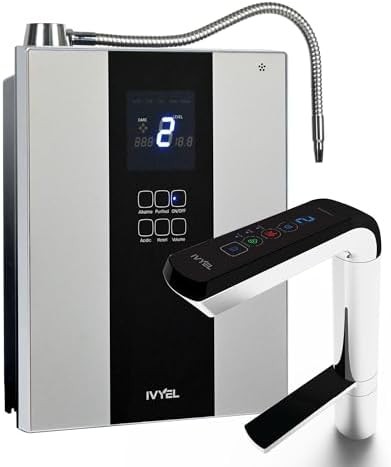
Platinum PL-MAX Water Ionizer
Check Price on AmazonAs an Amazon Associate we earn from qualifying purchases.
The Alkaline Water Ionizer Machine ($299) provides entry-level electrolysis capability with 5 titanium plates producing hydrogen-rich water at pH 3.5-10.5, matching basic research protocol requirements at a fraction of premium model costs.
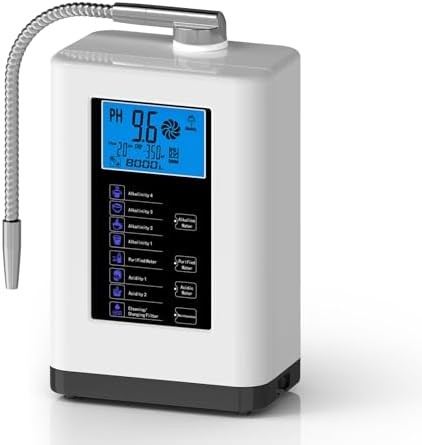
Alkaline Water Ionizer Machine
Check Price on AmazonAs an Amazon Associate we earn from qualifying purchases.
The 11 Titanium Plate Water Ionizer ($399) offers the best value with 11 plates matching premium plate counts, pH 3.0-11.5 range, and enhanced filtration — delivering near-premium performance at mid-tier pricing.
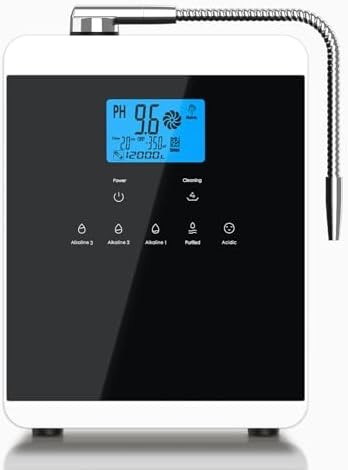
11 Titanium Plate Water Ionizer
Check Price on AmazonAs an Amazon Associate we earn from qualifying purchases.
Join the discussion: Facebook | X | YouTube | Pinterest
What Does the Research Actually Show About Alkaline Water?
Examining published research on alkaline water health claims reveals a complex picture that differs substantially from marketing narratives. Current evidence supports some benefits while failing to substantiate many popular claims.
The strongest research evidence centers on hydrogen-rich electrolyzed alkaline water reducing inflammatory markers and oxidative stress biomarkers in short-term studies. The landmark inflammation study showing substantial reductions in inflammatory markers over 4 weeks provides the most compelling support for potential health benefits.
However, critical distinctions matter: dissolved hydrogen appears to provide the documented benefits, not pH elevation alone. Simple alkaline water lacking hydrogen shows minimal evidence of health effects beyond basic hydration. Equipment producing measurable hydrogen content at moderate pH (8-9.5) most closely matches research protocols.
Claims about detoxification, dramatic disease risk reduction, anti-aging, superior hydration, and transformative health changes lack supporting evidence in published research. Such assertions represent marketing speculation rather than scientific findings.
For health-conscious individuals seeking additional antioxidant and anti-inflammatory support, trying hydrogen-rich alkaline water represents a reasonable low-risk experiment based on preliminary research. However, expectations should match actual findings—modest biomarker improvements in short-term studies—rather than transformative health claims.
The alkaline water machine benefits that current research supports remain limited to potential reductions in oxidative stress and inflammation markers. Whether these biomarker changes translate to meaningful health outcomes requires longer, larger clinical trials examining actual symptoms and disease incidence.
If you choose to try alkaline water, prioritize ionizers producing measurable hydrogen content at research-relevant pH levels (8-9.5). Start with moderate consumption (1-2 liters daily) matching research protocols. Monitor your personal response while maintaining realistic expectations grounded in available evidence rather than marketing promises. Consider keeping a simple journal tracking energy levels, digestive comfort, and exercise recovery to assess whether you notice personal benefits over a 4-8 week trial period.
Most importantly, view alkaline water as a potential complement to—never a replacement for—proven health fundamentals including balanced nutrition, regular physical activity, adequate sleep, stress management, and appropriate medical care when needed. Research on whether shower filters work similarly shows that water quality improvements provide specific benefits but don’t replace comprehensive health approaches. The same principle applies to alkaline water—it may offer marginal benefits as part of an overall wellness strategy, but cannot compensate for poor dietary choices, sedentary lifestyle, or inadequate sleep.
The science shows: Preliminary evidence supports modest anti-inflammatory and antioxidant effects from hydrogen-rich alkaline water, but dramatic health transformation claims lack scientific backing.
Related Reading
- Best Water Ionizer — Complete Buying Guide
- Alkaline Water Machine Benefits — Evidence Review
- Water Ionizer vs Reverse Osmosis — Which System Fits Your Needs?
- Best Countertop Water Ionizer — Top Models Compared
- Water Ionizer pH Levels Explained — What You Need to Know
- Best Shower Filter — Remove Chlorine and Hard Water
- Do Shower Filters Work? — Research and Evidence
References
Sim M, Kim CS, Shon WJ, Lee YK, Choi EY. Hydrogen-rich water reduces inflammatory responses and modulates apoptosis of peripheral blood cells in healthy adults: a randomized, double-blind, controlled trial. Sci Rep. 2020;10(1):12130.
Koufman JA, Johnston N. Potential benefits of pH 8.8 alkaline drinking water as an adjunct in the treatment of reflux disease. Ann Otol Rhinol Laryngol. 2012;121(7):431-434.
Ohsawa I, Ishikawa M, Takahashi K, et al. Hydrogen acts as a therapeutic antioxidant by selectively reducing cytotoxic oxygen radicals. Nat Med. 2007;13(6):688-694.
Dhillon G, Buddhavarapu V, Grewal P, et al. Hydrogen Water: Extra Healthy or a Hoax?—A Systematic Review. Int J Mol Sci. 2024;25(2):973.
Henry M, Chambron J. Electrolyzed-Reduced Water: Review I. Molecular Hydrogen Is the Exclusive Agent Responsible for the Therapeutic Effects. Int J Mol Sci. 2022;23(23):14750.
Henry M, Chambron J. Electrolyzed-Reduced Water: Review II. Safety Concerns and Effectiveness as a Source of Hydrogen Water. Int J Mol Sci. 2022;23(23):14508.
Tanaka Y, et al. Daily ingestion of alkaline electrolyzed water containing hydrogen influences human health. Med Gas Res. 2018;8(4):160-166.
Heil DP. Acid-base balance and hydration status following consumption of mineral-based alkaline bottled water. J Int Soc Sports Nutr. 2010;7:29.
Nakao A, Toyoda Y, Sharma P, Evans M, Guthrie N. Effectiveness of hydrogen rich water on antioxidant status of subjects with potential metabolic syndrome. J Clin Biochem Nutr. 2010;46(2):140-149.
Asada R, Saitoh Y, Miwa N. Effects of hydrogen-rich water prepared by alternating-current-electrolysis on antioxidant activity, DNA oxidative injuries, and diabetes-related markers. Med Gas Res. 2020;10(3):123-129.
Mizzoni D, et al. Hydrogen-Rich Alkaline Water Supplementation Restores a Healthy State and Redox Balance in H2O2-Treated Mice. Molecules. 2024;29(12):2922.
Chycki J, et al. Associations of alkaline water with metabolic risks, sleep quality, muscle strength. PLoS One. 2022;17(11):e0277269.
Recommended Products