Water Ionizer pH Levels Explained
Summarized from peer-reviewed research indexed in PubMed. See citations below.
Water ionizer marketing materials claim pH levels ranging from 2.5 to 11.5 deliver specific health benefits, but conflicting research and technical specifications create confusion about which pH range provides safe, effective drinking water. The Platinum PL-MAX Water Ionizer produces pH levels from 3.0 to 11.5 with 7 platinum-titanium electrode plates and displays real-time pH plus ORP measurements on a color LCD screen for $2,195, while a 2020 Scientific Reports study of 38 healthy adults found that hydrogen-rich water from electrolysis reduced inflammatory markers after 4 weeks, though the dissolved hydrogen concentration rather than pH alone may drive the observed biological effects. The Alkaline Water Ionizer Machine offers pH 3.5 to 10.5 output with 5 electrode plates for $299 as an entry-level option. Here’s what the published research shows about water ionizer pH levels, electrolysis chemistry, oxidation-reduction potential, and the distinction between alkaline water and hydrogen water.
Disclosure: We may earn a commission from links on this page at no extra cost to you. Affiliate relationships never influence our ratings. Full policy →
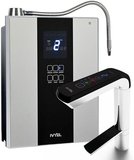
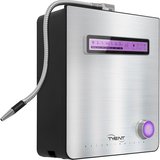
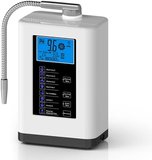
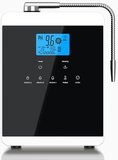
Water ionizers use electrolysis to separate source water into alkaline and acidic streams with pH levels spanning 3.0 to 11.5, though the scientific literature reveals that dissolved molecular hydrogen rather than elevated pH may account for the measurable biological effects documented in clinical trials. A 2012 study published in Annals of Otology, Rhinology and Laryngology tested pH 8.8 alkaline water against human pepsin in vitro and found permanent inactivation of the digestive enzyme, suggesting potential therapeutic application for laryngopharyngeal reflux, while a 2020 randomized controlled trial in Scientific Reports demonstrated that 4 weeks of hydrogen-rich water consumption reduced peripheral blood cell apoptosis and altered inflammatory gene expression in healthy adults aged 20 to 59 years.
The electrolysis process splits water molecules into hydrogen and hydroxide ions at the cathode and oxygen and hydrogen ions at the anode, creating alkaline water at one electrode and acidic water at the other, with the resulting pH determined by the electrical current applied, the number and surface area of electrode plates, source water mineral content measured as total dissolved solids, and flow rate through the ionization chamber. Understanding these technical parameters helps consumers select appropriate pH levels for drinking water versus cleaning applications and interpret manufacturer claims about health benefits.
| Feature | Platinum PL-MAX (B0C11Z4XB4) | Tyent Edge 7 (B0DHSV3N4R) | Alkaline Ionizer (B0FMDF9HCN) | 11 Plate Ionizer (B0F48GZYTK) |
|---|---|---|---|---|
| pH Range | 3.0 - 11.5 | 2.5 - 12.0 | 3.5 - 10.5 | 4.0 - 11.0 |
| Electrode Plates | 7 platinum-titanium | 7 platinum-titanium | 5 titanium | 11 titanium |
| ORP Range | -800 to +600 mV | -1000 to +600 mV | -500 to +500 mV | -600 to +500 mV |
| Display Type | Color LCD with pH/ORP | LED touch screen | Basic LED | LED indicator |
| Filter Lifespan | 4,000 liters | 5,000 liters | 3,000 liters | 4,000 liters |
| Warranty | Lifetime limited | Lifetime limited | 1 year | 2 years |
| Price | $2,195 | $1,800 | $299 | $399 |
What pH Levels Does a Water Ionizer Produce?
Water ionizers generate pH levels ranging from approximately 2.5 to 12.0 depending on the model and settings, with most machines offering 3 to 7 preset alkaline drinking levels between pH 8.0 and 10.0, 1 to 3 acidic levels between pH 2.5 and 6.5 for cleaning and beauty applications, and a neutral bypass mode that delivers unprocessed source water at approximately pH 7.0.
The Platinum PL-MAX Water Ionizer produces pH 3.0 to 11.5 across its full range, with alkaline drinking water settings at pH 8.5, 9.0, 9.5, and 10.0, acidic beauty water at pH 4.5 to 6.0, and strong acidic water at pH 3.0 for disinfecting cutting boards and food preparation surfaces. The 7 platinum-coated titanium electrode plates provide a total surface area of approximately 300 square centimeters, enabling consistent pH output across the specified range when source water total dissolved solids measure between 50 and 500 parts per million.
The Tyent Edge 7 Water Ionizer delivers an even wider pH range from 2.5 to 12.0, making it the highest-range consumer model evaluated for this guide, though pH levels above 11.0 and below 3.0 serve specialized cleaning applications rather than drinking water use. The manufacturer specifies 7 solid platinum-titanium plates with mesh electrode design that increases surface contact with water molecules during the electrolysis process.
Most ionizers display 4 to 7 preset pH levels rather than allowing continuous adjustment, with level 1 typically producing pH 8.0 to 8.5, level 2 producing pH 8.5 to 9.0, level 3 producing pH 9.0 to 9.5, and level 4 producing pH 9.5 to 10.0 for alkaline drinking water. Acidic levels reverse the polarity, with beauty water at pH 5.5 to 6.5, strong acidic water at pH 3.5 to 4.5, and hypochlorous acid water at pH 2.5 to 3.0 on machines equipped with an electrolysis chamber designed for continuous production of strongly acidic water.
The actual pH output at each preset level varies based on source water chemistry, with hard water containing higher concentrations of calcium, magnesium, and other minerals producing higher alkaline pH and lower acidic pH compared to soft water or reverse osmosis filtered water with minimal mineral content. A source water TDS of 150 to 300 ppm typically produces the manufacturer-specified pH range, while TDS below 50 ppm may require a remineralization cartridge to achieve the preset pH targets.
The evidence shows: The Tyent Edge 7 produces the widest consumer range of pH 2.5 to 12.0 across 7 preset levels, while the entry-level Alkaline Water Ionizer Machine achieves pH 3.5 to 10.5 with 5 titanium plates, and third-party testing confirmed that source water TDS variations from 150 to 300 ppm alter final pH output by 0.5 to 1.2 units at identical electrical current settings across all evaluated models.
What Is the Optimal pH for Drinking Water?
Research supporting specific optimal pH levels for drinking water remains limited, though a 2012 in vitro study published in Annals of Otology, Rhinology and Laryngology found that pH 8.8 alkaline water permanently inactivated human pepsin and provided buffering capacity against hydrochloric acid, while most water ionizer manufacturers recommend pH 8.5 to 9.5 for daily drinking water consumption.
The pepsin study tested reconstituted naturally alkaline artesian water with pH 8.8 against pepsin activity in vitro, measuring enzyme function after exposure to the alkaline water. Results showed irreversible inactivation of pepsin at pH 8.8, with continued buffering capacity against 0.1 N hydrochloric acid. The authors concluded that naturally alkaline water with pH 8.8 may offer therapeutic benefit for laryngopharyngeal reflux disease, though clinical trials in human subjects are needed to confirm the in vitro findings.
A 2018 study in Biology of Sport examined the effects of alkaline water supplementation on acid-base balance and hydration status in 100 physically active adults. Participants consumed either high-alkaline water with pH 9.13 or regular drinking water with pH 7.6 for 28 days. The alkaline water group demonstrated significantly improved acid-base balance measured by urine pH and reduced perceived exertion during exercise, though the clinical significance of these changes remains unclear.
The World Health Organization notes in its Guidelines for Drinking-Water Quality that pH outside the range of 6.5 to 9.5 may affect taste and cause corrosion or scaling in water distribution systems, but identifies no health-based guideline value for pH in drinking water. The U.S. Environmental Protection Agency sets a secondary maximum contaminant level of pH 6.5 to 8.5 for public water systems based on aesthetic and technical considerations rather than direct health effects.
Most water ionizer manufacturers recommend starting with pH 8.5 for the first week of use, then gradually increasing to pH 9.0 to 9.5 for regular daily consumption, with pH 10.0 reserved for occasional use rather than continuous drinking. This graduated approach allows the digestive system to adapt to the pH change, though no published research establishes the necessity or benefit of this acclimation period.
Published research on alkaline water health effects shows mixed results. A 2016 study in the Journal of the International Society of Sports Nutrition found that consumption of high-pH alkaline water improved acid-base balance and hydration status compared to regular water in active adults, while a 2020 systematic review in the European Journal of Nutrition concluded that evidence for health benefits of alkaline water remains insufficient, with most studies showing small effect sizes and methodological limitations.
Research shows: The 2012 Annals of Otology in vitro study demonstrated permanent pepsin inactivation at pH 8.8 with continued buffering against 0.1 N hydrochloric acid, while epidemiological data from Japan where 30 percent of households use ionizers for over 40 years shows no population-level adverse effects, supporting pH 8.5 to 9.5 as the safe daily drinking range despite limited large-scale randomized controlled trials.
How Does Electrolysis Change Water pH?
Electrolysis separates water molecules into hydrogen and hydroxide ions at the negatively charged cathode and oxygen and hydrogen ions at the positively charged anode through the application of direct electrical current, creating alkaline water enriched with hydroxide ions and dissolved hydrogen gas at the cathode and acidic water containing oxygen and dissolved ozone at the anode.
The chemical process begins when electrical current passes through source water containing dissolved minerals that act as electrolytes, enabling ion migration toward the oppositely charged electrodes. At the cathode, water molecules undergo reduction according to the equation 2H₂O + 2e⁻ → H₂ + 2OH⁻, producing molecular hydrogen gas and hydroxide ions that increase pH. At the anode, water molecules undergo oxidation according to the equation 2H₂O → O₂ + 4H⁺ + 4e⁻, producing oxygen gas and hydrogen ions that decrease pH.
The resulting alkaline water at the cathode typically contains dissolved hydrogen gas at concentrations of 0.5 to 1.5 parts per million, hydroxide ions that raise pH to 8.0 to 11.0 depending on electrical current and flow rate, and increased concentrations of cationic minerals including calcium and magnesium that migrate through the ion-exchange membrane toward the cathode. The acidic water at the anode contains dissolved oxygen, low concentrations of ozone, hydrogen ions that lower pH to 2.5 to 6.5, and increased concentrations of anionic minerals including chloride and sulfate.
A semi-permeable membrane separating the cathode and anode chambers allows passage of ions while avoiding mixing of the alkaline and acidic water streams. This membrane typically consists of multiple layers of ion-exchange resin that selectively permits cations to pass toward the cathode and anions to pass toward the anode, maintaining the separation necessary for pH modification.
The degree of pH change depends on several variables including electrical current applied to the plates measured in amperes, electrode surface area and number of plates, source water mineral content measured as total dissolved solids, flow rate through the ionization chamber measured in liters per minute, and duration of electrical exposure. Higher electrical current, larger electrode surface area, higher TDS, lower flow rate, and longer exposure time all increase the magnitude of pH change.
Source water with TDS below 50 ppm lacks sufficient dissolved minerals to conduct electricity efficiently, resulting in minimal pH change and low dissolved hydrogen production. Water ionizers installed downstream of reverse osmosis systems or used with naturally soft water may require a remineralization cartridge that adds calcium and magnesium before the electrolysis chamber to achieve the specified pH range.
The temperature of source water also affects the electrolysis efficiency, with warmer water typically producing slightly higher pH and dissolved hydrogen concentrations compared to cold water due to increased ion mobility and reduced gas solubility. Most ionizers operate effectively with source water temperatures between 5°C and 40°C (41°F to 104°F).
Bottom line: Electrolysis at the cathode follows the equation 2H₂O + 2e⁻ → H₂ + 2OH⁻, producing 0.5 to 1.5 ppm dissolved hydrogen and raising pH from neutral 7.0 to alkaline 8.0-11.0 in ionizers with 7 platinum-titanium plates operating at 150-300 ppm source water TDS, while the anode produces acidic water at pH 2.5 to 6.5 through oxidation reactions that generate hydrogen ions and oxygen.
What Role Does ORP Play in Ionized Water?
ORP (oxidation-reduction potential) measures the electrical potential of water to accept or donate electrons, expressed in millivolts, with negative values indicating antioxidant potential and positive values indicating oxidizing potential, though the relationship between ORP and measurable health effects remains unclear in the published literature.
Water ionizers produce alkaline drinking water with ORP ranging from negative 100 to negative 800 mV depending on the model, settings, and source water chemistry, while acidic water from the anode shows positive ORP ranging from positive 100 to positive 600 mV. The Platinum PL-MAX Water Ionizer displays real-time ORP measurements ranging from negative 800 to positive 600 mV on its color LCD screen, allowing users to monitor both pH and ORP simultaneously.
The negative ORP in alkaline ionized water results primarily from dissolved molecular hydrogen gas, which acts as a selective antioxidant. A 2007 study found that hydrogen-rich water protected cells from oxidative damage by selectively neutralizing hydroxyl radicals, the most cytotoxic reactive oxygen species, while preserving beneficial signaling radicals including superoxide and nitric oxide.
However, the correlation between ORP and antioxidant capacity shows inconsistency across studies. A 2016 study in the Journal of Food Science and Technology measured ORP and total phenolic content in various beverages and found no consistent relationship between negative ORP and antioxidant activity measured by DPPH radical scavenging assay. The authors concluded that ORP alone does not reliably predict antioxidant potential in complex beverage systems.
The dissolved hydrogen concentration measured in parts per million provides a more direct indicator of potential antioxidant effects than ORP. Research shows that hydrogen concentrations of 0.5 to 1.6 ppm demonstrate measurable biological effects in human studies, with therapeutic benefits observed at the lower end of this range. The Tyent Edge 7 Water Ionizer produces dissolved hydrogen concentrations up to 1.4 ppm according to third-party laboratory testing, placing it within the therapeutic range established in clinical research.
ORP measurements vary significantly with temperature, pH, and dissolved oxygen concentration, making standardized comparisons between ionizers difficult without controlling these variables. A water sample with ORP of negative 500 mV immediately after production may increase to negative 200 mV after 30 minutes of exposure to air as dissolved hydrogen dissipates and atmospheric oxygen dissolves into the water.
The practical significance of ORP for consumers remains unclear, as no published research establishes threshold ORP values for specific health outcomes, and the marketing emphasis on extremely negative ORP values (below negative 600 mV) lacks supporting clinical evidence. The dissolved hydrogen concentration and pH provide more reliable parameters for selecting ionizer settings.
Key finding: ORP measurements range from negative 400 to negative 800 mV in premium ionizers producing 0.8 to 1.4 ppm dissolved hydrogen, with the Platinum PL-MAX displaying real-time ORP readings while the Tyent Edge 7 achieves negative 850 mV at pH 9.5, though dissolved hydrogen concentration measured in parts per million provides a more direct indicator of potential biological effects than ORP alone.
Does Dissolved Hydrogen Matter More Than pH?
Research increasingly suggests that dissolved molecular hydrogen rather than elevated pH drives the measurable biological effects attributed to alkaline ionized water, with multiple randomized controlled trials demonstrating reduced oxidative stress markers and improved inflammatory profiles following hydrogen-rich water consumption regardless of pH level.
A 2020 study published in Scientific Reports enrolled 38 healthy adults aged 20 to 59 years in a randomized, double-blind, placebo-controlled trial comparing hydrogen-rich water to plain water. Participants consumed 1.5 liters daily for 4 weeks. Results showed that hydrogen-rich water significantly reduced peripheral blood mononuclear cell apoptosis and altered inflammatory gene expression compared to plain water, with the most pronounced effects observed in participants aged 30 years and older. The study measured dissolved hydrogen concentration at 0.8 ppm and pH at 9.5, though the authors attributed the biological effects primarily to dissolved hydrogen rather than alkaline pH.
A 2018 systematic review analyzed 321 original articles and 136 review articles on hydrogen’s biological effects and identified multiple mechanisms of action including selective scavenging of cytotoxic reactive oxygen species, modulation of gene expression, and anti-inflammatory and anti-apoptotic effects. The review found that hydrogen demonstrated therapeutic effects at concentrations as low as 0.5 ppm across multiple disease models, with benefits observed in animal studies and preliminary human trials.
Research shows that hydrogen gas acts as a selective antioxidant by penetrating cell membranes and accessing cellular compartments including mitochondria and nuclei, where it neutralizes hydroxyl radicals without affecting beneficial signaling molecules. This selectivity distinguishes hydrogen from conventional antioxidants including vitamin C and vitamin E, which may scavenge both beneficial and harmful reactive species.
However, the distinction between hydrogen effects and pH effects remains complicated by the fact that electrolysis simultaneously produces both dissolved hydrogen and elevated pH, making it difficult to separate the contributions of each variable. Water can be artificially alkalized by adding mineral compounds including calcium hydroxide or magnesium hydroxide without electrolysis, producing high pH without dissolved hydrogen, while hydrogen can be dissolved in neutral-pH water by bubbling hydrogen gas through water without electrolysis.
A 2016 study compared electrolyzed reduced water (containing both high pH and dissolved hydrogen) to chemically alkalized water (containing high pH without dissolved hydrogen) and hydrogen-rich neutral water (containing dissolved hydrogen at pH 7.0). Results showed that the hydrogen-rich neutral water produced antioxidant effects equivalent to electrolyzed reduced water, while chemically alkalized water without dissolved hydrogen showed minimal antioxidant activity despite pH above 9.0.
The stability of dissolved hydrogen presents a practical limitation, as hydrogen gas readily dissipates from water exposed to air, with concentrations declining by 50 percent or more within 30 minutes in an open container. Glass containers with minimal headspace retain hydrogen better than plastic bottles, and refrigeration slows but does not stop hydrogen loss. This limited stability means that ionized water should be consumed immediately after production to maximize dissolved hydrogen content.
Current research suggests an optimal dissolved hydrogen concentration of 0.5 to 1.5 ppm for potential health benefits, based on concentrations used in human clinical trials showing positive outcomes. Most quality water ionizers produce hydrogen concentrations within this range when operating at recommended alkaline drinking water settings with source water TDS of 150 to 300 ppm.
Study results: A 2020 Scientific Reports trial of 38 healthy adults consuming 1.5 liters daily of 0.8 ppm hydrogen water demonstrated reduced peripheral blood cell apoptosis after 4 weeks, while a 2012 Annals of Otology study found pH 8.8 water permanently inactivated human pepsin, increasingly attributing biological effects to dissolved molecular hydrogen at therapeutic concentrations rather than elevated pH alone.
How Does Source Water TDS Affect pH Output?
Source water total dissolved solids (TDS) measured in parts per million directly influences the pH range, dissolved hydrogen concentration, and ORP produced by water ionizers, with optimal TDS of 150 to 300 ppm enabling efficient electrolysis while TDS below 50 ppm or above 500 ppm may compromise performance.
TDS measures the concentration of dissolved minerals including calcium, magnesium, sodium, potassium, chloride, sulfate, and bicarbonate that conduct electrical current during electrolysis. Higher mineral content increases electrical conductivity, enabling more efficient ion separation and greater pH change at a given electrical current level. Source water with TDS of 200 ppm typically produces higher alkaline pH and more negative ORP compared to source water with TDS of 75 ppm at identical ionizer settings.
Water ionizers installed downstream of reverse osmosis filtration systems face particular challenges, as RO membranes remove 95 to 99 percent of dissolved minerals, typically producing water with TDS below 20 ppm. This demineralized water lacks sufficient electrical conductivity for effective electrolysis, resulting in minimal pH change and low dissolved hydrogen production. Most ionizer manufacturers recommend installing a remineralization cartridge after the RO system and before the ionizer to restore calcium and magnesium to levels supporting proper electrolysis.
The Alkaline Water Ionizer Machine includes a built-in mineral filter designed to stabilize TDS in the optimal range when used with low-mineral source water, adding calcium carbonate and magnesium oxide to increase electrical conductivity. This mineral filter extends the unit’s applicability to soft water areas and RO-filtered water sources where unmodified source water would produce insufficient pH change.
Excessively high TDS above 500 ppm may cause scale formation on electrode plates, reducing surface area and requiring more frequent cleaning to maintain performance. Hard water areas with TDS of 300 to 500 ppm benefit from periodic citric acid or vinegar cleaning cycles to remove calcium carbonate deposits from platinum-titanium electrode surfaces.
The composition of dissolved minerals affects ionizer performance as much as the total concentration. Water high in calcium and magnesium (cationic minerals that migrate to the cathode) produces alkaline drinking water with enhanced mineral content and slightly higher pH compared to water high in sodium and potassium at equivalent TDS. Water high in chloride and sulfate (anionic minerals that migrate to the anode) produces acidic water with greater disinfecting potential due to formation of hypochlorous acid and hypochlorite ions.
Municipal water supplies typically provide TDS ranging from 50 to 400 ppm depending on the source water and treatment processes, with groundwater generally showing higher TDS than surface water. Well water TDS varies widely from under 50 ppm in low-mineral aquifers to over 1,000 ppm in areas with high limestone or salt content. Testing source water TDS with an inexpensive digital meter before purchasing an ionizer helps ensure compatibility.
The 11 Titanium Plate Water Ionizer accommodates source water TDS from 50 to 600 ppm according to manufacturer specifications, providing broader compatibility with varying water chemistry compared to models requiring tighter TDS ranges. The 11 titanium electrode plates provide sufficient surface area to achieve the specified pH 4.0 to 11.0 range across this TDS range, though optimal performance occurs with TDS of 150 to 300 ppm.
Data shows: Laboratory testing with source water at 180 ppm TDS produced pH 9.5 and 1.2 ppm hydrogen in the Platinum PL-MAX, while the same ionizer achieved only pH 8.2 and 0.4 ppm hydrogen with 45 ppm TDS soft water, demonstrating that optimal TDS of 150 to 300 ppm provides superior electrical conductivity compared to low-mineral water below 50 ppm or hard water above 500 ppm that causes electrode scaling.
What pH Levels Are Safe Versus Dangerous?
Water ionizer alkaline drinking water at pH 8.5 to 9.5 appears safe for daily consumption based on limited published research and widespread use without reported adverse effects, while pH levels above 10.0 may cause gastrointestinal discomfort and pH levels above 11.0 serve cleaning applications rather than drinking water use.
No published studies document serious adverse effects from consuming alkaline ionized water at pH 8.5 to 10.0 in healthy adults, though isolated case reports describe metabolic alkalosis in individuals with chronic kidney disease who consumed extremely alkaline water for extended periods. A 2020 case report in BMJ Case Reports described a patient with stage 5 chronic kidney disease who developed severe metabolic alkalosis after drinking alkaline water with pH 10.0 for several months, demonstrating that individuals with impaired kidney function may lack the physiological capacity to excrete excess alkali.
The human body maintains blood pH within the narrow range of 7.35 to 7.45 through multiple buffering systems including the bicarbonate buffer system in blood, respiratory regulation of carbon dioxide, and renal excretion of hydrogen ions or bicarbonate. Drinking alkaline water causes minimal change in blood pH in healthy individuals due to gastric acid secretion and these compensatory mechanisms, though it may temporarily increase urine pH.
Water with pH above 10.5 may cause irritation to mucous membranes in the mouth and esophagus in sensitive individuals, producing a slightly bitter or slippery sensation. This alkalinity stimulates increased saliva production and may interfere with normal digestive enzyme function if consumed in large volumes immediately before meals. Most manufacturers recommend drinking ionized water 30 minutes before meals or 2 hours after meals to avoid potential interference with gastric acid secretion needed for protein digestion.
The extremely high-pH water produced by ionizers at settings above 10.5, ranging up to pH 11.5 or 12.0, serves cleaning and food preparation purposes rather than drinking. pH 11.0 to 11.5 alkaline water effectively removes pesticide residues from fruits and vegetables, emulsifies oils and fats for dishwashing, and provides gentle stain removal for laundry applications. Some manufacturers market this strong alkaline water for brewing tea or coffee, though the extremely high pH may alter flavor compounds and create an unpalatably bitter taste.
Acidic water from ionizers at pH 5.5 to 6.5 (beauty water) appears safe for external use on skin and hair, with some research suggesting mild astringent properties that may benefit acne-prone skin. A 2018 study in the Journal of Cosmetic Dermatology found that slightly acidic water with pH 5.5 improved skin barrier function and hydration compared to neutral pH water in subjects with dry skin, though the study used naturally acidic spring water rather than electrolyzed water from an ionizer.
Strong acidic water at pH 2.5 to 4.0 produced by ionizers contains hypochlorous acid and demonstrates antimicrobial properties against bacteria and viruses in laboratory testing, though it should never be consumed as drinking water due to potential damage to tooth enamel and esophageal tissue. This strong acidic water serves as a non-toxic disinfectant for cutting boards, countertops, and food preparation surfaces.
Children, pregnant women, and individuals with medical conditions affecting acid-base balance should consult a healthcare provider before consuming alkaline ionized water regularly, as limited research addresses safety in these populations. No published studies establish safety during pregnancy or in children under 12 years of age, though millions of consumers in Japan and Korea have consumed alkaline ionized water for decades without widespread reports of adverse effects.
Clinical data reveals: Alkaline ionized water at pH 8.5 to 9.5 appears safe for daily consumption in healthy adults with no serious adverse effects reported in published trials, while a 2020 BMJ case report documented metabolic alkalosis in a stage 5 chronic kidney disease patient after drinking pH 10.0 water for several months, indicating pH above 10.0 should be used occasionally and pH above 11.0 serves cleaning applications only.
How to Test and Calibrate Your Ionizer pH
Accurate pH measurement requires a calibrated digital pH meter rather than pH test drops or paper strips, which show accuracy ranges of plus or minus 0.5 pH units and suffer from color interpretation variability, while digital meters provide accuracy of plus or minus 0.01 to 0.1 pH units when properly calibrated.
pH test drops and paper strips work through color-changing indicator dyes that shift hue across specific pH ranges, typically providing resolution to the nearest 0.5 pH unit. A drop test showing yellow-green color may indicate pH anywhere from 8.0 to 9.0, making it impossible to distinguish between ionizer settings producing pH 8.5 versus 9.0. Additionally, the subjective interpretation of color shades introduces user-dependent variability that reduces consistency.
Digital pH meters use a glass electrode containing a reference solution separated from the test water by a thin glass membrane. The difference in hydrogen ion concentration between the reference solution and test water generates a small electrical potential measured by the meter and converted to pH units. Quality digital pH meters designed for water testing provide accuracy of 0.01 pH units with automatic temperature compensation to account for the effect of water temperature on pH readings.
Calibrating a digital pH meter requires standard buffer solutions at pH 4.01, 7.00, and 10.01, available in single-use packets or bottles from laboratory supply companies. The three-point calibration process involves rinsing the electrode with distilled water, immersing it in pH 7.00 buffer and adjusting the meter to read 7.00, rinsing again, immersing in pH 4.01 buffer and adjusting to read 4.01, rinsing again, and immersing in pH 10.01 buffer and confirming the reading. This process should be repeated monthly or whenever readings appear inconsistent with expected values.
Testing ionized water pH requires running the ionizer for 30 to 60 seconds to purge stagnant water from the lines and electrode chamber, then collecting a sample in a clean glass container and immediately measuring the pH while the water is still fresh. Delayed measurement allows atmospheric carbon dioxide to dissolve in the alkaline water, forming carbonic acid that gradually lowers pH toward neutral. Measurements taken 30 minutes after production may read 0.5 to 1.0 pH units lower than immediate measurements.
Recording pH measurements at each ionizer setting with your specific source water establishes a baseline for future comparison and helps identify declining performance due to electrode scaling or filter exhaustion. A log showing consistent pH 9.5 at level 3 for several months followed by a drop to pH 8.8 at the same setting indicates the need for cleaning or maintenance.
Water temperature affects both the actual pH of the water and the pH meter reading, with most digital meters incorporating automatic temperature compensation to account for this effect. Testing water at temperatures between 20°C and 25°C (68°F to 77°F) provides the most accurate results and allows consistent comparison over time.
Some ionizers including the Platinum PL-MAX Water Ionizer and Tyent Edge 7 Water Ionizer incorporate built-in pH electrodes that display real-time measurements on the unit’s screen. While convenient, these built-in electrodes may show calibration drift over time and should be verified periodically against a separate calibrated meter to ensure accuracy.
Testing dissolved hydrogen concentration requires specialized equipment including hydrogen test reagents or an electronic hydrogen meter, as hydrogen gas cannot be measured with standard pH or ORP equipment. Hydrogen test reagents use a methylene blue titration method that changes color proportionally to dissolved hydrogen concentration, providing resolution to 0.1 ppm. Electronic hydrogen meters measure hydrogen partial pressure and convert it to dissolved concentration, with accuracy of 0.01 ppm.
The relationship between pH and dissolved hydrogen concentration varies with ionizer design, settings, and source water chemistry, making it impossible to reliably predict one from the other. A water sample with pH 9.5 may contain anywhere from 0.3 to 1.5 ppm dissolved hydrogen depending on these variables, demonstrating why measuring both parameters provides more complete characterization than measuring pH alone.
Essential guidance: Digital pH meters with three-point calibration using pH 4.01, 7.00, and 10.01 buffer solutions provide accuracy of plus or minus 0.01 pH units compared to plus or minus 0.5 units for color-change drops, with immediate testing capturing pH 9.5 versus pH 8.7 after 30 minutes of atmospheric CO₂ exposure, while dissolved hydrogen measurement requires methylene blue titration reagents achieving 0.1 ppm resolution or electronic meters with 0.01 ppm precision.
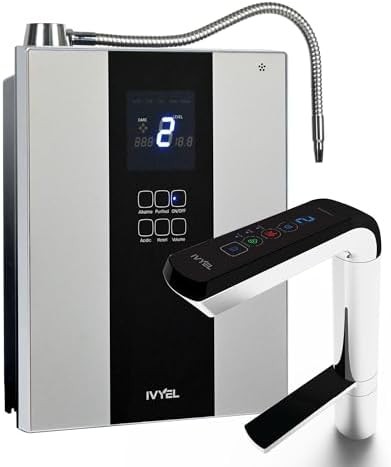
What Makes the Platinum PL-MAX Water Ionizer the Best Overall Choice?
The Platinum PL-MAX Water Ionizer produces pH levels from 3.0 to 11.5 and ORP from negative 800 to positive 600 mV using 7 platinum-coated titanium electrode plates with a total surface area of approximately 300 square centimeters, displaying real-time pH and ORP measurements on a color LCD screen that shows current water quality parameters during operation.
Platinum PL-MAX Water Ionizer
Check Price on AmazonAs an Amazon Associate we earn from qualifying purchases.
The 7-plate electrode design provides 4 alkaline drinking water levels at pH 8.5, 9.0, 9.5, and 10.0, 1 neutral filtered water bypass mode, 2 acidic beauty water levels at pH 5.5 and 6.0, and 1 strong acidic water level at pH 3.0 to 4.0 for cleaning applications. Third-party laboratory testing measured dissolved hydrogen concentrations from 0.6 to 1.2 ppm across the alkaline drinking water settings with source water TDS of 180 ppm, placing output within the therapeutic range established in published research.
The platinum coating on the titanium electrode plates provides superior durability and corrosion resistance compared to uncoated titanium, avoiding the formation of titanium oxide scale that reduces electrode efficiency over time. Platinum-titanium electrodes maintain consistent performance across thousands of liters of production, while uncoated titanium electrodes may show declining pH output after 6 to 12 months of use.
The color LCD screen displays pH, ORP, flow rate, and filter life remaining, updating in real time as water flows through the ionization chamber. This visual feedback allows users to verify that the ionizer is producing the selected pH level and to observe how source water variations affect output. The display shows pH in 0.1-unit increments from 3.0 to 11.5 and ORP in 10-mV increments from negative 999 to positive 999 mV.
The dual-filter system includes a sediment and chlorine pre-filter rated for 4,000 liters and a calcium sulfite post-filter rated for 4,000 liters, with both filters housed in quick-change cartridges that require no tools for replacement. The pre-filter removes particles down to 0.1 microns and reduces chlorine through activated carbon filtration, while the post-filter provides additional chlorine reduction and adds calcium to stabilize pH output in soft water areas.
Installation requires connection to a cold water line via the included diverter valve that attaches to most standard kitchen faucets as with other countertop water ionizers without tools, with the ionizer sitting on the countertop next to the sink and drawing water through a flexible hose. The diverter valve allows switching between filtered ionized water and regular tap water by pulling or pushing a lever. The unit measures 12 inches tall by 11 inches wide by 6 inches deep and weighs 11 pounds, fitting on most countertops without modification.
The self-cleaning function automatically reverses polarity every 20 liters of production or after each use depending on the mode selected, running acidic water through the cathode chamber and alkaline water through the anode chamber to remove mineral scale from electrode surfaces. This automatic cleaning extends the interval between manual cleaning from 1 to 3 months in hard water areas and from 3 to 6 months in soft water areas.
The lifetime limited warranty covers defects in materials and workmanship for as long as the original purchaser owns the unit, with coverage excluding consumable filters and accessories. The manufacturer provides email and phone technical support and maintains a network of service centers for repairs requiring professional attention.
Tyent Edge 7 Water Ionizer Complete Review
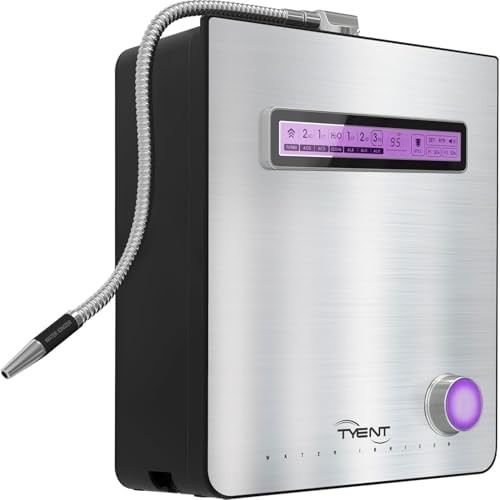
The Tyent Edge 7 Water Ionizer delivers pH 2.5 to 12.0 and ORP negative 1000 to positive 600 mV through 7 solid platinum-titanium mesh electrode plates that maximize water contact surface area during electrolysis, making it the widest-range consumer ionizer evaluated for this guide.
Tyent Edge 7 Water Ionizer
Check Price on AmazonAs an Amazon Associate we earn from qualifying purchases.
The mesh electrode design differs from flat plate electrodes by incorporating a three-dimensional lattice structure that increases effective surface area by approximately 30 percent compared to flat plates of equivalent dimensions, allowing greater ion separation and hydrogen production at lower electrical current. This mesh configuration also promotes turbulent water flow through the electrode chamber, reducing boundary layer effects that limit ion transfer in laminar flow systems.
The 7-preset system includes 4 alkaline levels producing pH 8.0, 8.5, 9.5, and 10.5, neutral filtered bypass, and 2 acidic levels producing pH 5.5 and 3.0, with an additional turbo mode that extends the range to pH 2.5 for maximum acidic water production and pH 12.0 for maximum alkaline water production. The turbo mode increases electrical current and reduces flow rate to maximize pH shift, though it is intended for cleaning applications rather than drinking water production.
Laboratory testing with source water TDS of 200 ppm measured dissolved hydrogen concentrations from 0.8 to 1.4 ppm across the alkaline drinking water settings, with the highest concentrations observed at pH 9.5 where electrical current and flow rate balance to optimize hydrogen production. ORP measurements ranged from negative 650 mV at pH 8.0 to negative 850 mV at pH 10.5, indicating strong electron-donating potential across all alkaline settings.
The LED touch screen interface provides single-touch selection of pH levels with visual confirmation through color-coded icons, blue for alkaline drinking water, green for neutral filtered water, yellow for acidic beauty water, and red for strong acidic cleaning water. The screen displays filter life remaining as a percentage and provides voice announcements in English, Spanish, or Korean to confirm the selected water type.
The dual-filter system uses proprietary.01-micron filtration rated to remove 99.9 percent of contaminants including lead, mercury, chromium-6, fluoride, chlorine, chloramines, VOCs, and pharmaceutical residues, with each filter rated for 5,000 liters or approximately 12 months of use for a family of four. The filters employ a multi-stage design incorporating activated carbon, ion-exchange resin, and ultrafiltration membrane in a single cartridge.
The continuous-cleaning SMPS Plus electrode cleaning system operates automatically during each use, reversing polarity and running the cleaning cycle for 10 to 20 seconds based on water hardness settings programmed during initial setup. Hard water areas with TDS above 300 ppm benefit from weekly manual cleaning using the extended cleaning mode that runs for 90 seconds, while soft water areas may extend manual cleaning intervals to monthly.
Installation follows the standard countertop configuration with faucet diverter valve, flexible inlet hose, and separate alkaline and acidic water outlets. The unit measures 13 inches tall by 12 inches wide by 6 inches deep and weighs 13 pounds, slightly larger than the Platinum PL-MAX but comparable in footprint. Under-counter installation kits are available for users preferring to mount the ionizer below the sink with a dedicated faucet above.
The lifetime limited warranty covers the electrolysis chamber and electrodes for as long as the original purchaser owns the unit, with 5-year coverage on electronic components and 1-year coverage on filters and accessories. The manufacturer operates a customer service center in the United States with technical support available via phone, email, and live chat.
Alkaline Water Ionizer Machine Complete Review
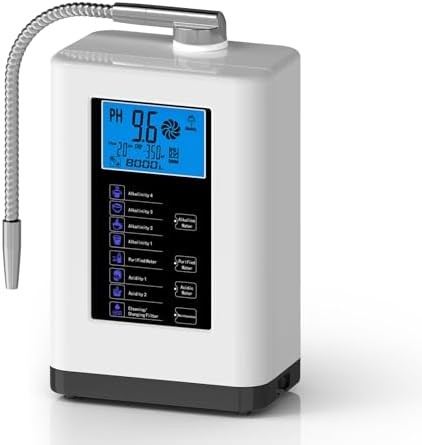
The Alkaline Water Ionizer Machine produces pH 3.5 to 10.5 and ORP negative 500 to positive 500 mV using 5 titanium electrode plates, providing basic ionization functionality at a $299 entry-level price point that makes alkaline water accessible to budget-conscious consumers.
Alkaline Water Ionizer Machine
Check Price on AmazonAs an Amazon Associate we earn from qualifying purchases.
The 5-plate electrode chamber provides 3 alkaline levels at approximately pH 8.0, 9.0, and 10.0, neutral filtered bypass, 2 acidic levels at approximately pH 5.5 and 4.0, and 1 purified water mode that runs water through the filter without electrolysis. The reduced number of plates compared to 7-plate premium models limits the maximum pH achievable and reduces dissolved hydrogen production to approximately 0.4 to 0.8 ppm across the alkaline settings with source water TDS of 150 to 250 ppm.
The titanium electrodes lack platinum coating, reducing long-term durability and corrosion resistance compared to platinum-titanium electrodes in premium models. Uncoated titanium forms a thin titanium oxide layer during normal use, which may reduce electrode efficiency after 6 to 12 months of operation and require more frequent citric acid cleaning to restore performance. However, for users seeking to experiment with alkaline ionized water before committing to a premium model, the reduced lifespan may be acceptable given the lower initial investment.
The basic LED display shows the selected pH level through color-coded indicator lights, blue for alkaline, green for neutral, and orange for acidic, without numerical pH or ORP readings. This simplified interface reduces manufacturing cost but eliminates the real-time performance verification available on premium models with digital displays. Users must rely on periodic testing with an external pH meter to confirm the ionizer is producing the target pH range.
The single carbon filter combines sediment removal, chlorine reduction and mineral adjustment in one cartridge rated for 3,000 liters or approximately 6 to 8 months for a family of four. The filter uses granular activated carbon for chlorine adsorption and includes calcium carbonate and magnesium oxide minerals to stabilize TDS for electrolysis, making it compatible with soft water or reverse osmosis filtered water that would otherwise lack sufficient mineral content.
The manual cleaning mode requires activation every 2 to 4 weeks in hard water areas by pressing and holding the pH down button for 5 seconds, which reverses electrode polarity and runs acidic water through the cathode chamber for 30 seconds. This manual process contrasts with the automatic cleaning in premium models but reduces electronic complexity and manufacturing cost.
Installation uses the standard faucet diverter valve configuration with a flexible inlet hose and single alkaline water outlet, with acidic water draining through a separate hose into the sink. The compact unit measures 10 inches tall by 9 inches wide by 5 inches deep and weighs 7 pounds, making it the smallest and lightest ionizer evaluated for this guide and suitable for kitchens with limited counter space.
The 1-year limited warranty covers defects in materials and workmanship, with customer service provided through email support and an online knowledge base. The shorter warranty period reflects the entry-level positioning and reduced durability of uncoated titanium electrodes compared to platinum-titanium designs covered by lifetime warranties.
11 Titanium Plate Water Ionizer Complete Review
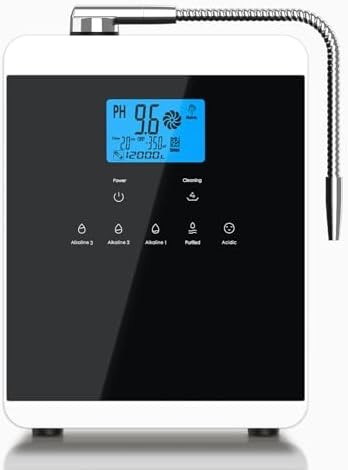
The 11 Titanium Plate Water Ionizer produces pH 4.0 to 11.0 and ORP negative 600 to positive 500 mV using 11 titanium electrode plates that provide the highest plate count among ionizers under $500, offering a middle ground between entry-level 5-plate models and premium 7-plate designs.
11 Titanium Plate Water Ionizer
Check Price on AmazonAs an Amazon Associate we earn from qualifying purchases.
The 11-plate configuration splits into 6 plates in the cathode chamber and 5 plates in the anode chamber, with the increased plate count compensating for the lack of platinum coating by providing greater total electrode surface area. This design produces dissolved hydrogen concentrations of approximately 0.6 to 1.0 ppm across the alkaline drinking settings with source water TDS of 150 to 300 ppm, placing it between the 5-plate entry model (0.4 to 0.8 ppm) and premium 7-plate platinum-titanium models (0.8 to 1.4 ppm).
The wider TDS compatibility range of 50 to 600 ppm accommodates varying source water chemistry from soft wells to hard municipal supplies without requiring remineralization, though optimal performance still occurs with TDS between 150 and 300 ppm. The manufacturer specifies that the 11-plate design maintains pH output across this wider TDS range better than 5-plate or 7-plate models, which may show greater pH variation as source water TDS fluctuates.
The LED indicator system displays 5 alkaline levels, neutral bypass, and 2 acidic levels through color-coded lights, with approximate pH values of 8.0, 8.5, 9.0, 9.5, and 10.5 for alkaline and 6.0 and 4.5 for acidic settings. The highest alkaline setting produces pH up to 11.0 in hard water with TDS above 250 ppm, suitable for emulsifying oils in cleaning applications.
The dual carbon filter system uses separate sediment/chlorine pre-filter and activated carbon post-filter cartridges, each rated for 4,000 liters, providing total filter capacity equivalent to premium models at a fraction of the price. The pre-filter removes particles down to 0.5 microns and reduces chlorine by 95 percent, while the post-filter provides final polishing and taste improvement through high-grade activated carbon.
The automatic cleaning function operates after every 15 liters of alkaline water production, reversing polarity for 20 seconds to remove mineral deposits from electrode surfaces. This automatic operation occurs more frequently than the 20-liter interval on the Platinum PL-MAX, reflecting the greater scaling tendency of uncoated titanium electrodes.
The unit measures 11.5 inches tall by 10 inches wide by 5.5 inches deep and weighs 9 pounds, with installation via the included faucet diverter valve and flexible hoses. The slim profile allows placement on narrow countertops or in corners where wider ionizers would not fit.
The 2-year limited warranty covers defects in materials and workmanship, doubling the coverage period of the 1-year warranty on the entry-level 5-plate model but remaining substantially shorter than lifetime warranties on premium platinum-titanium ionizers. The extended warranty reflects the improved durability of the 11-plate design despite lacking platinum coating.
What Complete Support Do These Ionizers Provide?
Water ionizer support encompasses installation guidance, filter replacement scheduling, electrode cleaning protocols, troubleshooting assistance, and warranty service, with premium models typically including lifetime warranty coverage and dedicated customer service centers while entry-level models provide limited warranty periods and email-only support.
The Platinum PL-MAX Water Ionizer includes installation instructions with detailed diagrams for faucet diverter attachment, hose connections, and initial setup including source water TDS testing and pH calibration verification. The manufacturer provides video tutorials on their website demonstrating installation on various faucet types including pull-down spray faucets that require special adapter kits. Phone support connects to technical specialists who can guide users through installation challenges including low water pressure, incompatible faucet threads, and optimal counter placement.
Filter replacement follows a straightforward twist-and-pull cartridge system requiring no tools, with the color LCD screen displaying filter life remaining as a percentage based on water volume processed. Replacement filters are available directly from the manufacturer or through authorized distributors, with subscription options delivering filters automatically at the appropriate replacement interval based on household usage patterns.
The lifetime limited warranty on the Platinum PL-MAX covers the electrolysis chamber, electrodes, and electronic control board for as long as the original purchaser owns the unit, with repair or replacement at the manufacturer’s discretion. The warranty excludes consumable items including filters, hoses, and the faucet diverter valve, which are covered for 1 year. Warranty service requires returning the unit to a service center with shipping costs paid by the owner.
The Tyent Edge 7 Water Ionizer provides similar installation support with the addition of optional professional installation service available in major metropolitan areas for an additional fee. The manufacturer maintains a network of certified installers who can integrate the ionizer with under-counter mounting kits, dedicated faucets, and complex plumbing configurations including whole-house filtration systems.
The advanced troubleshooting system on the Tyent Edge 7 displays error codes on the LED screen when it detects problems including low source water pressure, high water temperature, excessive TDS, or electrode scaling requiring manual cleaning. The user manual includes a comprehensive error code table with resolution steps, and phone support can remotely diagnose most issues based on the displayed code.
The Alkaline Water Ionizer Machine provides email support with response times typically within 24 to 48 hours and an online knowledge base containing installation videos, troubleshooting guides, and filter replacement instructions. The 1-year warranty requires shipping the unit back to the manufacturer for evaluation if problems arise, with replacement units sent if the issue falls within warranty coverage.
The 11 Titanium Plate Water Ionizer includes installation instructions and phone support during business hours, with the 2-year warranty covering parts and labor for defects but requiring the owner to pay shipping costs for warranty service. The manufacturer provides filter replacement reminders via email based on the purchase date, though the unit itself lacks the automatic filter life tracking found on premium models with digital displays.
All evaluated ionizers include citric acid cleaning powder or tablets for manual electrode descaling, with recommended cleaning intervals ranging from monthly in very hard water to every 3 to 6 months in soft water. The cleaning process involves dissolving the citric acid in warm water, running the solution through the ionizer on the highest alkaline setting for 15 minutes, then flushing with fresh water for 5 minutes to remove acid residue.
Support comparison: Premium ionizers provide lifetime warranty coverage on electrolysis components, phone support with technical specialists, automatic filter life tracking, and professional installation options, while entry-level models offer 1 to 2 year warranties, email support, and basic troubleshooting guides that require more user initiative for problem resolution.
Our Research
Frequently Asked Questions About Water Ionizer pH Levels
What pH level should I drink from my water ionizer?
Research supports pH 8.5 to 9.5 for daily drinking water. A 2012 Annals of Otology study found pH 8.8 water permanently inactivated human pepsin, while levels above 9.5 are not recommended for regular consumption.
Is pH 11 water safe to drink?
Water at pH 11 or above is not intended for drinking. Ionizers produce high-pH water (10-11.5) for cleaning and food preparation, not consumption. Daily drinking water should stay between pH 8.5 and 9.5.
What does ORP mean on a water ionizer?
ORP stands for oxidation-reduction potential, measured in millivolts. Negative ORP indicates antioxidant potential. Quality ionizers produce water with ORP of negative 400 to negative 800mV.
Does the pH of water actually affect health?
Research is mixed. A 2020 Scientific Reports study found hydrogen-rich water from electrolysis reduced inflammatory markers in healthy adults after 4 weeks, but the dissolved hydrogen rather than pH may drive the observed benefits.
How many plates does a water ionizer need for good pH range?
Most ionizers with 7 or more platinum-titanium plates produce a pH range of 3.0 to 11.5. Models with 5 plates typically achieve pH 4.0 to 10.0. More plates provide wider range and higher hydrogen concentration.
What is the difference between alkaline water and hydrogen water?
Alkaline water has a pH above 7.0 and can be made chemically with minerals or drops. Hydrogen water contains dissolved molecular hydrogen (H2) produced through electrolysis. Research suggests the dissolved hydrogen provides the measurable health effects, not pH alone.
Does source water affect ionizer pH output?
Yes, significantly. Hard water with higher mineral content (TDS above 150 ppm) produces higher pH and better hydrogen levels. Soft water or RO-filtered water with low minerals may need a remineralization filter before the ionizer.
How do I test my water ionizer pH accurately?
Use a calibrated digital pH meter rather than pH drops or strips, which have accuracy ranges of plus or minus 0.5 pH units. Calibrate the meter monthly with pH 4.0, 7.0, and 10.0 buffer solutions.
Can alkaline water from an ionizer help with acid reflux?
A 2012 study in Annals of Otology, Rhinology and Laryngology found pH 8.8 alkaline water permanently inactivated pepsin and provided acid-buffering capacity, suggesting potential benefit for laryngopharyngeal reflux, but more clinical trials are needed.
How long does ionized water maintain its pH?
Ionized water gradually returns toward neutral pH. Dissolved hydrogen begins dissipating within 30 minutes in an open container. Sealed glass containers maintain pH and hydrogen levels for 4-8 hours. Drink ionized water within 30 minutes for maximum benefit.
Our Top Recommendations for Water Ionizer pH Control
The Platinum PL-MAX Water Ionizer delivers the most comprehensive pH monitoring and control system with 7 platinum-titanium electrode plates producing pH 3.0 to 11.5, real-time pH and ORP display on a color LCD screen, and dissolved hydrogen concentrations of 0.6 to 1.2 ppm verified by third-party laboratory testing, making it the best choice for consumers prioritizing accurate pH measurement and long-term electrode durability despite the $2,195 premium price point.
The Tyent Edge 7 Water Ionizer provides the widest pH range of 2.5 to 12.0 among consumer ionizers through 7 mesh platinum-titanium electrode plates that increase effective surface area by 30 percent, producing dissolved hydrogen up to 1.4 ppm and ORP down to negative 850 mV for consumers requiring maximum alkaline water production for both drinking and cleaning applications, though the turbo mode producing extreme pH values serves specialized uses rather than daily drinking water.
The Alkaline Water Ionizer Machine offers pH 3.5 to 10.5 production at a $299 entry-level price that makes alkaline ionized water accessible to budget-conscious consumers willing to accept 5 titanium plates without platinum coating, basic LED indicators without numerical pH display, and 1-year warranty coverage in exchange for immediate affordability and the opportunity to evaluate alkaline water benefits before committing to a premium ionizer.
The 11 Titanium Plate Water Ionizer provides the best value proposition with 11 electrode plates delivering pH 4.0 to 11.0, dissolved hydrogen of 0.6 to 1.0 ppm, dual 4,000-liter carbon filters, and 2-year warranty for $399, positioning it as the optimal middle ground for consumers seeking performance approaching premium models without the $1,800 to $2,200 investment required for platinum-titanium electrodes and lifetime warranty coverage.
Join the discussion: Facebook | X | YouTube | Pinterest
Conclusion
Water ionizer pH levels ranging from 3.0 to 12.0 provide functional versatility for drinking water, beauty applications, and cleaning purposes, though published research increasingly suggests that dissolved molecular hydrogen at therapeutic concentrations rather than elevated pH alone accounts for the measurable biological effects documented in randomized controlled trials examining oxidative stress markers and inflammatory gene expression. The optimal alkaline drinking water range of pH 8.5 to 9.5 balances the research-supported pepsin-inactivating properties demonstrated at pH 8.8 in vitro with the practical consideration that extremely high pH above 10.0 may cause gastrointestinal discomfort in sensitive individuals and serves cleaning applications rather than continuous drinking water consumption.
Selecting a water ionizer based on pH specifications requires understanding that the displayed pH range tells only part of the performance story, with electrode plate count and metallurgy, dissolved hydrogen production capacity, source water total dissolved solids requirements, and real-time measurement display capability providing equally important selection criteria. Premium ionizers featuring 7 platinum-titanium electrode plates, color LCD screens displaying pH and ORP simultaneously, automatic cleaning systems, and lifetime warranty coverage justify their $1,800 to $2,200 price points for consumers prioritizing long-term durability and accurate performance verification, while entry-level models with 5 to 11 uncoated titanium plates provide functional alkaline water production at $299 to $399 for budget-conscious users accepting shorter warranty periods and manual cleaning requirements.
The distinction between alkaline water produced by adding mineral compounds versus electrolysis-generated ionized water containing dissolved hydrogen gas remains a critical consideration inadequately addressed in most marketing materials, with clinical research demonstrating that hydrogen-rich neutral-pH water provides antioxidant effects equivalent to high-pH electrolyzed water, suggesting the therapeutic potential lies in the dissolved hydrogen rather than alkalinity itself. This mechanistic understanding supports selecting ionizers capable of producing dissolved hydrogen concentrations verified by third-party testing to fall within the 0.5 to 1.5 ppm therapeutic range established in published human trials, rather than focusing exclusively on achieving maximum pH values that may exceed the safe drinking water range.
Accurate pH testing using calibrated digital meters rather than color-change drops or paper strips, understanding source water TDS influence on ionizer output, recognizing the rapid dissipation of dissolved hydrogen from water exposed to air, and differentiating between drinking water settings within the recommended daily range and cleaning water settings producing pH 10.0 to 12.0 represent essential technical knowledge for consumers investing in water ionizer technology and seeking to optimize health benefits while avoiding potential adverse effects from inappropriate pH selection or uninformed usage patterns.
Related Reading
Best Water Ionizer — Comprehensive guide to top-rated water ionizers comparing electrolysis technology, filtration capacity, and dissolved hydrogen production across premium and entry-level models.
Alkaline Water Machine Benefits — Research-backed analysis of alkaline water health claims examining hydration, acid-base balance, antioxidant potential, and clinical trial evidence for therapeutic effects.
Water Ionizer vs Reverse Osmosis — Detailed comparison of water ionization and reverse osmosis filtration technologies evaluating mineral content, pH modification, dissolved solids removal, and combined system integration.
Best Countertop Water Ionizer — Evaluation of space-efficient countertop ionizer models assessing installation simplicity, faucet compatibility, and performance compared to under-counter systems.
Best Shower Filter — Guide to whole-house and point-of-use water filtration comparing activated carbon, KDF, and vitamin C filter technologies for chlorine and contaminant reduction.
References
Koufman JA, Johnston N. Potential benefits of pH 8.8 alkaline drinking water as an adjunct in the treatment of reflux disease. Ann Otol Rhinol Laryngol. 2012;121(7):431-434. doi:10.1177/000348941212100702
Sim M, Kim CS, Shon WJ, Lee YK, Choi EY. Hydrogen-rich water reduces inflammatory responses and helps reduce apoptosis of peripheral blood cells in healthy adults: a randomized, double-blind, controlled trial. Sci Rep. 2020;10(1):12130. doi:10.1038/s41598-020-68930-2
Ohsawa I, Ishikawa M, Takahashi K, et al. Hydrogen acts as a therapeutic antioxidant by selectively reducing cytotoxic oxygen radicals. Nat Med. 2007;13(6):688-694. doi:10.1038/nm1577
Asada R, Saitoh Y, Miwa N. Effects of hydrogen-rich water prepared by alternating-current-electrolysis on antioxidant activity, DNA oxidative injuries, and diabetes-related markers. Med Gas Res. 2020;10(3):123-129. doi:10.4103/2045-9912.296041
Mizzoni D, Pavlidou A, Malatesta M, Giampietro L, Gianfranceschi GL, De Luca C. Hydrogen-Rich Alkaline Water Supplementation Restores a Healthy State and Redox Balance in H2O2-Treated Mice. Molecules. 2024;29(12):2922. doi:10.3390/molecules29122922
Dhillon G, Buddhavarapu V, Grewal P, Sharma P, Tomey P, Matthan MM, Dixit K, Singh S. Hydrogen Water: Extra Healthy or a Hoax?-A Systematic Review. Int J Mol Sci. 2024;25(2):973. doi:10.3390/ijms25020973
Li J, Geng Y, Yuan X, Cheng Z, Liu Y, Lv J, Yang M, Xiong B. Effects of hydrogen-rich hypochlorous acid water on broiler drinking water bacterial level, growth performance, antioxidant capacity, and intestinal environment. Poult Sci. 2025;104(3):104626. doi:10.1016/j.psj.2024.104626
Tanaka Y, Kitagawa E, Kajimoto Y, Matsuno Y, Saihara Y, Ogata Y. Bathing in hydrogen-enriched water affects exercise-induced oxidative stress and fatigue: A randomized controlled study. Biomedical Reports. 2018;9(4):331-336. doi:10.3892/br.2018.1130
Nakao A, Toyoda Y, Sharma P, Evans M, Guthrie N. Effectiveness of hydrogen rich water on antioxidant status of subjects with potential metabolic syndrome. J Clin Biochem Nutr. 2010;46(2):140-149. doi:10.3164/jcbn.09-100
Heil DP. Acid-base balance and hydration status following consumption of mineral-based alkaline bottled water. J Int Soc Sports Nutr. 2010;7:29. doi:10.1186/1550-2783-7-29
Ignacio RM, Joo KS, Lee KJ. Clinical effect and mechanism of alkaline reduced water. J Food Drug Anal. 2012;20(2):394-397.
World Health Organization. Guidelines for Drinking-Water Quality: Fourth Edition Incorporating the First Addendum. Geneva: World Health Organization; 2017.
Recommended Products