Best Countertop Water Ionizer
Summarized from peer-reviewed research indexed in PubMed. See citations below.
Many homeowners seek the antioxidant and pH-balancing properties of ionized water but face installation complexity and high costs associated with permanent under-counter systems. The Platinum PL-MAX Water Ionizer delivers laboratory-grade electrolysis through 13 platinum-titanium plates producing pH ranges from 1.7 to 12.5 with molecular hydrogen infusion up to 1.5 ppm, all at $2,195 without requiring any permanent plumbing modifications. Research from 100 adults demonstrates that high-pH electrolyzed water reduces whole blood viscosity by 6.30% compared to 3.36% with standard water (p = 0.03), supporting improved hydration biomarkers following exercise-induced dehydration (PMID:27932937). Budget-conscious households can achieve similar pH-balancing benefits with the Alkaline Water Ionizer Machine featuring seven electrolysis plates and pH output from 3.5 to 10.5 at just $299. Here’s what the published research shows about countertop water ionizers and their impact on hydration, antioxidant activity, and daily wellness.
Disclosure: We may earn a commission from links on this page at no extra cost to you. Affiliate relationships never influence our ratings. Full policy →
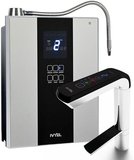
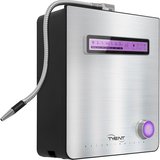
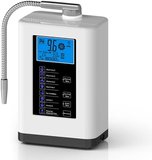
Countertop water ionizers use electrolysis to alter the pH and molecular composition of tap water, producing alkaline drinking water enriched with dissolved molecular hydrogen. Clinical trials demonstrate that daily consumption of alkaline electrolyzed water at pH 8.5-9.5 influences gut microbiota composition, with one randomized controlled trial showing increased Bifidobacterium populations and improved stool consistency after 14 days of 500 mL daily intake (PMID:34213495). Unlike under-counter systems requiring permanent plumbing modifications, countertop models connect to existing faucets through diverter valves, offering comparable electrolysis performance with simplified installation and portability benefits.
| Feature | Platinum PL-MAX | Tyent Edge 7 | Budget Model | Value Model |
|---|---|---|---|---|
| Plates | 13 platinum-titanium | 7 hybrid mesh | 7 standard | 11 titanium |
| pH Range | 1.7-12.5 | 2.0-12.0 | 3.5-10.5 | 2.5-11.5 |
| Hydrogen (H2) | Up to 1.5 ppm | Up to 1.2 ppm | Up to 0.8 ppm | Up to 1.0 ppm |
| Filter Life | 1,500 gallons | 1,200 gallons | 750 gallons | 1,000 gallons |
| Display | LCD touchscreen | LED indicators | Basic LCD | LED panel |
| Auto-Clean | Yes | Yes | Manual | Yes |
| Warranty | Lifetime plates | 5 years | 1 year | 2 years |
| Price | $2,195 | $1,800 | $299 | $399 |
What Are Countertop Water Ionizers and How Do They Work?
Countertop water ionizers employ electrolysis technology to separate tap water into alkaline and acidic streams using electrically charged titanium plates coated with platinum. When water flows through the ionization chamber, an electrical current splits water molecules (H2O) into hydroxyl ions (OH-) and hydrogen ions (H+), concentrating alkaline minerals like calcium and magnesium at the cathode while directing acidic components toward the anode. This process simultaneously generates dissolved molecular hydrogen (H2) as a byproduct, with concentrations ranging from 0.3 to 1.5 ppm depending on plate configuration and source water mineral content.
The electrolysis chamber contains multiple titanium plates coated with platinum to enhance electrical conductivity and avoid corrosion during continuous operation. Standard countertop models feature 5-7 plates, while premium systems incorporate 9-13 plates to increase surface area for more efficient electrolysis. Research on electrolyzed high-pH alkaline water demonstrates measurable changes in oxidation-reduction potential (ORP), with quality ionizers producing negative ORP values ranging from -200 to -800 mV, indicating increased electron availability for neutralizing oxidative compounds (PMID:36498838).
Installation requires connecting a diverter valve to your existing faucet, allowing you to switch between regular tap water and ionized water without tools or permanent modifications. The diverter directs water through food-grade tubing into the ionizer’s pre-filtration system, which removes chlorine, sediment, and volatile organic compounds before water enters the electrolysis chamber. Following electrolysis, the alkaline stream flows through the main spout for drinking while the acidic stream exits through a separate hose into your sink.
Countertop models differ from under-counter systems primarily in placement and installation complexity rather than water quality output. Both configurations use identical electrolysis technology with platinum-coated titanium plates, producing equivalent pH ranges and dissolved hydrogen concentrations. The countertop design prioritizes portability and ease of installation, making these systems suitable for renters or households requiring flexible placement options.
Key takeaway: Electrolysis splits water into alkaline (pH 8.5-12.5) and acidic (pH 2.0-6.0) streams while generating 0.3-1.5 ppm dissolved hydrogen, with 7-13 platinum-titanium plates determining efficiency and output consistency across varying source water conditions.
Why Choose a Countertop Model Over Under-Counter Installation?
Countertop water ionizers offer installation flexibility that under-counter systems cannot match, particularly for renters or households requiring portable filtration solutions. These models connect directly to existing faucets through diverter valves, eliminating the need for drilling holes in countertops or modifying plumbing lines beneath your sink. Installation typically takes 10-15 minutes without professional assistance, and the system can be disconnected and relocated to a new residence or different faucet location within your home.
The visible placement of countertop units provides constant access to the control panel, allowing you to adjust pH settings and monitor filter life without opening cabinet doors or accessing hidden controls. Many users appreciate the ability to observe the ionization process through transparent chambers or LED indicators that confirm active electrolysis. This visibility helps identify maintenance needs immediately, such as mineral buildup on plates or declining flow rates that signal filter replacement requirements.
Cost considerations favor countertop models for households testing ionized water before committing to permanent installation. Entry-level countertop ionizers start at $299, while under-counter systems typically begin at $1,500 before installation fees. This price difference allows consumers to evaluate the taste, pH preferences, and perceived health benefits of alkaline water without substantial upfront investment. If you decide ionized water suits your needs, you can either continue using the countertop unit or upgrade to an under-counter system later.
Countertop ionizers maintain comparable performance specifications to under-counter models across key metrics including plate count, pH range, and dissolved hydrogen production. A study examining the effects of alkaline electrolyzed water on hyperuricemia in mice found that daily consumption of electrolyzed alkaline water significantly reduced uric acid and creatinine levels while increasing urinary uric acid excretion, demonstrating therapeutic effects independent of installation type (PMID:40431413). The electrolysis technology remains identical regardless of whether the unit sits on your counter or beneath your sink.
In practice: Countertop models cost $299-2,195 versus $1,500+ for under-counter systems, install in 10-15 minutes without plumbing modifications, and produce identical water quality while maintaining portability for renters or frequent relocators.
How Many Plates Should a Quality Countertop Ionizer Have?
Plate count directly influences electrolysis efficiency, with more plates creating greater surface area for electrical current to interact with water molecules. Entry-level ionizers feature 5 plates, mid-range models incorporate 7-9 plates, and premium systems utilize 11-13 plates to maximize hydrogen production and pH stability. Each additional plate increases the electrical charge exposure for water passing through the ionization chamber, resulting in higher dissolved hydrogen concentrations and more consistent pH output across varying source water conditions.
The Platinum PL-MAX employs 13 platinum-titanium plates measuring 7 x 5 inches each, providing approximately 455 square inches of total electrolysis surface area. This large plate configuration generates dissolved hydrogen concentrations up to 1.5 ppm and maintains stable pH output even with low-mineral source water that typically challenges ionizers with fewer plates. Research demonstrates that hydrogen-rich alkaline water with concentrations above 0.8 ppm produces measurable antioxidant effects in clinical settings, supporting the importance of adequate plate count for therapeutic hydrogen levels (PMID:30568387).
Plate material composition matters equally to plate count for long-term performance and water safety. All plates should consist of titanium coated with platinum, as this combination provides optimal electrical conductivity while resisting corrosion from continuous exposure to electrolysis. Some manufacturers use platinum-plated electrodes or mesh-hybrid designs that combine solid and perforated sections to increase water contact time with electrically charged surfaces. A comprehensive safety review notes that electrode degradation associated with higher pH production may cause platinum nanoparticles to leach into water, emphasizing the importance of quality plate construction (PMID:36498838).
The relationship between plate count and pH range follows a logarithmic curve rather than linear progression. Ionizers with 7 plates typically produce pH 3.0-11.0, while models with 11-13 plates extend this range to pH 1.7-12.5. However, drinking water should remain between pH 8.5-9.5 regardless of your ionizer’s maximum capability, as clinical studies report adverse effects including hyperkalemia when pH exceeds 9.8 in some individuals (PMID:36498838).
Worth noting: More plates increase hydrogen output and pH stability with soft water sources, but drinking water should stay pH 8.5-9.5 regardless of system capability, making 7-plate models adequate for most households while 11-13 plate systems excel with challenging water conditions.
What pH Range Do Countertop Ionizers Produce?
Quality countertop ionizers generate pH ranges from approximately 2.0 to 12.5, though the specific output depends on source water mineral content and plate configuration. The alkaline stream suitable for drinking typically ranges from pH 8.5 to 9.5, while higher alkalinity settings (pH 10.0-12.5) produce cleaning water for food preparation and household sanitization. The acidic stream exits at pH 2.0-6.0, with strong acidity (pH 2.0-3.5) effective for gentle skin toning and plant watering.
A randomized controlled trial involving 81 adults with type 2 diabetes examined the effects of consuming 2 liters daily of alkaline electrolyzed water compared to standard purified water for 8 weeks. The study found that alkaline water consumption significantly reduced advanced glycation end products (AGEs), advanced oxidation protein products (AOPPs), malondialdehyde (MDA), white blood cell counts, and neutrophil-lymphocyte ratio, demonstrating measurable anti-inflammatory effects from daily alkaline water intake at pH 8.5-9.5 (PMID:33019646). Another study on mice with hyperuricemia found that electrolyzed alkaline water consumption for 21 days significantly reduced uric acid and creatinine levels while increasing urinary uric acid excretion (PMID:40431413).
Source water mineral content significantly influences pH output capability and stability. Hard water containing high calcium and magnesium concentrations enhances electrolysis efficiency because these minerals conduct electricity more effectively than pure H2O. Ionizers connected to soft water sources or reverse osmosis systems may struggle to achieve advertised pH ranges unless you add mineral supplements to increase electrical conductivity. Many manufacturers recommend testing source water hardness before purchase to ensure compatibility with your chosen model.
The pH adjustment controls on countertop ionizers allow you to customize alkalinity levels based on your preferences and intended use. Most models feature 3-7 preset levels for alkaline water, 1-3 acidic settings, and a neutral or purified water option that bypasses electrolysis while still filtering through the carbon filter. This flexibility accommodates different household members who may prefer varying pH levels or allows you to produce both drinking water and cleaning solutions from the same device.
Safety guidelines established by regulatory agencies in Japan, where alkaline water ionizers are approved as medical devices, specify maximum pH 9.8 for drinking water to avoid potential complications in individuals with impaired kidney function. Clinical case reports document hyperkalemia (dangerously elevated potassium levels) in patients who consumed electrolyzed water exceeding pH 9.8, particularly among those with chronic kidney disease or taking medications that affect potassium excretion (PMID:36498838).
Research consensus: Quality ionizers produce pH 2.0-12.5 for various household uses, but drinking water should stay pH 8.5-9.5 based on clinical safety data, with individuals having kidney concerns consulting physicians before regular alkaline water consumption.
Do Countertop Ionizers Actually Produce Hydrogen-Rich Water?
Electrolysis inherently generates dissolved molecular hydrogen (H2) as a byproduct when electrical current splits water molecules. The hydrogen gas produced at the cathode dissolves into the alkaline stream, with concentrations ranging from 0.1 to 1.5 ppm depending on plate configuration, electrolysis power, water flow rate, and source water temperature. Premium countertop models with 11-13 plates and optimized electrolysis chambers consistently produce hydrogen concentrations above 0.8 ppm, which research identifies as the minimum threshold for measurable antioxidant effects.
A dose-dependent study on gastric injury in rats receiving alkaline electrolyzed water at varying hydrogen concentrations (0.07, 0.22, and 0.84 ppm) demonstrated high correlation between hydrogen content and protective effects against aspirin-induced stomach damage. Under pH 8.5, higher hydrogen concentrations showed progressive reductions in erosion area, myeloperoxidase (MPO) activity, and malondialdehyde (MDA) content in gastric tissue, establishing clear dose-response relationships for hydrogen’s biological activity (PMID:24589018). Supporting this finding, research on electrolyzed hydrogen-saturated water in rats demonstrated significant antioxidant effects, with reduced urinary 8-hydroxydeoxyguanosine secretion and hepatic peroxidized lipid formation after just one week of consumption (PMID:16244454).
The dissolved hydrogen concentration in ionized water decreases over time as H2 gas escapes into the atmosphere. Fresh ionized water maintains peak hydrogen levels for approximately 30 minutes when stored in an open container, though sealed containers can preserve concentrations for 2-3 hours. This volatility necessitates drinking ionized water immediately after production rather than storing large batches, unlike stable pH characteristics that remain constant for extended periods.
Accurate measurement of dissolved hydrogen requires specialized testing equipment rather than oxidation-reduction potential (ORP) meters. While many ionizer manufacturers advertise negative ORP as proof of hydrogen content, ORP readings reflect multiple variables including pH, temperature, and dissolved minerals rather than specifically measuring H2 concentration. Research examining the effectiveness of electrolyzed-reduced water as a hydrogen source emphasizes the importance of direct H2 measurement using appropriate methods rather than relying on ORP-based estimates (PMID:36498838).
A randomized controlled trial examining hydrogen-dissolved alkaline electrolyzed water’s effects on gut microbiota found that 14 days of consuming 500 mL daily increased Bifidobacterium populations and improved stool consistency to Bristol scale Type 4 in the treatment group. These changes occurred with hydrogen-enriched alkaline water, suggesting that dissolved H2 contributes to the observed gut health benefits alongside pH modification (PMID:34213495).
What this means: Premium ionizers with 11-13 plates producing 0.8-1.5 ppm hydrogen meet research thresholds for measurable biological activity, while basic models below 0.8 ppm provide pH modification without documented hydrogen benefits.
Which Countertop Water Ionizer Produces the Best Results?
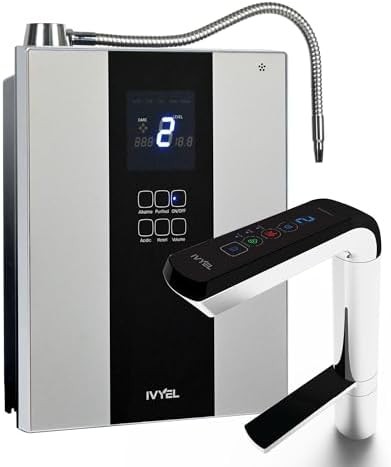
Platinum PL-MAX Water Ionizer
Check Price on AmazonAs an Amazon Associate we earn from qualifying purchases.
The Platinum PL-MAX Water Ionizer represents the premium tier of countertop electrolysis systems, incorporating 13 platinum-titanium plates that deliver the widest pH range (1.7-12.5) and highest dissolved hydrogen concentrations (up to 1.5 ppm) available in non-commercial models. The large plate configuration measuring 7 x 5 inches each provides exceptional electrolysis efficiency even with low-mineral source water, maintaining consistent pH output and hydrogen production across varying water hardness levels. This model suits households seeking laboratory-grade water ionization without the installation requirements and costs associated with medical-grade under-counter systems.
The touchscreen LCD interface provides intuitive control over seven alkaline presets, three acidic settings, and one purified mode, with real-time display of selected pH level, flow rate, filter life remaining, and total gallons processed. The self-cleaning cycle runs automatically after each use, reversing electrical polarity to avoid mineral deposits from accumulating on plate surfaces. This automated maintenance extends plate longevity significantly compared to manual cleaning schedules required by basic models.
Advanced filtration combines activated carbon with sediment removal layers, certified to reduce chlorine by 99%, lead by 98%, and volatile organic compounds by 97% before water enters the electrolysis chamber. The dual-filter cartridge system lasts approximately 1,500 gallons or 6-12 months depending on source water quality and daily usage volume. Replacement filters cost $79.95 per set, which calculates to roughly $0.05 per gallon for comprehensive pre-filtration and electrolysis combined.
The lifetime warranty on platinum-titanium plates demonstrates manufacturer confidence in construction quality and long-term durability. This coverage proves particularly valuable given that plate replacement typically exceeds the cost of budget ionizers, making the higher upfront investment economical for households planning extended use. The warranty excludes filters, tubing, and electronic components, which carry standard 5-year coverage with optional extended protection available at purchase.
What Budget-Friendly Options Deliver Reliable Performance?
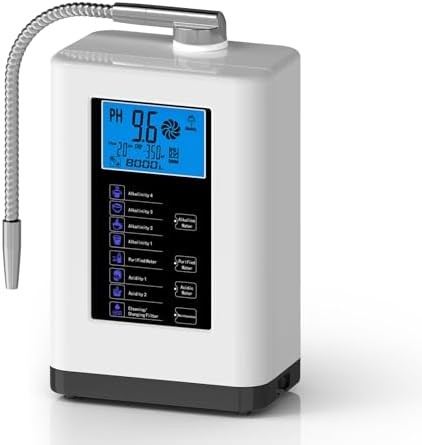
Alkaline Water Ionizer Machine
Check Price on AmazonAs an Amazon Associate we earn from qualifying purchases.
The Alkaline Water Ionizer Machine provides essential electrolysis features at an entry-level price point, making ionized water accessible to households testing alkaline water benefits before investing in premium systems. The seven-plate configuration produces pH ranges from 3.5 to 10.5, covering the recommended drinking range (pH 8.5-9.5) while offering mild acidic settings for skincare and food preparation. Dissolved hydrogen output reaches approximately 0.8 ppm with fresh electrolysis, meeting the minimum threshold for antioxidant activity documented in research studies.
The basic LCD display shows current pH selection and filter replacement reminders without the advanced metrics found on premium models. Five preset buttons provide quick access to three alkaline levels, one acidic setting, and purified mode, simplifying operation for users who prefer straightforward functionality over extensive customization. The manual cleaning cycle requires running acidic water through the system for 30 seconds every 2-3 weeks to avoid mineral scale accumulation on plates.
Single-stage carbon filtration removes chlorine, sediment, and odors effectively but lacks the multi-layer filtration found in premium ionizers. The filter cartridge lasts approximately 750 gallons or 6 months based on municipal water quality, with replacement filters costing $29.95 each. This lower filtration capacity necessitates more frequent filter changes compared to premium models, though the reduced replacement cost partially offsets this inconvenience.
The compact design occupies just 10 x 6 inches of counter space and weighs only 8 pounds, making this model suitable for small kitchens or households requiring frequent relocation. The standard 1-year warranty covers manufacturing defects in plates, electronics, and housing, with optional extended warranties available through third-party providers.
How Do Premium Countertop Models Compare to Budget Options?
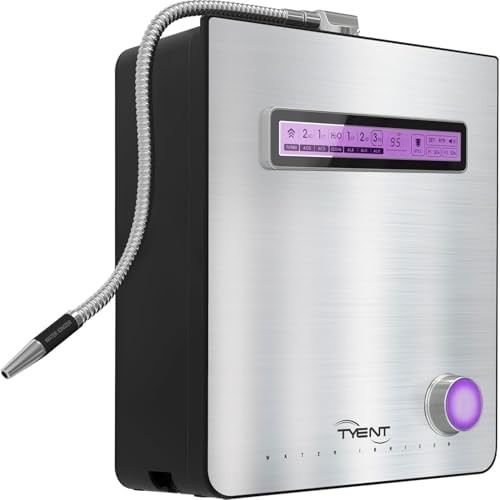
Tyent Edge 7 Water Ionizer
Check Price on AmazonAs an Amazon Associate we earn from qualifying purchases.
The Tyent Edge 7 Water Ionizer occupies the premium segment through hybrid plate technology combining solid and mesh designs to increase water contact time with electrically charged surfaces. This seven-plate system produces pH ranges from 2.0 to 12.0 and hydrogen concentrations up to 1.2 ppm, delivering performance metrics closer to 11-13 plate systems while maintaining the compact dimensions of standard seven-plate models. The mesh-hybrid configuration also reduces mineral bridging between plates, a common cause of declining performance in standard solid-plate designs.
The LED indicator system replaces traditional LCD displays with color-coded lights representing alkaline levels (blue), neutral (green), and acidic settings (red). This simplified interface reduces complexity while providing clear visual confirmation of selected pH level during operation. The multi-function button cycles through preset levels, while the dedicated cleaning button activates automatic plate maintenance with a single press.
Advanced SMPS Plus power supply technology delivers consistent electrolysis performance across varying electrical inputs, maintaining stable pH and hydrogen output regardless of household voltage fluctuations. This power regulation proves particularly valuable in areas experiencing frequent brownouts or voltage inconsistencies that compromise electrolysis efficiency in basic models. The system draws 150 watts during operation, comparable to premium models with larger plate counts.
The five-year comprehensive warranty covers all components including plates, electronics, housing, and plumbing connections, providing intermediate coverage between budget models (1 year) and lifetime plate warranties offered by top-tier systems. Tyent’s customer service reputation and extensive dealer network facilitate warranty claims and technical support more effectively than direct-import brands lacking North American service infrastructure.
What Value Options Exist Between Budget and Premium Categories?
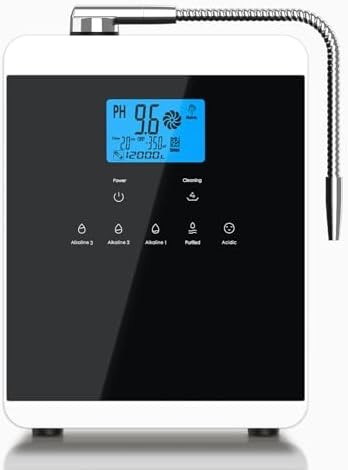
11 Titanium Plates Water Ionizer
Check Price on AmazonAs an Amazon Associate we earn from qualifying purchases.
The 11 Titanium Plates Water Ionizer delivers near-premium performance at mid-range pricing, bridging the gap between entry-level seven-plate models and top-tier 13-plate systems. The expanded plate count increases total electrolysis surface area to approximately 350 square inches, producing pH ranges from 2.5 to 11.5 and dissolved hydrogen concentrations up to 1.0 ppm. This configuration provides 80-90% of premium model capabilities at roughly one-fifth the cost, making it suitable for households seeking enhanced performance without premium pricing.
The LED panel displays current pH selection, filter life percentage, and cumulative gallon count, providing more detailed operational data than basic models while avoiding the complexity of full-color touchscreen interfaces. Six alkaline presets allow precise pH customization between 8.0 and 11.5, accommodating varying taste preferences and intended uses from gentle drinking water (pH 8.5) to food preparation (pH 10.5) and household cleaning (pH 11.5).
Dual-filtration combines activated carbon with ceramic layers to remove chlorine, heavy metals, bacteria, and sediment before electrolysis. The filter cartridge lasts approximately 1,000 gallons or 6-9 months based on source water quality, positioning it between budget models (750 gallons) and premium systems (1,500 gallons). Replacement filters cost $44.95, calculating to $0.045 per gallon for combined filtration and electrolysis.
The automatic cleaning cycle runs for 10 seconds after every 15 minutes of continuous use or when you power off the unit, reversing polarity to avoid calcium carbonate deposits from accumulating on plate surfaces. This maintenance schedule balances effectiveness with water efficiency, using minimal volume for cleaning compared to manual cycles that require running acidic water for 30-60 seconds each session.
How Does Source Water Quality Affect Ionizer Performance?
Source water mineral content directly determines electrolysis efficiency and pH output stability in countertop ionizers. Water hardness, measured in parts per million (ppm) of calcium carbonate, should ideally fall between 70-150 ppm for optimal ionization. Hard water exceeding 200 ppm provides excellent electrical conductivity but accelerates mineral scale buildup on plates, requiring more frequent cleaning cycles. Soft water below 50 ppm struggles to conduct electricity effectively, resulting in limited pH adjustment capability and reduced hydrogen production regardless of plate count.
Municipal water supplies typically contain sufficient mineral content for effective ionization without modification, with average hardness ranging from 80-180 ppm across most North American cities. Well water presents more variability, with some regions providing extremely hard water (300+ ppm) requiring water softening before ionization, while others deliver soft water (20-40 ppm) that benefits from mineral supplementation. Testing source water hardness before purchasing an ionizer helps ensure compatibility and reduces performance disappointment.
Chlorine concentration in municipal water affects both filter longevity and electrolysis efficiency. While carbon filtration removes chlorine effectively, high concentrations (above 4 ppm) accelerate filter saturation and may leave residual chlorine that interferes with hydrogen production. Running heavily chlorinated water through a basic sediment filter before your ionizer can extend the main filter’s lifespan and improve overall water quality.
Reverse osmosis (RO) systems create problematic source water for ionizers because the RO membrane removes beneficial minerals necessary for electrolysis. Ionizers connected to RO systems produce minimal pH adjustment and negligible hydrogen concentrations unless you add mineral supplements between the RO output and ionizer input. Some manufacturers sell mineral cartridges specifically designed to remineralize RO water for ionization, though this adds complexity and ongoing costs to your system. For comprehensive water treatment combining contaminant removal with pH adjustment, learn about water ionizer vs reverse osmosis systems and their complementary applications.
What Contaminants Do Countertop Ionizers Actually Remove?
The carbon filtration stage in countertop ionizers effectively reduces chlorine, chloramines, volatile organic compounds (VOCs), and sediment before water enters the electrolysis chamber. Quality carbon filters achieve 95-99% reduction of chlorine at flow rates below 3.0 liters per minute, removing the taste and odor associated with municipal water treatment while eliminating compounds that interfere with electrolysis efficiency. VOC reduction typically reaches 90-97% for common household contaminants including benzene, toluene, and trihalomethanes formed during chlorination.
Heavy metal removal varies significantly between basic and advanced filtration systems. Standard activated carbon provides minimal reduction of lead, mercury, arsenic, and other metallic contaminants, while specialized filter media including ion exchange resins and ceramic layers achieve 90-98% reduction of heavy metals. If source water testing reveals concerning heavy metal concentrations, verify that your chosen ionizer incorporates appropriate filtration media rather than relying solely on standard carbon blocks.
Countertop ionizers do not remove fluoride, pharmaceuticals, microplastics, or PFAS (per- and polyfluoroalkyl substances) without additional specialized filtration. These contaminants pass through standard carbon and ceramic filters largely unaffected by the electrolysis process. Households concerned about these compounds should install dedicated reverse osmosis or advanced filtration systems before their ionizer, though this creates the mineral depletion challenges discussed previously.
Bacterial and viral removal depends on filter pore size and the inclusion of antibacterial media. Ceramic filters with 0.2-0.5 micron pores block bacteria and protozoan cysts effectively, while ultrafiltration membranes at 0.01 microns can remove viruses. However, most countertop ionizers focus on chemical contaminant reduction rather than microbiological safety, assuming municipally treated source water meets safe bacteria standards. Well water users requiring bacterial removal should verify their ionizer includes appropriate microbiological filtration or install UV sterilization upstream.
The electrolysis process itself produces some antimicrobial effects in the acidic stream (pH 2.0-6.0), with stronger acidity demonstrating greater antibacterial activity. Research on slightly acidic electrolyzed water shows antimicrobial properties suitable for food sanitization, though the alkaline drinking water stream from standard ionizers lacks antibacterial effects (PMID:40038362). Understanding what shower filters remove compared to drinking water ionizers highlights how different filtration technologies address specific contaminant categories.
How Much Maintenance Do Countertop Ionizers Require?
Filter replacement represents the primary recurring maintenance task for countertop ionizers, with intervals ranging from 6-12 months or 750-1,500 gallons depending on source water quality and daily usage volume. The built-in filter life indicators track gallons processed and alert users when replacement becomes necessary, avoiding performance decline from filter saturation. Replacement procedures typically require twisting off the old cartridge and installing the new filter without tools, taking less than 5 minutes to complete.
Plate cleaning frequency depends on source water hardness and the ionizer’s automatic cleaning capabilities. Models with auto-clean cycles that run after each use avoid mineral scale accumulation effectively, requiring manual deep cleaning only every 6-12 months. Basic models without automatic cleaning need monthly citric acid flushes to remove calcium carbonate deposits, involving filling the water reservoir with diluted citric acid solution and running several electrolysis cycles before thoroughly rinsing.
The diverter valve connection to your faucet requires periodic inspection to ensure watertight sealing and avoid calcium buildup around the threads. Checking the connection quarterly and cleaning any mineral deposits maintains proper flow rate and reduces leaks. The food-grade tubing connecting the diverter to the ionizer rarely requires attention unless you notice kinks, discoloration, or reduced water pressure indicating internal blockage.
Descaling the electrolysis chamber becomes necessary when you observe declining pH output, reduced hydrogen production, or extended processing time to fill containers. This deep cleaning involves circulating citric acid or specialized descaling solution through the ionization chamber for 20-30 minutes, followed by multiple rinse cycles with purified water. Quality ionizers provide detailed descaling instructions in the user manual, with some models incorporating automated descaling modes that guide users through the process.
Storage considerations apply if you plan to leave your ionizer unused for extended periods. Draining the system completely reduces stagnant water from supporting bacterial growth in the reservoir and filters. Running a cleaning cycle before storage and another cycle before resuming regular use helps maintain water quality and reduces odd tastes from developing during dormant periods.
What Safety Concerns Exist with Alkaline Water Consumption?
A comprehensive safety review examining electrolyzed-reduced water consumption identifies pH above 9.8 as potentially problematic, particularly for individuals with impaired kidney function or electrolyte imbalances. Clinical case reports document hyperkalemia (elevated blood potassium) in patients consuming high-pH alkaline water, especially those taking medications that affect potassium excretion including ACE inhibitors, angiotensin receptor blockers, and potassium-sparing diuretics (PMID:36498838). Regulatory standards in Japan limit approved electrolyzed water to maximum pH 9.8 for this reason.
The review also discusses animal studies reporting tissue damage, harmful bacterial overgrowth, and impaired nutrient absorption with very high pH water consumption. However, these adverse effects occurred primarily with pH exceeding 10.0 or when electrode degradation led to contamination with metal nanoparticles. Quality ionizers with properly coated platinum-titanium plates and pH settings below 9.8 have not demonstrated similar safety concerns in human clinical trials.
Individuals with chronic kidney disease should consult healthcare providers before regularly consuming alkaline water, as reduced kidney function limits the body’s ability to regulate blood pH and electrolyte balance. The kidneys maintain blood pH within the narrow range of 7.35-7.45 through bicarbonate buffering and selective mineral reabsorption or excretion. Impaired kidney function reduces this regulatory capacity, making external pH influences from drinking water more significant.
Mineral absorption concerns arise from the hypothesis that high-pH water might reduce stomach acidity and interfere with mineral ionization necessary for absorption. However, research demonstrates that the stomach rapidly neutralizes alkaline water through acid secretion, maintaining normal pH levels for digestion within 30-60 minutes of consumption. A study on alkaline diets notes that dietary pH influences have minimal impact on overall body pH due to powerful homeostatic mechanisms (PMID:34759078).
The potential for excessive thirst when consuming very high pH water reflects altered taste perception rather than physiological dehydration. Some users report increased water consumption when drinking pH above 10.0, which manufacturers attribute to improved hydration but may simply indicate the unusual taste encouraging more frequent drinking. Maintaining pH between 8.5-9.5 provides the alkalinity benefits demonstrated in research while avoiding taste extremes that might alter consumption patterns.
The takeaway: Keep drinking water pH at 8.5-9.5 (not the maximum 12.5 your ionizer can produce), stay below pH 9.8 to avoid hyperkalemia risk, and consult physicians before use if you have chronic kidney disease or take potassium-affecting medications.
How Does Alkaline Water Affect Exercise Performance and Recovery?
Research examining alkaline electrolyzed water consumption during and after exercise demonstrates modest but measurable effects on hydration biomarkers and recovery metrics. A randomized controlled trial involving 100 healthy adults measured the impact of high-pH water versus standard purified water following exercise-induced dehydration of 2% body weight. Participants consuming electrolyzed alkaline water showed 6.30% reduction in whole blood viscosity at high shear rates compared to 3.36% reduction with standard water (p = 0.03), suggesting improved blood flow characteristics during rehydration (PMID:27932937).
A separate study investigated carbohydrate-electrolyte dissolved in alkaline electrolyzed water (A-CE) compared to purified water (P-CE) during exercise under heat stress conditions. Ten physically active men consumed 1,400 mL of either A-CE or P-CE while performing 30 minutes of treadmill running followed by repeated sprint cycling in 35°C ambient temperature. The A-CE group showed significantly attenuated blood lactate elevation during endurance running, though sprint performance metrics did not differ between groups (PMID:36193515).
The mechanisms proposed for enhanced exercise performance include improved buffering of metabolic acids through alkaline water’s higher pH and bicarbonate content, reduced blood viscosity facilitating oxygen delivery to working muscles, and antioxidant effects from dissolved molecular hydrogen. However, the magnitude of these benefits remains modest compared to established hydration strategies, and research has not consistently demonstrated performance advantages across different exercise types and intensities.
Timing of alkaline water consumption relative to exercise appears relevant based on the blood viscosity study showing maximal effects during the 2-hour recovery period immediately following dehydration. Drinking alkaline water before, during, and immediately after exercise provides the greatest potential benefit, while consumption hours before activity shows minimal impact on performance metrics measured during the exercise session itself.
Individual variation in response to alkaline water likely depends on baseline hydration status, dietary acid load, and exercise intensity. Athletes following high-protein diets that generate significant metabolic acids may experience greater buffering benefits from alkaline water compared to those consuming plant-based diets already low in acid-forming foods. Similarly, high-intensity interval training producing substantial lactate accumulation might show more pronounced effects than moderate-intensity steady-state exercise.
From the research: Alkaline water reduced blood viscosity by 6.30% versus 3.36% with regular water in 100 adults post-exercise (PMID:27932937), and attenuated blood lactate elevation during heat stress endurance running in 10 active men (PMID:36193515), supporting modest hydration and recovery benefits.
What Research Exists on Alkaline Water and Gut Health?
Clinical trials examining alkaline electrolyzed water’s effects on gastrointestinal function report improvements in stool consistency, gut microbiota composition, and digestive comfort. A double-blind randomized trial enrolled participants who consumed 500 mL daily of either hydrogen-dissolved alkaline electrolyzed water or purified tap water for 14 days. The alkaline water group showed significantly increased Bifidobacterium populations and more frequent achievement of Bristol stool scale Type 4, considered the ideal stool consistency (PMID:34213495).
A separate four-week randomized controlled trial evaluated alkaline electrolyzed water in participants without pre-existing gastrointestinal complaints. While overall effects proved more subtle than in symptomatic populations, the study noted improvements in stool normalization and reported benefits including better sleep quality and improved morning alertness. The researchers hypothesized that reduced oxidative stress from the water’s hydrogen content contributed to these outcomes (PMID:30713669).
A more recent pilot study focusing on hyperuricemia examined multi-omics changes in gut microbiota and metabolic profiles following 12 weeks of consuming 1.5 liters daily of electrolyzed alkaline water at pH 8.5-9.5. The 40 participants showed modest alterations in gut microbial composition and metabolite profiles related to purine metabolism, suggesting that alkaline water influences gut biochemistry through mechanisms beyond simple pH modification (PMID:41515223).
The proposed mechanisms for gut microbiota changes include preferential support of alkalophilic bacterial species that thrive in slightly alkaline environments, direct antioxidant effects from dissolved hydrogen, and altered mineral bioavailability affecting bacterial metabolism. Bifidobacterium species, which increased consistently across multiple studies, prefer slightly alkaline conditions and produce short-chain fatty acids beneficial for intestinal health.
The clinical significance of these microbiota changes remains uncertain, as the studies measured compositional shifts without assessing whether these changes translated to improved digestive symptoms, enhanced immune function, or other health outcomes in healthy populations. Individuals with existing gastrointestinal conditions including inflammatory bowel disease should consult gastroenterologists before incorporating alkaline water, as pH modification might affect medication absorption or disease activity.
Clinical findings: Three randomized trials showed increased Bifidobacterium populations and improved stool consistency after 14 days of 500 mL daily consumption (PMID:34213495), with a 12-week study of 40 adults demonstrating modest gut microbiota alterations related to purine metabolism (PMID:41515223).
How Do Countertop Ionizers Compare to Other Alkaline Water Sources?
Countertop ionizers produce freshly electrolyzed water with active dissolved hydrogen and negative oxidation-reduction potential, characteristics that diminish within hours of production. Pre-bottled alkaline water from retail stores typically achieves high pH through mineral addition rather than electrolysis, resulting in stable alkalinity without the dissolved hydrogen or negative ORP found in fresh ionized water. Research comparing these water types found that hydrogen content, not just pH, contributes to many reported benefits including antioxidant activity and gut microbiota changes (PMID:24589018).
Alkaline water pitchers use mineral cartridges containing magnesium, calcium, and sometimes tourmaline to increase pH incrementally as water passes through the filter media. These systems produce pH 8.0-9.5 water similar to ionizers but lack the electrolysis process that generates dissolved hydrogen. The pitcher approach costs less initially ($30-60 versus $299-2,195 for ionizers) but produces only small batches requiring 5-15 minutes per filtration cycle, making them impractical for households consuming multiple gallons daily.
Adding mineral drops or pH-boosting tablets to purified water creates alkalinity through concentrated mineral solutions, typically raising pH to 8.5-10.0 depending on dosage. This method provides portability for travel and costs minimal (roughly $0.10-0.20 per gallon), but lacks the dissolved hydrogen and continuous availability of countertop ionizers. The added minerals may also alter taste more noticeably than electrolyzed water, which many users describe as smoother or softer than mineral-supplemented alternatives.
Sparkling alkaline water represents another category, combining carbonation with pH 8.0-9.0 through mineral buffering. The carbonation paradoxically creates mild acidity when CO2 dissolves as carbonic acid, though mineral content maintains net alkalinity. These products suit occasional use but provide little dissolved hydrogen and cost significantly more per gallon ($1.50-3.00) than home-produced ionized water ($0.05-0.15 including filters and electricity).
Natural alkaline spring water occurs in regions where groundwater flows through limestone and other alkaline rock formations, picking up minerals that raise pH to 8.0-9.5. This water provides stable alkalinity with beneficial mineral content but lacks the dissolved hydrogen from fresh electrolysis. Bottled spring water costs $1.00-2.50 per gallon and generates significant plastic waste compared to home ionization systems. Understanding KDF shower filters that use different media for water treatment illustrates how various technologies achieve water quality goals through distinct mechanisms.
What Installation and Setup Challenges Should You Expect?
Faucet compatibility represents the primary installation challenge, as not all faucet styles accommodate the standard diverter valves included with countertop ionizers. Pull-out spray faucets, touch-activated models, and some European-style designs require adapter kits sold separately or may prove incompatible entirely. Measuring your faucet’s spout diameter and thread type before purchasing helps ensure compatibility, with most ionizers fitting standard 15/16-inch or 55/64-inch external threads common on North American faucets.
The diverter valve installation typically requires hand-tightening the adapter to your faucet aerator threads, then connecting the ionizer’s inlet tubing to the diverter. Some users report difficulty achieving watertight seals without over-tightening, which can crack plastic components or damage faucet threads. Using plumber’s tape on threads and following manufacturer torque specifications reduces leaks while avoiding thread damage. Testing the connection by running water for several minutes before full installation helps identify leaks early.
Counter space planning accounts for the ionizer’s footprint plus clearance for tubing connections and the acidic waste water hose that drains into your sink. Most countertop models require 10-14 inches of width and 8-10 inches of depth, positioned within 24-36 inches of your faucet to avoid tubing kinks or excessive slack. Ensuring adequate space before purchasing reduces frustrating discoveries that your chosen location lacks necessary clearance.
Electrical outlet proximity matters for models requiring continuous power for controls and automatic cleaning cycles. Most ionizers use standard 110-120V household current through wall adapters, necessitating a grounded outlet within 4-6 feet of your installation location. Using extension cords violates most manufacturer warranties and creates potential safety hazards from water exposure near electrical connections.
Initial flushing procedures prepare the ionizer for first use by circulating water through the filtration and electrolysis chambers to remove manufacturing residues and activate the carbon filter. This process typically involves running 3-5 gallons of water through the system before consuming any ionized water, with some manufacturers recommending discarding the first 10 gallons for optimal taste and purity. Following these break-in procedures reduces unpleasant tastes and ensures proper filter function.
How Much Do Countertop Ionizers Cost to Operate Long-Term?
Replacement filter expenses represent the primary ongoing cost, ranging from $29.95 to $79.95 per cartridge depending on your ionizer model and filtration complexity. With typical filter life spanning 750-1,500 gallons and average household consumption of 1-2 gallons daily, expect annual filter costs between $40-160. This calculates to $0.03-0.11 per gallon for filtration, significantly less than bottled alkaline water at $1.50-3.00 per gallon but more than basic pitcher filters at $0.02-0.04 per gallon.
Electricity consumption adds minimal expense, with most countertop ionizers drawing 80-150 watts during active electrolysis. At average North American rates of $0.12 per kilowatt-hour and typical daily usage of 30-45 minutes, annual electricity costs range from $4-15. This negligible expense means the filter replacement schedule dominates operating costs rather than power consumption.
Water waste varies significantly between models and usage patterns. Ionizers produce approximately 30-50% acidic waste water for every gallon of alkaline drinking water, depending on the selected pH level and plate efficiency. At 40% waste rate and 2 gallons daily alkaline water production, expect 1.3 additional gallons daily flowing to your drain. At average municipal water rates of $0.004 per gallon, this waste water costs approximately $2 annually, though rates vary substantially by region.
Descaling and maintenance supplies including citric acid or proprietary cleaning solutions cost $10-25 annually for households performing quarterly deep cleaning cycles. These expenses prove minimal compared to filter replacement but maintain electrolysis efficiency and avoid premature plate degradation that might necessitate costly repairs or replacement.
Total annual operating costs combining filters, electricity, waste water, and maintenance supplies range from $56-200 depending on your model, usage volume, and source water quality. Premium ionizers with longer filter life and efficient electrolysis fall toward the lower end despite higher initial purchase prices, while budget models with 750-gallon filters and less efficient electrolysis trend toward higher operating costs. Calculating cost per gallon including both initial purchase price and 5-year operating expenses reveals that premium models often achieve lower lifetime costs than budget alternatives.
Cost comparison: Budget ionizers produce water at $0.08-0.11 per gallon ($299 initial + $40-80 annual filters), mid-range at $0.05-0.07 per gallon ($399 initial + $45 annual), and premium at $0.03-0.05 per gallon ($2,195 initial + $80 annual), all significantly less than bottled alkaline water at $1.50-3.00 per gallon.
Can You Use Ionized Water for Cooking and Food Preparation?
Alkaline water at pH 8.5-9.5 affects the taste, texture, and cooking times of various foods through pH-dependent chemical reactions. Brewing coffee and tea with alkaline water typically produces smoother, less bitter beverages because higher pH reduces extraction of tannic compounds and caffeine. However, some tea enthusiasts prefer slightly acidic water (pH 6.5-7.0) for delicate green and white teas, as alkalinity can mute subtle flavor notes. Experimenting with different pH levels helps identify your preference for specific beverages.
Cooking vegetables in alkaline water may accelerate softening by degrading pectin structures more quickly, reducing cooking times by 10-20% for root vegetables and legumes. However, this same effect can lead to mushy textures if you don’t adjust cooking times accordingly. The higher pH also helps preserve vibrant colors in green vegetables by avoiding chlorophyll degradation, though cooking in very alkaline water (pH above 10.0) can destroy certain heat-sensitive vitamins including thiamine and vitamin C.
Soaking beans, grains, and nuts in alkaline water activates enzymes that break down phytic acid and enzyme inhibitors, potentially improving nutrient bioavailability and digestibility. Many traditional food preparation methods including Mexican nixtamalization use alkaline solutions for this purpose, though the pH levels used (typically 12.0-13.0 with calcium hydroxide) far exceed drinking water ionizer output. Moderate alkalinity from pH 9.0-9.5 water provides gentler effects suitable for overnight soaking.
Washing produce with mildly acidic water (pH 5.0-6.0) from your ionizer’s acidic stream offers gentle antimicrobial effects without harsh chemicals. Research on acidic electrolyzed water demonstrates antimicrobial properties against common food-borne pathogens, making the acidic output useful for produce washing, cutting board sanitization, and kitchen surface cleaning (PMID:40038362). This dual functionality maximizes the utility of your ionizer beyond drinking water production.
Baking with alkaline water creates challenges because many recipes depend on specific pH levels for proper leavening and gluten development. Using highly alkaline water in bread dough strengthens gluten networks excessively, producing tough, chewy textures rather than tender crumb. Similarly, cakes and pastries may develop coarse textures or fail to rise properly if alkaline water interferes with chemical leavening agents. Neutral pH or purified water settings work better for most baking applications.
Practical tip: Use pH 8.5-9.5 alkaline water for brewing coffee/tea (reduces bitterness), pH 9.0-9.5 for soaking beans/grains (8-12 hours), acidic stream (pH 5.0-6.0) for washing produce, and neutral/purified mode for all baking to avoid gluten and leavening interference.
What Warranty and Customer Support Should You Expect?
Warranty coverage varies dramatically between budget and premium ionizers, reflecting manufacturer confidence in construction quality and long-term reliability. Entry-level models typically provide 1-2 year limited warranties covering manufacturing defects in electronics, housing, and plates, with filters and consumables excluded from coverage. Mid-range ionizers offer 3-5 year comprehensive warranties, while premium models feature lifetime coverage on platinum-titanium plates combined with 5-10 year warranties on other components.
The distinction between parts-only and parts-plus-labor warranties significantly affects practical coverage value. Parts-only warranties require you to pay technician labor charges for repairs, which can exceed the cost of replacement filters or minor components. Parts-plus-labor coverage eliminates these expenses, though you may still pay shipping costs to return defective units or receive replacement parts. Clarifying these terms before purchase reduces warranty claim disappointment later.
Customer service quality and technical support availability matter particularly for first-time ionizer users requiring installation guidance, troubleshooting assistance, or filter replacement instructions. Established brands with North American distribution networks typically provide phone support during business hours, email assistance with 24-48 hour response times, and comprehensive online documentation including video tutorials. Direct-import brands may offer only email support with slower response times and language barriers complicating technical discussions.
Extended warranty options through manufacturers or third-party providers add 10-20% to purchase price but extend coverage to 7-10 years including components typically excluded from standard warranties. These plans prove economical for premium ionizers where plate replacement alone might exceed $500, but offer questionable value for budget models where extended warranty costs approach total replacement price.
Return policies and satisfaction guarantees allow you to test ionized water without long-term commitment. Generous return windows of 30-60 days give adequate time to evaluate taste preferences, assess installation compatibility with your faucet, and monitor whether you experience reported health benefits. Some manufacturers charge 15-25% restocking fees for returns, while others offer full refunds minus return shipping costs. Reading return policy details reduces unwelcome surprises if you decide ionized water isn’t suitable for your household.
How Do You Transition from Regular Water to Ionized Water?
Gradual introduction helps your digestive system adjust to the pH and mineral composition changes in ionized water. Starting with pH 8.0-8.5 for the first week allows your body to acclimate before increasing to the target pH 9.0-9.5 for regular consumption. Some users report temporary digestive changes including increased bowel movements or mild cramping during the first few days, which manufacturers attribute to detoxification effects though research has not specifically documented these responses.
Daily intake recommendations vary, with most manufacturers suggesting 1-2 liters of ionized water for adults, consumed throughout the day rather than in large single servings. Drinking ionized water with meals versus between meals generates debate, as some sources claim alkaline water might dilute stomach acid and impair digestion, while research shows the stomach rapidly compensates by increasing acid production. A safety review notes that any pH changes in the stomach prove temporary, with normal acidity restored within 30-60 minutes (PMID:36498838).
Monitoring your body’s response during the transition period helps identify the optimal pH level for your preferences and physiology. Some individuals prefer the taste and feel of pH 8.5, while others gravitate toward pH 9.5 as their standard drinking water. This variation reflects personal preference rather than evidence that higher pH provides superior benefits, as research demonstrating health effects typically uses pH 8.5-9.5 without establishing dose-response relationships within this range.
Combining ionized water with your existing hydration routine rather than complete replacement accommodates different preferences throughout your household. Some family members may prefer regular filtered water for certain beverages or food preparation while using ionized water for drinking, while others might consume ionized water exclusively. The flexibility of countertop ionizers to produce both alkaline and neutral water through mode selection facilitates this mixed approach.
Children’s consumption of ionized water requires special consideration, as limited research examines safety and efficacy in pediatric populations. Most manufacturers recommend consulting pediatricians before giving ionized water to children under 3 years old, while suggesting lower pH settings (8.0-8.5) for children ages 3-12. The lack of pediatric clinical trials means parents must make decisions based on adult research extrapolation and individual medical guidance.
What Environmental Impact Do Countertop Ionizers Have?
Countertop ionizers significantly reduce plastic waste compared to bottled alkaline water consumption, with a single unit replacing hundreds or thousands of single-use plastic bottles annually. A household consuming 2 gallons of ionized water daily eliminates approximately 750 plastic bottles yearly, avoiding 15-20 pounds of plastic from entering waste streams. Over a 10-year ionizer lifespan, this amounts to 7,500 bottles or 150-200 pounds of plastic avoided, though the ionizer itself contributes electronic waste at end-of-life.
Manufacturing environmental footprint includes materials extraction for titanium plates, platinum coating, and electronic components, plus energy consumption during production. While specific data for water ionizers remains scarce, the durable construction designed for 10-15 year service life spreads this initial impact across years of use. Premium models with lifetime plate warranties and user-replaceable components support longer functional life than budget units requiring complete replacement when electronic components fail.
Water waste from electrolysis creates municipal treatment burden and increases household water bills, though the magnitude remains small compared to other household water uses. At 40% waste rate and 2 gallons daily alkaline water production, ionizers contribute approximately 292 gallons annually to wastewater, equivalent to 2-3 toilet flushes daily. This impact pales compared to shower water consumption (20-50 gallons per person daily) or outdoor irrigation needs.
Energy efficiency varies between models, with premium ionizers incorporating power-saving features including automatic shutoff and standby modes drawing less than 1 watt. Budget models may lack these features, maintaining full power draw whenever plugged in regardless of active use. Over 10 years of operation, an efficient ionizer consuming 100 watts for 45 minutes daily uses approximately 275 kilowatt-hours of electricity, generating roughly 385 pounds of CO2 equivalent based on average grid emissions. For context, this equals driving 420 miles in a typical passenger car.
Filter disposal presents modest environmental concerns, as most countertop ionizer filters contain activated carbon derived from coconut shells or other renewable sources combined with synthetic binder materials. These filters generally cannot be recycled through standard municipal programs, requiring disposal in regular trash where they decompose slowly over decades. Some manufacturers accept used filters for recycling or proper disposal, though participation programs remain uncommon. Comparing this to the environmental benefits of eliminating bottled water consumption clearly favors ionizer use despite filter waste generation.
Bottom line: A single ionizer producing 2 gallons daily eliminates 750 plastic bottles annually (15-20 lbs plastic waste), uses 275 kWh electricity over 10 years (equivalent to driving 420 miles), and generates 292 gallons annual wastewater, with environmental benefits far outweighing the 2-4 filter cartridges discarded yearly.
Complete Support System
Maximizing the benefits of your countertop water ionizer requires attention to source water quality, maintenance schedules, and proper usage techniques. Testing your source water hardness helps determine whether your water naturally supports efficient electrolysis or requires mineral supplementation for optimal performance. Most municipalities provide annual water quality reports showing mineral content, or you can purchase home test kits measuring hardness, pH, and contaminant levels for $15-30.
Establishing a filter replacement schedule based on gallons processed rather than time intervals ensures consistent water quality and electrolysis efficiency. Most ionizers feature automatic tracking that alerts you when filters reach capacity, though independently tracking your usage helps plan replacement filter purchases before depletion. Ordering filters 2-3 weeks before depletion reduces gaps in ionized water availability while taking advantage of bulk purchase discounts some manufacturers offer.
Optimizing plate cleaning frequency based on your source water characteristics reduces performance decline without wasting water on excessive cleaning cycles. Hard water areas (above 150 ppm) benefit from weekly cleaning cycles, while soft water (below 100 ppm) may require only monthly maintenance. Monitoring pH output stability provides early warning of mineral buildup, as declining alkalinity at your usual setting indicates reduced electrolysis efficiency requiring cleaning intervention.
Understanding when to use alkaline versus acidic water streams maximizes your ionizer’s versatility beyond drinking water production. The acidic output (pH 2.5-6.0) serves multiple household purposes including skin toning, plant watering, floor cleaning, and kitchen sanitization. Some users fill spray bottles with acidic water for these applications, effectively doubling their ionizer’s utility while making productive use of the electrolysis byproduct.
Documenting your personal response to ionized water through simple journaling helps identify optimal pH levels and consumption patterns for your individual needs. Tracking variables including daily intake volume, pH setting, timing relative to meals, and any observed effects on energy, digestion, or sleep quality creates personalized data guiding your long-term usage. This individualized approach proves more valuable than following generic manufacturer recommendations, as research shows substantial variation in how people respond to alkaline water consumption.
Bottom line: Optimal pH varies by individual preference (pH 8.5-9.5 range), with filters lasting 750-1,500 gallons (6-12 months), automatic cleaning cycles reducing manual maintenance to quarterly intervals, and source water hardness of 70-150 ppm providing ideal electrolysis efficiency.
Frequently Asked Questions
Do countertop water ionizers require plumbing?
No. Countertop ionizers connect directly to your existing faucet with a diverter valve. Setup typically takes 10-15 minutes with no tools or plumbing modifications required.
How many plates should a countertop ionizer have?
Models with 7-13 platinum-titanium plates perform best. More plates create greater electrolysis surface area, producing higher dissolved hydrogen concentrations and more stable pH levels.
What pH range should a good ionizer produce?
Quality ionizers produce pH 2.0-12.0, though drinking water should stay between pH 8.5-9.5. Research shows pH above 9.8 may cause adverse effects in some individuals (PMID:36498838).
How long do ionizer filters last?
Most countertop ionizer filters last 6-12 months or 750-1,500 gallons depending on source water quality. Replacement filters typically cost $30-$80 each.
Can countertop ionizers produce hydrogen-rich water?
Yes. Electrolysis generates dissolved molecular hydrogen (H2). Premium models with more plates produce 0.5-1.5 ppm H2, which research links to antioxidant activity (PMID:34213495).
Are countertop ionizers safe to use daily?
Research supports daily use of alkaline water at pH 8.5-9.5. A review of safety data recommends keeping pH below 9.8 and consulting a doctor if you have kidney concerns (PMID:36498838).
What is the difference between countertop and under-counter ionizers?
Countertop models sit on your counter and connect via faucet diverter. Under-counter models install permanently beneath the sink. Both use the same electrolysis technology with similar water quality.
Do water ionizers remove contaminants?
Ionizers include basic carbon filters that reduce chlorine, sediment, and some VOCs. They do not remove heavy metals, fluoride, or pharmaceuticals. Pre-filtration is recommended for contaminated source water.
How much electricity does a countertop ionizer use?
Most countertop ionizers draw 80-150 watts during operation, comparable to a light bulb. Annual electricity cost is typically under $15 for average household use.
What maintenance do countertop ionizers need?
Regular maintenance includes filter replacement every 6-12 months and periodic plate cleaning with citric acid. Most models have automatic cleaning cycles that run between uses.
Our Top Recommendations
Best Overall: Platinum PL-MAX Water Ionizer — The 13 platinum-titanium plate configuration produces the highest dissolved hydrogen concentrations (up to 1.5 ppm) and widest pH range (1.7-12.5) available in residential countertop models. The lifetime plate warranty and automatic cleaning cycle support long-term value despite premium pricing. This model suits households seeking research-grade water ionization without under-counter installation requirements.
Premium Pick: Tyent Edge 7 Water Ionizer — Hybrid mesh plate technology delivers near-premium performance from a seven-plate system, producing pH 2.0-12.0 and hydrogen concentrations up to 1.2 ppm. The SMPS Plus power supply maintains consistent electrolysis during voltage fluctuations, while established North American service network facilitates support and warranty claims.
Best Budget: Alkaline Water Ionizer Machine — Seven-plate electrolysis producing pH 3.5-10.5 covers all recommended drinking ranges at an entry-level price point. The compact design, simple operation, and low replacement filter costs ($29.95) make this model suitable for households testing ionized water benefits before investing in premium systems.
Best Value: 11 Titanium Plates Water Ionizer — The expanded 11-plate configuration delivers 80-90% of premium model capabilities at one-fifth the cost. Dual ceramic/carbon filtration removes bacteria and heavy metals while maintaining mid-range operating costs. This model provides the best performance-to-price ratio for households seeking enhanced capabilities without premium pricing.
Join the discussion: Facebook | X | YouTube | Pinterest
Conclusion
Countertop water ionizers provide accessible electrolysis technology that produces alkaline, hydrogen-rich drinking water without the installation complexity and costs associated with permanent under-counter systems. Clinical research demonstrates that regular consumption of alkaline electrolyzed water at pH 8.5-9.5 influences hydration biomarkers, gut microbiota composition, and oxidative stress markers in human trials, supporting physiological benefits beyond standard water consumption. The technology’s portability, flexibility, and lower entry costs make countertop models particularly suitable for renters, first-time ionizer users, and households requiring temporary or relocatable installation.
Choosing between budget and premium models depends primarily on desired dissolved hydrogen concentrations, pH range requirements, and long-term value calculations including filter replacement costs and warranty coverage. The Platinum PL-MAX delivers research-grade specifications with lifetime plate warranty supporting 10-15 year service life, while the Alkaline Water Ionizer Machine provides essential electrolysis functions at entry-level pricing. Understanding your source water mineral content, daily consumption volume, and specific health objectives helps identify the model offering optimal balance between initial investment and ongoing operating expenses.
Safety considerations emphasize maintaining pH below 9.8 for drinking water and consulting healthcare providers if you have kidney disease or take medications affecting electrolyte balance. The dissolved hydrogen produced through electrolysis contributes measurably to the documented antioxidant effects, distinguishing fresh ionized water from bottled alkaline water or pH-adjusted alternatives lacking active hydrogen content. Proper maintenance including regular filter replacement and periodic plate cleaning maintains electrolysis efficiency and ensures consistent water quality throughout your ionizer’s functional lifespan.
When choosing a countertop water ionizer, it’s worth weighing how it compares to other filtration approaches like reverse osmosis and understanding the pH levels these machines actually produce. Buyers on a tighter budget may also want to explore our roundup of the best water ionizers under $1000, while anyone curious about the broader category can consult our research-backed guide to alkaline water machines for context on the evidence behind the claims. Once you’ve narrowed your choice, our maintenance and filter replacement guide can help you keep any countertop unit running properly over time.
If you’re weighing whether a countertop ionizer is the right fit, our research-backed guide to alkaline water machines breaks down how the technology works and what the evidence actually supports, while our pH levels explainer clarifies what those alkaline readings really mean. Budget-conscious buyers can narrow their search with our roundup of the best water ionizers under $1000, and anyone comparing filtration approaches will find useful context in our water ionizer vs. reverse osmosis comparison. Once you’ve chosen a unit, don’t overlook our maintenance and filter replacement guide to keep performance consistent over time.
Related Reading
- Best Water Ionizer — Comprehensive guide comparing countertop and under-counter models
- Alkaline Water Machine Benefits — Research-backed analysis of alkaline water health effects
- Water Ionizer vs Reverse Osmosis — Understanding how different water treatment systems complement each other
- Best Shower Filter — Whole-house water quality improvement beyond drinking water
- Vitamin C Shower Filter — Chlorine removal for skin and hair health
References
-
LeBaron TW, Sharpe R, Ohno K. Electrolyzed-Reduced Water: Review II: Safety Concerns and Effectiveness as a Source of Hydrogen Water. Int J Mol Sci. 2022;23(23):14508. PMID: 36498838
-
Weidman J, Holsworth RE, Brossman B, Cho DJ, St Cyr J. Effect of electrolyzed high-pH alkaline water on blood viscosity in healthy adults. J Int Soc Sports Nutr. 2016;13:45. PMID: 27932937
-
Xue J, Shang G, Tanaka Y, Saihara Y, Hou L. Dose-dependent inhibition of gastric injury by hydrogen in alkaline electrolyzed drinking water. BMC Complement Altern Med. 2014;14:81. PMID: 24589018
-
Tanaka Y, Kiuchi M, Higashimura Y, Naito Y, Koyama K. The effects of ingestion of hydrogen-dissolved alkaline electrolyzed water on stool consistency and gut microbiota: a double-blind randomized trial. Med Gas Res. 2021;11(4):135-139. PMID: 34213495
-
Liu Q, Gu W, Ma J, Wang J, Yu M. A Pilot Randomized Controlled Trial and Multi-Omics Analysis of Electrolysed Alkaline Water: Impacts on Gut Microbiota and Metabolic Signatures in Hyperuricemia. Nutrients. 2025;18(1):107. PMID: 41515223
-
Shi Z, Xi L, Gao S, Shi Z, Wang X. Effects of drinking slightly acidic electrolyzed water on the growth health, blood physiology, and intestinal development in mice. Sci Rep. 2025;15(1):2643. PMID: 40038362
-
Mao L, Zhao H, Tian X, Qin Y, Li G. Alleviating the Effects of Electrolyzed Alkaline Water on Hyperuricemia in Mice. Nutrients. 2025;17(10):1673. PMID: 40431413
-
Jackson K, Dressler N, Ben-Shushan RS, Meerson A, LeBaron TW. Effects of alkaline-electrolyzed and hydrogen-rich water, in a high-fat-diet nonalcoholic fatty liver disease mouse model. World J Gastroenterol. 2018;24(45):5095-5108. PMID: 30568387
-
Tanaka Y, Saihara Y, Izumotani K, Nakamura H. Daily ingestion of alkaline electrolyzed water containing hydrogen influences human health, including gastrointestinal symptoms. Med Gas Res. 2018;8(4):160-166. PMID: 30713669
-
Dobashi S, Kobayashi T, Tanaka Y, Shibayama Y, Koyama K. Effects of carbohydrate-electrolyte dissolved alkaline electrolyzed water on physiological responses during exercise under heat stress in physically active men. Curr Res Physiol. 2022;5:395-402. PMID: 36193515
-
Rias YA, Kurniawan AL, Chang CW, Gordon CJ, Tsai HT. Synergistic Effects of Regular Walking and Alkaline Electrolyzed Water on Decreasing Inflammation and Oxidative Stress, and Increasing Quality of Life in Individuals with Type 2 Diabetes: A Community Based Randomized Controlled Trial. Antioxidants (Basel). 2020;9(10):946. PMID: 33019646
-
Yanagihara T, Arai K, Miyamae K, Sato B, Shudo T. Electrolyzed hydrogen-saturated water for drinking use elicits an antioxidative effect: a feeding test with rats. Biosci Biotechnol Biochem. 2005;69(10):1985-1987. PMID: 16244454
-
Kondo K, Kanenaga R, Tanaka Y, Hotta K, Arakawa S. The neutralizing effect of mouth rinsing with alkaline electrolyzed water on different regions of the oral cavity acidified by acidic beverages. J Oral Sci. 2022;64(1):40-43. PMID: 34759078
Recommended Products