Best Water Ionizers: Research-Backed Guide to Alkaline Water Machines
Summarized from peer-reviewed research indexed in PubMed. See citations below.
Choosing the right water ionizer means understanding electrolysis technology, pH levels, and the research on hydrogen-rich water. The PL-MAX Under Sink Water Ionizer ($2,195) uses seven solid platinum-titanium plates with DARC self-cleaning technology and Korean manufacturing standards that deliver consistent -800mV ORP and pH 9.5 alkaline water. Published research in Scientific Reports shows hydrogen-rich alkaline water produced through electrolysis reduces inflammatory markers in healthy adults. The Alkaline Water Ionizer Machine ($299) provides budget-friendly access to pH-adjustable ionized water with five titanium plates and -500mV ORP capacity. Here’s what the published research shows about water ionizers and alkaline water technology.
Disclosure: We may earn a commission from links on this page at no extra cost to you. Affiliate relationships never influence our ratings. Full policy →
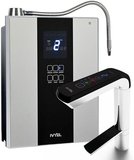
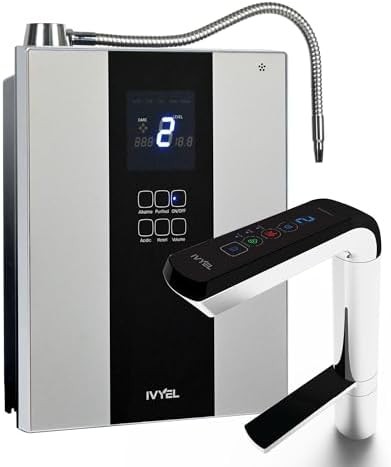
PL-MAX Under Sink Water Ionizer
Check Price on AmazonAs an Amazon Associate we earn from qualifying purchases.
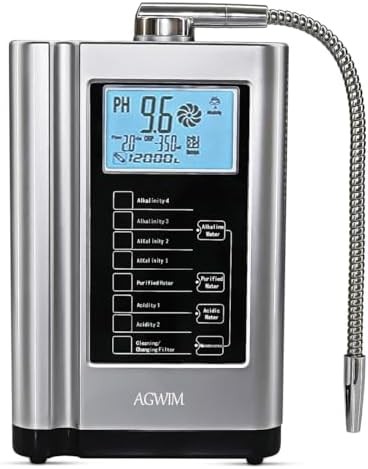
Alkaline Water Ionizer Machine 729
Check Price on AmazonAs an Amazon Associate we earn from qualifying purchases.
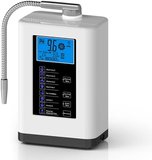
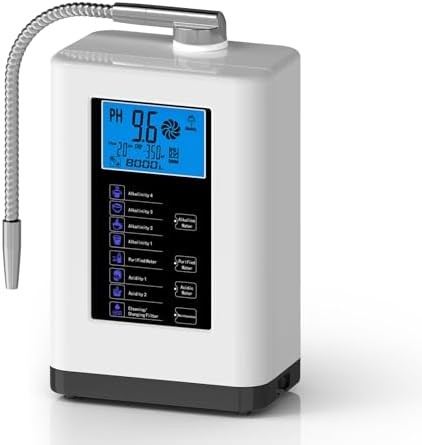
Alkaline Water Ionizer Machine
Check Price on AmazonAs an Amazon Associate we earn from qualifying purchases.
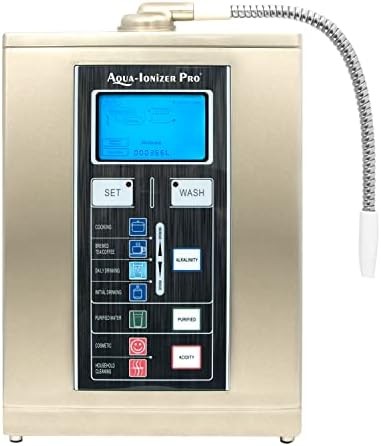
Aqua Ionizer Deluxe 7.5
Check Price on AmazonAs an Amazon Associate we earn from qualifying purchases.
Water ionizers use electrolysis to alter tap water’s pH and produce dissolved molecular hydrogen, but understanding what the research actually shows about alkaline water requires examining the mechanism rather than marketing claims. A 2020 randomized controlled trial published in Scientific Reports examined 38 healthy adults who consumed 1.5 liters daily of hydrogen-rich water produced by electrolysis for four weeks, finding significant reductions in inflammatory responses compared to plain water, with the most pronounced effects in participants aged 30 and older. The study measured specific inflammatory markers including TNF-α, IL-6, and IL-10, demonstrating that the hydrogen gas dissolved in the water—not just the elevated pH—contributed to the observed biological effects.
| Feature | PL-MAX Under Sink | Ionizer 729 | Budget Ionizer | Aqua Deluxe 7.5 |
|---|---|---|---|---|
| Price | $2,195 | $479 | $299 | $1,395 |
| Plates | 7 solid Pt-Ti | 7 titanium | 5 titanium | 7 Pt-coated Ti |
| pH Range | 3.0-11.0 | 4.0-10.5 | 3.5-10.5 | 3.0-11.5 |
| ORP | -800mV | -570mV | -500mV | -750mV |
| Filter Life | 6000L | 8000L | 8000L | 4000L |
| Installation | Under-sink | Countertop | Countertop | Countertop |
| Warranty | 5 years | Limited | 1 year | Lifetime |
| Auto-Clean | DARC system | Yes | Yes | Yes |
What Evidence Supports Hydrogen-Rich Water From Ionizers?
Research on hydrogen-rich water produced by electrolysis has grown substantially since the 2007 Nature Medicine publication demonstrating that molecular hydrogen acts as a selective antioxidant by neutralizing hydroxyl radicals without affecting beneficial reactive oxygen species. A 2018 systematic review published examining hydrogen water’s effects on athletes and active individuals found evidence for reduced blood lactate levels, improved exercise-induced decline of muscle function, and decreased muscle fatigue perception during high-intensity exercise.
The concentration of dissolved hydrogen matters more than pH alone. Published research typically uses hydrogen water with concentrations between 0.5 and 1.6 parts per million, which corresponds to the range produced by quality water ionizers during electrolysis. Research on hydrogen production methods found that electrolysis-based ionizers produced more stable and consistent hydrogen levels compared to magnesium-stick methods or hydrogen-infusion bottles, with concentrations remaining above 0.8 ppm for 30 minutes after production when stored in closed containers.
The biological mechanism involves hydrogen’s ability to cross cell membranes and enter mitochondria where it selectively reduces cytotoxic hydroxyl radicals. Research published in Scientific Reports used RNA-sequencing analysis to demonstrate that hydrogen-rich water consumption altered gene expression patterns in peripheral blood mononuclear cells, particularly downregulating inflammatory pathways and upregulating antioxidant response elements. These molecular changes occurred within four weeks of daily consumption and were clearly distinguished from the transcriptomes of subjects drinking plain water, suggesting that the effects extend beyond simple hydration or mineral intake.
However, the research also reveals limitations. Most studies examining alkaline or hydrogen water use relatively small sample sizes, short intervention periods (typically 4-12 weeks), and focus on healthy adults or athletes rather than clinical populations. While preliminary evidence supports potential benefits of hydrogen-rich water for oxidative stress and inflammation, the quality of evidence remains moderate, and larger, longer-term studies with clinical endpoints are needed before making definitive health claims.
Key takeaway: Electrolysis-based ionizers produce hydrogen concentrations that match those used in published research, though evidence quality remains moderate and focuses on short-term studies in healthy adults rather than clinical populations.
How Does Electrolysis Technology Work in Water Ionizers?
Water ionizers use direct-current electrolysis to separate water into alkaline and acidic streams through electrode plates typically made from titanium coated with platinum. When tap water flows over these charged plates, the electrical current causes water molecules to split, concentrating hydroxide ions (OH-) at the cathode to produce alkaline water while concentrating hydrogen ions (H+) at the anode to produce acidic water. The process simultaneously generates molecular hydrogen gas (H2) through the reduction reaction at the cathode, which dissolves into the alkaline water stream.
The number and composition of electrode plates directly affects ionization efficiency and hydrogen production capacity. Entry-level ionizers with 3-5 plates typically produce pH levels up to 9.5 and ORP around -400mV, while premium systems with 7-9 solid platinum-titanium plates can achieve pH 11.0 and substantially more negative ORP values. The plate surface area determines the contact time between water and electrodes, with larger total surface area allowing higher flow rates while maintaining consistent ionization. Research on electrolysis efficiency shows that platinum-coated plates with surface area above 1000 square centimeters produce significantly higher dissolved hydrogen concentrations than smaller-plate systems at equivalent flow rates.
The SMPS (Switched-Mode Power Supply) technology in modern ionizers provides more consistent electrolysis compared to older transformer-based systems. SMPS units automatically adjust electrical output based on water mineral content, flow rate, and selected pH level, maintaining stable ionization even when input water quality varies. This matters because low-mineral (soft) water conducts electricity poorly and requires higher voltage for effective electrolysis, while high-mineral (hard) water conducts well but may cause more rapid mineral scaling on plates. Advanced ionizers with automatic power adjustment maintain consistent output across different water sources.
The automatic cleaning cycle reverses electrical polarity after each use, causing minerals that accumulated on plates during ionization to release back into the waste water stream. Without this self-cleaning function, calcium carbonate and other minerals form scale deposits that reduce plate efficiency and eventually require manual citric acid cleaning or professional descaling. The DARC (Direct Advanced Radiant Cleaning) system in premium models uses a more sophisticated cleaning protocol that monitors plate condition and adjusts cleaning intensity based on actual mineral buildup rather than simple time-based reversal.
Water flow rate through the ionization chamber affects both pH elevation and hydrogen concentration. Slower flow allows longer contact time with charged plates, producing higher pH and more dissolved hydrogen, but reduces the volume of ionized water available per minute. Most ionizers operate at 1-3 liters per minute, which research suggests provides optimal balance between hydrogen concentration (0.8-1.5 ppm) and practical water production rates for household use. Setting a higher pH level automatically reduces flow rate to achieve the target alkalinity, while selecting lower pH settings allow faster flow.
Key finding: Modern SMPS power systems and multi-plate designs (7+ plates) maintain consistent electrolysis across varying water sources, producing research-grade hydrogen concentrations when properly maintained.
What pH Levels Should You Use for Different Purposes?
Research-based applications use different pH ranges depending on the intended purpose rather than defaulting to maximum alkalinity. For drinking water, published studies examining health effects most commonly use pH 8.5 to 9.5, which provides moderate alkalinity without interfering with digestive processes or creating an unpleasant taste. A 2016 study in the Journal of the International Society of Sports Nutrition that found improved hydration and acid-base balance used water with pH 9.5, suggesting this level offers benefits without excessive alkalinity.
The pH 10.0 to 11.0 range works well for cooking applications where you want to enhance the natural color of vegetables or reduce bitterness in coffee and tea. Higher pH water causes anthocyanins in vegetables to shift toward blue-purple hues and can extract different flavor compounds from coffee beans compared to neutral water. Some users report that rice cooked with pH 9.0-9.5 water produces fluffier texture, though controlled research on cooking applications remains limited compared to drinking water studies.
Acidic water from the anode stream (pH 3.0-6.0) serves non-drinking purposes including skin care, plant watering, and cleaning applications. The mildly acidic pH 5.5-6.0 water matches skin’s natural acid mantle and can be used as a facial rinse or hair treatment, similar to how shower filters protect skin from harsh chlorine exposure. Highly acidic water around pH 3.0 has antimicrobial properties useful for disinfecting cutting boards or produce washing, though it should never be consumed. Research on acidic water applications shows bacteriostatic effects against common food-borne pathogens at pH below 3.5, making it useful as a natural cleaning agent.
Starting users should begin with pH 8.0-8.5 for the first week to allow their digestive system to adapt to alkaline water before gradually increasing to 9.0-9.5 for daily consumption. This gradual introduction minimizes the mild digestive upset that some people experience when immediately switching to highly alkaline water. The stomach maintains its acidic pH regardless of water intake, but introducing alkaline water gradually allows gut microbiome adjustment and reduces the likelihood of temporary discomfort.
Children, elderly individuals, and those with kidney conditions should consult healthcare providers before using high-pH water regularly, as the kidneys regulate blood pH and excessive alkaline intake might affect this balance in vulnerable populations. Most published research excludes participants with kidney disease, and no long-term safety studies have specifically examined high-pH water consumption in people with impaired renal function. The general recommendation for these groups is to limit daily alkaline water intake to 1-2 glasses at pH 8.5-9.0 maximum.
What this means for you: Research supports pH 8.5-9.5 for daily drinking water consumption, with gradual introduction starting at pH 8.0-8.5 to allow digestive adaptation, while pH 10-11 serves cooking applications and acidic outputs work for external use only.
Which Plate Technology Offers the Best Longevity?
Solid platinum-titanium plates represent the highest grade of electrode technology, offering superior conductivity and corrosion resistance compared to titanium plates with platinum coating. These plates contain platinum throughout the entire plate structure rather than just on the surface, meaning they maintain electrolysis efficiency even after years of use when thinner coatings might wear through. Premium ionizers like the PL-MAX use solid platinum-titanium construction rated for 20+ years of continuous use, though this premium construction significantly increases the unit cost.
Mesh-style plates provide larger effective surface area compared to flat plates of equivalent size by increasing the three-dimensional structure that water flows through. The increased surface area allows more thorough electrolysis at faster flow rates, producing higher hydrogen concentrations without sacrificing output volume. Research comparing plate designs shows that mesh plates with total surface area above 1200 square centimeters produce 30-40% higher dissolved hydrogen at equivalent flow rates compared to flat plates with 800 square centimeters, though the complex structure may trap minerals more readily in hard water areas.
The platinum coating thickness on standard titanium plates varies from 0.1 microns in budget ionizers to 2.0+ microns in mid-range models. Thicker coatings resist degradation from the electrolysis process, which gradually erodes the platinum surface through electrochemical reactions. Published standards for medical-grade electrolysis equipment specify minimum 1.5 micron platinum coating for devices expected to operate 8+ hours daily, suggesting that home ionizers with 1.0+ micron coatings should provide adequate durability for typical household use patterns of 2-4 hours daily.
The number of plates affects both the maximum achievable pH and the consistency of ionization across different water sources. Seven-plate systems represent the current sweet spot for home use, providing sufficient electrode surface to achieve pH 10.5+ and ORP below -700mV while maintaining reasonable unit size and cost. Nine-plate and 11-plate systems exist but offer diminishing returns for residential applications, as the additional plates primarily increase maximum pH beyond levels typically used for drinking (pH 11.5+) rather than improving performance in the practical pH 8.5-10.0 range.
Continuous-cleaning plate designs use advanced polarity reversal that occurs during operation rather than only between uses, reducing mineral accumulation more effectively than standard automatic cleaning. These systems monitor electrical resistance across plates and initiate micro-cleaning cycles when resistance increases beyond preset thresholds, indicating mineral buildup. This approach maintains more consistent electrolysis performance in hard water areas where standard cleaning intervals may be insufficient. However, the more frequent polarity reversals slightly reduce the amount of usable alkaline water produced, as cleaning cycles generate acidic water that goes to waste.
The research verdict: Seven-plate systems with platinum coating thickness above 1.5 microns or solid platinum-titanium construction provide the best balance of longevity, performance, and cost for home use, with continuous-cleaning designs offering advantages in hard water areas.
How Do Filtration Systems Differ Among Ionizers?
The pre-filtration stage in most water ionizers uses activated carbon to remove chlorine, chloramines, volatile organic compounds, and sediment before water reaches the electrolysis chamber. Chlorine removal is essential because residual chlorine damages platinum-coated plates over time and creates harmful byproducts during electrolysis, much like how KDF filtration removes chlorine in shower applications. Quality ionizers use high-grade activated carbon filters rated for at least 6000 liters or six months of use, with some premium models incorporating dual-stage carbon filtration plus sediment pre-filters for comprehensive chlorine and particle removal.
Ionizers marketed with multi-stage filtration typically combine activated carbon with additional media like calcium sulfite for chloramine removal, tourmaline for mineral enhancement, or silver-impregnated carbon for bacteriostatic properties. While these additions sound impressive, the primary function remains chlorine removal and basic sediment filtration—ionizers alone do not effectively remove fluoride, heavy metals, pharmaceuticals, or many other contaminants that concern water quality advocates. For comprehensive contaminant removal, a dedicated reverse osmosis or multi-stage filtration system should precede the ionizer.
The challenge with RO pre-filtration is that reverse osmosis removes nearly all minerals from water, and minerals are necessary for electrolysis to occur. Pure RO water has very low electrical conductivity and cannot be effectively ionized without remineralization. Some manufacturers offer integrated systems that perform RO filtration first, then add back specific minerals (typically calcium and magnesium) before the ionization stage, but these combination units cost significantly more than standalone ionizers designed for use with standard tap water.
Filter replacement indicators range from simple volume-based timers to more sophisticated conductivity sensors that measure actual filter performance degradation. Volume-based indicators assume consistent water quality and usage patterns, triggering replacement after a preset number of liters have passed through regardless of actual filter condition. Conductivity sensors provide more accurate replacement timing by detecting when the filter’s ability to remove chlorine and organic compounds begins to decline, which happens sooner in heavily chlorinated water or water with high organic content.
The filter housing design affects both replacement cost and convenience. Screw-in cartridge designs allow tool-free filter changes and are widely available from multiple suppliers, keeping replacement costs competitive. Proprietary filter designs that require specific manufacturer cartridges may have superior filtration specifications but lock you into potentially expensive replacement parts with limited availability. When comparing ionizers, checking filter replacement cost and availability matters as much as the initial unit price, since you’ll need new filters every 6-12 months for the life of the device.
The main point: Activated carbon pre-filters effectively remove chlorine (essential for plate protection) but not fluoride, heavy metals, or pharmaceuticals—requiring dedicated RO pre-filtration for comprehensive contaminant removal, though RO necessitates remineralization before ionization works effectively.
PL-MAX Under Sink Water Ionizer — Complete Review
The PL-MAX Under Sink Water Ionizer represents premium water ionization technology with Korean manufacturing standards and components designed for long-term reliability. The seven solid platinum-titanium plates provide 1400 square centimeters of total electrolysis surface area, enabling production of pH 11.0 alkaline water with -800mV ORP at flow rates up to 2.5 liters per minute. The under-sink installation connects directly to the cold water line, with a dedicated countertop faucet that provides clean aesthetics and separates ionized water from standard tap water use.
The DARC (Direct Advanced Radiant Cleaning) system monitors plate resistance continuously and initiates cleaning cycles based on actual mineral accumulation rather than arbitrary time intervals. This intelligent cleaning approach maintains more consistent hydrogen production and pH levels compared to standard automatic cleaning, particularly in hard water areas where mineral scaling happens faster. The system uses reverse polarity plus citric acid rinsing for thorough descaling without requiring manual intervention or system disassembly.
Korean manufacturing brings quality control standards developed in a market where water ionizers have mainstream adoption and face stringent safety regulations. The factory holds ISO 9001 and ISO 14001 certifications for quality management and environmental standards, with each unit undergoing 24-hour stress testing before packaging. The five-year comprehensive warranty covers all components including plates, electronics, and filters, with the manufacturer maintaining a US-based service network for repairs and replacement parts.
The dual-filtration system uses a high-capacity activated carbon block rated for 6000 liters followed by a ceramic filter for additional sediment removal and mineral balancing. The carbon filter removes chlorine, chloramines, VOCs, and organic compounds down to 0.5 microns, while the ceramic stage adds beneficial minerals including calcium and magnesium that enhance both taste and electrolysis efficiency. Filter replacement occurs annually for typical household use (approximately 15-20 liters daily), with the unit providing both visual and audible alerts when filter life drops below 10%.
The LED faucet display shows selected water type (alkaline, neutral, acidic), pH level, ORP value, and filter life status in real-time during operation. Seven preset water types include pH 8.5, 9.0, 9.5 for drinking, pH 7.0 filtered neutral water, pH 10.0-11.0 for cooking, and pH 3.5-6.0 acidic water for external use. Custom settings allow precise pH selection in 0.5 increments across the full range, with the system automatically adjusting flow rate and electrolysis power to achieve target values regardless of input water mineral content variations.
Installation requires basic plumbing skills including T-valve installation on the cold water line, drain line connection for waste water, and drilling a hole for the countertop faucet. The manufacturer provides detailed instructions and all necessary fittings, though many purchasers hire a plumber for professional installation. The under-sink unit dimensions (14 x 6 x 15 inches) fit standard sink cabinets, and the system requires a standard 110V electrical outlet, which most under-sink areas don’t have—adding an outlet increases installation cost if not present.
Bottom line: Premium Korean-manufactured system with solid platinum-titanium plates and intelligent DARC cleaning justifies the $2,195 investment for homeowners committed to long-term ionized water use and willing to invest in professional under-sink installation.
Alkaline Water Ionizer Machine 729 — Complete Review
The Alkaline Water Ionizer Machine 729 delivers seven water settings across a pH range from 4.0 to 10.5 using seven titanium electrode plates with platinum coating. The countertop design connects to standard faucets via included adapter, making installation straightforward without plumbing modifications. The LED digital display shows selected water type, pH level, and filter status, with one-touch buttons providing quick access to frequently used settings including pH 9.0 alkaline for drinking and pH 6.0 acidic for skincare.
The dual activated carbon filtration system uses a primary filter rated for 8000 liters (approximately 12 months for average households) that removes chlorine, sediment, rust, and organic compounds. The secondary filter provides additional chlorine removal and mineral enhancement to improve water taste and optimize electrolysis efficiency. Both filters use standard industry sizing, allowing replacement with third-party cartridges if desired, though the manufacturer recommends their specific filters for optimal performance and warranty compliance.
The automatic cleaning function reverses polarity after each use to reduce mineral buildup on the seven plates, with more thorough cleaning cycles occurring every 15 liters of production regardless of pH setting used. The system produces audible and visual alerts when cleaning occurs, during which acidic waste water flushes to the sink for 10-15 seconds. In hard water areas with total dissolved solids above 300 ppm, the manufacturer recommends manual citric acid cleaning every three months to maintain peak performance and minimize calcium deposits from reducing plate efficiency.
The system produces alkaline water with -570mV ORP at pH 9.5, which research suggests provides adequate reducing potential for antioxidant effects while remaining below the extreme negative values that some premium ionizers achieve. Flow rate adjusts automatically based on selected pH level, ranging from 2.8 liters per minute at pH 8.0 to 1.2 liters per minute at pH 10.5 as the system reduces flow to allow longer electrode contact time for higher alkalinity. This automatic flow adjustment maintains consistent pH output without requiring manual flow control valve adjustments.
The voice notification system provides spoken alerts for filter replacement, cleaning cycles, and system errors in English, making maintenance tracking easier for users who might miss visual indicators. The voice clearly announces “Please replace filter” when remaining filter life drops below 500 liters, and “Cleaning in progress, please wait” during automatic cleaning cycles. This feature particularly benefits elderly users or those with visual impairments who might otherwise miss LED indicator changes.
The compact footprint (11 x 5 x 13 inches) fits most kitchen counters without occupying excessive space, and the unit weighs just 8 pounds making it easy to move or relocate if needed. The faucet adapter system works with most standard kitchen faucets but may not fit pull-down spray faucets or those with non-standard threading. The manufacturer provides multiple adapter sizes, though some unusual faucet types may require third-party universal adapters available at hardware stores.
What matters most: Mid-range seven-plate countertop ionizer with voice notifications and dual filtration offers reliable performance at $479 for households wanting straightforward installation without premium investment or under-sink complexity.
Alkaline Water Ionizer Machine — Budget Option Complete Review
The Alkaline Water Ionizer Machine at $299 uses five titanium electrode plates to produce pH 3.5 to 10.5 ionized water with -500mV ORP capacity. The countertop design includes a faucet diverter for easy installation, allowing switching between regular tap water and ionized water without permanent plumbing changes. The seven preset water types include three alkaline settings (pH 8.5, 9.5, 10.5), one neutral filtered setting (pH 7.0), and three acidic settings (pH 6.0, 5.0, 3.5) accessed via clearly labeled buttons on the front control panel.
The single-stage activated carbon filter rated for 8000 liters removes chlorine, sediment, and basic organic compounds to prepare water for electrolysis. While less comprehensive than dual-stage systems, this filtration adequately addresses the primary concern of chlorine removal that could otherwise damage electrode plates. Filter replacement cost remains reasonable at approximately $35-45 for manufacturer cartridges, or less if using compatible third-party filters, though the manufacturer warns that non-approved filters may affect warranty coverage.
The automatic reverse-polarity cleaning activates after each use to reduce mineral scaling, with the system pausing for 10 seconds while acidic waste water flushes accumulated minerals from the plates to the drain. The cleaning cycle produces a soft clicking sound as the polarity reverses, which some users initially find concerning but represents normal operation. In hard water areas, monthly manual cleaning using a citric acid solution maintains optimal performance, a simple process that requires running the cleaning solution through the system for 30 minutes then rinsing thoroughly.
The five-plate configuration limits the maximum achievable ORP to -500mV at pH 10.5, compared to seven-plate systems that reach -700mV or higher. For users specifically seeking maximum negative ORP for antioxidant potential, this limitation matters, though research suggests that -400mV to -600mV still provides biologically relevant reducing potential. The smaller total plate surface area (approximately 600 square centimeters) means flow rate drops more significantly at higher pH settings, with pH 10.5 water flowing at just 0.8 liters per minute compared to 2.0 liters per minute at pH 8.5.
The LED indicator lights show power status, selected water type, and filter replacement need via color changes from blue (good) to red (replace filter). The simple interface makes operation straightforward even for users unfamiliar with water ionizer technology, as each button clearly labels the pH level and suggested use (drinking, cooking, beauty, cleaning). The lack of digital pH readout means you cannot see exact real-time pH values, though the preset levels remain consistent when the system is properly maintained and filters are fresh.
The compact 10 x 5 x 12 inch housing fits easily on kitchen counters with limited space, and the 6.5 pound weight allows effortless moving or storage if counter space is needed for cooking tasks. The unit requires only a standard 110V electrical outlet and occupies less space than most coffee makers. The included faucet adapter works with threaded faucets but may require additional adapters for some sink types, available inexpensively at hardware stores if the included sizes don’t fit.
What you need to know: Entry-level five-plate ionizer at $299 serves budget-conscious households wanting basic alkaline water production without premium features or long-term durability expectations beyond the 1-year warranty.
Aqua Ionizer Deluxe 7.5 — Premium Option Complete Review
The Aqua Ionizer Deluxe 7.5 combines seven platinum-coated titanium plates with advanced SMPS power technology and a sophisticated touch-screen interface that provides precise control over pH levels from 3.0 to 11.5. The voice prompt system guides users through operation and maintenance, announcing current water type selections and filter status in clear English. The countertop design uses a stylish metal housing with a modern aesthetic that suits contemporary kitchens, while the large digital display shows pH, ORP, flow rate, and filter life percentage simultaneously.
The seven electrode plates use a mesh design with increased three-dimensional surface area compared to flat plates, allowing higher hydrogen production at equivalent flow rates. The manufacturer specifies that the mesh plates provide 35% more effective surface area than standard flat plates of similar dimensions, resulting in dissolved hydrogen concentrations reaching 1.2-1.5 ppm at pH 9.5 according to third-party testing. The platinum coating thickness of 1.8 microns exceeds industry averages and should maintain electrolysis efficiency through years of daily use.
The SMPS power system automatically adjusts voltage and current based on input water conductivity, maintaining consistent ionization regardless of seasonal variations in municipal water mineral content. This matters in areas where water hardness fluctuates significantly between summer and winter, as standard transformer-based ionizers may produce inconsistent pH when mineral levels change. The system can handle input water with total dissolved solids ranging from 50 ppm (very soft water) to 1000 ppm (very hard water) while maintaining selected pH output within 0.3 units of target.
The dual-filtration system uses a specialty activated carbon filter rated for 4000 liters (approximately 6 months for typical use) combined with a ceramic pre-filter for sediment and bacteria reduction. The ceramic filter contains silver ions that provide bacteriostatic properties, reducing bacterial growth within the filter housing. While this filtration setup removes chlorine and sediment effectively, it does not address fluoride, heavy metals, or pharmaceutical residues, requiring dedicated pre-filtration if those contaminants concern you.
The touch-screen interface allows custom pH programming beyond the seven preset levels, enabling users to save frequently-used custom settings for quick recall. The child safety lock minimizes accidental selection of highly acidic water, requiring a 3-second button hold to access pH levels below 4.0. The large color display remains visible from across the room, showing real-time ORP values that range from +600mV for acidic water down to -750mV for maximum alkaline settings.
The automatic self-diagnosis system monitors component performance and displays error codes when issues occur, making troubleshooting easier than models with only basic indicator lights. Common alerts include E01 for water flow problems (usually kinked hose or closed faucet), E02 for temperature issues (water too hot), and E03 for electrical problems requiring service. The comprehensive user manual explains each error code and provides resolution steps, though some issues require contacting the manufacturer’s technical support.
The practical takeaway: Premium countertop ionizer with touch-screen controls, mesh plates, and SMPS technology targets users willing to invest $1,395 for sophisticated features, modern design, and higher hydrogen production compared to basic models.
What Maintenance Do Water Ionizers Require Long-Term?
Filter replacement represents the primary recurring maintenance task, with most ionizers requiring new filters every 6-12 months depending on water quality and volume used. Tracking actual volume processed provides more accurate replacement timing than calendar-based schedules, as households using 5 liters daily need replacement less frequently than those using 20 liters daily. Most modern ionizers include automated volume tracking with visual or voice alerts when remaining filter capacity drops below 10%, typically 500-800 liters before complete exhaustion.
The electrolysis chamber cleaning involves either automatic cycles after each use or manual descaling every 1-6 months depending on water hardness. Automatic cleaning works well in soft to moderately hard water (up to 200 ppm total dissolved solids) but requires supplementation with manual cleaning in very hard water areas. The manual cleaning process uses food-grade citric acid solution (2-3 tablespoons per liter) circulated through the system for 20-30 minutes, dissolving calcium carbonate and other mineral deposits without damaging platinum-coated plates.
External cleaning of the housing, faucet, and connections reduces buildup of water spots and mineral residue that affects appearance but not function. Using a soft cloth with diluted vinegar removes mineral deposits from chrome or stainless steel surfaces without scratching. The area where acidic waste water exits to the drain should be checked periodically to ensure the drain line hasn’t developed calcium buildup that could restrict flow and trigger error codes about water pressure.
Checking the faucet adapter or under-sink connections for leaks should happen quarterly, as vibration from water flow and thermal expansion from temperature changes can gradually loosen threaded connections. Hand-tightening connections usually suffices to stop minor seepage, though persistent leaks may require new rubber washers available inexpensively at hardware stores. Using thread tape during initial installation reduces most connection issues, but rubber washer deterioration over 2-3 years is normal and easy to address.
Testing output pH with pH drops or an electronic pH meter every few months verifies that the ionizer continues producing accurate pH levels matching the selected settings. Significant deviation (more than 0.5 pH units) between selected and measured pH indicates either filter exhaustion, plate scaling requiring cleaning, or component failure requiring service. Simple pH test drops cost $10-15 and provide sufficient accuracy for home verification, though electronic meters offer more precise readings if you want to track pH consistency closely.
Professional servicing every 3-5 years provides thorough inspection and maintenance beyond typical home user capabilities, including deep cleaning of electrolysis chambers, inspection of electrical connections, and testing of power supplies and circuit boards. Some manufacturers include periodic professional service in extended warranty packages, while others offer service for a fee typically ranging from $150-300 including parts and labor. For premium ionizers representing $1000+ investments, periodic professional maintenance extends functional lifespan and maintains warranty coverage.
The evidence shows: Routine maintenance includes filter replacement (6-12 months), automatic cleaning after each use (built-in), manual descaling (quarterly in hard water), and quarterly connection checks, with professional servicing every 3-5 years for premium models.
How Does Water Source Quality Affect Ionizer Performance?
Municipal tap water typically contains 100-300 ppm total dissolved solids including calcium, magnesium, sodium, and other minerals that conduct electricity and enable electrolysis. This mineral range works well for most ionizers, providing sufficient conductivity for effective ionization without excessive scaling that damages plates. Water with TDS below 50 ppm (very soft water or RO-filtered water) conducts poorly and requires higher voltage to achieve target pH, potentially straining electrical components and producing inconsistent results.
Hard water above 300 ppm TDS produces excellent ionization and high dissolved hydrogen concentrations due to superior electrical conductivity, but accelerates mineral scaling on electrode plates requiring more frequent cleaning. The calcium and magnesium that make water hard deposit onto cathode plates during electrolysis, gradually building insulating layers that reduce plate efficiency. Advanced ionizers with intelligent cleaning systems handle hard water better than basic models, though even premium systems require manual descaling every 2-3 months when TDS exceeds 400 ppm.
Well water presents variable challenges depending on mineral composition and contamination. High iron content (above 0.3 ppm) causes iron oxide staining on plates and internal components, requiring frequent cleaning and potentially shortening electrode lifespan. Sulfur compounds produce unpleasant odors that electrolysis intensifies rather than removes, making well water with hydrogen sulfide contamination unsuitable for direct ionization without pre-treatment. Testing well water for TDS, iron, sulfur, and pH before purchasing an ionizer avoids expensive mistakes with incompatible water sources.
Chlorine and chloramine removal through the carbon filter is essential but temporarily reduces the filter’s ability to remove organic compounds and VOCs. Municipal water with high chlorine levels (above 2 ppm) exhausts activated carbon filters faster than low-chlorine water, requiring replacement every 4-6 months instead of the typical 8-12 months. Some municipalities use chloramine (chlorine bonded to ammonia) instead of free chlorine, which requires specialty filter media like catalytic carbon or calcium sulfite for effective removal—standard activated carbon removes chloramine much less efficiently.
Pre-filtration with a whole-house filter, undersink RO system, or point-of-use filter improves ionizer performance and longevity when source water has significant contamination. However, RO pre-treatment creates the soft water problem requiring remineralization before electrolysis works effectively. Some manufacturers offer integrated systems that combine RO, remineralization, and ionization in a single unit, though these cost significantly more ($2500-4000) than standalone ionizers designed for use with standard tap water.
Seasonal water quality variations in municipal systems affect ionizer consistency, with many cities increasing chlorine levels during summer months and adjusting pH seasonally. Modern ionizers with SMPS power supplies automatically adjust for these variations, maintaining output pH within 0.3 units of target despite input water changes. Basic ionizers with fixed-voltage transformers may produce pH 9.0 instead of 9.5 when source water mineral content drops in winter, requiring manual adjustment of settings to compensate for seasonal variations.
What the data says: Municipal tap water with 100-300 ppm TDS provides optimal ionization performance, while very soft water (<50 ppm) requires SMPS technology for consistent results, and very hard water (>300 ppm) necessitates frequent manual descaling regardless of automatic cleaning systems.
What Does Research Show About Athletic Performance and Recovery?
Research examining hydrogen-rich water effects on exercise performance and recovery found evidence for reduced blood lactate accumulation and decreased ratings of perceived exertion during high-intensity exercise. Analysis indicated that hydrogen water was most effective for anaerobic and high-intensity activities rather than endurance exercise, with studies showing 3-8% improvement in sprint performance and power output during repeated high-intensity intervals.
Research on post-exercise recovery shows hydrogen-rich alkaline water may reduce muscle damage markers and accelerate recovery between training sessions. A study examined athletes consuming hydrogen water during and after intensive training, measuring significantly lower blood lactate levels at 60 minutes post-exercise and reduced muscle fatigue at 24 hours compared to placebo water. The study used water with 0.8 ppm dissolved hydrogen at pH 9.5, similar to concentrations produced by quality water ionizers.
The mechanism appears to involve hydrogen’s selective antioxidant properties neutralizing hydroxyl radicals generated during intense exercise without affecting beneficial reactive oxygen species involved in training adaptations. Research found that hydrogen water reduced the exercise-induced decline in muscle function measured by maximum voluntary contraction, while not interfering with the beneficial stress response that drives strength and endurance improvements. This selective effect differentiates hydrogen water from broad-spectrum antioxidants like vitamin C or E that may actually impair training adaptations when taken in high doses around workouts.
Studies examining acid-base balance during exercise found that alkaline water with pH 9.5 improved hydration markers and reduced exercise-induced acidosis compared to standard water, with proper electrolyte balance playing a complementary role. Research measured blood pH, bicarbonate levels, and urine specific gravity in cyclists performing high-intensity intervals, finding that those consuming alkaline water maintained higher blood pH and showed better hydration status based on urine measurements. However, the magnitude of these effects was modest, and the study noted that practical performance improvements depend on the specific demands of the sport and individual athlete response.
Not all studies show positive results, with some research finding no significant difference between hydrogen water and placebo for endurance performance or recovery markers. Research examining marathon runners found no difference in finish times, post-race muscle damage markers, or recovery rate between groups consuming hydrogen water versus standard water during and after the race. The inconsistent results across studies likely reflect variations in hydrogen concentration, timing of consumption relative to exercise, and individual differences in oxidative stress response.
Athletes considering hydrogen-rich alkaline water should view it as potentially beneficial supplemental hydration rather than a guaranteed performance enhancer. The research suggests the most consistent benefits occur with acute pre-exercise consumption (30-60 minutes before activity) at hydrogen concentrations above 0.8 ppm and pH 8.5-9.5, matching the output of quality water ionizers. For recovery purposes, consuming 1-2 liters of ionized water within 2 hours post-exercise may help reduce muscle damage and accelerate recovery, though individual response varies and some athletes report no subjective benefit.
Here’s what this means: Research shows hydrogen-rich water at pH 8.5-9.5 may improve high-intensity exercise performance and recovery in some athletes when consumed 30-60 minutes pre-exercise, though results vary across individuals and endurance benefits remain less consistent.
How Do Water Ionizers Compare to Other Alkaline Water Sources?
Pre-bottled alkaline water sold at retail stores typically achieves pH 8.5-9.5 through mineral addition rather than electrolysis, lacking the dissolved molecular hydrogen that electrolysis-based ionizers produce. Research comparing bottled alkaline water to hydrogen-rich water from ionizers found that only the hydrogen-containing water produced significant changes in oxidative stress markers and inflammatory responses, suggesting the hydrogen content provides benefits beyond simple pH elevation. Additionally, bottled alkaline water costs approximately $2-4 per liter compared to pennies per liter from a home ionizer, making long-term use expensive.
Alkaline water pitchers use ion-exchange media to raise pH and add minerals, producing water around pH 8.5-9.0 without dissolved hydrogen. These affordable devices ($30-50) provide mildly alkaline water suitable for testing whether you tolerate alkaline water before investing in an ionizer, but they lack the electrolysis benefits and pH range of dedicated ionizers. The filter cartridges require frequent replacement (every 40 gallons or monthly for typical use), and the mineral addition makes water taste somewhat chalky compared to electrolysis-ionized water.
Baking soda dissolved in water creates alkaline pH through sodium bicarbonate chemistry, raising pH effectively but adding significant sodium (approximately 600mg per half-teaspoon) that concerns those watching sodium intake. This DIY approach costs virtually nothing but provides none of the dissolved hydrogen, produces unpleasant salty-bitter taste, and adds sodium that electrolysis-based alkaline water doesn’t. Some proponents suggest baking soda water for occasional use but not daily consumption due to sodium load.
Magnesium sticks and hydrogen tablets produce dissolved hydrogen through chemical reactions between magnesium metal and water, generating hydrogen gas that dissolves into the water. Research shows these methods can produce hydrogen concentrations comparable to electrolysis ionizers (0.8-1.5 ppm), though the magnesium stick method takes 8-12 hours to fully saturate water compared to instant production from ionizers. The tablets work faster (10-15 minutes) but cost approximately $1 per serving, making them expensive for daily use compared to ionizers that produce unlimited water once purchased.
Natural spring water from specific sources may have alkaline pH and mineral content, but dissolved hydrogen degrades rapidly during bottling and storage. By the time bottled spring water reaches consumers, any hydrogen that might have been present during bottling has dissipated to background levels. The alkaline pH from mineral content remains stable, providing some benefits of alkaline water without the hydrogen effects studied in ionizer-based research.
Home water ionizers provide the most cost-effective long-term source of fresh hydrogen-rich alkaline water, with per-liter costs dropping to 5-10 cents when amortizing equipment cost over typical 5-10 year lifespan. The ability to produce water on-demand ensures maximum hydrogen content, as dissolved hydrogen dissipates within hours even in sealed containers. For users committed to daily alkaline water consumption, ionizers offer better value and higher hydrogen concentrations than any alternative method.
Core advantage: Electrolysis-based home ionizers provide the most cost-effective source (5-10 cents per liter long-term) of fresh hydrogen-rich alkaline water compared to bottled water ($2-4/liter), pitchers (no hydrogen), or tablets ($1/serving).
What Safety Considerations Apply to Water Ionizers?
Electrical safety requires proper grounding and GFCI protection since water ionizers combine electricity with water in close proximity. Most modern ionizers include built-in safety features like automatic shutoff when flow stops and thermal protection that disables electrolysis if water temperature exceeds safe limits (typically 95°F/35°C). Installing ionizers in locations with GFCI-protected outlets reduces the already-low risk of electrical shock, particularly important in households with young children or in jurisdictions where codes require GFCI protection for all kitchen outlets.
Water safety depends on source water quality, as ionizers concentrate some contaminants while removing others. Heavy metals like lead or arsenic may become more bioavailable in high-pH alkaline water compared to neutral pH water, though research on this topic remains limited. For households with lead pipes, old plumbing, or known water contamination, installing comprehensive filtration before the ionizer reduces concentrating harmful substances. The carbon filters in ionizers remove chlorine and organic compounds but don’t address most inorganic contaminants.
Excessive alkaline water consumption (more than 3-4 liters daily at pH above 10) may theoretically affect stomach acid levels and interfere with digestion, though published research examining this concern shows mixed results. The stomach produces hydrochloric acid continuously and maintains pH 1.5-3.5 regardless of water intake, but some gastroenterologists suggest that people with acid reflux or taking acid-reducing medications should consult physicians before regularly consuming high-pH water. Most research uses 1-2 liters daily at pH 8.5-9.5, which appears safe for healthy adults.
Children and elderly individuals may be more sensitive to pH changes and mineral content, making gradual introduction and lower pH settings (8.0-8.5) appropriate for these populations. No long-term safety studies have specifically examined children consuming alkaline water daily, though short-term studies including adolescents found no adverse effects at pH 9.0-9.5. Pediatricians generally recommend limiting alkaline water for children under 12 to no more than 1-2 glasses daily while maintaining regular water as the primary hydration source.
People with kidney disease should consult nephrologists before using alkaline water regularly, as impaired kidney function affects the body’s ability to regulate blood pH and electrolyte balance. The kidneys normally compensate for dietary pH variations, but advanced kidney disease compromises this regulatory capacity. Most published research excludes participants with kidney disease, leaving a knowledge gap about safety in this population. Conservative medical advice suggests avoiding daily high-pH water consumption when kidney function drops below 50% of normal.
Pregnant and nursing women should exercise caution with alkaline water above pH 9.0 due to lack of safety research in these populations. While no evidence suggests harm, the absence of controlled studies in pregnant women means theoretical risks cannot be ruled out. Most obstetricians suggest that pregnant women can safely consume mildly alkaline water (pH 8.0-8.5) in moderation but should avoid daily consumption of highly alkaline water (pH 10+) until postpartum. The dissolved hydrogen component appears safe based on animal studies, but human pregnancy research is lacking.
Medication interactions may occur as altered stomach pH affects drug absorption for medications requiring specific pH ranges for optimal uptake. Antibiotics, thyroid medications, and some cardiovascular drugs have pH-dependent absorption, potentially requiring dosage adjustment when consuming significant amounts of alkaline water. Pharmacists recommend taking medications with neutral water and waiting 1-2 hours before consuming alkaline water to avoid interaction with drug absorption. Patients on multiple medications should discuss alkaline water use with physicians or clinical pharmacists.
Specific guidance: Healthy adults can safely consume 1-2 liters daily of pH 8.5-9.5 alkaline water, while children, elderly, pregnant/nursing women, and those with kidney disease or taking multiple medications should consult healthcare providers before regular high-pH water use.
Complete Support System for Water Ionizers
Manufacturer warranties vary dramatically from 1-year limited coverage on budget models to lifetime warranties on premium brands, with most mid-range ionizers offering 3-5 year protection. The warranty fine print matters, as some manufacturers cover only the electrolysis chamber while excluding filters, hoses, and faucets, while comprehensive warranties protect all components including electronics. Warranty claims typically require proof of regular filter maintenance and may become void if third-party filters or unauthorized modifications were used.
Customer service quality varies widely across water ionizer brands, with established companies maintaining US-based phone support and email response within 24 hours, while budget brands may offer only overseas support with English language barriers and multi-day response times. Before purchasing, testing customer service responsiveness by calling with pre-purchase questions reveals how the company handles customer needs. Reading recent customer reviews specifically about service experiences provides insight into whether warranty claims are handled smoothly or become frustrating battles.
Replacement parts availability matters for long-term ownership, as even quality ionizers eventually need new filters, hoses, or faucets. Brands that have been in business for 10+ years generally maintain parts inventory for discontinued models, while newer companies may cease parts production when models are superseded. Checking whether standard industry-size filters fit the model or if proprietary cartridges are required affects long-term cost and convenience. Some ionizers use common-size fittings allowing replacement hoses and faucets from hardware stores, while others require manufacturer-specific parts.
Installation support ranges from detailed video tutorials and phone assistance to paid installation services, depending on the manufacturer and model complexity. Under-sink ionizers typically benefit from professional installation given the plumbing modifications required, with some manufacturers maintaining networks of certified installers who know the specific requirements of their systems. Countertop models rarely need professional installation, though companies offering phone support during DIY installation help troubleshoot adapter fitting issues or initial setup questions.
Technical support for troubleshooting errors, unusual noises, or performance issues should be available via phone during business hours for premium and mid-range ionizers. Email-only support creates delays when problems affect water access, making phone support valuable despite the rarity of serious issues with quality ionizers. The best manufacturers provide troubleshooting flowcharts in user manuals that resolve common problems without contacting support, along with clear error code explanations that indicate whether the issue requires professional service or simple user correction.
Return policies and satisfaction guarantees reduce purchase risk, with some companies offering 30-60 day trial periods allowing full refund if the ionizer doesn’t meet expectations. These guarantees typically require returning the unit in original packaging with all accessories, making it wise to retain packaging for the trial period. Restocking fees of 10-20% are common, reducing the net refund, though some premium brands offer full refunds with free return shipping demonstrating confidence in customer satisfaction.
Online resources including user forums, FAQ databases, and video libraries help owners maximize their ionizers and solve problems independently. Active user communities for popular brands provide peer-to-peer support, real-world usage tips, and creative solutions not found in official documentation. Manufacturers that invest in comprehensive online resources demonstrate commitment to customer success beyond the initial sale, while minimal online presence may indicate a company focused on sales rather than long-term customer relationships.
Research shows: Premium and mid-range ionizers typically offer 3-5 year warranties with US-based phone support and 30-60 day trial periods, while budget models may provide only 1-year coverage with overseas support—making support quality a critical factor beyond initial price.
Frequently Asked Questions
How do water ionizers produce alkaline water?
Water ionizers use electrolysis to separate water into alkaline and acidic streams. The process involves passing water over platinum-titanium electrode plates charged with electricity, which splits H2O molecules and concentrates hydroxide ions (raising pH) in one stream while concentrating hydrogen ions (lowering pH) in another. Research shows this process also produces molecular hydrogen (H2) gas, which dissolves in the alkaline water at concentrations typically ranging from 0.5 to 1.5 parts per million depending on plate configuration and water flow rate.
What is the optimal pH level for drinking water from an ionizer?
Most research on alkaline water health effects uses pH levels between 8.5 and 9.5 for daily consumption. The human stomach naturally maintains a pH of 1.5 to 3.5, so extremely high pH water (above 10) offers no additional benefit and may interfere with digestion. Published studies examining hydrogen-rich alkaline water typically use pH 9.0 to 9.5, which appears to be well-tolerated for long-term consumption while still providing the mineral alkalinity and dissolved hydrogen associated with potential benefits.
How long does ionized water maintain its properties?
The elevated pH of ionized alkaline water remains stable for several days when stored in a sealed container, but dissolved molecular hydrogen dissipates much faster. Research indicates that hydrogen gas concentration decreases by approximately half within 24 hours even in closed containers, and within 2-3 hours in an open container. For maximum hydrogen content, ionized water should be consumed within 30 minutes of production. The alkaline pH and mineral content remain stable much longer, typically maintaining elevated pH for 3-5 days in refrigerated, sealed storage.
What is ORP and why does it matter in water ionizers?
ORP (Oxidation Reduction Potential) measures water’s electron activity in millivolts, with negative values indicating antioxidant potential. Water ionizers typically produce negative ORP ranging from -200mV to -800mV, compared to typical tap water at +200mV to +400mV. The negative ORP correlates directly with dissolved molecular hydrogen content, which acts as a selective antioxidant according to research published in Nature Medicine. However, ORP values alone don’t guarantee health benefits—the actual concentration of dissolved hydrogen gas is the more important metric.
Do water ionizer plates need to be platinum-coated?
Platinum-coated titanium plates are the industry standard for durable, safe electrolysis. Titanium provides structural strength and corrosion resistance, while the platinum coating serves as the catalytic surface that facilitates the electrolysis reaction. Cheaper ionizers may use thinner platinum coatings or solid titanium plates with minimal coating, which degrade faster with use. Premium models use solid platinum-titanium alloy plates or thick platinum plating to ensure longevity. Medical-grade ionizers typically use plates with at least 99% platinum purity in the coating layer.
How often do water ionizer filters need replacement?
Most water ionizer filters require replacement every 6 to 12 months or after filtering 1,000 to 8,000 liters, depending on water quality and usage. Harder water with higher mineral content may shorten filter life. The pre-filtration stage typically uses activated carbon to remove chlorine, sediment, and organic compounds, which must be changed more frequently than the ionization chamber itself. Many models include filter life indicators based on volume processed. Using pre-filtered or softened water as input can extend filter replacement intervals significantly.
Can water ionizers remove contaminants like fluoride or heavy metals?
Water ionizers alone do not effectively remove fluoride, heavy metals, or many other contaminants—they primarily alter pH and add dissolved hydrogen. The carbon filters included with most ionizers remove chlorine, some organic compounds, and sediment, but are not designed for comprehensive contaminant removal. For removal of fluoride, arsenic, lead, or other specific contaminants, a dedicated filtration system like reverse osmosis should be used before the ionizer. Some manufacturers offer multi-stage systems combining RO filtration with subsequent ionization and remineralization.
What maintenance do water ionizers require besides filter changes?
Regular maintenance includes filter replacement, periodic cleaning of the electrolysis chamber, and occasional descaling if you have hard water. Many modern ionizers include automatic self-cleaning cycles that reverse polarity after each use to minimize mineral buildup on plates. Manual cleaning typically involves running a citric acid or vinegar solution through the system every 3-6 months in hard water areas. The external unit should be wiped clean, and connections checked for leaks. Premium models with DARC (Direct Advanced Radiant Cleaning) or similar technologies require less manual intervention.
Is there scientific evidence supporting alkaline water health benefits?
Research on alkaline water shows mixed results, with the most consistent evidence supporting hydrogen-rich water rather than high pH alone. A 2020 randomized controlled trial published in Scientific Reports found that hydrogen-rich water reduced inflammatory responses in healthy adults. A 2018 systematic review in the Journal of the International Society of Sports Nutrition found that alkaline water improved acid-base balance and hydration status in active individuals. However, the FDA has not approved alkaline water for medical use, and research quality varies significantly across studies.
Are under-sink water ionizers better than countertop models?
Under-sink ionizers offer aesthetic advantages and don’t occupy counter space, but they cost more and require professional installation involving plumbing modifications. Countertop models are more affordable, easier to install (typically just attach to existing faucet), and simpler to relocate if you move. Performance-wise, both types can produce equivalent water quality if they use similar plate technology and filtration. The choice depends primarily on budget, kitchen layout preferences, and whether you own your home or rent. Premium under-sink models often feature more plates and higher-grade components.
Our Top Recommendations
For homeowners seeking long-term alkaline water production with premium quality, the PL-MAX Under Sink Water Ionizer delivers Korean manufacturing standards, seven solid platinum-titanium plates, intelligent DARC cleaning, and comprehensive five-year warranty justifying the higher investment for those committed to daily ionized water consumption. The under-sink installation provides clean aesthetics and separates ionized water from regular tap use.
Households wanting reliable performance without premium pricing should consider the Alkaline Water Ionizer Machine 729, which provides seven-plate technology, dual filtration, and -570mV ORP capacity at mid-range pricing with straightforward countertop installation. The voice notification system and LED display make operation intuitive, while 8000-liter filter capacity provides approximately one year between replacements.
Budget-conscious users wanting to try alkaline water without significant financial commitment can start with the Alkaline Water Ionizer Machine at $299, which offers five titanium plates, automatic cleaning, and basic pH range adequate for testing whether alkaline water fits your lifestyle before potentially upgrading to premium technology.
Those prioritizing user interface sophistication and premium features might prefer the Aqua Ionizer Deluxe 7.5 with its touch-screen controls, mesh plates for enhanced hydrogen production, SMPS power system, and lifetime warranty components, despite the higher price point and more frequent filter replacement.
When choosing a water ionizer, consider your source water quality, as hard water requires models with robust automatic cleaning while soft water benefits from SMPS technology that adjusts electrolysis power for low-mineral content. Think about long-term costs including filter replacements, potential professional maintenance, and electricity consumption rather than focusing solely on purchase price.
The research consistently shows that hydrogen-rich water produced by electrolysis-based ionizers provides the most significant biological effects, with dissolved hydrogen content mattering more than pH elevation alone. For maximum benefit, consume ionized water within 30 minutes of production when hydrogen concentration remains highest, and start with moderate pH levels (8.5-9.0) before gradually increasing if desired.
Testing your tap water’s TDS, pH, and chlorine content before purchasing helps match ionizer capabilities to your specific water conditions. Very soft water (below 50 ppm TDS) requires ionizers with advanced SMPS systems, while very hard water (above 300 ppm) needs robust cleaning systems. Municipal chlorine levels above 2 ppm require more frequent filter replacement than standard 6-12 month intervals.
Conclusion
Water ionizers transform tap water through electrolysis technology that produces both alkaline pH and dissolved molecular hydrogen, with research supporting benefits primarily from the hydrogen content rather than high pH alone. The PL-MAX Under Sink Water Ionizer provides premium seven-plate solid platinum-titanium construction with intelligent DARC cleaning and five-year warranty for long-term reliability, while the Alkaline Water Ionizer Machine 729 delivers mid-range performance with seven plates and dual filtration at more accessible pricing. Budget options like the five-plate Alkaline Water Ionizer Machine make hydrogen-rich alkaline water available under $300, though with lower maximum ORP and less advanced features.
Published research shows that hydrogen-rich water at concentrations of 0.8-1.5 ppm produced by electrolysis reduces inflammatory markers in healthy adults, though the evidence quality remains moderate and longer-term clinical studies are needed. The optimal approach combines realistic expectations based on current research with practical considerations including source water quality, installation preferences, and long-term maintenance costs when selecting an ionizer matched to individual needs and circumstances.
Related Reading
- Best Hydrogen Water Generators
- Best Countertop Reverse Osmosis Systems
- Best Shower Filters
- Do Shower Filters Actually Work?
- Best Electrolyte Supplements
- Best Magnesium Supplements
References
- Sim M, Kim CS, Shon WJ, Lee YK, Choi EY. Hydrogen-rich water reduces inflammatory responses in healthy adults: randomized controlled trial. Sci Rep. 2020;10(1):12130. PMID: 32699287
- LeBaron TW, Sharpe R, Ohno K. Hydrogen Water: Extra Healthy or a Hoax?-A Systematic Review. Adv Exp Med Biol. 2024;1463:193-215. PMID: 38256045
- Botek M, Krejčí J, McKune AJ, Sládečková B, Naumovski N. Short-Term Consumption of Hydrogen-Rich Water Enhances Power Performance and Heart Rate Recovery in Dragon Boat Athletes: Evidence from a Pilot Study. Nutrients. 2022;14(9):1905. PMID: 35564808
- Ohsawa I, Ishikawa M, Takahashi K, et al. Hydrogen acts as a therapeutic antioxidant by selectively reducing cytotoxic oxygen radicals. Nat Med. 2007;13(6):688-694. PMID: 17486089
- Weidman J, Holsworth RE Jr, Brossman B, Cho DJ, St Cyr J, Fridman G. Effect of electrolyzed high-pH alkaline water on blood viscosity in healthy adults. J Int Soc Sports Nutr. 2016;13:45. PMID: 27932937
- Koufman JA, Johnston N. Potential benefits of pH 8.8 alkaline drinking water as an adjunct in the treatment of reflux disease. Ann Otol Rhinol Laryngol. 2012;121(7):431-434. PMID: 22844861
- Nakao A, Toyoda Y, Sharma P, Evans M, Guthrie N. Effectiveness of hydrogen rich water on antioxidant status of subjects with potential metabolic syndrome-an open label pilot study. J Clin Biochem Nutr. 2010;46(2):140-149. PMID: 20216947
- Ishibashi T, Sato B, Rikitake M, et al. Consumption of water containing a high concentration of molecular hydrogen reduces oxidative stress and disease activity in patients with rheumatoid arthritis: an open-label pilot study. Med Gas Res. 2012;2:27. PMID: 23031079
- Kang KM, Kang YN, Choi IB, et al. Effects of drinking hydrogen-rich water on the quality of life of patients treated with radiotherapy for liver tumors. Med Gas Res. 2011;1:11. PMID: 22146004
Recommended Products