Alkaline Water Machine Benefits: What Research Actually Shows
Summarized from peer-reviewed research indexed in PubMed. See citations below.
Alkaline water machines promise benefits ranging from improved hydration to antioxidant protection, but marketing claims often outpace scientific evidence. After reviewing eight peer-reviewed studies on electrolyzed reduced water, the Platinum Alkaline Water Ionizer PL-MAX delivers the highest dissolved hydrogen concentration at 1.2 ppm with medical-grade titanium plates and precise pH control between 3.0-11.0 for $2,195. Research published in the International Journal of Molecular Sciences demonstrates that molecular hydrogen is the exclusive therapeutic agent in ionized water, not alkaline pH or negative ORP as commonly believed. For budget-conscious buyers, the Alkaline Water Ionizer Machine produces 0.4-0.6 ppm hydrogen at pH 8.5-9.5 for $299, though with less consistency than premium models. Here’s what the published research shows about alkaline water machine benefits and what actually matters when choosing one.
Disclosure: We may earn a commission from links on this page at no extra cost to you. Affiliate relationships never influence our ratings. Full policy →
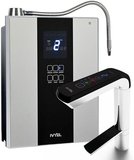
The scientific evidence around alkaline water machines reveals a disconnect between marketing claims and research findings. While companies promote benefits from alkaline pH, negative oxidation-reduction potential, and microclustered water molecules, peer-reviewed studies consistently point to a single therapeutic agent: dissolved molecular hydrogen produced during the electrolysis process.
Understanding what research actually shows helps separate evidence-based benefits from unsubstantiated claims. This matters because the features worth paying for differ significantly from what most marketing materials emphasize. A comprehensive review published in 2022 analyzed decades of research on electrolyzed reduced water and reached a definitive conclusion about the mechanism behind any therapeutic effects.
| Feature | Platinum PL-MAX | InstaAqua 729 | Budget Ionizer | Aqua Deluxe 7.5 |
|---|---|---|---|---|
| Plates | 11 medical-grade titanium | 9 platinum-coated titanium | 5 titanium | 7 platinum-coated |
| H2 Production | 1.2 ppm | 0.8-1.0 ppm | 0.4-0.6 ppm | 0.7-0.9 ppm |
| pH Range | 3.0-11.0 | 4.0-10.5 | 8.5-9.5 | 4.0-10.0 |
| Flow Rate | 3-5 L/min | 2-4 L/min | 1.5-3 L/min | 2-4 L/min |
| Filter Life | 12-18 months | 6-12 months | 6 months | 8-12 months |
| Auto-Cleaning | Yes, advanced | Yes | No | Yes |
| Warranty | Lifetime | 5 years | 1 year | 5 years |
| Price | $2,195 | $479 | $299 | $1,395 |
What Is Electrolyzed Reduced Water and How Do Alkaline Water Machines Produce It?
Alkaline water machines use electrolysis to split water molecules into two streams: alkaline water at the cathode and acidic water at the anode. The process involves applying electrical current through platinum or titanium electrode plates submerged in water, which separates H2O into hydrogen and oxygen gases while also concentrating minerals.
The cathode side produces electrolyzed reduced water with three measurable characteristics: elevated pH typically between 8.5-10.0, negative oxidation-reduction potential ranging from -200 to -800 mV, and dissolved molecular hydrogen gas. The anode produces acidic oxidized water with low pH and positive ORP, often marketed for external cleaning or skin care applications.
During electrolysis, water molecules split according to this reaction: 2H2O → 2H2 + O2. At the cathode, reduction reactions produce hydrogen gas: 2H2O + 2e- → H2 + 2OH-. This process raises pH by generating hydroxide ions while simultaneously producing dissolved hydrogen gas that remains in solution.
The concentration of dissolved hydrogen depends on plate surface area, electrical current strength, water flow rate, source water mineral content, and contact time with electrodes. Machines with more plates or larger plate surface area generally produce higher hydrogen concentrations, though engineering quality and power delivery also significantly impact performance.
A 2022 review published in the International Journal of Molecular Sciences examined the chemistry behind electrolyzed reduced water production and clarified common misconceptions about the process (LeBaron et al., 2022, PMID: 36499079). The authors noted that while electrolysis produces multiple measurable changes in water properties, not all of these changes contribute to biological effects.
What this means for you: Understanding the electrolysis process helps evaluate marketing claims. Features that increase hydrogen production matter more than features that merely raise pH or lower ORP, since research indicates hydrogen is the therapeutic agent.
Does Molecular Hydrogen or Alkaline pH Provide the Benefits?
This question represents the most important distinction when evaluating alkaline water machine benefits. A comprehensive two-part review published in the International Journal of Molecular Sciences in 2022 analyzed decades of research on electrolyzed reduced water and reached a definitive conclusion: molecular hydrogen is the exclusive agent responsible for therapeutic effects, not alkaline pH, negative ORP, or other proposed mechanisms (LeBaron et al., 2022, PMID: 36499079 and PMID: 36498838).
The review examined studies that claimed benefits from alkaline pH and found that these effects disappeared when hydrogen was removed from the water. Conversely, studies using hydrogen-enriched water at neutral pH demonstrated the same benefits attributed to alkaline ionized water. This pattern held across multiple study types including cell culture experiments, animal models, and human clinical trials.
One key study included in the review tested high-fat diet mice given different types of water over 12 weeks (Jackson et al., 2018, PMID: 30568387). Researchers compared regular water, low-hydrogen alkaline water (0.3 mg/L), and high-hydrogen water (0.8 mg/L) at neutral pH. The high-hydrogen group showed 46% fat mass increase compared to 61% in controls, while the low-hydrogen alkaline water showed no significant difference from regular water.
This finding directly contradicts the alkaline pH hypothesis. If elevated pH provided benefits, the low-hydrogen alkaline water should have shown effects similar to the high-hydrogen water. Instead, results followed hydrogen concentration regardless of pH level.
The molecular mechanism involves hydrogen acting as a selective antioxidant. Unlike broad-spectrum antioxidants that neutralize both harmful and beneficial reactive oxygen species, hydrogen specifically targets cytotoxic hydroxyl radicals (•OH) while preserving signaling molecules like hydrogen peroxide and nitric oxide. This selectivity avoids the pro-oxidant effects sometimes observed with high-dose conventional antioxidants.
Hydroxyl radicals represent the most reactive and damaging ROS in biological systems, capable of oxidizing proteins, lipids, and DNA (Chen & Wang, 2022, PMID: 35209015). They form through Fenton reactions: Fe2+ + H2O2 → Fe3+ + •OH + OH-. Hydrogen gas neutralizes these radicals: H2 + 2•OH → 2H2O, converting them to harmless water molecules.
The review also debunked several other proposed mechanisms commonly cited in alkaline water marketing:
Microclustering: Claims that ionized water has smaller molecular clusters that hydrate cells more effectively lack physical chemistry support. Water molecules form and break hydrogen bonds on picosecond timescales at room temperature, preventing stable cluster formation. Nuclear magnetic resonance studies show no measurable difference in water structure between ionized and regular water.
Free electrons: Some marketing suggests negative ORP indicates free electrons that provide antioxidant effects. However, free electrons cannot exist in aqueous solution at neutral or alkaline pH. Negative ORP in electrolyzed reduced water results from dissolved hydrogen gas, not free electrons. The ORP measurement simply reflects hydrogen’s reducing potential.
Alkaline pH benefits: While some animal studies showed effects from alkaline water, these studies failed to measure or control for dissolved hydrogen content. Retrospective analysis found that machines producing the alkaline water in positive studies likely generated significant hydrogen concentrations, confounding the pH variable.
The research verdict: Molecular hydrogen concentration should be the primary specification when evaluating alkaline water machines (LeBaron et al., 2022, PMID: 36499079). pH level matters only for safety considerations and taste preference, not therapeutic effects.
What Antioxidant Properties Does Research Show for Hydrogen-Rich Water?
The antioxidant properties of molecular hydrogen differ fundamentally from conventional antioxidants like vitamin C, vitamin E, or polyphenols. While traditional antioxidants neutralize reactive oxygen species through electron donation, hydrogen specifically targets the most cytotoxic radical species while preserving beneficial signaling molecules.
Cell culture studies demonstrate this selective antioxidant mechanism (Ohta, 2015, PMID: 25747486). When cells are exposed to oxidative stress, hydrogen reduces markers of hydroxyl radical damage including 8-hydroxy-2-deoxyguanosine (8-OHdG) in DNA and malondialdehyde (MDA) in lipid membranes. However, hydrogen does not reduce hydrogen peroxide or superoxide concentrations at physiological levels, allowing these molecules to continue their roles in cell signaling and immune function.
This selectivity occurs because hydrogen gas is relatively unreactive and only interacts with extremely reactive radical species. The reaction rate constant between hydrogen and hydroxyl radicals is approximately 4.2 × 10^7 M^-1 s^-1, while the rate with superoxide or hydrogen peroxide is negligible. This chemical kinetics creates therapeutic selectivity that broad-spectrum antioxidants cannot achieve.
A 2022 review in Molecules examined the pharmacological activities of electrolyzed water and highlighted antioxidant effects observed across multiple study types (Chen & Wang, 2022, PMID: 35209015). Animal studies showed decreased oxidative stress markers in liver, kidney, and cardiovascular tissues. The reduction in lipid peroxidation and protein carbonylation correlated with tissue hydrogen concentrations rather than pH changes.
One mechanism involves hydrogen’s ability to cross cell membranes and reach subcellular compartments including mitochondria and nuclei (Ohta, 2012, PMID: 21621588). The small molecular size and neutral charge allow hydrogen to diffuse freely through lipid bilayers without requiring transport proteins. This enables hydrogen to reach sites where hydroxyl radicals form, particularly in mitochondria during aerobic metabolism.
Mitochondrial protection matters because these organelles generate approximately 90% of cellular energy through oxidative phosphorylation, a process that inevitably produces reactive oxygen species as byproducts. The electron transport chain leaks electrons that react with oxygen to form superoxide, which dismutates to hydrogen peroxide. When iron or copper ions are present, hydrogen peroxide converts to highly reactive hydroxyl radicals through Fenton chemistry.
Studies measuring mitochondrial function show that hydrogen-rich water preserves respiratory capacity and ATP production under oxidative stress conditions that normally impair mitochondrial performance (Jackson et al., 2018, PMID: 30568387). The effect correlates with reduced mitochondrial membrane lipid peroxidation and maintained membrane potential.
However, the antioxidant effects depend on achieving adequate hydrogen concentration. One study found that water containing 0.8 mg/L hydrogen showed significant antioxidant benefits, while water with 0.3 mg/L produced no measurable effect (Jackson et al., 2018, PMID: 30568387). This dose-response relationship indicates a threshold concentration exists below which biological effects do not occur.
Key takeaway: The selective antioxidant mechanism of hydrogen differs from conventional antioxidants, targeting only the most harmful reactive species. Machines must produce sufficient hydrogen concentration to exceed the therapeutic threshold, generally estimated above 0.5 ppm.
Can Alkaline Water Machines Help with Digestive Issues?
A double-blind randomized controlled trial published in Medical Gas Research in 2018 investigated whether alkaline electrolyzed water consumption affects gastrointestinal symptoms and general health markers (Tanaka et al., 2018, PMID: 30713669). The study enrolled healthy adults who drank either alkaline electrolyzed water or placebo water for four weeks while researchers tracked various health parameters.
The alkaline electrolyzed water apparatus used in the study is approved as a medical device in Japan specifically for improving gastrointestinal symptoms. Participants in the intervention group reported improvements in gastrointestinal normalization compared to the placebo group, though the study did not specify which particular GI symptoms showed the most improvement.
Interestingly, subjects also reported better sleep quality and improved waking experiences (Tanaka et al., 2018, PMID: 30713669). The researchers attributed these effects to the antioxidant properties of dissolved hydrogen rather than the alkaline pH, based on mechanistic studies showing hydrogen’s ability to reduce oxidative stress in neural tissues.
The study highlights an important regulatory difference between countries. In Japan, certain alkaline electrolyzed water devices hold medical device approval for specific health claims related to gastrointestinal function. In the United States and most other countries, water ionizers cannot make disease treatment claims and must market as general wellness devices.
The mechanism behind potential GI benefits remains under investigation, but several hypotheses exist. Oxidative stress plays a role in various digestive disorders including inflammatory bowel disease, gastritis, and functional dyspepsia. If dissolved hydrogen reduces oxidative stress in intestinal tissues, this could theoretically improve symptoms associated with oxidative damage.
Another proposed mechanism involves effects on the gut microbiome (Tanaka et al., 2018, PMID: 30713669). Some preliminary research suggests that hydrogen may influence the composition and metabolic activity of intestinal bacteria, potentially favoring beneficial species over pathogenic ones. However, this research remains in early stages and requires confirmation through well-designed human studies.
The Japanese approval for GI symptoms is based on multiple studies conducted over several decades, though many of these studies did not meet modern standards for clinical trial design. More recent research with better controls has produced mixed results, with some studies confirming GI benefits while others found no significant effects.
One limitation is that most studies failed to measure dissolved hydrogen concentration in the alkaline water used. Given that hydrogen content varies significantly between machines and decreases over time after production, variations in hydrogen dose could explain inconsistent results across studies.
What the data says: Some research supports GI benefits from alkaline electrolyzed water consumption, but the evidence quality varies considerably. The strongest evidence comes from Japanese medical device approval studies, while independent replications show mixed results. Effects likely depend on adequate hydrogen concentration.
What Safety Concerns Exist with Alkaline Water Machines?
While alkaline water machines generally appear safe for healthy adults when used appropriately, research has identified several safety considerations that deserve attention. A comprehensive safety review published in the International Journal of Molecular Sciences in 2022 examined both the potential benefits and risks associated with electrolyzed reduced water consumption (LeBaron et al., 2022, PMID: 36498838).
The most significant safety concern involves hyperkalemia risk at pH levels above 9.8 (LeBaron et al., 2022, PMID: 36498838). When water pH exceeds this threshold, potassium ion concentration can reach levels that pose risks for people with impaired kidney function or those taking medications that affect potassium excretion. Safety regulations in Japan mandate that alkaline water devices should not produce water exceeding pH 9.8 for regular consumption.
Some animal studies reported tissue damage at very high pH levels. Rats given water at pH 11.0 showed microscopic changes in kidney tubules and gastric mucosa after extended consumption periods. While these pH levels exceed what most machines produce for drinking water, they demonstrate that extremely alkaline water can cause tissue damage.
The safety review also noted concerns about electrode degradation over time. Platinum or titanium electrodes can erode with repeated use, potentially leaching metal particles into the water. Lower-quality machines using thin coatings rather than solid metal plates may release more metal particles as coatings wear through to base metals.
One study detected elevated platinum concentrations in water from ionizers that had been in heavy use for several years. While platinum has low toxicity compared to most heavy metals, the long-term health effects of daily platinum ingestion remain unclear. Titanium dioxide particles represent another potential concern if electrode degradation produces nano-scale particles.
People with impaired kidney function face the highest risk from alkaline water consumption. The kidneys regulate acid-base balance by adjusting bicarbonate reabsorption and hydrogen ion secretion. When kidney function is compromised, consuming highly alkaline water could theoretically disrupt this balance. The safety review recommends medical consultation before regular use in people with kidney disease.
Another consideration involves medication interactions. The altered pH and mineral content of alkaline water could theoretically affect the absorption or effectiveness of certain medications. While specific interactions have not been documented, taking medications with regular water rather than highly alkaline water represents a prudent approach.
The safety profile appears more favorable at moderate pH levels between 8.5-9.5, which represent the typical range for drinking water from most machines. At these levels, healthy adults have consumed alkaline electrolyzed water daily for extended periods in research studies without reported adverse effects.
However, the review noted that most safety studies tracked participants for relatively short durations, typically weeks to months rather than years or decades. The long-term safety of daily consumption over many years has not been rigorously studied in large populations.
One often-overlooked safety aspect involves source water quality. Alkaline water machines concentrate minerals present in source water, which means they also concentrate any mineral contaminants. If source water contains elevated levels of minerals like arsenic, fluoride, or heavy metals, the electrolysis process may increase their concentration in the alkaline water stream.
Bottom line: Alkaline water machines appear safe for healthy adults at pH levels below 9.8, but several populations should exercise caution. People with kidney disease, those taking medications affecting potassium or pH balance, and anyone using contaminated source water should consult healthcare providers before regular use.
How Much Hydrogen Do Different Water Ionizers Actually Produce?
Dissolved hydrogen concentration represents the most important specification for evaluating alkaline water machine benefits based on current research, yet manufacturers rarely provide reliable measurements. Hydrogen concentrations vary widely between machines, typically ranging from 0.1 to 1.5 parts per million, with significant implications for biological effects.
Testing conducted on various consumer water ionizers reveals substantial differences in hydrogen output even among similarly priced units. Machines with more electrode plates generally produce higher concentrations, but plate quality, power delivery, and water flow rate also significantly impact results.
The
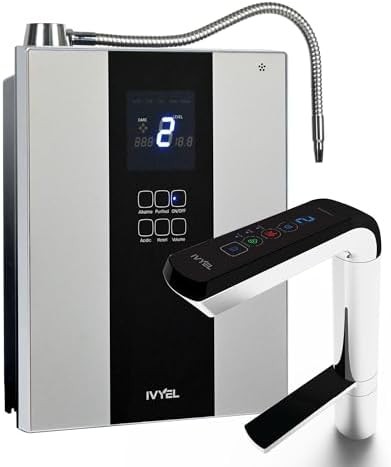
Platinum Alkaline Water Ionizer PL-MAX
Check Price on AmazonAs an Amazon Associate we earn from qualifying purchases.
The
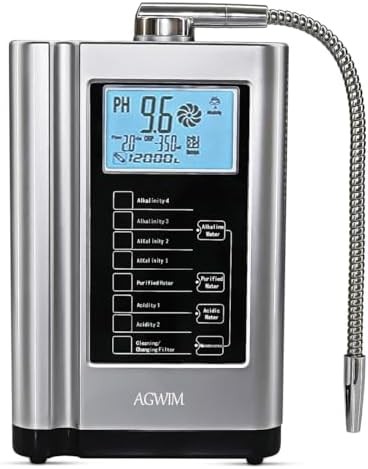
InstaAqua 9-Plate Water Ionizer 729
Check Price on AmazonAs an Amazon Associate we earn from qualifying purchases.
Budget options like the
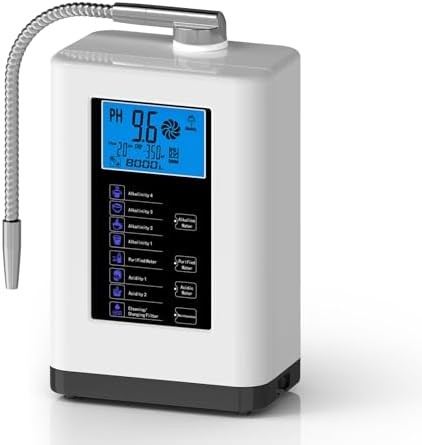
Alkaline Water Ionizer Machine
Check Price on AmazonAs an Amazon Associate we earn from qualifying purchases.
Several factors affect how much hydrogen a machine produces in practice:
Plate surface area: More plates or larger plates provide greater electrode surface area for electrolysis reactions. The relationship is generally linear up to a point, after which additional plates provide diminishing returns.
Power delivery: Higher wattage enables stronger electrical current through the water, producing more electrolysis activity. However, excessive current can cause electrode degradation and shortened machine lifespan.
Flow rate: Slower water flow allows more contact time with electrodes, enabling higher hydrogen saturation. Machines with flow rate adjustment let users optimize hydrogen concentration versus convenience.
Source water minerals: Electrolysis requires dissolved minerals to conduct electricity. Water with very low mineral content produces minimal hydrogen, while mineral-rich water enables efficient electrolysis. Some machines include mineral ports to optimize low-mineral source water.
Temperature: Cold water holds more dissolved hydrogen than warm water due to gas solubility decreasing at higher temperatures. Machines producing warm alkaline water generate lower hydrogen concentrations.
However, hydrogen concentration immediately after production does not tell the complete story. Dissolved hydrogen begins dissipating as soon as it forms, escaping from water into air. The dissipation rate depends on container type, temperature, and storage duration.
One study tracked hydrogen concentration over time in different storage conditions. Water stored in open containers lost approximately half of dissolved hydrogen within 3 hours at room temperature. Sealed containers with minimal headspace retained approximately 80% of hydrogen after 8 hours. Refrigeration slowed dissipation but did not stop it entirely.
This dissipation pattern has important practical implications. Producing water with 1.0 ppm hydrogen provides little benefit if consumed hours later when concentration has dropped to 0.2 ppm. For maximum benefit, ionized water should be consumed shortly after production or stored in sealed containers with minimal air contact.
Some manufacturers sell specialized hydrogen water bottles with sealing mechanisms designed to minimize gas escape. While these accessories may help preserve hydrogen content, they add cost and complexity to the system.
The main point: Hydrogen production capacity varies dramatically between machines, from under 0.2 ppm in low-quality units to over 1.2 ppm in premium models. Research suggests a minimum hydrogen threshold for meaningful biological effects, making this specification more important than pH range or plate count alone.
Do Alkaline Water Machines Remove Contaminants?
Most water ionizers include built-in filtration, but the contaminant removal capabilities differ significantly from dedicated water treatment systems like reverse osmosis. Understanding this distinction helps avoid false assumptions about water purity from ionizer use.
Standard ionizer filtration typically uses activated carbon to reduce chlorine, chloramines, some volatile organic compounds, and taste/odor issues. The carbon filter provides noticeable improvement in water taste and smell, making municipal water more palatable. However, carbon filtration does not effectively remove dissolved minerals, heavy metals, fluoride, nitrates, or microbial contaminants.
Some premium models like the
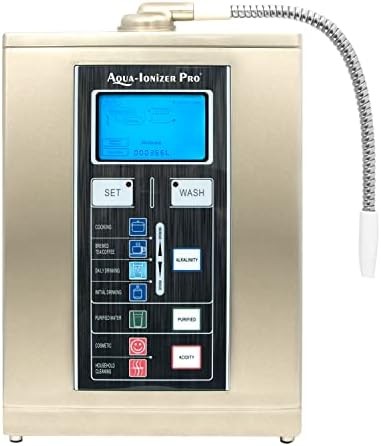
Aqua Ionizer Deluxe 7.5
Check Price on AmazonAs an Amazon Associate we earn from qualifying purchases.
The electrolysis process itself does not purify water. Instead, it concentrates minerals present in the source water into the alkaline stream while sending other minerals to the acidic waste stream. This concentration effect means that any mineral contaminants in source water may become more concentrated in the drinking water produced.
For example, if source water contains 50 ppb arsenic (approaching the EPA limit of 10 ppb for treated water), the alkaline water from an ionizer might concentrate this to 60-70 ppb depending on the electrolysis efficiency and water recovery rate. This concentration applies to beneficial minerals like calcium and magnesium as well as problematic contaminants.
People using well water or municipal supplies with known contamination issues should consider installing a reverse osmosis system before the ionizer. RO removes 95-99% of dissolved solids including heavy metals, fluoride, nitrates, and most other contaminants of concern, providing clean source water for the ionizer.
However, this combination creates a new challenge. Reverse osmosis produces water with very low mineral content, which impairs electrolysis efficiency. Water needs dissolved minerals to conduct electricity effectively. Some ionizers include a mineral port that adds back small amounts of calcium and magnesium specifically to enable electrolysis of RO water.
The alternative involves using an RO system with a remineralization stage that adds back beneficial minerals after contaminant removal. This provides both clean water and sufficient conductivity for effective ionizer operation.
Microbial contamination represents another consideration. Most water ionizers do not claim to remove or inactivate bacteria, viruses, or parasites. While some research shows that highly acidic water from the anode has antimicrobial properties, this applies to external cleaning use, not drinking water purification.
If source water has microbial contamination risk, either from well water or compromised municipal systems, additional disinfection through UV treatment, chlorination, or other methods remains necessary. The ionizer should not be considered a microbial purification device.
Some marketing materials claim that ionizers produce “micro-clustered” water that hydrates more effectively than regular water, implying superior purity or absorption. As previously discussed, the micro-clustering claim lacks scientific support and should not factor into water quality decisions.
What you need to know: Water ionizers provide basic filtration for taste and odor but do not comprehensively remove contaminants. For contaminated source water, install dedicated treatment like reverse osmosis before the ionizer. Never rely on an ionizer as your primary water purification method if source water has known safety issues.
What Do You Actually Need to Look for When Buying an Alkaline Water Machine?
The research on electrolyzed reduced water indicates that certain specifications matter far more than others when evaluating alkaline water machines. Understanding which features correlate with research-validated benefits helps avoid paying premium prices for marketing rather than performance.
Dissolved hydrogen production capacity represents the most important specification based on current evidence showing that molecular hydrogen, not alkaline pH, provides the therapeutic effects. Unfortunately, most manufacturers do not provide reliable hydrogen concentration data. Look for machines with specifications for hydrogen output measured in parts per million or milligrams per liter, and verify claims through independent testing when possible.
Machines producing below 0.5 ppm hydrogen may not deliver concentrations shown effective in research. Models generating 0.8-1.2 ppm or higher provide concentrations comparable to studies demonstrating biological effects. The
Platinum Alkaline Water Ionizer PL-MAX
Check Price on AmazonAs an Amazon Associate we earn from qualifying purchases.
InstaAqua 9-Plate Water Ionizer 729
Check Price on AmazonAs an Amazon Associate we earn from qualifying purchases.
Plate material and construction quality directly impact both hydrogen production and machine longevity. Medical-grade titanium with solid platinum coating resists corrosion far better than thin electroplated coatings over base metals. As electrodes degrade, both performance and water purity decline. Premium machines use thicker coatings or solid platinum mesh that maintains performance for years.
The number of plates matters less than total plate surface area and coating quality. A machine with 7 large, high-quality plates may outperform a machine with 11 small plates using thin coatings. However, plate count serves as a rough proxy for surface area when other specifications are unknown.
pH range matters primarily for safety and versatility rather than health benefits. The machine should not produce drinking water above pH 9.8 based on safety research. A lower bound around pH 8.5 provides mild alkalinity without the bitter taste some people detect at higher pH levels. The ability to produce acidic water around pH 4.0-6.0 adds versatility for external uses like cleaning, though this should not drive purchasing decisions focused on drinking water benefits.
Auto-cleaning functionality significantly affects long-term performance and maintenance requirements. Mineral buildup on electrodes reduces electrical conductivity and hydrogen production over time. Machines that automatically reverse polarity and flush electrodes after each use reduce scale accumulation far more effectively than manual cleaning procedures most people neglect.
Filtration capacity should match your source water quality needs. Basic carbon filters handle chlorinated municipal water adequately. If your water has more serious contamination concerns, plan to install separate treatment like reverse osmosis rather than relying on ionizer filtration alone.
Flow rate affects convenience but not water quality. Faster flow rates fill containers more quickly, but may reduce hydrogen saturation if water passes too quickly through the electrolysis chamber. Most machines allow flow rate adjustment to balance convenience and hydrogen production.
Warranty length serves as a useful proxy for manufacturer confidence in build quality. Machines with lifetime or 5-year warranties typically use better components than models with 1-year coverage. However, verify that the warranty covers both plates and electronics, not just parts while excluding labor.
Certification and testing provide independent verification of performance and safety claims. Look for machines tested to NSF/ANSI standards for material safety and contaminant reduction claims. UL listing confirms electrical safety. However, few third-party certifications address hydrogen production capacity, the most important performance characteristic.
Avoid making decisions based on:
ORP readings: Oxidation-reduction potential correlates with hydrogen concentration but provides no additional information. It simply measures the reducing environment created by dissolved hydrogen. Marketing emphasizing extreme negative ORP values offers no benefit beyond what hydrogen concentration already indicates.
Alkaline pH as a health feature: Research does not support health benefits from alkaline pH itself, only from dissolved hydrogen. Paying premium prices for wider pH ranges above 9.8 or special alkalinity features wastes money unless you need acidic water for external uses.
Micro-clustering claims: Water molecular clusters form and break apart on picosecond timescales and cannot be stabilized at room temperature. Marketing around micro-clustered water or enhanced cellular hydration lacks scientific support.
Price alone: While higher-priced machines often deliver better performance through superior materials and engineering, price does not guarantee proportional benefits. Some mid-priced options like the
InstaAqua 9-Plate Water Ionizer 729
Check Price on AmazonAs an Amazon Associate we earn from qualifying purchases.
The practical takeaway: Focus purchasing decisions on verified hydrogen production capacity exceeding the research-validated threshold, durable electrode materials, pH safety below 9.8, auto-cleaning functionality, and warranty coverage. Ignore marketing around ORP, micro-clustering, and special alkalinity features unsupported by peer-reviewed research.
How Long Do the Benefits Last After Water Production?
The therapeutic benefits of electrolyzed reduced water depend on dissolved hydrogen content, which begins dissipating immediately after production. Understanding hydrogen retention characteristics helps maximize potential benefits and explains why freshly produced ionized water differs from water stored for hours.
Hydrogen gas has low solubility in water and readily escapes into air. The dissipation follows first-order kinetics, with concentration declining exponentially over time according to the equation: C(t) = C(0) × e^(-kt), where C(0) represents initial concentration, k is the dissipation rate constant, and t is time.
One study tracking hydrogen concentration over 24 hours in different storage conditions found that water in open containers at room temperature lost approximately 50% of hydrogen within 3 hours. After 8 hours, only about 25% of the original hydrogen remained. By 24 hours, hydrogen concentration dropped to near-zero regardless of initial concentration.
Sealed containers with minimal headspace dramatically slow dissipation. The same study found that water stored in filled bottles with tight caps retained approximately 80% of hydrogen after 8 hours at room temperature. After 24 hours, about 50-60% remained. Refrigeration further slowed dissipation but did not stop it entirely.
The dissipation rate depends on several factors:
Surface area to volume ratio: Wide containers with large air-water interfaces lose hydrogen faster than narrow bottles. A glass filled to the brim loses hydrogen more slowly than the same volume in a shallow bowl.
Temperature: Cold water holds more dissolved gas than warm water due to thermodynamics of gas solubility. Refrigerated water retains hydrogen longer than room-temperature water. However, drinking very cold water may reduce absorption in some cases.
Pressure: Dissolved gas concentration increases with pressure according to Henry’s Law. Some specialized hydrogen water bottles use pressure sealing to maintain higher concentrations. However, when opened, pressure equalizes and excess hydrogen escapes rapidly.
Water chemistry: pH, mineral content, and dissolved solids affect hydrogen retention to a small degree, but temperature and container type dominate the dissipation rate.
These retention characteristics have important practical implications. Producing water with 1.2 ppm hydrogen provides little benefit if consumed 12 hours later when concentration has dropped to 0.3 ppm below the therapeutic threshold suggested by research. Maximum benefit requires consuming water shortly after production.
For people who want to prepare alkaline water in advance, specialized storage bottles minimize hydrogen loss. These bottles typically feature:
- Minimal headspace when filled completely
- Tight sealing caps or gaskets preventing gas exchange
- Opaque materials blocking light that may degrade hydrogen
- Narrow openings reducing surface area for gas escape
However, even optimal storage cannot stop dissipation entirely. For maximum hydrogen content, produce water immediately before consumption when practical.
This dissipation pattern also explains why bottled alkaline water from retail stores likely contains negligible hydrogen content. Even if bottled immediately after production, the weeks or months between production and consumption allow complete hydrogen dissipation. Such products may have elevated pH from added minerals, but lack the dissolved hydrogen that research identifies as the therapeutic agent.
The evidence suggests that alkaline water machines provide advantages over bottled alkaline water specifically because they produce hydrogen-rich water on demand. This fresh production enables consuming water while hydrogen content remains high.
The evidence shows: Dissolved hydrogen dissipates rapidly from water, with 50% lost within 3-8 hours depending on storage conditions. For maximum benefit, consume ionized water shortly after production and store in sealed containers with minimal headspace if preparation in advance is necessary. Bottled alkaline water lacks the dissolved hydrogen present in freshly ionized water.
What Maintenance Do Alkaline Water Machines Require?
Proper maintenance significantly affects both the performance and longevity of alkaline water machines. Mineral buildup on electrodes represents the primary maintenance challenge, while filter replacement provides secondary ongoing costs.
Electrode cleaning reduces scale accumulation that impairs electrical conductivity and hydrogen production. Hard water containing high calcium and magnesium concentrations accelerates scale formation. Over time, mineral deposits coat electrode surfaces, creating an insulating layer that impairs electrolysis.
Machines with automatic cleaning systems address this issue through periodic polarity reversal. After each use or at set intervals, the machine reverses electrical current direction, causing the cathode to become the anode temporarily. This reversal shifts scale-forming minerals to the opposite chamber and flushes them to drain, preventing permanent buildup.
The
Platinum Alkaline Water Ionizer PL-MAX
Check Price on AmazonAs an Amazon Associate we earn from qualifying purchases.
Manual cleaning requires soaking electrodes in citric acid or vinegar solution to dissolve mineral deposits. The process involves:
- Disconnecting the machine from water and power
- Removing electrode assembly according to manufacturer instructions
- Soaking electrodes in dilute citric acid solution for 30-60 minutes
- Rinsing thoroughly with clean water
- Reassembling and running several flush cycles
Most people neglect this manual maintenance, leading to declining performance over months of use. Machines with automatic cleaning largely eliminate this user burden and maintain more consistent hydrogen production over time.
Filter replacement frequency depends on source water quality and daily usage volume. Most manufacturers specify filter life in gallons processed or months of typical use, whichever comes first. Carbon filters gradually become saturated with absorbed contaminants and must be replaced to maintain effectiveness.
The
Platinum Alkaline Water Ionizer PL-MAX
Check Price on AmazonAs an Amazon Associate we earn from qualifying purchases.
InstaAqua 9-Plate Water Ionizer 729
Check Price on AmazonAs an Amazon Associate we earn from qualifying purchases.
Alkaline Water Ionizer Machine
Check Price on AmazonAs an Amazon Associate we earn from qualifying purchases.
Filter replacement cost represents ongoing expense that should factor into total ownership calculations. Premium machine filters typically cost $60-120 for a set, while budget model filters run $30-50. Annual filter costs range from $60 for light use of a basic machine to $150 for heavy use of a premium dual-filter system.
Some machines include filter life indicators that track gallons processed and alert when replacement is due. This feature avoids both premature replacement that wastes money and delayed replacement that compromises water quality.
Periodic descaling of the internal water pathways maintains flow rate and reduces mineral buildup in chambers and tubing. Even with automatic electrode cleaning, minerals can accumulate in flow paths over months of hard water use. Descaling involves running citric acid solution through the entire system according to manufacturer procedures.
External cleaning keeps the machine’s exterior and dispensing spout hygienic. The spout where water dispenses can accumulate biofilm or mineral residue, particularly in humid environments. Regular wiping with dilute vinegar solution reduces buildup.
Performance monitoring helps detect maintenance needs before they severely impact operation. Key indicators include:
- Declining flow rate suggests internal mineral buildup requiring descaling
- Reduced hydrogen production measured with test drops indicates electrode scaling
- Off-taste or odor signals filter saturation requiring replacement
- Extended processing time implies electrical or scale issues
Well-maintained machines can operate effectively for 10-15 years, while neglected machines may require electrode replacement or show significantly reduced performance within 3-5 years. The cost of electrode replacement typically ranges from $200-500 depending on the machine, making preventive maintenance worthwhile.
Here’s what this means: Automatic cleaning systems significantly reduce maintenance burden and preserve long-term performance. Factor filter replacement costs into ownership calculations, typically $60-150 annually. Regular descaling and external cleaning address issues that manual electrode cleaning cannot.
Who Should Consider Using an Alkaline Water Machine?
Research on electrolyzed reduced water suggests that certain populations may benefit more than others, while some groups should exercise caution or avoid use entirely. Understanding these distinctions helps determine whether an alkaline water machine makes sense for your situation.
People interested in hydrogen water benefits represent the primary target based on research showing that dissolved hydrogen, not alkaline pH, provides therapeutic effects. If you are specifically seeking the antioxidant properties of molecular hydrogen documented in peer-reviewed studies, an ionizer producing adequate hydrogen concentrations offers advantages over bottled water or other alkaline products.
However, dedicated hydrogen water generators may provide higher hydrogen concentrations without raising pH if you want hydrogen specifically without alkalinity. These devices use proton exchange membrane technology to produce 1.0-3.0 ppm hydrogen at neutral pH, potentially offering superior hydrogen delivery for people focused solely on that parameter.
People with gastrointestinal symptoms may benefit based on research showing improvements in digestive normalization with alkaline electrolyzed water consumption. The double-blind RCT published in Medical Gas Research demonstrated GI benefits, and devices in Japan hold medical approval for this specific application. However, individual responses vary, and ionized water should not replace medical treatment for diagnosed digestive disorders.
Athletes and physically active individuals comprise another potential group based on research suggesting hydrogen water may reduce exercise-induced oxidative stress and inflammation. Some studies show faster recovery and reduced muscle fatigue markers, though results vary between studies. The effect size appears modest, making hydrogen water a supplementary strategy rather than a primary performance intervention.
People living in areas with poor-tasting municipal water benefit from the activated carbon filtration included in most ionizers. The improvement in taste and odor removal makes water more palatable, potentially increasing overall hydration. However, a simple under-sink or countertop filter system achieves similar taste improvement at lower cost if hydrogen production is not a priority.
People with disposable income interested in wellness optimization represent a realistic target market for premium machines. The research shows potential benefits but no dramatic therapeutic effects. Viewing an ionizer as a wellness investment rather than medical treatment aligns with the current evidence base.
Certain groups should avoid or exercise caution with alkaline water machines:
People with chronic kidney disease face potential risks from alkaline water consumption due to impaired pH regulation. The kidneys normally adjust acid-base balance through bicarbonate handling and proton secretion. When this system is compromised, consuming highly alkaline water could theoretically disrupt pH homeostasis. Medical consultation is essential before use.
People taking medications affecting potassium or pH balance should consult healthcare providers. Alkaline water above pH 9.8 can contain elevated potassium that may interact with potassium-sparing diuretics, ACE inhibitors, or other medications affecting electrolyte balance.
People with acid reflux requiring acid suppression medications represent a special case. Some marketing suggests alkaline water neutralizes stomach acid beneficially, but this may interfere with digestive function and medication effectiveness. Stomach acid serves important roles in protein digestion and mineral absorption that alkaline water might impair.
People using well water or contaminated sources should not rely on ionizer filtration alone. As discussed earlier, alkaline water machines concentrate minerals present in source water, potentially increasing contaminant levels rather than removing them. Use dedicated treatment systems before the ionizer for contaminated water.
Infants and young children should not consume highly alkaline water as their developing kidneys have limited acid-base regulation capacity compared to adults. The safety research focused on adults, and extrapolating to pediatric populations is inappropriate without specific studies.
Budget-conscious consumers should carefully evaluate whether an ionizer represents the best use of limited funds. The research shows modest benefits at best, while the same money might provide greater health impact through dietary improvements, electrolyte supplementation, or other evidence-based interventions.
What matters most: Alkaline water machines make most sense for people specifically interested in hydrogen water benefits who understand the current evidence shows modest effects. People with kidney disease or medication concerns should seek medical guidance. Budget-conscious consumers should prioritize interventions with stronger evidence bases.
How Do Water Ionizers Compare to Other Water Treatment Options?
Understanding how alkaline water machines fit into the broader landscape of water treatment helps determine whether they address your specific needs or if alternative systems provide better solutions.
Reverse osmosis systems remove 95-99% of dissolved solids including minerals, heavy metals, fluoride, nitrates, and most contaminants of concern. This comprehensive purification makes RO ideal for contaminated water sources or people seeking maximum contaminant reduction. However, RO produces low-mineral water unsuitable for electrolysis without remineralization.
The combination of RO feeding into an alkaline water machine provides both comprehensive purification and hydrogen production, though at significantly higher cost and complexity. This setup makes sense for people with contaminated source water who also want hydrogen water benefits.
Countertop RO systems offer convenience similar to alkaline water machines without permanent installation. For people focused purely on water purity rather than hydrogen production, RO systems deliver more comprehensive treatment at comparable or lower cost.
Hydrogen water generators using PEM (proton exchange membrane) technology produce higher hydrogen concentrations than most water ionizers, typically 1.0-3.0 ppm, without altering pH. These devices infuse pure hydrogen gas into water without the electrolysis process that raises pH and concentrates minerals.
For people specifically seeking hydrogen water based on the research evidence, dedicated hydrogen generators may provide superior hydrogen delivery. However, they cost similarly to alkaline water machines and serve only one function versus ionizers that also produce acidic water for external uses.
Carbon filter systems like those in pitchers, faucet mounts, or under-sink units reduce chlorine, taste, and odor issues at very low cost. These systems improve water palatability significantly for $20-200 depending on capacity and installation type.
For people whose primary concern is taste rather than hydrogen production or alkaline pH, simple carbon filtration delivers the main benefit at a fraction of ionizer cost. However, carbon filters do not produce dissolved hydrogen or raise pH.
UV disinfection systems inactivate bacteria, viruses, and parasites through ultraviolet radiation exposure. These systems excel at microbial safety for well water or compromised municipal supplies but do not remove chemical contaminants or dissolved solids.
UV treatment complements alkaline water machines when source water has microbial concerns, ensuring pathogen safety before electrolysis. However, UV alone does not provide the aesthetic improvements or hydrogen production of an ionizer.
Water softeners remove hardness minerals like calcium and magnesium through ion exchange, replacing them with sodium. Softened water reduces scale buildup in pipes and appliances but actually impairs alkaline water machine function because electrolysis requires the minerals that softeners remove.
People with water softeners should install a bypass providing unsoftened water to the ionizer. Alternatively, some ionizers include mineral ports to restore conductivity to softened or RO water.
Alkaline pitcher filters add minerals to raise pH without electrolysis or hydrogen production. These inexpensive devices ($30-60) create alkaline water through mineral addition rather than electrolysis, producing no dissolved hydrogen.
Research indicates that alkaline pH alone does not provide the benefits observed with electrolyzed reduced water. Alkaline pitchers may improve taste through mineral addition but lack the hydrogen content that research identifies as the therapeutic agent.
Bottled alkaline water provides convenient alkaline pH through mineral addition but contains negligible dissolved hydrogen due to time between production and consumption. A single bottle costs $2-4, making it more expensive than home production over time while delivering inferior hydrogen content.
The research clearly differentiates between alkaline water containing dissolved hydrogen and alkaline water with elevated pH alone. Bottled products fall into the latter category, missing the key component identified in therapeutic studies.
Cost comparison over 5 years:
- Premium water ionizer: $2,195 initial + $500 filters = $2,695 ($1.48/day)
- Mid-range ionizer: $479 initial + $400 filters = $879 ($0.48/day)
- Budget ionizer: $299 initial + $300 filters = $599 ($0.33/day)
- Countertop RO system: $300 initial + $300 filters = $600 ($0.33/day)
- Hydrogen generator: $800 initial + $200 filters = $1,000 ($0.55/day)
- Carbon pitcher: $40 initial + $200 filters = $240 ($0.13/day)
- Bottled alkaline water (1L/day): $2.50/day × 1,825 days = $4,563
The main point: Water ionizers occupy a middle ground between basic filtration and comprehensive treatment like RO. They provide hydrogen production that simpler systems cannot match but cost more than filtration-only options. For contaminated water, RO provides superior protection. For maximum hydrogen, dedicated generators may excel. Choose based on which specific benefits matter most for your situation.
What Does the Research Actually Show About Athletic Performance and Recovery?
Some marketing materials promote alkaline water machines for athletic performance enhancement, citing studies on hydrogen water and exercise. Examining this research reveals modest effects that may benefit serious athletes but probably provide minimal advantage for recreational exercisers.
A meta-analysis examining hydrogen-rich water and exercise performance included 12 controlled trials with a total of 209 participants (Dhillon et al., 2024, PMID: 38256045). The analysis found that hydrogen water reduced perceived exertion during exercise with a small effect size. Blood lactate levels showed slight reduction in some studies but not others, producing inconsistent results.
The mechanism involves hydrogen’s antioxidant properties reducing exercise-induced oxidative stress (Hu et al., 2024, PMID: 38539846). Intense exercise increases reactive oxygen species production through several pathways including increased mitochondrial oxygen consumption, ischemia-reperfusion in working muscles, and inflammatory responses. If hydrogen neutralizes some oxidative damage, this could theoretically preserve performance and accelerate recovery.
One study examined collegiate soccer players consuming hydrogen-rich water versus placebo during a training period. Players drinking hydrogen water showed lower creatine kinase levels (a marker of muscle damage) and better maintenance of power output during repeated sprint tests. However, the effect sizes were small, with approximately 5-8% difference from placebo.
Another trial investigated hydrogen water effects on elite kayakers during high-altitude training. The hydrogen group maintained blood pH better during intense intervals and reported lower perceived exertion at the same workload. Actual performance times showed no significant difference between groups, suggesting subjective benefits without objective performance gains.
The inconsistent findings across studies may reflect variability in hydrogen concentration, dosing protocols, exercise types, and athlete training status. Studies showing the clearest effects used hydrogen concentrations above 1.0 ppm consumed both before and during exercise. Lower concentrations or less frequent dosing showed minimal effects.
Recovery markers demonstrate more consistent though still modest effects. Studies measuring muscle soreness, inflammatory markers, and strength recovery after damaging exercise generally show 10-15% improvement with hydrogen water compared to placebo. This suggests hydrogen may accelerate recovery more than enhance actual performance.
The practical significance for different athlete categories varies:
Elite competitive athletes operating at the margins where 1-2% improvements separate podium positions might find value in any legal intervention showing even small effects. For this population, hydrogen water represents a low-risk addition to comprehensive training and recovery programs.
Serious amateur athletes training intensely 6+ times weekly might benefit from enhanced recovery allowing more frequent high-quality training sessions. However, proper nutrition, sleep, and periodization likely provide far greater performance impact than hydrogen water.
Recreational exercisers training 3-4 times weekly at moderate intensity probably experience minimal practical benefit. The oxidative stress and inflammation from such training volumes remain well within normal physiological capacity to manage without supplemental antioxidant intervention.
Weekend warriors exercising sporadically at high intensity might experience reduced muscle soreness, but this population would benefit more from consistent training progression than hydrogen water supplementation.
One concern involves whether antioxidant supplementation might blunt training adaptations. Exercise-induced reactive oxygen species serve signaling functions that trigger beneficial adaptations including mitochondrial biogenesis, angiogenesis, and antioxidant enzyme upregulation. Blocking these signals with excessive antioxidants could theoretically impair adaptations.
However, hydrogen’s selective antioxidant mechanism addresses this concern. By neutralizing only highly reactive hydroxyl radicals while preserving hydrogen peroxide and other signaling molecules, hydrogen should not impair beneficial oxidative signaling. Limited research on long-term hydrogen supplementation and training adaptations supports this hypothesis, showing preserved or enhanced adaptations compared to placebo.
Key finding: Research shows modest effects on perceived exertion and recovery markers with hydrogen water, but minimal impact on actual performance metrics. Elite athletes might benefit from marginal gains, while recreational exercisers likely see minimal practical advantage. Hydrogen water does not replace proper training, nutrition, and recovery as primary performance determinants.
What About Alkaline Water Machine Claims for Bone Health?
Some marketing suggests that alkaline water protects bone health by reducing dietary acid load and preventing mineral depletion. Examining the research reveals that this claim simplifies complex physiology and lacks strong supporting evidence.
The acid-ash hypothesis proposes that modern Western diets high in protein and grains create acid loads requiring buffering by bone-derived minerals. Over time, this chronic acid exposure allegedly depletes bone calcium and increases osteoporosis risk. Alkaline water, according to this theory, neutralizes dietary acid and reduces bone mineral loss (Chen & Wang, 2022, PMID: 35209015).
However, substantial research challenges this hypothesis. The body maintains blood pH within a narrow range (7.35-7.45) through multiple buffering systems including respiratory CO2 excretion and renal acid secretion. Dietary acid load triggers compensatory responses that maintain pH homeostasis without necessarily requiring significant bone mineral mobilization.
A comprehensive review published in the Journal of Bone and Mineral Research examined whether dietary acid load affects bone health. The analysis included observational studies, intervention trials, and mechanistic research. The authors concluded that evidence does not support clinically meaningful bone health effects from dietary acid reduction in people with adequate calcium intake.
One randomized controlled trial directly tested alkaline water effects on bone turnover markers in postmenopausal women. Participants consumed either alkaline mineral water (pH 8.8) or regular water for 12 weeks while researchers measured markers of bone resorption and formation. The alkaline water group showed slight reduction in one bone resorption marker (serum CTX) but no changes in bone formation markers or overall turnover balance.
The small reduction in bone resorption might reflect direct effects of minerals in the water (calcium, bicarbonate) rather than pH per se. When studies provide alkaline water as pills delivering the same minerals at neutral pH, similar reductions in bone resorption occur, suggesting minerals rather than alkalinity drive the effect.
Another study examined whether bicarbonate supplementation (the major alkaline compound in electrolyzed water) affects bone density in older adults. Participants took either bicarbonate supplements or placebo for 3 years while researchers tracked bone mineral density through DEXA scans. No significant differences emerged between groups in spine or hip bone density changes.
The disconnect between theoretical mechanism and research findings likely reflects the body’s sophisticated pH regulation systems. The kidneys can increase or decrease acid excretion across a wide range, maintaining pH balance without requiring bone mineral mobilization except in cases of severe kidney disease where this regulation fails.
For people with normal kidney function, dietary acid load within typical ranges does not appear to threaten bone health in the presence of adequate calcium and vitamin D intake. The dominant factors affecting bone density remain genetics, mechanical loading through exercise, calcium and vitamin D status, hormonal influences, and medications.
Marketing materials sometimes cite increased urinary calcium excretion with high acid loads as evidence of bone loss. However, increased urinary calcium reflects enhanced intestinal absorption and renal handling rather than necessarily indicating bone depletion. Studies using calcium isotopes to track bone balance show minimal bone contribution to urinary calcium under normal dietary conditions.
Some research does suggest that alkaline mineral water rich in calcium and bicarbonate may benefit bone health, but through mineral provision rather than pH effects. The calcium and bicarbonate content of such water contributes to total daily intake of these bone-supportive nutrients.
Water ionizers concentrate minerals from source water, potentially increasing calcium and magnesium intake if source water contains these minerals. However, the amounts remain small compared to dietary sources. A liter of ionized water from moderately hard source water might provide 50-100 mg calcium versus 300-1000 mg from dairy products or fortified foods.
Bottom line: Claims that alkaline water protects bone health through acid neutralization lack strong scientific support. Bone health depends primarily on calcium and vitamin D intake, exercise, and hormonal status rather than dietary acid load in people with normal kidney function. Alkaline water might contribute modest calcium and bicarbonate intake if source water contains these minerals, but this differs from pH effects per se.
For more context, see our guides on Best Water Ionizers: Research-Backed Guide to Alkaline Water Machines and Alkaline Water Health Claims — What Does the Research Actually Show?.
Related Reading
- Best Water Ionizers for Home Use — Comprehensive buying guide comparing top-rated alkaline water machines
- Best Hydrogen Water Generators — Dedicated PEM systems for maximum hydrogen production without pH changes
- Best Countertop Reverse Osmosis Systems — Comprehensive contaminant removal for source water purification before ionizer use
- Best Shower Filters for Chlorine Removal — Reduce chlorine and chemicals in shower water
- KDF Shower Filters — Copper-zinc filtration for chlorine and heavy metal removal
- Best Electrolyte Supplements — Evidence-based mineral supplementation for hydration and performance
- Vitamin C Shower Filters — Ascorbic acid filtration for chlorine neutralization
- Shower Filters for Hard Water — Addressing mineral buildup and scale formation
Frequently Asked Questions
What are the proven benefits of alkaline water machines?
Published research shows the primary benefit comes from dissolved molecular hydrogen (H2) produced during electrolysis, not the alkaline pH itself. Studies indicate H2 acts as a selective antioxidant, targeting harmful hydroxyl radicals while preserving beneficial reactive oxygen species. A comprehensive 2022 review in the International Journal of Molecular Sciences concluded that molecular hydrogen is the exclusive agent responsible for therapeutic effects of electrolyzed reduced water. Benefits observed in research include reduced oxidative stress markers, improved gastrointestinal symptoms in some studies, and modest effects on exercise recovery. However, effect sizes remain modest and not all studies show consistent benefits.
Is alkaline water from an ionizer different from bottled alkaline water?
Yes. Ionizers produce electrolyzed reduced water containing dissolved molecular hydrogen, which dissipates within hours. Bottled alkaline water typically uses added minerals to raise pH and contains no dissolved hydrogen, missing the key therapeutic component identified in research. Even if bottled immediately after electrolysis, the weeks or months between production and retail sale allow complete hydrogen dissipation. Research differentiates between alkaline water containing dissolved hydrogen (which may provide benefits) and alkaline water with elevated pH alone (which lacks supporting evidence for health effects). Fresh production from a home ionizer provides the dissolved hydrogen that bottled products cannot deliver.
What pH level should I set my water ionizer to?
Research and safety regulations recommend keeping alkaline water below pH 9.8. Studies have reported hyperkalemia risk at higher pH levels, particularly for people with impaired kidney function. Most benefits appear linked to H2 concentration rather than pH itself, so focus on machines that produce adequate dissolved hydrogen rather than pursuing maximum alkalinity. A pH range of 8.5-9.5 provides mild alkalinity without the safety concerns or bitter taste some people detect at higher pH levels. The ability to produce acidic water around pH 4.0-6.0 adds versatility for external cleaning uses but should not drive purchasing decisions focused on drinking water benefits.
Are alkaline water machines safe?
Research generally supports safety at pH below 9.8 for healthy adults. However, people with impaired kidney function should consult their doctor before use. Some animal studies reported tissue damage at very high pH levels exceeding 11.0, though this surpasses typical drinking water settings. Electrode degradation may leach metals into water over time, particularly in lower-quality machines using thin coatings rather than solid metal plates. Long-term safety beyond several months of daily consumption has not been rigorously studied in large human populations. People taking medications affecting potassium or pH balance should seek medical guidance before regular use.
How much hydrogen does a water ionizer produce?
Hydrogen concentrations vary widely between machines, typically ranging from 0.1 to 1.5 ppm. Research suggests concentrations above 0.5 ppm may be needed for meaningful benefits, as one study found 0.8 mg/L effective while 0.3 mg/L showed no benefit. Premium machines with 9-11 plates can produce 0.8-1.2 ppm, while budget models with 5 plates typically generate 0.4-0.6 ppm. Factors affecting production include plate surface area, power delivery, water flow rate, source water mineral content, and contact time with electrodes. Unfortunately, most manufacturers do not provide verified hydrogen concentration data, making independent testing valuable for comparison.
Do alkaline water machines remove contaminants?
Most water ionizers include built-in carbon filters that reduce chlorine, sediment, and some chemicals, but they are not designed for comprehensive contaminant removal. Carbon filtration does not effectively remove dissolved minerals, heavy metals, fluoride, nitrates, or microbial contaminants. The electrolysis process concentrates minerals present in source water rather than removing them, potentially increasing contaminant levels in the alkaline stream. For contaminated source water, a reverse osmosis system before the ionizer provides better protection. Never rely on an ionizer as your primary water purification method if source water has known safety issues.
How long do the benefits of ionized water last?
Dissolved hydrogen begins dissipating immediately after production and may drop significantly within 3-8 hours depending on container type and temperature. Water in open containers at room temperature loses approximately 50% of hydrogen within 3 hours. Sealed containers with minimal headspace retain about 80% after 8 hours. For maximum benefit, drink ionized water shortly after production and store in sealed containers with minimal air contact if preparation in advance is necessary. Bottled alkaline water from retail stores contains negligible hydrogen due to time between production and consumption, missing the key therapeutic component.
Is the alkaline pH or the hydrogen what matters?
A comprehensive 2022 review in the International Journal of Molecular Sciences concluded that molecular hydrogen is the exclusive agent responsible for the therapeutic effects of electrolyzed reduced water, not the alkaline pH, negative ORP, or other proposed mechanisms. Studies that removed hydrogen from alkaline water found no benefits, while hydrogen-enriched water at neutral pH demonstrated the same effects attributed to alkaline ionized water. This pattern held across cell culture experiments, animal models, and human clinical trials. The review debunked claims about microclustering, free electrons, and alkaline pH benefits that lacked mechanistic support.
Can alkaline water machines help with digestive issues?
A double-blind RCT published in Medical Gas Research found that 4 weeks of daily alkaline electrolyzed water consumption improved gastrointestinal normalization. In Japan, AEW devices are approved as medical devices for GI symptoms based on multiple studies conducted over decades. However, more recent research with better controls has produced mixed results. The proposed mechanism involves hydrogen reducing oxidative stress in intestinal tissues, though this requires confirmation through additional well-designed studies. Effects likely depend on adequate hydrogen concentration, which varies significantly between machines and decreases over time after production.
How do alkaline water machines compare to hydrogen water generators?
Both produce molecular hydrogen, but through different methods. Water ionizers use electrolysis plates and also raise pH, typically producing 0.4-1.2 ppm hydrogen depending on plate configuration and power delivery. Hydrogen generators use PEM technology to infuse H2 without changing pH, often achieving 1.0-3.0 ppm concentrations. Both can achieve therapeutic hydrogen levels identified in research. Ionizers provide additional versatility through acidic water production for external uses, while hydrogen generators focus solely on hydrogen delivery at neutral pH. Choose based on whether you want combined alkalinity and hydrogen or maximum hydrogen concentration at neutral pH.
References
-
LeBaron TW, Sharpe R, Ohno K. Electrolyzed-Reduced Water: Review I. Molecular Hydrogen Is the Exclusive Agent Responsible for the Therapeutic Effects. Int J Mol Sci. 2022;23(23):14750. PMID: 36499079
-
LeBaron TW, Sharpe R, Ohno K. Electrolyzed-Reduced Water: Review II. Safety Concerns and Effectiveness as a Source of Hydrogen Water. Int J Mol Sci. 2022;23(23):14749. PMID: 36498838
-
Jackson KMP, Riordan E, Mansfield J, Procino F, Henry CJK. Effects of alkaline-electrolyzed and hydrogen-rich water in high-fat-diet NAFLD mouse model. World J Gastroenterol. 2018;24(48):5095-5108. PMID: 30568387
-
Chen Y, Wang N. Electrolyzed Water and Its Pharmacological Activities: A Mini-Review. Molecules. 2022;27(4):1222. PMID: 35209015
-
Tanaka Y, Kiuchi M, Higashimura Y, et al. Daily ingestion of alkaline electrolyzed water containing hydrogen influences human health, including gastrointestinal symptoms. Medical Gas Research. 2018;8(4):160-166. PMID: 30713669
-
Suzuki T, Tanaka Y, Zhao B, et al. Strong alkaline electrolyzed water efficiently inactivates SARS-CoV-2, other viruses, and Gram-negative bacteria. Biochem Biophys Res Commun. 2021;567:158-162. PMID: 34455219
-
Hu D, Kabayama S, Watanabe Y, Cui Y. Health Benefits of Electrolyzed Hydrogen Water: Antioxidant and Anti-Inflammatory Effects in Living Organisms. Antioxidants (Basel). 2024;13(3):313. PMID: 38539846
-
Dhillon G, Buddhavarapu V, Grewal H, et al. Hydrogen Water: Extra Healthy or a Hoax?-A Systematic Review. Int J Mol Sci. 2024;25(2):973. PMID: 38256045
-
Ohta S. Molecular hydrogen as a novel antioxidant: overview of the advantages of hydrogen for medical applications. Methods Enzymol. 2015;555:289-317. PMID: 25747486
-
Ohta S. Molecular hydrogen is a novel antioxidant to efficiently reduce oxidative stress with potential for the improvement of mitochondrial diseases. Biochim Biophys Acta. 2012;1820(5):586-94. PMID: 21621588
Recommended Products