Best Acupressure Mats for Pain Relief and Better Sleep
Summarized from peer-reviewed research indexed in PubMed. See citations below.
Chronic pain affects over 50 million American adults, with many seeking non-pharmaceutical options for relief, while sleep disorders impact approximately 70 million people nationwide. The Dakini Acupressure Mat and Pillow Set with Mini Pad delivers 8,820 pressure points across its surface at $49, making it our top choice for comprehensive pain management and sleep improvement. Research published in Complementary Therapies in Medicine shows acupressure interventions significantly reduce pain intensity and improve sleep quality in multiple systematic reviews and randomized controlled trials. For budget-conscious users, the ProsourceFit Acupressure Mat and Pillow Set provides effective relief at just $21. Here’s what the published research shows about acupressure mats and their effectiveness for pain and sleep.
Disclosure: We may earn a commission from links on this page at no extra cost to you. Affiliate relationships never influence our ratings. Full policy →
What Are Acupressure Mats and How Do They Work?
Acupressure mats, also called “bed of nails” mats, consist of thousands of small plastic spikes arranged in a pattern designed to stimulate pressure points across your back, neck, and other body areas. These modern wellness tools derive from ancient Traditional Chinese Medicine (TCM) principles combined with Swedish acupressure innovations from the 1960s.
The theoretical mechanism behind acupressure mats involves several physiological responses. The pressure from thousands of points simultaneously stimulates mechanoreceptors in your skin, potentially triggering endorphin release—your body’s natural pain-relieving compounds. This stimulation may also increase local blood flow, promote muscle relaxation, and potentially influence the nervous system’s pain perception pathways.
A comprehensive 2025 network meta-analysis published in Complementary Therapies in Medicine examined 71 randomized controlled trials involving 6,473 patients, comparing various Traditional Chinese Medicine interventions including acupressure. The researchers found that acupressure interventions showed statistically significant effects for pain control, sleep quality improvement, and quality of life enhancement in cancer survivors—though these benefits were studied using manual acupressure rather than mat-based application.
The translation from manual acupressure to mat-based delivery involves some theoretical extrapolation. Traditional acupressure applies targeted pressure to specific meridian points, while mats provide diffuse stimulation across hundreds or thousands of points simultaneously. Research specifically examining acupressure mats remains limited compared to studies of manual acupressure techniques, representing an important gap in the scientific literature.
A 2015 systematic review examining self-acupressure for symptom management analyzed multiple studies and found promising evidence for pain and sleep improvement, though the authors noted significant variability in study quality and methodology. The review emphasized that acupressure appears most effective when combined with other interventions rather than used as a standalone approach.
How Does Acupressure Reduce Pain According to Science?
Pain perception occurs through a complex interaction between peripheral nerves, spinal cord processing, and brain interpretation. According to the gate control theory of pain, proposed in the 1960s and refined through subsequent research, non-painful stimulation of pressure receptors can inhibit the transmission of pain signals through the spinal cord. Acupressure mat stimulation theoretically activates this gating mechanism by flooding the nervous system with pressure sensations that compete with pain signals.
A 2021 systematic review examining acupressure for cancer-related fatigue analyzed 15 studies and found that acupressure interventions significantly reduced fatigue severity compared to control groups. While this review focused on fatigue rather than pain directly, the overlap between pain and fatigue in chronic conditions suggests shared neurobiological mechanisms may respond to acupressure stimulation.
Research published in 2024 examined the effectiveness of acupressure in managing the pain-fatigue-sleep disturbance-depression symptom cluster in cancer patients. The systematic review and meta-analysis found that acupressure interventions significantly improved all four interconnected symptoms, supporting the concept that addressing one aspect of this symptom cluster may benefit the others.
The endorphin hypothesis represents another proposed mechanism. Endogenous opioid peptides—including endorphins, enkephalins, and dynorphins—function as natural pain modulators in your nervous system. Some research suggests that acupressure stimulation triggers the release of these compounds, producing analgesic effects without pharmaceutical intervention. However, directly measuring endorphin levels in human studies presents methodological challenges, and much of this evidence derives from animal models or indirect human measurements.
Inflammation modulation may also play a role in acupressure’s pain-relieving effects. Chronic pain conditions often involve persistent inflammation in affected tissues. Some studies suggest that acupressure may influence inflammatory markers, though the magnitude of these effects and their clinical significance remain subjects of ongoing investigation.
For individuals dealing with chronic pain, acupressure mats offer a self-administered, non-pharmaceutical option that carries minimal risk of adverse effects. The systematic review on self-acupressure noted that self-administered techniques showed benefits for multiple symptoms, suggesting that the non-expert application used with mats may still provide meaningful relief.
A 2021 systematic review and meta-analysis pooled 23 randomized trials with 2,400 participants and found acupressure performed better than tuina massage on response rate for low back pain (RR 1.25, 95% CI 1.16 to 1.35), while the authors graded the overall certainty of the evidence as limited (PubMed: 33708260).
Product Reviews: Best Acupressure Mats for Pain and Sleep
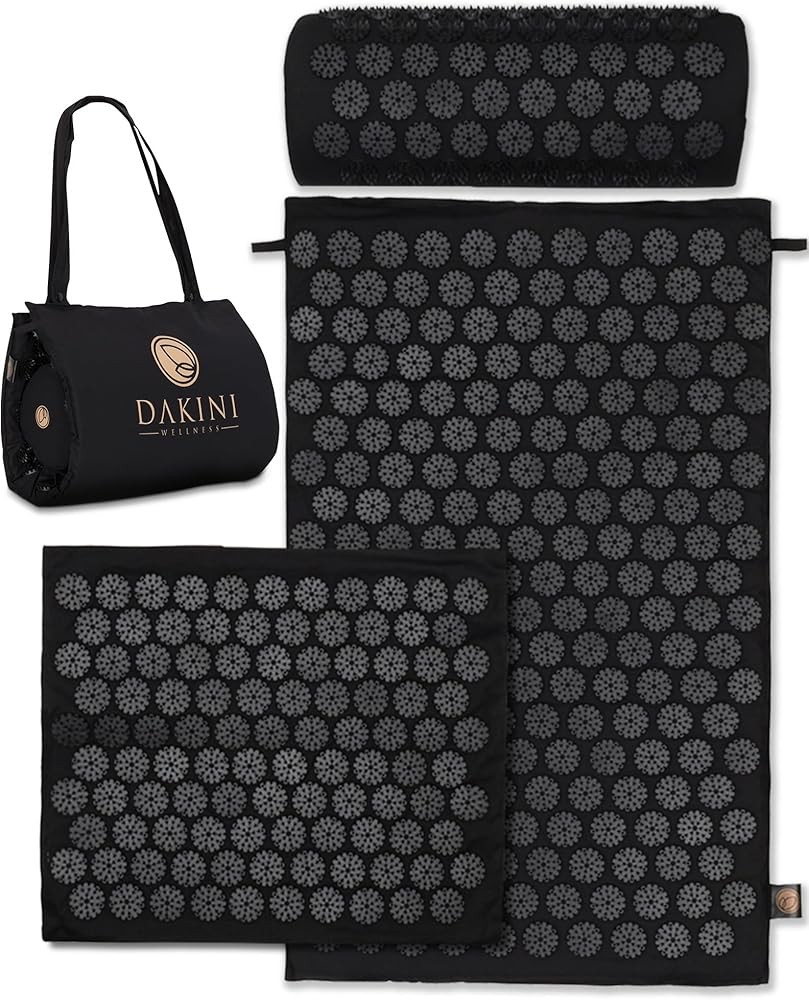
The Dakini Acupressure Mat and Pillow Set distinguishes itself through thoughtful design elements that address real-world usability while maintaining therapeutic effectiveness. The 8,820 pressure points distribute across three components: the main mat (6,210 points), neck pillow (1,782 points), and mini pad (828 points), providing flexibility for different body areas and pain locations.
The mat measures 26 inches by 16.5 inches, accommodating most body types for back coverage. The high-density foam core maintains its shape through repeated use, reducing the compression that diminishes effectiveness in lower-quality mats. The cotton fabric cover uses reinforced stitching at stress points, addressing the durability issues that plague budget alternatives.
Bottom Line: The Dakini Complete Set provides the most comprehensive acupressure package with versatile three-component design, durable construction, and mid-range pricing at $49 that balances quality with affordability.
What sets this option apart is the inclusion of the mini pad—a smaller acupressure surface designed for targeted application to specific pain areas. You can use this on your lower back while sitting, under your feet while working at a desk, or on shoulders during evening relaxation sessions. This versatility extends the mat’s usefulness beyond the traditional lying-down application.
The pillow component provides 1,782 pressure points specifically positioned for neck and upper shoulder stimulation. Neck pain often accompanies back pain, and the pillow’s contoured shape maintains proper cervical alignment while delivering acupressure benefits. The firmness level supports your neck without excessive sinking, maintaining the pressure point contact necessary for effectiveness.
Users report that the initial sensation intensity falls in the moderate range—noticeable discomfort for the first minute that transitions to tolerable pressure as endorphin response kicks in. First-time users benefit from starting with a thin cotton layer between skin and mat, gradually progressing to direct contact as tolerance builds. Most users adapt within 3-5 sessions, at which point the sensation becomes more relaxing than uncomfortable.
The included carrying bag facilitates travel and storage, though the mat’s foam construction means it doesn’t fold completely flat. The bag’s sturdy construction withstands regular use, unlike the thin nylon bags accompanying some budget options that tear within months.
For effectiveness, users report noticeable relaxation effects within 15-20 minutes, with some experiencing temporary redness on their back from increased blood flow—a normal response that typically fades within 30 minutes of use. The combination of main mat, pillow, and mini pad provides comprehensive coverage that justifies the mid-range price point.
The Dakini set works best for users committed to regular acupressure practice who want versatility beyond a basic mat. The three-component system addresses multiple pain locations and use cases, making it suitable for people dealing with multiple pain areas or seeking both pain relief and sleep improvement benefits.
Dakini Acupressure Mat and Pillow Set with Mini Pad
Check Price on AmazonAs an Amazon Associate we earn from qualifying purchases.
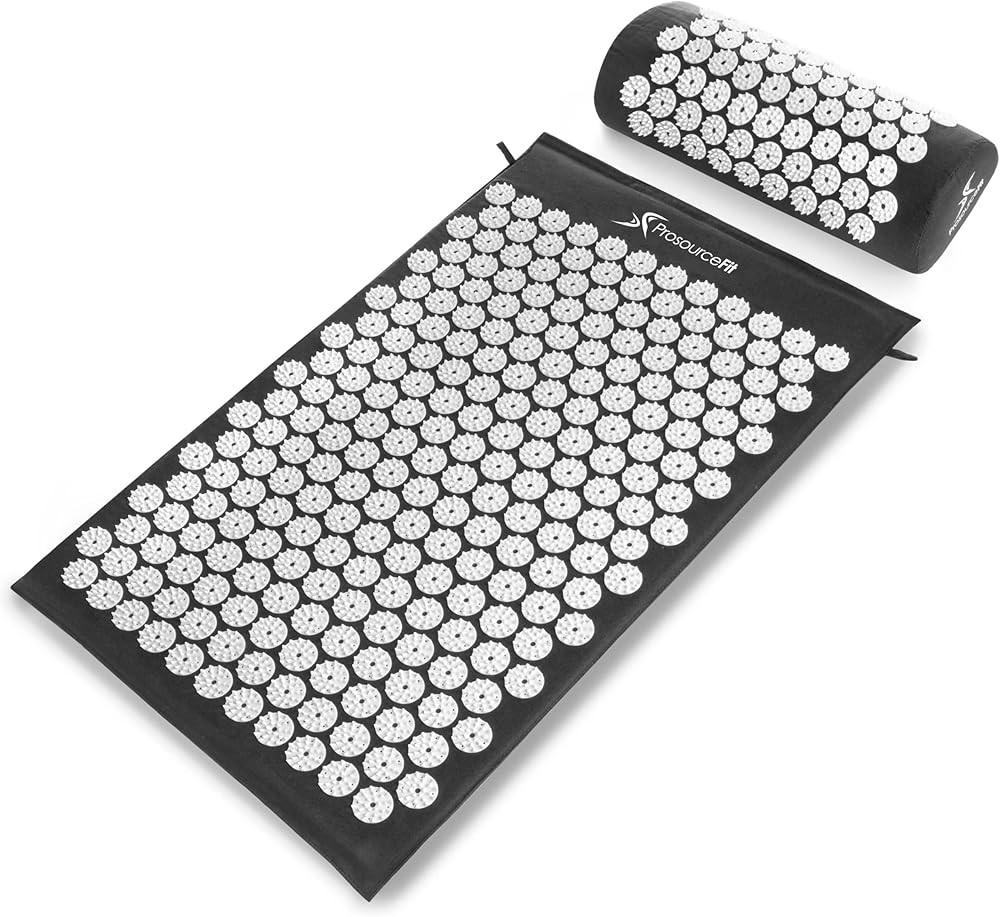
The ProsourceFit Acupressure Mat and Pillow Set demonstrates that effective acupressure doesn’t require premium pricing. At approximately $21, this set provides the fundamental elements necessary for acupressure practice: sufficient pressure points, adequate mat size, and a companion pillow for neck support.
The mat features 6,210 pressure points arranged in a grid pattern across its 26-inch by 16-inch surface. While this represents fewer points than premium options, the density remains sufficient for effective stimulation. The plastic spikes maintain their shape through regular use, though users should expect some dulling after 12-18 months of daily application.
Bottom Line: The ProsourceFit set offers exceptional value at $21, providing genuine acupressure benefits for users testing whether this approach works for their specific pain or sleep issues before committing to premium options.
The foam core in this budget option uses lower density than premium alternatives, which means you’ll notice gradual compression with extended use. However, for someone testing whether acupressure mats provide personal benefit, the durability-to-price ratio makes sense. If acupressure doesn’t work for your specific pain or sleep issues, you’ve invested minimally. If it does provide benefit, you can upgrade to a premium option knowing you’ll use it consistently.
The polyester fabric cover wipes clean easily but may feel slightly less comfortable against bare skin compared to cotton alternatives. The material’s synthetic nature means it doesn’t breathe as well during longer sessions, potentially creating some warmth buildup. However, this same characteristic makes it more resistant to moisture absorption if you tend to perspire during use.
Assembly requires inserting the foam core into the fabric cover—a straightforward process that takes about two minutes. The cover’s zipper allows for removal if you need to clean the fabric, though the polyester material typically requires only spot cleaning rather than full washing.
The included pillow provides 1,458 pressure points in a rectangular configuration that supports your neck during mat use. The pillow’s lower profile compared to premium options means it works better for back sleepers than side sleepers, who may find it doesn’t provide enough elevation for comfortable neck positioning.
For someone new to acupressure mats, the ProsourceFit set provides an economical entry point. The sensation intensity falls in the moderate range—comparable to mid-priced options. Users report the typical progression: initial sharp discomfort for 1-2 minutes, transitioning to tolerable pressure, then relaxing warmth as blood flow increases and endorphin response develops.
The lightweight construction (under 2 pounds total) makes this set portable for travel, though the absence of a carrying bag means you’ll need to provide your own storage solution. The mat rolls up reasonably compactly, fitting into most luggage without excessive bulk.
Bottom Line: This option works best for budget-conscious users, those testing acupressure effectiveness before committing to premium options, or people wanting a backup mat for travel.
ProsourceFit Acupressure Mat and Pillow Set
Check Price on AmazonAs an Amazon Associate we earn from qualifying purchases.
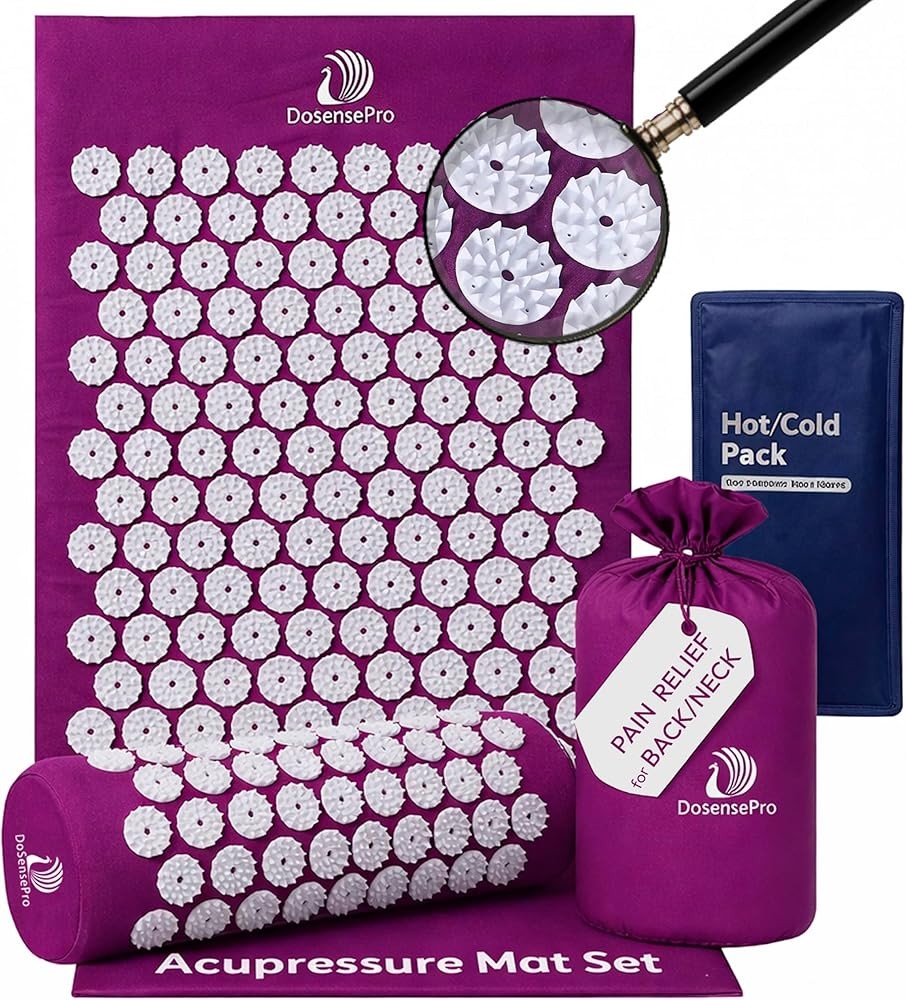
The Extra-Long 29" Acupressure Mat addresses a common limitation of standard acupressure mats: insufficient length for tall users. Most mats measure 25-27 inches, which leaves the lower back and hips partially unsupported for people over 6 feet tall. This extended design provides full back coverage for users up to 6'6", ensuring consistent pressure point stimulation from shoulders to hips.
The mat features 7,992 pressure points distributed across its extended surface in a pattern that maintains consistent density throughout. The purple fabric cover uses a cotton-polyester blend that balances breathability with durability, reducing the moisture buildup common with fully synthetic covers while maintaining easier care than 100% cotton options.
What distinguishes this option is the included hot/cold therapy pack—a gel-filled insert that slides into a pocket on the mat’s surface. You can heat this pack in the microwave for thermotherapy or freeze it for cold application, combining temperature therapy with acupressure stimulation.
Bottom Line: The Extra-Long mat solves the length problem for tall users while adding therapy pack versatility, making it worth the $41 investment for individuals over 6'2" seeking full back coverage.
The combination approach—simultaneous acupressure and temperature therapy—may provide synergistic benefits beyond either intervention alone. For acute muscle strains or inflammation, using the cold pack during acupressure sessions may reduce swelling while the pressure points stimulate surrounding tissues. For chronic muscle tension or stiffness, heat application during acupressure may enhance the relaxation response and increase local blood flow.
The mat’s foam core uses a medium-density formulation that provides adequate support without excessive firmness. Taller users typically weigh more, and the foam maintains its structure under higher weight loads better than budget alternatives. The reinforced edge stitching reduces the common problem of side seam separation that occurs when heavier individuals use mats designed for lighter weight ranges.
The included neck pillow measures slightly larger than standard options, providing better support for the longer neck length typical of taller body types. The pillow’s 2,268 pressure points deliver sufficient density for effective cervical stimulation, and its firmer construction limits excessive sinking that would reduce pressure point contact.
The carrying bag accommodates the mat’s extended length, though the overall package weighs approximately 3.5 pounds—noticeably heavier than compact travel options. The added weight reflects the extended size and included therapy pack, making this more suitable for home use than frequent travel.
Users over 6 feet tall report significantly better experience with this extended length compared to standard mats. Full back coverage ensures that pressure point stimulation reaches the lower back and sacral region, areas that standard-length mats leave partially uncovered on taller frames. The hot/cold pack adds versatility that justifies the mid-premium price point.
Extra-Long 29" Acupressure Therapy Mat
Check Price on AmazonAs an Amazon Associate we earn from qualifying purchases.
How Do Acupressure Mats Improve Sleep Quality?
Sleep disorders affect approximately 70 million Americans, with many seeking non-pharmaceutical interventions to avoid the dependency risks and side effects associated with sleep medications. Understanding how acupressure may influence sleep involves examining multiple interconnected physiological pathways.
A 2024 study comparing acupressure and foot reflexology for sleep quality in post-operative patients found that both interventions significantly improved Pittsburgh Sleep Quality Index (PSQI) scores compared to control groups. The acupressure group showed improvements in sleep latency (time to fall asleep), sleep duration, and subjective sleep quality. While this study examined manual acupressure rather than mat application, the principles translate to the diffuse stimulation pattern of acupressure mats.
The mechanism through which acupressure may improve sleep likely involves multiple pathways. First, the relaxation response triggered by acupressure stimulation activates the parasympathetic nervous system—the “rest and digest” branch of your autonomic nervous system. This activation reduces heart rate, lowers blood pressure, and creates the physiological state conducive to sleep onset.
Second, acupressure may influence neurotransmitter systems involved in sleep regulation. Some research suggests that acupressure stimulation affects serotonin levels, and serotonin serves as a precursor for melatonin—the primary hormone regulating your sleep-wake cycle. While direct evidence for acupressure mats specifically affecting melatonin production remains limited, the theoretical pathway suggests a plausible mechanism.
Third, pain reduction itself improves sleep quality. Chronic pain frequently disrupts sleep, creating a vicious cycle where poor sleep lowers pain tolerance, which further degrades sleep quality. Interrupting this cycle by reducing pain intensity before bedtime may allow more restful sleep even if acupressure doesn’t directly affect sleep mechanisms.
A 2016 review examining whether acupuncture helps insomnia analyzed multiple trials and concluded that acupuncture showed promise for improving sleep outcomes, though the authors noted that study quality varied significantly. The review emphasized that acupuncture and acupressure appear most effective when combined with sleep hygiene improvements and other behavioral interventions.
Research published in 2020 examining acupressure effects on symptom relief and sleep quality in pediatric patients with obstructive sleep apnea found that acupressure interventions improved sleep quality scores and reduced daytime sleepiness. This suggests that acupressure benefits may extend beyond simple relaxation effects to influence sleep processes themselves.
Working bidirectionally, improved sleep raises pain tolerance while pain reduction enhances sleep quality. Understanding this relationship helps explain why acupressure mats may provide dual benefits rather than addressing only one symptom.
For optimal sleep benefits, users report best results when using acupressure mats 20-30 minutes before intended bedtime as part of a consistent evening routine. The timing allows the relaxation response to develop fully before attempting sleep while avoiding the overstimulation that might occur from use immediately before lying down to sleep.
The Kanjo Acupressure Mat and Pillow Set occupies the premium tier through materials quality, construction durability, and thoughtful design refinements that become apparent during extended use. At approximately $79, this option costs more than budget alternatives, but the investment makes sense for users committed to long-term daily practice.
The 9,612 pressure points represent the highest density in our comparison, distributed across both the 27-inch by 17-inch mat and the contoured neck pillow. This elevated point count creates a more uniform pressure distribution that some users find more comfortable than lower-density alternatives, while others prefer the more intense sensation of fewer, more distinct points—personal preference plays a significant role.
Bottom Line: The Kanjo Premium Set justifies its $79 price through medical-grade construction, highest spike density at 9,612 points, and superior durability that should last 3-4 years of daily use.
The medical-grade foam core maintains its structure through thousands of use cycles without the compression and permanent indentation common in lower-quality options. This foam density comes at the cost of reduced portability—the mat weighs approximately 4 pounds, making it less suitable for frequent travel but ideal for dedicated home use. The foam’s firmness provides consistent support regardless of user weight, accommodating a wider range of body types than softer alternatives.
The fabric cover uses a premium cotton blend with antimicrobial treatment that reduces odor development during regular use. Many acupressure mat users report that standard cotton covers develop persistent odors after months of regular use, particularly if they perspire during sessions. The antimicrobial treatment addresses this concern, though regular airing out after use remains beneficial for maintaining freshness.
The construction quality shows in details: double-reinforced stitching at all stress points, heavy-duty zipper on the cover, and precisely molded plastic spikes that maintain their shape and sharpness through extended use. Budget mats often show wear in these exact areas—separating stitches, broken zipper teeth, and dulled spikes—within 6-12 months of daily use.
The pillow design uses an ergonomic contour that provides three different elevation options depending on positioning, accommodating back sleepers, side sleepers, and combination sleepers. This versatility addresses a common complaint about fixed-height pillows that work for only one sleep position. The pillow’s 2,880 pressure points create consistent stimulation regardless of which surface you use.
The included travel bag uses ballistic nylon construction with reinforced corners and a heavy-duty zipper—designed for hundreds of pack and unpack cycles rather than occasional use. While the mat’s weight makes frequent travel impractical, the durable bag provides protection during storage and occasional transport.
For users who’ve tried budget options and found benefit but experienced durability issues, the Kanjo set represents a quality upgrade that should last 3-4 years of daily use. The premium price divides out to approximately 5-6 cents per use over a three-year period—reasonable for a non-pharmaceutical pain management tool.
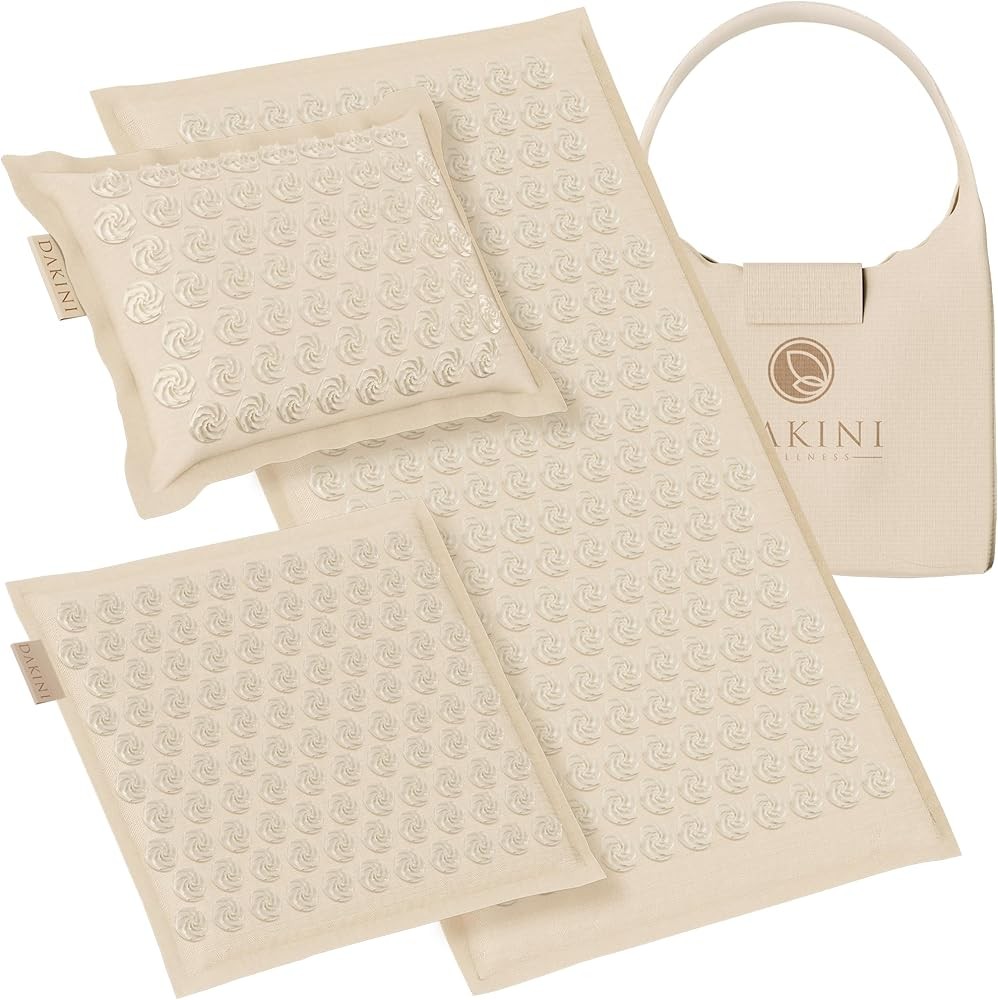
The Dakini Premium Linen Acupressure Mat distinguishes itself through materials selection that prioritizes natural, renewable resources while maintaining therapeutic effectiveness. At approximately $59, the premium over standard synthetic options reflects the increased cost of sustainable materials and manufacturing processes.
The linen cover provides several functional advantages beyond environmental credentials. Linen naturally regulates temperature better than synthetic fabrics, staying cooler during warm weather and warmer during cold weather. This temperature regulation reduces the clammy feeling that some users experience with polyester mats during longer sessions, particularly if they tend to perspire during relaxation.
Bottom Line: The Dakini Premium Linen Set delivers eco-conscious construction with natural materials at $59, providing temperature regulation benefits and reduced chemical exposure for environmentally aware users.
Linen’s durability exceeds cotton in tensile strength, meaning the fabric resists tearing and maintains its structure through repeated stress. This practical advantage translates to longer functional life—the cover maintains its integrity through more wash cycles and daily use compared to cotton alternatives that may pill or thin over time.
The coconut fiber filling represents a renewable alternative to petroleum-based foam. Coconut coir provides firm support with some natural give, creating a slightly different feel than synthetic foam—less uniform but offering natural variation that some users find more comfortable. The material naturally resists mold and mildew better than synthetic foam, reducing concerns about moisture absorption if the mat isn’t fully dried after cleaning.
The 8,052 pressure points distribute across the mat’s 26-inch by 17-inch surface, providing density comparable to mid-premium synthetic options. The spike bases embed in the coconut fiber filling securely, limiting the loosening problem that sometimes occurs in poorly constructed alternatives.
This set includes both the main mat and pillow plus a mini pad for targeted relief, matching the Dakini standard set’s component configuration. The natural materials extend throughout—all three pieces use linen covers with coconut fiber cores. The consistency ensures uniform feel across all components rather than mixing materials that provide different sensations.
For users with chemical sensitivities, natural materials may reduce exposure to synthetic fabric treatments and foam off-gassing. While most synthetic acupressure mats use non-toxic materials, individuals with multiple chemical sensitivity report fewer reaction triggers with all-natural alternatives.
The premium price reflects several factors: higher raw material costs for linen and processed coconut fiber, more complex manufacturing processes for working with natural materials, and smaller production volumes that limit economy of scale. For environmentally conscious users, these factors justify the premium over synthetic alternatives.
Care requirements differ slightly from synthetic mats. The linen cover benefits from air drying rather than machine drying to limit excessive shrinkage, and spot cleaning is recommended over full washing when possible to extend materials life. The coconut fiber filling dries more slowly than foam if it becomes wet, so protecting the mat from moisture exposure matters more than with synthetic alternatives.
Dakini Premium Linen Acupressure Mat
Check Price on AmazonAs an Amazon Associate we earn from qualifying purchases.
Acupressure mats are also marketed for stress. A three-week randomized trial in healthy young adults found that regular mat use lowered perceived stress and improved subjective well-being, but blood pressure, heart rate, and pain threshold did not change, and sleep quality improved in the control group as well (PubMed: 37715543). That pattern suggests the mat can work as a relaxation cue without producing measurable physiological change on its own.
What Safety Considerations Should You Know Before Using Acupressure Mats?
While acupressure mats generally present minimal risk for healthy adults, certain conditions and circumstances warrant caution or avoidance. Understanding these limitations ensures safe use and helps avoid complications in vulnerable populations.
Skin integrity represents the primary safety consideration. Open wounds, active infections, sunburns, or recent surgical incisions should never come into contact with acupressure mat spikes. The pressure from thousands of points could reopen healing wounds, introduce bacteria into compromised skin, or exacerbate inflammation. Wait until skin has fully healed before resuming acupressure practice.
Bleeding disorders or anticoagulant medications require medical consultation before using acupressure mats. While the mats don’t puncture skin, the intense pressure might cause bruising or small hematomas in individuals with compromised clotting function. Those taking warfarin, heparin, direct oral anticoagulants, or antiplatelet medications like clopidogrel should discuss acupressure with their prescribing physician.
Pregnancy introduces specific concerns about acupressure use. Traditional Chinese Medicine identifies certain acupressure points that may stimulate contractions or affect pregnancy—though acupressure mats stimulate hundreds of points simultaneously rather than targeting specific locations, making it difficult to avoid potentially problematic areas. Pregnant women should consult their obstetrician or midwife before using acupressure mats.
Circulatory conditions including deep vein thrombosis, severe varicose veins, or peripheral artery disease may contraindicate acupressure mat use. The pressure stimulation increases local blood flow, which could theoretically dislodge blood clots or stress compromised vessels. Individuals with diagnosed vascular conditions should seek medical clearance before starting acupressure practice.
Skin sensitivities and allergies may react to the materials in acupressure mats. Latex allergies typically don’t present concerns as most mat spikes use ABS plastic rather than latex, but always verify materials with manufacturers if you have known allergies. Some synthetic fabrics or dyes might trigger contact dermatitis in sensitive individuals—testing with short initial sessions allows identification of reactions before committing to regular use.
Nerve damage or reduced sensation from conditions like diabetic neuropathy presents unique risks. The inability to accurately perceive pain might allow prolonged exposure that damages skin without the user realizing it. If you have reduced sensation in areas where you’ll use the mat, have someone else inspect your skin after initial sessions to verify you’re not developing pressure injuries.
Blood pressure considerations warrant mention. Some users report lightheadedness when first standing after acupressure sessions, potentially from the sudden shift in circulation as blood flows back from the area being treated. This typically resolves as you adapt to the practice, but initially standing slowly and pausing if you feel dizzy reduces falls. Individuals with dysautonomia or orthostatic hypotension should be particularly cautious.
Cancer raises questions about acupressure appropriateness that lack definitive answers. The 2025 network meta-analysis found acupressure beneficial for managing cancer-related symptoms, but the question of whether increased circulation might affect cancer progression remains unresolved. Current evidence doesn’t suggest increased risk, but discussing any complementary intervention with your oncology team ensures coordination with your overall care plan.
Children under 12 should use acupressure mats only under adult supervision and with reduced session duration. Their lower body weight means the spikes create more intense pressure relative to tissue thickness, and their skin may be more susceptible to irritation. Starting with very brief 5-minute sessions through clothing allows assessment of tolerance before progressing to longer or direct-skin contact.
How Do Acupressure Mats Compare to Other Pain Management Approaches?
Understanding how acupressure mats compare to other non-pharmaceutical pain management options helps inform realistic expectations about their effectiveness and appropriate role in comprehensive pain management strategies.
Traditional physical therapy combines manual techniques, therapeutic exercise, and patient education to address pain through multiple mechanisms. Physical therapy typically provides more targeted intervention than acupressure mats’ diffuse stimulation, with therapists identifying specific impairments and designing individualized plans. However, physical therapy requires appointments, insurance authorization (in many cases), and ongoing practitioner involvement, while acupressure mats provide self-administered intervention at home without scheduling constraints.
Research suggests physical therapy and acupressure may work synergistically rather than competitively. Using an acupressure mat before exercise sessions might enhance muscle relaxation and increase tissue extensibility, potentially making therapeutic exercises more effective.
Manual massage therapy provides targeted soft tissue manipulation that acupressure mats cannot replicate. Skilled massage therapists assess tissue quality, identify trigger points, and apply variable pressure that responds to individual tissue characteristics. Acupressure mats deliver uniform pressure across all points simultaneously regardless of tissue needs. However, weekly massage therapy sessions can cost $60-100, while a one-time $40-80 mat purchase provides unlimited sessions.
Best heating pads for pain relief operate through different mechanisms than acupressure—thermotherapy increases tissue temperature, enhances blood flow, and promotes muscle relaxation through heat rather than pressure. Many users combine heating pads with acupressure mats, using heat to prepare tissues before acupressure sessions or to extend relaxation effects afterward.
Best PEMF mats for pain relief and recovery use pulsed electromagnetic fields to influence cellular function and potentially reduce inflammation. While research on PEMF remains developing, the different mechanism means PEMF and acupressure could theoretically provide additive benefits.
Transcutaneous electrical nerve stimulation (TENS) units deliver electrical pulses that interfere with pain signal transmission to the brain. TENS requires electrode placement, electrical current, and active operation during use, while acupressure mats provide passive stimulation without power requirements. Some individuals find TENS more effective for specific pain types like neuropathic pain, while others prefer acupressure’s drug-free mechanical stimulation.
Pharmaceutical pain management with NSAIDs or acetaminophen provides systemic pain relief but carries risks of gastrointestinal complications, cardiovascular effects (with some NSAIDs), and liver toxicity (with acetaminophen) when used long-term or at high doses. Acupressure mats offer a non-pharmaceutical option that avoids these systemic risks, though with likely less powerful pain-relieving effects for many users.
A 2024 opinion statement from integrative oncology experts noted that acupuncture and acupressure should be considered as part of multimodal symptom management in cancer care, emphasizing their role as complementary rather than alternative interventions. This perspective—complementary rather than alternative—applies equally to acupressure mat use in general pain management.
Cognitive-behavioral therapy (CBT) for pain addresses the psychological aspects of pain experience, teaching skills for pain coping, reducing pain-related distress, and changing maladaptive pain behaviors. CBT and acupressure target different aspects of pain—psychological vs. physical—suggesting they complement rather than compete.
Best standing desks for posture and health address pain’s biomechanical causes rather than managing existing pain. Acupressure mats and ergonomic furniture serve different roles in comprehensive musculoskeletal health strategies.
The research literature consistently suggests that multimodal approaches combining multiple interventions typically outperform single interventions for chronic pain management. Acupressure mats fill a specific niche: self-administered, non-pharmaceutical, minimal-risk intervention that complements rather than replaces other evidence-based pain management strategies.
The Dakini Travel Set adapts the brand’s full-size design into a more portable configuration without sacrificing therapeutic effectiveness. At $49, this option costs the same as the complete three-piece Dakini set, but the component configuration differs—this version emphasizes the mini pad’s versatility over the full-size pillow included in other sets.
The main mat provides 6,210 pressure points across standard dimensions, matching the full-size version’s core component. The mat’s foam density and spike quality remain identical to the complete set—the “travel” designation reflects packaging and component selection rather than reduced quality.
Bottom Line: The Dakini Travel Set optimizes portability without sacrificing effectiveness, making it ideal for frequent travelers or those with limited home storage at $49.
The mini pad distinguishes this set’s travel functionality. Measuring approximately 8 inches by 6 inches with 828 pressure points, this component fits into carry-on luggage or backpacks without occupying significant space. During travel, you can use the mini pad for targeted relief—under your lower back during flights, on your neck during long drives, or under your feet while sitting at airport gates.
The neck pillow in this set uses a lower profile than the standard Dakini pillow, reducing packed volume while still providing 1,326 pressure points for cervical support. The compact design works better for back sleepers than side sleepers, who may find insufficient elevation for proper neck alignment. However, the space savings justify this trade-off for travel purposes.
The carrying bag uses lightweight ripstop nylon instead of the heavier canvas material in some sets, reducing overall weight to approximately 2.5 pounds. The bag’s compression straps allow tight packing that minimizes bulk in luggage. The material resists water better than cotton bags, protecting the mat if your luggage encounters wet conditions.
For frequent travelers dealing with hotel bed discomfort or long flights that aggravate back pain, this set provides portable relief without pharmaceutical intervention. Business travelers can use the mini pad during flights and the full mat in hotel rooms, maintaining their acupressure routine despite travel disruptions.
One practical consideration: TSA security screening may flag acupressure mats for additional inspection due to their dense appearance on X-ray machines. Packing the mat in checked luggage avoids this delay, though the set’s carry-on size means you can bring it through security if willing to explain its purpose during inspection.
What’s the Best Way to Use an Acupressure Mat for Maximum Benefit?
Effective acupressure mat use involves more than simply lying on the mat—specific protocols regarding timing, duration, positioning, and integration with other practices can significantly impact results. Understanding these nuances helps you extract maximum benefit from your mat.
How Long Should Each Session Last?
Research examining acupressure effectiveness typically used 20-30 minute sessions, providing a science-based starting point for mat use. However, individual tolerance varies significantly. First-time users should begin with 10-15 minute sessions, gradually extending duration as adaptation occurs. The initial sharp sensation typically transitions to tolerable pressure within 2-3 minutes as endorphin response develops, but this timing varies individually.
Daily use appears more effective than sporadic longer sessions based on acupressure research generally, though specific studies of acupressure mats remain limited. Consistency matters—the cumulative effect of regular sessions may exceed isolated intensive use.
When Should I Use My Mat?
Evening use appears most popular based on user reports, likely because the relaxation response facilitates sleep onset. Using your mat 30-60 minutes before intended bedtime allows the physiological changes to develop without interfering with the sleep process itself. Some users report that using the mat immediately before bed creates excessive alertness from the strong sensation, delaying rather than facilitating sleep.
Morning use offers different benefits—reducing overnight muscle stiffness and promoting alertness through circulation increase. Some users report that morning sessions provide energy similar to coffee but without caffeine’s potential anxiety-inducing effects.
Pre-exercise use might enhance workout effectiveness by increasing muscle temperature and blood flow, though direct research on this application remains limited. Post-exercise use aids recovery by promoting muscle relaxation and potentially reducing post-workout soreness.
What’s the Best Position?
Back positioning—lying with the mat covering the area from shoulders to hips—represents the most common and studied application. Ensure your spine aligns neutrally rather than arching excessively, which might concentrate pressure uncomfortably. Using the neck pillow maintains cervical alignment and avoids the head-dropped-back position that strains neck muscles.
Side positioning allows engagement of lateral back muscles and the IT band—areas that accumulate tension in runners and cyclists. Lie on your side with the mat under your torso from armpit to hip, adjusting position to target specific areas.
Seated positioning with the mat against a wall or chair back addresses the thoracic spine while allowing other activities—working at a desk, watching television, or reading. This approach provides less surface area contact than lying but enables longer session integration into daily activities.
Foot placement of the mat provides reflexology-style stimulation that some users find intensely relaxing. Many users report foot mat placement feels distinctly different from and complementary to back use.
Should I Focus on the Sensation or Distract Myself?
Both approaches work, but they may serve different purposes. Using the mat while watching TV or reading provides passive relaxation benefits—the pressure point stimulation occurs regardless of your attention focus. However, combining mat use with focused breathing, meditation, or body awareness may enhance benefits by activating parasympathetic nervous system more completely.
Controlled breathing during mat use may enhance effects through several mechanisms: focused breathing activates parasympathetic nervous system, provides mental focus that redirects attention from discomfort, and may influence pain perception through central nervous system modulation.
How Should I Clean My Mat?
Regular maintenance extends your mat’s functional lifespan while avoiding hygiene issues. Wipe the mat surface with a damp cloth after each use to remove skin oils and perspiration. Monthly cleaning with mild soap and water avoids buildup that can degrade materials or create odors. Ensure the mat dries completely before storage—moisture trapped in foam cores promotes mold growth and material breakdown.
Air exposure between uses limits moisture accumulation and extends material life. Store your mat partially unrolled in a dry area rather than tightly rolled in a closed bag, allowing any residual moisture to evaporate.
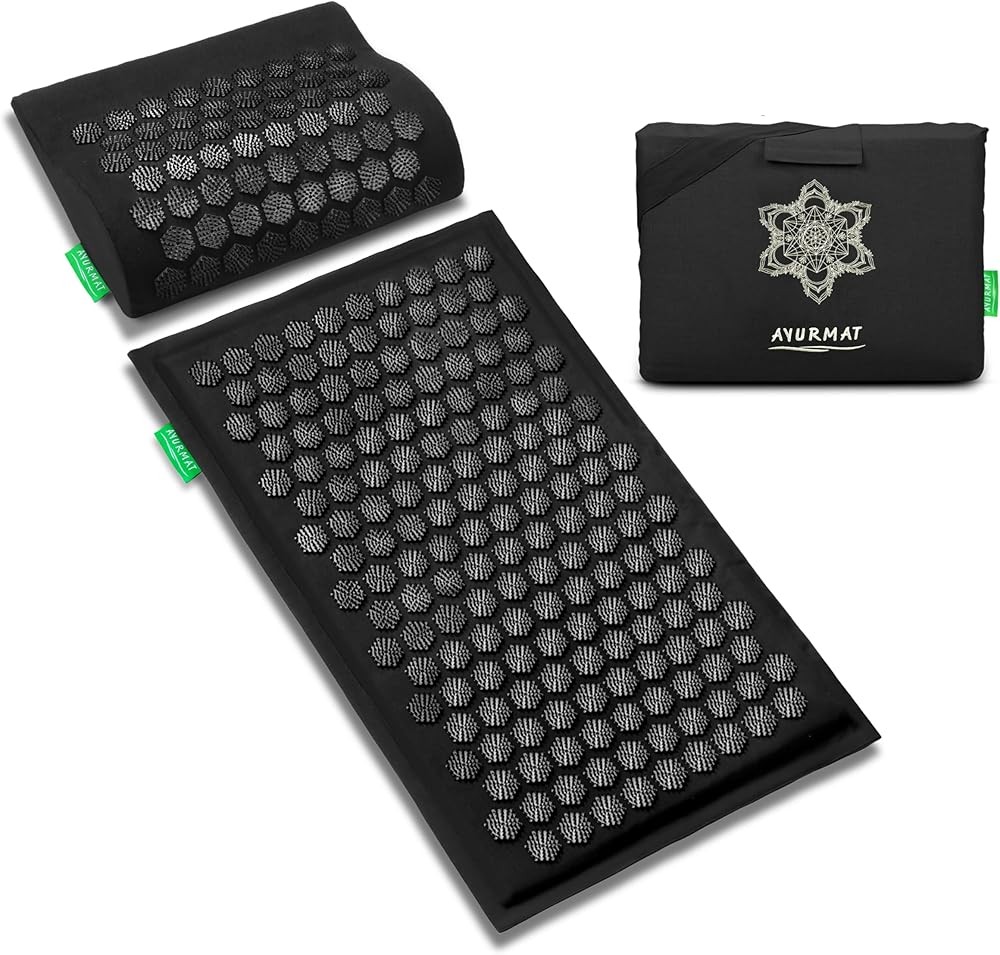
The Premium Natural Linen Acupressure Set represents the pinnacle of eco-conscious acupressure mat design, using natural materials throughout its construction while maintaining therapeutic effectiveness comparable to synthetic alternatives. At $60, the premium over conventional mats reflects both materials costs and the specialized manufacturing required for natural material processing.
The linen cover uses undyed, unbleached flax fibers that eliminate exposure to synthetic dyes and chemical whiteners common in conventional textile processing. For individuals with multiple chemical sensitivities or those seeking to minimize synthetic chemical exposure, this unprocessed approach reduces potential irritation triggers.
Bottom Line: The Premium Natural Linen Set provides comprehensive eco-friendly construction with undyed materials and coconut fiber core at $60 for users prioritizing chemical exposure reduction and sustainability.
The coconut fiber core uses processed coir from coconut husks, a material traditionally used in mattress construction in tropical regions. Coconut coir provides firm support with natural resilience—slightly less uniform than manufactured foam but with character that some users prefer. The material naturally resists microbial growth better than synthetic foam, requiring less chemical application for mold and mildew resistance.
The ergonomic design includes targeted contouring that provides more supportive structure than flat mats. The slightly raised lumbar area supports the natural curve of your lower back, avoiding the posterior pelvic tilt that can occur when lying on completely flat surfaces.
The set includes both mat and pillow with matching natural material construction, ensuring consistent feel across components. The pillow’s coconut fiber core maintains neck support without the excessive firmness of some foam pillows while providing sufficient structure to keep pressure points engaged. The pillow’s 2,394 pressure points deliver density comparable to mid-premium synthetic options.
Manufacturing takes place in facilities certified for sustainable practices, using renewable energy sources and minimizing water consumption—details that matter to environmentally conscious consumers evaluating products beyond their immediate functional characteristics.
For comparison, conventional acupressure mats typically use polyester or poly-cotton blends, petroleum-based foam cores, and synthetic nylon bags—all derived from non-renewable resources and requiring energy-intensive manufacturing processes.
The natural materials create one notable functional difference: temperature responsiveness. The linen and coconut fiber combination regulates temperature more effectively than synthetic materials, staying cooler in warm environments and warmer in cool conditions.
Care requirements reflect the natural materials: spot cleaning preferred over full washing, air drying essential (never machine drying), and protection from moisture exposure more critical than with synthetic alternatives.
Premium Natural Linen Acupressure Set
Check Price on AmazonAs an Amazon Associate we earn from qualifying purchases.
The ProsourceFit Acupressure Set in blue offers exceptional value for budget-conscious users or those testing whether acupressure provides personal benefit before committing to premium options. At approximately $28, this set costs less than a single professional massage while providing unlimited sessions for pain relief and sleep improvement.
The mat features 6,210 pressure points across its 26-inch by 16-inch surface—sufficient density for effective acupressure stimulation though lower than premium options exceeding 8,000 points. The spike pattern creates consistent coverage without the dense clustering that makes some premium mats feel overly intense for beginners.
Bottom Line: The ProsourceFit Blue Set delivers genuine acupressure benefits at exceptional $28 value, making it the smart choice for testing effectiveness before premium investment.
The foam core uses standard-density formulation that provides adequate support for most body weights, though users over 200 pounds may notice more compression than they would experience with premium medical-grade foam. For lighter users, the foam maintains its structure perfectly well through regular use.
The polyester-cotton blend cover balances durability with comfort—more durable than pure cotton but more breathable than 100% polyester. The fabric wipes clean easily with a damp cloth, and the blend resists the shrinkage that sometimes affects pure cotton covers during washing.
The included pillow provides 1,458 pressure points in a rectangular configuration measuring approximately 14 inches by 10 inches. The pillow’s lower profile (about 3 inches thick) works well for back sleepers but may provide insufficient elevation for side sleepers who need more height for proper neck alignment.
Assembly requires inserting the foam cores into their fabric covers—a straightforward process taking about five minutes total for both mat and pillow. The covers use quality zippers that glide smoothly and show no sign of teeth separation that plagues some budget alternatives.
For someone uncertain whether acupressure will provide personal benefit, this set minimizes financial risk. If acupressure doesn’t help your specific pain or sleep issues, you’ve invested only $28. If it does provide benefit, you have a functional set that should last 12-18 months of regular use.
The lightweight construction (approximately 2 pounds total) makes this set easily portable for travel or moving between rooms in your home. The compact rolled dimensions fit into most luggage or can sit in a closet without occupying significant space.
The value proposition becomes especially clear when comparing per-use costs. At $28 for a set that provides 400+ sessions over its useful life, the per-session cost drops to about 7 cents—dramatically less than any professional pain management service.
Can Acupressure Actually Influence Sleep Architecture?
Sleep architecture consists of alternating cycles of rapid eye movement (REM) sleep and non-REM sleep stages (N1, N2, N3), each serving distinct physiological and cognitive functions. Deep sleep (N3) provides physical restoration and immune system support, while REM sleep facilitates memory consolidation and emotional processing.
A 2020 study examining acupressure effects on pediatric obstructive sleep apnea found improvements in subjective sleep quality scores and daytime sleepiness, suggesting effects beyond simple sleep onset facilitation. While this study examined children rather than adults and a specific sleep disorder rather than general sleep quality, the results suggest acupressure might influence sleep processes rather than merely promoting relaxation.
The mechanism through which acupressure might affect sleep architecture remains speculative but plausibly involves multiple pathways. First, pain reduction itself improves sleep architecture—chronic pain frequently disrupts deep sleep stages through micro-arousals that obstruct progression into restorative N3 sleep. By reducing pain intensity, acupressure might allow more complete sleep cycles.
Second, the parasympathetic activation triggered by acupressure stimulation could persist into sleep onset, influencing the autonomic nervous system balance that affects sleep stage progression. Some research suggests that pre-sleep autonomic nervous system state influences subsequent sleep quality.
Third, potential effects on neurotransmitter systems might influence sleep regulation directly. Serotonin, which some research suggests acupressure may influence, serves as a precursor for melatonin synthesis. While evidence remains insufficient to conclude that acupressure significantly affects melatonin production, the theoretical pathway suggests a plausible mechanism.
Research comparing acupressure with foot reflexology for sleep quality found both interventions improved PSQI scores, with acupressure showing particular benefits for sleep latency and sleep efficiency. These specific improvements suggest effects beyond general relaxation.
Combining acupressure with other sleep hygiene practices likely provides additive benefits. Maintaining consistent sleep-wake schedules, limiting blue light exposure before bed, and optimizing bedroom temperature work alongside rather than competing with acupressure’s effects.
For individuals with clinical sleep disorders like sleep apnea, restless leg syndrome, or periodic limb movement disorder, acupressure mats address only one aspect of a complex problem. These conditions require medical evaluation and appropriate intervention—acupressure may help manage associated symptoms or improve subjective sleep quality, but it doesn’t address the underlying pathophysiology.
How Can You Integrate Acupressure into Recovery Protocols?
Acupressure mats function most effectively as one component within comprehensive recovery and pain management protocols rather than standalone interventions. Understanding how to integrate acupressure with other evidence-based approaches maximizes overall benefit while addressing pain’s multifactorial nature.
Best PEMF mats for pain relief and recovery use electromagnetic field therapy that theoretically influences cellular function and inflammation. While mechanisms differ from acupressure’s mechanical stimulation, some athletes and pain management specialists combine both modalities—using PEMF for inflammation management and cellular recovery while employing acupressure for muscle tension reduction.
Best red light therapy panels for home use provide photobiomodulation that potentially enhances mitochondrial function and reduces inflammation through wavelength-specific light exposure. Combining red light therapy with acupressure addresses pain through complementary mechanisms.
Best cold plunge tubs and ice baths for home for recovery use cold thermotherapy to reduce inflammation and potentially enhance metabolic function. Athletes might use cold plunges immediately post-workout for acute inflammation management, then employ acupressure later in the day for muscle tension reduction.
Best compression recovery boots for athletes use pneumatic compression to enhance circulation and potentially reduce muscle soreness. Using compression during the day and acupressure in the evening creates a comprehensive recovery protocol.
Physical therapy exercises combined with pre-session acupressure might enhance exercise effectiveness by reducing protective muscle guarding that limits movement range and exercise intensity.
Stretching protocols integrate well with acupressure—using the mat before stretching sessions to warm tissues and reduce muscle tension may enhance flexibility gains and reduce injury risk during stretching.
Manual therapy from physical therapists, chiropractors, or massage therapists addresses aspects of pain and dysfunction that acupressure mats cannot replicate. Acupressure mats serve as home maintenance between professional sessions rather than replacing skilled manual therapy.
Mindfulness meditation and acupressure share common elements—both involve focused attention, present-moment awareness, and acceptance of physical sensations without resistance. Practicing mindfulness during acupressure sessions may enhance both interventions’ benefits.
Yoga practice combines physical movement, breathing techniques, and mindfulness in ways that complement acupressure. Some practitioners use acupressure mats before yoga sessions to enhance initial relaxation and tissue preparation.
Nutritional interventions for inflammation management work through systemic mechanisms distinct from acupressure’s local and neurological effects. Combining anti-inflammatory dietary patterns with consistent acupressure use addresses pain through complementary pathways.
Medication management for pain requires coordination with prescribers when adding any complementary intervention. While acupressure mats present minimal risk of interaction with pharmaceuticals, the pain reduction they provide might allow medication dose reduction in some cases—a decision that requires medical supervision.
Who Should Not Use Acupressure Mats?
While acupressure mats offer benefits for many people, certain conditions and circumstances warrant caution or complete avoidance. Understanding these contraindications helps reduce adverse effects and ensures appropriate use.
Individuals with bleeding disorders or those taking anticoagulant medications (blood thinners) should avoid acupressure mats. The sustained pressure from the spikes could potentially cause subcutaneous bleeding or bruising that might be more severe or longer-lasting in people with impaired blood clotting. Medications in this category include warfarin, heparin, rivaroxaban, apixaban, and even daily aspirin therapy.
Pregnancy represents a significant contraindication for acupressure mat use. Traditional acupressure theory identifies several pressure points that may stimulate uterine contractions or affect pregnancy outcomes. While acupressure mats apply diffuse rather than targeted pressure, the potential risk makes avoidance advisable, particularly during the first and third trimesters. Pregnant women interested in acupressure should consult qualified practitioners who can apply point-specific pressure while avoiding contraindicated zones.
People with active skin conditions affecting the back should not use acupressure mats on affected areas. Conditions such as eczema, psoriasis, open wounds, sunburn, or rashes may be exacerbated by the pressure and friction from the spikes. The repeated pressure could damage compromised skin or introduce bacteria into open lesions. Once skin conditions resolve, acupressure mat use can typically resume.
Individuals with extreme pain sensitivity or conditions that cause hyperalgesia (increased pain sensitivity) may find acupressure mats intolerably uncomfortable. Conditions associated with heightened pain sensitivity include fibromyalgia, complex regional pain syndrome, and some neuropathic pain conditions. While some people with these conditions do use acupressure mats successfully, careful trial under controlled conditions with very short initial exposure times is essential.
People with severe cardiovascular conditions should consult their physician before beginning acupressure mat use. The mats can cause temporary changes in blood pressure and heart rate, which might be problematic for individuals with unstable angina, uncontrolled hypertension, or recent heart attack history. While most cardiovascular patients can likely use mats safely, medical guidance helps identify specific risk factors that might warrant caution.
Individuals with implanted medical devices such as pacemakers, defibrillators, or spinal cord stimulators should discuss acupressure mat use with their medical team. While the mats do not generate electromagnetic interference that might affect electronic devices, the physical pressure and resulting physiological changes could potentially interact with device function or the underlying condition requiring the device.
People with severe osteoporosis or other conditions causing bone fragility should avoid lying on acupressure mats. The concentrated pressure points, even when distributed across thousands of spikes, create more localized stress on underlying bones than uniform surface contact. This concentrated pressure could theoretically increase fracture risk in very fragile bones, though documented cases of this complication are not found in the literature.
Those with acute injuries, infections, or inflammation in the treatment area should postpone acupressure mat use until the acute phase resolves. Applying pressure to acutely inflamed tissues may exacerbate inflammation and delay healing. Once the acute phase passes, typically after 72 hours for minor injuries, acupressure mats may help with recovery, but consultation with a healthcare provider is advisable for significant injuries.
Children under 12 years old should not use adult acupressure mats without close supervision and very limited exposure. Children’s skin and nervous systems differ from adults, and their ability to communicate discomfort or understand appropriate use limits may be inadequate. Some manufacturers produce child-specific acupressure products with modified spike designs, but even these should only be used under adult supervision.
Individuals prone to dizziness, fainting, or orthostatic hypotension should use caution with acupressure mats. The parasympathetic nervous system activation and blood pressure changes that mats induce could trigger lightheadedness or fainting in susceptible individuals. These users should ensure they lie down in a safe location where falling is not possible and rise slowly after sessions, sitting for a minute before standing.
People taking medications that affect pain perception or nervous system function should be aware that these drugs may alter their experience with acupressure mats. Pain medications might mask excessive pressure that could damage skin, while anxiolytics or sedatives might interact with the mats’ relaxation effects, potentially causing excessive sedation. These interactions rarely cause serious problems but warrant awareness.
Those with recent surgical history, particularly spinal surgery or procedures affecting the back, should obtain clearance from their surgeon before using acupressure mats. The pressure applied to healing tissues could potentially interfere with recovery, and surgeons can provide guidance about appropriate timing for resuming such activities.
Individuals with severe psychiatric conditions or those in acute psychological crisis should consult mental health providers before beginning acupressure mat use. While the mats promote relaxation for most users, the novel sensation and physiological changes could potentially trigger anxiety or panic in vulnerable individuals. The altered consciousness state during deep relaxation might also be problematic for people with certain psychiatric conditions.
What Spike Density and Materials Should You Look For?
The technical specifications of acupressure mats significantly influence both comfort and effectiveness. Understanding these design elements helps users select mats that match their needs and preferences.
Spike density, measured as the total number of pressure points across the mat surface, represents the primary variable affecting user experience. Common spike counts range from 6,000 to 9,000 points across standard mat sizes. The relationship between spike count and user experience is not simply linear, as the distribution pattern and individual spike design also contribute to overall sensation.
Higher spike density generally correlates with more comfortable initial experiences. When pressure distributes across 8,000 or more points, each individual spike bears less force, creating a sensation that most users describe as firm pressure rather than sharp pain. This makes high-density mats particularly suitable for beginners or those with higher pain sensitivity.
Lower spike density concentrates force on fewer individual points, creating more intense stimulation at each spike. Some experienced users prefer this sensation, reporting that it provides stronger pressure point activation and potentially deeper tissue effects. However, this intensity can discourage new users and may limit session duration due to discomfort.
The physical characteristics of individual spikes influence the pressure sensation beyond just the total count. Spike height typically ranges from 0.4 to 0.6 inches across different mat designs. Taller spikes may provide deeper tissue penetration but can also create more acute pain sensation, while shorter spikes distribute pressure more superficially.
Spike tip design varies between pointed and slightly rounded configurations. Sharper tips concentrate force on smaller surface areas, potentially activating pressure points more specifically but also creating sharper pain sensation. Rounded tips distribute force across slightly larger surface areas, reducing acute pain while maintaining effective pressure point contact.
The arrangement pattern of spikes on the mat surface follows different design philosophies. Most mats organize spikes in circular rosettes, typically containing 25-30 spikes per rosette, with rosettes spaced evenly across the mat. This pattern creates predictable, uniform pressure distribution. Some alternative designs use linear rows or geometric patterns, though circular rosettes appear most common across quality mats.
Spike material uniformly consists of ABS (acrylonitrile butadiene styrene) plastic across quality mats. This thermoplastic polymer provides the optimal combination of rigidity, durability, and manufacturing feasibility. ABS maintains its shape under sustained pressure without bending or breaking, and it withstands repeated use over years without degradation. Alternative materials like wood, bamboo, or metal have been explored but do not match ABS plastic’s performance and safety profile.
The mat covering material significantly affects durability, comfort, and hygiene maintenance. Linen fabrics offer superior durability, natural antimicrobial properties, and excellent breathability. These natural fiber characteristics justify the higher cost of premium mats, particularly for users committed to long-term regular use. Cotton provides adequate performance at lower cost but shows faster wear and requires more careful moisture management to reduce odor or mildew development.
Some mats use synthetic fabrics such as polyester or nylon blends. These materials offer easy cleaning and quick drying but lack the natural antimicrobial properties and breathability of plant-based fibers. Synthetic fabrics may trap more heat during extended sessions, potentially reducing comfort in warm conditions or for users who experience heat during relaxation.
The internal filling material influences mat support, temperature regulation, and durability. Most mats use polyurethane foam in varying densities. High-density foam provides firmer support and maintains its structure longer, resisting compression that can create uneven pressure distribution over time. Standard density foam costs less but may compress more noticeably after months of daily use.
Premium mats using coconut fiber filling offer distinct advantages for users prioritizing natural materials. Coconut fiber provides firm, resilient support that maintains structure essentially indefinitely. The fibrous structure allows air circulation through the mat, enhancing breathability and temperature regulation. This natural material also avoids the off-gassing concerns that some users associate with foam products.
The thickness of mat filling affects both comfort and portability. Thicker mats (1-1.5 inches) provide more cushioning between the spikes and the floor, which may be appreciated by users with very low body fat or bony prominences. Thinner mats (0.5-0.75 inches) are more portable and create firmer overall sensation with less cushioning effect.
Spike attachment methodology influences long-term durability. Quality mats use heat-welding techniques that bond the plastic spike base directly to the fabric backing through thermal fusion. This creates permanent attachment that resists separation even with vigorous use. Lower-quality mats may use adhesives that can fail over time, leading to spike detachment that reduces mat effectiveness and creates safety concerns from loose spikes.
The relationship between mat size and spike density deserves consideration. A mat with 8,000 spikes across a standard 26x16 inch surface provides higher density than the same spike count across a 29-inch extra-long mat. Users should compare spikes per square inch rather than just total spike count when evaluating mats of different sizes.
Weight capacity considerations relate to spike strength and fabric durability. Quality mats support users up to 300 pounds without concern, as the distributed force across thousands of spikes means each individual spike bears minimal load. Users significantly exceeding 300 pounds should verify that their chosen mat specifically indicates higher weight capacity to ensure safe use.
How Do You Clean and Maintain an Acupressure Mat?
Proper maintenance extends the lifespan of acupressure mats while ensuring hygienic use over months and years of regular sessions.
Cleaning after each use reduces accumulation of sweat, oils, and dead skin cells that can promote bacterial growth or create unpleasant odors. The most practical approach involves wiping the mat surface with a damp cloth immediately after use while the mat is still at room temperature. This simple step removes the majority of residue before it dries onto the surface.
For more thorough cleaning, prepare a solution of mild soap and warm water. Use a soft cloth or sponge dampened with this solution to wipe the entire spike surface, taking care to reach between the spikes where residue can accumulate. Avoid saturating the mat with excessive water, as this can penetrate to the internal filling and require extended drying time.
Rinse the soap residue by wiping with a clean cloth dampened with plain water. This step reduces soap buildup that could create a sticky residue or skin irritation during subsequent use. After cleaning, allow the mat to air dry completely in a well-ventilated area before storage. Positioning the mat vertically or on a drying rack facilitates air circulation around all surfaces.
The drying process typically requires 2-4 hours depending on humidity and ventilation. Ensure complete drying before storage to reduce mildew or odor development in the internal filling. Never store a damp mat in an enclosed bag or closet, as the lack of air circulation creates ideal conditions for bacterial or fungal growth.
Avoid machine washing acupressure mats despite manufacturer claims that some models tolerate this treatment. The mechanical agitation and water saturation can damage spike attachments, compress internal filling, or weaken fabric seams. The small time saving from machine washing does not justify the risk of reducing the mat’s lifespan.
The acupressure pillow requires similar cleaning attention, with regular wiping after each use and periodic deeper cleaning as needed. The pillow’s smaller size and three-dimensional structure make thorough drying particularly important, as moisture can become trapped in the interior. Position the pillow on end or at an angle during drying to allow drainage and air circulation.
Storage location affects mat longevity. Choose a clean, dry space with stable temperature and humidity. Avoid storing mats in damp basements, hot attics, or direct sunlight, as extreme conditions can degrade materials over time. Room temperature closets or under-bed storage work well for most situations.
Storage position matters for maintaining mat structure. Storing flat reduces bending stress that could damage spike attachments or create permanent creases in the covering fabric. If space limitations require rolling the mat, roll loosely rather than tightly to minimize stress on materials. Never fold the mat sharply, as this concentrates stress at the fold line and may damage spikes or fabric.
The carry bag included with many mats provides convenient storage while protecting the mat from dust and physical damage. However, ensure the mat is completely dry before placing it in the bag to reduce moisture trapping. Consider leaving the bag partially open if stored in a humid environment to allow some air circulation.
Periodic inspection helps identify wear or damage early. Every few weeks, examine the mat for loose or damaged spikes, worn fabric areas, or compression in the internal filling. Loose spikes should be removed if they cannot be re-secured, as they create puncture hazards and uneven pressure distribution. Worn fabric areas may indicate that the mat is nearing the end of its useful life.
The expected lifespan of a quality acupressure mat with proper care ranges from 2-5 years with regular use. Factors affecting longevity include material quality, intensity and frequency of use, user body weight, and maintenance practices. Budget mats using standard materials may show significant wear after 6-12 months of daily use, while premium mats with superior materials can remain functional for many years.
Signs that replacement is needed include significant spike damage affecting more than 10-15% of points, fabric tearing or seam separation, permanent compression creating uneven surface, persistent odor despite cleaning, or loss of effectiveness for pain relief. Once a mat reaches this condition, continued use provides diminishing benefits and may create discomfort from uneven pressure distribution.
Some users maintain multiple mats for different purposes or locations. Keeping one mat at home and another at work or for travel extends the practical lifespan of each mat by reducing the frequency of use. This approach also ensures availability when needed without requiring transport.
Sanitizing considerations become relevant for users with compromised immune systems or skin conditions. While routine cleaning with soap and water proves adequate for most users, those requiring additional sanitization can use dilute hydrogen peroxide solution (3% solution diluted 1:1 with water) wiped onto the surface and rinsed after several minutes. Avoid harsh chemicals, bleach, or alcohol-based cleaners that may degrade plastic or fabric components.
Professional cleaning services are generally unnecessary for acupressure mats. The maintenance requirements remain within reasonable limits for home care, and professional cleaning costs would quickly approach the replacement cost of budget mats.
For more context, see our guides on Best Acupressure Mats for Pain Relief and Better Sleep, Best PEMF Mats for Pain Relief and Recovery, Best Inversion Tables for Back Pain Relief, Best TENS Units for Pain Relief, and Best Ergonomic Office Chairs for Back Pain Relief.
Frequently Asked Questions
Can acupressure mats cause harm or injury?
Acupressure mats are generally safe for healthy adults when used appropriately, though certain conditions warrant caution. The primary risks include skin irritation from excessive session duration or too-frequent use, bruising in individuals with bleeding disorders or taking anticoagulants, and triggering anxiety in people with sensory sensitivity issues. Never use mats on open wounds, recent surgical sites, or active skin infections. Pregnant women should consult healthcare providers before use. Most adverse effects are minor and resolve quickly by reducing session frequency or duration.
Do more expensive mats work significantly better than budget options?
The therapeutic mechanism remains essentially identical across price points—pressure point stimulation that triggers endorphin release and potentially activates pain gate mechanisms. Premium mats typically provide better durability (lasting 3-4 years versus 12-18 months), more comfortable materials, higher spike density, and included accessories. Budget mats deliver the core acupressure benefit at lower initial cost but may require earlier replacement. For testing whether acupressure helps your specific condition, starting with a budget option makes financial sense.
Why does the sensation feel painful initially but improve during sessions?
The initial sharp sensation reflects your nervous system’s immediate response to thousands of simultaneous pressure points activating nociceptors (pain receptors) in your skin. Within 1-3 minutes, your body releases endorphins and enkephalins—natural pain-modulating compounds that reduce the discomfort perception. Additionally, the nervous system begins habituating to the stimulus as mechanoreceptors overwhelm nociceptive signaling through gate control mechanisms. First-time users often report that each subsequent session feels less initially uncomfortable.
Can I use an acupressure mat while watching TV or must I focus on the sensation?
Either works. The pressure stimulation happens whether or not you pay attention, so watching TV still gives passive relaxation. Focused breathing or meditation during a session tends to add a stronger calming effect, so many people do both: casual use daily, plus one or two focused sessions a week.
How quickly should I expect results for pain or sleep improvement?
Individual response timelines vary significantly based on pain type, chronicity, and overall health status. Some users report immediate relaxation after their first 20-minute session. Others require 1-2 weeks of consistent daily use before noticing meaningful benefits. Chronic pain conditions that have persisted for months or years typically show more gradual improvement. Research on acupressure interventions generally examined outcomes after 2-4 weeks of regular use, suggesting this timeframe for fair evaluation.
Should I feel sore or have lingering pain after acupressure mat sessions?
No, appropriate acupressure mat use should not cause lingering pain. Temporary redness or mild tingling immediately after sessions is normal from increased blood flow and dissipates within 15-30 minutes. Bruising, persistent soreness, or pain lasting more than an hour suggests excessive session duration or pressure—reduce your session length or consider using a thin shirt between skin and mat initially. If you notice easy bruising, discontinue use and consult your physician.
Can acupressure mats replace professional pain management care?
No, acupressure mats work best as one component within comprehensive pain management rather than replacing professional evaluation and care. Chronic pain often involves multiple contributing factors—biomechanical dysfunction, inflammation, neurological sensitization, and psychological components—that require multifaceted approaches. For mild occasional muscle tension, acupressure might provide sufficient relief. For chronic pain conditions, new severe pain, or pain accompanied by neurological symptoms, professional medical evaluation remains essential.
For more context, see our guides on Best Acupressure Mats for Back Pain and Relaxation, Best PEMF Mats for Pain Relief and Recovery, Best Inversion Tables for Back Pain Relief, and Best TENS Units for Pain Relief.
Related Reading
- [Best Heating Pads for Pain Relief](/reviews
- [Best PEMF Mats for Pain Relief and Recovery](/reviews
- [Best Red Light Therapy Panels for Home Use](/reviews
- [Best Compression Recovery Boots for Athletes](/reviews
- [Best Cold Plunge Tubs and Ice Baths for Home](/reviews
- [Best Standing Desks for Posture and Health](/reviews
- [Best Ashwagandha Supplements for Stress](/reviews
Conclusion
Acupressure mats provide a self-administered, non-pharmaceutical approach to pain management and sleep improvement supported by research demonstrating benefits for multiple symptoms in various populations. While acupressure mats specifically lack extensive research compared to manual acupressure techniques, the underlying principles derive from Traditional Chinese Medicine practices studied in numerous systematic reviews and meta-analyses.
The Dakini Acupressure Mat and Pillow Set with Mini Pad delivers the most comprehensive package with 8,820 total pressure points distributed across three components, premium foam construction, and versatility for different body areas at a mid-range $49 price point. For budget-conscious users or those testing acupressure benefits before premium investment, the ProsourceFit Acupressure Mat and Pillow Set provides effective stimulation at an accessible $21 entry price.
Tall users benefit from the Extra-Long 29" Acupressure Mat’s extended coverage that ensures full back stimulation for frames over 6'2", while the included hot/cold therapy pack adds engagement versatility. The Kanjo Premium Set justifies its $79 price through superior durability, medical-grade materials, and highest spike density for users committed to years of daily practice.
Environmentally conscious consumers find value in the Dakini Premium Linen Set and Premium Natural Linen Set, both using sustainable materials that reduce synthetic chemical exposure while maintaining therapeutic effectiveness. The natural linen covers and coconut fiber cores provide temperature regulation benefits alongside their environmental credentials.
Acupressure mats work most effectively as part of comprehensive pain and sleep management protocols rather than standalone interventions. Combining consistent acupressure use with appropriate professional care, other evidence-based recovery modalities, and lifestyle modifications creates synergistic benefits that exceed any single approach. The low risk profile, minimal cost relative to ongoing professional services, and self-administered convenience make acupressure mats valuable additions to personal wellness practices for managing chronic pain and improving sleep quality.
Recommended Products