Best Supplements for Kidney Disease and Natural Kidney Support
Summarized from peer-reviewed research indexed in PubMed. See citations below.
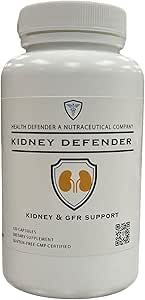
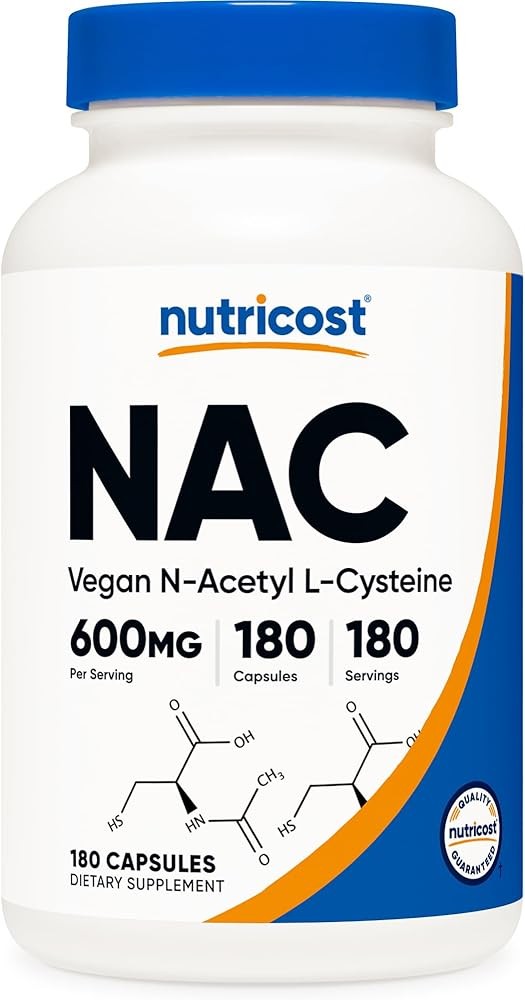
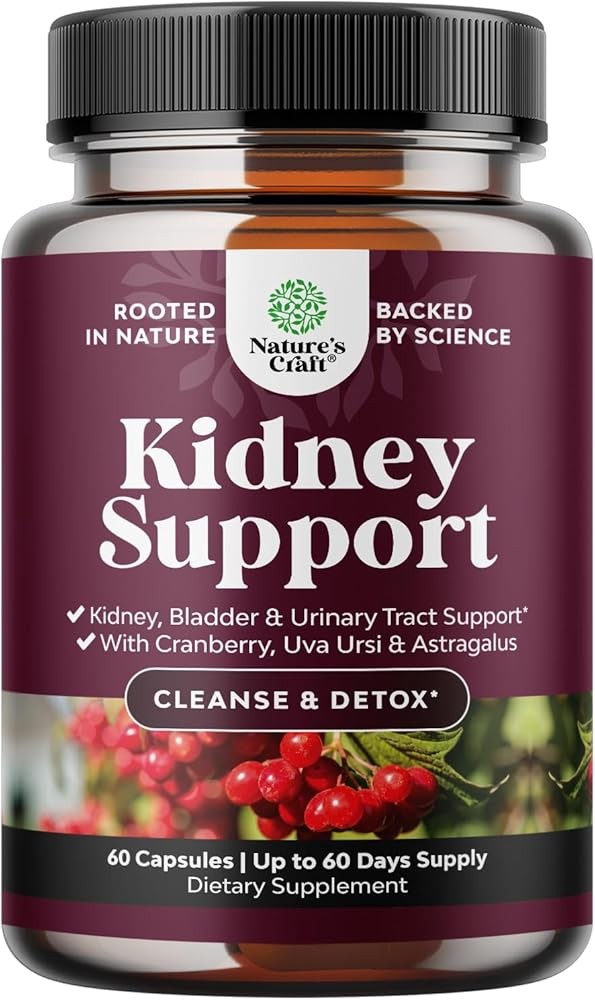
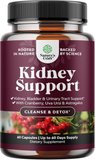
Chronic kidney disease (CKD) affects an estimated 37 million American adults, and most of them do not know their kidneys are declining until the damage is advanced. This guide covers supplements for CKD stages 1-3 (mild to moderate disease), where evidence is strongest and the stakes are different than in advanced disease. Nutricost NAC 600mg (ASIN B01CUQFKW4, $15.95 for 180 capsules) is our pick for the most evidence-backed single ingredient: a 2021 meta-analysis of 15 trials in 768 people with CKD found that N-acetylcysteine improved pooled eGFR and creatinine and reduced cardiovascular events by about 40% (RR 0.60, NNT 5.29), with no serious adverse events (Ye et al., 2021). Kidney Defender CKD Support (ASIN B0DZWYSVLT, $59.95) is our Best Overall formula pick for people who want a single all-in-one product, and Advanced Kidney Cleanse Support (ASIN B0C3J2G9N1, $19.99), a cranberry and astragalus botanical blend, is the budget herbal option - with the caveat that botanical formulas have far less clinical evidence than NAC, omega-3s, or monitored vitamin D. Here’s what the published research actually shows for each category, what the trials measured, and how to build a protocol that your nephrologist can sign off on.
Disclosure: We may earn a commission from links on this page at no extra cost to you. Affiliate relationships never influence our ratings. Full policy →

CRITICAL DISCLAIMER: This article focuses on CKD stages 1-3 (mild to moderate kidney disease). If you have stage 4-5 CKD or are on dialysis, supplement needs are completely different and potentially dangerous without medical supervision. Always consult your nephrologist before starting any supplement.
The challenge with kidney disease supplementation is the balance between supporting remaining kidney function and avoiding nutrient overload that damaged kidneys cannot clear. The clinical evidence that does exist is ingredient-specific: NAC has the strongest trial record, omega-3s show a modest signal for proteinuria and progression, and most other antioxidants rest on mechanism and animal data rather than large human trials (Ye et al., 2021; Hu et al., 2017). Nothing here replaces the disease-modifying treatments your nephrologist prescribes - blood pressure control, SGLT2 inhibitors, ACE inhibitors or ARBs, and glucose management are the interventions with the strongest evidence for slowing CKD.
How Can You Recognize Early Signs of Kidney Disease?
Your kidneys don’t fail overnight—they send warning signals long before GFR drops to critical levels.
What Clues Does Your Body Give About Declining Kidney Function?
Early warning signs (CKD stages 1-2):
- Persistent foamy or bubbly urine (indicates protein leakage)
- Changes in urination frequency (especially nighttime urination)
- Mild fatigue that worsens with physical activity
- Subtle changes in urine color (darker, cloudy, or tea-colored)
- Slight puffiness around eyes upon waking
- Blood pressure creeping upward despite previous control
Progressive indicators (CKD stage 3):
- Metallic taste in mouth or ammonia breath
- Loss of appetite with unexplained weight changes
- Persistent itching without rash (from phosphate buildup)
- Muscle cramps, particularly at night
- Swelling in ankles and feet that worsens throughout the day
- Brain fog and difficulty concentrating
- Pale skin from developing anemia
These symptoms reflect declining filtration, electrolyte shifts, and accumulating waste products. Foamy urine can mean protein is leaking through damaged filters, and nighttime urination often appears as the kidney loses its ability to concentrate urine. Neither symptom is specific - foamy urine can be harmless, and nocturia has many causes - which is exactly why persistent changes deserve a urine albumin-to-creatinine ratio (ACR) and blood test rather than a supplement guess. The National Kidney Foundation recommends annual screening for people with diabetes, high blood pressure, or a family history of kidney failure, because CKD is usually silent until filtration is already reduced.
How Do Supplements Actually Protect Kidney Function?
| Feature | NAC | CoQ10 | Omega-3 (EPA/DHA) |
|---|---|---|---|
| View on Amazon | Check Price | Check Price | Check Price |
What Mechanisms Allow Supplements to Support Kidney Health?
Kidney disease creates a cascade of metabolic disruptions that properly chosen supplements can address:
Oxidative stress reduction: Damaged kidneys produce excess reactive oxygen species (ROS) that accelerate kidney cell death. Antioxidants like NAC and CoQ10 neutralize these free radicals, protecting remaining nephrons.
Inflammation control: Chronic inflammation drives kidney scarring (fibrosis). Omega-3 fatty acids modulate inflammatory cytokines, particularly IL-6 and TNF-alpha, which are elevated in CKD.
Mitochondrial support: Kidney cells are metabolically demanding. CoQ10 and alpha-lipoic acid support cellular energy production, helping damaged kidneys work more efficiently.
Glutathione restoration: CKD depletes your body’s master antioxidant. NAC provides cysteine, the rate-limiting precursor for glutathione synthesis.
Oxidative stress is elevated across CKD stages, driven by inflammation, uremic toxins, and the dialysis procedure itself in advanced disease (Rivara et al., 2017). That is the rationale behind antioxidant supplements such as NAC and CoQ10, and it is why oxidative stress markers, not eGFR, were the primary outcomes in several of the trials below.
Supplements, where they work, support kidneys through overlapping mechanisms: reducing oxidative stress, controlling inflammation, supporting mitochondrial energy, and restoring antioxidant capacity. Those mechanisms are real in the laboratory; the clinical question, answered only by trials, is how much they change eGFR, proteinuria, and cardiovascular outcomes in people - which is what the sections below grade honestly.
Which Supplements Have the Strongest Evidence for Kidney Disease?
1. Can N-Acetylcysteine (NAC) Protect Kidneys from Oxidative Damage?
NAC is the most researched antioxidant supplement in CKD, and the evidence base is now summarized in meta-analysis.
How NAC protects kidneys:
- Replenishes glutathione, which is severely depleted in CKD
- Reduces oxidative damage to kidney tubules and glomeruli
- Decreases proteinuria (protein in urine)
- Inhibits kidney fibrosis (scarring)
- Supports detoxification pathways that kidneys can no longer handle
The research evidence:
A 2021 systematic review and meta-analysis pooled 15 trials with 768 participants across the CKD spectrum (Ye et al., 2021). The pooled results showed:
- Fewer cardiovascular events with NAC: RR 0.60, with a number needed to treat of 5.29 - relevant because cardiovascular disease is the leading cause of death in CKD
- Better pooled kidney measures: eGFR and serum creatinine were favorable in the NAC group versus placebo
- Lower inflammation and homocysteine in subgroup analyses, alongside the antioxidant effect on glutathione
- Good tolerability: no trial stopped patients on NAC due to side effects
The trials were heterogeneous and mostly short- to medium-term, so the meta-analysis is encouraging rather than definitive. What it does not show: no trial in the analysis supports claims of reversing kidney damage or delaying dialysis by specific months, and you should view any product marketing that promises those numbers as overstating the evidence.
Optimal dosing for CKD:
- CKD stages 1-2: 600mg daily is a reasonable starting point
- CKD stage 3: 600mg twice daily (1,200mg total) matches the higher end of trial dosing
- CKD stage 4-5 or on dialysis: Only under nephrologist supervision - supplement needs and risks change completely at this stage
Best form: Standard NAC (N-acetyl-L-cysteine) is well-absorbed. Sustained-release formulations provide more stable blood levels throughout the day.
Important considerations:
- Take NAC on an empty stomach for maximum absorption
- May increase homocysteine levels—pair with B vitamins
- Can thin blood slightly—monitor if on anticoagulants
- May cause mild GI upset initially (start with lower dose)
Key takeaway: NAC is the best-supported supplement in this guide. The 2021 meta-analysis of 15 trials found better pooled eGFR and creatinine and a 40% lower cardiovascular event rate (RR 0.60) versus placebo, at 600-1,200 mg daily, with a good safety profile - but the trials were small and varied, and NAC supports, rather than replaces, standard CKD care.
2. Does Coenzyme Q10 (CoQ10) Help Damaged Kidneys Produce Energy?
CoQ10 serves dual roles in kidney disease: it powers cellular energy production in mitochondria while acting as a potent fat-soluble antioxidant.
Why CKD patients need CoQ10:
- Kidney disease depletes CoQ10 by 40-50% compared to healthy individuals
- Statin medications (commonly prescribed in CKD) further reduce CoQ10 levels
- Damaged kidneys require more cellular energy to maintain filtration
- CoQ10 protects kidney cell membranes from oxidative damage
The clinical evidence:
Human data are thinner than the marketing suggests. The strongest randomized trial to date comes from hemodialysis: the CoQ10 Biomarker Trial randomized 80 maintenance hemodialysis patients to 600mg, 1,200mg, or placebo daily for 4 months (Rivara et al., 2017). The 1,200mg dose significantly reduced plasma F2-isoprostanes, a marker of oxidative stress, with no treatment-related serious adverse events; 600mg did not move the marker, and no cardiac biomarker changed.
In diabetic kidney disease, a 2019 systematic review and meta-analysis of 4 RCTs plus experimental studies found CoQ10, combined with standard therapy, improved fasting glucose, HbA1c, cholesterol fractions, and malondialdehyde, but the authors called the evidence insufficient and called for larger multicenter trials (Zhang et al., 2019).
What is missing: a large randomized trial of CoQ10 in non-dialysis CKD stages 1-3 measuring eGFR or progression. That gap matters - claims about CoQ10 “stabilizing eGFR by 18%” in stage 3 CKD circulate widely but we could not find the trial behind them.
Ubiquinol vs Ubiquinone: The bioavailability difference matters
CoQ10 exists in two forms:
- Ubiquinone: The oxidized form requiring conversion to active ubiquinol
- Ubiquinol: The reduced, active antioxidant form
In healthy people the body converts ubiquinone to ubiquinol efficiently. Whether CKD impairs that conversion has not been rigorously quantified in published trials, so ubiquinol’s practical advantage in CKD is plausible but unproven. Ubiquinol does not need the conversion step and is well absorbed, which is why most kidney-focused protocols use it.
Recommendation: If you and your nephrologist decide to try CoQ10, ubiquinol is the more direct form and is generally well absorbed, though head-to-head data specifically in CKD are limited.
Optimal dosing (if used):
- CKD stages 1-2: 100-200mg ubiquinol daily
- CKD stage 3 and dialysis: 200-600mg daily was tested in trials, but start low and clear it with your care team
- Take with a meal containing fat (CoQ10 is fat-soluble)
What the data says: CoQ10 has a reasonable mechanism and a safety record, but the CKD evidence is preliminary: a 1,200mg dose lowered an oxidative stress marker in hemodialysis patients, and a small meta-analysis in diabetic kidney disease improved metabolic markers. We could not find trial support for the “18% eGFR stabilization” claims that float around kidney supplement marketing, so view CoQ10 as optional and secondary to NAC, omega-3s, and monitored vitamin D.
3. Can Omega-3 Fatty Acids Reduce Inflammation in Kidney Disease?
Fish oil’s omega-3s—eicosapentaenoic acid (EPA) and docosahexaenoic acid (DHA)—address the chronic inflammation that accelerates kidney damage in CKD.
How omega-3s protect kidneys:
- Reduce pro-inflammatory cytokines (IL-6, TNF-alpha, IL-1β)
- Decrease mesangial cell proliferation that causes glomerular scarring
- Lower triglycerides, which are often elevated in CKD
- Reduce proteinuria by stabilizing kidney filter membranes
- Support cardiovascular health (the leading cause of death in CKD)
The research foundation:
The strongest meta-analytic picture, taken together, is modest:
- A 2017 meta-analysis of 9 randomized trials in 444 CKD patients found omega-3 supplementation reduced proteinuria (SMD -0.31, 95% CI -0.53 to -0.10) and cut the risk of progression to end-stage kidney disease (RR 0.49, 95% CI 0.24-0.99), with little or no effect on eGFR or creatinine clearance (Hu et al., 2017).
- An earlier 2009 meta-analysis of 17 trials (626 participants) found a small reduction in urine protein excretion - equivalent to about 190mg per day in someone excreting 1g/day - and no significant slowing of GFR decline (Miller et al., 2009).
- A 2024 meta-analysis of 9 studies (347 participants) found no overall effect on proteinuria, underscoring how heterogeneous the results are (Fei et al., 2024).
On the cardiovascular side, which matters enormously in CKD, the landmark REDUCE-IT trial tested the prescription drug icosapent ethyl (highly purified EPA, 4g daily) in statin-treated patients with elevated triglycerides. In the REDUCE-IT RENAL analysis, patients with eGFR below 60 had a 29% relative risk reduction on the primary composite endpoint (HR 0.71, 95% CI 0.59-0.85) (Majithia et al., 2021). Two caveats: that was a drug, not a fish oil supplement, and over-the-counter omega-3s have not replicated it.
Triglyceride form vs ethyl ester: Absorption matters
Omega-3 supplements come in different chemical forms with dramatically different bioavailability:
- Ethyl ester (EE): Synthetic form requiring bile for absorption—reduced efficacy in CKD patients with digestive issues
- Triglyceride (TG): Natural form with 70% better absorption
- Phospholipid: Found in krill oil, excellent absorption but lower EPA/DHA per capsule
- rTG (re-esterified triglyceride): Concentrated TG form combining high potency with superior absorption
Research in Prostaglandins, Leukotrienes and Essential Fatty Acids found that triglyceride-form omega-3s achieved 50-70% higher blood EPA/DHA levels compared to ethyl ester forms.
Optimal dosing for CKD:
- CKD stages 1-2: 2g combined EPA/DHA daily
- CKD stage 3: 3-4g combined EPA/DHA daily
- Take with meals for best absorption
- Choose triglyceride form for maximum bioavailability
Important omega-3 considerations:
- May increase bleeding risk—monitor if on warfarin or antiplatelet drugs
- Can lower blood pressure (beneficial for most CKD patients)
- Choose products tested for heavy metals and PCBs (critical for kidney patients)
- Refrigerate after opening to reduce oxidation
The research verdict: Omega-3s are worth discussing with your nephrologist, mainly for cardiovascular risk in CKD and possibly for proteinuria, where meta-analyses conflict (a 2017 analysis found lower proteinuria and progression risk; a 2024 analysis was neutral). Fish oil has not shown the heart benefits of the prescription EPA drug icosapent ethyl, so do not view the supplement as equivalent.
4. Is Alpha-Lipoic Acid (ALA) Effective for Diabetic Kidney Disease?
Alpha-lipoic acid earns the title “universal antioxidant” because it works in both water and fat-soluble environments throughout the body—including inside kidney cells.
Why ALA benefits kidney disease:
- Regenerates other antioxidants (vitamins C, E, glutathione, CoQ10)
- Protects kidneys from heavy metal toxicity
- Reduces advanced glycation end-products (AGEs) that damage kidneys
- Particularly beneficial for diabetic kidney disease
- Improves mitochondrial function in kidney cells
Clinical research in CKD:
The honest summary is that ALA’s kidney evidence is mostly preclinical. A 2023 review in Nutrients cataloged the mechanisms across animal models of diabetic nephropathy, sepsis-related kidney injury, ischemia, and metal toxicity - reduced oxidative damage, less fibrosis, less cell death - but explicitly noted that comprehensive clinical studies are still needed before ALA can be recommended as a kidney therapy (Kamt et al., 2023).
Human data are limited to small, older trials, mostly in diabetes rather than CKD. An exploratory 2001 study in patients with diabetes suggested alpha-lipoic acid might slow markers of endothelial damage and albuminuria progression, but it was small, short, and never followed up with a definitive trial (Morcos et al., 2001). We could not locate published trial data supporting the specific proteinuria-reduction percentages attached to ALA in supplement marketing.
R-ALA vs standard ALA
ALA exists as two mirror-image molecules: R-ALA (the biologically active form) and S-ALA. Most supplements sell the 50/50 racemic mixture; R-ALA-only products exist and are absorbed differently, but there are no CKD outcome trials comparing the forms, so the premium is hard to justify on kidney evidence alone.
Optimal dosing:
- CKD stages 1-3: 300-600mg R-ALA daily, or 600-1,200mg standard ALA
- Take on empty stomach 30 minutes before meals for maximum absorption
- Divide into 2-3 doses for sustained blood levels
What this means for you: Alpha-lipoic acid has a compelling antioxidant profile and solid animal data, but the human evidence in kidney disease is thin - one exploratory 2001 diabetes study and a 2023 review calling for more clinical research. If you have diabetic kidney disease and want to try it, 600 mg/day is the common studied dose, but set expectations accordingly and keep it secondary to interventions with real trial support.
5. Can Curcumin Reduce Kidney Scarring and Inflammation?
Curcumin, the active compound in turmeric, demonstrates remarkable anti-inflammatory and anti-fibrotic properties specifically relevant to kidney disease progression.
How curcumin protects kidneys:
- Inhibits NF-κB pathway, reducing inflammatory cytokines
- Reduces kidney fibrosis by blocking TGF-β signaling
- Reduces oxidative stress through Nrf2 activation
- Protects podocytes (critical kidney filter cells)
- Decreases proteinuria in multiple CKD animal models
Human clinical evidence:
The largest and most recent randomized trial in CKD did not find benefit. Researchers gave 88 adults with stage 3b-4 CKD either 2,000mg/day of a highly bioavailable curcumin (Longvida) or placebo for 12 months, measuring vascular function, arterial stiffness, and cognition (Gimblet et al., 2024). Curcumin did not improve any of those outcomes compared with placebo.
A 2026 systematic review of 21 studies in dialysis patients and people on immunosuppressants found some antioxidant and anti-inflammatory effects of turmeric and curcumin in hemodialysis, but no lipid-lowering effect - and it flagged a real safety signal: high-dose turmeric interacting with immunosuppressive drugs caused nephrotoxicity in some reports (Rajabian et al., 2026). Proteinuria-reduction percentages attached to curcumin in kidney supplement marketing do not trace back to the CKD trials above.
The bioavailability problem: Why standard curcumin fails
Pure curcumin has notoriously poor bioavailability—only 1% reaches your bloodstream due to:
- Poor water solubility
- Rapid metabolism in the liver
- Quick elimination from the body
Standard curcumin with black pepper (piperine) improves absorption but doesn’t solve the problem. Advanced formulations dramatically outperform:
- Phytosome curcumin: Bound to phospholipids, 29x better absorption
- Micellar curcumin: Water-soluble micelles, 185x better absorption
- CurcuWIN: Patented dispersion, 46x better absorption
- Longvida: Solid lipid particles, 95x free curcumin in blood
For CKD specifically, the problem is not just absorption - it is that the human outcome data are negative or absent, so no formulation choice solves an evidence problem.
Optimal dosing:
- Standard curcumin + piperine: 2,000-3,000mg daily (inefficient)
- Enhanced bioavailability formulas: 500-1,000mg daily
- Take with fatty meal for maximum absorption
Curcumin considerations:
- Can lower blood sugar—monitor if diabetic
- May increase bleeding risk at very high doses
- Avoid if you have bile duct obstruction
- Generally extremely safe with minimal side effects
Bottom line: Curcumin is not currently supported by trial evidence for CKD. The one large randomized trial came back negative, and a 2026 review flagged drug interactions for people on immunosuppressants. If you take curcumin for other reasons, keep the dose moderate and tell your nephrologist - but do not buy it as a kidney treatment.
Which Supplements Are Dangerous for Kidney Disease?
Certain supplements are dangerous for CKD patients despite being beneficial for healthy individuals.
Which Supplements Should You Definitely Avoid with CKD?
Mega-dose vitamin C (gram-level doses, not the amount in a multivitamin): vitamin C metabolizes to oxalate, which damaged kidneys clear poorly, raising kidney stone risk. Standard multivitamin amounts are generally fine - the danger is megadosing.
Potassium supplements: Most CKD patients need to restrict potassium—supplementation can cause life-threatening hyperkalemia (high potassium).
Phosphorus/Phosphate: Accumulates in CKD, causing bone disease and vascular calcification. Check supplement labels—it’s added to many products.
Herbal supplements to avoid:
- Star fruit: Contains caramboxin toxin that damages kidneys
- Aristolochic acid herbs (birthwort, snakeroot): Directly toxic to kidneys
- Cat’s claw: Can worsen autoimmune kidney disease
- Creatine: While not directly harmful, increases creatinine levels and falsely suggests worsening kidney function
- Licorice root: Raises blood pressure and causes potassium loss
High-protein supplements and excessive dietary protein: sustained intake well above guideline levels increases filtration workload. KDOQI 2020 advises roughly 0.55-0.60g/kg/day for non-diabetic CKD and 0.60-0.80g/kg/day for diabetic CKD not on dialysis, individualized to avoid malnutrition (KDOQI, 2020).
Avoid high-dose vitamin C (>100mg), potassium supplements, phosphorus, aristolochic acid herbs, and star fruit in CKD as damaged kidneys cannot excrete oxalates or excess electrolytes, leading to dangerous accumulation and further kidney damage.
Who Should Be Screened for Kidney Disease, and Why Does the Stage Matter?
Most CKD is found by accident, because the early stages produce few symptoms. The organizations that write the guidelines - KDIGO updated its CKD guideline in 2024 - recommend regular testing for people at elevated risk: anyone with diabetes, high blood pressure, cardiovascular disease, a family history of kidney failure, or risk factors such as obesity, smoking, or older age (KDIGO, 2024). Testing is simple and cheap: a blood creatinine for eGFR plus a urine test for albumin (the ACR). If both are normal, annual repeats are enough for most at-risk people.
Stage matters enormously for supplementation, which is why this guide is deliberately limited to stages 1-3:
Stage 1 (eGFR 90+ with kidney damage such as albuminuria) and stage 2 (eGFR 60-89 with damage): filtration is still near-normal, but the damage - usually from diabetes, hypertension, or glomerular disease - is measurable. This is the best window for lifestyle changes and for supplements whose evidence is about slowing progression, because there is still function to protect.
Stage 3 (eGFR 30-59): filtration is clearly reduced. This is where most of the supplement trial populations sit - the NAC meta-analysis, the omega-3 trials, and the vitamin D meta-analyses all enrolled people in this range. Medication intensification (ACE inhibitors, ARBs, SGLT2 inhibitors, statins) matters more than any supplement here, and supplements should be chosen to complement that plan.
Stages 4-5 and dialysis (eGFR under 30): the rules change completely. Nutrient handling is derailed - potassium, phosphorus, and vitamin D metabolism are all abnormal - and many supplement ingredients accumulate or interact with dialysis care. The CoQ10 trial in hemodialysis patients is an exception that proves the rule: it was done under close medical supervision with specific outcomes. For this guide’s purposes, anything beyond stage 3 means “nephrologist decides, not a shopping list.”
One more reason stage matters: eGFR is used to dose roughly half of all medications. If a supplement (creatine is the classic example) raises serum creatinine without meaning real damage, it can distort the eGFR calculation and lead a care team to adjust drug doses on bad data. That is why the “clean lab signal” principle - no creatine, no unlabeled botanicals, consistent timing of blood draws - is not paranoia; it protects the accuracy of your treatment.
How Do You Build an Evidence-Based CKD Supplement Protocol?
What Lab Tests Do You Need Before Supplementing for CKD?
Before starting any supplement for kidney disease, get baseline labs:
Essential tests:
- Comprehensive metabolic panel (kidney function, electrolytes)
- Complete blood count (check for anemia)
- Lipid panel
- Vitamin D (25-hydroxyvitamin D)
- Parathyroid hormone (PTH)
- Homocysteine
- Magnesium
- hsCRP (inflammation marker)
- Urinalysis with microalbumin
These establish your starting point and identify which supplements you need most.
How Should You Prioritize Supplements for CKD Stages 1-3?
Based on your CKD stage and lab results, consider this prioritized approach:
Core supplements for CKD stages 1-3 (in order of evidence):
- NAC: 600-1,200mg daily (strongest evidence - 2021 meta-analysis)
- Omega-3s: 2-4g EPA/DHA daily if your cardiologist or nephrologist agrees (mixed proteinuria data, real cardiovascular rationale)
- Vitamin D: only if a blood test shows deficiency, with calcium and phosphate monitoring (an 18-trial meta-analysis found proteinuria reductions and no GFR harm, but hypercalcemia risk requires monitoring; Xu et al., 2013)
Optional, with weaker evidence: 4. CoQ10 (ubiquinol): 100-200mg daily if you want to try it - evidence is preliminary 5. Alpha-lipoic acid: 600mg daily if you have diabetic kidney disease - animal data, thin human data 6. Methylated B-complex: if homocysteine is elevated 7. Magnesium glycinate: 200-400mg daily only if labs show low magnesium and your nephrologist approves (kidney function affects magnesium handling) 8. Curcumin: not recommended for CKD based on current trial evidence; see the section above
Build your CKD supplement protocol by testing baseline labs first, starting with NAC/omega-3s/CoQ10 as core foundation, optimizing timing for absorption, and monitoring eGFR and proteinuria every 3-6 months to track effectiveness.
What Lifestyle Changes Amplify CKD Supplement Effectiveness?
Supplements work best as part of comprehensive kidney support:
What Dietary Changes Support Kidney Health?
Reduce sodium: Target <2,000mg daily to reduce blood pressure and proteinuria. Use potassium-free salt alternatives cautiously (check with nephrologist first).
Right-sized protein: KDOQI 2020 guidance is roughly 0.55-0.60g/kg/day for non-diabetic CKD and 0.60-0.80g/kg/day when diabetes is present, always individualized with a renal dietitian so you do not drift into malnutrition (KDOQI, 2020).
Control phosphorus: Limit to 800-1,000mg daily. Avoid processed foods with phosphate additives (look for ingredients containing “phos-”).
Manage potassium: CKD stages 3-5 often require restriction to 2,000-3,000mg daily. Avoid high-potassium foods like bananas, oranges, tomatoes, potatoes.
Hydration: Drink enough to produce pale yellow urine but don’t overhydrate (stresses kidneys). Typically 6-8 glasses daily unless on fluid restriction.
Limit oxalates: If prone to kidney stones, reduce spinach, beets, chocolate, nuts, and tea. Pair with calcium-rich foods to bind oxalates.
How Does Blood Pressure Control Protect Kidneys?
Hypertension is both a cause and consequence of CKD. Target <130/80 mmHg or as directed by your nephrologist:
- DASH diet principles (even with CKD modifications)
- Regular moderate exercise (150 minutes weekly)
- Stress management (meditation, yoga, deep breathing)
- Adequate sleep (7-9 hours nightly)
- Limit alcohol (<1 drink daily for women, <2 for men)
The SPRINT trial showed that intensive systolic blood pressure control (target under 120 mmHg) reduced cardiovascular events and all-cause mortality in high-risk adults, including those with CKD, compared with a 140 mmHg target (SPRINT Research Group, 2015). Your individual target should come from your care team.
Supplements work synergistically with sodium restriction (<2,000mg), moderate protein (0.8-1.0g/kg), blood pressure control (<130/80), diabetes management (HbA1c <7%), and avoiding nephrotoxic exposures like NSAIDs and smoking to maximize kidney protection.
What Do Your Kidney Lab Numbers Actually Mean?
Before you can judge whether a supplement is doing anything, you need to know what the numbers mean.
eGFR (estimated glomerular filtration rate): a blood-based estimate of how many milliliters of blood your kidneys filter per minute, normalized to body size. Normal is roughly 90 or above. CKD is staged on eGFR: stage 1 (90+, with kidney damage such as albuminuria), stage 2 (60-89 with damage), stage 3a/3b (45-59 / 30-44), stage 4 (15-29), and stage 5 (under 15, kidney failure). eGFR is an estimate, not a direct measurement, and it fluctuates with hydration, muscle mass, and acute illness.
Serum creatinine: a muscle-waste product filtered by the kidneys. It goes up as filtration falls, but it is also affected by muscle mass, protein intake, and supplements - creatine, for example, raises creatinine without meaning kidney damage, which is why it is listed in the avoid section for people who need clean lab signals.
Urine albumin-to-creatinine ratio (ACR) or urine protein: this measures how much protein is leaking through the filters. It is the marker most sensitive to early CKD and the one where supplements such as omega-3s have shown any effect in meta-analyses.
BUN (blood urea nitrogen): a waste product from protein metabolism. It rises in advanced CKD but also with dehydration, high protein intake, and some medications, so it is interpreted alongside creatinine.
Other labs that matter in CKD: potassium and phosphorus (both can climb as filtration falls), hemoglobin (CKD causes anemia through low erythropoietin), bicarbonate (metabolic acidosis is common), PTH and vitamin D (bone-mineral axis), and blood pressure. If you are supplementing, the monitoring plan is usually eGFR, creatinine, and ACR every 3-6 months, plus electrolytes and calcium/phosphate when vitamin D or potassium-relevant changes occur.
What Are the Most Common Questions About Kidney Disease Supplements?
Can supplements reverse kidney damage?
Supplements cannot reverse established kidney damage, and no product should claim otherwise. What the data show is more modest: NAC improved pooled eGFR, creatinine, and cardiovascular risk in a 15-trial meta-analysis (Ye et al., 2021); omega-3s lowered proteinuria and progression risk in one meta-analysis while another found no effect (Hu et al., 2017; Fei et al., 2024); and vitamin D therapy reduced proteinuria across 18 trials when deficiency was treated and monitored (Xu et al., 2013). If budget is limited, NAC is the evidence pick.
How long before I see benefits from kidney supplements?
Timeline varies by measure:
- Cardiovascular events (NAC meta-analysis): measured over months to years of follow-up - this is a long-term effect, not a quick lab change
- eGFR and creatinine: the NAC meta-analysis pooled trials running roughly 2-24 months, so think in quarters, not weeks
- Proteinuria: omega-3 trials typically assessed it at 6 months or later
- Oxidative stress markers: the CoQ10 hemodialysis trial saw changes at 4 months
Kidney disease progresses slowly, and so does any measurable supplement effect. View any product promising fast eGFR improvement as a red flag, and judge your protocol by the 3-6 month lab trend, not by how you feel in week one.
Are natural supplements safer than medications for CKD?
Not at all. “Natural” means nothing about safety in kidney disease. Star fruit contains a neurotoxin that damaged kidneys cannot clear, aristolochic acid herbs are directly nephrotoxic, potassium and phosphorus supplements can be dangerous when filtration is reduced, and herbal products such as high-dose turmeric can interact with immunosuppressants. The supplements discussed in this guide were chosen because they have actual clinical trial data in CKD - but even those need nephrologist sign-off, because dose, stage, and your medication list change the risk calculation.
How Do Kidney Medications Interact With Supplements?
CKD treatment usually involves several medications, and supplements can amplify or blunt them.
ACE inhibitors and ARBs (lisinopril, losartan, and similar) are the backbone of CKD care - they lower pressure inside the kidney filters and reduce proteinuria. They raise potassium in some people, so potassium supplements and salt substitutes (potassium chloride) can push potassium into a dangerous range. If you take these drugs, no potassium supplements without labs and a doctor’s OK.
SGLT2 inhibitors (empagliflozin, dapagliflozin) slow CKD progression and heart failure risk. They increase urine output and can dehydrate people, so aggressive “detox” products or anything with diuretic herbs (uva ursi, dandelion, juniper) works against the treatment and against hydration status.
Anticoagulants and antiplatelet drugs (warfarin, apixaban, aspirin, clopidogrel): high-dose omega-3s, NAC, and curcumin all have mild antiplatelet effects in some studies. That is rarely a problem at supplement doses, but it is exactly the kind of thing your pharmacist should know about, especially before surgery.
Statins: many CKD patients take them for cardiovascular risk. Statins do not cause the CoQ10 depletion that marketing claims suggest is universal, but the interaction is commonly discussed, and CoQ10 is the one supplement on this list that some cardiologists are comfortable adding - at 100-200mg - if a patient reports statin-related muscle symptoms. Talk to the prescriber rather than self-treating.
Diabetes medications (insulin, sulfonylureas): alpha-lipoic acid and curcumin can lower blood sugar, so adding them without glucose monitoring can cause unexpected lows.
Immunosuppressants (after transplant or for autoimmune kidney disease): high-dose turmeric and several herbal products interact with these drugs - the 2026 review found reported nephrotoxicity from high-dose turmeric in this group - so most botanicals need explicit clearance.
The general rule for kidney patients: run any new supplement past the nephrologist or a pharmacist who can see the full medication list, and never start a “kidney cleanse” product, which typically contains diuretic or herbal ingredients that work against CKD care.
How Should You Track Progress While Taking Kidney Supplements?
Supplements for CKD are judged by lab trends, not by how you feel, and the tracking protocol is straightforward.
Baseline first. Before starting anything, have the full panel drawn: eGFR, creatinine, ACR or urine protein, electrolytes (especially potassium), calcium and phosphate, vitamin D if deficiency is suspected, HbA1c if diabetic, and blood pressure readings. A baseline makes every later comparison meaningful and tells you which problems you are actually treating.
Recheck every 3-6 months. eGFR and creatinine move slowly, so quarterly or twice-yearly checks are the standard rhythm for stable CKD. If a supplement were going to help or hurt filtration, a 3-6 month window is where you would expect to see it. Proteinuria responds somewhat faster in trials, but even there, 6-month intervals are typical.
Know the false alarms. Creatinine bumps can come from dehydration, a high-protein meal, intense exercise, certain medications (trimethoprim, cimetidine), and creatine supplements - none of which mean kidney damage. That is why trends over two or three readings beat any single number, and why the “clean lab signal” advice above matters: do not give your nephrologist noisy data to dose from.
Watch the safety labs, not just the kidney labs. If you add vitamin D, calcium and phosphate need monitoring because of hypercalcemia risk. If you start NAC and your homocysteine was already high, repeat it. If you are diabetic and add ALA or curcumin, watch glucose more closely. If you take anticoagulants and add omega-3s or NAC, tell the prescribing clinician.
Set a stop rule. Decide in advance when to stop: no trend in eGFR or proteinuria after 6-12 months of consistent use, any new lab abnormality, an interaction signal, or a change in your medication list are all reasonable triggers to stop and reassess with your care team. Supplements in CKD are an adjunct, not a commitment.
Why Is Supplement Quality Critical for Kidney Patients?
CKD patients cannot afford to consume contaminants—damaged kidneys struggle to eliminate toxins.
What Should You Look for on Supplement Labels?
Third-party certifications:
- USP Verified: United States Pharmacopeia verifies ingredients match label claims and tests for contaminants
- NSF International: Similar to USP—tests ingredients, purity, and manufacturing practices
- ConsumerLab: Independent testing company—look for CL seal
- BSCG (Banned Substances Control Group): Tests for prohibited substances and contaminants
Why certification matters for kidney patients:
- Heavy metals (lead, mercury, arsenic) are common contaminants that damage kidneys
- Unlisted ingredients may contain harmful substances
- Potency varies wildly between brands without testing
Red flags to avoid:
- “Proprietary blend” without specific ingredient amounts
- Unrealistic health claims
- Lack of contact information or manufacturing details
- Prices too good to be true (indicates low-quality ingredients)
- Multi-level marketing (MLM) products often overpriced without quality testing
CKD patients must choose third-party tested supplements (USP, NSF, ConsumerLab) to verify purity and avoid heavy metal contamination, with pharmaceutical-grade (99%+ purity) worth the 20-30% premium since damaged kidneys cannot eliminate toxins.
Related Reading
- CoQ10 Benefits, Dosage, and Side Effects: Evidence-Based Guide
- Alpha-Lipoic Acid Benefits: Diabetes and Neuropathy Research
- How Much Vitamin D Do You Really Need?
- Best Omega-3 Supplements for Brain Health and Cognition
- Magnesium Benefits and the Best Forms to Take
- Iron, Energy, and Oxygen: Anemia Explained
- Best Supplements for Energy and Fatigue: What Actually Works Beyond Caffeine
References
-
Ye M, Lin W, Zheng J, Lin S. N-acetylcysteine for chronic kidney disease: a systematic review and meta-analysis. American Journal of Translational Research. 2021;13(4):2472-2485. PubMed 34017406
-
Hu J, Liu Z, Zhang H. Omega-3 fatty acid supplementation as an adjunctive therapy in the treatment of chronic kidney disease: a meta-analysis. Clinics. 2017;72(1):58-64. PubMed 28226034
-
Miller ER 3rd, Juraschek SP, Appel LJ, et al. The effect of n-3 long-chain polyunsaturated fatty acid supplementation on urine protein excretion and kidney function: meta-analysis of clinical trials. American Journal of Clinical Nutrition. 2009;89(6):1937-1945. PubMed 19403630
-
Fei L, Huang R, Li Z. Role of omega-3 fatty acids in reducing proteinuria: a systematic review and meta-analysis. Asia Pacific Journal of Clinical Nutrition. 2024;33(3):313-318. PubMed 38965720
-
Majithia A, Bhatt DL, Friedman AN, et al. Benefits of icosapent ethyl across the range of kidney function in patients with established cardiovascular disease or diabetes: REDUCE-IT RENAL. Circulation. 2021;144(22):1750-1759. PubMed 34706555
-
Xu L, Wan X, Huang Z, et al. Impact of vitamin D on chronic kidney diseases in non-dialysis patients: a meta-analysis of randomized controlled trials. PLoS One. 2013;8(4):e61387. PubMed 23626678
-
Kamt SF, Liu J, Yan LJ. Renal-protective roles of lipoic acid in kidney disease. Nutrients. 2023;15(7):1732. PubMed 37049574
-
Morcos M, Borcea V, Isermann B, et al. Effect of alpha-lipoic acid on the progression of endothelial cell damage and albuminuria in patients with diabetes mellitus: an exploratory study. Diabetes Research and Clinical Practice. 2001;52(3):175-183. PubMed 11323087
-
Gimblet CJ, Kruse NT, Geasland K, et al. Curcumin supplementation and vascular and cognitive function in chronic kidney disease: a randomized controlled trial. Antioxidants. 2024;13(8):983. PubMed 39199229
-
Rajabian F, Khajavi Rad A, Ghorban Sabbagh M, Hosseinzadeh H. Effects of turmeric and curcumin in patients on dialysis or using immunosuppressive agents: a systematic review. Naunyn-Schmiedeberg’s Archives of Pharmacology. 2026;399(10):14743-14759. PubMed 42047771
-
Zhang X, Shi Z, Liu Q, Quan H, Cheng X. Effects of coenzyme Q10 intervention on diabetic kidney disease: a systematic review and meta-analysis. Medicine. 2019;98(24):e15850. PubMed 31192915
-
Rivara MB, Yeung CK, Robinson-Cohen C, et al. Effect of coenzyme Q10 on biomarkers of oxidative stress and cardiac function in hemodialysis patients: the CoQ10 Biomarker Trial. American Journal of Kidney Diseases. 2017;69(3):389-399. PubMed 27927588
-
Ikizler TA, Burrowes JD, Byham-Gray LD, et al. KDOQI clinical practice guideline for nutrition in CKD: 2020 update. American Journal of Kidney Diseases. 2020;76(3 Suppl 1):S1-S107. PubMed 32829751
-
SPRINT Research Group. A randomized trial of intensive versus standard blood-pressure control. New England Journal of Medicine. 2015;373(22):2103-2116. PubMed 26551272
-
Kidney Disease: Improving Global Outcomes (KDIGO) CKD Work Group. KDIGO 2024 clinical practice guideline for the evaluation and management of chronic kidney disease. Kidney International. 2024;105(4S):S117-S314. PubMed 38490803
This article is for educational purposes only and does not replace medical advice. Always consult your nephrologist before starting any supplement regimen for kidney disease. Lab monitoring is essential to ensure safety and efficacy.
Recommended Products