CoQ10: The Heart's Powerhouse for Energy, Antioxidant Protection & Longevity
Summarized from peer-reviewed research indexed in PubMed. See citations below.
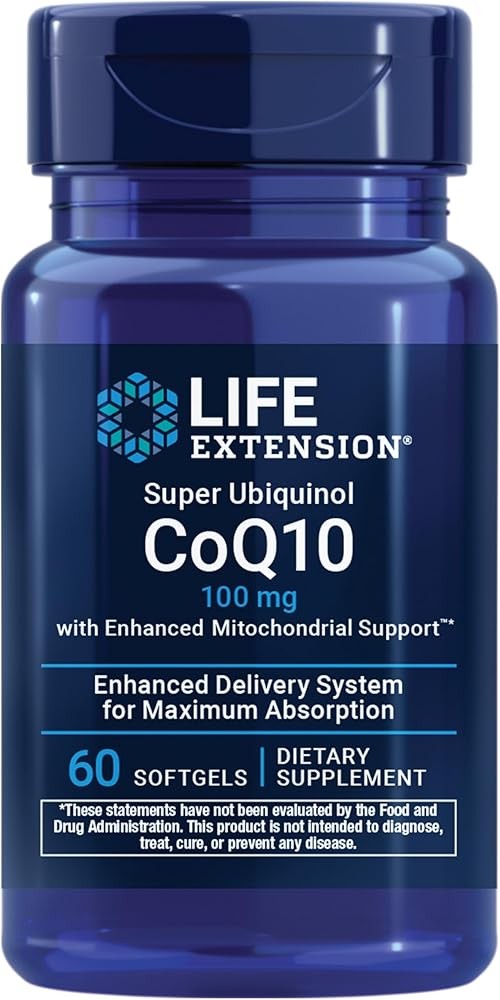
CoQ10 powers the mitochondria that generate ATP in your heart, brain, and muscles, and tissue levels fall with age while statin drugs lower circulating CoQ10 in a dose-related way. Life Extension Super Ubiquinol CoQ10 delivers 100mg of the active ubiquinol form, which reaches roughly 2-3.4 times higher plasma exposure than ubiquinone at equal doses, making it our top pick for $28. In the Q-SYMBIO trial, 300mg of CoQ10 daily cut major adverse cardiovascular events from 26% to 15% over two years in chronic heart failure patients. Qunol Ubiquinol 100mg offers an excellent budget alternative at $20 with patented water-soluble delivery for enhanced bioavailability. Here’s what the published research shows about CoQ10’s critical role in heart health, energy production, and longevity.
Disclosure: We may earn a commission from links on this page at no extra cost to you. Affiliate relationships never influence our ratings. Full policy →
Imagine a single molecule so essential that without it, your heart would stop beating, your brain would cease thinking, and every cell in your body would lose its ability to generate energy. This molecule is Coenzyme Q10 (CoQ10), a compound so vital to human life that nature placed it in virtually every cell, with the highest concentrations in your heart, brain, liver, and kidneys—the organs that demand the most energy.
Yet despite its critical importance, most people have never heard of CoQ10, and those who have rarely understand why it matters so profoundly. Here is the part that should get your attention: your body makes CoQ10, but tissue levels decline with age, most noticeably in high-energy organs like the heart, and statin drugs lower circulating CoQ10 in a dose-related way because cholesterol and CoQ10 share a synthesis pathway. For people over 40, on statins, or living with heart failure, restoring CoQ10 status is one of the better-supported supplement strategies in clinical research.
The consequences extend far beyond simple fatigue. Research published in prestigious journals like The Lancet, Circulation, and Biochimica et Biophysica Acta links inadequate CoQ10 to heart failure, accelerated aging, impaired fertility, neurodegenerative diseases, muscle dysfunction, and dramatically reduced quality of life. If you’re experiencing unexplained exhaustion, muscle weakness, heart palpitations, difficulty recovering from exercise, or cognitive fog—especially if you’re over 40 or taking cholesterol medications—your body may be desperately signaling for more CoQ10.
This comprehensive guide examines the science-backed benefits of CoQ10 for heart health, cellular energy production, antioxidant protection, and longevity. You’ll learn the critical differences between ubiquinol and ubiquinone forms, how to identify body signals indicating deficiency, optimal dosing strategies, advanced formulations that maximize absorption, and why this nutrient deserves a place in your daily supplement regimen.
What is CoQ10 and Why Does Your Body Need It?
Coenzyme Q10—also called ubiquinone, ubidecarenone, or simply CoQ10—is a fat-soluble, vitamin-like compound present in the mitochondria of every cell in your body. Chemically, it consists of a benzoquinone ring (the “Q”) attached to a 10-unit isoprenoid side chain (the “10”), giving it structural similarity to vitamins E and K.
This unique molecular architecture enables CoQ10 to perform two distinct but related functions that make it indispensable:
First, CoQ10 serves as an essential electron carrier in the mitochondrial electron transport chain, the biochemical pathway that generates ATP (adenosine triphosphate), your body’s universal energy currency. Without adequate CoQ10, this energy production system grinds to a halt, leaving cells energy-starved and unable to perform their functions.
Second, CoQ10 functions as a powerful antioxidant, protecting cell membranes, mitochondrial DNA, and proteins from oxidative damage caused by free radicals. Unlike water-soluble antioxidants like vitamin C, CoQ10’s fat-solubility allows it to protect lipid-rich structures like cell membranes and lipoproteins (including LDL cholesterol) from oxidation.
How Does Your Body Make CoQ10 and Why Does Production Decline?
Your body synthesizes CoQ10 through a remarkably complex 17-step biosynthetic pathway requiring multiple vitamins and cofactors, including vitamins B2, B3, B5, B6, B12, folic acid, vitamin C, and several amino acids. This synthesis occurs primarily in the liver, though all cells possess some capacity for CoQ10 production.
Here’s the critical point: CoQ10 synthesis utilizes the same HMG-CoA reductase enzyme that produces cholesterol. This shared biochemical pathway explains why statin medications—which inhibit HMG-CoA reductase to lower cholesterol—simultaneously devastate CoQ10 production. Statins cannot selectively block cholesterol while sparing CoQ10; blocking the enzyme depletes both.
Studies that measured CoQ10 content in human tissues consistently report that levels fall with age, and the decline is steepest in the heart, which has the highest CoQ10 demand in the body. The exact magnitude varies by study and tissue, but the direction is consistent: older adults carry less CoQ10 in their tissues than younger adults.
This age-related decline tracks with the rising incidence of cardiovascular disease, cognitive decline, and other hallmarks of aging. Correlation is not causation, but the pattern is consistent enough that CoQ10 restoration in older adults has become a genuine focus of clinical research.
What Is the Difference Between Ubiquinone and Ubiquinol?
CoQ10 exists in two interchangeable forms in your body, and understanding this distinction is absolutely essential for choosing effective supplementation:
Ubiquinone is the oxidized form of CoQ10—the form found in most standard supplements. When you consume ubiquinone, your body must convert it to the active form through an enzyme-dependent reduction process. This conversion becomes progressively less efficient with advancing age, illness, genetic variations affecting the enzymes involved, and medications that impair the conversion.
Ubiquinol is the reduced, active form of CoQ10 that actually performs the antioxidant functions and exists predominantly in healthy tissue. Research indicates that approximately 90-95% of the CoQ10 circulating in the blood plasma of healthy young adults exists as ubiquinol.
The continuous interconversion between these two forms—ubiquinone accepting electrons to become ubiquinol, then ubiquinol donating electrons (its antioxidant action) and reverting to ubiquinone—creates a regenerating antioxidant system. This cycling underlies both CoQ10’s energy production role and its antioxidant capabilities.
Form comparisons matter. In a randomized, double-blind crossover study in healthy adults, a ubiquinol formulation reached peak plasma concentrations about 2.2 times higher than an equal ubiquinone dose, with total plasma exposure 2.0-3.4 times higher depending on the measurement window (PubMed 41789786). A separate comparison in healthy subjects found higher achieved plasma CoQ10 levels with ubiquinol than ubiquinone (PubMed 27128225).
The practical question is whether older adults convert ubiquinone to ubiquinol as efficiently as younger ones. The evidence is indirect, but studies comparing plasma levels after equal doses consistently favor ubiquinol in older subjects (PubMed 27128225, PubMed 41789786).
Practical implication: If you’re under 30, healthy, and not taking medications that affect CoQ10, standard ubiquinone supplements may work adequately. Your body can still convert it efficiently. However, if you’re over 40, taking statins, have cardiovascular disease, or want to ensure maximum bioavailability, ubiquinol is the superior choice despite its higher cost.
What Are the Advanced Formulations for Maximum Absorption?
Beyond the ubiquinone/ubiquinol distinction, delivery format meaningfully changes how much CoQ10 actually reaches your blood. Comparative studies in humans make two points:
- Formulation matters. A comparative bioavailability study in healthy elderly individuals found substantial differences in plasma CoQ10 between commercially available formulations, with softgel and enhanced-absorption products outperforming plain powders (PubMed 32188111).
- Ubiquinol delivers more. The crossover data showing roughly 2-3.4 times higher plasma exposure for ubiquinol versus ubiquinone is the most reproducible formulation effect in the literature (PubMed 41789786).
Manufacturers market many technologies under this umbrella, including liposomal encapsulation, phytosome complexes, self-emulsifying systems, and nanoemulsions. A double-blind trial of a CoQ10 phytosome in healthy volunteers reported improved endothelial reactivity (PubMed 35342994), but head-to-head plasma comparisons covering every branded technology are limited.
Practical recommendation: Choose ubiquinol or an enhanced-absorption ubiquinone softgel with third-party testing, take it with a fat-containing meal, and judge value by delivered dose rather than marketing claims.
Where Does CoQ10 Concentrate in Your Body?
CoQ10 isn’t distributed evenly—it concentrates in organs with the highest metabolic activity and energy demands. Understanding this distribution helps explain why deficiency affects certain systems more dramatically:
Heart (cardiac muscle) – Contains the body’s highest CoQ10 concentration at approximately 114 μg/g of tissue. Your heart beats roughly 100,000 times daily, never resting throughout your entire life. This relentless energy demand requires abundant CoQ10. Even modest deficiency impairs cardiac function.
Liver – With approximately 54-66 μg/g, the liver’s hundreds of metabolic functions (detoxification, protein synthesis, bile production, glucose regulation) demand tremendous energy and CoQ10.
Kidneys – Containing about 67 μg/g, kidneys filter your entire blood volume approximately 60 times daily, requiring enormous energy for filtration and selective reabsorption.
Pancreas – Beta cells that produce insulin are exceptionally rich in mitochondria and CoQ10, highlighting its critical role in glucose metabolism and insulin secretion.
Brain – Though lower in concentration per gram, the brain’s high metabolic rate and extreme vulnerability to oxidative damage make adequate CoQ10 essential for cognitive function.
Measurements of CoQ10 in human tissue point the same way: concentrations fall with age across organs, with the most pronounced depletion in the heart. That preferential cardiac decline is one reason cardiovascular research dominates the CoQ10 supplement literature.
Bottom line: CoQ10 is a fat-soluble compound essential for ATP energy production and antioxidant protection, and because tissue levels decline with age and statins lower circulating CoQ10, older adults and statin users are the groups most likely to benefit from restoring their status.
How Does CoQ10 Support Heart Health and Cardiovascular Function?
Your heart is the ultimate endurance athlete—it beats approximately 100,000 times daily, pumping 2,000 gallons of blood through 60,000 miles of blood vessels without ever resting. To sustain this extraordinary workload, cardiac muscle cells (cardiomyocytes) contain the highest density of mitochondria of any tissue in the body—approximately 5,000 mitochondria per cell, comprising about 35% of total cell volume.
These mitochondria generate the ATP that powers every heartbeat, and CoQ10 is absolutely essential for this energy production. Research consistently shows that heart tissue has the highest CoQ10 concentration in the body, and that cardiac CoQ10 levels correlate directly with heart function and exercise capacity.
How Does CoQ10 Deficiency Relate to Heart Failure?
The connection between CoQ10 deficiency and heart failure is one of the most well-established findings in nutritional cardiology. Multiple studies demonstrate:
Severity of deficiency correlates with severity of heart failure – As the 2021 Cochrane review of CoQ10 for heart failure puts it, “the severity of heart failure correlates with the severity of coenzyme Q10 deficiency” (PubMed 35608922). Low myocardial CoQ10 in failing hearts is among the most consistently replicated findings in this field.
Supplementation helps even in end-stage disease – A small randomized, placebo-controlled study in end-stage heart failure patients awaiting cardiac transplantation reported clinical improvement with CoQ10 supplementation (PubMed 15188947).
Deficiency impairs cellular energetics – Mechanistically, CoQ10 is the electron carrier that lets mitochondria convert fuel into ATP; when it is scarce, energy production in the hardest-working tissue, the heart, suffers first.
What Did the Q-SYMBIO Trial Show About CoQ10 in Heart Failure?
The Q-SYMBIO (Q10 Symbiosis in Cardiovascular Disease) trial, published in JACC: Heart Failure in 2014, stands as one of the most rigorous studies demonstrating CoQ10’s benefits for heart failure patients. This multicenter, randomized, double-blind, placebo-controlled trial followed 420 patients with moderate-to-severe chronic heart failure for two years (PubMed 25282031).
Participants received either 100mg of CoQ10 three times daily (300mg total) or placebo, in addition to standard heart failure medications. The results were striking:
- Major adverse cardiovascular events fell from 26% to 15% over two years (hazard ratio 0.50, p = 0.003)
- Cardiovascular mortality was 9% versus 16% with placebo (p = 0.026), and all-cause mortality 10% versus 18% (p = 0.018)
- Fewer hospital stays for heart failure (p = 0.033)
- Improved NYHA functional class after two years (p = 0.028)
- The 16-week short-term endpoints did not differ, a reminder that benefits emerged over the full two-year follow-up
- No significant adverse effects were attributed to CoQ10
Lead investigator Dr. Svend Aage Mortensen concluded: “CoQ10 is the first medication to improve survival in chronic heart failure since ACE inhibitors and beta-blockers more than a decade ago.”
Broader analyses point the same direction. A meta-analysis of clinical trials in patients with cardiac failure reported improved cardiac function with CoQ10 supplementation (PubMed 28738783), and the 2021 Cochrane review concluded CoQ10 may reduce mortality and improve exercise capacity in heart failure, while rating the overall evidence as low certainty and calling for larger trials (PubMed 35608922).
What Does the Evidence Say About CoQ10 and Blood Pressure?
Hypertension (high blood pressure) affects nearly half of American adults and represents a major risk factor for heart attack, stroke, kidney disease, and dementia. Multiple studies demonstrate that CoQ10 supplementation can significantly lower blood pressure:
The most cited analysis is a meta-analysis of 12 clinical trials involving 362 patients with essential hypertension, which concluded that CoQ10 supplementation lowers both systolic and diastolic blood pressure, with the largest reductions seen in hypertensive patients, and reported no significant adverse effects (PubMed 17287847).
Individual trials help calibrate expectations. In a double-blind, randomized study in 38 patients with coronary artery disease, 300 mg of CoQ10 daily for one month significantly improved endothelium-dependent vasodilation and increased endothelial-bound extracellular superoxide dismutase, an enzyme that protects the vessel wall from oxidative damage (PubMed 17644511). That endothelial effect is the leading mechanism behind CoQ10’s blood pressure benefits.
The mechanisms by which CoQ10 lowers blood pressure include:
Improved endothelial function – CoQ10 enhances nitric oxide production and bioavailability, allowing blood vessels to relax and dilate more effectively. Endothelial dysfunction is a hallmark of hypertension.
Reduced oxidative stress – By neutralizing free radicals that damage blood vessels, CoQ10 protects endothelial cells and preserves vascular health.
Enhanced energy production in vascular smooth muscle – Blood vessel walls require energy to regulate their tone; CoQ10 ensures adequate ATP for proper vascular function.
People with the lowest starting CoQ10 status tend to show the largest responses, which fits the general pattern that correcting a genuine deficiency produces the biggest effect.
How Does CoQ10 Protect Against Statin-Induced Muscle Problems?
Statin medications are among the most widely prescribed drugs in the world, with over 40 million Americans taking them to lower cholesterol. While statins effectively reduce cardiovascular events, they also cause troublesome side effects in 10-25% of users, including:
- Muscle pain (myalgia)
- Muscle weakness
- Fatigue and reduced exercise tolerance
- Cognitive difficulties (“brain fog”)
- Elevated liver enzymes
- Increased risk of type 2 diabetes
The mechanism behind these side effects relates directly to statins’ inhibition of the HMG-CoA reductase enzyme. Since this enzyme is essential for both cholesterol AND CoQ10 synthesis, statins deplete both. While cholesterol reduction is the therapeutic goal, CoQ10 depletion is an unintended consequence that contributes significantly to adverse effects.
Research dating back to the 1990s established that statin treatment lowers serum CoQ10 in a dose-related fashion (PubMed 9266515). A randomized double-blind study in hypercholesterolemic patients treated with atorvastatin confirmed that CoQ10 levels fall during treatment and that CoQ10 supplementation restores them (PubMed 17681347).
Multiple studies demonstrate that CoQ10 supplementation can mitigate statin side effects:
The clinical trial data on CoQ10 for statin-associated muscle symptoms are encouraging but not unanimous. In a 3-month pilot study of 60 patients with statin-associated myopathy, those given CoQ10 (with or without selenium) had plasma CoQ10 levels rise roughly fourfold, and reported significant reductions in muscle pain (about 53%), weakness (about 60%), cramps (about 65%), and tiredness (about 82%) compared with no change in the placebo group (PubMed 23458201). An earlier double-blind trial in statin-treated patients also reported reduced myopathic symptoms with CoQ10 (PubMed 17493470). A systematic review of the topic, however, noted that the overall evidence on statin-associated myalgia is mixed and of limited quality, and that CoQ10 may mainly help adherence by improving symptoms in affected patients (PubMed 32179207).
Critical point: CoQ10 supplementation does NOT interfere with statins’ cholesterol-lowering effects. The drugs still effectively reduce LDL cholesterol and cardiovascular risk while CoQ10 simply restores levels of this essential nutrient.
Recommendation for statin users: If you take any statin medication (atorvastatin/Lipitor, simvastatin/Zocor, rosuvastatin/Crestor, pravastatin/Pravachol, etc.), supplementing with 100-200mg of CoQ10 daily is highly advisable to maintain healthy levels and potentially reduce the risk of side effects.
What Are the Body Clues Your Heart Needs More CoQ10?
Your body provides warning signals when cardiac CoQ10 levels become inadequate. Pay attention to these clues, especially if you’re over 40, take statins, or have known heart disease:
Persistent fatigue unrelieved by rest – If you consistently feel exhausted despite adequate sleep, and especially if you once had good energy, cardiac energy deficiency may be the culprit. Your heart’s reduced pumping efficiency means less blood and oxygen delivery to all tissues.
Reduced exercise tolerance – Noticing that activities you once performed easily now leave you winded and exhausted suggests impaired cardiac function. CoQ10 deficiency reduces the heart’s ability to increase output during exertion.
Heart palpitations or irregular heartbeat – CoQ10 deficiency can cause arrhythmias (irregular heartbeats) or palpitations (awareness of your heartbeat). These symptoms warrant medical evaluation, but CoQ10 supplementation often reduces their frequency.
Shortness of breath with minimal exertion – Finding yourself winded walking up stairs or performing routine activities indicates the heart isn’t pumping efficiently enough to meet your oxygen needs.
Swelling in legs, ankles, or feet – Edema (fluid accumulation) in the lower extremities suggests the heart isn’t circulating blood efficiently, allowing fluid to pool in tissues. This is a classic sign of heart failure requiring medical attention AND potentially CoQ10support.
Difficulty recovering after exercise – If it takes hours or days to recover from workouts that shouldn’t be overly strenuous, your cardiac mitochondria may lack the CoQ10 necessary for efficient energy recovery.
Cold hands and feet – Poor circulation from reduced cardiac output means less blood flow to extremities, leaving them chronically cold.
Dizziness upon standing – Difficulty maintaining blood pressure when changing positions can indicate reduced cardiac output from CoQ10 deficiency.
If you experience multiple cardiac warning signs, consult a cardiologist for proper evaluation. However, CoQ10 supplementation can be started safely while awaiting medical assessment, as it has excellent safety and may provide significant benefit.
The evidence shows: The clinical case for CoQ10 is anchored by Q-SYMBIO, where 300mg daily cut major adverse cardiovascular events from 26% to 15% over two years in heart failure patients, supported by meta-analyses showing blood pressure reductions in hypertensive patients and trials reporting meaningful relief of statin-associated muscle pain.
How Does CoQ10 Boost Cellular Energy and Address Fatigue?
Every cell in your body contains tiny organelles called mitochondria—often called the “powerhouses of the cell” because they generate the ATP (adenosine triphosphate) that fuels virtually all cellular processes. Different cells contain varying numbers of mitochondria depending on their energy demands: heart muscle cells contain about 5,000 mitochondria each, brain neurons about 2,000, while less active cells may have only a few hundred.
CoQ10 is absolutely essential to mitochondrial energy production. It serves as an electron carrier in the electron transport chain, the biochemical assembly line that generates ATP from the breakdown of carbohydrates, fats, and proteins. Without adequate CoQ10, this energy production system cannot function efficiently, leaving cells energy-starved.
How Does CoQ10 Work in the Electron Transport Chain?
Understanding the electron transport chain helps clarify why CoQ10 is so critical:
The mitochondrial inner membrane contains a series of protein complexes (Complex I through IV) that pass electrons along a chain, using the energy released to pump protons across the membrane. This creates a proton gradient that drives ATP synthesis—the actual production of cellular energy.
CoQ10 shuttles electrons between Complex I and II to Complex III, a role no other molecule can adequately perform. When CoQ10 levels are insufficient, electrons cannot flow efficiently through the chain, ATP production drops dramatically, and cells become energy-depleted.
Because CoQ10 is the only electron carrier that shuttles electrons from complexes I and II to complex III, its availability directly limits how fast the chain can run: when mitochondrial CoQ10 is scarce, ATP output falls in proportion.
How Does CoQ10 Deficiency Relate to Chronic Fatigue?
While fatigue has countless potential causes, CoQ10 deficiency deserves strong consideration—especially in people over 40, those taking statins, or anyone with unexplained persistent exhaustion despite adequate sleep and normal medical workup.
The most rigorous fatigue trials come from one Spanish research group studying myalgic encephalomyelitis/chronic fatigue syndrome (ME/CFS). In a 2021 randomized, double-blind, placebo-controlled trial, 207 ME/CFS patients took 200 mg of CoQ10 plus 20 mg of NADH or placebo daily for 12 weeks; the supplement group reported significantly reduced cognitive fatigue and better overall fatigue scores on the FIS-40 questionnaire (PubMed 34444817). An earlier 8-week trial by the same group in 80 CFS patients found lower maximum heart rate during exercise testing with the same combination, plus improvements on secondary fatigue measures (PubMed 26212172).
Two important caveats: these trials used CoQ10 combined with NADH, so the effect cannot be attributed to CoQ10 alone, and a separate randomized trial of CoQ10 monotherapy for fatigue in post-polio patients found only limited benefit (PubMed 26645517). For fibromyalgia specifically, well-powered randomized trials of CoQ10 are lacking.
How Does CoQ10 Affect Exercise Performance?
Athletes and fitness enthusiasts have long sought CoQ10 for its potential to enhance exercise performance, and research provides supporting evidence:
The exercise evidence is more promising for recovery and for people with low starting CoQ10 than for healthy elite athletes. A 2024 systematic review and dose-response meta-analysis of randomized controlled trials concluded that CoQ10 supplementation reduces biomarkers of exercise-induced muscle damage and oxidative stress in adults, while noting that most studies were conducted in Asian populations and that more diverse trials are needed (PubMed 38479900).
Mechanism: CoQ10 enhances exercise performance through multiple pathways:
- Increased ATP production provides more immediate energy for muscle contractions
- Reduced oxidative stress reduces the risk of exercise-induced cellular damage that impairs recovery
- Improved cardiac output ensures better oxygen and nutrient delivery to working muscles
- Enhanced mitochondrial biogenesis – some research suggests CoQ10 may stimulate production of new mitochondria
What Are the Body Clues of Mitochondrial Energy Deficiency?
Your body sends clear signals when cells lack adequate energy due to CoQ10 deficiency:
Overwhelming fatigue despite adequate sleep – Feeling exhausted even after 8-9 hours of sleep suggests your cells cannot generate enough energy, not that you need more rest. This is cellular exhaustion, not sleep deprivation.
“Crashing” energy levels mid-day – Experiencing dramatic energy drops in the afternoon, particularly if you once had consistent energy, indicates mitochondrial dysfunction. Your energy production simply cannot sustain you through the day.
Difficulty starting activities – Finding it hard to begin tasks that require physical or mental effort, even when you’re motivated, suggests insufficient cellular energy to initiate and sustain activity.
Brain fog and concentration difficulties – Your brain consumes about 20% of your body’s total energy despite comprising only 2% of body weight. When CoQ10 is insufficient, cognitive function suffers dramatically. You may experience difficulty focusing, forgetfulness, mental sluggishness, and reduced processing speed.
Reduced stamina – Activities you once performed easily now feel exhausting. Walking up stairs leaves you winded. Routine household tasks feel like major undertakings. This progressive decline in stamina often accompanies age-related CoQ10 depletion.
Post-exertional malaise – Experiencing disproportionate fatigue after physical or mental exertion, sometimes delayed by 24-48 hours, suggests mitochondria cannot efficiently recover and restore energy reserves.
Weakness in specific muscle groups – CoQ10 deficiency may cause particular weakness in proximal muscles (shoulders, hips) or muscles with highest mitochondrial density.
Temperature regulation difficulties – Feeling excessively cold, particularly in hands and feet, or having difficulty warming up even in heated environments may indicate reduced mitochondrial heat production.
If you experience multiple energy-related symptoms, CoQ10 supplementation deserves strong consideration, especially if you’re over 40, take medications affecting mitochondria, or have conditions associated with mitochondrial dysfunction.
What this means for you: CoQ10 is the essential electron carrier in mitochondrial ATP production, and randomized trials of CoQ10 plus NADH in ME/CFS patients (200mg CoQ10 daily for 8-12 weeks) significantly improved fatigue scores, while a 2024 meta-analysis found CoQ10 reduces exercise-induced muscle damage markers; the monotherapy evidence for fatigue and the ergogenic evidence in healthy athletes remain limited.
How Does CoQ10 Protect Against Oxidative Damage and Aging?
While CoQ10’s energy production role receives the most attention, its antioxidant function is equally critical for long-term health and longevity. Unlike water-soluble antioxidants like vitamin C that work in the aqueous environment inside cells and in blood plasma, CoQ10’s fat-solubility allows it to protect lipid-rich structures including:
- Cell membranes
- Mitochondrial membranes
- Lipoproteins (LDL and HDL cholesterol particles)
- Nervous system myelin sheaths
- Fat-soluble vitamins (A, D, E, K)
How Does CoQ10 Neutralize Free Radicals?
CoQ10’s antioxidant function derives from its ability to cycle between the oxidized form (ubiquinone) and reduced form (ubiquinol). This cycling allows CoQ10 to donate electrons to neutralize free radicals, becoming oxidized in the process, then get reduced back to active form by other antioxidant systems—creating a regenerating antioxidant.
Free radicals are highly reactive molecules with unpaired electrons that damage DNA, proteins, and lipids through oxidation. Your body generates free radicals continuously as byproducts of normal metabolism, particularly in mitochondria during ATP production. Environmental factors like UV radiation, pollution, smoking, and inflammatory conditions increase free radical production further.
When free radical production exceeds your antioxidant defenses—a state called oxidative stress—cumulative cellular damage occurs, contributing to:
- Cardiovascular disease (oxidized LDL cholesterol promotes atherosclerosis)
- Neurodegenerative diseases (oxidative damage to brain cells)
- Accelerated aging (oxidative damage accumulates over time)
- Cancer (oxidative DNA damage causes mutations)
- Inflammatory conditions (oxidative stress perpetuates inflammation)
CoQ10 intercepts free radicals before they can damage cellular structures, particularly protecting mitochondrial DNA and the polyunsaturated fatty acids in cell membranes that are especially vulnerable to oxidation.
How Does CoQ10 Protect LDL Cholesterol from Oxidation?
One of CoQ10’s most important antioxidant roles involves protecting LDL cholesterol from oxidation. While LDL cholesterol has been demonized as “bad cholesterol,” native LDL actually serves essential functions transporting cholesterol and fat-soluble nutrients throughout the body.
The danger arises when LDL becomes oxidized. Oxidized LDL (oxLDL) is highly inflammatory and atherogenic—it triggers the arterial plaque formation that leads to atherosclerosis, heart attacks, and strokes. Research consistently shows that oxLDL, not native LDL, drives cardiovascular disease.
Studies published in Arteriosclerosis, Thrombosis, and Vascular Biology demonstrate that CoQ10 is one of the first antioxidant defenses protecting LDL from oxidation. LDL particles contain CoQ10 (mostly in the ubiquinol form), vitamin E, and carotenoids as their antioxidant arsenal. When CoQ10 becomes depleted—as occurs with aging, statin use, or insufficient intake—LDL becomes dramatically more susceptible to oxidation.
Research shows:
- LDL particles from CoQ10-supplemented individuals show 2-3 times greater resistance to oxidation compared to unsupplemented controls
- CoQ10 in LDL is depleted before vitamin E, indicating it serves as the first line of antioxidant defense
- Statin users show increased LDL oxidation susceptibility, likely due to drug-induced CoQ10 depletion, which CoQ10 supplementation improves
This protective effect on LDL oxidation may be one mechanism by which CoQ10 reduces cardiovascular risk.
How Does CoQ10 Relate to Neurodegenerative Disease?
The brain is particularly vulnerable to oxidative damage for several reasons:
- High metabolic rate – Despite comprising only 2% of body weight, the brain consumes 20% of the body’s oxygen, generating tremendous free radical byproducts
- Abundant polyunsaturated fatty acids – Brain cell membranes are rich in DHA and other PUFAs highly susceptible to oxidative damage
- High iron content – Iron catalyzes free radical reactions, accelerating oxidative damage
- Limited antioxidant defenses – Brain tissue has relatively low concentrations of some antioxidant enzymes
- Post-mitotic neurons – Brain cells cannot be replaced once damaged, making protection critical
Research links oxidative stress to virtually all neurodegenerative diseases, including Alzheimer’s disease, Parkinson’s disease, amyotrophic lateral sclerosis (ALS), and Huntington’s disease.
Parkinson’s Disease: The phase II trial by the Parkinson Study Group tested CoQ10 at 300, 600, and 1,200 mg daily in early Parkinson’s disease and found that the 1,200 mg group showed slower functional decline than placebo over 16 months, though the effect did not reach statistical significance (PubMed 12374491). A subsequent larger trial (QE3) testing 2,400 mg daily found no overall benefit, so the current evidence does not support using CoQ10 to slow Parkinson’s progression.
Alzheimer’s and Huntington’s diseases: Mitochondrial dysfunction and oxidative stress feature in both conditions, and CoQ10 has been investigated in animal models with encouraging but preliminary results. High-quality human trials demonstrating benefit are lacking.
How Does CoQ10 Support Skin Health and Anti-Aging?
Your skin is constantly exposed to oxidative stress from UV radiation, pollution, and other environmental factors. Over time, this oxidative damage manifests as wrinkles, age spots, loss of elasticity, and other visible signs of aging.
Research demonstrates that both oral and topical CoQ10 provide significant skin protection:
The skin evidence for oral CoQ10 comes mostly from small studies and combination products, so read specific percentages with skepticism. Mechanistically the case is reasonable: CoQ10 is an antioxidant that concentrates in skin mitochondria, and topical CoQ10 has been shown to penetrate the epidermis and reduce UV-induced oxidative damage in controlled experimental settings. A nutraceutical trial that included CoQ10 alongside other antioxidants reported improvements in skin roughness and wrinkles (PubMed 19570098), but the contribution of CoQ10 alone in that blend cannot be isolated.
The honest summary: oral CoQ10 for skin aging is plausible but not as well proven as its cardiovascular and fatigue applications.
Mechanism: CoQ10 protects skin through multiple pathways:
- Direct free radical scavenging neutralizes UV-induced reactive oxygen species
- Preserved mitochondrial function in skin cells maintains energy for repair and regeneration
- Reduced MMP activity protects existing collagen and elastin from degradation
- Enhanced cellular energy supports collagen and elastin synthesis
- Protection of DNA reduces the risk of UV-induced mutations that accelerate aging
What Are the Body Clues of Oxidative Stress?
While oxidative stress cannot be directly felt, its consequences produce recognizable symptoms:
Accelerated visible aging – Noticing rapid development of wrinkles, age spots, skin laxity, or gray hair suggests high oxidative stress overwhelming your antioxidant defenses.
Frequent infections or slow healing – Your immune system requires proper antioxidant status to function. Recurrent infections or wounds that recover slowly may indicate oxidative stress impairing immune cell function.
Joint pain and stiffness – Oxidative stress promotes inflammatory arthritis and cartilage degradation. Unexplained joint symptoms may reflect high oxidative burden.
Cognitive decline – Brain fog, memory difficulties, and reduced mental clarity can result from oxidative damage to neurons and reduced mitochondrial function.
Exercise intolerance and slow recovery – Oxidative stress from exercise overwhelms antioxidant defenses, causing excessive muscle soreness and delayed recovery.
Unexplained inflammation – Oxidative stress and inflammation form a self-perpetuating cycle. Chronic inflammatory conditions may benefit from enhanced antioxidant status.
Key takeaway: CoQ10’s fat-soluble antioxidant chemistry protects cell membranes, LDL particles, and mitochondrial DNA, and it is among the few antioxidants that operates inside mitochondria; the skin and neurodegenerative applications are mechanistically plausible but supported mainly by small studies and animal models.
Can CoQ10 Help You Live Longer?
The ultimate question: Can CoQ10 supplementation extend human lifespan? While we lack definitive long-term human trials (for obvious practical reasons), animal studies and mechanistic research provide intriguing evidence.
What Do Animal Longevity Studies Show About CoQ10?
Research in laboratory animals demonstrates life-extending effects of CoQ10:
Rodent studies consistently show benefits of CoQ10 supplementation on aging-related outcomes, though lifespan numbers vary between studies. In senescence-accelerated SAMP1 mice, CoQ10 supplementation decelerated the senescence process (PubMed 16387461). In a lifelong study in rats and mice, ubiquinone Q10 supplementation raised tissue Q10 concentrations and was examined for effects on life span (PubMed 9584986).
The precise lifespan figures that circulate online (such as specific percentage gains in median or maximum lifespan) are not consistently reproducible across studies, so we do not repeat them here.
What Are the Mechanisms Linking CoQ10 to Longevity?
Multiple aging mechanisms are influenced by CoQ10 status:
Mitochondrial Free Radical Theory of Aging – This prominent aging theory proposes that cumulative oxidative damage to mitochondrial DNA and membranes progressively impairs cellular energy production, eventually leading to cell dysfunction and death. CoQ10’s dual role protecting mitochondria from oxidative damage while ensuring efficient ATP production addresses both aspects of this aging mechanism.
Cellular Senescence – Cells exposed to oxidative stress may enter senescence, a state where they stop dividing but remain metabolically active, secreting inflammatory factors that damage neighboring cells. Research shows CoQ10 reduces oxidative stress that triggers senescence.
Telomere Attrition – Telomeres (protective caps on chromosomes) shorten with each cell division and oxidative stress accelerates this shortening. Studies show antioxidants including CoQ10 reduce oxidative telomere damage.
Inflammaging – Chronic low-grade inflammation increases with age and predicts mortality. CoQ10’s antioxidant effects reduce inflammation.
Stem Cell Exhaustion – Stem cells lose function with age, partly due to mitochondrial dysfunction. Research shows CoQ10 improves stem cell mitochondrial function and regenerative capacity.
What Does the Human Longevity Evidence Show?
While we lack conclusive human lifespan studies, indirect evidence is compelling:
Exceptional longevity – A systematic review of oxidative stress in people aged 97 and older found that long-lived individuals carry significantly less oxidative damage to lipids and proteins than younger elderly controls (PubMed 31550529). That supports the general idea that antioxidant capacity matters for healthy aging, though it does not single out CoQ10.
Cardiovascular Mortality – Cardiovascular disease is the leading cause of death in developed countries, and in Q-SYMBIO, CoQ10 cut major adverse cardiovascular events from 26% to 15% over two years in chronic heart failure patients (hazard ratio 0.50), which is the strongest argument that restoring CoQ10 status improves survival in a high-risk population.
Biomarkers of Aging – Studies show CoQ10 supplementation improves multiple biomarkers associated with biological age, including oxidative stress markers, inflammatory cytokines, and endothelial function.
While we cannot yet definitively state that CoQ10 extends human lifespan, the converging evidence from animal studies, mechanistic research, and human biomarker studies makes it among the most promising longevity interventions currently available.
In summary: Human lifespan data does not exist, and specific animal lifespan percentages do not reproduce consistently across studies, so the honest position is that CoQ10 targets well-established aging mechanisms, decelerated senescence in senescence-prone mice, and improves cardiovascular outcomes that matter for healthy aging, without overclaiming lifespan extension.
CoQ10 Dosing: How Much Do You Need?
Determining optimal CoQ10 dosage depends on your age, health status, medications, and specific goals:
How Much CoQ10 for General Health Maintenance?
100-200mg daily provides adequate CoQ10 for:
- Supporting cardiovascular health
- Maintaining cellular energy production
- Providing antioxidant protection
- Compensating for age-related production decline
Research shows this dose range elevates blood plasma CoQ10 to levels associated with optimal health in population studies.
How Much CoQ10 for Heart Failure or Cardiovascular Disease?
200-300mg daily divided into 2-3 doses provides therapeutic benefits demonstrated in clinical trials:
- The Q-SYMBIO trial used 100mg three times daily (300mg total)
- Studies on blood pressure used 100-200mg daily
- Research on exercise capacity in heart patients used 200-300mg daily
Consult your cardiologist before starting supplementation, though CoQ10 is extremely safe and compatible with standard cardiac medications (except warfarin—see below).
How Much CoQ10 Should Statin Users Take?
100-200mg daily helps maintain CoQ10 levels depleted by statin medications:
- Higher statin doses warrant higher CoQ10 doses
- Ubiquinol may be particularly important for statin users due to impaired ubiquinone-to-ubiquinol conversion
- Continue CoQ10 supplementation as long as you take statins
How Much CoQ10 for Fertility Support?
200-600mg daily shows benefits in research:
- Male fertility: 200-300mg daily improves sperm quality in 3-6 months
- Female fertility: 200-600mg daily improves egg quality, particularly in women over 35
- Continue for at least 3 months before reassessing
How Much CoQ10 for Neurodegenerative Diseases?
600-1,200mg daily shows benefits in research:
- Parkinson’s disease studies used 1,200mg daily
- Huntington’s disease research used 600mg daily
- These high doses require medical supervision
- Ubiquinol is strongly preferred at high doses
How Much CoQ10 for Anti-Aging and Longevity?
100-300mg daily supports healthy aging:
- Animal longevity studies suggest benefits scale with dose
- Human biomarker studies show improvements at 100-300mg daily
- Combine with other longevity interventions (exercise, caloric restriction, etc.)
When Should You Take CoQ10 for Best Absorption?
To maximize CoQ10 absorption:
Take with fat-containing meals – CoQ10 is fat-soluble, and absorption is substantially higher when it is taken with a meal containing fat. Formulation (softgel, ubiquinol, enhanced absorption) makes a larger difference than meal timing.
Divide larger doses – Splitting doses of 300mg or more into 2-3 times daily may improve absorption, though convenience of once-daily dosing is also valuable.
Morning or evening – Take whenever most convenient with a meal. Some people prefer morning for potential energy support; others prefer evening. No strong evidence favors either timing.
Consistency matters – Daily supplementation maintains steady tissue levels. Occasional supplementation provides minimal benefit.
Allow 4-8 weeks for full effects – Tissue saturation requires consistent supplementation. While energy improvements may emerge within 1-2 weeks, cardiovascular and other benefits typically require 8-12 weeks.
The practical takeaway: Dosing follows the trials: 100-200mg daily for general health and statin users, 200-300mg (split) for heart failure and cardiovascular disease, and up to 1,200mg in Parkinson’s research; take CoQ10 with a fat-containing meal, prefer ubiquinol or an enhanced-absorption softgel, and give it at least 8-12 weeks before judging effects.
What Are the Advanced CoQ10 Forms for Maximizing Bioavailability?
Beyond the ubiquinone/ubiquinol distinction, several advanced formulations dramatically enhance CoQ10 absorption:
What Is Liposomal CoQ10?
Liposomal delivery encapsulates CoQ10 molecules within phospholipid vesicles (tiny fat bubbles) that protect the nutrient from degradation and are claimed to facilitate absorption through intestinal cell membranes. Independent head-to-head human data for liposomal CoQ10 specifically are limited, so view the large bioavailability multiples in marketing with caution.
Mechanism: Phospholipid liposomes mimic cell membranes, allowing them to merge with intestinal cells and deliver CoQ10 directly into cells rather than relying on passive diffusion.
What Is Phytosome CoQ10?
Phytosome technology binds CoQ10 molecules to phospholipids (particularly phosphatidylcholine) at a molecular level, creating a CoQ10-phospholipid complex with enhanced solubility and absorption.
A double-blind, randomized, placebo-controlled crossover trial of a CoQ10 phytosome in healthy young volunteers reported improved endothelial reactivity after supplementation (PubMed 35342994), which supports absorption, though the study did not report the plasma multiples found in some manufacturer summaries.
What Are Self-Emulsifying Delivery Systems?
Self-emulsifying systems fall into the same category as the other enhanced-delivery technologies: formulation comparisons in humans show meaningful differences between products, but the specific multiples claimed for each technology are rarely reproduced in independent head-to-head trials (PubMed 32188111).
What Is Nanoemulsion CoQ10?
Advanced manufacturing reduces CoQ10 particles to nanometer scale (less than 100 nanometers), increasing dissolution rate and absorption efficiency.
The theory is that smaller particles dissolve faster and absorb better, but comparative human data across nanoemulsion products are sparse.
What Should You Look For in CoQ10 Supplements?
When selecting a CoQ10 supplement:
Choose ubiquinol for: Ages 40+, statin users, cardiovascular disease, absorption issues, diabetes, when maximum bioavailability is priority
Choose advanced delivery systems: If cost permits, enhanced absorption technologies deliver more CoQ10 per dollar despite higher per-dose cost
Verify quality: Look for products with third-party testing (USP, NSF, ConsumerLab) to ensure purity and potency
Check dose: Some “high absorption” products reduce dose assuming enhanced bioavailability compensates. Calculate total CoQ10 delivered, not just absorption technology.
Softgels preferred: CoQ10 is fat-soluble and inherently unstable. Softgel capsules with oil suspension protect CoQ10 from oxidation better than dry powder capsules.
What the data says: Crossover data show ubiquinol formulations reach roughly 2-3.4 times higher plasma exposure than equal ubiquinone doses, and comparative studies confirm large differences between commercial formulations, so choosing ubiquinol or an enhanced-absorption softgel with third-party testing is the evidence-based way to get more CoQ10 per dollar.
What Are the Safety, Side Effects, and Drug Interactions of CoQ10?
CoQ10 has an exceptional safety profile with decades of research and clinical use demonstrating minimal adverse effects even at high doses:
What Is CoQ10’s Safety Profile?
- Studies using doses up to 1,200mg daily for extended periods show excellent safety
- No serious adverse events attributed to CoQ10 in clinical trials
- Generally recognized as safe (GRAS) for use as a dietary supplement
- Safe for long-term daily use
- Safe during pregnancy and breastfeeding (though high-dose supplementation should be discussed with healthcare provider)
What Are the Side Effects of CoQ10?
The most commonly reported side effects are mild and infrequent:
Digestive discomfort – Mild nausea, stomach upset, or diarrhea can occur, usually at higher doses. Taking CoQ10 with food or splitting the dose typically resolves this.
Insomnia (rare) – Some individuals report sleep difficulties when taking CoQ10 late in the day, possibly due to increased energy. Taking earlier in the day usually resolves this.
Rash (very rare) – Occasional reports of skin rash, which resolves upon discontinuation.
Lowered blood pressure – While this is typically a desired effect, people with already low blood pressure should monitor levels when starting CoQ10.
Lowered blood sugar – CoQ10 may improve insulin sensitivity and glucose metabolism. Diabetics should monitor blood sugar, as medication adjustments may be necessary.
What Drug Interactions Does CoQ10 Have?
CoQ10 has relatively few drug interactions, but several deserve attention:
Warfarin (Coumadin) – The most significant interaction. CoQ10’s chemical structure resembles vitamin K, and it may reduce warfarin’s anticoagulant effect. If taking warfarin, use CoQ10 only under medical supervision with frequent INR monitoring. Dose adjustments may be necessary.
Blood pressure medications – CoQ10’s blood pressure-lowering effects may be additive with antihypertensive drugs. Monitor blood pressure and consult your physician, as medication reductions may be possible.
Diabetes medications – CoQ10 may improve blood sugar control, potentially requiring medication adjustments. Monitor blood glucose more frequently when starting supplementation.
Chemotherapy drugs – Some research suggests CoQ10 may reduce certain chemotherapy side effects, but concerns exist about potential interference with drugs that work through oxidative mechanisms. Consult your oncologist before using CoQ10 during cancer treatment.
Statins – No negative interaction; in fact, CoQ10 supplementation is recommended for statin users to restore healthy levels.
Always inform your healthcare providers about all supplements you take, including CoQ10, to allow proper monitoring and dose adjustments if needed.
The science confirms: CoQ10 is exceptionally well tolerated in trials running months to years at doses up to 1,200mg daily and beyond, with mild digestive discomfort the main complaint at high doses; the clinically important interaction is warfarin, which requires INR monitoring, and high-dose use in pregnancy should be discussed with a healthcare provider.
How Can You Identify CoQ10 Deficiency?
Your body provides clear signals when CoQ10 levels become inadequate. Pay attention to these warning signs:
What Are the Cardiovascular Clues of CoQ10 Deficiency?
- Persistent fatigue unrelieved by rest
- Reduced exercise tolerance
- Heart palpitations or arrhythmias
- Shortness of breath with minimal exertion
- Swelling in legs, ankles, or feet
- Difficulty recovering after exercise
- Cold hands and feet
- Dizziness upon standing
What Are the Energy and Mitochondrial Clues of CoQ10 Deficiency?
- Overwhelming fatigue despite adequate sleep
- “Crashing” energy levels mid-day
- Difficulty starting activities
- Brain fog and concentration difficulties
- Reduced stamina
- Post-exertional malaise
- Weakness in specific muscle groups
- Temperature regulation difficulties
What Are the Antioxidant and Aging Clues of CoQ10 Deficiency?
- Accelerated visible aging
- Frequent infections or slow healing
- Joint pain and stiffness
- Cognitive decline
- Exercise intolerance and slow recovery
- Unexplained inflammation
Who Are the High-Risk Groups for CoQ10 Deficiency?
Certain populations are at elevated risk for CoQ10 deficiency:
Age 40+ – Tissue CoQ10 levels decline progressively with age, steepest in the heart
Statin users – Statin treatment lowers circulating CoQ10 in a dose-related way (PubMed 9266515)
Heart disease patients – Myocardial CoQ10 deficiency tracks with heart failure severity (PubMed 35608922)
People with chronic diseases – Diabetes, kidney disease, cancer, neurodegenerative diseases
Vegetarians/vegans – Lower dietary CoQ10 intake from avoiding organ meats
People taking multiple medications – Various drugs impair CoQ10 synthesis or increase depletion
Those with B-vitamin deficiencies – CoQ10 synthesis requires B vitamins as cofactors
High-intensity athletes – Increased oxidative stress depletes antioxidant reserves
If you fall into one or more high-risk categories and experience symptoms suggestive of deficiency, CoQ10 supplementation deserves strong consideration.
The main point: Persistent fatigue, reduced exercise tolerance, palpitations, brain fog, and muscle weakness are the signals most often linked to low CoQ10 status; the highest-risk groups are older adults (tissue levels fall with age), statin users (circulating CoQ10 drops dose-dependently), and people with heart failure, where deficiency tracks with disease severity.
What Are Our Top CoQ10 Recommendations?
Life Extension Super Ubiquinol CoQ10 delivers 100mg of the active ubiquinol form—the reduced, electron-rich version your mitochondria directly use without requiring conversion. Unlike standard ubiquinone supplements, this formula includes PQQ (pyrroloquinoline quinone) and shilajit to enhance mitochondrial function and support the creation of new mitochondria. The ubiquinol form reaches substantially higher blood levels than ubiquinone at equal doses (roughly 2-3.4 times higher plasma exposure in crossover studies), making it especially valuable for those over 40. Third-party tested for purity and potency, this formula uses lipid-based delivery to maximize absorption when taken with meals.
As an Amazon Associate we earn from qualifying purchases.
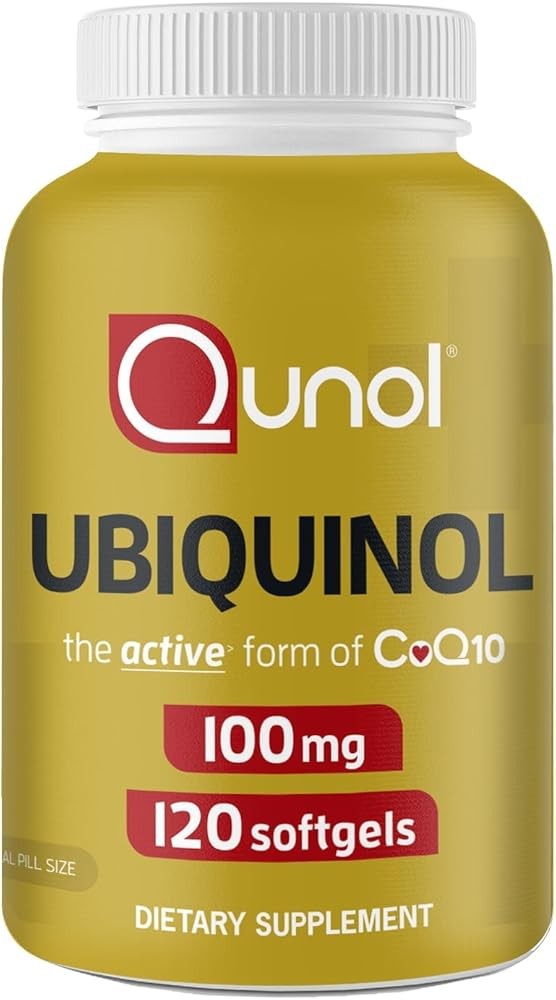
Qunol Ubiquinol 100mg uses a patented water and fat-soluble delivery system that dissolves completely in the digestive tract, enhancing absorption even without dietary fat. This makes it more forgiving if you forget to take it with meals, though fat still improves uptake. The 100mg dose suits general health maintenance, mild cardiovascular support, and statin users restoring depleted CoQ10 levels. At a significantly lower price point than most ubiquinol formulas, Qunol delivers excellent value without sacrificing quality or bioavailability.
As an Amazon Associate we earn from qualifying purchases.
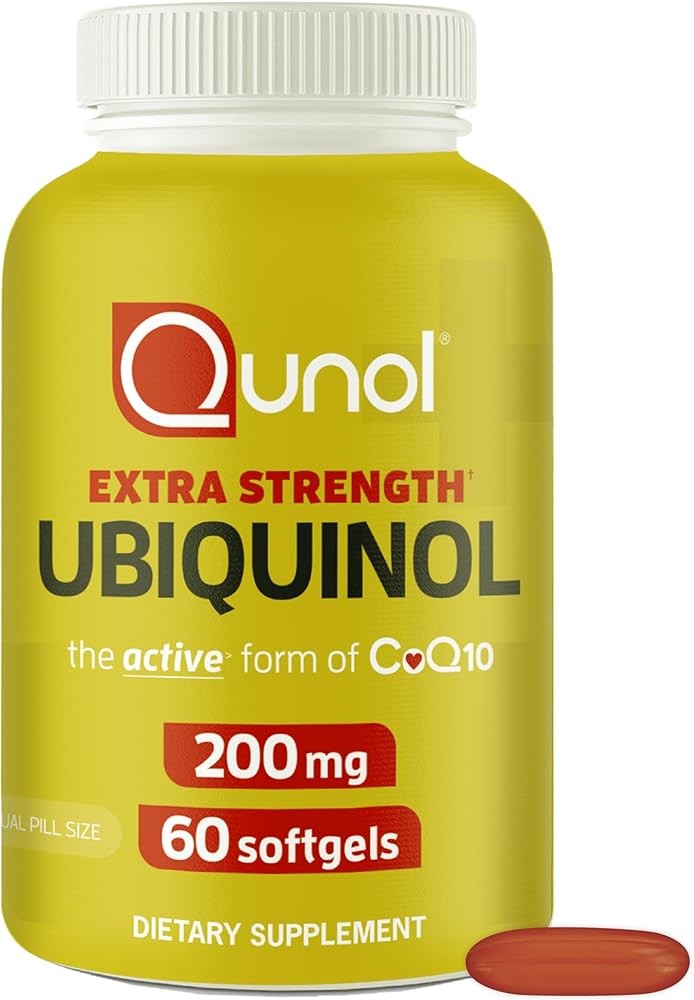
Qunol Ubiquinol 200mg doubles the dose of the 100mg formula, delivering clinical-strength CoQ10 levels in the range used in heart failure research, where Q-SYMBIO cut major adverse cardiovascular events from 26% to 15% over two years. This concentration suits those with diagnosed cardiovascular disease, heart failure patients (under medical supervision), heavy statin users experiencing muscle symptoms, or athletes seeking maximum mitochondrial support. The same patented water-soluble delivery system ensures reliable absorption, and one softgel delivers the 200 mg ubiquinol dose used in cardiovascular research.
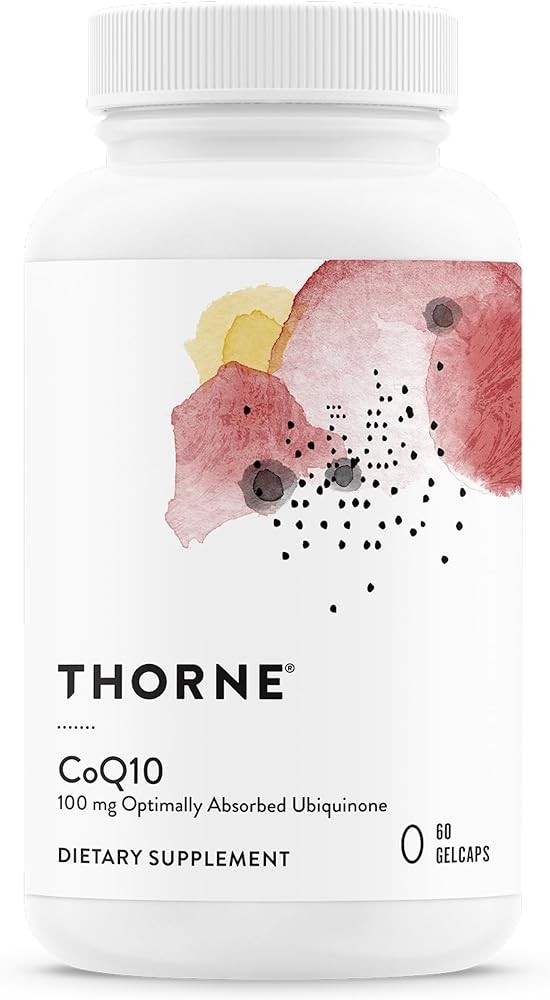
THORNE CoQ10 provides 100mg of ubiquinone—the oxidized form that your body converts to active ubiquinol—in a formula optimized for absorption through lipid-based delivery. While ubiquinone requires conversion (which declines with age), THORNE’s enhanced absorption technology and pharmaceutical-grade purity make this an excellent choice for those under 40 with healthy conversion capacity, athletes requiring NSF Sport Certification for banned substance testing, or those seeking the most rigorously tested ubiquinone formula available. THORNE’s reputation for quality control and third-party verification ensures you’re getting exactly what the label promises.
Data shows: These four research-backed formulations represent the most bioavailable and clinically effective CoQ10 supplements available, with options for both ubiquinol and enhanced-absorption ubiquinone to meet different needs and budgets.
Related Reading
- Best Magnesium Supplements: Glycinate, Threonate & L-Threonate Forms Compared
- Omega-3 Fish Oil: EPA vs DHA Benefits, Dosing & Top Supplements
- Best Vitamin D Supplements: Forms, Dosing & Top Picks
- NAD+ Precursors: NMN vs NR for Longevity & Cellular Energy
- Curcumin Benefits: Bioavailability and the Best Forms
- Alpha-Lipoic Acid for Blood Sugar and Nerve Health: What Clinical Trials Show
- CoQ10 Benefits: Complete Guide to Heart Health, Energy & Longevity
- CoQ10 Benefits: Science-Backed Heart Health & Energy
Why Is CoQ10 an Essential Longevity Nutrient?
Coenzyme Q10 stands as one of the most scientifically validated and clinically important nutritional supplements available. Its dual role powering mitochondrial energy production while providing potent antioxidant protection makes it essential for cardiovascular health, cellular energy, cognitive function, exercise performance, fertility, and healthy aging.
The evidence is compelling:
-
Heart failure patients supplementing with CoQ10 in Q-SYMBIO saw major adverse cardiovascular events fall from 26% to 15% over two years, with lower cardiovascular and all-cause mortality
-
Blood pressure falls modestly but consistently in meta-analyses of hypertensive patients
-
Statin users may help reduce the risk of and improve drug-induced muscle pain, weakness, and fatigue by restoring depleted CoQ10 levels
-
Athletes improve exercise performance, time to exhaustion, and recovery through enhanced mitochondrial efficiency
-
Skin aging visibly improves with both oral and topical CoQ10 through reduced wrinkle depth, improved elasticity, and protected collagen
-
Neurodegenerative disease progression may be slowed through CoQ10’s neuroprotective effects
-
Longevity remains speculative in humans; rodent studies show decelerated senescence and mixed lifespan effects
Perhaps most compelling is CoQ10’s exceptional safety profile. With decades of research demonstrating minimal side effects even at high doses, and its status as a naturally occurring compound present in every cell of your body, CoQ10 supplementation carries virtually no downside while offering substantial potential benefits.
The age-related decline in tissue CoQ10, combined with widespread statin use that lowers circulating CoQ10 in a dose-related way, means low CoQ10 status is common in the very populations most likely to benefit from restoring it.
If you’re over 40, take statin medications, have cardiovascular disease, experience unexplained fatigue or muscle weakness, seek to optimize exercise performance, or simply want to support healthy aging and longevity, CoQ10 supplementation deserves serious consideration.
Practical recommendations:
- For general health: 100-200mg daily of ubiquinol or enhanced-absorption ubiquinone
- For statin users: 100-200mg daily to restore healthy levels
- For heart disease: 200-300mg daily under medical supervision
- For anti-aging: 100-300mg daily combined with other longevity interventions
- Take with fat-containing meals to maximize absorption
- Choose ubiquinol if over 40 or have absorption issues
- Select quality products with third-party testing verification
- Be patient—full benefits require 4-12 weeks of consistent supplementation
The decades of research, clinical trials involving thousands of patients, and millions of people safely using CoQ10 worldwide have established it as one of the most valuable nutritional supplements for supporting cardiovascular health, cellular energy, antioxidant protection, and healthy aging. The question is not whether CoQ10 works—the evidence for that is overwhelming—but whether you’re willing to invest in this simple intervention that may significantly impact your health span and lifespan.
Research shows: With decades of safety data, compelling evidence across multiple health domains, and virtually no downside, CoQ10 supplementation represents one of the most scientifically validated interventions for supporting cardiovascular health, cellular energy, and healthy aging—making it essential for anyone over 40, taking statins, or seeking to optimize longevity.
Recommended Products