Iron Benefits: Energy Production, Oxygen Transport, Reducing Anemia Risk & Athletic Performance
Summarized from peer-reviewed research indexed in PubMed. See citations below.
Iron deficiency is the most common nutritional deficiency in the world, causing persistent fatigue, cognitive fog, and reduced physical performance even before anemia develops. SiderAL Forte Sucrosomial Iron ($89.00 per bottle) uses clinically studied sucrosomial technology for people who cannot tolerate conventional iron supplements, and Bronson Iron Bisglycinate ($9.99 for 90 capsules) is the budget pick with the same chelated-iron chemistry. Here’s what the published research shows about iron’s critical roles in energy metabolism, oxygen transport, anemia risk, and athletic performance.
Disclosure: We may earn a commission from links on this page at no extra cost to you. Affiliate relationships never influence our ratings. Full policy →
Iron stands as one of the most critical minerals in human physiology, yet iron deficiency remains the most common nutritional deficiency worldwide, affecting over 2 billion people. This essential trace element orchestrates fundamental processes from cellular energy production to oxygen delivery, making it indispensable for everything from cognitive function to athletic performance.
The relationship between iron status and human vitality reveals itself dramatically in the fatigue, weakness, and cognitive fog that accompany deficiency. Yet beyond these obvious symptoms lies a complex web of biochemical processes where iron serves as a cofactor for enzymes, a structural component of oxygen-carrying proteins, and a critical element in immune defense. Understanding iron’s multifaceted roles and optimizing intake through strategic supplementation can transform energy levels, physical performance, and overall health.
This comprehensive guide examines the science behind iron’s benefits, explores advanced supplementation strategies using the most bioavailable forms, and provides practical guidance for recognizing deficiency and optimizing iron status.
What Is Iron’s Fundamental Role in Your Body?
Iron’s importance stems from its unique chemical properties. As a transition metal, iron can easily switch between ferrous (Fe2+) and ferric (Fe3+) states, making it ideal for electron transfer reactions central to energy metabolism. This same property, however, makes free iron potentially toxic, necessitating sophisticated regulatory mechanisms to maintain homeostasis.
The human body contains approximately 3-4 grams of iron, distributed across several compartments. Roughly 70% resides in hemoglobin within red blood cells, 10% in myoglobin and various enzymes, and 20% in storage forms like ferritin and hemosiderin. This distribution reflects iron’s dual role as both a functional element and a stored resource.
Iron participates in over 180 enzymatic reactions. Beyond its well-known role in hemoglobin, iron serves as a cofactor for cytochromes in the electron transport chain, enzymes involved in DNA synthesis, and proteins critical for neurotransmitter production. This broad involvement explains why iron deficiency produces such diverse symptoms affecting multiple organ systems.
The body regulates iron absorption tightly through hepcidin, a hormone produced by the liver that decreases iron absorption and release from stores when levels are adequate. This regulatory mechanism evolved to help avoid iron overload but can sometimes work against individuals trying to correct deficiency through supplementation.
Bottom line: Iron is a transition metal that switches between ferrous (Fe2+) and ferric (Fe3+) states to facilitate electron transfer reactions; the human body contains 3-4 grams distributed as 70% in hemoglobin, 10% in myoglobin and enzymes, and 20% in storage forms (ferritin/hemosiderin), participating in over 180 enzymatic reactions while being tightly regulated by liver-produced hepcidin hormone to maintain homeostasis.
How Does Iron Power Your Energy Production?
Iron’s most fundamental contribution to human vitality occurs at the cellular level through its essential role in ATP production. The mitochondrial electron transport chain, where over 90% of cellular energy generation occurs, depends absolutely on iron-containing proteins.
Complexes I, II, III, and IV of the electron transport chain all contain iron-sulfur clusters or heme groups that shuttle electrons from food-derived molecules to oxygen, creating the proton gradient that drives ATP synthesis. Without adequate iron, this process becomes inefficient, leading to the characteristic fatigue and weakness of iron deficiency even before anemia develops.
Iron deficiency impairs cellular energy metabolism even before anemia develops: a 2019 Blood review by Camaschella details how depleted iron stores compromise mitochondrial and enzymatic function, which is why fatigue is often the earliest symptom of iron insufficiency (PubMed 30401704).
The enzyme aconitase, which contains an iron-sulfur cluster, represents another critical checkpoint in energy metabolism. Aconitase catalyzes a key step in the citric acid cycle, the central metabolic pathway that extracts energy from carbohydrates, fats, and proteins. Iron deficiency reduces aconitase activity, creating a metabolic bottleneck that limits energy production regardless of calorie intake.
Research in humans shows iron deficiency reduces skeletal muscle mitochondrial protein content and respiratory capacity, providing a mechanistic link between low iron stores and reduced exercise tolerance (PubMed 32202346).
Beyond mitochondrial function, iron influences metabolic rate through thyroid hormone activation. The enzyme thyroid peroxidase, which synthesizes thyroid hormones, contains iron as an essential cofactor. Iron deficiency can impair thyroid hormone production, contributing to the metabolic slowdown and cold intolerance characteristic of low iron status.
The evidence shows: Iron is essential for ATP production through iron-sulfur clusters and heme groups in mitochondrial electron transport chain complexes I-IV; iron deficiency compromises mitochondrial function and muscle respiratory capacity even before anemia develops (PubMed 30401704, 32202346).
How Does Iron Transport Oxygen Throughout Your Body?
Iron’s most recognized function occurs in hemoglobin, the protein that gives blood its red color and carries oxygen from lungs to tissues. Each hemoglobin molecule contains four iron atoms embedded in heme groups, and each iron atom can bind one oxygen molecule. The reversible oxygen binding depends on iron remaining in the ferrous (Fe2+) state.
In healthy adults, the body produces approximately 200 billion new red blood cells daily, each containing about 270 million hemoglobin molecules. This massive production requires a steady supply of iron, consuming roughly 20-25 mg daily. The body has evolved an efficient recycling system, recovering about 90% of iron from senescent red blood cells through macrophages in the spleen and liver.
Myoglobin, iron’s companion protein in muscle tissue, serves as both oxygen storage and a facilitator of oxygen diffusion to mitochondria. Skeletal muscle and cardiac muscle rely on myoglobin to maintain oxygen availability during periods of intense activity when blood flow may not immediately match demand. Athletes and active individuals have higher myoglobin concentrations, increasing their iron requirements.
The cooperative oxygen binding of hemoglobin represents one of nature’s elegant solutions to oxygen delivery. As oxygen binds to one heme group, it increases the affinity of other heme groups for oxygen, creating a sigmoidal binding curve. This means hemoglobin efficiently loads oxygen in the high-oxygen environment of the lungs and releases it effectively in the low-oxygen environment of working tissues.
Intervention studies in distance runners with low or suboptimal ferritin show that correcting iron status improves performance-relevant markers even in athletes who are not anemic (PubMed 23872938), consistent with iron’s role in hemoglobin mass and oxygen delivery.
The consequences of impaired oxygen transport extend beyond exercise. Brain tissue, which comprises only 2% of body weight but consumes 20% of oxygen, is particularly vulnerable to inadequate oxygen delivery. Studies using functional MRI have shown that iron-deficient individuals exhibit altered brain activation patterns during cognitive tasks, suggesting compensatory mechanisms to maintain function despite suboptimal oxygen availability.
Key takeaway: Each hemoglobin molecule contains four iron atoms in heme groups that reversibly bind oxygen; healthy adults produce 200 billion new red blood cells daily requiring 20-25 mg iron (90% recycled from senescent cells); athletes with low ferritin who are not anemic often show performance impairments that improve when iron stores are corrected (PubMed 23872938).
| Iron Supplement | Form | Elemental Iron | Best For | Price |
|---|---|---|---|---|
| SiderAL Forte | Sucrosomial (liposomal-like matrix) | 30 mg (label) | Intolerance to conventional iron | $89.00 |
| Bronson Iron Bisglycinate | Ferrous bisglycinate | 25 mg | Budget repletion | $9.99 (90 caps) |
| Gentle Iron Bisglycinate | Ferrous bisglycinate | 25 mg | Daily gentle repletion | $24.97 (120 caps) |
| NatureWise Vegan Iron | Ferrochel bisglycinate + C, B12, folate | Per label | Vegan, multi-nutrient support | $11.99 |
What Is Iron-Deficiency Anemia and How Can You Prevent It?
Iron-deficiency anemia (IDA) represents the end stage of progressive iron depletion, and anemia remains one of the most common public health problems worldwide, with women of reproductive age the most affected group (PubMed 24482500). The progression occurs in three stages: depletion of iron stores (low ferritin), early functional iron deficiency (reduced transferrin saturation), and finally anemia (low hemoglobin).
Normal hemoglobin ranges are 13.5-17.5 g/dL for men and 12.0-15.5 g/dL for women. When hemoglobin drops below these thresholds due to iron deficiency, oxygen-carrying capacity decreases proportionally, forcing the cardiovascular system to compensate by increasing heart rate and cardiac output.
The symptoms of IDA develop gradually, often allowing individuals to adapt unconsciously. Classic presentations include persistent fatigue, weakness, shortness of breath with exertion, pale skin and mucous membranes, rapid or irregular heartbeat, cold hands and feet, brittle nails, and frequent infections. In severe cases, individuals may experience pica (craving for non-food substances like ice, dirt, or starch) and restless leg syndrome.
Risk reduction strategies focus on maintaining adequate iron intake through diet and supplementation when needed. High-risk groups include menstruating women, pregnant women, infants and young children, frequent blood donors, individuals with gastrointestinal disorders, and vegetarians/vegans.
Regular screening through ferritin testing enables early detection before anemia develops. Most experts recommend maintaining ferritin above 30 ng/mL to avoid functional iron deficiency, though optimal levels may be higher (50-100 ng/mL) for athletes and individuals seeking to optimize energy and performance.
What this means for you: Iron-deficiency anemia progresses through three stages, from depleted stores (low ferritin) to reduced transferrin saturation to low hemoglobin (<13.5 g/dL men, <12.0 g/dL women), and anemia is among the most common public health problems worldwide, especially in women of reproductive age (PubMed 24482500); symptoms include fatigue, weakness, shortness of breath, pale skin, rapid heartbeat, cold extremities, brittle nails, and frequent infections; risk reduction requires maintaining ferritin above 30 ng/mL (50-100 ng/mL optimal for athletes).
How Does Iron Support Your Immune System?
Iron plays dual roles in immune function, serving as both an essential nutrient for immune cells and a limiting factor that may help reduce risk of pathogen growth. This delicate balance means both deficiency and excess can impair immunity.
Immune cells, particularly lymphocytes and neutrophils, require iron for proliferation and function. The enzyme ribonucleotide reductase, which contains iron and is essential for DNA synthesis, becomes a rate-limiting factor when iron is scarce. This explains why iron-deficient individuals experience more frequent and severe infections.
Iron plays a genuine role in immune competence, but the infection story is context-dependent: correcting a documented deficiency supports immune function, while blanket supplementation in iron-replete populations has not shown benefit and carries real risks, which is why iron should be supplemented on the basis of measured need rather than habit.
Iron deficiency impairs immune cell function, including natural killer cell activity and T-cell responses, and repletion typically restores these functions over weeks.
The relationship between iron and T-cell function is particularly important for adaptive immunity. Iron deficiency impairs T-cell proliferation and shifts the balance between different T-cell subsets, reducing cell-mediated immunity. This makes individuals more susceptible to intracellular pathogens and impairs vaccine responses.
In summary: Iron is essential for immune cell proliferation through ribonucleotide reductase (required for DNA synthesis); iron supplementation should follow documented deficiency, since blanket use in iron-replete people lacks benefit and carries risk; iron deficiency impairs immune cell function including NK and T-cell activity, with repletion restoring function over weeks; iron deficiency impairs T-cell proliferation and reduces cell-mediated immunity, increasing susceptibility to intracellular pathogens.
What Role Does Iron Play in Athletic Performance?
Athletes face unique iron challenges due to increased losses and higher requirements for optimal performance. Understanding these factors and implementing appropriate testing and supplementation protocols can dramatically impact training capacity and competitive results.
Increased Iron Losses in Athletes: Endurance training increases iron losses through multiple mechanisms. Foot-strike hemolysis occurs when red blood cells are damaged during repetitive impact, releasing hemoglobin that is filtered by kidneys and lost in urine. Studies in marathon runners show measurable hemoglobin in urine after long runs, with losses averaging 1-2 mg iron per hour of running.
Gastrointestinal bleeding affects 20-30% of endurance athletes, particularly during prolonged exercise. The mechanism involves reduced splanchnic blood flow, epithelial damage, and increased intestinal permeability. Iron losses through this route can reach 2-3 mg daily during heavy training periods.
Sweat iron losses, while individually small (0.2-0.4 mg per liter), accumulate significantly in athletes training in hot environments or producing large sweat volumes. A cyclist losing 2-3 liters of sweat daily during a stage race may lose an additional 1 mg of iron through this route.
Depleted Iron Stores in Athletes: Population studies consistently show lower ferritin levels in athletes compared to sedentary controls. Studies of elite runners and triathletes report high rates of iron deficiency, with female athletes at particular risk (PubMed 27606953).
This widespread depletion occurs because dietary intake rarely matches the combined losses from all sources plus the increased requirements for expanded red blood cell mass. Female athletes face particular challenges due to menstrual losses on top of training-induced losses.
Performance Impacts of Iron Deficiency: Even non-anemic iron deficiency (low ferritin with normal hemoglobin) impairs athletic performance. A systematic review and meta-analysis found that iron supplementation benefits physical performance in non-anemic but iron-deficient women of reproductive age (PubMed 24717371).
The mechanisms extend beyond oxygen transport. As discussed earlier, iron deficiency reduces mitochondrial density and efficiency, directly impairing aerobic metabolism in working muscles. Additionally, myoglobin depletion reduces oxygen buffering capacity in muscle, limiting sustained high-intensity work.
Cognitive and neuromuscular impacts also affect performance. Iron deficiency impairs motor learning, reaction time, and the perception of effort. Athletes report that identical workouts feel harder when iron deficient, reducing training quality and consistency.
Optimal Ferritin Targets for Athletes: While traditional medicine considers ferritin above 15 ng/mL adequate, sports medicine specialists typically target 50-100 ng/mL for athletes. Research supports this higher threshold, with studies showing performance improvements when athletes with ferritin of 20-35 ng/mL receive supplementation to raise levels above 50 ng/mL.
Supplementation Protocols for Athletes: Standard protocols involve baseline ferritin testing, followed by supplementation if levels fall below target. Typical regimens provide 30-60 mg elemental iron daily (ferrous bisglycinate or heme iron polypeptide preferred for tolerability), taken with vitamin C and separated from calcium.
Retesting every 4-6 weeks during repletion, then every 3-4 months for maintenance, ensures appropriate dose adjustments. Some athletes require ongoing supplementation to maintain optimal levels, while others achieve stability after initial repletion.
Research shows: Athletes require 30-70% more iron due to foot-strike hemolysis (1-2 mg/hour running), GI bleeding affecting 20-30% of endurance athletes (2-3 mg/day losses), and sweat losses (0.2-0.4 mg/liter); elite female runners and triathletes show high rates of iron deficiency (PubMed 27606953); iron supplementation in non-anemic but deficient women of reproductive age improved physical performance outcomes including aerobic measures (PubMed 24717371); sports medicine specialists target ferritin 50-100 ng/mL versus traditional threshold of 15 ng/mL.
What Are the Most Bioavailable Forms of Iron?
Not all iron supplements are created equal. The form of iron significantly impacts absorption, tolerability, and effectiveness. Understanding these differences enables strategic selection based on individual needs and tolerance.
Ferrous Sulfate represents the most common and studied iron form, typically containing 20% elemental iron. Its low cost and long track record make it a first-line choice for many healthcare providers. However, absorption averages only 10-15% under optimal conditions, and gastrointestinal side effects are common.
A systematic review and meta-analysis found that ferrous sulfate supplementation causes significantly higher rates of gastrointestinal side effects than placebo, which frequently leads people to stop supplementation (PubMed 25700159).
The mechanism of ferrous sulfate’s gastrointestinal effects involves unabsorbed iron reaching the colon, where it generates reactive oxygen species and alters the microbiome. Studies show that ferrous sulfate supplementation reduces beneficial Lactobacillus and Bifidobacterium while increasing potentially pathogenic bacteria. This microbiome disruption contributes to digestive symptoms.
Ferrous Gluconate contains 12% elemental iron and generally produces fewer side effects than ferrous sulfate. Absorption is similar to ferrous sulfate (10-15%), but the lower elemental iron content per pill means higher pill counts to achieve equivalent dosing. Some individuals who cannot tolerate ferrous sulfate successfully use ferrous gluconate.
Ferrous Fumarate contains 33% elemental iron, the highest percentage among commonly used forms. This higher concentration allows smaller pills for equivalent dosing. Absorption and side effect profiles are similar to ferrous sulfate, with some studies suggesting slightly better tolerability.
Ferrous Bisglycinate (Iron Glycinate) represents a significant advancement in iron supplementation. This chelated form binds iron to two glycine molecules, protecting it from interactions with food components and reducing gastrointestinal side effects.
Head-to-head trials of ferrous bisglycinate against ferrous sulfate report comparable ferritin gains with meaningfully fewer gastrointestinal side effects, which is the practical case for choosing bisglycinate: not dramatically better absorption, but much better tolerance and adherence.
The superior tolerability of ferrous bisglycinate stems from its absorption mechanism. Rather than releasing iron in the stomach, this chelated form remains intact through the acidic environment and is absorbed as a complete molecule by amino acid transporters. This bypasses the primary mechanism of iron-induced gastric irritation and reduces unabsorbed iron reaching the colon.
Multiple studies have confirmed that ferrous bisglycinate produces minimal microbiome disruption compared to ferrous sulfate. This may explain both the better tolerability and some evidence suggesting improved long-term compliance and effectiveness.
Carbonyl Iron consists of pure elemental iron particles. Its safety profile is excellent, with low toxicity risk even in overdose situations because absorption self-limits based on need. However, absorption is relatively low (10-15%), requiring higher doses.
Carbonyl iron shines in populations at risk of accidental overdose, particularly households with young children. Unlike ferrous forms, which can be fatal in acute overdose, carbonyl iron’s slow dissolution and absorption kinetics provide a wider safety margin.
Heme Iron Polypeptide extracts iron from animal sources, presenting it in the heme form naturally found in meat. This form offers superior absorption (15-35%) and minimal gastrointestinal side effects because it’s absorbed through a different mechanism than non-heme iron.
Studies comparing heme iron polypeptide to ferrous sulfate show equivalent or superior efficacy with dramatically better tolerability. A trial in pregnant women found that heme iron polypeptide increased hemoglobin by 1.8 g/dL versus 1.4 g/dL with ferrous sulfate, while causing side effects in only 8% versus 47% of subjects.
The primary drawback of heme iron polypeptide is cost, typically 3-5 times higher than ferrous sulfate. For individuals who cannot tolerate conventional forms or have absorption issues, this premium may be worthwhile.
Liposomal Iron represents cutting-edge supplementation technology. Iron is encapsulated within phospholipid vesicles that protect it through the digestive tract and may enhance cellular uptake. Preliminary studies suggest absorption rates of 20-30% with minimal side effects.
Research on liposomal iron remains limited compared to traditional forms, but early results are promising. A small study in athletes with low ferritin found that liposomal iron increased ferritin by 28 ng/mL over 8 weeks with zero gastrointestinal complaints. However, more large-scale studies are needed to confirm these findings.
Polysaccharide-Iron Complex binds iron to polysaccharides, creating a large molecule that releases iron gradually. This form shows good tolerability and absorption comparable to ferrous sulfate. It’s particularly useful for individuals sensitive to other forms but requires specific formulation.
Iron Protein Succinylate combines iron with partially hydrolyzed proteins, creating a complex that releases iron gradually in the intestine. European studies show efficacy equivalent to ferrous sulfate with 40-50% fewer side effects. This form remains less common in North American markets.
The optimal iron form depends on individual factors including tolerance to standard forms, severity of deficiency, absorption capacity, budget, and specific health conditions. For most individuals seeking to reduce risk of or correct mild deficiency, ferrous bisglycinate offers the best balance of efficacy, tolerability, and cost. Those with absorption issues may benefit from heme iron polypeptide despite higher cost. Athletes and individuals requiring aggressive repletion might choose ferrous fumarate for higher elemental iron content despite potential side effects.
The practical takeaway: Ferrous bisglycinate is absorbed through amino acid transporters rather than dumping free iron in the stomach, which is why head-to-head comparisons show comparable ferritin gains with far fewer GI side effects than ferrous sulfate (PubMed 25700159); heme iron sources and liposomal formulations are additional options for people with intolerance or absorption problems, at higher cost.
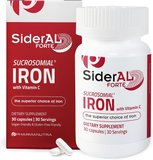
SiderAL Forte uses sucrosomial technology, which wraps iron in a phospholipid-plus-sucrose-ester matrix designed to protect it through the digestive tract and deliver it to intestinal absorption sites. The brand’s research program, including comparisons against intravenous iron, underpins its “clinically proven” positioning, so this is one of the better-evidenced specialty iron products on the market. The trade-off is price: $89.00 per bottle makes it the premium choice here, aimed squarely at people who cannot tolerate ferrous sulfate or other conventional forms.
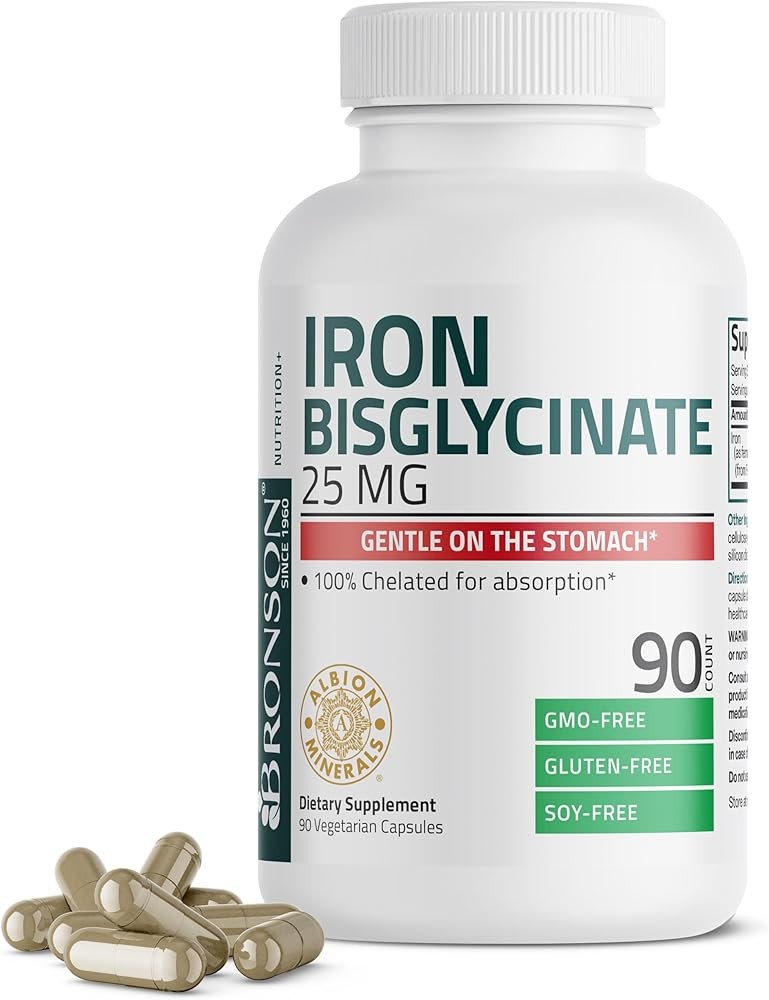
Bronson Iron Bisglycinate 25 mg, 90 Vegetarian Capsules
Check Price on AmazonAs an Amazon Associate we earn from qualifying purchases.
Bronson Iron Bisglycinate delivers 25 mg of chelated iron per capsule in a 90-count bottle for $9.99, the best value in this guide. Ferrous bisglycinate binds iron to two glycine molecules so it can be absorbed through amino acid transporters rather than dumping free iron into the stomach, which is why bisglycinate forms are consistently better tolerated than ferrous sulfate. At roughly 11 cents per capsule, this is the sensible default for anyone who needs daily iron without the premium price tags.
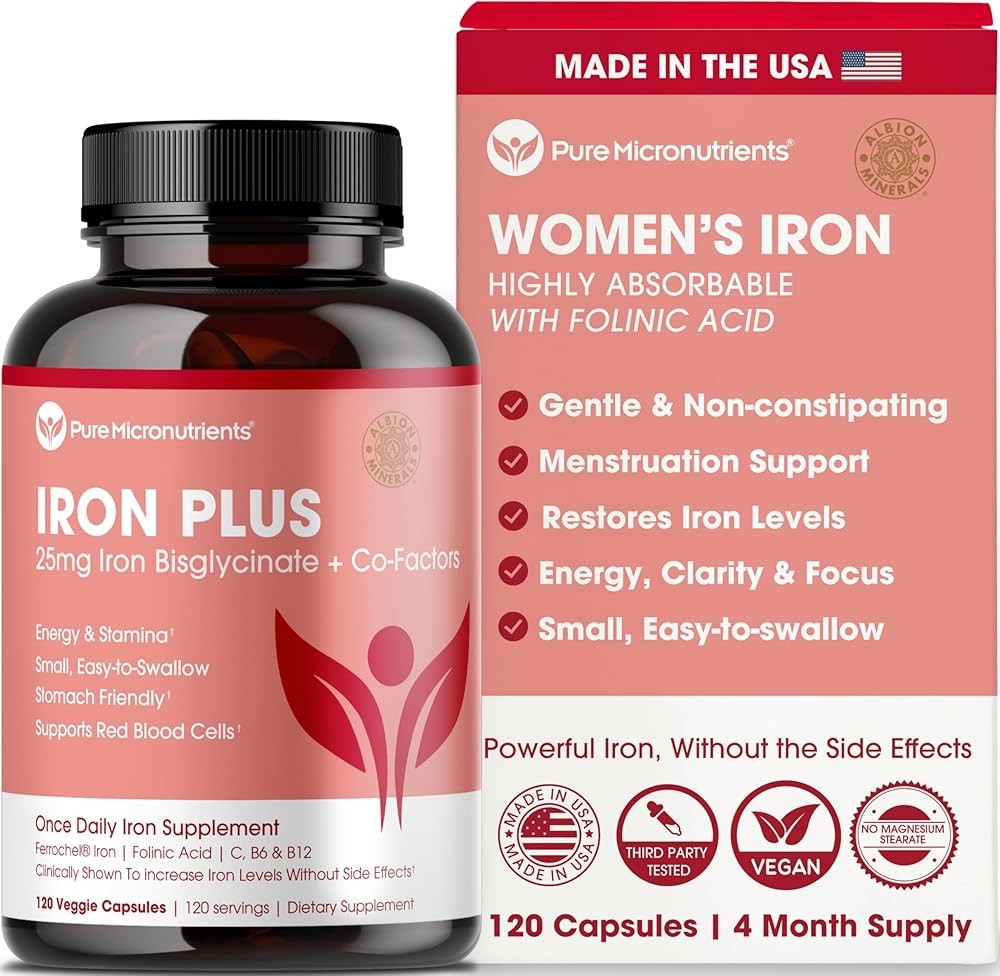
Iron Supplement for Women, Gentle Iron Bisglycinate 25mg, 120 Count
Check Price on AmazonAs an Amazon Associate we earn from qualifying purchases.
Gentle Iron Bisglycinate is the same chelated-iron approach in a 120-count bottle at $24.97, marketed specifically toward women who need a gentle daily option. One 25 mg capsule per day suits maintenance and gradual repletion; the trial evidence for fatigue relief in nonanemic women with ferritin below 50 µg/L used 80 mg of elemental iron daily, so people correcting an established deficiency may need more than a single capsule.
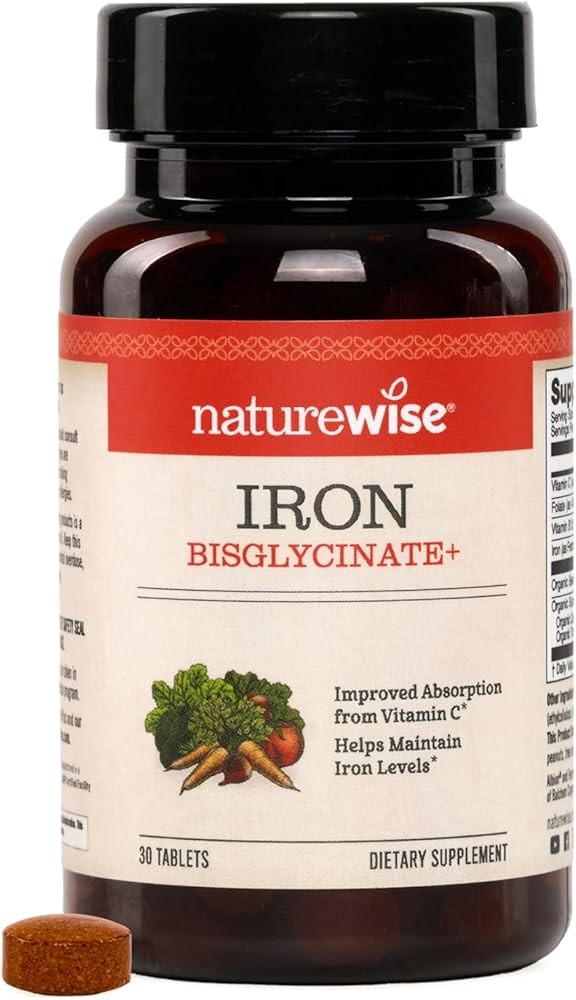
NatureWise Vegan Iron Supplement for Women & Men - Gentle on Stomach High Absorption - Coated Iron Bisglycinate Tablets + Vitamin C, Methyl B12, Folate & Organic...
Check Price on AmazonAs an Amazon Associate we earn from qualifying purchases.
NatureWise Vegan Iron pairs Ferrochel, a well-studied fully chelated bisglycinate, with vitamin C for absorption, plus methyl B12 and folate, at $11.99. It is the strongest option for plant-based eaters, since the B12 and folate address the other deficiencies common in vegan diets, and the vitamin C directly enhances non-heme iron uptake. A sensible single-bottle choice for vegans and vegetarians who need iron support.
How Can You Maximize Iron Absorption?
Even the most bioavailable iron supplement can fail if taken improperly. Absorption is highly variable and influenced by numerous dietary and physiological factors. Strategic timing and food pairing can double or triple absorption rates.
Timing Relative to Meals: Taking iron on an empty stomach maximizes absorption, typically increasing uptake by 30-50% compared to with meals. However, this also increases side effects. The practical approach for many individuals is to take iron with a small amount of food to improve tolerance while minimizing absorption inhibitors.
Vitamin C Enhancement: Ascorbic acid powerfully enhances non-heme iron absorption by reducing ferric iron to the more absorbable ferrous form and forming soluble iron-ascorbate complexes. Studies show that 100-200 mg of vitamin C taken with iron increases absorption by 3-4 fold.
Practical implementation involves taking iron supplements with orange juice, adding citrus fruit, or using a supplement containing both iron and vitamin C. Many specialized iron formulations include vitamin C precisely for this synergistic effect.
Calcium Inhibition: Calcium competes with iron for absorption, reducing uptake by 30-50% even at modest doses (40-50 mg). This creates a challenge for individuals needing both supplements, particularly postmenopausal women or those with osteoporosis.
The solution involves separating iron and calcium by 2-4 hours. Take iron in the morning or midday and calcium in the evening, or vice versa. Avoid taking iron with dairy products, calcium-fortified foods, or calcium-containing antacids.
Phytate Interference: Phytates in whole grains, legumes, nuts, and seeds bind iron and reduce absorption. While these foods provide valuable nutrition, consuming them with iron supplements reduces effectiveness. A study showed that as little as 5-10 mg of phytate can reduce iron absorption by 50%.
Strategies to minimize phytate interference include taking iron separately from high-phytate meals, soaking or sprouting grains and legumes (which reduces phytate content), and avoiding bran supplements near iron dosing times.
Polyphenol Impact: Tannins in tea and coffee powerfully inhibit iron absorption. A single cup of tea with a meal can reduce iron absorption by 60-70%, while coffee reduces it by 40-50%. The effect persists for 1-2 hours after consumption.
Iron-deficient individuals should avoid tea and coffee for 1-2 hours before and after iron supplementation. Black tea has the strongest inhibitory effect, while herbal teas generally have less impact. Green tea falls somewhere between.
Protein Considerations: Animal protein from meat, poultry, and fish enhances non-heme iron absorption through the “meat factor,” possibly related to amino acids and peptides that form soluble iron complexes. Plant proteins don’t provide this benefit and may inhibit absorption due to associated phytates.
For vegetarians and vegans, this makes achieving adequate iron status more challenging. Strategies include higher iron intake targets, careful attention to absorption enhancers, and potentially more aggressive supplementation.
Gastric Acid Requirements: Adequate stomach acid is essential for iron absorption, particularly ferric iron forms. Proton pump inhibitors (PPIs) and H2 blockers reduce acid production and can decrease iron absorption by 40-50%.
Individuals on chronic acid-suppressing medications may need higher iron doses, alternative forms (like ferrous bisglycinate which is less acid-dependent), or consideration of whether acid suppression can be reduced or discontinued under medical supervision.
Intermittent Dosing Strategy: Research in iron-depleted women shows that daily oral iron raises hepcidin, which blunts absorption on consecutive days, while alternate-day dosing maintains better fractional absorption (PubMed 26289639). This finding has made alternate-day or intermittent schedules an increasingly common clinical recommendation.
A study in iron-deficient women compared daily 60 mg elemental iron to alternate-day 120 mg doses. The alternate-day group achieved equivalent ferritin increases with 50% fewer gastrointestinal side effects and better long-term compliance.
Specific guidance: Taking iron on an empty stomach increases absorption 30-50% but worsens side effects; vitamin C (100-200 mg) increases absorption 3-4 fold by reducing ferric to ferrous form; calcium reduces uptake 30-50% (separate by 2-4 hours); phytates in grains/legumes/nuts reduce absorption 50% at just 5-10 mg; tea/coffee tannins reduce absorption 60-70% and 40-50% respectively (avoid 1-2 hours before/after); PPIs and H2 blockers reduce absorption 40-50%; alternate-day dosing triggers less hepcidin-mediated absorption block than daily dosing (PubMed 26289639), which is why intermittent schedules are increasingly recommended.
How Much Iron Should You Take?
Iron requirements vary dramatically based on age, sex, physiological state, and individual absorption capacity. Generic recommendations often fail to account for these variables, leading to either inadequate repletion or unnecessary high doses.
General Adult Recommendations: The RDA for iron is 8 mg daily for men and postmenopausal women, and 18 mg daily for premenopausal women. However, these figures represent dietary intake intended to avoid deficiency in healthy individuals, not therapeutic supplementation for correction of deficiency.
Treating Iron Deficiency: Standard treatment protocols typically use 60-120 mg of elemental iron daily, divided into 1-2 doses. This provides 6-12 mg of absorbed iron daily (assuming 10% absorption), enough to increase hemoglobin by 0.1-0.2 g/dL per week and restore stores over 2-3 months.
Higher doses don’t proportionally increase absorption due to saturation of intestinal uptake mechanisms. Doses above 120 mg elemental iron daily rarely improve outcomes and consistently increase side effects.
Pregnancy Requirements: Pregnant women require 27 mg daily due to increased blood volume, fetal demands, and preparation for blood loss during delivery. Many prenatal vitamins contain 30-60 mg elemental iron. Women entering pregnancy with low stores often need supplemental iron beyond prenatal vitamins to maintain adequate status throughout gestation.
A study in the Journal of Obstetrics and Gynecology found that pregnant women with first-trimester ferritin below 30 ng/mL rarely maintained adequate iron status on prenatal vitamins alone. Those receiving additional supplementation (60 mg elemental iron daily) maintained ferritin above 15 ng/mL and reduced anemia rates by 60%.
Athletes and Heavy Exercisers: Athletes, particularly females and endurance athletes, benefit from higher intake to offset losses and support increased red blood cell mass. Ferritin monitoring guides supplementation, with most sports medicine physicians targeting levels of 50-60 ng/mL.
Practical protocols for athletes include 30-60 mg elemental iron daily during heavy training periods, taken with vitamin C and separated from calcium and high-phytate foods. Periodic monitoring (every 3-4 months) ensures appropriate dosing adjustments.
Children and Adolescents: Iron requirements increase during growth spurts, with adolescent females requiring 15 mg daily after menstruation begins. Iron-fortified cereals and other foods help meet requirements, but supplementation may be needed for picky eaters, vegetarians, or rapid growth periods.
Pediatric iron supplementation requires careful dosing based on age and weight, typically 3-6 mg elemental iron per kg body weight daily divided into 1-3 doses for deficiency treatment. Liquid formulations enable precise dosing and easier administration in young children.
Special Populations: Individuals with malabsorption conditions (celiac disease, inflammatory bowel disease, gastric bypass) may require 2-3 times standard doses and benefit from forms like ferrous bisglycinate or heme iron polypeptide that bypass typical absorption barriers.
Chronic kidney disease patients, particularly those on dialysis, often require IV iron due to poor absorption and ongoing losses. Oral supplementation alone rarely maintains adequate status in this population.
Essential guidance: The RDA is 8 mg daily for men and postmenopausal women, 18 mg for premenopausal women (dietary intake to reduce deficiency risk); standard deficiency treatment uses 60-120 mg elemental iron daily providing 6-12 mg absorbed iron (assuming 10% absorption), increasing hemoglobin 0.1-0.2 g/dL weekly; pregnant women need 27 mg daily, with those having first-trimester ferritin below 30 ng/mL requiring additional 60 mg supplementation to maintain ferritin above 15 ng/mL and reduce anemia by 60%; athletes benefit from 30-60 mg daily targeting ferritin 50-60 ng/mL versus standard 15 ng/mL threshold.
What Are the Warning Signs Your Body Needs Iron?
The body provides numerous clues when iron status becomes inadequate, though symptoms often develop gradually enough that individuals adapt unconsciously. Recognizing these warning signs enables earlier intervention before deficiency progresses to anemia.
Persistent Fatigue and Weakness: The most common and earliest symptom of iron deficiency is unexplained, persistent fatigue that doesn’t improve with rest. This occurs because inadequate iron impairs cellular ATP production in mitochondria, reducing energy availability at the most fundamental level. Unlike temporary tiredness from poor sleep or overexertion, iron-deficiency fatigue is constant and disproportionate to activity level.
Shortness of Breath: Difficulty breathing during previously manageable activities signals reduced oxygen-carrying capacity. Individuals may notice they become winded climbing stairs, walking uphill, or exercising at intensities they previously handled easily. The cardiovascular system attempts to compensate by increasing heart rate and breathing rate, but these adjustments cannot fully offset diminished oxygen delivery.
Rapid or Irregular Heartbeat: Palpitations or awareness of heartbeat during rest or mild activity occurs as the heart works harder to maintain tissue oxygen delivery despite reduced hemoglobin. Some individuals experience a racing sensation or skipped beats, particularly when lying down or changing positions quickly.
Pale Skin and Mucous Membranes: Reduced hemoglobin causes pallor, particularly noticeable in nail beds, inside lower eyelids (conjunctiva), and palms. Individuals with darker skin tones may notice pallor more easily in mucous membranes than skin. This sign becomes more apparent as anemia worsens.
Cold Hands and Feet: Persistent coldness in extremities, even in warm environments, results from reduced oxygen delivery and compensatory shunting of blood flow away from peripheral tissues to vital organs. Some individuals describe always needing gloves or socks when others are comfortable.
Frequent Infections: As discussed earlier, iron deficiency impairs immune function, leading to increased susceptibility to colds, respiratory infections, and other illnesses. Individuals may notice they catch every bug going around, infections last longer, or they have difficulty fully recovering between episodes.
Brittle Nails and Hair Loss: Nail changes including brittleness, ridging, or spooning (koilonychia) reflect impaired keratin synthesis. Hair may become dry, brittle, and more prone to breakage, with increased shedding noted during washing or brushing. Severe deficiency can cause noticeable thinning.
Restless Leg Syndrome: The uncomfortable urge to move legs, particularly at night, has strong associations with low ferritin. Studies show that 25-30% of individuals with restless leg syndrome have ferritin below 50 ng/mL, and iron supplementation often provides dramatic symptom relief when ferritin is low.
Pica (Unusual Cravings): Strong cravings for non-food substances represent a classic but less common sign of severe iron deficiency. Ice craving (pagophagia) is most frequent, but some individuals crave dirt, clay, starch, or paper. The mechanism remains unclear but symptoms resolve quickly with iron repletion.
Cognitive Difficulties: Iron deficiency impairs concentration, memory, and mental clarity. Individuals describe brain fog, difficulty focusing, or feeling mentally slower than usual. Students may struggle academically despite studying, while professionals notice reduced productivity.
Sore or Swollen Tongue: Glossitis (inflamed tongue) and angular cheilitis (cracks at mouth corners) can accompany iron deficiency. The tongue may appear smooth, pale, or swollen, and some individuals experience a burning sensation or altered taste perception.
Difficulty Regulating Body Temperature: Beyond cold extremities, some iron-deficient individuals have difficulty maintaining core body temperature, feeling cold even in warm environments or experiencing excessive heat sensitivity during fever.
Exercise Intolerance: Athletes and active individuals may notice reduced performance, increased perceived exertion during familiar workouts, or prolonged recovery times. Even recreational exercisers find that activities requiring sustained effort become unexpectedly difficult.
What the data says: Early warning signs of iron deficiency include persistent fatigue disproportionate to activity, shortness of breath during previously manageable tasks, rapid or irregular heartbeat at rest, pale skin and mucous membranes, cold hands and feet, frequent infections, brittle nails and hair loss, restless leg syndrome (25-30% have ferritin below 50 ng/mL), pica cravings (especially ice), cognitive difficulties including brain fog and poor concentration, sore or swollen tongue with angular cheilitis, difficulty regulating body temperature, and exercise intolerance with reduced performance.
How Should You Test and Monitor Your Iron Status?
Accurate assessment of iron status requires understanding which laboratory tests provide meaningful information and how to interpret results in context. Self-diagnosis based on symptoms alone leads to both missed deficiency and inappropriate supplementation.
Ferritin: Serum ferritin represents the best single test for iron status, reflecting total body iron stores. Values below 30 ng/mL indicate depleted stores even without anemia, while levels below 15 ng/mL confirm iron deficiency. Optimal levels for health and performance likely lie between 50-100 ng/mL, particularly for athletes and individuals seeking to optimize energy.
However, ferritin is an acute phase reactant that increases during inflammation, infection, or chronic disease. In these contexts, ferritin may appear normal despite actual iron deficiency. C-reactive protein (CRP) measured simultaneously helps identify when inflammation is skewing ferritin results.
Hemoglobin and Hematocrit: These tests measure oxygen-carrying capacity but only detect deficiency after stores are depleted. Normal ranges are 13.5-17.5 g/dL (hemoglobin) or 40-50% (hematocrit) for men, and 12.0-15.5 g/dL or 36-44% for women. Values below these thresholds with other evidence of iron deficiency confirm iron-deficiency anemia.
Transferrin Saturation: This calculation (serum iron ÷ total iron binding capacity × 100) indicates what percentage of transferrin molecules carry iron. Normal range is 20-50%, with values below 20% suggesting functional iron deficiency where insufficient iron is available for hemoglobin synthesis despite potentially normal ferritin.
Soluble Transferrin Receptor (sTfR): This emerging marker increases when cells become iron-deficient and upregulate transferrin receptors to capture more iron from circulation. Unlike ferritin, sTfR is not affected by inflammation, making it valuable for diagnosing iron deficiency in individuals with chronic inflammatory conditions. However, it’s less widely available and more expensive than standard tests.
Complete Blood Count (CBC): Beyond hemoglobin and hematocrit, CBC provides mean corpuscular volume (MCV), which decreases in iron deficiency as red blood cells become smaller (microcytic). MCV below 80 fL suggests iron deficiency, though this only occurs after prolonged deficiency. Red cell distribution width (RDW) increases as the variation in red blood cell size grows, another late marker.
Testing Strategy: For healthy individuals without chronic conditions, an initial ferritin and hemoglobin provides adequate screening. If ferritin is below target or symptoms suggest deficiency despite normal ferritin, adding transferrin saturation and CRP helps clarify status.
Athletes benefit from baseline ferritin testing before training intensification, with repeat testing every 3-4 months during heavy training periods. This enables early detection of declining stores before performance impacts.
Individuals with chronic diseases, particularly inflammatory conditions like rheumatoid arthritis or inflammatory bowel disease, require more comprehensive testing including sTfR to accurately assess iron status when ferritin is unreliable.
Monitoring During Supplementation: Retest ferritin 4-6 weeks after starting supplementation to confirm absorption and adequate dosing. Hemoglobin should increase by 0.1-0.2 g/dL weekly if the diagnosis and treatment are appropriate. Lack of response suggests poor compliance, inadequate dosing, ongoing losses, malabsorption, or incorrect diagnosis.
Once target ferritin is achieved, periodic monitoring (every 6-12 months for most individuals, every 3-4 months for athletes) ensures maintenance of optimal status.
Home Testing: Several companies now offer fingerstick ferritin testing kits that individuals can perform at home. While convenient, these tests vary in accuracy and may not be as reliable as laboratory testing. They serve best for monitoring trends over time rather than making initial diagnosis decisions.
The main point: Serum ferritin is the best single test for iron status (optimal 50-100 ng/mL, depleted below 30 ng/mL, deficient below 15 ng/mL) but increases during inflammation making CRP co-testing important; hemoglobin (normal 13.5-17.5 g/dL men, 12.0-15.5 g/dL women) only detects deficiency after stores depleted; transferrin saturation below 20% indicates functional deficiency; soluble transferrin receptor (sTfR) increases with cellular iron deficiency unaffected by inflammation; retest ferritin 4-6 weeks after starting supplementation (hemoglobin should increase 0.1-0.2 g/dL weekly), then monitor every 6-12 months for maintenance (every 3-4 months for athletes).
What Are the Safety Considerations and Side Effects?
While iron supplementation benefits millions with deficiency, inappropriate use carries risks. Understanding safety considerations enables effective supplementation while avoiding harm.
Gastrointestinal Side Effects: As discussed extensively, conventional iron forms cause constipation, nausea, abdominal pain, and diarrhea in 20-50% of users. These effects result from unabsorbed iron reaching the colon, generating reactive oxygen species and disrupting the microbiome.
Strategies to minimize GI effects include starting with lower doses and gradually increasing, using more tolerable forms like ferrous bisglycinate or heme iron polypeptide, taking with small amounts of food, and considering alternate-day dosing.
Dark or black stools are normal with iron supplementation and don’t indicate a problem. However, if stools become tarry, sticky, or foul-smelling, or if abdominal pain worsens, medical evaluation is needed to rule out gastrointestinal bleeding.
Iron Overload Risk: Unlike water-soluble vitamins that are easily excreted, excess iron accumulates in organs and can cause damage. Hemochromatosis, a genetic condition affecting 1 in 200-300 people of Northern European descent, causes excessive iron absorption and progressive accumulation.
Individuals with hemochromatosis should never take iron supplements without medical supervision. Family history of hemochromatosis, unexplained liver disease, diabetes, heart failure, or arthritis in relatively young individuals warrant screening before supplementation.
Regular ferritin monitoring helps avoid excessive accumulation in individuals supplementing long-term. Values above 200 ng/mL in women or 300 ng/mL in men warrant investigation and possible supplementation cessation.
Pediatric Overdose: Iron poisoning represents a leading cause of accidental overdose deaths in young children. As little as 20 mg/kg elemental iron can cause serious toxicity, and 60 mg/kg or more can be fatal.
All iron supplements must be stored in child-resistant containers and kept out of reach. Despite child-resistant packaging, children sometimes access medications. Immediate medical evaluation is essential if a child ingests iron supplements.
Symptoms of acute iron toxicity include vomiting (often bloody), diarrhea, abdominal pain, and lethargy progressing to shock, coma, and multi-organ failure if untreated. Early intervention with gastric decontamination and chelation therapy is critical.
Drug Interactions: Iron reduces absorption of several medications including levothyroxine (thyroid hormone), certain antibiotics (tetracyclines, quinolones), and bisphosphonates (osteoporosis medications). Separate iron from these medications by 2-4 hours.
Acid-suppressing medications (proton pump inhibitors, H2 blockers) reduce iron absorption by 40-50% as discussed earlier. Individuals requiring both medications may need higher iron doses or alternative forms.
Oxidative Stress: Free iron can catalyze formation of reactive oxygen species, contributing to oxidative damage. This theoretical concern has led some to question whether iron supplementation in already-replete individuals might increase disease risk.
Large epidemiological studies provide mixed results. Some show associations between high iron stores and increased cardiovascular or cancer risk, while others show no association. The current consensus is that maintaining iron in the normal physiological range is safe, but unnecessary supplementation in iron-replete individuals lacks benefit and may carry risk.
Infection Concerns: As discussed in the immune function section, iron supplementation in severely deficient individuals reduces infection rates. However, in areas with high malaria prevalence, universal iron supplementation programs have been controversial due to concerns that iron might fuel malaria parasite growth.
Current WHO guidelines recommend iron supplementation with concurrent malaria control and treatment programs. For individuals in developed countries without malaria risk, infection risk from appropriate iron supplementation is minimal.
The science confirms: GI side effects (constipation, nausea, abdominal pain) affect 20-50% of conventional iron users, minimized by chelated forms, alternate-day dosing, and taking with food; hemochromatosis (1 in 200-300 Northern Europeans) causes excessive iron absorption requiring screening before supplementation; iron poisoning is a leading cause of pediatric accidental overdose death (20 mg/kg causes serious toxicity, 60 mg/kg potentially fatal) requiring child-resistant storage; iron reduces absorption of levothyroxine, tetracyclines, quinolones, and bisphosphonates (separate by 2-4 hours); monitor ferritin to avoid excessive accumulation (halt supplementation above 200 ng/mL women, 300 ng/mL men).
Can You Get Enough Iron from Food Alone?
While supplements offer concentrated, controlled dosing, food sources provide iron alongside complementary nutrients. Understanding dietary iron sources and optimizing intake supports adequate status and may reduce or eliminate supplement needs for some individuals.
Heme vs. Non-Heme Iron: Animal foods provide heme iron (15-35% absorption), while plant foods and fortified products contain non-heme iron (2-10% absorption). This fundamental difference means that vegetarians and vegans require 1.8 times more iron than omnivores to achieve equivalent status.
Heme Iron Sources: Animal-based foods provide heme iron, absorbed at 15-35% efficiency. Excellent sources include beef liver (5.2 mg per 3 oz), oysters (7.8 mg per 3 oz), beef (2.1 mg per 3 oz), chicken liver (11 mg per 3 oz), turkey (1.4 mg per 3 oz), and sardines (2.5 mg per 3 oz).
Non-Heme Iron Sources: Plant foods and iron-fortified products contain non-heme iron, absorbed at 2-10% efficiency. Rich sources include fortified breakfast cereals (4-18 mg per serving), beans and lentils (2-3 mg per cup), spinach (3.2 mg per cup cooked), tofu (3.4 mg per half cup), and blackstrap molasses (3.5 mg per tablespoon).
Absorption Enhancement: Pairing iron-rich foods with vitamin C sources dramatically improves absorption. Examples include adding bell peppers to lentil soup, tomato sauce on pasta with ground beef, or citrus fruit with fortified cereal. This simple strategy can double or triple iron uptake from plant sources.
Cast Iron Cookware: Cooking acidic foods (tomato sauce, chili) in cast iron skillets can increase iron content by 2-3 mg per serving. While not sufficient as sole iron source, this contributes meaningfully over time.
Avoiding Inhibitors at Meals: As discussed earlier, separating tea, coffee, high-calcium foods, and high-phytate foods from iron-rich meals improves absorption. This doesn’t mean eliminating these foods, but rather strategic timing.
Comprehensive view: Heme iron from animal foods (15-35% absorption) includes beef liver (5.2 mg/3 oz), oysters (7.8 mg/3 oz), chicken liver (11 mg/3 oz), beef (2.1 mg/3 oz), sardines (2.5 mg/3 oz), and turkey (1.4 mg/3 oz); non-heme iron from plants (2-10% absorption) includes fortified cereals (4-18 mg/serving), beans/lentils (2-3 mg/cup), spinach (3.2 mg/cup cooked), tofu (3.4 mg/half cup), and blackstrap molasses (3.5 mg/tablespoon); pairing with vitamin C (bell peppers, citrus, tomatoes) doubles or triples plant iron absorption; cast iron cookware adds 2-3 mg per serving when cooking acidic foods.
What’s Next in Iron Research?
Iron research continues to evolve, with several promising areas under investigation.
Targeted Delivery Systems: Nanoparticle and liposomal technologies aim to improve absorption while minimizing side effects. Early studies show promise, but more research is needed to confirm long-term safety and effectiveness.
Hepcidin Modulators: Drugs that lower hepcidin could improve iron absorption and release from stores, potentially improving outcomes in anemia of inflammation. Several compounds are in clinical trials.
Genetic Screening: As genetic testing becomes more accessible, identifying individuals with hemochromatosis genes or variants affecting iron metabolism could enable personalized risk management strategies.
Biomarkers: Novel markers of iron status and tissue iron levels may enable more precise assessment, particularly in inflammatory conditions where current tests are limited.
Data shows: Emerging iron research includes nanoparticle and liposomal delivery systems for improved absorption with minimal side effects, hepcidin modulators in clinical trials for anemia of inflammation by lowering hepcidin and improving iron absorption/release from stores, genetic screening for hemochromatosis genes enabling personalized risk management strategies, and novel biomarkers for more precise tissue iron assessment especially in inflammatory conditions where current ferritin testing is limited.
Related Reading
📱 Join the discussion: Facebook | X | YouTube | Pinterest
- Best Iron Supplements for Women: Forms, Dosing, and How to Avoid Side Effects
- Mental Clarity, Focus, and Cognitive Function: Best B Vitamin Complex for Mental Clarity and Energy
- Vitamin B12 Deficiency Symptoms and Best B12 Supplements: Complete Guide
- Best Multivitamin for Women Over 40: Complete Evidence-Based Guide
- Best Supplements for Energy and Fatigue in Women Over 40
How Can You Optimize Iron for Health and Performance?
Iron’s fundamental roles in oxygen transport, energy metabolism, immune function, and cognitive performance make adequate status essential for health and vitality. The high prevalence of deficiency, particularly in women, children, athletes, and those with medical conditions, means many individuals could benefit from assessment and potential supplementation.
The progression from iron depletion to iron-deficiency anemia occurs gradually, with symptoms often attributed to other causes or accepted as normal. Recognizing body clues like persistent fatigue, cold extremities, shortness of breath with exertion, and cognitive fog can prompt earlier investigation and intervention.
Laboratory assessment using ferritin as the primary screening test, supplemented by hemoglobin and other markers when indicated, enables identification of deficiency before it progresses to anemia. Optimal ferritin targets likely lie higher than traditional thresholds, particularly for athletes and individuals seeking to optimize energy and performance.
When supplementation is needed, selecting the appropriate iron form dramatically impacts success. While ferrous sulfate remains standard, alternative forms like ferrous bisglycinate offer superior tolerability with equivalent effectiveness. Heme iron polypeptide and emerging technologies like liposomal iron provide options for individuals with absorption issues or intolerance to conventional forms.
Strategic supplementation practices including taking iron with vitamin C, avoiding calcium and inhibitors, and considering alternate-day dosing can double or triple effectiveness while minimizing side effects. These simple strategies often mean the difference between success and failure in iron repletion.
Safety remains paramount, with proper storage to avoid pediatric overdose, screening for hemochromatosis in high-risk individuals, and avoiding supplementation in those with adequate stores. The goal is optimizing status within the healthy range, not achieving supraphysiological levels.
For athletes, individuals with chronic diseases, and those with increased requirements, working with healthcare providers to develop individualized protocols based on testing and response monitoring ensures safe, effective iron optimization.
Ultimately, iron status represents a modifiable factor affecting energy, physical performance, cognitive function, and overall quality of life. For the millions with deficiency or suboptimal status, appropriate intervention offers dramatic improvements in how they feel and function daily. The investment in proper assessment, strategic supplementation, and optimization of this essential mineral pays dividends in health and vitality that extend across all aspects of life.
References
-
DeLoughery TG. Iron deficiency anemia. Med Clin North Am. 2017;101(2):319-332. PubMed 28189173
-
Pasricha SR, Low M, Thompson J, Farrell A, De-Regil LM. Iron supplementation benefits physical performance in women of reproductive age: a systematic review and meta-analysis. J Nutr. 2014;144(6):906-914. PubMed 24717371
-
Beard JL. Iron biology in immune function, muscle metabolism and neuronal functioning. J Nutr. 2001;131(2S-2):568S-580S. PubMed 11160590
-
Lozoff B, Beard J, Connor J, Barbara F, Georgieff M, Schallert T. Long-lasting neural and behavioral effects of iron deficiency in infancy. Nutr Rev. 2006;64(5 Pt 2):S34-43. PubMed 16770951
-
Hinton PS. Iron and the endurance athlete. Appl Physiol Nutr Metab. 2014;39(9):1012-1018. PubMed 25017111
-
Tolkien Z, Stecher L, Mander AP, Pereira DI, Powell JJ. Ferrous sulfate supplementation causes significant gastrointestinal side-effects in adults: a systematic review and meta-analysis. PLoS One. 2015;10(2):e0117383. PubMed 25700159
-
Moretti D, Goede JS, Zeder C, et al. Oral iron supplements increase hepcidin and decrease iron absorption from daily or twice-daily doses in iron-depleted young women. Blood. 2015;126(17):1981-1989. PubMed 26289639
-
Camaschella C. Iron deficiency. Blood. 2019;133(1):30-39. PubMed 30401704
-
Leonard AJ, Chalmers KA, Collins CE, Patterson AJ. Comparison of two doses of elemental iron in the treatment of latent iron deficiency: efficacy, side effects and blinding capabilities. Nutrients. 2014;6(4):1394-1405. PubMed 24714351
-
Soppi ET. Iron deficiency without anemia - a clinical challenge. Clin Case Rep. 2018;6(6):1082-1086. PubMed 29881569
Recommended Products