Fresh Orange Juice vs Liposomal Vitamin C: The Bioavailability Showdown
Summarized from peer-reviewed research indexed in PubMed. See citations below.
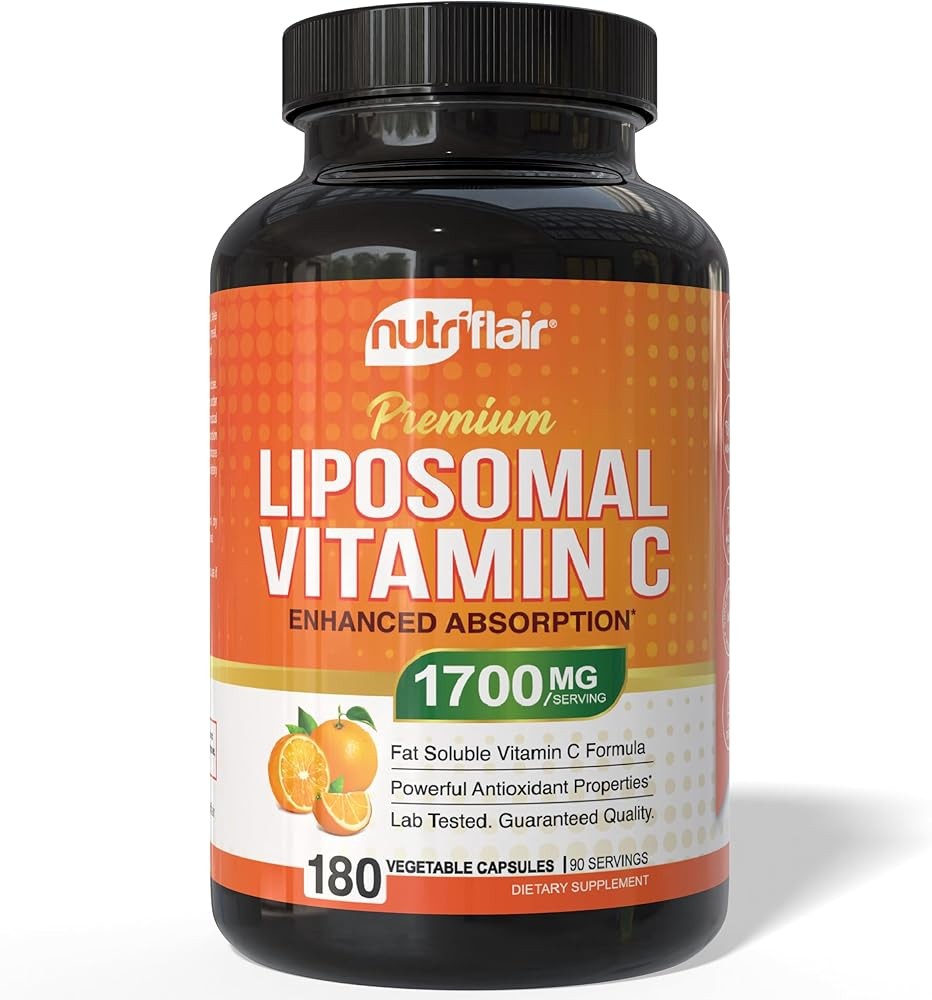
Choosing between fresh orange juice and liposomal vitamin C supplements feels confusing when both sides promise superior absorption and immune support. The honest version of the story is more useful. An 8-ounce glass of fresh-squeezed orange juice delivers roughly 90-120mg of vitamin C together with hesperidin and dozens of other citrus flavonoids, absorbed almost completely because your gut transporters are nowhere near saturated at that dose (Levine et al., 1996). A single liposomal vitamin C capsule delivers 1,000-1,700mg in a phospholipid carrier, and randomized trials show liposomal forms raise plasma vitamin C measurably higher than plain ascorbic acid at the same dose (Purpura et al., 2024). What no oral product can do is reproduce intravenous pharmacokinetics: the mouth-to-bloodstream route tops out around 220 µmol/L plasma ascorbate no matter what you swallow (Padayatty et al., 2004). NutriFlair Liposomal Vitamin C delivers 1,700mg per serving for $20.99 per 180-capsule bottle, and Codeage adds zinc, elderberry, and quercetin to its 1,500mg liposomal formula for $39.99. Here’s what the published research actually shows about bioavailability, cofactors, dosing, and when each form earns its place.
Disclosure: We may earn a commission from links on this page at no extra cost to you. Affiliate relationships never influence our ratings. Full policy →
| Feature | Fresh Orange Juice (8 oz) | Liposomal Vitamin C (1,000mg) | Standard Vitamin C (1,000mg) |
|---|---|---|---|
| Vitamin C per serving | ~90-120mg | 1,000-1,700mg | 1,000mg |
| Absorption at this dose | Near-complete (transporters unsaturated) | Higher plasma Cmax than standard form (+27% in one 500mg RCT) | Falls as dose rises; excess excreted in urine |
| Plasma ceiling | N/A (dose too small to matter) | Oral route caps around 220 µmol/L | Same oral ceiling |
| Cofactors | Hesperidin, naringenin, 60+ flavonoids, folate, potassium | Phospholipids; some formulas add zinc, elderberry, quercetin | None unless added |
| GI load at gram doses | Not applicable | Less unabsorbed ascorbic acid in the gut | Loose stools above ~2,000mg/day |
| Cost per serving | $0.75-1.50 depending on fruit prices | $0.23-0.44 | $0.05-0.15 |
| Preparation | Juicing + cleanup daily | None | None |
| Best for | Daily whole-food base | High-dose periods, travel, immune challenges | Budget maintenance doses |
Why Does Vitamin C Matter So Much for Your Health?
Vitamin C (ascorbic acid) is a water-soluble vitamin essential for numerous physiological processes. Unlike most mammals, humans cannot synthesize vitamin C endogenously, making dietary intake absolutely critical (PubMed 29099763). This nutrient serves as a cofactor for enzymes involved in collagen synthesis, carnitine production, neurotransmitter biosynthesis, and antioxidant regeneration.
The recommended dietary allowance (RDA) for vitamin C is 90mg daily for men and 75mg for women, plus an extra 35mg for people who smoke, because smoking accelerates ascorbate turnover (Schectman et al., 1991). The classic NIH depletion-repletion study found that plasma ascorbate saturates at roughly 1,000mg per day and that 200mg daily is the first dose beyond the steep part of the dose-response curve, which is why some researchers argue the RDA understates what supports optimal tissue levels (Levine et al., 1996). During active infections, vitamin C requirements rise with metabolic demand, and clinical trials of supplementation in sick people have used gram-level doses rather than RDA-scale intakes (Carr and Maggini, 2017). That gap between everyday needs and illness-period dosing is exactly where the juice-versus-supplement decision lives.
What Is the Bioavailability Challenge?
Vitamin C absorption is governed by active, saturable sodium-dependent transporters in the intestinal wall, so the fraction you absorb depends heavily on the size of the dose. In the NIH inpatient study, a single 200mg dose was completely absorbed; at single doses of 500mg and above, bioavailability declined and the unabsorbed excess was excreted, with complete plasma saturation reached around 1,000mg per day (Levine et al., 1996). A separate pharmacokinetic analysis showed that 1.25g taken by mouth produces a peak plasma concentration of about 135 µmol/L, and even aggressive oral dosing (3g every four hours) is predicted to top out near 220 µmol/L, while intravenous dosing can reach thousands (Padayatty et al., 2004).
This creates the core dilemma of oral vitamin C: at the low doses where absorption is efficient, you cannot move large amounts of the vitamin; at the high doses used therapeutically, transporters are saturated and a large share of what you swallow leaves in urine or causes osmotic diarrhea in the gut. Liposomal encapsulation is an attempt to work around that transporter bottleneck by shielding ascorbate in phospholipid bilayers, and fresh juice sidesteps the problem entirely by simply not pretending to deliver gram doses. Each approach is a different answer to the same transport biology.
What Makes Fresh Orange Juice Superior to Standard Supplements?
Fresh orange juice represents vitamin C in its natural context, embedded within a complex matrix of cofactors, enzymes, and phytonutrients that evolved together over millions of years. A medium orange (approximately 131g) contains about 70mg of vitamin C alongside significant amounts of folate, potassium, thiamine, and fiber (when pulp is retained).
What Is the Bioflavonoid Synergy Effect?
The true power of fresh orange juice extends beyond its vitamin C content. Oranges contain over 60 different flavonoids, with hesperidin and naringenin being the most abundant. These bioflavonoids function as vitamin C “chaperones,” enhancing its absorption and extending its biological half-life within tissues.
Pharmacokinetic studies that actually test this question find food-derived and synthetic vitamin C are absorbed equally: in a randomized crossover trial, 200mg from kiwifruit produced the same plasma time-concentration curve as 200mg from a chewable tablet (Carr et al., 2013). What whole-food sources do add is the flavonoid matrix. In a randomized crossover trial in men with mild hypercholesterolemia, four weeks of blond orange juice (600ml daily) produced a marked antioxidant effect that correlated with plasma hesperetin levels, plus a tendency toward improved endothelial function, compared with a control beverage matched for vitamin C but stripped of the phytomicronutrients (Constans et al., 2015).
So the honest framing is: citrus bioflavonoids probably do not make your body absorb more vitamin C, but they deliver measurable antioxidant and vascular effects of their own that isolated ascorbic acid does not. That is the real argument for a glass of fresh juice—not magical absorption math, but a package of related plant compounds that evolved together.
What About the Sugar in Orange Juice?
Fresh orange juice is not a free pass. An 8-ounce glass contains roughly 21g of naturally occurring sugar and about 110 calories, with almost none of the fiber that slows sugar absorption when you eat the whole fruit. The World Health Organization and the American Academy of Pediatrics both recommend limiting fruit juice intake for this reason: whole fruit is the better default, and juice is best treated as a serving of fruit rather than an unlimited beverage.
Practically, that means a daily 8-ounce glass fits comfortably in most diets, especially when it replaces a sugary drink rather than a piece of fruit. If you manage blood sugar, weight, or insulin resistance, portion control matters more than the vitamin C content, and you may do better getting your daily ascorbate from whole oranges, bell peppers, or broccoli and reserving juice for the days you actually want it. The juice-versus-capsule comparison below assumes one glass a day, not a juice fast.
Why Does Juicer Technology Matter for Vitamin C Retention?
Not all fresh orange juice is created equal. The extraction method dramatically impacts vitamin C preservation:
High-speed centrifugal juicers (operating at 10,000-15,000 RPM) generate heat and pull in oxygen as they spin, and research on processed orange products shows that heat, oxygen, and time after pressing all degrade vitamin C to some degree. The fast spinning action also oxidizes delicate nutrients more readily than gentle pressure.
Slow masticating juicers operating at 43-110 RPM generate far less heat and oxygen exposure, which preserves more of the vitamin C through pressing and keeps the juice fresher longer once bottled. The gentle crushing and pressing action releases the juice without the violent oxidation of high-speed spinning.
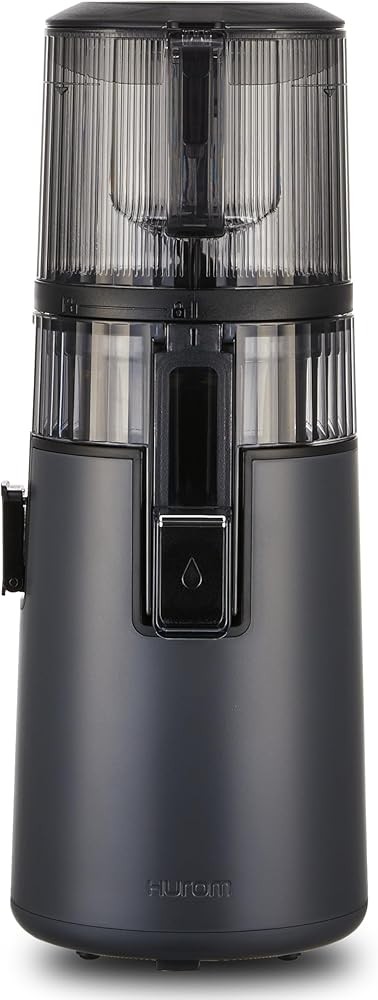
The juicer we reference in the protocols and cost math in this guide is the Hurom H70. It runs at 43 RPM, uses a strainer-free design that cuts cleanup time dramatically, and its self-feeding hopper handles whole oranges without pre-chopping. At $649 it is a serious investment, which is exactly why the cost section below is honest about the payback math: a juicer only makes sense if you will actually use it several times a week, not because a single glass of juice justifies the price.
Which Form Delivers More Absorbed Vitamin C?
The honest answer is that it depends on what you mean by “absorbed,” because dose size changes everything.
Fresh Orange Juice (8 oz):
- Vitamin C delivered: roughly 90-120mg, depending on the oranges and how fast you drink it
- Absorption efficiency: near-complete, because intestinal transporters easily handle a 100mg load
- Plasma effect: a modest, short-lived bump that keeps tissue stores topped up
- Cofactors: hesperidin, naringenin, and dozens of other flavonoids plus folate and potassium
- Practical ceiling: you cannot drink your way to gram doses without taking in 200+ calories and 40g+ of sugar
Liposomal Vitamin C (1,000mg capsule):
- Vitamin C delivered: 1,000mg in a phospholipid carrier
- Absorption evidence: in a double-blind randomized crossover trial, 500mg of liposomal vitamin C raised peak plasma concentration 27% higher and 24-hour plasma exposure 21% higher than 500mg of standard ascorbic acid, with similar gains in leukocyte (white blood cell) loading (Purpura et al., 2024)
- Wider evidence: a 2025 scoping review identified 10 studies comparing liposomal with non-liposomal ascorbate; nine found higher bioavailability, with reported improvements of 1.2-5.4-fold in peak concentration and 1.3-7.2-fold in total exposure, though formulations and doses varied so widely that the authors called for standardized follow-up research (Carr, 2025)
- Cofactors: phospholipids; some formulas add zinc, elderberry, quercetin, or citrus bioflavonoids
Standard Vitamin C Tablet (1,000mg dose):
- Absorption: incomplete at this dose; transporters saturate and the excess is excreted, with complete plasma saturation reached only around 1,000mg per day (Levine et al., 1996)
- Practical ceiling: the same ~220 µmol/L oral plasma ceiling as every other swallowed form (Padayatty et al., 2004)
- GI load: unabsorbed ascorbic acid can cause loose stools at high doses
What the data says: Fresh juice is the efficient low-dose option with the richest cofactor profile, liposomal capsules are the best-supported way to push a gram-scale dose into circulation in one swallow, and the difference between liposomal and standard capsules is real but modest in absolute terms, roughly a 20-30% improvement in plasma exposure at a 500mg dose rather than the “10 times better” numbers some marketing uses. No oral form approaches intravenous pharmacokinetics, so claims built on IV comparisons should be discounted.
When Should You Use Fresh Juice vs Liposomal Supplements?
The optimal vitamin C strategy isn’t either/or—it’s using each form for its specific strengths.
When Should You Use Fresh Orange Juice as Your Daily Wellness Foundation?
Use fresh-pressed orange juice as your daily vitamin C foundation when:
- You’re in good health without active illness
- You enjoy the taste and ritual of fresh juice
- You value whole-food nutrition over isolated compounds
- You want comprehensive citrus flavonoid benefits
- You’re supporting general antioxidant defenses
- You prefer food-based nutrition to supplements
- You already own or plan to invest in a quality slow juicer
The H70 investment pays dividends beyond vitamin C—you can juice vegetables, make nut milks, create sorbets, and prepare enzyme-rich green juices that provide far more nutrition than any bottle.
Optimal Fresh Juice Protocol:
- 8-12 oz fresh-pressed orange juice daily
- Consumed in the morning on an empty stomach
- Made from organic Valencia oranges when available
- Pressed using a slow juicer (43-110 RPM maximum)
- Stored in airtight glass bottles, consumed within 72 hours
- Rotated with other fresh juices (grapefruit, tangerine, blood orange) for variety
When Should You Use Liposomal Vitamin C for Therapeutic Intervention?
Switch to or add liposomal vitamin C when:
- You’re fighting an active infection or illness
- You’ve been exposed to someone sick
- You’re preparing for or recovering from surgery
- You’re under significant physical or emotional stress
- You need doses above 1,000mg daily
- You have digestive issues that impair nutrient absorption
- You travel frequently (liposomal packets are portable)
- You have conditions requiring therapeutic vitamin C levels
Optimal Liposomal Protocol:
- Start with 1,000mg once or twice daily
- Take on an empty stomach or with a small amount of fat
- Hold liquid formulas in mouth 30-60 seconds before swallowing (sublingual absorption)
- Increase to 2,000-3,000mg during immune challenges
- Continue therapeutic doses for 5-7 days beyond symptom resolution
- Return to maintenance (1,000mg daily) or switch back to fresh juice for ongoing support
How Much Should You Take During an Infection?
The Cochrane cold data and the vitamin C immunology literature point to different doses for different jobs. For everyday prevention, 100-200mg daily is enough to keep plasma levels saturating, which is why food alone can handle the healthy season (Carr and Maggini, 2017). Once an infection is underway, the same authors note that gram-level doses are used to compensate for the increased inflammatory demand and metabolic turnover, and the Cochrane review found regular 1-2g daily dosing shortened colds in children by about 18% (Hemilä and Chalker, 2013).
A practical infection-period protocol looks like this:
- 1,000-2,000mg per day in divided doses (500mg every 4-6 hours) rather than one giant bolus, since transporters saturate and excess is excreted
- Capsules or liposomal forms rather than chewables if your stomach is sensitive, and liposomal if you want the best absorption per gram swallowed
- Stop or step back down once symptoms resolve, because there is no evidence that sustained multi-gram dosing helps healthy people
- Stay under the 2,000mg tolerable upper level unless a clinician has explicitly directed higher dosing
One more honest note: the therapeutic-timing trials in the Cochrane review found that starting vitamin C only after cold symptoms appear does not consistently shorten them. The benefit pattern is regular supplementation, not rescue dosing, which is another argument for a steady daily habit (food, a standard tablet, or a low-dose liposomal capsule) with higher doses reserved for known exposure or early symptoms.
What Is the Hybrid Approach for Maximum Protection?
Many health-conscious individuals use both forms strategically:
Daily baseline: 8-12 oz fresh orange juice from the H70 (provides 100mg vitamin C plus bioflavonoids)
Therapeutic boost: 1,000mg liposomal vitamin C when needed (travel, stress, exposure, or seasonally during cold/flu months)
This combination delivers whole-food cofactors daily while keeping concentrated supplementation available for when your body needs more than food can reasonably provide.
A Sample Week on the Hybrid Approach
To make the strategy concrete, here is what a balanced week looks like for someone who owns a slow juicer and keeps a liposomal bottle for high-demand days:
- Most days: 8 ounces of fresh orange juice in the morning (about 100mg vitamin C plus hesperidin), whole fruit or vegetables covering the rest of the day
- Travel days: swap the juice for a liposomal capsule, since fresh juice does not travel and airport orange juice is pasteurized, sweetened, or both
- Known exposure or first scratchy throat: 1,000-2,000mg liposomal vitamin C in divided doses for two to three days
- Heavy training weeks: keep the daily juice and add a 1,000mg serving on training days, which is the pattern closest to the extreme-exercise trials that showed benefit
- Recovery from illness: gram doses for 5-7 days past symptom resolution, then back to food-first maintenance
The point of the hybrid approach is that neither tool is the whole answer: juice is the everyday nutrient package, and the liposomal capsule is the high-dose tool you reach for when your needs outrun what a glass can deliver.
The Best Liposomal Vitamin C Supplements for High-Dose Periods
If your plan calls for gram-scale doses, the supplement shelf offers four solid options that differ in dose, extras, and price per bottle. All four use phospholipid encapsulation, and all four are verified live listings with third-party testing claims. Serving sizes assume the two-capsule dose on each label unless noted.
NutriFlair Liposomal Vitamin C 1700mg (Best Overall)
NutriFlair packs the biggest single serving in this lineup: 1,700mg of liposomal vitamin C per two capsules, in a 180-capsule bottle that works out to 90 servings at roughly 23 cents each. That makes it both the highest-potency and the lowest-cost option here, which is an unusual combination. The formula is clean on paper, vegan, non-GMO, soy-free, and free of artificial additives, and the brand has been a consistent Amazon bestseller in this category for years.
One practical note: 1,700mg is above the 2,000mg tolerable upper level only if you take additional vitamin C from other sources the same day, and it is far above the ~200mg that saturates plasma in healthy people. Use this dose during illness or high-stress periods and drop to one capsule daily for maintenance.
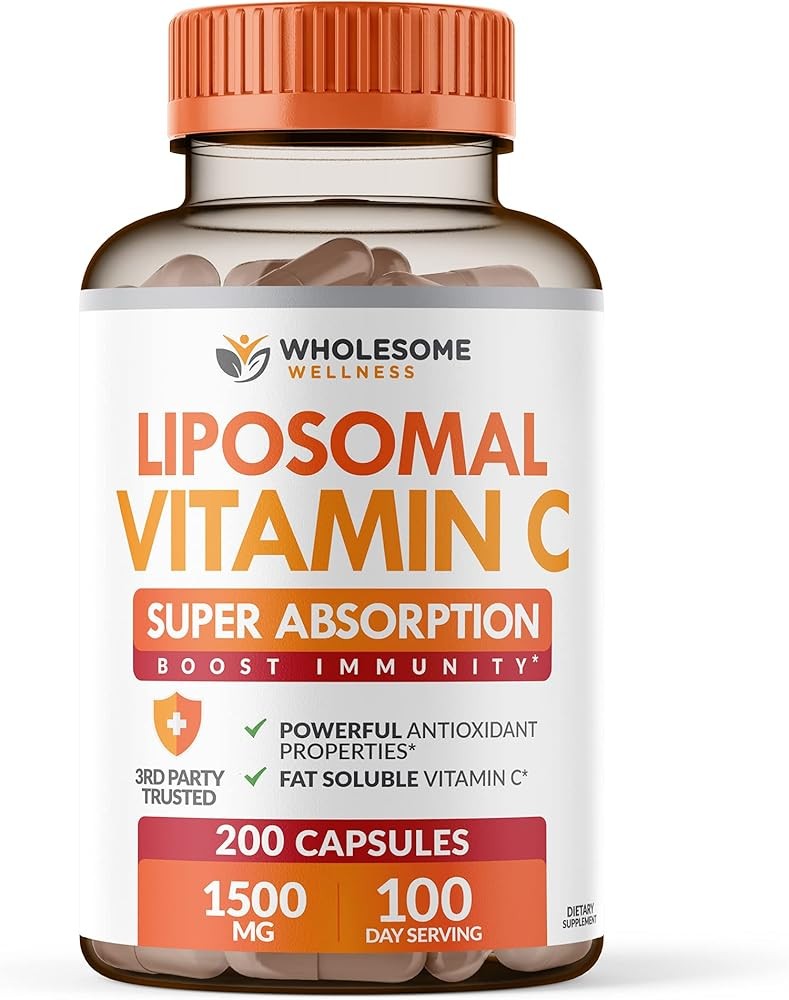
Wholesome Wellness Liposomal Vitamin C 1500mg (Best Budget)
Wholesome Wellness takes the value slot with a 200-capsule bottle, the biggest count in this guide, at $23.99. The formula is buffered (mineral ascorbate plus ascorbic acid), which is a meaningful detail for people with sensitive stomachs, because buffered forms are gentler than straight ascorbic acid at high doses. At roughly 12 cents per capsule, it is the cheapest way to run a sustained high-dose protocol, and the brand backs it with a satisfaction guarantee.
The tradeoff is that it is a single-nutrient product: no zinc, no elderberry, no flavonoid complex. If your goal is simply the highest-quality liposomal vitamin C per dollar over a long period, this is the bottle to beat.
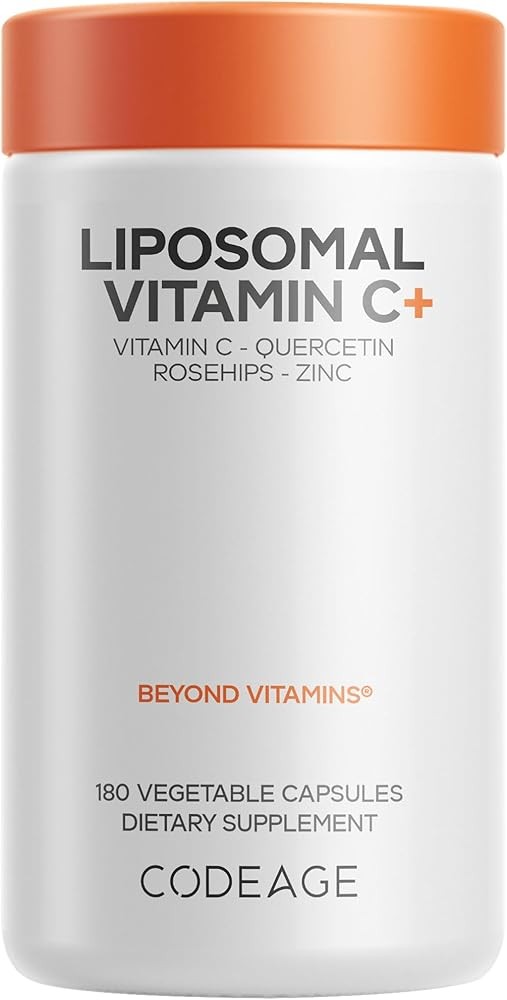
Codeage Liposomal Vitamin C 1500mg (Best Multi-Nutrient Formula)
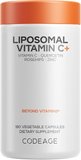
Codeage is the stack option: 1,500mg of liposomal vitamin C delivered through the brand’s Helix liposomal technology, with zinc (as an amino acid chelate), elderberry, quercetin, citrus bioflavonoids from grapefruit, lemon, and orange, and alpha-lipoic acid riding along. If you want one bottle that covers the classic immune-season shopping list instead of buying four separate supplements, this is the formula. The citrus bioflavonoid complex also nods back to the whole-food theme of this article, since it includes the same flavonoid family found in fresh orange juice.
The cost is the catch: at $39.99 it is the most expensive bottle here, and you cannot adjust individual ingredients, so you are committing to the whole blend. NSF-manufactured in the USA with global ingredients is the stated quality claim.
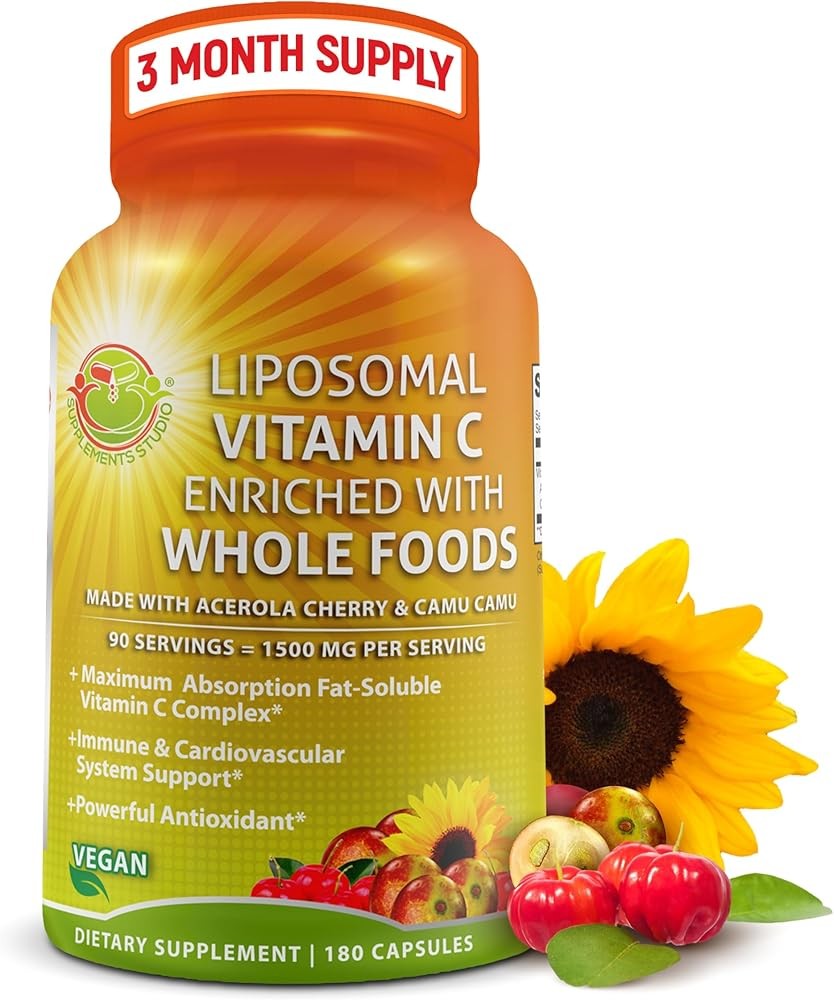
Liposomal Vitamin C with Organic Acerola and Camu Camu (Best for Organic Support)
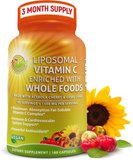
This product is the bridge between the two sides of this article. Instead of synthetic ascorbic acid, it sources vitamin C from organic acerola cherries and camu camu, two of the most concentrated natural sources of the vitamin on the planet, then wraps the extract in the same liposomal phospholipid technology. For people who prefer plant-derived ingredients, this resolves the either/or: you get a whole-food provenance with a delivery system built for gram doses.
It is third-party tested for heavy metals and contaminants and manufactured in cGMP-certified US facilities, which matters for anyone who has read about heavy metal contamination in imported acerola powders. At $24.47 it sits between the budget and premium bottles.
A note on the evidence: liposomal vitamin C is one of the better-studied “enhanced delivery” formats, with the randomized trial data and the 2025 systematic review both pointing to meaningfully higher plasma and leukocyte concentrations than plain ascorbic acid (Purpura et al., 2024; Calder et al., 2025). Independent reviewers still note that head-to-head data on real-world illness outcomes are thin, so view the extra absorption as a pharmacokinetic advantage, not a license to skip sleep, vegetables, and handwashing.
Which Option Costs Less Long-Term?
Understanding the true cost of each approach requires accounting for initial equipment investments plus recurring supply costs.
What Is the Fresh Orange Juice Cost Breakdown?
Initial investment (if you do not already own a juicer):
- A quality slow masticating juicer such as the Hurom H70 runs about $649, with glass storage bottles adding roughly $25. That is a one-time outlay that also serves every other juicing recipe you make.
Recurring costs:
- Organic Valencia oranges for a daily 8-ounce glass run about $1.50-2.00 per pound depending on season and region, and a daily glass needs roughly 30 pounds per month, or $40-60 monthly.
- Electricity for a slow juicer is negligible, about $2 per month.
Total:
- Year one: about $674 in equipment plus $500-720 in fruit, roughly $1,175-1,395.
- Years two and beyond: $500-720 per year, purely fruit.
- Per 8-ounce glass: roughly $1.40-2.00 including fruit, plus your juicing time and cleanup, with the equipment cost amortized on top in year one (about $0.60 more per glass if you use it daily).
What Is the Liposomal Vitamin C Cost Breakdown?
No equipment, no prep time, no perishable fruit. At a one-serving-per-day protocol the four products in this guide cost:
- NutriFlair 1,700mg: $20.99 per 90 servings, about $0.23 per serving
- Wholesome Wellness 1,500mg: $23.99 per bottle, about $0.12 per capsule
- Acerola and camu camu 1,500mg: $24.47 per bottle
- Codeage 1,500mg with zinc and elderberry: $39.99 per 180-capsule bottle
Running a gram-dose protocol for a month costs $21-40 depending on the product, and a maintenance protocol (one capsule daily instead of the full serving) costs less than half that. Even the premium multi-nutrient bottle is cheaper than a month of organic oranges, before you count the hour a week of juicing and cleanup.
The main point: The five-year math is not close: a daily glass of fresh juice costs roughly $3,200-4,300 over five years once you include a juicer, while a daily liposomal serving costs $250-500 over the same window depending on product and dose. Fresh juice is the better nutritional package per glass, but it is a lifestyle purchase. The rational approach for most people is the one this article has been building toward: food first for daily vitamin C, a juicer only if you genuinely enjoy fresh juice, and a liposomal bottle on the shelf for the weeks you need gram doses.
Who May Need More Vitamin C Than the RDA?
The RDA guards against deficiency in healthy people eating a mixed diet, but several groups have measurably higher needs or higher risk of low status:
Smokers. Smoking lowers serum ascorbate and increases turnover, which is why the RDA for smokers is 35mg higher. The NHANES analysis behind that adjustment found smokers needed more than 200mg daily to match the serum vitamin C status of nonsmokers meeting the RDA (Schectman et al., 1991). Nicotine vaping appears to affect status too, though the data are newer.
People recovering from illness or surgery. Infections increase metabolic demand for vitamin C, and supplementation during illness uses gram doses precisely because plasma and tissue levels drop under inflammatory stress (Carr and Maggini, 2017).
Older adults. Low vitamin C status is common in older populations, driven by smaller portion sizes, fewer fresh fruits and vegetables, and in some cases malabsorption. Because vitamin C is a cofactor for collagen synthesis, skin health reviews flag adequate intake as relevant for wound healing and skin integrity in this group (Pullar et al., 2017).
People with limited fruit and vegetable intake. Anyone whose diet is heavy in processed food, or who avoids acidic fruits for reflux reasons, can land below the RDA without obvious symptoms. This is the group where a daily 250-500mg supplement is cheap insurance.
Athletes in heavy training. Regular intense exercise increases oxidative turnover, and the extreme-exercise cold data (a roughly 50% lower cold incidence with regular supplementation in marathoners and soldiers) suggests this group responds differently from sedentary people (Hemilä and Chalker, 2013).
For all of these groups, the practical question is the same one this article answers: whether to close the gap with food, a standard supplement, or a liposomal form. Food first, standard tablets for everyday insurance, and liposomal capsules when you want gram doses without the digestive load.
What Clues Does Your Body Give You When Vitamin C Levels Are Low?
Your body sends clear signals when vitamin C intake falls short of needs:
Skin and Connective Tissue Signals:
- Slow wound healing or wounds that reopen easily
- Easy bruising from minor impacts
- Dry, rough, or bumpy skin (keratosis pilaris)
- Corkscrew-shaped body hair
- Bright red hair follicles
- Bleeding or swollen gums
- Loose teeth or tooth loss
Immune Dysfunction Patterns:
- Recurring infections multiple times yearly
- Viral infections that persist for weeks
- Slow recovery from illness
- Frequent herpes outbreaks or shingles reactivation
Energy and Metabolic Indicators:
- Unexplained fatigue despite adequate sleep
- Poor exercise recovery
- Iron deficiency anemia (vitamin C enhances iron absorption)
- Mood changes or depression
Oxidative Stress Markers:
- Premature skin aging or loss of elasticity
- Poor tolerance to environmental stressors
- Chronic inflammation
When Should You See a Doctor?
Several of the signs above are not just deficiency clues, they are medical red flags. Bleeding gums, loose or shifting teeth, easy bruising with no clear cause, and wounds that will not close can indicate scurvy, but they can also point to gum disease, blood disorders, or diabetes, so they deserve a medical evaluation rather than a self-diagnosis. See a clinician promptly if you have any of the following:
- Gums that bleed heavily or teeth that feel loose
- Unexplained bruising that spreads or large bruises from minor bumps
- Wounds that show no healing progress after two weeks
- Severe fatigue together with shortness of breath or pale skin (possible anemia)
- Any of these signs in an older adult, who may have additional risk factors
If a clinician confirms low vitamin C status, supplementation under guidance is straightforward. What you should not do is assume that every bruise or bleeding gum is scurvy and start megadosing without checking for the other possibilities.
When these patterns appear, increasing vitamin C intake—particularly through high-bioavailability liposomal forms—often produces improvements within 2-4 weeks.
The Bottom Line: Fresh Orange Juice vs Liposomal Vitamin C
Fresh orange juice and liposomal vitamin C are not rivals, they are answers to different questions. Juice is the superior daily vitamin C source because it delivers a near-completely absorbed ~100mg dose inside a matrix of hesperidin and other citrus flavonoids that have their own measurable antioxidant and vascular effects (Constans et al., 2015). No capsule replicates that package, and no reasonable person should drink five glasses of juice to chase a gram of vitamin C, because the sugar and calories arrive first.
Liposomal vitamin C is the superior tool when the goal is a gram-scale dose in one swallow. The randomized evidence shows liposomal forms raise plasma and leukocyte vitamin C roughly 20-30% above plain ascorbic acid at the same dose (Purpura et al., 2024), and independent reviews confirm the direction of the effect while asking for better head-to-head studies (Carr, 2025). The honest ceiling, though, is that every oral form maxes out around 200-220 µmol/L plasma ascorbate (Padayatty et al., 2004), so any marketing built on intravenous comparisons should be ignored.
Bottom line: Eat whole fruit and vegetables every day, drink fresh juice when you enjoy it and can afford the calories, keep a standard vitamin C tablet if you want cheap daily insurance, and put a liposomal product such as NutriFlair ($20.99), Wholesome Wellness ($23.99), the acerola and camu camu formula ($24.47), or Codeage ($39.99) on the shelf for travel, training blocks, and the first signs of an infection. Your body does not need to choose between the glass and the capsule, it needs the right tool at the right time.
Related Reading
- Elderberry vs Vitamin C For Immune Support: Which Is Better? [Complete Comparison Guide]
- Vitamin C vs Zinc For Immune Support: Which Is Better? [Complete Comparison Guide]
- Best Supplements for Skin Health: Collagen Vitamin C Hyaluronic Acid and More
- Vitamin C Megadosing for Immune Support: What the Research Actually Shows
- Best Immune System Supplements: Vitamin C, Zinc, Elderberry and What Research Supports
References
-
Carr AC, Maggini S. Vitamin C and immune function. Nutrients. 2017;9(11):1211. PubMed 29099763
-
Levine M, Conry-Cantilena C, Wang Y, et al. Vitamin C pharmacokinetics in healthy volunteers: evidence for a recommended dietary allowance. Proc Natl Acad Sci USA. 1996;93(8):3704-3709. PubMed 8623000
-
Padayatty SJ, Sun H, Wang Y, et al. Vitamin C pharmacokinetics: implications for oral and intravenous use. Ann Intern Med. 2004;140(7):533-537. PubMed 15068981
-
Purpura M, Jäger R, Godavarthi A, Bhaskarachar D, Tinsley GM. Liposomal delivery enhances absorption of vitamin C into plasma and leukocytes: a double-blind, placebo-controlled, randomized trial. Eur J Nutr. 2024;63(8):3037-3046. PubMed 39237620
-
Carr AC. Do liposomal vitamin C formulations have improved bioavailability? A scoping review identifying future research directions. Basic Clin Pharmacol Toxicol. 2025;137(1):e70067. PubMed 40506693
-
Calder PC, Kreider RB, McKay DL. Enhanced vitamin C delivery: a systematic literature review assessing the efficacy and safety of alternative supplement forms in healthy adults. Nutrients. 2025;17(2):279. PubMed 39861409
-
Carr AC, Bozonet SM, Vissers MCM. A randomised cross-over pharmacokinetic bioavailability study of synthetic versus kiwifruit-derived vitamin C. Nutrients. 2013;5(11):4451-4461. PubMed 24284610
-
Hemilä H, Chalker E. Vitamin C for preventing and treating the common cold. Cochrane Database Syst Rev. 2013;(1):CD000980. PubMed 23440782
-
Constans J, Bennetau-Pelissero C, Martin JF, et al. Marked antioxidant effect of orange juice intake and its phytomicronutrients in a preliminary randomized cross-over trial on mild hypercholesterolemic men. Clin Nutr. 2015;34(6):1093-1100. PubMed 25865966
-
Schectman G, Byrd JC, Hoffmann R. Ascorbic acid requirements for smokers: analysis of a population survey. Am J Clin Nutr. 1991;53(6):1466-1470. PubMed 2035475
-
Pullar JM, Carr AC, Vissers MCM. The roles of vitamin C in skin health. Nutrients. 2017;9(8):866. PubMed 28805671
-
Jacob RA, Sotoudeh G. Vitamin C function and status in chronic disease. Nutr Clin Care. 2002;5(2):66-74. PubMed 12134712
Recommended Products