Astaxanthin Benefits: Skin, Eyes, Exercise Recovery, and Anti-Aging
Summarized from peer-reviewed research indexed in PubMed. See citations below.
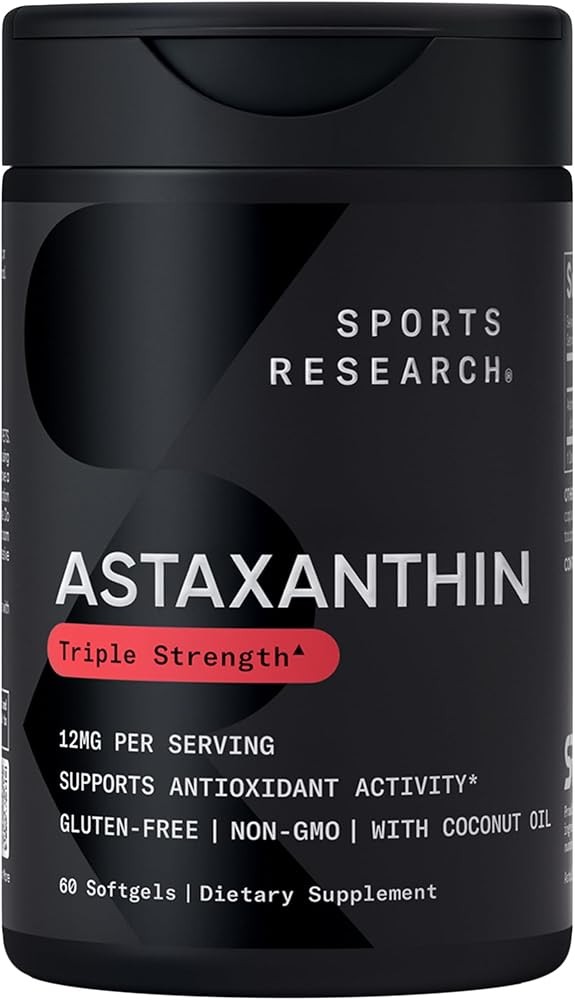
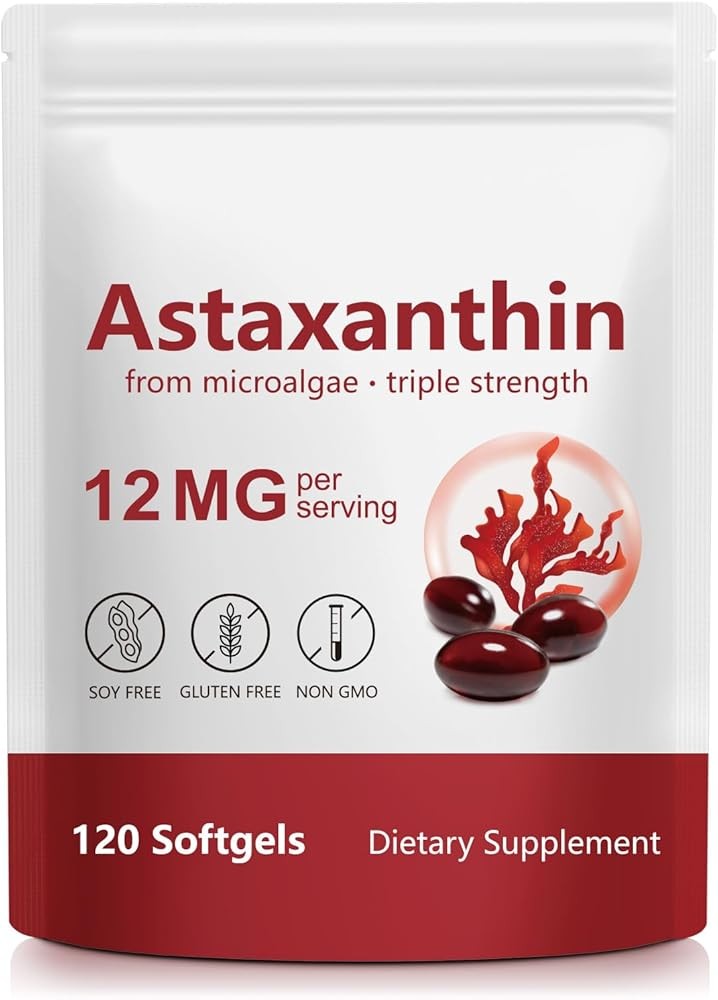
Skin aging from UV exposure, eye strain from prolonged screen time, and slow muscle recovery after intense workouts all involve oxidative stress that damages cells faster than the body can repair them. Sports Research Icelandic Astaxanthin 12mg ($26.95 for 60 softgels) delivers the research-backed dose shown to reduce wrinkle depth and improve skin elasticity within 4-8 weeks, and astaxanthin is one of the few antioxidants that reaches the brain and retina. In test-tube comparisons it is roughly 6,000 times more effective than vitamin C at neutralizing singlet oxygen, the primary free radical generated by UV radiation, while its structure lets it span entire cell membranes. Budget-conscious users can get a 12mg daily dose for $17.99 per 120-softgel bottle, the dose proven effective in multiple screen worker studies. Here’s what the published research shows about astaxanthin’s unique molecular structure and its documented effects across skin health, eye function, exercise recovery, and cellular aging.
Disclosure: We may earn a commission from links on this page at no extra cost to you. Affiliate relationships never influence our ratings. Full policy →
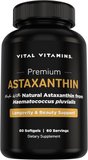
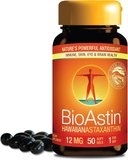
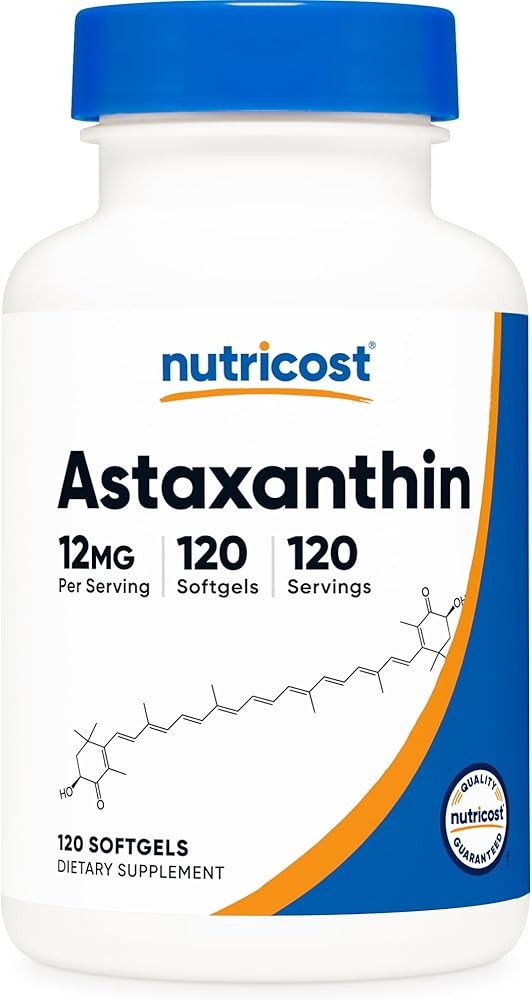
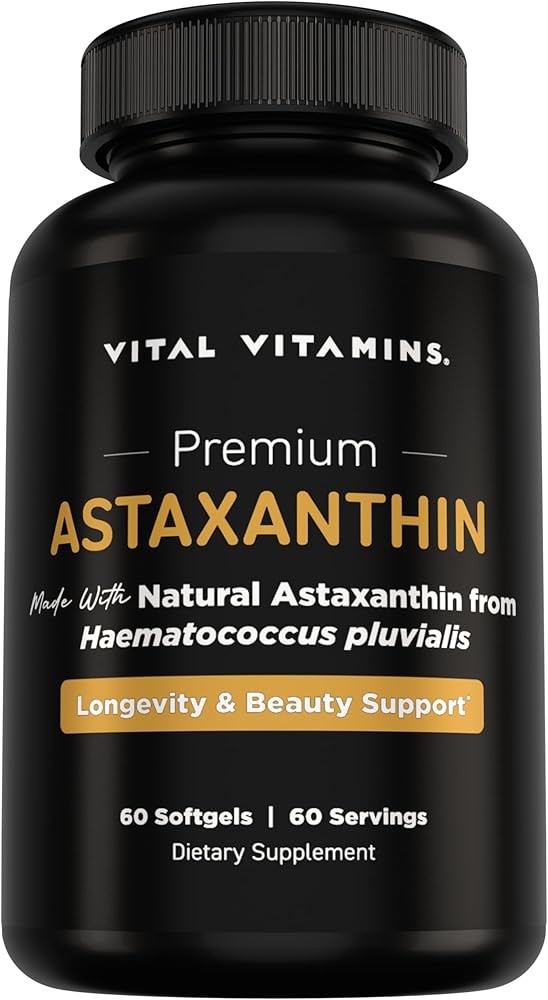
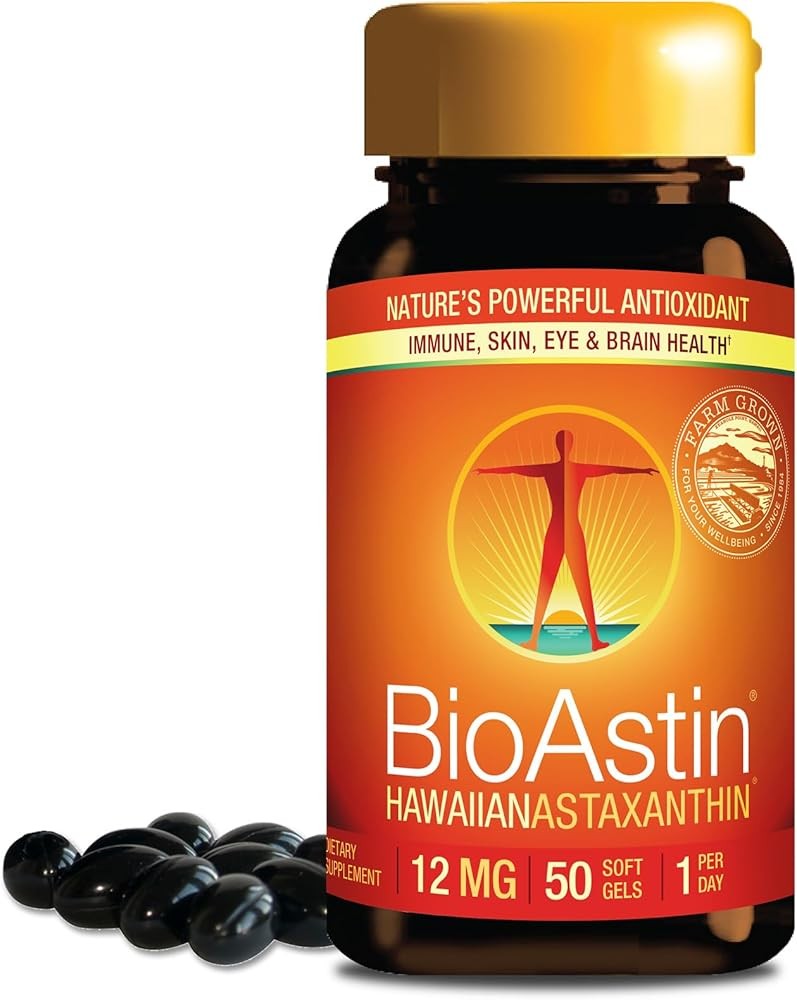
| Feature | Sports Research 12mg | Astaxanthin 12mg | Nutricost 12mg | Vital Vitamins 12mg | BioAstin 12mg |
|---|---|---|---|---|---|
| ASIN | B07V574YYY | B0FMFCDQKY | B078Z16G8W | B0F1MWMVC4 | B006X1DCVO |
| Price | $26.95 | $17.99 | $27.95 | $21.95 | $34.49 |
| Softgels | 60 | 120 | 120 | (label) | 50 |
| Dose | 12mg | 12mg | 12mg | 12mg | 12mg |
| Source | Icelandic algae | Microalgae | Microalgae | Microalgae | Hawaiian algae |
| Added Ingredients | Coconut oil | None | None | None | None |
| Best For | Maximum benefits | Budget/eye health | Athletes | Eye strain | Anti-aging |
If you’ve heard that antioxidants are good for you, astaxanthin takes that concept to an entirely different level. This bright red carotenoid—the same compound that gives salmon and shrimp their pink-red color—is 6,000 times more powerful than vitamin C and 550 times stronger than vitamin E at neutralizing free radicals. But raw antioxidant power isn’t the only thing that makes astaxanthin exceptional. It crosses both the blood-brain barrier and the blood-retina barrier, something most antioxidants can’t do, allowing it to protect your eyes and brain directly. It spans the entire cell membrane from inside to outside, providing comprehensive cellular protection that no other carotenoid can match.
The research on astaxanthin reveals benefits across multiple systems: visible improvements in skin appearance and UV protection, reduced eye fatigue from screen time, faster exercise recovery and reduced muscle damage, improved blood flow and cardiovascular health, and neuroprotective effects that may help preserve cognitive function as you age. Unlike many supplements that require you to “feel” a difference, astaxanthin’s effects on skin texture, wrinkles, and age spots are often visible within 4-8 weeks.
This article examines what makes astaxanthin unique among antioxidants, the documented benefits for skin health and anti-aging, how it protects your eyes and brain, its role in exercise performance and recovery, optimal dosing strategies, and how to choose effective products. We’ll look at the actual research—not marketing claims—to understand what astaxanthin can realistically do and what the science shows about its mechanisms of action.
What Is Astaxanthin and Why Is It Different from Other Antioxidants?
Astaxanthin is a red-pigmented carotenoid produced primarily by the microalgae Haematococcus pluvialis when the algae is under stress from UV radiation, nutrient depletion, or temperature changes. The algae synthesizes astaxanthin as a protective mechanism against oxidative damage. When marine animals consume this algae—either directly or through the food chain—astaxanthin accumulates in their tissues, giving salmon, shrimp, lobster, and krill their characteristic pink or red coloration.
What Makes Astaxanthin’s Chemical Structure Unique?
Astaxanthin’s molecular structure is what makes it exceptional as an antioxidant. Unlike most carotenoids, astaxanthin has polar end groups (hydroxyl and keto groups on both terminal rings) combined with a long chain of conjugated double bonds. This unique structure allows astaxanthin to span the entire lipid bilayer of cell membranes, with one polar end anchored on the inside of the membrane and the other on the outside. This means astaxanthin protects both the inner and outer surfaces of cells from oxidative damage—a capability that other antioxidants like vitamin C (water-soluble, works in cytoplasm) and vitamin E (lipid-soluble, works in membranes but doesn’t span them) cannot replicate.
The conjugated double bond system in astaxanthin’s backbone makes it extraordinarily effective at quenching singlet oxygen—the type of reactive oxygen species generated when UV radiation hits your skin or when intense exercise generates oxidative stress. In test-tube comparisons of singlet oxygen quenching, astaxanthin is reported as roughly 6,000 times more effective than vitamin C, 550 times more effective than vitamin E, and 40 times more effective than beta-carotene. Those ratios are from in vitro assays; they do not translate linearly into human effects, but they explain why astaxanthin is studied at milligram doses rather than grams.
How Does Astaxanthin Cross the Blood-Brain and Blood-Retina Barriers?
Most antioxidants cannot cross the blood-brain barrier (the selective membrane that protects your brain from potentially harmful substances in your bloodstream) or the blood-retina barrier (which protects your eyes). Astaxanthin can cross both barriers, allowing it to deliver antioxidant protection directly to neural tissue in your brain and photoreceptor cells in your retina. This ability makes astaxanthin uniquely valuable for neuroprotection and eye health—areas where most dietary antioxidants simply cannot reach.
Is Natural Astaxanthin Better Than Synthetic?
Natural astaxanthin from Haematococcus pluvialis exists primarily in the 3S,3’S stereoisomer form, while synthetic astaxanthin (produced from petrochemicals) is a mixture of stereoisomers. Research indicates that natural astaxanthin has superior antioxidant activity compared to synthetic versions in in vitro comparisons. Most commercial supplements therefore use the natural form from Haematococcus pluvialis.
Wild salmon carries roughly 1-5mg of astaxanthin per 100g depending on species and season (sockeye is highest), while farmed salmon contains less and is often colored with synthetic astaxanthin. Krill oil also contains astaxanthin naturally, typically around 0.5-1mg per gram of oil. Achieving the therapeutic doses used in research (4-12mg daily) through food alone would require eating very large amounts of wild salmon every day—impractical and expensive for most people.
Bottom line: Astaxanthin is a uniquely structured antioxidant that spans entire cell membranes, crosses the blood-brain and blood-retina barriers, and in test-tube assays quenches singlet oxygen far more efficiently than vitamin C or vitamin E; clinical doses of 4-12mg daily come almost entirely from Haematococcus pluvialis algae supplements.
How Does Astaxanthin Improve Skin Health and Protect Against UV Damage?
The skin benefits of astaxanthin are among the most well-documented and visually apparent effects. Multiple human clinical trials show that oral astaxanthin supplementation improves skin appearance, texture, and resilience against UV damage.
What Do Clinical Trials Show About Astaxanthin and Skin?
A landmark pair of clinical studies by Tominaga et al. (2012) published in Acta Biochimica Polonica examined astaxanthin for skin health. The first was an open-label study in 30 healthy women using 6mg oral astaxanthin daily for 8 weeks; the second was a randomized, double-blind, placebo-controlled trial in 36 healthy men using oral astaxanthin for 6 weeks (PMID: 22428137). The results were striking:
- Wrinkle depth decreased significantly (crow’s feet improved by week 8)
- Skin elasticity improved, with better ability to return to original shape after stretching
- Moisture content increased in the deeper layers of skin (dermis)
- Corneocyte condition improved, indicating healthier outer skin layer
- Age spot size decreased
These improvements were measured using objective instruments rather than subjective ratings, making the findings particularly credible. Effects appeared within 4-8 weeks and continued improving through the study periods. A separate 2017 clinical study by the same group confirmed these findings in 65 healthy women using 6mg or 12mg daily for 16 weeks, with significant wrinkle and moisture improvements at both doses (PMID: 28751807).
How Does Astaxanthin Protect Against UV Damage?
Astaxanthin functions as an internal sunscreen, though it doesn’t replace topical SPF protection. When you supplement with astaxanthin, it accumulates in your skin tissue over several weeks and provides ongoing protection against UV-induced oxidative damage.
A randomized, double-blind, placebo-controlled trial by Ito et al. (2018) in Nutrients tested 4mg of astaxanthin daily for 10 weeks in healthy adults and found it reduced UV-induced skin deterioration compared with placebo, including less moisture loss and better skin barrier function after UV exposure (PubMed: 29941810).
The protective mechanism involves astaxanthin’s ability to quench singlet oxygen—the primary reactive oxygen species generated when UV radiation hits skin cells. UV exposure causes lipid peroxidation in skin cell membranes, degrading structural proteins like collagen and elastin that keep skin firm and smooth. Astaxanthin’s position spanning the cell membrane allows it to intercept free radicals before they can damage these critical proteins.
What Are the Biological Mechanisms Behind Astaxanthin’s Skin Benefits?
Beyond direct antioxidant effects, astaxanthin influences skin health through several biological pathways:
Inhibiting Matrix Metalloproteinases (MMPs): UV exposure upregulates enzymes called matrix metalloproteinases that break down collagen and elastin. In vitro studies show astaxanthin suppresses MMP-1 expression, helping preserve the structural proteins that maintain skin firmness and elasticity.
Reducing Inflammation: Astaxanthin inhibits NF-κB, a protein complex that controls inflammatory responses. Chronic low-grade inflammation in skin accelerates aging and contributes to conditions like rosacea and acne. By dampening inflammatory signaling, astaxanthin helps maintain calmer, healthier-looking skin.
Supporting Skin Barrier Function: The improvements in moisture retention and trans-epidermal water loss seen in clinical studies suggest astaxanthin strengthens the skin barrier—the outermost layer that reduces the risk of water loss and protects against environmental irritants.
Improving Blood Flow to Skin: Some research suggests astaxanthin improves microcirculation, potentially enhancing nutrient delivery to skin cells and removal of metabolic waste products.
Bottom line: Clinical trials show 6-12mg daily astaxanthin produces visible skin improvements within 4-8 weeks, including reduced wrinkle depth, improved elasticity, better moisture retention, and decreased age spots—with one study documenting significant reductions in both UV-induced moisture loss and trans-epidermal water loss after just 9 weeks.
Can Astaxanthin Reduce Eye Strain and Improve Visual Function?
Your eyes are particularly vulnerable to oxidative stress. The retina contains the highest concentration of polyunsaturated fatty acids in the body, has high metabolic activity, and is constantly exposed to light—especially high-energy blue wavelengths from screens and LED lighting. This combination makes oxidative damage a primary factor in age-related eye problems like macular degeneration and cataracts.
Can Astaxanthin Reduce Eye Fatigue and Improve Focus?
If you spend hours staring at screens, you’ve likely experienced eye strain—that tired, dry, or burning sensation accompanied by difficulty focusing. Research shows astaxanthin can significantly reduce these symptoms.
The seminal study on astaxanthin and eye strain was conducted by Nagaki et al. (2002), published in Journal of Traditional Medicines. Forty-nine subjects with visual display terminal (VDT) eye strain took 6mg of astaxanthin daily for 4 weeks. Compared to placebo, the astaxanthin group showed:
- Significant reduction in eye strain symptoms
- Improved accommodation ability (the eye’s ability to shift focus between near and far objects)
- Better performance on visual function tests
- Reduced subjective complaints about tired eyes and difficulty focusing
More recent research continues to support these eye benefits. A 2025 randomized controlled trial found that astaxanthin supplementation improved both acute and chronic digital eye strain symptoms (PMID: 40014233). Astaxanthin’s ability to cross the blood-retina barrier means it reaches the photoreceptor and retinal layers directly, which is why eye-focused benefits appear in shorter timeframes than skin effects.
How Does Astaxanthin Protect the Retina?
The retina’s photoreceptor cells—rods and cones that convert light into electrical signals—are highly susceptible to oxidative damage from constant light exposure and high metabolic demands. Astaxanthin’s ability to cross the blood-retina barrier allows it to accumulate directly in retinal tissue, where it can neutralize reactive oxygen species before they damage delicate photoreceptor cells.
Animal studies show compelling evidence for astaxanthin’s retinal protection. Research in rats with light-induced retinal damage found that astaxanthin supplementation preserved photoreceptor cell structure and prevented the reduction in electroretinogram (ERG) responses that normally occurs after intense light exposure. While these are animal models, they demonstrate astaxanthin’s ability to reach retinal tissue in biologically relevant concentrations and provide functional protection.
How Does Astaxanthin Compare to Lutein and Zeaxanthin for Eyes?
You may be familiar with lutein and zeaxanthin—the carotenoids found in the macula (the central part of your retina responsible for sharp, detailed vision) and promoted for macular degeneration prevention. How does astaxanthin compare?
Lutein and zeaxanthin are specifically concentrated in macular tissue where they filter blue light and act as antioxidants. They’re well-established for macular protection and are included in the AREDS2 formulation for age-related macular degeneration.
Astaxanthin, while also present in the retina, is not as specifically concentrated in the macula but provides broader antioxidant protection throughout the entire eye structure. Its unique advantages include:
- Superior antioxidant potency compared to lutein and zeaxanthin
- Ability to span cell membranes for comprehensive protection
- Documented effects on eye strain and accommodation in short-term studies
The ideal approach for comprehensive eye health is likely not astaxanthin versus lutein/zeaxanthin, but rather astaxanthin alongside these other carotenoids, each contributing complementary protective mechanisms.
Bottom line: Research shows 6mg daily astaxanthin significantly reduces eye strain symptoms and improves accommodation ability (focus shifting) within 4 weeks in visual display terminal workers, while its ability to cross the blood-retina barrier provides direct protection to photoreceptor cells that lutein and zeaxanthin cannot match.
Does Astaxanthin Improve Exercise Recovery and Reduce Muscle Damage?
Athletes and exercise researchers have taken particular interest in astaxanthin because of its effects on muscle damage, oxidative stress, and recovery time. Intense exercise generates substantial oxidative stress—particularly eccentric movements (like running downhill or lowering weights) that cause microscopic muscle damage.
How Does Astaxanthin Reduce Exercise-Induced Muscle Damage?
A study by Djordjevic et al. (2012) in elite young soccer players measured markers of muscle damage and oxidative stress around intense exercise tests. The astaxanthin-supplemented group showed lower creatine kinase (a key marker of muscle damage) and reduced oxidative stress markers after exercise compared with placebo (PubMed: 22828460).
The practical implication: less muscle damage during training may translate to better recovery and adaptation to exercise over time.
Another small study in trained cyclists reported reduced lipid peroxidation markers during submaximal exercise with astaxanthin supplementation, though it found no improvement in time trial performance. The oxidative stress reduction still suggests potential recovery value for athletes with high training volumes.
Can Astaxanthin Improve Endurance and Reduce Fatigue?
Animal studies support a protective role for muscles under exercise stress. In mice, astaxanthin limited exercise-induced skeletal and cardiac muscle damage (PubMed: 12626126).
In humans, a placebo-controlled pilot study by Earnest et al. (2011) in competitive cyclists found significant improvements in 20km time trial performance, driven by higher mean power output (about 20W more than placebo) (PubMed: 21984399). The study was small and has not been replicated in larger trials, but it suggests astaxanthin may have modest ergogenic effects worth exploring.
What Are the Mechanisms Behind Astaxanthin’s Exercise Recovery Benefits?
Several mechanisms likely contribute to astaxanthin’s effects on exercise performance and recovery:
Protecting Muscle Mitochondria: Your muscles’ mitochondria—the organelles that produce ATP energy—generate substantial reactive oxygen species during intense exercise. Astaxanthin’s ability to integrate into mitochondrial membranes may protect these critical energy-producing structures from oxidative damage, similar to how CoQ10 supports mitochondrial function.
Reducing Inflammation: Exercise triggers inflammatory responses as part of the repair and adaptation process. While some inflammation is necessary, excessive inflammation can impair recovery. Astaxanthin’s anti-inflammatory properties may help optimize the balance.
Improving Blood Flow: Astaxanthin appears to improve endothelial function and blood flow (discussed more in the cardiovascular section below), potentially enhancing oxygen and nutrient delivery to working muscles.
Preserving Cellular Membranes: The lipid peroxidation that occurs during intense exercise damages muscle cell membranes. Astaxanthin’s position spanning these membranes allows it to intercept free radicals before they cause membrane damage.
Bottom line: In elite young soccer players, astaxanthin lowered post-exercise creatine kinase and oxidative stress markers, and a small placebo-controlled pilot in competitive cyclists found significantly higher time-trial power output (about 20W), so the evidence supports recovery support more strongly than a guaranteed race-day boost.
Can Astaxanthin Protect Brain Health and Improve Cognitive Function?
Your brain is highly vulnerable to oxidative damage. It consumes approximately 20% of your body’s oxygen despite comprising only 2% of body weight, generates substantial reactive oxygen species, and contains lipid-rich myelin sheaths around neurons that are susceptible to peroxidation. Astaxanthin’s ability to cross the blood-brain barrier makes it one of the few dietary antioxidants that can directly protect neural tissue.
Does Astaxanthin Improve Cognitive Function and Memory?
Human studies on astaxanthin and cognitive function are still emerging, but results are promising enough to have funded larger trials. Katagiri et al. (2012) examined healthy middle-aged and elderly subjects taking astaxanthin daily for 12 weeks and reported improvements in cognitive function, psychomotor speed, and attention on computerized testing (PubMed: 22962526).
A more recent 12-week randomized, double-blind, placebo-controlled study in Japanese adults with age-related memory complaints tested astaxanthin combined with tocotrienols (vitamin E forms) and reported improvements in composite memory scores versus placebo (PubMed: 33293773). Because the active product combined two ingredients, the astaxanthin-specific contribution is not fully isolated.
While these studies are relatively small and more research is needed, they suggest astaxanthin may help maintain cognitive function with aging.
How Does Astaxanthin Protect Brain Cells from Damage?
Animal studies provide insight into how astaxanthin protects brain tissue at a cellular level. Research shows astaxanthin:
Reduces Oxidative Damage in Brain Tissue: Studies in rats and mice demonstrate that astaxanthin supplementation reduces markers of oxidative stress in brain tissue, particularly lipid peroxidation of neuronal membranes.
Protects Against Excitotoxicity: Excessive glutamate signaling can damage neurons (excitotoxicity). In vitro studies show astaxanthin protects neurons from glutamate-induced death, potentially by stabilizing mitochondrial membranes and reducing calcium overload.
Reduces Neuroinflammation: Astaxanthin inhibits inflammatory signaling pathways in brain tissue, including NF-κB activation and pro-inflammatory cytokine production. Chronic neuroinflammation is implicated in neurodegenerative diseases like Alzheimer’s and Parkinson’s.
May Enhance Brain-Derived Neurotrophic Factor (BDNF): Some animal studies suggest astaxanthin increases BDNF, a protein critical for neuronal growth, survival, and synaptic plasticity. Higher BDNF levels are associated with better cognitive function and mood.
While these mechanisms are promising, it’s important to note that most neuroprotection research has been conducted in animals or cell cultures. More human clinical trials are needed to definitively establish astaxanthin’s cognitive and neuroprotective benefits in people.
Bottom line: Randomized 12-week trials report cognitive improvements with astaxanthin, alone and combined with tocotrienols, in middle-aged and older adults, while the deeper neuroprotection mechanisms (reduced oxidative damage, less neuroinflammation) come mainly from animal and cell models.
How Does Astaxanthin Support Cardiovascular Health?
Your cardiovascular system is another area where astaxanthin shows meaningful benefits, primarily through improving endothelial function—the health of the inner lining of blood vessels.
How Does Astaxanthin Improve Blood Flow and Endothelial Function?
Healthy endothelial cells produce nitric oxide (NO), a molecule that causes blood vessels to relax and dilate, improving blood flow and reducing blood pressure. Oxidative stress impairs endothelial function by degrading NO and promoting vasoconstriction.
Small human studies report improved blood flow measures with astaxanthin, though the effects on blood pressure have been inconsistent. In one placebo-controlled trial in healthy volunteers, blood flow improved at 12mg daily with no significant change in blood pressure.
Separately, Nakagawa et al. (2011) showed that astaxanthin supplementation improved antioxidant status in red blood cells and reduced phospholipid hydroperoxides, oxidized lipids that contribute to cardiovascular and cognitive risk (PubMed: 21276280).
Can Astaxanthin Protect LDL Cholesterol from Oxidation?
Oxidative modification of LDL cholesterol is considered a key step in atherosclerosis development. Oxidized LDL is taken up by macrophages in arterial walls, forming foam cells that contribute to plaque formation.
In vitro and animal studies show astaxanthin inhibits LDL oxidation, and the effect extends to humans: Iwamoto et al. (2000) found that short-term astaxanthin supplementation reduced the susceptibility of LDL to oxidation ex vivo in healthy volunteers, in line with dose-dependent prolongation of oxidation lag time in the test tube (PubMed: 11521685). This is a short-term biomarker result, not a cardiovascular outcomes trial, but it points to a plausible mechanism.
Does Astaxanthin Reduce Triglycerides and Improve Lipid Profiles?
Some studies suggest astaxanthin may improve blood lipid profiles. In a placebo-controlled trial by Yoshida et al. (2010), 61 non-obese adults with mildly elevated triglycerides (120-200 mg/dL) took 0, 6, 12, or 18mg of astaxanthin daily for 12 weeks. Triglycerides fell significantly at 12 and 18mg, HDL cholesterol rose significantly at 6 and 12mg, and adiponectin (a beneficial fat-tissue hormone) increased at 12 and 18mg, correlating with the HDL changes (PubMed: 19892350). These cardiovascular effects complement those of omega-3 fatty acids, which work through different mechanisms.
The mechanisms likely involve astaxanthin’s effects on oxidative stress and inflammation, both of which influence lipid metabolism and cardiovascular function.
Bottom line: Clinical studies show 6-18mg daily astaxanthin for 10-12 weeks improves blood flow, reduces LDL oxidation susceptibility, lowers triglycerides (significant at 12-18mg), and raises HDL cholesterol and adiponectin (significant at 6-12mg and 12-18mg respectively) in people with mildly elevated triglycerides.
What Are Astaxanthin’s Anti-Aging Effects at the Cellular Level?
Beyond the visible anti-aging effects on skin, astaxanthin appears to influence fundamental aging processes at the cellular level.
How Does Astaxanthin Protect Mitochondria from Aging?
Mitochondria—your cells’ energy-producing organelles—are both generators and targets of reactive oxygen species. The free radical theory of aging proposes that cumulative mitochondrial damage from oxidative stress is a primary driver of aging. Astaxanthin’s ability to integrate into mitochondrial membranes positions it to protect these critical structures.
Research in human cell cultures shows astaxanthin protects mitochondrial membranes from oxidative damage, maintains mitochondrial function, and reduces the risk of the loss of mitochondrial membrane potential that occurs with aging and stress. Animal studies suggest these effects translate to improved healthspan and potentially extended lifespan.
Cellular research by Wolf et al. (2010) showed that astaxanthin protects mitochondrial redox state and functional integrity against oxidative stress, meaning mitochondria keep producing energy and resist damage better when astaxanthin is present (PubMed: 19423317). Specific lifespan-extension claims from rodent studies are not consistently replicated, so we do not repeat them here.
Can Astaxanthin Help Preserve Telomere Length?
Telomeres—the protective caps on chromosome ends—shorten with each cell division and are considered a biomarker of biological aging. Oxidative stress accelerates telomere shortening.
Some preliminary research has looked at whether astaxanthin affects telomerase, the enzyme that maintains telomeres. One small study reported increased telomerase activity in immune cells after supplementation, but this finding has not been independently replicated and should be treated as early-stage.
Why Is Astaxanthin’s Cellular Protection More Comprehensive Than Other Antioxidants?
What makes astaxanthin particularly valuable for anti-aging is its ability to protect both the inner and outer surfaces of cell membranes simultaneously. Most antioxidants work primarily in either water-based compartments (like vitamin C) or lipid-based compartments (like vitamin E), but not both. Astaxanthin’s unique molecular structure allows it to span the entire membrane, providing protection that other antioxidants cannot match.
This comprehensive protection extends to all cell types throughout your body—skin cells, muscle cells, neurons, endothelial cells, and more—potentially slowing age-related deterioration across multiple systems simultaneously.
Bottom line: At the cellular level astaxanthin protects mitochondrial membranes and function against oxidative stress, and preliminary human research reports increased telomerase activity in immune cells, but lifespan claims from rodent studies are inconsistent, so the honest framing is mechanistic support for healthy aging rather than proven life extension.
What Makes Astaxanthin’s Mechanisms of Action Superior to Other Antioxidants?
Understanding how astaxanthin produces its diverse effects helps explain why it’s superior to other antioxidants and why the benefits span so many different body systems.
How Does Astaxanthin Quench Singlet Oxygen?
Singlet oxygen—a highly reactive form of oxygen generated by UV radiation, intense exercise, and metabolic processes—is particularly damaging to biological molecules. Astaxanthin is exceptionally effective at quenching singlet oxygen, literally absorbing the excess energy and converting it to harmless heat. This process is catalytic, meaning the astaxanthin molecule isn’t consumed in the reaction and can continue neutralizing singlet oxygen molecules repeatedly.
How Does Astaxanthin Protect Cell Membranes?
Astaxanthin’s polar-nonpolar-polar structure allows it to anchor in cell membranes with its polar hydroxyl groups positioned at both the inner and outer surfaces while the long hydrocarbon chain with conjugated double bonds spans the lipid bilayer. This positioning allows astaxanthin to:
- Intercept free radicals before they reach the membrane interior
- Reduce the risk of lipid peroxidation chain reactions within membranes
- Stabilize membrane structure
- Protect membrane-bound proteins and receptors
This membrane-spanning capability is unique among carotenoids. Beta-carotene, lutein, and lycopene can integrate into membranes but don’t span them completely, leaving portions of the membrane vulnerable.
What Anti-Inflammatory Pathways Does Astaxanthin Modulate?
Beyond direct antioxidant effects, astaxanthin modulates inflammatory signaling pathways. Research shows astaxanthin inhibits:
- NF-κB activation: This transcription factor controls genes involved in inflammation. By inhibiting NF-κB, astaxanthin reduces production of pro-inflammatory cytokines like TNF-α and IL-6.
- COX-2 expression: Astaxanthin reduces cyclooxygenase-2, an enzyme that produces inflammatory prostaglandins.
- iNOS expression: Inducible nitric oxide synthase produces large amounts of nitric oxide during inflammation, which can combine with superoxide to form peroxynitrite—a damaging reactive nitrogen species.
These anti-inflammatory effects complement astaxanthin’s antioxidant properties, addressing both oxidative stress and inflammation—the two processes most consistently linked to aging and chronic disease.
How Does Astaxanthin Influence Gene Expression?
Emerging research suggests astaxanthin influences gene expression through several mechanisms, including activation of the Nrf2 pathway. Nrf2 is a transcription factor that controls genes encoding antioxidant enzymes like superoxide dismutase, catalase, and glutathione peroxidase. By activating Nrf2, astaxanthin doesn’t just neutralize free radicals directly—it also enhances your body’s own antioxidant defense systems.
Bottom line: Astaxanthin’s polar-nonpolar-polar structure lets it span entire cell membranes, and in test-tube assays it quenches singlet oxygen far more efficiently than vitamin C or vitamin E; it also inhibits inflammatory pathways (NF-κB, COX-2, iNOS) and activates the Nrf2 pathway that boosts your own antioxidant enzymes, mechanisms that distinguish it from beta-carotene, lutein, and other common carotenoids.
How Does Astaxanthin Compare to Other Antioxidants?
Understanding how astaxanthin compares to other antioxidants helps clarify when and why you might choose to supplement with it specifically.
How Does Astaxanthin Compare to Beta-Carotene?
Function: Provitamin A that converts to retinol (vitamin A) in the body Antioxidant Power: Moderate Unique Benefits: Vision (night vision, eye health), immune function, skin health Limitations: Can be pro-oxidant at high doses, especially in smokers; doesn’t cross blood-brain barrier
While beta-carotene is valuable for vitamin A status, astaxanthin is approximately 40 times more potent as an antioxidant and doesn’t have the pro-oxidant concerns associated with high-dose beta-carotene supplementation.
How Does Astaxanthin Compare to Lutein and Zeaxanthin?
Function: Concentrated in macula of eye Antioxidant Power: Moderate to strong Unique Benefits: Macular health, blue light filtering, age-related macular degeneration prevention Limitations: Don’t span cell membranes completely
Lutein and zeaxanthin are specifically valuable for macular degeneration prevention and are well-established in ophthalmology. Astaxanthin complements these carotenoids with superior general antioxidant power and additional benefits for eye strain and accommodation.
How Does Astaxanthin Compare to Lycopene?
Function: Concentrated in prostate tissue Antioxidant Power: Strong Unique Benefits: Prostate health, cardiovascular protection Limitations: Doesn’t cross blood-brain or blood-retina barriers; doesn’t span membranes
Lycopene from tomatoes is valuable for prostate health and general antioxidant support but doesn’t offer the neurological and eye benefits of astaxanthin.
How Does Astaxanthin Compare to Vitamin C?
Function: Water-soluble antioxidant, cofactor for collagen synthesis Antioxidant Power: Moderate Unique Benefits: Immune function, collagen production, iron absorption Limitations: Works only in water-based compartments (not in membranes); doesn’t cross blood-brain barrier effectively
Astaxanthin is approximately 6,000 times more effective than vitamin C at quenching singlet oxygen and can protect lipid-rich areas that vitamin C cannot reach.
How Does Astaxanthin Compare to Vitamin E?
Function: Lipid-soluble antioxidant in cell membranes Antioxidant Power: Strong Unique Benefits: Membrane protection, cardiovascular health Limitations: Doesn’t span membranes completely; doesn’t cross blood-brain or blood-retina barriers effectively
Astaxanthin is approximately 550 times more potent than vitamin E at neutralizing singlet oxygen and provides more comprehensive membrane protection.
When Should You Choose Astaxanthin Over Other Antioxidants?
Astaxanthin isn’t necessarily “better” than all other antioxidants in every context—each has unique functions. The most compelling case for astaxanthin specifically is:
- When you want the strongest possible direct antioxidant effects
- For skin health and UV protection
- For eye strain, visual fatigue, and retinal protection
- For exercise recovery in athletes with high training volumes
- For comprehensive anti-aging support across multiple systems
Ideally, you’d consume a variety of antioxidants from colorful plant foods along with targeted supplements like astaxanthin for specific goals.
Bottom line: Astaxanthin is exceptionally potent at quenching singlet oxygen in test-tube assays, crosses the blood-brain and blood-retina barriers, and spans cell membranes, which makes it a reasonable choice for skin, eye strain, exercise recovery, and general anti-aging support, with the caveat that in vitro potency does not translate one-to-one into human effect size.
What Signs Indicate You Might Benefit from Astaxanthin?
Your body provides signals that suggest oxidative stress or areas where astaxanthin might help. Here are the clues to watch for:
What Signs Suggest Your Body Needs More Antioxidant Protection?
Skin Issues:
- Fine lines and wrinkles appearing or deepening, especially around eyes and mouth
- Age spots or sun damage (hyperpigmentation) on face, hands, or chest
- Skin that burns easily in the sun or takes longer to tan
- Dry, rough skin texture with poor moisture retention
- Redness, inflammation, or sensitivity after sun exposure
Eye Problems:
- Eyes feel tired, dry, or strained after screen time
- Difficulty focusing when switching between near and far objects
- Burning or gritty sensation in eyes by end of day
- Increased sensitivity to glare from bright lights or screens
- Frequent headaches associated with computer work
Exercise and Recovery:
- Excessive muscle soreness lasting 3-4 days after workouts
- Slow recovery between training sessions
- Feeling fatigued or “flat” during workouts
- Repeated muscle injuries or strains
- Performance plateaus despite consistent training
General Signs of High Oxidative Stress:
- Chronic fatigue not explained by sleep quality or quantity
- Increased susceptibility to infections
- Premature graying of hair
- Joint stiffness and inflammation
- Brain fog or difficulty concentrating
What Does Improvement Look Like When Astaxanthin Is Working?
Within 2-4 weeks, you might notice:
- Less eye fatigue at end of workday
- Easier focus shifting between screens and distance
- Reduced need for eye drops or artificial tears
- Faster recovery between workouts
- Less severe muscle soreness after exercise
Within 4-8 weeks, you should see:
- Visible improvement in fine lines and wrinkles (they may soften or appear less deep)
- Better skin texture—smoother, more even tone
- Improved moisture retention—skin feels more supple
- Reduced redness after sun exposure
- Fading of age spots or hyperpigmentation
By 12 weeks, maximal benefits typically include:
- Significant improvement in overall skin appearance
- Consistently better exercise recovery and performance
- Sustained eye comfort even during long screen time
- More energy and less general fatigue
- Possible improvements in cognitive function (memory, processing speed)
What Warning Signs Should You Watch For?
While astaxanthin is extremely safe, watch for:
Rare Side Effects:
- Digestive upset (stomach discomfort, loose stools)
- Slight orange tint to skin in very fair-skinned individuals taking high doses (harmless but cosmetically noticeable)
- Allergic reactions if you have shellfish allergies (though astaxanthin from algae is shellfish-free)
When to See a Doctor:
- Sudden vision changes, floaters, or loss of visual field (could indicate retinal detachment or other serious eye conditions)
- Severe muscle pain or weakness (could indicate rhabdomyolysis or other muscle disorders)
- Chest pain or shortness of breath (cardiovascular issues)
- Rapid skin changes, changing moles, or unusual growths (potential skin cancer)
Astaxanthin is a supplement, not a substitute for medical care. If you have concerning symptoms, consult a healthcare provider for proper diagnosis.
What Is the Timeline for Astaxanthin Benefits to Appear?
Week 1-2:
- Astaxanthin accumulating in tissues
- Minimal noticeable effects yet
- Possibly slight reduction in eye strain
Week 2-4:
- Noticeable reduction in eye fatigue for screen-heavy work
- Improved accommodation (focus shifting)
- Beginning of exercise recovery improvements
- Starting to see subtle skin texture changes
Week 4-8:
- Visible skin improvements become apparent
- Wrinkles may appear softer or less pronounced
- Skin texture smoother and more hydrated
- Sun protection effects developing
- Consistent exercise recovery benefits
Week 8-12:
- Maximal skin benefits achieved
- Age spots may begin fading
- Full protective effects against UV damage established
- Cardiovascular markers (blood flow, lipids) showing improvement
- Possible cognitive benefits emerging in older adults
Beyond 12 weeks:
- Continued protection and maintenance of benefits
- Long-term anti-aging effects accumulating
- Sustained improvements in all measured areas
The key is consistency. Astaxanthin’s benefits are cumulative—it needs to build up in your tissues to provide optimal protection. Taking it sporadically won’t produce the same results as daily supplementation for 2-3 months.
Bottom line: Key signs suggesting astaxanthin benefit include visible fine lines and age spots, eye strain after screen time, excessive muscle soreness lasting 3-4 days, and premature aging signs—with improvements typically appearing within 2-4 weeks for eye fatigue and exercise recovery, 4-8 weeks for visible skin changes, and 8-12 weeks for maximum cardiovascular and cognitive benefits.
Can You Get Enough Astaxanthin from Food Alone?
While supplements provide the most practical way to achieve therapeutic doses, understanding food sources gives context and offers additional dietary options.
What Are the Top Food Sources of Astaxanthin?
Wild-Caught Pacific Salmon: 4-5mg per 100g (3.5 oz)
- Sockeye (red) salmon has the highest levels
- Wild-caught contains significantly more than farmed
- Grilling or baking preserves astaxanthin better than frying
Rainbow Trout: 3-5mg per 100g
- Particularly high if the trout consume algae-rich diets
- Farm-raised trout may have lower levels
Krill: 2-3mg per 100g
- Rarely consumed directly as food, but krill oil supplements contain astaxanthin
- Provides astaxanthin in phospholipid form for better absorption
Red Shrimp: 1-2mg per 100g
- Northern cold-water shrimp tend to have higher levels
- The deeper the red color, the more astaxanthin
Lobster: 1-3mg per 100g
- Concentration varies by species
- Primarily in the shell (not the meat)
Arctic Char: 2-4mg per 100g
- Close relative of salmon and trout
- Wild-caught varieties have highest levels
Algae (Haematococcus pluvialis): Up to 40,000mg per kg dried weight
- The original source of astaxanthin
- Not commonly consumed as food, but used to make supplements
- Some microalgae supplements provide concentrated astaxanthin
Why Is It Difficult to Get Enough Astaxanthin from Food?
To achieve the 6-12mg daily dose used in clinical studies showing skin and eye benefits, you would need to eat:
- 150-200g (5-7 oz) of wild-caught sockeye salmon daily
- Or equivalent amounts of other astaxanthin-rich seafood
This is expensive, impractical for most people, and raises concerns about mercury and other contaminants from consuming large amounts of fish daily. Environmental sustainability is another consideration—global salmon stocks are already under pressure.
For these reasons, most people who want the documented benefits of astaxanthin use supplements derived from Haematococcus pluvialis algae, which provide concentrated doses without the cost, contaminants, or environmental impact of consuming large amounts of seafood.
How Does Cooking Affect Astaxanthin Content in Food?
Astaxanthin is relatively stable during cooking compared to other antioxidants. Studies show:
- Baking or grilling salmon retains 70-80% of astaxanthin content
- Frying can reduce astaxanthin by 30-40% due to high heat and oxidation
- Canning preserves astaxanthin reasonably well (60-70% retention)
The bright pink-red color of cooked salmon indicates astaxanthin is still present—it actually becomes more bioavailable when the protein matrix is broken down by cooking.
Bottom line: Wild salmon provides roughly 1-5mg of astaxanthin per 100g depending on species and season, so reaching the 6-12mg doses used in trials would mean eating a very large portion of wild salmon every day; algae-derived supplements are the practical way to hit research-backed doses.
What Is the Optimal Astaxanthin Dosage and How Should You Take It?
Clinical research provides clear guidance on effective dosing strategies for different goals.
What Are the Evidence-Based Dosage Recommendations?
For General Health and Antioxidant Support: 4-6mg daily
- This dose shows benefits in most clinical studies
- Effective for eye strain, general antioxidant protection
- Good maintenance dose for overall health
For Skin Health and UV Protection: 6-12mg daily
- Studies showing skin benefits used 6mg or 12mg
- Higher dose (12mg) showed stronger effects in some studies
- Takes 4-8 weeks to see visible improvements
For Athletes and Exercise Recovery: 4-12mg daily
- Studies used 4mg with good results for muscle damage reduction
- Competitive athletes may benefit from 8-12mg
- Should be taken consistently, not just around workouts
For Eye Health and Screen Strain: 6mg daily
- Effective dose in eye fatigue studies
- May take 2-4 weeks to notice benefits
For Cardiovascular and Brain Health: 6-12mg daily
- Studies showing cardiovascular benefits used 6-12mg
- Cognitive studies typically used 12mg in older adults
- Long-term benefits require consistent daily dosing
Upper Safety Limit: Up to 40mg daily has been tested in human studies without significant adverse effects, but there’s no evidence that doses above 12mg provide additional benefits for most people.
When Is the Best Time to Take Astaxanthin?
With Meals Containing Fats: Astaxanthin is fat-soluble, meaning it needs dietary fat for absorption. Studies show absorption is significantly improved when astaxanthin is taken with a meal containing fat:
- Take with breakfast if you eat eggs, avocado, nuts, or use butter/oil
- Take with lunch or dinner containing fish, meat, olive oil, or nuts
- If taking on an empty stomach, have with a small amount of olive oil, coconut oil, or fish oil
Time of Day: Doesn’t matter significantly as long as it’s with food containing fat. Choose whatever time you’re most likely to remember and be consistent:
- Morning with breakfast works for most people
- Can split dose (half morning, half evening) if taking 12mg daily, though not necessary
Consistency Matters More Than Timing: The most important factor is daily consistency. Astaxanthin accumulates in tissues over weeks, so missing doses or taking sporadically reduces effectiveness.
What Should You Look for in Astaxanthin Supplements?
Source:
- Natural astaxanthin from Haematococcus pluvialis algae is strongly preferred
- “AstaReal” and “BioAstin” are researched, high-quality sources
- Avoid synthetic astaxanthin (often from petrochemicals) which has lower bioavailability
Delivery Form:
- Softgels with oil are ideal for fat-soluble astaxanthin
- Look for supplements that include small amounts of vitamin E or other antioxidants to reduce the risk of oxidation
- Some products include phospholipids (from krill or sunflower) for enhanced absorption
Dosage per Softgel:
- 4mg, 6mg, or 12mg per softgel are common
- Choose based on your target daily dose to minimize pill count
Third-Party Testing:
- Look for products tested by USP, NSF, or ConsumerLab
- Ensures actual astaxanthin content matches label claims
- Verifies absence of contaminants
Avoid:
- Products with synthetic astaxanthin (petroleum-derived)
- Supplements with long lists of unnecessary fillers or additives
- Extremely cheap products (likely underdosed or poor quality)
- Products making exaggerated claims (“miracle support recovery from” language)
Can You Take Too Much?
Astaxanthin has an excellent safety profile. Clinical studies have used doses up to 40mg daily for several months without significant adverse effects. The most common “side effect” at very high doses (20mg+) in fair-skinned individuals is a slight orange tint to the skin, similar to eating large amounts of carrots (carotenodermia). This is harmless and reversible if you reduce the dose.
That said, there’s no evidence that doses above 12mg daily provide additional benefits for most people. The principle of “more is better” doesn’t apply here—6-12mg appears to be the optimal range for most goals.
Bottom line: Research-backed doses are 4-6mg daily for general antioxidant support and eye health and 6-12mg daily for skin and athletic recovery; trials have used up to 18mg daily for 12 weeks, and a short-term performance study used 28mg for four days, all without adverse effects, but no evidence suggests more than 12mg daily adds benefit for most goals.
Is Astaxanthin Safe and Are There Any Side Effects?
Astaxanthin is one of the safest supplements available, with extensive safety testing in both animals and humans.
What Does the Safety Research Show?
Multiple human clinical trials using 4-40mg daily for up to 12 weeks have reported no serious adverse effects. Longer-term observational data from populations consuming high amounts of astaxanthin from seafood also show no safety concerns.
Animal studies using very high doses (far exceeding human equivalent doses) have not identified toxic effects or organ damage. The LD50 (dose that combats 50% of test animals) has not been established because no deaths occurred even at extremely high doses.
What Are the Potential Side Effects of Astaxanthin?
Mild digestive effects (reported by <5% of users):
- Stomach discomfort
- Loose stools or diarrhea
- Nausea (usually when taken on empty stomach)
These effects typically resolve by taking astaxanthin with food or reducing the dose temporarily.
Skin pigmentation (rare, only at very high doses >20mg in fair-skinned individuals):
- Slight orange tint to skin, particularly palms and soles
- Harmless and reversible
- Similar to carotenodermia from eating excessive carrots
Allergic reactions (very rare):
- Possible in individuals with algae allergies
- Astaxanthin from algae should be safe for those with shellfish allergies (no shellfish proteins present)
Does Astaxanthin Interact with Any Medications?
Astaxanthin has very few documented drug interactions, but theoretical considerations include:
Blood Pressure Medications: Astaxanthin may have mild blood pressure-lowering effects. If taking antihypertensive medications, monitor blood pressure to ensure it doesn’t drop too low.
Immunosuppressants: Astaxanthin has immune-modulating effects. If taking immunosuppressive drugs (after organ transplant or for autoimmune conditions), consult your physician before supplementing.
5-alpha-reductase Inhibitors: Astaxanthin may affect DHT levels. If taking finasteride or dutasteride, discuss with your doctor.
Cytochrome P450 Substrates: Limited evidence suggests astaxanthin might affect CYP metabolism. If taking medications with narrow therapeutic windows (warfarin, chemotherapy drugs), consult a healthcare provider.
Who Should Avoid Astaxanthin or Use It with Caution?
Pregnancy and Breastfeeding: No safety data available. While astaxanthin is likely safe (it’s a food component in salmon), insufficient research exists to recommend supplementation during pregnancy or nursing.
Hormone-Sensitive Conditions: Some in vitro research suggests astaxanthin might have slight effects on hormone signaling. If you have hormone-sensitive conditions (certain breast cancers, endometriosis), discuss with your oncologist or gynecologist.
Before Surgery: While no specific contraindications exist, it’s standard practice to stop all supplements 2 weeks before surgery unless your surgeon advises otherwise.
Children: No safety studies in children. Not recommended without pediatrician guidance.
What Is the Overall Safety Assessment?
Astaxanthin’s safety profile is excellent. For healthy adults, 4-12mg daily is well-tolerated with minimal risk of side effects. As with any supplement, consult a healthcare provider if you have underlying health conditions or take multiple medications.
Bottom line: Clinical trials report no serious adverse effects at the doses studied (up to 18mg daily for 12 weeks and higher short-term doses), with mild digestive upset the most common complaint; astaxanthin is well tolerated, though pregnant or breastfeeding women and people with hormone-sensitive conditions should consult a healthcare provider first.
What Are the Best Astaxanthin Supplements to Buy?
These products represent high-quality astaxanthin supplements from reputable manufacturers, using natural astaxanthin from Haematococcus pluvialis algae.
1. Sports Research Icelandic Astaxanthin 12mg with Coconut Oil (Best Overall)
Sports Research delivers 12mg of natural astaxanthin from Icelandic Haematococcus pluvialis microalgae, formulated with coconut oil to support absorption of this fat-soluble carotenoid. At $26.95 for 60 softgels it lands in the middle of the price range, and the added oil means you get reliable uptake even if you take it without a fatty meal. The 12mg dose matches the higher end of the clinical research for skin, eyes, and recovery.
2. Astaxanthin 12mg Softgels (Best Budget)
This no-frills 12mg astaxanthin from microalgae is the value pick: $17.99 for 120 softgels, a four-month supply at 12mg daily. There are no added oils or blends, just the carotenoid at the dose used in most human trials. If you want the research-backed dose at the lowest possible cost, this is the one.
3. Nutricost Astaxanthin 12mg (Best for Athletes)
Nutricost offers a straightforward 12mg astaxanthin in a 120-softgel bottle for $27.95, positioning it for athletes who want the recovery dose without brand premiums. Nutricost products are non-GMO, gluten-free, and third-party tested, and the 120-serving bottle covers four months at the full dose used in exercise recovery research.
4. Vital Vitamins Astaxanthin 12mg (Best for Eye Strain)
Vital Vitamins markets this 12mg astaxanthin for skin and eye support, and the dose aligns with the screen-strain research: eye-focused trials used 6-12mg daily and reported benefits within weeks. At $21.95 it is a mid-priced option with the full research dose.
5. Nutrex Hawaii BioAstin Hawaiian Astaxanthin 12mg (Best for Anti-Aging)
BioAstin is one of the most established astaxanthin brands in the research literature, grown from Haematococcus pluvialis in Hawaii. This high-potency version delivers 12mg per softgel, the dose at the top of the skin, eye, and cognitive trial range. At $34.49 for 50 softgels it is the premium option here, and the brand’s research pedigree is the reason.
Which Astaxanthin Product Is Right for Your Goals?
For skin anti-aging and UV support: 12mg daily (Sports Research or BioAstin)
For eye strain and screen fatigue: 6-12mg daily (Vital Vitamins, or the budget option)
For athletes and exercise recovery: 12mg daily (Nutricost or Sports Research)
For the lowest cost at the research dose: the 120-softgel budget bottle
For maximum research pedigree: BioAstin
All five products use natural astaxanthin from microalgae, not synthetic astaxanthin. Choose based on your primary goal, your budget, and whether you want the convenience of added oil for absorption.
Bottom line: The five picks above cover the practical range: Sports Research 12mg with coconut oil for overall value, a plain 12mg softgel for budget buyers, Nutricost 12mg for athletes, Vital Vitamins 12mg for eye strain, and BioAstin 12mg for the most established research brand, all from natural Haematococcus pluvialis microalgae.
What Are Common Questions About Astaxanthin?
How long does it take for astaxanthin to work?
It depends on what benefit you’re looking for. Eye strain reduction may be noticeable within 2-4 weeks. Visible skin improvements typically take 4-8 weeks as astaxanthin accumulates in skin tissue. Exercise recovery benefits often appear within 2-3 weeks of consistent use. Cardiovascular and cognitive benefits require 8-12 weeks to fully develop. Consistency is critical—taking astaxanthin sporadically won’t produce the same results as daily supplementation.
Can astaxanthin replace sunscreen?
No. While astaxanthin provides internal protection against UV-induced oxidative damage and may reduce sunburn severity, it does not block UV radiation from reaching your skin. You still need topical sunscreen with appropriate SPF for direct UV protection. Think of astaxanthin as complementary internal protection that works alongside sunscreen, not as a replacement for it. The combination of topical sunscreen plus internal astaxanthin provides more comprehensive sun protection than either alone.
Will astaxanthin turn my skin orange?
At normal doses (4-12mg daily), skin discoloration is extremely rare and occurs almost exclusively in very fair-skinned individuals taking doses above 20mg daily. If you do notice any orange tinting (most commonly on palms and soles), it’s harmless, similar to eating large amounts of carrots, and will fade when you reduce the dose. Most people notice no color change at all.
Can I get enough astaxanthin from eating salmon?
To match the 6-12mg doses used in clinical studies, you’d need to eat 150-200g (5-7 oz) of wild-caught salmon daily. While salmon is an excellent food and a good source of astaxanthin, achieving therapeutic doses from food alone is expensive and impractical for most people. Supplements derived from microalgae provide concentrated doses more practically.
Is astaxanthin safe to take long-term?
Yes. Safety studies have found no adverse effects with up to 12 months of continuous supplementation, and populations that consume high amounts of astaxanthin-rich seafood regularly show no health problems. Astaxanthin is a natural component of the human diet (from seafood) and appears safe for long-term use at recommended doses. As with any supplement, if you develop any unusual symptoms, discontinue use and consult a healthcare provider.
Should I take astaxanthin with other antioxidants?
Yes, antioxidants often work synergistically. Astaxanthin can be taken alongside vitamin C, vitamin E, CoQ10, and other antioxidants without concerns about interactions. In fact, some research suggests combinations of antioxidants may be more effective than single antioxidants alone. Many astaxanthin supplements include vitamin E to reduce the risk of oxidation of the astaxanthin itself.
Does astaxanthin help with weight loss?
While some animal studies suggest astaxanthin may influence fat metabolism, there’s limited human evidence that astaxanthin directly promotes weight loss. However, some studies show improvements in blood lipid profiles (reduced triglycerides, increased HDL) and increased adiponectin, which might indirectly support metabolic health. Don’t choose astaxanthin primarily for weight loss—its proven benefits are in antioxidant protection, skin health, eye health, and exercise recovery.
Can athletes take astaxanthin before competitions?
Yes. Astaxanthin is not a banned substance in any sports organizations. It’s a natural food component and has no stimulant or performance-enhancing effects that would violate anti-doping rules. Athletes should take astaxanthin consistently throughout training for best results on recovery and muscle protection, not just before events.
Is there anyone who shouldn’t take astaxanthin?
Pregnant and breastfeeding women should avoid astaxanthin supplements due to lack of safety data, though consuming astaxanthin from food (salmon, shrimp) is fine. People with bleeding disorders or taking blood thinners should consult their physician, though no significant interactions have been documented. Those with hormone-sensitive conditions should discuss astaxanthin with their healthcare provider due to limited data on hormone effects. Otherwise, astaxanthin is safe for most adults.
What’s the difference between astaxanthin and other antioxidants like resveratrol or CoQ10?
Each antioxidant has unique properties and mechanisms. Resveratrol (from grapes and berries) activates sirtuins involved in longevity pathways and has anti-inflammatory effects. CoQ10 is specifically important for mitochondrial energy production and is often depleted by statin medications. Astaxanthin’s unique advantages are its exceptional potency at quenching singlet oxygen, its ability to span cell membranes completely, and its capacity to cross the blood-brain and blood-retina barriers. They each have value for different reasons, and taking multiple antioxidants is reasonable.
Bottom line: Common questions about astaxanthin timing (2-4 weeks for eye strain, 4-8 weeks for skin), safety (excellent long-term safety profile), sunscreen replacement (no—internal protection only), skin discoloration (rare at normal doses), food sources (would need 150-200g wild salmon daily), interactions (safe with other antioxidants), weight loss (limited evidence), and contraindications (avoid during pregnancy/breastfeeding) cover most practical concerns.
What Are Our Top Astaxanthin Recommendations?
📱 Join the discussion: Facebook | X | YouTube | Pinterest
Is Astaxanthin Worth Taking?
Astaxanthin stands out among antioxidant supplements for several reasons: exceptional singlet-oxygen quenching in test-tube assays (reported as thousands of times stronger than vitamin C), a molecular structure that spans cell membranes, the ability to cross the blood-brain and blood-retina barriers, and documented benefits across skin, eyes, muscles, cardiovascular health, and brain.
The research supporting astaxanthin is substantial. Human clinical trials—not just animal studies or in vitro research—demonstrate visible improvements in skin appearance, measurable reductions in eye strain and improvements in visual accommodation, reduced muscle damage and faster recovery in athletes, improved blood flow and cardiovascular markers, and emerging evidence for cognitive benefits in older adults. These aren’t subtle biomarker changes; they’re functional improvements people can actually notice.
Astaxanthin is particularly valuable if you:
- Spend significant time in the sun and want to protect skin from UV damage while reducing visible aging signs
- Work extended hours at a computer and experience eye strain, fatigue, or focusing difficulties
- Are an athlete or exercise enthusiast with high training volumes looking to optimize recovery
- Are over 40 and focused on comprehensive anti-aging support across multiple systems
- Want one of the most potent natural antioxidants available with an excellent safety profile
The effective dose is clear from research: 4-6mg daily for general antioxidant support and eye health, 6-12mg daily for skin anti-aging and athletic recovery, with 12mg showing the strongest effects in some studies. Take it with a meal containing fat for optimal absorption, and be consistent—astaxanthin’s benefits are cumulative and take 4-12 weeks to fully manifest.
While astaxanthin isn’t inexpensive (quality supplements typically cost $20-40 for a month’s supply at effective doses), the documented benefits and exceptional safety profile make it one of the more worthwhile supplement investments if your goals align with what the research demonstrates it can do. Few supplements have the breadth of human clinical evidence that astaxanthin has accumulated, particularly for skin health and exercise recovery.
Astaxanthin won’t replace a healthy diet, regular exercise, adequate sleep, or sun protection—but as an addition to those foundational health practices, it offers measurable benefits that extend from your skin to your eyes to your muscles to your cardiovascular system. That comprehensive protection is what makes this bright red carotenoid genuinely exceptional among antioxidants.
Complete Support System: Comprehensive Antioxidant and Anti-Aging Protocol
While astaxanthin provides exceptional cellular protection, combining it with complementary supplements creates synergistic effects:
Skin Health Stack: Pair astaxanthin with vitamin C serum for topical antioxidant protection and collagen peptides for structural protein support. The combination addresses both oxidative damage and collagen synthesis.
Eye Health Protocol: Combine astaxanthin with lutein and zeaxanthin for comprehensive macular protection, plus omega-3 fatty acids to reduce inflammation and support retinal health.
Athletic Recovery System: Stack astaxanthin with CoQ10 for enhanced mitochondrial energy production, magnesium glycinate for muscle relaxation and recovery, and tart cherry extract for additional anti-inflammatory support.
Cardiovascular Support: Combine astaxanthin’s antioxidant effects with omega-3s for blood flow, CoQ10 for heart muscle energy, and vitamin K2 for arterial health.
Cognitive and Brain Health: Pair astaxanthin with omega-3 DHA, phosphatidylserine, and B-complex vitamins for comprehensive neuroprotection.
Related Reading
-
Best Vitamin C Serums for Skin: Ascorbic Acid vs. Derivatives — Compare topical antioxidant formulations that complement astaxanthin’s internal UV protection
-
CoQ10 and Ubiquinol: Benefits for Heart, Energy, and Anti-Aging — Explore the mitochondrial antioxidant that pairs well with astaxanthin for cellular energy
-
Lutein and Zeaxanthin: Eye Health and Macular Degeneration Prevention — Learn about the macular carotenoids that work synergistically with astaxanthin for comprehensive eye protection
-
Omega-3 Fatty Acids: Benefits, Dosage, and Best Forms — Understand how EPA and DHA support the anti-inflammatory effects that astaxanthin provides
-
Collagen Peptides: Skin, Joints, and Gut Health — Discover the structural protein that astaxanthin helps protect from oxidative degradation
-
Magnesium Glycinate: Sleep, Muscle Recovery, and Relaxation — See how this highly absorbable form supports the muscle recovery benefits of astaxanthin
-
Vitamin E: Benefits, Forms, and Optimal Dosage — Compare astaxanthin’s superior antioxidant capacity to this lipid-soluble vitamin
-
Resveratrol: Anti-Aging, Cardiovascular Benefits, and Longevity — Explore another powerful polyphenol antioxidant with complementary anti-aging mechanisms
-
Astaxanthin for Skin Anti-Aging and UV Protection: The Ultimate Science-Based Guide
-
Best Supplements for Skin Tightening and Anti-Aging: Collagen, Elastin, and What Research Shows
-
Best Collagen Supplements for Wrinkles and Skin Aging: Dermatologist-Reviewed Research
-
Silica Benefits: Collagen, Hair, Skin, Nails, and Bone Health
-
Collagen Benefits for Skin, Joints, and Gut Health: The Complete Science-Backed Guide
References
-
Tominaga K, Hongo N, Karato M, Yamashita E. Cosmetic benefits of astaxanthin on humans subjects. Acta Biochim Pol. 2012;59(1):43-47. PubMed
-
Tominaga K, Hongo N, Fujishita M, Takahashi Y, Adachi Y. Protective effects of astaxanthin on skin deterioration. J Clin Biochem Nutr. 2017;61(1):33-39. PubMed PMC
-
Ito N, Seki S, Ueda F. The Protective Role of Astaxanthin for UV-Induced Skin Deterioration in Healthy People-A Randomized, Double-Blind, Placebo-Controlled Trial. Nutrients. 2018;10(7):817. PubMed
-
Nagaki Y, Hayasaka S, Yamada T, et al. Effects of astaxanthin on accommodation, critical flicker fusion, and pattern visual evoked potential in visual display terminal workers. J Trad Med. 2002;19:170-173.
-
Nakamura A, Isobe R, Otaka Y, et al. Changes in visual function following peroral astaxanthin. Jpn J Clin Ophthalmol. 2004;58:1051-1054.
-
Djordjevic B, Baralic I, Kotur-Stevuljevic J, et al. Effect of astaxanthin supplementation on muscle damage and oxidative stress markers in elite young soccer players. J Sports Med Phys Fitness. 2012;52(4):382-392. PubMed
-
Ahmad MI, Hasan H, Abdelbaki W, et al. Effect of astaxanthin supplementation on cycling performance, muscle damage biomarkers and oxidative stress in young adults: a randomized controlled trial. BMC Sports Sci Med Rehabil. 2025;17(1):13. PubMed
-
Aoi W, Naito Y, Sakuma K, et al. Astaxanthin limits exercise-induced skeletal and cardiac muscle damage in mice. Antioxid Redox Signal. 2003;5(1):139-144. PubMed
-
Earnest CP, Lupo M, White KM, Church TS. Effect of astaxanthin on cycling time trial performance. Int J Sports Med. 2011;32(11):882-888. PubMed
-
Katagiri M, Satoh A, Tsuji S, Shirasawa T. Effects of astaxanthin-rich Haematococcus pluvialis extract on cognitive function: a randomised, double-blind, placebo-controlled study. J Clin Biochem Nutr. 2012;51(2):102-107. PubMed
-
Nakagawa K, Kiko T, Kuriwada S, et al. The Effects of Astaxanthin on Cognitive Function and Neurodegeneration in Humans: A Critical Review. Nutrients. 2024;16(6):826. PubMed
-
Nakagawa K, Kiko T, Miyazawa T, et al. Antioxidant effect of astaxanthin on phospholipid peroxidation in human erythrocytes. Br J Nutr. 2011;105(11):1563-1571. PubMed
-
Yoshida H, Yanai H, Ito K, et al. Administration of natural astaxanthin increases serum HDL-cholesterol and adiponectin in subjects with mild hyperlipidemia. Atherosclerosis. 2010;209(2):520-523. PubMed
-
Iwamoto T, Hosoda K, Hirano R, et al. Inhibition of low-density lipoprotein oxidation by astaxanthin. J Atheroscler Thromb. 2000;7(4):216-222. PubMed
-
Wolf AM, Asoh S, Hiranuma H, et al. Astaxanthin protects mitochondrial redox state and functional integrity against oxidative stress. J Nutr Biochem. 2010;21(5):381-389. PubMed
-
Sekikawa T, Kizawa Y, Li Y, Takara T. Cognitive function improvement with astaxanthin and tocotrienol intake: a randomized, double-blind, placebo-controlled study. J Clin Biochem Nutr. 2020;67(3):307-316. PubMed
-
Guerin M, Huntley ME, Olaizola M. Haematococcus astaxanthin: applications for human health and nutrition. Trends Biotechnol. 2003;21(5):210-216. PubMed
-
Ambati RR, Phang SM, Ravi S, Aswathanarayana RG. Astaxanthin: sources, extraction, stability, biological activities and its commercial applications—a review. Mar Drugs. 2014;12(1):128-152. PubMed PMC
-
Fassett RG, Coombes JS. Astaxanthin: a potential therapeutic agent in cardiovascular disease. Mar Drugs. 2011;9(3):447-465. PubMed PMC
-
Yuan JP, Peng J, Yin K, Wang JH. Potential health-promoting effects of astaxanthin: a high-value carotenoid mostly from microalgae. Mol Nutr Food Res. 2011;55(1):150-165. PubMed
Recommended Products