Is Collagen Worth Taking? What the Research Shows
Summarized from peer-reviewed research indexed in PubMed. See citations below.
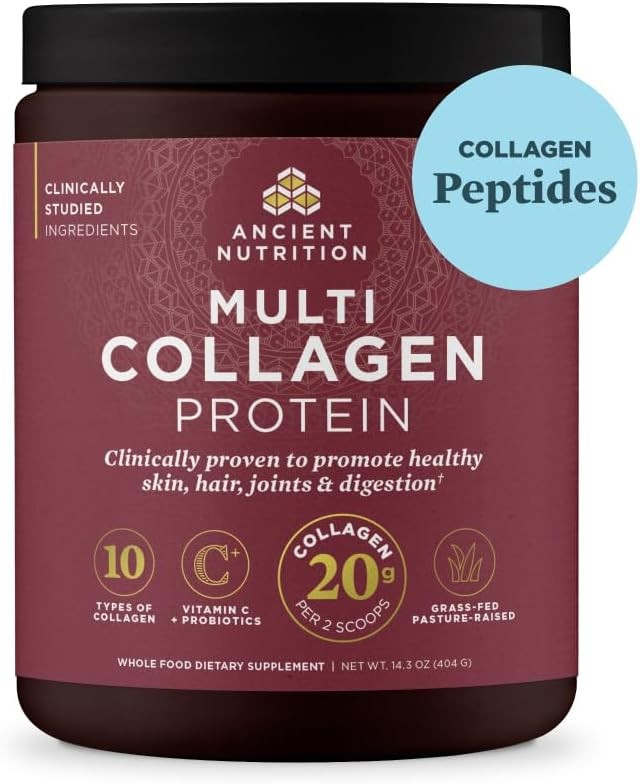
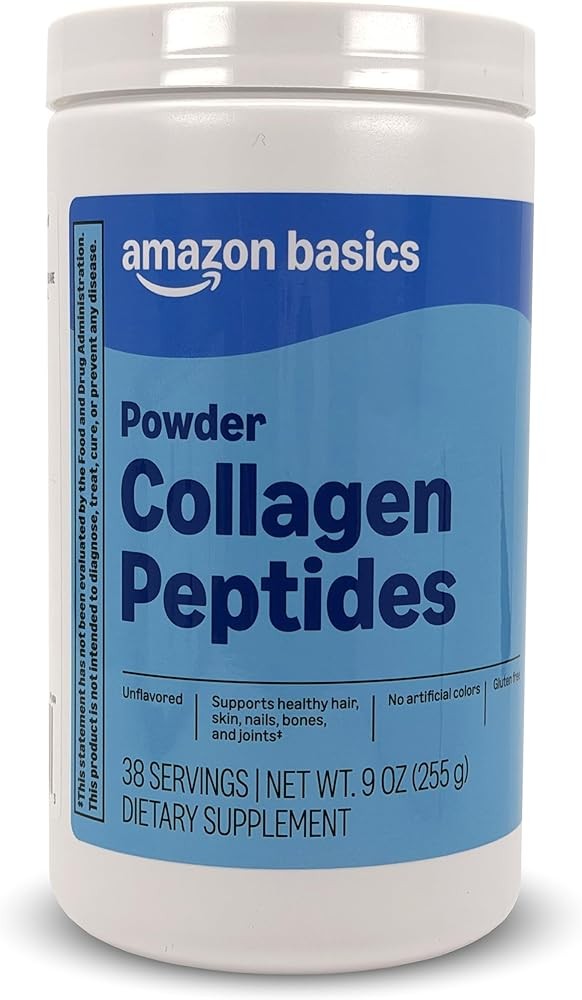
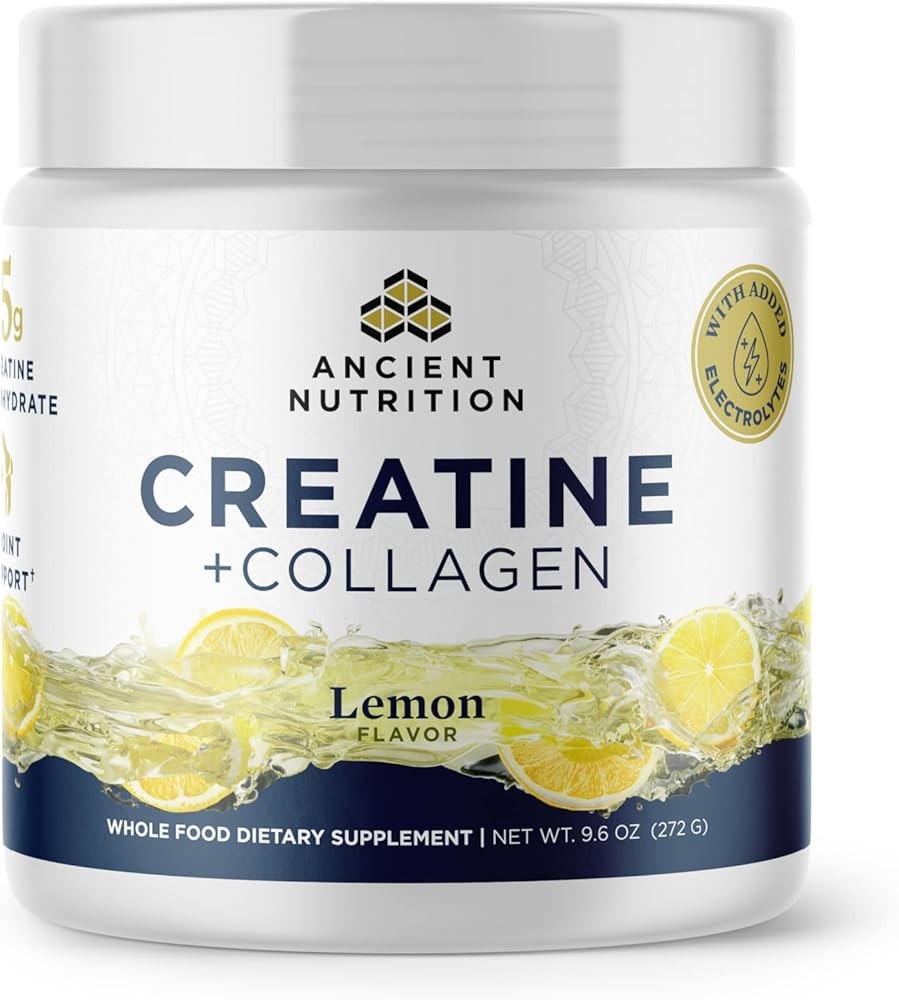
As we age, collagen production naturally declines by 1-1.5% per year after age 25, leading to visible signs like wrinkles, joint stiffness, and brittle nails that make many people wonder if supplementation can help. Our top pick is the Ancient Nutrition Hydrolyzed Multi Collagen Peptides Powder, which delivers 10 types of hydrolyzed collagen from four real food sources (grass-fed beef, cage-free chicken, wild-caught fish, and fermented eggshell membrane) with vitamin C and soil-based probiotics for $39.96. Clinical trials show hydrolyzed collagen peptides at 2.5-10g per day improve skin hydration and elasticity, and 5-10g per day reduces osteoarthritis pain, but benefits are modest and take 8-24 weeks to show up. The research also shows that hydrolyzed collagen (2,000-5,000 Daltons) is absorbed in part as bioactive dipeptides like Pro-Hyp rather than only as free amino acids. For a budget option, Amazon Basics Collagen Peptides Powder delivers 6.7g of hydrolyzed Types I and III collagen per serving for $16.41 per 38-serving container, and the Ancient Nutrition 5g Creatine Monohydrate + Collagen powder pairs creatine with fermented eggshell membrane collagen for strength and joint support at $37.95. Here’s what the published research shows about who actually benefits from collagen supplements, the evidence-based dosages that work, and the realistic timeline for seeing results in skin, joints, bones, and beyond.
Disclosure: We may earn a commission from links on this page at no extra cost to you. Affiliate relationships never influence our ratings. Full policy →
Is Collagen Supplementation Worth Considering?
Collagen is everywhere right now. You will find it in powders, capsules, gummies, coffee creamers, protein bars, and even water. The market exploded past $9 billion globally, and it shows no signs of slowing down. Celebrities swear by it. Dermatologists recommend it. Fitness influencers mix it into their morning shakes. But strip away the marketing and the influencer endorsements and ask the harder question: does the research actually support taking a collagen supplement?
The answer, based on dozens of clinical trials published through 2025, is more nuanced than either the hype or the skepticism suggests. There is legitimate evidence behind collagen supplementation for specific outcomes, particularly skin hydration, joint pain, and bone mineral density. There are also real limitations, funding biases, and situations where your money would be better spent elsewhere.
This article walks through the science in detail. We will cover what collagen actually is, how your body processes supplemental collagen, what the clinical trials show for skin, joints, bones, muscle, gut health, and more. We will also cover what to look for in a quality product, the practical dosing protocols that the research supports, and the body signals that tell you whether collagen is actually working for you.
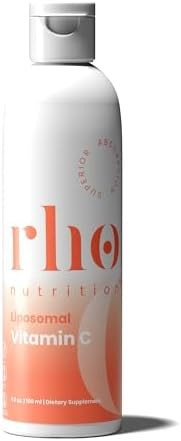
| Feature | Ancient Nutrition Multi Collagen | Amazon Basics Collagen | Rho Nutrition Vitamin C | Ancient Nutrition Creatine + Collagen |
|---|---|---|---|---|
| Collagen per serving | 10 types, multi-source | 6.7g Types I & III | N/A (supports synthesis) | Fermented eggshell membrane collagen |
| Primary benefit | Skin, joints, hair, gut | Skin, joints, bones | Collagen synthesis cofactor | Strength + joint comfort |
| Form | Hydrolyzed powder (2,000-5,000 Da) | Hydrolyzed powder | Liposomal liquid | Powder with electrolytes |
| Additional nutrients | Vitamin C, SBO probiotics | None | 5 ml liquid serving | 5g creatine monohydrate |
| Best for | General collagen support | Budget-conscious buyers | Boosting natural collagen production | Performance and recovery |
| Price | $39.96 | $16.41 | $32.95 | $37.95 |
| Clinical dosage | ✓ Matches research doses | ✓ Matches research doses | ✓ Cofactor optimization | ✓ Dual mechanism |
What Is Collagen and Why Does Your Body Need It?
Collagen is the most abundant protein in the human body. It accounts for roughly 25 to 35 percent of your total protein content and serves as the primary structural scaffold for your skin, bones, tendons, ligaments, cartilage, blood vessels, and organs. Think of collagen as the rebar inside reinforced concrete. Without it, the entire structure loses integrity.
What Are the Different Types of Collagen and Which Ones Matter Most?
Scientists have identified at least 28 distinct types of collagen. For supplementation purposes, five of them are clinically relevant:
- Type I makes up about 90% of the collagen in your body. It is the primary collagen in skin, bones, tendons, corneas, blood vessel walls, and the organic part of teeth. When people talk about “collagen for skin” or “collagen for aging,” they are almost always talking about Type I.
- Type II is the dominant collagen in cartilage. It forms a mesh-like framework that gives cartilage its ability to absorb shock and resist compression. Supplements targeting joint health often contain Type II collagen, sometimes in an undenatured form (UC-II).
- Type III is found alongside Type I in skin, blood vessels, and internal organs. It provides elasticity and structural support to hollow organs like the intestines. It is particularly important for gut lining integrity and vascular health.
- Type V plays a regulatory role, controlling the diameter of Type I and Type III collagen fibers. It is found in the placenta, cell surfaces, and hair.
- Type X is involved in bone formation and cartilage mineralization. It appears at growth plates and in areas where cartilage transitions to bone.
For most supplementation goals, Types I and III (found in bovine and marine collagen) and Type II (found in chicken-derived collagen) cover the major bases.
Bottom line: Collagen is the body’s most abundant protein (25-35% of total protein), providing structural support for skin, bones, joints, and organs, with Types I, II, and III being the most important for supplementation targeting skin, joints, and connective tissue health.
What Makes Collagen’s Triple Helix Structure Unique?
What makes collagen structurally unique is its triple helix. Three polypeptide chains wind around each other in a rope-like configuration, creating extraordinary tensile strength. This structure is stabilized by the unusual amino acid hydroxyproline, which requires vitamin C for its formation. This is why scurvy, caused by severe vitamin C deficiency, leads to collagen breakdown and its devastating symptoms of bleeding gums, loose teeth, and poor wound healing.
The amino acid profile of collagen is also distinctive. It is extremely rich in glycine (roughly 33% of residues), proline (about 12%), and hydroxyproline (about 10%). These amino acids are not well-represented in muscle meats, which is one reason supplemental collagen provides a distinct amino acid pool compared to whey or other common protein sources.
How Does Your Body Process Collagen Supplements After You Take Them?
One of the most common criticisms of collagen supplements goes something like this: “Your stomach acid just breaks collagen down into random amino acids, so it is no different from eating any other protein.” This was a reasonable hypothesis a decade ago, but the absorption research tells a more interesting story.
Are Hydrolyzed Collagen Peptide Just Broken Down Into Random Amino Acids?
When you take hydrolyzed collagen (also called collagen peptides), the collagen has already been enzymatically broken down into small peptide fragments, typically between 2,000 and 5,000 Daltons in molecular weight. This pre-digestion is critical because it dramatically increases absorption compared to intact collagen or gelatin.
A 2024 randomized, double-blind crossover study published in Frontiers in Nutrition measured plasma concentrations of free and peptide-bound hydroxyproline after collagen hydrolysate intake. The results showed that substantially higher amounts of hydroxyproline-containing dipeptides and tripeptides were absorbed intact, not just broken down into individual amino acids (PubMed). The key bioactive peptides identified in human blood after collagen ingestion include Pro-Hyp (prolyl-hydroxyproline) and Hyp-Gly (hydroxyproline-glycine), along with Ala-Hyp, Pro-Hyp-Gly, Leu-Hyp, and Ile-Hyp.
These peptides are resistant to further breakdown by digestive enzymes because the hydroxyproline residue confers protease resistance. The intestinal brush border membrane enzymes, particularly aminopeptidase N and dipeptidyl peptidase-IV, actually produce these specific dipeptides from larger fragments, essentially “selecting” for the bioactive forms that enter systemic circulation.
Where Do Collagen Peptides Accumulate in Your Body?
Research using radioactively labeled collagen peptides has tracked where these fragments accumulate. Studies consistently show that collagen-derived peptides accumulate in the skin, cartilage, and bones at concentrations significantly higher than free amino acids alone. The dipeptide Pro-Hyp appears to act as a signaling molecule, stimulating fibroblasts in the skin to increase their production of hyaluronic acid and new collagen. In cartilage, collagen peptides stimulate chondrocyte activity. In bone, they promote osteoblast differentiation.
So the “it is just broken down into amino acids” argument does not hold up against the absorption data. Collagen peptides do reach target tissues in bioactive forms, and they do trigger measurable cellular responses.
Bottom line: Hydrolyzed collagen peptides (2,000-5,000 Da) are absorbed as bioactive dipeptides like Pro-Hyp and Hyp-Gly that resist digestion, accumulate in skin and cartilage at higher concentrations than free amino acids, and directly stimulate fibroblasts and chondrocytes to produce new collagen and hyaluronic acid.
What Does Clinical Research Show About Collagen for Skin Health?
Skin is where the collagen evidence is strongest. Multiple randomized controlled trials and several meta-analyses have examined oral collagen supplementation for skin aging parameters including hydration, elasticity, wrinkle depth, and dermal density.
What Do Meta-Analyses Show About Collagen for Skin?
A comprehensive 2023 systematic review and meta-analysis published in Nutrients analyzed data from 26 randomized controlled trials with 1,721 participants examining oral collagen supplementation for skin anti-aging. The pooled results showed significant improvements in skin hydration and elasticity compared to placebo (PubMed).
A more recent 2025 meta-analysis published in The American Journal of Medicine analyzed 23 randomized controlled trials with 1,474 participants. The overall findings confirmed that collagen supplements significantly improved skin hydration, elasticity, and wrinkles. However, this analysis included an important caveat: when the researchers separated industry-funded studies from independently funded studies, the studies not funded by pharmaceutical companies showed no statistically significant effects, while the pharma-funded studies did show significant effects (PubMed). This does not necessarily mean collagen does not work for skin, but it does mean we should weigh the evidence with appropriate caution.
What Do Individual Clinical Trials Reveal About Collagen’s Effects on Skin?
Sustained Effects After Stopping Supplementation. A 2025 randomized, double-blind, placebo-controlled trial examined the “sustained effects” of bioactive collagen peptides on skin health. Seventy-seven healthy women took 5,000 mg per day of bioactive collagen peptides for 12 weeks, followed by a 4-week washout period where they stopped supplementation. The results showed significant improvements in dermal density, skin hydration, and transepidermal water loss during the treatment phase. Notably, these improvements were maintained during the washout period, suggesting that collagen supplementation triggers lasting structural changes in the skin rather than just a temporary cosmetic effect (PubMed).
Low-Dose Efficacy. A randomized, double-blind, placebo-controlled study published in Food & Function found that just 1,650 mg per day (1.65 grams) of a low-molecular-weight collagen peptide supplement produced measurable skin benefits in 100 women aged 30-60. Skin desquamation and hydration improved within 4 weeks, and wrinkling and elasticity improved by 12 weeks compared to placebo (PubMed). This is relevant because it suggests you may not need the 10-15 gram mega-doses some companies recommend.
Hydration Mechanism. A 2021 randomized, double-blind, placebo-controlled clinical trial demonstrated that collagen peptide supplementation increased the natural moisturizing factor (NMF) content in the stratum corneum, the outermost layer of the skin. NMF is composed of amino acids, urocanic acid, and other molecules that hold water in the skin. The collagen peptides appeared to provide the building blocks that the skin used to synthesize more NMF, explaining the hydration improvements seen in larger trials (PubMed).
How Effective Is Collagen for Reducing Wrinkles?
The wrinkle data is encouraging but moderate. Most trials report statistically significant but modest reductions in wrinkle depth, typically in the range of 10-20% improvement over 8-12 weeks. This is visible improvement, but it is not the dramatic reversal that some marketing materials suggest. Collagen is not a replacement for retinoids or sunscreen when it comes to anti-aging skin care, but it does appear to be a genuinely useful adjunct.
For a deeper look at skin-focused supplements, see our guide to best supplements for skin health, which covers vitamin C, hyaluronic acid, and other compounds that work synergistically with collagen.
Bottom line: Meta-analyses of 26 randomized controlled trials show that 2.5-10g/day of collagen peptides significantly improve skin hydration and elasticity, with benefits typically measurable after 8-12 weeks and some improvements maintained after stopping supplementation, though industry funding bias means real-world effects may be more modest.
What Does Clinical Research Show About Collagen for Joint Health?
Joint health is the second most studied application for collagen supplementation, with particular focus on osteoarthritis (OA).
What Does Research Show About Collagen for Osteoarthritis?
A 2025 randomized, double-blind, placebo-controlled study evaluated the effect of a combined collagen product containing Type I, Type II, and Type III collagen on osteoarthritis-related pain, quality of life, and physical function. Thirty-one adults with Grade 2-3 knee OA received the supplement daily for 8 weeks. The treatment group showed significant reductions in pain scores and improvements in physical function and quality of life compared to placebo, measured with the standardized WOMAC (Western Ontario and McMaster Universities Osteoarthritis Index) and related assessments (PubMed).
A separate 2025 randomized, double-blind, placebo-controlled study found that 10g per day of hydrolyzed collagen peptides (molecular weight 1-3 kDa) alleviated pain and enhanced physical function in adults with Grade II-III knee osteoarthritis over 6 months. It also measured inflammatory biomarkers and found significant reductions in C-reactive protein and erythrocyte sedimentation rate in the collagen group compared to placebo (PubMed).
What Do Meta-Analyses Show About Collagen for Joint Pain?
A 2025 systematic review and meta-analysis of randomized controlled trials specifically examining collagen-based supplements for knee osteoarthritis concluded that collagen supplementation provides statistically significant benefits for pain reduction and functional improvement in OA patients. The review pooled 11 RCTs with a total of 870 participants and found significant improvements in both pain scores (mean difference -13.63 on a 0-100 scale) and function (PubMed).
A separate 2024 trial sequential meta-analysis published in Osteoarthritis and Cartilage pooled 35 RCTs with 3,165 patients and concluded that the evidence for a small-to-moderate pain-reducing effect is sufficient based on cumulative trial data, with high-certainty evidence for functional improvement and no increased risk of adverse events (PubMed).
What’s the Difference Between Hydrolyzed Collagen and Undenatured Type II Collagen (UC-II)?
There is an important distinction between two approaches to collagen for joints:
- Hydrolyzed collagen peptides (typically 5-10 grams per day) provide the raw building blocks for cartilage repair and appear to stimulate chondrocyte activity directly.
- Undenatured Type II collagen (UC-II) works through a completely different mechanism at much lower doses (typically 40 mg per day). UC-II is not hydrolyzed. Instead, it is a small amount of intact Type II collagen that works through oral tolerance, a process where the immune system is exposed to a substance through the gut and learns to stop attacking it. In autoimmune-driven joint destruction, the immune system attacks the body’s own cartilage. UC-II essentially trains the immune system to recognize Type II collagen as “self” rather than “threat.”
For people with osteoarthritis driven by wear-and-tear, hydrolyzed collagen peptides are the better-studied option. For inflammatory or autoimmune joint conditions, UC-II may have a distinct advantage through its immune-modulating mechanism.
Does Collagen Help Athletes With Activity-Related Joint Pain?
A landmark 24-week randomized, placebo-controlled, double-blind study showed that collagen hydrolysate supplementation (10 grams per day) improved activity-related joint pain in athletes with no pathological joint conditions. This is notable because it suggests collagen may help with joint comfort even in healthy, active people, not just those with diagnosed arthritis (PubMed).
For other evidence-based joint support approaches, you may want to explore our comparison of glucosamine vs chondroitin or our guide to best supplements for building muscle after 40, which covers joint-supportive compounds for active older adults.
Bottom line: Hydrolyzed collagen peptides (5-10g/day) produce statistically significant but modest reductions in osteoarthritis pain and improvements in function, supported by meta-analyses of 870-3,165 patients over 8-24 weeks, with undenatured Type II collagen (UC-II) at just 40mg/day offering an alternative mechanism through immune modulation for inflammatory joint conditions and activity-related joint pain in athletes.
What Does Clinical Research Show About Collagen for Bone Health?
The bone data has grown substantially in the past two years.
What Does the Meta-Analysis Show About Collagen for Bone and Muscle?
A 2025 meta-analysis published in Frontiers in Nutrition specifically examined the efficacy of collagen peptide supplementation on bone and muscle health. The pooled results showed that collagen peptide supplementation significantly increased bone mineral density at the femoral neck and spine and improved bone turnover markers and muscle performance, and the improvements were stronger when collagen was combined with calcium and vitamin D (PubMed).
How Does Collagen Benefit Postmenopausal Women’s Bone Health?
The bone evidence is particularly relevant for postmenopausal women, who face accelerated bone loss due to declining estrogen levels. A randomized, double-blind, placebo-controlled study of 131 postmenopausal women found that specific collagen peptides (5 grams per day for 12 months) improved bone mineral density at the spine and femoral neck and favorably shifted bone formation markers (P1NP) relative to bone resorption markers (CTX-1) (PubMed). A follow-up observation study of the same collagen peptides reported that the bone mineral density gains were maintained over a 4-year period in the women who continued supplementation (PubMed).
This has practical implications: collagen may serve as a useful complement to standard osteoporosis prevention strategies (calcium, vitamin D, weight-bearing exercise) rather than a replacement for them.
For more on women’s health supplements, see our best collagen supplements for women review.
Bottom line: 5g/day of specific collagen peptides significantly improve bone mineral density and shift bone turnover markers toward formation over resorption in postmenopausal women, with benefits maintained over 4 years and strongest effects when combined with calcium and vitamin D supplementation.
What Does Clinical Research Show About Collagen for Muscle Mass and Sarcopenia?
Can collagen build muscle? This is where the evidence gets nuanced.
Is Collagen a Complete Protein for Muscle Building?
First, an important clarification: collagen is not a high-quality muscle-building protein by traditional standards. It lacks tryptophan entirely and is low in branched-chain amino acids (BCAAs) like leucine, which is the primary trigger for muscle protein synthesis. If your goal is maximizing muscle hypertrophy, whey protein or a complete plant protein will outperform collagen gram-for-gram.
What Does Research Show About Collagen for Sarcopenia?
Despite its amino acid limitations, collagen supplementation combined with resistance training has shown specific benefits for older adults with age-related muscle loss (sarcopenia). A landmark randomized, double-blind, placebo-controlled study gave 53 elderly sarcopenic men either 15 grams of collagen peptides per day or a placebo during a 12-week guided resistance training program. The collagen group showed significantly greater increases in fat-free mass and muscle strength and greater decreases in fat mass compared to the placebo group (PubMed).
A 2024 systematic review with meta-analysis examined the impact of collagen peptide supplementation combined with physical training on strength, musculotendinous remodeling, functional recovery, and body composition. Pooling 19 studies with 768 healthy adults, it found statistically significant effects of long-term collagen peptide intake on fat-free mass, tendon morphology, muscle architecture, and maximal strength (PubMed).
How Does Collagen Support Tendons and Connective Tissue?
Where collagen may really shine for active people is not in direct muscle protein synthesis but in connective tissue support. Tendons, ligaments, and the extracellular matrix surrounding muscle fibers are collagen-rich structures. Research suggests that taking collagen peptides (typically 15 grams) about 30-60 minutes before exercise, combined with vitamin C, may enhance collagen synthesis in tendons and ligaments. This “collagen loading” protocol, studied by researchers including the Australian Institute of Sport group, may help with injury prevention and recovery from tendinopathies (PubMed).
Bottom line: While collagen is not a complete protein and lacks BCAAs needed for optimal muscle building, 15g/day combined with resistance training significantly increases fat-free mass and strength in elderly sarcopenic men, with the primary benefit likely coming from enhanced tendon and connective tissue support rather than direct muscle protein synthesis.
What Does Clinical Research Show About Collagen for Gut Health?
The gut health claims for collagen are widespread but less well-supported by clinical trials compared to skin and joints.
What Is the Mechanistic Case for Collagen Supporting Gut Health?
There is a solid mechanistic rationale for collagen supporting gut health. The intestinal lining is rich in Type III collagen, and the glycine and glutamine in collagen peptides are important fuel sources for intestinal epithelial cells. A 2017 in vitro study showed that collagen peptides enhanced tight junction protein expression in intestinal cell models, suggesting a potential role in reducing intestinal permeability, often called “leaky gut” (PubMed).
A 2025 animal study published in Food & Function provided further mechanistic insight, showing in rats and mice that the protease-resistant portion of collagen peptides may act as a prebiotic, modifying gut microbiota composition and activating the TGF-beta pathway to promote skin collagen synthesis. Whether this translates to humans is not yet established (PubMed).
What Clinical Data Exists for Collagen and Gut Health?
A 2022 two-phase mixed-methods study of healthy women taking a daily collagen peptide supplement found improvements in self-reported digestive symptoms, including less bloating and better overall digestive comfort, during the 90-day quantitative phase (PubMed).
A separate randomized controlled crossover trial examined collagen peptides for exercise-induced gastrointestinal stress, a common problem for endurance athletes. While the collagen group did not show significant differences in inflammatory markers, gut permeability, or subjective GI symptoms, lipopolysaccharide levels (a marker of bacterial translocation through the gut wall) were higher in the placebo condition 2 hours post-exercise, hinting at a possible protective effect worth studying further (PubMed).
Bottom line: Mechanistic evidence suggests collagen peptides may support gut health through Type III collagen in intestinal lining, glycine and glutamine for epithelial cells, and potential prebiotic effects on microbiota, but clinical trial evidence remains preliminary with only small studies showing improvements in digestive comfort and possible protection against exercise-induced gut stress.
What Does Clinical Research Show About Collagen for Hair and Nails?
How Does Collagen Improve Nail Health?
A 24-week clinical study of 25 women with brittle nails found that daily ingestion of bioactive collagen peptides (2.5 grams per day) increased nail growth by 12% and decreased the frequency of broken nails by 42%. Most participants (80%) agreed that their overall nail appearance improved, and 64% achieved a global clinical improvement in brittle nail symptoms (PubMed).
A 2024 double-blind, randomized, placebo-controlled trial in 85 East Asian women aged 43-65 examined collagen peptide supplementation (5g per day) on visible signs of skin and nail aging. Compared to placebo, the collagen group showed improved dermis density and skin moisture by day 84, with positive effects on elasticity, wrinkle visibility, and nail color already detectable within 28 days (PubMed).
Does Collagen Improve Hair Growth?
The direct evidence for collagen improving hair growth is thinner than for skin or nails. Collagen provides the amino acids glycine, proline, and hydroxyproline that are precursors to keratin synthesis, and Type III collagen is found in the hair follicle’s dermal papilla. A 2024 study using human hair follicle organ culture suggested that collagen peptides may support hair follicle health, but robust clinical trial data is still limited. For evidence-based hair growth options, see our guide to best supplements for hair growth and our comparison of biotin vs collagen for hair growth.
Bottom line: Clinical evidence for nails is strong with 2.5g/day increasing nail growth 12% and reducing breakage 42% over 24 weeks, while hair growth evidence remains weak with only mechanistic rationale and preliminary follicle studies suggesting potential benefits.
How Does Collagen Support Wound Healing and Post-Surgical Recovery?
Collagen plays a central role in wound healing. During the proliferation phase, fibroblasts migrate to the wound site and produce large quantities of new collagen to form granulation tissue. A randomized, double-blind pilot clinical trial in 31 men with 20-30% total body surface area burns found that a collagen-based oral supplement taken for 4 weeks significantly improved wound healing (hazard ratio 3.7 for wound healing versus an isocaloric placebo) and raised serum pre-albumin. Hospital stay was clinically shorter in the collagen group (9.4 vs 13.5 days), though the difference did not reach statistical significance (PubMed).
For post-surgical recovery, the combination of collagen peptides with vitamin C (which is essential for collagen cross-linking) is a logical evidence-based strategy. Vitamin C is a necessary cofactor for prolyl hydroxylase, the enzyme that produces hydroxyproline.
Bottom line: Collagen plays a central role in wound healing as fibroblasts produce new collagen to form granulation tissue, and a randomized pilot trial in burn patients found a collagen-based supplement significantly improved wound healing, making collagen plus vitamin C a logical strategy for post-surgical recovery.
What’s the Difference Between Marine, Bovine, and Chicken Collagen?
Not all collagen supplements are the same, and the source matters.
What Is Bovine Collagen and What Are Its Benefits?
Derived from cow hides and bones, bovine collagen is the most common and most studied form. It is rich in Type I and Type III collagen, making it a versatile choice for skin, bone, gut, and general structural support. It is also the most affordable option.
What Is Marine Collagen and How Does It Compare to Bovine?
Sourced from fish skin and scales, marine collagen is primarily Type I collagen. It has a lower molecular weight than bovine collagen and research suggests it offers approximately 1.5 times higher bioavailability compared to bovine sources due to its smaller peptide size. Marine collagen is a good choice for people who avoid beef products, though it is more expensive and not suitable for those with fish allergies.
What Is Chicken Collagen and When Should You Use It?
Chicken-derived collagen is the primary source of Type II collagen and is particularly relevant for joint health. Undenatured Type II collagen (UC-II) is sourced from chicken sternum cartilage and works through the oral tolerance mechanism described in the joint health section above.
Are Multi-Collagen Products Better Than Single-Source Collagen?
Many products on the market combine bovine, marine, chicken, and eggshell membrane collagen to provide Types I, II, III, V, and X. While this “multi-collagen” approach sounds appealing, the research was primarily conducted on single-source collagen products at specific doses. There is limited evidence that combining multiple types in one product is superior to choosing the right type for your specific goal.
For a detailed comparison of collagen forms, see our article on collagen peptides vs collagen protein and collagen peptides vs gelatin.
Bottom line: Bovine collagen (Types I/III) is most studied and affordable for skin/bone/gut support, marine collagen (Type I) offers 1.5x higher bioavailability due to smaller peptides but costs more, chicken collagen (Type II) is essential for joints via UC-II’s immune mechanism, while multi-collagen blends lack evidence of superiority over single-source products.
How Much Collagen Should You Take Daily?
There is no official Recommended Dietary Allowance (RDA) for collagen. Dosing recommendations vary by goal:
What Are the Evidence-Based Collagen Doses for Different Health Goals?
| Goal | Type | Dose | Duration for Effects |
|---|---|---|---|
| Skin health (hydration, elasticity, wrinkles) | Type I/III hydrolyzed peptides | 2.5-10 g/day | 8-12 weeks |
| Joint pain (osteoarthritis) | Type I/III hydrolyzed peptides | 5-10 g/day | 12-24 weeks |
| Joint pain (immune-mediated) | UC-II (undenatured Type II) | 40 mg/day | 8-12 weeks |
| Bone mineral density | Type I specific collagen peptides | 5 g/day | 12+ months |
| Muscle mass (with resistance training) | Type I hydrolyzed peptides | 15 g/day | 12+ weeks |
| Tendon/ligament support | Type I hydrolyzed peptides + 50mg vitamin C | 15 g/day (pre-exercise) | 8+ weeks |
| Nail health | Bioactive collagen peptides | 2.5 g/day | 24 weeks |
| General maintenance | Type I/III hydrolyzed peptides | 5-10 g/day | Ongoing |
When Is the Best Time to Take Collagen?
For most goals, timing does not appear to be critical. Take collagen whenever it is convenient and you will actually remember to do it. The exception is the tendon support protocol, where taking collagen with vitamin C 30-60 minutes before exercise may optimize collagen synthesis in tendons and ligaments.
Collagen can be taken with or without food. Unlike some supplements, there is no evidence that taking collagen on an empty stomach improves absorption significantly. For general guidance on supplement timing, see our article on best time to take supplements: morning or night.
Bottom line: Evidence-based dosing ranges from 2.5g/day for nails to 15g/day for muscle mass with resistance training, with most benefits for skin (2.5-10g) and joints (5-10g hydrolyzed or 40mg UC-II) appearing after 8-24 weeks, timing is flexible except for tendon support which benefits from 15g taken 30-60 minutes pre-exercise with 50mg vitamin C.
How Can You Choose a High-Quality Collagen Supplement?
What Should You Look for in a Quality Collagen Supplement?
- Hydrolyzed collagen peptides (not gelatin, not unhydrolyzed collagen, unless you specifically want UC-II for joints)
- Molecular weight of 2,000-5,000 Daltons for optimal absorption
- Third-party testing (NSF, Informed Sport, USP, or ConsumerLab verification)
- Minimal additives — the ingredient list should be short
- Source transparency — the brand should disclose whether their collagen is bovine, marine, or chicken-derived
- Grass-fed/pasture-raised for bovine collagen, or sustainably sourced for marine collagen
What Should You Avoid When Choosing Collagen Supplements?
- Products with excessive added sugars (some collagen gummies contain more sugar than collagen)
- “Multi-collagen” products that do not disclose how much of each type is included
- Products making exaggerated claims about erasing wrinkles or curing arthritis
- Extremely cheap collagen from unknown sources, which may have heavy metal contamination
What Are Our Top Collagen Supplement Picks?
The four products below are the ones this review picks. Each was chosen to match a different goal: multi-type collagen for general skin and joint support, a budget-friendly Type I/III powder for cost-conscious buyers, liposomal vitamin C as the synthesis cofactor, and a creatine-collagen powder for strength training.
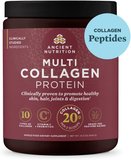
Ancient Nutrition Multi Collagen is our Best Overall pick because it matches the research in one practical way: it supplies multiple collagen types (including Types I, II, and III) at a dose that fits the 2.5-10g range used in the skin trials covered above. The eggshell membrane collagen component has its own clinical data for joint comfort, and the added vitamin C covers the cofactor requirement that collagen synthesis depends on. Unflavored, it dissolves in coffee, smoothies, or water without changing taste. At $39.96 per container, it is also competitively priced against single-source collagen powders.
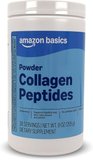
Amazon Basics Collagen Peptides is our Best Budget pick because it covers the fundamentals at roughly a third of the price of premium brands: 6.7g of hydrolyzed Types I and III collagen per serving, which fits the 2.5-10g daily range used in the skin and joint trials covered above. It skips the extras (no added vitamin C, probiotics, or flavorings), which is exactly what a budget buyer should expect. What matters most for efficacy is that the collagen is hydrolyzed and the dose is consistent, and this product delivers both. At $16.41 for 38 servings, it is the least expensive way to run a 3-month trial of collagen supplementation and judge for yourself whether it works.

Collagen synthesis does not happen without vitamin C, so this review includes one vitamin C product for people who want to pair their collagen dose with a highly absorbable cofactor. The liposomal liquid form is designed for better absorption than standard tablets, and a single 5 ml teaspoon serving provides a practical daily dose. It is the companion product for anyone following the “collagen plus vitamin C” protocol described in the tendon and dosing sections.
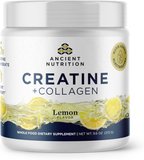
Creatine is one of the most consistently supported supplements for strength, and this powder stacks it with fermented eggshell membrane collagen for joint comfort plus electrolytes for hydration. It is the pick for lifters and athletes who want the strength benefit of creatine and the joint-support benefit of collagen in a single post-workout serving rather than managing two separate supplements. The eggshell membrane collagen is the same clinically studied form used in joint research.
Bottom line: Look for hydrolyzed collagen peptides at 2,000-5,000 Daltons with third-party testing (NSF, Informed Sport), minimal additives, source transparency, and grass-fed/sustainably sourced origins, while avoiding products with excessive sugars, undisclosed multi-collagen ratios, exaggerated claims, or unknown cheap sources with potential heavy metal contamination.
What Are the Safety Concerns and Side Effects of Collagen Supplements?
What Does Research Show About Collagen Safety?
Collagen supplementation has an excellent safety profile based on the available clinical evidence. Gelatin, a hydrolyzed form of collagen, has held GRAS (Generally Recognized as Safe) status from the FDA since 1975. Multiple systematic reviews have reported that collagen peptides in doses up to 15 grams daily for 6 months produce no serious adverse effects.
A 2024 meta-analysis of musculoskeletal studies noted that none of the included trials reported any adverse effects or disadvantages associated with collagen peptide supplementation. The 2025 meta-analysis of skin studies similarly found no significant safety concerns.
What Are the Most Common Side Effects of Collagen?
Some users report:
- Digestive discomfort — bloating, feelings of fullness, or mild nausea, especially when starting at high doses. This typically resolves within a few days or by reducing the dose.
- Unpleasant aftertaste — particularly with marine collagen, which can have a fishy taste if not well-processed.
- Feeling overly full — collagen is still protein, and 15-20 grams at once can be satiating.
Who Should Be Cautious About Taking Collagen Supplements?
- People with fish or shellfish allergies should avoid marine collagen
- People with egg allergies should avoid eggshell membrane collagen
- People with kidney disease should consult their doctor before adding significant protein supplementation, including collagen
- People on calcium-restricted diets should know that some bone-broth-based collagen products contain calcium
- Pregnant or breastfeeding women should consult their healthcare provider, though no specific safety concerns have been identified
Does Collagen Interact With Medications?
There are no well-documented drug interactions with collagen peptide supplements. However, collagen is a protein, and extremely high protein intake can theoretically affect the absorption of certain medications. If you take prescription medications, it is reasonable to separate your collagen dose from your medication by 1-2 hours as a precaution.
Bottom line: Collagen has an excellent safety profile with GRAS status since 1975 and no serious adverse effects reported in trials up to 15g daily for 6 months, though mild digestive discomfort may occur initially, and people with fish/egg allergies, kidney disease, or calcium restrictions should exercise caution and consult healthcare providers.
What Are the Signs That Your Collagen Levels Are Declining?
Your body gives you signals when collagen production is dropping. Collagen synthesis naturally declines by approximately 1-1.5% per year after age 25, accelerating after menopause in women and after age 60 in everyone. Here is what to watch for:
What Are the Visible Signs of Collagen Depletion?
- Skin changes: Fine lines appearing around the eyes and mouth, skin that looks thinner or more translucent, loss of that “plump” quality, skin that takes longer to bounce back when you pinch it (reduced elasticity)
- Joint stiffness: Morning stiffness that takes longer to resolve, joints that “creak” or pop more during movement, mild aching after activity that was previously painless
- Nail changes: Nails that split, peel, or break more easily than they used to, ridges forming on the nail surface, slower nail growth
- Hair changes: Hair that feels thinner, drier, or more brittle, increased shedding
- Gum recession: Gums pulling back from teeth, increased tooth sensitivity at the gum line
- Slower wound recovery: Cuts and bruises taking noticeably longer to recover than they did 5-10 years ago
- Tendon and ligament issues: Increased susceptibility to strains, longer recovery time after exercise
What Factors Accelerate Collagen Loss?
Beyond normal aging, these factors speed up collagen breakdown:
- UV radiation — the single biggest external driver of skin collagen destruction
- Smoking — cigarette smoke directly degrades collagen fibers and impairs new synthesis
- Excessive sugar intake — glucose and fructose cross-link with collagen fibers in a process called glycation, making them stiff and brittle
- Chronic stress — cortisol inhibits collagen synthesis
- Poor sleep — growth hormone, which peaks during deep sleep, is essential for collagen repair
- Low vitamin C intake — vitamin C is a mandatory cofactor for collagen synthesis
- Excessive alcohol — impairs nutrient absorption and increases oxidative stress on collagen structures
Bottom line: Collagen synthesis naturally declines 1-1.5% per year after age 25, with visible signs including fine lines and loss of skin plumpness, joint stiffness and creaking, brittle splitting nails, thinner hair, gum recession, slower wound healing, and increased tendon/ligament injuries, accelerated by UV radiation, smoking, excess sugar, chronic stress, poor sleep, low vitamin C, and excessive alcohol.
What Does Improvement from Collagen Supplementation Look Like?
If collagen supplementation is working for you, here is the timeline of changes you can reasonably expect based on the clinical trial data:
What Can You Expect in Weeks 1-2 of Taking Collagen?
- What you might notice: Probably nothing dramatic. Collagen is not a stimulant, so there is no immediate “feeling.” Some people report their stomach feeling calm or digestion feeling slightly smoother, but this is subtle and subjective.
- What is happening internally: Collagen-derived peptides are beginning to accumulate in target tissues. Pro-Hyp dipeptides are reaching fibroblasts in the skin and chondrocytes in cartilage, triggering increased activity.
What Can You Expect in Weeks 4-6 of Taking Collagen?
- What you might notice: Skin may start to feel slightly more hydrated, especially if you have been chronically dehydrated-looking. Nails may feel less prone to peeling. Joint stiffness in the morning may begin to ease slightly.
- What is happening internally: Fibroblasts are producing increased hyaluronic acid and new collagen fibers. Chondrocytes are synthesizing more cartilage matrix.
What Can You Expect in Weeks 8-12 of Taking Collagen?
- What you might notice: This is where the clinical trial improvements typically become measurable. Skin hydration and elasticity improvements should be noticeable. Fine lines may look softer. Joint pain during or after activity may be reduced. Nails may feel stronger and grow faster.
- What is happening internally: Structural remodeling is well underway. The dermal matrix is denser with new collagen and hyaluronic acid. Cartilage is experiencing measurable repair.
What Can You Expect in Months 3-6 of Taking Collagen?
- What you might notice: The full benefit range. Wrinkle depth reduction should be at its most noticeable. Joint function improvements should be well-established. Nail breakage should be substantially reduced. Hair may feel thicker at the roots.
- What is happening internally: Sustained collagen synthesis has produced meaningful structural changes in skin, cartilage, and connective tissue.
What Can You Expect After 6-12+ Months of Taking Collagen?
- What you might notice: For bone density changes, this is the minimum timeline. For skin and joints, benefits are maintained with continued supplementation. For postmenopausal women, bone marker improvements may become detectable on blood tests.
Bottom line: Expect no dramatic changes in weeks 1-2 as peptides accumulate, subtle skin hydration and nail improvements at weeks 4-6, measurable skin elasticity and joint pain reduction at weeks 8-12 when clinical trial benefits typically appear, full wrinkle reduction and joint function improvements by months 3-6, and bone density changes requiring 6-12+ months of consistent supplementation.
What Warning Signs Should You Watch for When Taking Collagen?
While collagen is very safe, certain symptoms should prompt you to stop supplementation and consult a healthcare provider:
- Allergic reactions: Hives, swelling, difficulty breathing, or itching after taking collagen, especially marine collagen in people with potential fish allergies
- Persistent digestive distress: Ongoing nausea, diarrhea, or cramping that does not resolve after reducing the dose
- Unusual kidney symptoms: Increased thirst, reduced urine output, or edema if you have pre-existing kidney conditions. The extra protein from collagen adds to the kidney’s filtration workload
- Joint pain that worsens significantly: While rare, if joint pain dramatically increases rather than decreasing, stop supplementation and see a doctor to rule out other causes
- Signs of hypercalcemia (if taking collagen from bone-broth sources): Nausea, constipation, confusion, or extreme fatigue
See a doctor if: Joint pain or stiffness is severe, sudden, or accompanied by redness and swelling (which could indicate infection or gout rather than osteoarthritis). Skin changes are rapid, asymmetric, or include new moles or lesions (see a dermatologist). Bone pain is persistent and localized (get a bone density scan and rule out other causes).
Bottom line: While collagen is very safe, stop supplementation and consult a doctor if you experience allergic reactions (hives, swelling, breathing difficulty), persistent digestive distress after dose reduction, unusual kidney symptoms (increased thirst, reduced urine, edema) with pre-existing kidney conditions, joint pain that worsens significantly, or signs of hypercalcemia from bone-broth sources.
What Are the Most Common Myths About Collagen Supplements?
Is It True That Collagen Just Breaks Down Into Amino Acids?
Reality: As discussed in the bioavailability section, collagen peptides are absorbed as bioactive dipeptides and tripeptides that signal target cells, not just broken down into individual amino acids. A 2024 randomized crossover study in Frontiers in Nutrition confirmed this with direct blood measurements (PubMed).
Can You Get Enough Collagen From Bone Broth Alone?
Reality: Bone broth does contain collagen, but the amount is highly variable and typically much lower than a standardized supplement. Studies analyzing commercial bone broths found collagen content ranging from 2 to 9 grams per cup, with significant variation between batches. If you enjoy bone broth, great, but if you want a reliable therapeutic dose, a standardized supplement is more practical.
Is Vegan Collagen as Effective as Animal-Derived Collagen?
Reality: There is no such thing as vegan collagen. Collagen is an animal protein by definition. “Vegan collagen” products typically contain vitamin C, zinc, silica, and plant amino acids that support your body’s own collagen production, but they do not provide actual collagen or the bioactive peptides (like Pro-Hyp) that the research is based on. These “collagen booster” ingredients may help, but they have not been tested in the same rigorous clinical trials as actual collagen peptides.
Is More Collagen Always Better?
Reality: Clinical trials have shown benefits at doses as low as 2.5 grams per day for specific outcomes. The dose-response relationship plateaus at some point, and taking 30+ grams of collagen daily has not been shown to produce proportionally better results than 10-15 grams. More is not necessarily better; consistency over weeks and months matters more than daily dose.
Do Collagen Supplements Replace the Need for Vitamin C?
Reality: Vitamin C is an essential cofactor for collagen synthesis. Without adequate vitamin C, your body cannot properly hydroxylate proline residues, and the collagen it produces will be structurally weak. Taking collagen without maintaining adequate vitamin C intake (at least 75-90 mg per day, ideally more) undermines the supplementation effort.
Bottom line: Key myths debunked: collagen peptides are absorbed as bioactive dipeptides (not just amino acids) per 2024 blood studies, bone broth contains highly variable collagen (2-9g per cup vs standardized supplements), “vegan collagen” doesn’t exist (only collagen-building nutrients without the bioactive peptides), more is not always better (benefits plateau beyond 10-15g), and vitamin C remains essential as a mandatory cofactor for collagen synthesis.
Who Should Consider Taking Collagen and Who Should Skip It?
Who Would Benefit Most From Collagen Supplementation?
- Adults over 30 who are noticing early signs of skin aging, joint stiffness, or slower recovery
- Postmenopausal women concerned about bone density (as a complement to calcium and vitamin D)
- People with osteoarthritis looking for an adjunct to their existing pain management strategy
- Athletes and active individuals who want to support tendons, ligaments, and recovery
- People with brittle nails who have not responded to biotin alone
- Post-surgical patients or those recovering from injuries (consult your surgeon)
Who Probably Shouldn’t Bother With Collagen Supplements?
- Young adults (under 25) with no specific complaints, whose collagen synthesis is still at peak capacity
- People looking solely for muscle growth — whey or complete protein sources will be more effective per gram
- Anyone expecting dramatic overnight results — collagen works slowly over weeks and months
- People with fish allergies (marine collagen) or specific meat allergies (bovine collagen)
- Anyone who is already eating a high-protein diet with ample glycine from diverse sources (including bone broth, organ meats, and skin-on poultry)
Bottom line: Evidence supports collagen for adults over 30 (1-1.5% annual collagen decline after age 25), postmenopausal women (5g/day improved BMD in a 12-month RCT with gains maintained over 4 years), people with osteoarthritis (significant pain reduction in meta-analyses of RCTs), athletes (15g pre-exercise for tendon support), and those with brittle nails (2.5g/day = 42% less breakage), but not for young adults under 25, those seeking muscle growth (whey provides superior BCAAs), or anyone already consuming large amounts of collagen-rich protein sources.
What Is a Practical Collagen Supplementation Protocol?
Based on the collective research, here is a practical protocol for most adults:
How Should You Start Taking Collagen in Weeks 1-2?
- Begin with 5 grams per day of hydrolyzed collagen peptides (bovine or marine)
- Mix into your morning coffee, smoothie, or water
- Take with a source of vitamin C (citrus fruit, berries, or 250 mg supplement)
- Note your baseline: Take a photo of your skin under consistent lighting, rate your joint comfort on a 1-10 scale, note your nail condition
How Should You Adjust Your Collagen Dose in Weeks 3-4?
- Increase to 10 grams per day if well tolerated
- Continue the vitamin C pairing
- If targeting joint health, consider adding UC-II (40 mg) separately
What’s the Best Collagen Maintenance Dose for Months 2-6?
- Maintain 10 grams per day for skin and general health
- Maintain 10-15 grams per day if targeting joints or muscle (combined with resistance training)
- Reassess at 12 weeks: Compare photos, re-rate joint comfort, check nail condition
- If no noticeable improvement by 12 weeks, the supplement may not be worth continuing for you
What’s the Best Collagen Protocol for Athletes?
- 15 grams of collagen peptides with 50 mg vitamin C
- 30-60 minutes before training
- This is in addition to any other protein supplementation
What Practices Complement Collagen Supplementation?
- Wear sunscreen daily — UV protection reduces far more collagen destruction than supplements can rebuild
- Get adequate sleep — growth hormone during deep sleep drives collagen repair
- Do not smoke — if you smoke and take collagen, you are essentially pouring water into a bucket with a large hole in it
- Manage blood sugar — chronically elevated glucose glycates collagen fibers, making them stiff and dysfunctional
- Eat vitamin C-rich foods daily — this is non-negotiable for collagen synthesis
Bottom line: Start with 5g/day hydrolyzed collagen with vitamin C for weeks 1-2 while noting baseline skin/joint/nail status, increase to 10g/day (or 10-15g for joints/muscle) weeks 3-4, maintain for months 2-6 and reassess at 12 weeks, use 15g pre-exercise with 50mg vitamin C for tendon support, and complement with daily sunscreen, adequate sleep, no smoking, blood sugar management, and vitamin C-rich foods.
How Does Funding Bias Affect Collagen Research?
Any honest assessment of the collagen research must address the elephant in the room: much of the collagen trial literature is funded by companies that sell collagen supplements. A 2025 meta-analysis in The American Journal of Medicine made this explicit by showing that pharma- or industry-funded studies found significant skin benefits while studies without that funding did not (PubMed).
This does not necessarily mean collagen does not work. Industry funding does not automatically invalidate results. Many pharmaceutical drugs were validated in industry-funded trials. However, it does mean:
- Positive results may be amplified — funded studies may be more likely to reach statistical significance through study design choices (selecting populations most likely to respond, choosing optimal dosing, using the most sensitive measurement tools).
- Negative or null results may go unpublished — publication bias means we may be seeing a skewed picture of the evidence.
- The true effect size may be smaller than the trial averages suggest.
The practical takeaway: collagen supplementation likely works, but the benefits are probably more modest than the marketing suggests. Expect gradual, subtle improvements over months, not transformative results overnight.
Bottom line: Much of the collagen trial literature is industry-funded, with a 2025 meta-analysis showing industry-funded studies found significant skin benefits while independently funded studies did not, suggesting positive results may be amplified, negative results unpublished, and true effect sizes smaller than trial averages indicate, meaning collagen likely works but benefits are probably more modest than marketing claims suggest.
So, Is Collagen Worth Taking? The Final Verdict
For skin health: The evidence is moderately strong that hydrolyzed collagen peptides improve skin hydration, elasticity, and wrinkle appearance after 8-12 weeks of daily use. The effect is real but modest, and the funding bias caveat applies. If you are already doing the basics (sunscreen, retinoids, adequate sleep, hydration), collagen may provide an incremental benefit. Verdict: Probably worth trying at 2.5-10 grams per day for 3 months.
For joint health: The evidence is moderately strong for pain reduction in osteoarthritis. For athletes with activity-related joint pain, the evidence is promising. Verdict: Worth trying at 10 grams per day (hydrolyzed) or 40 mg per day (UC-II) for 3-6 months.
For bone health: The evidence is emerging but encouraging, particularly for postmenopausal women when combined with calcium and vitamin D. Verdict: Reasonable to add to an existing bone health regimen at 5 grams per day.
For muscle mass: The evidence shows benefit only in older adults with sarcopenia doing resistance training, and even then, collagen is inferior to complete proteins for muscle synthesis. Verdict: Consider only if you are over 60 and doing resistance training. For everyone else, whey or complete protein is the better investment.
For gut health: The evidence is preliminary and mechanistic. There are good reasons to think it might help, but rigorous clinical trials are lacking. Verdict: If you are already taking collagen for skin or joints, any gut benefit is a bonus, but do not take collagen solely for gut health when there are better-studied options.
For hair and nails: The evidence for nails is reasonable (one good trial showing reduced breakage). For hair, the evidence is weak. Verdict: Worth trying for nails at 2.5 grams per day for 6 months.
The bottom line is that collagen supplementation is safe, reasonably well-supported for skin and joints, and genuinely worth trying for most adults over 30 who are noticing age-related changes in their skin, joint comfort, or connective tissue resilience. Just keep your expectations realistic, pair it with vitamin C, give it at least 3 months, and remember that no supplement replaces the fundamentals of sun protection, sleep, exercise, and good nutrition.
Bottom line: Collagen supplementation is safe and reasonably well-supported with moderately strong evidence for skin (2.5-10g/day improves hydration and elasticity after 8-12 weeks) and joint health (5-10g/day hydrolyzed or 40mg UC-II significantly reduces osteoarthritis pain), emerging evidence for bone density in postmenopausal women (5g/day), worth trying for nails (2.5g/day) but weak for hair, only beneficial for muscle in elderly sarcopenic individuals doing resistance training, and preliminary for gut health, making it genuinely worth trying for most adults over 30 with realistic expectations when paired with vitamin C for at least 3 months.

What Other Articles Should You Read About Collagen?
- Collagen Peptides vs Collagen Protein: A Comprehensive Comparison
- Biotin vs Collagen for Hair Growth
- Best Supplements for Skin Health: Collagen, Vitamin C, Hyaluronic Acid and More
- Best Supplements for Gut Health: Complete Guide
- Best Time to Take Supplements: Morning or Night?
Related Reading
- Best Peptide Supplements: BPC-157, Collagen Peptides, and What the Research Shows
- Best Collagen Supplements for Wrinkles and Skin Aging: Dermatologist-Reviewed Research
- Best Supplements for Skin Health: Collagen Vitamin C Hyaluronic Acid and More
- Collagen Benefits for Skin, Joints, and Gut Health: The Complete Science-Backed Guide
- Best Time to Take Supplements: Morning or Night?
- Do You Still Need a Multivitamin?
- Collagen Peptides vs Collagen Protein: A Comprehensive Comparison
References
-
Pu SY, Huang YL, Pu CM, et al. Effects of oral collagen for skin anti-aging: a systematic review and meta-analysis. Nutrients. 2023;15(9):2080. PubMed: 37432180
-
Myung SK, Park Y. Effects of collagen supplements on skin aging: a systematic review and meta-analysis of randomized controlled trials. The American Journal of Medicine. 2025;138(9):1264-1277. PubMed: 40324552
-
Wang Y, Zhu W, Luo W, et al. The sustained effects of bioactive collagen peptides on skin health: a randomized, double-blind, placebo-controlled clinical study. Journal of Cosmetic Dermatology. 2025;24(12):e70565. PubMed: 41311286
-
Lee M, Kim E, Ahn H, et al. Oral intake of collagen peptide NS improves hydration, elasticity, desquamation, and wrinkling in human skin: a randomized, double-blinded, placebo-controlled study. Food & Function. 2023;14(7):3196-3207. PubMed: 36916504
-
Miyanaga M, Uchiyama T, Motoyama A, et al. Oral supplementation of collagen peptides improves skin hydration by increasing the natural moisturizing factor content in the stratum corneum: a randomized, double-blind, placebo-controlled clinical trial. Skin Pharmacology and Physiology. 2021;34(3):115-127. PubMed: 33774639
-
Virgilio N, Schön C, Mödinger Y, et al. Absorption of bioactive peptides following collagen hydrolysate intake: a randomized, double-blind crossover study in healthy individuals. Frontiers in Nutrition. 2024;11:1416643. PubMed: 39149544
-
Genç AS, Yılmaz AK, Anıl B, et al. Effect of supplementation with type 1 and type 3 collagen peptide and type 2 hydrolyzed collagen on osteoarthritis-related pain, quality of life, and physical function: a double-blind, randomized, placebo-controlled study. Joint Diseases and Related Surgery. 2025;36(1):85-96. PubMed: 39719905
-
Carrillo-Norte JA, Gervasini-Rodríguez G, Santiago-Triviño MÁ, et al. Oral administration of hydrolyzed collagen alleviates pain and enhances functionality in knee osteoarthritis: results from a randomized, double-blind, placebo-controlled study. Contemporary Clinical Trials Communications. 2025;43:101424. PubMed: 39839727
-
Simental-Mendía M, Ortega-Mata D, Acosta-Olivo CA, et al. Effect of collagen supplementation on knee osteoarthritis: an updated systematic review and meta-analysis of randomised controlled trials. Clinical and Experimental Rheumatology. 2025;43(1):126-134. PubMed: 39212129
-
Liang CW, Cheng HY, Lee YH, et al. Efficacy and safety of collagen derivatives for osteoarthritis: a trial sequential meta-analysis. Osteoarthritis and Cartilage. 2024;32(5):574-584. PubMed: 38218227
-
Clark KL, Sebastianelli W, Flechsenhar KR, et al. 24-week study on the use of collagen hydrolysate as a dietary supplement in athletes with activity-related joint pain. Current Medical Research and Opinion. 2008;24(5):1485-1496. PubMed: 18416885
-
Sun C, Yang A, Teng F, Xia Y. Efficacy of collagen peptide supplementation on bone and muscle health: a meta-analysis. Frontiers in Nutrition. 2025;12:1646090. PubMed: 41049371
-
König D, Oesser S, Scharla S, et al. Specific collagen peptides improve bone mineral density and bone markers in postmenopausal women: a randomized controlled study. Nutrients. 2018;10(1):97. PubMed: 29337906
-
Zdzieblik D, Oesser S, König D. Specific bioactive collagen peptides in osteopenia and osteoporosis: long-term observation in postmenopausal women. Journal of Bone Metabolism. 2021;28(3):207-213. PubMed: 34520654
-
Zdzieblik D, Oesser S, Baumstark MW, et al. Collagen peptide supplementation in combination with resistance training improves body composition and increases muscle strength in elderly sarcopenic men: a randomised controlled trial. British Journal of Nutrition. 2015;114(8):1237-1245. PubMed: 26353786
-
Bischof K, Moitzi AM, Stafilidis S, König D. Impact of collagen peptide supplementation in combination with long-term physical training on strength, musculotendinous remodeling, functional recovery, and body composition in healthy adults: a systematic review with meta-analysis. Sports Medicine. 2024;54(11):2865-2888. PubMed: 39060741
-
Shaw G, Lee-Barthel A, Ross ML, Wang B, Baar K. Vitamin C-enriched gelatin supplementation before intermittent activity augments collagen synthesis. The American Journal of Clinical Nutrition. 2017;105(1):136-143. PubMed: 27852613
-
Chen Q, Chen O, Martins IM, et al. Collagen peptides ameliorate intestinal epithelial barrier dysfunction in immunostimulatory Caco-2 cell monolayers via enhancing tight junctions. Food & Function. 2017;8(3):1144-1151. PubMed: 28174772
-
Zhang H, Yao Z, Song Y, et al. Collagen peptides promote skin collagen synthesis by modulating the gut microbiota and activating the TGF-β pathway. Food & Function. 2025;16(13):5326-5344. PubMed: 40497369
-
Abrahams M, O’Grady R, Prawitt J. Effect of a daily collagen peptide supplement on digestive symptoms in healthy women: 2-phase mixed methods study. JMIR Formative Research. 2022;6(5):e36339. PubMed: 35639457
-
Taylor G, Leonard A, Tang JCY, et al. The effects of collagen peptides on exercise-induced gastrointestinal stress: a randomized, controlled trial. European Journal of Nutrition. 2023;62(2):1027-1039. PubMed: 36370176
-
Hexsel D, Zague V, Schunck M, et al. Oral supplementation with specific bioactive collagen peptides improves nail growth and reduces symptoms of brittle nails. Journal of Cosmetic Dermatology. 2017;16(4):520-526. PubMed: 28786550
-
Vleminckx S, Virgilio N, Asserin J, et al. Influence of collagen peptide supplementation on visible signs of skin and nail health and aging in an East Asian population: a double blind, randomized, placebo-controlled trial. Journal of Cosmetic Dermatology. 2024;23(11):3645-3653. PubMed: 39143887
-
Bagheri Miyab K, Alipoor E, Vaghardoost R, et al. The effect of a hydrolyzed collagen-based supplement on wound healing in patients with burn: a randomized double-blind pilot clinical trial. Burns. 2020;46(1):156-163. PubMed: 31859087
Recommended Products