Best Supplements for Skin Tightening and Anti-Aging: Collagen, Elastin, and What Research Shows
Summarized from peer-reviewed research indexed in PubMed. See citations below.
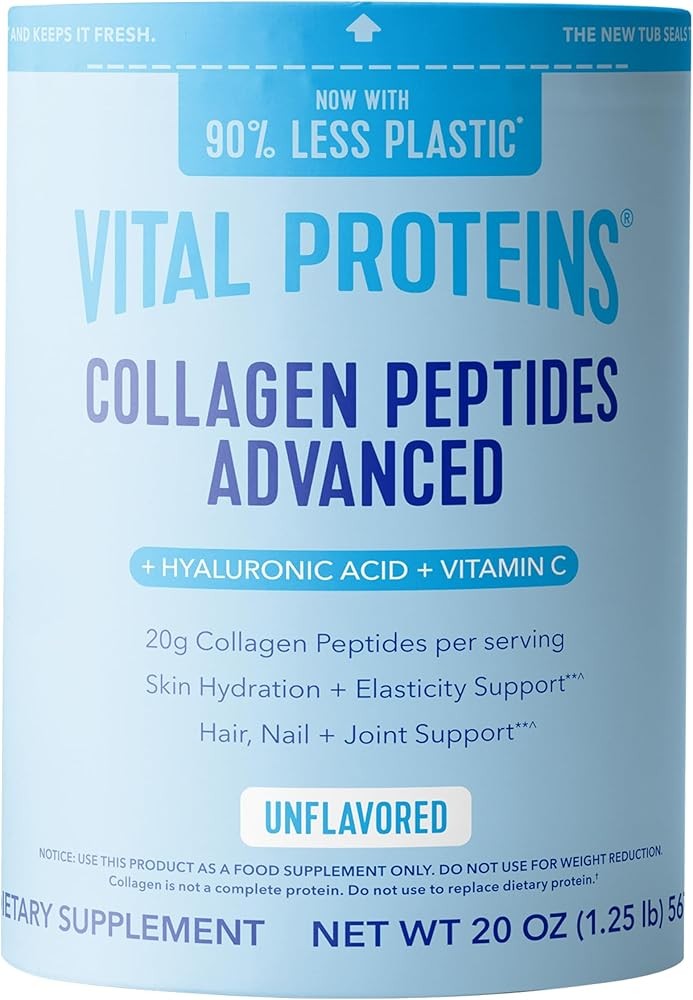
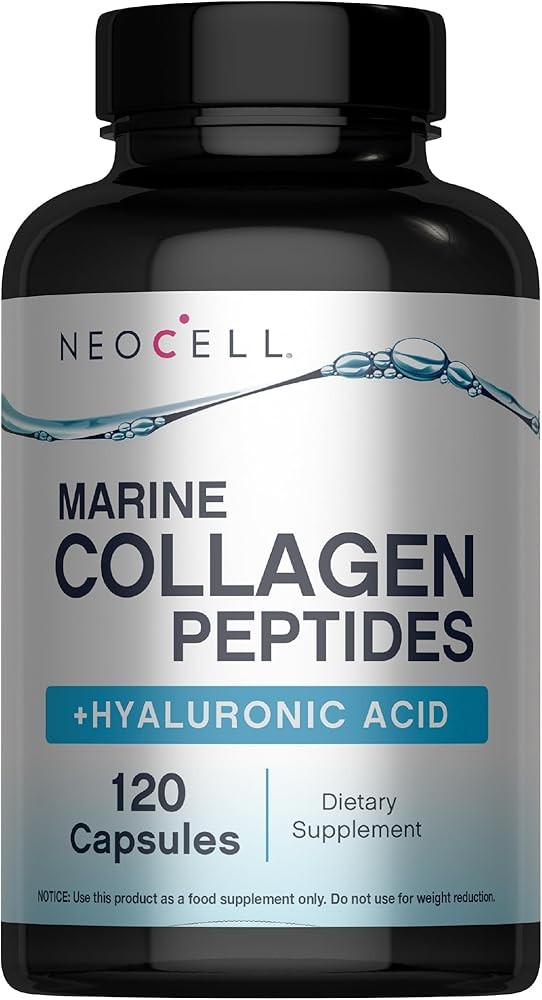
Starting at age 25, collagen production drops 1-1.5% annually, causing visible skin aging through lost elasticity, deepening wrinkles, and thinning texture. Vital Proteins Collagen Peptides Powder with Hyaluronic Acid & Vitamin C delivers 20g hydrolyzed Type I and III collagen peptides with absorption-enhancing vitamin C for approximately $45 per container. Clinical trials show 5-10g daily of hydrolyzed collagen peptides improves skin elasticity by 10-15% after 8-12 weeks by triggering fibroblast collagen production and providing bioavailable amino acids for skin structural proteins. NeoCell Marine Collagen Peptides offers hydrolyzed fish collagen with hyaluronic acid for approximately $22 per bottle. Here’s what the published research shows about supplements that actually tighten skin and reduce visible aging.
Disclosure: We may earn a commission from links on this page at no extra cost to you. Affiliate relationships never influence our ratings. Full policy →
| Feature | Vital Proteins Collagen | NeoCell Marine Collagen | Sports Research Organic |
|---|---|---|---|
| View on Amazon | Check Price | Check Price | Check Price |
What Happens to Your Skin as You Age?
Before diving into supplements, it’s crucial to understand what’s actually happening in aging skin. Your skin is a sophisticated organ with multiple layers, and aging affects each one differently.
The dermis, your skin’s middle layer, contains the structural framework that keeps skin firm and elastic. This framework consists primarily of collagen (about 75-80% of skin’s dry weight) and elastin fibers embedded in a gel-like substance rich in hyaluronic acid. Starting around age 25, your body’s natural collagen production begins declining by approximately 1% per year (Varani et al., 2006).
By age 40, you’ve lost roughly 15-22% of your collagen. By 50, that number climbs to 30% or more. Elastin production similarly declines, while the enzymes that break down these proteins (matrix metalloproteinases or MMPs) become more active, especially with UV exposure.
This dual problem of decreased production and increased breakdown creates the visible signs we associate with aging: sagging skin, deepening wrinkles, loss of volume, and that “crepe paper” texture that develops on the neck, chest, and backs of hands.
Hyaluronic acid, which can hold up to 1,000 times its weight in water, also declines with age. This contributes to dryness, loss of plumpness, and more prominent fine lines.
The good news? Research increasingly shows that strategic supplementation can influence these aging processes from within.
Bottom line: Starting at age 25, you lose about 1% of collagen yearly, with the visible hallmarks of aging appearing as elasticity and firmness decline, while hyaluronic acid levels also fall — creating the sagging, wrinkles, and dryness that supplements can help address from within.
What Are the Signs You Need Skin-Supporting Supplements?
Your skin provides numerous signals when collagen and structural support are declining. Recognizing these signs can help you intervene earlier:
Early Warning Signs (20s-30s):
- Fine lines appearing around eyes (crow’s feet) that persist even when not smiling
- Slower wound healing compared to your teenage years
- Loss of the natural “bounce back” when you pinch skin
- Beginning of nasolabial folds (lines from nose to mouth corners)
- Subtle loss of volume in cheeks
- Drier skin requiring more moisturizer than before
- Early forehead lines becoming visible at rest
Moderate Signs (30s-40s):
- Deepening wrinkles around eyes and mouth
- Noticeable loss of firmness in neck and jawline
- Development of “marionette lines” from mouth corners downward
- Visible changes in skin texture, becoming less smooth
- Loss of elasticity, with skin taking longer to return to normal after stretching
- Increased visibility of blood vessels through thinner skin
- More pronounced dark circles under eyes
- Slower recovery from sunburn or skin injuries
Advanced Signs (40s-50s+):
- Significant sagging in jowls and under chin
- “Crepe paper” texture on neck, chest, and hands
- Deep wrinkles and folds that are visible from across a room
- Loss of lip volume and definition
- Hollowing around temples and eyes
- Prominent vertical lines above upper lip
- Skin that easily bruises or tears
- Significantly slower healing from any skin injury
Additional Systemic Signs of Collagen Decline:
- Joint pain or stiffness (cartilage is also collagen-based)
- Weaker nails that break or peel easily
- Thinning hair or increased hair loss
- Muscle aches without exercise
- Weaker tendons and ligaments leading to easier injury
These signs indicate that your body’s collagen synthesis machinery needs support. The earlier you intervene with targeted supplementation, the better your results tend to be.
Bottom line: Recognizing early warning signs like fine lines appearing in your 20s-30s, moderate loss of firmness by your 30s-40s, and advanced sagging with crepe-paper texture after age 40 allows for earlier intervention with collagen peptides (5-10g daily, with 2.5g the minimum shown effective in Verisol trials) and vitamin C (1,000mg daily), which studies show improve skin elasticity after 8-12 weeks when started before severe damage occurs.
How Does Your Body Make Collagen and Why Can Supplements Help?
Understanding how your body makes collagen explains why certain supplements work synergistically and why timing matters.
Collagen synthesis is a complex, multi-step process requiring specific nutrients at each stage:
Step 1: Amino Acid Assembly Your body assembles individual amino acids (primarily glycine, proline, and hydroxyproline) into long chains called procollagen. This happens inside specialized cells called fibroblasts in your dermis.
Step 2: Hydroxylation (The Critical Step) This is where vitamin C becomes absolutely essential. Enzymes called prolyl hydroxylase and lysyl hydroxylase add hydroxyl groups to proline and lysine amino acids. This hydroxylation step is completely dependent on vitamin C as a cofactor (PubMed 6265920). Without adequate vitamin C, the collagen chains remain unstable and non-functional.
Copper is also required as a cofactor in this step, working alongside vitamin C.
Step 3: Triple Helix Formation The hydroxylated chains twist together to form collagen’s characteristic triple-helix structure. This happens inside the fibroblast cell.
Step 4: Secretion and Assembly The procollagen is secreted outside the cell, where enzymes clip off sections and the molecules assemble into collagen fibrils, then into larger collagen fibers.
Step 5: Cross-Linking (Stabilization) Copper-dependent enzymes create cross-links between collagen molecules, providing strength and stability. This is where copper peptides can enhance the process.
This entire pathway explains why taking a combination of nutrients works better than any single supplement. You need:
- The amino acid building blocks (from collagen peptides or protein)
- Vitamin C for hydroxylation
- Copper for cross-linking
- Silica/silicon for structural support
- Protection from breakdown (antioxidants like astaxanthin)
Bottom line: Collagen synthesis requires vitamin C at 500-1,000mg daily for the critical hydroxylation step where prolyl hydroxylase modifies proline and lysine amino acids, copper at 1-2mg daily for lysyl oxidase-mediated cross-linking that provides structural strength, and collagen peptides at 5-10g daily for amino acid building blocks — with the Verisol collagen studies showing pro-collagen type I increases of up to 65% after 8 weeks.
📱 Join the discussion: Facebook | X | YouTube | Pinterest
What Makes Collagen Peptides the Foundation Supplement for Skin?
Collagen supplements have exploded in popularity, but the science behind them has also matured significantly. While early skepticism questioned whether ingested collagen could actually benefit skin (wouldn’t it just be digested into amino acids?), research has provided surprising answers.
The Bioavailability Breakthrough
Hydrolyzed collagen peptides, unlike regular collagen, are broken down into small chains of amino acids (typically 2-10 amino acids long). These small peptides can be absorbed intact through the intestinal wall, and food-derived collagen peptides such as prolyl-hydroxyproline (Pro-Hyp) are detectable in human blood after oral ingestion (Shigemura et al., 2009).
More fascinatingly, once in the bloodstream these bioactive peptides appear to trigger fibroblasts to increase collagen production, acting as signaling molecules rather than simple building blocks (Proksch et al., 2014).
The Clinical Evidence
Multiple randomized, placebo-controlled trials have demonstrated real effects:
A 2014 study published in Skin Pharmacology and Physiology gave women either 2.5g or 5g of collagen peptides daily for 8 weeks. Skin elasticity improved significantly in both groups compared to placebo, with effects lasting even 4 weeks after stopping supplementation (Proksch et al., 2014).
A 2021 systematic review and meta-analysis of 19 randomized controlled trials involving 1,125 participants found that hydrolyzed collagen supplementation significantly improved skin hydration, elasticity, and wrinkle depth compared to placebo (de Miranda et al., 2021).
Research on Verisol®, a specific type of collagen peptide, showed particularly impressive results. In a study of 114 women aged 45-65, taking 2.5g daily for 8 weeks reduced eye wrinkle volume by up to 20% compared to placebo (Proksch et al., 2014). Pro-collagen type I concentration in skin increased by 65% after 8 weeks.
Types of Collagen: What Works Best for Skin
There are 28 types of collagen in the human body, but for skin health, focus on:
- Type I Collagen: Makes up about 90% of your skin’s collagen. Provides structure and strength.
- Type III Collagen: Works alongside Type I to support skin elasticity and firmness.
- Type V Collagen: Found in smaller amounts but regulates Type I and III fibril formation.
Most effective skin supplements contain predominantly Type I and Type III collagen, typically sourced from:
- Bovine (Cow): Rich in Type I and III, excellent for skin
- Marine (Fish): Primarily Type I, smaller peptides with potentially better absorption
- Chicken: Rich in Type II, better for joints than skin
Verisol® is a patented form of bovine collagen peptides optimized specifically for skin with a molecular weight of approximately 2,000 Daltons. This specific size appears ideal for skin benefits.
Optimal Dosing and Timing
Research-backed dosing for skin benefits:
- Minimum effective dose: 2.5g daily (as shown in Verisol® studies)
- Optimal dose: 5-10g daily for more comprehensive benefits
- Maximum studied dose: 15g daily (no additional benefit shown beyond 10g for skin)
Timing considerations:
- Take on an empty stomach for best absorption (30 minutes before meals)
- Some research suggests evening supplementation may align with the body’s overnight repair processes
- Consistency matters more than exact timing; daily use is essential
Top Quality Collagen Supplements
When selecting collagen peptides, prioritize:
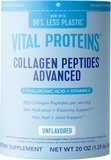
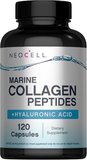
Vital Proteins Collagen Peptides provides 20g of Type I and III collagen from grass-fed, pasture-raised bovine hides. It’s unflavored, mixes easily in any beverage, and includes the full spectrum of amino acids needed for collagen synthesis.
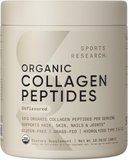
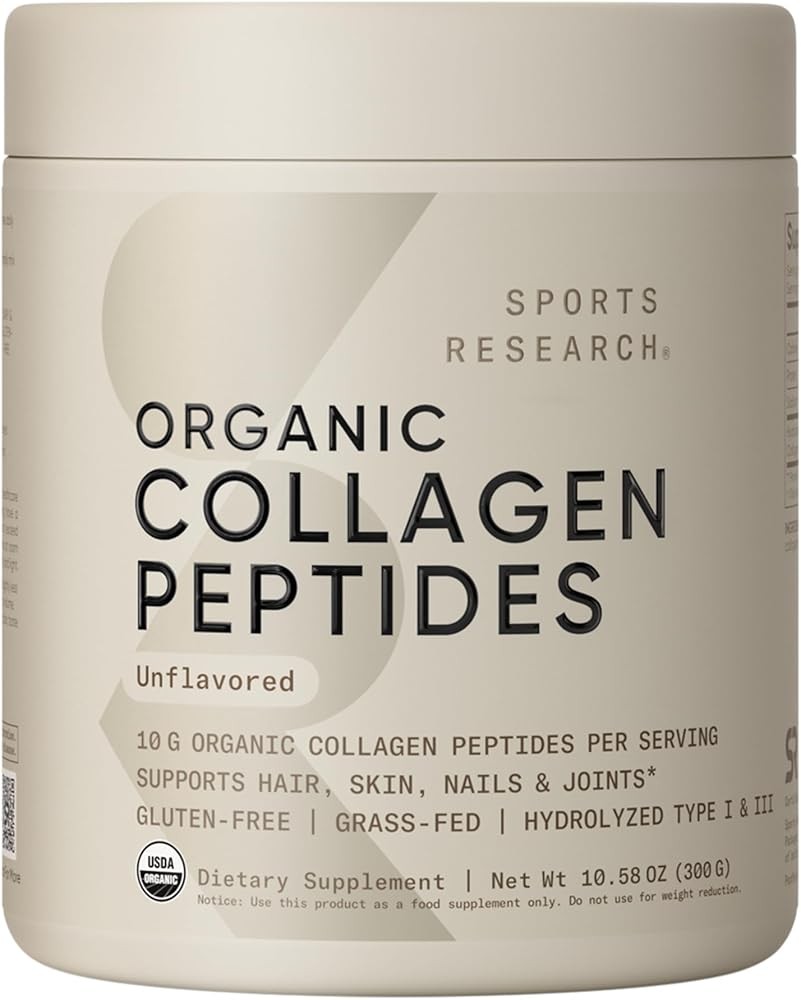
Sports Research Collagen Peptides offers hydrolyzed Type I and III collagen with excellent mixability and grass-fed sourcing. The unflavored powder provides 11g per serving.
Marine (fish-derived) collagen, sourced from wild-caught fish, provides an alternative for people avoiding bovine products. Marine collagen tends to have smaller peptides that may absorb even more readily.
Bottom line: Hydrolyzed collagen peptides (2.5-10g daily) deliver bioavailable Type I and III collagen that improves skin elasticity by 10-15% after 8-12 weeks, with specific peptides like Gly-Pro-Hyp appearing in skin tissue to trigger increased collagen production.
Why Is Liposomal Vitamin C Critical for Collagen Production?
Vitamin C deserves special emphasis because it’s the only truly essential nutrient for collagen production. Without adequate vitamin C, collagen synthesis simply stops, leading to the breakdown characteristic of scurvy. But modern vitamin C supplementation has evolved far beyond basic ascorbic acid tablets.
Why Standard Vitamin C Falls Short
Regular oral vitamin C (ascorbic acid) has limited bioavailability due to dose-dependent absorption. At a single dose of 200mg, absorption is nearly complete; at 1,000mg, a much smaller fraction is absorbed, and the excess is excreted. This is because intestinal uptake is transporter-limited and renal excretion tightly regulates circulating levels (Pullar et al., 2017).
Additionally, vitamin C is water-soluble, so excess is quickly excreted through urine. This means blood levels spike briefly after supplementation but decline rapidly, giving your tissues only a brief window of optimal availability.
For skin health specifically, you need sustained vitamin C levels in the bloodstream to ensure continuous support for the collagen synthesis happening in your dermis 24/7.
The Liposomal Revolution
Liposomal vitamin C represents a genuine advancement in bioavailability. In this technology, vitamin C is encapsulated within tiny spheres made of phospholipids (the same fats that make up cell membranes).
These liposomes protect vitamin C from harsh digestive conditions and facilitate its transport across intestinal walls. The phospholipid coating essentially disguises the vitamin C, allowing it to slip into cells through membrane fusion rather than relying solely on active transport mechanisms that become saturated at higher doses.
The Evidence for Superior Absorption
A 2016 study in Nutrition and Metabolic Insights compared liposomal-encapsulated ascorbic acid to standard ascorbic acid. The liposomal form achieved significantly higher plasma vitamin C levels than the same dose of standard ascorbic acid, indicating better bioavailability (Davis et al., 2016).
For skin specifically, vitamin C is required at every stage of collagen production — deficiency stops synthesis outright, and even marginal intake limits the hydroxylation step that gives collagen its strength (Murad et al., 1981).
Vitamin C’s Multiple Mechanisms for Skin
Beyond collagen synthesis, vitamin C provides several anti-aging benefits:
- Antioxidant Protection: Neutralizes free radicals from UV exposure, pollution, and normal metabolism that would otherwise break down existing collagen
- Melanin Regulation: Inhibits tyrosinase enzyme, reducing age spots and hyperpigmentation
- Anti-inflammatory: Reduces inflammatory markers that accelerate skin aging
- Elastin Support: Also required for elastin fiber formation
- Barrier Function: Helps maintain the skin’s protective barrier
Optimal Vitamin C Dosing for Skin
For anti-aging and skin tightening benefits:
- Minimum effective dose: 500mg daily
- Optimal dose: 1,000-2,000mg daily (split into two doses if using standard form)
- Liposomal advantage: 1,000mg liposomal delivers equivalent or better tissue levels than 2,000mg+ standard vitamin C
Timing Strategy:
- If using standard vitamin C: Split doses (500mg morning, 500mg evening) to maintain steadier blood levels
- If using liposomal: Once daily dosing provides sustained levels
- Take with collagen peptides for synergistic effect
Bottom line: Liposomal vitamin C (1,000mg daily) provides higher plasma levels than the same dose of standard ascorbic acid through phospholipid encapsulation, supporting the collagen hydroxylation step that standard forms can’t match at equivalent doses.
How Does Hyaluronic Acid Restore Skin Moisture and Plumpness?
Hyaluronic acid (HA) is a naturally occurring polysaccharide found throughout your body, with particularly high concentrations in skin, joints, and eyes. Its superpower is water retention: a single hyaluronic acid molecule can bind up to 1,000 times its weight in water.
The Age-Related Decline
Your skin’s hyaluronic acid content decreases with age, and this loss contributes to several visible aging signs:
- Loss of skin plumpness and volume
- More prominent fine lines
- Increased dryness and roughness
- Decreased wound healing capacity
- Loss of the dewy, hydrated appearance of youth
Does Oral HA Actually Work?
Given hyaluronic acid’s large molecular size (typically 5,000 to 20,000,000 Daltons), early skepticism questioned whether ingested HA could be absorbed or would simply be broken down into basic sugars. Research has provided surprising answers: orally ingested HA is absorbed in part and distributed to the skin, where it appears to stimulate fibroblasts to produce more endogenous hyaluronic acid (Kawada et al., 2014). It’s not just about direct delivery but triggering endogenous production.
The Clinical Evidence for Skin
A 2017 randomized, double-blind, placebo-controlled study published in Clinical, Cosmetic and Investigational Dermatology gave 60 adults with crow’s feet wrinkles 120mg of oral HA daily for 12 weeks. Both HA groups showed better wrinkle metrics than placebo, and skin luster and suppleness improved significantly by week 12 (Oe et al., 2017).
A 2021 randomized, double-blind, placebo-controlled trial by Hsu et al. in Nutrients gave 40 healthy adults (aged 35-64) 120mg of oral HA or placebo daily for 12 weeks; the HA group showed significant improvements in wrinkle assessment, stratum corneum hydration, transepidermal water loss, and elasticity versus placebo (Hsu et al., 2021).
A 2022 systematic review and meta-analysis of 66 randomized controlled trials of oral moisturizing supplements found that oral hyaluronan significantly improved skin hydration (Sun et al., 2022).
Molecular Weight Matters
Hyaluronic acid supplements vary widely in molecular weight:
- High molecular weight (1,000,000+ Daltons): Less absorbable but may have anti-inflammatory effects in the gut
- Medium molecular weight (50,000-300,000 Daltons): Good balance of absorption and bioactivity
- Low molecular weight (5,000-50,000 Daltons): Best absorption, most effective for skin in research
- Oligosaccharides (under 5,000 Daltons): Very well absorbed, stimulate HA synthesis
Most effective skin supplements use low to medium molecular weight HA, typically 50,000-200,000 Daltons.
Optimal Dosing
Based on clinical research:
- Effective range: 120-240mg daily
- Sweet spot: 150-200mg daily
- Duration: Minimum 8 weeks to see measurable results, 12+ weeks for optimal benefits
- Timing: Can be taken any time of day, with or without food
Bottom line: Oral hyaluronic acid (120-240mg daily) with low molecular weight under 300,000 Daltons significantly improves skin moisture and reduces wrinkles after 8-12 weeks by triggering endogenous HA production in skin tissue.
What Role Does Silicon Play in Skin Strength and Elasticity?
Silicon, the second most abundant element on Earth after oxygen, plays a crucial but often overlooked role in skin health and connective tissue integrity. It’s essential for collagen and elastin formation, yet silicon content in tissues declines significantly with age.
Silicon’s Role in Skin Structure
Silicon is intimately involved in:
- Cross-linking collagen and elastin fibers for strength
- Activating prolyl hydroxylase, the enzyme required for collagen synthesis
- Stimulating collagen type I synthesis in fibroblasts
- Maintaining structural integrity of connective tissue
- Supporting glycosaminoglycan (GAG) synthesis, the molecules that bind water in skin
Research shows that silicon is particularly concentrated in connective tissues like skin, hair, nails, and arteries, with levels decreasing with age.
The Clinical Evidence
A 2005 double-blind, placebo-controlled trial published in the Archives of Dermatological Research gave women with sun-damaged facial skin 10mg of silicon daily as choline-stabilized orthosilicic acid (ch-OSA) for 20 weeks. Skin roughness and elasticity (microrelief) improved significantly, and hair and nail strength benefited as well (Barel et al., 2005). Longer-term trials of ch-OSA in women with photodamaged facial skin have reported similar improvements in fine lines and skin surface profile after 6 months.
Forms of Silicon: Bioavailability is Key
Silicon appears in various supplement forms with dramatically different absorption rates:
- Horsetail Extract: Traditional source, but poorly absorbed (only about 1-5% bioavailability)
- Bamboo Extract: Contains 70% silicon dioxide, but absorption is limited
- Sodium Metasilicate: Better absorbed but can cause digestive upset
- Choline-Stabilized Orthosilicic Acid (ch-OSA): The most bioavailable form at 60-70% absorption, used in most clinical studies
- BioSil®: Patented ch-OSA form with the most clinical backing
For skin benefits, ch-OSA forms like BioSil® are far superior to traditional herbal sources.
Optimal Dosing
Clinical studies showing skin benefits used:
- Effective dose: 10mg elemental silicon daily (as ch-OSA)
- Duration: Minimum 12 weeks, optimal results at 20+ weeks
- Timing: Take on an empty stomach for best absorption
- Note: Don’t confuse milligrams of silicon with milligrams of extract. For example, 500mg of bamboo extract may contain only 3-4mg of actual silicon.
Silicon’s Synergy with Other Skin Nutrients
Silicon appears to work synergistically with:
- Vitamin C (both needed for collagen hydroxylation)
- Collagen peptides (provides building blocks while silicon helps cross-link them)
- Biotin (both support hair, skin, and nail health)
The All-in-One Formula Option
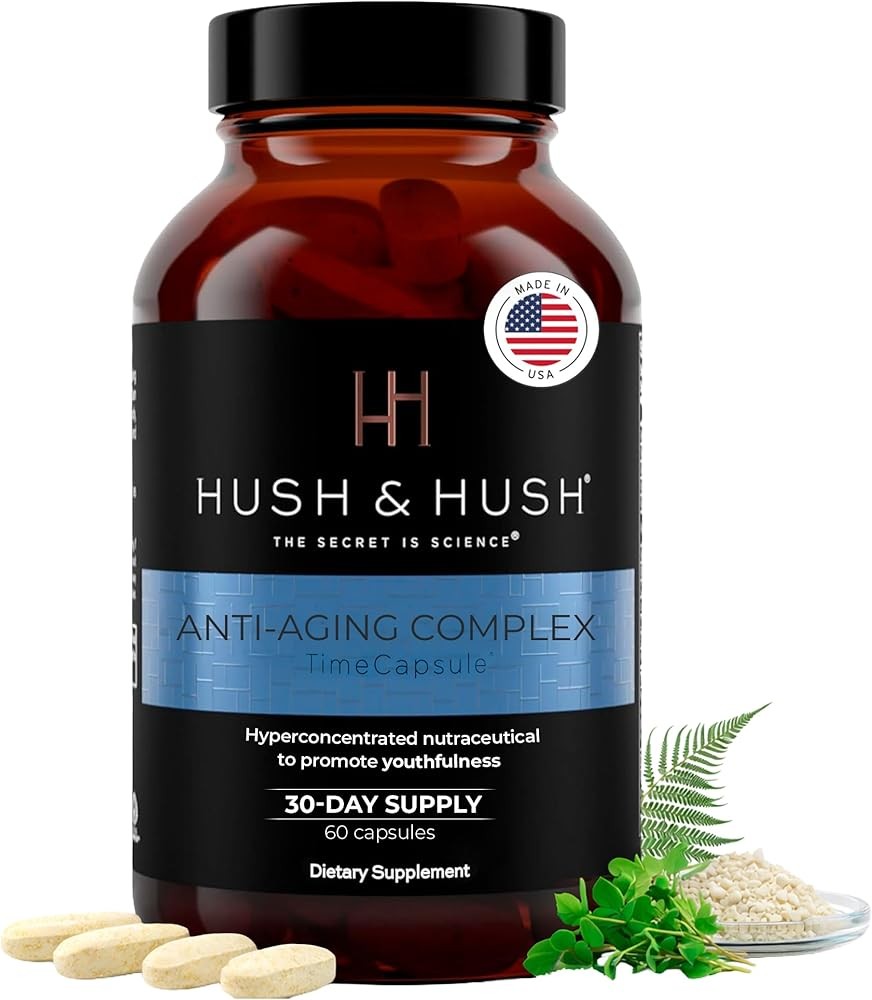
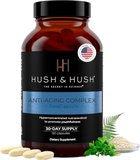
A comprehensive formula can be a reasonable starting point if you prefer one product over a stack. Hush & Hush Anti-Aging Multivitamin for Women combines marine collagen, hyaluronic acid, vitamin C, B12, zinc, and Polypodium Leucotomos in one formula. The trade-off is the standard one for multi-ingredient products: individual nutrients are typically present at lower doses than dedicated single-ingredient supplements, and this formula does not contain ch-OSA silicon — so if silicon is your goal, buy it separately.
Bottom line: Bioavailable silicon as choline-stabilized orthosilicic acid (10mg daily) improves skin elasticity and reduces fine lines after 20 weeks through collagen cross-linking and prolyl hydroxylase activation, with 60-70% absorption versus 1-5% from traditional herbal sources.
How Do Copper Peptides Support Collagen Formation and Skin Repair?
Copper is an essential trace mineral that plays critical roles in skin health, particularly in collagen and elastin formation and stabilization. When bound to small peptides (short chains of amino acids), copper becomes even more effective for skin benefits.
Copper’s Multiple Roles in Skin
Copper serves as a cofactor for several enzymes crucial to skin structure:
- Lysyl Oxidase: Requires copper to cross-link collagen and elastin fibers, providing strength and elasticity
- Superoxide Dismutase: Copper-zinc SOD is a powerful antioxidant that protects skin from free radical damage
- Tyrosinase: Involved in melanin production and wound healing
- Cytochrome C Oxidase: Essential for cellular energy production, supporting the high metabolic demands of skin cells
Without adequate copper, collagen remains weak and improperly cross-linked, even if synthesis is otherwise normal.
Copper Deficiency and Skin Aging
While severe copper deficiency is rare, marginal deficiency is more common than recognized, especially with age. Signs include:
- Loss of skin elasticity
- Easy bruising
- Impaired wound healing
- Premature graying of hair
- Spider veins and varicose veins
As we age, copper absorption and the activity of copper-dependent enzymes in skin decline, which can limit the cross-linking that keeps collagen fibers strong.
Copper Peptides: Enhanced Delivery and Activity
Copper peptides, particularly GHK-Cu (glycyl-L-histidyl-L-lysine-copper), represent an advancement over simple copper supplementation. These small peptides:
- Enhance copper delivery to tissues
- Directly stimulate collagen synthesis
- Activate wound healing mechanisms
- Show anti-inflammatory effects
- May increase antioxidant enzymes
GHK-Cu naturally occurs in human plasma, saliva, and urine, but levels decline with age.
The Research Evidence
Most copper peptide research focuses on topical application, which shows impressive results for wound healing and skin remodeling. Oral copper research for skin is more limited. Copper’s role as the essential cofactor for lysyl oxidase — the enzyme that cross-links collagen and elastin — is well-established biochemistry, and marginal copper status is known to weaken connective tissue. Zinc is the mineral that has the deeper body of oral supplementation research in skin, which is why zinc appears far more often in dermatology reviews than copper does (Schwartz et al., 2005).
Optimal Copper Dosing and Form
For skin health support:
- Daily copper requirement: 0.9mg for adults (RDA)
- Supplemental dose for skin benefits: 1-2mg daily
- Upper limit: 10mg daily (avoid exceeding without medical supervision)
- Best forms: Copper peptides (GHK-Cu), copper gluconate, or copper bisglycinate chelate
- Warning: Avoid copper oxide, which has poor bioavailability
The Copper-Zinc Balance
Copper and zinc compete for absorption, so maintaining balance is crucial:
- If supplementing zinc (common in many multivitamins), ensure adequate copper intake
- Ideal ratio: approximately 8-15mg zinc to 1-2mg copper
- High-dose zinc without copper can induce copper deficiency over time
Best Food Sources
Before supplementing, consider copper-rich foods:
- Shellfish (especially oysters)
- Nuts (cashews, almonds)
- Seeds (sunflower, sesame)
- Dark leafy greens
- Dark chocolate
- Mushrooms
Bottom line: Copper (1-2mg daily) serves as an essential cofactor for lysyl oxidase to cross-link collagen fibers and for superoxide dismutase antioxidant activity; topical copper peptides (GHK-Cu) have the stronger evidence base for direct skin remodeling, while oral copper mainly matters when intake is marginal or zinc supplementation is high.
What Does Biotin Do for Skin Health Beyond the Basics?
Biotin (vitamin B7) has become synonymous with beauty supplements, but its role in skin health extends beyond surface-level benefits. This water-soluble B vitamin is essential for fatty acid synthesis, cell proliferation, and gene expression related to skin health.
Biotin’s Mechanisms for Skin
- Fatty Acid Synthesis: Biotin is required to produce fatty acids that form the lipid barrier of skin, keeping it hydrated and protected
- Cell Turnover: Supports rapid proliferation of skin cells, maintaining healthy skin renewal
- Glucose Metabolism: Helps cells efficiently use glucose for energy, supporting the metabolic demands of skin cell production
- Gene Expression: Acts as a coenzyme regulating gene expression related to skin barrier function
- Amino Acid Metabolism: Assists in metabolizing amino acids needed for collagen and keratin production
The Evidence for Skin Benefits
Research on biotin for skin specifically is limited for people with normal biotin status. Most evidence comes from studies of biotin deficiency:
Biotin deficiency causes characteristic skin problems including:
- Scaly, red rash (typically around eyes, nose, and mouth)
- Dry, flaky skin
- Impaired barrier function
- Increased susceptibility to infections
When biotin is supplemented in deficient individuals, these symptoms resolve (Mock, 1991).
For people with normal biotin status, evidence for additional skin benefits from high-dose supplementation is limited. Reviews of the available trials find no high-quality evidence that biotin improves hair or skin in people without a deficiency (Yelich et al., 2024). However, several factors can push intake below needs:
- Modern diets may be marginal in biotin
- Certain medications (antibiotics, anti-seizure drugs) can reduce biotin levels
- Biotin requirements may increase with age
- People who consume raw egg whites regularly (which contain avidin that binds biotin) risk deficiency
Optimal Biotin Dosing
- Daily requirement (RDA): 30mcg for adults
- Typical beauty supplement dose: 1,000-5,000mcg (1-5mg)
- Practical cap: Stay at or under 5,000mcg unless a clinician directs otherwise, because higher doses interfere with common lab tests
- Safety: Very safe even at high doses; water-soluble with no established upper limit
Important Note: Biotin and Lab Tests
High-dose biotin (5,000mcg or more) can interfere with certain lab tests, particularly:
- Thyroid function tests (TSH, T4, T3)
- Troponin (cardiac marker)
- Vitamin D tests
- Hormone tests
If taking high-dose biotin, inform your healthcare provider and consider stopping supplementation 2-3 days before blood tests to avoid false results.
Biotin-Rich Foods
Before supplementing, consider food sources:
- Egg yolks (cooked)
- Organ meats (liver)
- Nuts (almonds, peanuts, walnuts)
- Seeds (sunflower)
- Sweet potatoes
- Spinach and broccoli
- Whole grains
Bottom line: Biotin (1,000-5,000mcg daily) supports skin barrier function through fatty acid synthesis and cell proliferation, with definite benefits in deficient individuals; controlled trials show no benefit in healthy people, and doses above 5,000mcg interfere with thyroid and cardiac lab tests.
How Does Astaxanthin Protect Skin from UV Damage and Aging?
Astaxanthin is a reddish pigment in the carotenoid family, found naturally in algae, salmon, shrimp, and krill. What makes it exceptional for skin health is its extraordinary antioxidant power, particularly its ability to protect skin from UV-induced damage and support skin elasticity.
Astaxanthin’s Unique Properties
Astaxanthin is structurally different from other carotenoids like beta-carotene:
- It spans the entire cell membrane, protecting both interior and exterior
- It’s 6,000 times more powerful than vitamin C as an antioxidant
- It’s 550 times more powerful than vitamin E
- It doesn’t become a pro-oxidant even at high doses (unlike some antioxidants)
- It crosses the blood-brain barrier and blood-retinal barrier
For skin specifically, astaxanthin:
- Protects against UV-induced collagen breakdown
- Reduces inflammation from sun exposure
- Improves skin elasticity and moisture
- Reduces the appearance of fine lines and wrinkles
- May reduce age spots and hyperpigmentation
The Clinical Evidence for Skin
A 2021 systematic review and meta-analysis in Nutrients found that oral astaxanthin significantly restored skin moisture and improved elasticity, though wrinkle-depth reduction did not reach statistical significance (Zhou et al., 2021).
A 2017 randomized, double-blind, placebo-controlled study by Tominaga et al. gave 65 healthy women 6mg or 12mg of astaxanthin daily for 16 weeks. Wrinkle parameters and skin moisture did not worsen in the astaxanthin groups, while the placebo group showed significant deterioration — evidence of a protective rather than restorative effect (Tominaga et al., 2017).
Research on UV protection is particularly impressive. A 2018 double-blind, placebo-controlled trial found that astaxanthin significantly increased the minimal erythema dose — the amount of UV needed to cause redness — and reduced moisture loss in UV-exposed skin after 10 weeks (Ito et al., 2018).
Mechanisms for Anti-Aging
Astaxanthin protects skin through multiple pathways:
- UV Protection: Absorbs UV radiation and quenches singlet oxygen generated by UV exposure
- MMP Inhibition: Reduces matrix metalloproteinases that break down collagen
- Anti-inflammatory: Suppresses inflammatory cytokines that accelerate aging
- Mitochondrial Protection: Protects cellular powerhouses, maintaining skin cell energy
- Lipid Protection: Reduces oxidation of cell membrane fats, maintaining barrier integrity
Optimal Dosing and Form
Based on clinical research:
- Effective dose range: 2-12mg daily
- Sweet spot for skin: 4-6mg daily
- Source matters: Natural astaxanthin from Haematococcus pluvialis algae is superior to synthetic
- With fat: Astaxanthin is fat-soluble; take with a meal containing healthy fats for best absorption
- Duration: Minimum 4-6 weeks for visible results, 8-12 weeks optimal
Natural vs. Synthetic
Natural astaxanthin from algae comes in a different form (3S, 3’S) than synthetic astaxanthin and includes synergistic carotenoids. Research shows natural astaxanthin has:
- 20-50 times stronger antioxidant activity than synthetic
- Better bioavailability
- Additional beneficial compounds from the algae source
Always choose natural astaxanthin supplements.
Bottom line: Natural astaxanthin from algae (4-6mg daily) improves skin moisture and elasticity and protects against UV-induced collagen breakdown, with a meta-analysis confirming hydration and elasticity benefits and trials showing increased UV tolerance after 8-16 weeks.
Can Oral Ceramides Actually Rebuild Your Skin Barrier?
Ceramides are lipid (fat) molecules that make up about 50% of the lipids in your skin’s outermost layer, the stratum corneum. Think of them as the mortar between bricks in a wall, with skin cells being the bricks. This barrier reduces water loss and keeps irritants, allergens, and pathogens out.
Age-Related Ceramide Decline
Ceramide levels in the skin’s outer layer decline with age, and this decline contributes to:
- Increased transepidermal water loss (TEWL)
- Dry, flaky skin
- Increased sensitivity and irritation
- Impaired barrier function allowing allergen penetration
- Loss of skin smoothness
- Increased visibility of fine lines due to dehydration
Can Oral Ceramides Improve Skin?
This seems counterintuitive: can eating fats meant for your skin actually reach and benefit your skin? Research says yes, though the mechanisms aren’t fully understood.
When you consume ceramides, they’re broken down in digestion but appear to trigger increases in ceramide synthesis in your skin. It’s similar to how collagen peptides signal increased collagen production rather than directly incorporating into tissue.
The Clinical Evidence
A 2022 systematic review and meta-analysis of 66 randomized controlled trials of oral moisturizing supplements found that ceramide supplementation produced a statistically significant increase in skin hydration and a decrease in transepidermal water loss versus placebo (Sun et al., 2022).
A randomized, double-blind, placebo-controlled study by Guillou et al. gave 51 women with dry to very dry skin 350mg of a wheat-extract rich in ceramides or placebo daily for 3 months. Skin hydration increased significantly on the arms and legs in the ceramide group compared to placebo (Guillou et al., 2011).
A 2024 randomized, double-blind, placebo-controlled trial in Nutrients found that wine lees extract-derived ceramides significantly reduced transepidermal water loss compared to placebo after 12 weeks, indicating improved barrier function (Sanjaya et al., 2024).
Types of Ceramides
There are 12 types of ceramides in human skin, with ceramides 1, 3, and 6 being most abundant. Supplements typically use plant-derived ceramides from:
- Rice: Most common, well-researched
- Wheat: Effective but avoid if gluten-sensitive
- Konjac: Less common but showing promise
- Sweet potato: Emerging source
These plant ceramides are structurally similar to human skin ceramides and appear to be effective in clinical studies.
Optimal Dosing
Based on clinical research:
- Effective dose range: 200-600mg daily (of ceramide-containing extract)
- Note: Products list “extract” amounts, not pure ceramide content. Most contain 3-7% actual ceramides
- Duration: Minimum 4 weeks, 8-12 weeks optimal for visible improvement
- Best taken with fat: Ceramides are lipids; absorption improves with dietary fat
Synergistic Combinations
Ceramides work particularly well combined with:
- Hyaluronic acid (HA holds water, ceramides reduce its loss)
- Omega-3 fatty acids (support overall skin lipid health)
- Vitamin E (protects ceramides from oxidation)
Bottom line: Plant-derived ceramides (200-600mg daily of ceramide-containing extract) improve skin hydration, reduce transepidermal water loss, and enhance barrier function after 4-12 weeks by triggering increased ceramide synthesis in skin.
What Other Nutrients Support Skin Tightening and Anti-Aging?
Beyond the major players, several other nutrients support skin structure and anti-aging:
Vitamin E (Mixed Tocopherols)
Vitamin E protects cell membranes from oxidative damage and works synergistically with vitamin C, which regenerates oxidized vitamin E after UV exposure (Pullar et al., 2017).
- Dose: 200-400 IU daily of mixed tocopherols (not just alpha-tocopherol)
- Best form: Natural (d-alpha) rather than synthetic (dl-alpha)
Omega-3 Fatty Acids (EPA and DHA)
These essential fats support skin cell membrane integrity, reduce inflammation, and help maintain skin barrier function. Photoprotection trials show that dietary fish oil raises the UV dose needed to produce sunburn and reduces UVB-driven inflammatory prostaglandins in skin (Rhodes et al., 1994).
- Dose: 1,000-2,000mg combined EPA+DHA daily
- Source: Fish oil, krill oil, or algal oil (vegetarian)
Vitamin A (Retinol)
While topical retinoids are well-established for skin anti-aging, oral vitamin A also supports skin health through:
-
Regulating cell turnover and differentiation
-
Supporting sebum production
-
Maintaining epithelial tissue integrity
-
Dose: 3,000-5,000 IU daily (don’t exceed 10,000 IU long-term)
-
Best form: Retinyl palmitate or beta-carotene (converts to vitamin A as needed)
-
Caution: Excessive vitamin A can be toxic; don’t over-supplement
Zinc
This mineral is essential for protein synthesis, wound healing, and immune function in skin. Zinc deficiency causes characteristic skin changes including delayed wound healing and dermatitis.
- Dose: 15-30mg daily
- Best forms: Zinc picolinate, zinc bisglycinate (avoid zinc oxide)
- Remember: Balance with copper (8-15:1 ratio of zinc to copper)
Bottom line: Vitamin E (200-400 IU mixed tocopherols), omega-3s (1,000-2,000mg EPA+DHA), vitamin A (3,000-5,000 IU), and zinc (15-30mg) provide synergistic anti-aging support through antioxidant protection, membrane integrity, cell regulation, and protein synthesis beyond core supplements.
How Should You Build Your Skin Anti-Aging Supplement Stack?
With so many options, how do you build an effective regimen without excessive cost or pill burden?
Foundation Stack (Start Here)
This covers the essentials with the strongest research backing:
- Collagen Peptides: 5-10g daily (Types I & III)
- Liposomal Vitamin C: 1,000mg daily
- Hyaluronic Acid: 150-200mg daily
Expected investment: $60-90/month Expected timeline: 8-12 weeks for visible improvements
Enhanced Stack (Add-Ons for Comprehensive Support)
Once established on the foundation, add:
- Astaxanthin: 4-6mg daily
- Silicon (as ch-OSA): 10mg daily
- Ceramides: 350mg daily (phytoceramide extract)
Expected additional investment: $40-60/month Expected timeline: 12-16 weeks for maximum benefits
Supportive Nutrients (If Not in Diet)
Consider adding if dietary intake is inadequate:
- Omega-3s: 1,000-2,000mg EPA+DHA
- Zinc: 15-30mg (balance with 1-2mg copper)
- Vitamin E: 200 IU mixed tocopherols
All-in-One Products vs. Individual Supplements
Some “beauty blend” supplements combine multiple ingredients. Pros and cons:
Pros of all-in-one products:
- Convenient single supplement
- Pre-formulated ratios
- Often more affordable than buying separately
Cons of all-in-one products:
- Usually underdosed compared to research-backed amounts
- May contain proprietary blends hiding individual ingredient amounts
- Less flexibility to adjust individual nutrients
For best results, individual supplements at clinically effective doses typically outperform beauty blends, though quality comprehensive formulas can be a reasonable compromise.
Bottom line: Start with the foundation stack of collagen peptides (5-10g), liposomal vitamin C (1,000mg), and hyaluronic acid (150-200mg) for 8-12 weeks, then add astaxanthin, silicon, and ceramides for enhanced benefits, with individual supplements at research-backed doses outperforming most all-in-one products.
What Results Can You Expect and When?
Understanding realistic timelines reduces disappointment and helps maintain consistency:
Weeks 1-4: The Foundation Phase
- Minimal visible changes in most people
- You may notice slightly improved hydration
- Nails may begin growing faster and stronger
- This is when cellular changes are beginning but not yet visible
- Critical period for consistency; don’t quit early
Weeks 4-8: Early Improvements
- Skin hydration and moisture become noticeably better
- Skin texture may smooth slightly
- Very fine lines may appear less prominent
- Skin may appear more plump and healthy
- Friends may start commenting that you “look good”
Weeks 8-12: Visible Anti-Aging Effects
- Significant improvements in skin elasticity become measurable
- Moderate fine lines reduce in appearance
- Skin tone and texture improvements are obvious
- Photos show clear before/after differences
- This is when collagen remodeling becomes visible
- Hair and nail benefits typically very noticeable
Weeks 12-24: Maximum Benefits
- Continued improvements in deeper wrinkles
- Skin firmness reaches maximum improvement for your supplement regimen
- Skin barrier function fully optimized
- Benefits plateau; this is your “new normal” with supplementation
- Maintenance phase begins
After 6+ Months: Maintenance
- Continue supplementation to maintain benefits
- Improvements will gradually reverse if you stop supplementing
- Consider periodic short breaks (1-2 weeks every 6 months) to assess benefit
- May be able to reduce dosing slightly while maintaining results
Important Reality Check
Supplements cannot:
- Eliminate deep wrinkles completely
- Reverse severe sun damage entirely
- Replace skin sagging with sun protection
- Match results from professional procedures like lasers or injectables
They can:
- Significantly improve skin quality, texture, and hydration
- Reduce the rate of ongoing aging
- Enhance skin’s natural repair processes
- Provide foundation support that enhances other interventions
Bottom line: Expect minimal changes in weeks 1-4, noticeable hydration and texture improvements in weeks 4-8, measurable elasticity and wrinkle reduction in weeks 8-12, and maximum benefits by weeks 12-24, with continued supplementation required to maintain results.
What Lifestyle Factors Maximize Supplement Results?
Supplements work best as part of a comprehensive anti-aging approach:
Sun Protection (Non-Negotiable)
UV exposure is the single biggest contributor to visible skin aging. No supplement can compensate for chronic sun damage.
- Use broad-spectrum SPF 30+ daily (face, neck, chest, hands)
- Reapply every 2 hours when outdoors
- Wear protective clothing and seek shade
- Supplements like astaxanthin provide internal photoprotection but don’t replace sunscreen
Hydration
While hyaluronic acid binds water in skin, it needs water available to bind. Aim for adequate hydration:
- Minimum 64oz (2 liters) water daily
- More if exercising, in dry climates, or consuming caffeine/alcohol
- Herbal teas count toward hydration
Sleep Quality
Skin repair and collagen synthesis peak during deep sleep. Poor sleep accelerates aging:
- Aim for 7-9 hours nightly
- Maintain consistent sleep schedule
- Sleep on your back when possible (side sleeping causes compression wrinkles)
- Use a silk or satin pillowcase to reduce friction
Protein Intake
Your body needs adequate protein to build collagen, even with collagen peptide supplementation:
- Aim for 0.8-1.2g protein per kg body weight daily
- Include diverse protein sources
- Collagen supplements count toward this but shouldn’t be your only protein source
Limit Sugar and Processed Carbohydrates
Excess sugar causes glycation, where sugar molecules bind to proteins like collagen, making them stiff and dysfunctional (advanced glycation end-products or AGEs):
- Limit added sugars to less than 25g daily for women, 36g for men
- Choose low-glycemic carbohydrates
- This single dietary change can significantly slow skin aging
Don’t Smoke
Smoking is one of the most potent accelerators of skin aging:
- Reduces blood flow to skin
- Depletes vitamin C
- Increases collagen-degrading enzymes
- Creates repetitive wrinkles around mouth
- If you smoke, quitting is more impactful than any supplement
Manage Stress
Chronic stress elevates cortisol, which breaks down collagen and impairs skin barrier function:
- Practice stress management techniques (meditation, yoga, exercise)
- Prioritize activities that bring joy and relaxation
- Consider adaptogenic herbs if appropriate for you
Topical Skincare Synergy
Oral supplements work synergistically with evidence-based topical treatments:
- Retinoids (tretinoin, adapalene) for cell turnover and collagen stimulation
- Vitamin C serums for topical antioxidant protection
- Niacinamide for barrier function and pigmentation
- Alpha hydroxy acids (AHAs) for exfoliation and renewal
The combination of internal supplementation plus effective topical skincare produces better results than either approach alone.
Bottom line: Supplement effectiveness multiplies when combined with rigorous sun protection (SPF 30+ daily), adequate hydration (64oz+ water), quality sleep (7-9 hours), sufficient protein intake, limited sugar consumption, no smoking, stress management, and evidence-based topical treatments like retinoids and vitamin C serums.
What Are the Safety Considerations and Potential Interactions?
While the supplements discussed are generally very safe, important considerations include:
Biotin and Lab Tests
High-dose biotin (5,000mcg+) interferes with many lab tests, potentially causing false results. Inform healthcare providers and stop 2-3 days before blood work.
Copper-Zinc Balance
High zinc intake without copper can induce copper deficiency over time. If taking zinc supplements, ensure adequate copper intake.
Vitamin A Toxicity
Excessive vitamin A (especially from retinol/retinyl forms) can be toxic. Pregnant women should especially avoid high doses. Don’t exceed 10,000 IU daily long-term without medical supervision.
Bleeding Risk with High-Dose Antioxidants
Very high doses of vitamin E (above 1,000 IU) or omega-3s (above 3,000mg) may increase bleeding risk, especially if taking anticoagulant medications. Discuss with healthcare provider if on blood thinners.
Collagen Allergies
Though rare, some people are allergic to collagen sources. Marine collagen may cause reactions in people with fish/shellfish allergies. Bovine collagen could theoretically cause reactions in those with beef allergies.
Quality and Contaminants
Choose supplements that are:
- Third-party tested (NSF, USP, ConsumerLab certifications)
- Free from heavy metals (especially important for marine collagen)
- Non-GMO and organic when possible
- From reputable manufacturers with transparent sourcing
Medication Interactions
While these supplements have few drug interactions, some considerations:
- Vitamin C can interact with chemotherapy drugs (discuss with oncologist)
- Vitamin E and omega-3s may enhance blood thinner effects
- Biotin interferes with seizure medications
- Always inform healthcare providers of all supplements you take
Pregnancy and Breastfeeding
Most skin supplements are likely safe, but:
- Avoid high-dose vitamin A (above 5,000 IU)
- Collagen peptides are generally considered safe
- Vitamin C and HA are safe
- Consult healthcare provider before starting new supplements
Bottom line: These supplements are generally very safe but require attention to biotin interference with lab tests, copper-zinc balance, vitamin A toxicity limits, bleeding risks with high-dose antioxidants, quality third-party testing, medication interactions, and pregnancy precautions especially with high-dose vitamin A.
What Are the Most Frequently Asked Questions About Skin Supplements?
Q: Can I take all these supplements together?
A: Yes, these supplements are generally safe to combine and may work synergistically. Start with the foundation stack (collagen, vitamin C, HA) for 4 weeks, then gradually add others if desired.
Q: Will I see results faster if I double the dose?
A: Not necessarily. Research shows diminishing returns above certain doses. For example, 10g collagen daily isn’t twice as effective as 5g. Stick to research-backed doses for the best risk-benefit ratio.
Q: Can men use these supplements too?
A: Absolutely. Skin aging and collagen decline affect everyone regardless of gender. Men may see particularly good results since they often start supplementation with more depleted collagen levels.
Q: How long after stopping supplements will benefits fade?
A: Gradually over 8-12 weeks. Collagen and HA have relatively fast turnover in tissues. Think of supplementation as ongoing support rather than a permanent change to your skin.
Q: Are expensive collagen brands better than cheaper ones?
A: Not always. Price doesn’t guarantee quality. Look for third-party testing, hydrolyzed peptides (not whole collagen), Type I and III collagen, and good manufacturing practices. Some mid-range brands are excellent quality.
Q: Can I get enough collagen from bone broth instead of supplements?
A: Bone broth contains collagen but in unmeasured and typically much lower amounts than supplements. You’d need to drink several cups daily to approach supplement doses. It’s a healthy addition but not a replacement for targeted supplementation.
Q: Will these supplements help with stretch marks or scars?
A: They may help modestly by supporting overall skin health and collagen production, but results for scars and stretch marks are less dramatic than for general aging signs. Topical treatments and professional procedures are more effective for these specific concerns.
Q: Do I need all these supplements or just collagen?
A: Collagen peptides alone provide substantial benefits and are the foundation. Adding vitamin C significantly enhances results since it’s required for collagen synthesis. Beyond that, additional supplements provide incremental benefits. Start simple and add based on your goals and budget.
Q: Can supplements replace Botox or fillers?
A: No. Supplements work through different mechanisms, supporting your skin’s own collagen production and structure. They can’t relax muscles (like Botox) or add volume (like fillers). However, they complement these treatments and may extend their results.
Q: My skin is already saggy. Is it too late for supplements to help?
A: It’s never too late to support your skin health, but realistic expectations matter. Supplements improve skin quality, hydration, and texture at any age. They can’t reverse severe sagging that would require procedures, but they can improve the quality of the skin you have and slow further decline.
Q: Are plant-based collagen supplements effective?
A: “Plant-based collagen” is a misnomer since plants don’t make collagen. These products contain amino acids or collagen “builders” but aren’t actual collagen peptides. True collagen supplements must come from animal sources (bovine, marine, chicken). Vegetarians should focus on vitamin C, silica, amino acids, and plant-based nutrients that support collagen synthesis.
Q: Can teens or young adults benefit from these supplements?
A: While collagen production doesn’t significantly decline until mid-20s, these supplements are safe for younger people and may support skin health, wound healing, and joint health. However, a nutrient-rich diet is most important for younger individuals. Supplementation becomes more beneficial after age 30-35.
Bottom line: The most common questions revolve around combining supplements safely, realistic timelines of 8-12 weeks for visible results, the superiority of hydrolyzed collagen peptides over bone broth or plant-based alternatives, and the understanding that supplements enhance but cannot replace professional procedures like Botox or fillers.
What Really Works for Skin Tightening and Anti-Aging?
After reviewing extensive research and clinical evidence, here’s what actually delivers results for skin tightening and anti-aging:
The Non-Negotiables (Strongest Evidence):
-
Hydrolyzed Collagen Peptides (5-10g daily, Types I & III) – The foundation with the most robust clinical evidence for improving skin elasticity, hydration, and wrinkle depth
-
Liposomal Vitamin C (1,000mg daily) – Essential cofactor for collagen synthesis with dramatically better bioavailability than standard forms
-
Hyaluronic Acid (150-200mg daily, low molecular weight) – Proven to improve skin hydration and reduce visible aging signs
High-Value Additions (Strong Evidence):
-
Astaxanthin (4-6mg daily) – Powerful antioxidant with specific clinical evidence for UV protection, elasticity, and wrinkle reduction
-
Bioavailable Silicon/ch-OSA (10mg daily) – Often overlooked but clinically proven to improve skin structure, elasticity, and fine lines
-
Ceramides (350mg phytoceramide extract) – Specifically benefits skin barrier, hydration, and smoothness with multiple positive studies
Supportive Nutrients (Good Evidence):
-
Copper (1-2mg, preferably chelated) – Essential for collagen cross-linking, though more research needed on optimal oral dosing
-
Biotin (1,000-5,000mcg; stop 2-3 days before blood work) – Supports skin barrier and cell turnover, though benefits strongest in those with inadequate intake
-
Omega-3 Fatty Acids (1,000-2,000mg EPA+DHA) – Supports skin membrane health and reduces inflammation
The Realistic Expectation
Quality supplements won’t erase decades of sun damage or replace professional anti-aging treatments. They will:
- Measurably improve skin elasticity, hydration, and texture
- Reduce the appearance of fine to moderate lines and wrinkles
- Support your skin’s natural repair and renewal processes
- Provide a foundation that enhances other skincare efforts
- Help maintain and potentially slow the rate of visible aging
Results take 8-12 weeks to become clearly visible. Consistency is crucial. The best anti-aging strategy combines:
- Strategic supplementation
- Rigorous sun protection
- Evidence-based topical skincare
- Healthy lifestyle factors
- Professional treatments when appropriate
Starting Your Anti-Aging Supplement Regimen
Begin with the foundation three: collagen peptides, liposomal vitamin C, and hyaluronic acid. Give this 8-12 weeks while maintaining excellent sun protection. If satisfied with results, consider adding astaxanthin and silicon for enhanced benefits.
The skin you’ll have in six months depends on the support you provide it today. While no supplement can stop time, the right ones can help you age more gracefully, maintaining skin quality and resilience as years pass.
Your skin is a long-term investment. These research-backed supplements provide the internal support your skin needs to look and function at its best, complementing your external skincare efforts for comprehensive anti-aging results.
Remember: consistency, patience, and realistic expectations lead to the most satisfaction. Give your skin the building blocks it needs, protect it from damage, and let time reveal the improvements that proper support can deliver.
Bottom line: The three non-negotiable supplements for skin tightening are hydrolyzed collagen peptides (5-10g daily), liposomal vitamin C (1,000mg daily), and low molecular weight hyaluronic acid (150-200mg daily), with astaxanthin, silicon, and ceramides as high-value additions, all requiring 8-12 weeks of consistent use alongside sun protection and healthy lifestyle habits for measurable results.
Related Reading
- Best Collagen Supplements for Wrinkles and Skin Aging: Dermatologist-Reviewed Research
- Best Supplements for Skin Health: Collagen, Vitamin C, Hyaluronic Acid and More
- Best Hyaluronic Acid Supplements for Skin Hydration
- Astaxanthin for Skin Anti-Aging and UV Protection: The Ultimate Science-Based Guide
- Astaxanthin Benefits: Skin, Eyes, Exercise Recovery, and Anti-Aging
- Marine vs Bovine Collagen for Skin Tightening
- Best Biotin Supplements for Skin, Hair, and Nails
Recommended Products