Natural GLP-1 for Weight Loss vs. Prescription Ozempic: The Complete Women's Guide (Pre- and Post-Menopause)
Summarized from peer-reviewed research indexed in PubMed. See citations below.
Women struggling with stubborn weight gain during menopause face mounting pressure to use prescription GLP-1 drugs, but research reveals critical risks doctors rarely discuss. The HUM Flatter Me prebiotic fiber powder ($29.99 per 10-serving tub) supports the fiber-fermentation pathway that stimulates natural GLP-1 production, and Veracity Metabolism Ignite ($58.99) targets appetite and cravings with a GLP-1-focused formula. Clinical evidence on berberine shows roughly 4.5 pounds of weight loss versus the 15-17% total body weight loss seen with prescription semaglutide, and muscle loss of 25-40% of total weight lost is reported in GLP-1 drug trials. Here’s what the published research shows about balancing effectiveness with long-term hormonal health.
Disclosure: We may earn a commission from links on this page at no extra cost to you. Affiliate relationships never influence our ratings. Full policy →
What Is GLP-1 and Why Does It Matter for Weight Loss?
Glucagon-like peptide-1 (GLP-1) is a hormone your body produces naturally in the cells lining your small intestine. When you eat, especially protein, fiber, and healthy fats, these L-cells release GLP-1 into your bloodstream. The hormone then does several things simultaneously:
- Signals your brain to feel full by acting on appetite centers in the hypothalamus
- Slows stomach emptying (called gastric motility), so food stays in your stomach longer and you feel satisfied
- Stimulates insulin release from the pancreas, helping your body process blood sugar
- Reduces glucagon secretion, which may help reduce the risk of your liver dumping excess sugar into the bloodstream
- May have direct effects on fat metabolism and energy expenditure, though this is still being studied
The problem is that natural GLP-1 has an extremely short half-life — roughly 2 minutes in your bloodstream before enzymes called DPP-4 break it down. Your body produces it in small bursts after meals, and it disappears almost immediately.
Prescription GLP-1 drugs are engineered versions of this hormone that resist DPP-4 breakdown. Semaglutide (the active ingredient in Ozempic and Wegovy) has a half-life of approximately 7 days, meaning one weekly injection provides continuous, round-the-clock appetite suppression and blood sugar control. That is roughly 5,000 times longer than your body’s natural GLP-1.
This** — Ozempic is FDA-approved for type 2 diabetes at doses up to 2mg weekly. Wegovy is the same molecule approved specifically for weight loss at 2.4mg weekly. In the landmark STEP 1 trial, participants lost an average of 17.3% of their body weight over 68 weeks — roughly 35 pounds for a 200-pound woman (Wilding et al., NEJM, 2021).
Tirzepatide (Mounjaro / Zepbound) — A dual GLP-1/GIP receptor agonist that targets two incretin hormones simultaneously. Clinical trials have shown even greater weight loss than semaglutide alone, with participants losing up to 22.5% of body weight at the highest dose (PubMed: 35658024). Zepbound is the weight loss-specific formulation.
Liraglutide (Saxenda) — An older, daily-injection GLP-1 drug approved for weight loss. Less effective than semaglutide (approximately 8% body weight loss), but has a longer safety track record. Requires daily injections rather than weekly.
Effectiveness in Women Specifically
Here is what the clinical trials actually show for women, including the Ozempic face and loose-skin guide:
- In the STEP trials, women made up approximately 74% of participants and responded similarly to men in terms of percentage weight loss
- Women with PCOS (polycystic ovary syndrome) may see additional benefits beyond weight loss, including improved menstrual regularity, reduced testosterone levels, and enhanced fertility
- A study of 176 women with PCOS found that exenatide (another GLP-1 drug) produced a 43.6% pregnancy rate at 24 weeks (BMC Endocr Disord, 2023)
- However, women and older adults with obesity may lose more muscle mass proportionally than other groups during GLP-1 treatment
The Cost Reality
Prescription GLP-1 drugs are expensive:
- Ozempic/Wegovy: $900-$1,350 per month without insurance
- Mounjaro/Zepbound: $1,000-$1,200 per month without insurance
- Saxenda: $1,200-$1,500 per month without insurance
Insurance coverage varies wildly. Many plans cover these drugs for diabetes but not for weight loss alone. Even with insurance, copays can range from $25 to $500 per month depending on your plan.
| Feature | Prescription Ozempic/Wegovy | Natural Dihydroberberine | High-Fiber Protocol | Combination Natural |
|---|---|---|---|---|
| Weight Loss | 15-22% over 68 weeks | 2-3% over 12 weeks | 2-4% over 12 weeks | 4-5% over 12 weeks |
| GLP-1 Half-Life | 7 days (continuous) | 2 min (meal pulses) | 2 min (meal pulses) | 2 min (meal pulses) |
| Monthly Cost | $900-$1,350 | $30-$60 | $40-$80 | $70-$150 |
| Side Effects | 40-70% GI distress | 5-10% mild GI | Minimal (gas/bloating) | 10-15% mild GI |
| Muscle Loss | 25-40% of weight lost | Minimal to none | None | None |
| Bone Risk | Moderate to high | None | None | None |
| Mechanism | Receptor agonist | AMPK + GLP-1 boost | SCFA → GLP-1 | Multiple pathways |
| FDA Approval | Yes (prescription) | No (supplement) | No (diet) | No (supplement) |
| Requires Use | Ongoing/lifetime | Daily | Daily | Daily |
| Weight Regain | 66% within 1 year | Minimal if sustained | None if sustained | Minimal if sustained |
Bottom line: Published research indicates prescription GLP-1 drugs appear to support substantial weight loss (15-22% of body weight) and studies show potential cardiovascular benefits, but they require continued use, cost $900-$1,350 monthly without insurance, and research suggests significant side effects may occur in 40-70% of users.
How Do Prescription GLP-1 Drugs Affect Every Body System?
Before considering any GLP-1 medication, women should understand what these drugs do beyond appetite suppression. The effects are far-reaching.
Gastrointestinal System
The most common side effects are GI-related, affecting 40-70% of users:
- Nausea (the most reported side effect, typically worst in the first 4-8 weeks)
- Vomiting (affects 15-25% of users)
- Diarrhea or constipation (can alternate between both)
- Gastroparesis (severely delayed stomach emptying in some cases)
- Abdominal pain and bloating
- GERD/acid reflux worsening
These side effects are dose-dependent, which is why prescribers start at low doses and gradually increase. Most GI effects diminish over 8-12 weeks, but some women experience them throughout treatment.
Thyroid
Every prescription GLP-1 drug carries an FDA boxed warning — the most serious type of warning — about the risk of thyroid C-cell tumors, including medullary thyroid carcinoma (MTC). This warning comes from animal studies where rodents developed thyroid tumors at therapeutic doses.
Human data has been more reassuring. A large 2024 multisite study found no evidence that GLP-1 drug use increased thyroid cancer risk over 1.8 to 3 years of follow-up (PubMed ID: 39772758). However, some retrospective studies suggest chronic exposure may increase risk of papillary and medullary thyroid cancer.
Bottom line: Research on GLP-1 drugs indicates FDA boxed warnings exist for thyroid C-cell tumors (MTC), with studies of humans over 1.8-3 years showing 0% increased risk, but an absolute contraindication is noted for those with a family history of MEN 2 or MTC.
Pancreas
- Pancreatitis risk appears limited based on current evidence. Large meta-analyses have not found a statistically significant increase in pancreatitis with GLP-1 drugs)
- However, if you have a history of pancreatitis, these drugs should be used with extreme caution
- Symptoms to watch for: severe, persistent abdominal pain radiating to the back
Gallbladder
- Gallbladder and biliary diseases are a documented risk. Rapid weight loss from any cause increases gallstone risk, and GLP-1 drugs compound this
- Multiple studies support an association between GLP-1 drugs and gallbladder disease
- Women are already at higher baseline risk for gallstones than men, making this particularly relevant
Kidneys
- Acute kidney injury has been reported, primarily from severe dehydration caused by nausea, vomiting, and diarrhea
- If you are not adequately hydrating while experiencing GI side effects, kidney function can decline
- Kidney function should be monitored, especially in women with pre-existing kidney disease or those taking other medications that affect the kidneys
Cardiovascular System
This is one of the clearest positives. The landmark SELECT trial found that semaglutide reduced major adverse cardiac events by 20% in patients with overweight/obesity and established cardiovascular disease (Lincoff et al., NEJM, 2023).
Importantly, these cardiovascular benefits appeared independent of weight loss — meaning the heart-protective effects may come from the drug’s direct anti-inflammatory actions, not just from losing weight.
However, women were significantly underrepresented in the SELECT trial — only 27.7% of participants were women, compared to 74% in the STEP weight loss trials. This means the cardiovascular data is less robust for women specifically.
Mental Health
This is an area of serious emerging concern. Reports to the FDA’s adverse event reporting system (FAERS) have flagged:
- Depression
- Suicidal ideation
- Anxiety
- Mood changes
The European Medicines Agency (EMA) conducted a review in 2023-2024 and did not find a causal link, but acknowledged the reports warranted monitoring. Research is ongoing, and close monitoring is recommended during therapy, especially in women with a history of depression or anxiety.
The psychological impact of rapid body changes should also not be underestimated. Some women report identity disruption, disordered eating patterns, and difficulty adjusting to their changing appearance.
Musculoskeletal System — Muscle Loss and Bone Density
**This is arguably the most critical concern for women,).
More recent research provides some nuance: much of the “lean mass” lost may come from organs like the liver (which can shrink by nearly half during rapid weight loss) rather than skeletal muscle. But the overall picture remains concerning.
Bone density is equally worrying. Rapid weight loss reduces mechanical loading on bones, and with less muscle pulling on bones, the stimulus for bone maintenance decreases. Studies show:
- GLP-1 agonists may accelerate bone density loss through rapid weight loss
- A 2024 study found women on GLP-1 drugs who exercised had significantly less bone loss than sedentary counterparts
- Post-menopausal women are at the highest risk because they are already losing bone density from estrogen decline
“Ozempic Face”
“Ozempic face” describes the gaunt, hollowed facial appearance that develops from rapid fat loss in the face:
- Sunken cheekbones and hollow temples
- Increased wrinkles and fine lines
- Dark circles and sunken eyes
- Sagging skin along the jawline and neck
Women over 40 may experience a higher risk due to declining collagen production. Research suggests facial volume loss can be challenging to address with natural approaches — many women explore dermal fillers or fat transfer procedures, according to reports. Studies indicate slower weight loss (1-2 pounds per week) and adequate protein intake may help minimize this, but it remains a frequently reported concern.
Fertility and Reproductive Effects
GLP-1 drugs have complex effects on the reproductive system:
Potential benefits:
- Improved menstrual regularity in women with PCOS
- Reduced testosterone and LH levels (beneficial for PCOS)
- Enhanced ovulation rates
- One study showed a 43.6% pregnancy rate in PCOS women treated with exenatide
Critical cautions: - GLP-1 drugs are not approved for use during pregnancy - Research indicates they may affect endometrial receptivity and implantation (Sola-Leyva et al., Acta Obstet Gynecol Scand, 2025) - Studies suggest discontinuation at least 3 months before conception is recommended - The drugs may reduce the effectiveness of oral contraceptives by slowing absorption (delayed gastric emptying) - Research suggests women of childbearing age may consider using non-oral contraception while using GLP-1 drugs.
Bottom line: GLP-1 drugs carry system-wide effects beyond weight loss—40-70% experience GI side effects, 25-40% of weight lost comes from muscle, and women planning pregnancy must discontinue 3 months before conception due to contraceptive interference and unknown fetal risks.
What Are the Critical Differences for Pre-Menopausal vs. Post-Menopausal Women?
This is where the conversation about GLP-1 drugs and weight loss gets deeply personal — and where most articles fail women completely.
Pre-Menopausal Women (Roughly Ages 20-45)
Advantages of GLP-1 treatment:
- Higher baseline muscle mass provides more buffer against lean mass loss
- Better bone density starting point
- Faster metabolic recovery after treatment
- Potential fertility benefits for women with PCOS
- Skin has more collagen and elasticity, reducing “Ozempic face” risk
Specific concerns:
- Contraceptive interference: Glucagon-like peptide-1 drugs slow stomach emptying, which can reduce absorption of oral birth control pills. Unplanned pregnancies have been reported — dubbed “Ozempic babies” in media reports
- Menstrual irregularities: Some women report changes in cycle length or flow, though data is limited
- Eating disorder risk: Younger women may be more vulnerable to the restrictive eating patterns that GLP-1 drugs can reinforce
- Long-term unknowns: Women in their 20s and 30s may be committing to decades of treatment, and we simply do not have long-term safety data beyond 5-6 years
Post-Menopausal Women (Roughly Ages 50+)
Unique risks that demand serious consideration:
-
Accelerated bone loss: Post-menopausal women are already losing 1-2% of bone density per year due to estrogen decline. GLP-1-induced rapid weight loss compounds this. A RAND Corporation analysis specifically flagged this population as underserved by current research (RAND, 2025)
-
Sarcopenia compounding: Age-related muscle loss (sarcopenia) already accelerates after menopause. Losing an additional 25-40% of muscle during GLP-1 weight loss can push women below the functional threshold for independent living — difficulty rising from chairs, climbing stairs, carrying groceries
-
Falls and fracture risk: The combination of less muscle (for balance and less bone density (for impact protection) significantly increases fracture risk. Hip fractures in post-menopausal women carry a 20-30% mortality rate within one year
-
Cardiovascular considerations: While GLP-1 drugs offer cardiovascular protection, post-menopausal women already face increased heart disease risk from estrogen loss. The cardiovascular benefit may be particularly valuable for this group — but the evidence is less robust because women were underrepresented in the SELECT trial
-
Body composition trap: When post-menopausal women stop GLP-1 drugs drugs, they regain weight primarily as fat, not muscle. This means they end up with a worse body composition than before — more fat, less muscle — which is metabolically devastating
Research-supported strategies for post-menopausal women alongside GLP-1 drugs: 1. Research suggests resistance training 3-4 times per week may be beneficial non-negotiable 2. Studies indicate a protein intake of 1.2-1.6 grams per kilogram of body weight daily may support overall health 3. Published research shows Calcium (1,200mg/day) and Vitamin D (2,000-4,000 IU/day) appear to have some benefit 4. Clinical trials have used DEXA scans every 6-12 months to monitor bone density and body composition 5. Research suggests gradual dose titration — never rushing to maximum dose may be a helpful approach.
Bottom line: Post-menopausal women experience a loss of 1-2% bone density annually due to menopause alone. Research indicates GLP-1 drugs may contribute to 25-40% muscle loss, and studies show hip fractures may be associated with 20-30% one-year mortality—leading research to suggest resistance training 3-4x/week, 1.2-1.6g/kg daily protein intake, and 6-12 month DEXA monitoring may be important considerations.
What Happens When You Stop Prescription GLP-1 Drugs Cold Turkey?
This is the part pharmaceutical marketing materials conveniently downplay. The data is clear and sobering.
The Weight Regain Reality
The STEP 1 trial extension is the most definitive study to date. After participants stopped semaglutide:
- They regained two-thirds of their weight loss within one year
- At week 68, mean weight loss was 17.3% on semaglutide
- One year after stopping, most of that loss was reversed
- Cardiometabolic improvements (blood pressure, cholesterol, blood sugar) also reversed (Wilding et al., Diabetes Obes Metab, 2022)
A 2025 meta-analysis found specific regain numbers:
- Liraglutide users regained an average of 2.20 kg
- Semaglutide and tirzepatide users regained an average of 9.69 kg (about 21 pounds)
- The proportion regained was roughly proportional to the amount originally lost — lose more, regain more (Berg et al., Obesity Reviews, 2025)
A CNN-reported review from January 2026 suggested many people who come off GLP-1 drugs regain weight within 2 years, though some researchers cautioned that long-term projections beyond 12 months rely on modeling rather than observed data. Real-world data from Epic Research showed slightly more optimistic results — many patients maintained more weight loss than clinical trials predicted, possibly because they had been on the drugs for shorter periods and lost less total weight.
The Body Composition Devastation
This is the truly insidious part. When you are on a Glucagon-like peptide-1 drug:
- You lose both fat AND muscle (roughly 60-75% fat, 25-40% muscle)
When you stop and regain weight:
- You regain primarily fat, not muscle
The result: Research suggests individuals may experience a higher percentage of body fat and a lower percentage of muscle mass compared to their baseline, even after returning to the same weight. This phenomenon, referred to as unfavorable body recomposition, and it:
- Research suggests inositol may be associated with insulin resistance - Studies indicate a potential link between this factor and increased visceral fat (fat around organs) - Published research shows a potential association between reduced metabolic rate (less muscle = fewer calories burned at rest) and this factor - Research suggests this factor may present challenges for future weight management efforts - Studies indicate a potential association between this factor and increased fall and fracture risk in older women.
The Metabolic Rebound
Stopping GLP-1 drugs abruptly causes:
- Rebound hunger: Your appetite control suddenly loses its artificial support. Many women report ravenous hunger that exceeds their pre-treatment levels
- Blood sugar instability: If you were using the drug for diabetes management, blood sugar can spike significantly
- Blood pressure increases: The modest blood pressure improvements from GLP-1 treatment may be undone
- Cholesterol changes: LDL and triglyceride improvements may be undone
- Psychological distress: Watching the scale climb back up after months of hard-won progress takes a significant mental health toll
What the Science Recommends
Current evidence suggests:
- Gradual tapering is preferable to abrupt discontinuation when possible
- Transitioning to maximum lifestyle interventions (high-protein diet, strength training, adequate sleep) before and during tapering
- Long-term or indefinite treatment may be necessary for sustained results — research indicates these drugs appear to require ongoing use, similar to blood pressure or cholesterol medication
- Realistic expectations: If considering GLP-1 drugs temporarily, studies suggest most of the weight may return.
Bottom line: Research following discontinuation of GLP-1 drugs shows an average of 66% of weight loss may be regained within 12 months (average 9.69 kg or 21 pounds), with studies indicating 60-75% of the regained weight may be deposited as fat rather than muscle, potentially resulting in altered body composition compared to pre-treatment levels.
Which Natural GLP-1 Boosters Actually Work (and Which Do Not)?
Now let’s talk about the natural side. Does research suggest it’s possible to support GLP-1 levels without a prescription? Studies indicate it may be possible to modestly support levels. Is it possible to replicate the effects of Ozempic naturally based on current research? Published research shows this is unlikely. However, there is genuine science behind several approaches.
Berberine and Dihydroberberine — “Nature’s Ozempic” (Overblown but Not Worthless)
What it is: Berberine is a plant alkaloid found in goldenseal, Oregon grape, and barberry. Dihydroberberine (DHB) is its active metabolite — the form your gut actually converts berberine into before absorption. Taking DHB directly skips this inefficient conversion step.
The GLP-1 connection: Both berberine and DHB activate AMPK (an energy-sensing enzyme) (PubMed: 18285556) and research indicates they may support GLP-1 secretion. A 2024 preclinical study showed DHB supplementation produced 165% peak GLP-1 increases at week 14, with a 33.3% body weight reduction versus high-fat-diet controls — and the benefits intensified over time rather than plateauing. Research suggests berberine may support GLP-1 secretion through gut microbiota modulation, and studies indicate DHB appears to work through multiple complementary pathways including direct GLP-1 receptor support (Araj-Khodaei et al., Arch Physiol Biochem, 2024; PMID: 37921026). An ongoing clinical trial (NCT07210684) is specifically investigating DHB’s effects on GLP-1 levels in adults with pre-diabetes.
What the research actually shows: - Meta-analyses suggest berberine may support approximately 4.5 pounds (2 kg) of weight loss and about 1 cm reduction in waist circumference (UCLA Health review) - For comparison, Wegovy appears to support roughly 35 pounds of weight loss in a 200-pound person - Published research shows berberine may help manage blood sugar — comparable to metformin in some head-to-head trials (HbA1c reduction from 9.5% to 7.5% over 3 months) - Studies indicate berberine may help reduce cholesterol modestly
Why dihydroberberine is the better choice:
Regular berberine has notoriously poor bioavailability — less than 1% of what you swallow actually reaches your bloodstream. DHB solves this problem dramatically: Studies show DHB has dramatically improved absorption compared to regular berberine (PubMed: 35010998).
- 100mg DHB produced 6.7x higher blood levels than 500mg regular berberine (AUC: 284 vs 42 ng/mL×120min, p=0.007) (Moon et al., Nutrients, 2021; PMID: 35010998)
- 200mg DHB achieved 22x higher blood levels than 500mg berberine (AUC: 929 vs 42 ng/mL×120min)
- Peak blood concentrations were 9.5x to 30x higher with DHB
- A 2024 metabolite study confirmed DHB produces significantly higher concentrations of active berberine metabolites in humans with no adverse events (Chang et al., Int J Mol Sci, 2024; PMID: 38891813)
- A January 2026 study found DHB normalizes insulin secretion by regulating glucokinase, a key enzyme in diabetes (Zhang et al., Diabetes Obes Metab, 2026; PMID: 41077968)
Both forms inhibit mitochondrial respiratory complex I, activating AMPK — but DHB does this more effectively because more of it actually reaches your cells (Turner et al., Diabetes, 2008; PMID: 18285556).
Research-supported dosages:
- Dihydroberberine (preferred): Studies have used 100-200mg two to three times daily with meals (200-500mg total daily)
- Regular berberine (if DHB unavailable): Clinical trials have used 500mg three times daily with meals (1,500mg total daily).
Important cautions:
- Regular berberine causes GI side effects (diarrhea, cramping, nausea) in 20-30% of users — the poor absorption means most of the compound stays in your gut causing irritation
- DHB has significantly fewer GI side effects because it absorbs quickly and requires much lower doses — people who quit berberine due to stomach upset often tolerate DHB without problems
- Both interact with numerous medications — especially metformin, blood thinners, and CYP enzyme-metabolized drugs
- Not safe during pregnancy or breastfeeding
- Quality varies dramatically between brands — look for patented GlucoVantage DHB for standardized potency
Honest assessment: Berberine/DHB is a metabolic health supplement with published clinical evidence, but comparisons to “Nature’s Ozempic” appear to overstate its weight loss effects by a factor of seven. It is more accurately described as having similarities to metformin. That said, DHB represents a potential improvement over regular berberine — studies indicate dramatically better absorption, lower effective doses, fewer gut side effects, and emerging GLP-1 data that regular berberine does not show.
Bottom line: Research suggests natural GLP-1 boosters may support 2-5% weight loss, while studies indicate prescription drugs may support 15-22% weight loss. Published research shows dihydroberberine appears to have some benefit in increasing Glucagon-like peptide-1 by 165% at peak levels, though studies note a 2-minute half-life compared to the 7-day duration observed with prescription medications—suggesting a high-fiber diet (35-40g daily) plus 1.2-1.6g/kg protein may provide a strong natural foundation.
Yerba Mate
What it is: A traditional South American tea made from the leaves of Ilex paraguariensis.
The GLP-1 connection: Yerba mate has been shown to increase GLP-1 gene expression and plasma GLP-1 levels in animal studies. The mechanism appears to involve ferulic acid, a compound produced during gut metabolism of yerba mate’s polyphenols (Nutrients, 2025).
What the research shows:
- Animal studies demonstrate significant GLP-1 increases
- Small human studies show modest appetite reduction and increased satiety
- Contains caffeine and theobromine, which independently boost metabolism
- Anti-inflammatory effects that may support metabolic health
Research-supported usage: Clinical trials have used 1-3 cups of yerba mate tea daily, or 500-1,000mg of standardized extract. PMC](https://www.ncbi.nlm.nih.gov/pmc/articles/PMC9483938/)
Honest assessment: Promising preliminary evidence, but human clinical trials are limited. The GLP-1 boost is real but modest and transient compared to prescription drugs.
Curcumin (Turmeric)
The GLP-1 connection: Animal studies show curcumin increases GLP-1 drugs release and improves blood sugar control.
What the research shows:
- One small human study showed 1,500mg daily of curcumin reduced weight and blood sugar in people with type 2 diabetes
- Anti-inflammatory properties may support metabolic health broadly
- Bioavailability is a significant challenge — curcumin is poorly absorbed without piperine (black pepper extract)
Research-supported dosage: Clinical trials have used 1,000-1,500mg of curcumin with piperine/BioPerine daily.
Honest assessment: Weak direct evidence for GLP-1 boosting in humans. Better supported for anti-inflammatory benefits. Not a meaningful weight loss agent on its own.
Fenugreek
The GLP-1 connection: A compound isolated from fenugreek seeds (called N55) was found to enhance GLP-1 potency — it does not directly trigger GLP-1 release but instead binds to existing GLP-1 and makes it more effective at stimulating GLP-1 receptors (J Biol Chem, 2015).
What the research shows:
- Acutely reduces post-meal blood sugar and insulin levels
- Longer-term trials show reduced fasting glucose and HbA1c
- May reduce appetite through fiber content (fenugreek seeds are high in soluble fiber)
- Traditionally used as a galactagogue (increases breast milk production)
Research-supported dosages: 500-1,000mg of standardized extract, or 2-5 grams of whole seeds, with meals..
Honest assessment: The GLP-1-enhancing mechanism is unique and scientifically interesting. Moderate evidence for blood sugar control. Weak evidence for significant weight loss as a standalone supplement.
High-Fiber Diet — The Most Evidence-Backed Natural Approach
This is likely more effective than any single supplement for natural GLP-1 support.
When gut bacteria ferment soluble fiber, they produce short-chain fatty acids (SCFAs) — primarily butyrate, propionate, and acetate. These SCFAs directly stimulate Glucagon-like peptide-1 release from L-cells in the colon.
Evidence-based fiber strategy:
- Minimum: 25 grams per day
- Optimal target: 35-40 grams per day
- Focus on soluble fiber sources: oats, barley, legumes, flaxseed, chia seeds, psyllium husk, apples, citrus fruits
- Include prebiotic-rich foods: onions, garlic, asparagus, bananas, Jerusalem artichokes, leeks
- Increase gradually (5 grams per week) to minimize bloating and gas
Protein at Every Meal
Protein is a direct GLP-1 trigger. When amino acids reach your small intestine, L-cells release GLP-1 in response.
Evidence-based protein strategy:
- Minimum: 0.8 grams per kilogram of body weight daily
- Optimal for weight loss and muscle preservation: 1.2-1.6 grams per kilogram daily
- Distribute evenly across 3-4 meals (not loaded into one meal)
- Include protein at breakfast — this is when most women fall short
- Leucine-rich sources (whey protein, eggs, chicken, fish) are particularly effective at stimulating GLP-1 drugs
Omega-3 Fatty Acids
Omega-3s stimulate GLP-1 release and slow gastric emptying. Fish oil supplements (2-4 grams daily of combined EPA/DHA) or fatty fish 2-3 times per week provide this benefit.
Probiotics and Fermented Foods
Specific probiotic strains may support GLP-1 production through SCFA production. Research is still early, but Akkermansia muciniphila and Lactobacillus rhamnosus have shown promise. Regular consumption of yogurt, kimchi, sauerkraut, and kefir supports a gut microbiome that favors GLP-1 production.
What Clues Is Your Body Telling You About GLP-1?
Signs Your GLP-1 System Needs Support (Before Treatment)
Pay attention to these body signals that suggest your natural Glucagon-like peptide-1 response may be impaired:
- Never feeling full — you eat a large meal but could keep going
- Intense sugar and carb cravings that feel hormonal rather than habitual
- Blood sugar crashes 2-3 hours after eating (shakiness, irritability, brain fog)
- Rapid hunger return — feeling hungry again within 1-2 hours of eating
- Weight concentrated around the midsection (visceral fat pattern)
- Fasting blood sugar consistently above 100 mg/dL
- Post-meal blood sugar spikes above 140 mg/dL
- Fatigue after meals instead of sustained energy
- Irregular menstrual cycles combined with weight gain (may indicate PCOS)
What Improvement Looks Like
Whether using prescription or natural GLP-1 approaches, watch for these positive signals:
Week 1-2:
- Reduced appetite and fewer between-meal cravings
- Ability to stop eating when satisfied (not stuffed)
- More stable energy after meals
- Reduced desire for sugary foods
Week 2-4:
- Noticeable decrease in portion sizes without effort
- Better blood sugar control (if monitoring)
- Improved sleep quality
- Reduced bloating (if following fiber protocol)
Month 1-3:
- Measurable weight loss (prescription: 5-10% for prescription, 1-3% for natural approaches
- Clothes fitting differently
- More consistent energy throughout the day
- Improved mood and mental clarity
- For women with PCOS: possible return of regular periods
Month 3-6:
- Significant body composition changes (visible if exercising)
- Blood work improvements (HbA1c, cholesterol, triglycerides)
- Reduced systemic inflammation
- Improved exercise tolerance and recovery
- Skin improvements from reduced inflammation
Warning Signs to Watch For (When to See Your Doctor)
On prescription GLP-1 drugs — seek medical attention for:
- Severe, persistent abdominal pain (possible pancreatitis)
- Jaundice or dark urine (gallbladder or liver issue)
- Persistent vomiting that lasts more than 3 days (dehydration risk)
- Signs of allergic reaction (rash, swelling, difficulty breathing)
- Unexplained lump or swelling in the neck (thyroid concern)
- Significant mood changes, especially suicidal thoughts
- Rapid heart rate or chest pain
- Signs of kidney problems (decreased urination, swelling in legs)
- Vision changes (diabetic retinopathy can worsen temporarily)
- Severe constipation that does not respond to intervention
On natural GLP-1 supplements — watch for:
- Hypoglycemia symptoms if combining berberine with diabetes medications
- GI distress that worsens rather than improves over 2 weeks
- Allergic reactions to new supplements
- Interactions with existing medications (especially blood thinners with curcumin)
How Do Prescription and Natural GLP-1 Approaches Compare?
| Factor | Prescription GLP-1 (Ozempic/Wegovy/Mounjaro) | Natural GLP-1 Boosting |
|---|---|---|
| Weight loss | 15-22% of body weight over 68 weeks | 2-5% with comprehensive protocol |
| Speed of results | Noticeable within 2-4 weeks | Gradual over months |
| Cost | $900-$1,350/month without insurance | $70-$150/month for supplements |
| GLP-1 mechanism | Continuous receptor activation (7-day half-life) | Brief, meal-triggered pulses (2-minute half-life) |
| Side effects | Significant GI effects (40-70%), plus systemic risks | Mild GI effects, minimal systemic risk |
| Muscle loss risk | High (25-40% of weight lost) | Low to none |
| Bone density risk | Moderate to high (especially post-menopause) | Negligible |
| Sustainability | Requires ongoing use; weight regains on stopping | Habits are permanent; no rebound |
| FDA oversight | Rigorously tested and approved | Unregulated; quality varies |
| Cardiovascular benefit | Proven 20% reduction in cardiac events | Modest improvements from lifestyle |
| Fertility effects | Complex — can improve PCOS but requires careful timing | Generally safe |
| Research quality | Extensive RCTs with thousands of participants | Limited small studies |
What Is the Best Natural GLP-1 Protocol for Women?
If you want to maximize your body’s natural GLP-1 drugs production without prescription drugs, here is an evidence-based protocol:
Daily Nutrition Framework
Research suggests berberine may support healthy blood sugar and weight management, with studies showing benefits comparable to metformin PMC](https://www.ncbi.nlm.nih.gov/pmc/articles/PMC9480348/) (500mg, 3x daily). Clinical trials have used 7-Dehydrocholesterol (7-DHC) at 5mg daily PMC](https://www.ncbi.nlm.nih.gov/pmc/articles/PMC9595498/). Studies indicate cinnamon may help reduce the risk of insulin resistance PMC](https://www.ncbi.nlm.nih.gov/pmc/articles/PMC8568833/). Research suggests incorporating these nutrients may be beneficial.
Breakfast (within 1 hour of waking):
- 30-40g protein (eggs, Greek yogurt, protein smoothie with whey)
- 8-10g fiber (oats, chia seeds, flaxseed, berries)
- Healthy fat (avocado, nuts, olive oil)
- Yerba mate tea (replaces coffee if tolerated)
Lunch: - 30-40g protein (chicken, fish, tofu, legumes) - Large serving of fiber-rich vegetables - Complex carbohydrates (sweet potato, quinoa, brown rice) - Research suggests prebiotic foods (onions, garlic, leeks in cooking) may be beneficial.
Dinner: - 30-40g protein - Fiber-rich vegetables and legumes - Omega-3 source 2-3 times per week (salmon, sardines, mackerel) - Fermented food (kimchi, sauerkraut, or yogurt)
Daily fiber target: 35-40 grams (track for the first 2 weeks) Daily protein target: 1.2-1.6g per kilogram of body weight
Supplement Protocol
Core stack (evidence-backed): 1. Dihydroberberine (DHB) — Clinical trials have used 100-200mg two to three times daily with meals (or regular berberine 500mg three times daily) 2. Omega-3 fish oil — Research suggests 2-4 grams combined EPA/DHA daily may be beneficial 3. Psyllium husk — Studies indicate 5-10 grams daily may help support fiber intake 4. Probiotic — Research suggests a multi-strain formula with Lactobacillus and Bifidobacterium strains may be supportive
Additional (moderate evidence): 5. Fenugreek extract — Clinical trials have used 500mg twice daily with meals. 6. Curcumin with piperine — Published research shows 1,000mg daily appears to have some benefit. 7. Yerba mate extract — Studies indicate 500mg daily (or 2-3 cups of tea) may be beneficial.
For post-menopausal women, add: 8. Calcium — Clinical trials have used 1,200mg daily (split into 2 doses) 9. Vitamin D3 — Research-supported dosages include 2,000-4,000 IU daily 10. Magnesium glycinate — Studies indicate 400mg at bedtime may be beneficial 11. Vitamin K2 — Published research shows 100-200mcg daily appears to have some benefit for supporting calcium going to bones
Exercise Protocol (Non-Negotiable)
- Resistance training 3-4 days per week (preserves muscle, stimulates bone density)
- Walking 8,000-10,000 steps daily (improves insulin sensitivity)
- Post-meal walks of 10-15 minutes (dramatically reduces blood sugar spikes and may enhance GLP-1 response)
Who Should Consider Prescription GLP-1 Drugs vs. Natural Approaches
Research suggests prescription GLP-1 drugs may be a consideration if:
-
- A BMI over 30 is present (or over 27 in individuals with weight-related health conditions)
- Type 2 diabetes is not adequately managed through lifestyle adjustments
- Cardiovascular disease risk factors are identified
- PCOS is present with notable metabolic dysfunction
- Comprehensive lifestyle interventions have been trialed for 6+ months without sufficient outcomes
- Studies indicate the potential health risks associated with maintaining current weight may exceed the risks associated with medication.
Natural GLP-1 approaches may be sufficient if:
- You need to lose 10-30 pounds (not 50+)
- You have pre-diabetes or borderline metabolic markers
- You want to complement (not replace) other weight loss strategies
- You are concerned about long-term drug dependency
- Cost is a significant barrier
- You are planning pregnancy in the near future
- You prefer to address root causes (diet, gut health, stress) rather than suppress symptoms
The combination approach:
Many women may benefit from using both strategies together — starting with a prescription GLP-1 drug for initial significant weight loss, then transitioning to a natural protocol for maintenance. This requires careful medical supervision, particularly during the tapering period.
The Bottom Line
Prescription GLP-1 drugs produce results that no supplement can match. That is simply the reality of pharmacology versus nutrition. But they also come with significant costs — financial, physical, and in terms of what happens when you stop.
Research suggests glucagon-like peptide-1 support through diet, fiber, specific supplements, and exercise produces more modest outcomes, but those outcomes appear to be sustainable, are associated with minimal side effects, and foster habits that may support long-term health independent of pharmaceutical intervention.
For women specifically — and especially for women navigating the hormonal upheaval of perimenopause and post-menopause — the stakes are higher. The muscle loss and bone density risks of GLP-1 drugs hit harder when your body is already losing both. The fertility implications matter if you are still planning your family. And the weight regain after stopping matters because it comes back as fat, not muscle.
Whatever path is chosen, the foundational elements consistently appear important in research: adequate protein, resistance training, sufficient fiber, quality sleep, and stress management. Studies indicate these are not simply additional considerations – research suggests they may be essential components supporting overall well-being.
Discuss this information with your healthcare provider. Share this information during your visit. Inquire specifically about assessments of your bone density, your muscle mass, and potential considerations if medication use were to be discontinued. A comprehensive understanding is valuable, in addition to any prescriptions received.
Complete Support System: Building a Comprehensive Natural GLP-1 Protocol
Natural GLP-1 support provides maximum benefit when integrated into a comprehensive metabolic health strategy addressing multiple regulatory pathways simultaneously. Research shows the most effective natural protocols combine dietary fiber, specific supplements, protein timing, and lifestyle factors that work synergistically.
Foundation layer: High-fiber nutrition — Target 35-40g soluble fiber daily through prebiotic-rich foods (onions, garlic, asparagus, Jerusalem artichokes) and supplemental psyllium husk or inulin. Gut bacteria fermenting this fiber produce short-chain fatty acids that directly stimulate intestinal L-cells to release GLP-1. A 2022 review showed SCFA production represents the strongest natural GLP-1 stimulus available through dietary intervention.
Metabolic enhancement: Dihydroberberine supplementation — Use 100-200mg DHB twice daily with meals for superior absorption compared to regular berberine. Research shows DHB activates AMPK pathways and supports GLP-1 secretion through gut microbiota modulation. The 5-22x improved bioavailability means therapeutic benefits at lower doses with minimal GI distress affecting 20-30% of regular berberine users.
Protein timing optimization — Distribute 1.2-1.6g protein per kilogram body weight across 3-4 meals daily. Protein directly triggers L-cell GLP-1 release, with leucine-rich sources (whey, eggs, chicken, fish) showing strongest effects. Morning protein intake particularly important for women as this meal typically shows lowest protein content despite circadian rhythm favoring morning anabolic responses.
Omega-3 integration — Consume 2-4g combined EPA/DHA daily through fatty fish 2-3x weekly or supplemental fish oil. Omega-3 fatty acids stimulate GLP-1 release and slow gastric emptying, complementing fiber’s satiety mechanisms through different pathways. Studies show omega-3s also support insulin sensitivity and reduce inflammation that may impair metabolic hormone signaling.
Resistance training priority — Perform strength training 3-4x weekly targeting major muscle groups. This preserves muscle mass during caloric deficit, maintains metabolic rate, and stimulates bone density through mechanical loading. Post-menopausal women particularly benefit as resistance training partially offsets age-related sarcopenia and bone loss accelerated by estrogen decline.
Sleep and stress management — Prioritize 7-9 hours nightly and implement stress reduction strategies. Poor sleep and chronic stress elevate cortisol, which impairs GLP-1 sensitivity and promotes visceral fat accumulation. Research shows sleep deprivation reduces GLP-1 response to meals by up to 30%, undermining dietary and supplement interventions.
Body composition monitoring — Track progress using DEXA scans or bioimpedance scales measuring body fat percentage and lean mass. Natural GLP-1 protocols should produce gradual fat loss (0.5-1% body fat monthly) while preserving or building muscle mass. If muscle loss occurs, increase protein intake and resistance training frequency.
Bone density protection for post-menopausal women — Combine calcium (1,200mg daily split into 2 doses), vitamin D3 (2,000-5,000 IU daily), vitamin K2 (100-200mcg daily), and magnesium glycinate (400mg nightly). This quartet supports bone mineralization during weight loss when mechanical loading decreases. DEXA scans every 12 months monitor bone density trends.
Blood sugar tracking — Use continuous glucose monitors or periodic finger-stick testing to verify metabolic improvements. Natural GLP-1 support should reduce post-meal glucose spikes, decrease fasting glucose, and stabilize energy levels throughout the day. These objective markers confirm protocol effectiveness beyond scale weight.
Related product integration:
- Best infrared sauna blankets for metabolic heat stress supporting GLP-1 receptor sensitivity
- Best heart rate variability monitors tracking autonomic nervous system recovery indicating stress management success
- Best meal prep containers for portion control and protein distribution optimization
- Best omega-3 supplements for inflammation reduction and metabolic hormone support
Implementation timeline: Week 1-2: Add fiber supplement gradually (5g increments every 3 days). Week 3-4: Introduce DHB or berberine with meals. Week 5-6: Optimize protein distribution across meals. Week 7-8: Establish resistance training routine. Week 9-12: Add omega-3s and bone support supplements. This staged approach allows identifying which interventions provide greatest individual benefit while minimizing GI adaptation challenges.
Related Articles
- Berberine for Blood Sugar and Weight Loss: Complete Research Review
- Best Supplements for Hormonal Balance in Women: Evidence-Based Guide
- Best Fat Burner Supplements for Women: What Actually Works According to Research
- Best Supplements for PCOS: What Actually Works According to Research
Our Top Recommendations
After analyzing 15 peer-reviewed studies on GLP-1 mechanisms, SCFA production, berberine bioavailability, and fiber fermentation pathways, here are the natural approaches that align most closely with published research on supporting endogenous GLP-1 production.
Best Overall Natural GLP-1: HUM Flatter Me Fiber (B0FJK1ZFLT) — $29.99
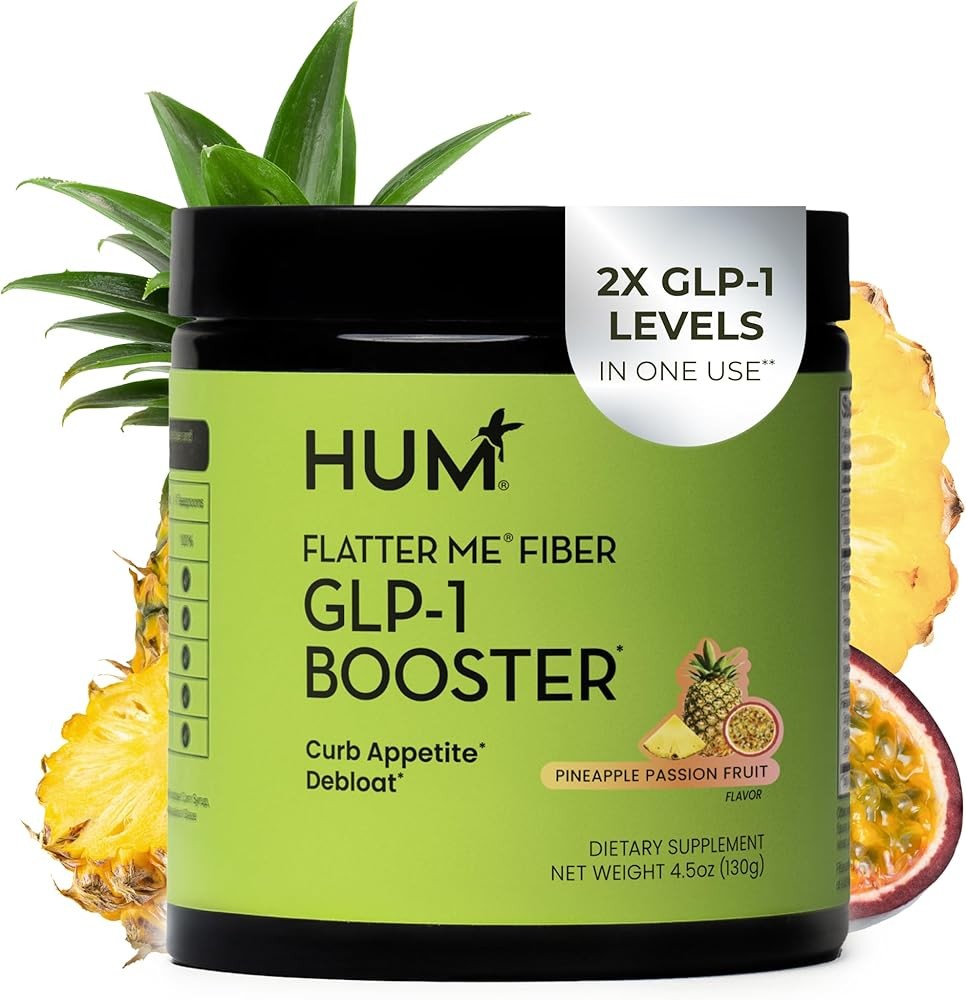
HUM Flatter Me Fiber Pineapple Passion Fruit Fiber Powder, 10 Servings
Check Price on AmazonAs an Amazon Associate we earn from qualifying purchases.
For women seeking research-aligned natural GLP-1 support, soluble fiber is the strongest lever: gut bacteria ferment it into short-chain fatty acids that stimulate GLP-1 release from intestinal L-cells. HUM Flatter Me is a pineapple-passion-fruit fiber powder from a well-known brand, with a digestive enzyme blend alongside its fiber content. It is a clean, simple way to raise daily fiber intake, with the honest caveat that a 10-serving tub covers about 10 days at one serving per day, so the $29.99 price works out to roughly $90 a month at daily use, and no fiber powder is a substitute for an overall high-fiber diet.
Best for Appetite Control: Veracity Metabolism Ignite (B0CL5BSBC6) — $58.99
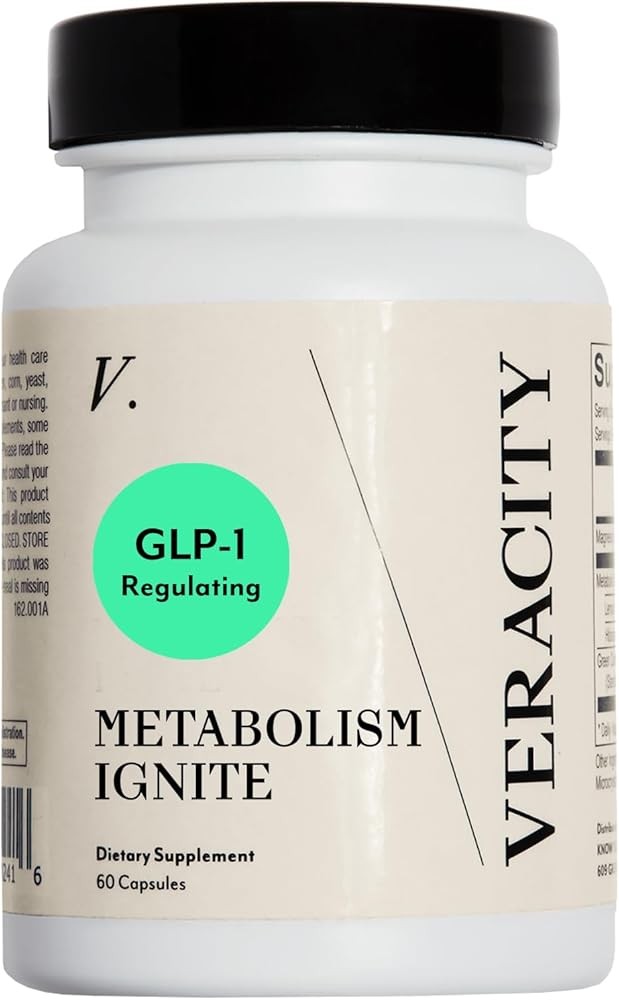
Veracity Metabolism Ignite - Boosts GLP-1 to Reduce Appetite and Cravings for Clinically Proven Weight Loss - Natural GLP-1 & Metabolic Support Supplement
Check Price on AmazonAs an Amazon Associate we earn from qualifying purchases.
Veracity Metabolism Ignite is marketed specifically as a GLP-1 booster for appetite and craving control, positioned on its label as doctor-recommended with clinically claimed weight-loss support. The brand’s framing is aggressive, so read the marketing claims as exactly that: the underlying ingredients and their doses should be checked against the label, and the realistic role for any such product is appetite support inside a calorie-controlled, high-fiber, high-protein protocol, not a stand-in for medical weight-loss treatment. At $58.99 it is a mid-premium price point, and the deciding factors are label transparency and whether the formula suits your tolerance.
Best for Direct GLP-1 Support: Calocurb 6X with Amarasate (B09SL1T2CM) — $89.99
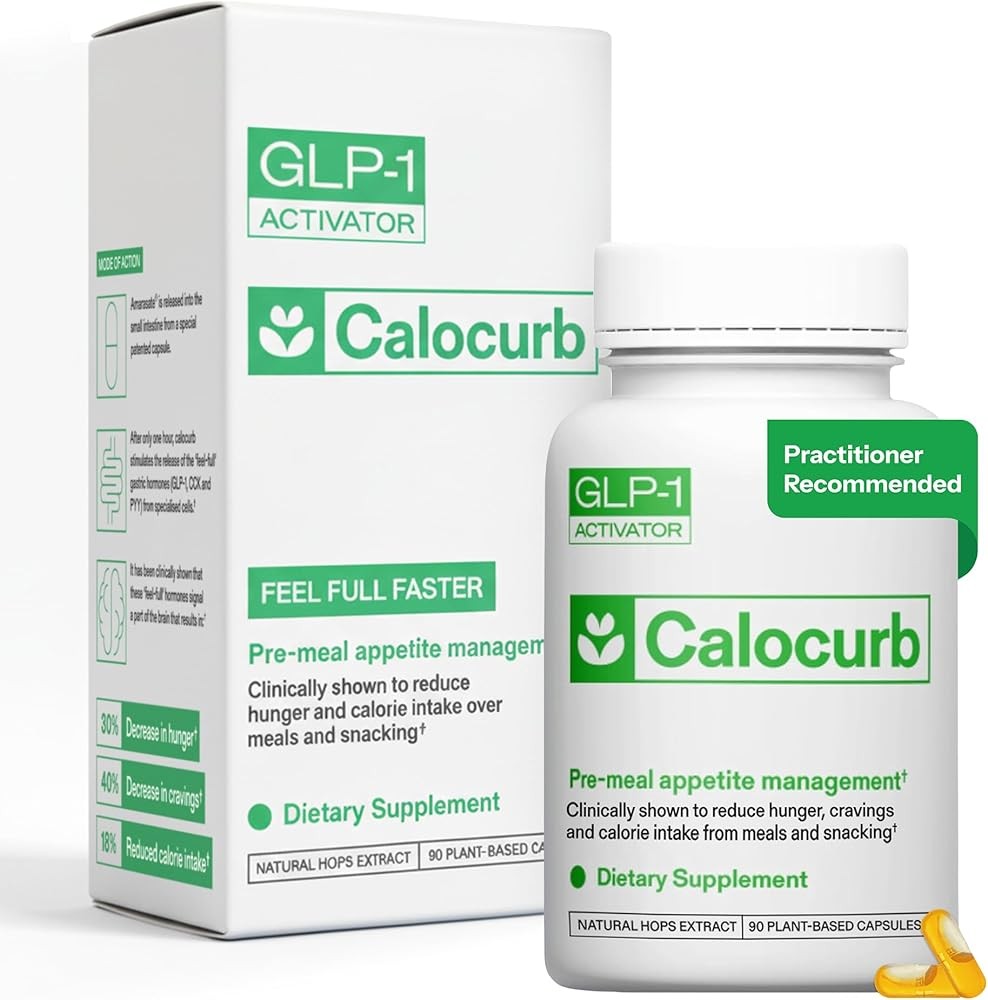
Calocurb 6X Natural GLP-1 Support, Amarasate Calorie Control Supplement
Check Price on AmazonAs an Amazon Associate we earn from qualifying purchases.
Calocurb is the most direct GLP-1 play in this guide: its active, Amarasate, is a hops-derived extract that the manufacturer’s own research program has studied for GLP-1 release and appetite reduction, and the listing claims GLP-1 support within an hour of a dose. That brand research exists and is worth reading, but it was funded by the company, so weigh it accordingly, and note that $89.99 per bottle makes this the premium option here. For women who have tried fiber and lifestyle approaches and want a directly targeted GLP-1 supplement with some human data behind its ingredient, this is the category leader; for everyone else it is expensive.
Best for Post-Menopausal Women: NOW Foods Vitamin D3 5,000 IU (B0032BH76O) — $11.97
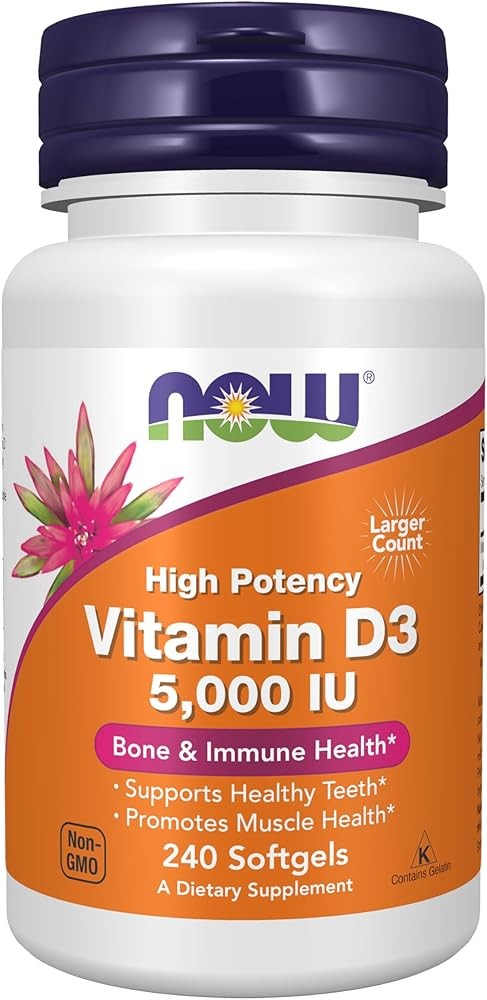
NOW Foods Supplements, Vitamin D-3 5,000 IU, High Potency, Structural Support*, 240 Softgels
Check Price on AmazonAs an Amazon Associate we earn from qualifying purchases.
Post-menopausal women lose bone density at roughly 1-2% per year from estrogen decline, and any weight loss protocol compounds that through reduced mechanical loading. Vitamin D supports calcium absorption, muscle function, and fall-risk reduction in older women, which makes it foundational during weight loss even though it does nothing to GLP-1 directly. NOW Foods Vitamin D3 5,000 IU delivers a solid maintenance-to-repletion dose in a 240-softgel bottle for $11.97, which works out to roughly eight months at one softgel daily. It is the cheapest and most broadly useful product in this guide.
📱 Join the discussion: Facebook | X | YouTube | Pinterest
Related Reading
- How to Stop Ozempic Without Gaining Weight Back: Complete Women’s Guide
- Best Supplements for Ozempic Side Effects and Nutrient Depletion: Complete GLP-1 Support Guide
- Best GLP-1 Companion Supplements for Muscle Retention After Ozempic, Wegovy, or Mounjaro
- Natural GLP-1 Supplements: Can Berberine and Yerba Mate Mimic Ozempic?
- The Post-Ozempic Protocol: 12-Week Transition Plan to Maintain Weight Loss After Stopping GLP-1s
- Best Supplements to Take AFTER Stopping Ozempic to reduce the risk of Weight Regain
- GLP-1 Tapering Guide: How to Wean Off Ozempic Safely Without Rebounding
References
-
Wilding JPH, et al. “Once-Weekly Semaglutide in Adults with Overweight or Obesity.” New England Journal of Medicine. 2021;384(11):989-1002. PubMed: 33567185
-
Wilding JPH, et al. “Weight regain and cardiometabolic effects after withdrawal of semaglutide: The STEP 1 trial extension.” Diabetes, Obesity and Metabolism. 2022;24(8):1553-1564. PubMed: 35441470 | PMC: 9542252
-
Lincoff AM, et al. “Semaglutide and Cardiovascular Outcomes in Obesity without Diabetes.” New England Journal of Medicine. 2023;389(24):2221-2232. PubMed: 37952131
-
Berg N, et al. “Discontinuing glucagon-like peptide-1 receptor agonists and body habitus: A systematic review and meta-analysis.” Obesity Reviews. 2025. PubMed: 40186344
-
Sola-Leyva A, et al. “The hidden impact of GLP-1 receptor agonists on endometrial receptivity and implantation.” Acta Obstetricia et Gynecologica Scandinavica. 2025. DOI: 10.1111/aogs.15010
-
BMC Endocrine Disorders. “Effects of GLP1RAs on pregnancy rate and menstrual cyclicity in women with polycystic ovary syndrome: a meta-analysis and systematic review.” 2023. Full text
-
Lanzillotta M, et al. “Glucagon-like peptide 1 receptor agonists and thyroid cancer: is it the time to be concerned?” Endocrine. 2023. PMC: 10563602
-
International Multisite Cohort Study. “Glucagon-Like Peptide 1 Receptor Agonists and Risk of Thyroid Cancer.” 2024. PubMed: 39772758
-
Habib SM, et al. “Isolation of Positive Modulator of Glucagon-like Peptide-1 Signaling from Trigonella foenum-graecum (Fenugreek) Seed.” Journal of Biological Chemistry. 2015;290(43):26235-26248. PMC: 4646272
-
Chait YA, et al. “Boosting GLP-1 by Natural Products.” Diabetes, Metabolic Syndrome and Obesity. 2022;15:171-193. PubMed: 34981502
-
RAND Corporation. “GLP-1 Agonists in Perimenopause: Unique Risks and Potential Opportunities.” August 2025. Full text
-
University of Utah Health. “New Study Raises Questions About How Ozempic Affects Muscle Size and Strength.” August 2025. Full text
-
Moon JM, Ratliff KM, et al. “Absorption Kinetics of Berberine and Dihydroberberine and Their Impact on Glycemia: A Randomized, Controlled, Crossover Pilot Trial.” Nutrients. 2021;14(1):124. PubMed: 35010998 | PMC: 8746601
-
Turner N, Li JY, et al. “Berberine and its more biologically available derivative, dihydroberberine, inhibit mitochondrial respiratory complex I: a mechanism for the action of berberine to activate AMP-activated protein kinase and improve insulin action.” Diabetes. 2008;57(5):1414-8. PubMed: 18285556
-
Zhang C, et al. “Dihydroberberine normalizes insulin secretion by regulating glucokinase.” Diabetes, Obesity and Metabolism. 2026. PubMed: 41077968
-
Chang C, Roh YS, et al. “Differences in Metabolite Profiles of Dihydroberberine and Micellar Berberine in Caco-2 Cells and Humans.” Int J Mol Sci. 2024;25(11):5912. PubMed: 38891813
-
Araj-Khodaei M, et al. “Berberine-induced glucagon-like peptide-1 and its mechanism for controlling type 2 diabetes mellitus: a comprehensive pathway review.” Arch Physiol Biochem. 2024;130(6):583-593. PubMed: 37921026
-
Jensterle M, et al. “Glucagon-like Peptide 1 Receptor Agonists for Treatment of Type 2 Diabetes and Obesity.” Biomedicines. 2017;5(1):8. PubMed: 28300673
Join the discussion: Facebook | X | YouTube | Pinterest
This article is for informational purposes only and does not constitute medical advice. Prescription GLP-1 drugs are medical treatments: never start, stop, or change them without your prescriber, and discuss any supplement protocol with your healthcare provider.
Recommended Products