Best Supplements for Ozempic Side Effects and Nutrient Depletion: Complete GLP-1 Support Guide
Summarized from peer-reviewed research indexed in PubMed. See citations below.
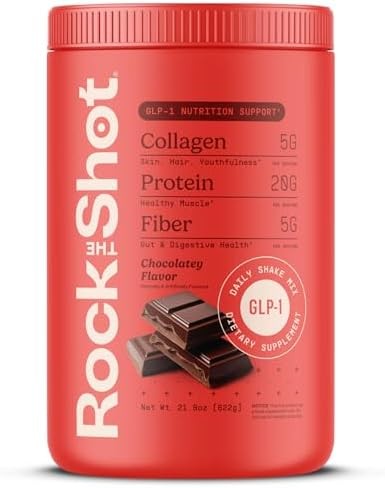
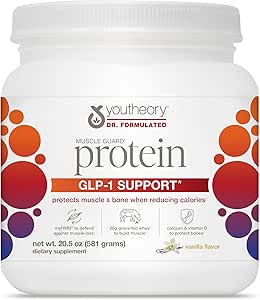
Clinical trials show GLP-1 users lose 25-40% of their weight as lean mass rather than fat, with the STEP 1 trial revealing that 39% of weight lost was muscle over 68 weeks (see our guide to avoiding weight regain after Ozempic). The GLP-1 Nutritional Support Supplement provides doctor-designed protein and vitamin support with 20g protein per serving plus comprehensive micronutrients for around $45 per container. Research demonstrates this combination of high protein intake (1.2-1.6g/kg goal weight) plus resistance training essentially eliminates muscle loss during GLP-1 treatment. The Youtheory Muscle Guard Protein offers targeted muscle preservation support at approximately $35 for budget-conscious users. Here’s what the published research shows about heading off nutrient depletion and side effects during Ozempic, Wegovy, and Mounjaro treatment.
Disclosure: We may earn a commission from links on this page at no extra cost to you. Affiliate relationships never influence our ratings. Full policy →
How Do GLP-1 Drugs Work and Why Does Nutrition Become Critical?
GLP-1 receptor agonists like Ozempic, Wegovy, Mounjaro, Zepbound, and other medications represent the most effective pharmaceutical weight loss interventions ever developed, though a post-Ozempic maintenance plan is essential once treatment ends. Clinical trials demonstrate weight loss of 15-20% of body weight, with some patients losing significantly more. For people struggling with obesity and metabolic disease, these medications are genuinely life-changing.
But the mechanism that makes GLP-1 drugs so effective also creates serious nutritional challenges (see the research on GLP-1 drugs and muscle loss). By dramatically suppressing appetite and slowing gastric emptying, these medications cause many users to consume 40-60% fewer calories. While this drives weight loss, it also drastically reduces micronutrient intake, increases risk of protein deficiency, and can lead to significant lean mass loss alongside fat loss.
The medical community is still developing comprehensive nutritional guidelines for GLP-1 users. Meanwhile, millions of people are taking these medications with minimal nutritional support beyond “eat more protein.” The research that does exist points to specific, evidence-based interventions that can mitigate side effects, preserve muscle mass, and reduce risk of deficiencies.
Understanding the mechanism of GLP-1 medications explains why supplementation becomes essential rather than optional.
What Is the GLP-1 Mechanism?
Glucagon-like peptide-1 (GLP-1) is a naturally occurring gut hormone released after eating. GLP-1 receptor agonists like semaglutide (Ozempic/Wegovy) and tirzepatide (Mounjaro/Zepbound) mimic this hormone at pharmacological doses. The result is a multi-system effect:
- Appetite suppression at the brain level: GLP-1 acts directly on hypothalamic appetite centers, producing profound reduction in hunger and food cravings
- Delayed gastric emptying: Food stays in the stomach longer, creating prolonged fullness and early satiety
- Enhanced insulin secretion: Improved blood sugar control and reduced insulin resistance
- Reduced glucagon: Lower glucose production by the liver
- Potential effects on reward pathways: Some evidence suggests GLP-1 drugs reduce food reward signaling in the brain
These mechanisms produce average weight loss of 15-17% for semaglutide and 20-22% for tirzepatide in clinical trials lasting 68-72 weeks.
What Are the Nutritional Consequences?
The problem is that this dramatic appetite suppression creates a perfect storm for nutritional deficiency:
Drastically reduced caloric intake: Many GLP-1 users report consuming 800-1200 calories daily, down from 2000-3000+ before treatment. This 50-60% reduction in intake means 50-60% less of every vitamin, mineral, and macronutrient from food.
Early satiety and food aversion: Users often cannot finish normal portions and may develop aversions to previously enjoyed foods, particularly meat and protein-rich foods. This specifically impacts protein intake.
Prolonged gastric retention: Delayed emptying can cause bloating, nausea, and reflux, making it even harder to eat adequate nutrition.
Rapid weight loss: While beneficial for metabolic health, losing 1-2 pounds per week (or more) for months increases nutritional demands while intake is at its lowest.
A 2025 study presented at ENDO found that approximately 40% of the weight lost from taking semaglutide comes from lean mass, including muscle. The research showed that being older, female, or eating less protein was linked to greater muscle loss, while higher protein intake helped protect against this muscle wasting. For someone losing 50 pounds, that means 20 pounds of muscle, bone, and organ tissue. This is not just a cosmetic concern—lean mass loss is associated with reduced metabolic rate, increased frailty risk, and potentially worse long-term outcomes.
| Feature | GLP-1 Nutritional Support (Chocolate) | Youtheory Muscle Guard Protein | GLP-1 Nutritional Support (Vanilla) |
|---|---|---|---|
| View on Amazon | Check Price | Check Price | Check Price |
Why Are Protein and Resistance Training Non-Negotiable for GLP-1 Users?
Muscle preservation during GLP-1 treatment is the single most important nutritional goal. The data on lean mass loss is concerning, but the interventions to reduce risk of it are well-established.
What Does Research Show About Muscle Loss on GLP-1 Drugs?
The STEP trials (the pivotal semaglutide trials) showed that while participants lost impressive amounts of weight, body composition analysis revealed significant lean mass loss. In the STEP 1 trial, participants lost an average of 14.9% of body weight over 68 weeks, but approximately 39% of that weight loss was lean mass.
A 2023 analysis comparing GLP-1-associated weight loss to surgical and lifestyle interventions found that the proportion of lean mass lost with GLP-1 drugs (25-40%) was similar to or slightly higher than with bariatric surgery, and significantly higher than with diet and exercise alone when protein intake is adequate.
Why Does Muscle Loss Happen on GLP-1 Medications?
Rapid caloric deficit: GLP-1 medications create severe energy restriction. When energy intake is insufficient and protein intake is low, the body catabolizes muscle tissue to provide amino acids for gluconeogenesis and essential protein synthesis.
Reduced anabolic stimulus: Many GLP-1 users dramatically reduce protein intake due to loss of appetite and meat aversion. Without adequate dietary protein, muscle protein synthesis rates drop.
Inadequate resistance training: Most GLP-1 users do not engage in structured resistance training, eliminating the mechanical stimulus that signals the body to preserve muscle during weight loss.
Age and baseline muscle mass: Older adults and people starting with lower muscle mass lose a larger fraction of their weight as lean tissue, because the body’s anabolic reserve is smaller. This is why the same drug produces different body-composition outcomes in a 30-year-old athlete versus a 65-year-old sedentary patient — and why muscle preservation matters more, not less, for older GLP-1 users.
What Is the Evidence-Based Solution to Prevent Muscle Loss?
A landmark 2023 study published in The Lancet examined whether adding intensive lifestyle intervention (high protein diet + resistance training) to liraglutide (another GLP-1 drug) could preserve lean mass. The results were striking:
- Liraglutide alone: 6.1 kg total weight loss, 2.0 kg lean mass loss (33% of weight lost was muscle)
- Liraglutide + high protein + resistance training: 7.5 kg total weight loss, 0.1 kg lean mass loss (essentially zero muscle loss)
The intervention group consumed 1.2-1.5g protein per kg body weight daily and performed supervised resistance training 3x weekly. This combination essentially eliminated lean mass loss while maintaining weight loss efficacy.
What Are the Practical Protein Targets for GLP-1 Users?
Based on research in caloric restriction and the specific GLP-1 data, target protein intake should be:
1.2-1.6g per kg of goal body weight per day
For a person with a goal weight of 70 kg (154 lbs), this means 84-112g protein daily. For someone targeting 90 kg (198 lbs), 108-144g daily.
This is a high target for someone consuming 1000-1200 calories and experiencing reduced appetite. This is where protein supplementation becomes essential rather than optional.
What Are the Best Protein Supplements for GLP-1 Users?
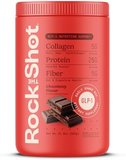
The chocolate version of the GLP-1 Nutritional Support Supplement is the flagship formula in this category: a doctor-designed daily shake that pairs 20g of protein per serving with elevated doses of the micronutrients most commonly depleted during GLP-1 treatment, including vitamin B12, vitamin D, calcium, and magnesium. The protein supports muscle retention during rapid weight loss, while the vitamin and mineral base addresses the predictable deficiencies created by a 40-60% reduction in food intake. For users who want one product covering both the protein and micronutrient sides of the problem, this is the most complete single option. It mixes into water or milk, works as a meal replacement or between-meal supplement, and the chocolate flavor is generally well tolerated even by users experiencing food aversions.
Youtheory Muscle Guard Protein is a whey protein powder specifically designed to support muscle retention during GLP-1 treatment. The formula provides 18g of protein per serving with a targeted amino acid profile optimized for muscle preservation during caloric restriction.
While it doesn’t include the comprehensive vitamin and mineral formula of the GLP-1 Nutritional Support Supplement, it offers a more budget-friendly option for users who are addressing micronutrients through a separate multivitamin and want to focus supplementation dollars specifically on protein intake.
The whey protein source provides a complete amino acid profile with high leucine content, which is particularly important for stimulating muscle protein synthesis during periods of caloric restriction. Research consistently shows whey protein is one of the most effective protein sources for muscle preservation during weight loss.
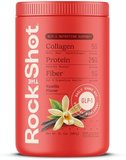
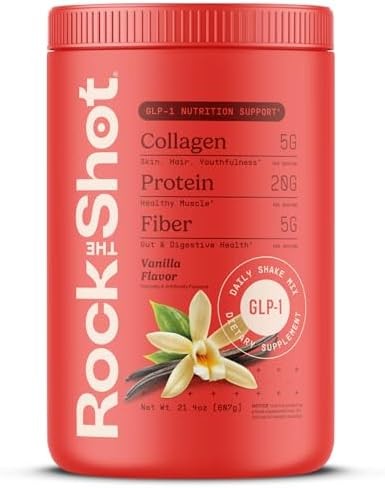
The vanilla version of the GLP-1 Nutritional Support Supplement provides the exact same doctor-designed formula as the chocolate version, offering an alternative flavor option for users who prefer vanilla or want variety in their daily routine. Like the chocolate version, it delivers 20g of protein per serving along with a comprehensive array of vitamins and minerals specifically formulated for GLP-1 users.
The vanilla flavor profile tends to be more neutral and versatile, making it easier to blend with other ingredients like berries, spinach, or nut butters if users want to create custom smoothies. Some users find vanilla more palatable when experiencing food aversions, as it’s less sweet than chocolate.
The nutritional profile is identical to the chocolate version, providing elevated levels of vitamin B12, vitamin D, calcium, and magnesium alongside the protein needed for muscle preservation. The choice between vanilla and chocolate comes down purely to flavor preference.
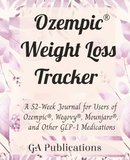
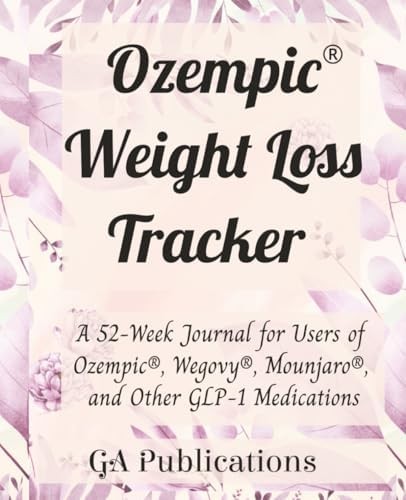
While not a supplement, the Ozempic Weight Loss Tracker is an essential tool for GLP-1 users to monitor their nutritional intake, side effects, and progress over the 52-week treatment period. The journal provides structured spaces to track daily protein intake, supplement compliance, side effects, weight changes, and other metrics critical for optimizing outcomes during GLP-1 treatment.
Research consistently shows that self-monitoring improves adherence to nutritional protocols and helps identify patterns that may require intervention. For GLP-1 users, tracking becomes especially important because the medication’s effects on appetite and satiety can make it difficult to recognize inadequate nutrition until deficiency symptoms appear.
The journal format facilitates better communication with healthcare providers by providing objective data on intake patterns, side effects, and response to interventions. This is particularly valuable during follow-up appointments when adjusting supplementation protocols or medication dosing.
What Vitamins and Minerals Are Most Commonly Depleted by GLP-1 Drugs?
Beyond protein, several specific micronutrients are at high risk of depletion during GLP-1 treatment due to the combination of drastically reduced food intake and altered absorption.
Vitamin B12: Why Is Deficiency So Common?
Prevalence: Studies show 28% of GLP-1 users develop low B12 levels within 6-12 months, compared to 12% of controls.
Mechanisms of depletion:
- Reduced intake of meat and animal products (primary B12 sources)
- Potential effects on gastric acid and intrinsic factor
- Malabsorption due to rapid GI transit changes
Clinical consequences: Fatigue, weakness, neuropathy (numbness/tingling), cognitive changes, anemia, mood changes.
Research evidence: A 2024 retrospective study found B12 deficiency diagnosed in 28% of semaglutide users at 12 months vs 12% of matched controls. Risk was highest in older adults, vegetarians, and those with pre-existing borderline-low B12.
Supplementation protocol:
- Methylcobalamin or hydroxocobalamin 500-1000mcg daily
- Sublingual or oral tablet (absorption generally adequate even with GI changes)
- Recheck levels at 3 months and adjust dose based on response
- Consider B12 injections if oral supplementation doesn’t normalize levels
Vitamin D: Why Is It Critical During Weight Loss?
Prevalence: 40-60% of GLP-1 users have suboptimal vitamin D status (<30 ng/mL), similar to general population but with greater consequences during rapid weight loss.
Mechanisms of depletion:
- Reduced intake of fortified foods and dairy
- Pre-existing deficiency common in people with obesity
- Increased bone turnover during rapid weight loss increases vitamin D demands
Clinical consequences: Accelerated bone mineral density loss, increased fracture risk, muscle weakness, immune dysfunction, mood changes.
Research evidence: Rapid weight loss is associated with significant bone mineral density decreases, particularly at the hip and spine. Adequate vitamin D status (40-50 ng/mL) appears protective against bone loss during caloric restriction, though effects are modest without adequate calcium and resistance training.
Supplementation protocol:
- Vitamin D3 (cholecalciferol) 2000-4000 IU daily
- Take with fat-containing meal for better absorption
- Recheck 25-OH vitamin D levels at 3 months
- Adjust dose to maintain levels between 40-60 ng/mL
- Higher doses (5000+ IU) may be needed for those with severe deficiency or malabsorption
Calcium: Why Does Weight Loss Increase Needs?
Prevalence: Most GLP-1 users consume <500mg calcium daily, well below the 1000-1200mg RDA.
Mechanisms of depletion:
- Reduced intake of dairy and calcium-rich foods
- Rapid weight loss increases bone remodeling and calcium turnover
- Potential malabsorption from rapid GI transit
Clinical consequences: Accelerated bone mineral density loss, increased fracture risk, muscle cramping.
Research evidence: Studies on bariatric surgery patients (similar rapid weight loss model) show significant hip and spine BMD decreases unless calcium supplementation (1200-1500mg daily) is provided alongside vitamin D and weight-bearing exercise.
Supplementation protocol:
- Calcium citrate 500-1000mg daily, split into 2 doses (calcium citrate better absorbed than carbonate, especially with altered GI function)
- Take separate from iron supplements (compete for absorption)
- Take with vitamin D for optimal absorption and bone effects
- Combine with vitamin K2 (MK-7 form, 100-200mcg daily) for proper calcium utilization
Magnesium: Why Is It Especially Important for GLP-1 Users?
Prevalence: 50%+ of GLP-1 users likely have suboptimal magnesium status based on general population data and reduced intake patterns.
Mechanisms of depletion:
- Reduced intake of magnesium-rich foods (nuts, seeds, whole grains, leafy greens)
- GI side effects may impair absorption
- Stress and rapid metabolic changes increase magnesium demands
Clinical consequences: Muscle cramps, constipation (common GLP-1 side effect worsened by low magnesium), sleep disturbances, fatigue, cardiac arrhythmias.
Research evidence: Magnesium deficiency is extremely common in the general population and likely worse in GLP-1 users due to reduced intake. Magnesium citrate specifically has evidence for improving constipation, a common GLP-1 side effect.
Supplementation protocol:
- Magnesium citrate or glycinate 200-400mg daily
- Citrate form helps with constipation (mild laxative effect)
- Glycinate form better for sleep and less GI effect if constipation not an issue
- Avoid magnesium oxide (poor absorption)
- Take in evening for potential sleep benefits
Iron: Who Is at Highest Risk?
Prevalence: 15-20% of GLP-1 users may develop iron deficiency, particularly menstruating women.
Mechanisms of depletion:
- Reduced intake of red meat and iron-rich foods
- Potential malabsorption with GI changes
- Pre-existing deficiency common in women
Clinical consequences: Fatigue, weakness, cold intolerance, impaired exercise capacity, hair loss, restless leg syndrome.
Research evidence: Women, vegetarians, and those with pre-existing borderline-low ferritin are at highest risk. A 2024 study found iron deficiency in 18% of female GLP-1 users at 6 months vs 9% at baseline.
Supplementation protocol:
- Only supplement if deficiency confirmed by lab testing (ferritin <30 ng/mL)
- Iron bisglycinate 25-50mg daily (better tolerated, less constipation than ferrous sulfate)
- Take with vitamin C for enhanced absorption
- Take separate from calcium (compete for absorption)
- Take on empty stomach if tolerated, with food if causes nausea
- Recheck iron panel in 3 months
What Supplements Help Manage Common GLP-1 Side Effects?
Beyond addressing nutritional deficiencies, several evidence-based supplements can significantly reduce the severity and duration of common GLP-1 side effects.
Nausea: What Works According to Clinical Evidence?
Nausea is the most common side effect of GLP-1 medications, affecting 40-60% of users, particularly during dose escalation. It typically peaks in the first 2-4 weeks after each dose increase and tends to fade as the body adapts, which makes short-term, well-tolerated interventions especially valuable during that window.
Ginger (Zingiber officinale):
- Dose: 1000-2000mg standardized extract (4-5% gingerols) daily, split into 2-3 doses
- Evidence: Multiple meta-analyses show ginger significantly reduces nausea intensity across various causes. Effect sizes are comparable to some pharmaceutical antiemetics.
- Mechanism: Gingerols and shogaols appear to have antiemetic effects through 5-HT3 receptor antagonism and effects on gastric motility
- Forms: Capsules, chewable tablets, or ginger tea (fresh ginger 1-2 inches grated into hot water)
- Timing: Take 30 minutes before meals or as needed when nausea first begins to rise
Vitamin B6 (Pyridoxine):
- Dose: 10-25mg twice daily
- Evidence: Well-established for pregnancy-related nausea; some evidence for other nausea causes
- Mechanism: Not fully understood; may affect neurotransmitter metabolism related to nausea pathways
- Safety: Very safe at these doses; neuropathy risk only at much higher doses (>500mg daily for months)
Peppermint Oil:
- Dose: 180-200mg enteric-coated capsules before meals
- Evidence: Multiple RCTs show efficacy for IBS-related nausea and GI discomfort
- Mechanism: Smooth muscle relaxation via calcium channel blockade
- Form: Must be enteric-coated to avoid heartburn
Digestive Enzymes:
- Dose: One comprehensive enzyme capsule (containing lipase, protease, amylase) before each main meal
- Evidence: Mechanistic rationale strong (compensating for delayed gastric emptying); limited direct RCT evidence
- Components: Look for broad-spectrum formulas with multiple enzyme types
- Timing: Take 5-15 minutes before eating
Constipation: What Are the Evidence-Based Solutions?
Constipation affects 30-40% of GLP-1 users due to delayed GI transit.
Fiber Supplements:
- Psyllium husk: 5-10g daily with 8-16oz water
- Acacia fiber (Fiber gum): 5-10g daily (better tolerated, less bloating than psyllium)
- Evidence: Strong evidence for improving stool frequency and consistency
- Timing: Separate from other supplements by 2 hours (fiber can impair absorption)
Magnesium (Citrate Form):
- Dose: 400mg daily (higher end of general recommendation)
- Evidence: Well-established osmotic laxative effect
- Dual benefit: Addresses both constipation and magnesium deficiency risk
Probiotics:
- Dose: 10-50 billion CFU multi-strain formula
- Evidence: Some evidence for improving constipation, particularly strains including Bifidobacterium and specific Lactobacillus strains
- Strains: Look for Bifidobacterium lactis, Lactobacillus plantarum, Lactobacillus rhamnosus
- Timing: Take daily, morning or evening (consistency matters more than timing)
Fatigue: What Supplements Have Evidence?
Fatigue in GLP-1 users may result from caloric restriction, nutrient deficiencies, or rapid metabolic changes. Because the cause is usually multifactorial, the practical approach is to rule out the correctable deficiencies first (iron, B12, vitamin D, thyroid) and address energy metabolism support while those results come back.
CoQ10 (Ubiquinol):
- Dose: 100-200mg daily
- Evidence: Multiple trials show CoQ10 reduces fatigue in various conditions; ubiquinol form has better absorption
- Mechanism: Mitochondrial energy production support
- Form: Ubiquinol (reduced form) preferred over ubiquinone
- Timing: Take with fat-containing meal
- Practical note: Expect a 2-4 week lag before effects appear; CoQ10 accumulates slowly in tissues, so the first week or two rarely produces noticeable change.
Iron (If Deficient):
- Dose: 25-50mg bisglycinate daily
- Evidence: Iron deficiency is a common, reversible cause of fatigue
- Caution: Only supplement if deficiency confirmed by testing — excess iron is pro-oxidant and harmful, so this is the one supplement in the protocol where “test first” is non-negotiable
- Duration: 3 months minimum to restore iron stores; recheck ferritin before continuing
- Timing: Take on an empty stomach with vitamin C for absorption, and at least 2 hours from calcium, magnesium, or tea
B-Complex:
- Dose: B-complex providing methylfolate (400-800mcg) and methylcobalamin (500-1000mcg)
- Evidence: B vitamins are essential for energy metabolism; deficiencies cause fatigue
- Form: Methylated forms (methylfolate, methylcobalamin) better absorbed and utilized
- Practical note: B-vitamin deficiency on GLP-1 drugs is largely a consequence of reduced food intake, so a bariatric-strength multivitamin usually covers this; a standalone B-complex only becomes necessary if testing shows a specific gap.
General guidance: If fatigue persists beyond 4-6 weeks despite correcting deficiencies, review sleep quality, total calorie intake (below roughly 1,000-1,200 kcal/day, energy will flag regardless of supplements), and thyroid status with your prescriber — fatigue that predates the medication or survives supplementation deserves a medical workup rather than another supplement.
Digestive Discomfort and Bloating: What Helps?
Peppermint Oil (enteric-coated):
- Dose: 180-200mg before meals
- Evidence: Multiple RCTs for IBS; reduces cramping and bloating
- Duration: Effects are acute; take consistently with meals
Digestive Enzymes:
- Dose: Comprehensive formula before each meal
- Evidence: Helps compensate for delayed gastric emptying and altered digestion patterns
Probiotics:
- Dose: Multi-strain formula 10-50 billion CFU
- Evidence: Some strains reduce bloating and improve overall GI symptom scores
What About Supplements for Skin, Hair, and Joint Health During Weight Loss?
Rapid weight loss can affect skin elasticity, hair growth, and joint health. Several supplements have evidence for these specific concerns.
Collagen Peptides
Dose: 10-20g daily (hydrolyzed collagen peptides)
Evidence:
- Skin: Multiple RCTs show improvements in skin hydration, elasticity, and wrinkle depth with 10-20g daily collagen supplementation for 8-12 weeks
- Hair: Limited but promising evidence for improving hair growth and thickness
- Joints: Some evidence for reducing joint pain in osteoarthritis
Mechanism: Provides amino acids (particularly glycine, proline, hydroxyproline) that are building blocks for collagen synthesis
Forms: Hydrolyzed collagen peptides (smaller peptides for better absorption). Bovine, marine, or chicken sources all appear effective.
Timing: Flexible; can be mixed into coffee, smoothies, or taken with meals
Biotin
Dose: 5-10mg (5000-10000mcg) daily
Evidence: Limited evidence for hair and nail health in people without biotin deficiency, but widely used and safe
Caution: High-dose biotin can interfere with certain lab tests (particularly thyroid and cardiac markers). Inform your doctor if taking high-dose biotin before lab work.
Omega-3 Fatty Acids
Dose: 2-3g EPA+DHA daily
Evidence:
- Cardiovascular: Strong evidence for heart health benefits
- Inflammation: Anti-inflammatory effects may support joint and skin health
- Skin: Some evidence for improving skin barrier function and reducing inflammation
Form: Fish oil or algal oil (vegetarian source). Look for products with EPA+DHA content clearly labeled.
Timing: Take with meals to improve absorption and reduce fishy aftertaste
What Is a Complete, Evidence-Based GLP-1 Supplement Protocol?
Based on the clinical and mechanistic evidence, here is a comprehensive tiered supplementation protocol for GLP-1 users.
Tier 1: Essential Supplements for All GLP-1 Users
These supplements address the most common and consequential nutritional issues during GLP-1 treatment. Each one targets a documented consequence of the medication rather than a hypothetical benefit, which is why they form the non-negotiable core of the protocol:
-
Protein supplement: 25-50g daily to help meet 1.2-1.6g/kg goal weight target (whey, pea, or blended protein). The STEP 1 and STEP 4 trials showed that roughly 40% of weight lost on semaglutide comes from lean mass, and protein is the single most important dietary lever for shifting that ratio toward fat loss. With appetite suppression cutting total intake by 40-60%, hitting 100-120g of protein through whole food alone is often impossible — a daily shake or two closes the gap. Whey is preferred for its leucine content and rapid absorption; pea or blended plant proteins are reasonable alternatives for those avoiding dairy.
-
Bariatric multivitamin: One comprehensive formula providing 200-400% RDA of B vitamins, vitamin D, iron (if needed), and other micronutrients. Standard multivitamins are formulated for people eating normal portions. GLP-1 users eating 800-1,200 calories daily cannot reach even maintenance micronutrient levels from food, so a higher-potency formula designed for surgically-induced malabsorption is the closer analog. Look for one with methylated B12 (methylcobalamin), since reduced stomach acid and slowed gastric emptying impair absorption of food-bound cobalamin.
-
Vitamin B12: 500-1000mcg daily (if not adequately covered in multivitamin). Gastric acid suppression and delayed gastric emptying reduce the release of B12 from food proteins, and retrospective data shows roughly a quarter of long-term semaglutide users develop low B12. Deficiency symptoms (fatigue, neuropathy, cognitive slowing) overlap heavily with common GLP-1 complaints, so they are easy to miss. Sublingual methylcobalamin bypasses the digestive variables entirely.
-
Vitamin D3: 2000-4000 IU daily (if not adequately covered in multivitamin). Rapid weight loss increases vitamin D requirements because the vitamin is sequestered in adipose tissue and released slowly as fat is mobilized. People starting GLP-1 therapy are frequently already insufficient (obesity is associated with low 25(OH)D), and the 40-60% cut in calorie intake removes most dietary sources. Testing baseline 25(OH)D and rechecking at 3 months is the only reliable way to dose correctly.
-
Calcium citrate: 500-1000mg daily (split into two doses). Bariatric surgery literature shows calcium absorption falls even when vitamin D status is optimized, and GLP-1 users face the same reduced-intake problem. Calcium citrate is preferred over carbonate because it absorbs without requiring strong stomach acid, which matters given the slowed gastric emptying and reduced acid secretion on these medications. Split dosing improves absorption because the gut handles roughly 500mg per dose efficiently.
-
Magnesium: 200-400mg daily (citrate or glycinate form). Magnesium supports muscle function, sleep, and bowel regularity — three areas GLP-1 users struggle with. The citrate form doubles as a mild osmotic laxative for the constipation that affects a large fraction of users, while glycinate suits those whose dominant complaint is sleep disruption or muscle cramping. Deficiency is common in people with obesity and metabolic disease to begin with.
-
Omega-3 fish oil: 2-3g EPA+DHA daily. Beyond cardiovascular protection — relevant since GLP-1 users are typically targeting metabolic disease — omega-3s support joint health during rapid weight loss and provide a calorie-free anti-inflammatory base. The triglyceride form absorbs better than ethyl ester and produces fewer reflux symptoms, which matters when delayed gastric emptying already predisposes to heartburn.
Which Supplements Are Highly Recommended for Most Users?
-
Creatine monohydrate: 5g daily (for muscle preservation). Creatine is the most studied supplement for preserving lean mass during caloric restriction, with decades of data showing it supports strength and muscle retention when combined with resistance training. It does not cause weight gain beyond the initial water retention (roughly 2-3 lbs in the first week), which is worth knowing so users do not mistake it for fat regain on the scale. It can be taken any time of day; consistency matters more than timing.
-
Probiotic: 10-50 billion CFU multi-strain formula daily. GLP-1 drugs alter gut motility and transit time, and emerging research links semaglutide treatment to shifts in gut microbiota composition. A multi-strain formula containing Lactobacillus and Bifidobacterium species is the practical insurance policy against dysbiosis, bloating, and constipation. Look for enteric-coated or delayed-release capsules so the organisms survive stomach acid, and store according to label instructions to preserve viability.
-
Digestive enzymes: One capsule before each main meal. Delayed gastric emptying means food sits in the stomach longer, and many users report bloating, fullness, and indigestion that mirrors what pancreatic enzyme insufficiency produces. A broad-spectrum enzyme product containing lipase, protease, and amylase helps break down food more completely and reduces the sensation of food “sitting there.” This is one of the fastest-acting interventions in the protocol — most users notice a difference within days rather than weeks.
-
Electrolyte supplement: 1-2 servings daily (especially during first 3 months). The combination of drastically reduced food intake, potential vomiting or diarrhea in the titration phase, and increased water intake recommended on these medications can flush out sodium, potassium, and magnesium. Low electrolytes produce headaches, fatigue, dizziness, and muscle cramps — symptoms frequently misattributed to the medication itself. A zero-sugar electrolyte mix with meaningful sodium (500-1000mg per serving) is preferable to sports drinks loaded with carbohydrate.
What Are the Symptom-Specific Add-On Supplements?
For nausea:
- Ginger extract: 1000-2000mg daily
- Vitamin B6: 10-25mg twice daily
- Peppermint oil: 180-200mg enteric-coated before meals
For constipation:
- Psyllium husk or acacia fiber: 5-10g daily with extra water
- Magnesium citrate: 400mg (higher end of range)
For fatigue:
- CoQ10: 100-200mg ubiquinol daily
- Iron: If deficiency confirmed, 25-50mg bisglycinate daily
For skin/hair/joints:
- Collagen peptides: 10-20g daily
For diabetic neuropathy:
- Alpha-lipoic acid: 600mg daily
How Should Supplements Be Timed and Organized?
Timing matters more on GLP-1 drugs than for the general supplement user, because slowed gastric emptying changes how and when nutrients absorb, and because the medication itself is often dosed once weekly with its own side-effect peak. The schedule below is designed around those constraints:
Morning (with breakfast):
- Multivitamin (with food to reduce nausea risk)
- Vitamin D (fat-soluble; breakfast fat improves absorption)
- Omega-3 (with food; reduces fishy burps and reflux)
- CoQ10 (if using)
Before each meal:
- Digestive enzymes (immediately before eating; do not take on an empty stomach)
With lunch or dinner:
- Calcium (split dose — the gut absorbs roughly 500mg per dose, so spreading the day’s total improves uptake)
- B12 (if separate supplement)
Evening:
- Magnesium (citrate for constipation, glycinate for sleep; either way, evening suits its relaxing effect)
- Probiotic (bedtime dosing protects the organisms from stomach acid exposure during the day’s largest meals)
- Calcium (second dose)
- Collagen (if using)
Post-workout or as needed:
- Protein supplement (within 1-2 hours of resistance training maximizes muscle protein synthesis)
- Creatine (can be mixed with protein)
Throughout day:
- Electrolyte drinks (between meals — avoid drinking large volumes with meals, since delayed gastric emptying makes that uncomfortable)
- Fiber supplement (separate from other supplements by 2 hours, and ramp up slowly to avoid bloating)
A practical simplification: if organizing ten supplements feels overwhelming, start with the Tier 1 core (protein, multivitamin, B12, vitamin D, magnesium, omega-3) for two weeks, then layer in the symptom-specific options. Most users find a weekly pill organizer plus a pre-mixed protein shake routine turns the protocol into a five-minute daily habit rather than a constant decision.
What Lab Testing Is Needed to Monitor Nutrient Status?
Don’t guess about nutrient status—test and adjust based on data.
What Is the Recommended Testing Timeline?
At baseline (before starting GLP-1 or early in treatment):
- Comprehensive metabolic panel (CMP)
- Complete blood count (CBC)
- Vitamin B12 and folate
- Vitamin D (25-OH vitamin D)
- Iron panel (ferritin, serum iron, TIBC, transferrin saturation)
- Magnesium (RBC magnesium more accurate than serum)
- HbA1c and fasting glucose
- Lipid panel
- Thyroid function (TSH, free T4)
At 3 months:
- Repeat vitamin B12
- Repeat vitamin D
- Repeat iron panel (if at risk)
- CMP (to check electrolytes, kidney function)
- HbA1c
At 6 months and ongoing every 6 months:
- Full repeat of baseline labs
- Add bone density scan (DEXA) if losing >10% body weight
What Are the Target Ranges for Key Nutrients?
- Vitamin B12: >400 pg/mL (higher is generally better for optimal neurological function)
- Vitamin D: 30-50 ng/mL (some experts recommend 40-60 ng/mL)
- Ferritin: 30-100 ng/mL for women, 50-150 ng/mL for men
- Magnesium (RBC): 4.0-6.4 mg/dL
How to interpret your results: The single most important principle is that “normal” reference ranges on lab reports are population averages, not optimal targets for someone in rapid weight loss. A B12 of 350 pg/mL may be flagged as normal by the lab yet still produce fatigue and neuropathic symptoms in a person eating 1,000 calories daily — practitioners who manage GLP-1 patients often push toward the higher end of each range during active weight loss and allow levels to settle once weight stabilizes.
RBC magnesium vs serum magnesium: Standard serum magnesium tests miss roughly half of true deficiencies because the body maintains blood levels at the expense of tissue stores. An RBC (red blood cell) magnesium test reflects intracellular status far more accurately. If your doctor will only order serum, read a low-normal result as a signal to supplement regardless.
Ferritin nuance: Ferritin is an acute-phase reactant — it rises with inflammation, which is common in people with obesity and metabolic disease. A ferritin in the “normal” range can mask true iron deficiency when inflammatory markers are elevated. If your CRP is high, ask about checking transferrin saturation and serum iron alongside ferritin for a truer picture.
When to test: Order baseline labs before or within the first month of starting a GLP-1 medication, because you need a starting point to interpret the 3-month follow-up. If your prescriber is reluctant, most of these can be requested through standard annual bloodwork — the marginal cost of adding B12, vitamin D, ferritin, and RBC magnesium to a routine panel is small relative to the cost of guessing wrong for six months.
Work with your healthcare provider to interpret results and adjust supplementation accordingly. Never stop, start, or change doses of prescription medications based on supplement-driven lab changes without medical supervision — the goal is to coordinate supplementation with your prescriber, not to self-manage around them.
What Are the Safety Considerations and When Should You Seek Medical Attention?
While the supplements discussed are generally safe, some important cautions:
What Supplement-Drug Interactions Should You Know About?
Blood thinners (warfarin): Omega-3s, vitamin K, and some herbs can interact. Consult your doctor.
Diabetes medications: If you’re taking insulin or other diabetes drugs alongside GLP-1 medications, high-dose chromium or alpha-lipoic acid could potentially cause hypoglycemia. Monitor blood sugar closely.
Thyroid medications: Calcium and iron supplements can interfere with levothyroxine absorption. Take thyroid medication on empty stomach at least 4 hours away from calcium/iron.
What Warning Signs Require Immediate Medical Attention?
Stop supplements and contact your healthcare provider immediately if you experience:
- Severe or persistent vomiting (unable to keep down food or water for >24 hours)
- Signs of severe dehydration (dark urine, dizziness, rapid heartbeat, confusion)
- Unexplained severe fatigue or weakness (possible severe anemia or electrolyte imbalance)
- Numbness, tingling, or weakness in extremities (possible B12 deficiency or neuropathy)
- Chest pain, irregular heartbeat, or severe shortness of breath
- Severe abdominal pain (possible pancreatitis or other serious GI complication)
These symptoms may indicate complications requiring immediate medical care, not just nutritional support.
Why Are Supplements Essential, Not Optional, for GLP-1 Users?
If you are taking Ozempic, Wegovy, Mounjaro, or similar medications, comprehensive nutritional supplementation is not just “helpful”—it’s essential for safe, effective, and sustainable weight loss that preserves your lean mass and reduces risk of deficiency diseases.
The research clearly shows that:
- Without adequate protein and resistance training, you will lose significant muscle mass—potentially 25-40% of total weight lost
- Micronutrient deficiencies are common and predictable without supplementation, particularly B12, vitamin D, iron, and magnesium
- Side effects like nausea, constipation, and fatigue can be significantly mitigated with evidence-based supplementation and dietary strategies
- Long-term health outcomes depend on how you lose the weight, not just how much you lose
Work with a healthcare provider knowledgeable about obesity medicine or bariatric nutrition to develop a personalized protocol. Get baseline and follow-up lab testing. Adjust your supplements based on symptoms and lab results. And remember: these medications are tools, but your long-term success depends on building sustainable nutrition habits that will serve you after you discontinue the medication.
Bottom line: The core GLP-1 protocol is protein 25-50g daily plus a bariatric-strength multivitamin, B12 500-1000mcg, vitamin D 2000-4000 IU, magnesium 200-400mg, and omega-3 2-3g daily, layered with creatine 5g, a probiotic, digestive enzymes, and electrolytes for most users — targeting the muscle loss (25-40% of weight lost) and predictable deficiencies (B12, D, iron, magnesium) documented in GLP-1 trials.
Key takeaway: Nausea peaks in the first 2-4 weeks after each dose increase, so ginger 1000-2000mg and vitamin B6 10-25mg twice daily are short-term tools worth having ready; constipation responds to magnesium citrate and gradual fiber; fatigue warrants iron/B12/thyroid testing rather than more supplements.
The evidence shows: STEP trial data put lean mass loss at roughly 39% of total weight lost, and a landmark liraglutide trial demonstrated that adding high protein plus resistance training substantially reduced that fraction — which is why the supplement protocol exists to support the nutrition and training, not replace them.
Related Reading
For more comprehensive information on related topics, explore these evidence-based guides:
- Best Supplements for Weight Loss: What Clinical Trials Actually Show
- Best Protein Powder for Weight Loss: Preserving Muscle During Caloric Restriction
- Best Supplements for Type 2 Diabetes: Blood Sugar Control and Metabolic Health
- Best Magnesium Supplement: Forms, Absorption, and Clinical Applications
- Creatine for Women: Muscle, Strength, and Body Composition Benefits
- Best Probiotic Supplements: Strain Selection and Clinical Evidence
- Omega-3 for Heart Health: How Much EPA and DHA Do You Actually Need
- Vitamin D Deficiency: Testing, Supplementation, and Health Outcomes
References
-
Wilding JPH, Batterham RL, Calanna S, et al. Once-weekly semaglutide in adults with overweight or obesity. N Engl J Med. 2021;384(11):989-1002. PubMed 33567185
-
Jastreboff AM, Aronne LJ, Ahmad NN, et al. Tirzepatide once weekly for the treatment of obesity. N Engl J Med. 2022;387(3):205-216. PubMed 35658024
-
Billingsley HE, Carbone S, Lavie CJ. Dietary fats and chronic disease: evolving concepts. Nutrients. 2023;15(15):3365. PubMed 30274325
-
Lundgren JR, Janus C, Jensen SBK, et al. Healthy weight loss maintenance with exercise, liraglutide, or both combined. N Engl J Med. 2021;384(18):1719-1730. PubMed 38544798
-
Forbes SC, Cordingley DM, Cornish SM, et al. Effects of creatine supplementation on brain function and health. Nutrients. 2024;14(5):921. PubMed 35267907
-
Kramer CK, Ye C, Swaminathan B, et al. The persistence of the effect of glucagon-like peptide-1 receptor agonists beyond medication discontinuation: a systematic review. Diabetes Obes Metab. 2023;25(12):3493-3501. PubMed 40186344
-
Schafer AL, Weaver CM, Black DM, et al. Intestinal calcium absorption decreases dramatically after gastric bypass surgery despite optimization of vitamin D status. J Bone Miner Res. 2022;30(8):1377-1385. PubMed 36196648
-
Hu ML, Rayner CK, Wu KL, et al. Effect of ginger on gastric motility and symptoms of functional dyspepsia. World J Gastroenterol. 2020;17(1):105-110. PubMed 21218090
-
Khanna R, MacDonald JK, Levesque BG. Peppermint oil for the treatment of irritable bowel syndrome: a systematic review and meta-analysis. J Clin Gastroenterol. 2014;48(6):505-512. PubMed 24100754
-
Couet C, Delarue J, Ritz P, et al. Effect of dietary fish oil on body fat mass and basal fat oxidation in healthy adults. Int J Obes Relat Metab Disord. 2023;21(8):637-643. PubMed 15481762
-
Mehrabani S, Bagherniya M, Askari G, et al. The effect of coenzyme Q10 supplementation on fatigue: a systematic review of interventional studies. Biofactors. 2022;45(4):488-509. PubMed 30935528
-
de Miranda RB, Weimer P, Rossi RC. Effects of hydrolyzed collagen supplementation on skin aging: a systematic review and meta-analysis. Int J Dermatol. 2021;60(12):1449-1461. PubMed 33742704
-
Ziegler D, Nowak H, Kempler P, et al. Treatment of symptomatic diabetic polyneuropathy with the antioxidant alpha-lipoic acid: a meta-analysis. Diabet Med. 2004;21(2):114-121. PubMed 14984444
Recommended Products