Taurine: The Science-Backed Amino Acid for Heart Health, Energy Production, and Recovery
Summarized from peer-reviewed research indexed in PubMed. See citations below.
Your heart, brain, and muscles hold some of the highest taurine concentrations of any tissue in your body, and blood levels of this amino acid decline steadily with age in every species studied so far, including humans (PubMed: 37289866). Life Extension Taurine delivers 1,000 mg of pure taurine per capsule for $9.75, putting a single capsule in the dose range used in clinical trials. Studies show taurine supports blood pressure, cardiac function in heart failure, mitochondrial energy production, and recovery from hard exercise. BulkSupplements.com Taurine Powder offers the lowest cost per serving at $29.97 for a 1 kg container, and Jarrow Formulas Taurine gives you 100 capsules for $12.83. Here’s what the published research shows about taurine’s cardiovascular, metabolic, and performance effects.
Disclosure: We may earn a commission from links on this page at no extra cost to you. Affiliate relationships never influence our ratings. Full policy →
| Feature | Life Extension Taurine | BulkSupplements Taurine Powder | Jarrow Formulas Taurine |
|---|---|---|---|
| Form | Capsule, 1,000 mg | Powder, 2,000 mg per scoop | Capsule, 1,000 mg |
| Best For | Daily heart and general health | High-dose and budget dosing | Value capsule option |
| Supply | Bottle of 1,000 mg capsules | 1 kg (2.2 lbs), ~500 servings | 100 capsules |
| Price | $9.75 | $29.97 | $12.83 |
| Cost per 1 g dose | ~$0.11 | ~$0.03 | ~$0.13 |
| Additives | Minimal, non-GMO, gluten-free | None (unflavored powder) | Minimal, pharmaceutical grade |
Imagine one nutrient that supports your heart’s electrical stability, helps your blood vessels relax, keeps your mitochondria running, and limits the muscle damage that follows a hard workout. That is a fair summary of taurine, a sulfur-containing amino acid that your body does not use to build proteins but concentrates instead in the tissues that work hardest: heart, brain, retina, and skeletal muscle.
Energy drinks put taurine on the label decades ago, but the clinical evidence base has grown well beyond that association. This guide walks through what the research actually shows for taurine on cardiovascular health, blood pressure, mitochondrial energy production, exercise recovery, brain health, and aging, with the doses studies used and the caveats you should know.
What Is Taurine? Understanding This Unique Amino Acid
Taurine (2-aminoethanesulfonic acid) is different from the twenty standard amino acids that assemble into proteins. It does not participate in protein synthesis. Instead it exists free inside cells, where it manages cell volume, buffers calcium, and acts as an antioxidant and anti-inflammatory agent. Your heart muscle alone contains taurine at concentrations far above most other amino acids, which is why cardiac tissue has been a focus of taurine research for decades (PubMed: 34443494).
The Semi-Essential Classification
Nutritionists call taurine “conditionally essential” because your body can synthesize it from cysteine and methionine (with vitamin B6 as a cofactor), but several situations push demand above what synthesis can supply:
Diet. Animal foods, especially seafood, dark-meat poultry, and dairy, are the only meaningful dietary sources. Plant foods contain essentially no taurine. A classic comparison of vegans and omnivores found taurine absent from vegan diets, urine levels in vegans less than half those of omnivores, and plasma levels only slightly lower (PubMed: 3676193). In other words, vegans manage to hold most of their plasma taurine through synthesis, but with no dietary margin to spare.
Age. Circulating taurine falls with age in mice, monkeys, and humans. The landmark 2023 Science paper that documented this decline across species also found that people with lower taurine concentrations had higher rates of age-related disease, and that a single bout of endurance exercise raised taurine levels (PubMed: 37289866).
Stress and illness. Because taurine is used heavily during inflammation, infection, and tissue repair, clinical settings from intensive care to liver transplantation have tested it as a supplement (PubMed: 34103066, PubMed: 36081295).
Where Taurine Concentrates in Your Body
Taurine is stored where the electrical and metabolic activity is highest:
- Heart muscle holds some of the highest tissue concentrations, consistent with its roles in calcium handling and membrane stability.
- Skeletal muscle contains the largest total amount simply because muscle mass dominates the body, and muscle releases taurine during exercise.
- Brain and retina maintain high levels; the retina is among the most taurine-rich tissues known.
- White blood cells use taurine to produce taurine chloramine, a gentler oxidant that helps control inflammation (PubMed: 23933994).
- Reproductive tissues, including sperm, concentrate taurine for antioxidant protection.
Bottom line: Taurine is a conditionally essential amino acid that your body synthesizes but also needs from food or supplements; plant-based diets supply none of it, blood levels decline with age, and the tissues that use it hardest are the heart, muscle, brain, and retina.
What Are Taurine’s Cardiovascular Benefits?
Cardiovascular research is the largest body of human taurine evidence, and in 2024 a systematic review and meta-analysis of 20 randomized controlled trials (808 participants) pooled the results. Taurine supplementation significantly lowered systolic blood pressure by about 4 mmHg, diastolic blood pressure by about 1.4 mmHg, and heart rate by about 3.6 beats per minute, while raising left ventricular ejection fraction by about 5 percentage points. No significant adverse effects appeared across the trials (PubMed: 39148075).
Heart Muscle Contraction and Heart Failure
Taurine’s cardiac effects trace back to its control of calcium movement inside heart muscle cells. Calcium drives each heartbeat: it flows in to trigger contraction and must be pumped out for the heart to relax. Taurine influences both the channels that admit calcium and the sensitivity of the contractile proteins, which lets the heart generate force efficiently without calcium overload (PubMed: 34443494).
Clinical work in heart failure is where taurine has the deepest history. Taurine was approved in Japan in 1985 as part of heart failure management, and it remains a standard point of reference in reviews of cardiac nutrition (PubMed: 34443494). Modern randomized data include:
- A randomized, single-blind, placebo-controlled trial in 29 heart failure patients (LVEF under 50%, NYHA class II-III) gave 500 mg of taurine three times daily for two weeks. Exercise time, metabolic equivalents, and exercise distance all increased significantly versus placebo, with no change in ejection fraction over that short window (PubMed: 21334852).
- The 2024 meta-analysis found taurine increased left ventricular ejection fraction overall (about +5 percentage points) and that the improvement was clearest in heart failure patients, who also improved on NYHA functional class (PubMed: 39148075).
The evidence shows: In heart failure trials, taurine at 500 mg three times daily improved exercise capacity within two weeks, and pooled analysis of 20 RCTs shows ejection fraction gains of about 5 percentage points, strongest in heart failure patients, with no significant adverse effects reported.
Blood Pressure Regulation
The blood pressure evidence comes from several independent human trials and meta-analyses:
- Prehypertension: The most rigorous trial randomized 120 prehypertensive adults to 1.6 g of taurine or placebo daily for 12 weeks. Clinic systolic blood pressure fell 7.2 mmHg with taurine versus 2.6 mmHg with placebo; diastolic fell 4.7 versus 1.3 mmHg. Taurine also improved both endothelium-dependent and endothelium-independent vasodilation and raised plasma hydrogen sulfide, a gasotransmitter that relaxes vessels (PubMed: 26781281).
- Type 2 diabetes: A 2025 randomized, double-blind trial in 165 patients with type 2 diabetes (2.4 g taurine daily for 12 weeks) reported significant systolic blood pressure reductions plus improvements in endothelium-dependent vasodilation and pulse wave velocity, a measure of arterial stiffness (PubMed: 40546935).
- Pooled estimates: Meta-analyses converge on average systolic reductions of about 4 mmHg and diastolic reductions of roughly 1.4-3 mmHg across populations (PubMed: 39148075, PubMed: 32871172).
Mechanistically, taurine supports nitric oxide signaling and endothelial function, moderates sympathetic overactivity, and influences the renin-angiotensin system. The human data make the endothelial and hydrogen sulfide pathways the best-supported explanations (PubMed: 26781281).
What this means for you: Taurine lowers blood pressure most clearly in people with elevated readings: 1.6 g daily for 12 weeks cut clinic systolic pressure by about 4.6 mmHg more than placebo in prehypertensive adults, with meta-analyses averaging roughly 4 mmHg systolic reductions across trial populations.
Protecting Against Atherosclerosis and Vascular Disease
Beyond blood pressure, taurine shows anti-atherosclerotic effects, mostly documented in animal models with mechanisms that apply to human biology:
- In rabbits fed an atherogenic diet, adding 2.5% taurine reduced coronary atherosclerosis by about 64%, cut the intima-to-media ratio (a plaque thickness measure) by 28%, and reduced endothelial cell apoptosis by about 30%. Taurine also normalized the diet-induced rise in homocysteine, an independent cardiovascular risk factor, without changing blood lipids (PubMed: 19398656).
- In humans, taurine’s lipid effects are modest. A meta-analysis of trials in people with liver or metabolic dysregulation found significant reductions in total cholesterol (about 11 mg/dL) and triglycerides (about 13 mg/dL), with no significant change in LDL, HDL, or fasting glucose (PubMed: 32871172).
- Taurine also limits the oxidation of LDL and other lipids. In an 8-week trial in women with obesity, the lipid peroxidation marker TBARS fell about 20% with 3 g of taurine daily (PubMed: 24065043).
Key takeaway: Animal studies show taurine roughly cut coronary atherosclerosis in half or more on an atherogenic diet and normalized homocysteine, while human trials show modest total cholesterol and triglyceride reductions of about 11-13 mg/dL, making taurine an adjunct, not a substitute, for standard lipid management.
What Body Signs Indicate Cardiovascular Taurine Deficiency?
There is no validated clinical “taurine deficiency syndrome,” so read the following as general signals rather than a checklist. People most likely to run low include vegans and vegetarians, older adults, and anyone whose diet is low in seafood and meat.
- Exercise intolerance out of proportion to fitness, such as breathlessness or a slow-returning heart rate after exertion you used to handle easily.
- Palpitations or a sense of skipped beats, given taurine’s role in cardiac electrical stability.
- Creeping blood pressure readings despite good diet and activity habits.
- Nighttime leg cramps. This is the one symptom with direct trial data: in patients with chronic liver disease who cramped regularly, 2 g of taurine daily cut cramp frequency by about seven episodes per fortnight and reduced cramp duration by about 89 minutes per fortnight (PubMed: 30136291).
- Fatigue with mild exertion, which overlaps heavily with iron status, thyroid function, and sleep, so it should never be read as taurine-specific.
In summary: Watch for disproportionate exercise intolerance, palpitations, upward-creeping blood pressure, and frequent leg cramps; the one symptom with randomized trial support is cramping, where 2 g of taurine daily reduced frequency by roughly seven episodes per two weeks in chronic liver disease patients.
How Does Taurine Power Cellular Energy Production?
Taurine is a genuine player in mitochondrial biology, not a marketing story. Skeletal muscle, which holds the largest total taurine pool in the body, releases taurine during contraction, and circulating levels rise after endurance exercise, which is one reason researchers became interested in whether taurine status matters for active people (PubMed: 37289866). Mitochondria use taurine in a specific, structural way: taurine chemically modifies certain transfer RNAs inside mitochondria, and that modification is required for the mitochondria to build the proteins of the electron transport chain that produce ATP (PubMed: 34443494).
Mitochondrial Function and Efficiency
Three mechanisms stand out in the research (PubMed: 34443494):
Mitochondrial protein synthesis. The wobble-base taurine modification of mitochondrial tRNAs is essential for translating the 13 protein-coding genes of mitochondrial DNA. Without adequate taurine, mitochondria assemble the energy-producing machinery less efficiently, which is one reason low taurine status tracks with fatigue in animal work.
Calcium buffering. Mitochondria take up calcium to stimulate ATP production, but too much calcium triggers cell death pathways. Taurine helps maintain calcium homeostasis in the matrix, protecting mitochondria during stress.
Antioxidant defense. Mitochondria leak free radicals as a byproduct of respiration. Taurine acts directly as an antioxidant and supports the organelle’s own defenses, which matters because mitochondrial damage is central to the aging process.
The practical takeaway: Taurine is structurally required for mitochondrial protein synthesis via its modification of mitochondrial tRNAs, helps regulate mitochondrial calcium, and defends mitochondria against oxidative damage, giving it a mechanistic role in cellular energy production that most other amino acids do not have.
Clinical Evidence for Energy and Fatigue
Human evidence that taurine changes subjective energy is thinner than the marketing suggests. What exists is indirect: people with metabolic dysfunction and chronic illness show lower taurine status, and correcting it moves metabolic markers in favorable directions (PubMed: 35870947, PubMed: 24065043).
No large trial has yet tested taurine against placebo for chronic fatigue as a primary endpoint. Until that exists, the honest summary is: taurine supports the metabolic machinery that generates energy, but claims of specific “anti-fatigue” percentages in healthy people are not supported by the published record.
What the data says: The case for taurine and energy rests on mitochondrial mechanisms and metabolic trials, not on fatigue-specific endpoints; the realistic expectation is better metabolic markers over weeks, not a stimulant-like energy lift.
Taurine and Metabolic Health
This is one of the best-supported areas of human taurine research:
- A meta-analysis of 5 randomized trials in diabetic patients found taurine significantly reduced HbA1c, fasting blood sugar, and HOMA-IR (a measure of insulin resistance), though it did not significantly change lipids or blood pressure in diabetic populations (PubMed: 35769396).
- A 2022 randomized trial in 120 patients with type 2 diabetes used 1 g of taurine three times daily for 8 weeks. Insulin and HOMA-IR fell significantly, as did inflammatory and oxidative markers (TNF-alpha, hs-CRP, MDA) and endothelial adhesion molecules (ICAM-1, VCAM, MMP-9). Fasting glucose and HbA1c did not change significantly in this trial, illustrating that results vary by study (PubMed: 35870947).
- A 2024 meta-analysis of 25 RCTs (1,024 participants) focused on metabolic syndrome found significant reductions in fasting glucose (about 5.9 mg/dL), triglycerides (about 18.3 mg/dL), systolic blood pressure (about 4 mmHg), and diastolic blood pressure (about 1.5 mmHg), with dose-dependent effects on glucose and diastolic pressure (PubMed: 38755142).
- In women with obesity, 3 g of taurine daily for 8 weeks raised adiponectin by about 12%, cut hs-CRP by about 29%, and reduced lipid peroxidation (TBARS) by about 20% relative to placebo (PubMed: 24065043). A separate randomized trial in obese women following a calorie-restricted diet found that adding 3 g of taurine daily for 8 weeks lowered total cholesterol, LDL cholesterol, and leptin beyond diet alone, while raising adiponectin (PubMed: 32696178).
The science confirms: Taurine at 3 g daily for 8-12 weeks improves insulin resistance, inflammation, and oxidative stress markers in people with diabetes and obesity, and meta-analyses show meaningful reductions in fasting glucose (about 6 mg/dL) and triglycerides (about 18 mg/dL), though fasting glucose and HbA1c responses vary from trial to trial.
What Energy and Metabolic Signs Indicate Taurine Deficiency?
As with the cardiovascular list, these are general observations, not a validated deficiency checklist:
- Afternoon energy crashes, especially after carb-heavy meals.
- Slower recovery from workouts than your training load would predict.
- Brain fog late in the day.
- Rising sugar cravings between meals.
- Feeling cold in the hands and feet.
These same signals can come from poor sleep, low iron, low thyroid, or insufficient protein. If several persist after fixing those basics, and your diet is plant-based or low in seafood, taurine status is a reasonable thing to discuss with a clinician.
Research shows: Persistent fatigue, slow recovery, afternoon mental fog, sugar cravings, and cold intolerance are non-specific signals worth investigating; in plant-based eaters or older adults with metabolic concerns, a trial of 1.5-3 g of taurine daily for 8-12 weeks is reasonable after ruling out more common causes.
How Does Taurine Enhance Exercise Recovery?
The exercise science on taurine is more convincing for recovery than for acute performance, and recent well-controlled studies have cooled some earlier enthusiasm.
Acute Performance: The Evidence Is Mixed
A common claim is that taurine improves time-trial performance, but the controlled data do not support a reliable effect:
- A 2025 randomized, triple-blind, placebo-controlled crossover trial in 11 trained endurance runners tested 6 g of taurine 90 minutes before incremental running. Maximal fat oxidation, FATmax, and time to exhaustion were unchanged; oxygen cost actually increased at several submaximal intensities (PubMed: 39419489).
- No meta-analysis has demonstrated a consistent ergogenic effect of acute taurine on time-trial performance in athletes.
The main point: The strongest available acute study, 6 g of taurine before running, found no benefit to fat oxidation or time to exhaustion in trained runners, so acute performance claims should be treated skeptically.
Recovery from Damaging Exercise: Where the Data Are Stronger
The recovery evidence centers on eccentric exercise, the kind of muscle-lengthening work (downhill running, lowering weights) that produces delayed-onset muscle soreness (DOMS):
- In young men doing eccentric elbow-flexor exercise after taurine supplementation, strength recovered better and muscle soreness, creatine kinase, and lactate dehydrogenase were lower than placebo, along with reduced markers of oxidative damage. Inflammatory cytokines were not significantly changed, suggesting taurine’s benefit here is more about limiting muscle damage and oxidative stress than suppressing inflammation (PubMed: 24383513).
- A separate study in young men reported that taurine supplementation reduced eccentric exercise-induced delayed-onset muscle soreness (PubMed: 25833543).
- Mechanistically, taurine stabilizes cell membranes, buffers the calcium shifts that damaged muscle fibers undergo, and scavenges the free radicals produced when damaged muscle is repaired (PubMed: 34443494).
Data shows: For eccentric exercise recovery, taurine taken daily before a damaging session lowers creatine kinase, soreness, and oxidative damage markers in controlled trials, with the caveat that inflammatory cytokines were unchanged in the most detailed study.
Practical Guidance for Active People
If you want to use taurine for recovery:
- Take 1-3 g daily, split into one or two doses, starting several days before an event or heavy training block and continuing through the recovery days.
- The eccentric-exercise trials loaded taurine for about two weeks before the damaging session and kept dosing through the recovery measurements, so start early rather than the morning of a hard workout if you want the protective effect (PubMed: 24383513).
- Capsules (1,000 mg each) make dosing simple: 1-3 capsules daily.
- Pair it with the basics that have far stronger evidence: protein intake, sleep, and progressive training loads.
- Do not expect an acute performance boost; the research supports recovery support, not race-day speed.
Specific guidance: A practical protocol is 1-3 g of taurine daily in split doses, started before hard training sessions; the payoff in the literature is reduced muscle damage and soreness after eccentric work, not acute performance gains.
Taurine and Heat Tolerance
One of the more interesting emerging areas is thermoregulation. In a randomized, double-blind, placebo-controlled crossover trial, 15 adults took 50 mg per kg of body weight of taurine daily for 8 days, then walked at fixed heat production in 37.5 °C conditions. Compared with placebo, taurine increased whole-body sweat loss by about 27%, enhanced evaporative heat loss by 27%, and reduced heat storage by about 72%, which delayed the point where core temperature began climbing (a higher “compensability” threshold) (PubMed: 38582816).
Essential guidance: In hot conditions, 8 days of taurine at 50 mg/kg/day increased sweating and evaporative cooling and delayed the rise in core temperature during fixed-intensity exercise, a promising but preliminary finding for athletes who train in heat.
What Athletic Performance Signs Indicate Taurine Deficiency?
There is no validated taurine-deficiency profile for athletes, and most “signs” overlap with overtraining, poor sleep, and under-eating. Reasonable signals to consider taurine status include:
- Prolonged muscle soreness after training that used to resolve faster.
- Frequent cramping not explained by hydration or electrolytes (the one symptom with randomized taurine data, in liver disease patients (PubMed: 30136291)).
- Slow strength recovery between hard sessions.
What you need to know: Persistent soreness, unexplained cramping, and slow strength recovery are the signals most plausibly linked to taurine, with cramping being the only one backed by a randomized trial; a 1-3 g daily trial for several weeks is low-risk and reasonable.
How Does Taurine Support Brain Health?
Taurine is one of the most abundant amino acids in the brain, where it acts as a neuromodulator, an osmoregulator, and a protectant. The mechanism story is solid; the human cognitive outcome data are more sobering.
Taurine as a Neuromodulator
Taurine influences the brain’s balance of excitation and inhibition: it activates GABA-A receptors (the brain’s main inhibitory channel) and dampens excessive glutamate signaling, which is the pathway behind excitotoxicity in stroke and head injury. It also regulates calcium in neurons, protecting them from the overload that triggers cell death. These effects are well documented in mechanistic and animal research (PubMed: 34443494).
Study results: Mechanistically, taurine activates GABA-A receptors, blunts glutamate excitotoxicity, and stabilizes neuronal calcium, which is why it has been studied for seizure, stroke, and traumatic brain injury models.
Cognitive Performance: What the Trials Actually Show
A 2025 systematic review and meta-analysis of 7 randomized controlled trials (402 participants) examined taurine’s effects on cognition in healthy and cognitively impaired people. The overall result: taurine alone did not significantly improve cognitive scores. The one positive signal was in a subgroup where taurine was combined with therapeutic drugs in cognitively impaired patients, where Mini-Mental State Examination scores improved (PubMed: 40320621).
This matters because it contradicts the confident “better focus and memory” claims found across the internet. The honest position: taurine has plausible mechanisms for neuroprotection, but current trials do not show that healthy adults get a cognitive boost from it.
The research verdict: The best available meta-analysis (7 RCTs, 402 people) found no significant cognitive benefit from taurine in healthy adults, with a possible benefit only when added to drug therapy in cognitively impaired patients, so judge focus-and-memory claims accordingly.
Neuroprotection: Alzheimer’s and Brain Injury Models
The neuroprotection literature is mostly animal and cellular, but it is consistent:
- In 5XFAD mice (an Alzheimer’s model), 4 weeks of oral taurine (1,000 mg/kg) reduced amyloid-beta accumulation and tau hyperphosphorylation, dampened microglial inflammation, preserved neurons, and improved markers of adult hippocampal neurogenesis. Taurine also reduced amyloid pathology in patient-derived brain organoids carrying the APOE e4/e4 genotype (PubMed: 40913913).
- In patients with traumatic brain injury, a randomized trial of taurine (30 mg/kg/day for 14 days) significantly lowered the inflammatory cytokine IL-6 and improved Glasgow Coma Scale scores, with no significant change in TNF-alpha or hs-CRP (PubMed: 34103066).
Clinical data reveals: Animal and cellular models show taurine reduces amyloid and tau pathology and protects neurons, and one randomized TBI trial found lower IL-6 and better coma-scale scores, but human trials for Alzheimer’s prevention do not yet exist.
Mental Health and Sleep: Preliminary Only
Small studies and mechanistic reasoning link taurine’s GABAergic activity to calming effects, and it is often grouped with glycine and magnesium for sleep support. Human data are too thin to support firm claims about anxiety, depression, or sleep quality, so view this area as promising but unproven.
Bottom line: Taurine’s GABAergic activity gives it a plausible role in calming and sleep, but controlled human trials are lacking, so any use for anxiety or sleep is experimental.
What Neurological Signs Indicate Taurine Deficiency?
No clinical syndrome of taurine deficiency exists in the neurology literature. Signals people often attribute to it, such as mental fatigue, physiological anxiety, poor stress tolerance, and sleep-onset difficulty, overlap heavily with stress, sleep debt, and caffeine use. Given taurine’s mechanistic roles, the most defensible statement is that low taurine status is common in older adults and plant-based eaters, and that maintaining it is cheap and safe, but it is not a treatment for any neurological diagnosis.
Bottom line: Mental fatigue, anxiety, and poor sleep are non-specific and should be evaluated on their own terms; taurine’s brain mechanisms are real, but no deficiency syndrome or therapeutic indication is established in humans.
Can Taurine Slow Aging?
This is the most exciting and most hyped corner of taurine research, anchored by one landmark paper.
The Science 2023 Landmark Study
In 2023, Singh and colleagues published a multi-species investigation in Science. The key findings:
- Circulating taurine declines with age in mice, monkeys, and humans.
- Supplementing taurine to restore youthful levels extended lifespan and healthspan in mice and extended healthspan in monkeys.
- Mechanistically, taurine reduced cellular senescence, protected against telomerase deficiency, suppressed mitochondrial dysfunction, decreased DNA damage, and dampened age-related inflammation.
- In humans, lower taurine concentrations correlated with a higher burden of age-related disease, and acute endurance exercise transiently raised taurine levels (PubMed: 37289866).
The evidence shows: The Science study showed taurine levels fall with age across species, restoration extends lifespan and healthspan in mice and healthspan in monkeys, and lower human taurine correlates with age-related disease; human aging trials are the necessary next step.
Human Anti-Aging Data: One Small Trial
The only controlled human trial aimed at aging biology is small: 24 women aged 55-70 took 1.5 g of taurine daily for 16 weeks. Taurine prevented the decline in the antioxidant enzyme superoxide dismutase (SOD) seen in the placebo group, and markers of lipid peroxidation rose only in controls. That is a biomarker result, not a longevity result, but it aligns with the mechanistic picture (PubMed: 35700594).
What this means for you: In the only human aging-focused trial, 1.5 g of taurine daily for 16 weeks preserved antioxidant enzyme activity (SOD) in women 55-70, a biomarker-level signal that supports, but does not prove, healthier aging.
What This Means for You
The reasonable read: taurine is a cheap, safe nutrient that declines with age, and animal data show restoring it is beneficial. Until human trials measure aging endpoints, the evidence supports maintaining adequate taurine status rather than expecting a longevity drug.
Key takeaway: Until human aging trials report, the practical position is to keep taurine status adequate (1-3 g daily if diet is low in animal foods) rather than to expect a proven anti-aging effect from it.
How Does Taurine Protect Cells from Oxidative Stress and Inflammation?
Taurine’s antioxidant story has two layers: direct chemistry and support for your endogenous systems.
Direct Antioxidant Activity
Taurine chloramine. When immune cells attack pathogens, they generate hypochlorous acid (the active ingredient in bleach). Taurine intercepts it, forming taurine chloramine, a far gentler oxidant that still has antimicrobial activity but spares surrounding tissue. Taurine chloramine also feeds back to dampen inflammatory mediator production and to raise antioxidant proteins like heme oxygenase-1 and thioredoxin in macrophages. This makes taurine a kind of built-in buffer for your own immune system’s weaponry (PubMed: 23933994).
Lipid peroxidation. Taurine limits the chain reaction that oxidizes fats in cell membranes. In humans, 3 g of taurine daily for 8 weeks cut the lipid peroxidation marker TBARS by about 20% in women with obesity (PubMed: 24065043).
In summary: Taurine neutralizes immune-generated hypochlorous acid into the gentler taurine chloramine and cuts measurable lipid peroxidation (TBARS down about 20% at 3 g daily for 8 weeks), giving it direct, measurable antioxidant activity in humans.
Indirect Antioxidant Effects
Taurine also supports your endogenous antioxidant enzymes. In the 16-week trial in older women, taurine kept superoxide dismutase (SOD) from declining, and lipid peroxidation rose only in the placebo group (PubMed: 35700594). Reviews of mitochondrial biology describe the same pattern: taurine supports glutathione status and antioxidant enzyme function inside mitochondria (PubMed: 34443494).
The practical takeaway: Taurine maintains antioxidant enzyme activity (SOD preserved over 16 weeks at 1.5 g daily in older women) rather than merely acting as a one-for-one free radical scavenger, which fits its role inside mitochondria.
Anti-Inflammatory Effects in Humans
- In women with obesity, 3 g of taurine daily for 8 weeks lowered hs-CRP by about 29% versus placebo (PubMed: 24065043).
- In type 2 diabetes, 3 g daily for 8 weeks lowered TNF-alpha, hs-CRP, and the endothelial adhesion molecules ICAM-1 and VCAM (PubMed: 35870947).
- In traumatic brain injury patients, 30 mg/kg daily lowered IL-6 but not TNF-alpha or hs-CRP, a reminder that effects are context-dependent (PubMed: 34103066).
What the data says: Human trials show taurine at 1.5-3 g daily lowers hs-CRP by roughly 29% in obesity and reduces TNF-alpha and adhesion molecules in type 2 diabetes, with effects on individual cytokines varying by condition.
Clinical Implications
- Metabolic syndrome: Meta-analysis of 25 RCTs shows taurine improves blood pressure, fasting glucose, and triglycerides, the core metabolic syndrome components (PubMed: 38755142).
- Liver disease: Taurine has been studied in liver populations: it reduced delirium after liver transplantation (2 g daily; 9.5% vs 35.4% with placebo) (PubMed: 36081295) and reduced muscle cramps in chronic liver disease (PubMed: 30136291).
- Kidney and eye health: The retina’s exceptionally high taurine content and taurine’s antioxidant role make these plausible targets, but human trials are limited.
The science confirms: The most clinically useful human data are in metabolic syndrome, where taurine improves glucose, triglycerides, and blood pressure, and in liver disease populations, where 2 g daily reduced post-transplant delirium by roughly three-quarters relative to placebo in one trial.
What Body Signs Indicate Excessive Oxidative Stress and Inflammation?
Chronic fatigue, slow wound healing, frequent infections, inflammatory skin conditions, multi-joint stiffness, and brain fog are all associated with oxidative stress and inflammation, but none of them is specific, and all of them deserve a medical workup rather than a supplement guess. If a clinician confirms elevated inflammatory markers (like hs-CRP), taurine is one of several reasonable adjuncts supported by trial data in obesity and diabetes (PubMed: 24065043, PubMed: 35870947).
Research shows: Fatigue, slow healing, frequent infections, and joint stiffness are non-specific signs worth investigating medically; when inflammatory markers are confirmed elevated, 3 g of taurine daily for 8 weeks is a trial-supported adjunct that lowered hs-CRP by roughly 29% in one obesity RCT.
What Is the Optimal Taurine Dose and Best Form?
Effective Dose Ranges from Clinical Research
Across the trials covered in this guide:
- Blood pressure: 1.6 g daily for 12 weeks (prehypertension trial); 2.4 g daily for 12 weeks (type 2 diabetes trial).
- Heart failure: 1.5 g daily (500 mg three times daily) for 2 weeks improved exercise capacity.
- Metabolic health: 3 g daily for 8 weeks in diabetes and obesity trials.
- Exercise recovery: 1-3 g daily before and after damaging exercise.
- Aging biomarkers: 1.5 g daily for 16 weeks in older women.
- Heat tolerance: 50 mg per kg of body weight daily for 8 days.
A practical adult dose for general health is 1-3 g daily, which matches the bulk of the human literature. For reference, the energy drinks that made taurine famous typically add roughly 1 g per can, which is the same gram-scale dose used in the lower end of the clinical trials covered here.
The main point: Clinical research supports 1.6-3 g daily for heart and metabolic benefits, 1-3 g for recovery, and about 3.5 g daily (50 mg/kg) for heat-stress protocols, with 1-3 g daily as the sensible general-health range.
Timing and Splitting Doses
Taurine is water-soluble, rises in plasma within about an hour or two of ingestion, and declines over several hours, which is why studies that want sustained effects split the daily dose (for example, 1 g three times daily in the diabetes trial). Taking it with food is fine and reduces the mild stomach upset some people get on an empty stomach.
Data shows: Splitting a 3 g daily dose into 1 g servings (morning, midday, evening) mirrors the diabetes and heart failure trial protocols and keeps plasma levels steadier than one large bolus.
Dietary Sources vs. Supplementation
Animal foods are the only meaningful dietary sources: seafood (especially shellfish), meat, and dairy, with poultry dark meat ahead of white meat. Plant foods contain essentially no taurine (PubMed: 3676193). Reaching the 1.5-3 g doses used in trials through food alone would require impractical amounts of seafood and meat daily, so supplementation is the realistic route for study-level doses.
Specific guidance: Seafood and meat provide dietary taurine but not in the gram-level quantities used in trials, so supplements are the practical way to reach 1-3 g daily, and they matter most for vegans and vegetarians who consume none.
Synthetic vs. Natural Taurine
Supplement taurine is produced synthetically (or via fermentation) and is chemically identical to the taurine in food. It is also vegan-friendly, since it is not extracted from animals. The distinctions that matter when buying are purity (minimal additives), third-party testing, and matching the dose on the label to what the research used.
Essential guidance: Synthetic and food taurine are the same molecule, supplements are vegan-appropriate, and buying decisions should hinge on third-party testing, minimal additives, and honest labeling rather than “natural” marketing.
Factors Affecting Individual Taurine Needs
- Diet: vegans and vegetarians consume zero dietary taurine (PubMed: 3676193).
- Age: blood taurine declines with age (PubMed: 37289866).
- Health status: diabetes, obesity, and chronic liver disease populations show lower taurine status and favorable responses to supplementation in trials.
- Medications: some diuretics increase urinary taurine loss; the clinical significance is not well defined.
What you need to know: Needs are highest in plant-based eaters, older adults, and people with metabolic or liver conditions, and a 1-3 g daily supplement is the studied, low-cost way to cover those gaps.
What Are Taurine’s Safety Profile and Side Effects?
Known Side Effects
Taurine is one of the better-tolerated supplements in the amino acid category. A formal risk assessment reviewed the human clinical data and found no systematic pattern of adverse effects, concluding there is strong evidence of safety at supplemental intakes up to 3 g daily. Higher intakes (up to 6 g daily) have been tested without serious adverse effects, but the data above 3 g were judged insufficient for a confident long-term safety conclusion (PubMed: 18325648). Meta-analyses spanning doses of 0.5-6 g daily reported no significant adverse effects versus placebo (PubMed: 39148075, PubMed: 38755142).
The most common complaint is mild gastrointestinal upset at higher doses, which usually resolves when taurine is taken with food.
Study results: A formal risk assessment sets the observed safe level at 3 g daily with strong evidence, and meta-analyses of trials using 0.5-6 g daily found no significant adverse effects; mild stomach upset is the main side effect at higher doses.
Who Should Be Cautious
- Kidney disease: taurine is excreted by the kidneys, and clearance changes with kidney function. People with significant kidney disease should discuss supplementation with their nephrologist.
- Low blood pressure or blood pressure medication: taurine lowers blood pressure by roughly 4 mmHg systolic on average; anyone on antihypertensives should monitor readings (PubMed: 39148075).
- Diabetes medication: some trials show improvements in glucose and insulin measures; blood sugar monitoring is sensible when starting taurine alongside diabetes drugs (PubMed: 35769396).
- Pregnancy and lactation: taurine is present naturally in breast milk and is a common ingredient in infant formula, but high-dose supplementation studies in pregnancy are lacking, so use standard prenatal caution.
The research verdict: Taurine is safe at studied doses for healthy adults, with extra monitoring advised for people on blood pressure or diabetes medications, and clinical guidance recommended for kidney disease and pregnancy.
Our Top Recommendations
📱 Join the discussion: Facebook | X | YouTube | Pinterest
The three picks below are dedicated taurine supplements: pure ingredient, real label doses, and per-dose costs that make the trial protocols practical. We ranked on purity (single-ingredient formulas), dose match to the clinical research (1-3 g daily), and honest cost per gram. All prices verified against live Amazon listings at the time of writing.
Best Overall: Life Extension Taurine
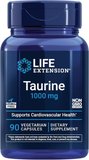
Life Extension Taurine delivers 1,000 mg of taurine per capsule at $9.75 per bottle, from a company with more than 40 years in the supplement business. The formula is essentially taurine plus minimal excipients, and the brand’s long track record of third-party quality testing is the main reason it sits at the top of this list.
Dosing maps cleanly onto the research: one capsule covers the 1 g servings used in the three-times-daily diabetes and heart failure protocols, two capsules reach the 1.6-2 g range of the blood pressure trials, and three capsules hit the 3 g daily dose used in metabolic research. Capsules beat powder for travel and precise dosing, at a modest per-gram premium.
Best Budget: BulkSupplements.com Taurine Powder
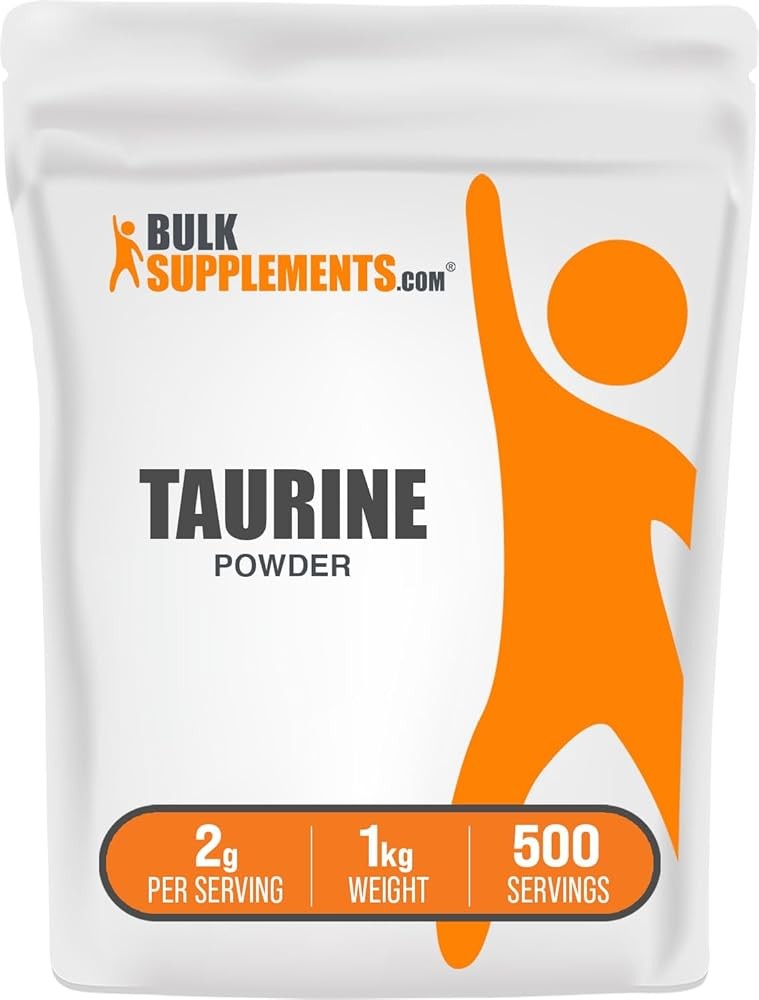
BulkSupplements.com Taurine Powder - Taurine Supplement, Amino Acid Supplement for Energy - Unflavored & Gluten Free, 2g per Serving, 1kg (2.2 lbs) (Pack of 1)
Check Price on AmazonAs an Amazon Associate we earn from qualifying purchases.
BulkSupplements.com Taurine Powder is unflavored, additive-free taurine sold in bulk: $29.97 for a 1 kg (2.2 lb) container with 2 g per scoop, about 500 servings. That works out to roughly $0.06 per 2 g serving, which makes it the clear cost leader for anyone taking the 3 g daily doses used in the metabolic and diabetes trials, where a capsule product would run three capsules a day indefinitely.
The powder dissolves easily in water or a shake and has a mildly tart taste at high doses. Manufacturing follows cGMP standards. The trade-offs are measuring your own doses and committing to a large container.
Best Value Capsules: Jarrow Formulas Taurine
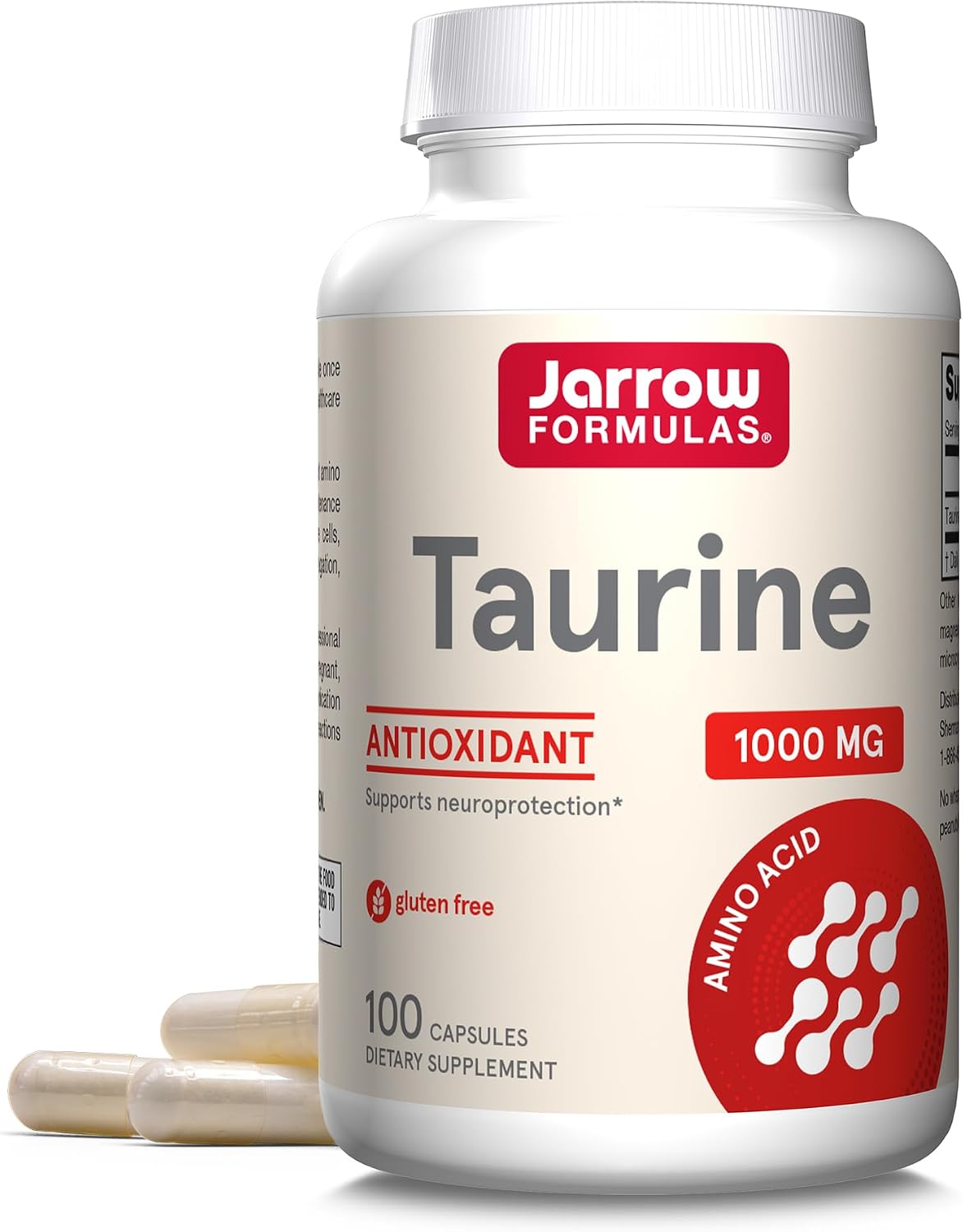
Jarrow Formulas Taurine 1000 mg, Amino Acid Supplement, 100 Capsules
Check Price on AmazonAs an Amazon Associate we earn from qualifying purchases.
Jarrow Formulas Taurine gives you pharmaceutical-grade taurine in capsules at the best price per bottle in this lineup: $12.83 for 100 capsules of 1,000 mg each, roughly $0.13 per 1 g dose. Jarrow is an established supplement brand with a strong quality reputation, and this is the pick for people who want capsule convenience without paying the premium brands charge.
One to three capsules daily covers the full range of studied doses. If you are comparing against the Best Overall pick, the differences come down to brand history and minor formulation details; dose-for-dose they are equivalent taurine.
Related Reading
- CoQ10 Benefits: Heart Health, Energy Production, and Antioxidant Protection
- Best Supplements for Energy and Fatigue: What Actually Works Beyond Caffeine
- L-Carnitine: Fat Burning and Exercise Performance Benefits
- Omega-3 EPA and DHA: Heart and Brain Benefits from Fish Oil
- Nattokinase for Heart Health and Blood Clots: What the Research Shows
- Astaxanthin Benefits: Skin, Eyes, Exercise, and Anti-Aging
- Taurine for Longevity and Heart Health: The Research Behind the Hype
The Bottom Line: Integrating Taurine into Health Optimization
The evidence for taurine is strongest where the biology predicts it: cardiovascular function, metabolic health, recovery from damaging exercise, and the cellular machinery of aging.
- Blood pressure and heart function: meta-analyses show systolic reductions around 4 mmHg and ejection fraction gains around 5 points, with the strongest trial data in prehypertension and heart failure.
- Metabolic health: 3 g daily for 8 weeks improves insulin resistance, inflammatory markers, and triglycerides in diabetes and obesity trials.
- Recovery: daily taurine before eccentric exercise reduces soreness, creatine kinase, and oxidative damage markers.
- Aging: taurine declines with age across species, and the Science study showed restoration extends lifespan in mice and healthspan in monkeys; human trials are pending.
- Safety and cost: strong safety evidence up to 3 g daily, no serious adverse effects in meta-analyses, and real products run $10-30 for a month-plus supply.
The people most likely to benefit are vegans and vegetarians (zero dietary intake), older adults (declining levels), and anyone with elevated blood pressure, metabolic syndrome, or a heavy eccentric training load. For everyone else, 1-3 g daily is a reasonable, low-cost way to keep a nutrient that your hardest-working tissues clearly use at levels your younger self had more of.
Taurine is not a performance drug, a cognitive enhancer, or a fountain of youth, at least not yet. It is a well-tolerated, well-studied amino acid whose biggest proven effects are steady and metabolic rather than dramatic. Combined with the usual foundations of nutrition, sleep, and training, it is a defensible addition to a health optimization routine, and an unusually honest one for a supplement category full of hype.
This article is for informational purposes only and does not constitute medical advice. Consult with a qualified healthcare provider before starting any new supplement regimen, especially if you have existing health conditions or take medications.
Recommended Products