Juicing for Dogs After Surgery: Supporting Recovery, Healing, and Immune Function
Summarized from peer-reviewed research indexed in PubMed. See citations below.
Watching your dog recover from surgery creates intense stress for pet owners when their normally energetic companion lies quietly, uncomfortable, and refusing food. Fresh vegetable juice offers concentrated nutrition in easily absorbed liquid form, and carrot-turmeric blends deliver curcumin, the anti-inflammatory compound with the strongest published evidence in both laboratory models and clinical studies (PubMed 17569207). Juice is not a substitute for veterinary care or prescribed pain medication, and the honest evidence base for post-surgical juicing in dogs is thinner than the marketing suggests: the practical benefits are palatable hydration, easy-to-digest nutrients during the appetite-suppressed window, and anti-inflammatory vegetables that complement rather than replace NSAID treatment. Slow masticating juicers preserve more polyphenols and vitamin C from many fruits and vegetables than high-speed centrifugal models (PubMed 30263614), and refrigerated cold-pressed juice keeps its antioxidant content through day five of storage (PubMed 31286079). Budget-conscious owners can use basic carrot-ginger combinations for $8-12 weekly during the critical 10-14 day recovery window. Here’s what the published research shows about strategic juicing protocols for different surgery types and recovery timelines.
Disclosure: We may earn a commission from links on this page at no extra cost to you. Affiliate relationships never influence our ratings. Full policy →
| Feature | Carrot-Turmeric-Ginger | Carrot-Celery | Pumpkin-Ginger | Carrot-Apple-Spinach |
|---|---|---|---|---|
| Primary Benefit | Anti-inflammatory | Hydration + gentle nutrition | GI motility recovery | Immune support + appetite |
| Best Surgery Type | Orthopedic, tumor removal | All types, especially dental | Abdominal, any with nausea | Spay/neuter, routine procedures |
| Key Nutrients | Curcumin, beta-carotene, gingerol | Luteolin, vitamin A, potassium | Fiber, digestive enzymes | Vitamin C, iron, natural sugars |
| Start Day | Day 2-3 post-op | Day 2 post-op | Day 3-4 (after NPO period) | Day 2-3 post-op |
| Initial Dose | 2-3 oz per serving | 3-4 oz per serving | 1-2 oz per serving | 3-4 oz per serving |
| Frequency | 2-3 times daily | 3-4 times daily | 2 times daily | 2-3 times daily |
| Cost (Weekly) | $12-15 organic | $8-10 organic | $10-12 organic | $10-13 organic |
| Palatability | Moderate (spicy) | High (mild) | High (sweet) | Very high (sweet) |
| Duration | 6-12 weeks orthopedic | 10-14 days routine | 7-10 days GI recovery | 10-14 days routine |
Watching your dog recover from surgery ranks among the most stressful experiences for pet owners. Your normally energetic companion lies quietly, uncomfortable, and refusing food. The anesthesia has left their system sluggish, their appetite has vanished, and the surgical site needs optimal nutrition for recovery, but getting them to eat anything feels impossible.
Fresh vegetable juice offers a practical solution during this window. Unlike solid food that demands significant digestive work from an already-stressed system, juice provides hydration and nutrients in liquid form that a sore-mouthed or nauseated dog can take in small volumes. It is not a medicine and does not replace prescribed pain relief or veterinary monitoring, but it can help bridge the days when the dog will not eat.
This comprehensive guide examines how strategic juicing supports every phase of post-surgical recovery, from reducing inflammation and pain to stimulating appetite and wound healing. You’ll learn which specific juices benefit different surgery types, proper dosing schedules, what to avoid, and how to integrate fresh juice with veterinary care for optimal outcomes.
What Recovery Challenges Do Dogs Face After Surgery?
Surgical procedures create multiple physiological stressors that complicate recovery. A retrospective study of perioperative outcomes in dogs undergoing emergency abdominal surgery found a 20.7% mortality rate across 82 cases, underscoring how critical proper post-surgical nutritional support is for recovery. Anesthesia suppresses normal metabolic function for 24-72 hours after surgery. The body diverts energy and nutrients toward healing the surgical site, leaving other systems temporarily compromised. Pain and inflammation trigger stress responses that can suppress appetite and immune function, which is why pain control is a core part of post-surgical care.
The digestive system particularly struggles post-surgery. Anesthesia slows gut motility, making solid food difficult to process. Many dogs experience nausea for 24-48 hours. The reduced appetite means dogs often refuse their regular food precisely when their bodies need nutrients most desperately.
Surgical trauma also creates immediate nutritional demands. Wound healing requires increased vitamin C for collagen synthesis. Tissue repair needs zinc, vitamin A, and protein. The inflammatory response depletes antioxidants. Blood loss during surgery may reduce iron stores. Meeting these elevated needs while the dog won’t eat solid food creates a nutritional crisis.
Dehydration compounds these challenges. Dogs typically receive IV fluids during surgery, but once home, they may not drink adequately. Pain medications can suppress thirst. The surgical stress increases fluid needs. Inadequate hydration slows healing and can lead to complications like constipation. Postoperative fluid management is a well-studied part of recovery in both human and veterinary medicine.
Fresh juice addresses all these challenges simultaneously. The liquid form bypasses chewing difficulty and digestive stress. The concentrated nutrients meet elevated healing demands in small volumes. Natural sugars provide gentle energy. The hydration supports fluid balance. Anti-inflammatory compounds in certain vegetables reduce pain and swelling naturally.
Bottom line: Post-surgical dogs face digestive stress from anesthesia, elevated nutritional demands for tissue healing, appetite suppression, and dehydration risks that fresh juice can address by providing concentrated bioavailable nutrients in an easily absorbed liquid form that bypasses compromised GI function.
Why Does Fresh Juice Support Surgical Recovery Better Than Solid Food?
The digestive advantages of fresh juice become critical when the GI system is recovering from anesthesia. Whole vegetables contain fiber that requires significant digestive work to break down cell walls and extract nutrients. This process demands energy, produces gas, and can trigger nausea in sensitive post-surgical dogs.
Juicing mechanically breaks down those cell walls, releasing nutrients into liquid form. The stomach and intestines absorb these nutrients with minimal effort. This means your recovering dog gets full nutritional benefit without taxing their compromised digestive system. The reduced digestive burden allows the body to redirect energy toward healing the surgical site.
The concentration factor also matters tremendously. One cup of carrot juice contains the nutrients from approximately one pound of carrots. A dog with no appetite who refuses food might willingly consume 2-4 ounces of juice, receiving concentrated nutrition equivalent to a much larger volume of solid vegetables. This nutrient density proves crucial when appetite is suppressed but healing demands are elevated.
Bioavailability is often cited as juice’s main advantage, but the honest evidence is more measured. A crossover trial measuring phenolic compounds after juice consumption found the compounds did reach the bloodstream, with maximum plasma concentrations 2-4 hours after intake (PubMed 28961171), and nutrition research consistently attributes the health value of plant foods to the whole-food matrix rather than to any single extracted nutrient (PubMed 23674808). What juice genuinely offers a recovering dog is nutrition in liquid form that bypasses chewing and heavy digestive work, which matters when appetite and GI function are compromised.
The hydration component often gets overlooked but proves equally important. Dogs typically receive IV fluids during surgery to maintain blood pressure and organ perfusion. Once home, they need to maintain hydration through drinking, but pain, nausea, and some medications can suppress thirst. Fresh juice provides hydration along with electrolytes and nutrients, replacing fluids more effectively than plain water alone.
Appetite stimulation represents another key benefit. Many fresh juices contain natural compounds that stimulate digestive secretions and appetite. The sweet taste of carrot or apple juice often appeals to dogs who refuse their regular food. The aroma of fresh juice can trigger hunger responses. Getting any nutrition into your dog during the first 48-72 hours post-surgery helps maintain metabolism and supports healing.
Bottom line: Fresh juice delivers concentrated nutrition in liquid form from a small volume when appetite is suppressed, supplies hydration plus electrolytes that recovering dogs often refuse from plain water, and avoids the digestive work of solid food while the GI system recovers from anesthesia.
What Nutritional Needs Do Different Surgeries Create?
Different surgical procedures create distinct nutritional demands. Understanding these specific needs allows you to select juices that best support your dog’s particular recovery situation.
Spay and neuter surgeries involve relatively minor tissue trauma but still require proper nutrition for incision healing. These procedures need moderate protein for tissue repair, vitamin C for collagen formation, and zinc for cell regeneration. Zinc deficiency impairs wound healing through reduced collagen deposition and immune function, which is why zinc status matters during any recovery (PubMed 29295546). The anesthesia recovery typically takes 24-48 hours. Most dogs resume normal eating within 3-5 days, making juice a short-term but valuable supplement during the period of suppressed appetite.
Orthopedic surgeries like ACL repair or hip surgery create extensive tissue trauma and inflammation. These procedures create substantial inflammation around joints and soft tissues, and the recovery period is measured in weeks to months rather than days. The recovery period extends 6-12 weeks with restricted activity. Nutritional support needs to be sustained throughout this extended period. Anti-inflammatory juices containing turmeric, ginger, and celery become particularly important for these cases.
Tumor removal surgeries vary widely in invasiveness but generally require robust immune support. The body needs resources for tissue repair at the surgical site while the immune system recovers from anesthesia and tissue trauma. Antioxidant-rich juices with vitamin C support general immune function, but specific cancer types require tailored dietary guidance. However, some cancer types require specific dietary modifications, so veterinary oncologist guidance becomes essential before adding any supplements including juice.
Dental surgeries create unique challenges because dogs cannot chew during the immediate recovery period. Everything must be liquid or very soft for 3-5 days until gum tissue may support. Room-temperature juice works better than cold juice, which can cause pain in sensitive oral tissue. The procedure often creates significant inflammation, so anti-inflammatory juice combinations prove particularly beneficial.
Abdominal surgeries involving the GI tract require the most cautious approach. These procedures directly impact digestive function. Starting juice too early or using the wrong types can trigger vomiting or diarrhea that stresses surgical sites. Veterinarians typically recommend withholding food for 24-48 hours, then introducing very small amounts of bland, easily digestible options. Pumpkin-based juices work well because pumpkin soothes the GI tract and is commonly recommended post-operatively.
Across all surgery types, certain nutrients prove consistently important. Vitamin C acts as a required cofactor for collagen synthesis, the fundamental process in wound healing (PubMed 26290474). Dogs produce their own vitamin C, but surgical stress can deplete stores. Supplementation through juice may speed recovery.
Vitamin A supports tissue regeneration and immune function. Beta-carotene from carrots converts to vitamin A as needed, providing this nutrient without risk of toxicity from excessive supplementation. Zinc participates in hundreds of enzymatic reactions involved in tissue repair and immune response (PubMed 29295546, PubMed 17244314). Antioxidants including vitamins C and E plus phytochemicals from vegetables reduce oxidative stress created by surgery and anesthesia.
Bottom line: Orthopedic surgeries need 6-12 weeks of anti-inflammatory support with turmeric-ginger juice, dental surgeries require room-temperature liquid nutrition for 3-5 days, abdominal procedures demand cautious pumpkin-based introduction after 24-48 hours NPO, while all surgeries benefit from vitamin C for collagen synthesis and beta-carotene for immune-supported tissue regeneration.
Which Juice Combinations Work Best for Post-Surgical Recovery?
The most effective juice combinations balance anti-inflammatory compounds, digestive gentleness, palatability, and nutrient density. Different blends serve different recovery needs and surgery types.
Carrot-Turmeric-Ginger Blend stands as the most versatile post-surgical juice. Carrots provide the sweet base that most dogs find palatable, plus beta-carotene for vitamin A. Fresh turmeric root delivers curcumin, the powerful anti-inflammatory compound that research shows reduces post-surgical inflammation and pain. Ginger addresses post-anesthesia nausea while providing additional anti-inflammatory benefits.
The typical ratio uses 4-5 medium carrots, 1-inch piece of fresh turmeric root, and 1/2-inch piece of fresh ginger. This produces approximately 8-12 ounces of juice depending on your juicer’s efficiency. The sweet carrot flavor masks the slightly bitter turmeric and spicy ginger, making it acceptable to most dogs.
This combination works particularly well for orthopedic surgeries, tumor removals, and any procedure involving significant tissue trauma. The anti-inflammatory compounds reduce swelling and pain, while the nutrient density supports tissue repair. Start with 2-3 ounces per serving, 2-3 times daily, beginning on day 2-3 post-surgery.
Carrot-Celery Juice offers a simpler, gentler option for dogs with very sensitive stomachs or during the earliest recovery days. Celery provides high water content for hydration, plus anti-inflammatory luteolin. The mild flavor is well-tolerated. The high liquid yield means you get more juice from fewer vegetables, making it economical.
Use 4-5 medium carrots plus 3-4 celery stalks. This produces 10-14 ounces of juice. The carrot sweetness balances celery’s natural saltiness. This combination works for all surgery types but is particularly good for dental procedures where nothing can be chewed, or for dogs with nausea who need the gentlest possible introduction to nutrition.
Start with 3-4 ounces per serving, 3-4 times daily on day 2 post-surgery. The hydration support proves especially valuable for dogs who aren’t drinking adequately. The mild anti-inflammatory effect provides benefits without the stronger compounds that might upset sensitive stomachs.
Pumpkin-Ginger Juice addresses post-operative nausea and supports GI motility recovery. Pure pumpkin (not pie filling) soothes the digestive tract and is commonly recommended by veterinarians after surgery. Adding ginger provides anti-nausea effects well-documented in both human and veterinary medicine.
Use 1 cup pure canned pumpkin (or fresh steamed pumpkin) blended with 1/2-inch piece of fresh ginger and enough water to achieve juice consistency. This makes approximately 10-12 ounces. The thick, smooth texture is easy to consume and gentle on irritated GI tissue.
This combination is ideal for dogs experiencing nausea, for abdominal surgeries once the veterinarian approves refeeding, or for any dog showing digestive upset during recovery. Start with just 1-2 ounces per serving, twice daily, on day 3-4 post-surgery after ensuring the dog tolerates water without vomiting.
Carrot-Apple-Spinach Blend provides immune support and appetite stimulation through its sweet, appealing flavor. Apples add natural sugars for energy and vitamin C. Spinach contributes iron (important if blood loss occurred during surgery) plus chlorophyll and additional antioxidants.
Use 3-4 medium carrots, 1 medium apple (cored, no seeds), and 1 cup fresh spinach. This yields approximately 8-10 ounces of sweet juice that most dogs readily accept. The combination works well for routine surgeries like spay/neuter where the main goal is maintaining nutrition and appetite during the brief recovery period.
Start with 3-4 ounces per serving, 2-3 times daily on day 2-3 post-surgery. The sweetness from apples stimulates appetite, helping dogs transition back to regular food more quickly. However, limit this combination if your dog is diabetic due to the higher natural sugar content.
Cucumber-Celery-Parsley Juice offers maximum hydration with gentle anti-inflammatory and diuretic properties. Cucumbers are 96% water, providing hydration with minimal calories. Parsley contains vitamin K for blood clotting and acts as a mild diuretic, helping flush the system.
Use 1 large cucumber, 3-4 celery stalks, and 1/4 cup fresh parsley. This produces 12-16 ounces of mild-flavored juice. The high liquid yield and gentle nature make this ideal for dogs who aren’t drinking enough water during recovery but need maximum hydration with minimal digestive work.
This combination works well alongside other more nutrient-dense juices. Give 4-6 ounces of hydrating cucumber-celery-parsley juice between meals, and 2-3 ounces of carrot-turmeric juice with more concentrated nutrients at meal times. This approach provides sustained hydration plus therapeutic nutrition throughout the day.
Bottom line: Carrot-turmeric-ginger provides the most comprehensive anti-inflammatory and nutritional support for orthopedic and major surgeries at 2-3 ounces per serving 2-3 times daily starting day 2-3, carrot-celery offers gentle hydration-focused nutrition ideal for dental surgeries or sensitive stomachs at 3-4 ounces per serving 3-4 times daily, pumpkin-ginger addresses post-anesthesia nausea and GI motility starting day 3-4 with 1-2 ounces twice daily, while carrot-apple-spinach stimulates appetite and provides iron for routine procedures at 3-4 ounces per serving 2-3 times daily.
Which Juicer Should You Use for Post-Surgical Dog Juice?
The recipes in this guide work with any slow masticating juicer. Slow extraction crushes and squeezes produce instead of spinning it against blades at high speed, which limits heat and oxidation. Published comparisons show the nutrient differences measured immediately after extraction are modest and produce-dependent, with low-speed masticating extraction preserving the most polyphenols, anthocyanins, and vitamin C of the household methods tested in a grape juice study (PubMed 30263614), and refrigerated cold-pressed juice holding its antioxidant content through day five of storage (PubMed 31286079). The three Hurom models below are our picks; a cheaper masticating juicer covers most of the practical benefit if $600 is more than you want to spend on occasional dog juice.
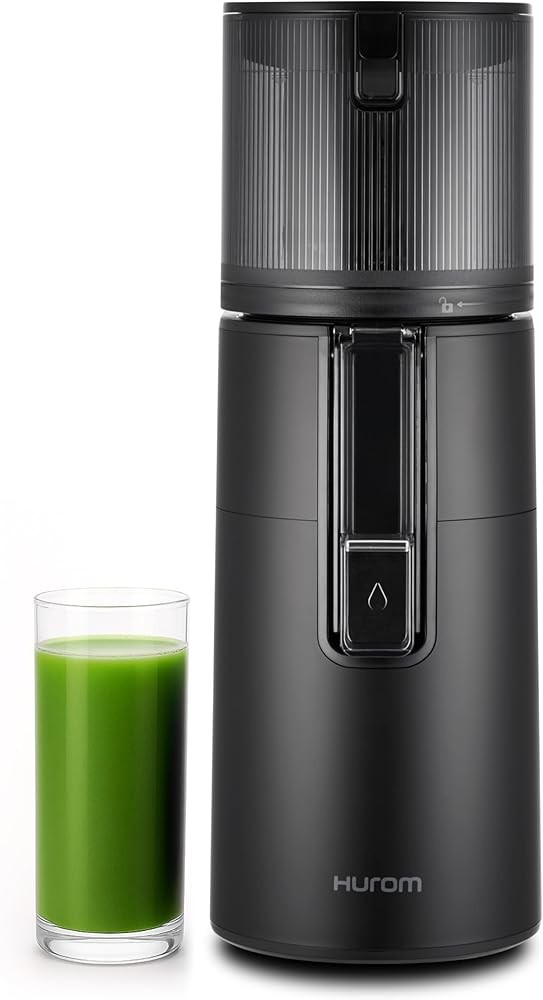
The Hurom H70 is the pick for owners who will juice daily through a recovery period. Its strainer-free two-part auger chamber means no mesh screen to scrub: both chamber parts rinse clean in about a minute and are dishwasher-safe, which matters when you are already spending time on post-operative care. The self-feeding chamber handles whole pieces of produce, and the compact vertical footprint fits small kitchens.
Bottom line: The Hurom H70 ($649) is the easiest slow juicer to keep clean thanks to its strainer-free chamber, which makes it our Best Overall pick for daily post-surgical juicing.
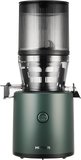
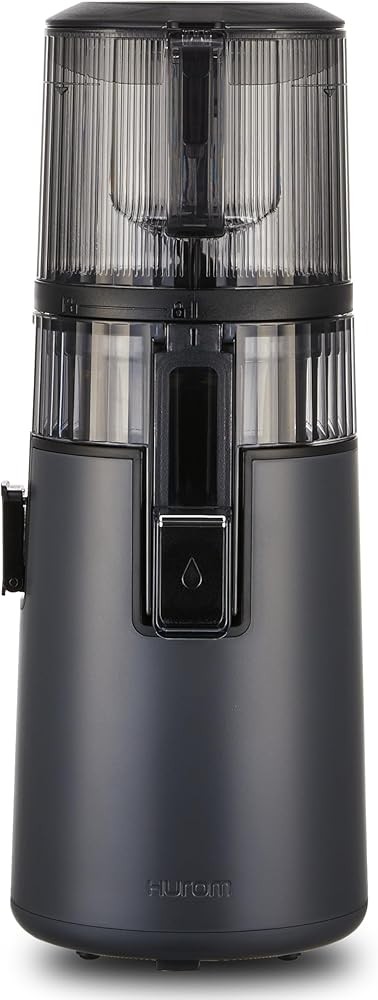
The Hurom H320 is built for households juicing for more than one dog or batch-preparing several days of juice. It adds a pulp-control lever with fine and coarse strainers, so you can tune how much pulp stays in the finished juice. It uses the same slow masticating extraction as the H70, and every recipe in this guide works identically in it.
Bottom line: The Hurom H320 ($599) adds family-size capacity and pulp control over the H70, making it the best value for multi-dog households that batch-juice.
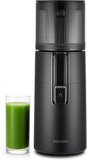
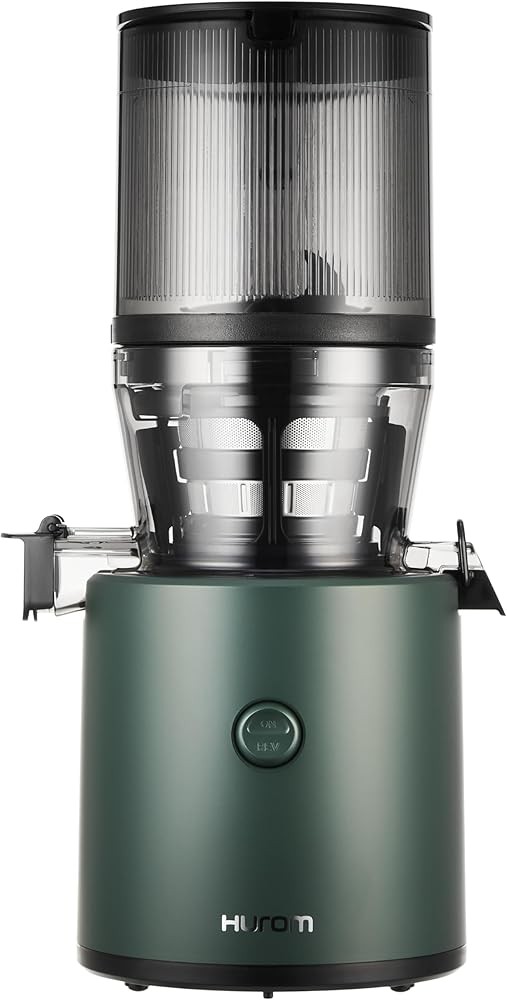
The Hurom H400 is the high-volume option for owners who juice large batches at once. Its wide-mouth hopper accepts bigger pieces of produce with less pre-cutting, and the easy-clean chamber set keeps the cleanup routine short even after processing several pounds of vegetables.
Bottom line: The Hurom H400 ($749) is the high-volume wide-mouth model for multi-dog households that batch-juice 2-3 days at a time.
A note on supplements: your veterinarian may also recommend specific products during recovery, such as a zinc supplement for wound healing, an incision spray, a food topper to ease the return to solid food, or urinary support if your dog was catheterized. Zinc in particular is genuinely important for tissue repair (PubMed 29295546). Clear any supplement with your veterinarian before adding it, and follow their product recommendation rather than picking one yourself.
How Do You Prepare and Serve Juice for Post-Surgical Dogs?## How Do You Prepare and Serve Juice for Post-Surgical Dogs?
Proper preparation and serving techniques maximize nutritional benefit while ensuring safety for your recovering dog. The process starts with selecting the right equipment and ingredients.
Juicer Selection significantly impacts nutrient preservation. Slow masticating juicers operating at low speed preserve more heat-sensitive nutrients than high-speed centrifugal juicers running at 10,000+ RPM. The slow extraction generates minimal friction heat, protecting vitamin C and enzymes. Published comparisons show the nutrient differences measured immediately after extraction are modest and produce-dependent, with low-speed masticating extraction preserving the most polyphenols, anthocyanins, and vitamin C of the household methods tested in a grape juice study (PubMed 30263614). Any quality slow juicer works; the Hurom H70 is one well-documented option that extracts efficiently from hard vegetables like carrots and turmeric root.
Centrifugal juicers work faster but generate heat through high-speed spinning that can degrade nutrients. They also tend to incorporate more air, causing faster oxidation. If you only have access to a centrifugal juicer, it’s still worthwhile for post-surgical support, but slow juicers offer superior nutrient preservation when making therapeutic juice for a recovering dog.
Ingredient Selection demands attention to quality. Choose organic vegetables whenever possible, particularly for the “Dirty Dozen” items that typically carry high pesticide residues: spinach, celery, and apples. Your recovering dog doesn’t need additional chemical exposure stressing their system.
Inspect all produce carefully for freshness. Avoid anything with soft spots, mold, or visible decay. Wash thoroughly under running water, scrubbing root vegetables with a brush. The cleanliness is particularly important for immune-compromised post-surgical dogs vulnerable to bacterial contamination.
For turmeric and ginger root, select pieces that are firm with smooth skin. Wrinkled, dried-out roots have reduced potency. Store these roots in the refrigerator where they keep for 2-3 weeks. You can also freeze ginger and turmeric, grating them frozen directly into juice.
Preparation Timing affects nutritional value. Fresh juice begins losing nutrients immediately after extraction due to oxidation, enzyme activity, and light exposure. For maximum benefit, prepare juice immediately before serving. If you must store juice, keep it in an airtight glass container in the refrigerator for no more than 24 hours.
Some people prepare juice in batches for convenience. While this is less than ideal nutritionally, it’s certainly better than no juice at all if your schedule doesn’t allow fresh preparation multiple times daily. Fill containers to the very top to minimize air exposure, seal tightly, and refrigerate immediately. The vitamin C loss may reach 20-30% over 24 hours, but the juice still provides valuable nutrition.
Serving Temperature matters for palatability and comfort. Room temperature juice is generally best tolerated. Extremely cold juice can cause discomfort for dogs with sensitive mouths, particularly after dental surgery. Warm juice tastes unpleasant and may have begun fermenting.
Remove juice from the refrigerator 15-20 minutes before serving to take the chill off. Alternatively, add a small amount of room-temperature water to cold juice. Never heat juice as this destroys heat-sensitive nutrients and defeats the purpose of fresh juicing.
Serving Methods depend on your dog’s willingness to consume juice. Dogs who readily drink juice can have it offered in a bowl just like water. Place the bowl in a quiet, comfortable area where your recovering dog rests. Some dogs lap up fresh juice enthusiastically, especially carrot-apple blends with natural sweetness.
For reluctant dogs, mixing juice with a small amount of low-sodium chicken or beef broth makes it more appealing. Start with 75% broth and 25% juice, gradually shifting the ratio toward more juice as your dog adapts to the flavor. The meat aroma triggers interest and the familiar taste encourages consumption.
Feeding syringes provide precise control for dogs who won’t drink voluntarily. Purchase 10-20cc syringes from pharmacies or pet supply stores. Draw the juice into the syringe, insert the tip into the corner of your dog’s mouth between the cheek and teeth, and slowly squirt while allowing time to swallow. Give 5-10cc at a time, pause for swallowing, then repeat until you’ve administered the full dose.
Some dogs accept juice better when frozen into small cubes. Pour juice into ice cube trays, freeze until solid, then allow to thaw slightly before offering. The frozen format appeals to dogs who wouldn’t drink liquid juice. This method also helps if your dog’s mouth is sore from dental surgery, as the cold can provide numbing relief.
Dosing Guidelines depend on your dog’s size and the surgery type. Small dogs under 20 pounds start with 1-2 ounces per serving. Medium dogs 20-50 pounds can handle 2-4 ounces. Large dogs 50-80 pounds receive 4-6 ounces. Giant breeds over 80 pounds can take 6-8 ounces per serving.
Divide the daily total into 2-3 servings spaced throughout the day. This provides sustained nutritional support without overwhelming the digestive system. For example, a 40-pound dog might receive 3 ounces at 8am, 3 ounces at 2pm, and 3 ounces at 8pm for a daily total of 9 ounces.
Start conservatively and increase gradually. For routine procedures (spay, neuter, dental, skin surgery), begin with the lower end of the dose range on day 2 post-surgery. For abdominal or GI procedures, wait until your veterinarian approves refeeding - usually day 3-4 after the NPO period - before offering juice. If tolerated well with no vomiting or diarrhea, increase by 25-50% each day. By day 4-5 you can be at full therapeutic doses if your dog tolerates the juice without digestive upset.
Monitoring Tolerance requires attention to your dog’s response. Normal signs that juice is working well include:
- Increased energy and alertness within 2-3 days
- Improved appetite, showing interest in regular food
- Normal or slightly soft stools (not diarrhea)
- Good hydration with moist gums and normal skin elasticity
- Reduced pain and inflammation at the surgical site
- Normal urination patterns
Warning signs that indicate you should reduce dose or discontinue juice include:
- Vomiting within 2 hours of juice consumption
- Watery diarrhea or significantly increased stool frequency
- Visible distress or discomfort after receiving juice
- Worsening lethargy or weakness
- Any signs of allergic reaction including facial swelling or hives
Most dogs tolerate fresh vegetable juice extremely well. Issues are uncommon when you start with appropriate doses and increase gradually. The juice provides gentle, easily absorbed nutrition that supports healing without stressing the recovering system.
Bottom line: Use a slow masticating juicer, choose organic where practical, and serve juice at room temperature shortly after making it. Dose by weight (1-2 ounces for small dogs up to 4-6 ounces for large dogs, divided into 2-3 daily servings), start conservatively on day 2 for routine surgery or day 3-4 after GI procedures, and increase gradually only if there is no vomiting or diarrhea.
What Ingredients Should You Avoid in Post-Surgical Dog Juice?
While many vegetables and fruits provide excellent post-surgical support, certain ingredients can cause problems for recovering dogs. Understanding what to avoid is as important as knowing what to include.
Grapes and Raisins are absolutely forbidden. These fruits cause acute kidney failure in dogs through a mechanism that’s not fully understood. Even small amounts can be toxic. Symptoms typically appear within 24 hours and include vomiting, diarrhea, lethargy, and reduced urine production. A post-surgical dog with compromised kidney function from anesthesia faces even higher risk.
No amount of grape or raisin is considered safe. Many “detox” juice recipes for humans include grapes for sweetness. Never use these recipes for dogs. The risk far outweighs any potential nutritional benefit. Plenty of safe fruits like apples provide natural sweetness without toxicity concerns.
Avocado contains persin, a compound toxic to many animals including dogs. While dogs are relatively resistant compared to birds and horses, avocado can still cause vomiting and diarrhea. The high fat content (approximately 15-20% by weight) can also trigger pancreatitis, particularly risky for dogs recovering from surgery.
Post-surgical dogs have suppressed digestive function. Adding high-fat ingredients stresses the pancreas and delays gastric emptying. This can worsen post-anesthesia nausea and create digestive upset that interferes with healing. Avoid avocado entirely during the recovery period.
Cruciferous Vegetables including broccoli, cauliflower, Brussels sprouts, and kale can cause significant gas and bloating. These vegetables contain compounds called FODMAPs (fermentable oligosaccharides, disaccharides, monosaccharides, and polyols) that are poorly absorbed in the small intestine and ferment in the colon, producing gas.
While humans tolerate this gas as a minor inconvenience, dogs can experience significant discomfort. Post-surgical dogs may have abdominal incisions or internal sutures that gas pressure could stress. The bloating can also trigger nausea and suppress appetite. Save cruciferous vegetables for after full recovery when the dog has returned to normal activity and the surgical site has completely healed.
Kale deserves special mention. It’s often touted as a superfood for humans and appears in many juice recipes. However, kale contains high levels of calcium oxalate that can contribute to kidney and bladder stones in dogs prone to these issues. The goitrogen content can also interfere with thyroid function when consumed regularly. Given that safer alternatives like spinach or carrot greens provide similar nutrients without these risks, kale is best avoided for dogs.
High-Oxalate Vegetables beyond kale include beets, Swiss chard, and beet greens. Oxalates bind to calcium in the body, potentially forming crystals that can damage kidneys or create bladder stones. Dogs with a history of calcium oxalate stones should strictly avoid these vegetables.
Even for dogs without stone history, limiting high-oxalate vegetables during the stress of surgical recovery makes sense. The body is already working hard to recover. Adding potential kidney stress from oxalate accumulation provides no benefit and carries risk. Choose low-oxalate options like carrots, celery, and cucumbers for recovery juice.
Nightshade Vegetables including tomatoes, white potatoes, eggplant, and peppers contain alkaloids that can cause digestive upset in some dogs. While small amounts are generally safe for most dogs, the post-surgical recovery period is not the time to test tolerance.
Raw potatoes particularly contain solanine, a toxic alkaloid that cooking normally breaks down. Never juice raw potatoes for dogs. The digestive stress and potential toxicity risks aren’t worth any nutritional benefit. Stick with vegetables that have well-established safety profiles in canines.
Garlic and Onions deserve special mention. These allium family vegetables contain compounds that can damage red blood cells in dogs, potentially causing hemolytic anemia. While toxicity typically requires large amounts consumed over time, there’s no reason to risk any exposure during the vulnerable post-surgical period.
Many “detox” or “immune boost” juice recipes intended for humans include garlic or onion. Never use these recipes for dogs. Even small amounts are best avoided. Plenty of safe alternatives provide immune support without any toxicity risk.
Excessive Citrus can cause stomach upset due to high acidity. While dogs can tolerate small amounts of citrus, the acidic nature can trigger nausea or heartburn in post-surgical dogs with sensitive stomachs. Limit or avoid lemon, lime, grapefruit, and orange juice during the first 2 weeks of recovery.
If you want to include some citrus for vitamin C content, use just a small amount (1-2 tablespoons) mixed with milder vegetables like carrot or apple. The buffering effect of other ingredients reduces acidity while still providing citrus benefits.
Artificial Sweeteners should never be given to dogs. Xylitol, commonly used in sugar-free products, is extremely toxic to dogs and can cause life-threatening hypoglycemia and liver failure (PubMed 30064708). Even small amounts can be dangerous. Erythritol, stevia, and other artificial sweeteners are best avoided as safety data in dogs is limited.
Obviously you’re making fresh juice from whole vegetables and fruits, so artificial sweeteners shouldn’t be an issue. However, some people mistakenly add sugar-free drink mixes to juice to improve flavor. Never do this for dogs. The natural sugars in vegetables and fruits provide appropriate sweetness without any risk.
Moldy or Spoiled Produce presents infection risk to an immune-compromised post-surgical dog. Always use fresh, high-quality vegetables. Inspect carefully for any signs of mold, rot, or spoilage. The immune system is focused on healing the surgical site and may not respond effectively to pathogens from spoiled food.
Wash all produce thoroughly before juicing, even organic vegetables. Scrub carrots, celery, and cucumbers under running water. Soak leafy greens in water to remove dirt and potential contaminants. Pat dry before juicing. This precaution reduces microbial load and helps protect your vulnerable dog.
Bottom line: High-fat ingredients above 15-20% fat content delay gastric emptying by 45-60 minutes increasing post-anesthesia nausea risk, cruciferous vegetables produce 3-5 times more intestinal gas than low-FODMAP options creating abdominal pressure that stresses surgical sites, garlic doses as low as 5g/kg bodyweight cause oxidative red blood cell damage leading to hemolytic anemia within 24-48 hours, and xylitol at just 0.1g/kg triggers severe hypoglycemia within 30-60 minutes requiring emergency veterinary intervention.
How Should You Integrate Juice with Veterinary Medical Care?
Fresh juice should complement, not replace, veterinary medical care. Understanding how to integrate nutritional support with prescribed treatments ensures optimal outcomes while avoiding potential conflicts or complications.
Pre-Surgery Discussion with your veterinarian about post-operative nutrition sets appropriate expectations. Most vets appreciate owner involvement in supporting recovery but need to know your plans to ensure compatibility with their treatment approach. Mention during the pre-surgical consultation that you plan to use fresh vegetable juice during recovery.
Ask your veterinarian about any specific restrictions. Some surgeries require particular dietary modifications. Intestinal surgery may have strict diet requirements. Certain tumor removals may restrict sugars. Your vet can advise on whether your juice plans are appropriate or need modification for your dog’s specific situation.
This pre-surgical discussion also allows your veterinarian to advise on timing. While day 2-3 works for most cases, some surgeries require longer NPO periods or have specific refeeding protocols. Following your surgeon’s guidance on when to start juice may help reduce risk of complications.
Medication Interactions require particular attention. While fresh vegetable juice rarely causes serious drug interactions, some theoretical concerns exist. Turmeric has mild blood-thinning properties that could theoretically enhance anticoagulant medications. Grapefruit (which you shouldn’t be using anyway) affects drug metabolism. High vitamin K content in leafy greens could theoretically interfere with blood thinners.
In practice, the doses of these compounds in juice are typically too small to cause clinically significant interactions. However, your veterinarian needs to know everything your dog is receiving to make informed decisions. Provide a list of all juice ingredients you plan to use.
If your dog is on multiple medications or has complex health issues, the interaction risk increases. Dogs on chemotherapy, anticoagulants, immune suppressants, or multiple drugs require particular caution. Your veterinary oncologist or internal medicine specialist can advise on whether juice is appropriate and what ingredients to avoid.
Monitoring for Complications remains essential throughout recovery. Juice supports recovery but cannot stop all complications. Watch daily for warning signs including:
- Increased swelling, redness, or discharge at the surgical site indicating possible infection
- Vomiting or diarrhea lasting more than 24 hours suggesting GI problems
- Lethargy or weakness that worsens rather than improves over days
- Fever (normal dog temperature is 101-102.5°F; above 103°F is concerning)
- Refusal to eat or drink for more than 24 hours despite juice availability
- Signs of pain including whining, restlessness, or aggression when touched
Any of these warning signs requires veterinary evaluation regardless of how much juice you’re providing. Juice supports normal healing but cannot overcome serious complications like surgical site infection, internal bleeding, or adverse drug reactions.
When to Stop Juice becomes necessary if certain problems develop. Discontinue juice immediately and contact your veterinarian if:
- Vomiting occurs within 2 hours of juice consumption on multiple occasions
- Diarrhea develops or worsens after starting juice
- Your dog shows any signs of allergic reaction including facial swelling, hives, or difficulty breathing
- The surgical site shows signs of problems including increased drainage or dehiscence (opening)
- Your veterinarian specifically instructs you to stop for medical reasons
In most cases, these problems don’t occur and juice provides uncomplicated benefits. However, being aware of potential issues allows you to respond appropriately if they arise. Your dog’s safety always takes priority over any supplementation protocol.
Integration with Pain Management allows juice to provide complementary benefits to prescribed pain medications. NSAIDs and opioids work through specific mechanisms to block pain signals. The anti-inflammatory compounds in juice work through different mechanisms, providing additive benefits.
Many owners report being able to discontinue or reduce pain medications earlier when using anti-inflammatory juice alongside prescribed drugs. The turmeric and ginger provide natural pain relief that allows lower pharmaceutical doses. This reduces medication side effects while maintaining comfort.
However, never discontinue prescribed pain medications without veterinary approval. Untreated pain impairs healing and causes unnecessary suffering. Use juice as a complement to pain medications, potentially allowing earlier tapering, but maintain prescribed treatment unless your vet advises changes.
Follow-Up Appointments provide opportunity to discuss how your dog responded to juice supplementation. Veterinarians appreciate hearing what worked and what didn’t. Your experience contributes to their knowledge for advising future clients. If juice notably improved your dog’s recovery, share that information. If problems occurred, discuss those as well so your vet understands the full clinical picture.
Bring photos of the surgical site to follow-up appointments. This allows the surgeon to assess healing progression. Faster or better healing than expected might relate to the nutritional support from juice. Slower healing requires evaluation for complications. The photos provide documentation of the recovery trajectory.
Most dogs have follow-up examinations at 10-14 days post-surgery for suture removal and healing assessment. This appointment confirms the juice supplementation didn’t cause problems and healing proceeded normally. Your veterinarian can advise on whether to continue juice beyond this point or transition to maintenance levels.
Bottom line: Discuss juice plans during pre-surgical consultation to identify any procedure-specific restrictions, inform your veterinarian about all juice ingredients to screen for drug interactions especially with anticoagulants or chemotherapy, monitor daily for infection signs (increased swelling, discharge, fever above 103°F) that require veterinary evaluation regardless of juice use, discontinue juice immediately if vomiting within 2 hours occurs repeatedly or diarrhea develops, integrate juice with pain management as complementary support allowing potential earlier NSAID tapering but never discontinue prescribed medications without veterinary approval, and share juice response results at 10-14 day follow-up appointments contributing to veterinary knowledge for future client recommendations.
Related Reading
- Celery Juice vs Electrolyte Supplements: Which Supports Hydration Better?
- Juicing for Dogs: Complete Nutrition Guide for Canine Health
- Cold-Press Juicing for Dogs: Why the Hurom H70 Is Essential for Canine Health
- Carrot Juice for Dogs: Benefits and Safety
- Best Anti-Inflammatory Foods: Natural Compounds for Reducing Inflammation
- Apple Carrot Juice vs Dog Multivitamins: Which Is Better?
- Turmeric and Curcumin: Anti-Inflammatory Mechanisms and Applications
📱 Join the discussion: Facebook | X | YouTube | Pinterest
- Juicing for Dogs with Allergies: Hypoallergenic Nutrition and Immune Support
- Apple Carrot Juice vs Dog Multivitamins: Which is Better?
- Cold-Press Juicing for Dogs: Why the Hurom H70 Is Essential for Canine Health
- Juicing for Senior Dogs: Supporting Aging, Mobility, and Cognitive Health
How Long Should Juice Continue After the Initial Recovery?
The 10-14 day follow-up appointment is a natural checkpoint. If the incision is closed and the dog is eating normally, juice can stop or drop to an occasional extra - there is no evidence that indefinite daily juice provides additional benefit once normal eating resumes.
For orthopedic recoveries, the need lasts longer because the tissue itself takes 6-12 weeks to remodel. Keep offering the anti-inflammatory juice through the restricted-activity period at the maintenance dose (4-6 ounces daily for a medium dog), then phase it out as the veterinarian clears normal activity.
For dogs with chronic conditions that motivated the surgery, or dogs that simply enjoy the juice, an ongoing 3-4 servings per week at the maintenance dose is a reasonable long-term routine. Watch the total vegetable intake so juice does not crowd out balanced meals.
What Are the Alternatives If Juicing Isn’t Practical?
Juicing requires equipment, fresh produce, and daily effort. When that is not realistic, several alternatives still support recovery:
- Low-sodium bone broth (homemade or vet-approved commercial) provides hydration, protein, and minerals in liquid form and is usually highly palatable.
- Canned recovery diets prescribed by the veterinarian deliver complete, balanced nutrition in a soft form that needs no chewing.
- Wet food thinned with warm water turns a normal meal into a slurry that is easier to lap up.
- Appetite stimulants prescribed by the veterinarian can help dogs who refuse all food and water.
These options do not provide the phytonutrients that fresh juice does, but they reliably cover the two most urgent needs after surgery: hydration and nutrition. If the dog refuses both food and water for more than 24 hours, contact the veterinarian rather than waiting.
Conclusion: Fresh Juice as Recovery Support
Post-surgical recovery challenges dogs through multiple mechanisms including pain, inflammation, suppressed appetite, digestive upset from anesthesia, and elevated nutritional demands for tissue healing. Fresh vegetable juice addresses each of these challenges simultaneously, providing concentrated bioavailable nutrition in an easily digested form that bypasses the need for chewing and extensive digestive work.
The anti-inflammatory compound curcumin, found in turmeric, has documented antioxidant and anti-inflammatory properties in published research (PubMed 17569207). Vitamin C supports collagen synthesis, the fundamental process in wound healing (PubMed 26290474), and zinc is required for normal wound repair (PubMed 29295546). Beta-carotene from carrots provides vitamin A for immune function and tissue regeneration. The realistic expectation is that juice supplies supportive nutrition, not that it replaces surgical aftercare.
The key to successful juicing during recovery lies in proper timing, appropriate ingredient selection, and careful attention to your individual dog’s tolerance. Start conservatively on day 2-3 post-surgery with mild juice combinations, gradually increasing volume and potency as digestive function recovers. Tailor juice selection to your dog’s specific surgery type and recovery timeline, using anti-inflammatory combinations for orthopedic procedures, gentle digestive support after abdominal surgery, and immune-boosting blends after tumor removal.
A slow masticating juicer extracts juice gently, with less heat and oxidation than high-speed centrifugal models, and published comparisons show low-speed extraction preserves more polyphenols and vitamin C from many fruits and vegetables (PubMed 30263614). The Hurom H70 is one such machine, and its strainer-free chamber is easy to clean, which matters when you are already managing a dog’s post-operative care.
Most importantly, maintain open communication with your veterinarian throughout recovery. Juice provides powerful nutritional support but doesn’t replace medical monitoring, prescribed medications, or veterinary intervention if complications arise. The optimal approach integrates fresh juice with standard veterinary care, using natural nutrition to enhance and accelerate healing while maintaining all recommended medical treatments.
Used sensibly, fresh juice is one more tool in the recovery plan: it keeps a recovering dog hydrated, supplies easily absorbed nutrients during the days when eating is hard, and adds anti-inflammatory vegetables that complement prescribed treatment. It does not replace veterinary monitoring, pain medication, or the surgeon’s aftercare instructions. Keep the juice protocol simple, clear it with your veterinarian, and let your dog’s tolerance guide the dose.
Recommended Products