Best Supplements for Hair Growth: What Actually Works According to Dermatologists
Summarized from peer-reviewed research indexed in PubMed. See citations below.
Hair loss is one of the most common reasons people visit a dermatologist, and it is also one of the most crowded supplement categories on Amazon. Reviews of the nutritional research consistently single out a few factors that matter: iron deficiency is a frequent finding in women with increased shedding, low vitamin D shows up again and again in studies of alopecia areata and female pattern hair loss, and zinc appears relevant mainly in specific groups. What the evidence does not support is the idea that a random multivitamin with 20 ingredients at trace doses will fix thinning hair. This guide goes through the published research on biotin, iron, vitamin D, zinc, collagen, and saw palmetto, separates what has clinical data behind it from what is mostly marketing, and ends with specific product picks whose doses match the amounts used in studies.
Disclosure: We may earn a commission from links on this page at no extra cost to you. Affiliate relationships never influence our ratings. Full policy →
Why Hair Loss Happens and What Nutrition Has to Do With It
Hair follicles move through a continuous cycle. Anagen is the growth phase and lasts two to seven years depending on genetics, age, and body site; catagen is a short transition phase; and telogen is the resting phase that ends with the old hair being shed so a new one can start. At any given moment roughly 85 to 90 percent of the hairs on a healthy scalp are in anagen. When something disrupts the cycle, whether it is illness, surgery, childbirth, rapid weight loss, stress, or a nutritional shortfall, a large number of follicles can shift into telogen at once. The result is diffuse shedding that typically becomes noticeable two to four months after the trigger, which is why people often cannot connect the event to the hair loss.
Each hair is built from keratin, a structural protein produced by rapidly dividing cells at the base of the follicle. That high rate of cell division makes the follicle sensitive to shortages of the nutrients needed for DNA synthesis, cell turnover, and protein assembly, including iron, zinc, and several B vitamins. When intake is inadequate, the body prioritizes essential functions and hair growth is low on the list, which is one reason severe restriction diets and malabsorption conditions show up as hair changes.
A widely cited review by Almohanna et al. published in Dermatology and Therapy concluded that deficiencies in iron, zinc, vitamin D, and biotin are among the most clinically relevant nutritional factors in hair loss (PubMed). A companion review in Dermatology Practical and Conceptual reached a similar conclusion: nutrient deficiency can contribute to hair loss, but only correction of an actual deficiency has consistent evidence behind it (PubMed).
The distinction between correcting a deficiency and megadosing a nutrient you already have enough of is the single most important idea in this article. For most vitamins and minerals, supplementing beyond adequate levels does not produce extra hair growth and can cause harm. High-dose biotin skews lab results. Excess iron can accumulate in the body. Very high vitamin A and selenium intakes are themselves linked to hair loss. A 2023 systematic review in JAMA Dermatology evaluated commercial hair supplements and found that most have little high-quality evidence behind them, reinforcing the point that diagnosis should come before the shopping cart (PubMed).
What Are the Best Supplements for Hair Growth?
Bottom line: The evidence supports checking iron (ferritin below 40 ng/mL is the usual action threshold, with some authors targeting 70 µg/L), vitamin D (below 30 ng/mL), and zinc status before buying hair vitamins; biotin helps mainly when deficiency is documented, and 3-6 months of consistent use is the realistic window for judging any supplement.
If a deficiency is found and corrected, the outcome can be excellent: shedding often slows within 6 to 8 weeks and visible regrowth appears over the next few months. If blood work is normal, the honest answer is that no supplement has strong data showing it thickens hair in a healthy, well-nourished person. That is not what supplement labels say, but it is what the reviews above conclude.
For people who want targeted nutritional support while they work with a doctor on the underlying cause, the nutrients with the most clinical evidence are iron (for low ferritin), vitamin D (for insufficiency), zinc (mainly in alopecia areata with documented low levels), and biotin (when deficiency is confirmed). Collagen and saw palmetto have smaller but real bodies of research, covered in detail below.
What Are Our Top Recommendations?
After reviewing the clinical literature and matching product formulas to the doses used in published trials, these are our top picks for hair growth supplements:
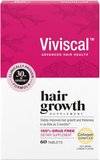
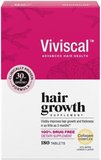
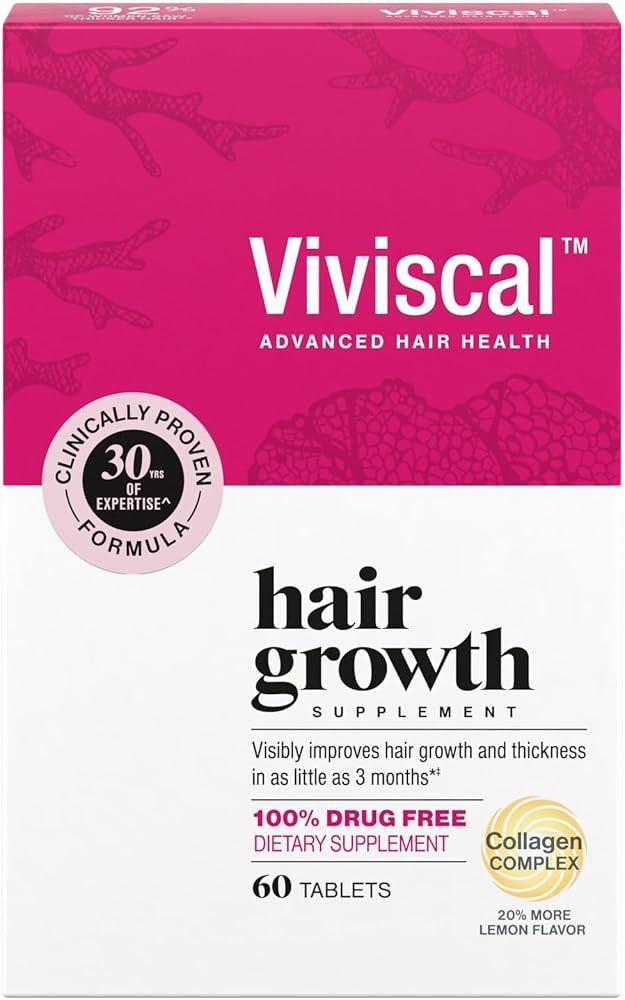
Viviscal is the featured pick because the marine-based complex it uses (AminoMar C, a blend of marine collagen proteins with biotin, zinc, vitamin C, and iron) is the exact formula tested in a double-blind, placebo-controlled trial that found significant increases in hair counts in women with thinning hair (PubMed). A later six-month randomized trial of the same marine complex in men with thinning hair reported significant increases in total hair count and density at day 180 with no treatment-emergent adverse events (PubMed). Note that both trials were funded by the manufacturer, which matters for interpretation even though the results were published in peer-reviewed journals.
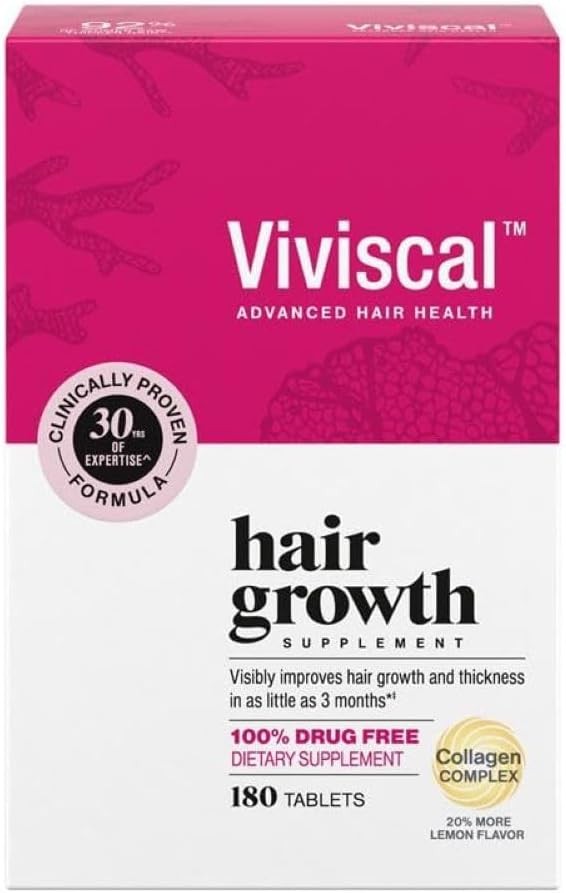
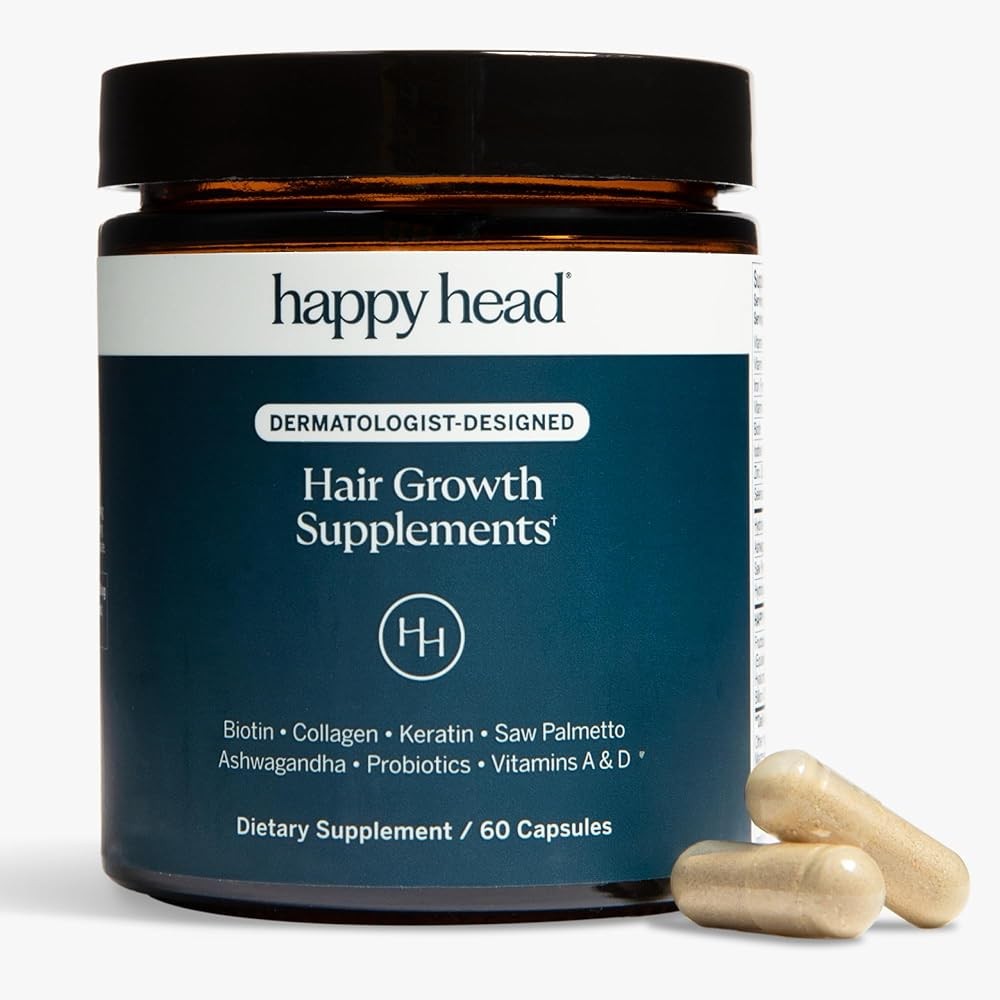
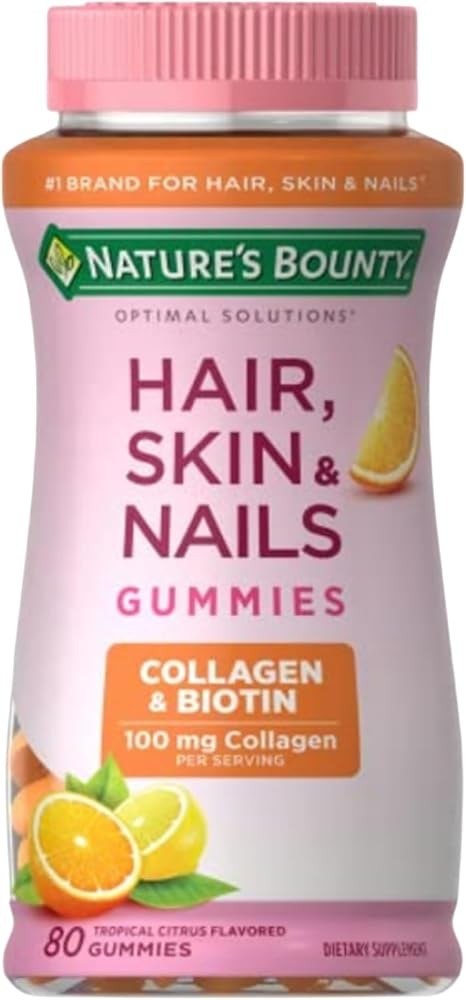
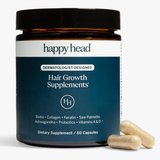
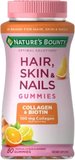
The 60-tablet bottle is a one-month supply at $49.99. The 180-tablet bottle costs $33.75 and lasts about three months, which makes it the better value if you plan to follow the three-to-six-month timeline the trials used. Happy Head covers more mechanisms at once with biotin, collagen, keratin, ashwagandha, saw palmetto, and vitamins A and D, useful for someone who wants a broad-spectrum formula, though no clinical trial has tested that exact blend. Nature’s Bounty gummies are the budget entry point: 2,500 mcg of biotin per two-gummy serving with added collagen, fine for basic nutritional support but with a lower biotin dose than typical capsules.
📱 Join the discussion: Facebook | X | YouTube | Pinterest
What Does the Research Say About Specific Nutrients?
This section walks through each nutrient with clinical evidence, what the studies actually found, who is most likely to benefit, and sensible dosing.
Does Biotin Help Hair Grow?
Biotin (vitamin B7) is a coenzyme for carboxylases involved in fatty acid synthesis, amino acid metabolism, and gluconeogenesis, and it is heavily marketed as a hair growth vitamin. The evidence base is thinner than the marketing suggests. A review by Patel et al. in Skin Appendage Disorders examined the clinical data and concluded that biotin supplementation improves hair growth mainly in people with documented biotin deficiency or conditions that impair biotin metabolism, such as biotinidase deficiency (PubMed). A more recent review by Yelich et al. in the Journal of Clinical and Aesthetic Dermatology reached the same conclusion: for people with normal biotin levels, the evidence of benefit is weak (PubMed).
How common is biotin deficiency among people with hair loss? A study by Trüeb in the International Journal of Trichology measured serum biotin in women presenting with hair loss and found low levels in 38 percent of them, but the author was explicit that indiscriminate oral biotin supplementation should be rejected unless deficiency is demonstrated in the individual patient (PubMed). Biotin blood testing has its own caveats, and the practical takeaway is that biotin is worth trying only when a deficiency is confirmed or when risk factors are present.
Who is actually at risk of biotin deficiency? Documented risk groups include people taking long-term anticonvulsant medication, people with biotinidase deficiency, heavy alcohol users, pregnant women, and people who eat large amounts of raw egg whites, because avidin in raw egg whites binds biotin and blocks absorption. Crohn’s disease and other malabsorption conditions also raise risk. Most people get adequate biotin from food, and gut bacteria produce additional amounts.
If you do supplement biotin, the dose used in studies and common in products is 2,500 to 5,000 mcg (2.5 to 5 mg) daily. One important safety point: the FDA issued a safety communication in 2017 warning that high-dose biotin can significantly interfere with laboratory tests, including troponin (used to rule out heart attacks) and thyroid hormone panels, and the interference has been linked to at least one death from a falsely low troponin result. Stop biotin at least 72 hours before blood work, and tell your doctor you take it.
Iron: The Deficiency Most Often Linked to Shedding
Iron deficiency is the most common nutritional deficiency in the world and the one most consistently connected to hair shedding in the dermatology literature. The mechanism makes biological sense: iron is required for hemoglobin, which delivers oxygen to the rapidly dividing cells of the hair follicle, and for ribonucleotide reductase, an iron-dependent enzyme needed for DNA synthesis. When iron stores are low, cell division in the follicle slows.
The relationship is strongest in women. A retrospective study from Seoul National University compared ferritin levels in 210 patients with pattern hair loss against matched controls and found that premenopausal women with female pattern hair loss had significantly lower serum ferritin than healthy controls (49.27 versus 77.89 µg/L, p < 0.001), while 22.7 percent of men with male pattern hair loss had ferritin below 70 µg/L compared with none of the healthy male controls (PubMed). In a separate 2002 review in Clinical and Experimental Dermatology, Rushton noted that serum ferritin is the best single measure of iron status in hair loss workups and recommended a target near 70 µg/L, with a normal erythrocyte sedimentation rate, for people with persistent increased shedding (PubMed).
The same literature contains important cautions. Trost et al. in the Journal of the American Academy of Dermatology reviewed the evidence on iron deficiency and hair loss and concluded that most studies are observational, that the evidence is insufficient to mandate universal iron screening or empiric iron therapy in everyone with hair loss, and that iron supplementation without demonstrated need risks overload, especially in people with hereditary hemochromatosis (PubMed). The clinical middle ground, which the authors describe as their own practice, is to check iron status in patients with hair loss and to correct deficiency when it is found.
For supplementation, ferrous bisglycinate is generally better tolerated than ferrous sulfate, with comparable absorption and fewer gastrointestinal side effects in comparative research. Typical doses are 25 to 50 mg of elemental iron daily. Iron is absorbed best on an empty stomach, and vitamin C enhances absorption while calcium, coffee, and tea inhibit it, so separate iron from those by at least two hours. Do not take iron without a blood test, and never assume more iron is better; iron overload is a real risk in people with undiagnosed hemochromatosis.
Key takeaway: A ferritin level below 40 ng/mL in someone with unexplained shedding is worth acting on: 25 to 50 mg of elemental iron daily, ideally as bisglycinate and taken apart from calcium, coffee, and tea, is the standard correction, and a repeat blood test after 3 months shows whether stores are rebuilding.
Vitamin D and the Hair Follicle
Vitamin D receptors are expressed in the keratinocytes of the hair follicle, and the follicle needs vitamin D signaling to initiate new anagen cycles. The clearest demonstration of its importance is in people with hereditary vitamin D-resistant rickets, who have non-functional receptors and develop alopecia early in life. Beyond that extreme, observational studies have repeatedly found lower vitamin D levels in people with hair loss. A review by Saini and Mysore in the Journal of Cosmetic Dermatology summarized this literature and noted that the strongest associations are with alopecia areata, telogen effluvium, and female pattern hair loss, while acknowledging that most studies are cross-sectional and cannot prove causation (PubMed).
Vitamin D insufficiency is common regardless of hair status, so low levels in people with hair loss do not automatically mean the deficiency caused the loss. Still, vitamin D status is easy to check and cheap to correct, and the blood test is part of a sensible initial workup for thinning hair. The 25-hydroxyvitamin D blood test is the one to request. Levels below 30 ng/mL are generally considered insufficient, and many dermatologists prefer levels in the 40 to 60 ng/mL range for general health.
Supplemental doses of 1,000 to 5,000 IU daily are typical, with the exact amount guided by the blood result. Vitamin D is fat-soluble, so take it with a meal that contains fat. Toxicity is rare below 10,000 IU daily but possible at very high sustained doses, producing hypercalcemia, kidney stones, and nausea, so megadosing is not advisable.
Zinc: A Trace Mineral With a Niche Role
Zinc is required for protein synthesis, cell division, and immune function, all of which matter to the hair follicle. It also inhibits 5-alpha reductase in laboratory models, the enzyme that converts testosterone into DHT, which has made it a popular ingredient in hair loss formulas. The clinical evidence for zinc in hair loss is narrower than the ingredient lists suggest.
The strongest signal is in alopecia areata. A Korean study by Park et al. in the Annals of Dermatology gave 50 mg of zinc gluconate daily for 12 weeks to alopecia areata patients with low serum zinc and observed positive regrowth responses in 9 of 15 patients, with serum zinc rising from a mean of 56.9 to 84.5 µg/dL, though the response rate did not reach statistical significance in that small sample (PubMed). A large 2025 cross-sectional study of nearly 24,000 patients found that people diagnosed with hair loss had slightly lower median zinc levels than controls (96 versus 99 µg/dL), a difference the authors themselves described as minor and lacking clinical significance; they recommended against routine zinc testing in the standard hair loss workup (PubMed). Rushton’s review went further and stated plainly that there is no evidence supporting the popular view that low serum zinc causes hair loss (PubMed).
The balanced interpretation is that zinc supplementation is reasonable when a deficiency is documented, especially in alopecia areata, but it is not a first-line intervention for the average person with thinning hair. Vegans, vegetarians, and people with digestive disorders are the groups most likely to run low, since phytates in plant foods inhibit zinc absorption.
If you supplement zinc, 15 to 30 mg of elemental zinc daily is the studied range. Zinc picolinate and zinc glycinate are well absorbed forms. Two cautions: zinc on an empty stomach causes nausea in some people, and chronic intake above 40 mg daily can deplete copper, so long-term users should consider a product with 1 to 2 mg of copper or periodic copper checks.
Collagen: Indirect but Plausible Support
Collagen is the main structural protein of the skin, and the hair follicle sits inside a collagen-rich matrix that changes with age. Collagen peptides are broken down and absorbed, and some research suggests they accumulate in skin tissue rather than being completely dismantled into free amino acids. The direct evidence for collagen and hair growth, however, is thin. Most of the human trial data concerns skin.
The best-known of those trials, by Bolke et al. in Nutrients, was a randomized, placebo-controlled study of 72 women aged 35 and older who took 2.5 g of collagen peptides daily along with vitamin C, zinc, biotin, and vitamin E for 12 weeks. Compared with placebo, the supplement group showed significant improvements in skin hydration, elasticity, roughness, and dermal density, and the effects persisted through a four-week follow-up (PubMed). That study supports collagen for skin, and a healthier scalp environment is a reasonable indirect benefit for hair, but it is not a hair growth trial.
What collagen does provide is the amino acid pool needed for keratin production: glycine, proline, and hydroxyproline are all abundant in collagen peptides and are also building blocks of hair keratin. The practical question is whether that matters for someone already eating adequate protein, and the honest answer is that we do not have trial data showing supplemental collagen increases hair growth in well-nourished people. It is a low-risk addition for someone who wants skin and nail benefits alongside possible hair support, with doses of 5 to 15 g daily typical in the wider literature and 2.5 g used in the skin trial above. People with fish or shellfish allergies should choose bovine collagen or check the source of marine products.
Saw Palmetto for Pattern Hair Loss
Saw palmetto (Serenoa repens) is the botanical most often compared to finasteride because both act on the same enzyme, 5-alpha reductase, which converts testosterone to DHT, the hormone that drives miniaturization of follicles in androgenetic alopecia. The evidence for saw palmetto is growing but still modest, and no trial approaches the size of the finasteride studies.
A systematic review by Evron et al. in Skin Appendage Disorders examined the available data on saw palmetto for alopecia and concluded that studies suggest possible benefit for androgenetic alopecia but that the evidence is limited by small sample sizes and variability in products (PubMed). Two randomized trials published since that review add weight. A 16-week, placebo-controlled study of a standardized saw palmetto oil (400 mg daily, standardized to 2 to 3 percent beta-sitosterol) in 80 adults with mild to moderate androgenetic alopecia found hair fall reduced by up to 29 percent versus baseline in the oral group and a significant drop in serum DHT compared with placebo (PubMed). A 90-day interim analysis of a six-month trial of a saw palmetto fatty acid extract in 60 men and women with self-perceived thinning hair found significantly greater terminal hair counts than placebo with no adverse events (PubMed).
The practical picture: saw palmetto is not finasteride, and its effect size in these small trials is likely smaller, but it is a reasonable option for men with early androgenetic alopecia who want to try a botanical before prescription medication, and some data now includes women. Typical dosing is 160 to 320 mg of standardized extract daily, and the positive trials used roughly 320 to 400 mg of specific extracts, so product standardization matters. Women who are pregnant or planning pregnancy should avoid saw palmetto because of its anti-androgenic effects. Mild digestive upset and headache are the most commonly reported side effects.
Do Viviscal and Nutrafol Live Up to the Hype?
Two branded formulas dominate the hair supplement category, and both have invested in clinical trials, which is rare in this industry. The quality of the evidence differs, and the marketing does not always match the studies.
Viviscal contains AminoMar C, a proprietary marine complex derived from shark cartilage and mollusk powder, plus biotin, zinc, vitamin C, iron, and horsetail extract. The 2012 double-blind, placebo-controlled trial by Ablon enrolled women aged 21 to 75 with self-perceived thinning hair and measured hairs in a fixed 4 cm2 scalp area. In the supplement group, mean terminal hair counts rose from about 271 at baseline to 571 at day 90 and 610 at day 180, while counts in the placebo group declined slightly; all differences versus placebo were significant (p < 0.001), and no adverse events were reported (PubMed). The six-month follow-up trial in men with thinning hair found significant increases in total hair count, total hair density, and terminal hair density at day 180, plus significantly fewer hairs pulled out in the pull test versus placebo (PubMed). Both studies were funded by the manufacturer (Lifes2good), which is a transparency flag rather than a disqualifier, and the sample sizes were small (10 active and 5 placebo in the women’s trial). Viviscal is the pick that best matches its clinical claims, priced at $49.99 for a 30-day supply or $33.75 for the 90-day bottle.
Nutrafol Women takes a multi-ingredient approach with saw palmetto, marine collagen, ashwagandha, curcumin, tocotrienols, and a long list of vitamins and minerals, designed to address DHT, inflammation, stress, and nutritional gaps at once. The company has published open-label and company-sponsored research, but the independent evidence base is thinner than Viviscal’s, and the price is substantially higher, typically $79 to $88 per month. For someone with confirmed hormonal or stress-related shedding who wants one comprehensive product and can absorb the cost, the formula is defensible; for someone with a single deficiency like low ferritin, targeted iron at a fraction of the price is the more rational first step. As the JAMA Dermatology review noted, when commercial supplements are evaluated head-to-head against their claims, the evidence base is often disappointing (PubMed).
The research verdict: The strongest supplement trials in this field enrolled small numbers of people, ran 12 to 24 weeks, and were often funded by the companies that sell the products, so the honest read is modest benefit for specific deficiencies rather than a dramatic change for everyone.
Which Supplements Help Each Type of Hair Loss?
Hair loss is not one condition, and the supplement that makes sense depends entirely on the pattern and cause. Here is the breakdown by diagnosis.
Telogen Effluvium (Diffuse Shedding)
Telogen effluvium is the sudden, diffuse shedding that follows a physiological stressor by two to four months: major illness, surgery, childbirth, rapid weight loss, extreme stress, or a nutritional deficiency. The trigger pushes a large cohort of follicles into telogen at once, and the hair is shed when that cohort completes its cycle. It is usually self-limiting once the trigger resolves.
The nutritional priorities in telogen effluvium are iron and vitamin D, because both deficiencies are overrepresented in this group and both are easy to test. Correcting a documented deficiency is associated with shedding that slows within 6 to 8 weeks and visible regrowth by 3 to 6 months. If no deficiency exists, the evidence for supplements in telogen effluvium is weak, and the focus should be on removing the trigger, adequate protein intake, and stress management.
Androgenic Alopecia (Pattern Hair Loss)
Androgenetic alopecia is the most common form of hair loss in both sexes, driven by genetic sensitivity of the follicle to DHT. In men it presents as a receding hairline and crown thinning; in women it presents as diffuse thinning over the top of the scalp with preservation of the frontal hairline. It is progressive, and supplements that act on the DHT pathway are the most biologically plausible options.
Saw palmetto has the mechanism (5-alpha reductase inhibition) and the recent trials described above, with 16 to 24 weeks needed to judge a response. Pumpkin seed oil also inhibits 5-alpha reductase in laboratory research, and a randomized, double-blind, placebo-controlled trial in 76 men with mild to moderate androgenetic alopecia found that 400 mg daily for 24 weeks increased mean hair counts by 40 percent versus 10 percent in the placebo group (p < 0.001) (PubMed). Tocotrienols, a form of vitamin E, were tested in a small Malaysian trial in which 100 mg of mixed tocotrienols daily for 8 months produced a 34.5 percent increase in hair number versus a 0.1 percent decrease with placebo, though hair strand weight did not change (PubMed).
The realistic expectation setting matters here: these supplements may slow progression and produce modest regrowth, but the prescription treatments (topical minoxidil, finasteride, low-level laser therapy) have far larger evidence bases for pattern baldness. Supplements are adjuncts, not replacements, and a dermatologist should be involved when the pattern is progressive.
Alopecia Areata (Patchy Loss)
Alopecia areata is an autoimmune condition in which the immune system attacks the hair follicle, producing round patches of loss that can progress to total scalp or body hair loss. It requires medical evaluation, and the primary options are topical or injected corticosteroids, topical immunotherapy, and the newer JAK inhibitors. Supplements are adjunctive at best.
The micronutrient angle is the one with some data: a review by Thompson et al. in the American Journal of Clinical Dermatology examined micronutrients in alopecia areata and found that vitamin D and zinc are the nutrients most often reported low in affected patients (PubMed), and the small zinc supplementation trial described earlier reported regrowth responses in some patients with low baseline zinc (PubMed). Correcting a documented deficiency is reasonable alongside medical care; supplementing without testing is unlikely to change the course of an autoimmune disease.
Hormonal Hair Loss (Menopause, PCOS, Thyroid Disease)
Hormonal shifts thin hair through different routes. Menopause brings a drop in estrogen, which shortens the growth phase. PCOS raises androgens, which drives DHT-related miniaturization. Thyroid disease, both underactive and overactive, can push follicles into telogen, and treating the thyroid condition is the primary intervention. Iron deficiency often coexists with hypothyroidism, so ferritin is worth checking in that group.
Supplements here are secondary to managing the hormone issue. Saw palmetto may help with the androgenic component in PCOS, and spearmint tea has small studies suggesting an anti-androgen effect worth discussing with a doctor. For menopausal thinning, the evidence supports checking iron, vitamin D, and zinc and correcting what is low. Our guide to the best perimenopause supplements and our evidence-based guide to PCOS supplements cover these situations in more depth.
Nutritional Deficiency Hair Loss
True deficiency-driven hair loss happens in identifiable populations: restrictive dieters, bariatric surgery patients, vegans or vegetarians who skip supplementation, people with celiac disease or inflammatory bowel disease, and people with eating disorders. The classic offenders are iron, zinc, B12, and protein. A supplement that corrects the specific deficiency is the appropriate response, and a broad hair vitamin is not.
For women with documented low ferritin, our guide to iron supplements for women covers forms, dosing, and side effect management in detail.
Age-Related Thinning
Gradual thinning with age reflects slower follicle cycling, shrinking growth phases, miniaturization, and a thinner collagen matrix around the follicle. Marine collagen, antioxidants, and omega-3 fatty acids are the supplements most often discussed for this pattern, but the data are largely indirect, extrapolated from skin and general health research. A nutrient-dense diet with adequate protein, plus correction of any deficiencies found on blood work, is the evidence-based core; the supplements are optional extras.
What About Other Nutrients That Support Hair Health?
Several other vitamins and compounds play supporting roles or have emerging evidence worth knowing about, even if they are not first-line options.
Vitamin C
Vitamin C is a cofactor for collagen synthesis, an antioxidant that protects follicle cells from oxidative stress, and a well-established enhancer of non-heme iron absorption when taken with iron. Severe deficiency (scurvy) produces the classic corkscrew hairs and follicular hyperkeratosis, which shows how essential the vitamin is to normal follicle function. Frank deficiency is rare in developed countries, but smokers, people with poor fruit and vegetable intake, and people with malabsorption have higher needs. The RDA is 75 mg for women and 90 mg for men; many dermatologists suggest 200 to 500 mg daily, and the main reason to be deliberate about it is pairing it with iron. Doses above 2,000 mg daily cause diarrhea in some people, but toxicity is otherwise uncommon because the vitamin is water-soluble.
B-Complex Vitamins
Beyond biotin, the B vitamins relevant to hair are folate (B9) and B12, both needed for DNA synthesis and red blood cell production. Rapidly dividing follicle cells depend on both, so deficiency can contribute to shedding through impaired cell division. B12 deficiency is most common in strict vegans (no animal products), older adults (reduced stomach acid impairs absorption), and people on long-term metformin or proton pump inhibitors. Niacin (B3) supports circulation, and riboflavin (B2) and pantothenic acid (B5) participate in energy metabolism, but there is little direct evidence that supplementing any of them beyond need improves hair.
A B-complex with active forms (methylfolate rather than folic acid, methylcobalamin rather than cyanocobalamin) is a reasonable choice if testing shows a gap or if diet is restricted. As with everything in this guide, the value is in correcting an actual deficiency.
Omega-3 Fatty Acids
Omega-3s (EPA and DHA) are anti-inflammatory, which is theoretically relevant to inflammatory scalp conditions and to the low-grade inflammation seen around miniaturizing follicles in pattern loss. The only direct hair trial in this area is a six-month comparative study by Le Floc’h et al. in the Journal of Cosmetic Dermatology: 120 women with female pattern hair loss received either an omega-3 and omega-6 plus antioxidant supplement or a control, and the supplement group showed significantly greater hair density on standardized photographs, a lower telogen (shedding) percentage, and a larger proportion of thick anagen hairs (PubMed). The study product was a combination formula, so the omega-3s cannot be isolated as the active ingredient, but the result supports including them in a comprehensive approach. Standard general health dosing is 1,000 to 2,000 mg of combined EPA and DHA daily.
How Should You Dose Hair Supplements?
Doses matter more than ingredient counts. Here are the ranges supported by the research discussed above, in one place:
- Iron (as bisglycinate): 25 to 50 mg elemental iron daily, only with documented low ferritin; take away from calcium, coffee, and tea
- Vitamin D3: 1,000 to 5,000 IU daily, adjusted to a 25-hydroxyvitamin D blood level; take with a meal containing fat
- Zinc (as picolinate or glycinate): 15 to 30 mg elemental zinc daily; add 1 to 2 mg copper if using long-term
- Biotin: 2,500 to 5,000 mcg daily, mainly when deficiency is documented; stop 72 hours before blood tests
- Collagen peptides: 2.5 to 15 g daily; 2.5 g was the dose in the skin trial, and larger doses are common in joint research
- Saw palmetto: 160 to 320 mg of standardized extract daily; recent positive trials used 320 to 400 mg of specific extracts
- Pumpkin seed oil: 400 mg daily was the dose in the positive 24-week trial
- Tocotrienols: 100 mg daily was the dose in the 8-month trial
- Omega-3 (EPA/DHA): 1,000 to 2,000 mg combined daily
- Vitamin C: 200 to 500 mg daily, taken with iron to boost absorption
The recurring theme: match the product to the studied dose, not the other way around. A hair gummy with 10 mg of zinc and 300 mcg of biotin is not going to reproduce any of the results above.
When Is the Best Time to Take Hair Supplements?
Timing matters for absorption and side effects more than for any intrinsic difference between morning and evening.
With breakfast: water-soluble vitamins (biotin, B-complex, vitamin C) are fine in the morning, and collagen peptides mix easily into coffee or a smoothie.
With lunch or an afternoon meal: saw palmetto and pumpkin seed oil are fat-soluble extracts and absorb better with food containing fat. Omega-3 fish oil is also fat-soluble and less likely to cause reflux or fishy burps when taken with a meal.
With dinner: vitamin D is fat-soluble and has no stimulant effect, so dinner works. Zinc causes nausea in some people on an empty stomach, so pair it with food.
On an empty stomach, away from other minerals: iron absorbs best on an empty stomach with vitamin C. Separate iron from calcium, coffee, tea, and antacids by at least two hours, and do not take iron and zinc together because they compete for absorption. If your regimen includes both, take one in the morning and the other at night.
Consistency beats perfect timing. The trials that showed results used daily dosing for 12 to 24 weeks, so the bigger risk is not timing but quitting after three weeks. Pick a schedule you can actually maintain.
What Do Hair Supplements Cost?
Hair supplements range from about $10 a month for a single targeted nutrient to nearly $90 a month for a branded multi-formula. Here is how the economics actually shake out.
Targeted approach after blood work (the evidence-first route): correcting a single documented deficiency is usually the cheapest and most rational path. An iron bisglycinate product runs roughly $12 to $20 per bottle, vitamin D3 about $10 to $15, and zinc picolinate about $8 to $15. If only ferritin is low, a $15 iron supplement is the entire program.
The featured products in this guide: Viviscal is $49.99 for the 60-tablet (one-month) bottle and $33.75 for the 180-tablet (three-month) bottle, which works out to roughly $11 per month when you buy the larger size. Happy Head is $79.00 for 60 capsules, a one-month supply at the labeled dose. Nature’s Bounty gummies are $29.98 for an 80-gummy bottle with 40 two-gummy servings, about $22 per month at one serving daily.
Branded multi-formulas like Nutrafol: $79 to $88 per month, indefinitely. The formula is comprehensive and the company has published research, but the price is roughly six times the cost of correcting a deficiency you actually have.
The value question is simple: a $15 bottle of iron that fixes a real deficiency outperforms an $88 bottle of everything that does not. Start with blood work, buy the smallest targeted intervention that addresses the finding, and only graduate to a comprehensive formula if the targeted approach does not do the job and your doctor agrees the multi-ingredient route is appropriate.
What Are the Side Effects and Safety Risks?
Most hair supplements are well tolerated at recommended doses, but each category has specific risks worth knowing before you buy.
Iron has the highest risk profile of the nutrients in this article. Constipation, nausea, and stomach cramps are common, less so with bisglycinate forms. The serious risk is overload: excess iron accumulates in the liver, heart, and pancreas, and people with hereditary hemochromatosis (about 1 in 200 to 300 people of Northern European descent) are especially vulnerable. Iron should only be taken after a blood test confirms deficiency, and doses above 50 mg of elemental iron daily are rarely necessary.
Biotin at 5,000 to 10,000 mcg can interfere with immunoassays used for troponin, thyroid hormones, and parathyroid hormone, producing falsely low or high results that have led to real misdiagnoses, including a reported death from a falsely normal troponin. Stop biotin at least 72 hours before any blood draw.
Zinc above 40 mg daily for extended periods depletes copper and can cause copper deficiency anemia and neurological symptoms. Nausea is common on an empty stomach.
Vitamin D toxicity is possible but rare below 10,000 IU daily; sustained very high doses cause hypercalcemia, kidney stones, and nausea. If you are taking a high dose long-term, a blood level check after a few months is prudent.
Saw palmetto occasionally causes mild digestive upset or headache. Women who are pregnant, planning pregnancy, or breastfeeding should avoid it due to its anti-androgenic activity. It does not appear to meaningfully change PSA levels in the way finasteride does, but men with prostate concerns should mention any supplement to their doctor.
Collagen is very safe; the main issues are mild fullness or aftertaste at high doses and allergies to the source animal (fish, shellfish, beef). People with fish or shellfish allergy should pick a bovine or egg-based collagen.
One general rule: hair supplements are not exempt from the supplement industry’s quality problems. Look for products with third-party testing (NSF, Informed Choice, or USP marks) and buy from established brands. If a product promises regrowth in two weeks or claims to reverse pattern baldness, that is the marketing talking, not the research.
What this means for you: Iron should never start without a blood test because overload is the serious risk, especially with hemochromatosis; biotin needs a 72-hour break before labs; zinc above 40 mg daily can pull down copper; and saw palmetto is not for pregnancy.
Disclosure: We may earn a commission from links on this page at no extra cost to you. Affiliate relationships never influence our ratings. Full policy →
Who Should Take Hair Supplements and Who Shouldn’t?
Reasonable candidates for hair supplements:
- People with a documented deficiency on blood work: low ferritin, low 25-hydroxyvitamin D, low zinc, or low B12
- Premenopausal women with heavy menstrual periods, who are at higher risk of iron deficiency
- Vegans and vegetarians who may not get enough iron, zinc, or B12 from diet alone
- People with malabsorption conditions (celiac disease, inflammatory bowel disease, after bariatric surgery)
- People in the months after a telogen effluvium trigger who want to make sure nutritional gaps are covered while the cycle recovers
- Men with early androgenetic alopecia who want to try saw palmetto before prescription options, with a dermatologist’s input
People who should be cautious or skip supplements entirely:
- Anyone with hemochromatosis or a family history of iron overload should not take iron unless a doctor directs it
- Pregnant or breastfeeding women should only supplement under medical supervision, and should avoid saw palmetto
- People with chronic kidney disease need to be careful with vitamin D, potassium, and magnesium formulations and should review any supplement with their nephrologist
- People on blood-thinning medication should review supplements with a pharmacist or doctor before adding high-dose vitamin E, fish oil, or herbal extracts
- Anyone with sudden, patchy, or scarring hair loss, or hair loss with scalp redness or scaling, should see a dermatologist first; those patterns can indicate alopecia areata, lupus, or fungal infection, and self-treating with supplements delays real diagnosis
The bottom line for this section: supplements work when they fill a specific, identified gap. The most effective strategy is diagnosis first, targeted supplementation second, and patience third, because the hair cycle does not respond on a marketing timeline.
How Do You Build a Personalized Hair Health Protocol?
If you want to act on this guide, here is a step-by-step framework that follows the evidence rather than the supplement aisle.
Step 1: Identify the pattern. Diffuse shedding across the whole scalp points to telogen effluvium or a nutritional cause. Thinning at the crown and temples in men, or over the top of the scalp in women, points to androgenetic alopecia. Sudden round patches point to alopecia areata and warrant a dermatology appointment promptly. Gradual overall thinning over years with age is age-related change.
Step 2: Get the right blood work. Ask your doctor for ferritin, serum iron, and total iron-binding capacity (TIBC), 25-hydroxyvitamin D, a complete blood count, thyroid panel (TSH, free T3, free T4), and vitamin B12. Zinc testing is reasonable if you are vegan, vegetarian, or have digestive disease. Women with irregular cycles or other hormonal signs can add testosterone, DHEA-S, and SHBG; our inositol and PCOS guide explains the hormonal testing picture in more detail.
Step 3: Correct documented deficiencies first. Ferritin below 40 ng/mL is the usual trigger to consider iron; vitamin D below 30 ng/mL warrants D3; low zinc in the alopecia areata context warrants replacement; low B12 warrants methylcobalamin. Recheck the relevant levels after three months of supplementation to confirm they are moving.
Step 4: Match supplements to the pattern. Androgenetic alopecia: saw palmetto or pumpkin seed oil with a six-month evaluation window. Telogen effluvium with normal labs: focus on the trigger, protein intake, and stress rather than a product. Alopecia areata: medical treatment first, micronutrient correction second.
Step 5: Set a timeline. Hair grows about half an inch per month, and shed hairs that were already in telogen have to complete their cycle before change is visible. Expect any intervention to need three to six months before a fair judgment, and use photos taken in the same lighting to track progress instead of trusting memory.
Step 6: Reassess at six months. If shedding is unchanged despite corrected labs, the cause is probably not nutritional, and the next step is dermatology (biopsy, more specialized testing, or medical therapy). If you are responding, continue for another three to six months and then reassess again.
Step 7: Keep lifestyle factors in the mix. Adequate protein (roughly 1.2 to 1.6 g per kg of body weight for most adults, higher if you train), consistent sleep, stress management, and gentle hair care all determine whether a supplement has anything to work with.
What Lifestyle Factors Affect Supplement Results?
Supplements do not work in a vacuum. Several modifiable factors determine whether nutritional support can actually translate into thicker hair.
Protein intake. Hair is keratin, and keratin is protein. The RDA for protein is 0.8 g per kg of body weight, but many dermatology-focused nutritionists recommend 1.2 to 1.6 g/kg for people concerned about hair, particularly women over 40, people restricting calories, and anyone whose shedding followed rapid weight loss. Vegans and vegetarians should pay attention to protein quality as well as quantity; plant proteins are often lower in lysine and methionine, and interestingly, lysine is the amino acid Rushton’s research flagged as relevant to women with increased shedding (PubMed). Our guide to the best protein powder for women compares plant and whey options.
Stress management. Chronic stress is a well-recognized trigger for telogen effluvium, and cortisol dysregulation is part of the picture in some hormonal hair loss. Mindfulness-based stress reduction, regular (not excessive) exercise, and seven to nine hours of sleep all have physiological support. If stress is driving shedding, an adaptogen like ashwagandha may help the stress axis, but treating the stress itself is the primary move. Our guide to supplements for hormonal balance in women covers this territory.
Scalp health. A healthy follicle environment matters. Seborrheic dermatitis, psoriasis, and fungal overgrowth can impair follicle function and accelerate shedding regardless of nutrition. Treating those conditions, washing regularly (infrequent washing does not cause hair loss; it just concentrates shed hairs into fewer washes, which Rushton specifically flagged as a source of needless worry), and avoiding harsh chemical treatments all support whatever the supplements are doing.
Hair practices. Tight styles (ponytails, braids, weaves, extensions) cause traction alopecia through mechanical tension. Chemical processing weakens the shaft, and regular high-heat styling damages the cuticle. Supplements cannot offset ongoing mechanical or chemical damage, so spacing out treatments, using heat protectants, and alternating looser styles matter more than any bottle.
Medical conditions. Hypothyroidism, PCOS, and autoimmune disease each change how the body uses nutrients and whether supplements can help at all. In those settings, treating the underlying condition is the priority and supplementation is adjunctive, not primary.
Frequently Asked Questions
Does biotin really help hair growth?
Biotin helps when deficiency is documented. Reviews by Patel et al. and Yelich et al. both concluded that people with normal biotin levels derive little benefit, while people with true deficiency (which is more common in specific risk groups) can respond. One Swiss study found low serum biotin in 38 percent of women presenting with hair loss, so deficiency is not as rare as once assumed, but the same author argued against supplementing without testing. If you take biotin, stop it 72 hours before blood work because it skews troponin and thyroid assays.
How long do hair supplements take to work?
Hair grows about half an inch per month, and a follicle that enters a new growth phase today will not produce a visible length change for months. Every positive trial in this article ran 12 weeks or longer, and most ran 24 weeks. The realistic answer is three to six months of consistent daily use before judging any supplement, with photos at baseline and at month three and six for an honest comparison.
What is the best supplement for thinning hair?
It depends on the cause, which is why blood work comes first. For women with low ferritin, iron is the answer. For low vitamin D, D3. For documented deficiency with an autoimmune component, zinc in alopecia areata. For pattern hair loss, saw palmetto or pumpkin seed oil have the most data. For a branded product that matches its clinical trials, Viviscal is the strongest choice in this guide. If labs are normal, no supplement has strong evidence for thinning hair, and a dermatologist is the right next stop.
Can too much biotin cause problems?
Yes, mainly through lab interference. High-dose biotin (5,000 to 10,000 mcg) affects immunoassays for troponin, thyroid hormones, and parathyroid hormone, and the FDA documented cases where this produced wrong results, including a fatal misdiagnosis from a falsely low troponin. It can also produce acne-like skin eruptions in some people at high doses. The vitamin itself has very low toxicity, but the lab issue is real and easy to avoid by stopping biotin at least 72 hours before blood draws.
Are hair growth gummies worth it?
Usually not, compared with capsules. Gummies are manufactured with lower nutrient loads per serving because of texture and sugar constraints, and they cost more per milligram of active ingredient. A $30 gummy bottle might deliver 2,500 mcg of biotin per serving while a $15 capsule bottle delivers 10,000 mcg per capsule. If a product’s serving size and dose match the research doses above, the form does not matter much; if they do not, the form is the least of its problems. Check the supplement facts panel before the flavor.
Do men and women need different hair supplements?
The core nutritional requirements are the same, but the most likely causes differ. Men are far more likely to have androgenetic alopecia, which is why saw palmetto and pumpkin seed oil research has mostly been done in men. Women are more likely to have iron deficiency from menstrual loss and hormonal triggers like postpartum shedding and menopause. Marketing men’s and women’s versions of the same base formula is mostly cosmetic; what matters is matching the product to your pattern and your labs, not the label color.
Can supplements help with postpartum hair loss?
Postpartum shedding is a normal physiological event, not a deficiency disease. Pregnancy keeps more hairs in the growth phase; when estrogen drops after delivery, those hairs shift into telogen and shed together, usually starting two to four months postpartum and resolving on their own within about a year. Blood work is still worth doing because pregnancy depletes iron stores and many new mothers are low. Ensuring adequate iron, vitamin D, and protein during recovery is sensible support, but no supplement will stop the normal postpartum shed, and most women return to their baseline density by 12 months.
Are there supplements to avoid for hair health?
Yes. Excess vitamin A (above 10,000 IU daily from supplements) is associated with hair loss, and the acne medication isotretinoin, a vitamin A derivative, causes shedding in many users. Selenium above 400 mcg daily has been linked to hair loss in case reports. Very high doses of vitamin E can thin the blood and have no hair benefit. The fat-soluble vitamins are the ones to respect: they accumulate in the body, so megadosing is where the risk lives.
What about topical supplements and hair serums?
Topical nutritional products (biotin shampoos, vitamin serums, caffeine leave-ins) have weak evidence for affecting hair growth because their ingredients penetrate poorly and the concentrations are low. The topical products with real data are medications: minoxidil is the OTC option with decades of trials behind it, and prescription topicals exist for specific diagnoses. Oral supplements and topical minoxidil are not mutually exclusive; some dermatologists suggest they can complement each other, but a biotin shampoo is not a hair growth strategy.
Can I just eat a better diet instead of supplementing?
For prevention, yes: iron-rich foods (red meat, organ meats, lentils, spinach), zinc sources (oysters, beef, pumpkin seeds), fatty fish, eggs, and adequate protein cover most needs. For correcting an existing deficiency, food alone is slow. Restoring ferritin from 15 ng/mL through diet can take six to twelve months, whereas targeted supplementation under medical guidance typically restores levels in three to six months. The pragmatic route is food for maintenance and supplements for correction, guided by blood work.
What blood tests should I ask for if I am losing hair?
A reasonable initial panel: ferritin (the key iron storage marker), serum iron and TIBC, complete blood count, 25-hydroxyvitamin D, thyroid panel (TSH, free T3, free T4), and vitamin B12. Add zinc if you are vegan, vegetarian, or have digestive disease. Add testosterone, DHEA-S, and SHBG if you have irregular periods or other hormonal signs. The ferritin result is the one most often overlooked and most often relevant, especially in premenopausal women.
Related Reading
- Best Collagen Supplements for Women
- Best Iron Supplements for Women: Forms, Dosing, and How to Avoid Side Effects
- Best Collagen Supplements for Face Tightening and Skin Elasticity
- Best Anti-Aging Supplements for Women in Their 30s
- Best Supplements for Hormonal Balance in Women
- Best Perimenopause Supplements
- Best Magnesium for Women Over 40
- Best Protein Powder for Women
References and Clinical Studies
- Almohanna HM, Ahmed AA, Tsatalis JP, Tosti A. The Role of Vitamins and Minerals in Hair Loss: A Review. Dermatology and Therapy, 2019. PubMed
- Guo EL, Katta R. Diet and Hair Loss: Effects of Nutrient Deficiency and Supplement Use. Dermatology Practical and Conceptual, 2017. PubMed
- Drake L, Reyes-Hadsall S, Martinez J, et al. Evaluation of the Safety and Effectiveness of Nutritional Supplements for Treating Hair Loss: A Systematic Review. JAMA Dermatology, 2023. PubMed
- Patel DP, Swink SM, Castelo-Soccio L. A Review of the Use of Biotin for Hair Loss. Skin Appendage Disorders, 2017. PubMed
- Yelich A, Jenkins H, Holt S, et al. Biotin for Hair Loss: Teasing Out the Evidence. Journal of Clinical and Aesthetic Dermatology, 2024. PubMed
- Trüeb RM. Serum Biotin Levels in Women Complaining of Hair Loss. International Journal of Trichology, 2016. PubMed | DOI
- Rushton DH. Nutritional Factors and Hair Loss. Clinical and Experimental Dermatology, 2002. PubMed | DOI
- Trost LB, Bergfeld WF, Calogeras E. The Diagnosis and Treatment of Iron Deficiency and Its Potential Relationship to Hair Loss. Journal of the American Academy of Dermatology, 2006. PubMed | DOI
- Park SY, Na SY, Kim JH, et al. Iron Plays a Certain Role in Patterned Hair Loss. Journal of Korean Medical Science, 2013. PubMed | DOI
- Saini K, Mysore V. Role of Vitamin D in Hair Loss: A Short Review. Journal of Cosmetic Dermatology, 2021. PubMed
- Thompson JM, Mirza MA, Park MK, et al. The Role of Micronutrients in Alopecia Areata: A Review. American Journal of Clinical Dermatology, 2017. PubMed
- Park H, Kim CW, Kim SS, Park CW. The Therapeutic Effect and the Changed Serum Zinc Level After Zinc Supplementation in Alopecia Areata Patients Who Had a Low Serum Zinc Level. Annals of Dermatology, 2009. PubMed | DOI
- Liran O, Vered S, Cohen B, et al. Hair Loss and Zinc Deficiency: A Cross-Sectional Study. Healthcare, 2025. PubMed | DOI
- Bolke L, Schlippe G, Gerß J, Voss W. A Collagen Supplement Improves Skin Hydration, Elasticity, Roughness, and Density: Results of a Randomized, Placebo-Controlled, Blind Study. Nutrients, 2019. PubMed | DOI
- Ablon G. A Double-Blind, Placebo-Controlled Study Evaluating the Efficacy of an Oral Supplement in Women with Self-Perceived Thinning Hair. Journal of Clinical and Aesthetic Dermatology, 2012. PubMed
- Ablon G. A 6-Month, Randomized, Double-Blind, Placebo-Controlled Study Evaluating the Ability of a Marine Complex Supplement to Promote Hair Growth in Men with Thinning Hair. Journal of Cosmetic Dermatology, 2016. PubMed | DOI
- Evron E, Juhasz M, Babadjouni A, et al. Natural Hair Supplement: Friend or Foe? Saw Palmetto, a Systematic Review in Alopecia. Skin Appendage Disorders, 2020. PubMed
- Sudeep HV, Rashmi S, Jestin TV, et al. Oral and Topical Administration of a Standardized Saw Palmetto Oil Reduces Hair Fall and Improves Hair Growth in Androgenetic Alopecia Subjects: A 16-Week Randomized, Placebo-Controlled Study. Clinical, Cosmetic and Investigational Dermatology, 2023. PubMed | DOI
- Ablon G. The Safety and Efficacy of a Proprietary Bioactive Fatty Acids Extract From Saw Palmetto (Serenoa repens) for Promoting Hair Growth and Reducing Hair Loss in Adults With Self-Perceived Thinning Hair: 90-Day Results. Journal of Cosmetic Dermatology, 2025. PubMed | DOI
- Cho YH, Lee SY, Jeong DW, et al. Effect of Pumpkin Seed Oil on Hair Growth in Men With Androgenetic Alopecia: A Randomized, Double-Blind, Placebo-Controlled Trial. Evidence-Based Complementary and Alternative Medicine, 2014. PubMed | DOI
- Beoy LA, Woei WJ, Hay YK. Effects of Tocotrienol Supplementation on Hair Growth in Human Volunteers. Tropical Life Sciences Research, 2010. PubMed
- Le Floc’h C, Cheniti A, Connétable S, et al. Effect of a Nutritional Supplement on Hair Loss in Women. Journal of Cosmetic Dermatology, 2015. PubMed | DOI
Recommended Products