Florastor vs Saccharomyces Boulardii: Comparing Probiotic Yeast Supplements
Summarized from peer-reviewed research indexed in PubMed. See citations below.
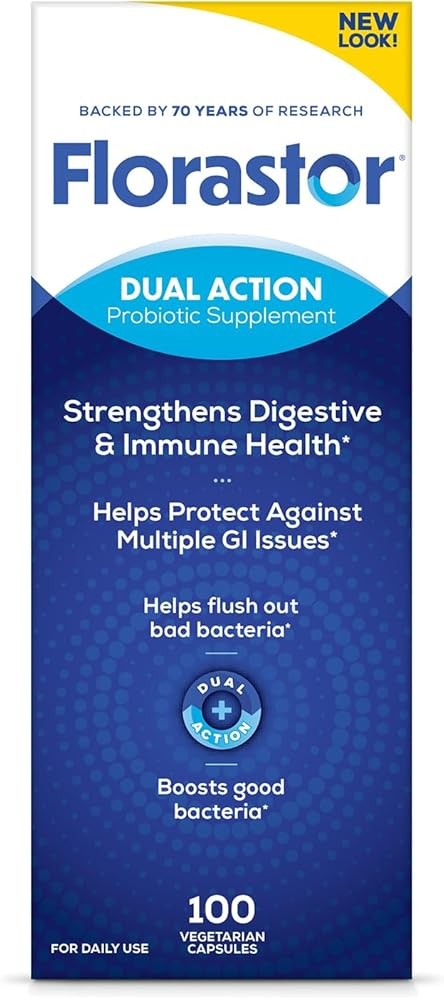
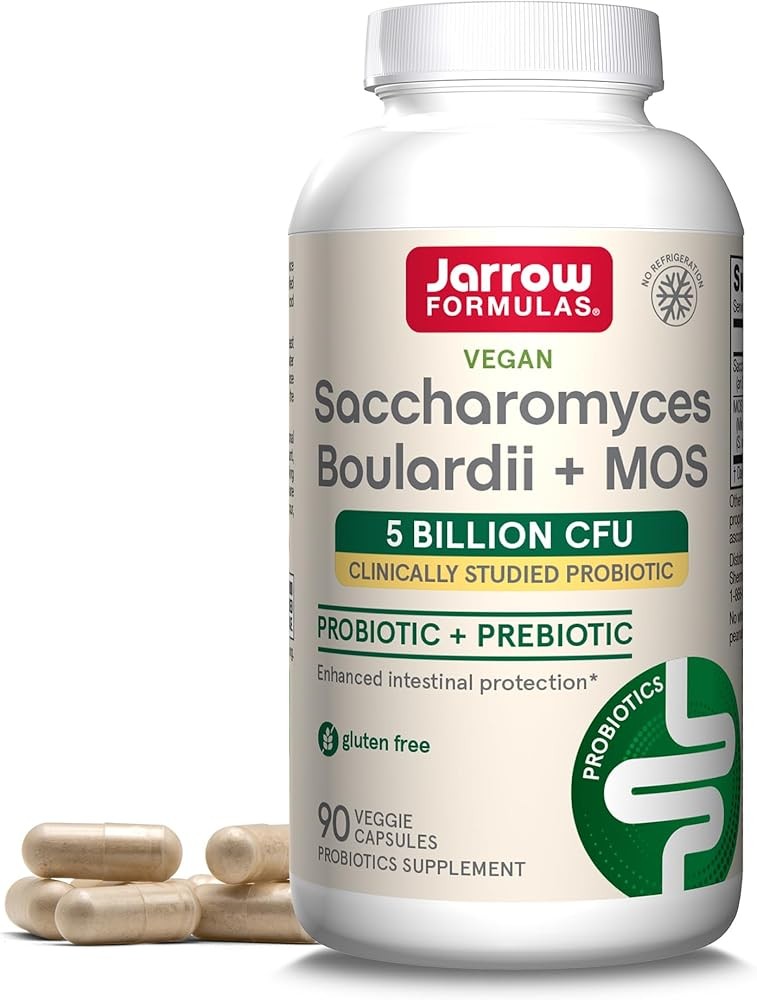
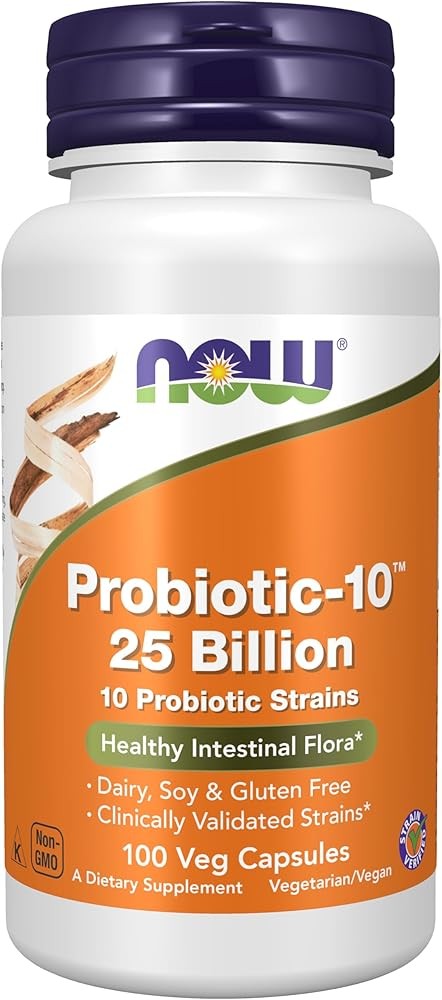
Choosing between brand-name Florastor and generic Saccharomyces boulardii supplements gets confusing at exactly the moment antibiotics have disrupted your gut or diarrhea is threatening your routine. Florastor uses the S. boulardii strain CNCM I-745 at 250mg (5 billion CFU) per capsule, and that strain sits behind the largest clinical evidence base of any S. boulardii product. A meta-analysis of 21 randomized controlled trials (4,780 patients) found S. boulardii reduced antibiotic-associated diarrhea from 18.7% to 8.5%, a relative risk of 0.47 with a number needed to treat of 10 (Szajewska and Kołodziej, 2015). A placebo-controlled JAMA trial in 124 patients with C. difficile disease found that adding S. boulardii 1g daily to standard antibiotics cut recurrence risk by more than half (relative risk 0.43, 95% CI 0.20-0.97) (McFarland et al., 1994). Quality generics such as Jarrow Formulas S. boulardii + MOS deliver the same probiotic yeast at roughly 60% less per capsule, while a multi-strain bacterial product like NOW Foods Probiotic-10 fills the combination-protocol role during and after antibiotic courses. Here’s what the published research shows about Florastor vs generic S. boulardii formulations, clinical evidence, dosing, and when brand-name yeast is worth the premium.
Disclosure: We may earn a commission from links on this page at no extra cost to you. Affiliate relationships never influence our ratings. Full policy →
What’s the Difference Between Florastor and Saccharomyces Boulardii?
When researching probiotics for diarrhea, antibiotic side effects, or gut health, you’ll encounter both “Florastor” and “Saccharomyces boulardii.” The confusion is understandable—are they different products? Which should you choose?
The simple answer: Florastor IS Saccharomyces boulardii. Florastor is the brand name for a specific formulation of the probiotic yeast Saccharomyces boulardii (strain CNCM I-745) manufactured by Biocodex. The real comparison isn’t “Florastor vs S. boulardii”—it’s:
- Brand-name Florastor vs generic S. boulardii supplements
- Different strains of S. boulardii (CNCM I-745 vs other strain numbers)
- S. boulardii vs bacterial probiotics (Lactobacillus, Bifidobacterium)
This comprehensive guide examines Saccharomyces boulardii as a probiotic organism, compares Florastor to generic alternatives, evaluates clinical evidence, optimal usage, and how this unique probiotic yeast differs from bacterial probiotics.
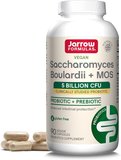
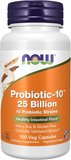
| Feature | Florastor Daily Probiotic | Jarrow S. Boulardii + MOS | NOW Foods Probiotic-10 |
|---|---|---|---|
| Type | Probiotic yeast, S. boulardii CNCM I-745 | Probiotic yeast + MOS prebiotic | 10 bacterial strains (no yeast) |
| Potency | 5 billion CFU (250mg) per capsule | 5 billion CFU per capsule | 25 billion CFU per capsule |
| Evidence Base | Largest of any S. boulardii strain (100+ studies) | Same organism; fewer strain-specific trials | Well-studied bacterial strains |
| Best For | Brand-name assurance, C. diff history | Budget generic with prebiotic support | Multi-strain maintenance after antibiotics |
| Price per Capsule | ~$0.68 (100 caps, $67.99) | ~$0.27 (90 caps, $24.74) | ~$0.25 (100 caps, $25.05) |
What is Saccharomyces Boulardii?
Saccharomyces boulardii is a non-pathogenic yeast (fungus) used as a probiotic. Unlike bacterial probiotics (Lactobacillus, Bifidobacterium), S. boulardii is a eukaryotic organism closely related to brewer’s and baker’s yeast (Saccharomyces cerevisiae).
Discovery and history: French scientist Henri Boulard isolated S. boulardii in 1923 from lychee and mangosteen fruit in Southeast Asia after observing that locals chewed these fruits to manage cholera-induced diarrhea. The organism was named in his honor.
Unique properties:
- Yeast, not bacteria: Survives stomach acid better than most bacterial probiotics
- Temperature resilient: Remains viable at body temperature (37°C/98.6°F)
- Antibiotic-resistant: Being a fungus, it’s not killed by antibiotics, making it ideal for concurrent use
- Transient colonizer: Doesn’t permanently colonize the gut—effects persist only during supplementation
- Freeze-dried stability: Maintains viability without refrigeration when properly formulated
Mechanism of action: S. boulardii supports gut health through multiple pathways:
- Immune modulation: Increases secretory IgA production
- Pathogen antagonism: Binds and removes toxins from C. difficile and E. coli
- Nutrient provision: Produces polyamines and short-chain fatty acids
- Barrier protection: Enhances gut barrier function
- Enzyme secretion: Produces lactase and other digestive enzymes
What Clues Does Your Body Give About Gut Microbiome Disruption?
Before diving into S. boulardii supplementation, recognize signs that your gut microbiome needs support:
Acute signs (recent disruption - S. boulardii highly effective):
- Diarrhea during or after antibiotics (antibiotic-associated diarrhea)
- Sudden onset diarrhea while traveling (traveler’s diarrhea)
- Watery diarrhea after suspected food poisoning
- Bloating and gas that started after antibiotic treatment
- Diarrhea following C. difficile infection management
Chronic signs (ongoing dysbiosis - S. boulardii moderately helpful):
- Alternating constipation and diarrhea (IBS pattern)
- Persistent bloating worsening after meals
- Undigested food in stool
- Chronic loose stools without clear cause
- Frequent yeast infections or thrush
- Brain fog and fatigue linked to digestive symptoms
Signs S. boulardii specifically helps:
- Diarrhea triggered by antibiotics (most researched use)
- Diarrhea during travel to developing countries
- Recurrent C. difficile infections
- IBS with predominant diarrhea (IBS-D)
- Inflammatory bowel disease flares (adjunctive support)
When bacterial probiotics might be better:
- Vaginal dysbiosis or recurrent UTIs (Lactobacillus strains)
- Constipation-predominant IBS (Bifidobacterium)
- Post-gastroenteritis recovery (multi-strain bacterial probiotics)
- Building long-term gut colonization
Key takeaway: Florastor contains S. boulardii strain CNCM I-745 (the gold-standard strain used in 100+ clinical trials), while generic products may use other CNCM-designated strains with less published research backing—making this a brand vs. generic comparison rather than comparing different organisms.
How Does Saccharomyces Boulardii Work in the Gut?
S. boulardii’s therapeutic effects stem from multiple sophisticated mechanisms:
What Is Mechanism 1: How Does S. Boulardii Bind and Neutralize Toxins?
S. boulardii releases a 54-kDa serine protease that acts on C. difficile toxin A and its intestinal receptor, reducing toxin binding and the secretory damage it triggers.
Clostridium difficile toxin A: In rat ileal loops, the partially purified S. boulardii protease cut specific toxin A receptor binding by 26%, digested the toxin A molecule itself (lowering its binding by 42% in vitro), inhibited toxin A-induced fluid secretion by 46%, and reduced toxin A-driven permeability increases by 74% (Castagliuolo et al., 1996). This protease activity is the best-characterized explanation for the yeast’s effect on recurrent C. difficile disease.
E. coli and cholera enterotoxins: Animal work summarized in the Kelesidis and Pothoulakis review indicates S. boulardii also reduces fluid secretion driven by other bacterial enterotoxins and binds selected enteric pathogens, though the direct evidence is thinner than for C. difficile toxin A (Kelesidis and Pothoulakis, 2012).
What Is Mechanism 2: How Does S. Boulardii Modulate the Immune System?
S. boulardii doesn’t just passively occupy space—it actively programs the immune system:
Secretory IgA enhancement: In weanling rats, oral S. boulardii raised secretory IgA concentration in duodenal fluid by 56.9% and increased secretory component, the transport protein that moves IgA into the gut lumen, by 62.8% in duodenal fluid and 48.5% in jejunal crypt cells (Buts et al., 1990). This is animal data, but it matches the pattern seen in human trials where S. boulardii strengthens mucosal antibody defenses.
Anti-inflammatory signaling: S. boulardii and its secreted proteins inhibit production of pro-inflammatory cytokines by interfering with NF-κB, a master regulator of inflammation, and by modulating the MAP kinases ERK1/2 and p38. It also activates PPAR-gamma, a nuclear receptor that dampens gut inflammation (Pothoulakis, 2009). These pathways help explain benefits beyond pathogen control, such as reduced gut inflammation in IBD.
What Is Mechanism 3: How Does S. Boulardii Enhance the Gut Barrier?
Increased intestinal permeability allows bacterial toxins and food antigens into the bloodstream, triggering systemic inflammation.
Tight junction and barrier protection: S. boulardii supports the intestinal barrier by promoting expression of tight junction proteins (occludin, ZO-1, claudins) that seal the spaces between intestinal cells. In animal models the yeast’s protease blocked most of the toxin A-induced permeability increase (74% inhibition of mannitol permeability in rat ileal loops) (Castagliuolo et al., 1996), and clinical reviews attribute improved barrier function to both the protease and the yeast’s anti-inflammatory signaling (Kelesidis and Pothoulakis, 2012).
Mucus layer enhancement: S. boulardii stimulates goblet cells to produce more protective mucus, creating a physical barrier between gut contents and the intestinal wall.
Epithelial cell support: S. boulardii produces polyamines (spermidine, spermine) that support intestinal cell growth and repair, accelerating recovery from damage.
What Is Mechanism 4: What Antimicrobial Effects Does S. Boulardii Have?
While S. boulardii doesn’t directly kill bacteria like antibiotics, it creates unfavorable conditions for pathogens:
Competitive exclusion: S. boulardii occupies binding sites on intestinal cells, blocking pathogen attachment.
Nutrient competition: By consuming nutrients pathogens need, S. boulardii limits pathogen growth.
pH modification: S. boulardii produces organic acids that lower intestinal pH, creating hostile environments for acid-sensitive pathogens.
Bacteriocin-like compounds: Some studies suggest S. boulardii produces antimicrobial peptides, though this mechanism is less established.
What Is Mechanism 5: What Enzymatic Activity Does S. Boulardii Provide?
S. boulardii secretes various enzymes that aid digestion and reduce inflammation:
Lactase production: Helps break down lactose, potentially reducing lactose intolerance symptoms.
Protease activity: Degrades inflammatory proteins and toxins.
Disaccharidase enzymes: Support carbohydrate digestion, reducing fermentation and gas.
The research verdict: S. boulardii’s 54-kDa protease lowers C. difficile toxin A binding, secretion, and permeability damage in animal models (Castagliuolo et al., 1996), oral dosing raises intestinal secretory IgA (Buts et al., 1990), and the yeast blunts inflammatory signaling through NF-κB and MAP kinase pathways (Pothoulakis, 2009). Five complementary pathways—toxin antagonism, immune modulation, barrier protection, pathogen competition, and enzymatic support—sit behind its clinical effects.
What Does Clinical Research Show About S. Boulardii Effectiveness?
Saccharomyces boulardii has over 100 clinical trials examining its efficacy—more research than most probiotic strains.
How Effective Is S. Boulardii for Antibiotic-Associated Diarrhea?
AAD affects 5-30% of people taking antibiotics, caused by antibiotics killing beneficial gut bacteria and allowing opportunistic pathogens to overgrow.
S. boulardii-specific meta-analysis: The most recent S. boulardii-specific analysis, published in Alimentary Pharmacology & Therapeutics, pooled 21 randomized controlled trials with 4,780 participants. S. boulardii reduced AAD from 18.7% to 8.5% (risk ratio 0.47, 95% CI 0.38-0.57; number needed to treat 10) (Szajewska and Kołodziej, 2015). In children the reduction was from 20.9% to 8.8% (6 trials, 1,653 participants, RR 0.43, 95% CI 0.30-0.60); in adults from 17.4% to 8.2% (15 trials, 3,114 participants, RR 0.49, 95% CI 0.38-0.63).
The wider probiotic picture: A JAMA meta-analysis covering 63 randomized trials and 11,811 participants found probiotics of all types reduced AAD by about 40% (RR 0.58, 95% CI 0.50-0.68), with the caveat that many trials poorly documented which strains they used (Hempel et al., 2012).
Pediatric evidence: A Cochrane review of 33 randomized trials (6,352 children) concluded that probiotics reduce the risk of pediatric AAD, with S. boulardii among the best-supported strains for this use (Guo et al., 2019).
Dosing used in trials: Most prevention trials used 250mg (5 billion CFU) once or twice daily, started around day 1 of antibiotics and continued for roughly 1-2 weeks after the antibiotic course ended.
Important note: S. boulardii doesn’t interfere with antibiotic effectiveness. Being a yeast, antibiotics don’t kill it, allowing simultaneous use without timing concerns (unlike bacterial probiotics which require 2-hour separation from antibiotics).
Does S. Boulardii Prevent Traveler’s Diarrhea?
Traveler’s diarrhea affects an estimated 20 million or more international travelers every year, with attack rates ranging from roughly 5% to 50% depending on destination; enterotoxigenic E. coli is the most common bacterial trigger.
The 2007 meta-analysis: Twelve placebo-controlled trials met inclusion criteria, and probiotics as a group lowered traveler’s diarrhea risk by about 15% (RR 0.85, 95% CI 0.79-0.91). S. boulardii was one of only two interventions with individually significant efficacy (McFarland, 2007).
The 2019 update: A strain-specific meta-analysis found S. boulardii CNCM I-745 reduced traveler’s diarrhea incidence by about 21% (RR 0.79, 95% CI 0.72-0.87), while Lactobacillus rhamnosus GG showed only a trend and L. acidophilus showed no significant effect (McFarland and Goh, 2019).
Verdict: S. boulardii offers modest, real protection for travel to high-risk regions, and it has the strongest evidence of any single probiotic strain for this use. It is an adjunct to careful food and water choices, not a substitute for them.
Can S. Boulardii Prevent Clostridium Difficile Recurrence?
C. diff causes severe, potentially life-threatening diarrhea, especially after antibiotic use. Recurrence rates are high (20-30% after first infection).
The pivotal JAMA trial: 124 adults with active C. difficile disease were randomized to receive S. boulardii 1g daily or placebo alongside their standard antibiotic for 4 weeks. The yeast group had a significantly lower risk of recurrence (RR 0.43, 95% CI 0.20-0.97), and the benefit was most pronounced in patients with a history of prior episodes (McFarland et al., 1994).
The high-dose vancomycin protocol: In a follow-up trial, patients whose initial regimen had failed received 10 days of standard antibiotics plus either S. boulardii 1g daily for 28 days or placebo. Among those treated with high-dose vancomycin (2g daily), recurrence was 16.7% with S. boulardii versus 50% with placebo (P=.05) (Surawicz et al., 2000).
Cochrane evidence: A Cochrane review of randomized trials found that probiotics given alongside antibiotics reduce the risk of C. difficile-associated diarrhea in adults and children, with no serious adverse events attributed to the probiotics (Goldenberg et al., 2017).
High-dose protocol: The trials that showed the clearest effect on recurrence used S. boulardii 1g daily (500mg twice daily), continued for 4 weeks.
Limitations: S. boulardii works best for lowering the risk of repeat episodes in patients with prior C. diff history. For first-line C. diff management, antibiotics (vancomycin, fidaxomicin) remain essential—S. boulardii is adjunctive, not a replacement.
Does S. Boulardii Help with Irritable Bowel Syndrome?
IBS affects 10-15% of adults, characterized by abdominal pain, bloating, and altered bowel habits. Gut microbiome dysbiosis plays a significant role.
IBS-D and SIBO pilot trial: In a randomized pilot, 54 patients with diarrhea-predominant IBS and evidence of small intestinal bacterial overgrowth received S. boulardii CNCM I-745 plus dietary advice or dietary advice alone for 15 days. Symptom scores (IBS-SSS) fell by -134 in the yeast group versus -93 in the advice-only group, and the proportion of patients with diarrhea at the end was 25.9% versus 47.6% (Bustos Fernández et al., 2023).
Broader systematic evidence: A systematic review of S. boulardii in adults concluded that the yeast “shows promise” for IBS while noting that more supporting evidence is needed; the same review found strong evidence only for AAD prevention and traveler’s diarrhea (McFarland, 2010). Where benefits appear in IBS trials, they cluster in diarrhea-predominant IBS rather than the constipation-predominant form.
Realistic expectations: A meaningful subset of IBS-D patients improve with S. boulardii, but complete resolution is uncommon and individual responses vary. It works best combined with dietary changes (such as a low-FODMAP approach under professional guidance) and stress management.
Is S. Boulardii Effective for Inflammatory Bowel Disease?
IBD involves chronic inflammation of the GI tract. While not curative, S. boulardii shows adjunctive benefits.
Crohn’s disease maintenance: In a six-month trial, 32 patients with Crohn’s in clinical remission were randomized to mesalamine 1g three times daily alone or mesalamine 1g twice daily plus S. boulardii 1g daily. Clinical relapse occurred in 37.5% of the mesalamine-only group versus 6.25% of the group also receiving the yeast (Guslandi et al., 2000). The trial was small and larger confirmatory studies have not followed, so this should be read as preliminary.
Ulcerative colitis pilot: In a pilot study, 25 patients with a mild-to-moderate UC flare who were unsuitable for steroids received S. boulardii 250mg three times daily for 4 weeks on top of their mesalazine maintenance. Of the 24 who completed treatment, 17 attained clinical remission, confirmed endoscopically (Guslandi et al., 2003).
Verdict: S. boulardii is not a stand-alone IBD therapy, but it may support conventional treatment and reduce antibiotic-associated complications in IBD patients who need antibiotics.
Does S. Boulardii Support Helicobacter Pylori Eradication?
H. pylori causes peptic ulcers. Standard triple therapy (2 antibiotics + proton pump inhibitor) has declining success rates due to antibiotic resistance.
Meta-analysis of H. pylori studies: A 2025 meta-analysis pooled 19 randomized trials with 5,036 patients and found that adding S. boulardii to standard eradication therapy improved eradication success by about 11% (RR 1.11, 95% CI 1.08-1.15) while roughly halving total adverse effects (RR 0.49, 95% CI 0.37-0.66), with the largest reductions in diarrhea (RR 0.36) and bloating (RR 0.49) (Li and Xie, 2025).
Mechanism: S. boulardii doesn’t directly kill H. pylori. It reduces antibiotic-associated diarrhea and gut irritation, which helps patients complete the full eradication course instead of stopping early—and treatment completion is one of the strongest predictors of successful eradication.
Bottom line assessment: The strongest evidence for S. boulardii sits in antibiotic-associated diarrhea (RR 0.47 across 21 trials; NNT 10) and in reducing repeat C. difficile episodes (RR 0.43 in the 124-patient JAMA trial at 1g daily). Adding the yeast to H. pylori therapy improves eradication by about 11% and roughly halves antibiotic-related side effects.
How Should You Use S. Boulardii for Maximum Effectiveness?
How to Verify a Quality S. Boulardii Label
Brand and generic S. boulardii products look similar on the shelf, so the label is where the differences show up. Work through these checks before buying:
- The organism should be named. Look for “Saccharomyces boulardii” or “Saccharomyces cerevisiae var. boulardii.” If the label only says “proprietary blend” or hides the dose inside a multi-strain mix, you cannot verify how much yeast you are actually getting.
- Strain designation is a bonus, not a requirement. Florastor states CNCM I-745, the strain used in most published trials. Generics may not state a strain at all; that does not make them inert, but it does mean the manufacturer is not claiming alignment with the research strain. When a strain is stated, it is usually a CNCM or CBS accession number.
- Dose should be in CFU or mg. Most prevention trials used 250mg or 5 billion CFU per day in one or two capsules. If a bottle does not state CFU or mg for the yeast, put it back.
- Check for third-party testing seals. NSF, USP, or ConsumerLab marks (or explicit “third-party tested” language) give some assurance the finished product contains what the label claims.
- Watch storage claims and allergens. S. boulardii is freeze-dried and generally shelf-stable, but heat and humidity degrade viability over time. Vegan, gluten-free, and non-GMO claims matter if you have dietary restrictions.
What Are the Dosing Protocols for Different Conditions?
Antibiotic-associated diarrhea prevention:
- Dose: 250-500mg (5-10 billion CFU) twice daily
- Timing: Start on day 1 of antibiotics, continue during entire course plus 1-2 weeks after completion
- Duration: Total 2-4 weeks depending on antibiotic length
- With meals or empty stomach: Either works; consistency matters more
C. difficile recurrence prevention:
- Dose: 1g daily (500mg twice daily, about 10 billion CFU per day)
- Timing: Start alongside antibiotic management for C. diff
- Duration: Continue for 4 weeks (the trial protocol), longer if your clinician advises it
- Critical: Don’t stop prematurely; recurrence risk remains elevated for weeks
Irritable bowel syndrome:
- Dose: 250mg twice daily
- Timing: With meals for best tolerance
- Duration: 4-8 week trial minimum; many benefit from ongoing use
- Adjustment: If no benefit after 8 weeks, likely won’t help
Traveler’s diarrhea prevention:
- Dose: 250mg twice daily
- Timing: Start a few days before departure, continue for the whole trip and a few days after return
- Duration: Variable based on trip length
- Realistic expectations: About a 20% relative risk reduction in the meta-analyses; careful food and water choices still matter more
General gut health maintenance:
- Dose: 250mg once daily
- Timing: Flexible; with breakfast most convenient
- Duration: Periodic use during high-stress periods or seasonal illness
- Note: Not necessary year-round for healthy individuals
Should You Combine S. Boulardii with Other Probiotics?
The synergy argument: S. boulardii (yeast) + bacterial probiotics (Lactobacillus, Bifidobacterium) may provide complementary benefits:
- S. boulardii: Acute protection, toxin binding, antibiotic-concurrent use
- Bacterial strains: Long-term colonization, specific niche benefits
Research evidence: No head-to-head meta-analysis has compared a yeast-plus-bacteria stack against either component alone, and the percentages sometimes quoted for combination protocols come from indirect comparisons of separate trials. The mechanistic rationale is sound—an antibiotic-resistant yeast paired with colonizing bacterial strains covers different gaps—but approach specific combination percentages with skepticism.
Practical protocol:
- During antibiotics: S. boulardii 250mg twice daily (can take with antibiotics)
- Between antibiotic doses: Multi-strain bacterial probiotic 10-25 billion CFU (2 hours away from antibiotics)
- After antibiotic completion: Continue both for 2 weeks, then transition to bacterial strains alone for maintenance
When single-strain S. boulardii is sufficient:
- Short-term antibiotic courses (3-7 days)
- Acute diarrheal illness
- Budget constraints
- Simplicity preference
When Should You Take S. Boulardii with Antibiotics?
The advantage of S. boulardii: Unlike bacterial probiotics, S. boulardii is a yeast—antibiotics don’t kill it.
Timing flexibility:
- Take S. boulardii at the SAME TIME as your antibiotic dose (no spacing needed)
- This maximizes compliance and ensures protection from day 1
Contrast with bacterial probiotics:
- Lactobacillus, Bifidobacterium strains ARE killed by antibiotics
- Require 2+ hour separation from antibiotic doses
- Less convenient, often forgotten
Optimal protocol:
- Morning antibiotic dose → take S. boulardii immediately
- Evening antibiotic dose → take S. boulardii immediately
- Consistency beats perfection; same daily schedule
What Are the Side Effects and When Should You Avoid S. Boulardii?
Common side effects (mild, transient):
- Gas and bloating (first 3-5 days, usually resolves)
- Thirst or dry mouth
- Constipation (rare; more common with high doses)
Rare but serious concerns:
Fungemia (yeast in bloodstream): Extremely rare (<1 in 100,000 users) but potentially serious in high-risk populations.
Absolute contraindications:
- Severely immunocompromised (HIV/AIDS with CD4 <200, active chemotherapy)
- Central venous catheters or central lines
- ICU patients or critically ill
- Known hypersensitivity to yeast
Relative cautions:
- Pregnancy/breastfeeding: Likely safe, but limited data; discuss with healthcare provider
- Children under 2: Safe in most studies, but use under medical supervision
- Moderate immune suppression: Discuss with doctor; may be acceptable with monitoring
Drug interactions:
- Antifungals (fluconazole, itraconazole, etc.): May kill S. boulardii, rendering it ineffective
- Monoamine oxidase inhibitors (MAOIs): Theoretical tyramine interaction (not confirmed in humans)
When to discontinue:
- High fever without clear cause
- Blood in stool
- Severe abdominal pain
- Symptoms worsening despite S. boulardii use
When Should You See a Doctor? (Red Flags)
Probiotics support recovery, but some symptoms need medical attention rather than another supplement. Contact a clinician if you experience any of the following:
- Diarrhea lasting more than 48-72 hours without improvement, or diarrhea that worsens
- Blood or black, tarry material in stool
- High fever (over 101°F/38.3°C) with diarrhea
- Severe or worsening abdominal pain
- Signs of dehydration: dizziness on standing, dark urine, very dry mouth, or reduced urination
- Diarrhea in an older adult, an infant under 2, or anyone with a weakened immune system
- Any new symptom during or shortly after an antibiotic course, since C. difficile infection requires specific testing and treatment
People who are severely immunocompromised, have a central venous catheter, or are critically ill in a hospital should not take S. boulardii without explicit clinician approval because of the rare risk of fungemia.
When Should You Choose S. Boulardii vs Bacterial Probiotics?
What Are the Advantages of S. Boulardii?
Unique benefits of yeast-based probiotic:
- Antibiotic resistance: Can be taken simultaneously with antibiotics without loss of viability
- Acid stability: Better survival through stomach acid than many bacterial strains
- Temperature resilience: Maintains viability at body temperature; many formulations don’t require refrigeration
- Toxin binding: Specific protease activity against C. diff and E. coli toxins
- Acute diarrhea focus: Particularly effective for antibiotic-associated and infectious diarrhea
When S. boulardii is the better choice:
- During antibiotic courses
- Traveler’s diarrhea (prevention or management)
- C. difficile infection history
- IBS with diarrhea predominance
- Need for shelf-stable, travel-friendly probiotic
When Should Bacterial Probiotics Be Preferred?
Advantages of Lactobacillus and Bifidobacterium strains:
- Long-term colonization: Some strains can establish semi-permanent residence
- Vaginal health: Lactobacillus strains for vaginal dysbiosis and urinary tract support
- Constipation: Bifidobacterium strains improve transit time
- Immune training: Broader immune system education through diverse bacterial exposure
- Metabolic benefits: Production of B vitamins, vitamin K, short-chain fatty acids
When bacterial probiotics are the better choice:
- Constipation-predominant IBS
- Vaginal health concerns
- Long-term gut microbiome rebuilding
- NOT currently on antibiotics
- Metabolic or immune support beyond acute GI issues
When Should You Use a Combination Approach?
Best of both worlds strategy:
Phase 1 (During antibiotics):
- S. boulardii 250mg twice daily (with antibiotic doses)
- Multi-strain bacterial probiotic 10-25 billion CFU (between antibiotic doses, 2+ hours separation)
Phase 2 (After antibiotics, 2-4 weeks):
- Continue both S. boulardii and bacterial probiotics
- Allows gut to stabilize while maintaining protection
Phase 3 (Maintenance, ongoing):
- Transition to bacterial probiotics alone (10-25 billion CFU daily)
- Reserve S. boulardii for future antibiotic courses or travel
Research support: The practical rationale for combining a yeast probiotic with bacterial strains is complementary mechanisms: S. boulardii survives alongside antibiotics, while Lactobacillus and Bifidobacterium strains are better positioned for longer-term colonization once antibiotics stop.
The Bottom Line: Florastor vs S. Boulardii and When to Use It
Saccharomyces boulardii—whether branded Florastor or a quality generic—deserves a place in your supplement routine when antibiotics are involved or acute diarrheal illness strikes. Florastor’s CNCM I-745 strain carries the deepest clinical evidence base of any S. boulardii product (100+ published studies), while generics such as Jarrow Formulas S. boulardii + MOS deliver the same probiotic yeast at roughly 60% lower cost per capsule, and a multi-strain bacterial product like NOW Foods Probiotic-10 covers the combination-protocol phase.
For serious situations like recurrent C. difficile (relative risk 0.43 in the 124-patient JAMA trial), the proven track record and quality assurance of brand-name Florastor justify its premium price of about $0.68 per capsule. For routine antibiotic-associated diarrhea prevention, a verified generic at $0.27 per capsule delivers the same organism and the same class-level evidence without the brand markup.
For long-term gut health, combine S. boulardii 250mg daily with a multi-strain bacterial probiotic (about 25 billion CFU, such as NOW Foods Probiotic-10) and prebiotic fiber for comprehensive microbiome support. This pairing addresses both acute protection during antibiotics (the yeast) and longer-term colonization (the bacterial strains).
The bottom line: S. boulardii roughly halves the risk of antibiotic-associated diarrhea (RR 0.47 across 21 trials) and cuts repeat C. difficile episodes by more than half when added to antibiotics (RR 0.43 in the JAMA trial). Choose brand-name Florastor (CNCM I-745, about $0.68 per capsule) when you want the strain with the largest evidence base and strictest quality control, or a verified generic like Jarrow S. boulardii + MOS (about $0.27 per capsule) for cost-effective prevention, and add NOW Foods Probiotic-10 (about $0.25 per capsule) when you want multi-strain coverage after the antibiotic course ends. Always confirm the organism and dose are stated on the label and that the product is third-party tested.
For more context, see our guide on Probiotics for Gut Health: Strain-Specific Guide to Microbiome Support.
Related Reading
- Probiotics vs Prebiotics: What You Actually Need
- Postbiotics vs Probiotics: Which Is Better for Gut Health?
- Best Supplements for Gut Health: Probiotics, Prebiotics, and Digestive Enzymes Compared
- Best Probiotics for Bloating and Gas: Strain-Specific Guide Based on Research
- Best Supplements for IBS: Probiotics, Fiber, and More Reviewed by Research
References
-
McFarland LV. Meta-analysis of probiotics for the prevention of antibiotic associated diarrhea and the treatment of Clostridium difficile disease. Am J Gastroenterol. 2006;101(4):812-822. PubMed 16635227
-
Hempel S, Newberry SJ, Maher AR, et al. Probiotics for the prevention and treatment of antibiotic-associated diarrhea: a systematic review and meta-analysis. JAMA. 2012;307(18):1959-1969. PubMed 22570464
-
Szajewska H, Kołodziej M. Systematic review with meta-analysis: Saccharomyces boulardii in the prevention of antibiotic-associated diarrhoea. Aliment Pharmacol Ther. 2015;42(7):793-801. PubMed 26216624
-
McFarland LV, Surawicz CM, Greenberg RN, et al. A randomized placebo-controlled trial of Saccharomyces boulardii in combination with standard antibiotics for Clostridium difficile disease. JAMA. 1994;271(24):1913-1918. PubMed 8201735
-
Surawicz CM, McFarland LV, Greenberg RN, et al. The search for a better treatment for recurrent Clostridium difficile disease: use of high-dose vancomycin combined with Saccharomyces boulardii. Clin Infect Dis. 2000;31(4):1012-1017. PubMed 11049785
-
Goldenberg JZ, Yap C, Lytvyn L, et al. Probiotics for the prevention of Clostridium difficile-associated diarrhea in adults and children. Cochrane Database Syst Rev. 2017;(12):CD006095. PubMed 29257353
-
Guo Q, Goldenberg JZ, Humphrey C, et al. Probiotics for the prevention of pediatric antibiotic-associated diarrhea. Cochrane Database Syst Rev. 2019;(4):CD004827. PubMed 31039287
-
McFarland LV. Systematic review and meta-analysis of Saccharomyces boulardii in adult patients. World J Gastroenterol. 2010;16(18):2202-2222. PubMed 20458757
-
McFarland LV. Meta-analysis of probiotics for the prevention of traveler’s diarrhea. Travel Med Infect Dis. 2007;5(2):97-105. PubMed 17298915
-
McFarland LV, Goh S. Are probiotics and prebiotics effective in the prevention of travellers’ diarrhea: a systematic review and meta-analysis. Travel Med Infect Dis. 2019;27:11-19. PubMed 30278238
-
Li M, Xie Y. Efficacy and safety of Saccharomyces boulardii as an adjuvant therapy for the eradication of Helicobacter pylori: a meta-analysis. Front Cell Infect Microbiol. 2025;15:1441185. PubMed 40012609
-
Guslandi M, Giollo P, Testoni PA. A pilot trial of Saccharomyces boulardii in ulcerative colitis. Eur J Gastroenterol Hepatol. 2003;15(6):697-698. PubMed 12840682
-
Guslandi M, Mezzi G, Sorghi M, Testoni PA. Saccharomyces boulardii in maintenance treatment of Crohn’s disease. Dig Dis Sci. 2000;45(7):1462-1464. PubMed 10961730
-
Castagliuolo I, LaMont JT, Nikulasson ST, Pothoulakis C. Saccharomyces boulardii protease inhibits Clostridium difficile toxin A effects in the rat ileum. Infect Immun. 1996;64(12):5225-5232. PubMed 8945570
-
Pothoulakis C. Review article: anti-inflammatory mechanisms of action of Saccharomyces boulardii. Aliment Pharmacol Ther. 2009;30(8):826-833. PubMed 19706150
-
Buts JP, Bernasconi P, Vaerman JP, Dive C. Stimulation of secretory IgA and secretory component of immunoglobulins in small intestine of rats treated with Saccharomyces boulardii. Dig Dis Sci. 1990;35(2):251-256. PubMed 2302983
-
Kelesidis T, Pothoulakis C. Efficacy and safety of the probiotic Saccharomyces boulardii for the prevention and therapy of gastrointestinal disorders. Therap Adv Gastroenterol. 2012;5(2):111-125. PubMed 22423260
-
Bustos Fernández LM, Man F, Lasa JS. Impact of Saccharomyces boulardii CNCM I-745 on bacterial overgrowth and composition of intestinal microbiota in diarrhea-predominant irritable bowel syndrome patients: results of a randomized pilot study. Dig Dis. 2023;41(5):798-809. PubMed 36630947
Recommended Products