Best Supplements for IBS: Probiotics, Fiber, and More Reviewed by Research
Summarized from peer-reviewed research indexed in PubMed. See citations below.
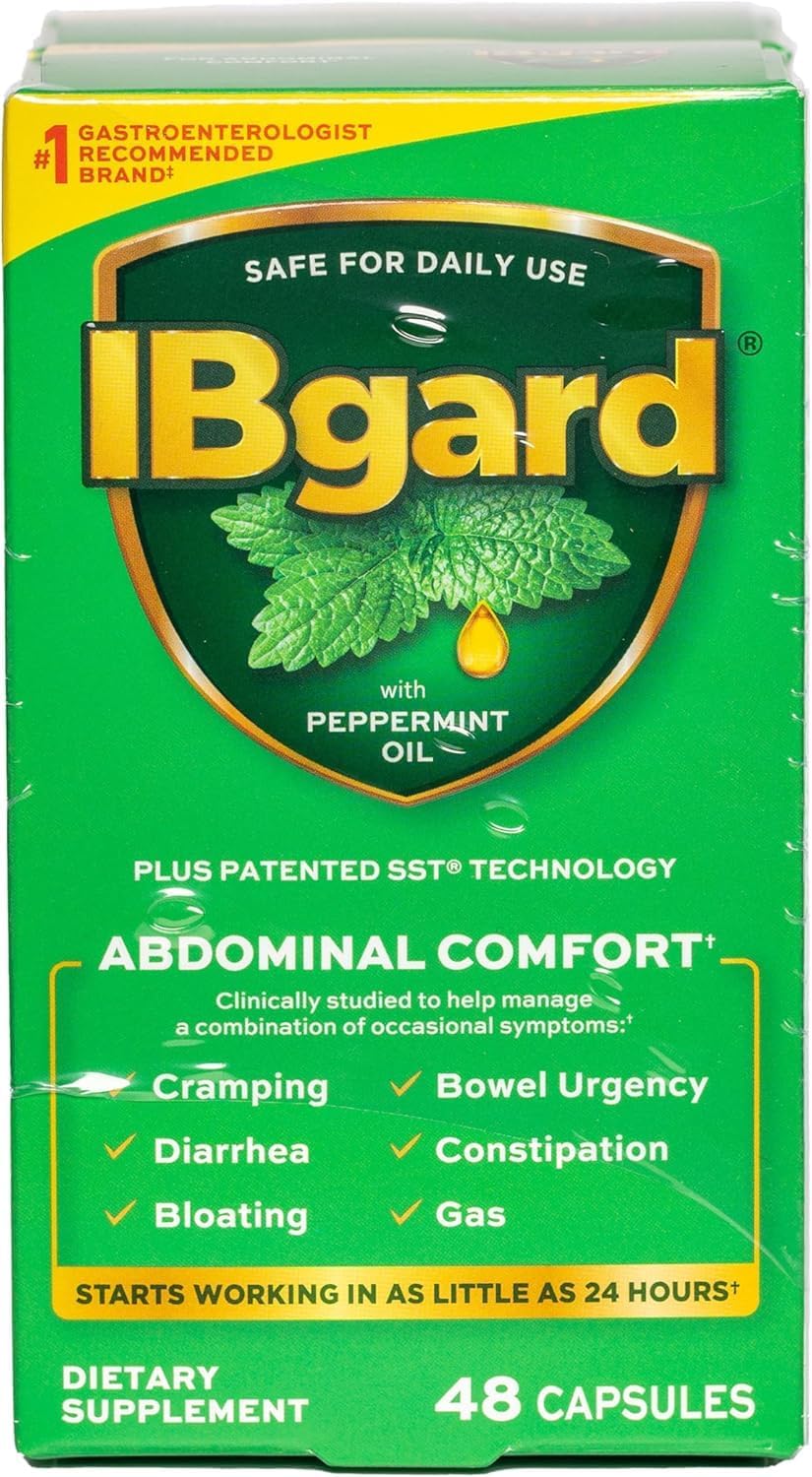
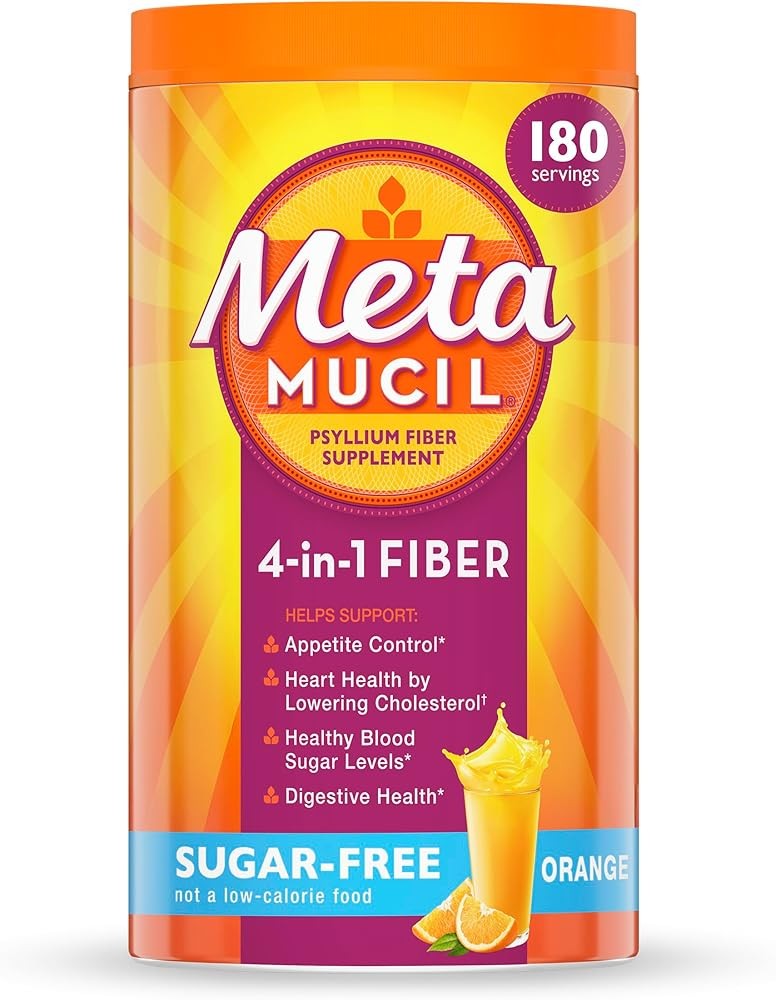
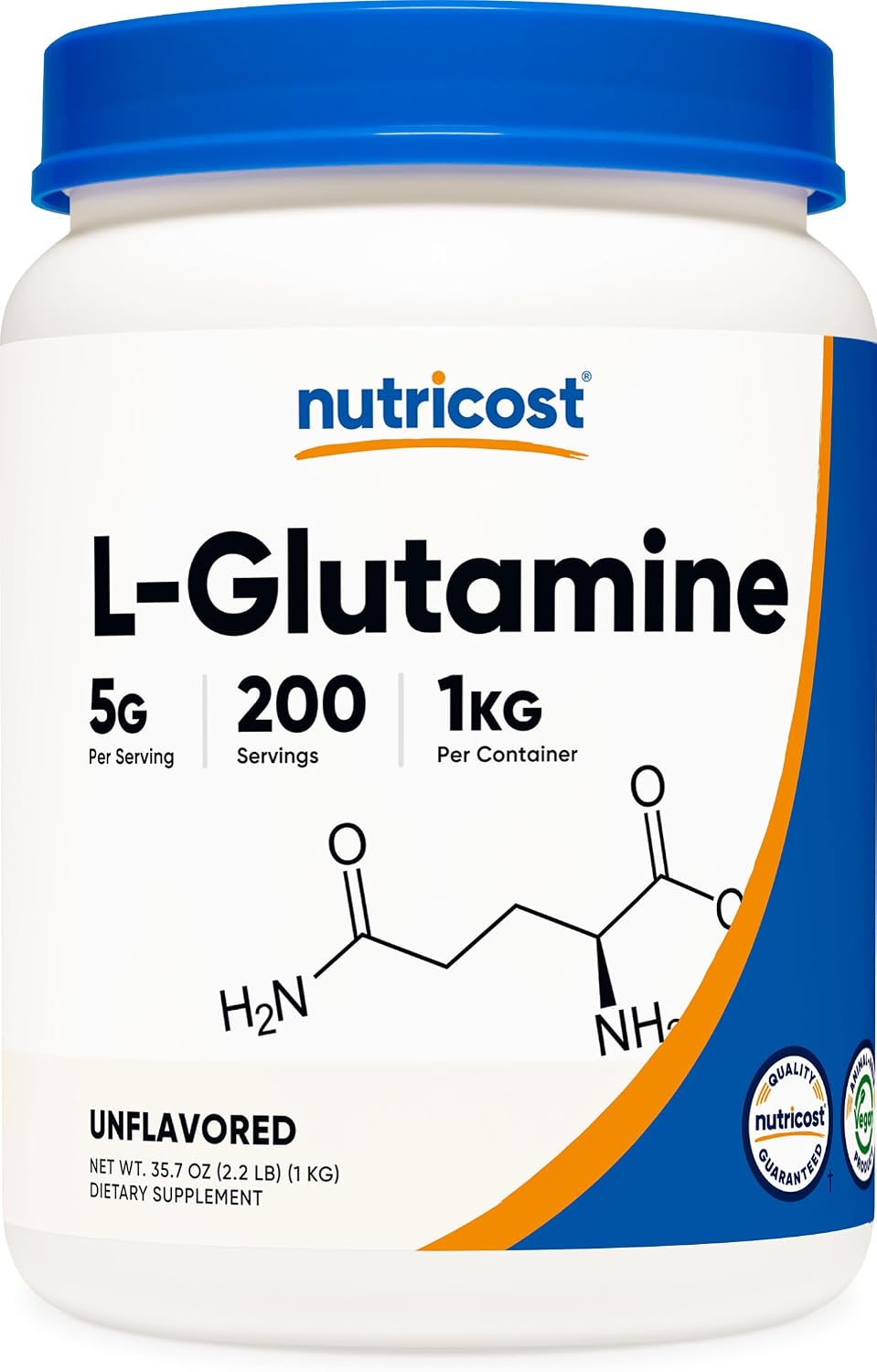
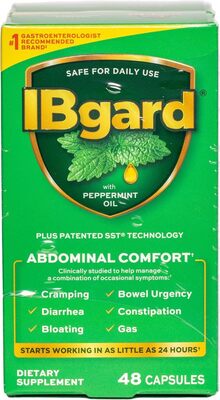
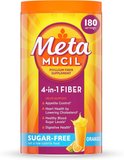
IBS causes unpredictable cycles of abdominal pain, bloating, and alternating diarrhea and constipation that conventional treatments often fail to address adequately. Clinical research shows enteric-coated peppermint oil achieves an NNT of just 4 for global symptom improvement, meaning 4 patients need treatment for one additional person to benefit versus placebo. IBgard delivers that studied format, with 180 mg of ultrapurified, site-specific-release peppermint oil per capsule at $59.94 for 96 capsules, and it is the gastroenterologist-recommended brand cited in recent trials. If soluble fiber is your priority, Metamucil 4-in-1 (sugar-free psyllium husk) covers the fiber type with the strongest trial support for IBS-C at $26.99 per 180-serving container, while Nutricost L-Glutamine Powder supplies the 15 g daily dose tested in the landmark IBS-D trial for $29.95 per kilogram. Here’s what the published research shows about which supplements have evidence-based efficacy for IBS symptom management.
Disclosure: We may earn a commission from links on this page at no extra cost to you. Affiliate relationships never influence our ratings. Full policy →
Why Is IBS More Than “Just a Sensitive Stomach”?
If you have irritable bowel syndrome, you have almost certainly heard some version of the following: It is just stress. Try to relax. Have you tried eating more fiber? It is probably all in your head.
These dismissals, however well-intentioned, miss an important point. IBS is a legitimate disorder of gut-brain interaction. An updated systematic review and meta-analysis of 43 studies with nearly 189,000 participants estimates global IBS prevalence at roughly 13% under Rome III criteria and 17% under Rome IV criteria, with women affected at higher rates than men (Ballena-Caicedo et al., 2025). It is the most common reason for referral to a gastroenterologist, and it costs the U.S. healthcare system alone an estimated $21 billion annually in direct and indirect costs.
Yet despite its prevalence, IBS remains frustratingly under-addressed. The condition does not show up on a colonoscopy. There are no blood markers that confirm it. Diagnosis relies on symptom-based criteria (the Rome IV criteria), which means many patients spend years bouncing between doctors before receiving a name for what they are experiencing. And once they do, the conventional treatment options – antispasmodics, low-dose antidepressants, dietary modification – leave many patients seeking additional help.
This is where supplements enter the picture.
The supplement market for IBS has exploded in recent years, and for understandable reasons. People are desperate for relief from the unpredictable cycles of pain, bloating, diarrhea, and constipation that define this condition. But the supplement aisle is a minefield of overpromise. Probiotic labels claim to restore “gut balance” without specifying which strains they contain. Fiber supplements marketed for IBS use insoluble fiber that can actually make symptoms worse. Herbal blends cite “traditional use” as though centuries of anecdote are equivalent to a controlled clinical trial.
This article cuts through that noise. We reviewed the published clinical trial literature – Cochrane reviews, meta-analyses, randomized controlled trials – to identify which supplements have meaningful evidence for IBS symptom relief and which do not. We rank them into three evidence tiers, specify which IBS subtypes they work best for, provide clinically studied dosages, and flag safety concerns and drug interactions.
IBS management is inherently multimodal. No single supplement is going to “fix” a condition that involves complex interactions between gut motility, visceral hypersensitivity, microbiome composition, intestinal permeability, immune activation, and the gut-brain axis (the evidence on L-glutamine for gut lining support illustrates how one supplement targets only a slice of that picture). But several supplements, used strategically alongside dietary and behavioral interventions, can meaningfully reduce symptom burden. Here is what the evidence actually shows.
Bottom line: IBS is a legitimate gut-brain disorder affecting roughly 13-17% of adults under recent Rome III/IV diagnostic criteria, not a psychological condition, and requires medical evaluation to rule out alarm features before supplement use.
What Body Signals Indicate IBS vs. Something More Serious?
Before reaching for any supplement, it is worth understanding what your body is actually telling you. IBS is a diagnosis of exclusion – meaning other conditions need to be ruled out first. These ten signals can help you start distinguishing between IBS and something that warrants more urgent medical attention.
1. The timing of your pain matters. IBS pain is almost always related to bowel movements – it often improves after going or worsens when you cannot. If your abdominal pain is constant, progressive, and unrelated to your bowel habits, that is a different pattern worth investigating.
2. Your symptoms cycle, they do not escalate. IBS is a waxing-and-waning condition. You have bad weeks and better weeks, often influenced by stress, diet, or hormonal cycles. If your symptoms are steadily getting worse over weeks or months without any relief periods, that trajectory deserves attention.
3. Bloating that comes and goes is typical of IBS. The abdominal distension in IBS is often visibly worse by evening and better in the morning. Bloating that is persistent and unrelenting, particularly if accompanied by a sensation of fullness even when you have not eaten, may point to something else.
4. Blood in your stool is never an IBS symptom. This bears repeating. IBS does not cause rectal bleeding. If you see blood – bright red or dark – in your stool, on toilet paper, or in the bowl, see your doctor. This does not mean panic, as hemorrhoids are the most common cause, but it needs evaluation.
5. Nighttime symptoms are a red flag. IBS rarely wakes people from sleep. If you are being woken by abdominal pain or urgent diarrhea at night, that pattern is more consistent with inflammatory bowel disease or other organic conditions.
6. Unintentional weight loss is not IBS. Some people with IBS lose weight because they restrict their diet out of fear of triggering symptoms. But IBS itself does not cause weight loss. If you are losing weight without trying, especially more than 5% of your body weight over 6-12 months, that needs investigation.
7. Your symptoms often correlate with your stress levels. This is not because IBS is “psychological” – it is because the gut-brain axis is real. The enteric nervous system contains over 100 million nerve cells, and stress hormones directly alter gut motility, secretion, and sensitivity. If you notice flare-ups during exam periods, work deadlines, or relationship stress, that bidirectional communication is likely at play.
8. Mucus in stool can happen with IBS. A small amount of clear or white mucus is relatively common in IBS and is generally not alarming. Mucus that is accompanied by blood, pus, or a foul odor is a different story.
9. Food triggers are identifiable but inconsistent. Many people with IBS can identify trigger foods – dairy, gluten, garlic, onions, beans – but these triggers are not always consistent. A food that causes problems on a stressful Tuesday may be tolerated fine on a relaxed Saturday. This inconsistency is actually characteristic of IBS.
10. You feel “off” in ways that go beyond your gut. Fatigue, brain fog, anxiety, poor sleep, back pain, and even urinary urgency commonly co-occur with IBS. This is because IBS involves central sensitization – your nervous system is amplifying signals from multiple body systems. If your symptoms are purely gastrointestinal with no systemic involvement, that narrower pattern may or may not be IBS.
Bottom line: Alarm features requiring colonoscopy before supplement use include rectal bleeding, nocturnal diarrhea that wakes from sleep, unintentional weight loss >10 pounds (>5%), family history of colon cancer/IBD before age 50, onset of IBS symptoms after age 50, and fever >100.4°F.
What Are the Four IBS Subtypes and How Do They Differ?
Not all IBS is the same, and the supplement that helps one person may do nothing for another if they have a different subtype. The Rome IV criteria define four subtypes based on predominant stool pattern:
IBS-D (Diarrhea-Predominant): More than 25% of bowel movements are loose or watery, and less than 25% are hard or lumpy. This is the most common subtype in clinical practice, affecting approximately 28% of IBS patients. IBS-D is associated with increased intestinal permeability, heightened gut motility, and in some cases, bile acid malabsorption.
IBS-C (Constipation-Predominant): More than 25% of bowel movements are hard or lumpy, and less than 25% are loose. IBS-C affects about 28% of IBS patients and is associated with slowed colonic transit and pelvic floor dysfunction in some cases.
IBS-M (Mixed): Both loose/watery and hard/lumpy stools occur in more than 25% of bowel movements. IBS-M is actually the most prevalent subtype at roughly 33% of patients, and it is often the most frustrating to manage because the bowel pattern alternates unpredictably between extremes.
IBS-U (Unsubtyped): Stool patterns do not meet criteria for any of the above subtypes. This accounts for about 8% of patients and may reflect milder or more variable disease.
This subtyping matters for supplement selection. Soluble fiber like psyllium works best for IBS-C by adding bulk and softening stool. L-glutamine has its strongest evidence in IBS-D, where intestinal permeability is a driver. Peppermint oil and Iberogast work across subtypes because they target pain and motility rather than stool pattern. We will flag the optimal subtype for each supplement throughout this guide.
Bottom line: IBS has four subtypes: IBS-D (28% of cases, diarrhea-predominant), IBS-C (28%, constipation), IBS-M (33%, mixed/alternating), IBS-U (8%, unsubtyped), with L-glutamine 15g/day most effective for IBS-D and psyllium 10-20g/day best for IBS-C.
Which Supplements Have the Strongest Clinical Evidence for IBS?
These supplements have been evaluated in multiple randomized controlled trials, systematic reviews, or meta-analyses, with consistent evidence of benefit for IBS symptoms. If you are going to try supplements for IBS, start here.
How Does Enteric-Coated Peppermint Oil Work for IBS?
Best for: All IBS subtypes, especially abdominal pain and cramping Evidence level: Multiple meta-analyses; NNT = 4 for global symptoms
Peppermint oil is, by the numbers, the most evidence-supported supplement for IBS. Its primary active compound, L-menthol, is a natural antispasmodic that relaxes smooth muscle in the gastrointestinal tract by blocking calcium channels. This reduces the painful spasms and cramping that are hallmarks of IBS.
The most recent meta-analysis (2022), published in Alimentary Pharmacology & Therapeutics, pooled the available randomized trials and found that peppermint oil was significantly more effective than placebo for both global IBS symptoms and abdominal pain (Ingrosso et al., 2022). The numbers are compelling:
- Global IBS symptoms: RR of not improving = 0.65 (95% CI 0.43-0.98), NNT = 4 (95% CI 2.5-71)
- Abdominal pain: RR of not improving = 0.76 (95% CI 0.62-0.93), NNT = 7 (95% CI 4-24)
An earlier 2019 meta-analysis found an even more striking effect size for global symptom improvement with peppermint oil versus placebo: a risk ratio of 2.39 (95% CI 1.93-2.97) pooled from seven RCTs (507 patients), with a number needed to treat of just 3 (Alammar et al., 2019).
The Khanna 2014 systematic review similarly found peppermint oil significantly superior to placebo for global improvement (5 trials, 392 patients; RR 2.23; 95% CI 1.78-2.81) and abdominal pain (5 trials, 357 patients; RR 2.14; 95% CI 1.64-2.79) (Khanna et al., 2014).
Why enteric coating matters: Non-enteric-coated peppermint oil can relax the lower esophageal sphincter, causing heartburn – which is, ironically, the most common side effect even with enteric coating. The enteric coating allows the capsule to pass through the stomach and release in the small intestine, where it exerts its antispasmodic effect. A newer approach uses small-intestinal-release or ileocolonic-release formulations (like IBgard) that deliver peppermint oil to specific gut regions.
Dosing: 182-200 mg of enteric-coated peppermint oil, 2-3 times daily, taken 30-60 minutes before meals. This is the dose range used in most positive clinical trials.
Side effects: Heartburn (most common), perianal burning, nausea, dry mouth. These are generally mild and transient. Adverse events were significantly more common with peppermint oil than placebo, but were not severe enough to cause dropouts in most studies.
Drug interactions: Peppermint oil may inhibit CYP3A4 enzymes, potentially affecting the metabolism of cyclosporine, calcium channel blockers, and some statins. Discuss with your doctor if you take these medications.
Bottom line: Enteric-coated peppermint oil has the strongest evidence for IBS symptom relief with an NNT of 4, requiring 182-200 mg taken 2-3 times daily before meals.
Is Psyllium Husk Better Than Insoluble Fiber for IBS?
Best for: IBS-C primarily; also beneficial for IBS-M Evidence level: Multiple RCTs; strong recommendation in clinical guidelines
Psyllium (ispaghula husk) is a soluble fiber derived from Plantago ovata seeds. Unlike insoluble fiber like wheat bran – which can worsen IBS symptoms by increasing gas production and distension – psyllium forms a gel-like substance in the gut that regulates stool consistency in both directions: it softens hard stool in constipation and firms up loose stool in diarrhea.
Clinical trial evidence is strong. In a primary-care randomized trial of 275 patients, psyllium produced adequate relief of overall IBS symptoms in 57% of patients versus 35% on placebo during the first month (RR 1.60; 95% CI 1.13-2.26) and in 59% versus 41% during the second month (RR 1.44; 95% CI 1.02-2.06), with symptom severity falling by 90 points versus 49 on placebo (P = 0.03) (Bijkerk et al., 2009). A meta-analysis of fiber trials reached the same conclusion: soluble fiber significantly improved global symptom assessment (RR 1.49; 95% CI 1.09-2.03) and reduced abdominal pain (mean difference -1.84; 95% CI -2.72 to -0.97), while insoluble fiber (bran) improved no outcome (Nagarajan et al., 2015). Clinical guidelines from the American College of Gastroenterology likewise support soluble fiber for global IBS symptoms (Ford et al., 2014). The same trial data show why insoluble fiber gets a bad name in IBS: early dropout was most common in the bran group, mainly because symptoms worsened.
How psyllium works beyond bulk: Recent research has revealed that psyllium positively alters the gut microbiota, decreases inflammation, and produces short-chain fatty acids during fermentation. It also reduces inulin-induced colonic gas production, making it a useful companion for patients who are reintroducing FODMAPs after an elimination phase.
Dosing: Start with 5-10 grams daily and increase gradually to 10-20 grams daily. Always take with plenty of water (at least 250 ml per serving). Starting too high can cause bloating and gas, which discourages continued use.
Side effects: Bloating, gas, and abdominal discomfort during the initial adjustment period (usually 1-2 weeks). Rarely, esophageal or intestinal obstruction if taken without adequate fluid.
Drug interactions: Psyllium can delay the absorption of many oral medications. Take supplements and medications at least 2 hours apart.
Bottom line: Soluble psyllium fiber produces adequate relief in 57-59% of patients versus 35-41% on placebo in primary-care trials, while insoluble fiber like wheat bran can worsen bloating and gas.
Which Specific Probiotic Strains Actually Work for IBS?
Best for: Varies by strain (see below) Evidence level: Strain-specific RCTs; mixed evidence for probiotics as a class
The probiotic category is where the greatest confusion exists. The American College of Gastroenterology’s 2021 guidelines actually recommend against using probiotics for global IBS symptoms – but this blanket recommendation misses the point. The evidence is strain-specific. Saying “probiotics do not work for IBS” is like saying “antibiotics do not work for infections” because amoxicillin does not address tuberculosis. The strain matters enormously.
Bifidobacterium infantis 35624 (Bifantis/Align)
This is arguably the most well-studied single probiotic strain for IBS. A landmark dose-finding RCT found that B. infantis 35624 at a dose of 1 x 10^8 CFU was significantly superior to placebo and all other tested doses for abdominal pain, the composite symptom score, bloating, bowel dysfunction, incomplete evacuation, straining, and passage of gas (Whorwell et al., 2006). The improvement in global symptom assessment exceeded placebo by more than 20% (P < 0.02).
A meta-analysis confirmed that composite probiotics containing B. infantis significantly alleviated IBS symptoms, reducing abdominal pain (SMD 0.22; 95% CI 0.03-0.41) and bloating (SMD 0.30; 95% CI 0.04-0.56) (Yuan et al., 2017). Interestingly, the effective dose is relatively low – 100 million CFU, not the billions that many probiotic brands advertise. More is not always better.
Dosing: 1 x 10^8 CFU (100 million) daily. This is the dose in Align Probiotic.
Lactobacillus plantarum 299v (LP299v)
A 4-week RCT of 214 IBS patients meeting Rome III criteria found that L. plantarum 299v significantly reduced both pain severity and daily frequency of abdominal pain compared to placebo, with particular benefits for bloating (Ducrotté et al., 2012). A real-world observational study found that therapeutic success increased with treatment duration, with 12-week use showing greater benefit than 4-week use.
However, an earlier randomized trial found no significant benefit for symptoms, highlighting the importance of patient selection and diagnostic criteria in probiotic research (Sen et al., 2002).
Dosing: 10 billion CFU daily.
Saccharomyces boulardii
This probiotic yeast is unique – it is naturally antibiotic-resistant, making it useful during and after antibiotic courses, a common trigger for IBS flares. A multicenter RCT found that S. boulardii significantly improved IBS quality of life (15.4% improvement vs. 7.0% for placebo, P < 0.05) across all eight domains of the IBS-QOL questionnaire (Choi et al., 2011). However, it did not significantly outperform placebo for individual symptoms.
S. boulardii appears most useful for IBS-D and post-infectious IBS, and as a prophylactic during antibiotic use.
Dosing: 250-500 mg (equivalent to approximately 5-10 billion CFU) twice daily.
VSL#3 / Visbiome (Multi-Strain High-Potency)
This high-potency formulation (originally called VSL#3, now marketed as Visbiome) reduced flatulence scores and improved bloating in randomized trials, including in patients with IBS-D (Kim et al., 2003). But the randomized data are limited to a handful of modest-size trials, and VSL#3 appears most promising for bloating and flatulence rather than for pain.
Dosing: 450-900 billion CFU daily (1-2 sachets).
Bottom line: Specific probiotic strains like Bifidobacterium infantis 35624 at 1×10⁸ CFU and Lactobacillus plantarum 299v at 10 billion CFU have the strongest evidence for IBS symptom relief. Generic multi-strain blends without named clinical strains are far less studied, so if you use one, expect a more modest and slower effect than the strain-matched products above.
What Is Iberogast (STW 5) and How Does It Help IBS?
Best for: All IBS subtypes; especially pain, bloating, and gas intolerance Evidence level: Multiple RCTs; commercial herbal medicine with regulatory approval in Germany
Iberogast is a liquid herbal combination product containing nine plant extracts: bitter candytuft, angelica root, milk thistle, celandine, caraway, licorice, peppermint, balm mint, and chamomile. It has been available in Germany for over 50 years and has a substantial clinical evidence base.
Controlled, randomized double-blind studies have demonstrated high efficacy on symptoms clustered in IBS and on individual abdominal symptoms. In the key double-blind, placebo-controlled multicenter trial of 208 patients, STW 5 significantly reduced both the total abdominal pain score (P = 0.0009) and the IBS symptom score (P = 0.001) versus placebo at 4 weeks (Madisch et al., 2004).
A 2024 RCT examined a specific mechanism: colonic gas tolerance. IBS patients with bloating who received Iberogast experienced significantly less symptom perception during colonic gas filling (score increment 3.2 vs. 4.0 on placebo, P = 0.035), confirming that Iberogast improves gas tolerance without significantly affecting gas retention or evacuation (Aguilar et al., 2024). This is notable because bloating in IBS is often caused by hypersensitivity to normal amounts of gas, not excessive gas production.
The tolerability profile is excellent – adverse reactions were rare across clinical trials and post-marketing surveillance.
Dosing: 20 drops (1 mL) three times daily before or with meals. Standard commercial preparation.
Side effects: Very rare. Isolated case reports of liver toxicity prompted warning label updates in some countries, though the causal relationship remains debated. The hepatotoxic component (celandine) has been removed from the newer formulation (STW 5-II) available in some markets.
Drug interactions: No major drug interactions documented, but as with all multi-herb formulas, inform your doctor if taking other medications.
Bottom line: Iberogast (STW 5), a nine-herb German formula, significantly reduces IBS symptoms across subtypes with a strong safety record. Together, the four Tier 1 options – enteric-coated peppermint oil (NNT 4), soluble psyllium fiber (adequate relief in 57-59% of patients), strain-specific probiotics (B. infantis 35624), and Iberogast – form the evidence-based foundation for IBS supplement use.
Which Supplements Have Good Evidence But Need More Research?
These supplements have positive data from at least one well-designed clinical trial, but the evidence base is smaller, the trials are fewer, or results have been inconsistent across studies. They are reasonable additions to a Tier 1 foundation, particularly when matched to the right IBS subtype.
Does L-Glutamine Help IBS-D with Increased Gut Permeability?
Best for: IBS-D, especially post-infectious IBS with increased gut permeability Evidence level: One landmark RCT with striking results
L-glutamine is the most abundant amino acid in the body and the primary fuel source for enterocytes – the cells lining the small intestine. When the intestinal barrier is compromised (increased permeability or “leaky gut”), glutamine plays a central role in repair.
The landmark study was a randomized, double-blind, placebo-controlled, 8-week trial in patients with IBS-D and documented increased intestinal permeability following an enteric infection. The results were extraordinary:
- Primary endpoint (adequate relief): 79.6% in the glutamine group vs. 5.8% on placebo – a 14-fold difference (Zhou et al., 2019)
- Stool frequency: Reduced by 2.5 episodes daily in the glutamine group vs. 0.05 in the placebo group
- Intestinal permeability (lactulose/mannitol ratio): Normalized in the glutamine group but not in the placebo group
- IBS-SS score: Significantly reduced in the glutamine group
- Adverse events: 3.8% in both groups
A subsequent randomized study demonstrated that glutamine supplementation enhances the effects of a low-FODMAP diet in IBS management, suggesting synergy between dietary and supplement interventions (Rastgoo et al., 2021).
The critical caveat: These results apply specifically to post-infectious IBS-D with confirmed intestinal hyperpermeability. Whether glutamine helps IBS patients without documented permeability issues is less clear. If you developed IBS after a bout of food poisoning or traveler’s diarrhea (post-infectious IBS accounts for roughly 10-15% of all IBS cases), glutamine is particularly worth trying.
Dosing: 5 grams three times daily (15 grams total), as used in the Zhou 2019 trial.
Side effects: Generally well-tolerated. Rare reports of headache and gastrointestinal discomfort.
Drug interactions: No major interactions. Theoretically, glutamine may affect the efficacy of some chemotherapy drugs – cancer patients should consult their oncologist.
Bottom line: L-glutamine at 5g three times daily (15g total) produced a 79.6% adequate relief rate in post-infectious IBS-D patients with increased intestinal permeability, compared to only 5.8% on placebo.
Can Digestive Enzymes Like Lactase Help IBS Symptoms?

Best for: IBS patients with specific food intolerances (lactose, galactans) Evidence level: Moderate; targeted rather than universal benefit
Digestive enzymes for IBS are not a one-size-fits-all solution, but they can be highly effective for specific subgroups.
Lactase supplements allow lactose-intolerant individuals to digest dairy without triggering IBS symptoms. Since lactose intolerance and IBS frequently co-exist (and their symptoms overlap significantly), lactase can reduce a major trigger. However, lactase supplements alone are not sufficient to manage IBS – they should be used alongside other therapies.
Alpha-galactosidase (the enzyme in Beano) breaks down galacto-oligosaccharides (GOS) – the complex sugars found in beans, lentils, and some vegetables that are poorly absorbed and highly fermentable. In a randomized, placebo-controlled crossover study, healthy volunteers given a bean-based challenge meal experienced significantly reduced breath hydrogen excretion and flatulence severity with 1,200 GALU of alpha-galactosidase, and both 300 and 1,200 GALU significantly reduced the total symptom score (Di Stefano et al., 2007). Benefits are clearest in people whose symptoms track with specific high-GOS foods; broader IBS populations show less consistent results.
The evidence suggests these enzymes are useful as targeted tools – take lactase before dairy, take alpha-galactosidase before high-GOS meals – rather than as daily standing supplements.
Dosing: Lactase: 6,000-9,000 FCC units before dairy consumption. Alpha-galactosidase: 300-1,200 GALU before meals containing beans, lentils, or cruciferous vegetables.
Bottom line: Lactase and alpha-galactosidase enzymes are useful as targeted tools before specific food triggers rather than as daily standing supplements for general IBS management.
What Is Partially Hydrolyzed Guar Gum (PHGG) and How Does It Help IBS?
Best for: IBS-C primarily; also IBS-D (bidirectional bowel regulation) Evidence level: One good-quality RCT; multiple supportive studies
PHGG is a water-soluble prebiotic fiber that has a unique property: it regulates bowel function in both directions. Unlike psyllium, which primarily adds bulk, PHGG selectively feeds beneficial gut bacteria (particularly Bifidobacterium and Lactobacillus), producing short-chain fatty acids that nourish the colonic lining.
In a 12-week, randomized, double-blind, placebo-controlled trial (121 patients randomized; 108 in the intention-to-treat analysis), 6 grams daily of PHGG significantly improved bloating versus placebo (change in journal bloating score -4.1 vs. -1.2, P = 0.03; combined bloating-plus-gas score -4.3 vs. -1.12, P = 0.035), and the effect lasted at least 4 weeks after stopping (Niv et al., 2016). Overall symptom severity and quality-of-life scores did not differ significantly between groups, and dropouts were more common in the placebo arm (49% vs. 22%, P = 0.01).
For constipation-predominant IBS specifically, the placebo-controlled data are thinner: a 2006 review noted that earlier clinical reports described benefits in both constipation- and diarrhea-predominant IBS, but those findings predate the modern randomized evidence (Giannini et al., 2006). PHGG also produces less gas during fermentation than inulin or FOS, which matters for bloating-sensitive patients.
Dosing: 5-6 grams daily, mixed into water or food. PHGG is nearly tasteless and dissolves easily.
Side effects: Minimal. Much better tolerated than other prebiotic fibers due to reduced gas production.
Bottom line: PHGG at 5-6g daily for 12 weeks significantly reduced bloating and gas scores versus placebo (P = 0.03-0.035), with the benefit persisting 4 weeks after stopping; effects on overall severity were not significant.
Does Artichoke Leaf Extract Help IBS with Dyspepsia Overlap?
Best for: IBS-M (alternating bowel habits); functional dyspepsia overlap Evidence level: Post-marketing surveillance and subset analyses; limited placebo-controlled IBS data
Artichoke leaf extract (ALE) is an interesting option for patients whose IBS overlaps with dyspepsia (upper abdominal discomfort, early satiety, nausea). Many IBS patients have this overlap, and ALE appears to address both.
In a six-week post-marketing surveillance study, an IBS subgroup analysis found significant reductions in symptom severity, with 96% of patients rating artichoke leaf extract as good as or better than their previous therapies (Walker et al., 2001). A subset analysis of IBS patients with concomitant dyspepsia found a 41% decrease in total symptom score and a 20% improvement in quality of life, along with a shift in self-reported bowel pattern away from “alternating constipation/diarrhea” toward “normal” (Bundy et al., 2004).
The strongest evidence for ALE is actually in functional dyspepsia: a six-week, double-blind, placebo-controlled trial (244 patients in the intention-to-treat analysis) found it significantly superior to placebo for both symptom reduction and quality of life (Holtmann et al., 2003).
Dosing: 320-640 mg of standardized extract, twice daily.
Side effects: Generally well-tolerated. May increase gas in some individuals. Contraindicated in people with bile duct obstruction or allergy to plants in the Asteraceae family.
Bottom line: Artichoke leaf extract at 320-640mg twice daily shows promise for IBS-M patients with overlapping dyspepsia, with a 41% decrease in total symptoms and 20% improvement in quality of life.
Can Melatonin Really Reduce IBS Symptoms?
Best for: All IBS subtypes; especially useful in patients with concurrent sleep disturbance Evidence level: Multiple RCTs and meta-analysis; surprisingly strong evidence
Melatonin for IBS is one of the more unexpected findings in the supplement literature. Your gut produces 400 times more melatonin than your pineal gland, and melatonin receptors (MT1, MT2, and MT3) are found throughout the gastrointestinal tract. Melatonin appears to modulate visceral pain perception independently of its sleep effects.
A meta-analysis of four RCTs found that melatonin supplementation was associated with significantly greater improvement in overall IBS severity, pain severity, and quality of life compared to placebo, though not in abdominal distension or sleep quality (Chen et al., 2023). A 2023 randomized trial confirmed significant improvement in IBS scores and GI symptoms including pain severity, pain frequency, bloating severity, bowel habit satisfaction, and stool consistency – in patients both with and without sleep disorders (Faghih Dinevari et al., 2023).
The mechanism is not about sleep. Melatonin did not significantly change defecation frequency, stool type, or sleep parameters. Instead, it significantly increased rectal pain threshold – meaning the gut was less sensitive to distension. This suggests melatonin works through its effects on visceral pain pathways rather than motility (Song et al., 2005). In a condition defined by visceral hypersensitivity, that is a meaningful mechanism.
Dosing: 3 mg at bedtime. This is the dose used across most IBS trials.
Side effects: Comparable to placebo in all studies. May cause morning grogginess in some individuals.
Drug interactions: May enhance the sedative effects of benzodiazepines, opioids, and other CNS depressants. May affect blood pressure in patients taking antihypertensives.
Bottom line: Melatonin at 3mg at bedtime significantly improves IBS severity and pain by increasing rectal pain threshold, independent of sleep effects, working across all IBS subtypes.
Should IBS Patients Supplement with Vitamin D?
Best for: IBS patients with documented vitamin D deficiency (which is most of them) Evidence level: Multiple RCTs; inconsistent for symptom severity, positive for quality of life
The vitamin D-IBS connection is intriguing. A systematic review and meta-analysis found that serum vitamin D levels are significantly lower in people with IBS than in healthy controls, and that low vitamin D status is common in this population (Bin et al., 2022). Whether this is cause or consequence remains debated.
The clinical trial evidence is genuinely mixed. An updated systematic review and meta-analysis found that vitamin D supplementation significantly improved quality of life scores in patients who were deficient at baseline but showed only a non-significant trend toward reduced symptom severity (Cara et al., 2025). One trial in IBS-D patients showed that vitamin D3 modulated serum levels of CRH (corticotropin-releasing hormone) and IL-6 (a pro-inflammatory cytokine), and improved symptoms. But a larger randomized controlled trial concluded there is no case for advocating vitamin D use solely for IBS symptom management (Williams et al., 2022).
Our interpretation: Vitamin D supplementation makes sense for IBS patients who are deficient (test your levels), primarily for its general health benefits and modest quality of life improvement. It is not a standalone IBS treatment, but correcting deficiency removes a potential contributing factor.
Dosing: 2,000-4,000 IU daily, ideally guided by serum 25(OH)D levels. Target a level of 40-60 ng/mL.
Side effects: Well-tolerated at recommended doses. Excessive intake (above 10,000 IU daily long-term) risks hypercalcemia.
Bottom line: Vitamin D deficiency is common in IBS and supplementation at 2,000-4,000 IU daily improves quality of life in deficient patients but not symptom severity, making it worthwhile for deficiency correction but not a standalone IBS treatment. Tier 2 supplements – L-glutamine, digestive enzymes, PHGG, artichoke leaf extract, melatonin, and vitamin D – are best used as targeted additions to a Tier 1 foundation matched to your specific IBS subtype.
Which Supplements Have Limited or Preliminary Evidence for IBS?
These supplements have some theoretical rationale and preliminary data but lack the robust clinical evidence needed for confident recommendation. They may be worth trying if Tier 1 and 2 options have not provided sufficient relief, but expectations should be tempered.
Does Ginger Help IBS Symptoms?
Best for: IBS with nausea, upper GI symptoms, or functional dyspepsia overlap Evidence level: Systematic reviews for GI symptoms broadly; limited IBS-specific data
Ginger has a centuries-long history of use for digestive complaints, and modern research has validated several mechanisms: it accelerates gastric emptying, stimulates antral contractions, and has antiemetic properties. A 2019 systematic review of ginger in gastrointestinal disorders concluded that well-controlled data specifically in IBS remain limited, with most clinical evidence addressing nausea, functional dyspepsia, and upper GI motility (Nikkhah Bodagh et al., 2019).
However, most ginger research focuses on functional dyspepsia and nausea rather than IBS specifically. Its gastric motility effects make it most relevant for patients with upper GI symptoms – nausea, early satiety, and gastric discomfort that often accompany IBS.
Dosing: 1,000-1,500 mg daily of ginger root extract, divided into 2-3 doses. Alternatively, 2-4 grams of fresh ginger daily.
Side effects: Generally well-tolerated. May cause mild heartburn or oral irritation at higher doses. May increase bleeding risk at very high doses – use caution with anticoagulants.
Bottom line: Ginger at 1,000-1,500mg daily shows promise for IBS with nausea and upper GI symptoms, but most evidence focuses on functional dyspepsia rather than IBS specifically.
Is Turmeric or Curcumin Effective for IBS?
Best for: IBS with suspected low-grade inflammation Evidence level: Preliminary; positive but not statistically significant in meta-analysis
The anti-inflammatory properties of curcumin are well-established in laboratory studies, but the clinical evidence for IBS specifically is underwhelming. A meta-analysis of 3 studies (326 patients) found curcumin had a positive but not statistically significant effect on IBS symptoms compared to placebo (Ng et al., 2018). Individual studies show trends toward reduced pain and improved quality of life, but sample sizes have been small.
The fundamental challenge with curcumin is bioavailability – it is poorly absorbed from the gut. Paradoxically, for IBS, low systemic absorption may actually be an advantage, as the target is the gut lining itself. Formulations with enhanced bioavailability (piperine, liposomal, phytosome) may not be necessary or even desirable for local gut effects.
Dosing: 500-1,000 mg of curcumin extract daily. Standard curcumin (without bioavailability enhancers) may be appropriate for local gut effects.
Side effects: Generally safe. May cause GI discomfort at high doses. Theoretically contraindicated in biliary obstruction.
Bottom line: Curcumin at 500-1,000mg daily shows positive but not statistically significant effects on IBS symptoms, with inconsistent evidence across studies and bioavailability challenges.
Does Aloe Vera Work for IBS?
Best for: Potentially IBS-D and IBS-M; evidence is inconsistent Evidence level: Mixed meta-analysis results; subtype-dependent benefit
The evidence for aloe vera in IBS is genuinely mixed. A meta-analysis of three randomized trials (151 patients) found that aloe vera significantly improved IBS symptom scores versus placebo (standardized mean difference 0.41; 95% CI 0.07-0.75) and response rates (pooled risk ratio 1.69; 95% CI 1.05-2.73), with no aloe-related adverse events (Hong et al., 2018). However, the pooled trials were small, and results across different aloe preparations have been inconsistent.
The inconsistency may relate to the type of aloe preparation used. Aloe latex (containing anthraquinone compounds) has laxative effects that could worsen IBS-D, while aloe gel (polysaccharides) has anti-inflammatory and mucosal soothing properties. Product standardization is a significant issue in this category.
Dosing: No well-established dose for IBS. Studies have used 50-200 mL of aloe vera juice or gel daily. Avoid aloe latex preparations.
Side effects: Diarrhea and cramping (especially with latex-containing products). Long-term use of aloe latex is associated with electrolyte disturbances.
Bottom line: Aloe vera showed a significant pooled effect in three small randomized trials (151 patients), but inconsistent results across preparations and the lack of a standardized dose limit its reliability for routine IBS use.
Can Slippery Elm Help IBS Symptoms?
Best for: Potentially IBS-C; traditional use for mucosal soothing Evidence level: Very limited clinical data; strong traditional use history
Slippery elm (Ulmus rubra) bark contains mucilage – a gel-forming polysaccharide that coats and soothes the intestinal lining. Native Americans used it for centuries as a treatment for digestive complaints, and in vitro studies show it enhances epithelial repair, modulates local inflammation, and may exert a prebiotic effect.
A small open-label pilot study found that a formulation containing slippery elm bark, lactulose, oat bran, and licorice root significantly improved bowel habit and IBS symptoms in constipation-predominant IBS, while a separate formula did not normalize bowel habit in diarrhea-predominant patients (Hawrelak & Myers, 2010). Mucosal biopsies from patients with active ulcerative colitis incubated with slippery elm showed a dose-dependent reduction in oxygen free radicals. But robust, placebo-controlled IBS-specific trials are essentially nonexistent.
Slippery elm is generally safe and inexpensive, making it a low-risk option for patients seeking additional mucosal support. But do not expect it to replace evidence-based treatments.
Dosing: 400-500 mg capsules, 3 times daily, or 1-2 tablespoons of powder mixed into warm water as a slurry.
Side effects: May slow absorption of oral medications (take 2 hours apart). Generally very well-tolerated.
Bottom line: Slippery elm at 400-500mg three times daily has strong traditional use and shows promise for IBS-C, but lacks robust clinical trial data and should not replace evidence-based treatments.
What About Rifaximin for IBS?
This is a prescription antibiotic, not a supplement, but it is so frequently discussed alongside IBS supplements that it warrants mention. The TARGET 1 and TARGET 2 trials (published in the New England Journal of Medicine) found that a 2-week course of rifaximin 550 mg three times daily significantly improved global IBS symptoms (40.7% vs. 31.7% on placebo, P < 0.001, in the two studies combined), along with bloating, abdominal pain, and loose stools, in patients with IBS without constipation (Pimentel et al., 2011).
Rifaximin is thought to work by reducing bacterial overgrowth in the small intestine (SIBO), which may underlie symptoms in a subset of IBS-D patients. Repeat treatment is safe and effective in patients who relapse. It requires a prescription and is not appropriate for self-treatment.
Bottom line: Rifaximin 550mg three times daily for 2 weeks significantly improves global IBS symptoms (40.7% vs 31.7% on placebo) in IBS without constipation, but requires a prescription and is not a supplement. Among OTC options, Tier 3 supplements show modest benefits: ginger 1,000-1,500mg/day for nausea (limited IBS data), curcumin 500-1,000mg daily (positive but non-significant trend), aloe vera juice or gel (mixed evidence, no established dose), and slippery elm 400-500mg 3x daily (traditional use only) – all lack large RCTs and should follow Tier 1-2 options.
How Should I Match Supplements to My IBS Subtype?
| Supplement | IBS-D | IBS-C | IBS-M | Evidence Strength |
|---|---|---|---|---|
| Peppermint oil (enteric-coated) | Strong | Strong | Strong | Tier 1 |
| Psyllium husk | Moderate | Strong | Strong | Tier 1 |
| B. infantis 35624 | Strong | Strong | Strong | Tier 1 |
| L. plantarum 299v | Strong | Moderate | Moderate | Tier 1 |
| S. boulardii | Strong | Weak | Moderate | Tier 1 |
| Iberogast | Strong | Strong | Strong | Tier 1 |
| L-glutamine | Strong | Weak | Moderate | Tier 2 |
| Lactase / alpha-galactosidase | Moderate | Moderate | Moderate | Tier 2 |
| PHGG | Moderate | Strong | Moderate | Tier 2 |
| Artichoke leaf extract | Moderate | Moderate | Strong | Tier 2 |
| Melatonin | Strong | Strong | Strong | Tier 2 |
| Vitamin D | Moderate | Moderate | Moderate | Tier 2 |
| Ginger | Moderate | Weak | Moderate | Tier 3 |
| Curcumin/turmeric | Moderate | Moderate | Moderate | Tier 3 |
| Aloe vera | Moderate | Weak | Moderate | Tier 3 |
| Slippery elm | Weak | Moderate | Weak | Tier 3 |
How to read this table: “Strong” means the supplement has direct clinical evidence in that subtype or a mechanism that specifically targets the dominant issue (e.g., L-glutamine targets intestinal permeability, which is primarily an IBS-D problem). “Moderate” means indirect evidence or broader mechanisms apply. “Weak” means limited rationale or no relevant data for that subtype.
If you have IBS-D: Start with peppermint oil + L-glutamine. Add B. infantis 35624 or S. boulardii. Consider melatonin if sleep is disrupted.
If you have IBS-C: Start with psyllium husk + peppermint oil. Add PHGG if psyllium alone is insufficient. Consider melatonin for pain.
If you have IBS-M: This is the hardest subtype to manage. Start with peppermint oil + Iberogast (works across patterns). Add artichoke leaf extract if dyspepsia is present. Psyllium can help normalize alternating stool patterns.
Bottom line: IBS-D protocol: enteric-coated peppermint oil 182-200mg 3x daily + L-glutamine 5g 3x daily (79.6% response in post-infectious IBS-D); IBS-C protocol: psyllium titrated to 10-20g/day (adequate relief in 57-59% of patients in a primary-care RCT) plus peppermint oil; IBS-M protocol: peppermint oil plus Iberogast 20 drops 3x daily.
What Are the Most Common IBS Myths?
Myth 1: IBS is “all in your head.”
This is perhaps the most damaging myth. IBS is a disorder of gut-brain interaction – meaning it involves real, measurable changes in gut motility, visceral sensitivity, intestinal permeability, microbiome composition, and immune activation. The brain is involved, yes, because the enteric nervous system contains over 100 million nerve cells that communicate bidirectionally with the central nervous system via the vagus nerve. But “the brain is involved” does not mean “it is imaginary.” Chronic pain conditions are never “just” psychological, and dismissing them as such causes real harm and delays effective treatment.
Myth 2: You just need to eat more fiber.
This advice is not only oversimplified – it can make things worse. Insoluble fiber (wheat bran, whole wheat bread) can exacerbate IBS symptoms, particularly bloating and gas. Soluble fiber (psyllium, PHGG) is the type supported by evidence, and even that needs to be introduced gradually. The type of fiber matters as much as the amount.
Myth 3: IBS is the same as inflammatory bowel disease (IBD).
IBS and IBD (Crohn’s disease, ulcerative colitis) are fundamentally different conditions. IBD involves visible inflammation and structural damage to the intestine detectable on endoscopy and biopsy. IBS does not. IBS does not progress to IBD, and having IBS does not increase your risk of colon cancer. Confusing these two conditions leads to unnecessary fear and inappropriate treatment.
Myth 4: Any probiotic will help IBS.
No single probiotic supplement will “support” IBS. The evidence supports specific strains for specific symptoms (B. infantis 35624 for global symptoms, S. boulardii for quality of life in IBS-D), but generic probiotic blends without named strains have not demonstrated consistent benefit. The ACG guidelines actually recommend against probiotics as a class for IBS, while acknowledging that individual strains may help individual patients. Strain specificity is everything.
Myth 5: If you have IBS, you need to avoid gluten.
Some IBS patients do improve on a gluten-free diet, but this is likely due to fructan avoidance (fructans are a FODMAP found in wheat) rather than gluten sensitivity per se. A well-designed crossover study found that fructans, not gluten, triggered symptoms in self-diagnosed gluten-sensitive IBS patients. A low-FODMAP diet is more targeted and evidence-based than blanket gluten avoidance.
Myth 6: IBS only affects women.
Women are approximately 1.5 times more likely to be diagnosed with IBS, but men account for roughly 40% of cases. Men with IBS are less likely to seek medical care and may be underdiagnosed. IBS-D is relatively more common in men, while IBS-C is more common in women.
Myth 7: Stress causes IBS.
Stress does not cause IBS. Stress is a potent modulator of IBS symptoms through the gut-brain axis – it increases gut motility, heightens visceral sensitivity, and alters the microbiome. But many IBS patients develop the condition after gastrointestinal infections (post-infectious IBS), and many have symptoms even during low-stress periods. The relationship between stress and IBS is bidirectional: stress worsens gut symptoms, and chronic gut symptoms increase stress and anxiety. Treating one side without the other is incomplete.
Bottom line: Key IBS facts: it affects roughly 13-17% of adults by recent pooled estimates, it is a gut-brain disorder rather than a psychological one, soluble fiber (psyllium) improves symptoms while insoluble fiber worsens bloating, strain-specific probiotics (B. infantis 35624 at 1×10⁸ CFU) outperform generic blends, and stress triggers symptoms but does not cause the disorder.
How Do Supplements Fit with a Low-FODMAP Diet?
The low-FODMAP diet is the most evidence-based dietary intervention for IBS, with roughly half to three-quarters of patients reporting symptom improvement in clinical trials when it is followed correctly. FODMAPs (Fermentable Oligosaccharides, Disaccharides, Monosaccharides, And Polyols) are short-chain carbohydrates that are poorly absorbed in the small intestine and rapidly fermented by bacteria in the colon, producing gas and drawing water into the bowel.
The diet has three phases: elimination (2-6 weeks), reintroduction (systematic testing of FODMAP groups), and personalization (long-term modified diet based on individual tolerances). It is not meant to be followed in its strict elimination form permanently – that can lead to nutritional deficiencies and an excessively restricted microbiome.
Where supplements fit:
During the elimination phase: Peppermint oil and Iberogast can provide symptom relief while you identify your triggers. Melatonin can help if sleep disruption and pain are prominent. Probiotics (particularly B. infantis 35624) can be started during this phase since they do not contain FODMAPs.
During reintroduction: Alpha-galactosidase (Beano) can be taken before testing GOS-containing foods (beans, lentils) to help distinguish between a genuine intolerance and an enzyme-deficiency issue. Lactase allows you to test dairy tolerance. Psyllium can help stabilize bowel patterns during a period when your diet is changing frequently.
During personalization: This is where the full supplement toolkit becomes most useful. L-glutamine can support gut barrier repair. PHGG can serve as a well-tolerated prebiotic to rebuild microbiome diversity that may have been reduced during the elimination phase. Vitamin D should be tested and corrected if deficient.
A 2021 randomized study demonstrated that glutamine supplementation enhances the effects of a low-FODMAP diet in IBS management, suggesting that the combination is more effective than either approach alone (Rastgoo et al., 2021). Network meta-analyses comparing probiotics and dietary approaches likewise suggest that combining them may enlarge the effect beyond either intervention individually.
The key principle is that supplements and diet are complementary, not competing, approaches. The low-FODMAP diet addresses trigger reduction. Supplements address underlying mechanisms – motility, permeability, microbiome composition, visceral sensitivity, and inflammation.
Bottom line: The low-FODMAP diet reduces symptoms in a majority of patients who complete the elimination and reintroduction phases. Pairing it with L-glutamine 15g/day enhanced outcomes in a randomized trial, and peppermint oil, PHGG, and strain-matched probiotics add symptom relief during the elimination phase.
What Drug Interactions Should I Know About?
IBS patients are often on multiple treatments simultaneously, making drug interactions a legitimate concern. Here is a consolidated safety guide:
Peppermint oil: Inhibits CYP3A4 enzymes. Use caution with cyclosporine, calcium channel blockers (felodipine, nifedipine), certain statins (simvastatin, lovastatin), and some HIV medications. May worsen GERD symptoms. Avoid in patients with significant hiatal hernia.
Psyllium husk: Delays absorption of virtually all oral medications. Take all medications at least 2 hours before or after psyllium. This is the most common clinically relevant interaction in this category. Also ensure adequate fluid intake to reduce risk of obstruction.
Probiotics (all strains): Generally safe, but should be used with caution in severely immunocompromised patients (transplant recipients, active chemotherapy, severe neutropenia) due to theoretical risk of bacteremia or fungemia. S. boulardii specifically should be avoided in patients with central venous catheters.
Iberogast: The older formulation contains celandine, which has been linked to rare hepatotoxicity. Avoid in patients with liver disease. The newer STW 5-II formulation has removed this component. Licorice content may affect potassium levels with prolonged use.
L-glutamine: May interfere with certain chemotherapy drugs (specifically those targeting glutamine metabolism). Cancer patients should consult their oncologist. Otherwise, interactions are minimal.
Melatonin: Enhances sedation with benzodiazepines, opioids, and antihistamines. May affect blood pressure regulation – use caution with antihypertensives. May increase bleeding risk with anticoagulants.
Vitamin D: At doses above 4,000 IU daily, monitor calcium levels. May interact with thiazide diuretics (increased calcium absorption). Corticosteroids reduce vitamin D absorption.
Ginger: May enhance the effects of anticoagulants (warfarin, aspirin) and antiplatelet agents. Discontinue 2 weeks before surgery.
General principle: If you take prescription medications for IBS (antispasmodics, low-dose antidepressants, rifaximin, eluxadoline, linaclotide), discuss all supplements with your prescriber. Most IBS supplements have favorable safety profiles, but polypharmacy always warrants professional oversight.
Bottom line: Psyllium delays medication absorption (take 2 hours apart), peppermint oil inhibits CYP3A4 enzymes, and melatonin enhances sedative effects, but most IBS supplements have favorable safety profiles with minimal interactions.
What Are the Best Product Recommendations for IBS?
The five picks below match the evidence-based doses, forms, and strains discussed in this guide. Each product card appears inside the evidence section where its ingredient is reviewed, with a full pros/cons box, so you can read the data and buy in context.
| Product | Pick | What it delivers |
|---|---|---|
| IBgard peppermint oil capsules | Best Overall | 180 mg/capsule with site-specific release, the delivery format from the recent trials (reviewed under peppermint oil) |
| Metamucil 4-in-1 Psyllium Husk | Best Budget | Sugar-free soluble psyllium fiber, 3.4 g per serving, titrate to 10-20 g daily (reviewed under psyllium) |
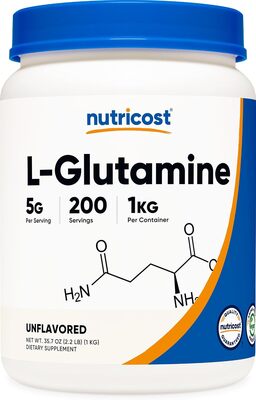
| Nutricost L-Glutamine Powder | Best for IBS-D | Pure 1 kg powder for the 5 g three-times-daily protocol from the landmark trial (reviewed under L-glutamine) |
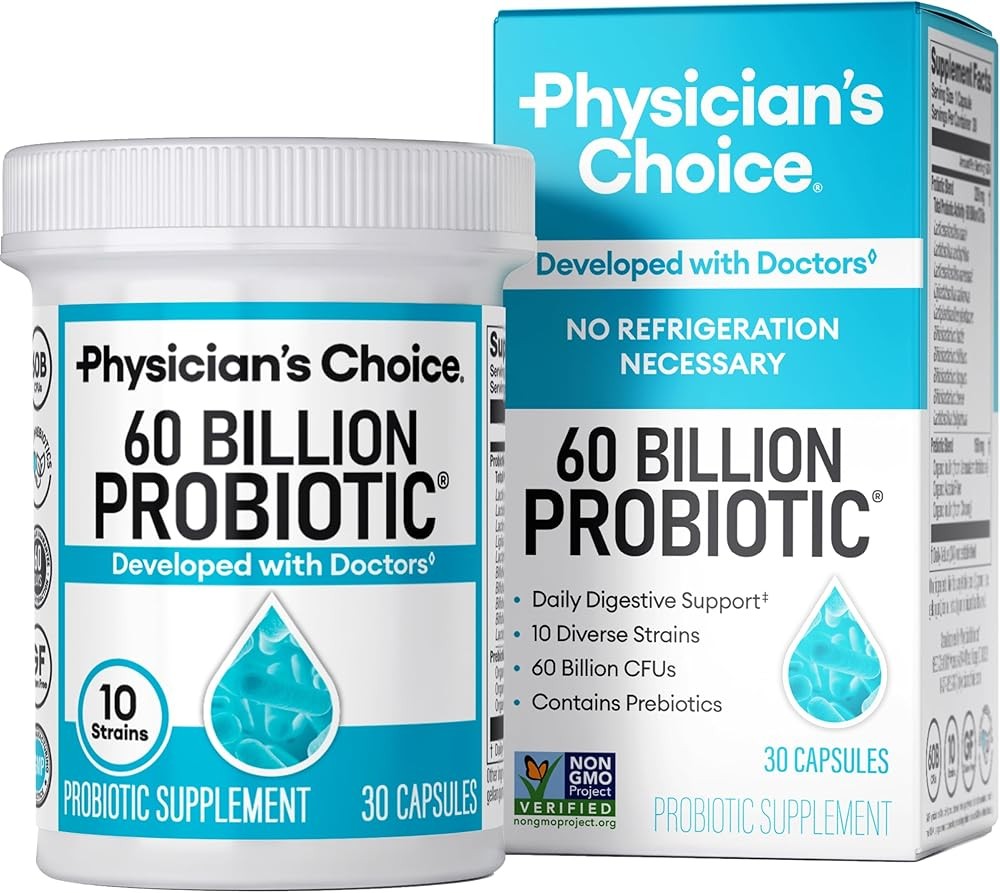
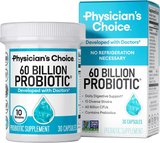
| Physician’s CHOICE Probiotics 60B | Best Probiotic Formula | 10 strains with organic prebiotics and delayed-release capsules (reviewed under probiotic strains) |
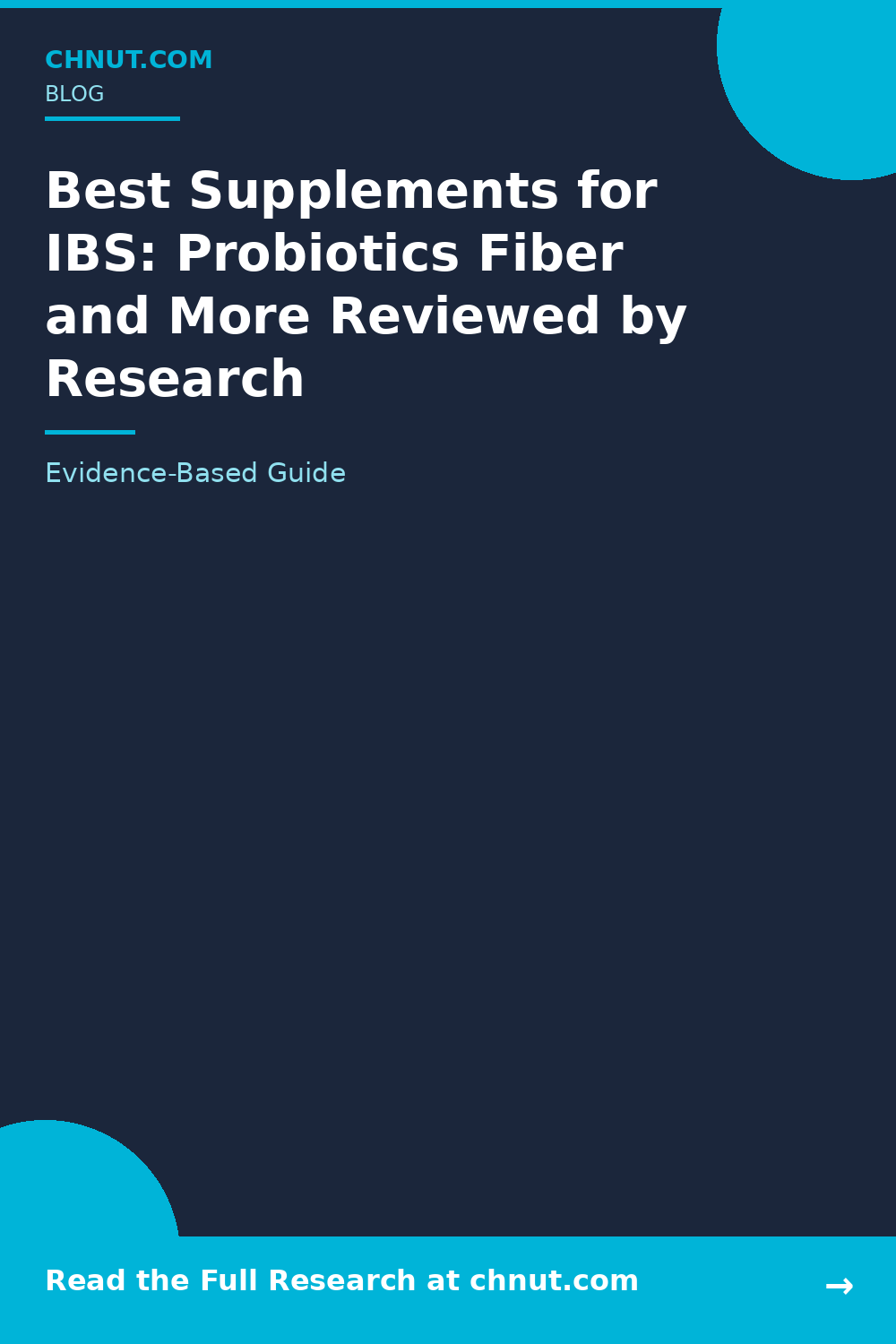
| Zenwise Health Digestive Enzymes | Best for Enzyme Support | Lactase plus alpha-galactosidase for targeted food-trigger support (reviewed under digestive enzymes) |
Bottom line: Choose products that deliver the clinically studied doses and forms: 182-200mg enteric-coated peppermint oil, soluble psyllium fiber titrated to 10-20g daily, strain-matched probiotics (Align remains the widely available B. infantis 35624 product), 5g of L-glutamine three times daily, and targeted enzymes for specific food triggers.
What Are the Correct Dosages for Each Supplement?
| Supplement | Dose | Timing | How Long to Trial |
|---|---|---|---|
| Peppermint oil (enteric-coated) | 182-200 mg, 2-3x daily (IBgard: 180 mg/capsule) | 30-60 min before meals | 4 weeks |
| Psyllium husk | Start 5g/day, increase to 10-20g/day | With meals, with 250+ mL water | 4-8 weeks |
| B. infantis 35624 | 1 x 10^8 CFU (100 million) daily | Any time | 4 weeks |
| L. plantarum 299v | 10 billion CFU daily | Any time | 4-12 weeks |
| S. boulardii | 250-500 mg (5-10 billion CFU) 2x daily | Any time | 4-8 weeks |
| Iberogast (STW 5) | 20 drops (1 mL) 3x daily | Before or with meals | 4 weeks |
| L-glutamine | 5g 3x daily (15g total) | Between meals preferred | 8 weeks |
| Lactase | 6,000-9,000 FCC units | Immediately before dairy | As needed |
| Alpha-galactosidase | 300-1,200 GALU | Before high-GOS meals | As needed |
| PHGG | 5-6g daily | Any time, mixed into liquid | 4-12 weeks |
| Artichoke leaf extract | 320-640 mg 2x daily | Before meals | 6 weeks |
| Melatonin | 3 mg at bedtime | 30 min before sleep | 2-4 weeks |
| Vitamin D | 2,000-4,000 IU daily | With a fat-containing meal | 8-12 weeks, then retest |
| Ginger | 1,000-1,500 mg daily, divided | Before meals | 4 weeks |
| Curcumin | 500-1,000 mg daily | With meals | 8 weeks |
Bottom line: Start with clinically validated doses (peppermint oil 182-200mg 2-3x daily, psyllium 10-20g daily, B. infantis 1×10⁸ CFU, L-glutamine 5g 3x daily) and trial each for 4-8 weeks before assessing effectiveness.
Related Reading
- Best Probiotics for Bloating and Gas: Strain-Specific Guide Based on Research
- L-Glutamine for Gut Health: Research on the Gut Lining
- Best Supplements for Leaky Gut: What Research Says About Intestinal Permeability
- Probiotics vs Prebiotics: What You Actually Need
- Postbiotics vs Probiotics: Which Is Better for Gut Health?
References
-
Ballena-Caicedo J, et al. Global prevalence of irritable bowel syndrome: an updated systematic review and meta-analysis. Gastroenterology Research. 2025. PubMed
-
Ingrosso MR, Ianiro G, Nee J, et al. Systematic review and meta-analysis: efficacy of peppermint oil in irritable bowel syndrome. Alimentary Pharmacology & Therapeutics. 2022;56(6):932-941. PubMed
-
Alammar N, Wang L, Saberi B, et al. The impact of peppermint oil on the irritable bowel syndrome: a meta-analysis of the pooled clinical data. BMC Complementary and Alternative Medicine. 2019;19(1):21. PubMed
-
Khanna R, MacDonald JK, Levesque BG. Peppermint oil for the treatment of irritable bowel syndrome: a systematic review and meta-analysis. Journal of Clinical Gastroenterology. 2014;48(6):505-512. PubMed
-
Bijkerk CJ, de Wit NJ, Muris JW, et al. Soluble or insoluble fibre in irritable bowel syndrome in primary care? Randomised placebo controlled trial. BMJ. 2009;339:b3154. PubMed
-
Nagarajan N, Morden A, Bischof D, et al. The role of fiber supplementation in the treatment of irritable bowel syndrome: a systematic review and meta-analysis. European Journal of Gastroenterology & Hepatology. 2015;27(9):1002-1010. PubMed
-
Ford AC, Moayyedi P, Lacy BE, et al. American College of Gastroenterology monograph on the management of irritable bowel syndrome and chronic idiopathic constipation. American Journal of Gastroenterology. 2014;109 Suppl 1:S2-26. PubMed
-
Whorwell PJ, Altringer L, Morel J, et al. Efficacy of an encapsulated probiotic Bifidobacterium infantis 35624 in women with irritable bowel syndrome. American Journal of Gastroenterology. 2006;101(7):1581-1590. PubMed
-
Yuan F, Ni H, Asche CV, et al. Efficacy of Bifidobacterium infantis 35624 in patients with irritable bowel syndrome: a meta-analysis. Current Medical Research and Opinion. 2017;33(7):1191-1197. PubMed
-
Ducrotté P, Sawant P, Jayanthi V. Clinical trial: Lactobacillus plantarum 299v (DSM 9843) improves symptoms of irritable bowel syndrome. World Journal of Gastroenterology. 2012;18(30):4012-4018. PubMed
-
Sen S, Mullan MM, Parker TJ, et al. Effect of Lactobacillus plantarum 299v on colonic fermentation and symptoms of irritable bowel syndrome. Digestive Diseases and Sciences. 2002. PubMed
-
Choi CH, Jo SY, Park HJ, et al. A randomized, double-blind, placebo-controlled multicenter trial of saccharomyces boulardii in irritable bowel syndrome. Journal of Clinical Gastroenterology. 2011. PubMed
-
Kim HJ, Camilleri M, McKinzie S, et al. A randomized controlled trial of a probiotic, VSL#3, on gut transit and symptoms in diarrhoea-predominant irritable bowel syndrome. Alimentary Pharmacology & Therapeutics. 2003;17(7):895-904. PubMed
-
Madisch A, Holtmann G, Plein K, et al. Treatment of irritable bowel syndrome with herbal preparations: results of a double-blind, randomized, placebo-controlled, multi-centre trial. Alimentary Pharmacology & Therapeutics. 2004;19(3):271-279. PubMed
-
Aguilar A, et al. Effect of Iberogast (STW5) on tolerance to colonic gas in patients with irritable bowel syndrome: a randomized, double-blind, placebo-controlled study. Neurogastroenterology & Motility. 2024. PubMed
-
Zhou Q, Verne ML, Fields JZ, et al. Randomised placebo-controlled trial of dietary glutamine supplements for postinfectious irritable bowel syndrome. Gut. 2019;68(6):996-1002. PubMed
-
Rastgoo S, Ebrahimi-Daryani N, Agah S, et al. Glutamine supplementation enhances the effects of a low FODMAP diet in irritable bowel syndrome management. Frontiers in Nutrition. 2021;8:746703. PubMed
-
Di Stefano M, Miceli E, Gotti S, et al. The effect of oral alpha-galactosidase on intestinal gas production and gas-related symptoms. Digestive Diseases and Sciences. 2007;52(1):78-83. PubMed
-
Niv E, Halak A, Tiommny E, et al. Randomized clinical study: partially hydrolyzed guar gum (PHGG) versus placebo in the treatment of patients with irritable bowel syndrome. Nutrition & Metabolism. 2016;13:10. PubMed
-
Giannini EG, Mansi C, Dulbecco P, et al. Role of partially hydrolyzed guar gum in the treatment of irritable bowel syndrome. Nutrition. 2006. PubMed
-
Walker AF, Middleton RW, Petrowicz O. Artichoke leaf extract reduces symptoms of irritable bowel syndrome in a post-marketing surveillance study. Phytotherapy Research. 2001;15(1):58-61. PubMed
-
Bundy R, Walker AF, Middleton RW, et al. Artichoke leaf extract reduces symptoms of irritable bowel syndrome and improves quality of life in otherwise healthy volunteers suffering from concomitant dyspepsia. Journal of Alternative and Complementary Medicine. 2004;10(4):667-669. PubMed
-
Holtmann G, Adam B, Haag S, et al. Efficacy of artichoke leaf extract in the treatment of patients with functional dyspepsia: a six-week placebo-controlled, double-blind, multicentre trial. Alimentary Pharmacology & Therapeutics. 2003;18(11-12):1099-1105. PubMed
-
Chen KH, et al. The efficacy of exogenous melatonin supplement in ameliorating irritable bowel syndrome severity: a meta-analysis of randomized controlled trials. Journal of the Formosan Medical Association. 2023;122(3):198-210. PubMed
-
Faghih Dinevari M, et al. The effect of melatonin on irritable bowel syndrome patients with and without sleep disorders: a randomized double-blinded placebo-controlled trial study. BMC Gastroenterology. 2023;23(1):135. PubMed
-
Song GH, Leng PH, Gwee KA, et al. Melatonin improves abdominal pain in irritable bowel syndrome patients who have sleep disturbances: a randomised, double blind, placebo controlled study. Gut. 2005;54(10):1402-1407. PubMed
-
Bin Y, et al. Vitamin D status in irritable bowel syndrome and the impact of supplementation on symptoms: a systematic review and meta-analysis. Nutrición Hospitalaria. 2022. PubMed
-
Cara KC, et al. The effects of vitamin D intake and status on symptom severity and quality-of-life in adults with irritable bowel syndrome. Critical Reviews in Food Science and Nutrition. 2025. PubMed
-
Williams CE, et al. Vitamin D supplementation in people with IBS has no effect on symptom severity and quality of life: results of a randomised controlled trial. European Journal of Nutrition. 2022. PubMed
-
Nikkhah Bodagh M, Maleki I, Hekmatdoost A. Ginger in gastrointestinal disorders: a systematic review of clinical trials. Food Science & Nutrition. 2019;7(1):96-108. PubMed
-
Ng QX, Soh AYS, Loke W, et al. A meta-analysis of the clinical use of curcumin for irritable bowel syndrome (IBS). Journal of Clinical Medicine. 2018;7(10):298. PubMed
-
Hong SW, Chun J, Park S, et al. Aloe vera is effective and safe in short-term treatment of irritable bowel syndrome: a systematic review and meta-analysis. Journal of Neurogastroenterology and Motility. 2018;24(4):528-535. PubMed
-
Hawrelak JA, Myers SP. Effects of two natural medicine formulations on irritable bowel syndrome symptoms: a pilot study. Journal of Alternative and Complementary Medicine. 2010;16(10):1065-1071. PubMed
-
Pimentel M, Lembo A, Chey WD, et al. Rifaximin therapy for patients with irritable bowel syndrome without constipation. New England Journal of Medicine. 2011;364(1):22-32. PubMed
Recommended Products