Best Sun Protection Supplements: Polypodium, Astaxanthin & Vitamin C
Summarized from peer-reviewed research indexed in PubMed. See citations below.
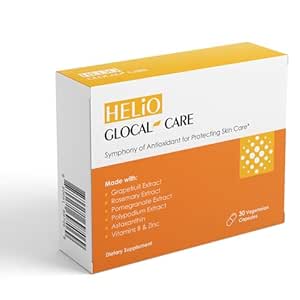
Summer sun is the main environmental cause of premature skin aging and a major driver of skin cancer, and topical sunscreen only covers part of the problem. A growing body of clinical research shows that specific oral supplements can raise your skin’s tolerance to UV radiation by supporting its internal antioxidant and DNA-repair systems. Based on the published trials we review below, the strongest evidence-based protocol looks like this: a Polypodium leucotomos product such as GlocalCare Helio for same-day defense, vitamin C (with vitamin E for synergy) as an affordable daily baseline, and either astaxanthin or a mixed-carotenoid product for the slower, cumulative protection that builds up in skin over weeks. None of these replace sunscreen, shade, or protective clothing, and we say that plainly throughout this guide.
We analyzed human clinical trials indexed in PubMed on oral photoprotection, with priority given to randomized controlled trials and to studies measuring objective outcomes such as minimal erythema dose, sunburn cell counts, DNA damage markers, and skin cancer incidence. The table below summarizes the three products that best match the tested doses and forms, followed by the full research breakdown and a four-week plan for building your own protocol.
Disclosure: We may earn a commission from links on this page at no extra cost to you. Affiliate relationships never influence our ratings. Full policy →
Quick Comparison: Top Sun Protection Supplements
| Product | GlocalCare Helio | Fortifeye Focus | Dr. Mercola Liposomal C |
|---|---|---|---|
| Price | $34.99 (30 caps) | $76.00 (90 softgels) | $39.97 (90 servings) |
| Key Ingredients | Polypodium leucotomos, astaxanthin, Nutroxsun, pomegranate | Astaxanthin 6 mg, lutein 10 mg, zeaxanthin 2 mg | Liposomal vitamin C 1,000 mg per serving |
| Primary Mechanism | Antioxidant + DNA repair support, anti-inflammatory | Carotenoid accumulation in skin | Antioxidant support, regenerates vitamin E |
| Clinical Evidence | Oral trial: reduced erythema, sunburn cells, DNA damage | 10-week RCT: higher MED, less moisture loss (4 mg dose) | C+E combination raised MED ~20% in 8-day trial |
| Time to Effect | Dosed same day as UV exposure in trials | 10+ weeks for full skin accumulation | Days (measured at 8 days in the C+E trial) |
| Best For | Comprehensive same-day + daily photoprotection | Long-term carotenoid building, eye + skin support | Foundational antioxidant defense on a budget |
What Does Research Say About Sun Protection Supplements?
Human trials show that several oral nutrients produce measurable photoprotection: they raise the UV dose required to redden the skin, reduce the cellular damage markers that precede photoaging, and in one case lower new skin cancer rates in high-risk people. The evidence is strongest for Polypodium leucotomos extract, nicotinamide, astaxanthin, vitamins C and E combined, and, with a longer runway, the carotenoids lycopene and beta-carotene.
Key Research Findings:
Oral Polypodium leucotomos (7.5 mg/kg) taken before UV exposure significantly reduced erythema, sunburn cells, cyclobutane pyrimidine dimers, and proliferating epidermal cells in paired skin biopsies from 9 healthy volunteers, a controlled within-subject study published in the Journal of the American Academy of Dermatology (PubMed 15583582)
Astaxanthin 4 mg daily for 10 weeks increased minimal erythema dose (MED) and reduced UV-related moisture loss in irradiated skin compared with placebo in a randomized, double-blind trial with 23 healthy participants (PubMed 29941810)
Combined vitamins C and E (2 g ascorbic acid + 1,000 IU d-alpha-tocopherol daily for 8 days) raised median MED from 80 to 96.5 mJ/cm² in a double-blind trial while placebo fell from 80 to 68.5 mJ/cm², roughly a 20% gain in UV tolerance (PubMed 9448204)
Nicotinamide 500 mg twice daily cut the rate of new non-melanoma skin cancers by 23% over 12 months in 386 high-risk participants in the phase 3 trial published in the New England Journal of Medicine, with actinic keratoses down 11-20% across the same period (PubMed 26488693)
Lycopene-rich tomato paste (55 g daily, about 16 mg lycopene, for 12 weeks) significantly raised the erythema threshold measured by reflectance, reduced UV-induced matrix metalloproteinase-1, increased procollagen I deposition, and cut UV-induced mitochondrial DNA damage in 20 healthy women (PubMed 20854436)
Green tea polyphenols (1,402 mg total catechins daily for 12 weeks) decreased UV-induced erythema by 16% at 6 weeks and 25% at 12 weeks, and improved skin elasticity, roughness, scaling, density, and water handling in 60 women (PubMed 21525260)
Critical caveat: These supplements work at the cellular level and none of them replaces topical sunscreen. They are best understood as an extra layer of internal defense on top of SPF 30-50, protective clothing, and shade. Every study above measured a partial reduction in damage, not immunity from it.
How Does UV Damage Actually Work?
Ultraviolet radiation splits into UVA, which reaches the dermis and drives most photoaging (about 95% of the UV that reaches the skin surface), and UVB, which is far more energetic and causes sunburn. Both generate reactive oxygen species (ROS) in skin cells, and both directly damage DNA: UVB creates cyclobutane pyrimidine dimers (CPDs), the signature DNA lesion of sunburn, while UVA generates oxidative lesions such as 8-oxo-dG. When repair machinery fails to fix these lesions before the cell divides, the mutations accumulate and can eventually push a keratinocyte or melanocyte down the road to cancer.
Topical sunscreen works by absorbing or reflecting UV before it enters the skin, which makes it the single most effective layer of protection. Oral photoprotective supplements work on a different layer entirely: they circulate through the blood and concentrate in skin, where they neutralize reactive oxygen species, support DNA repair enzymes, dampen the inflammatory cascade UV triggers, and in the case of carotenoids physically accumulate in the epidermis over weeks.
What Happens to Your Skin During Photoaging?
UV radiation damages skin through several parallel mechanisms:
Immediate Damage:
- DNA mutations, especially cyclobutane pyrimidine dimers and oxidative lesions
- Reactive oxygen species generation that outpaces skin’s natural antioxidants
- Inflammatory cytokine release that drives redness and immune changes
- Local immune suppression in skin (photoimmunosuppression)
Long-Term Consequences:
- Collagen and elastin breakdown driven by matrix metalloproteinases (wrinkles, sagging)
- Irregular melanin production (age spots, uneven tone)
- Thickened, leathery texture and broken capillaries
- Rising lifetime risk of basal cell carcinoma, squamous cell carcinoma, and melanoma
Photoprotective nutrients interrupt these pathways at the cellular level, which is why researchers measure their effects with tools like minimal erythema dose and biopsy markers rather than asking people how their skin feels.
How Do Researchers Measure Photoprotection?
The workhorse outcome in this field is the minimal erythema dose (MED): the smallest dose of UV from a calibrated solar simulator that produces visible redness 24 hours later. A higher MED means skin can absorb more UV before it burns. The vitamin C and E trial is a clean example, with MED climbing from 80 to 96.5 mJ/cm² in the supplement group while the placebo group drifted down over the same 8 days (PubMed 9448204).
Some studies add a more sensitive instrument-based measure. In the tomato paste trial, the erythema dose D30 (the UV dose producing a 30% measurable increase in redness) rose from a baseline near 26.5 mJ/cm² to 36.6 mJ/cm² with lycopene-rich tomato paste versus 23 mJ/cm² in the control group, even though the visually scored MED did not reach significance (PubMed 20854436). Biopsy studies go one level deeper, counting sunburn cells, staining for cyclobutane pyrimidine dimers, or measuring matrix metalloproteinase activity directly. When you see claims that a supplement “raises MED by X percent,” this is the measurement behind it, and the honest range across the trials above is roughly 15-25%, not a doubling of protection.
What Can Oral Supplements Do That Sunscreen Can’t?
Sunscreen fails in predictable places. People apply too little (about a third of the recommended amount is typical), forget to reapply every two hours, and miss the scalp, ears, lips, eyelids, backs of hands, and feet. One large survey-style observation after another shows most sunburns happen on days people thought they were protected. Systemic antioxidants cover all of those neglected surfaces continuously, because they reach skin through the bloodstream rather than sitting on the surface.
There is a second gap sunscreen cannot close: the UV that does get through. No SPF blocks 100% of UV, and the transmitted dose still generates reactive oxygen species and DNA damage beneath the surface. Oral antioxidants are present inside the epidermis at the moment that damage happens, which is mechanistically why studies combining sensible sun protection with oral photoprotective nutrients report less immunosuppression and less oxidative damage than either approach alone.
None of this means supplements substitute for sunscreen. It means the two layers are complementary, and the people most likely to benefit from the oral layer are the ones who spend real time outdoors, have fair or sun-damaged skin, or have a history of skin cancer. For everyone else, sunscreen plus food-based antioxidant intake is a reasonable minimum.
What Are the Warning Signs of Sun Damage?
Your skin gives fairly clear signals about cumulative UV exposure:
Acute Sun Damage Signs:
- Redness or pink coloration (erythema) that peaks 6-24 hours after exposure
- Skin that feels hot, tender, or tight
- Peeling 3-7 days after a burn
- New or darkening freckles and spots after a sun holiday
- Dry, rough texture in exposed areas
Chronic Sun Damage Indicators:
- Fine lines and wrinkles, especially around the eyes and mouth
- Leathery, thickened skin on the back of the neck (cutis rhomboidalis nuchae)
- Solar lentigines (age spots) on the face, hands, chest, and shoulders
- Uneven pigmentation and blotchiness
- Broken capillaries and a reddish tint on the face and chest
- Loss of elasticity, so skin sags rather than snapping back
Photoprotective supplements can slow the accumulation of this damage, but existing actinic keratoses, changing moles, or non-healing sores are medical issues that need a dermatologist, not a bottle of antioxidants. We cover that distinction later in this guide.
Top Sun Protection Supplements Reviewed
The products below were selected because their ingredient doses match or exceed what the clinical trials used, they are made by established manufacturers with third-party testing, and their labels are honest about what they contain.
What Makes Polypodium Leucotomos the Most Researched Oral Photoprotectant?
Polypodium leucotomos is a tropical fern extract native to Central and South America, and it is the most extensively studied oral photoprotectant in dermatology. Its active phenolic compounds act as antioxidants and anti-inflammatories, and unlike most nutrients it has been tested specifically as an oral agent against UV damage in human skin, not just inferred from topical or animal work.
Clinical Evidence: The key human study enrolled 9 healthy volunteers with skin types II-III and exposed them to graded UV doses before and after a single oral dose of Polypodium leucotomos extract (7.5 mg/kg). Twenty-four hours later, PL-treated skin showed significantly less erythema, fewer sunburn cells, fewer cyclobutane pyrimidine dimers, and fewer proliferating epidermal cells on paired biopsies, with a trend toward preservation of Langerhans cells, the immune sentinels UV depletes (PubMed 15583582). The same group later reported that PL taken alongside conventional sun protection adds measurable protection, which fits how most people should use it: as a same-day booster, not a replacement for SPF.
Mechanisms of Photoprotection:
- Scavenges UV-generated free radicals before they oxidize lipids and DNA
- Reduces cyclobutane pyrimidine dimer formation in keratinocytes
- Limits UV-induced inflammation and mast cell infiltration
- Blunts UV-driven immunosuppression in skin
- Inhibits matrix metalloproteinase activation, protecting collagen
Optimal Dosing:
- Standard supplement doses run 240-480 mg daily; the trial used 7.5 mg/kg (roughly 500-600 mg for an adult)
- Take it on the morning of days with significant sun exposure
- Daily use provides the cumulative antioxidant baseline
- Well tolerated in trials, with no serious adverse events reported
- Do not exceed label directions; more has not been studied

The evidence shows: Polypodium leucotomos is the only oral extract with biopsy-confirmed reductions in UV erythema, sunburn cells, and cyclobutane pyrimidine dimers in humans, and Helio packages it with astaxanthin and tomato carotenoids for under $35 per 30-day bottle, which makes it our Best Overall pick for people who want the research-backed ingredient in a convenient form.
Why Is Astaxanthin a Standout Photoprotective Carotenoid?
Astaxanthin is the carotenoid that gives salmon and flamingos their color, and it is one of the most potent singlet-oxygen quenchers known. Unlike beta-carotene it does not convert to vitamin A, and unlike lutein and zeaxanthin it spans the full cell membrane, which may explain why it shows up in skin after only a few weeks of supplementation.
Clinical Evidence: In a randomized, double-blind, placebo-controlled trial, 23 healthy Japanese adults took 4 mg astaxanthin or placebo daily for 10 weeks. The astaxanthin group showed a significantly higher minimal erythema dose after supplementation and lost less moisture from UV-irradiated skin, and participants reported improvements in rough skin and texture in non-irradiated areas (PubMed 29941810). The study was funded by Fujifilm, the astaxanthin manufacturer, which is worth knowing when weighing the size of the effect.
Mechanisms of Photoprotection:
- Quenches singlet oxygen far more effectively than beta-carotene or vitamin C on a per-molecule basis
- Protects membrane lipids from UV-driven peroxidation
- Reduces UV-induced moisture loss and supports skin barrier function
- Anti-inflammatory at the doses used in human trials
Optimal Dosing:
- The trial dose was 4 mg daily; supplement studies elsewhere have used up to 12 mg daily
- Take with a meal containing fat for absorption
- Allow 4-10 weeks for measurable skin effects
- A harmless pink-orange tint to palms can appear at higher doses and fades when you stop
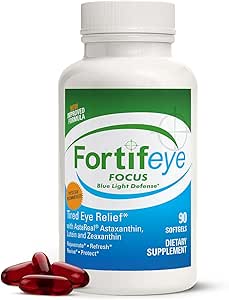
Fortifeye Focus Eye Care Supplement 90 Softgel Capsules - Triple Carotenoid Including Astaxanthin, Lutein, and Zeaxan...
Check Price on AmazonAs an Amazon Associate we earn from qualifying purchases.
Key takeaway: The 6 mg astaxanthin dose in Fortifeye Focus sits above the 4 mg that raised MED in a 10-week randomized trial, and the added lutein and zeaxanthin make it the best single carotenoid product here for long-term skin accumulation, with eye benefits as a side bonus.
How Does Vitamin C Provide Systemic Photoprotection?
Vitamin C is the main water-soluble antioxidant in skin, and it works as a team with vitamin E: C neutralizes reactive oxygen species in the aqueous compartments of cells and regenerates oxidized vitamin E so the fat-soluble defender can keep working in membranes.
Clinical Evidence: The classic human trial randomized 10 subjects per group to 2 g ascorbic acid plus 1,000 IU d-alpha-tocopherol daily or placebo for 8 days. Median MED rose from 80 to 96.5 mJ/cm² in the vitamin group while falling from 80 to 68.5 mJ/cm² in the placebo group, and cutaneous blood flow responses to UV improved in the supplemented arm (PubMed 9448204). Note that this was combined C plus E, not vitamin C alone, which is why every credible protocol pairs the two.
Mechanisms of Photoprotection:
- Directly neutralizes UV-generated reactive oxygen species in the aqueous phase
- Regenerates vitamin E, keeping the membrane antioxidant cycling
- Cofactor for collagen synthesis and post-UV repair
- Limits UV-induced inflammation
- Supports the immune functions UV suppresses
Optimal Dosing:
- 1,000-2,000 mg daily in divided doses matches the trial range
- Ascorbic acid is fine; liposomal forms are gentler on the stomach at higher doses
- Always pair with vitamin E (400 IU mixed tocopherols) for the synergy the research shows
- Take with food; the body absorbs only a fraction of very large single doses
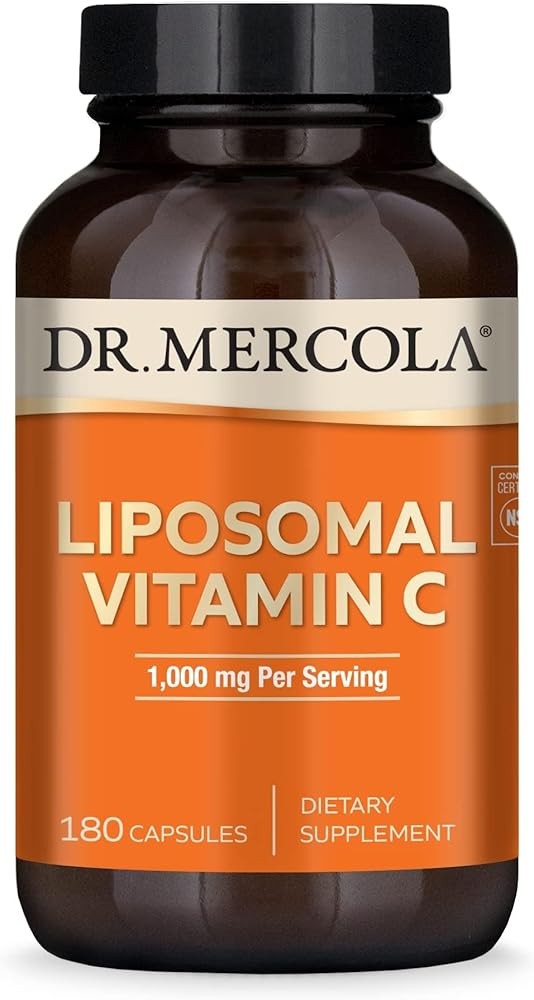
Dr. Mercola Liposomal Vitamin C - Brain, Heart, Eye & Immune Support - Provides 1,000 mg of Bioavailable Vitamin C ...
Check Price on AmazonAs an Amazon Associate we earn from qualifying purchases.
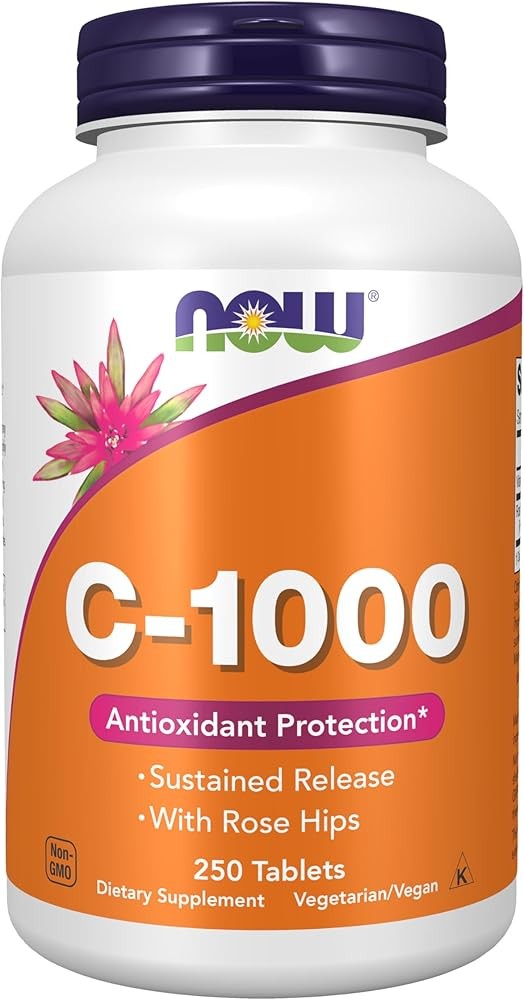
NOW Foods Supplements, Vitamin C-1,000 with Rose Hips, Sustained Release, Antioxidant Protection*, 250 Tablets
Check Price on AmazonAs an Amazon Associate we earn from qualifying purchases.
What this means for you: Vitamin C is the cheapest evidence-based layer of oral photoprotection, but only when paired with vitamin E. Budget buyers should pick the NOW 250-tablet bottle plus a mixed-tocopherol vitamin E product; anyone who wants the research dose without gastric irritation can pay more for the liposomal Mercola product.
What Role Does Vitamin E Play in Photoprotection?
Vitamin E (alpha-tocopherol and related tocopherols) is the principal fat-soluble antioxidant in cell membranes, and UV radiation is essentially an assault on membrane lipids. Oral vitamin E accumulates in skin slowly, which is why the C+E trial that showed a 20% MED gain ran a short 8-day protocol yet still measured meaningful protection when the two vitamins were combined (PubMed 9448204).
Mechanisms of Photoprotection:
- Breaks the chain of lipid peroxidation in cell membranes
- Scavenges lipid peroxyl radicals before they damage membrane proteins
- Regenerated by vitamin C, which is why the pair outperforms either alone
- Moderates UV-induced inflammatory signaling
- Complements carotenoids, which protect different skin compartments
Optimal Dosing:
- 400 IU daily of natural mixed tocopherols (d-alpha-tocopherol with gamma and delta)
- Avoid high-dose synthetic dl-alpha-tocopherol; natural forms are better retained
- Take with meals and alongside vitamin C for the recycling effect
- Keep total intake near 400 IU unless a doctor advises more; doses of 800 IU and above add no demonstrated photoprotective benefit and long-term high-dose vitamin E supplements are not recommended without medical supervision
Why Do Carotenoids Take Weeks to Build Photoprotection?
Carotenoids from food and supplements accumulate in the epidermis, where they act as a slowly replenishing antioxidant reservoir and give skin a subtle golden tint that some researchers have linked to a healthier appearance. The catch is the timeline: a meta-analysis of 7 controlled studies concluded that beta-carotene supplementation does protect against sunburn, but only after at least 10 weeks of daily use, with protection growing roughly 0.5 standard deviations for each additional month (PubMed 18086246). A companion review by Stahl and Sies reached the same conclusion: dietary carotenoids are a long-term strategy, useless for tomorrow’s beach day (PubMed 23053552).
Clinical Evidence: The meta-analysis pooled human supplementation studies and found significant overall sunburn protection with a clear time dependence: short trials showed nothing, trials of 10+ weeks showed protection, and longer trials showed more. This explains the conflicting headlines about beta-carotene and sun protection, and it is why we tell people to start carotenoids 6-10 weeks before their sun season, not the week before vacation.
Important Safety Note: High-dose beta-carotene is not harmless for everyone. In the Alpha-Tocopherol, Beta Carotene (ATBC) Cancer Prevention Study, 29,133 male smokers who took 20 mg beta-carotene daily for 5-8 years developed lung cancer at an 18% higher rate than smokers not taking it (95% CI, 3-36%), a finding that surprised the investigators and has shaped supplement safety guidance ever since (PubMed 8127329). Anyone with a smoking history should avoid isolated high-dose beta-carotene supplements entirely. Mixed carotenoids from food (carrots, sweet potatoes, leafy greens, tomatoes) do not carry this concern and remain the safest route.
Optimal Dosing:
- Mixed dietary carotenoids daily from food first: carrots, tomatoes, watermelon, leafy greens, eggs
- If supplementing, choose a mixed-carotenoid formula over isolated beta-carotene
- Never take isolated beta-carotene at 20 mg or more if you have ever smoked
- Take with a fatty meal; carotenoids are fat-soluble
- Budget 10-12 weeks of consistent intake before judging results
How Does Lycopene Protect Against UV-Induced Oxidative Stress?
Lycopene is the red carotenoid in tomatoes and watermelon, and it is the most efficient singlet-oxygen quencher among the common dietary carotenoids. Because cooking and oil concentrate and release it, tomato paste is the most bioavailable source, which is exactly what the best human trial used.
Clinical Evidence: In a randomized controlled trial, 20 healthy women with skin phototypes I-II ate 55 g of lycopene-rich tomato paste (about 16 mg lycopene) in olive oil daily for 12 weeks while a control group took olive oil alone. The tomato group’s erythema threshold measured by reflectance (D30) climbed from a baseline near 26.5 to 36.6 mJ/cm² versus 23 mJ/cm² in controls. UV-induced matrix metalloproteinase-1 dropped, procollagen I deposition rose, and the UV-driven increase in mitochondrial DNA deletions (a 3,895-bp deletion, a biomarker of oxidative photodamage) was significantly reduced (PubMed 20854436). The visually scored MED improved but did not reach significance, an honest reminder that this protection is real but moderate.
Mechanisms of Photoprotection:
- Quenches singlet oxygen, the dominant ROS in UV-exposed skin
- Reduces UV-induced matrix metalloproteinase-1, protecting collagen
- Preserves mitochondrial DNA from oxidative damage
- Accumulates in skin over weeks of regular intake
Optimal Dosing:
- 8-16 mg lycopene daily from supplements or concentrated tomato products
- Tomato paste and cooked tomatoes with oil are the most bioavailable sources
- Take with fat; lycopene is fat-soluble
- Treat it as a 10-12 week cumulative strategy, same as other carotenoids
How Do Omega-3 Fatty Acids Reduce UV Damage?
Omega-3 fatty acids, especially EPA, do two things relevant to sun exposure: they reduce systemic inflammation, and they get incorporated into skin cell membranes where they change the profile of inflammatory mediators released after UV exposure. The clinical interest here is photoimmunosuppression, the quiet way UV disables skin immunity and thereby raises skin cancer risk.
Clinical Evidence: A double-blind randomized trial gave 79 fair-skinned, nickel-allergic women 5 g daily of an EPA-rich lipid (70% EPA plus 10% DHA, so about 3.5 g EPA) or a control oil for 3 months, then measured UV suppression of their nickel contact-allergy responses. Photoimmunosuppression trended lower overall in the omega-3 group, and the difference was largest at the 3.8 J/cm² solar-simulated dose: 11% less immunosuppression (95% CI, 0.5-21.4%), with red blood cell EPA rising 4-fold, confirming the oil was absorbed (PubMed 23364005). The authors called for confirmation, so treat this as promising rather than settled.
A second mechanistic study in 28 volunteers found that 4 g daily of EPA ethyl esters for 3 months abolished the UVB-induced spike in prostaglandin E2 in skin, the same inflammatory mediator sunscreen-independent redness and immunosuppression run on, while leaving cytokine levels unchanged (PubMed 15362934).
Mechanisms of Photoprotection:
- Reduces UV-induced prostaglandin E2, a key driver of redness and immunosuppression
- Preserves skin immune function (contact hypersensitivity responses) after UV
- Incorporates EPA into membrane phospholipids, shifting inflammatory signaling
- Supports general cardiovascular and joint health as a side benefit
Optimal Dosing:
- 2-3 g combined EPA+DHA daily for general health; trials showing skin effects used 3.5-4 g EPA
- Choose EPA-dominant fish oil for the anti-inflammatory profile
- Triglyceride-form oils absorb better than ethyl esters
- Take with meals
- If you take blood thinners or have a bleeding disorder, discuss high-dose omega-3 (3 g+) with your doctor first
How Does Nicotinamide Enhance DNA Repair After Sun Exposure?
Nicotinamide (the amide form of vitamin B3, often called niacinamide) is not an antioxidant in the classic sense. Instead, it replenishes cellular NAD+, the fuel for the enzymes that repair UV-damaged DNA and control inflammation. That mechanistic difference matters: it is the only oral nutrient tested in a phase 3 trial for actual skin cancer outcomes.
Clinical Evidence: The landmark ONTRAC trial randomized 386 people who had already had at least two non-melanoma skin cancers to 500 mg nicotinamide twice daily or placebo for 12 months. The nicotinamide group developed 23% fewer new non-melanoma skin cancers (95% CI, 4-38%), with squamous cell carcinomas down 30% and actinic keratoses down 11-20% across the year (PubMed 26488693). The benefit disappeared within 6 months of stopping, which tells you it is a continuous-use strategy, and the trial’s safety record was clean.
Mechanisms of Photoprotection:
- Boosts NAD+ to fuel ATP production and poly(ADP-ribose) polymerase, the DNA repair enzyme UV damage calls on
- Enhances repair of cyclobutane pyrimidine dimers in keratinocytes
- Reduces UV-induced immunosuppression
- Lowers actinic keratosis burden, the precursor lesions of squamous cell carcinoma
Optimal Dosing:
- 500 mg twice daily, exactly as studied
- Well tolerated; the flush that niacin causes does not happen with nicotinamide
- Especially relevant if you have actinic keratoses, sun damage history, or a prior skin cancer
- Not a replacement for dermatologist skin checks or sunscreen
What Are the Photoprotective Benefits of Green Tea Extract?
Green tea catechins, led by epigallocatechin gallate (EGCG), are potent polyphenol antioxidants with a solid record against UV damage in cell and animal models. The best human trial used a beverage rather than capsules, which is a reminder that the delivery form matters.
Clinical Evidence: In a 12-week double-blind trial, 60 women drank a green tea polyphenol beverage delivering 1,402 mg of total catechins daily. UV-induced erythema fell 16% by week 6 and 25% by week 12 versus placebo, and skin elasticity, roughness, scaling, density, and water handling all improved, with skin blood flow and oxygen delivery rising after intake (PubMed 21525260).
Mechanisms of Photoprotection:
- Potent free-radical scavenging that reduces UV-induced erythema
- Anti-inflammatory effects in UV-exposed skin
- Improves skin microcirculation and oxygen delivery
- Supports skin structure outcomes (elasticity, hydration) over 12 weeks
Optimal Dosing:
- The effective dose was about 1,400 mg total catechins daily, which is roughly 600-800 mg EGCG
- Standardized green tea extract capsules make this practical; strong brewed tea alone cannot easily hit 1,400 mg catechins
- Take with food to avoid nausea
- Use decaffeinated extracts if caffeine-sensitive, or time doses earlier in the day
What Photoprotective Properties Does Resveratrol Offer?
Resveratrol, the polyphenol famous from red wine and grape skins, protects skin in laboratory models through antioxidant, anti-inflammatory, and sirtuin-activating pathways. The human evidence is topical and preliminary: in one study, 15 volunteers had skin sites exposed to 1.5 MED of solar-simulated UV for 4 consecutive days, with a resveratrol formulation applied after each exposure. Treated sites showed barely visible erythema, significantly fewer sunburn cells, and less melanin staining than untreated control sites (PubMed 22221158). That is promising for topical formulations, but there is no equivalent human trial for oral resveratrol supplements, so we do not recommend buying resveratrol specifically for sun protection until oral data exist.
Mechanisms of Photoprotection:
- Potent antioxidant and anti-inflammatory activity
- Activates sirtuin pathways linked to cellular stress resistance
- Reduces sunburn cell formation in UV-exposed human skin (topical)
- Limits UV-induced pigmentation in the topical trial
Optimal Dosing:
- If you already take trans-resveratrol (250-500 mg daily) for other reasons, keep doing so
- Do not add resveratrol purely for sun protection; the oral evidence is not there yet
- Trans-resveratrol is the active isomer; take with a fatty meal
What Are the Best Sun Protection Supplement Combinations?
No single nutrient covers every UV damage pathway. The research supports layering antioxidants that protect different skin compartments: polyphenols for same-day free-radical defense, vitamins C and E for aqueous and membrane protection, carotenoids for the slow epidermal reservoir, and nicotinamide for DNA repair capacity in high-risk people.
What Should a Basic Summer Sun Protection Stack Include?
For regular outdoor days through summer:
Daily:
- Polypodium leucotomos: 240-480 mg with breakfast on outdoor days
- Vitamin C: 1,000-2,000 mg in divided doses
- Vitamin E: 400 IU mixed tocopherols with a meal
- Astaxanthin: 4-6 mg with a fatty meal
- Omega-3: 2-3 g combined EPA+DHA
Estimated monthly cost: $50-80 depending on brand choices and omega-3 dose.
This is the multi-mechanism core: PL and astaxanthin for direct UV defense, C+E for the proven MED gain, and omega-3 for inflammatory and immune support. Start the astaxanthin 6-10 weeks before your heaviest sun exposure.
What Advanced Stack Should High-Risk Individuals Consider?
For people with fair skin, many sunburns in the past, actinic keratoses, or a personal history of skin cancer:
Daily:
- Polypodium leucotomos: 240-480 mg on outdoor days
- Nicotinamide: 500 mg twice daily (the exact ONTRAC dose)
- Astaxanthin: 4-8 mg with breakfast
- Vitamin C: 2,000 mg in divided doses with 400 IU vitamin E
- Omega-3: 2-3 g EPA+DHA
- Green tea extract: standardized to 600-800 mg EGCG, or the beverage equivalent
Estimated monthly cost: $80-130.
Nicotinamide is the only ingredient here with phase 3 evidence for fewer new skin cancers, which is why it anchors the high-risk stack. Keep your dermatology surveillance appointments regardless: this stack is risk reduction, not a screening substitute. If you smoke or have smoked, swap the green tea for lycopene and skip any isolated beta-carotene.
What Budget-Friendly Option Provides Core Protection?
If cost or simplicity matters most:
Daily:
- Vitamin C: 1,000 mg (the NOW 250-tablet bottle covers 8 months for $15.67)
- Vitamin E: 400 IU mixed tocopherols
- Omega-3: 2 g combined EPA+DHA
- Carotenoids from food: tomato paste, carrots, leafy greens, watermelon most days
Estimated monthly cost: $25-40.
This is the foundation: the C+E pair with the trial-backed MED gain, omega-3 for immune and inflammatory support, and diet-sourced carotenoids for the slow reservoir. It will not match the same-day punch of Polypodium leucotomos, but it is a genuinely evidence-based floor.
How Do You Get Started with Photoprotective Supplements?
Starting an oral photoprotection routine does not require buying everything at once. A staged 4-week ramp lets you assess tolerance, spread the cost, and time the slow-acting carotenoids before peak sun season.
What Should You Do in Week 1 to Build Your Foundation?
Begin with the two antioxidants whose synergy is directly trial-backed:
Start:
- Vitamin C: 1,000 mg daily (500 mg morning, 500 mg evening)
- Vitamin E: 400 IU mixed tocopherols with breakfast
Why these first? The C+E combination is the only regimen with a measured 20% MED gain after just 8 days, so it is the fastest evidence-based win and the cheapest (PubMed 9448204). Both also pay off beyond sun protection, in immune function and general antioxidant status.
Monitor: Digestive tolerance. If 1,000 mg of plain ascorbic acid upsets your stomach, switch to a liposomal or buffered form or split into smaller doses.
Why Should You Add Carotenoid Protection in Week 2?
Add the slow accumulators now, because they need the longest runway:
Add:
- Astaxanthin: 4-6 mg daily with breakfast (fat improves absorption)
- Lycopene: 10-15 mg daily with a meal, or a serving of tomato paste with olive oil
Why now? Carotenoid skin protection only registers after 10+ weeks of consistent intake, per the beta-carotene meta-analysis (PubMed 18086246). Every week of delay is a week of bare skin next summer.
Monitor: A faint warm tint to the skin or palms at higher carotenoid doses is harmless and reversible. If it bothers you, lower the dose.
When Should You Introduce Polypodium Leucotomos in Week 3?
Add the acute-defense layer once your antioxidant baseline is settled:
Add:
- Polypodium leucotomos: 240-480 mg on mornings of outdoor days (the trial dosed 7.5 mg/kg before UV exposure)
Why now? PL is the ingredient with biopsy evidence of reduced erythema, sunburn cells, and DNA damage from a single pre-exposure dose (PubMed 15583582). It complements, not replaces, the slower nutrients.
Monitor: Mild digestive upset is occasionally reported and usually settles within a few days.
How Do You Optimize and Personalize Your Stack in Week 4?
Consider adding, based on your profile:
- Nicotinamide 500 mg twice daily if you have actinic keratoses, heavy past sun damage, or a skin cancer history (the phase 3 dose; PubMed 26488693)
- Green tea extract (600-800 mg EGCG) if you want the 25% erythema reduction from the 12-week beverage trial
- Omega-3 (2-3 g EPA+DHA) if your diet is low in oily fish, for the photoimmunosuppression and PGE2 evidence
Assess:
- Any digestive effects? Adjust timing or split doses.
- What is your actual exposure? A beach vacation week needs PL plus sunscreen discipline; an office summer needs less.
- Budget constraints? Prioritize C+E and PL; add carotenoids and nicotinamide as budget allows.
How Should You Maintain Your Protocol Through Summer?
Keep the routine consistent through peak UV months (roughly May through September in the Northern Hemisphere), since nicotinamide’s skin-cancer benefit reversed within 6 months of stopping and carotenoid skin levels fall when intake stops. On high-exposure days (beach, hiking, all-day sports), add the PL dose, reapply sunscreen every 2 hours, and use a hat.
How Should You Transition After Summer Ends?
Carotenoids and polyphenols can continue year-round as general antioxidants. Nicotinamide is a decision for you and your dermatologist: the trial evidence covers continuous use in high-risk people, and many dermatologists continue it indefinitely in that group. For lower-risk people, a summer-only protocol is reasonable, with the understanding that protection fades weeks after you stop.
How Can You Track Your Photoprotection Results?
Keep it simple and honest. Journal three things across the summer:
- How long before redness appears on a standard exposure (your personal MED proxy). If you can quantify it, the C+E trial suggests roughly 20% more UV tolerance after 8 days, and the green tea trial showed a 16-25% drop in erythema over 6-12 weeks (PubMed 9448204, 21525260). Expect modest, gradual change, not a force field.
- Burn severity and recovery from equivalent exposures compared with last year
- Skin texture, new spots, and how quickly redness fades after outdoor days
Take a monthly photo of a consistent sun-exposed area (back of the hand or forearm) in the same light. Most people who keep the routine for a full season report less intense burns and faster-fading redness by late summer; that matches the trial timelines, but individual results vary, and no supplement changes the fact that a burn is a burn.
Who Should Be Cautious About Taking Photoprotective Supplements?
These nutrients are generally well tolerated, but they are not risk-free for everyone, and a few interactions deserve attention before you build a stack.
Smokers and former smokers: Avoid isolated high-dose beta-carotene. The ATBC trial of 29,133 male smokers found 18% more lung cancer in men taking 20 mg beta-carotene daily (95% CI, 3-36%), and the finding has never been overturned (PubMed 8127329). Choose mixed dietary carotenoids instead.
People on blood thinners: High-dose omega-3 (3 g+ daily) and high-dose vitamin E can each add to anticoagulant and antiplatelet effects. The skin-relevant omega-3 trials used 3.5-4 g EPA, so this is a real consideration: talk to your doctor before running those doses alongside warfarin, apixaban, or similar medications.
People with a history of kidney stones: Very high vitamin C intake (2 g+ daily) raises urinary oxalate in some people, and oxalate stones are the common type. If you have had calcium-oxalate stones, stay at or below 1,000 mg daily and ask your doctor.
People who flush easily with niacin: Nicotinamide is not niacin and does not cause the flush, but confirm your product label says nicotinamide (or niacinamide), not niacin, before taking 1,000 mg daily.
Pregnancy and breastfeeding: There are no photoprotection trials in pregnant or nursing women. Vitamin C, vitamin E, and omega-3 are fine at standard dietary-supplement intakes, but the high experimental doses in this guide are not automatically appropriate. Run any stack past your obstetric provider.
Children: Keep children on behavioral protection: sunscreen, clothing, shade. The adult trial doses in this guide have no pediatric data, and pediatricians generally prefer food-sourced nutrients for kids.
People with photosensitivity disorders: If you have lupus, porphyria, or a history of drug-induced photosensitivity (tetracyclines, some NSAIDs, thiazide diuretics, and others), supplements will not fix the underlying light sensitivity. Ask your dermatologist or pharmacist about your specific medications, and do not use oral antioxidants as an excuse to skip prescribed photoprotection.
The general caution: If a product label promises that supplements let you “skip sunscreen” or “burn-proof” your skin, treat it as marketing. None of the trials we reviewed supports that, and the people selling that message are not citing dermatology.
When Should You See a Doctor About Sun Damage?
Supplements are for reducing future damage, not for evaluating existing lesions. See a dermatologist promptly if you notice:
- A mole or spot that is changing in size, shape, or color, or that differs from your other moles (the ABCDE warning signs: asymmetry, irregular border, uneven color, diameter over 6 mm, evolving)
- A new growth, pearl-like bump, or scaly patch that persists for more than a few weeks
- A sore that bleeds, crusts, and stays open for more than a few weeks
- Rough, scaly patches (possible actinic keratoses), especially on the face, scalp, ears, arms, and hands
- Any mole or spot that itches, hurts, or bleeds without reason
People with a personal or strong family history of skin cancer, many lifetime sunburns, or immunosuppression should have a full-body skin exam at least yearly regardless of what they see. Supplements, including nicotinamide with its 23% risk reduction, lower risk; they do not eliminate it, and dermatologists still find and remove the lesions that matter.
What’s the Bottom Line on Summer Sun Protection?
The complete protocol, in one place:
Foundation (non-negotiable):
- Broad-spectrum SPF 30-50 sunscreen, roughly a shot glass for the body, reapplied every 2 hours
- Hat, sunglasses, protective clothing, shade between 10 AM and 4 PM
- No deliberate tanning, and no supplement that promises otherwise
Enhancement (oral photoprotection, evidence-matched):
- Polypodium leucotomos 240-480 mg on outdoor days (same-day defense)
- Vitamin C 1,000-2,000 mg + vitamin E 400 IU daily (the 20% MED pair)
- Astaxanthin 4-6 mg or mixed dietary carotenoids daily, started 10+ weeks ahead
- Omega-3 2-3 g EPA+DHA daily
- Nicotinamide 500 mg twice daily for high-risk people, with dermatologist sign-off
Timeline:
- Start carotenoids 6-10 weeks before sun season
- Run the full stack through summer; taper to the antioxidant core after
Bottom line: The research supports oral photoprotection as a genuine second layer, with a 20% MED gain from vitamins C+E in 8 days, a 16-25% reduction in UV erythema from green tea polyphenols over 6-12 weeks, biopsy-confirmed reduction of DNA damage from Polypodium leucotomos, and a 23% cut in new non-melanoma skin cancers from nicotinamide in high-risk people. Those are real but partial effects, they take days to weeks to appear depending on the ingredient, and every study was done on top of normal sun protection. If you want one evidence-backed product to start with, GlocalCare Helio delivers the most-studied oral photoprotectant with supporting carotenoids for about $35 a month; if you want the best value, the NOW vitamin C plus a vitamin E product covers the proven C+E ground for a fraction of the cost. Sunscreen stays the first line of defense, supplements are the second, and a dermatologist is the referee.
Related Reading
- Best Supplements for Skin Health: Collagen, Vitamin C, Hyaluronic Acid and More
- Best Collagen Supplements for Skin Health
- Best Omega-3 Supplements: Fish Oil, Krill Oil & Algae Sources
- Astaxanthin Benefits: Skin, Eyes, Exercise & Anti-Aging
- Best Anti-Aging Supplements: NAD+, Resveratrol & More
- Best Glutathione Supplements: The Master Antioxidant Guide
- Best Immune System Supplements: Vitamin C, Zinc, Elderberry and What Research Supports
- Vitamin C Megadosing for Immune Support: What the Research Actually Shows
References
- Oral Polypodium leucotomos extract decreases ultraviolet-induced damage of human skin. Middelkamp-Hup MA et al. J Am Acad Dermatol, 2004.
- The protective role of astaxanthin for UV-induced skin deterioration in healthy people: a randomized, double-blind, placebo-controlled trial. Ito N et al. Nutrients, 2018.
- Protective effect against sunburn of combined systemic ascorbic acid (vitamin C) and d-alpha-tocopherol (vitamin E). Eberlein-Konig B et al. J Am Acad Dermatol, 1998.
- A phase 3 randomized trial of nicotinamide for skin-cancer chemoprevention. Chen AC et al. N Engl J Med, 2015.
- Tomato paste rich in lycopene protects against cutaneous photodamage in humans in vivo: a randomized controlled trial. Rizwan M et al. Br J Dermatol, 2011.
- Green tea polyphenols provide photoprotection, increase microcirculation, and modulate skin properties of women. Heinrich U et al. J Nutr, 2011.
- Randomized controlled trial of oral omega-3 PUFA in solar-simulated radiation-induced suppression of human cutaneous immune responses. Pilkington SM et al. Am J Clin Nutr, 2013.
- Nutritional protection against skin damage from sunlight. Sies H, Stahl W. Annu Rev Nutr, 2004.
- Resveratrate protects human skin from damage due to repetitive ultraviolet irradiation. Wu Y et al. J Eur Acad Dermatol Venereol, 2013.
- Beta-carotene and other carotenoids in protection from sunlight. Stahl W, Sies H. Am J Clin Nutr, 2012.
- Influence of eicosapentaenoic acid, an omega-3 fatty acid, on ultraviolet-B generation of prostaglandin-E2 and proinflammatory cytokines in human skin in vivo. Shahbakhti H et al. Photochem Photobiol, 2004.
- The effect of vitamin E and beta carotene on the incidence of lung cancer and other cancers in male smokers. The Alpha-Tocopherol, Beta Carotene Cancer Prevention Study Group. N Engl J Med, 1994.
- Protection from sunburn with beta-carotene: a meta-analysis. Kopcke W, Krutmann J. Photochem Photobiol, 2008.
Recommended Products