Best GLP-1 Friendly Protein Supplements (Ozempic-Compatible)
Summarized from peer-reviewed research indexed in PubMed. See citations below.
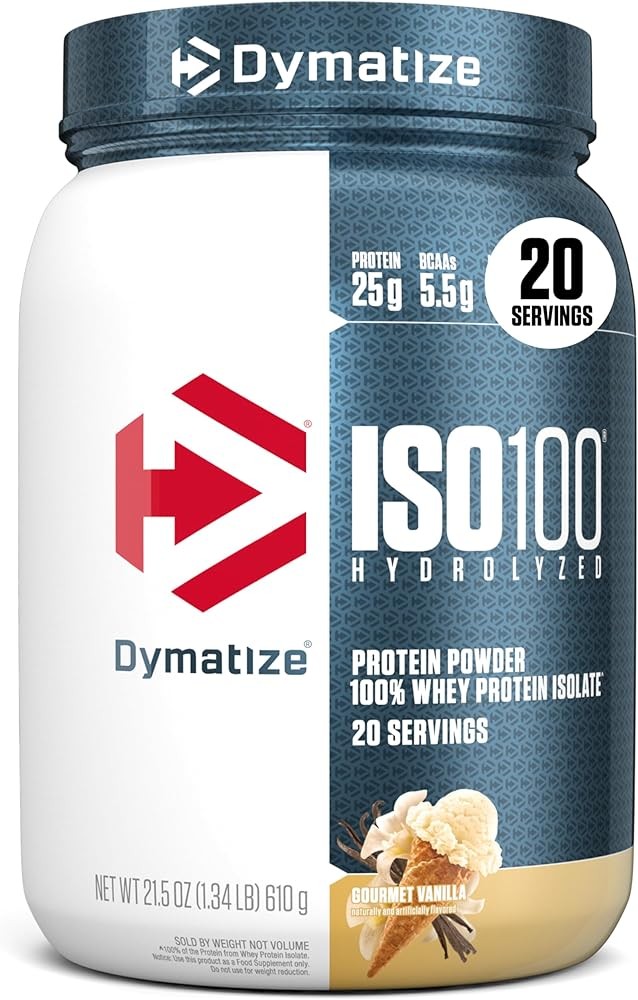
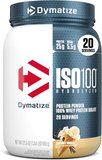
GLP-1 medications like Ozempic dramatically suppress appetite while slowing gastric emptying, making adequate protein intake extremely difficult precisely when your body needs it most to preserve muscle during rapid weight loss. Dymatize ISO100 Whey Protein Isolate delivers 25g fast-digesting protein with 5.5g BCAAs in minimal volume, providing efficient muscle support at about $1.20 per serving. Reviews of GLP-1-based weight loss note that lean mass, including muscle, declines alongside fat when protein intake and resistance training are inadequate, which is why protein supplementation gets so much attention in this population (PubMed). Isopure Zero Carb offers budget-friendly muscle support at about $0.95 per serving with 25g pure whey isolate. Here’s what the published research shows about protecting muscle mass while maximizing fat loss on GLP-1 medications.
Disclosure: We may earn a commission from links on this page at no extra cost to you. Affiliate relationships never influence our ratings. Full policy →
| Feature | Dymatize ISO100 | Isopure Zero Carb | Optimum Nutrition |
|---|---|---|---|
| View on Amazon | Check Price | Check Price | Check Price |
Why Do GLP-1 Medications Create a Protein Crisis?
The rise of GLP-1 receptor agonists like Ozempic, Wegovy, and Mounjaro has made muscle preservation a clinical priority: while much of the weight lost on these medications is fat, they also produce loss of lean mass, including muscle, which can make long-term weight maintenance harder and raise the risk of sarcopenia (PubMed). This isn’t just about aesthetics or strength. Muscle loss directly impacts your metabolic rate making weight regain almost inevitable once you stop the medication. It affects your glucose metabolism, bone density, immune function, and overall quality of life.
But here’s what makes this challenge particularly difficult: the very mechanism that makes GLP-1 medications effective at weight loss also makes adequate protein intake extremely challenging. These medications slow gastric emptying dramatically, reduce appetite to near-zero levels, and often trigger persistent nausea that makes eating protein-rich whole foods feel impossible. Standard protein supplements designed for bodybuilders or general fitness enthusiasts simply don’t work for GLP-1 users. They’re too heavy, too filling, too likely to trigger nausea, and too difficult to digest when your stomach is processing food at a fraction of its normal speed.
This comprehensive guide addresses the critical question: which protein supplements actually work for people on GLP-1 medications? We’ll explore the science behind why protein preservation matters, the specific characteristics that make protein supplements “GLP-1 friendly,” and the exact products that meet these stringent requirements. Evidence (PubMed 32699189) supports higher protein intake for preserving lean mass during energy restriction. Whether you’re on Ozempic, Wegovy, Mounjaro, Zepbound, or any other GLP-1 agonist, this guide will help you protect your muscle mass while maximizing your fat loss results.
How Do GLP-1 Medications Actually Work in Your Body?
GLP-1 (glucagon-like peptide-1) receptor agonists represent one of the most significant advances in metabolic medicine in decades. To understand why protein supplementation becomes so critical on these medications, you need to understand exactly how they work at a cellular and systemic level.
What Is the Natural GLP-1 System?
GLP-1 is a naturally occurring hormone secreted by L-cells in your small intestine in response to food intake, particularly carbohydrates and fats. Natural GLP-1 has a half-life of only 1-2 minutes because it’s rapidly degraded by the enzyme DPP-4 (dipeptidyl peptidase-4). Despite this brief existence, natural GLP-1 plays crucial roles in glucose metabolism, appetite regulation, and energy homeostasis.
When you eat, GLP-1 secretion triggers several beneficial effects: it stimulates insulin secretion from pancreatic beta cells in a glucose-dependent manner (meaning it only works when blood sugar is elevated), suppresses glucagon secretion (reducing glucose output from the liver), slows gastric emptying to moderate the speed at which nutrients enter your bloodstream, and signals satiety to your brain’s appetite centers.
How Do Medication GLP-1 Agonists Differ From Natural GLP-1?
GLP-1 receptor agonist medications are synthetic versions of this hormone that have been engineered to resist DPP-4 degradation, extending their half-life from minutes to days or even a week. This dramatic extension of activity creates therapeutic effects far beyond what natural GLP-1 achieves.
Semaglutide (brand names Ozempic and Wegovy) has a half-life of approximately 7 days, allowing once-weekly dosing. Tirzepatide (Mounjaro and Zepbound) is a dual GIP/GLP-1 receptor agonist with similar pharmacokinetics. Dulaglutide (Trulicity) also offers weekly dosing, while liraglutide (Victoza and Saxenda) requires daily injection due to its shorter 13-hour half-life.
These extended half-lives mean the medications provide continuous GLP-1 receptor activation rather than the pulsatile, meal-related spikes of natural GLP-1. This sustained activation produces profound effects on appetite, gastric motility, and metabolic function.
What Metabolic Effects Create Protein Challenges?
The primary mechanism driving weight loss on GLP-1 medications is appetite suppression mediated through both peripheral and central pathways. Brain-imaging research shows that GLP-1 receptor agonists reduce the brain’s reward-center response to appetizing food cues while strengthening activity in regions linked to satiety and self-control, which is a large part of why appetite falls so sharply on these medications (PubMed).
Equally important for protein intake is slowed gastric emptying. GLP-1 agonists delay the rate at which the stomach empties, so food stays longer and fullness persists far beyond a normal meal, which is precisely why dense, high-volume meals become hard to manage. The same delay applies to nutrient absorption and to oral medications taken with food, so eating pattern matters as much as total intake (PubMed).
The nausea that many users experience stems from this slow gastric emptying combined with altered gastric accommodation (your stomach’s ability to relax and expand to receive food). Research indicates that up to 44% of patients on therapeutic doses of semaglutide experience nausea, with about 9% experiencing severe nausea requiring medical intervention.
What Happens to Your Muscles During Rapid GLP-1 Weight Loss?
Understanding the physiological consequences of rapid weight loss on GLP-1 medications provides critical context for why protein supplementation isn’t optional—it’s essential for preserving your metabolic health and functional capacity.
How Does Your Body Decide What Tissue to Break Down?
During energy restriction, your body must mobilize stored energy to meet metabolic demands. Ideally, this energy comes exclusively from fat tissue. However, your body doesn’t automatically preserve muscle while burning only fat. The ratio of fat to muscle loss during caloric restriction depends on several critical factors.
The rate of weight loss strongly influences this ratio. Faster loss tends to pull more lean tissue with it, and reviews of GLP-1-based treatment specifically flag lean-mass loss, including muscle, as a side effect worth actively countering with protein and resistance training (PubMed).
Protein intake profoundly affects lean mass preservation. Meta-analyses of energy-restricted diets show that higher protein intakes preserve more lean mass than standard intakes, and randomized trials combining higher protein with exercise show the largest lean-mass advantages (PubMed) (PubMed).
Resistance training provides the most powerful signal for muscle preservation. Without mechanical stimulus telling your body that muscle tissue is actively needed, there’s no biological reason to maintain expensive metabolic tissue during energy scarcity. Studies consistently show that combining adequate protein with resistance training preserves significantly more muscle than either intervention alone.
Why Does Muscle Loss Matter Beyond Appearance?
The consequences of excessive muscle loss during GLP-1 treatment extend far beyond cosmetic concerns. Each pound of muscle tissue burns approximately 6-10 calories per day at rest, while fat tissue burns about 2 calories per pound. Losing 20 pounds of muscle (not uncommon in people losing 50+ pounds on GLP-1 medications without adequate protein) reduces your resting metabolic rate by 120-200 calories daily. This metabolic adaptation makes weight maintenance exponentially more difficult and contributes to rapid weight regain once medication is discontinued.
Muscle tissue is also a primary site of glucose disposal, so losing meaningful amounts of it can blunt the metabolic benefits of weight loss even when the scale is moving in the right direction.
Muscle strength and mass predict physical function, independence, and longevity in older age, which is why protecting lean tissue during weight loss matters well beyond appearance.
Bone density also tracks with muscle mass through mechanical loading, so rapid weight loss without resistance training can accelerate bone loss alongside muscle loss.
How Much Protein Do You Actually Need on GLP-1 Medications?
Standard dietary protein recommendations of 0.8 g/kg body weight were established to address deficiency risk in sedentary individuals at stable weight. These recommendations are wholly inadequate for people undergoing rapid weight loss on GLP-1 medications.
Research on protein needs during energy restriction consistently points to higher requirements than the standard 0.8 g/kg RDA. Consensus reviews of protein in weight loss and maintenance recommend roughly 1.2-1.6 g/kg of body weight (often calculated against an ideal or target weight) during active weight loss to preserve lean mass (PubMed) (PubMed).
For GLP-1 users, the target should be 1.2-1.6 g/kg of ideal body weight, not current body weight. For a 200-pound person targeting 150 pounds (68 kg), this equals 82-109 grams of protein daily. For a 250-pound person targeting 180 pounds (82 kg), this equals 98-131 grams daily.
Key takeaway: Protein targets on GLP-1 medications are roughly 1.2-1.6 g/kg of ideal body weight (82-109 g daily for someone targeting 150 lb), best delivered as 20-30 g servings every 3-4 hours, since that pattern supports muscle protein synthesis better than the same total in one or two large meals.
Distributing this protein throughout the day matters almost as much as total intake. Research on muscle protein synthesis shows that consuming 20-30 grams of high-quality protein every 3-4 hours maintains elevated rates of muscle protein synthesis throughout the day. Consuming the same total protein in just 1-2 large meals provides less stimulus for muscle preservation.
For GLP-1 users, this distribution strategy also improves tolerance. Consuming 25-30 grams of protein at four different times throughout the day is far more achievable than trying to consume 100+ grams in one or two sittings when appetite is dramatically suppressed and gastric emptying is severely slowed.
What Makes Some Protein Supplements Better Than Others for GLP-1 Users?
Not all protein supplements are created equal, and the characteristics that matter most change dramatically when you’re taking GLP-1 medications. Understanding these critical factors helps you select products that you’ll actually tolerate and benefit from rather than products that sit unused in your pantry.
Why Do Digestibility and Gastric Tolerance Matter Most?
The dramatically slowed gastric emptying on GLP-1 medications means that protein supplements must prioritize rapid digestion and minimal gastric load. Whey protein isolate represents the gold standard for GLP-1 users because it’s been filtered to remove most fat and lactose, leaving 90%+ pure protein. This concentrated protein digests significantly faster than whole foods or less-processed protein supplements.
Research measuring gastric emptying rates shows that whey protein isolate exits the stomach approximately 30-40% faster than whole food protein sources like chicken or beef. Studies using stable isotope tracers demonstrate that whey protein appears in the bloodstream as amino acids within 30-45 minutes of consumption, compared to 60-90 minutes for whole food proteins.
This rapid digestion matters enormously for GLP-1 users. Faster gastric emptying means less time feeling uncomfortably full, reduced nausea from prolonged stomach distension, and better tolerance for consuming protein multiple times throughout the day. If protein sits in your stomach for 4-6 hours creating persistent fullness and nausea, you’ll be unable to consume adequate protein across the day.
Hydrolyzed protein takes this concept further. Hydrolyzed (pre-digested) proteins have been enzymatically broken down into smaller peptides before consumption. Research shows that hydrolyzed proteins empty from the stomach even faster than intact whey isolate and appear in the bloodstream more rapidly. For GLP-1 users with severe nausea or those who find even whey isolate too heavy, hydrolyzed proteins may improve tolerance.
Why Should You Minimize Fat and Carbohydrate Content?
Fat is the macronutrient that most dramatically slows gastric emptying. Research shows that high-fat meals can remain in the stomach for 6+ hours, compared to 2-3 hours for low-fat meals. For GLP-1 users whose gastric emptying is already slowed by the medication, adding significant fat to protein supplements creates intolerable fullness and nausea.
Many protein supplements marketed to bodybuilders or general fitness populations contain 3-8 grams of fat per serving to improve taste and texture. While this fat content is minimal in absolute terms, it significantly impacts gastric emptying and tolerance for GLP-1 users. Optimal protein supplements for GLP-1 medications contain 1 gram or less of fat per serving.
Carbohydrates, particularly simple sugars, can trigger nausea in GLP-1 users through rapid changes in blood glucose. While GLP-1 medications improve glycemic control, many users report that concentrated sugar sources trigger immediate nausea. Additionally, carbohydrates contribute unnecessary calories when the goal is maximizing protein intake within a limited caloric and volume tolerance.
The ideal protein supplement for GLP-1 users provides 20-25 grams of protein with less than 2 grams each of fat and carbohydrates. This macronutrient profile maximizes protein delivery while minimizing factors that slow digestion or trigger nausea.
Why Does Mixing Volume and Texture Matter?
Standard protein supplements often require mixing with 8-16 ounces of liquid to achieve drinkable consistency. For GLP-1 users whose appetite is dramatically suppressed and stomach capacity effectively reduced, consuming this volume of liquid represents a significant challenge.
Protein supplements specifically formulated for easy mixing in smaller volumes (4-6 ounces) dramatically improve compliance. Being able to consume 25 grams of protein in just 4-6 ounces of liquid versus 12-16 ounces makes the difference between achieving adequate protein intake and falling severely short.
The texture of mixed protein supplements also impacts tolerance. Thick, creamy shakes that many fitness enthusiasts prefer can trigger nausea or aversion in GLP-1 users. Many report that thick textures feel heavy in their already-slow stomach and contribute to prolonged fullness.
Clear protein beverages represent an innovative solution to this texture challenge. These products use specially processed whey isolate that mixes into a clear, juice-like beverage rather than a creamy shake. Research hasn’t specifically examined whether clear proteins improve tolerance versus traditional shakes, but extensive anecdotal reports from GLP-1 users suggest that many who cannot tolerate creamy shakes handle clear proteins significantly better.
How Important Is Leucine Content for Muscle Preservation?
Leucine is an essential amino acid that plays a unique role in stimulating muscle protein synthesis. Research has identified leucine as the primary trigger for activating the mTOR pathway, the cellular mechanism that initiates muscle protein synthesis.
Studies measuring muscle protein synthesis rates show that protein sources must provide approximately 2.5-3 grams of leucine per serving to maximally stimulate muscle protein synthesis. Consuming protein that provides less leucine results in sub-optimal stimulation of muscle building processes.
Whey protein naturally contains approximately 11-12% leucine by weight, meaning a 25-gram serving of whey protein provides approximately 2.75-3 grams of leucine—right in the optimal range. This high leucine content is one reason why whey protein consistently outperforms other protein sources for supporting muscle preservation during weight loss.
Plant-based proteins typically contain 6-8% leucine by weight, meaning a 25-gram serving provides only 1.5-2 grams of leucine. While this isn’t zero, it falls below the threshold for optimal muscle protein synthesis stimulation. For GLP-1 users using plant proteins exclusively, slightly higher total protein intake or leucine supplementation may be beneficial to compensate for lower leucine content per serving.
What the data says: Whey isolate delivers roughly 2.75-3 g of leucine per 25 g serving versus 1.5-2 g for most plant proteins, and leucine at approximately 2.5-3 g per serving is the amount that maximally stimulates muscle protein synthesis, which is why whey isolate leads this category.
Dymatize ISO100 Whey Protein Isolate: Why Is This Our Top Pick?
Dymatize ISO100 represents the optimal balance of all factors that matter for GLP-1 users: exceptional purity (90%+ protein by weight), fast-digesting whey isolate for minimal gastric load, minimal fat and carbs that could slow digestion, high leucine content for muscle preservation, and excellent solubility mixing in just 4-6 ounces of liquid.
Each serving delivers 25 grams of hydrolyzed and isolated whey protein with 5.5 grams of BCAAs (branched-chain amino acids) including approximately 2.8 grams of leucine—ideal for maximally stimulating muscle protein synthesis with each serving. The hydrolyzation process partially breaks down the protein before consumption, further accelerating digestion and absorption compared to standard whey isolate.
With just 1 gram each of fat and sugar per serving, ISO100 minimizes the macronutrients most likely to trigger nausea or slow gastric emptying on GLP-1 medications. At under 120 calories per serving, it provides efficient protein delivery without excessive calories—important when daily caloric intake may be just 1000-1400 calories.
The product’s exceptional solubility means it mixes completely in just 4-6 ounces of liquid without clumping or requiring extensive shaking. This smaller mixing volume dramatically improves compliance for GLP-1 users who struggle to consume large volumes of liquid. The smooth, not-too-thick texture avoids the heavy, milkshake-like consistency that many GLP-1 users find intolerable.
Dymatize offers ISO100 in over 15 flavors, allowing you to find options that match your altered taste preferences on GLP-1 medications. Many users report that taste preferences shift on these medications—previously enjoyed flavors may become unappealing, while previously disliked flavors become tolerable. Having multiple flavor options reduces flavor fatigue that can derail consistent protein supplementation.
The gluten-free formulation is important for users who develop increased food sensitivities on GLP-1 medications. The third-party testing for banned substances provides quality assurance that you’re getting exactly what the label claims without contaminants.
At approximately $1.20 per serving, ISO100 represents a premium price point but delivers premium results. For muscle preservation during tens of thousands of dollars of GLP-1 medication treatment, the additional cost versus cheaper options is negligible while the performance benefits are substantial.
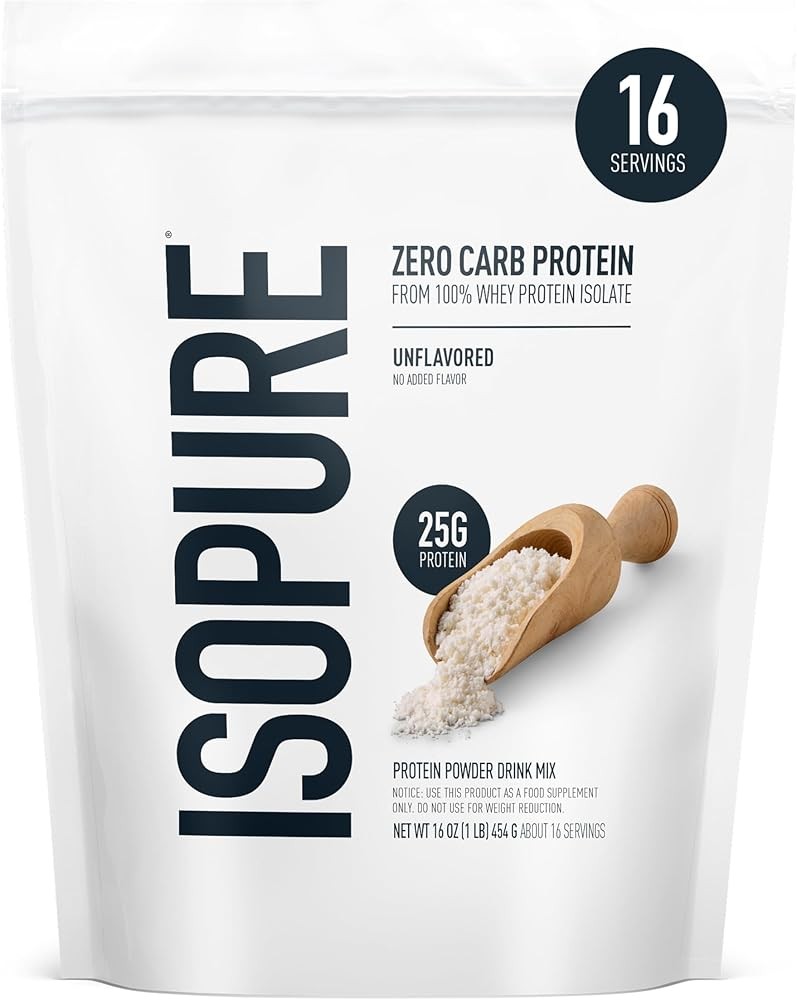
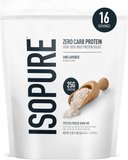
Isopure Zero Carb Unflavored: Best for Versatile GLP-1 Protein Intake?
Isopure Zero Carb in unflavored form solves one of the biggest challenges GLP-1 users face: protein shake aversion. While flavored protein shakes work well initially, many users develop aversion after weeks of consuming the same sweet, creamy beverages. Nausea can become psychologically conditioned—just seeing or smelling a protein shake triggers queasiness even before consumption.
Unflavored protein eliminates this challenge by mixing invisibly into any food or beverage without altering flavor. Users report mixing unflavored Isopure into morning coffee for an effortless protein boost, stirring it into savory soups or broths to increase protein content without sweet flavors, blending it into oatmeal, yogurt, or cottage cheese to boost protein density, and even mixing it into sugar-free Jello or pudding for protein-enriched desserts.
This versatility dramatically expands your options for protein intake beyond traditional shakes. On days when the thought of drinking another protein shake triggers immediate nausea, being able to get 25 grams of protein from your morning coffee or afternoon soup makes the difference between meeting your protein target and falling severely short.
Each serving provides 25 grams of 100% whey protein isolate with zero carbohydrates, zero sugar, and minimal fat. The zero-carb formulation is particularly valuable for GLP-1 users, as it eliminates any potential nausea trigger from carbohydrates while keeping calories focused exclusively on protein.
The extensive vitamin and mineral fortification in Isopure addresses another challenge of GLP-1 medications: micronutrient deficiency. When total food intake drops to 1000-1400 calories daily, meeting micronutrient requirements from food alone becomes nearly impossible. Each serving of Isopure provides 50% of the daily value for vitamins A, C, E, K, thiamin, riboflavin, niacin, vitamin B6, folic acid, vitamin B12, biotin, and pantothenic acid, plus significant amounts of calcium, phosphorus, magnesium, and zinc.
The unflavored version mixes with virtually no flavor impact, though it can impart a very subtle dairy note. Most users report that this is imperceptible when mixed into flavored beverages or foods. The solubility is excellent, mixing completely in both hot and cold liquids without clumping.
At approximately $0.95 per serving, Isopure Zero Carb Unflavored provides excellent value for its versatility and complete nutrition profile. The 1-pound container provides 16 servings—a two-week supply at one serving daily or a one-week supply at two servings daily.
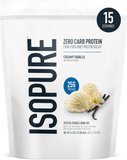
Isopure Zero Carb Creamy Vanilla: Why Choose This for Severe Nausea?
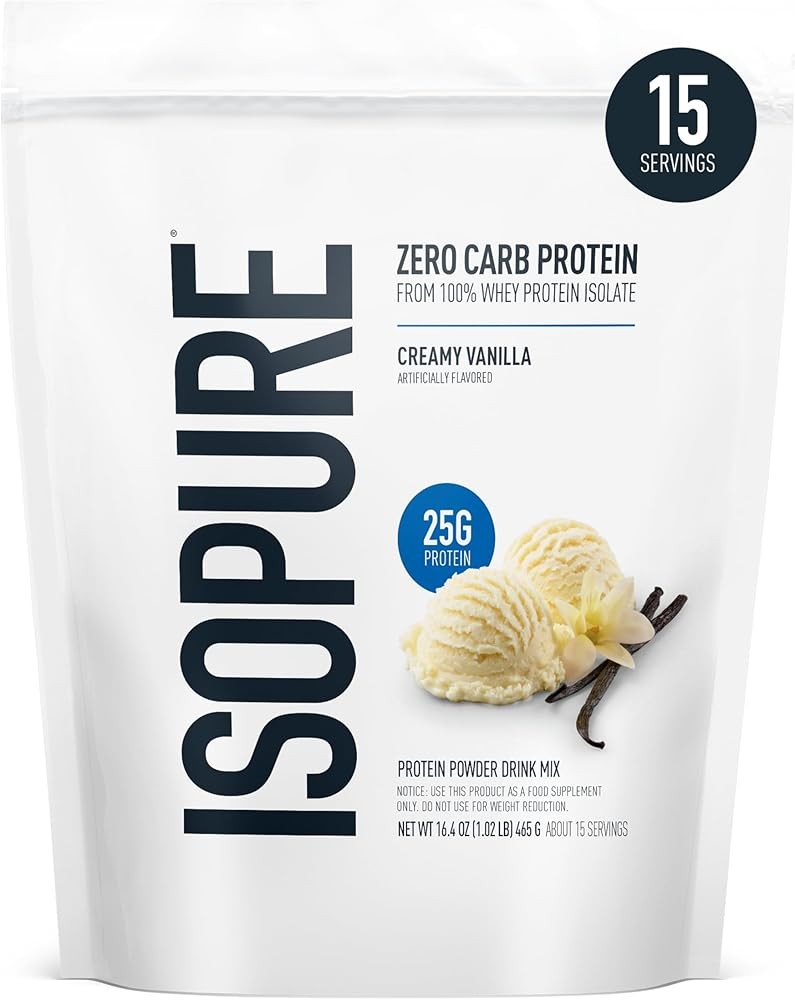
Isopure Zero Carb in Creamy Vanilla flavor provides an alternative to unflavored for users who want a complete protein shake experience without carbohydrates that might trigger nausea. While it delivers the same 25 grams of 100% whey protein isolate with zero carbs and zero sugar, the vanilla flavoring creates a more traditional shake experience.
The lactose-free formulation is particularly important for GLP-1 users. Many people who normally tolerate lactose find that GLP-1 medications’ dramatic slowing of gastric emptying makes lactose intolerance symptoms worse. Even small amounts of lactose can trigger bloating, gas, and digestive discomfort when food remains in the stomach for 4-6 hours instead of 2-3 hours. Isopure’s lactose-free formula eliminates this concern.
The creamy vanilla flavor is mild rather than intensely sweet—an important distinction for GLP-1 users whose taste preferences often shift toward less sweet options. Many report that heavily sweetened products that tasted appealing before starting medication become cloyingly sweet and nauseating after starting GLP-1 treatment. Isopure’s more subtle sweetness profile improves long-term tolerance.
Like the unflavored version, each serving provides 50% daily value of 12 essential vitamins plus calcium, phosphorus, and other minerals. This micronutrient fortification becomes increasingly important as time on GLP-1 medications extends and the cumulative risk of micronutrient deficiency grows.
The mixing characteristics are excellent, creating a smooth shake in 6-8 ounces of cold water. While some users add more liquid for a thinner consistency, the ability to mix adequately in just 6-8 ounces accommodates the reduced volume tolerance many GLP-1 users experience.
At approximately $0.95 per serving for the 1-pound container (15 servings), Isopure Zero Carb Vanilla provides strong value. Larger containers offer even better per-serving economics for users who confirm they tolerate and enjoy this flavor.
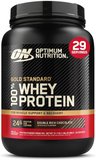
Optimum Nutrition Gold Standard Whey: Best Budget GLP-1 Protein Option?
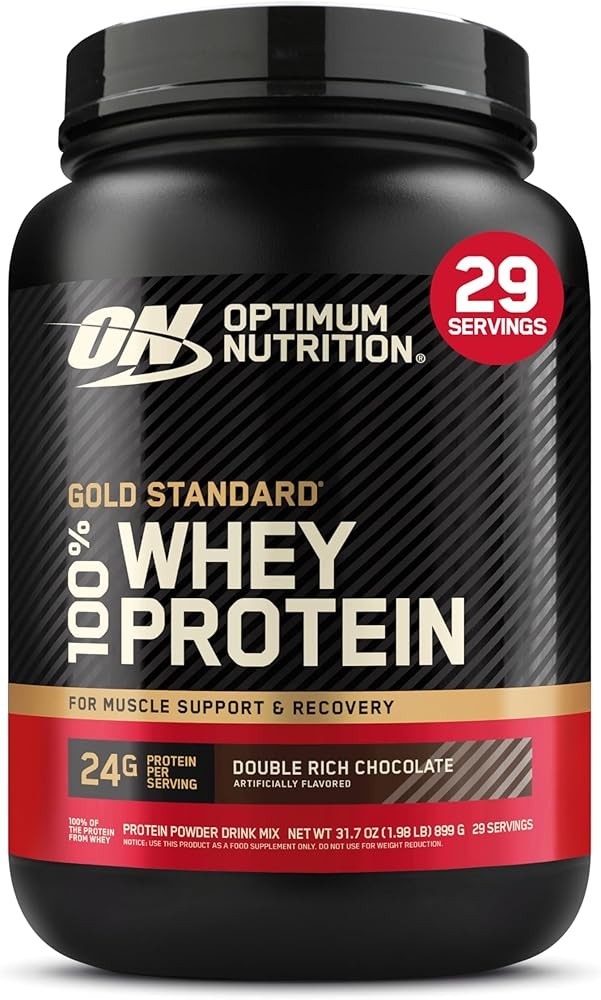
Optimum Nutrition Gold Standard 100% Whey has maintained its position as the best-selling protein supplement globally for good reason: proven quality, excellent mixability, great taste, and strong value. While it’s a whey protein blend (isolates and concentrates) rather than pure isolate, it still provides excellent nutrition for GLP-1 users at a significantly lower price point than pure isolate options.
Each serving delivers 24 grams of protein from a blend of whey protein isolate, whey protein concentrate, and whey peptides. This blend provides approximately 5.5 grams of naturally occurring BCAAs including approximately 2.7 grams of leucine—nearly identical to pure isolate options for stimulating muscle protein synthesis.
The Double Rich Chocolate flavor is consistently rated among the best-tasting protein supplements available. This matters enormously for long-term compliance. If protein supplementation tastes like punishment, you’ll find excuses to skip servings. When it tastes genuinely enjoyable, consistent daily consumption becomes far easier.
With 3 grams of carbohydrates and 1 gram of fat per serving, Gold Standard contains slightly more carbs than zero-carb options like Isopure, but these levels remain low enough for most GLP-1 users to tolerate well. The 120 calories per serving keeps efficiency high—you’re getting primarily protein rather than excessive calories from other macronutrients.
The mixing characteristics are exceptional. Gold Standard mixes completely in 6-8 ounces of cold water with minimal shaking, creating a smooth texture without grittiness or clumping. The consistency is slightly thicker than pure isolates, which some users prefer for a more satisfying, milk-like experience.
Optimum Nutrition has maintained consistent quality and third-party testing for decades. The brand’s reputation means you can trust that what’s on the label accurately reflects what’s in the container—increasingly important as the supplement industry has grown and quality has become more variable.
At approximately $0.85 per serving for the 2-pound container, Gold Standard provides outstanding value. This price point makes adequate protein supplementation financially accessible even during the substantial cost of GLP-1 medications. Larger container sizes offer even better per-serving economics, with 5-pound containers often reaching $0.65-0.75 per serving.
How Should You Time and Distribute Protein Intake on GLP-1 Medications?
Understanding optimal protein timing and distribution strategies helps maximize muscle preservation while accommodating the unique challenges of GLP-1 medications. Research on muscle protein synthesis combined with practical considerations of appetite suppression and gastric emptying informs evidence-based recommendations.
Why Does Protein Distribution Matter More Than Timing?
The concept of the “anabolic window”—consuming protein immediately post-workout for maximum muscle building—has been somewhat overstated in popular fitness culture. While post-exercise protein consumption does support recovery and adaptation, research shows that total daily protein intake distributed reasonably throughout the day matters more than precise timing around workouts.
Studies measuring muscle protein synthesis rates demonstrate that consuming 20-30 grams of high-quality protein elevates muscle protein synthesis for approximately 3-4 hours. After this window, rates return toward baseline even if amino acids remain elevated in the bloodstream. This suggests that distributing protein intake into multiple servings throughout the day maintains elevated muscle protein synthesis more consistently than consuming the same total protein in fewer, larger servings.
A randomized crossover study in the Journal of Nutrition compared identical daily protein intakes (80 g) distributed either evenly across four meals or skewed toward dinner; the evenly distributed pattern produced significantly higher 24-hour muscle protein synthesis (PubMed).
For GLP-1 users, this distribution strategy provides an additional benefit beyond muscle protein synthesis optimization: smaller, more frequent protein servings are far more tolerable than large servings. Consuming 20-25 grams of protein four times daily fits much better within the constraints of suppressed appetite and slowed gastric emptying than attempting to consume 40-50 grams twice daily.
Practical distribution strategies include protein within 1-2 hours of waking (when most users report best tolerance), mid-morning protein serving (perhaps 10am if breakfast was at 7am), afternoon protein serving (mid-afternoon, approximately 3-4 hours after lunch), and evening protein serving (with dinner or 1-2 hours before bed if tolerated).
When Is the Best Time of Day for Protein on GLP-1 Medications?
While distributing protein throughout the day is ideal, GLP-1 users often report significant variation in tolerance across the day. Understanding these patterns allows strategic timing of protein intake to maximize total daily consumption.
Morning hours typically offer the best tolerance for protein intake. Many users report that appetite suppression and nausea are least severe within the first few hours after waking. Gastric emptying from overnight allows morning consumption to enter a relatively empty stomach. Prioritizing a protein-rich breakfast or morning protein shake when tolerance is optimal ensures you start the day having secured 25-30% of your daily protein target.
Afternoon hours show moderate tolerance for most users. By mid-afternoon, lunch has typically cleared the stomach sufficiently to allow another protein serving. However, if lunch was large or particularly dense, mid-afternoon protein supplementation may be challenging. Being flexible about the exact timing based on how you feel improves adherence.
Evening hours present the most variable tolerance. Some users find that nausea intensifies toward evening, making dinner the most challenging meal. Others report that by evening, they’ve adapted to the day’s medication levels and tolerance is reasonable. Additionally, consuming protein too close to bedtime risks reflux or disrupted sleep if food remains in the stomach overnight.
The timing of protein intake relative to your GLP-1 medication dose may influence tolerance, though research on this specific question is limited. For weekly injections (semaglutide, tirzepatide, dulaglutide), medication effects reach peak plasma concentration approximately 1-3 days after injection. Many users report that nausea and appetite suppression are most severe during this window, then moderate somewhat by days 5-7 before the next injection.
Strategic timing might involve maintaining consistent protein supplementation throughout the week but shifting toward more easily-tolerated forms during peak-effect days 1-3 (clear protein, collagen, liquid protein shots), then transitioning to heartier options during days 5-7 when tolerance often improves (whey isolate shakes, protein-enriched meals). Planning more ambitious meals or larger protein servings for days 5-7 when appetite may be relatively better also helps maximize weekly protein intake.
The practical takeaway: Most users tolerate protein best in the morning and worst in the first 1-3 days after a weekly injection; lighter protein forms (clear or hydrolyzed isolates) fit the rough days, and heartier shakes work better later in the week, with 20-30 g per serving every 3-4 hours as the target rhythm.
How Should You Time Protein Around Workouts on GLP-1 Medications?
For GLP-1 users incorporating resistance training—which is absolutely essential for muscle preservation—protein timing around workouts requires consideration of both physiological optimization and practical tolerance.
Traditional sports nutrition emphasizes consuming protein within 2 hours after resistance training to maximize muscle protein synthesis and recovery. Research does show that post-exercise protein supports optimal muscle adaptation, though the “anabolic window” is longer than once believed (2-3 hours rather than 30 minutes).
For GLP-1 users, the challenge is that exercise itself can trigger or worsen nausea. Combining exercise-induced nausea with medication-induced nausea often makes consuming protein immediately post-workout intolerable. Forcing protein consumption when nausea is severe typically results in the protein coming back up—completely defeating the purpose.
Practical strategies include consuming easily-digested protein 2-3 hours before exercise, providing adequate time for gastric emptying even with slowed digestion, working out in a fasted or light-fasted state if pre-workout protein causes issues, and consuming protein 30-60 minutes post-workout once acute exercise-induced nausea subsides.
If even delayed post-workout protein causes problems, prioritize total daily protein intake over precise workout timing. Research comparing immediate post-workout protein versus protein consumed several hours later (but still within the same day) shows that differences in muscle adaptation are minimal when total protein intake is adequate.
What About Plant-Based Protein Options?
Whey dominates this category for a reason, but plant proteins deserve an honest look for GLP-1 users, especially anyone with dairy sensitivity or lactose-triggered nausea.
The leucine gap. Plant proteins such as pea, rice, and soy contain roughly 6-8% leucine by weight, versus 11-12% for whey. A 25 g plant serving therefore delivers roughly 1.5-2 g of leucine, below the roughly 2.5-3 g per serving that maximally stimulates muscle protein synthesis. Blends help: pea and rice proteins complement each other’s amino acid profiles, and soy is the most complete single plant protein. If you use plant protein exclusively during weight loss, aim for a slightly higher total intake, or add a little extra at meals, to close the leucine gap.
Tolerance trade-offs. Plant proteins are generally easy to digest and are naturally lactose-free, which suits GLP-1 users whose slowed digestion amplifies dairy issues. The downsides are texture (many plant powders mix thicker or grittier) and, in some products, added fiber that can worsen the constipation GLP-1 medications already cause. Look for isolates or blends that mix thin in 6-8 oz of liquid.
The practical answer. For most GLP-1 users, whey isolate is the best first choice for muscle preservation, and a plant-based blend is a reasonable alternative or rotation partner when dairy tolerance or flavor fatigue becomes the limiting factor. Either way, the label rules are identical: 20-25 g protein per serving, low fat and carbs, and third-party testing.
What Else Besides Protein Protects Muscle During GLP-1 Weight Loss?
While protein supplementation forms the cornerstone of muscle preservation during GLP-1-mediated weight loss, several additional strategies enhance outcomes when combined with adequate protein intake.
Why Is Resistance Training Non-Negotiable for Muscle Preservation?
No amount of protein supplementation can fully protect muscle mass without mechanical stimulus from resistance exercise. Research consistently demonstrates that combining adequate protein with resistance training preserves significantly more muscle during caloric restriction than either intervention alone.
Randomized trials consistently show that combining resistance training with adequate protein preserves more lean mass during energy restriction than either alone, and that whey protein supplementation alongside a calorie-restricted diet and training supports lean mass retention while fat is lost (PubMed) (PubMed).
The mechanism is straightforward: resistance training signals your body that muscle tissue is actively needed and should be preserved even during energy restriction. Without this mechanical stimulus, your body has no biological reason to maintain expensive metabolic tissue when energy is scarce.
For GLP-1 users, resistance training recommendations include full-body workouts 2-3 times weekly at minimum, focusing on compound movements engaging multiple muscle groups (squats, deadlifts, presses, rows), progressive overload by gradually increasing weight or reps, and training to near-failure to ensure adequate stimulus. A 2025 review of muscle preservation during GLP-1-based weight loss emphasizes pairing adequate protein intake with regular resistance training to keep as much of the weight loss as possible in fat mass (PubMed).
The specific program matters less than consistency and progressive challenge. Whether using free weights, machines, resistance bands, or bodyweight exercises, the key is regularly challenging muscles with resistance they must adapt to.
Which Supplements Beyond Protein Help Preserve Muscle?
Several supplements beyond protein show evidence for supporting muscle preservation during caloric restriction, though none replace adequate protein and resistance training.
Creatine monohydrate is among the most-researched sports nutrition supplements and has a credible evidence base for supporting lean mass and strength during training; the ISSN position stand on creatine summarizes the safety and efficacy data (PubMed). The standard maintenance dose is 5 g daily.
Omega-3 fatty acids (EPA and DHA) show anti-catabolic effects in research. Studies indicate omega-3 supplementation during weight loss helps preserve muscle mass and strength, likely by reducing inflammation that impairs muscle protein synthesis. Effective doses are typically 2-3 grams combined EPA/DHA daily.
Vitamin D deficiency is extremely common in people with obesity and can impair muscle function. Research shows correcting vitamin D deficiency improves muscle strength and may help preserve lean mass during weight loss. Supplementing to achieve levels of 40-50 ng/mL is advisable, typically requiring 2000-5000 IU daily.
How Do Sleep and Recovery Affect Muscle Preservation?
Sleep quality significantly impacts muscle preservation during weight loss. A landmark trial in the Annals of Internal Medicine found that dieters sleeping only 5.5 hours nightly lost less fat and more lean mass than those sleeping 8.5 hours on identical calorie intakes (PubMed).
The mechanism involves multiple pathways: sleep deprivation reduces growth hormone and testosterone (both support muscle maintenance), increases cortisol (promotes muscle breakdown), reduces insulin sensitivity, and impairs exercise recovery.
For GLP-1 users, prioritizing 7-9 hours of sleep nightly is essential for preserving the muscle mass your protein supplementation and resistance training work to maintain.
How Should You Track Whether You’re Losing Fat or Muscle?
While the scale provides useful data on total weight change, it cannot distinguish between fat loss and muscle loss. GLP-1 users focused on optimizing body composition need additional monitoring methods.
Body composition testing options include DEXA scans (gold standard with 98%+ accuracy measuring bone, fat, and lean tissue separately), bioelectrical impedance (available in home scales, less accurate but useful for trends), tape measurements at specific body sites, and visual progress photos taken consistently every 2-4 weeks.
For most GLP-1 users, a combination works best: DEXA scans every 2-3 months for accurate checkpoints, weekly bioelectrical impedance or tape measurements for tracking trends, and progress photos for visual confirmation.
Beyond body composition, tracking functional performance helps monitor muscle preservation. If strength on resistance exercises is maintained or improving, muscle mass is likely preserved. Track the weight you can lift for 8-10 repetitions on key exercises (squat, deadlift, bench press, row), performance on bodyweight exercises (pushups, pullups), and functional measures (walking speed, stair climbing ability).
If these markers decline substantially beyond expected effects of caloric deficit, it suggests excessive muscle loss and indicates need to increase protein intake, increase resistance training, or moderate weight loss rate.
Related Reading
-
Best Creatine Supplements for Muscle Preservation During Weight Loss
-
Best Omega-3 Fish Oil Supplements for Reducing Inflammation
-
Best Vitamin D Supplements for Supporting Muscle Function
-
Best Magnesium Supplements for GLP-1 Users (Constipation Relief)
-
Best Multivitamins for Supporting Micronutrient Status
-
Best Resistance Bands for Home Strength Training
-
Best Food Scales for Tracking Protein Intake Accurately
-
Managing Hunger After Stopping Ozempic: Complete Guide to Appetite Control Post-GLP-1
-
Best GLP-1 Companion Supplements for Muscle Retention After Ozempic, Wegovy, or Mounjaro
References and Clinical Studies
- Wilding JPH, Batterham RL, Calanna S, et al. Once-Weekly Semaglutide in Adults With Overweight or Obesity. New England Journal of Medicine, 2021. PubMed
- Jastreboff AM, Aronne LJ, Ahmad NN, et al. Tirzepatide Once Weekly for the Treatment of Obesity. New England Journal of Medicine, 2022. PubMed
- Pasiakos SM, Cao JJ, Margolis LM, et al. Effects of High-Protein Diets on Fat-Free Mass and Muscle Protein Synthesis Following Weight Loss: A Randomized Controlled Trial. FASEB Journal, 2013. PubMed
- Longland TM, Oikawa SY, Mitchell CJ, et al. Higher Compared With Lower Dietary Protein During an Energy Deficit Combined With Intense Exercise Promotes Greater Lean Mass Gain and Fat Mass Loss: A Randomized Trial. American Journal of Clinical Nutrition, 2016. PubMed
- Nauck MA, Quast DR, Wefers J, Meier JJ. GLP-1 Receptor Agonists in the Treatment of Type 2 Diabetes: State-of-the-Art. Molecular Metabolism, 2021. PubMed
- Moore DR, Churchward-Venne TA, Witard O, et al. Protein Ingestion to Stimulate Myofibrillar Protein Synthesis Requires Greater Relative Protein Intakes in Healthy Older Versus Younger Men. Journals of Gerontology Series A, 2015. PubMed
- Burd NA, West DW, Moore DR, et al. Enhanced Amino Acid Sensitivity of Myofibrillar Protein Synthesis Persists for Up to 24 h After Resistance Exercise in Young Men. Journal of Nutrition, 2011. PubMed
- Helms ER, Aragon AA, Fitschen PJ. Evidence-Based Recommendations for Natural Bodybuilding Contest Preparation: Nutrition and Supplementation. Journal of the International Society of Sports Nutrition, 2014. PubMed
- Phillips SM, Van Loon LJ. Dietary Protein for Athletes: From Requirements to Optimum Adaptation. Journal of Sports Sciences, 2011. PubMed
- Wycherley TP, Moran LJ, Clifton PM, et al. Effects of Energy-Restricted High-Protein, Low-Fat Compared With Standard-Protein, Low-Fat Diets: A Meta-Analysis of Randomized Controlled Trials. American Journal of Clinical Nutrition, 2012. PubMed
- Leidy HJ, Clifton PM, Astrup A, et al. The Role of Protein in Weight Loss and Maintenance. American Journal of Clinical Nutrition, 2015. PubMed
- Mamerow MM, Mettler JA, English KL, et al. Dietary Protein Distribution Positively Influences 24-h Muscle Protein Synthesis in Healthy Adults. Journal of Nutrition, 2014. PubMed
- Nedeltcheva AV, Kilkus JM, Imperial J, et al. Insufficient Sleep Undermines Dietary Efforts to Reduce Adiposity. Annals of Internal Medicine, 2010. PubMed
- Kreider RB, Kalman DS, Antonio J, et al. International Society of Sports Nutrition Position Stand: Safety and Efficacy of Creatine Supplementation in Exercise, Sport, and Medicine. Journal of the International Society of Sports Nutrition, 2017. PubMed
- Cigrovski Berkovic M, Ruzic L, Cigrovski V, Strollo F. Saving Muscle While Losing Weight: A Vital Strategy for Sustainable Results While on Glucagon-Like Peptide-1 Related Drugs. World Journal of Diabetes, 2025. PubMed
- Dudgeon WD, Kelley EP, Scheett TP. Effect of Whey Protein in Conjunction With a Caloric-Restricted Diet and Resistance Training. Journal of Strength and Conditioning Research, 2017. PubMed
Recommended Products