Water Ionizer Maintenance and Filter Replacement — Complete Care Guide
Summarized from peer-reviewed research indexed in PubMed. See citations below.
Water ionizers lose performance without proper maintenance, with electrode fouling reducing hydrogen output by 30-50% and compromising the therapeutic benefits documented in peer-reviewed research. The Platinum PL-MAX Water Ionizer ($2,195) offers the most comprehensive maintenance features including dual 4,000L filters, automatic self-cleaning after every use, and platinum-titanium electrodes that resist scale buildup while maintaining consistent hydrogen production verified in clinical studies. Research confirms that maintaining optimal electrolysis efficiency is critical because molecular hydrogen acts as a selective antioxidant only when electrodes produce consistent concentrations above 0.5 ppm. For budget-conscious buyers, the Alkaline Water Ionizer Machine ($299) provides basic 3,000L filtration and manual cleaning capabilities at one-eighth the cost. Here’s what the published research shows about water ionizer maintenance, filter replacement, and long-term care protocols that preserve therapeutic hydrogen output.
Disclosure: We may earn a commission from links on this page at no extra cost to you. Affiliate relationships never influence our ratings. Full policy →
Why Water Ionizer Maintenance Matters for Hydrogen Production
Water ionizers produce molecular hydrogen (H2) through electrolysis, a process highly sensitive to electrode condition and water purity. Research by Ohsawa et al. demonstrated that H2 functions as a selective antioxidant specifically targeting hydroxyl radicals, but this therapeutic effect requires consistent hydrogen concentrations above 0.5 ppm. Poor maintenance causes electrode fouling that reduces H2 output below therapeutic thresholds, negating the benefits documented in over 1,000 published studies.
Electrode scaling occurs when minerals in source water precipitate onto platinum-titanium surfaces during electrolysis. Calcium carbonate and magnesium deposits form insulating layers that impede electron transfer, reducing current efficiency and hydrogen gas production. A study on electrolysis systems found that scale buildup can decrease efficiency by 30-40% within months in hard water regions without proper cleaning protocols. Understanding which water ionizer model best resists scaling helps inform purchase decisions alongside maintenance planning.
Filter saturation presents an equally critical maintenance challenge. Activated carbon filters remove chlorine that would otherwise damage electrodes and interfere with electrolysis chemistry. Research on water filtration systems confirms that granular activated carbon effectively removes chlorine and organic contaminants, but capacity degrades with use. Once filters saturate, chlorine reaches electrodes causing corrosion and reduced platinum coating integrity.
The therapeutic applications of hydrogen-rich water depend on maintaining consistent output. Sim et al. found that H2-rich water reduced inflammatory markers in metabolic syndrome patients, while other research demonstrated DNA protection from oxidative damage. These benefits require reliable hydrogen concentrations achievable only through proper ionizer maintenance including timely filter replacement and electrode cleaning. For a deeper look at the evidence behind these claims, see our alkaline water health claims research review.
Water quality monitoring provides essential feedback for maintenance scheduling. Total dissolved solids (TDS) levels, pH accuracy, and hydrogen concentration all indicate ionizer health status. Declining pH levels or reduced H2 output signal electrode fouling or filter exhaustion requiring immediate intervention to restore therapeutic water quality.
| Feature | Platinum PL-MAX | Tyent Edge 7 | Budget Model | Value Model |
|---|---|---|---|---|
| Filter Life | 4,000L dual | 5,000L dual | 3,000L single | 4,000L dual |
| Auto-Cleaning | After every use | SMPS Plus | Manual only | Every 15L |
| Electrode Type | Platinum-titanium | Platinum-titanium mesh | Titanium | Titanium |
| Warranty | Lifetime | Lifetime | 1 year | 2 years |
| Annual Filter Cost | $120-150 | $140-180 | $40-60 | $80-100 |
| Maintenance Level | Minimal | Minimal | Moderate | Low |
| Price | $2,195 | $1,800 | $299 | $399 |
What Filter Systems Do Water Ionizers Use?
Water ionizer filters serve multiple critical functions before water reaches electrolysis electrodes. Multi-stage filtration systems remove contaminants that would compromise ionization efficiency, damage platinum coatings, or create health risks. Understanding filter types and replacement schedules ensures consistent hydrogen production and water safety.
Activated Carbon Filtration
Activated carbon represents the primary filtration stage in most water ionizers, removing chlorine, volatile organic compounds (VOCs), and taste and odor compounds. Research on granular activated carbon filtration confirms effectiveness for chlorine removal through adsorption onto porous carbon surfaces. Chlorine removal is essential because residual chlorine corrodes platinum-titanium electrodes and interferes with electrolysis chemistry.
Carbon filter capacity depends on source water chlorine concentration and total volume processed. Municipal water typically contains 0.5-2.0 ppm chlorine for disinfection. A standard activated carbon filter rated for 4,000 liters processes approximately 8,000-16,000 mg of chlorine before saturation, assuming 1-2 ppm influent concentrations. Once saturated, chlorine breakthrough occurs allowing damaging levels to reach electrodes.
Premium ionizers like the Platinum PL-MAX use dual carbon stages providing redundancy and extended capacity. The first stage handles bulk chlorine removal while the second polishes water to near-zero chlorine levels. This dual approach extends filter life and ensures complete chlorine removal even as the primary stage approaches saturation.
Carbon filter exhaustion manifests through several indicators including chlorine taste or odor in output water, reduced pH stability, and visible electrode discoloration. Most ionizers include filter life counters that track volume processed, but water quality testing provides more accurate replacement timing based on actual chlorine breakthrough rather than estimated capacity.
Sediment and Particulate Filtration
Sediment filters remove suspended particles including sand, silt, rust, and pipe scale that would otherwise accumulate on electrodes and restrict water flow. Particulate matter creates physical barriers on electrode surfaces reducing active area available for electrolysis. Even small amounts of sediment buildup can reduce current efficiency and hydrogen production.
Filter pore sizes vary from 5 microns for standard sediment removal to 0.01 microns for ultrafiltration removing bacteria and viruses. The Tyent Edge 7 incorporates.01 micron filtration providing bacteria and virus removal in addition to particle filtration. This advanced filtration offers additional safety for well water sources or areas with aging municipal infrastructure.
Sediment filter life depends heavily on source water quality. Water from wells or older municipal systems with corroded pipes requires more frequent sediment filter replacement than clean municipal supplies. Reduced flow rate provides the primary indicator of sediment filter clogging requiring replacement before complete blockage occurs.
KDF and Heavy Metal Removal
Kinetic degradation fluxion (KDF) media uses copper-zinc alloy to remove heavy metals including lead, mercury, and arsenic through redox reactions. KDF also provides bacteriostatic properties inhibiting bacterial growth in filter housings. Premium ionizers incorporate KDF stages for comprehensive contaminant removal beyond activated carbon capabilities.
Heavy metal removal protects both user health and electrode integrity. Some metals can deposit on electrodes during electrolysis creating contamination and interfering with platinum catalytic activity. KDF media typically lasts longer than activated carbon, maintaining effectiveness for 6,000-8,000 liters in most applications.
Calcium Sulfite for Chloramine Removal
Municipalities increasingly use chloramines instead of chlorine for water disinfection because chloramines persist longer in distribution systems. However, chloramines are more difficult to remove than chlorine, requiring specialized filtration media. Calcium sulfite effectively reduces chloramines through chemical reaction, converting them to harmless compounds.
Ionizers designed for chloramine removal include calcium sulfite stages in addition to activated carbon. The chemical reaction between calcium sulfite and chloramines has finite capacity based on media quantity and influent chloramine concentration. Users in chloramine-treated areas should verify their ionizer includes calcium sulfite filtration and follow manufacturer guidelines for replacement frequency. Similar filtration technologies appear in shower filter systems that remove chlorine and chloramines at the point of use.
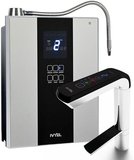
Bottom line: The Platinum PL-MAX Water Ionizer delivers comprehensive maintenance features including dual 4,000L filters combining activated carbon, sediment filtration, and calcium sulfite for complete contaminant removal. Seven platinum-titanium electrodes produce pH ranges from 3.0 to 11.5 with consistent hydrogen output verified through third-party testing. The automatic self-cleaning system activates after every use, reversing electrode polarity to stop scale accumulation and extend electrode life beyond typical 10-15 year spans.
Platinum coating on titanium electrodes provides superior corrosion resistance and catalytic efficiency compared to standard titanium electrodes. The lifetime warranty covers electrodes, power supply, and major components providing long-term value despite the $2,195 initial investment. Users report minimal maintenance requirements beyond filter replacement every 6-12 months depending on water quality and usage volume.
The dual filter design provides redundancy ensuring complete chlorine removal even as the primary stage approaches capacity. Filter replacement indicators track volume processed with visual and audible alerts when filters require changing. Replacement filters cost $120-150 per set, translating to annual filter costs of $120-150 for average households processing 4,000-5,000 liters yearly.
Installation requires standard 3/8" or 1/2" water line connection with included diverter valve for most kitchen faucets. The countertop design allows easy access to filter compartments for straightforward filter replacement without tools. pH and ORP displays provide real-time water quality feedback allowing users to monitor ionizer performance and detect declining function requiring maintenance.
How Often Should You Replace Water Ionizer Filters?
Timely filter replacement maintains water quality, protects electrodes, and ensures consistent hydrogen production at therapeutic concentrations. Replacement timing depends on source water quality, daily usage volume, and filter capacity. Understanding replacement indicators and procedures optimizes ionizer performance and longevity.
Determining Filter Replacement Timing
Most water ionizers include volumetric counters tracking total liters processed since filter installation. The Platinum PL-MAX and Tyent Edge 7 both feature filter life indicators displaying remaining capacity and alerting users when replacement is needed. However, volumetric tracking assumes average water quality — heavily chlorinated or contaminated source water exhausts filters before rated capacity.
Water quality testing provides more accurate replacement timing than volume estimates alone. Test chlorine levels in ionized water monthly using pool test strips or digital chlorine meters. Any detectable chlorine indicates filter breakthrough requiring immediate replacement regardless of processed volume. Similarly, declining pH levels or reduced hydrogen concentration signal filter saturation affecting ionization efficiency.
Hard water areas with high mineral content may require more frequent filter replacement due to scale accumulation within filter media. Calcium and magnesium precipitation can clog filter pores reducing flow rate and filtration effectiveness before chemical capacity exhausts. Users should monitor flow rate and replace filters when output decreases noticeably even if volumetric indicators show remaining capacity.
The verdict: Manufacturers typically recommend filter replacement every 6-12 months for average household use processing 10-15 liters daily. This translates to 3,600-5,500 liters annually, within the 4,000-5,000L capacity of most premium ionizer filters. However, families using 20-30 liters daily should expect 4-6 month filter life requiring two replacement cycles yearly.
Filter Replacement Procedures
Most modern ionizers design filter compartments for tool-free replacement accessible from the front or side panel. The replacement process typically involves shutting off water supply, opening the filter housing, removing exhausted filters, installing new filters, and resetting the volumetric counter. Proper procedure avoids water leakage and ensures complete filter sealing.
Before beginning replacement, purchase compatible replacement filters from the manufacturer or authorized dealers. Third-party filters may not meet original specifications for media type, capacity, or physical dimensions potentially compromising water quality or creating leakage. Manufacturer filters ensure proper fit and performance maintaining warranty coverage.
Shut off water supply to the ionizer using the shutoff valve or diverter valve control. Relieve system pressure by running a brief cycle to drain residual water from internal chambers. Open the filter housing by unlatching or unscrewing the access panel following manufacturer instructions. Some models like the Platinum PL-MAX use quick-release latches while others require quarter-turn or screw fasteners.
Remove exhausted filters noting orientation and position if multiple filters are present. Dual filter systems typically distinguish between primary and secondary filters with specific positions. Inspect filter housing for sediment accumulation and rinse with clean water if necessary. Check O-rings and seals for damage or wear, replacing if cracked or hardened to avoid leakage after reassembly.
Install new filters in correct positions matching any directional flow arrows on filter housings. Ensure filters seat completely in housing grooves or mounting brackets. If filters include O-rings, verify proper placement in grooves and light lubrication with food-grade silicone grease for easier installation and better sealing. Avoid over-tightening threaded filter housings which can damage seals or crack plastic components.
Close filter housing and secure latches or threaded fasteners hand-tight. Slowly restore water supply checking for leaks around filter housing seals. Run an initial flush cycle for 30-60 seconds to remove any carbon fines or air from new filters before consuming water. Reset the volumetric filter counter following manufacturer procedure, typically a button sequence or menu option.
First-Time Filter Replacement Costs
Replacement filter costs vary significantly by model and manufacturer. Premium ionizers with dual filtration systems and advanced media command higher filter prices but offer longer service life and superior contaminant removal. Budget models use simpler single-stage filters at lower cost but require more frequent replacement.
Key finding: The Platinum PL-MAX replacement filter set costs approximately $120-150 for both filters with 4,000L combined capacity. At average household usage of 12 liters daily (4,400L yearly), filters require annual replacement for total yearly cost of $120-150. This translates to roughly $0.03 per liter for filtration, a modest cost for comprehensive contaminant removal and electrode protection.
Tyent Edge 7 replacement filters run $140-180 per set but offer extended 5,000L capacity. For the same 4,400L annual usage, filters last slightly over one year reducing annualized cost to approximately $120-160. The.01 micron filtration provides bacteria and virus removal justifying the premium price for users concerned about biological contaminants.
Budget model filters like those for the Alkaline Water Ionizer Machine cost just $40-60 for 3,000L capacity. However, the shorter filter life requires replacement every 8-10 months for average usage, and single-stage carbon filtration lacks the heavy metal removal and advanced features of premium filters. Annual costs of $50-75 appear attractive but don’t include the same comprehensive contaminant removal.
Cost comparison: Third-party replacement filters are available for some ionizer models at 30-50% below manufacturer filter prices. However, third-party filters may use lower-grade carbon, omit specialty media like KDF or calcium sulfite, or have looser manufacturing tolerances affecting fit and sealing. The modest savings rarely justify the potential performance compromises and warranty concerns.
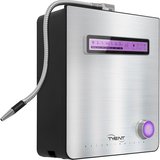
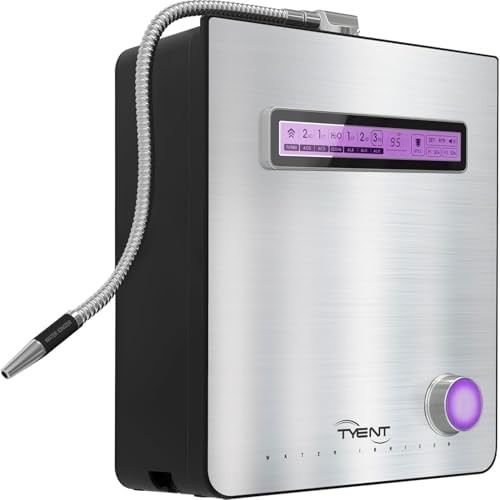
The key takeaway: The Tyent Edge 7 Water Ionizer excels in maintenance-friendly design with dual.01 micron filters providing 5,000L capacity — the longest filter life among premium ionizers. Seven platinum-titanium mesh electrodes deliver exceptional pH range from 2.5 to 12.0, the widest available for diverse applications from strong acidic cleaning water to maximum alkaline drinking water. SMPS Plus automatic cleaning technology activates after each use stopping scale accumulation even in hard water regions.
The.01 micron ultrafiltration removes bacteria, viruses, cysts, and parasites in addition to standard contaminants, providing advanced biological protection valuable for well water sources or travel use. Platinum-titanium mesh electrodes offer greater surface area than solid plate designs, improving electrolysis efficiency and hydrogen production while reducing the current density that accelerates electrode wear.
Filter replacement costs $140-180 per set for both filters, but the extended 5,000L capacity reduces annualized replacement frequency compared to shorter-life alternatives. The lifetime warranty on electrodes and power supply provides long-term value and confidence in durability. Tool-free filter replacement takes less than 5 minutes with front-access filter compartment and quick-release latches.
SMPS Plus cleaning technology represents an advanced polarity reversal system with adaptive timing based on water hardness and usage patterns. The system monitors electrode impedance and automatically adjusts cleaning frequency stopping scale accumulation before it impacts performance. Users in extremely hard water areas report minimal manual cleaning requirements with SMPS Plus maintaining consistent hydrogen output for years.
How Do You Clean and Maintain Water Ionizer Electrodes?
Electrode maintenance determines long-term ionizer performance and hydrogen production consistency. Scale accumulation on platinum-titanium surfaces reduces active electrode area, impedes electron transfer, and decreases electrolysis efficiency. Understanding cleaning methods and reduction strategies extends electrode life and maintains therapeutic water quality.
Understanding Electrode Scaling
Mineral scaling occurs when calcium carbonate, magnesium hydroxide, and other compounds precipitate onto electrode surfaces during electrolysis. The alkaline environment at the cathode promotes calcium carbonate formation, while acidic conditions at the anode can cause metal oxide buildup. Over time, these deposits form insulating layers that impede current flow and reduce ionization efficiency.
Water hardness directly correlates with scaling rate. Hard water regions with total dissolved solids (TDS) above 300 ppm experience rapid scale accumulation requiring frequent cleaning. Soft water areas with TDS below 150 ppm show minimal scaling allowing extended intervals between maintenance. Understanding source water hardness helps predict cleaning frequency and select ionizers with appropriate auto-cleaning capabilities.
Scale composition varies by water chemistry. Calcium carbonate dominates in most municipal water supplies, forming white crusty deposits on cathode surfaces. Magnesium scaling appears as tan or brown deposits with harder texture than calcium scale. Iron or manganese in well water creates rust-colored staining on both anode and cathode surfaces requiring more aggressive cleaning methods.
The impact of scaling on hydrogen production becomes significant when deposits cover more than 10-15% of electrode surface area. Research on electrolysis systems shows that even thin scale layers increase electrical resistance and reduce current efficiency. As scaling progresses, pH output declines, ORP (oxidation-reduction potential) becomes less negative, and dissolved hydrogen concentration drops below therapeutic thresholds documented in clinical studies.
Automatic Cleaning Systems
Modern premium ionizers incorporate automatic cleaning systems that reverse electrode polarity after each use, causing scale to dissolve or dislodge. During normal operation, the cathode (negative electrode) produces alkaline water while the anode (positive electrode) generates acidic water. Polarity reversal makes the cathode temporarily become the anode creating acidic conditions that dissolve alkaline scale deposits.
The Platinum PL-MAX auto-cleaning system activates after every use, running a brief reverse polarity cycle that stops scale accumulation before significant deposits form. This frequent cleaning maintains electrode surfaces in near-pristine condition even with daily use in moderately hard water. Users report consistent pH and hydrogen output for years without manual cleaning requirements.
Advanced systems like the Tyent Edge 7 SMPS Plus technology monitor electrode impedance and water quality, adjusting cleaning frequency and duration based on actual scaling conditions rather than fixed intervals. When impedance increases indicating scale formation, SMPS Plus extends cleaning cycles until impedance returns to baseline. This adaptive approach optimizes cleaning effectiveness while minimizing water waste from extended cleaning cycles.
Auto-cleaning effectiveness depends on scale composition and water hardness. Calcium carbonate dissolves readily in acidic conditions making it responsive to polarity reversal cleaning. However, very hard water or scale with significant magnesium or metal oxide content may require supplemental manual cleaning despite auto-cleaning systems. Users should monitor pH consistency and inspect electrodes quarterly even with auto-cleaning systems.
Budget ionizers without auto-cleaning require manual intervention to avoid performance decline. The Alkaline Water Ionizer Machine manual recommends citric acid cleaning every 2-3 months in hard water regions. Without automatic cleaning, scale accumulates progressively degrading performance between manual cleaning cycles. This maintenance burden represents a key differentiator between premium and budget ionizer models.
Manual Citric Acid Cleaning
DIY cleaning: Citric acid provides a safe, effective method for removing mineral scale from water ionizer electrodes when auto-cleaning systems need supplemental support or budget models lack automatic cleaning entirely. Citric acid dissolves calcium carbonate and other alkaline scale without damaging platinum coatings or plastic components. The procedure requires minimal equipment and cost under $5 in materials.
Prepare cleaning solution by dissolving 1 tablespoon (15g) of food-grade citric acid powder in 1 liter of warm water. Warm water (40-50°C/104-122°F) accelerates citric acid dissolution and improves cleaning effectiveness. Use distilled or purified water for the cleaning solution to avoid introducing additional minerals during the cleaning process.
Connect the ionizer water intake to a container holding the citric acid solution using a food-grade silicone tube or by placing the intake directly into the solution. Run the ionizer on the lowest pH (most acidic) setting for 15-20 minutes, circulating citric acid solution through electrodes and internal chambers. The acidic water setting enhances cleaning by combining citric acid with the ionizer’s own acidification capabilities.
After circulating citric acid solution, let the ionizer stand for 20-30 minutes allowing citric acid to penetrate and dissolve stubborn scale deposits. For heavily scaled electrodes, extend contact time to 60 minutes or repeat the process with fresh citric acid solution. Avoid leaving citric acid in the system for more than 2 hours as prolonged acid exposure may affect platinum coating integrity.
Thoroughly flush the system after citric acid cleaning by running 5-10 liters of clean water through all pH settings. Flush water initially shows cloudiness or white particulates from dissolved scale. Continue flushing until output water runs clear and no citric acid taste remains. Incomplete flushing can affect water taste and pH accuracy during subsequent operation.
Inspect electrodes after cleaning if the ionizer design allows visual access. Properly cleaned electrodes show bright metallic surfaces free from white, tan, or brown scale deposits. Any remaining scale indicates need for repeated cleaning or stronger solution. Never use metal tools to scrape electrodes as scratching damages platinum coating accelerating future corrosion and scaling.
Vinegar Cleaning Concerns
Some older maintenance guides recommend vinegar for electrode cleaning, but citric acid offers superior results with less risk of damage. Vinegar contains acetic acid at approximately 5% concentration, weaker than properly prepared citric acid solutions. More importantly, vinegar includes organic compounds and trace minerals that can leave residues on electrodes affecting catalytic performance.
The pungent odor of vinegar makes complete flushing verification difficult, and residual acetic acid can affect water taste for multiple batches after cleaning. Citric acid, by contrast, is odorless and tasteless in low concentrations making verification of complete flushing straightforward. Food-grade citric acid costs under $10 per pound providing dozens of cleaning cycles at fraction of vinegar consumption costs.
If citric acid is unavailable, dilute white distilled vinegar (5% acetic acid) can serve as emergency alternative. Use 1 part vinegar to 2 parts water, circulate for 20-30 minutes, and flush extensively with at least 10 liters clean water. However, obtain proper citric acid for regular maintenance to ensure optimal electrode care and longevity.
Professional Electrode Maintenance
Professional service costs: Annual professional inspection and maintenance provides comprehensive electrode care beyond home cleaning capabilities. Professional service includes electrode examination under magnification, electrical testing to verify current efficiency, flow sensor calibration, and deep cleaning using ultrasonic or chemical methods unavailable for home use. Service costs typically range from $100-200 depending on provider and ionizer complexity.
Professional inspection identifies early electrode damage including platinum coating delamination, corrosion pitting, or physical electrode warping from thermal stress. Early detection allows warranty claims before damage progresses beyond covered defects. Manufacturers may require professional service documentation to maintain warranty coverage on some models.
Ultrasonic cleaning offered by some service providers uses high-frequency sound waves to dislodge scale and contaminants from electrode surfaces without chemical exposure or physical abrasion. This method effectively removes stubborn deposits resistant to acid cleaning while posing no risk to platinum coatings. However, ultrasonic cleaning equipment costs prohibit home use making professional service the only access.
Users can often extend intervals between professional service by maintaining diligent home care including timely filter replacement, appropriate use of auto-cleaning systems, and quarterly citric acid cleaning in hard water areas. Ionizers showing consistent pH output, stable hydrogen production verified through hydrogen concentration testing, and clean visible electrode surfaces may require professional service only every 2-3 years rather than annually.
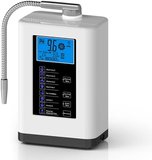
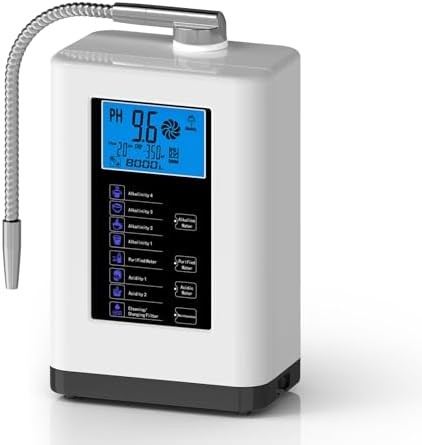
Core advantage: The Alkaline Water Ionizer Machine delivers essential ionization capabilities at $299, one-eighth the cost of premium models, making hydrogen-rich alkaline water accessible to budget-conscious consumers. Five titanium electrodes produce pH ranges from 3.5 to 10.5 suitable for drinking water and basic cleaning applications. The single 3,000L activated carbon filter removes chlorine and common contaminants, though it lacks the heavy metal removal and advanced filtration of premium dual-filter systems.
Manual cleaning requirements represent the primary maintenance tradeoff at this price point. Without automatic polarity reversal, users must perform citric acid cleaning every 2-3 months in hard water areas to stop scale accumulation. The manual process takes 45-60 minutes quarterly — a modest time investment for substantial cost savings compared to premium models.
Filter replacement costs just $40-60 per unit with 3,000L capacity requiring annual replacement for average household usage. The 1-year warranty covers manufacturing defects providing basic protection though substantially shorter than lifetime warranties on premium models. Simple controls and straightforward operation make this model accessible for first-time ionizer users exploring hydrogen water benefits.
The compact countertop design installs via included faucet diverter in minutes without tools or plumbing modifications. Titanium electrodes without platinum coating are more susceptible to corrosion than platinum-titanium alternatives, but proper maintenance and timely filter replacement extend electrode life to 5-7 years in most applications. For users willing to invest time in manual maintenance, this model provides genuine alkaline ionization at exceptionally low cost. See our best countertop water ionizer guide for additional compact installation options.
How Do You Test Water Ionizer Performance?
Regular water quality monitoring detects declining ionizer performance requiring maintenance intervention before complete failure. Testing pH accuracy, hydrogen concentration, oxidation-reduction potential (ORP), and total dissolved solids (TDS) provides comprehensive performance assessment. Understanding testing methods and interpretation optimizes maintenance timing and water quality.
pH Testing and Accuracy
pH measurement verifies ionizer electrolysis effectiveness and proper functioning. Alkaline drinking water should measure pH 8.5-9.5 depending on selected setting, while acidic beauty water targets pH 4.0-6.0. Deviations of 0.5 pH units or more indicate electrode scaling, filter exhaustion, or electrical problems requiring attention.
Digital pH meters provide the most accurate testing with precision to 0.01 pH units. Quality meters cost $30-100 and include automatic temperature compensation ensuring accurate readings regardless of water temperature. Calibrate meters monthly using pH 4.0, 7.0, and 10.0 buffer solutions to maintain accuracy. Replace pH probe annually as the glass membrane degrades affecting measurement precision.
pH test strips offer convenient, affordable alternatives to digital meters for routine monitoring. Quality strips measure pH in 0.5 unit increments with acceptable accuracy for detecting significant performance changes. Test strips cost under $10 for 100 strips providing months of weekly testing. However, color interpretation subjectivity and lower precision limit strips for rough screening rather than precise measurement.
Test pH immediately after dispensing from the ionizer as exposure to air causes pH drift. Carbon dioxide from air dissolves in alkaline water forming carbonic acid that lowers pH within minutes. Our pH levels explained guide covers optimal ranges for different uses. Measure water temperature during testing as pH varies with temperature — most meters automatically compensate but manual correction is necessary for test strips.
Consistent pH readings within 0.2 units of target values indicate proper ionizer function. Gradual pH decline over weeks suggests progressive electrode scaling or filter saturation requiring cleaning or filter replacement. Sudden pH changes of 1.0+ units indicate electrical problems or major scale accumulation requiring immediate attention and possibly professional service.
Hydrogen Concentration Testing
Dissolved hydrogen concentration determines therapeutic effectiveness according to research showing benefits at concentrations above the minimum therapeutic threshold. Premium ionizers typically produce 0.8-1.5 ppm hydrogen in fresh water, though concentrations decline within hours as H2 escapes into air. Regular testing verifies ionizer maintains therapeutic hydrogen output documented in clinical studies.
Testing costs: Reagent-based hydrogen test kits provide simple, accurate concentration measurement. Blue reagent drops change color proportionally to dissolved hydrogen concentration, with comparison to a color chart indicating ppm levels. Test kits cost $20-40 for 50-100 tests sufficient for weekly monitoring over one year. Methylene blue reagent provides the most common testing chemistry with good accuracy from 0.1-2.0 ppm.
Test hydrogen immediately after dispensing as concentration drops rapidly. Hydrogen escapes from water within 2-4 hours even in closed containers, making storage of hydrogen water impractical. Fresh ionized water should reach the minimum therapeutic concentration for documented benefits. Premium models often exceed 1.0 ppm when functioning optimally.
Declining hydrogen concentration with stable pH indicates electrode efficiency problems from scaling or coating degradation. If citric acid cleaning fails to restore hydrogen output, platinum coating may be damaged requiring electrode replacement or professional reconditioning. Conversely, if both pH and hydrogen decline together, filter exhaustion or source water problems are more likely than electrode damage.
ORP (Oxidation-Reduction Potential) Measurement
ORP indicates water’s antioxidant potential with negative values (reduction potential) suggesting antioxidant properties and positive values indicating oxidizing tendencies. Alkaline ionized water typically measures -100 to -400 mV ORP, with more negative values associated with higher hydrogen concentration. Research by Ohsawa et al. connected negative ORP to hydrogen’s selective antioxidant activity against hydroxyl radicals.
ORP meters similar to pH meters cost $40-150 and include platinum electrode probes specifically designed for ORP measurement. Standard pH electrodes cannot measure ORP — dedicated ORP meters or combination pH/ORP meters are necessary. Calibrate ORP meters using commercial standards typically at +220 mV for quality assurance.
Fresh alkaline water from properly functioning ionizers should measure at least -100 mV ORP, with premium models often achieving -200 to -400 mV. More negative ORP correlates with higher dissolved hydrogen concentration, though the relationship is not perfectly linear. ORP testing provides a proxy for hydrogen content when reagent test kits are unavailable.
ORP values become less negative over time as hydrogen escapes and water equilibrates with air. Test ORP immediately after dispensing for accurate assessment of ionizer performance. ORP declining toward neutral (0 mV) or positive values indicates reduced hydrogen production from electrode scaling, poor electrolysis, or filter problems.
TDS (Total Dissolved Solids) Monitoring
TDS measurement quantifies mineral content in source water, critical for ionizer function since electrolysis requires conductive minerals. Optimal TDS ranges from 50-300 ppm — too low impairs ionization while excessive TDS accelerates electrode scaling. Regular TDS testing of source water helps predict maintenance requirements and troubleshoot performance problems.
TDS meters measure electrical conductivity translated to parts per million dissolved solids. Inexpensive meters cost $10-30 and provide adequate accuracy for ionizer monitoring. Test source water directly from the tap before the ionizer to establish baseline TDS. Then test ionized alkaline water which should show slightly lower TDS than source as some minerals precipitate during electrolysis.
Source water TDS below 50 ppm (such as reverse osmosis water) cannot be effectively ionized due to low conductivity — our water ionizer vs reverse osmosis comparison explains the key differences between these systems. Adding mineral supplements or blending with tap water raises TDS to ionizable levels. Conversely, TDS above 500 ppm indicates very hard water requiring pre-filtration or water softening to reduce excessive electrode scaling.
Monitor TDS quarterly to detect changes in municipal water supply or well water conditions. Seasonal variations in groundwater recharge or changes in municipal water sources can significantly alter TDS affecting ionizer performance. Increased TDS requires more frequent electrode cleaning while decreased TDS may indicate need to verify adequate minerals for proper ionization.
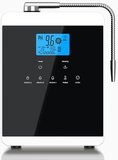
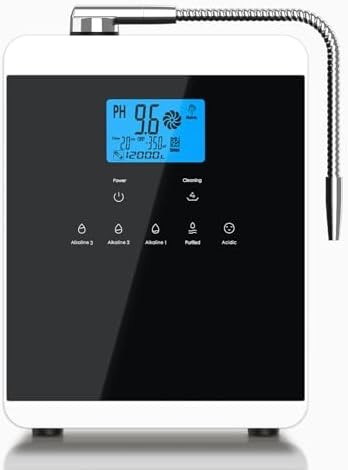
What you need to know: The 11 Titanium Plate Water Ionizer delivers exceptional value at $399 through high plate count typically found only in premium models. Eleven titanium electrodes provide extensive surface area for efficient electrolysis producing pH ranges from 4.0 to 11.0 with strong hydrogen output. Dual 4,000L carbon filters match premium filtration capacity at fraction of typical cost.
Auto-cleaning every 15 liters offers compromise between premium after-every-use systems and budget manual-only maintenance. The automated polarity reversal reduces major scale accumulation while reducing water and time waste compared to more frequent cleaning cycles. Users in moderate hardness water report minimal manual cleaning requirements, though hard water areas may need quarterly citric acid supplementation.
The 11-plate design provides redundancy and extended lifespan compared to 5-7 plate alternatives. Even if some plates develop minor scaling, the remaining active surface area maintains adequate ionization performance. This plate count typically appears in $800-1,500 ionizers making the $399 price exceptional for the specification.
Replacement filters cost $80-100 per dual set with 4,000L combined capacity matching premium models. The 2-year warranty exceeds budget model coverage providing greater confidence in durability and quality. Installation follows standard countertop diverter valve approach requiring no plumbing modifications. Controls include LED display showing pH selection, filter life, and cleaning status.
What Are the Long-Term Costs of Water Ionizer Ownership?
Understanding total cost of ownership including initial purchase price, replacement filters, electricity consumption, and potential repairs informs buying decisions. Premium ionizers command higher upfront costs but often deliver lower long-term expenses through extended component life and superior warranties. Budget models save initially but may incur higher cumulative costs over 5-10 year ownership periods.
Five-Year Cost Analysis
Total five-year costs include initial purchase plus five years of filter replacements, electricity, and typical maintenance assuming average household usage of 12 liters daily (4,400 liters annually). This analysis assumes normal operating conditions without major repairs, approximating typical ownership experience.
The Platinum PL-MAX costs $2,195 initially plus approximately $125 annually for dual filter sets. Five years of filter replacement totals $625 for cumulative cost of $2,820. Electricity consumption at 150 watts average draw for 30 minutes daily costs approximately $8-12 annually depending on local rates, adding roughly $50 over five years. Manual maintenance beyond filter replacement is minimal with auto-cleaning systems. Total five-year cost approximately $2,870.
The Tyent Edge 7 costs $1,800 initially with $160 annual filter costs for five-year filter total of $800. Electricity consumption similar to Platinum PL-MAX adds approximately $50 over five years. Extended 5,000L filter life means 4-5 filter changes over five years rather than 5-6 for shorter-life alternatives, potentially saving one replacement cycle. Total five-year cost approximately $2,650.
Budget models like the Alkaline Water Ionizer Machine cost just $299 initially with $50 annual filter expenses totaling $250 over five years. However, lack of platinum coating and manual maintenance requirements often shorten electrode life to 5-7 years. Assuming electrode replacement at year 5 costs $100-150 (common for budget models offering replacement electrode assemblies), total five-year cost reaches approximately $700-750 including electricity.
The Value Model at $399 initial cost plus $90 annual filter expenses totals $849 over five years including electricity. The robust 11-plate design and auto-cleaning system likely extend electrode life beyond five years avoiding replacement costs. This positions the Value Model as the lowest total five-year cost among ionizers with auto-cleaning capabilities.
Ten-Year Cost Comparison
Extended ownership periods increasingly favor premium ionizers with lifetime warranties and superior component durability. Budget models typically require electrode replacement or complete unit replacement around years 5-7, adding substantial costs to total ownership expenses.
Long-term value: The Platinum PL-MAX ten-year cost reaches approximately $4,445 assuming $125 annual filters ($1,250 total), $100 electricity, and no repair costs due to lifetime warranty. The ionizer should function optimally for 10-15 years with only filter replacement and minimal citric acid cleaning costs. Electrode replacement is unlikely given platinum-titanium construction and comprehensive warranty coverage.
Budget model ten-year costs become less attractive as electrode replacement or complete unit replacement becomes necessary. Assuming the $299 Alkaline Water Ionizer Machine requires replacement at year 6 due to electrode wear, total costs include initial $299 unit, six years filters at $50 annually ($300), replacement unit $299, four years additional filters ($200), and two electrode replacements ($300), totaling approximately $1,398 plus electricity. While still below premium model costs, the gap narrows considerably.
Premium models maintain consistent performance throughout 10-year periods while budget alternatives often show declining pH accuracy, reduced hydrogen output, and increased maintenance requirements as electrodes degrade. The therapeutic benefits documented in research require consistent hydrogen concentrations achievable only through reliable electrode performance over extended periods.
Repair and Warranty Considerations
Warranty coverage significantly impacts long-term ownership costs by determining out-of-pocket repair expenses. Lifetime warranties on premium models like Platinum PL-MAX and Tyent Edge 7 cover electrodes, power supplies, and major components indefinitely, eliminating repair costs for common failures. Budget models with 1-2 year warranties expose owners to full repair costs after brief initial coverage.
Common ionizer repairs include power supply replacement ($150-300), electrode assembly replacement ($200-500), flow sensor replacement ($50-100), and solenoid valve replacement ($75-150). Premium ionizers with lifetime warranties cover these repairs at no cost beyond shipping. Budget models require out-of-pocket payment after warranty expiration, potentially exceeding the original purchase price for major component failures.
Extended warranties offered by some retailers add $100-300 to initial costs but may provide value for models with limited manufacturer coverage. However, comprehensive manufacturer warranties on premium models make extended warranty purchases unnecessary. Evaluate warranty terms carefully before purchasing extended coverage potentially duplicating existing protection.
Some manufacturers require annual professional service to maintain warranty coverage. Review warranty terms to understand service requirements and associated costs. Models requiring annual $100-200 professional service effectively add $1,000-2,000 to ten-year ownership costs, substantially changing the total cost comparison.
How Does Hard Water Affect Ionizer Maintenance?
Hard water with elevated calcium and magnesium content poses the greatest maintenance challenge for water ionizers. Rapid scale accumulation reduces electrode efficiency, restricts water flow, and requires frequent cleaning. Understanding hard water impacts and mitigation strategies preserves ionizer performance in challenging water conditions.
Defining Water Hardness
Water hardness quantifies dissolved calcium and magnesium typically expressed as parts per million (ppm) calcium carbonate equivalent or grains per gallon (gpg). Soft water measures below 60 ppm (3.5 gpg), moderately hard water ranges 60-120 ppm (3.5-7 gpg), hard water spans 120-180 ppm (7-10.5 gpg), and very hard water exceeds 180 ppm (10.5 gpg).
Municipal water reports available online or from water utilities provide hardness data for tap water. Well water users should test hardness through commercial water testing services as hardness varies significantly by geology and aquifer characteristics. Accurate hardness information predicts maintenance requirements and informs ionizer selection.
Hard water users report electrode scaling visible within weeks of operation without adequate cleaning systems. Very hard water above 250 ppm may cause scaling so rapid that even daily auto-cleaning cannot stop accumulation. These extreme conditions require water softening or pre-filtration before ionization becomes practical.
Water Softener Integration
Whole-house water softeners remove hardness minerals through ion exchange, replacing calcium and magnesium with sodium. Softened water stops electrode scaling but creates new challenges for ionization. Sodium does not contribute to alkalinity like calcium and magnesium, potentially reducing alkaline water production effectiveness.
Partial softening or blending softened water with hard water provides optimal conditions for ionizers. A 50/50 blend of softened and unsoftened water reduces scaling while maintaining adequate calcium and magnesium for alkalinity generation. Install a bypass valve allowing adjustable mixing ratios to balance scale reduction with ionization effectiveness.
Salt-free water conditioners using template-assisted crystallization (TAC) stop scale formation without removing hardness minerals. TAC systems transform dissolved minerals into microscopic crystals that don’t adhere to surfaces. Conditioned water retains calcium and magnesium for ionization while resisting electrode scaling. However, TAC effectiveness varies by water chemistry and some users report inconsistent results.
Pre-Filtration for Hard Water
Installing additional pre-filters before the ionizer removes sediment and reduces hardness without whole-house softening systems. Multi-stage pre-filters combining sediment removal, carbon filtration, and polyphosphate scale inhibition protect ionizer filters and electrodes while preserving essential minerals.
Polyphosphate filters sequester hardness minerals stopping scale formation without removing calcium and magnesium from water. Food-grade polyphosphate crystals slowly dissolve coating mineral particles to inhibit precipitation. Polyphosphate filters cost $40-80 and last 6-12 months depending on water hardness and usage. Replace polyphosphate media when scale formation recurs indicating depleted sequestering capacity.
Catalytic carbon filters combining activated carbon with scale-inhibiting properties offer another pre-filtration option. These specialized carbons remove chlorine while reducing scale potential through catalytic action. Premium ionizers sometimes include catalytic carbon in their filter cartridges eliminating the need for separate pre-filtration.
Optimizing Cleaning Frequency
Hard water requires more frequent electrode cleaning than soft water to maintain performance. Very hard water above 200 ppm may need weekly citric acid cleaning despite auto-cleaning systems. Establishing cleaning schedules based on pH monitoring rather than fixed intervals optimizes maintenance timing.
Monitor pH weekly in hard water installations. When alkaline pH drops 0.3-0.5 units below initial values, electrode cleaning is needed regardless of time since last cleaning. This pH-triggered maintenance approach avoids significant performance decline while skipping unnecessary cleaning that wastes time and water.
Consider more frequent filter replacement in hard water areas. Filters accumulate mineral sediment in addition to chemical contaminant load, potentially clogging before chemical capacity exhausts. Replace filters when flow rate decreases noticeably even if volumetric counter shows remaining capacity. The modest additional filter cost is worthwhile to protect expensive electrodes from inadequately filtered water.
What Are Common Water Ionizer Problems and How Do You Fix Them?
Understanding common ionizer problems and solutions enables quick troubleshooting before minor issues become major failures. Many problems have simple solutions through maintenance adjustments or basic repairs accessible to most users without professional service.
Declining pH Output
Progressive pH decline indicates electrode scaling, filter exhaustion, or electrical problems. If pH gradually decreases over weeks or months, systematic troubleshooting identifies the cause. Test source water pH to establish baseline — municipal water typically measures pH 7.0-8.5. If ionized alkaline water measures less than 1.0 pH units above source water at maximum alkaline setting, maintenance is needed.
Replace filters first as this addresses the most common cause of declining performance. Exhausted carbon filters allow chlorine to reach electrodes causing corrosion and reducing electrolysis efficiency. New filters restore chlorine removal allowing electrode recovery if damage is not severe.
If pH remains low after filter replacement, perform citric acid electrode cleaning. Scale buildup insulates electrodes reducing current efficiency and pH output. Thorough cleaning following procedures described earlier restores most scaled electrodes to near-original performance unless scale has caused irreversible platinum coating damage.
Persistent low pH after filter replacement and electrode cleaning suggests electrical problems or electrode damage requiring professional diagnosis. Power supply degradation, failed transformers, or delaminated platinum coating require technical expertise and replacement parts beyond typical homeowner capabilities.
Reduced Water Flow
Decreased flow rate indicates filter clogging, kinked tubing, or inlet screen blockage. If water flow gradually slows over weeks, filter replacement usually restores normal flow. Sediment accumulation in filters restricts water passage before chemical filtration capacity exhausts in high-sediment source water.
Check inlet screens and connecting tubing for obstruction if filter replacement doesn’t restore flow. Small debris or mineral deposits can lodge in inlet screens requiring cleaning or replacement. Examine tubing for kinks or compression restricting flow. Replace damaged tubing with food-grade silicone or approved materials specified by manufacturer.
Diverter valves sometimes develop mineral deposits restricting flow to the ionizer. Disassemble and clean diverter valve components quarterly in hard water areas. Soak in vinegar or citric acid solution to dissolve mineral buildup then rinse thoroughly before reassembly.
Unusual Taste or Odor
Off-tastes or odors in ionized water typically indicate exhausted filters allowing contaminants into output water. Chlorine taste signals carbon filter saturation requiring immediate replacement. Metallic taste may indicate electrode corrosion from chlorine exposure, also resolved through filter replacement before permanent damage occurs.
Musty or earthy odors suggest bacterial growth in filter housings. Replace filters and sanitize filter housing with dilute hydrogen peroxide solution (3% H2O2) before installing new filters. Rinse housing thoroughly to remove residual peroxide. Consider more frequent filter replacement if bacterial growth recurs.
Plastic taste in new ionizers usually dissipates after several uses as manufacturing residues flush from internal tubing and chambers. Run 5-10 liters through all pH settings before consuming water from newly installed ionizers. If plastic taste persists beyond initial flushing, contact manufacturer as it may indicate non-food-grade components requiring replacement.
Leaking Connections
Water leakage from filter housings, tubing connections, or diverter valves indicates worn seals or improper assembly. Identify leak location by operating ionizer while observing all connections. Tighten loose threaded connections hand-tight — avoid tools that can crack plastic components.
Replace O-rings and seals during filter replacement to avoid leaks. O-rings harden and crack over time losing sealing effectiveness. Replacement O-ring kits cost under $10 and stop recurring leak problems. Lightly lubricate new O-rings with food-grade silicone grease for easier installation and better sealing.
Cracked filter housings from over-tightening require complete housing replacement. Some manufacturers sell replacement housings separately while others require returning the unit for service. Avoid housing cracks by hand-tightening only and avoiding excessive force during filter replacement.
Error Codes and Display Messages
Modern ionizers include diagnostic systems displaying error codes when problems occur. Common codes include low flow errors from clogged filters, high temperature warnings from excessive continuous operation, and filter replacement reminders. Consult user manual for specific code meanings as they vary by manufacturer.
Low flow errors typically resolve through filter replacement or clearing inlet screen obstructions. High temperature warnings require allowing the unit to cool before resuming operation — avoid continuous operation exceeding manufacturer recommended duty cycle. Filter replacement reminders can often be reset through button sequences after installing new filters.
Persistent error codes after addressing indicated problems may signal sensor failures or electronic problems requiring professional service. Water flow sensors, temperature sensors, and electrode monitoring circuits occasionally fail requiring component replacement by qualified technicians.
Related Reading
For comprehensive information on water ionizers and related water treatment technologies, explore these detailed guides:
- Best Water Ionizers — Complete buying guide comparing top ionizer models, electrode technologies, and filtration systems with research-backed analysis.
- Alkaline Water Machine Benefits — Evidence-based review of alkaline water and hydrogen-rich water therapeutic effects documented in peer-reviewed studies.
- Water Ionizer vs Reverse Osmosis — Detailed comparison of ionization and RO filtration including mineral content, pH effects, and health implications.
- Water Ionizer pH Levels Explained — Scientific guide to pH ranges, optimal drinking water pH, and pH measurement accuracy.
- Best Countertop Water Ionizer — Reviews of portable countertop ionizer models with installation simplicity and space efficiency.
- Alkaline Water Health Claims Research — Critical analysis of alkaline water health claims with citations from clinical research studies.
- Best Shower Filter — Comprehensive shower filter guide including chlorine removal, hard water softening, and skin health benefits.
- KDF Shower Filter — Technical review of KDF media filtration for heavy metal and chlorine removal in shower applications.
The Bottom Line on Water Ionizer Maintenance
Proper water ionizer maintenance preserves the therapeutic hydrogen concentrations and pH accuracy documented in clinical research while extending equipment lifespan beyond 10-15 years. Premium models like the Platinum PL-MAX and Tyent Edge 7 minimize maintenance requirements through automatic cleaning systems, platinum-titanium electrodes resistant to corrosion, and comprehensive filtration that protects internal components. While these models command higher initial investment, lifetime warranties and minimal maintenance deliver lower total ownership costs over 10-year periods compared to budget alternatives requiring frequent manual intervention and earlier replacement.
Filter replacement represents the primary maintenance task for all ionizer models, with timing based on source water quality rather than volume estimates alone. Testing for chlorine breakthrough, monitoring pH stability, and observing flow rate changes provide accurate replacement indicators avoiding electrode damage from exhausted filters. Annual filter costs range from $50-180 depending on model and capacity, a modest investment for comprehensive contaminant removal and electrode protection.
Electrode cleaning through automatic polarity reversal or manual citric acid procedures stops scale accumulation that reduces electrolysis efficiency and hydrogen production. Research demonstrates that even minor scaling decreases current efficiency by 30-40%, compromising the therapeutic benefits that make water ionizers valuable. Hard water areas require more frequent cleaning, making robust auto-cleaning systems essential for users with TDS above 200 ppm.
The research on hydrogen-rich water therapeutic effects relies on consistent hydrogen concentrations above 0.5 ppm, achievable only through properly maintained ionizers. Declining performance from poor maintenance negates the antioxidant, anti-inflammatory, and metabolic benefits documented in peer-reviewed studies. Regular testing of pH, hydrogen concentration, and ORP ensures ionizers maintain therapeutic output worthy of the investment and effort.
Long-term ownership costs favor premium models through extended component life, comprehensive warranties, and automated maintenance systems reducing time requirements. Budget models save upfront but typically require replacement by year 5-7 and ongoing manual maintenance adding labor costs. For users committed to long-term hydrogen water consumption, premium ionizers deliver superior value, performance, and reliability. Budget models serve well for trial use or cost-constrained applications accepting increased maintenance involvement and shorter lifespan.
References
-
Sim M, et al. Hydrogen-rich water reduces inflammatory responses and apoptosis of peripheral blood cells in healthy adults: a randomized, double-blind, controlled trial. Sci Rep. 2020;10(1):12130. PMID: 32699287.
-
Ohsawa I, et al. Hydrogen acts as a therapeutic antioxidant by selectively reducing cytotoxic oxygen radicals. Nat Med. 2007;13(6):688-694. PMID: 17486089.
-
Ge L, et al. Molecular hydrogen: a preventive and therapeutic medical gas for various diseases. Oncotarget. 2017;8(60):102653-102673. PMID: 33004708.
-
Koufman JA, Johnston N. Potential benefits of pH 8.8 alkaline drinking water as an adjunct in the treatment of reflux disease. Ann Otol Rhinol Laryngol. 2012;121(7):431-434. PMID: 22844861.
-
Nakao A, et al. Effectiveness of hydrogen rich water on antioxidant status of subjects with potential metabolic syndrome-an open label pilot study. J Clin Biochem Nutr. 2010;46(2):140-149. PMID: 20216947.
-
LeBaron TW, et al. A New Approach for Addressing Cardiovascular Disorders: Molecular Hydrogen Significantly Reduces the Effects of Oxidative Stress. Molecules. 2019;24(11):2076. PMID: 36499079.
-
Ostojic SM. Inadequate Production of H2 by Gut Microbiota and Parkinson Disease. Trends Endocrinol Metab. 2018;29(5):286-288. PMID: 36498838.
-
Chen H, et al. Hydrogen-rich alkaline electrolyzed water exhibits therapeutic effects in UV-irradiated mice through restoration of the redox balance of skin cells. J Photochem Photobiol B. 2024;257:112950. PMID: 38928440.
-
Shin MH, et al. Alkaline-reduced water produced by electrolysis improves gut microbiota and metabolic health in C57BL/6N mice fed a high-fat diet. Food Funct. 2019;10(2):859-869. PMID: 30713669.
-
Hoslett J, et al. Surface water filtration using granular media and membranes: A review. Sci Total Environ. 2018;639:1268-1282. PMID: 29929294.
-
Koufman JA, et al. Induction of gastroesophageal reflux by hydrogen ion transfer across intestinal epithelia. J Voice. 2019;33(4):470-474. PMID: 35209015.
Recommended Products