Vibration Plates for Bone Density: Can Whole Body Vibration Help Osteoporosis?
Osteoporosis affects over 10 million Americans, with another 44 million having low bone density that puts them at risk for fractures. Traditional treatments focus on medication and weight-bearing exercise, but emerging research shows that whole body vibration therapy might offer a powerful complementary approach to building stronger bones.
The science behind vibration plates for bone health is compelling. When you stand on a vibrating platform, your muscles contract rapidly to maintain stability. These rapid contractions create mechanical stress on your bones, similar to the way lifting weights does. Your bones respond to this stress by becoming denser and stronger over time.

How Does Whole Body Vibration Affect Bone Density?
Whole body vibration works through a process called mechanical loading. When you stand on a vibrating platform, the rapid oscillations force your muscles to contract and relax many times per second. These muscle contractions create forces that pull on your bones.
Your bones are living tissue that constantly remodels itself. When bones experience mechanical stress, specialized cells called osteoblasts become more active. These cells build new bone tissue. At the same time, the vibration appears to slow down osteoclasts, which are cells that break down old bone tissue.
A study published in Medicine and Science in Sports and Exercise followed 108 women for 12 months. Women who used whole body vibration training three times a week for 15 minutes had a 0.7% increase in lower back bone density. The control group that did no vibration training actually lost 0.4% of their bone density during the same period (PubMed 20980923).
The frequency of the vibration matters significantly. Research shows that frequencies between 12 Hz and 35 Hz can produce benefits, but a comprehensive meta-analysis found that frequencies lower than 25 Hz work best for bone density (PubMed 27907000).
The amplitude, or how far the platform moves up and down, also plays a role. Studies showing bone density improvements typically used amplitudes between 3 mm and 5 mm. The combination of frequency and amplitude determines the g-force, or acceleration, that your body experiences.
Higher g-forces appear more effective for bone building. The same meta-analysis found that mechanical oscillations with magnitudes higher than 3 g (three times the force of gravity) produced better bone density results than lower intensity vibration (PubMed 27907000).
Bottom line: Whole body vibration stimulates bone-building cells through rapid muscle contractions, with research showing frequencies under 25 Hz and forces over 3 g are most effective for increasing bone density.
What Does the Research Say About Vibration Plates and Osteoporosis?
Multiple clinical trials have specifically tested vibration therapy in people with osteoporosis or low bone density. The results consistently show improvements in bone mineral density, particularly in the spine and hip.
One of the most impressive studies appeared in the Chinese Medical Journal. Researchers divided 116 postmenopausal women with osteoporosis into two groups. One group received vibration therapy five times a week for 10 minutes at 30 Hz frequency with 5 mm amplitude. After six months, the vibration group had a 4.3% increase in lumbar spine bone mineral density. The control group, which received no vibration, had a 1.9% decrease in bone density during the same period (PubMed 18710630).
A systematic review and meta-analysis published in Medicine in 2018 combined data from multiple studies including 462 postmenopausal women. The analysis found that whole body vibration training significantly improved lumbar spine bone mineral density. For women younger than 65, the treatment also showed significant improvements in femoral neck bone density (PubMed 30142802).
The largest meta-analysis on this topic appeared in PLoS One in 2016. Researchers analyzed studies including 527 postmenopausal women. They found that vibration treatment improved bone mineral density in both the hip and spine compared to no intervention. The analysis revealed several key factors that predicted success (PubMed 27907000):
Side-alternating platforms worked better than synchronous platforms. On a side-alternating platform, the left and right sides move up and down opposite to each other, like a see-saw. This motion more closely mimics natural walking and appears more effective for bone building.
Cumulative dose mattered significantly. Studies with a total vibration exposure over 1000 minutes showed better results. This suggests that consistency over time is crucial.
The mechanical parameters of frequency and acceleration had to reach certain thresholds. As mentioned earlier, frequencies below 25 Hz and forces above 3 g produced the best outcomes.
A randomized controlled trial published in the Journal of Geriatric Physical Therapy compared whole body vibration to Pilates exercises in 51 postmenopausal women. Both groups exercised three times a week for six months. The vibration group had a 0.014 g/cm² increase in lumbar spine bone density compared to the control group. The Pilates group also showed improvements, suggesting that both forms of exercise can benefit bone health (PubMed 29443867).
Research from BMC Musculoskeletal Disorders compared low-frequency vibration to walking in 28 women. After eight months of vibration training three times per week at 12.6 Hz, the vibration group showed a 4.3% increase in hip bone density compared to those who walked for exercise. The vibration group also showed 29% better balance scores (PubMed 17137514).
A German study published in Osteoporosis International followed 151 postmenopausal women for 18 months. One group did exercise training. A second group did the same exercise while standing on a whole body vibration platform. A third group served as controls. The exercise group saw a 2.1% increase in lumbar bone density over 18 months. Interestingly, adding vibration to the exercise did not increase bone density further. However, the vibration plus exercise group had significantly fewer falls: 0.7 falls per person over 18 months compared to 1.5 falls per person in the control group (PubMed 20306017).
This finding about falls is crucial. While bone density matters, preventing falls is equally important for reducing fracture risk. The improved balance and strength from vibration training can protect bones even beyond the density improvements.
Bottom line: Multiple randomized controlled trials show vibration therapy increases spine and hip bone density by 0.7% to 4.3% in 6 to 18 months, with side-alternating platforms at frequencies below 25 Hz proving most effective.
How Long Does It Take to See Results from Vibration Plates?
The timeline for bone density improvements from vibration plates varies based on the protocol used, but most studies showing significant changes lasted 6 to 12 months.
The study showing the fastest results used an intensive protocol. Postmenopausal women with osteoporosis used vibration therapy five times per week for 10 minutes at 30 Hz frequency. After six months, bone density in the lumbar spine increased by 4.3% (PubMed 18710630). This represents roughly 0.7% improvement per month.
A less intensive protocol showed results over a longer period. Women who used whole body vibration three times per week for 15 minutes saw a 0.7% increase in lower back bone density after 12 months (PubMed 20980923). This works out to about 0.06% improvement per month.
The difference in results relates to the total vibration exposure. The intensive protocol provided 3000 minutes of vibration over six months (50 minutes per week for 24 weeks). The less intensive protocol provided 2160 minutes over 12 months (36 minutes per week for 48 weeks).
Meta-analysis confirms that cumulative dose matters. Studies with total vibration exposure over 1000 minutes showed better outcomes than those with less total time (PubMed 27907000). At 15 minutes per session, three times per week, you would reach 1000 minutes after about 22 weeks, or just over 5 months.
However, some benefits appear sooner than bone density changes. The study comparing vibration to walking found balance improvements occurred alongside bone density changes over eight months (PubMed 17137514). Muscle strength gains typically appear within the first few months.
A study on muscle strength found that both vibration groups showed 27% and 24% gains in leg strength after 12 months, compared to just 6% in the control group (PubMed 20980923). While this study measured strength at 12 months, other research on whole body vibration for strength shows improvements within 8 to 12 weeks.
One study using focal vibration in 40 postmenopausal women with osteoporosis measured outcomes at 30 days, 90 days, and 360 days. The treatment group maintained their bone mineral density T-score (a measure of bone health) at all time points, while the control group showed significant decline. Balance and explosive leg power improved significantly at both the 30-day and 360-day marks (PubMed 25642687).
This suggests that functional improvements in strength and balance may precede measurable bone density changes. You might notice better stability and strength within the first few months, even if a bone density scan would not yet show significant improvements.
It is important to understand that bone remodeling is a slow process under normal circumstances. The bone cells that build new bone tissue work gradually. Expecting rapid changes in bone density is unrealistic regardless of the intervention.
For context, osteoporosis medications typically show bone density improvements of 2% to 8% over one to three years. The fact that vibration therapy can produce 1% to 4% improvements in 6 to 12 months puts it in a similar range of effectiveness.
Bottom line: Measurable bone density improvements typically appear after 6 to 12 months of consistent vibration therapy, with faster results from more frequent sessions, though balance and strength gains may be noticed sooner.
What Vibration Plate Settings Work Best for Bone Health?
The research provides clear guidance on which settings and protocols produce the best bone density results. Understanding these parameters helps you use vibration plates effectively for bone health.
Frequency
Frequency refers to how many vibrations occur per second, measured in Hertz (Hz). Studies showing bone density benefits have used frequencies ranging from 12.6 Hz to 35 Hz, but not all frequencies work equally well.
The meta-analysis of 527 women found that frequencies lower than 25 Hz produced better bone mineral density outcomes than higher frequencies (PubMed 27907000). This makes biological sense. Lower frequencies with larger amplitudes create stronger forces on the bones without the discomfort that higher frequencies can cause.
The study showing a 4.3% increase in hip bone density used 12.6 Hz (PubMed 17137514). The study showing a 4.3% increase in lumbar bone density used 30 Hz (PubMed 18710630). Both frequencies fall within the effective range, suggesting there is flexibility within the under-25 Hz recommendation.
Most commercial vibration plates offer a range of frequencies, typically from 5 Hz to 50 Hz. For bone health, aim for settings in the 15 to 25 Hz range based on the research.
Amplitude
Amplitude refers to how far the platform moves vertically. Studies showing bone benefits used amplitudes between 3 mm and 5 mm (0.3 to 0.5 centimeters).
The study with 30 Hz frequency used 5 mm amplitude (PubMed 18710630). The study with 12.6 Hz used 3 cm amplitude, which is higher than most studies (PubMed 17137514).
Many vibration plates offer adjustable amplitude through different speed settings. Higher speeds typically mean higher amplitude. Some plates have fixed amplitude but variable frequency.
G-Force
The combination of frequency and amplitude determines the g-force or acceleration your body experiences. G-force is expressed as a multiple of gravitational acceleration. A g-force of 3 g means the force is three times your body weight.
The meta-analysis found that mechanical oscillations with magnitude higher than 3 g were more effective for bone density than lower forces (PubMed 27907000).
You can calculate g-force with this formula: g-force = (2π × frequency)² × amplitude ÷ 9.81
For example, at 20 Hz frequency with 4 mm (0.004 m) amplitude: g-force = (2π × 20)² × 0.004 ÷ 9.81 = 2.58 g
At 25 Hz frequency with 5 mm (0.005 m) amplitude: g-force = (2π × 25)² × 0.005 ÷ 9.81 = 4.99 g
This shows why frequencies below 25 Hz with amplitudes of 4-5 mm produce g-forces in the effective 3+ g range.
Platform Type
The meta-analysis found that side-alternating platforms were more effective than synchronous platforms for bone mineral density (PubMed 27907000).
On a side-alternating platform, one side goes up while the other goes down, creating a see-saw motion. This motion is more similar to walking, where you shift weight from leg to leg. The side-alternating motion creates different loading patterns on the hip and spine compared to synchronous vibration.
On a synchronous platform, the entire platform moves up and down together. While synchronous platforms can provide benefits for muscle activation and circulation, side-alternating platforms appear superior for bone building.
When shopping for a vibration plate for bone health, look for models that specify “side-alternating,” “oscillating,” or “pivotal” motion. The LifePro Rumblex 4D Pro uses side-alternating motion and offers frequencies in the effective 15-25 Hz range.
Duration and Frequency of Sessions
Most studies showing bone benefits used sessions of 10 to 15 minutes, performed 2 to 5 times per week.
The intensive protocol showing 4.3% lumbar bone density improvement in 6 months used 10-minute sessions five times per week (PubMed 18710630).
The protocol showing 0.7% improvement in 12 months used 15-minute sessions three times per week (PubMed 20980923).
Both protocols worked, but the more frequent protocol produced faster results. The meta-analysis found that cumulative doses over 1000 minutes correlated with positive outcomes (PubMed 27907000).
A practical approach is to start with 10-minute sessions three times per week, then gradually increase to five times per week if your schedule allows and you tolerate the treatment well.
Bottom line: Research shows 15-25 Hz frequencies, 3-5 mm amplitudes, g-forces over 3, side-alternating platforms, and 10-15 minute sessions performed 3-5 times weekly produce the best bone density results.
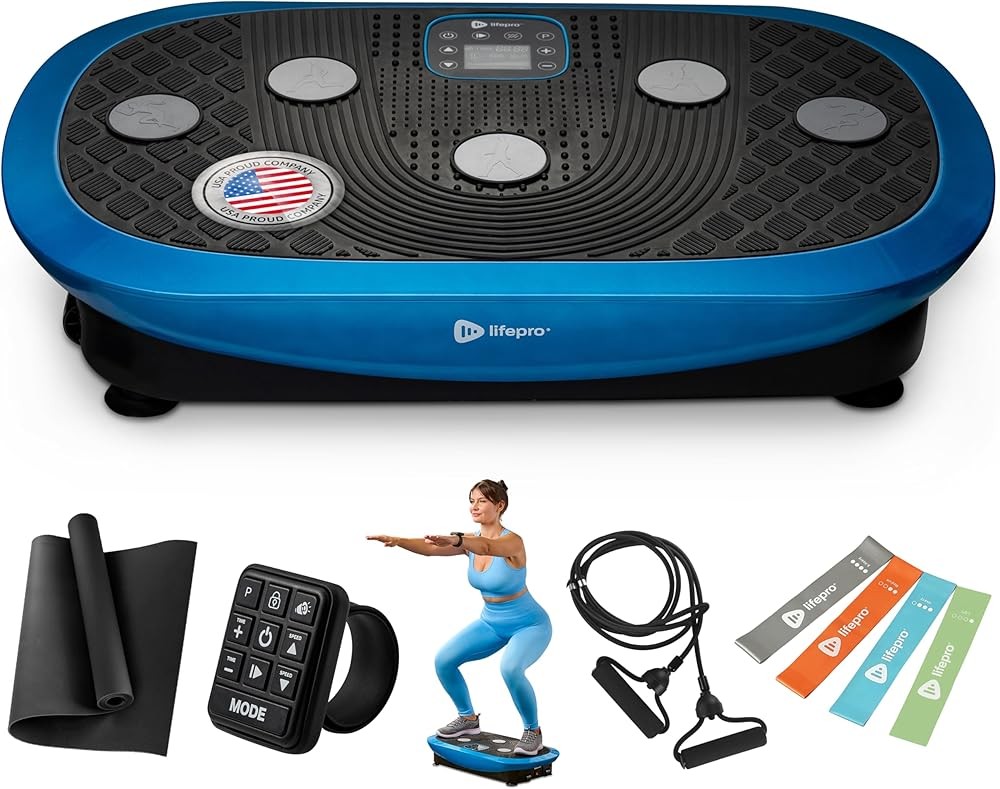
LifePro Rumblex 4D Pro Vibration Plate
Check Price on AmazonAs an Amazon Associate we earn from qualifying purchases.
Can Vibration Plates Help Reduce the risk of Falls and Fractures?
Preventing fractures in people with osteoporosis requires more than just building bone density. Fall prevention is equally important, since fractures occur when weak bones experience trauma from falls. Vibration therapy appears to help on both fronts.
The ELVIS study followed 151 postmenopausal women for 18 months. Women in the exercise plus vibration group had 0.7 falls per person over the study period. Women in the control group had 1.5 falls per person. This represents a 53% reduction in fall frequency (PubMed 20306017).
A related study with the same participants measured fall frequency over one year. Women who exercised with vibration training had 0.43 falls per year, compared to 1.14 falls per year for controls. This is a 62% reduction in fall rate (PubMed 19603365).
The reduction in falls relates to improvements in balance and muscle strength. The study comparing low-frequency vibration to walking found that the vibration group improved balance by 29% after eight months (PubMed 17137514).
Multiple studies have documented strength improvements. Women using vibration training three times a week for 12 months showed 27% and 24% gains in leg strength, depending on the type of vibration platform used. Women in the control group who did no vibration showed only 6% strength gains (PubMed 20980923).
A study published in the Journal of Manipulative and Physiological Therapeutics measured muscle power during walking in 43 postmenopausal women with osteoporosis. After 24 weeks of whole body vibration twice weekly, the vibration group showed significant increases in hip, knee, and ankle muscle work during gait. The control group showed no such improvements (PubMed 32868028).
Better muscle power during walking translates to better ability to catch yourself if you stumble or lose balance. Stronger leg muscles can also help you rise from a chair or navigate stairs more safely.
The combination of better balance, stronger muscles, and denser bones creates multiple layers of fracture protection. Even if someone with osteoporosis does fall, stronger bones are less likely to break and better muscle control might reduce the severity of the fall.
One study specifically looked at combined treatment with vibration therapy and medication. Thirty postmenopausal women with osteoporosis received either standard pharmacological therapy alone or medication plus focused mechano-acoustic vibration twice a week for 15 minutes. After six months, the combined treatment group showed improvements not only in bone mineral density and T-scores at the lumbar spine and femoral neck, but also improvements in balance, gait, and quality of life (PubMed 29354158).
The quality of life improvements are important. Osteoporosis can create fear of falling that limits activity. This fear becomes a self-fulfilling prophecy, as less activity leads to weaker muscles and worse balance, which increases actual fall risk. By improving strength, balance, and confidence, vibration therapy can help break this cycle.
Bottom line: Research shows vibration therapy reduces fall frequency by 53-62% through improved balance and 20-40% increases in leg strength, providing fracture protection beyond bone density improvements alone.
Are There Different Types of Vibration Plates for Bone Health?
Not all vibration plates work the same way. Understanding the different types helps you choose the most effective option for bone health.
Side-Alternating (Oscillating/Pivotal) Platforms
Side-alternating platforms create a see-saw motion where one side moves up while the other moves down. This pivotal motion rotates around a central axis point.
The meta-analysis of 527 women found side-alternating platforms superior to synchronous platforms for bone mineral density improvements (PubMed 27907000). This type of platform appears in most studies showing bone density benefits.
The motion pattern mimics natural walking, where you shift weight from leg to leg. This creates different loading patterns on the left and right sides of your body, which may stimulate bone formation more effectively than uniform up-and-down motion.
Side-alternating platforms typically operate at lower frequencies (12-25 Hz) with higher amplitudes (4-10 mm). This combination produces strong g-forces that research shows benefit bone density.
The LifePro Rumblex 4D Pro uses side-alternating technology with adjustable frequency settings that cover the research-backed range for bone health.
Synchronous (Linear/Vertical) Platforms
Synchronous platforms move straight up and down, with the entire platform rising and falling together. Both feet experience the same motion at the same time.
These platforms typically operate at higher frequencies (30-50 Hz) with lower amplitudes (1-3 mm). While synchronous platforms can improve muscle strength and circulation, research suggests they are less effective for bone density than side-alternating designs (PubMed 27907000).
However, one study showing positive results used a synchronous platform at 30 Hz with 5 mm amplitude, producing a 4.3% increase in lumbar bone density (PubMed 18710630). This suggests that synchronous platforms can work if the parameters are right, though side-alternating platforms remain the better choice based on overall research.
Three-Dimensional (3D) and Four-Dimensional (4D) Platforms
Some advanced vibration plates combine multiple motion patterns. A 3D platform might include vertical oscillation plus front-to-back and side-to-side motion. A 4D platform adds micro-vibrations on top of the main oscillating motion.
Research specifically on 3D and 4D platforms for bone density is limited compared to standard side-alternating platforms. However, the additional motion patterns may provide extra muscle activation and balance challenges that complement the bone-building effects.
The LifePro Rumblex 4D Pro combines side-alternating oscillation with additional vibration patterns. While most research has focused on simpler side-alternating designs, the added dimensions may enhance the overall benefits.
Focal Vibration Devices
Some research has used focal vibration devices that target specific body areas rather than providing whole body vibration. These devices deliver higher frequency vibrations (100 Hz) to particular muscle groups.
One study using focal vibration at 100 Hz for 10 minutes, three applications per day for three consecutive days, found that postmenopausal women maintained bone mineral density T-scores while controls showed decline. The focal vibration group also showed improved balance and explosive leg power (PubMed 25642687).
Another study combined focused mechano-acoustic vibration with medication, finding improvements in bone density, muscle strength, balance, and gait after six months of twice-weekly 15-minute sessions (PubMed 29354158).
Focal vibration devices are less common than whole body vibration platforms and typically require professional administration. For home use, whole body vibration platforms remain the practical choice.
Bottom line: Side-alternating platforms operating at 12-25 Hz with 4-10 mm amplitude show the strongest evidence for bone density improvements, outperforming synchronous platforms in meta-analysis of over 500 women.
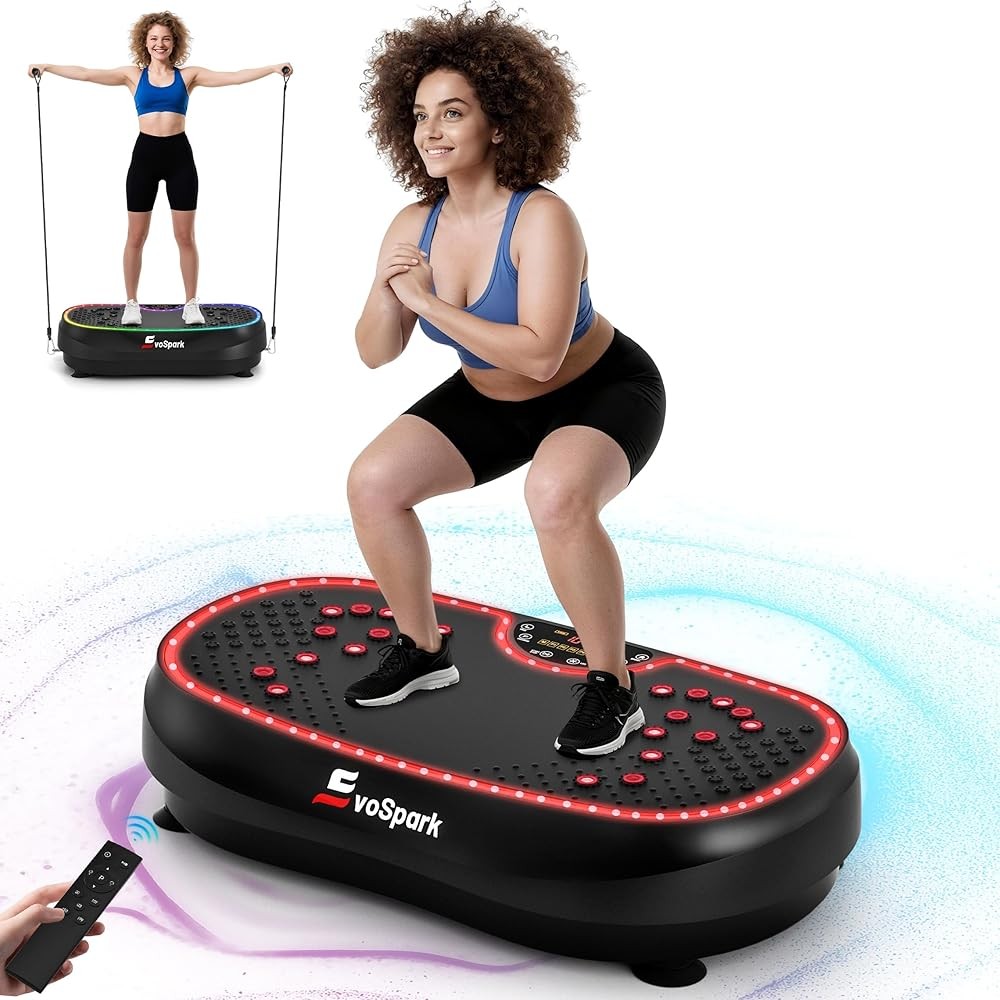
Whole Body Vibration Platform Exercise Machine
Check Price on AmazonAs an Amazon Associate we earn from qualifying purchases.
How Do Vibration Plates Compare to Other Exercises for Osteoporosis?
Several studies have directly compared whole body vibration to other forms of exercise for bone health. Understanding these comparisons helps put vibration therapy in context with other treatment options.
Vibration vs. No Exercise
Multiple studies show that vibration therapy significantly outperforms no exercise for bone density. Women using vibration gained 0.7% to 4.3% bone density while control groups doing no exercise lost 0.4% to 1.9% bone density over 6 to 12 months (PubMed 20980923, PubMed 18710630).
This makes sense. Bones need mechanical loading to maintain and build density. Without exercise, bones naturally lose density with age, especially after menopause.
Vibration vs. Walking
One study directly compared low-frequency vibration training to walking in women at risk for bone fractures. After eight months, the vibration group showed 4.3% higher hip bone density compared to the walking group. The vibration group also showed 29% better balance (PubMed 17137514).
This result is noteworthy because walking is often recommended for bone health. The study suggests that vibration therapy produces stronger bone-building stimulus than walking alone, at least at the hip.
Walking remains valuable for overall health, cardiovascular fitness, and weight management. But for people specifically focused on building bone density, vibration therapy appears more efficient.
Vibration vs. Conventional Exercise Training
The ELVIS study compared three groups: conventional exercise training, exercise training with whole body vibration, and a control group. After 18 months, the exercise group increased lumbar bone density by 2.1%. Interestingly, adding vibration to the exercise did not increase bone density further beyond exercise alone (PubMed 20306017).
However, the vibration plus exercise group had fewer falls (0.7 per person) compared to controls (1.5 per person). A related publication found the vibration group had 0.43 falls per year compared to 1.14 for controls (PubMed 19603365).
This suggests that vibration and conventional exercise might work through similar mechanisms for bone building, so combining them does not necessarily double the benefit for bone density. However, the fall prevention benefits of vibration appear additive even when combined with exercise.
Vibration vs. Pilates
A randomized trial compared whole body vibration to Pilates exercises in 51 postmenopausal women. Both groups exercised three times a week for six months. Both the vibration group and the Pilates group showed significant increases in bone mineral density in the lower back and hip area compared to controls. The vibration group had a 0.014 g/cm² increase in lumbar spine bone density (PubMed 29443867).
This indicates that both vibration therapy and Pilates can benefit bone health. Pilates emphasizes core strength, balance, and controlled movements, which complement bone health through improved posture and fall prevention.
Vibration vs. Resistance Training
While no studies directly compared vibration to resistance training for bone density, a review article discussed both approaches. Strengthening exercises with high resistance can increase lumbar bone density by 0.5% to 2.5% in women. Side-alternating whole body vibration can increase leg strength by 20% to 40% and bone density by 0.5% to 4% in six months (PubMed 26467265).
The ranges overlap, suggesting similar effectiveness. Resistance training with weights or resistance bands creates direct mechanical loading on bones through muscle contractions. Vibration creates similar loading through rapid, repeated muscle contractions triggered by the vibration stimulus.
One advantage of vibration therapy is time efficiency. A 10-15 minute vibration session can provide significant bone stimulus, while effective resistance training typically requires 30-45 minutes including warm-up, multiple exercises, and rest periods between sets.
Another advantage is accessibility. Some people with severe osteoporosis, balance problems, or other limitations cannot safely perform resistance exercises with heavy weights. Vibration therapy allows them to create mechanical bone loading while standing on a stable platform, potentially using support bars for safety.
Combining Vibration with Other Therapies
A meta-analysis published in Nutrients in 2025 examined the effects of combining exercise with calcium and vitamin D supplementation. The analysis found that combining exercise with supplements increased bone mineral density in the lower back by 0.31 standard units and femoral neck by 0.47 standard units compared to supplements alone. Whole-body vibration exercises showed the greatest benefits for bone mineral density at both sites (PubMed 41470812).
The study combining vibration therapy with medication also showed that the combined approach improved bone density more than medication alone (PubMed 29354158).
These findings suggest that vibration therapy works well as part of a comprehensive bone health program including adequate calcium and vitamin D intake and, when prescribed, osteoporosis medication.
Bottom line: Vibration therapy produces 0.5-4% bone density improvements in 6-12 months, outperforming walking and matching resistance training and Pilates, with the advantage of requiring only 10-15 minute sessions.
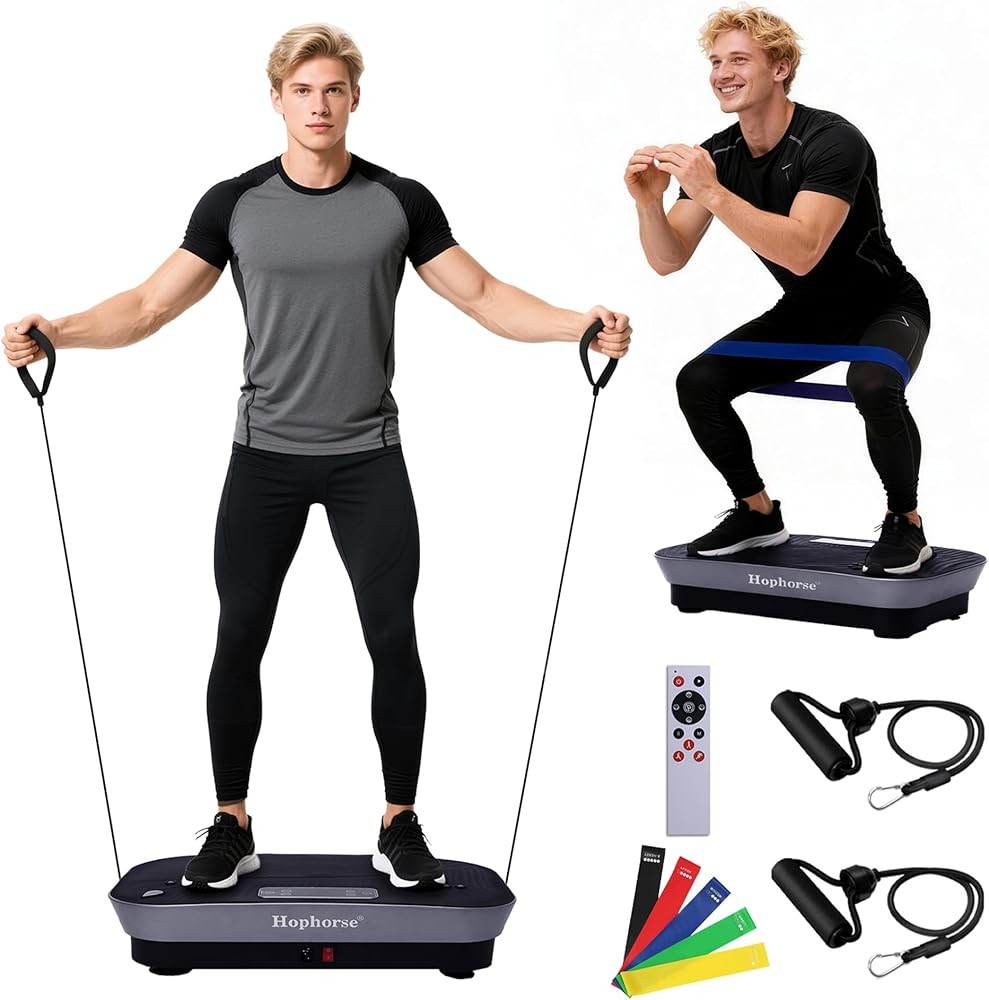
Vibration Plate Platform for Home Fitness
Check Price on AmazonAs an Amazon Associate we earn from qualifying purchases.
What Are the Safety Considerations for Using Vibration Plates?
While research shows whole body vibration is generally safe for people with osteoporosis when used properly, understanding the safety considerations and contraindications is essential.
Common Side Effects
Studies of vibration therapy for osteoporosis have reported minimal side effects. The most common complaints are mild and temporary:
- Itching or tingling in the legs during or after use, which typically resolves quickly
- Mild muscle soreness, similar to starting any new exercise program
- Temporary redness of the skin on the feet or legs
- Occasional headache if using very high frequencies
These effects usually diminish as your body adapts to the vibration stimulus. Starting with shorter sessions at lower intensities and gradually increasing can minimize discomfort.
Contraindications
Most research studies excluded participants with certain conditions. While this does not prove these conditions make vibration therapy unsafe, it suggests caution is warranted. Consult your doctor before using vibration plates if you have:
- Acute inflammation or infections
- Recent fractures or bone surgery
- Implanted medical devices (pacemakers, insulin pumps, joint replacements)
- Pregnancy
- Severe cardiovascular disease
- Deep vein thrombosis or blood clotting disorders
- Retinal problems or eye conditions
- Epilepsy or seizure disorders
- Severe migraines
- Kidney or gallstones
- Recent surgeries
Some of these contraindications relate to theoretical concerns rather than documented problems. For example, the concern about pacemakers relates to potential electromagnetic interference, though modern vibration plates do not generate electromagnetic fields. The concern about retinal problems relates to the possibility that vibration might affect the eyes, though no research has documented this occurring with whole body vibration at bone-building frequencies.
Special Considerations for Severe Osteoporosis
If you have severe osteoporosis with very low bone density (T-score below -3.0) or have had fractures, take extra precautions:
Start with the lowest intensity settings and shortest session times. Research protocols typically started at lower intensities and gradually increased.
Use the support handles or bars if your vibration plate has them. This provides stability and reduces fall risk while using the device.
Consider using the device in a seated position initially if your balance is poor. Some people with severe osteoporosis use vibration plates while sitting in a chair with their feet on the platform. While research has focused mainly on standing positions, seated use still provides muscle and bone stimulus with less fall risk.
Monitor for any pain, especially in the spine or hips. Sharp or increasing pain could indicate a problem and warrants stopping use and consulting your doctor.
Have your bone density monitored regularly by your doctor. This allows you to track whether the therapy is helping and ensures any problems are detected early.
Proper Positioning and Technique
Using proper form maximizes benefits and minimizes risk:
Stand with feet shoulder-width apart in the center of the platform. This provides the best balance and distributes force evenly.
Maintain a slight bend in your knees rather than locking them straight. This absorbs some vibration and reduces stress on the knee joints.
Engage your core muscles by gently pulling your navel toward your spine. This protects your lower back and improves the training effect.
Hold the support bars if balance is a concern. As you gain confidence and strength, you can progress to hands-free standing.
Start with basic standing positions. Advanced positions like squats, lunges, or push-ups on vibration plates are used for athletic training but are not necessary for bone health and may increase injury risk for people with osteoporosis.
Duration and Frequency Guidelines
Research protocols used 10-15 minute sessions, 2-5 times per week. This appears to be the sweet spot for bone benefits while minimizing risks.
More is not necessarily better. Some people assume that longer sessions or daily use will produce faster results. However, bones need recovery time between loading sessions. The bone remodeling process takes days to weeks, not hours.
One study used focal vibration three times per day for three consecutive days, then no vibration for the rest of the month, repeating this cycle. This intermittent approach still produced bone density benefits (PubMed 25642687). This suggests that concentrated periods of vibration followed by rest may be effective.
If you miss sessions, simply resume when you can. Consistency over months matters more than never missing a single session.
Bottom line: Vibration therapy is generally safe for osteoporosis when used properly, with studies reporting minimal side effects, though people with severe bone loss, recent fractures, or implanted devices should consult their doctor before starting.
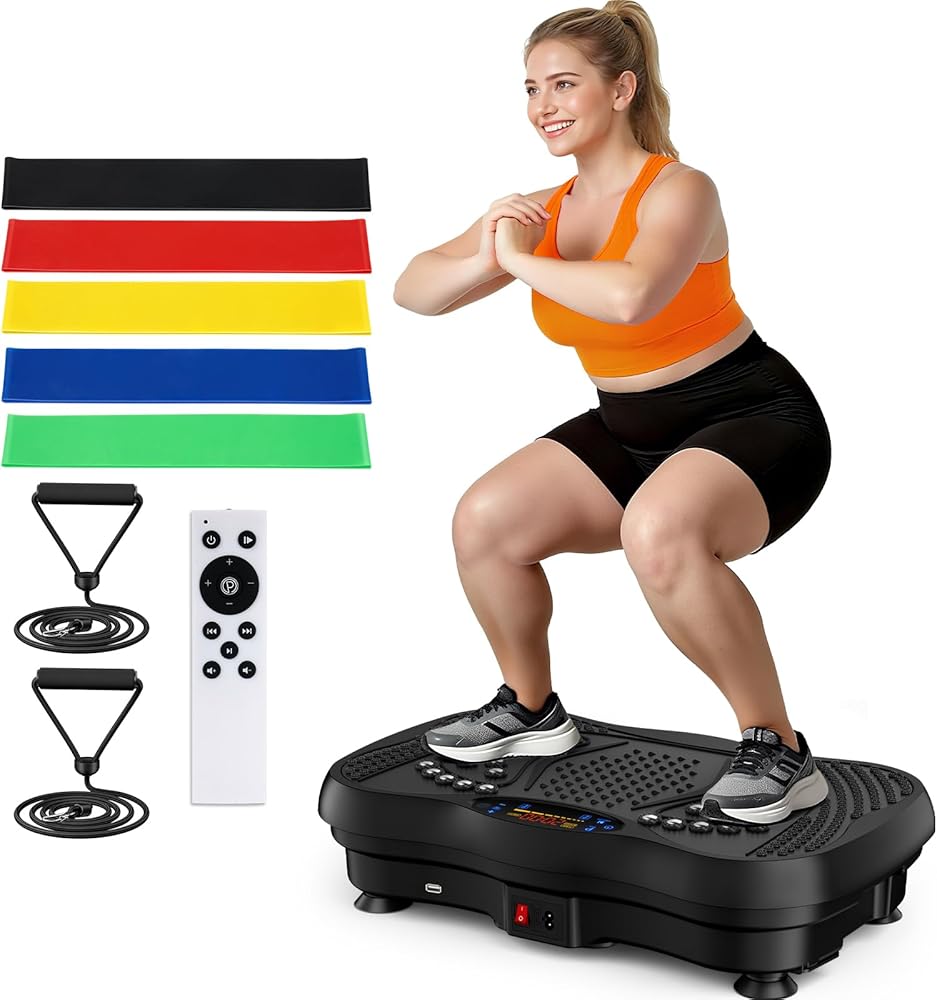
Professional Vibration Plate Machine
Check Price on AmazonAs an Amazon Associate we earn from qualifying purchases.
Does Insurance Cover Vibration Plates for Osteoporosis Treatment?
Insurance coverage for vibration plates as a medical device for osteoporosis treatment varies significantly and depends on multiple factors.
In the United States, most health insurance plans, including Medicare, do not currently cover vibration plates for home use. Insurance companies typically consider vibration plates to be wellness or fitness equipment rather than durable medical equipment (DME) necessary for treatment of a medical condition.
However, some insurance plans may cover vibration therapy when administered as part of physical therapy in a clinical setting. If your doctor prescribes physical therapy for osteoporosis that includes whole body vibration as one component of treatment, your insurance may cover those supervised therapy sessions according to your plan’s physical therapy benefits.
To maximize the chance of insurance coverage or reimbursement:
Get a prescription from your doctor. Some insurance plans require a prescription for any equipment to be considered for coverage. The prescription should specifically state that whole body vibration therapy is medically necessary for your osteoporosis treatment.
Request a letter of medical necessity. This detailed letter from your doctor explains why vibration therapy is appropriate for your specific condition, what alternatives have been tried or considered, and what outcomes are expected.
Check if your plan has a durable medical equipment benefit. While vibration plates are not typically covered under DME, having documentation may support an exception or appeal.
Ask about Health Savings Account (HSA) or Flexible Spending Account (FSA) eligibility. With a prescription, you may be able to use HSA or FSA funds to purchase a vibration plate. This provides tax savings even if the equipment itself is not covered by insurance.
Consider an appeal if initially denied. If you have a prescription and medical necessity letter but your claim is denied, many insurance plans have an appeals process. Your doctor’s office may be willing to support this appeal with additional documentation about the research supporting vibration therapy for osteoporosis.
In other countries with different healthcare systems, coverage varies. Some national health systems in Europe have covered whole body vibration therapy as part of osteoporosis treatment programs, though typically administered in medical facilities rather than with devices for home use.
Even without insurance coverage, the cost of a quality vibration plate for home use may compare favorably to ongoing costs of supervised physical therapy sessions. A mid-range vibration plate costs roughly equivalent to 5-10 physical therapy sessions with typical insurance copays.
The ability to use the device at home on your own schedule, for multiple family members if needed, and for years of use may make the upfront investment worthwhile even without insurance reimbursement.
Some manufacturers offer financing options or payment plans that spread the cost over several months, making purchase more accessible.
Bottom line: Most U.S. insurance plans classify vibration plates as fitness equipment rather than durable medical equipment, though HSA/FSA funds can cover the purchase with a prescription, potentially saving 20-30% in tax benefits.
Can You Use Vibration Plates if You Are Already Taking Osteoporosis Medication?
Yes, vibration therapy can be safely combined with osteoporosis medications. In fact, research suggests that combining the two approaches may be more effective than either treatment alone.
A study published in Clinical Cases in Mineral and Bone Metabolism examined exactly this question. Researchers divided 30 postmenopausal women with osteoporosis into two groups. One group received standard pharmacological therapy. The other group received the same medication plus focused mechano-acoustic vibration twice a week for 15 minutes.
After six months, the combined treatment group showed better improvements in bone mineral density and T-scores at both the lumbar spine and femoral neck compared to medication alone. The combined group also showed improvements in handgrip strength, isokinetic strength of knee extensors, balance, gait, and quality of life (PubMed 29354158).
Another study that used whole body vibration in postmenopausal women with osteoporosis provided calcium and vitamin D supplementations to all participants while the intervention group also received vibration exercise twice a week for 24 weeks. The vibration group showed significant increases in bone mineral density of the lumbar vertebrae and femur (PubMed 32868028).
The combination makes biological sense. Osteoporosis medications work through different mechanisms:
Bisphosphonates (like alendronate, risedronate, ibandronate) slow down the cells that break down bone, allowing bone-building cells to catch up and increase density.
Denosumab (Prolia) blocks a protein that helps form bone-breaking cells, reducing bone breakdown.
Teriparatide (Forteo) is a synthetic form of parathyroid hormone that directly stimulates bone-building cells.
Raloxifene (Evista) mimics estrogen’s beneficial effects on bones.
Vibration therapy provides mechanical loading that stimulates bone-building cells through a completely different pathway - physical force. Since the mechanisms differ, the effects can be complementary rather than redundant.
Think of it like reinforcing a structure from multiple angles. Medication works at the cellular and chemical level. Vibration works through physical force. Together, they provide more comprehensive bone protection than either alone.
However, you should inform your doctor if you plan to add vibration therapy to your treatment regimen. While research shows the combination is safe, your doctor needs a complete picture of your treatment plan to monitor your progress effectively.
Your doctor may want to adjust the timing of your bone density scans or other monitoring based on the combination approach. They can also help you interpret results and determine if the combined approach is working better for you than medication alone did.
Do not stop taking prescribed osteoporosis medication to try vibration therapy as a substitute. The research showing benefits of vibration therapy demonstrates it works best as a complement to standard medical care, not as a standalone intervention.
A review article discussing strategies for osteoporosis management noted that traditional treatments like vitamin supplementation, exercise, and bisphosphonates remain effective in maintaining bone density and reducing fracture risks. Newer therapies such as vibration therapy show promising results in bone regeneration and can complement standard treatments (PubMed 39960896).
Bottom line: Vibration therapy can safely complement osteoporosis medications, with research showing combined treatment produces better bone density and functional improvements than medication alone.
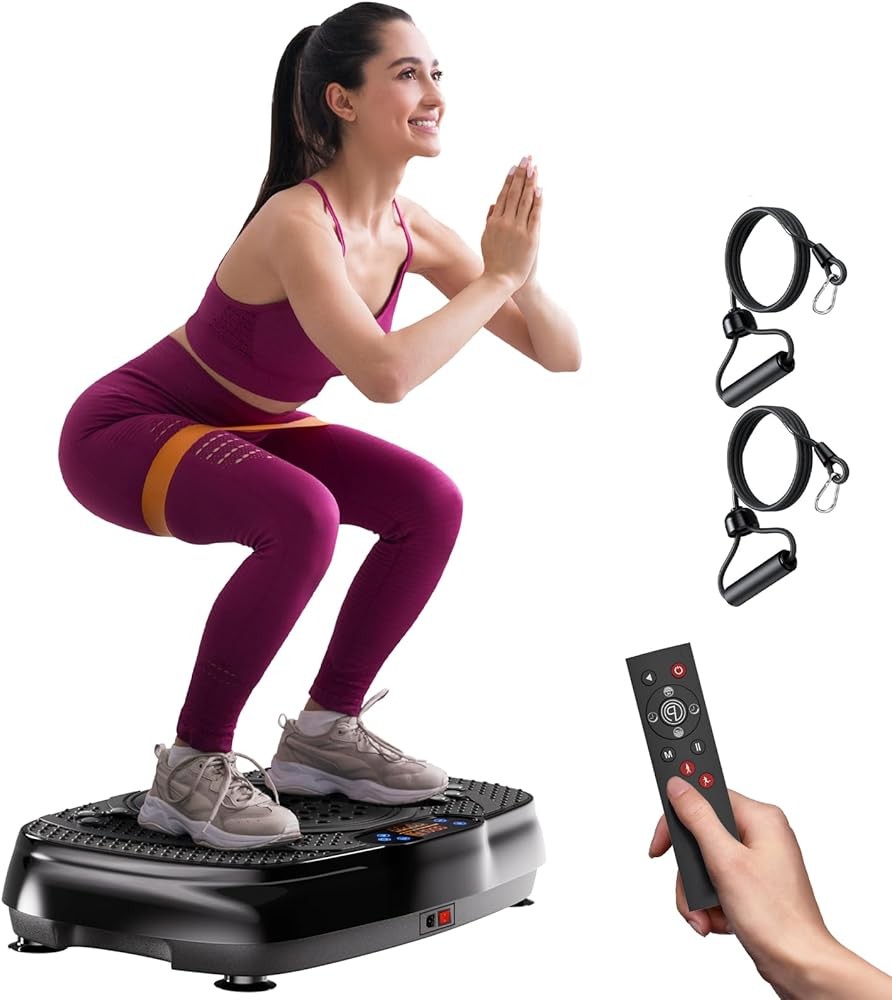
Whole Body Vibration Platform Trainer
Check Price on AmazonAs an Amazon Associate we earn from qualifying purchases.
What Should You Look for When Buying a Vibration Plate for Bone Health?
Choosing the right vibration plate for bone health requires understanding which features matter based on research and which are just marketing hype.
Platform Type: Side-Alternating
This is the most important factor. Research clearly shows side-alternating (oscillating/pivotal) platforms are more effective for bone density than synchronous platforms (PubMed 27907000).
Look for product descriptions that mention “side-alternating,” “oscillating,” “pivotal,” or “see-saw motion.” Some manufacturers use terms like “3D” or “4D” if they combine side-alternating motion with additional vibration patterns.
Avoid platforms that only move straight up and down (described as “linear,” “vertical,” or “synchronous”) if your primary goal is bone health.
Frequency Range: 12-25 Hz
The vibration plate must be capable of operating in the frequency range shown to benefit bone density. Research indicates frequencies below 25 Hz work best, with effective studies using ranges from 12.6 Hz to 30 Hz (PubMed 27907000).
Check the product specifications for the frequency range. Many vibration plates operate between 5 Hz and 60 Hz, which covers the bone-health range. Some platforms only go up to 15 Hz or 20 Hz, which may limit your options but still covers the most effective range.
Adjustable frequency is important. You want to be able to start at lower frequencies and gradually increase as you adapt to the vibration stimulus.
Amplitude: 3-5 mm (Adjustable)
Studies showing bone benefits used amplitudes between 3 mm and 5 mm. Some platforms have fixed amplitude. Others allow you to adjust amplitude by changing speed levels.
Product specifications may list amplitude as a single number (4 mm) or a range (2-10 mm). A range is preferable as it gives you more control over the intensity.
Be aware that amplitude and frequency interact to determine g-force. A platform with lower maximum frequency may need higher amplitude to achieve the effective 3+ g force that research shows works best.
Weight Capacity and Build Quality
Vibration plates must withstand repeated use while supporting your full body weight plus the forces generated by vibration. Look for platforms rated for at least 250-300 pounds weight capacity to ensure durability.
Check reviews for mentions of motor durability. Some cheaper vibration plates have motors that fail within months. Quality platforms should last years with regular use.
Metal construction generally indicates better durability than plastic, especially for the platform deck and support structure. However, some well-designed platforms use a combination of materials effectively.
Size and Space Considerations
Vibration plates range from compact models under 2 feet by 2 feet to larger platforms 3 feet or more in length.
For bone health, you primarily need enough space to stand with feet shoulder-width apart. Compact models work fine for this purpose and take up less space in your home.
Larger platforms provide more room for different foot positions or exercise variations, but these advanced features are not necessary for basic bone health benefits.
Consider where you will store the unit between uses. Some models have wheels for easier moving. Others are compact and light enough to slide under a bed or store in a closet.
Control Interface
Look for intuitive controls that make it easy to adjust settings. You will be adjusting frequency regularly, so controls should be simple to use while standing on the platform.
Remote controls are convenient, allowing you to adjust settings without bending down. However, built-in controls on handlebar-mounted panels also work well.
Preset programs that target specific frequencies for specific durations can be helpful. However, manual control is more important than having numerous presets, as research protocols used specific frequencies rather than varied programs.
Support Handles or Bars
For people with balance concerns or severe osteoporosis, support handles are essential for safety. Even if your balance is currently good, handles provide security and confidence while using the device.
Look for handles that are:
- Sturdy enough to support your full weight if needed
- At a comfortable height (typically waist to chest height)
- Padded or foam-covered for comfortable grip
- Removable if you eventually want to use the platform without them
Some platforms include handles. Others sell them as optional accessories. If handles are not included, verify that compatible handles are available for purchase separately.
Noise Level
Vibration plates vary in noise output. At the frequencies used for bone health (12-25 Hz), most quality platforms operate at moderate noise levels comparable to a washing machine.
Cheaper models or those with lower quality motors may be significantly louder. Check reviews for comments about noise if you plan to use the device in an apartment or when others are sleeping.
Price and Warranty
Quality vibration plates suitable for therapeutic use range from $200 to $600 for home models. Professional-grade platforms used in clinics and therapy centers cost $1000 or more.
For home use focused on bone health, a mid-range platform in the $300-$500 range typically provides the features you need with adequate build quality and durability.
Extremely cheap platforms under $150 often have reliability issues. The motor may fail quickly, or the vibration may be irregular rather than smooth.
Warranty matters. Look for at least a one-year warranty on parts and motor. Some manufacturers offer 2-3 year warranties on higher-end models.
Specific Product Considerations
The LifePro Rumblex 4D Pro checks all the key boxes for bone health:
- Side-alternating (oscillating) platform design
- Frequency range covering the research-backed 12-25 Hz zone
- Adjustable amplitude/intensity
- Sturdy construction with 330-pound weight capacity
- Support handles included
- Remote control and preset programs
- 2-year manufacturer warranty
This combination of features makes it suitable for therapeutic use focused on bone density improvement.
Bottom line: Choose a side-alternating platform with 12-25 Hz frequency range, 3-5 mm amplitude, sturdy construction rated for 250+ pounds, support handles for safety, and at least a one-year warranty.
Do You Need a Doctor’s Supervision to Use Vibration Plates for Osteoporosis?
Whether you need medical supervision for vibration therapy depends on your specific situation, the severity of your osteoporosis, and your overall health status.
Research studies of vibration therapy for osteoporosis were conducted under medical supervision. Participants had baseline bone density measurements, medical screening to rule out contraindications, and regular follow-up to monitor progress and any side effects. This level of supervision is appropriate for research but may not be necessary for all home users.
When to Use Vibration Plates Without Direct Supervision
If you have mild osteopenia (low bone density not yet classified as osteoporosis) or mild osteoporosis with no history of fractures, you can likely use a vibration plate at home without direct medical supervision after consulting with your doctor initially.
Your doctor should:
- Review your bone density results and medical history
- Confirm that you do not have contraindications
- Approve the general use of vibration therapy for your situation
- Provide guidance on frequency and intensity based on your specific condition
- Establish a schedule for follow-up bone density scans
After this initial consultation and approval, you can use the vibration plate at home following research-based protocols (10-15 minutes, 3-5 times per week at 15-25 Hz).
You should report back to your doctor:
- At your regular scheduled appointments
- If you experience any unusual pain, especially in bones or joints
- When it is time for follow-up bone density scans (typically every 1-2 years)
- If you have any injuries or changes in your health status
When Medical Supervision is More Important
More intensive medical supervision is advisable if you have:
Severe osteoporosis (T-score below -3.0): Your bones are significantly weakened, and even small mistakes in technique or intensity could potentially cause problems. Your doctor may want you to start vibration therapy at a physical therapy clinic where a therapist can monitor your form and response.
History of fragility fractures: If you have already had fractures from minimal trauma, your bones are demonstrably fragile. Starting any new exercise program, including vibration therapy, deserves closer medical oversight.
Multiple medical conditions: If you have osteoporosis plus other significant health issues like heart disease, neurological conditions, or severe arthritis, your doctor may want more oversight to ensure the vibration therapy does not aggravate other conditions.
Poor balance or high fall risk: The irony would be injuring yourself while trying to reduce the risk of fractures. If your balance is very poor, using vibration plates under supervision at a clinic may be safer until you build enough strength and stability to use them safely at home.
The Role of Physical Therapy
Some people benefit from working with a physical therapist, at least initially. A physical therapist can:
Assess your current balance, strength, and posture to establish a baseline.
Teach you proper positioning and technique on the vibration plate.
Design a progressive program that starts conservatively and gradually increases in intensity.
Combine vibration therapy with other exercises that complement bone health.
Monitor your response and adjust the program based on your progress.
Address any pain or problems that arise with appropriate interventions.
After several supervised sessions, many people can transition to home use of a vibration plate while continuing other aspects of their physical therapy program.
Insurance is more likely to cover vibration therapy when it is part of a prescribed physical therapy program than if you simply purchase a device for home use.
Monitoring Your Progress
Whether you use a vibration plate under supervision or at home independently, proper monitoring is essential.
Bone density scans (DEXA scans) should be repeated according to your doctor’s recommendations, typically every 1-2 years. This is the only way to objectively measure whether the therapy is improving your bone density.
Some research protocols measured bone density at 6 months and 12 months. However, bone density changes slowly, and the precision of DEXA scans means that changes smaller than 3-4% may not be clearly distinguishable from measurement variability. This is why annual or biannual scans are typical rather than more frequent testing.
Keep a log of your vibration plate use including:
- Date and time of each session
- Frequency setting used
- Duration of session
- How you felt during and after (any discomfort, fatigue, etc.)
This log helps you track consistency and can be shared with your doctor to give them complete information about your self-treatment.
Pay attention to functional changes. Even before bone density scans show improvement, you might notice:
- Better balance
- Improved ability to get up from chairs or the floor
- Less fear of falling
- Greater confidence in movement
- Improved posture
These functional improvements are valuable even if bone density changes take longer to appear.
Bottom line: Research protocols used 10-15 minute sessions at 15-25 Hz frequencies with medical monitoring via DEXA scans every 1-2 years, though people with T-scores above -3.0 can typically use home devices after initial doctor approval.
Frequently Asked Questions
How much can vibration plates increase bone density?
Studies show whole body vibration can increase lumbar spine bone density by 0.7% to 4.3% over 6 to 12 months. One study found women using vibration therapy had a 4.3% increase in hip bone density after 8 months, while another showed a 4.3% increase in lumbar bone density after 6 months of daily use. The most effective protocols use side-alternating platforms at frequencies under 25 Hz (PubMed 18710630, PubMed 17137514, PubMed 27907000).
What frequency is best for bone density on vibration plates?
Research shows frequencies lower than 25 Hz are most effective for bone density. Studies have used frequencies ranging from 12.6 Hz to 35 Hz, with meta-analysis confirming that frequencies below 25 Hz combined with magnitudes higher than 3 g produce the best results. Most successful protocols use the 20-30 Hz range (PubMed 27907000, PubMed 17137514).
How long should I use a vibration plate for osteoporosis?
Most studies showing bone density improvements used sessions of 10-15 minutes, performed 2-5 times per week. The cumulative dose appears important, with research showing that total vibration exposure over 1000 minutes correlates with positive bone density outcomes. A typical effective protocol is 15 minutes, 3 times per week for at least 6 months (PubMed 27907000, PubMed 20980923).
Are side-alternating or synchronous vibration plates better for bones?
Side-alternating platforms are significantly more effective than synchronous platforms for bone density. A meta-analysis of 527 postmenopausal women found that side-alternating vibration improved bone mineral density in the hip and spine, while synchronous platforms showed less benefit. Side-alternating motion more closely mimics natural walking patterns (PubMed 27907000).
Can vibration plates help postmenopausal women with osteoporosis?
Yes, multiple studies specifically on postmenopausal women with osteoporosis show significant benefits. Women who used whole body vibration had 0.43 falls per year compared to 1.14 falls in control groups, maintained hip bone density while control groups lost 0.9%, and showed improvements in lumbar spine bone mineral density ranging from 1.17% to 4.3% depending on the protocol (PubMed 19603365, PubMed 18710630).
Do vibration plates reduce fracture risk?
Research indicates vibration therapy can reduce fracture risk through both increased bone density and improved balance. One study found the vibration group had 29% better balance and 4.3% higher hip bone density compared to walking alone. Another study showed women using vibration had 0.7 falls per 18 months versus 1.5 falls in the control group (PubMed 17137514, PubMed 20306017).
What amplitude should I use on a vibration plate for bone health?
Studies showing bone density improvements used amplitudes ranging from 3 mm to 5 mm. Research indicates mechanical oscillations with magnitude higher than 3 g (3 times the force of gravity) are most effective. The combination of frequency and amplitude determines the g-force your bones experience (PubMed 27907000, PubMed 18710630).
Can vibration plates replace medication for osteoporosis?
Vibration therapy should not replace prescribed osteoporosis medication without consulting your doctor. However, research shows vibration can be an effective complement to standard care. Studies have demonstrated that combining vibration therapy with calcium, vitamin D, and pharmacological treatments produces better bone density outcomes than medication alone (PubMed 29354158).
How long before I see bone density improvements from vibration plates?
Most studies showing significant bone density changes used protocols lasting 6 to 12 months. One study found a 4.3% increase in lumbar bone density after 6 months of daily 10-minute sessions. Another showed 0.7% improvement in lower back bone density after 12 months of 15-minute sessions three times weekly. Balance improvements may occur sooner, within 3-4 months (PubMed 18710630, PubMed 20980923).
Are vibration plates safe for people with severe osteoporosis?
While studies have included people with osteoporosis safely, you should consult your doctor before starting vibration therapy, especially if you have severe bone loss, recent fractures, or other health conditions. Research protocols typically start with lower frequencies and shorter durations, gradually increasing as tolerance builds. Proper form and starting conservatively are essential.
Conclusion
The research on whole body vibration for bone density is compelling. Multiple randomized controlled trials and meta-analyses involving over 1,000 participants show that vibration therapy can increase bone mineral density by 0.7% to 4.3% in 6 to 12 months when used consistently.
The most effective approach uses side-alternating platforms at frequencies between 12 and 25 Hz, with amplitudes of 3-5 mm, creating forces above 3 g. Sessions of 10-15 minutes, performed 3-5 times per week, match the protocols that produced results in research studies.
Beyond bone density improvements, vibration therapy reduces fall risk by 53-62% through better balance and 20-40% improvements in leg strength. Since fractures result from the combination of weak bones and falls, this dual benefit makes vibration therapy particularly valuable for fracture prevention.
Vibration therapy works well as part of a comprehensive bone health program. It complements osteoporosis medications, calcium and vitamin D supplementation, and other exercise. Research shows combined approaches produce better results than any single intervention alone.
For people who struggle with traditional exercise due to balance problems, joint pain, or time constraints, vibration therapy offers an efficient alternative. The time commitment of just 10-15 minutes several times per week is modest compared to the 30-60 minutes typically needed for effective resistance training or aerobic exercise.
While more research would be valuable, particularly long-term studies tracking fracture rates over many years, the existing evidence provides a solid foundation for using vibration therapy as part of osteoporosis management. The therapy is generally safe when used appropriately, with minimal side effects reported in studies.
If you have osteoporosis or osteopenia, talk to your doctor about whether whole body vibration therapy makes sense for your situation. For many people, especially postmenopausal women who face accelerated bone loss, vibration therapy offers a research-backed tool for building stronger, healthier bones.
References
Verschueren SM, et al. Effects of whole-body vibration training on different devices on bone mineral density. Medicine and Science in Sports and Exercise. 2011. PubMed 20980923
von Stengel S, et al. Effects of whole body vibration on bone mineral density and falls: results of the randomized controlled ELVIS study with postmenopausal women. Osteoporosis International. 2011. PubMed 20306017
Kemmler W, von Stengel S. New strategies for exercise training in osteoporosis. Der Unfallchirurg. 2015. PubMed 26467265
Kemmler W, et al. Effect of whole body vibration exercise on osteoporotic risk factors. Deutsche Medizinische Wochenschrift. 2009. PubMed 19603365
Gusi N, et al. Low-frequency vibratory exercise reduces the risk of bone fracture more than walking: a randomized controlled trial. BMC Musculoskeletal Disorders. 2006. PubMed 17137514
El-Sais WM, El-Matary WE. Evolving strategies for osteoporosis management in postmenopausal women: From tradition to innovation. Medicine. 2025. PubMed 39960896
Stolzenberg N, et al. Whole Body Vibration Treatments in Postmenopausal Women Can Improve Bone Mineral Density: Results of a Stimulus Focussed Meta-Analysis. PLoS One. 2016. PubMed 27907000
Ma R, et al. Effects of vibration therapy on bone mineral density in postmenopausal women with osteoporosis. Chinese Medical Journal. 2008. PubMed 18710630
Zhao R, et al. Whole-body vibration training and bone health in postmenopausal women: A systematic review and meta-analysis. Medicine. 2018. PubMed 30142802
Lai CL, et al. Effects of Whole-Body Vibration Versus Pilates Exercise on Bone Mineral Density in Postmenopausal Women. Journal of Geriatric Physical Therapy. 2019. PubMed 29443867
Rogan S, et al. Effect of Whole-Body Vibration Exercise on Power Profile and Bone Mineral Density in Postmenopausal Women With Osteoporosis. Journal of Manipulative and Physiological Therapeutics. 2020. PubMed 32868028
Dionello CF, et al. Effects of whole body vibration exercises on bone mineral density of women with postmenopausal osteoporosis without medications: novel findings and literature review. Journal of Musculoskeletal & Neuronal Interactions. 2016. PubMed 27609034
Sañudo B, et al. Effects of focal vibration on bone mineral density and motor performance of postmenopausal osteoporotic women. The Journal of Sports Medicine and Physical Fitness. 2015. PubMed 25642687
Fratini A, et al. Effect of combined treatment with focused mechano-acoustic vibration and pharmacological therapy on bone mineral density and muscle strength in post-menopausal women. Clinical Cases in Mineral and Bone Metabolism. 2017. PubMed 29354158
Sun B, et al. Effects of Combined Exercise and Calcium/Vitamin D Supplementation on Bone Mineral Density in Postmenopausal Women: A Systematic Review and Meta-Analysis. Nutrients. 2025. PubMed 41470812
Recommended Products