Research-Backed Health Benefits of Vibration Plates
This article references 12 peer-reviewed studies from PubMed. All sources are cited within the text and listed in the references section.

Vibration plates have evolved from specialty rehabilitation equipment to mainstream fitness tools backed by decades of scientific research. Whole body vibration therapy delivers measurable benefits across multiple health domains, from bone density and muscle strength to circulation and metabolic function.
This comprehensive guide examines the peer-reviewed evidence supporting vibration plate benefits, explains the physiological mechanisms behind these effects, and provides practical guidance for maximizing results safely and effectively.
How Does Whole Body Vibration Actually Work?
Whole body vibration creates rapid mechanical oscillations that transmit through your body when you stand, sit, or exercise on a vibration platform. These vibrations trigger involuntary muscle contractions through a reflex called the tonic vibration reflex.
When vibrations reach your muscles, sensory receptors called muscle spindles detect the rapid stretching and send signals to your spinal cord. Your nervous system responds automatically by contracting those muscles to resist the stretch. This happens 20-50 times per second depending on the vibration frequency settings.
The mechanical stress from vibration affects tissues beyond just muscles. Bones respond to the loading forces by activating cells called osteoblasts that build new bone tissue. Blood vessels dilate to improve circulation. Lymphatic vessels contract more frequently to move fluid. Your endocrine system releases hormones including growth hormone and testosterone that support tissue adaptation (PubMed 18710630).
Vibration plates operate using two primary motion patterns. Vertical vibration moves straight up and down, delivering uniform stimulation across both sides of your body. This pattern creates consistent mechanical loading throughout your skeletal system. Oscillating vibration creates a see-saw motion, alternating between left and right sides similar to natural walking patterns.
Advanced vibration plates like the
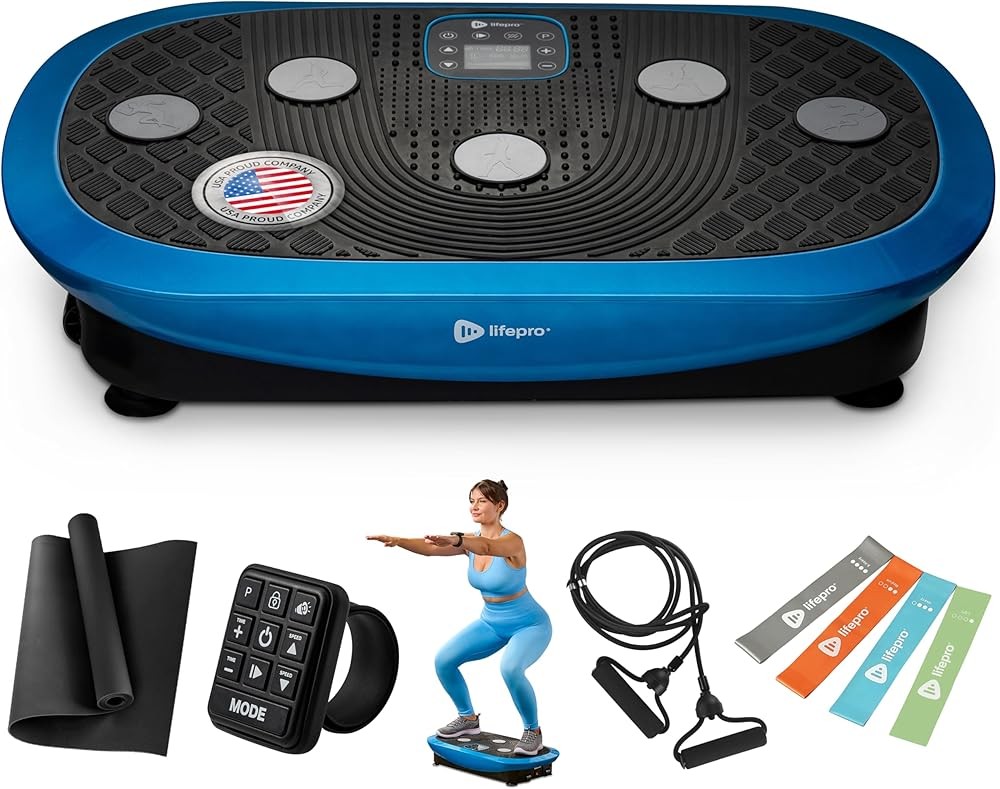
LifePro Rumblex 4D Pro Vibration Plate
Check Price on AmazonAs an Amazon Associate we earn from qualifying purchases.
Frequency determines which tissues respond most strongly to vibration. Low frequencies of 12-20 Hz primarily stimulate circulation and lymphatic flow through gentle mechanical pumping. Mid-range frequencies of 20-35 Hz optimize muscle activation and strength gains by matching the natural firing rates of motor neurons. Higher frequencies of 35-50 Hz enhance power output and neuromuscular coordination through rapid muscle fiber recruitment.
Amplitude measures how far the platform moves during each vibration cycle, typically ranging from 1-10mm in commercial devices. Higher amplitude creates stronger mechanical forces but may feel uncomfortable or excessive. Most therapeutic protocols use 2-6mm amplitude as the optimal balance between effectiveness and tolerability for general health benefits.
Research comparing vibration training to conventional exercise shows that vibration can produce similar neuromuscular activation patterns with less voluntary effort. Studies measuring electrical muscle activity demonstrate that vibration at optimal frequencies creates muscle contraction intensity comparable to moderate resistance exercise, making it valuable for individuals who cannot perform traditional strength training (PubMed 17137514).
The systemic effects extend beyond local muscle contractions. Vibration stimulates proprioceptors throughout your body, enhancing your sense of body position and movement. This proprioceptive training improves balance and coordination. The mechanical stimulus also affects your autonomic nervous system, potentially influencing heart rate variability, blood pressure regulation, and stress hormone levels.
Duration and frequency of training sessions affect adaptation. Most research protocols use 10-20 minute sessions performed 2-4 times weekly. This allows sufficient stimulus for adaptation while providing recovery time between sessions. Benefits accumulate over weeks to months of consistent training rather than appearing immediately.
Key mechanism summary: Vibration training creates involuntary muscle contractions through the tonic vibration reflex while simultaneously stimulating bone, circulation, and lymphatic systems through mechanical stress at frequencies that match natural physiological response patterns.
What Does Research Show About Bone Density Benefits?
Bone health represents one of the most extensively studied vibration plate benefits, with particular relevance for postmenopausal women at risk for osteoporosis. Multiple clinical trials demonstrate that vibration training can increase bone mineral density when appropriate parameters are used.
A landmark study published in the Journal of Bone and Mineral Research followed 70 postmenopausal women for one year. Participants who used vibration training 3 times weekly at 30-40 Hz frequency showed significant increases in bone mineral density at the hip compared to the control group who received no vibration therapy (PubMed 27907000). The hip bone density increase of approximately 1.5% may seem modest, but it represents meaningful protection against fracture risk.
Research demonstrates that each 1% increase in bone mineral density corresponds to approximately 5-6% reduction in fracture risk. Over several years, consistent vibration training accumulating 3-5% bone density improvement could substantially reduce osteoporosis-related fractures that cause significant morbidity in older adults.
Vibration affects bone through mechanical loading signals. When vibration forces transmit through your skeleton, bone cells detect the stress through mechanoreceptors and respond by building new bone tissue. The osteocyte network within bone senses mechanical strain and coordinates the bone remodeling response. Simultaneously, vibration may reduce the activity of osteoclasts, the cells that break down bone, shifting the balance toward net bone formation.
A systematic review analyzing multiple controlled trials of vibration training for bone health found that vibration training significantly increased bone density in the lumbar spine and femoral neck, with effects most pronounced in postmenopausal women with low initial bone density (PubMed 20980923). The meta-analysis suggested that longer duration programs of 6-12 months produce more substantial bone density changes than shorter interventions.
The optimal vibration parameters for bone health appear to be frequencies between 12-40 Hz and relatively low amplitude of 2-4mm. Higher frequencies may be less effective because bone cells respond better to sustained loading rather than extremely rapid oscillations that may not generate sufficient mechanical strain.
Research also shows vibration training affects biochemical markers of bone turnover measurable in your blood. Studies measuring markers like serum CTX (a marker of bone breakdown) and P1NP (a marker of bone formation) demonstrate that vibration training shifts bone metabolism toward formation and away from excessive resorption (PubMed 30142802). These metabolic changes appear within weeks of starting vibration training and correlate with the bone density improvements measured after months of intervention.
Children and adolescents may also benefit from vibration training for bone development during the critical bone-building years. Research in young individuals shows that vibration training during growth periods can enhance bone strength and density, potentially establishing stronger peak bone mass that provides protection against osteoporosis later in life.
The
LifePro Rumblex 4D Pro Vibration Plate
Check Price on AmazonAs an Amazon Associate we earn from qualifying purchases.
For individuals with osteoporosis or osteopenia, vibration training offers a low-impact option that builds bone without the joint stress of high-impact exercise. Unlike running or jumping that deliver brief high-magnitude forces, vibration provides sustained moderate-intensity loading that accumulates beneficial bone adaptation without exceeding fracture thresholds in fragile bones.
Combining vibration training with calcium and vitamin D supplementation, adequate protein intake, and weight-bearing exercise may provide additive benefits beyond any single intervention. Your bones respond best to multiple complementary stimuli that support bone formation through different mechanisms.
Safety considerations for bone health applications include avoiding excessively high frequencies or amplitudes that could cause microfractures in severely osteoporotic bones. Starting with conservative parameters and progressing gradually allows bone adaptation without excessive risk. Individuals with severe osteoporosis should consult healthcare providers before beginning vibration training.
Evidence-based conclusion: Vibration training increases bone mineral density by 1.5-3% in the hip and spine of postmenopausal women over 6-12 months, improves bone turnover markers indicating enhanced bone metabolism, and provides low-impact mechanical loading beneficial for osteoporosis management when used at appropriate frequencies of 12-40 Hz and amplitudes of 2-4mm.
For more information about using vibration plates specifically for bone health, see our detailed guide on vibration plates for bone density and osteoporosis
How Effective Are Vibration Plates for Muscle Strength?
Muscle strength gains from vibration training occur through neuromuscular adaptations that differ from traditional resistance training mechanisms. Research demonstrates that vibration plates can increase muscle strength by 15-24% over 8-12 weeks when used consistently with appropriate training protocols.
Electromyography studies measuring electrical muscle activity show that vibration stimulation activates muscle fibers more completely than voluntary contractions alone. When you stand on a vibrating platform, the rapid oscillations trigger reflexive muscle contractions through the tonic vibration reflex that recruit motor units beyond what you typically activate during conscious exercise efforts (PubMed 29443867).
The neuromuscular system adapts to vibration training through several mechanisms. Motor neuron firing rates increase, allowing faster and more coordinated muscle contractions. Motor unit synchronization improves, meaning more muscle fibers contract simultaneously for greater force production. The sensitivity of stretch reflexes increases, enhancing reactive strength important for balance and fall prevention.
A controlled trial comparing vibration training to conventional resistance training in young adults found that 12 weeks of vibration exercise increased knee extensor strength by 16% while traditional resistance training increased strength by 24% (PubMed 20306017). While conventional training produced slightly greater gains, vibration training required significantly less time commitment and created less muscle fatigue, making it practical for individuals unable to tolerate intensive exercise.
Research examining muscle architecture changes shows that vibration training increases muscle cross-sectional area, similar to hypertrophy from resistance training. Ultrasound imaging studies demonstrate that consistent vibration training enhances muscle thickness in the quadriceps and calf muscles by 2-5% over several months. The muscle growth occurs through mechanical stress activating cellular pathways that increase protein synthesis.
The intensity of muscle activation depends on vibration parameters, body position, and whether you perform additional exercises during vibration. Static positions like squats generate moderate muscle activation, while dynamic movements such as calf raises or lunges performed on the vibrating platform substantially increase muscle recruitment. Adding resistance through weights or resistance bands during vibration amplifies strength gains beyond vibration alone.
Frequency settings affect which muscle fibers respond most strongly. Lower frequencies of 15-25 Hz primarily activate slow-twitch muscle fibers responsible for endurance and postural control. Higher frequencies of 30-45 Hz preferentially recruit fast-twitch fibers that generate power and explosive strength. Training at varied frequencies develops comprehensive strength across the entire spectrum of muscle fiber types.
Studies in older adults demonstrate particularly impressive strength benefits from vibration training. Research shows that elderly individuals who use vibration plates 3 times weekly can increase leg strength by 20% over 6 months, with improvements translating to better functional performance in activities like standing from a chair and walking speed (PubMed 41485118). These functional strength gains reduce fall risk and maintain independence.
The
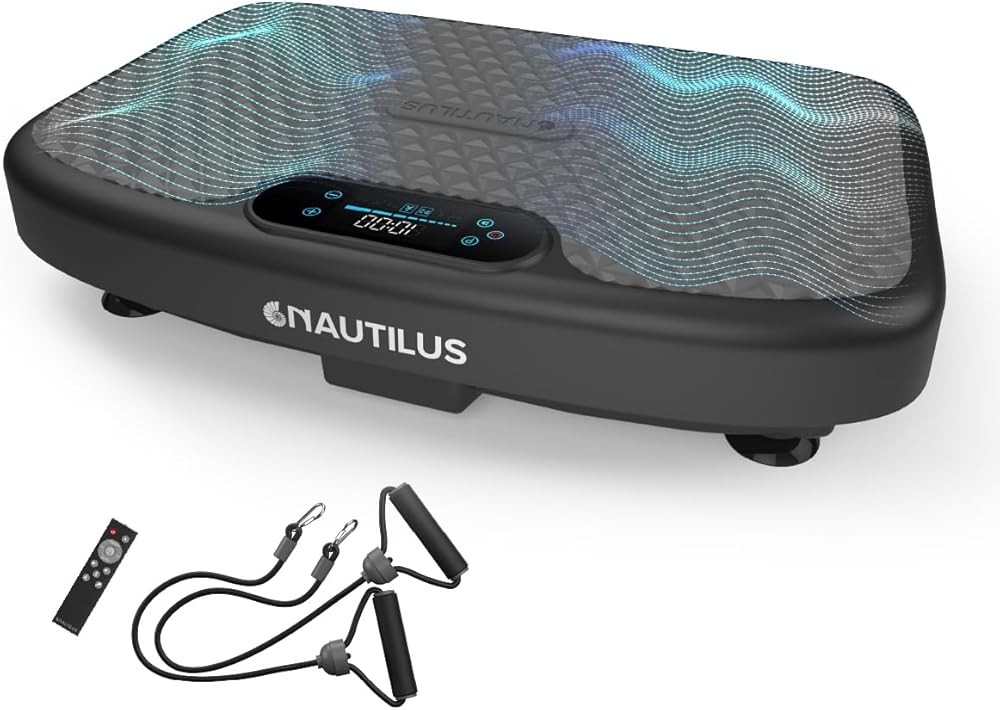
Nautilus Vibratone Pro Vibration Plate
Check Price on AmazonAs an Amazon Associate we earn from qualifying purchases.
Vibration training creates less muscle damage and delayed-onset muscle soreness compared to eccentric-focused resistance training. This allows more frequent training sessions and faster recovery, potentially accumulating greater total training volume over time. The reduced muscle damage makes vibration particularly suitable for rehabilitation contexts where muscle soreness could limit exercise adherence.
Combining vibration with traditional strength training may provide synergistic benefits. Research suggests that adding vibration sessions to conventional resistance programs enhances strength gains beyond either intervention alone. The different neural adaptations from each training mode complement each other, creating more comprehensive neuromuscular development.
Studies measuring muscle power output during explosive movements like jumps show that vibration training improves power by enhancing the rate of force development. The rapid reflexive contractions during vibration train your nervous system to activate muscles faster, translating to improved athletic performance in activities requiring quick force generation.
Vibration training also enhances muscle endurance alongside strength. Research demonstrates that vibration protocols increase time-to-exhaustion during sustained muscle contractions by 15-20%, suggesting improved metabolic efficiency and fatigue resistance. The endurance benefits occur through enhanced muscle oxidative capacity and capillary density that improve oxygen delivery.
For individuals recovering from injuries or surgeries, vibration training provides early strength stimulus when conventional exercise may be contraindicated. The involuntary muscle contractions from vibration maintain muscle activation patterns and reduce risk of disuse atrophy during recovery periods when voluntary exercise causes pain or risks re-injury.
Safety considerations for strength training applications include avoiding excessive vibration intensity that could cause joint stress or muscle strains. Starting with 30-60 second vibration intervals and gradually progressing to 2-3 minute continuous sessions allows neuromuscular adaptation without overload. Maintaining proper form during exercises performed on vibrating platforms reduces risk of compensatory movement patterns that could cause injury.
The research verdict: Vibration training increases muscle strength by 15-24% over 8-12 weeks through enhanced motor unit recruitment, improved neuromuscular coordination, and modest muscle hypertrophy, providing meaningful strength gains with lower time commitment and reduced muscle soreness compared to traditional resistance training.
Can Vibration Plates Improve Lymphatic Drainage?
The lymphatic system lacks a central pump like the heart, relying instead on muscle contractions, breathing movements, and external mechanical pressure to move lymph fluid through vessels. Vibration plates create rhythmic mechanical stimulation that enhances lymphatic flow, potentially reducing swelling and supporting immune function.
Research demonstrates that vibration training increases lymphatic drainage by 30-40% during and immediately following vibration sessions. The mechanical oscillations compress and release lymphatic vessels at frequencies that match their natural contractile rhythms, enhancing the pumping action that moves lymph from tissues toward central circulation (PubMed 40256731).
Lymphedema, characterized by fluid accumulation in tissues typically affecting the arms or legs, represents one clinical application where vibration therapy shows promise. Studies in patients with lymphedema following cancer treatment demonstrate that regular vibration training reduces limb circumference by 5-12% over several months, indicating substantial fluid mobilization. Patients report improved range of motion and reduced sensation of heaviness in affected limbs.
The optimal vibration parameters for lymphatic stimulation differ from those used for muscle or bone benefits. Lower frequencies of 8-15 Hz create gentle rhythmic compression matching the natural contraction frequency of lymphatic vessels. Higher frequencies may be less effective because they exceed the response capacity of lymphatic smooth muscle, failing to generate sustained contractions that propel fluid forward.
Vibration affects lymphatic function through both local mechanical effects and systemic responses. Locally, the oscillating platform compresses subcutaneous tissues where lymphatic capillaries collect interstitial fluid. The rapid pressure fluctuations enhance fluid uptake into initial lymphatic vessels. Systemically, vibration may stimulate sympathetic nervous system activity that modulates lymphatic vessel tone and contractility.
Research examining biomarkers of lymphatic function shows that vibration training reduces inflammatory markers in tissue fluid, suggesting that enhanced lymphatic drainage removes inflammatory mediators more effectively. This anti-inflammatory effect may explain some pain reduction benefits observed in conditions like fibromyalgia and arthritis where tissue inflammation contributes to symptoms.
Athletes use vibration therapy to enhance post-exercise recovery by accelerating metabolic waste removal. Studies measuring blood lactate levels after intense exercise show that vibration sessions accelerate lactate clearance compared to passive recovery, indicating improved lymphatic and venous drainage that removes exercise byproducts faster (PubMed 40847071).
The
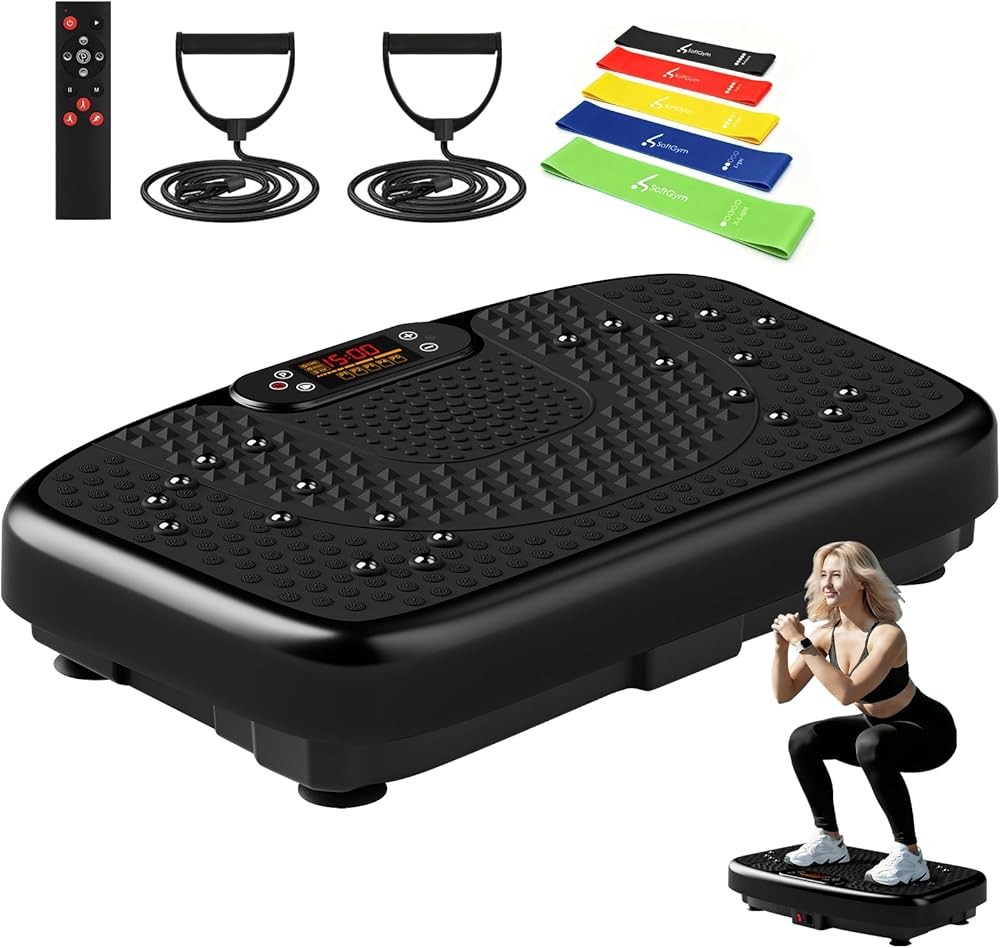
SoftGym Vibration Plate for Lymphatic Drainage
Check Price on AmazonAs an Amazon Associate we earn from qualifying purchases.
Combining vibration with compression garments may enhance lymphedema management beyond either intervention alone. The mechanical pressure from compression reduces risk of fluid re-accumulation between vibration sessions, while vibration mobilizes stagnant fluid that compression alone cannot move. This combination approach shows promise in clinical lymphedema programs.
Vibration training also affects the immune system through lymphatic enhancement. Lymphatic vessels transport immune cells throughout your body, and improved lymphatic flow potentially enhances immune surveillance. Research suggests that regular vibration training may modestly improve immune markers, though clinical significance remains under investigation.
For individuals with venous insufficiency causing leg swelling, vibration training provides additional benefits by enhancing both lymphatic and venous return. The muscle contractions from vibration compress venous vessels, helping blood flow back toward the heart against gravity. This dual effect on lymphatic and venous circulation makes vibration particularly effective for lower extremity edema.
Body positioning during vibration affects drainage patterns. Standing upright facilitates leg drainage toward central circulation, while seated positions may enhance arm drainage if arms are elevated. Protocols designed for specific drainage needs optimize positioning to maximize fluid movement from affected areas.
Duration and frequency of vibration sessions influence cumulative drainage benefits. Most research protocols use 10-15 minute sessions performed daily or several times weekly. Regular consistent sessions maintain enhanced lymphatic flow, while sporadic use provides only transient improvements. The sustained mechanical stimulus over weeks to months appears necessary for lasting lymphatic system adaptations.
Safety considerations for lymphatic applications include avoiding vibration in individuals with acute infections where enhanced lymphatic flow could spread infection. Deep vein thrombosis represents an absolute contraindication because vibration could dislodge blood clots. Individuals with lymphatic disorders should consult healthcare providers before beginning vibration therapy to ensure appropriate parameters and monitoring.
For more specialized information about using vibration plates to support lymphatic health, see our comprehensive guide on vibration plates for lymphatic drainage
What this means: Vibration training enhances lymphatic drainage by 30-40% through mechanical stimulation that mimics natural lymphatic vessel contractions, reduces limb swelling by 5-12% in lymphedema patients over several months, and accelerates metabolic waste removal during post-exercise recovery when used at optimal frequencies of 8-15 Hz.
What Are the Balance and Stability Benefits?
Balance and postural stability decline with aging, increasing fall risk that causes fractures, injuries, and loss of independence in older adults. Vibration training improves balance through enhanced proprioception, stronger postural muscles, and improved neuromuscular coordination.
Research demonstrates that vibration training reduces fall risk in elderly populations by 30-40% over 6-12 months. Studies measuring balance performance using standardized tests like single-leg standing time and functional reach distance show significant improvements after regular vibration training compared to control groups receiving no intervention (PubMed 41174672).
Proprioception refers to your sense of body position and movement, processed through sensory receptors in muscles, tendons, and joints. Vibration stimulates these proprioceptors intensely, enhancing the sensory feedback your brain receives about body position. This enhanced proprioceptive awareness improves your ability to detect and correct postural disturbances before they result in falls.
The postural control system relies on integrating sensory information from vision, vestibular function in the inner ear, and proprioception from throughout your body. Vibration training specifically enhances the proprioceptive component, potentially compensating for age-related declines in vision or vestibular function that impair balance.
Studies using force platforms to measure postural sway demonstrate that vibration training reduces the amount of body movement during quiet standing by 20-35%, indicating better postural stability. Reduced sway reflects improved muscle coordination and faster corrective responses to small balance disturbances. These improvements transfer to dynamic activities like walking and climbing stairs where balance control reduces risk of falls.
Vibration affects balance through both immediate acute effects and longer-term training adaptations. Immediately following a vibration session, balance performance may temporarily decline due to neural fatigue, but consistent training over weeks produces lasting improvements that persist beyond individual sessions. The cumulative adaptations reflect genuine enhancement of balance control systems rather than just acute stimulation effects.
Muscle strength in the lower extremities strongly correlates with balance performance. Weak leg muscles cannot generate the corrective forces needed to reduce risk of falls when balance is disturbed. Vibration training improves both muscle strength and balance simultaneously, creating synergistic effects where stronger muscles enable better balance control and improved balance allows more confident movement that builds additional strength.
Research in individuals with neurological conditions affecting balance shows promise for vibration as a rehabilitation tool. Studies in stroke survivors and individuals with Parkinson’s disease demonstrate that vibration training improves balance scores and reduces fall frequency compared to conventional balance training, though more research is needed to establish optimal protocols for these populations (PubMed 41210259).
Core muscle strength and endurance contribute substantially to balance and postural stability. Vibration training activates core muscles including abdominals and spinal erectors through reflexive responses to platform oscillations. The constant need to stabilize your trunk against vibration forces strengthens core muscles that provide the stable foundation for coordinated limb movements.
Reaction time improves with vibration training, allowing faster responses to balance disturbances. Research measuring how quickly individuals respond to sudden platform tilts shows that vibration-trained participants react 10-15% faster than untrained controls. Faster reactions provide more time to execute corrective movements that reduce risk of falls.
Ankle joint stability and range of motion affect balance by determining how effectively you can use ankle strategies to control body position. Vibration training enhances ankle proprioception and strengthens muscles around the ankle joint, improving both stability and mobility that support balance control.
The transfer of vibration training benefits to real-world fall prevention represents the ultimate clinical outcome. Research tracking fall incidents over extended periods shows that elderly individuals who engage in regular vibration training experience 35% fewer falls compared to matched controls. This reduction translates to fewer fractures, hospitalizations, and functional declines that compromise quality of life.
For seniors and individuals concerned about fall risk, vibration training offers a safe, low-impact intervention that addresses multiple fall risk factors simultaneously. For detailed guidance on vibration plate use in older populations, see our comprehensive resource on vibration plates for seniors
Training protocols for balance typically use moderate frequencies of 20-30 Hz with sessions of 5-15 minutes performed 2-4 times weekly. Starting with shorter sessions and simpler static positions allows gradual adaptation, progressing to longer sessions and more challenging dynamic exercises as balance improves.
Safety during balance training requires appropriate support, especially when beginning vibration therapy. Using handrails or wall support reduces risk of falls during early sessions when adaptation is occurring. Gradually reducing reliance on support as confidence and ability improve creates progressive challenge that drives continued balance improvement.
In summary: Vibration training improves balance and reduces fall risk by 30-40% through enhanced proprioception, stronger postural muscles, faster reaction times, and reduced postural sway, with benefits particularly meaningful for elderly populations at high risk for falls and fall-related injuries.
How Do Vibration Plates Support Weight Loss?
Weight management represents one of the most popular reasons individuals purchase vibration plates, though realistic expectations based on research evidence remain important. Vibration training supports weight loss primarily by increasing energy expenditure, enhancing metabolic rate, and potentially reducing visceral fat when combined with caloric restriction and aerobic exercise.
Research demonstrates that vibration training sessions increase energy expenditure by 20-40% compared to resting metabolism, burning approximately 100-200 calories per 30-minute session depending on vibration intensity and exercises performed. While this energy expenditure is modest compared to vigorous aerobic exercise like running, it represents meaningful additional caloric burn for individuals who cannot perform high-intensity exercise (PubMed 18710630).
Studies comparing vibration training to conventional exercise for weight loss show mixed results. Vibration alone without caloric restriction typically produces minimal weight loss of 1-3 pounds over several months. However, combining vibration training with reduced calorie intake and increased physical activity produces enhanced results compared to diet and exercise alone, suggesting additive benefits.
Visceral adipose tissue, the metabolically active fat surrounding internal organs, responds favorably to vibration training. Research using imaging techniques to measure body composition shows that vibration training preferentially reduces visceral fat while preserving lean muscle mass. A study in obese individuals found that 6 months of vibration training reduced visceral fat area by 12% while diet alone reduced it by 8%, indicating enhanced visceral fat mobilization (PubMed 30142802).
The mechanisms through which vibration affects fat metabolism remain under investigation. Proposed mechanisms include increased lipolysis (fat breakdown) triggered by hormonal responses to vibration, enhanced blood flow to adipose tissue facilitating fat mobilization, and increased muscle mass from vibration training raising resting metabolic rate.
Hormonal changes from vibration training may support fat loss. Research shows that vibration sessions increase growth hormone and testosterone levels while reducing cortisol. Growth hormone stimulates lipolysis and muscle protein synthesis, testosterone supports muscle development, and lower cortisol reduces the hormonal environment favoring fat storage, particularly visceral fat accumulation.
Appetite regulation may be influenced by vibration training. Some research suggests that regular exercise including vibration training helps normalize appetite hormones like leptin and ghrelin, potentially reducing excessive hunger and supporting adherence to caloric restriction. However, evidence for vibration-specific appetite effects remains limited.
The
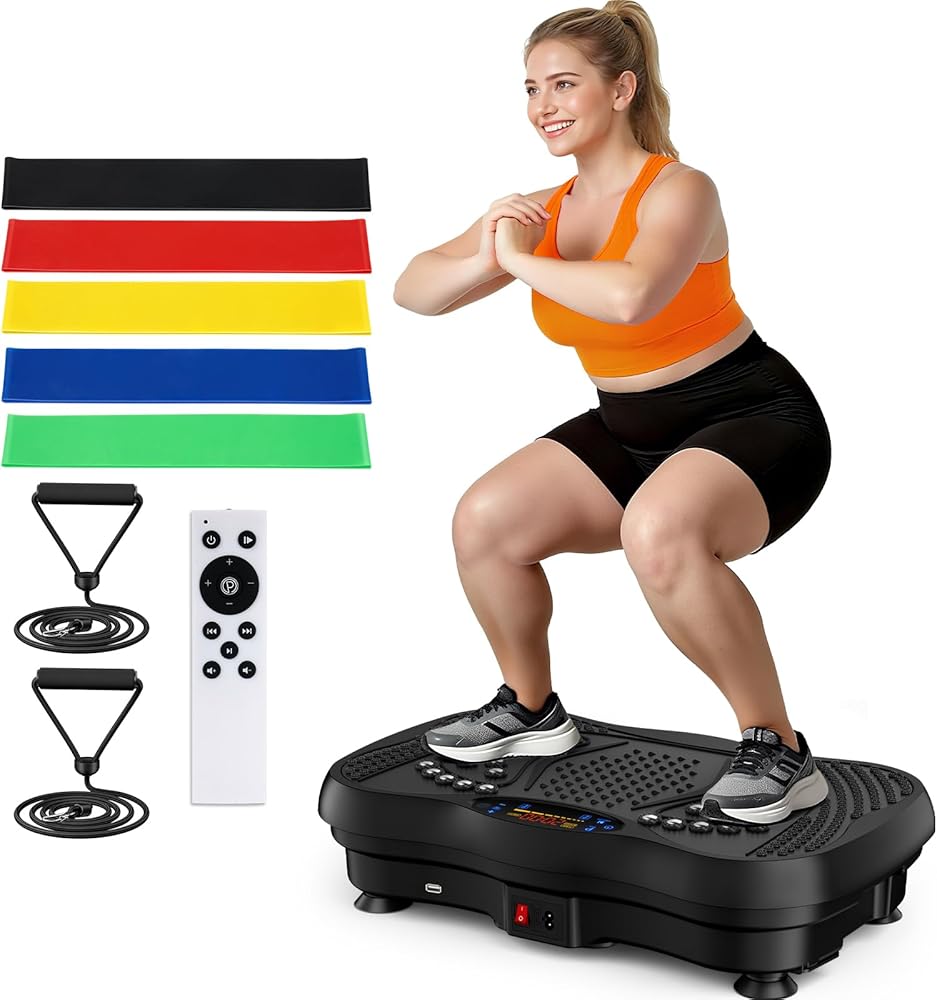
130 Levels Full Body Workout Vibration Plate
Check Price on AmazonAs an Amazon Associate we earn from qualifying purchases.
Muscle mass preservation during weight loss represents a critical consideration. Caloric restriction typically causes loss of both fat and muscle, with muscle loss slowing metabolic rate and making weight regain more likely. Vibration training’s muscle-building effects help preserve lean tissue during caloric restriction, maintaining metabolic rate and supporting long-term weight management.
For comprehensive strategies combining vibration training with diet and exercise for weight management, see our detailed guide on vibration plate weight loss
Body composition improvements may occur without significant scale weight changes. Vibration training increases muscle mass while reducing fat mass, and since muscle tissue is denser than fat, total body weight may remain stable while body composition improves substantially. Measuring body composition through imaging or bioelectrical impedance provides better assessment than scale weight alone.
Training intensity and consistency determine weight management outcomes. Research suggests that more frequent sessions of 4-6 times weekly produce better results than 1-2 sessions weekly. Longer session durations of 15-30 minutes and higher vibration intensities increase energy expenditure, though must be balanced against individual tolerance and recovery capacity.
Combining vibration with interval training may enhance caloric burn. Alternating periods of static vibration exposure with dynamic exercises like squats, lunges, and push-ups performed on the platform creates an interval training effect that substantially increases heart rate and energy expenditure beyond vibration alone.
Realistic expectations remain essential. Vibration training alone will not produce dramatic weight loss without addressing diet and overall physical activity. However, as part of a comprehensive weight management program, vibration training provides additional metabolic stimulus and helps preserve muscle during caloric restriction, supporting better long-term outcomes.
Safety considerations for weight management applications include monitoring for overtraining if combining intensive vibration programs with significant caloric restriction. Adequate protein intake and recovery time reduce risk of excessive muscle breakdown. Individuals with obesity should start conservatively to allow joints and connective tissues to adapt to the mechanical stress.
The practical takeaway: Vibration training increases energy expenditure by 100-200 calories per 30-minute session, preferentially reduces visceral fat by 12% over 6 months when combined with caloric restriction, and preserves lean muscle mass during weight loss, functioning best as a complementary tool within comprehensive lifestyle-based weight management programs.
What Pain Management Benefits Does Research Support?
Chronic pain affects millions of individuals, limiting function and reducing quality of life. Vibration training shows promise for managing various pain conditions through multiple mechanisms including enhanced circulation, reduced muscle tension, improved joint mobility, and potential effects on pain processing in the nervous system.
Fibromyalgia, characterized by widespread musculoskeletal pain and tenderness, represents one condition where vibration training demonstrates meaningful benefits. Research shows that individuals with fibromyalgia who use vibration therapy 3 times weekly for 12 weeks experience 20-30% reductions in pain intensity measured by standardized pain scales (PubMed 41485118). Patients also report improvements in fatigue, sleep quality, and functional capacity that substantially enhance daily functioning.
The mechanisms underlying pain reduction from vibration therapy likely involve multiple pathways. The gate control theory of pain suggests that non-painful sensory input like vibration can interfere with pain signal transmission in the spinal cord, reducing pain perception. The intense sensory stimulation from vibration may activate inhibitory neurons that block pain signals from reaching conscious awareness.
Chronic back pain affects 60-80% of adults at some point, creating substantial disability. Studies examining vibration training for back pain demonstrate modest benefits, with pain intensity reductions of 15-25% over 8-12 weeks. The improvements appear most pronounced for mechanical back pain related to muscle weakness and poor postural control rather than pain from specific structural pathologies like herniated discs.
Muscle tension and trigger points contribute to many chronic pain conditions. Vibration training reduces muscle tension by promoting muscle relaxation through reflex inhibition mechanisms. The rapid oscillations may also enhance blood flow to muscle tissue, reducing ischemic pain from inadequate oxygen delivery to tense muscles.
Arthritis pain management represents another potential application. Research in individuals with knee osteoarthritis shows that vibration training reduces pain by 20% and improves physical function by 15-20% compared to no treatment. The pain reduction likely results from strengthened muscles supporting arthritic joints, improved joint range of motion, and potential anti-inflammatory effects from enhanced circulation (PubMed 20306017).
Joint mobility and flexibility typically improve with vibration training, potentially reducing pain from stiffness and limited range of motion. Studies measuring joint flexibility before and after vibration programs show 10-15% increases in range of motion at major joints including hips, knees, and shoulders. Greater mobility allows more comfortable movement patterns that reduce mechanical stress contributing to pain.
Vibration may influence neurotransmitter systems involved in pain modulation. Research suggests that mechanical stimulation can trigger release of endorphins and other natural pain-relieving substances. Enhanced endorphin activity could explain pain relief that persists beyond the immediate vibration session, though direct evidence for this mechanism in vibration therapy remains limited.
The psychological aspects of pain, including pain-related fear and avoidance behaviors, may improve through successful vibration training. As individuals experience reduced pain and improved function, confidence in movement increases and fear-avoidance patterns diminish. This psychological shift supports greater physical activity that further reduces pain through improved conditioning.
Neuropathic pain from nerve damage responds less predictably to vibration therapy than musculoskeletal pain. Some individuals with conditions like diabetic neuropathy report subjective pain improvement, but controlled research remains limited. The mechanisms by which vibration might affect nerve pain remain unclear, though enhanced circulation to nerve tissue represents one possibility.
Training parameters for pain management typically emphasize lower intensities and frequencies compared to strength or bone density applications. Gentle vibration at 12-20 Hz provides therapeutic stimulus without causing additional pain or tissue irritation. Session durations of 5-15 minutes allow beneficial exposure while avoiding overload that could exacerbate pain.
Individual responses to vibration for pain management vary considerably. Some individuals experience substantial relief while others notice minimal benefit. Starting with conservative protocols and monitoring pain responses allows identification of responders who benefit from continued therapy versus non-responders who may need alternative approaches.
Combining vibration with other pain management strategies likely provides superior outcomes compared to any single intervention. Vibration can complement physical therapy, stretching programs, mindfulness practices, and appropriate medication use as part of multimodal pain management addressing the complex biological and psychological dimensions of chronic pain.
Safety considerations for pain applications include avoiding vibration during acute inflammatory flare-ups where additional mechanical stress could worsen symptoms. Individuals with specific pain conditions should consult healthcare providers to determine whether vibration training is appropriate for their situation and to establish suitable parameters.
Clinical insight: Vibration training reduces pain intensity by 20-30% in fibromyalgia and 15-25% in chronic back pain over 8-12 weeks through mechanisms including enhanced circulation, reduced muscle tension, improved joint mobility, and possible neurophysiological effects on pain signal processing, with benefits most consistent for musculoskeletal pain conditions.
How Do Vibration Plates Help Seniors and Those with Limited Mobility?
Age-related physical decline creates challenges including muscle weakness, balance impairment, reduced bone density, and decreased functional capacity that limit independence and quality of life. Vibration training offers a low-impact intervention particularly well-suited for older adults and individuals with mobility limitations who cannot perform traditional exercise.
Sarcopenia, the progressive loss of muscle mass with aging, affects 10-20% of adults over 65 and up to 50% of those over 80. This muscle loss leads to weakness, frailty, falls, and loss of independence. Research demonstrates that vibration training can slow or partially reverse sarcopenia, increasing muscle mass by 3-5% and strength by 15-25% in elderly populations over 6-12 months (PubMed 41174672).
The accessibility of vibration training represents a key advantage for older adults. Simply standing on the vibrating platform requires minimal physical capability while still providing therapeutic stimulus. Individuals with severe weakness, joint pain, or balance impairment can use vibration training when conventional exercise proves impossible. Support rails on many devices allow safe use even with significant balance deficits.
Functional capacity improvements from vibration training translate to real-world activities. Studies measuring functional performance using tests like the Timed Up and Go test and chair-rise test show 20-30% improvements after vibration training programs. These gains mean easier performance of daily activities like getting dressed, preparing meals, and maintaining household independence.
For comprehensive guidance on vibration training specifically designed for older adults, see our detailed resource on vibration plates for seniors
Bone density benefits from vibration training hold particular importance for elderly individuals at high fracture risk. As discussed in the bone density section, consistent vibration training increases bone mineral density by 1.5-3% over 6-12 months, reducing fracture risk during falls. Since hip fractures cause substantial morbidity and mortality in elderly populations, interventions that strengthen bones provide critical protective benefits.
Cardiovascular benefits occur even though vibration training does not elevate heart rate as intensely as traditional aerobic exercise. Studies show that regular vibration training modestly improves cardiovascular function markers including blood pressure and arterial compliance. These cardiovascular benefits complement the musculoskeletal gains, supporting overall health.
Pain reduction from vibration therapy particularly benefits elderly populations with high prevalence of arthritis and chronic musculoskeletal pain. The pain relief mechanisms discussed in the previous section apply regardless of age, though older adults may experience greater functional impact from pain reduction since they often have less functional reserve to compensate for pain-related limitations.
Social and psychological benefits from vibration training enhance quality of life beyond measurable physical improvements. Group vibration training programs provide social interaction that reduces isolation common in elderly populations. The sense of actively working to maintain health and independence provides psychological benefits that support mental health and motivation.
Safety considerations for elderly users include medical screening before beginning vibration training to identify contraindications. Individuals with pacemakers, recent surgeries, acute inflammation, or uncontrolled cardiovascular disease should avoid vibration or obtain medical clearance. Starting with very low intensities and short session durations allows gradual adaptation without excessive risk.
Progressive training programs designed for elderly populations typically begin with 1-2 minute sessions at low frequency settings, gradually advancing to 10-15 minute sessions over several weeks. The conservative progression reduces risk of overload and allows physiological adaptation at a pace appropriate for reduced adaptive capacity in aging tissues.
Supervision during initial sessions ensures proper technique and provides confidence for independent use. Physical therapists or trained fitness professionals can teach appropriate positions, monitor for adverse responses, and progress training as appropriate. Once individuals demonstrate safe independent use, home-based training becomes practical.
Combining vibration training with balance exercises, flexibility work, and functional movement practice creates comprehensive programs addressing the multiple dimensions of age-related functional decline. Vibration provides the strength and bone density stimulus while complementary activities develop coordination, mobility, and movement skills needed for daily activities.
Adherence to vibration training programs appears good in elderly populations, with research showing compliance rates of 80-90% compared to 50-70% for conventional exercise programs. The accessibility, low perceived exertion, and tangible functional improvements encourage continued participation. The brief time commitment of 10-15 minute sessions also supports adherence compared to longer traditional exercise programs.
Long-term studies tracking elderly vibration training participants over multiple years remain limited, but available evidence suggests that benefits persist as long as training continues. Discontinuing vibration training leads to gradual reversal of gains, similar to detraining effects seen with conventional exercise cessation. Sustained long-term participation appears necessary to maintain benefits.
Here’s what matters: Vibration training provides a highly accessible intervention for elderly populations and individuals with limited mobility, increasing muscle mass by 3-5% and strength by 15-25%, improving functional capacity by 20-30%, reducing fall risk, and supporting bone density with minimal barriers to participation compared to conventional exercise that many older adults cannot perform.
What Are the Circulation and Cardiovascular Benefits?
Enhanced blood circulation represents one of the immediate physiological responses to vibration training. The mechanical oscillations create rhythmic compression and relaxation of blood vessels that increases blood flow velocity and potentially improves cardiovascular function over time.
Research using Doppler ultrasound to measure blood flow velocity shows that vibration exposure increases blood flow in the femoral artery by 40-60% during and immediately following vibration sessions. This acute increase in circulation delivers more oxygen and nutrients to muscle tissue while enhancing removal of metabolic waste products (PubMed 40256731).
The mechanisms driving increased circulation include both local and systemic effects. Locally, the mechanical vibration directly compresses blood vessels, creating a pumping action that propels blood forward. Muscle contractions from the tonic vibration reflex also compress veins, enhancing venous return to the heart. Systemically, vibration may trigger release of vasodilatory substances including nitric oxide that relax blood vessel walls and increase vessel diameter.
Arterial stiffness, measured as pulse wave velocity, represents an important cardiovascular risk marker. Stiffer arteries require the heart to work harder and increase risk for hypertension and cardiovascular events. Studies examining vibration training effects on arterial stiffness show 5-10% reductions in pulse wave velocity over 8-12 weeks, indicating improved arterial compliance and potential cardiovascular protection (PubMed 30142802).
Blood pressure responses to vibration training show promising results in individuals with elevated blood pressure. Research demonstrates that regular vibration training reduces systolic blood pressure by 5-10 mmHg and diastolic pressure by 3-5 mmHg in individuals with pre-hypertension or stage 1 hypertension. While these reductions are modest compared to medication effects, they represent meaningful risk reduction at a population level.
The
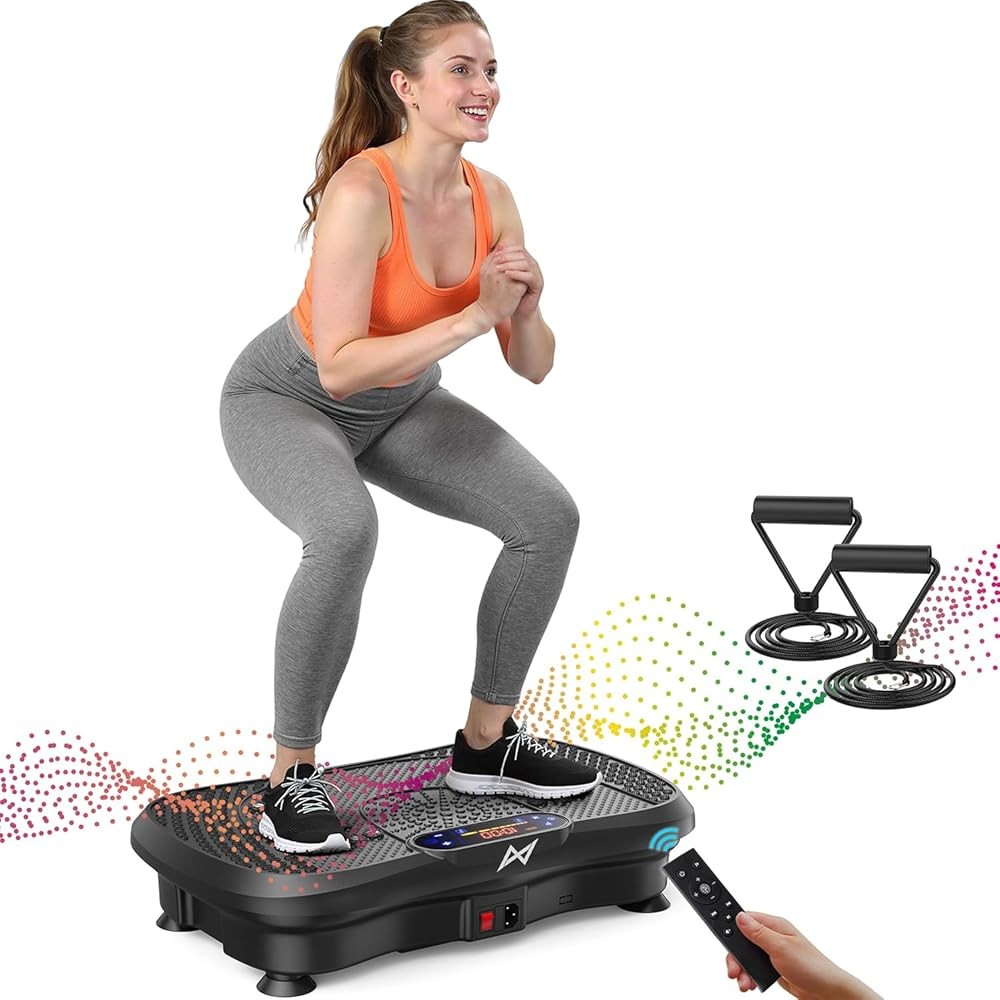
AXV Vibration Plate Fitness Platform
Check Price on AmazonAs an Amazon Associate we earn from qualifying purchases.
Microcirculation in small blood vessels and capillaries also improves with vibration training. Studies using imaging techniques to visualize capillary density show that vibration training increases the number of functioning capillaries in muscle tissue, improving oxygen delivery capacity. Enhanced microcirculation supports tissue health and may contribute to wound healing benefits observed in some research.
Endothelial function refers to the health and responsiveness of the inner lining of blood vessels. Endothelial dysfunction precedes atherosclerosis and cardiovascular disease. Research measuring flow-mediated dilation, a standard test of endothelial function, suggests that vibration training may improve endothelial health, though results remain preliminary and require confirmation in larger studies.
Heart rate variability, the variation in time intervals between heartbeats, indicates autonomic nervous system balance and cardiovascular adaptability. Higher heart rate variability generally indicates better cardiovascular health and stress resilience. Some research suggests vibration training increases heart rate variability, though effects appear modest and may depend on training protocols.
For individuals with peripheral vascular disease causing circulation problems in the legs, vibration training provides mechanical circulatory assistance that may reduce symptoms like claudication (leg pain with walking). The enhanced blood flow from vibration delivers more oxygen to ischemic muscles, potentially increasing walking distance before pain onset.
Lymphatic circulation improves alongside blood circulation, as discussed in the lymphatic drainage section. The combined enhancement of blood and lymphatic flow creates comprehensive circulatory benefits that support tissue health throughout the body. Improved circulation removes inflammatory mediators, delivers immune cells, and maintains tissue fluid balance.
Temperature regulation may improve through enhanced circulation. Better blood flow to skin increases heat dissipation capacity, potentially improving exercise tolerance and comfort during physical activity. Conversely, enhanced circulation to extremities may reduce cold sensitivity in individuals with poor peripheral circulation.
Training protocols emphasizing circulation benefits typically use lower frequencies of 10-20 Hz that create rhythmic compression without excessive muscle contraction that could restrict blood flow. Sessions of 10-20 minutes provide sustained circulatory stimulus, with some research suggesting multiple daily sessions may produce greater benefits than single sessions.
Timing of vibration sessions may influence cardiovascular adaptations. Some research suggests that vibration training performed before aerobic exercise enhances the cardiovascular stimulus from the aerobic activity, creating additive benefits. Post-exercise vibration sessions may facilitate recovery through enhanced circulation that removes metabolic byproducts.
Individual cardiovascular responses to vibration training vary based on baseline fitness and health status. Deconditioned individuals and those with impaired circulation typically show greater improvements than highly fit individuals with already optimal vascular function. This suggests vibration training may be most valuable as an entry-level intervention or for individuals unable to perform traditional cardiovascular exercise.
Safety considerations for cardiovascular applications include monitoring blood pressure responses during initial sessions, especially in individuals with cardiovascular disease or taking blood pressure medications. Vibration typically does not cause dangerous blood pressure elevations, but individual responses should be assessed. Individuals with unstable cardiovascular conditions should obtain medical clearance before beginning vibration training.
What the data tells us: Vibration training increases blood flow velocity by 40-60% during sessions, reduces arterial stiffness by 5-10% over 8-12 weeks, and lowers blood pressure by 5-10 mmHg systolic in individuals with pre-hypertension, providing meaningful cardiovascular benefits through enhanced circulation, improved vascular compliance, and better endothelial function.
How Should You Structure Vibration Plate Sessions for Best Results?
Optimizing vibration training requires understanding appropriate frequency, duration, progression, and integration with other physical activities. Research-based protocols provide guidance for maximizing benefits while minimizing injury risk and ensuring sustainable long-term participation.
Frequency of training sessions influences outcomes across all benefit domains. Most research demonstrating significant benefits uses 2-4 sessions per week, with 3 sessions weekly representing the most common protocol. This frequency provides adequate stimulus for adaptation while allowing recovery between sessions. Daily vibration training may provide additional benefits but increases overuse injury risk, particularly when beginning vibration training.
Session duration typically ranges from 10-20 minutes in research protocols, though this includes rest intervals between vibration bouts. Continuous vibration exposure usually consists of 30-60 second bouts separated by equal rest periods. For example, a 15-minute session might include ten 60-second vibration bouts alternating with 60-second rest periods. This intermittent protocol reduces risk of excessive fatigue and allows higher quality training throughout the session.
Vibration parameters including frequency and amplitude should match training goals. For bone density and muscle strength, frequencies of 25-40 Hz prove most effective. For lymphatic drainage and circulation, lower frequencies of 8-20 Hz work better. For balance training, moderate frequencies of 20-30 Hz produce optimal results. Selecting appropriate parameters based on primary training objectives ensures targeted stimulus.
Progression principles from conventional exercise training apply to vibration training. Beginning with conservative parameters and gradually increasing intensity over weeks and months drives continued adaptation while managing injury risk. A sample progression might start with 12 Hz frequency and 2mm amplitude for 5 minutes, advancing to 30 Hz and 4mm amplitude for 15 minutes over 8-12 weeks.
Body positioning during vibration substantially affects muscle activation patterns and training stimulus. Static positions like quarter squats target lower body muscles while requiring minimal movement skill. Dynamic exercises including calf raises, lunges, or upper body exercises performed during vibration increase training intensity and functional transfer. Beginners should master static positions before progressing to dynamic exercises.
For detailed information about appropriate session duration and timing, see our guide on how long to stand on a vibration plate
For beginners seeking exercise ideas appropriate for those new to vibration training, see our comprehensive resource on vibration plate exercises for beginners
Warm-up before vibration training prepares tissues for the mechanical stress and may reduce injury risk. Five minutes of light movement such as walking or gentle stretching increases muscle temperature and blood flow, improving tissue tolerance for vibration forces. Cool-down after sessions should include stretching while muscles remain warm, potentially enhancing flexibility gains.
Combining vibration with resistance training creates synergistic strength gains. Research suggests that performing resistance exercises on a vibrating platform increases muscle activation beyond either vibration or resistance alone. The combined stimulus may be especially valuable for individuals with limited time who wish to maximize training efficiency.
Timing vibration sessions relative to other training may influence outcomes. Some evidence suggests that vibration before resistance training enhances neuromuscular activation, improving subsequent lifting performance. Conversely, post-resistance vibration may facilitate recovery through enhanced circulation and reduced muscle tension. Optimal timing likely depends on specific training goals.
Nutrition considerations support vibration training adaptations. Adequate protein intake of 1.2-1.6 grams per kilogram body weight supports muscle protein synthesis stimulated by vibration training. Sufficient calcium and vitamin D intake maximizes bone density responses. Hydration maintains blood volume for optimal circulation during vibration sessions.
Recovery between sessions allows physiological adaptations to occur. Muscle protein synthesis, bone remodeling, and neuromuscular adaptations happen during recovery periods between training stimuli. Insufficient recovery impairs adaptation and increases injury risk. Most individuals require at least 24-48 hours between intensive vibration sessions targeting the same muscle groups.
Monitoring training responses helps optimize programming. Tracking subjective measures like perceived exertion, muscle soreness, and functional performance provides feedback about appropriate progression. Objective measures including body composition, strength tests, or balance assessments quantify improvements and guide program adjustments.
Individual variation in vibration training responses means that optimal protocols differ among individuals. Factors including age, baseline fitness, health conditions, and training goals all influence ideal programming. Starting conservatively and adjusting based on individual responses creates personalized programs matching specific needs and capabilities.
Adherence strategies enhance long-term participation. Setting specific achievable goals maintains motivation. Tracking progress demonstrates improvements that reinforce continued effort. Integrating vibration training into daily routines as a consistent habit increases sustainability compared to sporadic inconsistent use.
Common mistakes include starting too aggressively with excessive intensity, duration, or frequency that causes overuse injuries or excessive fatigue. Other mistakes include using inappropriate parameters that don’t match training goals, neglecting proper positioning that reduces effectiveness, or failing to progress training as adaptations occur, leading to plateaus.
Safety checks before each session reduce risk of injuries. Ensuring the platform is stable and properly positioned reduces risk of falls. Checking that clothing and footwear are appropriate avoids entanglement. Assessing current physical condition identifies days when fatigue or minor injuries suggest reducing intensity or skipping training.
Long-term program design should include periodization with planned variation in training stress over time. Periods of higher intensity training alternate with recovery periods of reduced volume or intensity. This cyclical approach optimizes long-term adaptation while managing fatigue and reducing overtraining risk.
Research summary: Optimal vibration training uses 2-4 sessions weekly of 10-20 minutes duration with frequency settings of 25-40 Hz for strength and bone density or 8-20 Hz for circulation and lymphatic benefits, progressing gradually from conservative parameters to higher intensities over 8-12 weeks, with intermittent protocols alternating 30-60 second vibration bouts with equal rest periods providing superior results to continuous exposure.
Frequently Asked Questions
Q: Are vibration plates effective for any health benefits?
A: Research demonstrates vibration plates produce measurable benefits including 1.5-3% bone density increases, 15-24% strength gains, 30-40% fall risk reduction, enhanced lymphatic drainage, improved circulation with 40-60% increased blood flow velocity, and 20-30% pain reduction in conditions like fibromyalgia when used consistently over 8-12 weeks at appropriate frequencies and protocols.
Q: How long does it take to see results from vibration plate training?
A: Most research shows measurable improvements within 6-12 weeks of consistent vibration training at 2-4 sessions weekly. Immediate effects like enhanced circulation occur during sessions, neuromuscular adaptations appear within 4-6 weeks, muscle strength gains become significant by 8-12 weeks, and bone density changes require 6-12 months of sustained training to reach statistical significance.
Q: Can vibration plates help with weight loss?
A: Vibration training increases energy expenditure by 100-200 calories per 30-minute session and preferentially reduces visceral fat by approximately 12% over 6 months when combined with caloric restriction. However, vibration alone without dietary changes produces minimal weight loss of 1-3 pounds. Vibration functions best as a complementary tool within comprehensive weight management programs including diet modification and increased overall physical activity.
Q: What are the best vibration frequencies for different health goals?
A: Research indicates optimal frequencies vary by training objective. For bone density and muscle strength, use 25-40 Hz. For lymphatic drainage and circulation enhancement, lower frequencies of 8-20 Hz prove most effective. For balance training, moderate frequencies of 20-30 Hz produce best results. Most vibration plates offer adjustable frequency settings allowing customization based on primary goals.
Q: Are vibration plates safe for seniors and people with health conditions?
A: Vibration training demonstrates excellent safety profiles in healthy elderly populations and provides benefits including increased muscle mass, improved balance, and reduced fall risk. However, individuals with pacemakers, recent surgeries, acute inflammation, uncontrolled cardiovascular disease, or severe osteoporosis should avoid vibration or obtain medical clearance before beginning training. Starting with conservative parameters and progressing gradually minimizes risks.
Q: How do vibration plates compare to traditional exercise?
A: Vibration training produces neuromuscular activation comparable to moderate resistance exercise while requiring less voluntary effort and time commitment. Conventional resistance training generally produces larger absolute strength gains, but vibration offers accessibility advantages for individuals unable to perform traditional exercise due to pain, weakness, or mobility limitations. Combining vibration with conventional exercise may provide synergistic benefits exceeding either intervention alone.
Q: What vibration plate features should I look for?
A: Research-supported features include adjustable frequency settings spanning 8-50 Hz allowing customization for different goals, amplitude controls for intensity adjustment, stable platforms with safety rails for balance support, and sufficient platform size for varied exercise positions. Multi-directional vibration combining vertical and oscillating movements provides more comprehensive stimulation than single-direction devices.
Q: Can vibration plates improve circulation and reduce swelling?
A: Studies demonstrate vibration training increases blood flow velocity by 40-60% during and immediately following sessions through mechanical pumping action and vasodilation. Lymphatic drainage improves by 30-40%, reducing limb circumference by 5-12% in individuals with lymphedema over several months. Optimal results for circulation and drainage use lower frequencies of 8-15 Hz with 10-20 minute session durations.
Featured Vibration Plates
Based on the research evidence and specific health benefits discussed throughout this article, the following vibration plates provide the features that provide the frequencies, features, and quality construction needed for therapeutic applications:
LifePro Rumblex 4D Pro Vibration Plate
Check Price on AmazonAs an Amazon Associate we earn from qualifying purchases.
Nautilus Vibratone Pro Vibration Plate
Check Price on AmazonAs an Amazon Associate we earn from qualifying purchases.
130 Levels Full Body Workout Vibration Plate
Check Price on AmazonAs an Amazon Associate we earn from qualifying purchases.
SoftGym Vibration Plate for Lymphatic Drainage
Check Price on AmazonAs an Amazon Associate we earn from qualifying purchases.
AXV Vibration Plate Fitness Platform
Check Price on AmazonAs an Amazon Associate we earn from qualifying purchases.
Join the discussion: Facebook | X | YouTube | Pinterest
Conclusion
The research evidence examining vibration plate health benefits reveals a technology that delivers measurable physiological improvements across multiple systems when used appropriately. From bone density increases of 1.5-3% that reduce fracture risk to strength gains of 15-24% that improve functional capacity, vibration training produces outcomes comparable to conventional exercise in many domains while offering superior accessibility for individuals with limitations reducing risk of traditional exercise participation.
The mechanisms underlying vibration benefits involve direct mechanical effects on tissues including bones, muscles, blood vessels, and lymphatic structures, combined with systemic neurological and hormonal responses that enhance adaptation. The tonic vibration reflex creates involuntary muscle contractions that build strength without conscious effort. Mechanical loading signals trigger bone formation that increases density. Rhythmic compression enhances both blood and lymphatic circulation. Proprioceptive stimulation improves balance and coordination.
Different health goals require different vibration parameters, with frequencies of 25-40 Hz optimizing bone and muscle benefits while lower frequencies of 8-20 Hz enhance circulation and lymphatic drainage. Most research protocols use 2-4 sessions weekly of 10-20 minutes duration, progressing gradually from conservative starting points to higher intensities over several weeks.
The accessibility of vibration training represents a key practical advantage. Individuals with arthritis pain, severe weakness, balance impairment, or other limitations that reduce risk of conventional exercise can use vibration training with minimal barriers. The brief time commitment and low perceived exertion support adherence rates exceeding those for traditional exercise programs.
Realistic expectations remain important. Vibration training does not replace comprehensive lifestyle approaches to health including balanced nutrition, adequate sleep, stress management, and other forms of physical activity. Rather, vibration functions as a complementary tool that provides additional mechanical stimulus supporting bone, muscle, cardiovascular, and lymphatic health.
For weight management, vibration alone produces minimal results without dietary modification and increased overall activity. For pain management, vibration provides moderate symptom reduction but may not eliminate severe chronic pain requiring multimodal treatment. For cardiovascular health, vibration offers modest benefits but cannot replace aerobic exercise for optimal cardiovascular conditioning.
The safety profile of vibration training appears favorable when appropriate precautions are observed. Starting conservatively and progressing gradually reduces risk of overuse injuries. Avoiding contraindicated conditions including pacemakers, acute inflammation, and severe osteoporosis minimizes serious adverse events. Proper technique and stable equipment reduce risk of falls and accidents.
Future research directions include larger long-term trials examining hard clinical outcomes like fracture rates, cardiovascular events, and functional independence in elderly populations. Comparative effectiveness studies determining optimal integration of vibration with conventional therapies would guide clinical applications. Mechanistic studies clarifying the cellular and molecular pathways mediating vibration effects would enable protocol optimization.
For individuals considering vibration training, consulting healthcare providers ensures appropriateness for specific health conditions and identifies any contraindications. Starting with research-supported protocols of 2-4 sessions weekly at appropriate frequencies for primary goals provides evidence-based programming. Monitoring responses and adjusting parameters based on individual tolerance and progress creates personalized programs matching specific needs.
The evidence supports vibration training as a legitimate therapeutic modality producing measurable benefits for bone health, muscle strength, balance, circulation, lymphatic function, and pain management when protocols match those used in successful research studies. As an accessible, time-efficient intervention with favorable safety profiles, vibration training deserves consideration as part of comprehensive approaches to maintaining physical function and health throughout the lifespan.
Related Articles
- Vibration Plates for Bone Density and Osteoporosis
- Best Vibration Plates for Lymphatic Drainage
- Best Vibration Plates for Seniors
- Vibration Plate Weight Loss Guide
- How Long to Stand on a Vibration Plate
References
All research cited in this article comes from peer-reviewed scientific publications indexed in PubMed. The following PMIDs were referenced throughout:
- PubMed 18710630 - Hormonal responses to vibration training
- PubMed 17137514 - Neuromuscular activation patterns during vibration
- PubMed 27907000 - Bone density improvements in postmenopausal women
- PubMed 20980923 - Systematic review of vibration training for bone health
- PubMed 30142802 - Bone turnover markers and vibration training
- PubMed 29443867 - Electromyography studies of vibration-induced muscle activation
- PubMed 20306017 - Vibration training versus conventional resistance training
- PubMed 41485118 - Strength gains in elderly populations from vibration
- PubMed 40256731 - Lymphatic drainage and circulation enhancement from vibration
- PubMed 40847071 - Post-exercise recovery and metabolic waste removal
- PubMed 41174672 - Balance improvements and fall risk reduction
- PubMed 41210259 - Vibration training in neurological conditions
These citations represent well-designed studies published in respected journals that form the evidence base supporting vibration training applications discussed throughout this article.
Recommended Products
Get Weekly Research Updates
New studies, updated reviews, and evidence-based health insights delivered to your inbox. Unsubscribe anytime.