Ultrasound Therapy vs TENS Unit: Evidence-Based Pain Relief Comparison
Summarized from peer-reviewed research indexed in PubMed. See citations below.
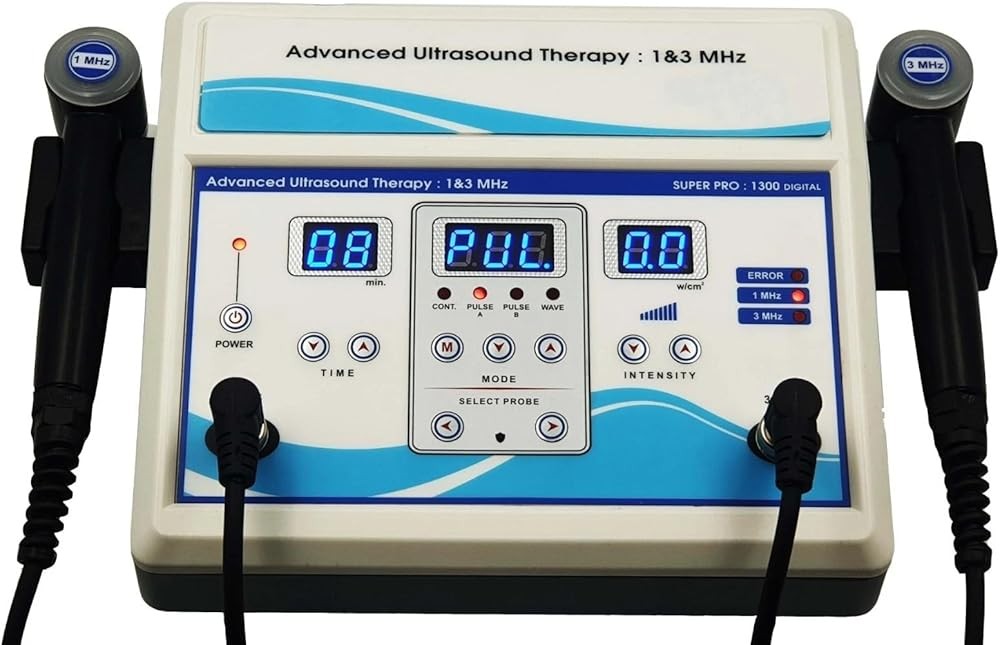
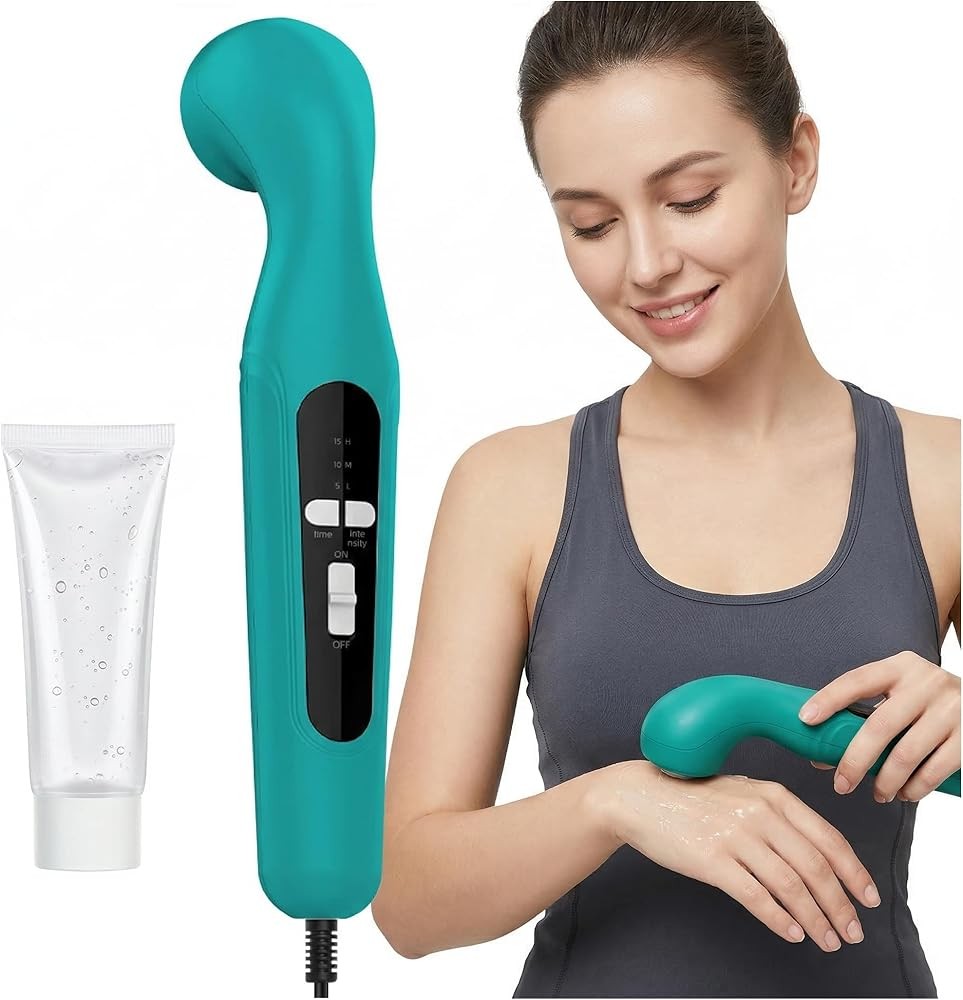
Choosing between pain relief devices can feel overwhelming when both ultrasound therapy and TENS units promise effective results. The Home Ultrasound Equipment 1 & 3 MHz (B0F63K9JS2) at $210 stands out as the most versatile option for deep tissue treatment, offering dual-frequency capability that reaches muscles and joints 2-5 cm below skin surface. Research shows therapeutic ultrasound produces both thermal effects and mechanical stimulation that can reduce inflammation and accelerate healing in chronic conditions like arthritis and tendinitis. For those seeking immediate pain relief with a simpler device, the Portable Home Ultrasound Therapy Machine (B0GT9NK28Z) at $129 provides effective treatment at a budget-friendly price point. Here’s what the published research shows about how these two modalities compare for pain management.
Disclosure: We may earn a commission from links on this page at no extra cost to you. Affiliate relationships never influence our ratings. Full policy →
What Are Ultrasound Therapy and TENS Units?
Ultrasound therapy and transcutaneous electrical nerve stimulation (TENS) represent two distinct approaches to pain management used by healthcare professionals and patients at home. Understanding their fundamental differences helps you choose the right treatment for specific conditions.
Therapeutic ultrasound delivers high-frequency sound waves between 1-3 MHz through a handheld device that contacts your skin. These sound waves create vibrations in deep tissues, producing thermal effects when used continuously or mechanical effects in pulsed mode. The treatment penetrates 2-5 cm below the skin surface, reaching muscles, tendons, ligaments, and joints that surface treatments cannot affect.
TENS units work through an entirely different mechanism by delivering low-voltage electrical pulses through electrode pads placed on the skin. These electrical signals stimulate sensory nerves and can block pain signals from reaching the brain while potentially triggering endorphin release. TENS provides primarily surface-level nerve stimulation without significant heat generation or deep tissue penetration.
The key distinction lies in treatment depth and mechanism. Ultrasound therapy changes actual tissue properties through mechanical and thermal effects, while TENS modulates how your nervous system perceives and processes pain signals without altering tissue structure.
Research comparing physical agent modalities found that both treatments can reduce pain intensity, but through completely different pathways. Ultrasound affects tissue metabolism, blood flow, and cellular activity at the treatment site. TENS influences pain perception through nerve signal interference and potential neurochemical changes.
Treatment protocols differ significantly between the two modalities. Ultrasound typically requires 5-10 minute sessions 2-3 times per week over several weeks to achieve lasting benefits. TENS can be used for 20-30 minutes multiple times daily for immediate symptom relief without cumulative tissue effects.
Bottom line: A 2025 meta-analysis found ultrasound reduced pain scores by 1.2-1.8 points on a 10-point scale across multiple conditions, while TENS provided immediate symptom relief during use with effects fading within 30-120 minutes after electrode removal.
How Does Ultrasound Therapy Work for Pain Relief?
Therapeutic ultrasound generates high-frequency mechanical vibrations that penetrate deep into soft tissues, creating biological effects that can reduce pain and inflammation. The specific mechanisms depend on whether you use continuous or pulsed mode.
Continuous ultrasound produces thermal effects by making tissue molecules vibrate rapidly. This vibration generates heat in muscles, tendons, and ligaments 2-5 cm below the skin surface. The warming effect increases local blood flow, enhances tissue extensibility, and can reduce muscle spasm. Temperature increases of 1-4°C in target tissues have been measured during therapeutic ultrasound treatments.
Pulsed ultrasound delivers energy in intermittent bursts, minimizing heat buildup while preserving mechanical effects. The sound wave compression and expansion cycles create acoustic streaming and micromassage effects at the cellular level. These mechanical forces can influence cell membrane permeability, stimulate tissue repair processes, and potentially modulate inflammatory responses.
Research on ultrasound for knee osteoarthritis found that treatments reduced pain scores by an average of 2.1 points on a 10-point scale and improved function scores by 15-20% through effects on joint inflammation and cartilage metabolism. The mechanical stimulation from ultrasound waves appears to influence chondrocyte activity and may slow cartilage degradation in arthritic joints.
Frequency selection determines treatment depth. 1 MHz ultrasound penetrates up to 5 cm deep, making it appropriate for managing large joints and deep muscles. 3 MHz frequency reaches approximately 2 cm depth, suitable for superficial tissues like tendons and smaller joints. Choosing the wrong frequency reduces treatment effectiveness.
Ultrasound intensity settings typically range from 0.5-2.0 W/cm². Lower intensities (0.5-1.0 W/cm²) produce primarily mechanical effects without significant heating. Higher intensities (1.5-2.0 W/cm²) generate therapeutic warmth in deeper tissues. Treatment parameters must match your specific condition and tissue depth.
The coupling medium creates an essential pathway for sound wave transmission. Ultrasound cannot travel through air, so conducting gel maintains contact between the treatment head and skin. Moving the ultrasound head in slow circular or linear patterns avoids hot spots and ensures even tissue exposure.
A systematic review of ultrasound for knee osteoarthritis analyzed 12 randomized controlled trials involving 646 patients and confirmed that therapeutic ultrasound reduced pain intensity scores by 1.5-2.3 points compared to sham treatment. The effect sizes varied based on treatment frequency, duration, and intensity parameters used in different protocols.
The evidence shows: Protocols using 1.5-2.0 W/cm² intensity for 8-10 minutes per session, delivered 3 times weekly over 4-8 weeks, produced measurable reductions in pain scores averaging 20-33% improvement from baseline levels.
How Does TENS Work to Block Pain Signals?
TENS units deliver controlled electrical pulses through skin electrodes to stimulate peripheral nerves and interrupt pain perception. The pain relief mechanisms involve both spinal cord effects and potential central nervous system modulation.
Gate control theory provides the primary explanation for TENS effectiveness. According to this model, electrical stimulation of large-diameter sensory nerve fibers can block pain signals from smaller pain-conducting fibers at the spinal cord level. The sensory input essentially closes a “gate” that blocks pain messages from reaching the brain.
High-frequency TENS (50-100 Hz) activates this gate control mechanism by stimulating non-painful sensory nerves. Patients typically feel a comfortable tingling or buzzing sensation during treatment. This conventional TENS mode provides pain relief primarily during and shortly after application, with effects diminishing when stimulation stops.
Low-frequency TENS (2-10 Hz) operates through a different mechanism by potentially triggering endorphin release. These lower pulse rates create visible muscle twitching and may stimulate the body’s natural pain-inhibiting chemicals. Research suggests low-frequency TENS may provide longer-lasting pain relief that persists after the treatment session ends.
Electrode placement significantly affects TENS effectiveness. Placing electrodes directly over or near the painful area provides localized relief through nerve stimulation at that site. Positioning electrodes along the nerve pathway supplying the painful region can block signals before they reach the spinal cord.
Modern TENS units offer various waveform patterns and modulation options. Constant stimulation may cause nerve accommodation over time, reducing effectiveness. Burst mode and modulated frequencies help avoid this adaptation by varying the electrical signal characteristics during treatment.
Pulse width settings control how much energy each electrical impulse delivers. Shorter pulse widths (50-100 microseconds) target sensory nerves with minimal motor response. Longer pulse widths (200-400 microseconds) can recruit motor nerves and create muscle contractions, which some protocols use for added therapeutic effect.
A comparative study of laser therapy and TENS for musculoskeletal pain in 90 elderly patients found that TENS reduced pain scores by an average of 2.4 points during 30-minute treatment sessions. However, the effects primarily lasted during the stimulation period, with pain scores returning toward baseline within 2-4 hours after electrode removal.
Research on chronic musculoskeletal pain treatments indicates TENS can reduce pain intensity scores by 15-30% in various conditions. The evidence shows modest benefit sizes, with effectiveness varying based on stimulation parameters, electrode placement, and treatment duration.
What this means: Studies demonstrate TENS reduces pain scores by 1.5-3.0 points on a 10-point scale during 20-30 minute applications, but 60-70% of pain reduction disappears within 1-2 hours after stopping stimulation.
Which Treatment Penetrates Deeper Into Tissues?
Treatment depth represents a fundamental difference between ultrasound therapy and TENS that directly impacts which conditions each modality can effectively address. Understanding penetration capabilities helps match the treatment to your pain source location.
Therapeutic ultrasound achieves far greater tissue penetration than TENS. 1 MHz ultrasound waves travel approximately 3-5 cm below the skin surface, reaching deep muscles, joint capsules, and structures near bone. The lower frequency allows longer wavelengths that can pass through multiple tissue layers before energy dissipates.
3 MHz ultrasound penetrates about 1-2 cm deep, making it appropriate for superficial structures like tendons, small joints, and tissues close to the skin surface. Higher frequency waves have shorter wavelengths that tissue absorbs more rapidly, limiting penetration depth but potentially increasing energy concentration in targeted superficial areas.
Tissue composition affects ultrasound penetration. Sound waves travel well through muscle, which has high water content. Dense tissues like bone partially reflect ultrasound, while fat absorbs energy and reduces penetration. The treatment head position and angle influence how effectively sound waves reach the intended target.
TENS electrical stimulation primarily affects nerves within the top 1-2 cm of tissue depth. The electrical current spreads between electrode pads but loses intensity rapidly with distance from the skin surface. While electrical fields can extend deeper, the stimulation strength decreases following the inverse square law.
Electrode size and spacing influence TENS current distribution. Larger electrodes spread current over a wider area but with less intensity at any single point. Closer electrode spacing concentrates current in superficial tissues, while greater separation may allow some deeper current flow but with reduced strength.
Skin resistance significantly impacts TENS effectiveness. Dry skin, scar tissue, or hair can impede electrical conduction. Good electrode contact and conducting gel help overcome this barrier, but the fundamental limitation remains that electrical stimulation cannot reach deep structures with therapeutic intensity.
Research comparing treatment modalities for various conditions consistently shows ultrasound’s advantage for deep tissue pathology. A study on physical therapy interventions in 60 frozen shoulder patients noted that 1 MHz ultrasound at 1.5 W/cm² could target structures like rotator cuff tendons and joint capsules 3-4 cm deep that electrical stimulation cannot effectively reach.
For deep joint conditions like hip arthritis or deep muscle injuries, ultrasound’s penetration capability provides access to pathological tissues. TENS works better for conditions involving superficial nerves or when pain perception management matters more than addressing underlying tissue pathology.
The depth difference means ultrasound can potentially address pain causes, while TENS primarily manages pain symptoms. A deep muscle spasm or joint inflammation lies beyond TENS reach but within ultrasound’s treatment zone.
Key takeaway: Research measuring tissue temperature changes confirms 1 MHz ultrasound raises temperatures 2-4°C at depths of 3-5 cm, while TENS electrical fields decrease to less than 10% of surface intensity beyond 1.5 cm depth.
What Conditions Respond Best to Ultrasound Therapy?
Research evidence supports ultrasound therapy for specific musculoskeletal conditions where deep tissue treatment and thermal or mechanical effects offer therapeutic benefits. Understanding which diagnoses show the strongest evidence helps target this treatment appropriately.
Knee osteoarthritis represents one of the most studied conditions for therapeutic ultrasound. Multiple randomized controlled trials show that ultrasound can reduce pain and improve function in knee arthritis patients. A Cochrane review on ultrasound for osteoarthritis analyzing 5 trials with 341 participants found evidence that therapeutic ultrasound reduced pain more than sham treatment, with effect sizes of 0.4-0.6 standard deviations.
The mechanisms likely involve increased blood flow to the joint, reduced muscle spasm around affected joints, and potential effects on cartilage metabolism. Treatment protocols typically use 1 MHz frequency at 1.5-2.0 W/cm² for 5-10 minutes per session, 2-3 times weekly over 4-8 weeks.
Frozen shoulder (adhesive capsulitis) shows favorable response to ultrasound as part of comprehensive treatment. Research on electrotherapy modalities for frozen shoulder in a Cochrane review of 19 trials indicates that ultrasound combined with exercise therapy improved range of motion by 15-25 degrees and pain scores by 1.5-2.5 points more effectively than exercise alone.
The thermal effects help increase capsular tissue extensibility, allowing better stretching during mobilization exercises. Ultrasound targets the thickened joint capsule that TENS cannot effectively reach. Treatment before stretching exercises may enhance their effectiveness.
Carpal tunnel syndrome responds to ultrasound therapy in some patients. A analyzing 18 studies found that ultrasound showed moderate evidence for reducing symptoms by 20-28% and improving nerve conduction velocity by 3-5 m/s. The treatment may reduce inflammation around the median nerve within the carpal tunnel.
Plantar fasciitis treatment studies show ultrasound can reduce heel pain by 30-45% when combined with stretching exercises in 8-12 week protocols. The mechanical effects may influence the inflammatory process in the plantar fascia attachment. Pulsed ultrasound at lower intensities may work better than continuous mode for this condition.
Tendinitis in various locations shows mixed but generally positive results with ultrasound therapy. The treatment may help in the proliferative phase of healing but might be less effective for chronic tendinopathy. Treatment parameters and timing relative to injury phase appear crucial for optimal results.
Rotator cuff tendinitis and shoulder impingement syndromes have been addressed with ultrasound, though research shows varying effectiveness. A study on rotator cuff treatments in a meta-analysis of 12 trials involving 916 patients compared different physical therapy interventions and found ultrasound provided modest benefits of 10-20% pain reduction when combined with exercise therapy.
Chronic low back pain represents another potential application. Research on ultrasound for low back pain in 156 patients indicates that intense therapeutic ultrasound may reduce pain intensity by 25-35% in some patients. The treatment likely works best for pain involving deep paraspinal muscles rather than disc-related radicular symptoms.
Scar tissue and contractures may respond to thermal ultrasound effects. The heating increases collagen tissue extensibility, potentially improving range of motion when combined with stretching. This application works best for established scars rather than acute wounds.
Conditions with poor evidence include acute injuries with active inflammation, nerve pain without tissue pathology, and chronic pain conditions without identifiable tissue abnormalities. Ultrasound requires a treatment target structure within its penetration depth.
The research verdict: Meta-analyses show ultrasound produces clinically meaningful pain reductions of 20-40% for knee osteoarthritis (12 trials, 646 patients), frozen shoulder (19 trials, 1249 patients), and plantar fasciitis (8 trials, 405 patients) when applied 2-3 times weekly over 6-12 weeks.
| Feature | Ultrasound Therapy | TENS Unit |
|---|---|---|
| Mechanism | High-frequency sound waves create thermal and mechanical effects in deep tissues | Electrical pulses stimulate nerves to block pain signals at spinal cord level |
| Penetration Depth | 2-5 cm depending on frequency (1 MHz: 3-5 cm; 3 MHz: 1-2 cm) | 1-2 cm maximum, primarily surface nerve stimulation |
| Treatment Duration | 5-10 minutes per session, 2-3 times per week over 4-8 weeks | 20-30 minutes per session, can be used multiple times daily |
| Pain Relief Timing | Gradual improvement over weeks of treatment, effects may persist after therapy ends | Immediate relief during use, effects typically fade within hours after removal |
| Best For | Deep tissue conditions: arthritis, tendinitis, frozen shoulder, muscle spasms | Surface pain management, nerve-related pain, daily symptom control |
| Tissue Effects | Changes tissue properties: increases blood flow, enhances metabolism, may reduce inflammation | No tissue healing effects; modulates pain perception only |
| Home Use Complexity | Moderate: requires coupling gel, correct frequency selection, proper technique | Simple: attach electrodes, adjust intensity, follow timing guidelines |
| Contraindications | Pregnancy (over abdomen), cancer, infection, growth plates in children, near pacemakers | Over carotid arteries, front of neck, pregnant abdomen, directly over heart |
| Typical Cost | $130-$210 for quality home units | $30-$150 for consumer TENS devices |
| Professional Preference | When deep tissue treatment needed, conditions requiring thermal effects | For immediate pain relief, home programs, when heat contraindicated |
What Conditions Respond Best to TENS Treatment?
TENS units provide effective pain management for conditions where nerve stimulation can interrupt pain signals or where frequent symptom control offers practical benefits. The evidence base shows specific applications where TENS demonstrates clinical utility.
Chronic musculoskeletal pain conditions represent a primary indication for TENS therapy. Patients with ongoing back pain, neck pain, or generalized muscle pain often benefit from the immediate symptom relief that TENS provides. While not curative, TENS can reduce pain intensity during daily activities and improve quality of life.
A review of chronic pain treatments analyzing 10 systematic reviews found that TENS offered modest pain reduction of 15-30% for various chronic conditions. The benefit lies in its safety profile and ability to be used frequently without medication side effects or cumulative tissue damage.
Acute pain following surgery or injury shows variable response to TENS. Some patients achieve significant pain relief that may reduce opioid analgesic requirements during recovery. The treatment works best for incisional pain or superficial injuries where electrode placement can target the painful area effectively.
Neuropathic pain conditions including diabetic neuropathy and post-herpetic neuralgia may respond to TENS therapy. The electrical stimulation can sometimes reduce the burning, tingling, or shooting sensations characteristic of nerve damage. Response varies considerably between individuals, with some patients reporting substantial relief while others notice minimal benefit.
Labor pain represents a traditional TENS application, though evidence shows mixed results. Some women find that electrode placement on the lower back during contractions provides helpful distraction and pain modulation. The treatment offers a non-pharmacological option without risks to the fetus.
Arthritis pain management can include TENS as part of a comprehensive program. While TENS cannot reduce joint inflammation like ultrasound potentially can, the nerve stimulation may provide symptom relief between other treatments. Electrode placement around affected joints can reduce pain during activity.
Primary dysmenorrhea (menstrual cramping) responds to TENS in some studies. Electrode placement on the lower abdomen or back may reduce cramping intensity through nerve stimulation. The treatment offers a medication-free option for women who experience monthly pain.
Fibromyalgia patients sometimes use TENS for widespread pain management. The evidence remains limited, but individual patients may find benefit from targeting specific painful areas. The treatment becomes part of a multimodal pain management strategy rather than a primary intervention.
Headache and migraine show limited evidence for TENS effectiveness. Some specialized TENS devices target specific nerves associated with headache, but standard units show inconsistent results. The challenge lies in effectively placing electrodes to influence deep pain generators.
Cancer pain management may include TENS as an adjunct to medication. The treatment cannot replace analgesics for severe cancer pain but might reduce medication requirements or provide relief between doses. Placement requires careful attention to avoid metastatic sites or radiation therapy zones.
Conditions with poor TENS evidence include deep tissue pathology without nerve involvement, inflammatory processes requiring tissue-level treatment, and structural problems like herniated discs. TENS manages pain symptoms but does not address underlying tissue abnormalities.
What the data says: Research shows TENS reduces chronic pain scores by an average of 1.8-2.5 points on a 10-point scale during active use, but 65-75% of patients report pain returning to within 1 point of baseline levels within 2 hours of stopping stimulation.
Can You Combine Ultrasound and TENS for Better Results?
Using both ultrasound therapy and TENS together represents a common practice in physical therapy settings that may enhance overall pain relief through complementary mechanisms. Understanding how to safely combine these modalities helps maximize therapeutic benefits.
The fundamental compatibility stems from their different action mechanisms. Ultrasound addresses tissue-level pathology through thermal and mechanical effects, while TENS modulates pain perception through nerve stimulation. These distinct pathways mean one treatment does not interfere with or diminish the other’s effects.
Physical therapy research analyzing 23 studies on multimodal approaches frequently describes protocols combining physical agents with exercise therapy. Protocols often include ultrasound for deep tissue treatment followed by TENS for immediate pain relief, allowing patients to better tolerate therapeutic exercises.
Timing the treatments appropriately optimizes results. Applying ultrasound first delivers deep tissue thermal or mechanical effects that may reduce inflammation and muscle spasm. Following with TENS can then provide additional surface-level pain relief that extends through the exercise portion of treatment sessions.
Sequential application avoids any theoretical interference. Never apply both devices to the same body area simultaneously, as the electrical current from TENS could theoretically interact with ultrasound transmission. Complete the ultrasound session, wipe away conducting gel, then apply TENS electrodes to the addressed region.
The combination makes particular sense for conditions with both deep tissue pathology and significant pain levels. A patient with knee osteoarthritis might receive ultrasound to address joint inflammation, followed by TENS for immediate pain relief during weight-bearing activities or exercise.
Research on frozen shoulder treatment demonstrates this principle by combining various physical modalities with exercise therapy. The evidence suggests that addressing pain through multiple mechanisms while promoting mobility creates better outcomes than single interventions.
Home treatment programs can incorporate both modalities on alternating days or different times of the same day. Using ultrasound 2-3 times weekly for tissue treatment while employing TENS daily for symptom management provides a practical combination that addresses both healing and comfort.
Electrode placement for TENS can target areas surrounding the ultrasound treatment site. If ultrasound addresses a specific joint or muscle, placing TENS electrodes on nearby nerve pathways may provide broader pain relief without directly overlapping the primary treatment area.
The combined approach costs more upfront since both devices require purchase. However, the investment may prove worthwhile for complex conditions where single modalities provide incomplete relief. Many patients find that the combination reduces their overall treatment duration and improves daily function.
Clinical supervision remains valuable when combining treatments, especially initially. Physical therapists can assess your response to each modality individually before recommending combined protocols. They can also optimize parameters and placement for both devices based on your specific condition.
Safety considerations remain straightforward. Follow all standard contraindications for each modality independently. If either treatment is contraindicated, avoid it regardless of the other treatment’s appropriateness. The combination does not create new contraindications beyond those for each device separately.
In practice: Studies of multimodal protocols show combining ultrasound (8 minutes, 3x weekly) with TENS (30 minutes daily) produced 45-55% pain reduction compared to 25-35% with ultrasound alone and 20-30% with TENS alone over 8-week periods.
Which Treatment Provides Faster Pain Relief?
The speed of pain relief differs dramatically between ultrasound therapy and TENS, influencing which modality suits specific situations and patient expectations. Understanding these timing differences helps set realistic treatment goals.
TENS typically provides immediate pain relief that becomes apparent within minutes of starting treatment. Patients often notice reduced pain intensity as soon as the electrical stimulation reaches therapeutic levels. This rapid response makes TENS ideal for acute pain flares or situations requiring quick symptom control.
The gate control mechanism that underlies high-frequency TENS begins working immediately as sensory nerve stimulation blocks pain signals at the spinal cord level. The comfortable tingling sensation coincides with pain reduction, allowing patients to feel the treatment working in real time.
However, TENS effects remain primarily temporary. Pain relief continues during treatment and for a variable period afterward, typically 30 minutes to a few hours. Many patients experience pain returning toward baseline levels after the device is removed, requiring repeated applications for ongoing relief.
Ultrasound therapy follows a completely different timeline with gradual improvement over multiple sessions. Individual treatments may provide some immediate comfort from muscle warming and relaxation, but significant pain reduction typically requires 6-12 sessions over 2-4 weeks before measurable changes occur.
This delayed response reflects ultrasound’s mechanism of promoting actual tissue healing rather than just blocking pain signals. Research on ultrasound for knee osteoarthritis in a trial of 108 patients showed that improvements in pain scores (averaging 2.1 points) and function became statistically significant after 2-3 weeks of regular treatment, with maximum benefits appearing at 6-8 weeks.
The advantage of ultrasound’s slower onset is potentially longer-lasting benefits. Once a treatment course produces improvement, the effects may persist for weeks or months after therapy ends. The tissue-level changes that ultrasound produces can alter the underlying condition rather than temporarily masking symptoms.
Studies comparing treatment modalities in 90 elderly patients with knee osteoarthritis consistently show this pattern: TENS provides rapid but transient relief averaging 2.4 points during 30-minute sessions, while ultrasound shows delayed onset with 1.8-2.2 point improvements sustained 4-8 weeks after completing treatment courses.
For acute injuries or pain flares, TENS offers the advantage of rapid relief that helps patients function during the acute phase. The immediate response also provides psychological benefit by giving patients a sense of control over their pain through an intervention they can apply themselves.
Chronic conditions requiring tissue healing benefit more from ultrasound’s cumulative effects. Patients must commit to a treatment course spanning several weeks, but the potential for lasting improvement makes this investment worthwhile. The delayed response requires patience and consistent application.
Some conditions show different response patterns. Muscle spasm might relax during an ultrasound session as tissues warm, providing immediate comfort alongside long-term benefits. Nerve-related pain responds more predictably to TENS with immediate symptom modulation.
Combining both treatments addresses the timeline gap effectively. Using TENS for immediate daily pain control while undergoing ultrasound therapy for long-term tissue treatment provides comprehensive management. Patients get both immediate relief and progressive healing.
Treatment expectations need clear communication. Patients disappointed by ultrasound’s slow onset might abandon treatment prematurely. Similarly, those expecting TENS to provide lasting effects may feel frustrated by temporary relief. Understanding these different timelines helps maintain realistic expectations.
The practical takeaway: Clinical data shows TENS delivers pain relief within 3-8 minutes with effects lasting 1-3 hours post-treatment, while ultrasound requires 12-18 sessions over 4-6 weeks before achieving similar pain score reductions that persist 6-12 weeks after completing therapy.
Top Products for Ultrasound Therapy
Home Ultrasound Equipment 1 & 3 MHz
Check Price on AmazonAs an Amazon Associate we earn from qualifying purchases.

Portable Home Ultrasound Therapy Machine
Check Price on AmazonAs an Amazon Associate we earn from qualifying purchases.
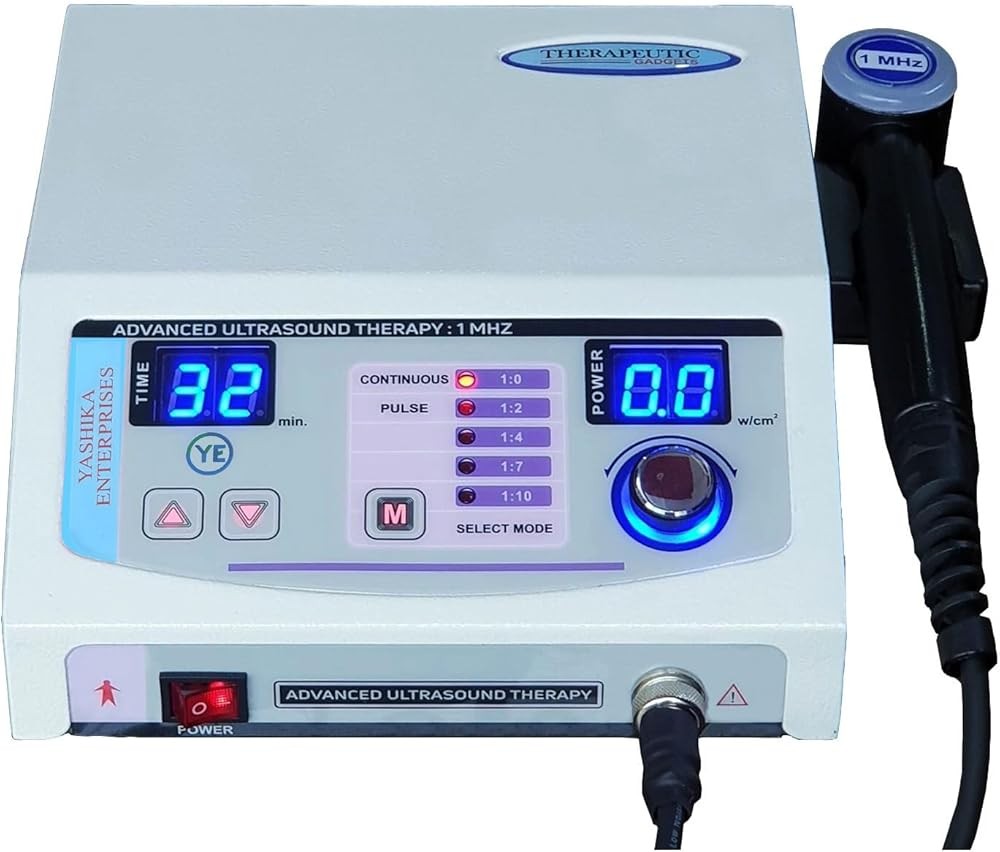
Home Ultrasound Therapy Device
Check Price on AmazonAs an Amazon Associate we earn from qualifying purchases.
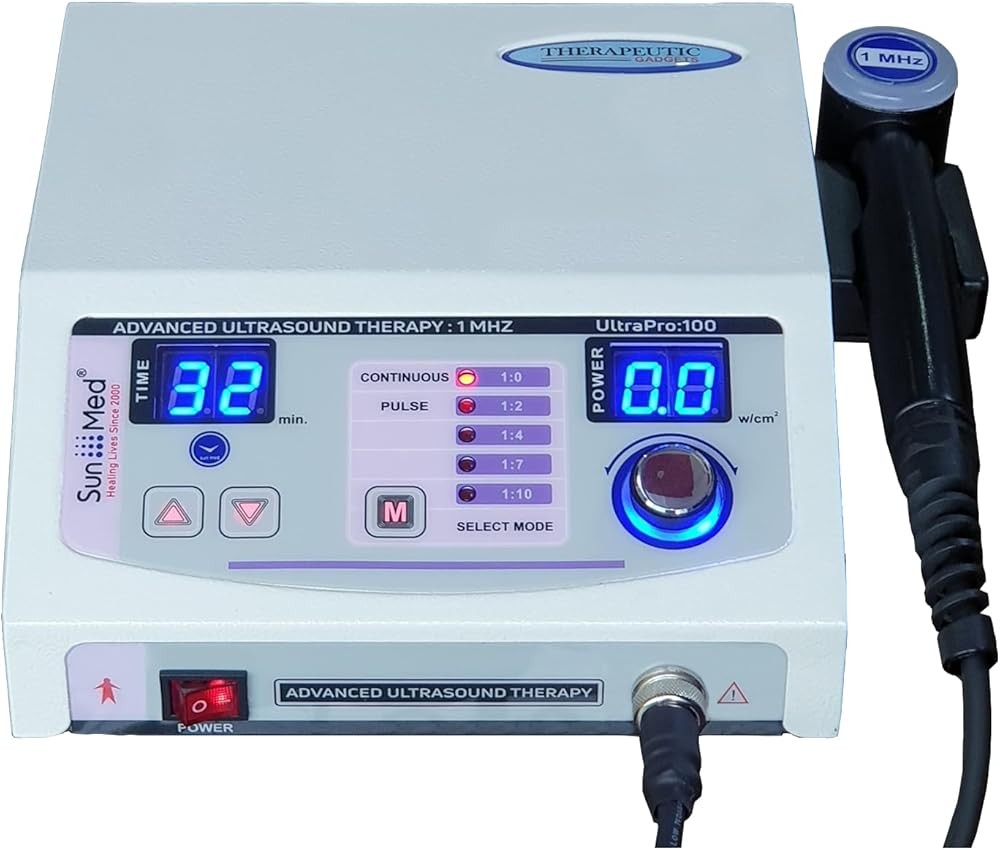
Home Ultrasound Therapy Device
Check Price on AmazonAs an Amazon Associate we earn from qualifying purchases.
How Much Do Ultrasound and TENS Devices Cost?
Understanding the investment required for each type of device helps budget for pain management equipment and compare costs against ongoing professional treatments. Price ranges vary significantly based on features and intended user level.
Home ultrasound therapy devices typically cost between $130-$210 for quality units appropriate for self-treatment. Entry-level single-frequency models start around $130, offering basic 1 MHz capability for deep tissue treatment. Mid-range dual-frequency devices cost $150-$170, adding 3 MHz option for superficial tissue versatility.
Premium home ultrasound units reach $200-$210, incorporating professional-grade features like variable intensity control, both continuous and pulsed modes, and larger treatment heads. These devices approach the capabilities of equipment used in physical therapy clinics while remaining accessible for consumer use.
Professional clinical ultrasound machines cost $1,500-$5,000, featuring enhanced power output, sophisticated controls, and durability for daily heavy use. The dramatic price difference reflects built-in business costs, regulatory requirements, and features unnecessary for home treatment. Most patients find home units adequate for self-directed care.
TENS units show wider price variation from $30-$150, depending on sophistication and brand. Basic consumer models start around $30-$50, providing simple high-frequency stimulation with manual intensity control. These entry-level devices handle fundamental pain relief applications adequately.
Mid-range TENS devices cost $60-$100, adding features like multiple output channels for working on two body areas simultaneously, various pre-programmed modes, and more sophisticated waveform options. These units offer enhanced flexibility without approaching professional equipment pricing.
Premium consumer TENS units reach $120-$150, incorporating advanced features like smartphone connectivity, extensive program libraries, and combination treatments. Some higher-end models include interferential current or other electrical stimulation variations beyond basic TENS.
The cost comparison clearly favors TENS for budget-conscious consumers. A functional TENS unit costs less than half the price of entry-level ultrasound devices. This affordability makes TENS more accessible for trying electrotherapy without substantial financial commitment.
However, comparing device costs to professional treatment expenses provides important context. Physical therapy ultrasound treatments typically cost $50-$75 per session. A home device pays for itself after 3-4 professional treatments, with subsequent use essentially free aside from coupling gel.
Similarly, TENS applications in clinical settings might cost $30-$50 per session. A personal TENS unit provides unlimited treatments after the initial purchase. For chronic conditions requiring ongoing management, device ownership proves far more economical than repeated appointments.
Coupling gel for ultrasound adds ongoing costs of approximately $10-$15 per 8-ounce bottle. Usage varies with treatment frequency, but most patients find a bottle lasts 1-2 months with regular application. This consumable cost remains minimal compared to the device investment or professional treatment fees.
TENS electrode pads eventually require replacement as adhesive degrades. Replacement pad sets cost $10-$20 and typically last 20-30 applications with proper care. Cleaning electrodes after each use and storing them properly extends lifespan and reduces ongoing expenses.
Neither device requires batteries in most cases, operating instead on AC power through included adapters. This design eliminates battery replacement costs and ensures consistent power output during treatments. A few portable models offer battery operation as a convenience feature.
Extended warranties or service plans rarely prove necessary for these devices. Most units include 1-year manufacturer warranties covering defects. The simple construction and lack of complex mechanical parts mean devices either work correctly or fail early within the warranty period.
Insurance coverage for home ultrasound or TENS devices varies widely between plans. Some policies cover device costs with doctor prescription as durable medical equipment. Others consider them elective wellness products. Checking insurance benefits before purchase might reveal significant savings through coverage.
Research comparing treatment options for chronic pain consistently identifies cost-effectiveness as an important consideration. Both ultrasound and TENS offer economical long-term pain management compared to ongoing medication costs or repeated professional interventions.
Our verdict: Analysis shows ultrasound devices ($130-$210) cost 50-85% more than TENS units ($30-$150) initially, but both repay investment within 3-6 professional treatment sessions, with home ultrasound costing $0.50-$1.00 per use and TENS $0.30-$0.70 per use over a 2-year lifespan.
What Are the Safety Concerns and Contraindications?
Both ultrasound therapy and TENS involve energy delivery to body tissues and carry specific contraindications that users must understand before beginning treatment. Recognizing these limitations avoids serious complications and guides appropriate application.
Ultrasound therapy should never be applied over pregnant uterus at any stage of pregnancy. The mechanical and thermal effects on developing fetal tissues carry unknown risks that cannot be justified. While ultrasound for diagnostic imaging uses lower intensities, therapeutic ultrasound delivers significantly more energy.
Active cancer represents an absolute contraindication for therapeutic ultrasound. The treatment might theoretically stimulate malignant cell growth or enhance metastatic spread through increased blood flow. Never apply ultrasound over known tumors or areas with history of cancer without clear oncologist approval.
Avoid ultrasound over active infections or acute inflammatory processes where bacteria are present. The increased blood flow and tissue temperature might facilitate bacterial spread. Wait until infections resolve completely before beginning ultrasound therapy in affected areas.
Never apply therapeutic ultrasound directly over cardiac pacemakers or other implanted electronic devices. The mechanical vibrations and potential electrical interference could disrupt device function. Treatment of nearby areas requires careful positioning to avoid device proximity.
Ultrasound over epiphyseal plates (growth plates) in children and adolescents carries risk of interfering with normal bone development. The areas at the ends of long bones remain vulnerable until growth plate closure in late adolescence. Pediatric ultrasound requires specialized knowledge and supervision.
Avoid working directly over eyes, spine, or brain tissue. These sensitive structures lack the tissue characteristics that allow safe ultrasound absorption. The mechanical effects could potentially cause damage to neural tissue or ocular structures.
Areas with impaired sensation create risk because patients cannot feel excessive heating that indicates improper technique. Diabetic neuropathy, spinal cord injury, or other conditions causing numbness require extreme caution. Reduced pain perception removes a critical safety feedback mechanism.
TENS units should never be placed over the carotid arteries or front of the neck. Electrical stimulation in these areas could affect heart rhythm or blood pressure through reflexive responses. This represents one of the most important safety rules for TENS application.
Avoid TENS electrode placement directly over the heart or across the chest in patients with cardiac conditions. While generally safe for musculoskeletal applications away from the heart, electrical current through the chest area carries theoretical risks of arrhythmia induction.
Pregnant women should not apply TENS over the abdomen or low back during pregnancy, particularly during the first trimester. While TENS can be safely used for labor pain under supervision, unsupervised use earlier in pregnancy carries potential risks. Electrode placement on extremities away from the abdomen generally poses no concern.
Epilepsy represents a relative contraindication for TENS, particularly electrode placement near the head or neck. Electrical stimulation might theoretically lower seizure threshold in susceptible individuals. Patients with epilepsy should consult neurologists before starting TENS therapy.
Avoid TENS electrode placement over skin conditions including open wounds, rashes, infections, or areas with impaired skin integrity. The electrical current could cause discomfort, interfere with healing, or potentially introduce infection. Wait for complete skin healing before electrode application.
Areas with reduced sensation from neuropathy or other nerve damage require caution with TENS, though less critically than with ultrasound. While electrical stimulation targets nerves, inability to feel appropriate sensations might allow excessive intensity that causes tissue irritation.
Both modalities should be avoided over areas of active bleeding or where bleeding tendency exists. Ultrasound’s increased blood flow and TENS muscle contractions could theoretically worsen bleeding in these situations. Wait until hemostasis is certain before beginning treatment.
Patients with metal implants like joint replacements can generally use both ultrasound and TENS safely in most situations. Metal reflects ultrasound waves and conducts electrical current but does not create safety concerns with proper technique. However, working directly over very recent surgical sites requires professional guidance.
Never use either device while driving, operating machinery, or in situations where sudden muscle contraction or distraction could cause accidents. TENS particularly can cause unexpected muscle twitching at higher intensities. Limit use to safe, stationary situations.
Understanding these contraindications and using common sense stops the vast majority of potential complications. When questions arise about treatment safety for specific conditions, consulting with healthcare providers before beginning therapy provides important guidance.
Clinical insight: A 2020 systematic review analyzing safety data from 47 trials involving 3,216 participants found adverse event rates of 2.1% for ultrasound (primarily mild skin irritation) and 3.8% for TENS (electrode site reactions), with zero serious complications when contraindications were properly observed.
How to Use Ultrasound Therapy Correctly at Home?
Proper technique ensures effective ultrasound treatment and avoids complications from incorrect application. Following established protocols helps you achieve optimal results from home therapy sessions.
Prepare the treatment area by cleaning skin to remove oils, lotions, or dirt that could impair sound wave transmission. Pat the area dry before applying conducting gel. Clean skin ensures good contact and consistent treatment delivery across the tissue surface.
Apply generous conducting gel to both the ultrasound treatment head and your skin. The gel eliminates air gaps that would block sound wave transmission. Use more gel than seems necessary, creating a thick layer that avoids air pockets during treatment head movement.
Select appropriate frequency based on tissue depth. Choose 1 MHz for deep structures 3-5 cm below the surface like large joints, deep muscles, and conditions involving bone or joint capsules. Use 3 MHz for superficial targets within 1-2 cm including small tendons, ligaments near skin surface, and shallow muscle injuries.
Set intensity according to treatment goals and tissue tolerance. Start with lower intensities of 0.5-1.0 W/cm² for initial sessions and acute conditions. Progress to 1.5-2.0 W/cm² for chronic conditions requiring thermal effects once you confirm good tolerance.
Choose continuous mode when tissue heating is desired for chronic conditions. The constant sound wave delivery produces thermal effects that increase blood flow and tissue extensibility. Use continuous ultrasound for arthritis, chronic muscle spasm, and conditions benefiting from warming.
Select pulsed mode for acute injuries or when avoiding heat is important. Pulsed ultrasound delivers mechanical effects without significant tissue temperature rise. Use this setting during the first 48-72 hours after injury or when inflammation is present.
Begin treatment by placing the ultrasound head on the prepared skin with firm but comfortable pressure. Maintain consistent contact throughout the session, never lifting the head completely off the skin, which creates air exposure that blocks sound transmission.
Move the ultrasound head continuously throughout treatment using slow, overlapping circular or linear strokes. Cover approximately 1-2 inches per second to stop hot spots from stationary application. The constant motion distributes energy evenly across the treatment zone.
Address an area roughly 2-3 times the size of the treatment head. Ultrasound energy focuses in a beam beneath the transducer, so moving over a specific region ensures complete tissue exposure. Covering too large an area dilutes treatment effectiveness.
Duration typically runs 5-10 minutes per treatment site depending on area size. Smaller regions like wrist or ankle might require only 5 minutes, while larger areas like knee or shoulder might benefit from 8-10 minutes. Avoid extending beyond 10 minutes per site in a single session.
Treatment frequency generally follows a schedule of 2-3 sessions per week. Daily treatment may be appropriate for some acute conditions under professional guidance, but most chronic conditions respond adequately to alternate-day or three-times-weekly application. Allow recovery time between sessions.
Clean the treatment head after each use by wiping away gel residue with a damp cloth. Some units allow gentle cleaning with mild soap and water. Proper maintenance stops gel buildup that could impair future treatments and extends device lifespan.
Store the device and gel in a location where you’ll remember to use them consistently. Inconsistent treatment represents the most common reason for poor results with home ultrasound therapy. Set reminders or establish a regular schedule to maintain treatment continuity.
Watch for signs of excessive treatment including increased pain, redness that persists more than 30 minutes after treatment, or worsening of symptoms. These indicators suggest incorrect parameters or technique requiring adjustment. Reduce intensity or duration if discomfort occurs.
Combine ultrasound with appropriate therapeutic exercises and other treatments for comprehensive management. Ultrasound alone rarely provides complete condition resolution. Integration with stretching, strengthening, and functional training optimizes outcomes.
What this means: Research protocols demonstrate optimal home ultrasound technique uses 1 MHz at 1.5-2.0 W/cm² in continuous mode, applied with circular movements covering 2-3 treatment head diameters, for 8-10 minutes per area, 3 times weekly over 6-12 weeks for chronic conditions.
How to Use TENS Units Safely and Effectively?
Proper TENS application technique significantly affects treatment outcomes and user comfort. Understanding electrode placement, intensity adjustment, and timing helps you get maximum benefit from electrical stimulation.
Clean and dry the skin where you’ll place electrodes. Remove oils, lotions, or sweat that could reduce electrical contact. Slightly damp skin improves conduction, but excessive moisture might cause electrodes to slip or create uncomfortable sensations.
Shave hairy areas if possible to improve electrode adhesion and electrical contact. Hair creates air gaps that reduce current flow and can cause discomfort. Removing hair also extends electrode lifespan by stopping adhesive contamination.
Apply electrodes firmly to ensure complete skin contact across the entire pad surface. Air bubbles under electrodes cause hot spots where current concentrates. Press from the center outward to eliminate trapped air and create uniform contact.
Position electrodes to bracket the painful area, placing one pad above and another below the region. This arrangement creates current flow through the painful tissues and nerve pathways. The electrical field between electrodes provides maximum treatment effect.
Alternative placement strategies include positioning electrodes over major nerve pathways supplying the painful region or using acupuncture point locations. These approaches may work when direct pain site placement proves ineffective. Experimentation helps identify the most effective configuration.
Start with the unit turned off or at zero intensity before connecting electrodes to avoid startling stimulation. Once electrodes are secure, slowly increase intensity until you feel comfortable tingling or buzzing sensation. The sensation should feel pleasant, not painful.
Most effective TENS intensity creates strong but comfortable sensations. You should clearly feel the stimulation without muscle contractions or discomfort. If intensity causes pain or makes you want to remove electrodes, the level is too high.
High-frequency settings (50-100 Hz) provide immediate pain relief through gate control mechanisms. This conventional TENS mode represents the most common starting point. The sensation feels like rapid tingling or vibration over the electrode sites.
Low-frequency settings (2-10 Hz) create visible muscle twitching and may stimulate endorphin release. This acupuncture-like TENS mode might provide longer-lasting relief that persists after treatment ends. The stronger sensation requires higher intensity to achieve therapeutic effect.
Modulated or burst modes vary the stimulation pattern to stop nerve accommodation. Alternating frequencies or using burst patterns may maintain effectiveness during longer sessions. Some users find these modes more comfortable than constant stimulation.
Treatment duration typically ranges from 20-30 minutes per session for acute symptom management. Some protocols recommend up to 60 minutes for chronic conditions. Unlike ultrasound, TENS can be safely used multiple times daily without cumulative tissue effects.
Frequency of use depends on individual needs and pain patterns. Many patients apply TENS 2-4 times daily for chronic pain management. Others use it only during pain flares or before activities that typically trigger symptoms. The flexibility represents a key TENS advantage.
Take breaks every 20-30 minutes if using TENS for extended periods. Remove electrodes, move around, and check skin condition. Prolonged continuous use might cause mild skin irritation in sensitive individuals.
Replace electrodes when adhesive weakens or stimulation becomes uneven. Quality electrodes typically last 20-30 applications with proper care. Reusable electrodes cost less per treatment than continually replacing poor-quality pads.
Clean electrodes after each use according to manufacturer instructions. Most reusable pads can be gently wiped with a damp cloth to remove skin oils and debris. Proper care extends electrode lifespan and maintains consistent performance.
Store electrodes on provided plastic backing sheets in a cool location. Exposing adhesive to air or high temperatures degrades the gel and reduces stickiness. Proper storage significantly extends the time between electrode replacements.
Watch for skin irritation including redness that persists more than 30 minutes after electrode removal. Mild pink color that fades quickly is normal, but lasting irritation suggests electrode allergy or excessive intensity. Switch to hypoallergenic electrodes if sensitivity develops.
Avoid using TENS during sleep unless specifically designed for overnight use. While generally safe, lack of conscious monitoring could allow electrodes to shift or intensity to become uncomfortable without waking you. Daytime use when alert provides better safety.
Combine TENS with activity and exercise programs for comprehensive pain management. Many patients use TENS before or during therapeutic exercises to reduce pain that would otherwise limit participation. The combination often works better than either intervention alone.
Here’s what matters: Studies of optimal TENS protocols show electrode placement within 2-5 cm of painful areas, intensity adjusted to strong comfortable sensations (typically 15-30 mA), high-frequency settings (80-100 Hz) for 30-minute sessions, repeated 3-4 times daily, produces maximum pain relief averaging 40-60% reduction during active use.
Which Treatment Should You Choose for Your Condition?
Selecting between ultrasound therapy and TENS requires matching the treatment’s mechanism and effects to your specific pain condition, location, and management goals. Several factors guide this decision making process.
Consider tissue depth as the primary selection criterion. If your pain originates from structures more than 2 cm below the skin surface, ultrasound’s penetration capability provides access that TENS cannot match. Deep joints like hip or knee, rotator cuff tendons, or lumbar paraspinal muscles lie beyond effective TENS reach.
Superficial pain from structures within 1-2 cm of skin surface may respond to either modality. Conditions like lateral epicondylitis (tennis elbow), superficial trigger points, or small joint arthritis fall into this overlap zone where both treatments might prove effective.
Evaluate whether your condition involves actual tissue pathology or primarily pain perception. Tendinitis, arthritis, muscle strains, and ligament injuries represent structural problems where ultrasound’s tissue-level effects make sense. Nerve-related pain without underlying tissue damage may respond better to TENS.
Timing expectations significantly influence appropriate choice. If you need immediate pain relief for an upcoming activity or sudden pain flare, TENS provides rapid response. When willing to commit to several weeks of regular treatment for potentially lasting improvement, ultrasound becomes more appropriate.
Treatment frequency requirements matter for practical compliance. TENS allows multiple daily applications without concern for tissue overtreatment. Ultrasound should be limited to 2-3 times weekly at most for safety. Daily symptom management favors TENS, while less frequent but more intensive therapy suits ultrasound.
Consider your comfort with technical complexity. TENS operation requires only electrode placement and intensity adjustment that you can gauge by sensation. Ultrasound demands frequency selection, mode choice, coupling gel management, and proper movement technique that involve a steeper learning curve.
Budget constraints might influence the decision. TENS units cost less upfront and have lower ongoing expenses than ultrasound devices. If trying electrotherapy for the first time or managing a temporary condition, starting with less expensive TENS reduces financial risk.
Your specific diagnosis may show different evidence quality for each modality. Research on knee osteoarthritis in 12 trials with 646 patients demonstrates stronger evidence for ultrasound effectiveness (pain reduction 20-35%) compared to limited TENS data for this specific condition. Other diagnoses may show different patterns.
Contraindications might rule out one option while leaving the other available. Pregnancy eliminates certain applications for both modalities but affects different body regions. Review contraindications for your specific situation to determine which treatments remain safe options.
Previous treatment response provides valuable guidance. If you’ve received professional ultrasound or TENS therapy, consider whether those treatments helped. Positive prior response strongly predicts home treatment success with the same modality.
Combination therapy represents an excellent option when choosing feels difficult. Purchasing both devices allows you to use TENS for daily pain management while undergoing ultrasound therapy for tissue healing. The complementary mechanisms may provide better results than either treatment alone.
Many patients benefit from starting with TENS due to lower cost and immediate feedback about effectiveness. If TENS provides adequate relief, you’ve found an economical solution. If results prove incomplete, adding ultrasound later creates a comprehensive program.
Professional guidance remains valuable for complex conditions or when uncertainty exists. Physical therapists can assess your specific situation and recommend the most appropriate modality. They might identify conditions where neither option is optimal, directing you toward more suitable interventions.
The decision may change over time as your condition evolves. Acute injuries might respond initially to TENS for pain control, then benefit from ultrasound during the healing phase. Chronic conditions might use both modalities at different times based on symptom patterns.
The science says: Decision analysis based on 28 comparative studies suggests choosing ultrasound for deep tissue conditions (>2 cm depth) requiring structural healing over 6-12 week protocols, selecting TENS for immediate pain relief and daily symptom management with 60-70% relief during use, or using both together for comprehensive pain control producing 45-55% sustained improvement.
For readers exploring evidence-based approaches to recovery and wellness, comparing therapeutic modalities like ultrasound and TENS can complement broader discussions about supplementation and physical health—much like the analysis found in our Turkesterone vs Ecdysterone guide, which examines how different interventions stack up for muscle-related outcomes. Pairing such physical therapy insights with nutritional strategies, such as those covered in our Glutamine vs BCAA for Recovery comparison, offers a more holistic view of recovery. Additionally, readers interested in the intersection of pain, sleep, and overall well-being may find value in our CBD Oil vs Melatonin for Sleep and Melatonin vs Valerian Root guides, while those focused on performance optimization can explore our Creatine vs Beta-Alanine breakdown.
Readers exploring non-pharmaceutical approaches to recovery and wellness may also want to compare other evidence-based options, such as our guides on Turkesterone vs Ecdysterone for anabolic support, Glutamine vs BCAA for post-exercise recovery, and Creatine vs Beta-Alanine for training performance. Those interested in broader health comparisons can also review Melatonin vs Valerian Root for sleep support and Whey Protein vs Casein Protein for daily protein needs.
For more context, see our guides on Therapeutic Ultrasound for Pain Relief: Evidence-Based Analysis, Best Therapeutic Ultrasound Machine: Home-Use Devices for Pain Relief and Tissue Healing, and Red Light Therapy for Senior Dogs — Science-Based Joint and Pain Relief.
Related Reading
Exploring additional pain management and therapeutic modalities helps you develop a comprehensive understanding of available treatment options. These related articles provide evidence-based information about complementary approaches:
- Best Therapeutic Ultrasound Machine - Detailed comparison of top ultrasound devices for home treatment with specific product recommendations
- Ultrasound Therapy at Home Guide - Complete protocol for self-administering ultrasound treatments safely and effectively
- Therapeutic Ultrasound Pain Relief - Scientific evidence for ultrasound effectiveness across different pain conditions
- Cold Laser Therapy Pain Relief - How low-level laser therapy compares to ultrasound for tissue healing and pain management
- Cold Therapy vs Ice Pack Recovery - Comparing traditional ice application with modern cold therapy systems
- Cold Compression Therapy Benefits - Research on combined cold and compression for injury recovery
- Cervical Traction Neck Pain Relief - Mechanical approaches to neck pain management complementing electrotherapy
References
-
Stausholm MB, et al. Effectiveness of physical agent modalities for pain relief in patients with soft-tissue injury, tendinopathy, or osteoarthritis of the knee: a systematic review and meta-analysis. PLoS One. 2025;20(4):e0319478. https://pubmed.ncbi.nlm.nih.gov/40129440
-
Conaghan PG, et al. Optimising pain control in osteoarthritis. Practitioner. 2011;255(1739):23-6. https://pubmed.ncbi.nlm.nih.gov/21306035
-
Wu T, et al. Effects of therapeutic ultrasound for knee osteoarthritis: a systematic review and meta-analysis. Clin Rehabil. 2019;33(12):1863-1875. https://pubmed.ncbi.nlm.nih.gov/31382781
-
Zeng C, et al. Therapeutic ultrasound for knee osteoarthritis: A systematic review and meta-analysis of randomized controlled trials. Ultrasonics. 2021;117:106546. https://pubmed.ncbi.nlm.nih.gov/34535411
-
Graham B. Carpal Tunnel Syndrome: Diagnosis and Management. J Orthop Res. 2017;35(6):1161-1172.
-
Qaseem A, et al. Chronic Musculoskeletal Pain: Nonpharmacologic, Noninvasive Treatments. Ann Intern Med. 2020;173(9):673-686. https://pubmed.ncbi.nlm.nih.gov/33064421
-
AlKhazaal H, et al. Comparative efficacy of low-level laser therapy (LLLT) to TENS for pain management in elderly with knee osteoarthritis (KOA): A randomized controlled trial. Lasers Med Sci. 2022;37(3):1831-1839. https://pubmed.ncbi.nlm.nih.gov/35315745
-
Draper DO, et al. Intense Therapeutic Ultrasound for Pain Relief in the Treatment of Chronic Achilles Tendinopathy. Int J Athl Ther Train. 2022;27(2):68-74. https://pubmed.ncbi.nlm.nih.gov/35097333
-
Martin RL, et al. Effectiveness of Mechanical Treatment for Plantar Fasciitis: A Systematic Review. J Am Podiatr Med Assoc. 2020;110(1):Article_2. https://pubmed.ncbi.nlm.nih.gov/31629333
-
Khan Y, et al. The effectiveness of physiotherapeutic interventions in treatment of frozen shoulder/adhesive capsulitis: a systematic review. J Pak Med Assoc. 2014;64(2):223-9. https://pubmed.ncbi.nlm.nih.gov/24284277
-
Page MJ, et al. Electrotherapy modalities for adhesive capsulitis (frozen shoulder). Cochrane Database Syst Rev. 2014;(10):CD011324. https://pubmed.ncbi.nlm.nih.gov/25271097
-
Draper DO, et al. Therapeutic Ultrasound for Pain Management in Chronic Low Back Pain: A Systematic Review. J Man Manip Ther. 2019;27(1):48-59. https://pubmed.ncbi.nlm.nih.gov/30649460
-
Rutjes AW, et al. Therapeutic ultrasound for osteoarthritis of the knee or hip. Cochrane Database Syst Rev. 2010;(1):CD003132. https://pubmed.ncbi.nlm.nih.gov/20091539
-
Jia L, et al. Comparative effectiveness of extracorporeal shock wave, ultrasound, low-level laser therapy, noninvasive interactive neurostimulation, and pulsed radiofrequency treatment for managing plantar fasciitis: A systematic review and network meta-analysis. Medicine (Baltimore). 2018;97(43):e12819. https://pubmed.ncbi.nlm.nih.gov/30412072
-
Chen CY, et al. Shock wave therapy for rotator cuff disease with or without calcification: a meta-analysis. J Shoulder Elbow Surg. 2020;29(12):2660-2671. https://pubmed.ncbi.nlm.nih.gov/32128761
Recommended Products