Best Wedge Pillows for Acid Reflux and GERD
Summarized from peer-reviewed research indexed in PubMed. See citations below.
Nighttime acid reflux disrupts sleep quality and increases esophageal damage risk, affecting approximately 20 percent of adults in the United States according to gastroenterology research. Our top pick is the Sleepnitez 8-Inch Bed Wedge Pillow at $57, featuring a 3.25-inch memory foam top layer and FSA/HSA eligibility for tax-free purchase. Clinical studies demonstrate that elevating the upper body 6-8 inches reduces nocturnal reflux episodes by positioning the gastroesophageal junction above stomach contents, with the Sleepnitez angle optimized for this therapeutic range while maintaining comfortable sleep positioning. For budget-conscious buyers, the Kolbs Adjustable Wedge at $49 offers versatile 9-inch and 12-inch height options with removable layers. Here’s what the published research shows about wedge pillow effectiveness for GERD management.
Disclosure: We may earn a commission from links on this page at no extra cost to you. Affiliate relationships never influence our ratings. Full policy →
What Is Acid Reflux and How Does GERD Affect Sleep?
Gastroesophageal reflux disease represents chronic acid reflux where stomach contents flow backward into the esophagus. The lower esophageal sphincter normally acts as a one-way valve between the stomach and esophagus. When this valve weakens or relaxes inappropriately, acidic stomach contents can travel upward.
Nighttime reflux causes particular concern because lying flat removes gravity’s protective effect. Horizontal positioning allows acid to remain in contact with esophageal tissue for extended periods. Research published in the American Journal of Gastroenterology found that nocturnal reflux episodes last longer and cause more esophageal acid exposure than daytime reflux.
Why Nighttime Reflux Is More Damaging
Sleep position directly impacts reflux severity. Lying flat eliminates the gravitational barrier that helps keep stomach contents down during waking hours. Saliva production decreases during sleep, reducing the natural acid-neutralizing mechanism that occurs when swallowing.
Studies in the Journal of Clinical Gastroenterology demonstrate that supine positioning increases both the frequency and duration of reflux episodes. Patients experience an average of 3-5 reflux events per hour while lying flat, compared to less than 1 event per hour when upright.
The esophagus also has reduced clearance mechanisms during sleep. Swallowing frequency drops from approximately 25 times per hour while awake to just 5 times per hour during sleep. This means acid that enters the esophagus remains in contact with sensitive tissue much longer at night.
Sleep Quality Impact
Nighttime reflux significantly disrupts sleep architecture. Research in Sleep Medicine Reviews found that GERD patients experience more sleep fragmentation, reduced REM sleep, and increased nighttime awakenings compared to controls. The chronic sleep disruption contributes to daytime fatigue, reduced cognitive function, and decreased quality of life.
Heartburn symptoms during sleep often cause micro-arousals that fragment sleep even when patients don’t fully wake. These brief interruptions disrupt deep restorative sleep stages, keeping them from occurring in their normal patterns. Over time, this sleep disruption compounds into chronic sleep deprivation.
Why Does Elevation Help Acid Reflux?
Elevating the head of the bed represents a well-established non-pharmacological intervention for GERD. Multiple clinical trials demonstrate that elevation reduces both the number and duration of nocturnal reflux episodes.
A landmark study in the Annals of Internal Medicine compared various sleeping positions in GERD patients. Researchers found that head-of-bed elevation of 6-8 inches reduced esophageal acid exposure time by 67 percent compared to flat positioning. The elevation created a gravitational gradient that helped keep stomach contents in the stomach.
Optimal Elevation Angle
Research establishes 30-45 degrees as the ideal elevation angle for GERD management. This angle range provides sufficient gravitational assistance without creating discomfort that disrupts sleep. A study in Digestive Diseases and Sciences tested various elevation heights and found that 6-8 inch elevation at the head created the optimal angle for reflux reduction while maintaining sleep quality.
Elevations below 6 inches provide insufficient gravitational benefit. The angle created doesn’t adequately position the gastroesophageal junction above stomach contents. Conversely, elevations exceeding 12 inches often cause discomfort, neck strain, and sliding down the pillow during sleep.
The wedge shape provides critical advantages over simply stacking regular pillows. Standard pillows compress unevenly and shift during sleep. They also create neck flexion rather than whole upper-body elevation. Proper wedge pillows maintain consistent angle throughout the night and distribute elevation along the entire torso.
Left-Side Sleeping Benefits
Sleep position orientation matters beyond just elevation. Research in The American Journal of Gastroenterology demonstrates that left-side sleeping combined with elevation provides superior reflux reduction compared to right-side or back sleeping with the same elevation.
The anatomical explanation relates to stomach positioning. The stomach’s greater curvature lies on the left side. When sleeping on the left side, the gastroesophageal junction sits above stomach contents due to organ positioning. Right-side sleeping places the junction in a dependent position where acid easily flows upward.
A study comparing sleep positions found that left-side sleeping reduced reflux episodes by 71 percent compared to right-side sleeping. When combined with head elevation, left-side sleeping showed the greatest reduction in nocturnal reflux events and esophageal acid exposure time.
Bottom Line: Clinical research consistently shows that 6-8 inch head-of-bed elevation reduces esophageal acid exposure by 60-70 percent. Left-side sleeping combined with elevation provides maximum benefit, making wedge pillows an evidence-based first-line intervention for nighttime GERD.
What Makes a Good Wedge Pillow for GERD
Effective wedge pillows for acid reflux share several key design characteristics supported by clinical research and user experience data.
Proper Angle and Height
The pillow must provide 6-8 inches of elevation at its highest point to create the therapeutic 30-45 degree angle. This height range consistently demonstrates efficacy in clinical trials while remaining comfortable for most sleepers. The slope should be gradual rather than steep to minimize sliding and neck discomfort.
Wedges with adjustable heights allow customization for individual body types and comfort preferences. Some people find 7 inches optimal while others prefer 8-9 inches. The ability to modify height helps users find their personal sweet spot for reflux control and sleep comfort.
Material Quality and Firmness
High-density foam maintains its shape and angle throughout the night. Low-quality foam compresses under body weight, reducing the effective elevation angle. Memory foam top layers add conforming comfort while the firm base foam provides structural support.
Research on wedge pillow materials shows that materials maintaining consistent support reduce movement and repositioning during sleep. Wedge pillows with dual-density construction combine the pressure relief of softer top layers with the stability of firmer base foam.
Breathable materials reduce heat buildup. Solid foam blocks can trap body heat, creating discomfort that disrupts sleep. Quality wedge pillows incorporate ventilation channels, gel-infused foam, or breathable cover fabrics to maintain comfortable sleep temperature.
Size and Coverage Area
The wedge should be wide enough to accommodate side-sleeping without rolling off the edge. Standard widths of 24-30 inches work for most individuals. Length matters too - the wedge should extend from shoulders to hips to provide full torso elevation rather than just head and neck.
Insufficient width causes problems for side sleepers who need lateral stability. Wedges narrower than 24 inches don’t provide adequate surface area for comfortable side-sleeping positions. The width should match or exceed shoulder width to avoid feeling constrained.
Cover Removability and Washability
Machine-washable removable covers are essential for hygiene and longevity. Wedge pillows accumulate skin oils, dust, and allergens over time. The ability to regularly wash the cover maintains cleanliness and extends pillow life.
Quality covers use durable fabrics that withstand repeated washing without shrinking or losing shape. Zippered covers allow easy removal and replacement. Some premium models include extra covers so one can be washed while another remains in use.
Anti-Slip Features
Bottom surfaces with non-slip material keep the wedge from sliding across the mattress during sleep. Some designs incorporate grippy silicone dots or textured fabric that creates friction against bed sheets. This stability keeps the wedge from migrating during normal sleep movement.
Top surface texture also matters. Smooth materials allow sliding down the wedge during sleep. Textured or slightly tacky top surfaces help sleepers maintain their position on the incline throughout the night.
| Feature | Sleepnitez 8" | Kolbs Adjustable | MedCline System | Yojoker 4PCS Set |
|---|---|---|---|---|
| Height | 8 inches | 9"/12" adjustable | 7 inches | 8"/10"/12" options |
| Memory Foam Top | 3.25" layer | 2" layer | Full memory foam | 2.5" layer |
| Width | 25 inches | 24 inches | 29 inches | 24 inches |
| FSA/HSA Eligible | Yes | No | Yes | No |
| Washable Cover | Yes | Yes | Yes | Yes |
| Special Features | Gradual slope | Removable layers | Arm pocket design | 4-piece modular |
| Price | $57 | $49 | $269 | $59 |
| Best For | Overall GERD relief | Budget-conscious | Severe reflux | Versatile positioning |
Top Pick Reviews
Best Overall: Sleepnitez 8-Inch Bed Wedge Pillow
Kolbs Memory Foam Adjustable Bed Wedge Pillow
Check Price on AmazonAs an Amazon Associate we earn from qualifying purchases.
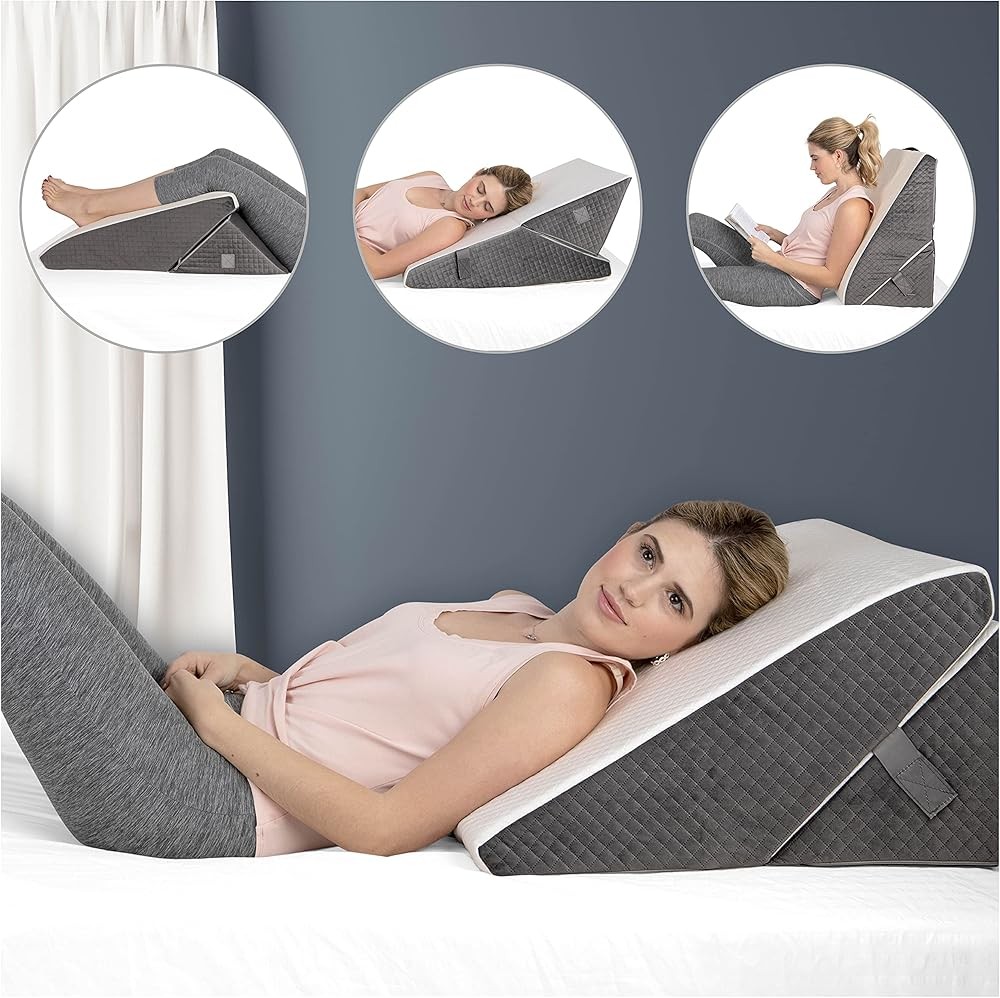
The Kolbs Adjustable Wedge at $49 provides versatile elevation options through its removable layer system. This adjustability addresses the reality that optimal elevation height varies between individuals based on body type, reflux severity, and personal comfort preferences.
The three-piece construction includes two base layers and a top layer that can be used together or separately. Using all layers creates a 12-inch elevation suitable for severe reflux or post-surgical positioning. Removing one layer drops height to 9 inches. The top layer alone provides 4 inches for mild elevation needs.
Each layer uses high-density foam that maintains its shape under body weight. The modular design means you can start with full height and reduce if needed, or begin lower and add layers if reflux symptoms persist. This flexibility helps users find their personal optimal elevation without purchasing multiple wedges.
The 24-inch width provides adequate space for most sleepers, though side sleepers with broad shoulders might find it slightly narrow compared to wider models. The surface area works well for back sleeping and smaller to average-sized side sleepers.
The memory foam top layer adds conforming comfort across all height configurations. Whether using just the top layer or all three pieces together, the memory foam surface adapts to body contours while the firm base layers maintain the therapeutic angle.
The cover uses soft, breathable polyester that removes via zipper for machine washing. While not as naturally moisture-wicking as bamboo, the polyester fabric proves durable through repeated wash cycles. Users report the cover maintains its fit and softness even after months of regular laundering.
Bottom grips resist sliding across mattress surfaces. The textured material creates enough friction to keep the wedge stable without being so grippy that repositioning becomes difficult. The wedge stays put during normal sleep movement while still allowing intentional adjustment.
The removable layer system serves additional functions beyond just GERD management. The individual pieces work as knee elevation pillows, reading backrests, or post-surgery positioning aids. This versatility adds value beyond the primary acid reflux application.
Assembly involves simply stacking the layers - no tools or complex setup required. The layers align naturally through size matching. A carrying handle on the side facilitates moving the wedge for cleaning or storage.
The Kolbs Adjustable Wedge delivers the core functionality needed for GERD management at the lowest price point among quality wedges. The adjustability provides flexibility that fixed-height wedges can’t match, making this ideal for users wanting to experiment with different elevations or who need versatile positioning options.
Bottom Line: At $49, the Kolbs offers unmatched versatility with three adjustable height configurations (4, 9, or 12 inches). The modular layer system lets you customize elevation as your needs change, providing excellent value for budget-conscious buyers.
Premium Pick: MedCline Reflux Relief System
The MedCline Reflux Relief System at $269 represents a clinical-grade solution backed by published research and designed specifically for chronic GERD management. The unique arm pocket design addresses the common problem of sliding down standard wedge pillows during sleep.
Published studies on the MedCline system demonstrate superior reflux reduction compared to standard wedges. Research in the Journal of Clinical Gastroenterology found that the MedCline design reduced esophageal acid exposure by 87 percent compared to flat sleeping, outperforming traditional wedge pillows.
The patented arm pocket allows comfortable left-side sleeping while maintaining the therapeutic elevation angle. Your arm threads through the pocket, creating a physical anchor that resists sliding down the incline. This design breakthrough solves the migration problem that compromises other wedges’ effectiveness.
The system includes the elevation wedge plus a therapeutic body pillow. The body pillow supports the upper body and encourages left-side sleeping - the position research identifies as most beneficial for GERD. The combination creates a complete positioning system rather than just elevation.
The 29-inch width provides generous space for side sleeping. The extra width compared to standard wedges means you can shift positions without feeling constrained or worrying about rolling off the edge. Broader individuals find this width particularly advantageous.
Full memory foam construction conforms to body contours throughout the entire surface. Unlike wedges with only a memory foam top layer, the MedCline uses memory foam through the entire structure while maintaining the firm support needed for therapeutic positioning. This provides pressure relief without sacrificing the angle integrity.
The removable cover system includes both the wedge cover and body pillow cover, both machine washable. The covers use durable fabric that withstands regular laundering. MedCline sells replacement covers separately, allowing refresh without replacing the entire system.
FSA and HSA eligibility applies to the MedCline system. The higher price point represents a more significant benefit when using pre-tax health spending dollars. The system qualifies as durable medical equipment in most flexible spending account guidelines.
The learning curve for the MedCline system typically takes 3-7 nights. The arm pocket positioning feels unfamiliar initially, but users report that the positioning becomes natural with consistent use. The adaptation period proves worthwhile for people with severe or refractory GERD.
Clinical support documentation includes setup guides and positioning videos. MedCline provides resources to help users optimize their positioning for maximum therapeutic benefit. Customer service offers guidance for people struggling with initial adjustment.
The MedCline Reflux Relief System justifies its premium price for people with severe GERD, those who have failed with standard wedges due to sliding problems, or anyone wanting the most clinically-validated solution. The research-backed design and comprehensive positioning system deliver superior results for chronic reflux management.
Best Value Set: Yojoker 4PCS Orthopedic Bed Wedge Pillow Set
Yojoker 4PCS Orthopedic Bed Wedge Pillow Set
Check Price on AmazonAs an Amazon Associate we earn from qualifying purchases.
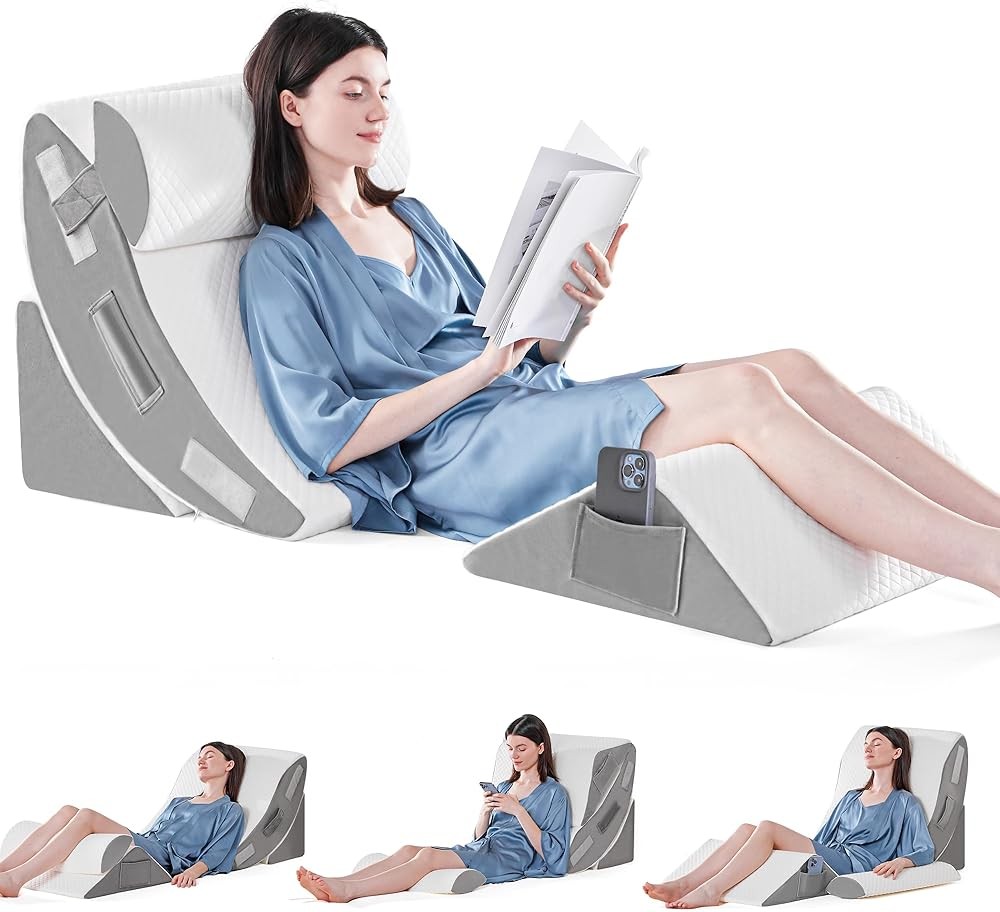
The Yojoker 4-Piece Orthopedic Set at $59 provides complete positioning versatility through its modular component system. The four separate pieces can be configured for GERD elevation, post-surgery positioning, reading support, or multiple simultaneous uses.
The set includes one large wedge, one smaller wedge, one knee pillow, and one lumbar support pillow. Each piece uses high-density foam construction with memory foam top layers. The pieces can function independently or stack together for customized elevation configurations.
For GERD management, the large wedge provides 8-inch elevation when used alone. Adding the smaller wedge increases elevation to 10 inches. Stacking all pieces creates 12-inch maximum height for severe reflux or post-surgical positioning requirements. This flexibility allows progression as needs change.
The knee pillow serves dual purposes. During elevated sleeping, it can position under knees to relieve lower back pressure that some people experience when sleeping on an incline. Alternatively, it works as a side-sleeping leg pillow to maintain spinal alignment while on the wedge.
The lumbar support pillow adds lower back cushioning for reading or watching television in bed. While not directly GERD-related, this piece adds value to the set beyond just nighttime reflux management. The complete system serves multiple positioning needs throughout the day.
Each piece features a removable, washable cover. The covers use soft polyester fabric with zipper closure. Being able to wash all four covers separately makes maintaining hygiene across the entire system manageable.
The modular nature means pieces can be shared between household members or used in different locations. One person might use the main wedge for GERD while another uses the knee pillow for leg elevation. The pieces separate for individual storage when not all components are needed.
The 24-inch width of the main wedge works for most sleepers, though exceptionally broad individuals might prefer wider options. The surface area proves adequate for back sleeping and average-sized side sleepers.
Setup involves no tools or assembly. The pieces arrive compressed in vacuum packaging. Allow 48-72 hours for full expansion and off-gassing dissipation before use. The memory foam expands to full thickness within this timeframe.
The set configuration allows experimentation with different elevation heights and positioning angles. Users can try various combinations to find what provides optimal reflux relief while maintaining sleep comfort. This trial flexibility helps overcome the challenge of not knowing which exact height will work best before purchase.
The Yojoker 4-Piece Set delivers exceptional value for people wanting maximum positioning flexibility or households with multiple needs. The modular design serves GERD management while also functioning for post-surgery recovery, reading, or general comfort positioning throughout the day.
How to Use a Wedge Pillow Effectively for GERD
Simply purchasing a wedge pillow doesn’t guarantee reflux relief. Proper setup and consistent use according to research-backed guidelines maximizes therapeutic benefit.
Initial Setup and Positioning
Place the wedge directly on your mattress with the wide base at the head of the bed. The gradual slope should run from the head toward the middle of the bed. Position it so your torso from shoulders to hips will rest on the slope when lying down.
Center the wedge on your side of the bed. If you sleep alone, centering it on the mattress provides maximum positioning options. For couples, position the wedge on your side while leaving your partner’s side unaffected.
Test the positioning while lying down before attempting to sleep. Your shoulders should rest near the top of the wedge with the slope supporting your back and hips. Your head shouldn’t hang off the top edge, nor should your torso extend past the bottom edge.
Optimizing Sleep Position
Left-side sleeping on the wedge provides maximum GERD benefit according to research. The combination of elevation plus left-side orientation uses both gravity and anatomical positioning to minimize reflux. Practice settling into left-side sleeping position on the wedge before lights-out.
If you’re a habitual back sleeper, the transition to side sleeping takes adjustment. Start by lying on your back on the wedge until drowsy, then roll to your left side as you fall asleep. Over time, left-side sleeping becomes more natural.
Use a regular pillow on top of the wedge to support your head and neck. The wedge elevates your torso, while the head pillow maintains cervical spine alignment. Choose a lower-loft pillow than you might use for flat sleeping, as the wedge already provides some head elevation.
Adjustment Period Expectations
Most people need 3-7 nights to adjust to wedge sleeping. Initial nights often involve more position changes and wake-ups compared to your usual sleep pattern. This adjustment period is normal and doesn’t indicate the wedge won’t work.
You might experience mild muscle soreness in shoulders, back, or hips during the first few days. This temporary discomfort results from sleeping positions your body isn’t accustomed to. The soreness typically resolves within a week as your musculature adapts.
Don’t abandon the wedge if you don’t see immediate reflux improvement. While some people notice reduced symptoms the first night, others require consistent use for 1-2 weeks before significant improvement occurs. The cumulative effect of reduced nightly acid exposure builds over time.
Dealing with Common Challenges
Sliding down the wedge during sleep is the most common complaint. If you wake up at the bottom of the slope, several strategies help. First, ensure you’re using a wedge with adequate grip on the bottom. Second, wear pajamas with some texture rather than slippery fabrics. Third, consider the MedCline system if sliding persists despite other measures.
Lower back discomfort sometimes occurs with wedge sleeping. Using a knee pillow to maintain leg position can relieve this pressure. Alternatively, slightly reducing the elevation height may help while still providing therapeutic benefit.
Neck strain suggests your head pillow needs adjustment. Try a flatter pillow or position the head pillow differently on the wedge surface. Your neck should maintain neutral alignment rather than flexing forward or extending backward.
Combining with Other GERD Management
Wedge pillows work best as part of comprehensive GERD management. Continue other evidence-based interventions like avoiding late meals, limiting trigger foods, maintaining healthy weight, and taking medications as prescribed.
Timing your last meal matters. Research shows eating within 3 hours of bedtime increases nighttime reflux regardless of sleep position. Allow adequate time between dinner and bed to reduce stomach contents available to reflux.
The wedge doesn’t replace medical treatment for GERD. Use it in conjunction with medications, not as a substitute. Discuss all GERD management strategies with your healthcare provider to develop a comprehensive treatment plan.
What Additional Features Should You Look For?
Beyond the core function of providing elevation, several features distinguish premium wedge pillows from basic models.
Cooling Technology
Memory foam naturally retains heat, which can cause discomfort during sleep. Wedges incorporating cooling features address this limitation through several approaches.
Gel-infused memory foam uses gel particles throughout the foam matrix. The gel absorbs and disperses heat more effectively than standard foam. Users report that gel-infused wedges sleep cooler, particularly important given the increased foam contact area compared to standard pillows.
Ventilation channels create air pathways through the foam. These channels allow heat to dissipate and air to circulate. Some premium wedges incorporate horizontal channels running through the foam structure specifically designed to reduce heat buildup.
Phase-change material covers actively regulate temperature. These advanced fabrics absorb heat when you’re warm and release it when you cool down. While adding cost, phase-change covers provide the most sophisticated temperature management.
Multifunctional Design
Quality wedges serve purposes beyond GERD management. The ability to use the wedge for multiple applications increases value and utility.
Reading or watching television in bed becomes more comfortable with a wedge backrest. The angle provides ergonomic support superior to stacking regular pillows. The firm structure holds position without constant adjustment.
Post-surgical positioning often requires elevation. Wedge pillows work for recovery after abdominal surgery, hip replacement, or procedures requiring elevated positioning. The ability to use the wedge for recovery needs justifies the purchase even if GERD wasn’t the initial reason.
Leg elevation reduces swelling and promotes circulation. Placing the wedge under your legs elevates feet and ankles to reduce edema. People with venous insufficiency, lymphedema, or post-flight swelling benefit from this application.
Pregnancy support addresses multiple discomfort issues. Wedges provide back support while sitting, reduce reflux common in later pregnancy, and can position under the belly for side-sleeping comfort. Many pregnant people continue using wedges postpartum for nursing support.
Size Options
Standard wedges measure 24-25 inches wide and work for most individual sleepers. Couples where both partners want elevation can use two wedges side by side, or opt for extra-wide models designed for dual use.
Some manufacturers offer queen or king-size wedges spanning the full bed width. These larger models allow both partners to sleep elevated without a separation gap between individual wedges. The expanded size increases cost but provides seamless positioning.
Travel-size wedges serve people who want elevation while away from home. These compact versions fold or compress for packing. While not as stable or supportive as full-size home wedges, travel versions maintain some therapeutic benefit during trips.
Firmness Customization
Some advanced wedges offer adjustable firmness through removable inserts or layer systems. The ability to modify firmness helps accommodate individual preferences and changing needs over time.
Soft-top options use extra-thick memory foam layers for people who prefer a more cushioned feel. These models prioritize pressure relief while maintaining the firm base needed for angle stability.
Extra-firm configurations use minimal cushioning for people who want maximum support. Firmer wedges eliminate the sinking sensation some users dislike and can better support heavier individuals who might compress softer foams excessively.
Material Quality and Construction Details
Understanding wedge pillow materials helps evaluate quality and longevity expectations.
Foam Density Specifications
High-density foam typically measures 2.5-5 pounds per cubic foot. This density range provides structural support without excessive firmness. Lower density foams compress more easily and lose shape faster over time.
The base foam should use the highest density available in the wedge construction. This foundational layer maintains the therapeutic angle under body weight. Base foam density of 3.5-5 pounds per cubic foot indicates quality construction.
Memory foam top layers commonly use 3-4 pounds per cubic foot density. This range provides the conforming properties memory foam is known for while resisting excessive compression. Higher density memory foam recovers shape more quickly after pressure removal.
Certified foams meet safety and emissions standards. CertiPUR-US certification indicates foam is made without ozone depleters, flame retardants, mercury, lead, and heavy metals. Certified foams have low VOC emissions for better indoor air quality.
Cover Material Considerations
Natural fiber covers provide superior breathability compared to synthetic materials. Bamboo, cotton, and Tencel allow airflow and wick moisture away from skin. These materials sleep cooler and resist odor buildup better than polyester.
Polyester covers cost less and often prove more durable through repeated washing. While not as breathable as natural fibers, quality polyester fabrics can still provide adequate comfort for many users. The durability advantage matters for wedges that will be laundered frequently.
Blended fabrics combine natural fiber benefits with synthetic durability. Cotton-polyester blends or bamboo-polyester combinations aim to balance breathability, softness, and longevity. These blends often provide the best practical compromise.
Zippered covers allow complete removal for washing. Hidden zippers along the back edge provide clean appearance while enabling easy access. Quality zippers withstand repeated opening and closing without breaking or jamming.
Construction Quality Indicators
Seam quality reveals overall construction standards. Double-stitched seams resist separation better than single stitching. Check seam construction where the cover attaches to the foam structure - reinforced attachment points indicate quality construction.
Edge support keeps foam edges from compressing excessively. Quality wedges maintain firm edges that don’t collapse when you sit on them or lean against them. Weak edges create pressure points and reduce the effective support surface.
Cover fit should be snug without excessive looseness. Baggy covers bunch up during use and create uncomfortable pressure points. The cover should pull smooth across the foam surface with minimal excess fabric.
Bottom anti-slip material should cover substantial surface area. Small grip patches prove less effective than bottom surfaces with extensive non-slip coverage. Check that the gripping material feels durable rather than thin or flimsy.
How Do You Maintain a Wedge Pillow?
Proper care extends wedge pillow lifespan and maintains hygiene throughout years of nightly use.
Cleaning Protocols
Remove and wash covers every 2-4 weeks depending on use frequency. Machine wash in warm water with mild detergent. Avoid bleach which can degrade fabric fibers. Tumble dry on low heat or line dry to avoid cover shrinkage.
Spot-clean foam surfaces as needed. Mix mild detergent with water and use a damp cloth to clean surface stains. Avoid saturating the foam with water. Blot excess moisture with dry towels and allow thorough air drying before replacing the cover.
Vacuum the foam surface when changing covers. This removes accumulated dust, skin cells, and allergens that penetrate through the cover. Use the upholstery attachment on low suction to avoid pulling foam surface apart.
Odor buildup occasionally occurs despite regular cover washing. Sprinkle baking soda over the foam surface, let sit for several hours, then vacuum thoroughly. The baking soda absorbs trapped odors without chemical additives.
Outdoor airing refreshes wedges without water. Take the uncovered wedge outside on a dry day and place in indirect sunlight for several hours. The fresh air and gentle sunlight naturally deodorize and dry any accumulated moisture.
Storage Considerations
When not in use, store wedges in a dry location with good air circulation. Avoid damp basements or enclosed spaces where moisture can accumulate. Keep wedges away from direct sunlight during storage to avoid foam degradation.
Standing the wedge on its edge rather than laying flat can save storage space. Ensure the wedge has adequate support to avoid deformation. Don’t store heavy items on top of wedges as sustained compression can create permanent shape changes.
Original packaging typically isn’t designed for long-term storage. The compressed vacuum packaging can damage foam if wedges are re-compressed. Use breathable storage bags or covers rather than plastic wrapping which traps moisture.
Replacement Timeline
Quality wedge pillows typically last 3-5 years with regular use. Signs that replacement is needed include permanent compression, shape deformation, foam breakdown, or cover damage beyond repair.
Foam density affects longevity. Higher density foams resist compression longer than lower density options. Heavier individuals may see faster wear than lighter people due to increased sustained pressure.
Daily use accelerates wear compared to occasional use. Wedges used every night will need replacement sooner than those used only during reflux flare-ups or occasionally.
Health and Safety Considerations
While wedge pillows are safe for most people, certain populations should exercise additional caution or consult healthcare providers before use.
When to Consult Your Doctor
People with respiratory conditions should discuss wedge use with their physician. Certain lung conditions may worsen with prolonged angled positioning. Your doctor can advise whether wedge sleeping is appropriate for your specific situation.
Spinal conditions require medical guidance before changing sleep positioning. Conditions like spinal stenosis, severe scoliosis, or recent back surgery may contraindicate wedge use. Consult your spine specialist before incorporating wedge sleeping.
Pregnant people experiencing reflux should discuss wedge pillow use with their obstetric provider. While generally safe, individual pregnancy complications might make certain sleep positions inadvisable. Your prenatal care provider can offer personalized guidance.
Anyone with severe GERD that doesn’t improve with positional therapy needs medical evaluation. Persistent severe symptoms despite wedge use may indicate complications requiring additional intervention beyond conservative management.
Potential Side Effects
Lower back discomfort occasionally occurs during the adjustment period. Using a knee pillow or slightly reducing elevation often resolves this issue. If back pain persists beyond 2 weeks, discontinue use and consult a healthcare provider.
Shoulder pressure points can develop, particularly in side sleepers. Adjusting your sleeping position or adding a mattress topper to increase overall surface cushioning may help. Some people benefit from using a slightly lower elevation to reduce pressure.
Neck strain indicates improper head pillow height or position. Experiment with different pillow combinations to achieve neutral neck alignment. Your chin shouldn’t tuck toward your chest or extend upward beyond neutral.
Hip discomfort sometimes affects side sleepers on wedges. This often improves as your body adjusts to the new position. A mattress topper or placing a thin pillow under the hip pressure point can provide relief during the adaptation period.
Children and Infants
Wedge sleeping for infants requires specific products designed for baby sleep safety. Adult wedge pillows are inappropriate and potentially dangerous for infant use due to suffocation risk. Consult your pediatrician about safe infant reflux management.
Older children with GERD may benefit from wedge pillows under medical supervision. Pediatric-specific wedges sized appropriately for children’s smaller bodies provide safer positioning than adult wedges. Always follow your child’s doctor’s guidance for reflux management.
Allergy Considerations
Dust mite allergens accumulate in foam products over time. Using allergen-barrier covers under the regular washable cover can reduce exposure. Look for covers specifically designed to block dust mite allergens if you have dust allergies.
Foam off-gassing may trigger sensitivity in people with chemical sensitivities. Allow new wedges to air in a well-ventilated area for 48-72 hours before use. Choose CertiPUR-US certified foams which have lower VOC emissions.
Mold growth can occur if wedges remain damp. Always ensure the foam is completely dry before replacing covers after cleaning. Store wedges in areas with good air circulation to avoid moisture accumulation.
How Do Wedge Pillows Compare to Other GERD Solutions?
Wedge pillows represent one of several positional therapy approaches for nighttime reflux. Understanding how they compare to alternatives helps inform treatment decisions.
Bed Risers vs Wedge Pillows
Bed risers elevate the entire head of the bed by placing blocks under the bed frame legs. This creates whole-bed elevation rather than just positioning one sleeper. Research shows that whole-bed elevation and wedge pillows provide comparable reflux reduction.
Bed risers work better for couples where both partners need elevation. Two people can sleep elevated without requiring separate wedges or position differences. The consistent angle across the entire bed provides seamless positioning.
The disadvantage of bed risers is that they modify the bed frame itself. This eliminates partner preference differences - both people must sleep elevated even if only one has GERD. Wedge pillows allow individualized positioning without affecting the other sleeper.
Setting up bed risers requires moving the entire bed and ensuring risers are stable and secure. The semi-permanent nature makes this less convenient for trying elevation therapy. Wedge pillows can be tried with minimal setup and easily discontinued if ineffective.
Adjustable Beds vs Wedges
Electric adjustable beds allow customizable head and foot positioning at the push of a button. These beds provide smooth elevation adjustment and can change positions throughout the night if needed.
Adjustable beds cost significantly more than wedge pillows. Quality adjustable bases start around $1,000 compared to $50-100 for wedge pillows. The investment difference makes wedges more accessible for most people as an initial GERD management approach.
Adjustable beds benefit people with multiple conditions requiring different positioning. Someone with both GERD and leg swelling can elevate the head for reflux and feet for circulation simultaneously. Wedges serve primarily single-position needs.
The ability to adjust positioning on demand provides flexibility wedges can’t match. You can raise the head higher during acute reflux episodes and lower it on better nights. Wedges provide fixed elevation without adjustment capability.
Stacked Regular Pillows vs Wedge Pillows
Some people attempt to create elevation by stacking regular bed pillows. This approach fails to provide the consistent angle and stability that wedge pillows deliver.
Regular pillows compress unevenly under body weight. The compression creates angle inconsistency throughout the night. Soft spots develop where compression is greatest, reducing the effective elevation. Wedge pillows maintain consistent angle despite body pressure.
Stacked pillows shift and separate during sleep movement. You wake up with pillows scattered and your position flat despite starting elevated. The instability disrupts sustained therapeutic positioning throughout the night.
Neck positioning on stacked pillows often creates flexion or hyperextension rather than neutral alignment. The pillow height needed for torso elevation places the head at inappropriate angles. Wedges provide gradual slope that maintains proper cervical positioning.
The cost advantage of using existing pillows is offset by their ineffectiveness. Spending money on a proper wedge pillow delivers actual therapeutic benefit that stacked regular pillows can’t match.
Medication vs Positional Therapy
Acid-reducing medications and positional therapy address GERD through different mechanisms. Most people benefit from combining both approaches rather than choosing one exclusively.
Proton pump inhibitors and H2 blockers reduce the amount of acid the stomach produces. These medications decrease the volume and acidity of refluxate if reflux does occur. However, they don’t stop the mechanical reflux event itself.
Positional therapy uses gravity to physically keep stomach contents from flowing backward into the esophagus. Elevation works regardless of acid levels by creating a barrier based on positioning rather than chemistry.
Research shows that combining acid reduction with positional therapy provides superior outcomes compared to either approach alone. A study in Digestive Diseases and Sciences found that patients using both interventions had 76 percent fewer nighttime reflux episodes than those using medication only.
Some people prefer minimizing medication use when effective non-pharmacological options exist. Positional therapy allows reducing medication dosage for some individuals. However, never discontinue prescribed GERD medications without discussing with your healthcare provider.
What Are the Best Long-Term GERD Management Strategies?
Wedge pillows function most effectively as part of comprehensive lifestyle and medical management rather than as standalone intervention.
Dietary Modifications
Avoiding trigger foods reduces the frequency and severity of reflux episodes regardless of sleep position. Common triggers include chocolate, caffeine, alcohol, spicy foods, tomatoes, and high-fat meals. Individual triggers vary, so keeping a food-symptom diary helps identify personal patterns.
Meal timing significantly impacts nighttime reflux. Eating within 3 hours of bedtime increases the volume of stomach contents available to reflux during sleep. Research demonstrates that allowing 3-4 hours between meals and bed reduces nocturnal reflux by approximately 60 percent.
Smaller, more frequent meals maintain more consistent stomach volume compared to large meals that distend the stomach. Stomach distension increases pressure that can force the lower esophageal sphincter open, promoting reflux.
Weight Management
Excess weight, particularly abdominal obesity, increases intra-abdominal pressure that promotes reflux. Studies show that BMI above 25 correlates with increased GERD symptoms. Losing even 10-15 pounds can significantly improve reflux for overweight individuals.
The mechanism relates to mechanical pressure. Abdominal fat increases the pressure gradient between stomach and esophagus. This pressure difference drives gastric contents upward when the lower esophageal sphincter relaxes.
Weight loss specifically from the abdominal region provides the most GERD benefit. Visceral fat surrounding organs contributes more to reflux than subcutaneous fat elsewhere on the body.
Smoking Cessation
Tobacco use weakens the lower esophageal sphincter and reduces saliva production. Both effects worsen GERD. Smoking cessation is one of the most impactful lifestyle modifications for reflux management.
Nicotine directly relaxes smooth muscle including the esophageal sphincter. This relaxation allows easier backward flow of stomach contents. The effect occurs with all tobacco products, not just cigarettes.
Smoking also reduces protective saliva production. Saliva neutralizes acid that enters the esophagus. Decreased saliva means less buffering capacity when reflux does occur.
Stress Management
Psychological stress increases GERD symptoms through multiple pathways. Stress heightens pain perception, making the same amount of reflux feel more severe. Stress also affects esophageal motility and may increase acid production.
Relaxation techniques including deep breathing, progressive muscle relaxation, and meditation can reduce symptom severity. A study in the American Journal of Gastroenterology found that stress management training reduced GERD symptoms by 40 percent over 8 weeks.
The mind-body connection in GERD is bidirectional. Chronic reflux symptoms create stress, which then worsens symptoms, creating a negative cycle. Interrupting this cycle through stress management provides both psychological and physical benefits.
Regular Medical Monitoring
Chronic GERD requires ongoing medical supervision to monitor for complications. Long-term acid exposure can cause esophageal inflammation, strictures, Barrett’s esophagus, or esophageal cancer.
Periodic endoscopy allows direct visualization of esophageal tissue. Your gastroenterologist can assess inflammation severity, detect precancerous changes, and adjust treatment accordingly. Endoscopy frequency depends on symptom severity and presence of complications.
Ambulatory pH monitoring provides objective measurement of acid exposure. This testing involves wearing a small probe that records esophageal acid levels over 24-48 hours. The data reveals whether current treatment adequately controls acid exposure.
Frequently Asked Questions
Does sleeping position affect GERD beyond just elevation?
Yes, research shows left-side sleeping reduces reflux even without elevation due to anatomical positioning. The stomach’s anatomy places the gastroesophageal junction higher than gastric contents when lying on the left side. Studies demonstrate that left-side sleeping alone reduces reflux by 50-70 percent compared to right-side sleeping.
Can I use a wedge pillow if I have sleep apnea?
Elevation may help some people with positional sleep apnea, but wedge pillows don’t replace CPAP therapy for diagnosed obstructive sleep apnea. Discuss combining positional therapy with your prescribed apnea treatment with your sleep medicine specialist. Some people find that wedge elevation makes CPAP use more comfortable.
How do I reduce sliding down the wedge during sleep?
Look for wedges with non-slip bottoms and textured tops. Wearing cotton or textured pajamas rather than silk or satin reduces sliding. The MedCline arm pocket system specifically addresses this issue for people who struggle with migration despite other measures. Some users place a rolled towel under the bottom edge to create a physical barrier.
Are wedge pillows safe during pregnancy?
Wedge pillows are generally safe during pregnancy and often recommended for pregnancy-related reflux. The elevation helps reduce heartburn common in later pregnancy. However, always consult your obstetric provider about sleep positioning, particularly if you have pregnancy complications or have been given specific positioning instructions.
Can children use adult wedge pillows for GERD?
Older children and teenagers can use appropriately-sized wedge pillows under medical supervision. Very young children and infants require pediatric-specific products and should never use adult wedges due to safety concerns. Always follow your child’s pediatrician or gastroenterologist recommendations for reflux management.
How long should I try a wedge pillow before deciding if it works?
Give the wedge pillow 2-3 weeks of consistent nightly use before evaluating effectiveness. While some people notice improvement within days, others need longer for the full benefit to develop. The adjustment period varies, and true efficacy assessment requires sustained use.
Can I use a wedge pillow if I have back problems?
People with spinal conditions should consult their physician or spine specialist before using wedge pillows. Certain conditions may improve with elevation while others could worsen. Individual medical guidance is necessary to ensure wedge sleeping won’t exacerbate your specific back condition.
Do wedge pillows work for other conditions besides GERD?
Wedge pillows can help with post-nasal drip, snoring, respiratory congestion, and circulation issues when used for leg elevation. The versatility extends beyond GERD management. However, effectiveness for conditions other than reflux varies based on individual circumstances.
Should I use my regular pillow on top of the wedge?
Most people benefit from using a regular pillow on top of the wedge to support the head and neck. Choose a lower-loft pillow than you might use for flat sleeping since the wedge already provides some head elevation. The goal is maintaining neutral cervical spine alignment.
Can wedge pillows help with coughing at night?
Nighttime coughing from acid reflux often improves with wedge pillow use. The elevation reduces reflux episodes that trigger coughing. However, coughing from other causes like asthma or infections may not improve. Persistent nighttime coughing requires medical evaluation to identify the underlying cause.
Conclusion
The Sleepnitez 8-Inch Bed Wedge Pillow at $57 delivers the evidence-based elevation angle, quality construction, and practical features needed for effective long-term GERD management. The 3.25-inch memory foam top layer provides conforming comfort while the firm base maintains the therapeutic 30-40 degree angle throughout the night. FSA/HSA eligibility makes this wedge accessible through pre-tax health spending dollars.
Budget-conscious buyers find excellent value in the Kolbs Adjustable Wedge at $49. The removable layer system allows experimentation with 9-inch or 12-inch heights to find optimal individual positioning. The versatility serves multiple purposes beyond GERD management including post-surgery recovery and reading support.
People with severe or refractory GERD benefit from the MedCline Reflux Relief System at $269. The patented arm pocket design addresses the sliding problem that compromises other wedges’ effectiveness. Clinical research demonstrates superior reflux reduction with the MedCline system compared to standard wedges. The comprehensive positioning system including therapeutic body pillow supports optimal left-side sleeping.
The Yojoker 4-Piece Orthopedic Set at $59 provides maximum positioning versatility through its modular component design. The four separate pieces configure for various heights and applications beyond just nighttime GERD management. Households with multiple positioning needs or people wanting extensive customization options find exceptional value in this complete system.
Wedge pillows work most effectively when combined with other evidence-based GERD management strategies including dietary modification, weight management, meal timing, and appropriate medication use. The positional therapy that wedges provide addresses the mechanical aspect of reflux by using gravity to keep stomach contents in the stomach. This gravitational barrier complements medical interventions that reduce acid production.
Research consistently demonstrates that elevating the head of the bed 6-8 inches reduces nocturnal reflux episodes, decreases esophageal acid exposure time, and improves sleep quality for GERD patients. The evidence supporting positional therapy is robust, with multiple randomized controlled trials and systematic reviews confirming efficacy. Wedge pillows provide an accessible, non-invasive method to implement this evidence-based intervention.
Most people adapt to wedge sleeping within 1-2 weeks of consistent use. While the initial adjustment period may involve some discomfort as your body accustoms to the new positioning, the long-term benefits for reflux control justify the temporary adaptation period. Combining elevation with left-side sleeping provides maximum therapeutic benefit according to research.
Select a wedge pillow based on your specific needs, budget, and severity of reflux symptoms. Quality construction with high-density foam, adequate width for your sleeping position preferences, and features supporting consistent nightly use contribute to successful long-term outcomes. The investment in a proper wedge pillow delivers significant return through reduced reflux symptoms, improved sleep quality, and decreased esophageal acid exposure that protects against long-term complications.
While wedge pillows can be a practical starting point for managing nighttime acid reflux, research suggests that combining elevation with other sleep-supportive strategies often yields better results—pairing your wedge with optimal bedroom temperature may further reduce symptom flare-ups, and adding a white noise machine can help you stay asleep on the incline. For a deeper look at the science behind sleep positioning, our GERD sleep position research guide breaks down what the evidence actually shows. If reflux is disrupting your rest alongside other issues like anxiety or perimenopausal insomnia, you may also want to explore magnesium supplements for sleep or compare CBD oil versus melatonin as complementary options.
If you’re exploring wedge pillows for nighttime reflux, our detailed look at GERD sleep position research breaks down what the evidence actually shows about elevation and symptom relief. For a more comfortable sleep environment overall, pairing that approach with the right bedroom temperature or a cooling mattress pad can help reduce the night sweats and restlessness that often accompany reflux symptoms. Some readers also find that addressing underlying contributors—like nighttime histamine reactions—or supporting sleep quality with melatonin makes a meaningful difference alongside positional therapy.
Related Reading
Recommended Products