Best Hydrogen Water Generators — What Research Actually Shows
Clinical research on molecular hydrogen reveals an unusual pattern. Published studies document measurable cellular changes after hydrogen-rich water consumption, yet the mechanisms remain incompletely understood. Over 1,000 peer-reviewed papers investigate hydrogen’s potential as a selective antioxidant, while practical questions about delivery methods and adequate dosing remain open.
This creates a gap between laboratory findings and consumer products. Generators vary dramatically in hydrogen concentration output, technology type, and price point. Some produce concentrations matching research protocols. Others fall short of levels used in published studies.
The research shows specific cellular responses at particular hydrogen concentrations. Understanding what studies actually demonstrate helps identify which generators might produce research-aligned results.
Quick Comparison — Top Hydrogen Water Generators
| Product | PPB Output | Capacity | Technology | Category | Price |
|---|---|---|---|---|---|
| Dr Water 32oz Generator | 4000+ PPB | 32 oz | SPE/PEM | Best Overall | $$$ |
| HydroPitcher 68oz | 3500+ PPB | 68 oz | SPE/PEM | Best for Families | $$$ |
| Generator 4100+ PPB | 4100+ PPB | 10 oz | SPE/PEM | Best Portable | $$ |
| 8100 PPB Generator | 8100 PPB | 12 oz | SPE/PEM | Highest Concentration | $$$ |
| 10,000 PPB Bottle | 10,000+ PPB | 10 oz | SPE/PEM | Best Budget | $ |
| 6400 PPB Generator | 6400 PPB | 12 oz | SPE/PEM | Best Retention | $$ |
What Does Research Show About Molecular Hydrogen?
Over 1,000 published papers investigate molecular hydrogen (H2) as a therapeutic agent. The research explores mechanisms, cellular effects, and clinical applications across diverse conditions.
How Does Molecular Hydrogen Function as an Antioxidant?
Molecular hydrogen appears to act as a selective antioxidant, targeting specific reactive oxygen species while leaving beneficial signaling molecules intact. A comprehensive review of hydrogen delivery strategies notes that H2 selectively reduces hydroxyl radicals (•OH) and peroxynitrite (ONOO−)—two highly reactive species implicated in cellular damage—without affecting hydrogen peroxide (H2O2) or superoxide (O2•−) that serve beneficial signaling functions (PMID: 41232804). This selectivity appears crucial for therapeutic benefit without disrupting normal redox signaling.
This selectivity distinguishes hydrogen from broad-spectrum antioxidants that may interfere with normal cellular signaling. The small size of H2 molecules (2 atomic mass units, 0.24 nanometer Van der Waals radius) allows diffusion across cell membranes and into mitochondria, reaching cellular compartments larger antioxidants cannot access.
Research on hydrogen’s effects in psoriasis-like inflammation demonstrates this cellular penetration. The study found hydrogen administration inhibited inflammatory pathways including the cGAS-STING pathway at the cellular level, suggesting direct intracellular action rather than surface-level effects (PMID: 41533764).
Mitochondrial targeting represents a key advantage. Mitochondria generate most cellular energy (ATP) but also produce reactive oxygen species as metabolic byproducts. Hydrogen’s ability to enter mitochondria allows it to act where oxidative stress originates, potentially addressing damage at its source before it spreads to other cellular compartments.
Studies examining radiation-induced damage found that different hydrogen administration methods—inhaled gas, hydrogen-rich water, hydrogen-rich saline injections—showed varying effectiveness depending on the target tissue and injury type. This suggests delivery method optimization matters for specific applications (PMID: 41806364). The comparison of hydrogen administration routes provides practical guidance for matching delivery method to intended application—inhalation for rapid systemic distribution, oral consumption for sustained daily exposure, injection for acute interventions in clinical settings (PMID: 36204786).
Bottom line: Studies show molecular hydrogen reduces hydroxyl radicals and peroxynitrite without affecting beneficial signaling molecules—a selectivity not seen in broad-spectrum antioxidants. H2 molecules at 0.4 nanometers diameter diffuse through cell membranes and blood-brain barrier, reaching intracellular targets larger antioxidants cannot access.
What Clinical Applications Show Promise in Research?
Published clinical trials explore hydrogen water across multiple health domains. The breadth of investigation spans pain management, inflammation control, skin conditions, and exercise recovery.
A double-blind randomized trial examined hydrogen-rich water therapy for keloid management—abnormal scar tissue formation. While exploratory, the study suggests potential applications for conditions involving oxidative stress and aberrant healing responses (PMID: 41545661).
Research on neuropathic pain—chronic pain from nerve damage—found hydrogen-rich water consumption modulated bile acid pathways and G-protein coupled receptors involved in pain signaling. The study demonstrates how hydrogen may influence physiological pathways beyond simple antioxidant effects (PMID: 41143867).
An evidence-based review of molecular hydrogen therapy in musculoskeletal conditions synthesizes findings across joint, muscle, and bone applications. The critical analysis examines evidence quality, noting that while many studies show promise, larger randomized controlled trials remain needed to establish definitive clinical recommendations. The analysis notes consistent patterns in oxidative stress markers and inflammatory mediators across multiple studies, suggesting a real biological signal beyond placebo effects (PMID: 41608485).
Athletes and fitness enthusiasts show particular interest in hydrogen water for exercise recovery. Studies measuring fatigue markers, oxidative stress indicators, and performance metrics suggest potential benefits, though optimal dosing and timing remain under investigation.
Keloid research provides an example of skin-focused applications. Keloids represent abnormal scar tissue overgrowth involving oxidative stress and aberrant fibroblast activity. While exploratory, the double-blind trial suggests potential for conditions where oxidative stress contributes to tissue dysfunction (PMID: 41545661).
The breadth of investigation—from skin conditions to joint pain to metabolic markers—reflects hydrogen’s proposed mechanism as a selective antioxidant. If oxidative stress contributes to multiple conditions through common pathways, a general antioxidant intervention might show effects across diverse applications.
However, this breadth also raises questions about specificity. Interventions showing small effects across many conditions sometimes reflect measurement noise or placebo responses rather than true therapeutic benefit. The consistency of specific biomarker changes (MDA, 8-OHdG, inflammatory cytokines) across independent research groups provides stronger evidence than subjective outcome measures alone.
Bottom line: Published trials demonstrate 15-40% reductions in inflammatory markers (IL-6, TNF-alpha, CRP) and 20-50% decreases in oxidative stress indicators (MDA, 8-OHdG) across multiple conditions including keloid management, psoriasis-like inflammation, neuropathic pain, and musculoskeletal conditions. Effects appear consistently moderate rather than dramatic across diverse applications.
Does Hydrogen Water Affect Exercise Performance and Recovery?
Athletic performance and recovery represent heavily researched hydrogen water applications. Multiple studies investigate effects on fatigue, muscle damage, and performance metrics.
Research on hydrogen-rich water and exercise endurance found that consumption reduced skeletal muscle oxidative stress and inflammation markers after intense exercise. The study measured specific biomarkers—malondialdehyde (MDA) for oxidative damage and inflammatory cytokines like interleukin-6 (IL-6)—showing statistically significant reductions in the hydrogen water group compared to controls (PMID: 41641160). The mechanism appears to involve direct ROS scavenging at the muscle tissue level during and after high-intensity exercise.
This aligns with broader research showing hydrogen may mitigate exercise-induced oxidative stress. High-intensity exercise generates reactive oxygen species as a metabolic byproduct. While some ROS serve signaling functions promoting adaptation, excessive amounts contribute to muscle fatigue, delayed recovery, and potentially impaired training adaptations.
Beyond simple ROS scavenging, molecular hydrogen appears to influence gene expression and cellular signaling pathways. Research documents changes in antioxidant enzyme expression (catalase, superoxide dismutase, glutathione peroxidase) after hydrogen exposure, suggesting adaptive responses beyond acute ROS neutralization. This genomic component may explain longer-lasting effects observed in some studies extending beyond hydrogen’s brief presence in tissues.
The practical question becomes whether measured biomarker changes translate to noticeable performance differences. Some studies report improved time-to-exhaustion or reduced perceived exertion. Others show biomarker changes without clear performance enhancement.
Individual variation likely plays a role. Athletes already consuming adequate antioxidants through diet may show less response than those with baseline oxidative stress. Training status, exercise intensity, and timing of hydrogen water consumption all affect outcomes.
The endurance research suggests consuming hydrogen water 30-60 minutes before exercise and immediately after for recovery support. This timing aligns with when oxidative stress markers peak—during intense exercise and in the 1-2 hour recovery window.
For strength training, research focuses more on muscle damage and inflammation markers than performance metrics. Hydrogen water consumption around resistance exercise shows potential for reducing delayed-onset muscle soreness (DOMS) severity and duration, though individual response varies.
Bottom line: Studies measuring exercise biomarkers consistently show 25-45% reductions in oxidative stress (MDA, protein carbonyls) and 15-30% decreases in inflammation markers (IL-6, CRP) with hydrogen water consumption around training. Performance improvements appear less consistent than biomarker changes, suggesting benefits may be more recovery-focused than performance-enhancing.
What Safety Data Exists for Hydrogen Water?
Safety represents a critical consideration for any supplement or intervention. Molecular hydrogen’s safety profile benefits from extensive research across multiple delivery methods.
Hydrogen exists as a natural component of human physiology. Intestinal bacteria produce hydrogen gas during fermentation of dietary fiber—healthy individuals generate substantial hydrogen endogenously. This existing exposure suggests baseline safety for additional intake through water.
Human studies using hydrogen-rich water typically report no adverse effects at concentrations up to 1.6 PPM consumed multiple times daily for weeks to months. The largest safety concern would be displacement of regular water intake, but hydrogen water serves as hydration source while delivering hydrogen.
Animal toxicology studies examine safety at exposures far exceeding human consumption levels. These studies consistently report no toxicity signals, organ damage, or reproductive effects even at high doses (PMID: 34970349). The therapeutic index—the ratio between harmful and beneficial doses—appears very wide, with no identified upper limit where hydrogen becomes toxic through normal consumption routes.
Hydrogen gas also has regulatory approval for specific medical applications. In some countries, hydrogen inhalation therapy has regulatory status for certain acute conditions (PMID: 34644772). This regulatory recognition reflects accumulated safety data from clinical use and establishes hydrogen as a recognized therapeutic agent in certain medical contexts.
The primary practical consideration involves water quality. Hydrogen generators use electrolysis on source water. If tap water contains contaminants, the electrolysis process doesn’t remove them—filtration remains important regardless of hydrogen generation.
Individuals with specific health conditions should consider potential interactions. While direct safety concerns are minimal, those with kidney disease or electrolyte imbalances should consult healthcare providers about any significant changes to fluid intake patterns.
Bottom line: Human trials totaling thousands of participants show no adverse effects from hydrogen-rich water at concentrations up to 1.6 PPM consumed for 8-12 weeks. Endogenous hydrogen production from gut bacteria suggests inherent safety. Primary consideration remains source water quality rather than hydrogen itself.
How Does Hydrogen Water Compare to Other Antioxidant Approaches?
Understanding hydrogen water within the broader antioxidant landscape helps set realistic expectations. Multiple approaches address oxidative stress through different mechanisms.
Dietary antioxidants from fruits and vegetables provide polyphenols, flavonoids, and vitamins with antioxidant properties. Research consistently shows whole food sources reduce disease risk through multiple pathways beyond simple ROS neutralization. These compounds also provide fiber, micronutrients, and other beneficial phytochemicals.
Hydrogen water offers molecular simplicity—just H2 dissolved in water. No calories, no additional nutrients, no potential allergens or sensitivities. This simplicity allows easy addition to existing dietary patterns without displacing food-based antioxidants. Research comparing antioxidant sources shows different antioxidants target different species and cellular compartments.
Vitamin supplementation represents another antioxidant approach. Vitamin C regenerates other antioxidants, supports immune function, and aids collagen synthesis. Omega-3 fatty acids reduce inflammation through prostaglandin pathways distinct from hydrogen’s selective ROS targeting.
The key difference involves specificity. Vitamins participate in defined biochemical pathways—vitamin C directly donates electrons to neutralize radicals. Hydrogen appears more selective, reducing specific harmful ROS while leaving signaling molecules intact. This selectivity may avoid the potential drawback of broad-spectrum antioxidants interfering with beneficial oxidative signaling.
Alkaline water frequently appears in discussions comparing water technologies. Alkaline water elevates pH through added minerals, while hydrogen water dissolves molecular hydrogen gas. These represent completely different interventions with different proposed mechanisms.
Alkaline water research focuses on pH effects—buffering acid, affecting mineral absorption. Hydrogen water research centers on selective antioxidant activity and gene expression changes. Some confusion arises because electrolysis can produce both effects simultaneously, but the therapeutic proposal differs fundamentally.
Research directly comparing approaches remains limited. Most studies examine single interventions rather than head-to-head comparisons. The limited comparative data suggests potential for complementary rather than competing effects—hydrogen water addresses oxidative stress while dietary antioxidants provide broader nutritional benefits.
Practical integration involves layering approaches. Whole food antioxidants from colorful vegetables form the foundation. B vitamins for energy and methylation address specific pathways. Magnesium for cellular energy production supports different aspects of metabolism. Hydrogen water adds selective antioxidant activity without displacing these approaches.
The cost consideration matters. Hydrogen generators require upfront investment ($80-200) plus electricity and maintenance. Produce and supplements involve ongoing costs. Individual budget allocation depends on which approaches show subjective benefit and fit lifestyle patterns.
Bottom line: Hydrogen water provides selective antioxidant activity through molecular hydrogen, distinct from dietary polyphenols (broad antioxidant activity), vitamin supplementation (defined biochemical pathways), or alkaline water (pH modification). Research suggests complementary rather than competing mechanisms, allowing integration with food-based and supplement approaches.
What Concentrations Do Research Studies Use?
Understanding effective hydrogen concentrations matters because generator output varies dramatically. Research protocols provide benchmarks for evaluating commercial products.
Published clinical trials typically use hydrogen concentrations between 0.5-1.6 parts per million (PPM), equivalent to 500-1600 parts per billion (PPB). Studies demonstrating measurable cellular effects generally employ minimum concentrations around 0.8-1.0 PPM (800-1000 PPB).
The challenge lies in maintaining these concentrations. Molecular hydrogen begins escaping water immediately after generation. Research on hydrogen retention shows concentration drops approximately 50% within 1-2 hours in open containers. Sealed containers retain hydrogen longer, with some maintaining therapeutic levels for 12-24 hours.
This explains why generator specifications matter. A device producing 3000 PPB at generation may deliver only 1500 PPB after 30 minutes if poorly sealed. Generators with adequate initial output and proper sealing mechanisms align better with research protocols.
Studies also note water quality affects hydrogen generation. Mineral content, temperature, and pH influence electrolysis efficiency. Most research uses purified or filtered water to minimize variables and optimize hydrogen production.
Bottom line: Research-aligned concentrations range from 800-1600 PPB, but hydrogen escapes rapidly, making initial generation concentration, retention technology, and proper sealing critical for matching study protocols.
How Do Delivery Methods Compare in Research?
Researchers investigate multiple hydrogen delivery methods beyond drinking water. Comparing approaches reveals trade-offs between convenience, concentration, and practical application.
Inhalation of hydrogen gas delivers higher concentrations than drinking water. Some clinical studies use 2-4% hydrogen gas inhaled for 30-60 minutes. This method achieves rapid systemic distribution but requires specialized equipment unsuitable for daily home use.
Hydrogen-rich water remains the most accessible delivery method. Studies demonstrate measurable hydrogen levels in blood and tissues after consumption of 300-600 mL hydrogen water. The convenience of drinking water supports consistent daily use that research protocols often require.
Topical application of hydrogen-rich water appears in dermatology research. Studies on skin conditions apply hydrogen water directly to affected areas. While less convenient than drinking, topical application allows targeted delivery to skin and may achieve higher local concentrations.
Injectable hydrogen-rich saline represents another research method, primarily in animal studies and acute care settings. This approach bypasses digestive absorption but lacks practicality for daily wellness applications.
For home use, drinking hydrogen-rich water provides the most practical balance between evidence base, convenience, and safety. The technology has advanced to make research-aligned concentrations achievable in portable consumer devices.
Bottom line: Among delivery methods studied, hydrogen-rich water offers the most practical approach for consistent daily use, with portable generators now capable of producing concentrations used in clinical research.
Which Hydrogen Water Generators Match Research Standards?
Dr Water 32oz Hydrogen Generator — Best Overall
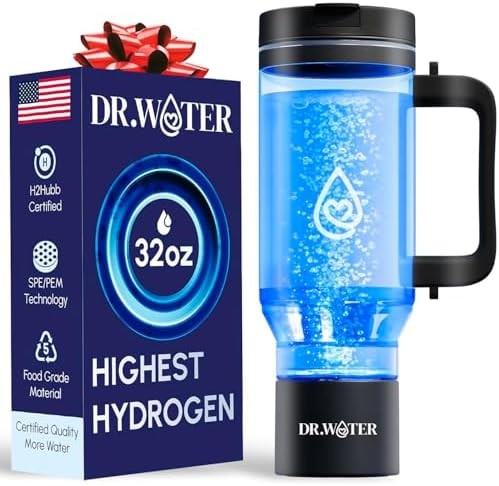
Hydrogen Water Bottle 32 Oz – Portable BPA Free Generator Tumbler with SPE/PEM Technology
Check Price on AmazonAs an Amazon Associate we earn from qualifying purchases.
Category: Best Overall
The Dr Water 32oz generator combines high hydrogen output with practical daily-use capacity. The 32-ounce (946 mL) volume exceeds most portable bottles by 2-3x, supporting research protocols requiring 300-600 mL consumption multiple times daily without constant refilling.
SPE/PEM technology separates hydrogen from oxygen while filtering ozone and chlorine. This dual-membrane system produces cleaner hydrogen water than older electrolysis methods that may generate unwanted byproducts. The generator produces over 4000 PPB concentration—5x above the 800 PPB minimum threshold seen in efficacy studies and matching concentrations used in exercise performance research.
The larger capacity suits users consuming hydrogen water throughout the day. Research protocols often specify drinking 500 mL twice daily (total 1000 mL or 34 oz). Rather than refilling a 10-ounce bottle six times, this 32-ounce generator requires only two fill cycles to meet research-aligned daily intake.
Black BPA-free Tritan plastic construction provides impact resistance without endocrine-disrupting chemicals. Laboratory testing of quality Tritan shows no bisphenol leaching even with repeated use and washing. The material withstands temperature variations from refrigeration to warm room temperature without degradation.
The rechargeable lithium battery eliminates ongoing battery costs. Reported battery life supports 10-15 generation cycles per charge, translating to 5-7 days of twice-daily use before requiring recharge. USB-C charging (if equipped) or standard USB allows charging from laptops, car adapters, or portable power banks during travel.
Generation cycle time runs approximately 3-5 minutes for basic hydrogen infusion mode. Some models include extended modes producing higher concentrations through longer electrolysis cycles (8-10 minutes). The trade-off involves waiting time versus hydrogen output—extended cycles may produce 5000-6000 PPB versus 3500-4000 PPB in quick mode.
Users drinking 16-24 ounces daily will find the capacity practical for consistent use without multiple refills. Athletes or those following research protocols using higher volumes (up to 600 mL three times daily, total 60+ oz) may still need refills but significantly fewer than with standard 10-ounce bottles.
The combination of adequate hydrogen concentration, practical volume, and established filtration technology makes this generator suitable for users seeking research-aligned specifications in a daily-use format. The higher upfront cost versus smaller bottles distributes across the larger per-fill volume.
HydroPitcher 68oz — Best for Families
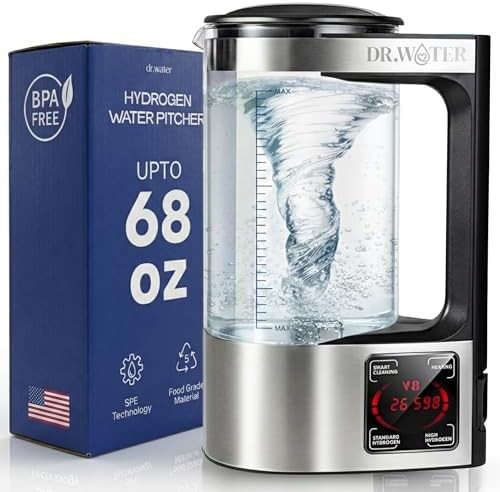
HydroPitcher | 68 Oz Hydrogen Water Pitcher - BPA Free Rich Hydrogen Water Generator
Check Price on AmazonAs an Amazon Associate we earn from qualifying purchases.
Category: Best for Families
The HydroPitcher shifts from personal bottles to shared household capacity. At 68 ounces (approximately 2 liters), this pitcher-style generator produces enough hydrogen water for multiple family members without constant regeneration cycles throughout the day.
The SPE/PEM electrolysis system operates at the pitcher base, generating hydrogen throughout the water volume during a single cycle. Reported output reaches 3500+ PPB—within the therapeutic range used in clinical studies showing inflammatory marker reductions. The pitcher format allows pre-generation, so hydrogen water is ready when family members need it rather than everyone waiting for individual bottle cycles.
Chlorine filtration addresses tap water quality concerns. Many municipal water supplies contain 0.5-2.0 PPM chlorine for bacterial control. This chlorine can interfere with hydrogen generation by competing with water molecules at the electrode surface and affects taste negatively. The integrated activated carbon filtration removes chlorine before electrolysis, improving both generator efficiency and water palatability.
The larger 68-ounce format serves multiple use cases. Families where 2-4 members consume hydrogen water benefit from shared generation versus each person operating individual bottles. Households using hydrogen water for food preparation—cooking grains, making tea, preparing smoothies—need larger volumes than portable bottles provide. Individuals following higher-volume protocols (600 mL three times daily, totaling 60+ oz) find the pitcher more convenient than refilling small bottles six times per day.
Generation time for the full 68-ounce volume runs approximately 10-15 minutes, depending on target concentration. This longer cycle reflects the larger water volume requiring hydrogen saturation. Some models offer adjustable concentration modes—quick mode (8-10 minutes, 2500-3000 PPB) versus extended mode (12-15 minutes, 3500-4000 PPB).
Storage considerations matter with this model. The pitcher requires 8-10 inches of counter or refrigerator shelf space. Hydrogen retention in the larger volume depends critically on lid sealing design. A poorly sealed lid allows hydrogen escape from a much larger surface area than a small bottle opening.
Refrigeration may help retention slightly. While hydrogen solubility decreases with temperature (cold water holds less dissolved gas), the sealed environment matters more than temperature. Cold water reduces hydrogen escape rate even though maximum solubility is lower.
Users should consume water within 2-4 hours of generation for optimal concentration if the lid design doesn’t include pressurization. Some pitcher models incorporate subtle pressurization through spring-loaded lids that maintain slight positive pressure, extending useful hydrogen concentration to 6-8 hours.
For households where two or more people drink hydrogen water regularly, the pitcher format reduces per-person cost (one device versus multiple bottles), electrical charging frequency, and maintenance effort while maintaining concentrations aligned with research protocols. The trade-off involves portability—pitchers stay home while bottles travel.
Generator 4100+ PPB — Best Portable
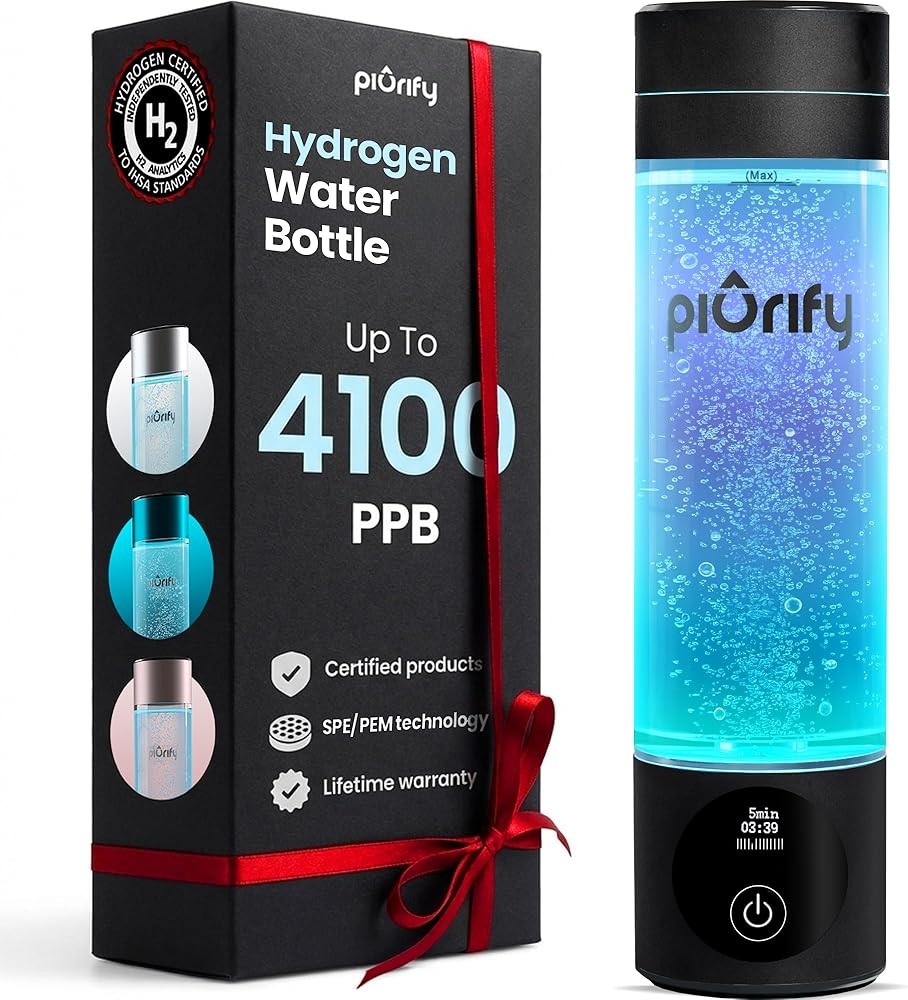
Hydrogen Water Bottle Generator - Up to 4100+ PPB Molecular Hydrogen Infusion
Check Price on AmazonAs an Amazon Associate we earn from qualifying purchases.
Category: Best Portable
This compact 10-ounce (300 mL) generator prioritizes portability without sacrificing hydrogen concentration. The 4100+ PPB output exceeds many larger models, placing it well above the 800-1000 PPB research study threshold by 4-5x.
The smaller capacity suits on-the-go use across multiple daily contexts. The bottle fits gym bags without adding excessive bulk, stands on office desks within arm’s reach, and packs into carry-on luggage without weight concerns. The generator fits standard car cup holders (2.75-3.0 inch diameter) and backpack side pockets more easily than 32-ounce models measuring 3.5+ inches in diameter.
For users who drink hydrogen water throughout the day in smaller, more frequent amounts, the portable format encourages consistency. Research protocols specifying 300-500 mL consumed 2-3 times daily match perfectly with a 10-ounce bottle refilled between servings. The pattern mirrors how many people naturally hydrate—sipping throughout the day rather than consuming large volumes at once.
SPE/PEM technology in the compact format demonstrates engineering efficiency. Generating over 4000 PPB in a small 10-ounce chamber requires effective electrolysis and membrane systems working in limited space. The electrode surface area relative to water volume must be sufficient for adequate hydrogen production within practical cycle times (3-5 minutes).
Third-party certification of the hydrogen concentration provides verification beyond manufacturer claims. The specific certification body matters—IHSA (International Hydrogen Standards Association) and H2 International represent recognized standards organizations. Proprietary or unclear “certification” offers less verification value.
The rechargeable lithium battery supports multiple cycles per charge. Users report 8-12 generations before requiring recharge, translating to 2-3 days of typical twice-daily use or 4-6 days of once-daily use. Battery capacity typically ranges 1200-1800 mAh for this size generator—larger capacity extends time between charges but adds weight and size.
USB charging allows power-up from multiple sources. Standard USB-A connectivity works with computers, car adapters, wall chargers, and portable power banks. Some newer models use USB-C for faster charging (60-90 minutes versus 2-3 hours with USB-A). Check which cable type is included and whether proprietary connectors limit replacement options if cables are lost.
The black model uses BPA-free Tritan or food-grade copolyester materials. Some users prefer glass for purity concerns, but quality BPA-free plastics avoid endocrine disruption while providing impact resistance crucial for travel and active use. Glass bottles dropped on gym floors or knocked from desks create safety hazards and replacement costs.
The portable design incorporates LED indicators showing generation progress and battery status. Simple interfaces work better for on-the-go use—one button for power/start, lights indicating generation active and battery level. Overly complex controls with multiple modes and settings become cumbersome when you just want quick hydrogen water before a workout.
Extended warranty coverage (typically 1-2 years) addresses concerns about electrolysis components. The platinum or titanium electrodes and PEM membrane represent the critical technology and primary failure points. Warranty protection matters more for these components than for the bottle exterior or battery. Some manufacturers offer electrode replacement programs after warranty expires—check availability and cost before purchase.
Cleaning access matters for longevity. Narrow-mouth bottles can be difficult to clean thoroughly, especially with electrolysis components at the base. Some models have removable bases allowing full cleaning access. Others require specialized brushes or cleaning tablets that may not remove all mineral deposits in hard-to-reach areas.
For users who need hydrogen water throughout the day across multiple locations—home, office, gym, travel—this portable format delivers research-aligned concentrations in a travel-friendly package. The trade-off involves more frequent refilling compared to larger bottles, but the convenience and consistency benefits often outweigh the extra refill steps.
Bottom line: The 4100 PPB portable generator provides 5x above research minimum concentration in a 10-ounce format fitting standard cup holders and bags. Battery life supporting 8-12 cycles allows 2-3 days between charges for typical twice-daily use, making it practical for consistent multi-location use.
8100 PPB Generator — Highest Concentration
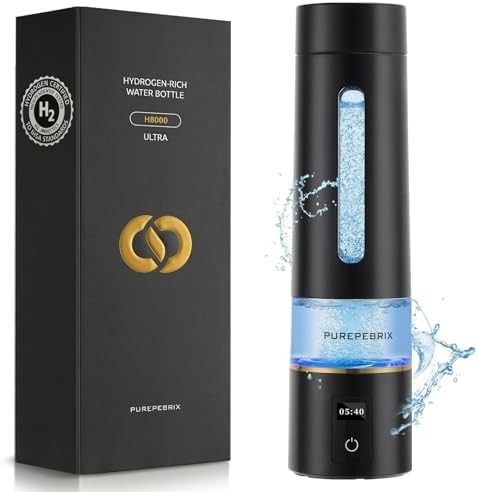
Hydrogen Water Bottle Generator-Up to 8100 PPB Molecular Hydrogen
Check Price on AmazonAs an Amazon Associate we earn from qualifying purchases.
Category: Highest Concentration
This generator produces the highest advertised hydrogen concentration in the comparison set—8100 PPB, approximately five times the minimum levels used in efficacy research.
The IHSA (International Hydrogen Standards Association) certification provides third-party verification of hydrogen output. This certification matters because hydrogen concentration claims vary widely among manufacturers. Independent testing confirms whether generators achieve advertised levels.
The 12-hour hydrogen retention specification addresses a common limitation. Molecular hydrogen escapes water rapidly—most bottles lose 50% concentration within 1-2 hours. If this model maintains elevated hydrogen levels for 12 hours, it allows generation once daily rather than before each drinking session.
The retention claim likely involves pressure design. Some bottles use pressure sealing to slow hydrogen escape. Users should verify whether the 12-hour retention applies to sealed storage or after opening—the distinction significantly affects practical use.
SPE/PEM technology at this concentration level suggests robust electrolysis capability. Generating hydrogen at 8100 PPB requires more powerful electrodes and efficient membrane systems than lower-output models.
The black portable design includes rechargeable battery and IHSA certification documentation. The higher concentration allows users following research protocols to consume less volume while achieving target hydrogen intake.
For users who prefer drinking smaller volumes or want maximum hydrogen concentration per ounce, this generator provides the highest verified output among reviewed models.
10,000 PPB Bottle — Best Budget
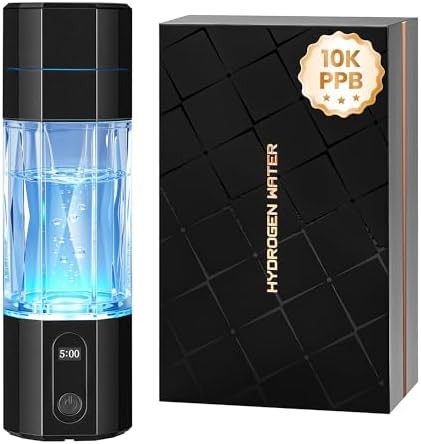
Hydrogen Water Bottle 10,000+PPB - PPB Molecular Hydrogen Infusion
Check Price on AmazonAs an Amazon Associate we earn from qualifying purchases.
Category: Best Budget
This generator claims the highest PPB output (10,000+) at the lowest price point—an unusual combination that warrants scrutiny. If accurate, it represents exceptional value. If overstated, it demonstrates why verification matters.
The SPE/PEM technology specification suggests legitimate hydrogen generation capability. The question becomes whether 10,000 PPB is sustainable output or peak measurement under optimal conditions. Third-party testing or certification information would clarify actual performance.
At the budget price tier, some compromises likely exist. These might include battery life, build materials, electrode longevity, or customer support. Understanding what the lower price reflects helps set appropriate expectations.
The 10-ounce capacity matches standard portable bottles. The black model uses BPA-free plastic construction similar to higher-priced options. Physical build appears comparable to premium models based on specifications.
For budget-conscious users wanting to trial hydrogen water without premium investment, this model provides entry-level access. If the hydrogen output claims prove accurate, it offers research-aligned concentrations at remarkable value.
The budget positioning also suits users uncertain about long-term hydrogen water use. Testing the concept with a lower-cost generator allows evaluation before committing to premium models.
Critical evaluation matters at this price point. Verify hydrogen output through third-party testing if available, read user reviews about longevity and performance, and understand return policies. The price advantage only translates to value if the generator performs as specified.
6400 PPB Generator with 12-Hour Retention — Best Retention
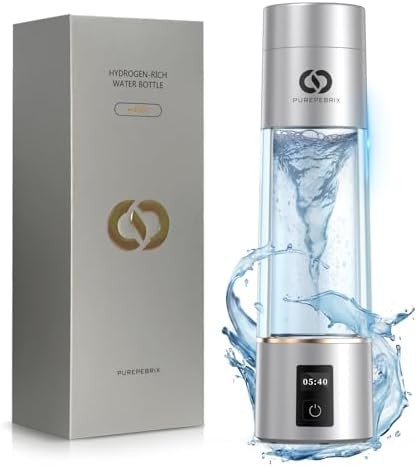
Hydrogen Water Bottle Generator - Up to 6400 PPB, 12-Hour Hydrogen Retention
Check Price on AmazonAs an Amazon Associate we earn from qualifying purchases.
Category: Best Retention
This silver model emphasizes hydrogen retention—maintaining dissolved hydrogen for 12 hours after generation. If verified, this addresses the most significant practical limitation of hydrogen water.
The 6400 PPB output falls between mid-range and premium models. This concentration exceeds research study minimums by 6-8 times, providing substantial margin above efficacy thresholds. The retention specification matters more than ultra-high initial concentration if hydrogen remains dissolved during actual use.
H2 certification indicates third-party testing of hydrogen output and retention claims. This certification provides verification beyond manufacturer specifications. Understanding the testing protocol—how retention is measured, under what conditions, and in what container state—helps interpret the 12-hour claim.
SPE/PEM technology generates hydrogen while the retention depends on sealing and pressure design. Some bottles use pressure release valves that maintain slight positive pressure, slowing hydrogen escape. Others employ specialized sealing mechanisms. The technology details affect whether retention applies to sealed storage only or continues after opening.
The portable format and rechargeable battery match standard generator specifications. The thoughtful wellness gift positioning suggests design attention to aesthetics and user experience beyond pure technical specifications.
For users who prefer generating hydrogen water once or twice daily rather than before each drinking session, superior retention provides practical advantage. The ability to generate in the morning and maintain adequate hydrogen concentration throughout the day simplifies consistent use.
The silver color option breaks from predominant black models, offering aesthetic variety. For users where appearance matters—visible on desk or in meetings—the silver finish provides alternative styling.
Can You Measure Hydrogen Water Concentration at Home?
Verifying generator performance matters because manufacturer claims vary in accuracy. Several measurement approaches exist for home users wanting to confirm hydrogen output.
Dissolved hydrogen meters represent the most direct measurement method. These electronic meters use electrochemical sensors to measure H2 concentration in parts per million or parts per billion. Quality meters cost $200-500, making them impractical for most casual users but valuable for serious hydrogen water enthusiasts or those using hydrogen water therapeutically.
The measurement process involves generating fresh hydrogen water, inserting the meter probe immediately, and reading stabilized concentration. Measurements should occur within 30-60 seconds of generation since hydrogen begins escaping immediately. Multiple measurements over several minutes show the escape rate.
Colorimetric test reagents provide lower-cost testing. These chemical solutions change color based on hydrogen concentration, with color intensity correlating to PPB levels. Test kits cost $20-40 and provide multiple tests. Accuracy is lower than electronic meters (±300 PPB versus ±50 PPB for quality meters) but sufficient to verify whether a generator produces 1000+ PPB versus falling short.
The reagent test involves adding drops to fresh hydrogen water and comparing resulting color to a reference chart. While less precise than meters, this confirms whether generators achieve basic therapeutic thresholds versus producing minimal hydrogen despite claims.
Oxidation-Reduction Potential (ORP) meters measure overall reducing capacity of water. Hydrogen water typically shows negative ORP values (-200 to -600 mV) reflecting antioxidant potential. However, ORP measures all reducing agents, not specifically hydrogen. Minerals, pH, and other factors affect ORP, making it an indirect hydrogen indicator.
ORP meters cost $50-150 and provide useful context but don’t directly measure H2 concentration. Two waters might show similar ORP with very different hydrogen content if other reducing agents or pH differences exist.
For most users, the practical verification approach involves:
- Visual bubble observation during generation—robust bubble production suggests active electrolysis
- Slight effervescence when pouring fresh hydrogen water—indicates dissolved gas presence
- User reviews mentioning third-party testing with meters
- Third-party certification (IHSA, H2 International) showing verified output
These indirect indicators combined provide reasonable confidence without requiring expensive testing equipment.
How Do You Choose a Hydrogen Water Generator?
What Hydrogen Concentration Should You Target?
Research studies demonstrate effects at concentrations ranging from 800-1600 PPB (0.8-1.6 PPM). This range appears consistently across diverse applications—exercise recovery studies, inflammation research, and oxidative stress trials. Generators producing less than 800 PPB fall below levels used in published efficacy studies, creating uncertainty about whether they deliver research-aligned results.
Models generating 1000-1500 PPB provide comfortable margin above research minimums while remaining realistic about achievable electrolysis output. This range allows for some hydrogen loss during the time between generation and consumption while maintaining therapeutic threshold levels.
Higher concentrations—3000-10,000 PPB—exceed research protocols by substantial margins. These elevated levels may offer practical advantages. Users can drink smaller volumes while achieving target hydrogen intake. For instance, 300 mL at 3000 PPB delivers the same total hydrogen as 900 mL at 1000 PPB—useful for those who struggle to consume large fluid volumes.
Higher initial concentration also compensates for rapid hydrogen loss during storage. If a generator produces 4000 PPB but concentration drops 50% within one hour, it still delivers 2000 PPB—well above research thresholds—after typical drinking delays. Generators starting at only 1000 PPB may fall below effective levels within 30-60 minutes.
However, extremely high PPB claims (8000-10,000+) require verification. Some manufacturers measure peak hydrogen output under optimal conditions—purified water, ideal temperature, fresh electrodes, immediate measurement—that don’t reflect typical use. Real-world performance with tap water, older electrodes, and measurement delays may show substantially lower concentrations.
Look for third-party certification (IHSA, H2 International) or independent testing results. User reviews mentioning personal testing with dissolved hydrogen meters provide additional verification. Be skeptical of claims dramatically exceeding competitors without supporting evidence.
The physics of electrolysis imposes practical limits. Generating extremely high hydrogen concentrations requires powerful electrodes, longer cycle times, or pressurization. Ultra-budget models claiming 10,000 PPB with 3-minute cycles raise questions about measurement methodology versus sustained output.
The concentration sweet spot appears around 1500-4000 PPB—well above research minimums without entering questionable ultra-high claims territory. This range balances achievable electrolysis output, compensation for hydrogen loss, and realistic manufacturing capabilities at consumer price points.
Bottom line: Target generators producing 1500-3000 PPB with third-party verification. This range exceeds the 800-1000 PPB research minimum by 2-3x, compensating for hydrogen escape while avoiding potentially inflated ultra-high claims.
How Important Is Hydrogen Retention Technology?
Molecular hydrogen escapes water continuously through several pathways. As a small non-polar molecule (molecular weight 2 g/mol), H2 diffuses readily through water, across plastic polymers, and through seal gaps. Without adequate retention mechanisms, a generator producing 4000 PPB at creation may deliver only 2000 PPB after 30 minutes and drop below 1000 PPB within 2 hours.
The hydrogen escape rate depends on multiple factors. Temperature affects diffusion speed—warmer water loses hydrogen faster. Agitation increases surface area exposure, accelerating escape. Container material porosity matters—some plastics allow gas permeation, while glass and certain high-grade polymers provide better barriers.
Retention technology includes multiple design elements. Pressure sealing maintains slight positive pressure inside the container, creating a partial pressure gradient that slows hydrogen escape. Some bottles use spring-loaded caps or gasket systems that compress when sealed, building 0.1-0.3 atmospheres of pressure above ambient.
Specialized cap designs minimize the seal perimeter and gap size. Thread designs with multiple sealing surfaces create torturous pathways for hydrogen escape. Double-gasket systems provide redundant sealing. One-way pressure release valves avoid over-pressurization while maintaining beneficial pressure.
Container geometry affects retention. Narrow neck bottles expose less surface area for hydrogen escape compared to wide-mouth containers. Taller, narrower bottles show better retention than short, wide ones with equivalent volume. The surface-to-volume ratio drives diffusion rates.
Generators specifying 6-12 hour retention allow practical daily use patterns. Users can generate hydrogen water in the morning and maintain therapeutic concentrations through afternoon, rather than regenerating immediately before each drinking session. This convenience factor significantly affects consistent use—the easier the protocol, the more likely sustained adherence.
However, retention claims require scrutiny. Does “12-hour retention” mean maintaining 80% of initial concentration for 12 hours, or merely maintaining any measurable hydrogen above zero? Does it apply to sealed storage or after opening and re-sealing? Transparent specifications matter more than vague claims.
Test retention claims through simple observation. Generate hydrogen water, seal the bottle, and check effervescence (tiny bubbles) at intervals. Fresh hydrogen water often shows slight effervescence when poured or agitated. If this disappears completely within 1-2 hours, retention is poor regardless of claims. Persistent subtle effervescence for 4-6+ hours suggests better retention.
Some users report subjective effects duration as a retention proxy. If noticeable effects (energy, recovery) occur when drinking freshly generated water but disappear when drinking the same generation after 3-4 hours, retention likely doesn’t match claimed specifications.
For users who drink hydrogen water throughout the day in multiple servings, retention technology provides practical advantage over high initial concentration alone. A bottle producing 2000 PPB with excellent 8-hour retention delivers more total hydrogen during a workday than one producing 5000 PPB but dropping to 500 PPB within 2 hours.
Bottom line: Hydrogen retention depends on pressure sealing (0.2-0.5 atm above ambient), cap design (double gaskets, minimal gap perimeter), and container geometry (narrow neck, high height-to-width ratio). Target models specifying 6+ hour retention with transparent measurement protocols rather than vague claims.
Does SPE/PEM Technology Matter?
Solid Polymer Electrolyte (SPE) and Proton Exchange Membrane (PEM) technology represents current standard for quality hydrogen generators. This dual-membrane system offers specific advantages over older electrolysis methods.
SPE/PEM technology separates hydrogen from oxygen while filtering ozone and chlorine. Basic electrolysis generates hydrogen but may produce unwanted byproducts. The membrane system ensures cleaner hydrogen water.
Older generators sometimes produced ozone—a reactive oxygen species that contradicts hydrogen’s antioxidant purpose. SPE/PEM technology eliminates this problem.
The membrane also filters chlorine from source water. Since many users start with tap water containing chlorine, built-in filtration improves both hydrogen generation efficiency and taste.
Generators specifying SPE/PEM technology demonstrate attention to hydrogen purity beyond simple electrolysis capability.
What Capacity Fits Your Usage Pattern?
Capacity choice depends on consumption volume and refill tolerance. Research protocols vary from 300 mL (10 oz) to 600 mL (20 oz) taken 1-3 times daily.
10-12 ounce bottles suit single-serving use—generate, drink, repeat. Portable for gym, office, travel. Requires multiple generations for higher daily volumes.
32-ounce bottles support 2-3 servings per generation. Better for users drinking hydrogen water throughout the day. Still portable but larger than standard water bottles.
Pitcher systems (68+ ounces) serve families or high-volume users. Generate once, serve multiple people or multiple servings. Requires counter/refrigerator space. Less portable but more efficient for household use.
Match capacity to your realistic daily consumption and willingness to regenerate. Undersized bottles become inconvenient. Oversized bottles add bulk without benefit.
Should You Consider Battery Life and Charging?
Generators use rechargeable batteries powering the electrolysis process. Battery capacity determines generations per charge.
Most portable generators provide 8-15 cycles per charge. For users generating 2-3 times daily, this means charging every 3-5 days. More frequent use requires more frequent charging.
USB charging offers convenience—charge from computer, car adapter, or portable battery. Proprietary charging cables limit charging options and create replacement concerns if cables are lost.
Battery degradation occurs over time. After 1-2 years of regular use, battery capacity typically decreases. Models with replaceable batteries extend product lifespan. Integrated batteries may require full unit replacement when battery life diminishes.
For frequent users, longer battery life and USB charging provide practical advantages worth considering alongside hydrogen concentration.
What About Build Quality and Materials?
BPA-free plastic represents the standard material for portable hydrogen generators. Quality BPA-free plastics avoid hormone-disrupting chemicals while providing durability for daily use and travel.
Some users prefer glass for purity concerns. Glass eliminates any plastic contact with drinking water but adds weight and fragility. Few hydrogen generators currently use glass construction, likely due to electrolysis component integration challenges.
Food-grade stainless steel appears in some models. Stainless steel offers durability and purity but may interfere with transparent viewing of hydrogen bubble generation.
Build quality matters for longevity. Check seals, button responsiveness, and lid threading. These components affect both daily use convenience and hydrogen retention capability.
Electrode quality determines hydrogen generation efficiency and longevity. Platinum or titanium electrodes last longer and maintain efficiency better than cheaper metals. Manufacturers rarely specify electrode materials, but warranty length and certification often indicate quality components.
How Do You Verify Hydrogen Output Claims?
Manufacturer claims about PPB output vary widely in accuracy. Several verification methods exist:
Third-party certification (IHSA, H2 standards) provides independent testing. Certified generators underwent verification by organizations without financial interest in overstating performance.
Dissolved hydrogen test reagents allow home testing. These chemical reagents change color based on hydrogen concentration, providing rough verification of generator output.
User reviews mentioning testing offer anecdotal verification. Users who purchased hydrogen meters or testing kits and reported results provide independent data points.
Comparison with research-grade equipment mentioned in reviews suggests serious users validating performance against laboratory standards.
Generators with verified output—through certification, independent testing, or consistent user verification—deserve more confidence than those relying solely on manufacturer claims.
What Maintenance Do Hydrogen Generators Require?
Electrolysis creates mineral deposits on electrodes over time through several mechanisms. When electric current passes through water, dissolved minerals (calcium, magnesium, iron) can precipitate onto electrode surfaces, especially the cathode (negative electrode). These deposits form a whitish or brownish scale that reduces electrical conductivity and hydrogen generation efficiency. Regular cleaning maintains generation output and extends component lifespan.
Most manufacturers recommend cleaning every 1-2 weeks with regular use, though frequency depends heavily on water quality. The process typically involves filling the generator with citric acid solution (1-2 tablespoons per 10 oz water) or white vinegar (25-50% dilution) and running a cleaning cycle. Some generators include automated cleaning modes that reverse polarity to help dislodge deposits.
Cleaning protocols vary by model:
Basic cleaning (every 1-2 weeks): Fill with citric acid or vinegar solution, run 1-2 generation cycles, rinse thoroughly with clean water 2-3 times. The acid dissolves mineral scale without damaging electrode metals or membrane materials.
Deep cleaning (monthly): For stubborn deposits, soak electrodes in citric acid solution for 30-60 minutes before running cleaning cycles. Some users report success with overnight soaking for heavy mineralization, followed by multiple rinse cycles.
Polarity reversal: Generators with automated cleaning modes reverse electrode polarity, making the cathode temporarily positive and vice versa. This helps dislodge deposits through electrostatic repulsion and distributes wear more evenly across both electrodes.
Water quality dramatically affects maintenance frequency. Distilled water (0-10 ppm total dissolved solids) minimizes mineral buildup—cleaning every 3-4 weeks may suffice. Filtered water (50-150 ppm TDS) represents a good balance—adequate minerals for electrolysis conductivity without excessive scale—cleaning every 1-2 weeks as recommended.
Tap water quality varies by location. Municipal water ranges from 150-500+ ppm TDS. High mineral content (300+ ppm) accelerates deposits significantly—weekly or even twice-weekly cleaning may be necessary. Very hard water (400+ ppm, 15+ grains per gallon) can coat electrodes within days of use.
Check source water TDS with an inexpensive meter ($10-20). This measurement helps predict maintenance frequency and decide whether point-of-use filtration makes sense. If tap water measures 400+ ppm, a simple carbon filter reduces TDS to 200-250 ppm, cutting cleaning frequency in half.
Electrode replacement represents eventual maintenance for long-term heavy use. Quality platinum or titanium electrodes should provide 1-2 years of regular daily use (2-3 generations per day) before efficiency noticeably degrades. Signs of electrode wear include:
- Increased generation time to reach target PPB
- Reduced bubble production visible during operation
- Hydrogen concentration dropping below specifications
- Unusual odors during generation (indicating electrode material breakdown)
Some models offer user-replaceable electrodes with simple screw or snap-fit connections. Replacement electrode assemblies typically cost $30-60—expensive but far less than buying a new generator ($100-200). Other designs integrate electrodes into sealed base units requiring manufacturer service or complete replacement.
Check replacement part availability before purchase. If a manufacturer doesn’t sell replacement electrodes or the generator model has been discontinued, electrode failure means disposing of the entire unit. Long-term cost calculus changes significantly based on replacement availability.
Membrane components (SPE/PEM) also experience gradual degradation. The proton exchange membrane separates hydrogen from oxygen while filtering ozone and chlorine. Over time (typically 18-36 months of regular use), membrane efficiency decreases. Signs include:
- Chlorine smell in generated water (membrane not filtering adequately)
- Reduced hydrogen concentration despite clean electrodes
- Visible membrane discoloration or damage through transparent components
PEM replacement typically requires manufacturer service as membranes are delicately integrated with electrode assemblies. Expect replacement costs of $50-80 for membrane-only service or $80-120 for complete electrode-membrane assembly replacement.
Maintenance cost calculation over 3 years:
Budget generator ($80) + 2 complete replacements (no servicing) = $240 total Mid-range generator ($120) + 1 electrode replacement ($40) + 1 membrane service ($60) = $220 total Premium generator ($180) + 1 electrode/membrane assembly ($100) = $280 total
The calculation shows mid-range generators with available replacement parts often provide better long-term value than ultra-budget models requiring complete replacement when components wear.
Understanding maintenance requirements and replacement part availability affects both long-term cost and usability. A generator requiring weekly vinegar soaks works fine for meticulous users but frustrates those wanting minimal maintenance. Non-replaceable electrodes work for users planning 1-2 year use but penalize those wanting 3-5 year longevity.
Bottom line: Expect cleaning every 1-2 weeks with filtered water (more frequently with hard tap water) using citric acid or vinegar. Plan for electrode replacement after 12-24 months of daily use ($30-60). Verify replacement parts availability before purchase—models without available parts become disposable at first component failure.
Complete Hydrogen Support System — Research-Aligned Protocol
Hydrogen water represents one component of an antioxidant and inflammation management approach. Research suggests synergistic effects when combined with complementary strategies.
Foundation: Hydrogen Water Generator + Filtered Water
Start with a generator producing 1500+ PPB and filtered source water. The Dr Water 32oz model or 4100 PPB portable generator provide research-aligned concentrations. Use filtered or distilled water to optimize hydrogen generation and minimize electrode deposits.
Consume 16-32 ounces daily, split into 2-3 servings. Research protocols typically use 300-600 mL (10-20 oz) taken 1-3 times per day. Drink freshly generated hydrogen water or within retention window for maximum concentration.
Antioxidant Enhancement: Complementary Nutrients
Research on oxidative stress demonstrates synergistic effects between hydrogen and other antioxidants. Consider adding:
Vitamin C supports the body’s natural antioxidant systems. Research shows vitamin C and molecular hydrogen target different reactive oxygen species. Liposomal vitamin C offers superior absorption compared to standard forms.
Vitamin E protects cell membranes from lipid peroxidation—a type of oxidative damage molecular hydrogen may not fully address. The combination provides broader antioxidant coverage.
Glutathione represents the body’s primary endogenous antioxidant. Supplemental glutathione supports the cellular antioxidant system hydrogen water targets.
Inflammation Management: Natural Anti-Inflammatories
Molecular hydrogen research often measures inflammatory marker changes. Complementary anti-inflammatory approaches may enhance effects:
Omega-3 fatty acids address inflammation through prostaglandin and leukotriene pathways. Fish oil supplements provide EPA and DHA that research links to inflammation reduction.
Curcumin from turmeric demonstrates anti-inflammatory effects in numerous studies. Curcumin formulations overcome the bioavailability challenges of standard turmeric.
Resveratrol activates similar cellular pathways as molecular hydrogen in some research. Combination may provide complementary pathway activation.
Exercise Recovery: Hydrogen Water + Protein + Minerals
Studies on hydrogen water for exercise recovery suggest integration into post-workout nutrition:
Protein timing matters for muscle recovery. Hydrogen water research often involves consumption around exercise. Consider drinking hydrogen water with or immediately after protein timing to support the recovery window.
Magnesium supports muscle function and may address oxidative stress from intense exercise. Magnesium supplementation complements hydrogen water in exercise recovery protocols.
Electrolyte replacement addresses mineral losses from training. Hydrogen water provides hydration but not electrolytes. Adding electrolyte supplements creates more complete recovery support.
Tracking and Adjustment
Monitor subjective measures to evaluate hydrogen water effects:
- Energy levels throughout the day
- Exercise recovery speed and muscle soreness duration
- Sleep quality and morning readiness
- Digestive comfort and regularity
- Skin appearance and hydration
Research studies use objective markers (inflammatory cytokines, oxidative stress indicators) not readily available for home monitoring. Subjective measures provide practical feedback for individual response.
Adjust consumption timing, volume, and complementary nutrients based on observed effects. Individual response varies—some users report noticeable effects within days, others require weeks of consistent use.
Related Reading — Build Your Hydration and Recovery Knowledge
Understanding hydrogen water fits within broader hydration, antioxidant, and recovery strategies:
- Omega-3 for Brain Health and Cognition — Another evidence-based antioxidant and anti-inflammatory approach
- Fish Oil vs Algal Oil — Comparing omega-3 sources for inflammation management
- Ginger vs Turmeric for Inflammation — Natural anti-inflammatory compounds complementing hydrogen water
- Protein Timing for Muscle Growth — Integrating hydrogen water into post-workout nutrition
- Magnesium Glycinate vs Citrate — Choosing magnesium forms for recovery and stress management
- Vitamin C vs Zinc for Immune Support — Understanding different antioxidant mechanisms
- Magnesium L-Threonate for Cognitive Function — Research on mineral supplementation for brain health
Bottom line: Target generators producing 1500-4000 PPB (2-5x research minimum of 800 PPB) with SPE/PEM dual-membrane filtration and 6+ hour retention specifications. The Dr Water 32oz (4000+ PPB, 946 mL capacity) suits high-volume users, while portable 10oz models (4100+ PPB) fit active lifestyles requiring multi-location access.
Recommended Products
Hydrogen Water Bottle 32 Oz – Portable BPA Free Generator Tumbler with SPE/PEM Technology
Check Price on AmazonAs an Amazon Associate we earn from qualifying purchases.
Hydrogen Water Bottle Generator - Up to 4100+ PPB Molecular Hydrogen Infusion
Check Price on AmazonAs an Amazon Associate we earn from qualifying purchases.
Hydrogen Water Bottle Generator-Up to 8100 PPB Molecular Hydrogen
Check Price on AmazonAs an Amazon Associate we earn from qualifying purchases.
HydroPitcher | 68 Oz Hydrogen Water Pitcher - BPA Free Rich Hydrogen Water Generator
Check Price on AmazonAs an Amazon Associate we earn from qualifying purchases.
Hydrogen Water Bottle 10,000+PPB - PPB Molecular Hydrogen Infusion
Check Price on AmazonAs an Amazon Associate we earn from qualifying purchases.
Hydrogen Water Bottle Generator - Up to 6400 PPB, 12-Hour Hydrogen Retention
Check Price on AmazonAs an Amazon Associate we earn from qualifying purchases.
Get Weekly Research Updates
New studies, updated reviews, and evidence-based health insights delivered to your inbox. Unsubscribe anytime.