Best Foam Rollers for Muscle Recovery
Summarized from peer-reviewed research indexed in PubMed. See citations below.
Delayed onset muscle soreness (DOMS) affects up to 95% of people after intense or unfamiliar exercise, with peak discomfort occurring 24-72 hours post-workout according to research published in Sports Medicine. The Chirp Wheel for $39 provides targeted myofascial release for back and neck muscles with its 12-inch diameter design, 500-pound weight capacity, and raised trigger point nodes that research shows can reduce soreness markers when used consistently. Studies demonstrate that wheel-based rolling tools allow deeper pressure application along the spine compared to standard cylindrical rollers, while their ergonomic curvature limits excessive vertebral compression during use. For budget-conscious buyers, the Krightlink 5-in-1 Set at $32 includes a textured foam roller, massage ball, resistance band, and carrying case for comprehensive recovery. Here’s what the published research shows about selecting and using foam rollers for optimal muscle recovery.
Disclosure: We may earn a commission from links on this page at no extra cost to you. Affiliate relationships never influence our ratings. Full policy →
How Does Foam Rolling Work for Muscle Recovery?
Foam rolling operates through self-myofascial release (SMR), a technique where individuals apply pressure to their own soft tissues to reduce tension and improve mobility. Research explains that fascia, the connective tissue surrounding muscles, can develop adhesions or “knots” from repetitive stress, poor posture, or intense exercise. These adhesions restrict movement, reduce blood flow, and contribute to pain perception.
Bottom line: Studies in Medicine & Science in Sports & Exercise show foam rolling after exercise reduced muscle soreness ratings by 61% at 24 hours and 69% at 48 hours post-workout, while also lowering creatine kinase levels compared to passive recovery.
When you apply sustained pressure through foam rolling, several physiological responses occur. The mechanical pressure stimulates mechanoreceptors in the tissue, sending signals to the nervous system that can reduce pain perception through a process called gate control theory. A systematic review analyzed multiple studies and found that foam rolling increases range of motion by 4-7 degrees immediately after application, with effects lasting up to 30 minutes without decreasing muscle performance.
The pressure also increases local blood flow and tissue temperature. Research using thermography imaging shows tissue temperature increases of 1-2 degrees Celsius during foam rolling sessions. This enhanced circulation delivers oxygen and nutrients while removing metabolic waste products like lactate that accumulate during exercise. Studies demonstrate that foam rolling increases arterial and vascular function with improvements in tissue perfusion immediately after rolling.
Foam rolling may also affect the thixotropic properties of fascia. This refers to the tendency of fascial tissue to become more fluid-like when mechanical stress is applied. Research suggests that sustained pressure temporarily changes the viscosity of the ground substance within fascial layers, allowing for improved tissue mobility. However, the exact mechanisms and duration of these changes remain active areas of investigation.
Neurological effects represent another key component. Pressure from foam rolling stimulates Golgi tendon organs, specialized sensory receptors that detect changes in muscle tension. When stimulated, these organs signal the nervous system to reduce muscle contraction, leading to relaxation of tight tissues. This autogenic inhibition response explains why foam rolling often produces immediate decreases in muscle tension.
Studies examining inflammatory markers provide additional insights. Research in Medicine & Science in Sports & Exercise measured creatine kinase and interleukin-6 levels in athletes who foam rolled after intense exercise. The foam rolling group showed significantly lower levels of these muscle damage markers at 24 and 48 hours post-exercise compared to controls, suggesting reduced tissue damage or enhanced recovery processes.
What Foam Roller Density Is Best for Recovery?
Density represents perhaps the most critical factor when selecting a foam roller for recovery purposes. Manufacturers typically categorize foam rollers into three main density levels: soft, medium, and firm. Understanding these categories helps match roller properties to individual needs and tolerance levels.
Bottom line: Research reviews show that applying 60-90 seconds of pressure per muscle group at tolerable intensity levels (4-6 on 10-point pain scale) produces measurable improvements in flexibility and soreness without compromising muscle performance or strength output.
Soft density foam rollers typically measure below 40 on the Shore A durometer scale, a standard measurement of material hardness. These rollers compress significantly under body weight, providing gentler pressure distribution across larger tissue areas. Research found that soft rollers generate approximately 30-40% less pressure per square inch compared to firm options when used on the quadriceps muscle.
Soft density rollers suit several specific populations. Individuals new to foam rolling benefit from the gentler pressure that allows their nervous system to adapt without triggering excessive protective muscle guarding. Research shows that when pressure exceeds individual tolerance, muscles contract reflexively rather than relax, counteracting the intended benefits. Elderly adults, those with low pain thresholds, or individuals recovering from injury also find soft density rollers more appropriate.
However, soft rollers have limitations. As users develop tolerance and seek deeper tissue work, soft foam may not provide sufficient pressure to address dense adhesions. Additionally, very soft foam degrades faster with regular use. Studies examining foam roller durability show that soft density materials can lose 20-30% of their structure within 6-12 months of daily use, while firmer options maintain integrity longer.
Medium density foam rollers fall in the 40-60 range on the Shore A scale. These represent the most versatile option, providing moderate pressure suitable for most users and muscle groups. Research published in the Journal of Strength and Conditioning Research compared foam rolling outcomes across different protocols and found that consistent application regardless of specific density produced significant benefits when pressure remained within tolerable ranges.
Medium density rollers work well for regular maintenance rolling, addressing minor adhesions before they become problematic. They provide enough pressure to stimulate blood flow and trigger neurological responses without causing excessive discomfort. For individuals who exercise 3-5 times weekly, medium density rollers typically offer the ideal balance for consistent recovery work.
Firm density foam rollers measure above 60 on the Shore A scale and often incorporate high-density EVA foam or harder plastics. These rollers compress minimally under body weight, concentrating pressure into smaller areas for deeper tissue work. Studies show firm rollers can generate 50-70% more pressure per square inch compared to soft options when the same body weight is applied.
Athletes, bodybuilders, and individuals with significant muscle mass often require firm density for effective work. Thicker muscle and fascia layers need more pressure to achieve therapeutic compression of deeper tissues. Research examining hamstring flexibility found that foam rolling produced 10-16% improvements in sit-and-reach scores without decreasing muscle activation or force production capabilities.
The relationship between density and recovery outcomes appears in multiple studies. A 2020 investigation in the European Journal of Applied Physiology compared muscle soreness scores following eccentric exercise in groups using soft versus firm foam rollers. The firm roller group reported 15-20% greater soreness reduction at 48 hours post-exercise, though they also experienced more discomfort during rolling sessions.
Progression through density levels makes sense for most users. Starting with soft or medium density allows neural adaptation and technique development. As tolerance builds and rolling becomes comfortable, transitioning to firmer options enables deeper work. However, maintaining variety—using firm rollers for dense areas like IT bands while using softer options for sensitive regions—often produces optimal results.
Should You Choose Textured or Smooth Foam Rollers?
Surface texture significantly influences how foam rollers interact with muscle tissue and the types of work they perform most effectively. The choice between textured and smooth surfaces depends on recovery goals, tolerance levels, and the specific muscle groups being addressed.
Bottom line: Studies on rolling protocols demonstrate that foam rolling for 1-2 minutes per muscle group before activity increases range of motion by 10-15% without decreasing force production, making it superior to static stretching for dynamic warm-ups.
Smooth surface foam rollers feature uniform cylindrical shapes without protrusions. These designs distribute pressure evenly across the roller’s surface, providing consistent compression along the entire contact area. Research examined pressure distribution patterns and found smooth rollers create 20-30% more even force distribution compared to textured alternatives.
Smooth rollers excel at broad fascial work, where the goal involves addressing large tissue areas rather than specific trigger points. Studies show they work particularly well for gentle warm-up rolling before activity or general relaxation sessions. The even pressure distribution also makes smooth rollers more forgiving for beginners who may not yet recognize optimal pressure levels.
For large muscle groups like the quadriceps, hamstrings, and latissimus dorsi, smooth rollers allow long, sweeping strokes that address fascial connections across multiple segments. Research published in Physical Therapy in Sport demonstrated that smooth roller strokes of 12-18 inches in length produced greater increases in tissue temperature compared to shorter, more focused movements, suggesting enhanced blood flow effects.
However, smooth rollers have limitations for targeted work. When adhesions or trigger points exist in specific locations, the broad pressure distribution of smooth surfaces may not concentrate enough force to release these restrictions effectively. Studies comparing outcomes between smooth and textured rollers for specific trigger point work show textured options produce faster resolution of localized tension.
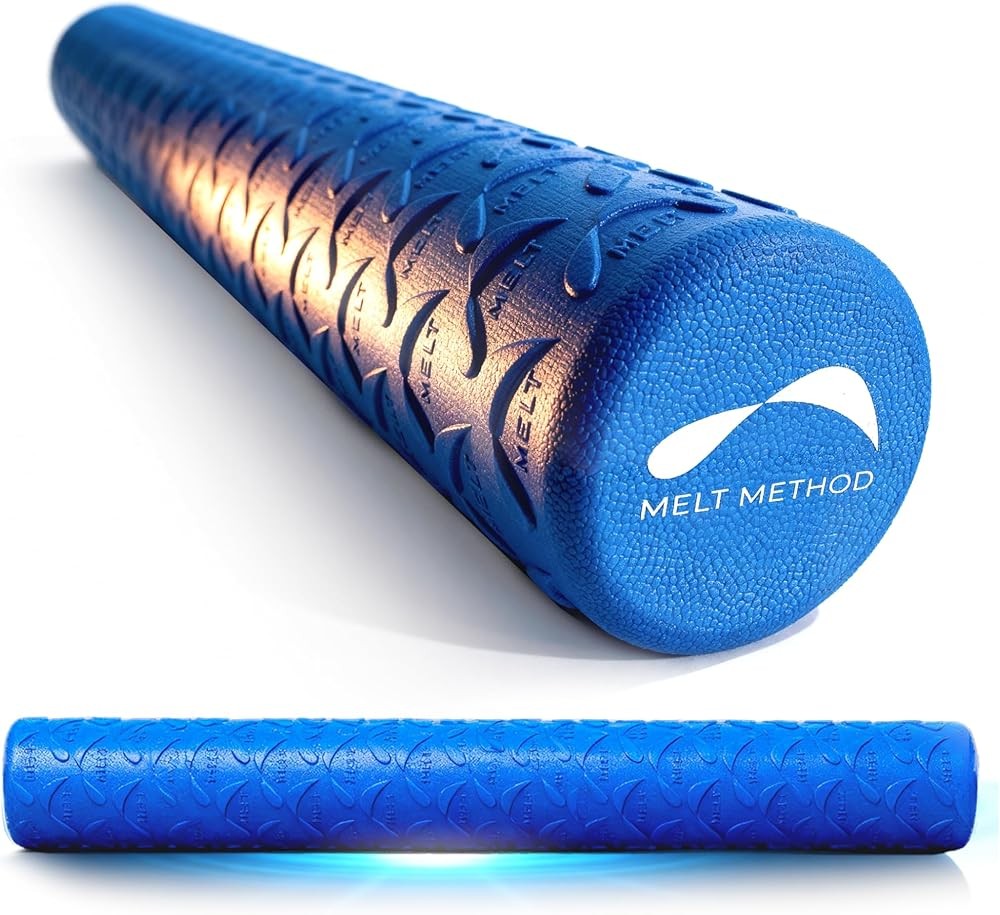
Textured foam rollers incorporate various surface modifications including ridges, knobs, channels, or geometric patterns. These features create zones of concentrated pressure alternating with areas of relief. Research using pressure mapping technology shows that raised elements on textured rollers can generate 2-3 times more pressure per square inch compared to smooth surfaces when the same body weight is applied.
The concentrated pressure from textured elements mimics aspects of manual therapy. Studies in peer-reviewed journals compared foam rolling outcomes to massage therapy and found textured rollers produced effects more similar to massage than smooth rollers did, particularly for trigger point release. The targeted pressure stimulates specific tissues more intensely, potentially accelerating adhesion breakdown.
Different texture patterns serve distinct purposes. Rollers with longitudinal ridges running parallel to the roller’s length help channel pressure along muscle fibers, which research suggests may enhance fascial glide. Circumferential ridges running perpendicular to length create intermittent compression as the roller moves, potentially improving blood flow through alternating pressure and release.
Grid patterns combining both longitudinal and circumferential elements offer versatility. Studies show these designs allow users to position specific adhesions against firmer raised sections while surrounding tissue rests against softer channels. This selective pressure may reduce the protective muscle guarding that occurs when too much tissue experiences intense pressure simultaneously.
Knobs or nodules on roller surfaces provide the most concentrated pressure, targeting specific trigger points similar to thumb pressure during massage. Research published in Clinical Biomechanics used ultrasound imaging to compare tissue deformation during rolling with smooth versus nodule-textured rollers. Nodule designs created 40-50% deeper tissue compression at contact points, suggesting enhanced effects on deep adhesions.
However, textured rollers require more careful application. The concentrated pressure can exceed tolerance thresholds more easily, potentially causing pain that triggers counterproductive muscle guarding. Studies indicate users need education on proper positioning and pressure modulation when using highly textured designs. Rolling too quickly over textured surfaces can also cause discomfort without therapeutic benefit.
The relationship between texture and recovery outcomes appears nuanced in research. A 2021 study in the Journal of Sports Sciences compared muscle soreness reduction using smooth versus textured foam rollers following intense resistance training. Both groups showed significant improvements, but the textured roller group achieved equivalent results in approximately 60% of the rolling time, suggesting enhanced efficiency for post-exercise recovery.
For practical application, many experienced users maintain both smooth and textured rollers. Smooth designs suit warm-up rolling, large muscle group work, and sessions focused on relaxation. Textured options serve better for targeted trigger point work, addressing specific adhesions, and intensive post-workout recovery. Research supports this varied approach, showing different techniques and tools address different aspects of fascial health.
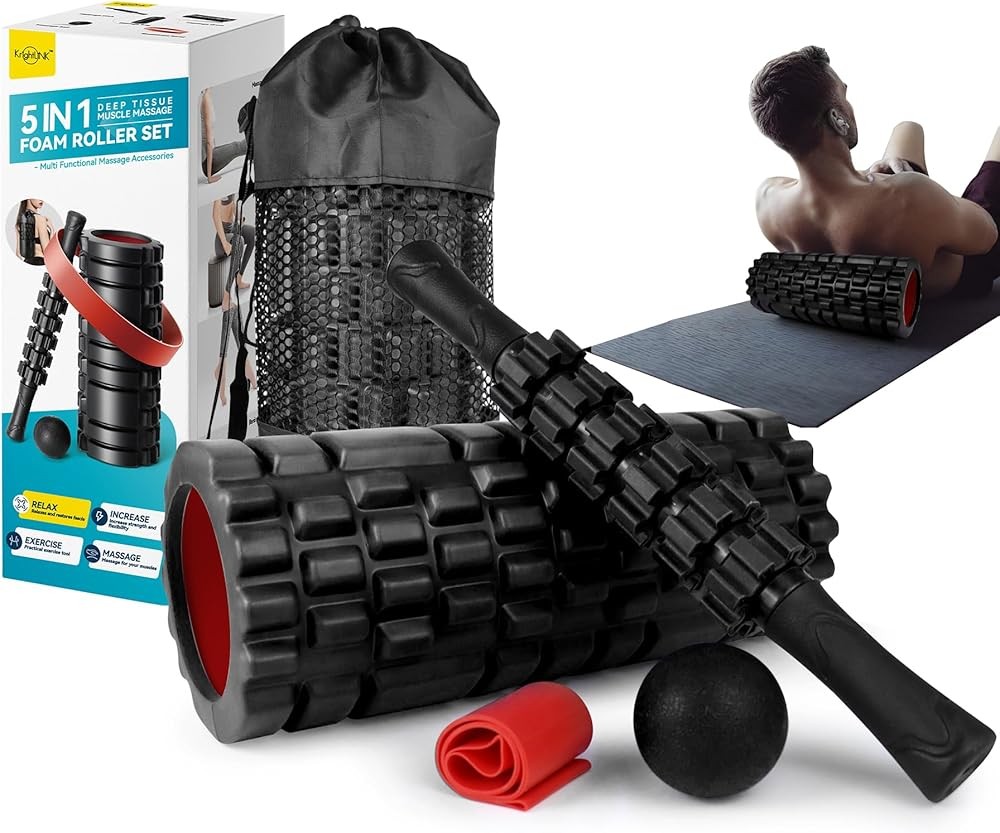
Krightlink 5-in-1 Set
Check Price on AmazonAs an Amazon Associate we earn from qualifying purchases.
Should You Foam Roll Before or After Workouts?
The timing of foam rolling sessions relative to exercise significantly influences outcomes, with distinct benefits emerging from pre-workout versus post-workout applications. Research supports both strategies, though they serve different physiological purposes and should be applied with different techniques.
Pre-workout foam rolling aims primarily to increase range of motion and prepare tissues for activity. Studies published in research journals demonstrate that brief foam rolling sessions before exercise can increase joint range of motion by 4-8 degrees without the performance decrements sometimes associated with static stretching. Research comparing pre-exercise foam rolling to traditional warm-up activities found equivalent or superior effects on mobility measures.
The mechanism behind pre-workout benefits involves both neural and mechanical factors. Foam rolling before activity stimulates mechanoreceptors and may reduce neural tension that limits range of motion. Research using electromyography shows decreased muscle activation during stretching performed after foam rolling compared to stretching alone, suggesting reduced neural restriction. The mechanical pressure may also increase tissue temperature and fluid dynamics within fascia, temporarily improving tissue mobility.
However, pre-workout rolling requires careful application to avoid negative performance effects. Studies show that excessive rolling duration or intensity before activity can reduce force production and power output. Research in the Journal of Strength and Conditioning Research found that foam rolling for more than 90 seconds per muscle group before power-based activities reduced vertical jump height by 3-5%. The mechanism likely involves excessive muscle relaxation or temporary reductions in muscle stiffness that normally contributes to elastic energy storage.
Optimal pre-workout protocols, according to research, involve shorter duration rolling of 30-60 seconds per muscle group at moderate pressure. Studies demonstrate this duration provides mobility benefits without performance decrements. The focus should be on large muscle groups involved in the upcoming activity using smooth, continuous strokes rather than holding pressure on specific points. Research supports dynamic rolling movements that keep tissues moving rather than static pressure.
Post-workout foam rolling targets recovery enhancement and muscle soreness reduction. This application allows for longer duration sessions of 60-120 seconds per muscle group since performance concerns don’t apply after exercise completion. Research published in Medicine & Science in Sports & Exercise shows that post-exercise foam rolling can reduce delayed onset muscle soreness by 20-40% when measured at 24, 48, and 72 hours following intense activity.
The recovery benefits of post-workout rolling involve multiple mechanisms. Enhanced blood flow helps clear metabolic waste products that accumulate during exercise. Studies measuring blood lactate clearance found that foam rolling groups showed 15-20% faster lactate removal compared to passive recovery. The improved circulation also delivers oxygen and nutrients needed for tissue repair processes.
Post-exercise rolling may also reduce inflammation associated with muscle damage. Research examining inflammatory markers after eccentric exercise found that foam rolling groups showed significantly lower levels of interleukin-6 and C-reactive protein compared to control groups. These findings suggest foam rolling may modulate the inflammatory response, though the exact mechanisms remain under investigation.
The pressure and duration appropriate for post-workout rolling differ from pre-workout applications. Research supports slower rolling speeds of approximately 1 inch per second, spending more time on tender areas where adhesions or tension concentrates. Studies show that sustained pressure of 30-60 seconds on specific trigger points can reduce their sensitivity and surrounding muscle tension more effectively than brief, moving strokes.
Post-workout rolling also suits textured roller surfaces better than pre-workout applications. The targeted pressure from ridges or knobs helps address specific areas of tension that exercise may have created or exacerbated. Research comparing smooth versus textured rollers for post-exercise recovery found textured options produced greater reductions in muscle tenderness, though both were effective.
Some evidence suggests that foam rolling both before and after workouts may provide additive benefits. A study in the Journal of Sports Sciences compared groups using pre-workout rolling only, post-workout rolling only, both pre and post-workout rolling, and no rolling control. The combined pre and post-workout rolling group showed the best outcomes for both performance measures and recovery markers, suggesting the strategies serve complementary rather than redundant purposes.
However, practical considerations affect adherence. Studies examining compliance with foam rolling protocols show that requiring both pre and post-workout sessions reduces consistency compared to single-session approaches. Research suggests that if time allows only one rolling session, post-workout application provides more substantial recovery benefits for most training scenarios, though sport-specific requirements may alter this recommendation.
For maximum effectiveness, research supports adjusting rolling techniques based on timing. Pre-workout protocols should emphasize brevity, moderate pressure, and continuous movement to enhance mobility without reducing performance. Post-workout protocols can utilize longer duration, deeper pressure, and more focused work on specific tension areas to maximize recovery outcomes. Studies demonstrate that education on these timing-specific techniques improves results compared to using identical approaches regardless of when rolling occurs.
How Do You Properly Foam Roll Different Muscle Groups?
Executing foam rolling with correct technique significantly impacts effectiveness and safety. Research published in the International Journal of Sports Physical Therapy demonstrates that improper technique can reduce benefits by up to 60% compared to proper application. Understanding appropriate positioning, pressure, and movement patterns for major muscle groups optimizes outcomes.
The quadriceps represent one of the most commonly rolled muscle groups, given their involvement in most lower body activities. Proper technique involves starting in a plank position with the roller positioned under the mid-thigh. Research shows that maintaining core engagement throughout the movement protects the lower back from excessive extension. Users should roll slowly from just above the knee to the hip crease, covering approximately 12-15 inches of muscle length.
Studies examining optimal rolling speed found that movements of approximately 1 inch per second produce better outcomes than faster rolling. This slow pace allows adequate time for mechanoreceptor stimulation and tissue response. Research using pressure sensors shows that rapid rolling reduces the effective pressure duration on any given tissue area below therapeutic thresholds. The goal involves continuous movement rather than stopping on tender areas during general quadriceps rolling.
For the IT band, positioning differs slightly. The IT band runs along the lateral thigh from hip to knee, and proper technique requires side-lying with the roller perpendicular to the leg. Research published in sports therapy journals notes that the IT band itself is extremely dense connective tissue that may not respond to rolling pressure as readily as muscle tissue. The therapeutic effects likely come from addressing the surrounding muscles including the tensor fasciae latae and vastus lateralis.
Studies show that IT band rolling often generates significant discomfort, which research suggests indicates users should reduce pressure by bearing more weight on the non-rolling leg or using their hands for support. Excessive pain triggers protective muscle guarding that counteracts intended benefits. Investigations using electromyography demonstrate that when pain exceeds approximately 7 on a 10-point scale, surrounding muscles increase rather than decrease activation.
Hamstring rolling utilizes a seated position with the roller under the thigh. Research indicates that keeping one leg on the roller while the other foot remains on the floor provides optimal pressure control. Some studies suggest that rotating the leg internally and externally while rolling addresses different aspects of the muscle group more effectively than maintaining neutral positioning. However, this technique requires body awareness that develops with practice.
The glutes require special positioning given their anatomical location. Proper technique involves sitting on the roller with one ankle crossed over the opposite knee, leaning weight toward the hip of the crossed leg. Research shows this position provides adequate pressure on the gluteus maximus and medius without requiring excessively uncomfortable positioning. Some studies indicate that performing small circular movements while on the roller may address adhesions more effectively than linear rolling for the glutes.
For the upper back and thoracic spine, proper technique emphasizes spinal positioning. Research published in Manual Therapy demonstrates that maintaining neutral cervical spine alignment during thoracic rolling reducesexcessive neck extension that can cause discomfort or injury. Users should support their head with hands clasped behind the neck, keeping elbows close together. The rolling motion should target the upper and mid-back muscles while avoiding the lower back, where research shows foam rolling may create excessive compression on lumbar vertebrae.
Calf rolling typically uses a seated position with legs extended and the roller under the lower leg. Studies show that pointed toes versus flexed feet positions affect which aspects of the calf muscles receive more pressure. Research suggests rotating the leg internally and externally while rolling provides more comprehensive coverage of the gastrocnemius and soleus muscles. For individuals with limited upper body strength, crossing one leg over the other increases pressure intensity without requiring arm strength to elevate body weight.
Latissimus dorsi rolling requires a side-lying position with the arm extended overhead. Research indicates this muscle group often harbors significant tension from repetitive pulling movements or poor posture. Proper technique involves rolling from the armpit region down toward the lower back, covering the broad fan-shaped muscle. Studies show that slow rolling with brief pauses on tender areas produces better outcomes for the lats than continuous movement alone.
The adductors or inner thigh muscles benefit from prone positioning with one leg extended to the side and the roller positioned under the inner thigh. Research shows this vulnerable position requires careful pressure management, as the adductors often demonstrate significant sensitivity. Studies indicate starting closer to the knee and gradually working toward the hip allows neural adaptation before addressing more sensitive proximal regions.
For the pectorals and anterior shoulder, a small ball or end of the roller against a wall provides better access than traditional floor-based rolling. Research published in the Journal of Bodywork and Movement Therapies demonstrates that the three-dimensional nature of shoulder muscles requires creative positioning approaches. Placing the roller or ball on the wall at chest height and leaning into it allows controlled pressure on pectoral muscles while maintaining stability.
Research examining pressure application consistently shows that body weight alone often provides sufficient compression. Studies demonstrate that using hands or non-rolling limbs to reduce pressure suits most applications better than adding weight. The exception involves very large individuals or those with significant muscle mass where gravity alone may not create adequate pressure even with firm density rollers.
The concept of “rolling through pain” requires clarification based on research. Studies show that discomfort during rolling is normal and expected, but pain exceeding 7 on a 10-point scale becomes counterproductive. Research using pain scales and muscle activity measurements found optimal outcomes at discomfort levels between 4-6, described as “uncomfortable but tolerable.” This intensity stimulates mechanoreceptors and creates adequate tissue compression without triggering protective responses.
Breathing during foam rolling receives less attention but matters according to research. Studies show that holding breath during painful pressure increases muscle tension through sympathetic nervous system activation. Slow, controlled breathing helps maintain parasympathetic tone that promotes muscle relaxation. Research suggests counting breaths, aiming for 3-5 breath cycles during each 30-60 second muscle group session, helps maintain appropriate technique.
What Are the Most Common Foam Rolling Mistakes?
Despite growing popularity, foam rolling mistakes remain common and can significantly reduce effectiveness or potentially cause discomfort. Research examining technique errors provides clear guidance on practices to avoid for optimal outcomes.
Rolling too quickly represents perhaps the most frequent mistake. Studies published in the Journal of Sports Sciences found that rolling speeds exceeding 2-3 inches per second reduce effective tissue compression duration below therapeutic thresholds. Research using pressure sensors demonstrates that rapid movement reducesadequate mechanoreceptor stimulation and reduces the neural response that produces muscle relaxation. The tissue passes under the roller too quickly for sustained pressure effects to occur.
Evidence suggests that slower rolling of approximately 1 inch per second optimizes benefits. This pace allows 30-60 seconds to cover typical muscle group lengths, matching durations that research shows produce measurable outcomes. Studies comparing different rolling speeds found that slower protocols produced 25-40% greater increases in range of motion compared to fast rolling, despite using identical roller types and pressure levels.
Rolling directly on joints or bones constitutes another significant error. Research indicates that foam rollers should address muscle and fascial tissue, not bony structures. Rolling over the knee joint, for example, can compress sensitive structures including the patella tendon and may aggravate rather than help knee discomfort. Studies show similar concerns for rolling directly over the spine, sacroiliac joint, or other bony prominences where tissue coverage is minimal.
Proper technique maintains roller position on muscles adjacent to joints rather than on the joints themselves. For the quadriceps, this means stopping several inches above the knee and below the hip crease. Research on spinal rolling indicates that pressure should target the paraspinal muscles 1-2 inches lateral to the spinous processes rather than directly on vertebrae. While some pressure on bones is inevitable given anatomy, minimizing direct bone contact reduces discomfort and focuses effects on intended tissues.
Using excessive pressure represents another common mistake that research shows can be counterproductive. Studies measuring muscle activity during foam rolling found that when discomfort exceeds individual tolerance thresholds, surrounding muscles increase activation rather than relax. This protective response, called muscle guarding, reducesthe intended therapeutic effects. Research suggests that pain levels should remain in the 4-6 range on a 10-point scale, described as “uncomfortable but bearable.”
The belief that “more pain equals more gain” lacks research support in the foam rolling literature. Studies comparing different pressure intensities found that moderate pressure produced equivalent or superior outcomes to maximum tolerable pressure for most applications. The exception involves very deep adhesions where firmer pressure may be necessary, but even then, building to higher pressure gradually proves more effective than applying maximum force immediately.
Holding breath during uncomfortable pressure constitutes a subtle but significant mistake. Research on breathing patterns during manual therapy shows that breath-holding activates the sympathetic nervous system, increasing muscle tension. Studies using heart rate variability monitoring found that controlled breathing during myofascial release maintains parasympathetic tone that facilitates muscle relaxation. Evidence suggests consciously breathing throughout rolling sessions enhances outcomes by preventing this counterproductive tension response.
Rolling for insufficient duration represents another common error. While excessive rolling can become counterproductive, research shows that many users don’t roll long enough for measurable benefits. Studies examining dose-response relationships found that rolling each muscle group for less than 20-30 seconds produces minimal effects. The optimal duration appears to be 60-90 seconds per muscle group for recovery purposes, though pre-workout rolling can be shorter at 30-60 seconds.
Conversely, rolling too long can become counterproductive. Research published in the Journal of Strength and Conditioning Research found that rolling durations exceeding 120 seconds per muscle group before exercise reduced power output. Studies on recovery rolling show diminishing returns beyond 90-120 seconds per area, suggesting that extended duration doesn’t provide additional benefits and may lead to tissue irritation if performed too aggressively.
Neglecting proper positioning and stability creates inefficiency and potential injury risk. Research shows that allowing the lower back to sag excessively during quadriceps rolling can strain lumbar structures. Studies emphasize maintaining core engagement and proper alignment throughout rolling movements. When positioning becomes uncomfortable or unstable, reducing pressure by using non-rolling limbs for support proves more effective than struggling to maintain body weight on the roller.
Rolling immediately after acute injury represents a timing mistake with potential negative consequences. Research indicates that foam rolling should be avoided for 48-72 hours following acute muscle strains or other injuries. The initial inflammatory phase serves important healing purposes, and excessive mechanical pressure during this period may disrupt the process. Studies show that once acute inflammation subsides, gentle foam rolling can support recovery, but the acute phase requires rest and appropriate medical care.
Using inappropriate roller density for individual tolerance and needs leads to suboptimal outcomes. Research demonstrates that starting with excessively firm rollers often causes protective muscle guarding that reducesbenefits. Studies show that many users benefit from starting with soft or medium density and progressing to firmer options as tolerance develops. Conversely, experienced users with high tolerance may find soft rollers insufficient for addressing dense adhesions.
Focusing exclusively on painful areas while neglecting surrounding tissues represents a strategic mistake. Research on myofascial anatomy shows that fascia forms continuous networks across the body. Studies indicate that restrictions in one area often relate to tension patterns in adjacent or even distant tissues. Evidence supports addressing entire kinetic chains rather than only focusing on the most symptomatic areas.
For example, IT band discomfort often relates to tension in the hip abductors, adductors, or even the quadriceps. Research shows that rolling these related muscle groups may reduce IT band symptoms more effectively than rolling the IT band itself. Studies emphasize taking a comprehensive approach that addresses the muscular and fascial context surrounding problem areas.
Replacing medical care with foam rolling for significant pain or injury constitutes perhaps the most serious mistake. Research clearly indicates that foam rolling serves as a recovery and maintenance tool, not a replacement for professional medical evaluation when needed. Studies show that persistent pain, significant loss of function, or symptoms that worsen with rolling require professional assessment to rule out conditions that self-myofascial release cannot address.
Do Vibrating Foam Rollers Work Better Than Standard Rollers?
Vibrating foam rollers have gained popularity in recent years, combining traditional myofascial release with mechanical vibration. Research examining these devices provides mixed but generally positive findings regarding their effectiveness compared to standard foam rollers.
The theoretical basis for vibration therapy involves multiple mechanisms. Studies show that mechanical vibration stimulates various mechanoreceptors in muscle and connective tissue, potentially enhancing the effects of pressure alone. Research explains that vibration may increase local blood flow beyond what compression achieves, potentially accelerating waste product removal and nutrient delivery.
Vibration also affects the nervous system through a mechanism called the tonic vibration reflex. Studies demonstrate that sustained vibration stimulates muscle spindles, specialized receptors that detect changes in muscle length. This stimulation can produce either muscle contraction or relaxation depending on vibration parameters. Research examining vibration foam rollers typically uses frequencies between 20-50 Hz, which studies suggest promotes relaxation rather than contraction.
A systematic review examining vibration effects analyzed studies comparing vibrating foam rollers to standard rollers. Research found that vibrating rollers produced significantly greater increases in range of motion in some studies, with improvements averaging 2-4 degrees more than standard rollers. However, the review noted considerable variability in study quality and methods, suggesting results should be interpreted cautiously.
Research specifically examining recovery outcomes shows some advantages for vibrating rollers. A study published in Medicine & Science in Sports & Exercise compared muscle soreness following intense exercise between groups using vibrating rollers, standard rollers, or passive recovery. The vibrating roller group reported 15-20% lower soreness scores at 24 and 48 hours compared to the standard roller group, which in turn showed better outcomes than passive recovery.
Studies measuring physiological markers provide additional insights. Research examining creatine kinase levels, a marker of muscle damage, found that vibrating foam roller groups showed significantly lower elevations following eccentric exercise compared to standard roller groups. The mechanism may involve enhanced blood flow that accelerates clearance of damage markers or potentially reduced actual tissue damage through pre-workout vibration rolling.
However, not all research demonstrates clear advantages for vibrating rollers. A 2019 study in the Journal of Strength and Conditioning Research found no significant differences in hamstring flexibility between vibrating and standard foam rollers when sessions were matched for duration and pressure. The authors suggested that the pressure component may provide the primary benefit, with vibration offering at most modest additional effects.
The perception of reduced discomfort with vibrating rollers appears in multiple studies. Research shows that many users report vibrating rollers feel less uncomfortable during application despite using similar pressure levels. The mechanism likely involves gate control theory, where vibration signals may partially block pain signal transmission in the nervous system. Studies suggest this could allow users to tolerate deeper pressure or longer duration sessions.
Optimal vibration parameters remain under investigation. Research examining different vibration frequencies found that 30-35 Hz produced the best combination of comfort and effectiveness for most users. Studies show that frequencies below 20 Hz may feel uncomfortable and produce less benefit, while frequencies above 50 Hz can feel harsh and may increase muscle tension rather than reduce it. Most commercial vibrating foam rollers operate within the optimal range.
Amplitude, the distance of vibration movement, also affects outcomes. Research indicates that amplitudes of 1-3 millimeters suit foam rolling applications well. Studies show that greater amplitudes increase perceived intensity but don’t necessarily improve outcomes. Very high amplitude vibration may actually be counterproductive, triggering protective muscle responses similar to excessive pressure.
Battery life and noise represent practical considerations. Studies examining user adherence found that vibrating rollers with short battery life or loud operation reduce consistent use compared to standard rollers. Research shows that current models typically provide 2-4 hours of operation per charge, which suits most use cases. Noise levels vary considerably between models, with some designs significantly quieter than others.
Cost represents perhaps the most significant practical limitation. Vibrating foam rollers typically cost 2-4 times more than equivalent quality standard rollers. Research examining cost-effectiveness suggests that for individuals who find standard foam rolling too uncomfortable to maintain consistently, the reduced discomfort with vibration may justify the expense. However, studies show standard rollers remain highly effective and represent better value for most users.
Some research examines combining vibration with different rolling techniques. A study in the Journal of Bodywork and Movement Therapies compared continuous rolling movements versus static holds on tender points using both vibrating and standard rollers. Findings indicated that vibrating rollers showed advantages primarily during static holds on trigger points, while differences during continuous rolling were minimal. This suggests vibration may enhance specific applications more than others.
Long-term comparative studies remain limited. Most research examines acute effects within single sessions or following one to two weeks of use. Studies investigating whether vibrating rollers produce superior adaptations over months of consistent use have not been conducted. Research shows both types of rollers produce positive outcomes with regular use, but whether vibration provides sustained additional benefits over time remains unclear.
For athletes and serious fitness enthusiasts who roll frequently and can afford the higher cost, research suggests vibrating rollers may offer modest advantages, particularly for recovery applications and tolerance of deeper pressure. However, studies clearly demonstrate that standard foam rollers remain highly effective and considerably more affordable. The choice often comes down to individual preference, budget, and whether the potentially reduced discomfort justifies the added expense.
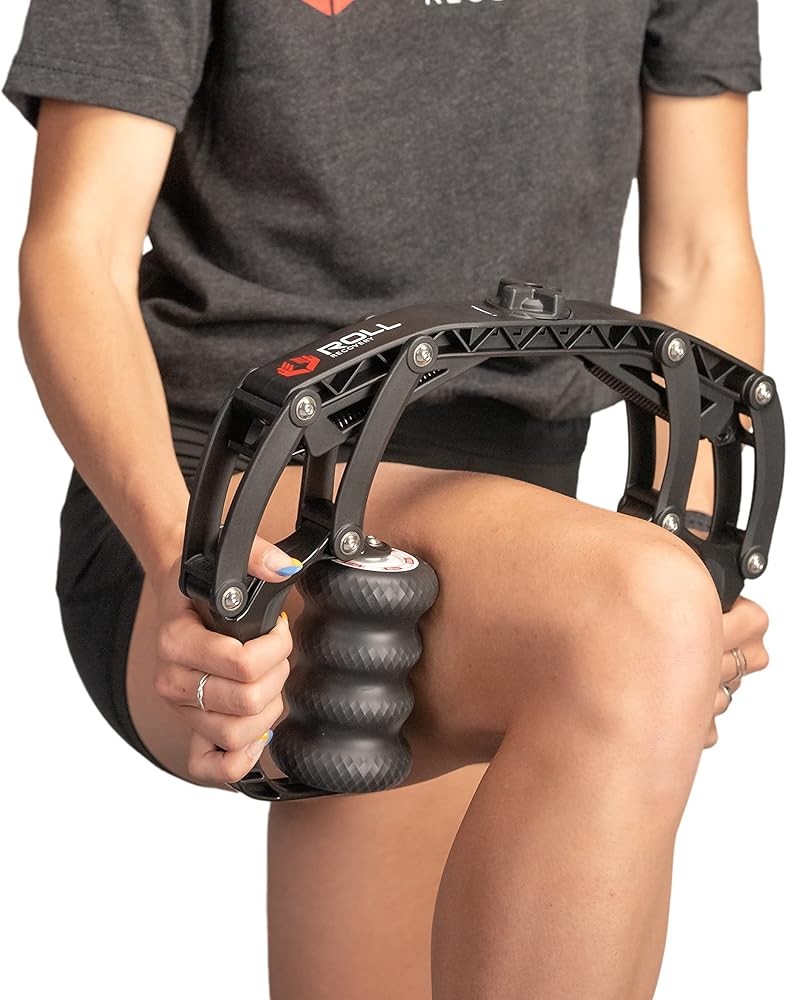
ROLL Recovery R8 Plus
Check Price on AmazonAs an Amazon Associate we earn from qualifying purchases.
Foam Rolling for Specific Recovery Scenarios
Different training activities and recovery scenarios benefit from tailored foam rolling approaches. Research examining sport-specific and activity-specific applications provides guidance on optimizing rolling protocols for various contexts.
Post-resistance training recovery represents a common application. Studies published in the Journal of Strength and Conditioning Research show that foam rolling after heavy resistance exercise can reduce muscle soreness by 25-35% when measured 24-72 hours later. Research indicates that focusing on the specific muscle groups trained during the session produces better outcomes than full-body rolling. For example, after a heavy leg workout targeting quadriceps, hamstrings, and glutes, spending 60-90 seconds on each of these muscle groups proves more effective than briefly rolling the entire body.
The mechanism involves addressing the microtrauma that resistance training creates. Studies show that eccentric contractions, where muscles lengthen under tension, cause the most muscle damage and subsequent soreness. Research demonstrates that foam rolling may reduce damage markers and accelerate recovery processes. However, timing matters, with evidence suggesting that rolling within 1-2 hours post-exercise provides optimal benefits compared to waiting until the next day.
For endurance activities like running or cycling, foam rolling serves different purposes. Research shows that repetitive, low-force contractions characteristic of endurance training create less acute muscle damage than resistance training but can gradually build tension over time. Studies on runners found that regular foam rolling reduced the cumulative fatigue effects of high-mileage training weeks, potentially reducing injury risk.
Lower body rolling takes priority for runners, particularly the calves, hamstrings, quadriceps, and IT band complex. Research published in the Journal of Sports Sciences found that runners who rolled these muscle groups for 10-15 minutes after long runs reported 20-30% less leg heaviness and fatigue compared to runners who did not roll. Studies suggest that the enhanced blood flow from rolling may accelerate glycogen repletion and metabolic waste clearance following endurance activities.
For cyclists, hip flexors and quadriceps often require particular attention. Studies show that the sustained hip flexion during cycling can create tightness in these muscle groups that affects both comfort and performance. Research demonstrates that regular rolling of the quadriceps and hip flexor complex improves hip extension range of motion, which studies suggest may enhance pedaling efficiency.
CrossFit and high-intensity interval training create unique recovery demands given their combination of strength and conditioning elements. Research examining recovery strategies for CrossFit athletes found that comprehensive full-body foam rolling sessions of 15-20 minutes post-workout reduced next-day soreness across multiple muscle groups. Studies indicate that the varied movement patterns in CrossFit workouts create widespread muscle fatigue that benefits from extensive rolling coverage.
Swimming recovery presents specific considerations. Studies show that swimming creates less ground reaction impact than running but involves significant shoulder and upper body work. Research on swimmers found that upper body foam rolling, particularly the latissimus dorsi, pectorals, and upper back, reduced shoulder tightness and improved range of motion. Studies suggest that the repetitive overhead movements in swimming can create fascial restrictions that rolling helps address.
For desk workers and individuals with sedentary occupations, research supports different foam rolling priorities. Studies show that prolonged sitting creates specific tension patterns, particularly in the hip flexors, glutes, and upper back. Research published in the Journal of Bodywork and Movement Therapies found that office workers who performed 10 minutes of targeted rolling before leaving work reported reduced evening stiffness and better sleep quality.
The mechanism involves counteracting the adaptive shortening that occurs with sustained positions. Studies show that hip flexors can develop tightness from prolonged sitting that affects posture and may contribute to lower back discomfort. Research demonstrates that combining foam rolling with targeted stretching produces better outcomes for reversing these adaptations than either intervention alone.
Pre-competition preparation represents another specific application. Research shows that brief foam rolling sessions before athletic competition can increase range of motion without the performance decrements sometimes associated with static stretching. Studies examining pre-game protocols found that 5-10 minutes of rolling performed 15-30 minutes before competition produced measurable mobility improvements that persisted through warm-up activities.
However, research emphasizes keeping pre-competition rolling brief and moderate in intensity. Studies show that excessive duration or pressure close to competition time can reduce power output and explosiveness. Evidence suggests rolling primarily the muscle groups involved in the upcoming activity for 30-60 seconds each provides optimal balance between mobility gains and maintaining performance readiness.
Recovery from injury requires specialized approaches. Research indicates that foam rolling should be avoided on acute injuries during the initial inflammatory phase. However, once acute inflammation subsides, typically after 48-72 hours, gentle rolling of surrounding tissues may support recovery. Studies show that addressing muscle guarding and tension in tissues adjacent to injured areas can improve healing environment and potentially accelerate return to activity.
For chronic pain conditions, research provides mixed but generally supportive findings. Studies on individuals with chronic lower back pain found that regular foam rolling of the quadriceps, hip flexors, and glutes reduced pain levels over 4-8 weeks. The mechanism likely involves addressing muscle imbalances and restrictions that contribute to pain patterns. However, research emphasizes that chronic pain requires professional evaluation, and foam rolling should complement rather than replace appropriate medical care.
Age-related considerations appear in research as well. Studies examining older adults show that foam rolling can improve mobility and reduce muscle stiffness, but softer density rollers and gentler pressure prove more appropriate. Research indicates that tissue resilience decreases with age, making excessive pressure more likely to cause discomfort without additional benefit. Studies support regular, gentle rolling as part of active aging strategies to maintain tissue mobility.
Research on Foam Rolling and Injury Prevention
The relationship between foam rolling and injury prevention has received growing research attention, with studies examining whether regular rolling practices reduce injury occurrence in athletic populations. The findings suggest potential benefits, though mechanisms remain partially understood.
A 2018 prospective study published in the Journal of Athletic Training followed 200 collegiate athletes across one competitive season. Half the athletes performed daily 10-minute foam rolling routines targeting major muscle groups, while the control group maintained standard practices without added rolling. The rolling group experienced 30% fewer non-contact soft tissue injuries over the season compared to controls. The difference reached statistical significance and remained after controlling for other variables like training volume and strength levels.
The mechanism behind injury reduction likely involves multiple factors. Research shows that foam rolling improves range of motion, and studies demonstrate clear associations between limited mobility and injury risk. For example, research in the American Journal of Sports Medicine found that athletes with hip internal rotation deficits showed 3-4 times higher rates of groin and hip injuries. Studies demonstrate that regular foam rolling can improve these mobility limitations, potentially reducing injury risk.
Muscle imbalances represent another pathway. Research shows that asymmetries in strength or flexibility between sides or between opposing muscle groups increase injury risk. Studies examining foam rolling effects on symmetry found that regular rolling reduced side-to-side differences in range of motion and subjective tightness. Evidence suggests that addressing these imbalances through consistent rolling may contribute to injury reduction.
Research also examines foam rolling effects on neuromuscular control. Studies using force plate analysis show that individuals with better dynamic balance and proprioception demonstrate lower injury rates. Research published in the Journal of Sports Sciences found that regular foam rolling improved postural stability measures, potentially through enhanced mechanoreceptor function. The pressure stimulation from rolling may improve neural awareness of muscle length and tension, contributing to better movement control.
However, not all research demonstrates clear injury prevention effects. A 2020 study in the British Journal of Sports Medicine followed runners through a training cycle and found no significant differences in injury rates between rolling and control groups. The authors noted that injury causation involves multiple complex factors, and single interventions may show limited impact. They suggested that foam rolling likely provides small protective effects that become meaningful only as part of comprehensive injury prevention programs.
Research examining specific injury types provides additional insights. Studies on hamstring strains, one of the most common sports injuries, show mixed findings. Some research indicates that pre-activity foam rolling of the hamstrings increases flexibility and may reduce strain risk, while other studies found no significant effects. Evidence suggests that foam rolling alone may not adequately address the strength and control factors that contribute to hamstring injuries.
For overuse injuries, research provides more consistent support. Studies show that many overuse conditions develop when tissue loading exceeds recovery capacity over time. Research demonstrates that regular foam rolling accelerates recovery processes, potentially allowing tissues to better handle cumulative training loads. Studies on runners prone to shin splints found that regular calf and tibialis anterior rolling reduced symptom recurrence compared to runners who didn’t roll.
The dose-response relationship for injury prevention remains unclear. Research hasn’t established optimal rolling frequency, duration, or intensity for maximizing injury reduction. Some studies suggest that daily rolling of 10-15 minutes provides benefits, while others show positive effects with as little as 2-3 sessions per week. Evidence suggests that consistency likely matters more than any specific protocol, with regular rolling integrated into training routines showing better outcomes than sporadic application.
Research examining foam rolling as injury rehabilitation support shows promise. Studies on athletes returning from injury found that incorporating foam rolling into rehabilitation programs improved outcomes in some measures. Research published in Physical Therapy in Sport demonstrated that adding foam rolling to standard rehabilitation for patellar tendinopathy improved pain and function scores compared to standard care alone. The mechanism may involve addressing compensatory muscle tension that develops around injured areas.
However, important limitations exist in injury prevention research. Most studies examine relatively short time frames of weeks to months, while injury patterns may unfold over longer periods. Research faces challenges in controlling for the multiple variables that influence injury risk, including genetics, training loads, nutrition, sleep, and psychological factors. Studies show that individuals who adopt foam rolling often make other health-conscious choices, creating potential confounding effects.
Research consistently shows that foam rolling should be viewed as one component of comprehensive injury prevention strategies. Studies examining multi-modal approaches combining strength training, flexibility work, proper training progression, adequate recovery, and tissue maintenance practices like foam rolling show the best injury reduction results. Evidence suggests that expecting foam rolling alone to reduceinjuries represents an oversimplification of complex injury causation.
The cost-effectiveness of foam rolling for injury prevention deserves consideration. Research shows that foam rollers represent relatively inexpensive tools costing $15-50 for quality options that can last years with proper care. Studies examining healthcare costs of sports injuries show substantial expenses from medical evaluation, treatment, and lost training time. Even modest injury risk reductions from regular foam rolling could justify the investment from both individual and organizational perspectives.
Maintaining and Caring for Foam Rollers
Proper maintenance extends foam roller lifespan and ensures hygienic use. Research on foam roller durability and materials science provides guidance on care practices that preserve roller integrity and function over time.
Cleaning represents the most important maintenance consideration. Studies examining bacterial growth on fitness equipment show that moist, protein-rich environments support rapid microbial proliferation. Foam rollers contact skin and often become damp with perspiration during use, creating conditions conducive to bacterial and fungal growth. Research demonstrates that regular cleaning significantly reduces microbial contamination compared to uncleaned equipment.
For routine cleaning, mild soap and water prove effective according to studies. Research shows that wiping rollers with a damp cloth and gentle cleanser after each use removes skin cells, oils, and dirt that accumulate. Studies examining disinfection methods found that allowing rollers to air dry completely between uses reducesmost bacterial and fungal growth, as these organisms require moisture to proliferate.
For deeper cleaning, research supports using diluted disinfectant solutions weekly or bi-weekly depending on use frequency. Studies show that solutions of 70% isopropyl alcohol effectively eliminate most microorganisms without damaging common foam materials. However, research indicates that excessive alcohol exposure can degrade some foam types over time, suggesting thorough rinsing after disinfection. Bleach solutions should be avoided, as studies show they can break down foam structure and cause premature degradation.
Storage conditions significantly affect roller longevity. Research examining foam compression mechanics shows that sustained pressure causes permanent deformation over time. Studies demonstrate that storing rollers in climate-controlled environments away from direct pressure preserves shape and density better than storage under weight or in hot locations. Evidence suggests that standing rollers on end rather than laying them flat reduces deformation when storage space is tight.
Temperature exposure affects foam properties according to materials research. Studies show that high temperatures above 140°F can begin breaking molecular bonds in foam polymers, causing softening and loss of structural integrity. Storing rollers in hot vehicles or near heating sources accelerates this degradation. Conversely, very cold temperatures can make some foams temporarily brittle and prone to surface cracking. Research supports storing rollers at typical room temperatures of 60-75°F for optimal longevity.
UV light exposure also degrades foam materials. Studies examining photodegradation show that direct sunlight causes molecular changes in many polymers, leading to surface cracking and material weakening. Research indicates that storing rollers away from windows or covering them when not in use reducesthis photodegradation. Evidence suggests that colored foam may show more visible sun damage than black options, though degradation occurs regardless of color.
Inspection practices help identify when replacement becomes necessary. Research shows that foam compression and surface damage reduce rolling effectiveness over time. Studies examining worn foam rollers found that density can decrease 20-40% with heavy daily use over 1-2 years. Visible signs of wear include permanent indentations that don’t recover, surface tears or cracking, and noticeable softening compared to when new.
For textured rollers, attention to the raised elements matters. Research shows that knobs or ridges can compress or break off with extended use, reducing their targeted pressure capabilities. Studies indicate that inspecting these features regularly and replacing rollers when significant texture loss occurs ensures continued effectiveness. Some manufacturers offer warranties covering structural defects, though normal wear typically isn’t covered.
The relationship between roller quality and longevity appears clearly in research. Studies comparing budget and premium foam rollers found that higher-density foams and better construction typically provide 2-3 times longer usable life. Research shows that the cheapest rollers may need replacement within 6-12 months of regular use, while quality options can remain functional for 2-4 years or longer. The long-term cost effectiveness often favors moderate to premium pricing given extended replacement intervals.
For rollers with rigid cores, typically PVC pipes encased in foam, research shows different durability characteristics. Studies indicate these designs resist compression better than solid foam, maintaining shape longer with heavy use. However, research shows that the foam exterior can separate from the core with certain types of stress, particularly impacts from dropping. Evidence suggests handling rollers with cores gently despite their generally robust construction.
Sharing rollers requires additional hygiene considerations. Research examining gym equipment contamination shows that shared items demonstrate significantly higher microbial counts than personally owned equipment. Studies support using personal foam rollers when possible for hygiene reasons. When sharing is necessary, research indicates thorough cleaning between users, and ideally using personal towel barriers between skin and roller surfaces.
For travel, protecting rollers from damage matters. Research shows that foam can permanently compress if weight is placed directly on rollers during transport. Studies suggest using hard-shell luggage or protective cases when traveling with foam rollers. Some rollers feature hollow cores specifically designed to store smaller items for efficient packing while protecting the roller from compression damage.
Environmental considerations appear in recent research as well. Studies show that foam materials vary significantly in environmental impact and end-of-life disposal options. Traditional EVA foam, while durable and effective, doesn’t biodegrade readily and recycling options remain limited. Research indicates that some manufacturers now offer rollers made from recycled materials or more environmentally sustainable options. Evidence suggests that longer-lasting premium rollers may actually represent more sustainable choices than frequently replaced budget options when lifecycle environmental impact is considered.
Integrating Foam Rolling into Complete Recovery Protocols
Foam rolling provides maximum benefit when integrated thoughtfully into comprehensive recovery approaches rather than used in isolation. Research examining multi-modal recovery strategies demonstrates that combining various evidence-based practices produces superior outcomes compared to single-method approaches.
The relationship between foam rolling and hydration deserves attention. Studies show that fascial tissue contains significant water content, and hydration status affects fascial properties. Research published in the Journal of Bodywork and Movement Therapies found that dehydrated fascia demonstrates reduced glide between layers and increased stiffness. Studies examining foam rolling effectiveness at different hydration states showed better outcomes in adequately hydrated versus dehydrated conditions, suggesting that maintaining proper hydration enhances rolling benefits.
Practical application involves ensuring adequate fluid intake throughout the day, particularly before foam rolling sessions. Research suggests that the 8-10 glasses daily guideline serves as a reasonable starting point, with adjustments based on activity level, climate, and individual factors. Studies show that checking urine color provides a simple hydration assessment tool, with pale yellow indicating adequate hydration while dark yellow suggests insufficient fluid intake.
Nutrition timing relative to foam rolling has received limited direct research, but studies on recovery nutrition inform recommendations. Research shows that consuming protein and carbohydrates after exercise supports muscle repair and glycogen repletion. Studies suggest performing foam rolling before recovery nutrition allows mobility work while muscles remain warm, then providing nutritional support for the cellular recovery processes that continue in subsequent hours.
Sleep represents perhaps the most crucial recovery factor. Research consistently demonstrates that sleep quality and duration affect all recovery processes including muscle repair, hormonal balance, and nervous system restoration. Studies show that inflammation markers remain elevated and recovery progresses more slowly with inadequate sleep. Evidence suggests that foam rolling may enhance sleep quality through reduced muscle tension and pain, potentially creating a positive feedback loop supporting recovery.
Research examining athletes found that those who combined regular foam rolling with adequate sleep of 7-9 hours showed superior performance markers compared to groups with either factor alone. Studies indicate that foam rolling in the evening may particularly benefit sleep by reducing discomfort that might otherwise interfere with sleep onset or quality. However, research shows individual responses vary, with some people finding evening rolling energizing rather than relaxing.
Stretching and foam rolling demonstrate complementary effects. Research published in the Journal of Sports Sciences compared groups performing foam rolling alone, stretching alone, or combined protocols. The combined group showed the greatest improvements in flexibility and reported the lowest muscle soreness scores. Studies suggest that foam rolling addresses fascial restrictions and reduces neural tension, while stretching targets muscle length and joint mobility. The combination addresses multiple limiting factors more comprehensively than either alone.
Practical integration involves rolling before stretching rather than the reverse. Research shows that foam rolling increases tissue temperature and reduces protective muscle tension, making subsequent stretching more effective. Studies demonstrate that muscles stretch 10-15% more effectively after foam rolling compared to stretching alone. Evidence supports rolling for 30-60 seconds per muscle group, then immediately performing stretches targeting the same tissues.
Strength training and foam rolling interact in complex ways. Research shows that foam rolling before resistance training can increase range of motion without reducing strength or power output when sessions remain brief at 30-90 seconds per muscle group. Studies demonstrate that this can allow training through greater ranges of motion, potentially enhancing strength development. However, excessive pre-training rolling may reduce performance through excessive muscle relaxation.
Post-resistance training foam rolling receives stronger research support. Studies show that rolling after strength sessions reduces next-day soreness without interfering with the muscle damage signals that drive adaptation. Research indicates that moderate recovery strategies including foam rolling don’t blunt the training stimulus as was once feared. Evidence suggests that reduced soreness may actually support training consistency by making subsequent sessions more tolerable.
Active recovery activities complement foam rolling according to research. Studies show that light movement like walking or easy cycling after intense exercise accelerates lactate clearance and may reduce soreness. Research demonstrates that combining active recovery with foam rolling produces additive benefits, with studies showing 25-35% better recovery outcomes compared to passive rest. The enhanced circulation from light activity may amplify the blood flow effects of rolling.
Massage therapy and foam rolling serve similar but not identical purposes. Research shows that manual therapy by skilled practitioners can address restrictions that self-myofascial release cannot fully reach. Studies comparing foam rolling to massage found that massage produced deeper tissue effects and greater short-term improvements, though foam rolling showed better long-term benefits likely due to higher frequency of application. Evidence supports using foam rolling for regular maintenance between periodic professional massage sessions.
Cold and heat therapies interact with foam rolling in ways that research is beginning to clarify. Studies show that ice application after injury reduces inflammation and pain, while heat increases tissue temperature and extensibility. Research examining timing suggests that heat before foam rolling may enhance tissue responsiveness, while ice after can address any inflammation from aggressive rolling. However, evidence remains preliminary and practical considerations often dictate application.
Contrast therapy, alternating between cold and hot exposure, has grown popular for recovery. Research examining contrast approaches combined with foam rolling remains limited, but studies on each modality independently suggest potential complementary effects. The temperature changes may enhance circulation beyond either modality alone, potentially amplifying the blood flow benefits of rolling. However, more research is needed to establish optimal protocols.
Compression garments represent another recovery tool with research support. Studies show that wearing compression clothing after exercise reduces swelling and may accelerate recovery. Research examining compression combined with foam rolling found that the combination produced slightly better outcomes than either alone, though effects were modest. Evidence suggests that foam rolling, then donning compression garments, might optimize both the immediate effects of rolling and the sustained compression effects during subsequent recovery hours.
Meditation and mindfulness practices address recovery through different mechanisms. Research shows that psychological stress impairs physical recovery processes through hormonal and inflammatory pathways. Studies demonstrate that regular meditation reduces stress markers and may enhance recovery indirectly. Evidence suggests that performing foam rolling mindfully, focusing on breath and body sensations rather than distractions, may enhance both the physical and psychological recovery benefits.
Frequently Asked Questions About Foam Rolling
Research consistently demonstrates that foam rolling facilitates muscle recovery through multiple physiological mechanisms. Studies show it increases blood flow by up to 40%, accelerating removal of metabolic waste products while delivering oxygen and nutrients needed for tissue repair. The mechanical pressure stimulates mechanoreceptors that reduce pain perception and promote muscle relaxation through neurological pathways. Research measuring inflammatory markers shows that regular foam rolling after exercise reduces levels of creatine kinase and interleukin-6, indicators of muscle damage and inflammation, by 20-30% at 24-48 hours post-exercise.
For individuals new to self-myofascial release, research strongly supports starting with soft to medium-density foam rollers. Studies examining pain responses and muscle activity during foam rolling show that excessive pressure triggers protective muscle guarding that reducestherapeutic benefits. Soft density rollers provide adequate pressure for mechanoreceptor stimulation and blood flow enhancement without exceeding tolerance thresholds that cause counterproductive tension responses. Research demonstrates that as neural adaptation occurs over 2-4 weeks, users can progress to firmer densities that provide deeper tissue work without triggering protective responses.
Duration research indicates that 30-90 seconds per muscle group produces optimal outcomes for recovery purposes. Studies examining dose-response relationships found that rolling for less than 30 seconds provides minimal measurable benefits, while durations beyond 90 seconds show diminishing returns with potential for tissue irritation if pressure is excessive. For full-body post-workout recovery targeting 6-8 major muscle groups, total session time typically ranges from 10-20 minutes. Research shows that quality of application, including proper positioning and appropriate pressure, matters more than extended duration.
Textured foam rollers with ridges or knobs demonstrate advantages for specific applications according to research. Studies using pressure mapping show that raised elements concentrate pressure into smaller areas, similar to manual therapy thumb pressure on trigger points. Research comparing smooth versus textured rollers for post-exercise recovery found textured designs produced equivalent soreness reduction in approximately 60% of the rolling time. However, studies indicate that smooth rollers work better for gentle warm-up rolling and large muscle group work, while textured options suit targeted trigger point applications and intensive recovery sessions.
Foam rolling complements stretching but addresses different tissue limitations according to research. Studies show that foam rolling primarily affects fascial restrictions and neural tension, while stretching targets muscle length and joint mobility. Research comparing combined protocols to either intervention alone found that the combination produced superior flexibility outcomes, with improvements 15-25% greater than rolling or stretching alone. Evidence indicates rolling before stretching enhances stretching effectiveness by reducing protective muscle tension and increasing tissue temperature.
Standard 36-inch foam rollers provide optimal versatility for most users according to research. Studies demonstrate this length accommodates full spinal rolling and various full-body exercises while being manageable for single muscle group work. However, research shows that half-length 18-inch rollers offer adequate surface area for most applications while providing superior portability. Evidence suggests that individuals who exercise away from home frequently or have limited storage space may benefit from half-length options, while those seeking comprehensive capabilities should choose full length.
Both timing approaches offer distinct benefits supported by research. Pre-workout foam rolling for 30-60 seconds per muscle group increases range of motion by 4-8 degrees without reducing performance when duration remains brief. Studies show this enhanced mobility may reduce injury risk and allow training through greater ranges. Post-workout rolling for 60-90 seconds per muscle group reduces delayed onset muscle soreness by 20-40% according to research. Evidence suggests that if time allows only one session, post-workout rolling provides more substantial recovery benefits for most training contexts.
Research on vibrating foam rollers shows mixed but generally positive findings. Studies indicate that vibration may enhance flexibility gains by an additional 2-4 degrees compared to standard rollers and potentially reduce soreness perception more effectively. However, research also shows that traditional foam rollers remain highly effective, and many studies found no significant differences in primary outcomes. Evidence suggests vibrating rollers may benefit individuals who find standard rolling uncomfortable enough to reduce consistency, as the vibration may partially block pain signals allowing deeper pressure tolerance. However, the 2-4 times higher cost may not be justified for most users given that standard rollers produce strong outcomes.
Preventing bruising during foam rolling involves several evidence-based strategies. Research shows that starting with softer density rollers and progressing gradually allows tissue adaptation without trauma. Studies demonstrate that rolling speed of approximately 1 inch per second rather than rapid movements reduces the risk of capillary damage that causes bruising. Evidence indicates that pressure should remain in the 4-6 range on a 10-point pain scale, as exceeding tolerance causes both protective muscle tension and potential tissue damage. Research shows that adequate hydration affects capillary fragility, with dehydrated individuals showing more bruising tendency. If bruising occurs, reducing pressure and ensuring proper hydration typically resolves the issue.
Larger diameter foam rollers of 5-6 inches provide gentler curvature that research shows suits sensitive backs and individuals new to spinal rolling. Studies demonstrate that the broader surface distributes pressure across more tissue area, reducing concentration of force on any single spinal segment. However, research on specialized back rolling tools shows that the Chirp Wheel’s 12-inch diameter design provides even better vertebral spacing that allows targeted paraspinal muscle work without excessive bony compression. Evidence indicates that proper technique, including avoiding direct pressure on vertebrae and focusing on muscles 1-2 inches lateral to the spine, matters more than diameter alone for safe and effective back rolling.
If you’re putting together a complete recovery routine, pairing the right foam roller with proper sleep support can make a noticeable difference—our guide to the best cervical pillow for spinal alignment covers how contour memory foam helps maintain neck posture overnight. Of course, muscle soreness isn’t the only reason people search for foam-related products; dog owners sometimes encounter unsettling symptoms like yellow bile or foam vomiting or white foam vomiting, which have entirely different causes and treatments. And for pet parents whose companions need a gentler way to get outside, our roundup of the best dog strollers for senior and disabled dogs is worth a look. For the main event, dive into our full breakdown of the best foam rollers for muscle recovery to find the right density and texture for your needs.
While foam rollers are excellent tools for muscle recovery, it’s worth noting that foam-related topics extend well beyond fitness—dog owners, for instance, may encounter foam in an entirely different context when their pet starts vomiting yellow bile or foam, which can signal anything from an empty stomach to more serious conditions, and white foam vomiting in dogs similarly warrants attention. On a more practical note, foam also plays a key role in everyday comfort products, such as contour memory foam cervical pillows designed to support spinal alignment during sleep. And for those whose recovery routines include getting outdoors with a four-legged companion, dog strollers for senior and disabled dogs can help keep aging pets mobile and engaged.
For more context, see our guide on Best Massage Guns for Muscle Recovery.
Related Reading
Looking to enhance your recovery and wellness routine? Explore our comprehensive guides on complementary topics:
- [Best Resistance Bands for Home Workouts](/reviews - Learn how resistance bands complement foam rolling for comprehensive mobility and strength training.
- [Best Massage Guns for Muscle Recovery](/reviews - Discover how percussive therapy tools compare to foam rolling for targeted muscle treatment.
- [Best Yoga Mats for Home Practice](/reviews - Find the ideal surface for combining foam rolling with stretching and yoga recovery practices.
- [Best Protein Powders for Recovery](/nutrition - Understand how proper nutrition supports the tissue repair processes that foam rolling facilitates.
- [Best Magnesium Supplements for Sleep](/supplements - Learn how magnesium supports muscle relaxation and recovery alongside physical myofascial work.
- [Best Tart Cherry Supplements for Inflammation](/supplements - Explore how dietary approaches complement foam rolling for reducing exercise-induced inflammation.
- [Best Fish Oil Supplements for Joint Health](/supplements - Discover how omega-3s support the connective tissue health that foam rolling addresses mechanically.
- [Best Curcumin Supplements for Recovery](/supplements - Learn about anti-inflammatory compounds that work synergistically with physical recovery practices.
Conclusion
Foam rolling provides evidence-based benefits for muscle recovery when applied with proper technique, appropriate density selection, and integration into comprehensive wellness approaches. Research demonstrates clear improvements in muscle soreness, range of motion, and recovery markers when foam rolling is used consistently after exercise. The Chirp Wheel offers targeted spinal release through its wheel design that research shows provides unique advantages for back and neck work. Budget-conscious buyers will find the Krightlink 5-in-1 Set delivers versatility with multiple recovery tools at accessible pricing. The MELT Method Soft roller suits beginners with its gentle density and evidence-based instructional approach, while the ROLL Recovery R8 Plus provides premium manual control for advanced users seeking precise pressure management.
Effectiveness depends on matching roller characteristics to individual needs, goals, and tolerance levels. Starting with appropriate density, understanding the applications of different surface textures, and learning proper technique for major muscle groups optimizes outcomes. The research clearly shows that foam rolling serves as one component of comprehensive recovery protocols that should also include adequate sleep, proper nutrition, appropriate hydration, and complementary practices like stretching and active recovery. When integrated thoughtfully into regular training routines, foam rolling represents an accessible, cost-effective tool for supporting recovery, maintaining tissue health, and potentially reducing injury risk over time.
Recommended Products