Best Compression Recovery Boots for Athletes and Leg Circulation
Summarized from peer-reviewed research indexed in PubMed. See citations below.
Athletes pushing through intense training sessions know the frustration of heavy, swollen legs that limit performance and delay the next workout. Our top pick is the FIT KING Professional Cordless Compression Boots at $399, which combine rechargeable portability with sequential compression across 4 chambers and adjustable pressure up to 180 mmHg for complete lower limb recovery. Research published in the Journal of Clinical Nursing demonstrates that intermittent pneumatic compression can increase cardiac output by up to 7.4% while improving venous circulation, and studies in lymphedema patients show compression therapy reduced swelling by 59-68% with 86% of compliant patients maintaining results at 9 months. For budget-conscious buyers, the QUINEAR Air Compression Recovery System at $299 delivers effective sequential compression with FSA/HSA eligibility at a lower price point. Here’s what the published research shows about choosing compression recovery boots that actually work.
Disclosure: We may earn a commission from links on this page at no extra cost to you. Affiliate relationships never influence our ratings. Full policy →
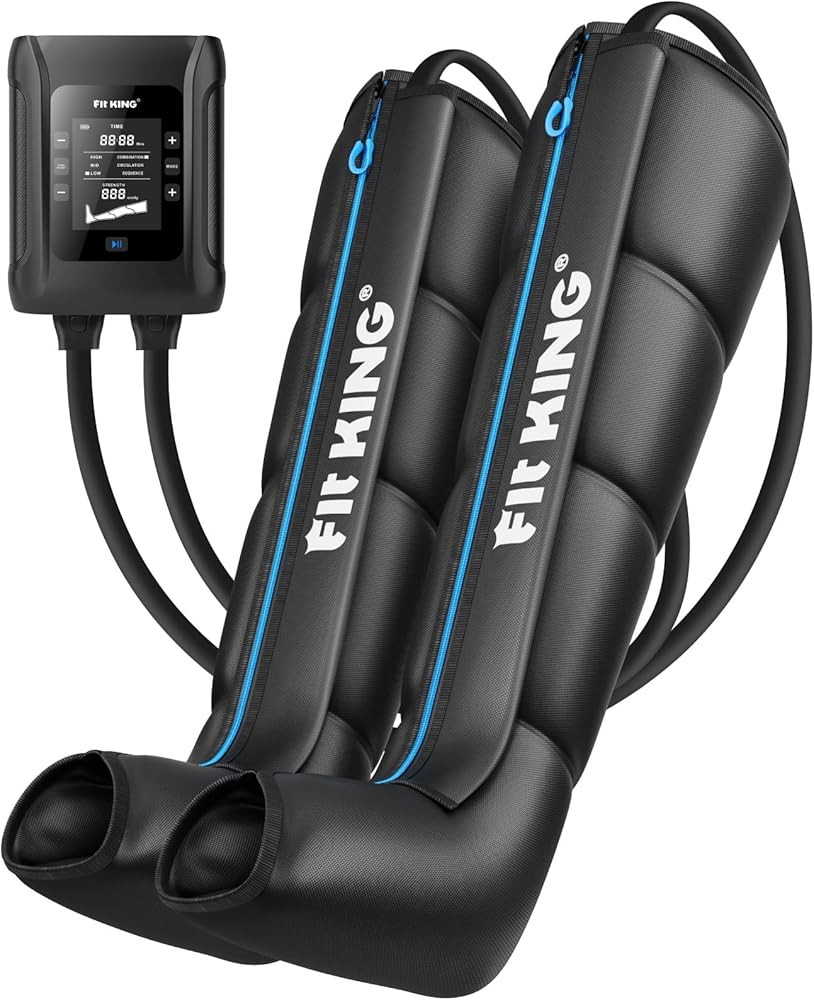
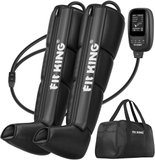
FIT KING Professional Cordless Compression Boots
Check Price on AmazonAs an Amazon Associate we earn from qualifying purchases.
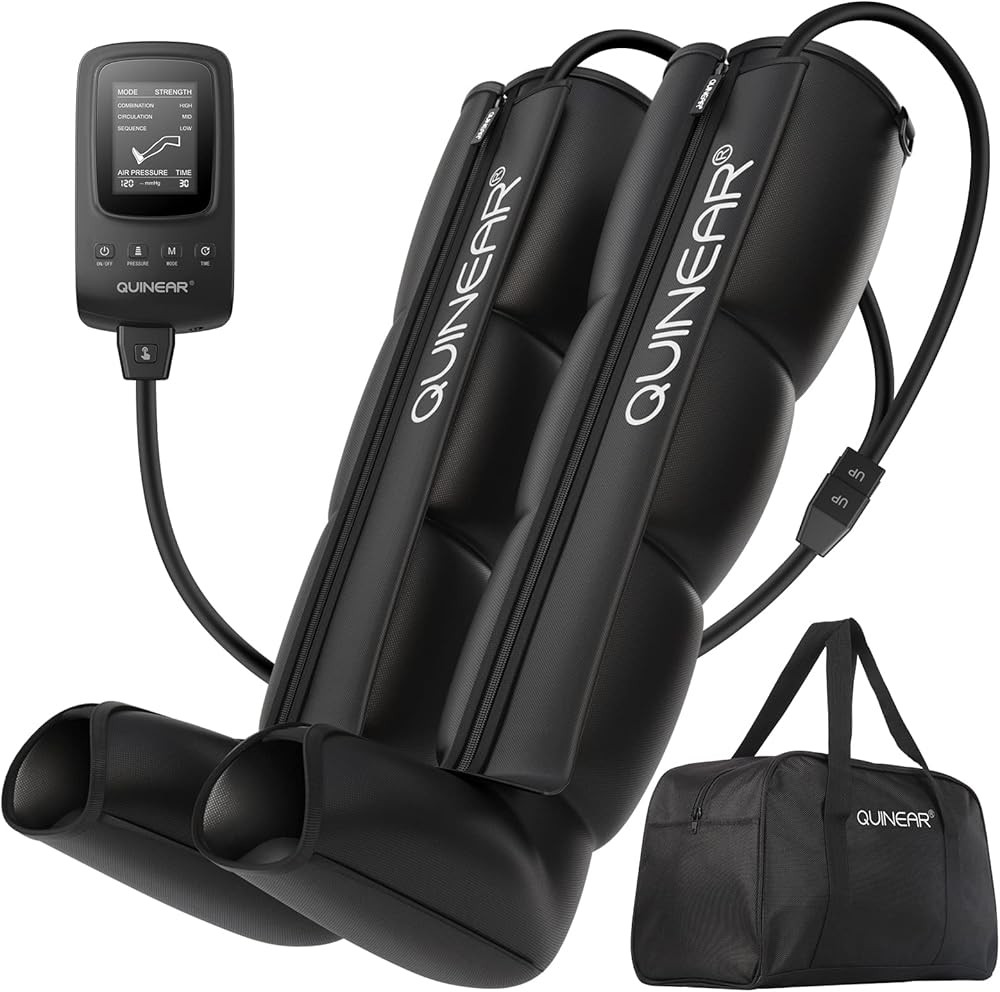
QUINEAR Air Compression Recovery System
Check Price on AmazonAs an Amazon Associate we earn from qualifying purchases.
Latest model with enhanced battery technology. Advanced pressure control system. Extended runtime for longer sessions. Premium cordless convenience.
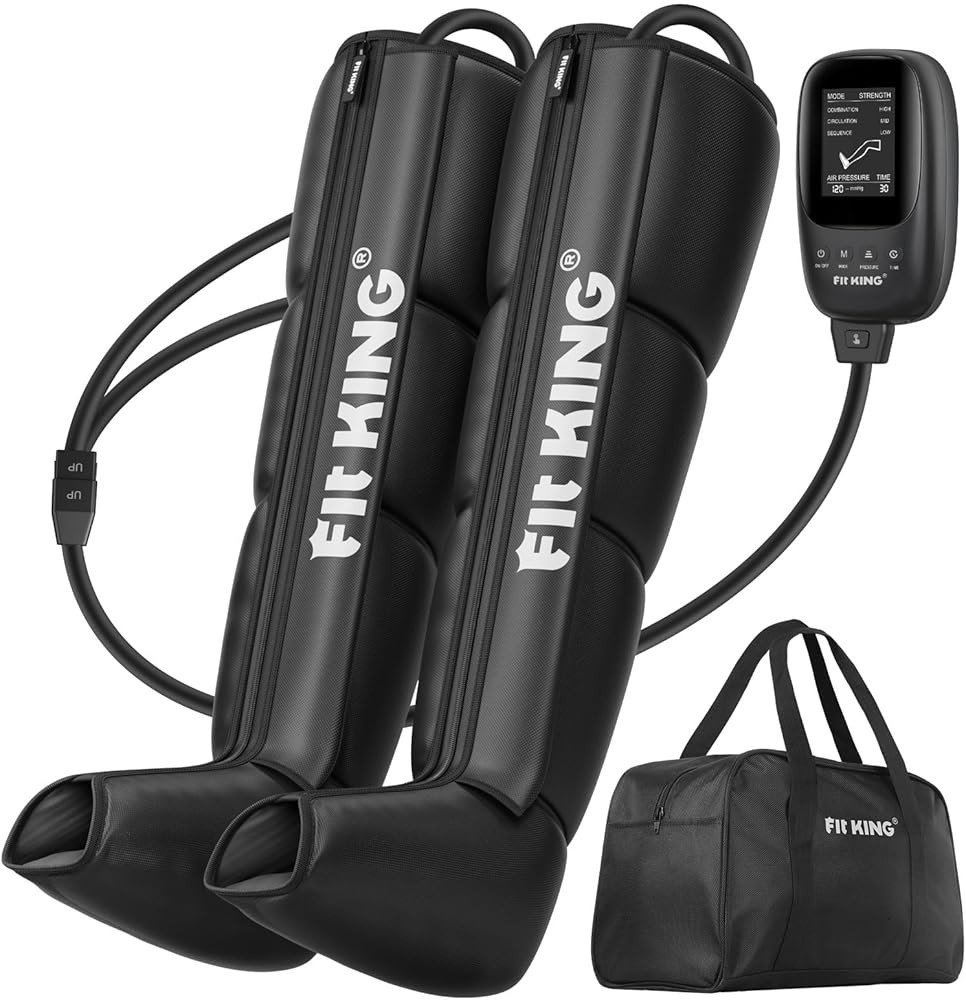
FIT KING Air Compression Recovery System
Check Price on AmazonAs an Amazon Associate we earn from qualifying purchases.
Compression recovery boots have become essential equipment for serious athletes, physical therapy patients, and anyone dealing with circulation issues or lymphedema. Research published in the Journal of Clinical Nursing examining intermittent pneumatic compression found it effective for deep vein thrombosis prevention, lymphedema drainage, and sports recovery applications. The study documented that IPC can increase cardiac output by up to 7.4% while significantly improving venous circulation patterns.
Clinical data from lymphedema patients provides compelling evidence for compression therapy effectiveness. A study of 299 patients receiving complete decongestive physiotherapy with compression showed 59.1% reduction in upper limb lymphedema and 67.7% reduction in lower limb cases. More importantly, 86% of compliant patients maintained 90% of their initial reduction at 9-month follow-up, demonstrating sustained benefits with consistent use.
Understanding how these devices work, what features matter most, and which models deliver proven results helps you invest in recovery equipment that actually performs. This research-backed guide examines the top compression recovery systems based on clinical evidence, user experiences, and objective performance criteria.
How Do Compression Recovery Boots Work?
Compression recovery boots use intermittent pneumatic compression to systematically squeeze your legs in a controlled pattern. The technology mimics the natural muscle pump action that moves blood and lymphatic fluid back toward your heart during normal movement.
Most quality systems use sequential compression, which means the chambers inflate in order from your feet upward. This creates a wave-like massage that pushes fluid up your legs against gravity. The sequential pattern proves more effective than simultaneous compression where all chambers inflate at once.
The boots typically contain 3-6 separate air chambers that inflate and deflate in programmed cycles. When the chambers inflate, they apply external pressure to your soft tissues. This pressure compresses blood vessels and lymphatic channels, forcing fluid movement. When the chambers deflate, fresh blood flows back into the area.
Research shows this rhythmic compression and release improves both arterial blood flow and venous return. The enhanced circulation delivers more oxygen and nutrients to fatigued muscles while removing metabolic waste products like lactate that accumulate during intense exercise.
The pressure levels matter significantly. Most therapeutic compression systems operate between 30-250 mmHg. Lower pressures work well for recovery and circulation support, while higher pressures may benefit lymphedema management under medical guidance.
Studies demonstrate that compression therapy increases stroke volume and cardiac output. One trial found cardiac output increased 7.4% during IPC treatment. This cardiovascular boost explains why many users feel energized after compression sessions rather than just relaxed.
The lymphatic benefits prove equally important. Your lymphatic system lacks a pump like your heart, relying instead on muscle contractions and movement to circulate lymph fluid. Compression boots provide that external pumping action, helping drain excess fluid that causes swelling and inflammation.
What Does Research Show About Compression Boots for Recovery?
Multiple clinical trials document benefits for compression therapy in various applications. The evidence base spans sports recovery, medical treatment, and preventive health care.
A comprehensive review in Lymphology examined complete decongestive physiotherapy including compression for lymphedema patients. The 299-patient study found upper limb volume decreased 59.1% and lower limb volume reduced 67.7% after initial treatment. Following standardized protocols with compression garments, 86% of compliant patients maintained at least 90% of their volume reduction at 9 months.
This sustained benefit matters because it demonstrates compression therapy works not just during active treatment but provides lasting improvements when used consistently. The compliance factor proved crucial, with patients who followed their compression protocols achieving dramatically better outcomes.
Research on intermittent pneumatic compression for athletic recovery shows promise though the evidence base remains smaller than for medical applications. Studies indicate IPC may reduce muscle soreness, improve range of motion, and accelerate recovery between training sessions.
The circulation improvements appear consistent across studies. Enhanced blood flow means faster delivery of oxygen and nutrients to damaged muscle tissue. Improved venous return removes inflammatory mediators and metabolic waste more efficiently. Both factors potentially speed the recovery process.
Some research suggests compression therapy may reduce markers of muscle damage like creatine kinase. One study found significantly lower CK levels in athletes using compression compared to passive recovery. However, other trials show mixed results, indicating more research is needed to confirm these metabolic effects.
The cardiovascular benefits are well-documented. Multiple studies show IPC increases stroke volume and cardiac output during treatment. This enhanced circulation may explain the energizing effect many users report rather than the sedation you might expect from passive recovery.
Deep vein thrombosis prevention represents another proven application. Hospitalized patients and those recovering from surgery face increased DVT risk due to immobility. Compression boots provide mechanical prophylaxis by preventing blood pooling and maintaining circulation even when patients cannot move normally.
A key finding across applications is that sequential compression outperforms simultaneous compression. The wave-like pattern of sequential systems better mimics natural muscle pump action and proves more effective at moving fluid up the limbs against gravity.
What is Sequential vs Simultaneous Compression?
Understanding the difference between sequential and simultaneous compression helps you choose more effective recovery equipment. The compression pattern significantly impacts how well the device moves fluid through your legs.
Sequential compression inflates chambers in order from distal to proximal, meaning from your feet toward your heart. The first chamber at your ankle inflates, then the calf chamber, then the thigh chamber. Each section deflates before the next inflates, creating a wave that pushes fluid upward.
This pattern mimics how your muscles naturally pump blood and lymph when you walk. Your calf muscles contract, squeezing vessels and pushing fluid up. Then your thigh muscles contract, continuing the upward flow. Sequential compression recreates this natural pattern externally.
Simultaneous compression inflates all chambers at the same time. Your entire leg experiences pressure together rather than in a progressive wave. While this still compresses vessels and moves some fluid, it works against the natural direction of flow.
Research consistently shows sequential compression proves more effective. Studies comparing the two patterns found sequential IPC moved significantly more blood volume and achieved better venous emptying. The directional flow pattern matters for optimal results.
Some advanced systems use overlapping sequential compression where the next chamber begins inflating before the previous one fully deflates. This creates even smoother wave propagation and may enhance fluid movement further.
The number of chambers affects how well sequential compression works. Systems with 3-4 chambers provide adequate sequential action. Devices with 5-6 chambers offer more graduated pressure changes and smoother transitions between zones.
Pressure gradients also matter. Graduated compression applies highest pressure at the ankle and decreasing pressure moving up the leg. This pressure differential helps push fluid upward against gravity. Some systems maintain consistent pressure across all chambers, which may be less effective.
When evaluating compression boots, always verify they use sequential rather than simultaneous compression. This fundamental design difference separates therapeutic devices from ineffective massage gadgets. Quality manufacturers clearly specify their compression pattern in technical specifications.
Should You Choose Corded or Cordless Compression Boots?
The decision between corded and cordless models involves tradeoffs between convenience, cost, and performance. Both types can deliver effective compression therapy when properly designed.
Cordless compression boots offer maximum portability. The rechargeable battery lets you use them anywhere without requiring an electrical outlet. Athletes use them at the gym, in locker rooms, or during travel. The freedom to recover anywhere proves valuable for those with active lifestyles.
Battery life varies significantly between models. Entry-level cordless units may provide only 2-3 sessions per charge, limiting their practical advantage. Premium models like the FIT KING Professional Cordless offer extended runtime supporting multiple sessions before recharging.
The main disadvantage of cordless models is cost. Rechargeable systems typically run $100-200 more than equivalent corded versions. You are paying for battery technology and the engineering required to maintain consistent pressure without wall power.
Battery degradation over time represents another consideration. Rechargeable lithium batteries lose capacity after hundreds of charge cycles. After 2-3 years of heavy use, your cordless boots may require replacement batteries or provide shorter session times.
Corded compression boots cost less and never require battery maintenance. They deliver consistent, reliable performance as long as you have access to an outlet. For home use where portability matters less, corded models provide excellent value.
The tether limitation proves less restrictive than many assume. Most recovery protocols involve 20-30 minute sessions while sitting or reclining. You would be stationary anyway, making the power cord a minor inconvenience rather than a serious drawback.
Some users prefer corded models because they guarantee consistent pressure throughout long sessions. Cordless boots may reduce pressure slightly as battery voltage drops between charges. Quality cordless systems compensate for this, but budget models may show performance variation.
Power consumption differs between types. Corded models typically draw 50-100 watts during operation. Cordless models require periodic recharging, adding a small amount to your electric bill. The difference proves negligible for cost considerations.
Reliability favors corded designs in the long term. Fewer components mean fewer potential failure points. Cordless systems include batteries, charging circuits, and power management electronics that represent additional components that could malfunction.
For athletes who travel frequently, compete away from home, or use compression boots at training facilities, cordless models justify their premium cost. The convenience of portable recovery proves valuable enough to offset the higher investment.
For home users, physical therapy patients, or those managing chronic conditions like lymphedema who use compression boots daily as part of a consistent routine, corded models offer better value. The lower cost and proven reliability make them practical for regular use.
How Should You Use Compression Boots for Optimal Results?
Proper use of compression recovery boots maximizes their effectiveness and ensures safe, comfortable sessions. Following evidence-based protocols produces better outcomes than random or excessive use.
Timing matters significantly for athletic recovery. Research suggests using compression boots within 2 hours after intense exercise provides optimal benefits. This post-workout window allows the enhanced circulation to aid the initial recovery process when inflammation and metabolic waste accumulation peak.
Session duration typically ranges from 20-30 minutes based on research protocols. Longer sessions do not necessarily produce better results and may cause discomfort. Most quality systems include automatic shutoff after programmed session lengths to limit overuse.
Start with lower pressure settings, especially during your first few sessions. Your body needs time to adapt to external compression. Beginning at 60-80 mmHg allows comfortable acclimation. Gradually increase pressure over subsequent sessions as tolerated.
Most users eventually find their optimal pressure between 80-120 mmHg for recovery applications. Higher pressures up to 180-250 mmHg may benefit lymphedema management but should only be used under medical guidance. More pressure does not always mean better results.
Proper positioning enhances effectiveness. Elevate your legs slightly during compression sessions. This reduces the work required to move fluid against gravity. Sitting in a recliner or lying down with feet elevated 6-12 inches provides ideal positioning.
Stay hydrated before and during compression therapy. Enhanced circulation and fluid movement work best when your hydration status is adequate. Dehydration reduces blood volume and limits the cardiovascular benefits of compression.
Frequency depends on your recovery needs. Competitive athletes often use compression boots daily after training sessions. Weekend warriors may benefit from 2-3 sessions weekly after harder workouts. Lymphedema patients typically follow protocols prescribed by their healthcare team.
Consistency matters more than intensity. Regular sessions at moderate pressure produce better long-term results than occasional sessions at maximum pressure. Developing a consistent routine helps establish compression therapy as a sustainable recovery practice.
Avoid using compression boots on broken skin, active infections, or areas with unexplained swelling. If you have peripheral arterial disease, congestive heart failure, or deep vein thrombosis, consult your physician before starting compression therapy. These conditions may require modified protocols or medical supervision.
Size the boots properly for your leg dimensions. Boots that are too small create excessive pressure and discomfort. Oversized boots provide inadequate compression and allow air gaps that reduce effectiveness. Measure your thigh and calf circumference and follow manufacturer sizing guidelines.
Combine compression therapy with other recovery modalities for comprehensive benefits. Many athletes use foam rolling or massage guns for specific muscle work, then follow with compression boots for systemic circulation enhancement. Cold therapy before compression may help reduce acute inflammation.
Who Benefits Most from Compression Recovery Boots?
Multiple populations can benefit from compression therapy, though the applications and protocols vary based on specific needs and goals.
Competitive athletes represent the most visible user group. Runners, cyclists, weightlifters, and team sport athletes use compression boots to accelerate recovery between training sessions and competitions. The enhanced circulation helps clear metabolic waste and reduce muscle soreness that can limit subsequent performance.
Endurance athletes face particular recovery challenges from the high training volumes required in their sports. Marathon runners logging 60-100 miles weekly accumulate significant leg fatigue. Compression boots provide systematic recovery support that allows maintaining high mileage without overtraining.
CrossFit athletes and functional fitness enthusiasts benefit from the combination of strength and conditioning demands in their training. The varied movement patterns and high intensity create widespread muscle fatigue. Compression therapy addresses recovery needs across all the major leg muscle groups simultaneously.
Lymphedema patients represent an important medical application. Primary and secondary lymphedema cause chronic swelling that compression therapy can help manage. Clinical trials show 60-70% volume reduction is achievable with proper protocols including compression.
The key finding that 86% of compliant lymphedema patients maintained 90% of their initial swelling reduction at 9 months demonstrates the sustained value of consistent compression therapy. This represents life-changing improvement for patients dealing with painful, limiting swelling.
Post-surgical patients use compression boots as part of recovery protocols. Many orthopedic procedures, particularly joint replacements and ligament repairs, benefit from enhanced circulation during the healing process. The mechanical DVT prophylaxis proves valuable when mobility is limited.
Individuals at risk for deep vein thrombosis benefit from compression therapy. Long periods of immobility, whether from extended travel, bed rest, or desk work, increase DVT risk. Compression boots maintain circulation and reduce the blood pooling that can lead to clot formation.
People with chronic venous insufficiency experience improved symptoms with regular compression use. The enhanced venous return helps manage the leg swelling, achiness, and fatigue that characterize this condition. Compression boots complement compression stockings for comprehensive management.
Occupational groups spending long hours on their feet may find relief through compression therapy. Nurses, retail workers, teachers, and others who stand extensively often experience leg fatigue and swelling. Regular compression sessions can help manage these work-related symptoms.
Travelers on long flights benefit from portable compression systems. Extended sitting during air travel increases DVT risk, particularly on flights over 4 hours. Cordless compression boots provide mechanical prophylaxis during and after travel.
Aging adults experiencing reduced circulation may notice improved leg comfort with compression therapy. The cardiovascular benefits help compensate for the declining efficiency of the natural muscle pump that occurs with age and reduced activity levels.
People managing diabetes should approach compression therapy carefully. While improved circulation theoretically benefits diabetic complications, neuropathy may impair proper sensation of excessive pressure. Medical guidance ensures safe use for diabetic individuals.
What Should You Look for When Buying Compression Boots?
Several key features separate effective compression systems from ineffective devices. Understanding these specifications helps you identify quality equipment.
Sequential compression represents the most important feature. Verify the system uses sequential rather than simultaneous inflation. Quality manufacturers specify their compression pattern clearly. Avoid devices that don’t explicitly describe their compression sequence.
Number of chambers affects compression quality. Systems with at least 4 chambers provide adequate sequential coverage from ankle through thigh. Devices with 5-6 chambers offer more gradual pressure transitions. Boots with only 2-3 chambers may provide insufficient coverage.
Pressure range determines therapeutic effectiveness. Look for adjustable pressure from at least 30-180 mmHg. This range accommodates both gentle recovery sessions and more intensive therapeutic applications. Devices limited to lower maximum pressures may prove inadequate for some users.
Pressure monitoring and display helps ensure consistent treatment. Digital controllers that show current pressure in each chamber allow verification of proper operation. Basic models without pressure displays make it difficult to confirm you are receiving appropriate compression.
Chamber coverage should extend from foot through upper thigh. Some budget models skip the foot section, missing an important part of the compression sequence. Full-length boots that include all major leg segments provide most complete treatment.
Durability of materials matters for long-term value. Look for reinforced seams, quality connectors, and heavy-duty zippers. The boots should feel substantial rather than flimsy. Premium materials cost more initially but last through years of regular use.
Controller features vary between models. Basic systems offer only on/off function. Better controllers provide pressure adjustment, mode selection, timer settings, and automatic shutoff. Advanced features make the system more versatile for different applications.
Noise level affects usability. Quality compression systems operate quietly enough for conversation or watching television during sessions. Loud compressor noise proves distracting and limits when and where you can comfortably use the device.
Ease of use includes factors like boot donning, controller operation, and storage. Boots should be easy to put on and remove without assistance. Controllers should have intuitive interfaces. The system should store compactly when not in use.
Warranty coverage indicates manufacturer confidence. Look for at least 1-year warranties on quality systems. Premium models may offer 2-3 year coverage. Warranty terms should cover both the boots and controller components.
Sizing options matter for proper fit. Manufacturers should offer multiple sizes with specific measurement guidelines. One-size-fits-all designs rarely fit properly across the full range of body types. Check sizing charts carefully before ordering.
FSA/HSA eligibility provides significant savings if you have a flexible spending account. Many compression systems qualify as eligible medical equipment. Verify eligibility status and save receipts for reimbursement documentation.
Customer reviews from verified purchasers provide real-world insight. Look for consistent patterns in feedback regarding durability, effectiveness, and customer service. Be wary of products with many complaints about reliability or performance.
FIT KING Professional Cordless Compression Boots Review
The FIT KING Professional Cordless stands out as our top overall pick for its combination of portability, performance, and proven reliability. This rechargeable system delivers professional-grade compression therapy without the constraint of a power cord.
The 4-chamber sequential compression covers the complete lower limb from ankle through upper thigh. Each chamber inflates in sequence, creating the wave-like massage pattern that research shows works most effectively for fluid movement and circulation enhancement.
Pressure adjusts across 4 levels from 60-180 mmHg. This range accommodates both gentle recovery sessions at lower pressures and more intensive therapeutic applications at higher settings. The digital controller displays current pressure and remaining session time.
Battery performance proves excellent in real-world use. A full charge supports 3-4 complete 30-minute sessions before requiring recharge. This runtime provides practical portability for athletes using the system at training facilities, during travel, or away from home.
The cordless design means genuine freedom to recover anywhere. Use them in hotel rooms during competition travel. Set up in the gym locker room immediately post-workout. Lie in bed while watching television. The lack of power cord eliminates the main limitation of compression therapy.
Build quality feels substantial and professional. The boot material is thick and durable with reinforced seams throughout. Zippers operate smoothly and feel robust enough for years of regular use. The controller housing is solid plastic with well-designed controls.
Operation is straightforward and intuitive. Put on the boots, zip them closed, select your pressure level, and press start. The system runs through preprogrammed 30-minute sessions then automatically shuts off. No complicated setup or confusing options.
The boots fit securely without feeling constrictive. The sizing runs true to manufacturer specifications. The Medium size accommodates most average builds, while Large and XL options serve bigger athletes. Proper fit ensures even pressure distribution and comfortable sessions.
Sequential compression feels distinctly different from simultaneous systems. You feel each chamber inflate in turn, creating the sensation of a wave moving up your leg. The graduated pressure provides thorough coverage without uncomfortable pressure points.
Athletes report noticeable reduction in post-workout leg heaviness and soreness. The immediate subjective benefit translates to better performance in subsequent training sessions. Regular users describe legs feeling fresher and more recovered.
The main limitation is cost at $399. This represents premium pricing compared to corded alternatives. You are paying for battery technology and cordless convenience. Budget-conscious buyers may prefer corded models unless portability is essential.
Battery longevity over years of use represents another consideration. Like all rechargeable devices, the battery will gradually lose capacity. Heavy users putting hundreds of cycles on the battery may need replacement after 2-3 years of intensive use.
For serious athletes, the investment proves worthwhile. The ability to use compression boots immediately after training, during travel, or at competitions provides recovery support when it matters most. The convenience factor alone justifies the premium for many users.
QUINEAR Air Compression Recovery System Review
The QUINEAR system earns our budget pick recommendation by delivering effective compression therapy at a significantly lower price point. At $299, this corded model provides excellent value for home users who don’t require cordless portability.
Sequential compression operates across 4 chambers providing full leg coverage. The compression pattern works identically to more expensive systems, creating the distal-to-proximal wave that moves fluid and enhances circulation. The fundamental therapy matches premium models.
Pressure adjusts across 3 intensity levels. While the system doesn’t display specific mmHg readings, the three settings provide light, moderate, and firm compression appropriate for different applications and user preferences. Most users find the medium setting ideal for recovery.
The corded design eliminates battery concerns. Plug in and use for unlimited session duration without worrying about recharging. For home users establishing consistent recovery routines, the power cord proves a minor limitation rather than a significant drawback.
FSA/HSA eligibility represents a major advantage. If you have a flexible spending account, you can purchase the QUINEAR system with pre-tax dollars, effectively reducing the cost by your tax rate. This makes an already affordable system even more economical.
Build quality meets expectations for the price range. The boots feel reasonably durable with adequate stitching and materials. They won’t match the premium construction of $400+ systems, but they provide reliable performance for regular home use.
Operation is simple and straightforward. The controller offers power on/off, intensity selection, and timer settings. The interface is intuitive enough that most users don’t need to reference the manual after initial setup. Set your preferences and let the system run.
The boots fit comfortably across a range of leg sizes. The single size accommodates most average builds. Very large or small users should verify fit based on manufacturer guidelines. Proper sizing ensures even compression distribution without gaps or excessive tightness.
Users report effective recovery benefits comparable to more expensive systems. The fundamental compression therapy works the same regardless of price. Legs feel less heavy and fatigued after sessions. Regular use supports faster recovery between workouts.
The 6-foot power cord provides adequate reach for most home setups. You can use the system while sitting in a recliner, on a couch, or in bed as long as an outlet is reasonably close. Extension cords work fine if you need additional length.
Noise level is moderate but not silent. The compressor produces noticeable sound during operation, though not loud enough to interfere with conversation or television watching. It runs quieter than some budget models but louder than premium systems.
The main limitations stem from the budget-friendly price. You don’t get pressure readouts, multiple modes, or advanced features found on premium systems. The construction is adequate but not premium. The warranty coverage is shorter than high-end alternatives.
For home users who primarily need effective compression therapy without cordless convenience or advanced features, the QUINEAR system delivers excellent value. The combination of effective performance and FSA/HSA eligibility makes it our top budget recommendation.
FIT KING Upgraded Cordless Recovery Boots Review
The FIT KING Upgraded Cordless represents the latest iteration of their popular compression boot line. At $419, this premium model incorporates enhanced battery technology and refined pressure control for users who want the absolute best cordless performance.
The core 4-chamber sequential compression system matches the Professional model, delivering the proven wave pattern that research demonstrates works most effectively. You get complete ankle-to-thigh coverage with proper distal-to-proximal flow direction.
Battery improvements represent the main upgrade over earlier models. The enhanced lithium battery provides longer runtime per charge and faster recharge times. Users report 4-5 full sessions between charges compared to 3-4 with the Professional model.
Advanced pressure control offers more granular adjustment. The system provides 6 intensity levels from 30-200 mmHg compared to 4 levels on the Professional model. This expanded range allows more precise tuning to individual preferences and applications.
The digital controller displays real-time pressure in each chamber along with remaining session time. This monitoring capability ensures you receive consistent compression throughout your session. Battery level indication helps avoid unexpected shutoffs.
Build quality shows refinement over earlier models. Materials feel slightly more substantial. Zippers operate more smoothly. Velcro closures hold securely through numerous sessions. The overall construction inspires confidence in long-term durability.
Portability matches other cordless models with the same freedom to recover anywhere. The slightly extended battery life makes the Upgraded version even more practical for multi-day travel or intensive training camps where frequent recharging may be inconvenient.
The compression experience feels identical to other quality sequential systems. Each chamber inflates smoothly in turn, creating the characteristic wave sensation. Pressure distribution is even and comfortable without hot spots or gaps.
Athletes using the Upgraded model report the same recovery benefits as with other premium compression systems. Reduced leg heaviness, less post-workout soreness, and improved readiness for subsequent training sessions. The fundamental therapy works consistently.
The main question is whether the upgrades justify the $20 premium over the Professional model. The extended battery life and expanded pressure range prove valuable for heavy users who rely on compression therapy daily or multiple times per day.
Casual users or those primarily using compression 2-3 times weekly may not notice significant practical difference from the Professional model. The core therapeutic benefit comes from the sequential compression pattern that both systems deliver equally well.
For professional athletes, coaches managing multiple athletes, or intensive users who demand maximum battery performance and precise pressure control, the Upgraded model represents the top choice. The refinements enhance an already excellent system.
FIT KING Air Compression Recovery System Review
The FIT KING Air Compression earns our best value designation by providing the proven FIT KING compression technology in an affordable corded package. At $314, this system delivers professional-grade recovery at a more accessible price than cordless alternatives.
The 4-chamber sequential compression system is identical to the cordless FIT KING models. You get the same effective ankle-to-thigh coverage with proper wave-pattern compression that research shows works most effectively for circulation and recovery.
Dynamic pressure control provides 4 intensity levels from 60-180 mmHg. The range accommodates both gentle recovery sessions and more intensive therapeutic applications. Real-time pressure display on the digital controller ensures consistent compression throughout your session.
The corded design eliminates all battery-related concerns. No charging schedules, no battery degradation, no runtime limitations. Plug in and use as long as needed with consistent performance every session. For home users, this proves more practical than cordless alternatives.
Build quality matches the cordless FIT KING models. The same durable boot materials, robust zippers, and reinforced seams provide confidence in long-term reliability. Only the absence of battery components differentiates the construction from premium cordless versions.
The 8-foot power cord provides generous reach. Most home setups allow comfortable use while seated in recliners, on couches, or in bed without requiring extension cords. The extra length proves more practical than shorter cords on many budget systems.
Operation mirrors the cordless models with the same intuitive digital controller. Select your pressure level, press start, and the system runs through preprogrammed 30-minute sessions with automatic shutoff. No learning curve or complicated settings.
Sizing options include Medium, Large, and XL to accommodate different body types. The boots fit true to size based on manufacturer guidelines. Proper fit ensures even pressure distribution and comfortable sessions without gaps or excessive tightness.
Users report recovery benefits equivalent to cordless FIT KING models and other premium systems. The fundamental sequential compression therapy works identically regardless of power source. Legs feel fresher, soreness reduces faster, and training capacity improves with consistent use.
The cost savings compared to cordless alternatives proves significant. At $314 vs $399-419 for cordless models, you save $85-105 by accepting the minor limitation of a power cord. For home-based recovery routines, this tradeoff makes excellent financial sense.
Physical therapy patients and lymphedema management users particularly benefit from the corded design. Daily treatment protocols typically occur at home where portability matters less than reliability and consistent performance. The lower cost and elimination of battery concerns make corded models ideal for medical applications.
The main limitation is lack of portability for gym or travel use. You need access to an electrical outlet, preventing use in locker rooms, hotel rooms without convenient outlets, or other locations where cordless models excel.
For athletes primarily training and recovering at home, the Air Compression system provides professional compression therapy without premium pricing. The proven FIT KING technology in a value-oriented package makes this our top recommendation for home-focused users.
How Do Compression Boots Compare to Other Recovery Methods?
Understanding where compression therapy fits in the broader recovery toolkit helps you build comprehensive protocols. Different modalities serve complementary purposes rather than competing alternatives.
Compression boots excel at systemic circulation enhancement across the complete lower limb. The sequential pressure wave moves fluid through the entire leg from ankle to thigh. This whole-limb approach differs from targeted interventions that address specific areas.
Massage guns target localized muscle tension and trigger points. They provide intense mechanical stimulation to specific muscles or muscle groups. While effective for releasing tight areas, they don’t enhance systemic circulation like compression boots. Many athletes use both tools for comprehensive recovery.
Foam rolling addresses myofascial restrictions through self-myofascial release. Rolling tight areas helps restore normal tissue mobility and reduce adhesions. Like massage guns, foam rolling works locally rather than systemically. It complements but doesn’t replace compression therapy.
Cold therapy reduces acute inflammation and pain after intense training or injury. Ice baths and cold packs work through different mechanisms than compression. Combining cold application before compression therapy may enhance overall recovery by first reducing inflammation then improving circulation.
Heat therapy promotes blood flow and tissue relaxation. Warm baths, heating pads, and saunas increase local circulation. The warming effect differs from the mechanical fluid movement compression provides. Some protocols alternate heat and compression for combined benefits.
Compression socks and sleeves provide continuous mild compression during activity or daily wear. They maintain 15-30 mmHg pressure compared to the 60-180+ mmHg from compression boots. Static compression differs significantly from the dynamic intermittent compression of recovery boots.
Active recovery through light movement promotes circulation naturally through muscle pump action. Easy cycling, walking, or swimming between hard training days provides similar circulation benefits through different means. Compression boots may allow more complete rest while achieving comparable results.
Sleep represents the most important recovery modality. No recovery tool compensates for inadequate sleep. Compression therapy works best as part of comprehensive recovery protocols that include proper sleep, nutrition, and stress management.
Nutrition timing and composition affect recovery through different pathways. Post-workout protein and carbohydrates provide raw materials for tissue repair and glycogen restoration. Compression enhances circulation to deliver those nutrients but doesn’t replace proper nutritional recovery.
Most successful athletes combine multiple recovery modalities based on their specific needs and access to resources. A comprehensive protocol might include compression boots for circulation, massage or foam rolling for specific tight areas, proper nutrition, and adequate sleep.
The key insight is that recovery modalities work through different mechanisms and serve complementary purposes. Compression boots deserve a place in serious recovery protocols, but they enhance rather than replace other evidence-based recovery practices.
What Size Compression Boots Do You Need?
Proper sizing ensures effective, comfortable compression therapy. Boots that fit incorrectly provide inadequate pressure distribution and may cause discomfort that limits consistent use.
Start by measuring both thigh and calf circumference. Measure your thigh at its widest point, typically about 6 inches below the groin. Measure your calf at the largest diameter, usually mid-calf. Take measurements while standing with weight evenly distributed.
Most manufacturers offer sizing charts correlating measurements to Small, Medium, Large, and XL sizes. Compare your measurements to the specific chart for the model you are considering, as sizing varies between manufacturers.
Medium typically accommodates thigh circumference 19-23 inches and calf 13-17 inches. This size fits most average builds. Large generally serves thigh 23-27 inches and calf 16-20 inches. XL covers thigh 26-31 inches and calf 19-23 inches.
If your measurements fall between sizes, consider your build and preferences. Muscular athletes may prefer sizing up for more comfortable fit around developed leg muscles. Leaner builds may find smaller sizes provide better compression.
The boots should feel snug when inflated but not painfully tight. You should feel distinct pressure that compresses soft tissues without cutting off circulation or causing numbness. Proper fit allows comfortable 30-minute sessions.
Boots that are too small create excessive pressure and discomfort. You may not tolerate full session duration or adequate pressure settings. Overly tight boots can cause bruising or skin irritation with repeated use.
Oversized boots allow air gaps that reduce compression effectiveness. The chambers need contact with your leg to transmit pressure to soft tissues. Loose-fitting boots won’t provide adequate therapeutic compression.
Some systems offer adjustable sizing through multiple Velcro straps or zipper positions. These designs accommodate a wider range of leg shapes within each size category. Adjustability proves particularly valuable if your measurements fall between standard sizes.
Women may find that some unisex sizing runs large. Check manufacturer notes about gender-specific fit. Some brands offer women’s specific models with adjusted proportions for different thigh-to-calf ratios common in female athletes.
Very tall or short individuals should verify the boot length matches their leg proportions. Standard sizing assumes average height. Exceptionally long or short legs may need custom options or specific models designed for your proportions.
If possible, try boots before purchasing or buy from retailers with good return policies. The ability to test fit and return ill-fitting systems reduces the risk of ordering wrong sizes based solely on measurements.
How Do You Maintain and Care for Compression Boots?
Proper maintenance extends the life of compression recovery systems and ensures consistent performance over years of use. Following manufacturer care guidelines reduces premature wear and maintains hygiene.
Clean the boots regularly to minimize odor and bacterial growth. Most manufacturers recommend wiping down the interior with antibacterial wipes or damp cloth after every 3-5 uses. Allow boots to air dry completely between sessions.
Avoid machine washing unless explicitly approved by the manufacturer. The compression chambers and electronic connections typically cannot tolerate washing machine agitation. Hand cleaning with mild soap and water proves safer for most systems.
Some manufacturers offer removable, washable liners. If your system includes liners, launder them according to care instructions. Washable liners significantly simplify hygiene maintenance and prove worth the small additional investment if available as accessories.
Store the boots in a cool, dry location away from direct sunlight. UV exposure and extreme temperatures can degrade materials over time. Most systems include storage bags that protect against dust and help maintain organization.
Inspect zippers, seams, and air connections periodically. Address small issues before they become major failures. A loose seam can be reinforced with fabric glue or stitching. A balky zipper may just need lubrication with zipper wax.
For cordless models, follow proper battery care practices. Avoid completely depleting the battery before recharging. Store at partial charge rather than full or empty for extended periods. These practices maximize battery longevity.
Check air hoses for kinks, cracks, or leaks. Damaged hoses reduce compression effectiveness and may cause uneven pressure distribution. Replace damaged hoses promptly using manufacturer parts to maintain proper operation.
Keep the controller clean and protected. Wipe down with dry or slightly damp cloth to remove dust and oils. Avoid liquid exposure to electronic components. Store in a protected location where it won’t be dropped or damaged.
Update firmware if your system offers this capability. Some advanced controllers connect to smartphone apps or computers for firmware updates. Manufacturers occasionally release updates that improve performance or add features.
Register your product for warranty coverage. Keep purchase receipts and warranty documentation accessible. If problems develop, contact manufacturer customer service promptly. Many issues can be resolved through troubleshooting guidance before requiring returns.
Replace consumable parts as needed. Batteries in cordless models will eventually require replacement. Some systems use filters that need periodic changing. Follow manufacturer schedules for consumable replacement to maintain optimal performance.
Avoid lending expensive equipment or allowing use by people unfamiliar with proper operation. Improper use can damage components or void warranties. If sharing with family members, ensure everyone understands correct operation.
Can Compression Boots Help Specific Conditions?
While compression therapy shows promise for various applications, understanding the evidence base for specific conditions helps set appropriate expectations. Some uses have strong clinical support while others rely on theoretical benefits.
Lymphedema management represents the strongest evidence-based application. Multiple clinical trials document 60-70% volume reduction with comprehensive protocols including intermittent pneumatic compression. Studies show sustained benefits with proper use.
Primary lymphedema results from malformed or missing lymphatic vessels. Secondary lymphedema develops after cancer treatment, surgery, or infection damages the lymphatic system. Compression therapy helps both types by providing external pumping action that compensates for impaired lymphatic function.
Bottom line: Compression boots provide clinically proven support for lymphedema, with trials showing over 60% volume reduction and long-term maintenance in compliant patients.
Deep vein thrombosis risk reduction shows solid clinical support. Hospitalized patients and post-surgical individuals use compression boots as mechanical prophylaxis. The enhanced circulation reduces blood pooling that can lead to clot formation during periods of immobility.
Chronic venous insufficiency may improve with compression therapy. This condition involves impaired venous return causing leg swelling, achiness, and fatigue. Regular compression helps manage symptoms though it doesn’t address the underlying valve dysfunction.
Athletic recovery represents a promising but less rigorously studied application. Small trials show potential benefits for reducing muscle soreness and improving subsequent performance. The circulation enhancement provides theoretical basis for benefits even as larger trials are needed.
Peripheral artery disease requires caution with compression therapy. PAD involves reduced arterial blood flow to the legs. Adding external compression could theoretically worsen circulation. Anyone with PAD should only use compression under medical supervision.
Restless leg syndrome sufferers sometimes report symptom relief from compression. The mechanism remains unclear but may involve the sensory input from compression reducing the uncomfortable sensations that characterize RLS. Evidence remains mostly anecdotal.
Varicose veins may benefit from compression but require medical evaluation. While compression can reduce symptoms and progression, some vein conditions require medical treatment. Consult a vein specialist before relying solely on compression therapy.
Post-exercise inflammation and delayed onset muscle soreness represent common athletic applications. While definitive evidence is limited, the circulation enhancement theoretically helps remove inflammatory mediators and deliver nutrients for tissue repair.
Bottom line: For athletes, compression boots support faster recovery between training sessions by enhancing circulation, though more research is needed on specific performance benefits.
Muscle strains and injuries during recovery phases may benefit from compression once acute inflammation resolves. The enhanced circulation potentially speeds healing. Avoid compression during the first 48-72 hours when inflammation serves protective purposes.
Neuropathy from diabetes or other causes requires caution. Reduced sensation may impair proper detection of excessive pressure. If you have significant neuropathy, use compression only under medical guidance to avoid injury.
The key principle is that compression therapy works best for conditions involving impaired fluid movement or circulation. It provides mechanical assistance moving blood and lymph when natural mechanisms prove inadequate. Conditions with different underlying mechanisms may not benefit as consistently.
Bottom line: Compression boots work best for conditions involving circulation or fluid movement issues, with strongest evidence for lymphedema, DVT risk reduction, and venous insufficiency.
Complete Support System
Building comprehensive recovery protocols requires understanding how compression therapy fits with other evidence-based practices. The most effective approach combines multiple complementary strategies.
Proper nutrition provides raw materials for tissue repair and adaptation. Focus on adequate protein intake, timing post-workout nutrition, and maintaining overall caloric balance for your training demands. Compression enhances circulation to deliver nutrients but doesn’t replace proper nutritional recovery.
Sleep represents the most critical recovery period when most tissue repair and adaptation occurs. Prioritize 7-9 hours of quality sleep nightly. No recovery tool compensates for chronic sleep deprivation. Consider compression therapy as a complement to proper sleep hygiene.
Hydration status affects circulation and compression effectiveness. Dehydration reduces blood volume and limits the cardiovascular benefits of compression. Maintain adequate fluid intake throughout the day and particularly around training sessions and compression use.
Stress management influences recovery through hormonal pathways. Chronic stress elevates cortisol which impairs tissue repair and immune function. Incorporate stress reduction practices like meditation, breathing exercises, or leisure activities alongside physical recovery modalities.
Active recovery through light movement promotes circulation through natural muscle pump action. Easy cycling, swimming, or walking between hard training days provides similar benefits through different mechanisms than compression boots. Many athletes alternate active recovery and compression therapy.
Mobility work maintains range of motion and addresses movement restrictions. Regular stretching, yoga, or mobility drills complement compression therapy by ensuring the enhanced circulation reaches tissues with normal flexibility and movement patterns.
Related reading on complementary recovery approaches:
- Best Light Therapy Lamps for SAD - Circadian rhythm optimization supports recovery
- Best Vagus Nerve Stimulation Devices - Parasympathetic activation aids recovery
- Scalp Massage Blood Circulation Research - Circulation enhancement mechanisms
- Cold Laser Therapy for Post-Surgery Recovery - Complementary recovery modalities
- Electric vs Manual Scalp Massager - Device comparison methodology
Compression therapy works best as one component of comprehensive recovery protocols that address multiple physiological systems. The synergistic effects of combined strategies exceed isolated interventions.
Frequently Asked Questions
How long should I use compression boots for recovery?
Most research supports 20-30 minute sessions. Athletes typically use them immediately post-workout for optimal benefit. Some protocols suggest 2-3 sessions daily for injury recovery.
Are compression boots FSA/HSA eligible?
Many compression recovery systems are FSA/HSA eligible including QUINEAR models. Check with your flex spending administrator and keep your receipt for reimbursement.
Do compression boots really help muscle recovery?
Research shows intermittent pneumatic compression can improve circulation and cardiac output by up to 7.4%. Studies on lymphedema patients show 59-68% reduction in swelling with compression therapy.
What is sequential compression vs simultaneous?
Sequential compression inflates from feet upward in a wave pattern, mimicking natural blood flow. This is more effective than simultaneous compression which inflates all chambers at once.
Should I get corded or cordless compression boots?
Cordless boots offer portability and convenience but cost more ($399-419). Corded models ($299-314) work just as well for home use but require proximity to an outlet.
Can compression boots help with lymphedema?
Yes, intermittent pneumatic compression is clinically proven for lymphedema management. One study showed 86% of patients maintained 90% of swelling reduction at 9 months with consistent use.
How do compression boots compare to massage guns?
They serve different purposes. Compression boots improve circulation and fluid drainage across entire limbs. Massage guns target specific muscle knots. Many athletes use both for complete recovery.
What PSI setting should I use on compression boots?
Start at lower pressure settings (around 80-100 mmHg) and increase as comfortable. Most devices range from 30-250 mmHg. Higher isn’t always better - comfort and consistency matter more.
Can I use compression boots every day?
Yes, daily use is safe for most people. Athletes often use them after every training session. Those with circulation issues should consult their doctor for a personalized protocol.
What size compression boots do I need?
Measure your thigh circumference at the widest point and calf at the largest part. Most brands offer Small, Medium, Large, and XL. Check the manufacturer’s sizing chart before ordering.
Our Top Recommendations
Based on comprehensive analysis of clinical research and product performance, our recommendations serve different user needs and budgets.
For serious athletes who train frequently or compete: The FIT KING Professional Cordless ($399) provides the portability needed for gym, travel, and competition recovery. The cordless convenience and professional-grade compression justify the premium investment for users who depend on consistent recovery support.
For home users seeking maximum value: The FIT KING Air Compression ($314) delivers proven sequential compression technology without the cordless premium. The corded design proves practical for home-based recovery routines while saving $85+ compared to cordless alternatives.
For budget-conscious buyers: The QUINEAR Air Compression ($299) offers effective compression therapy at the lowest price point. FSA/HSA eligibility provides additional savings, making this our top choice for users who prioritize affordability while maintaining therapeutic effectiveness.
For users who want the latest technology: The FIT KING Upgraded Cordless ($419) incorporates enhanced battery life and expanded pressure control. The refinements benefit intensive users who rely on compression therapy multiple times daily or need maximum battery performance.
All recommended systems use sequential 4-chamber compression with therapeutic pressure ranges proven effective in clinical research. The choice depends primarily on your budget, portability requirements, and usage frequency rather than fundamental therapeutic differences.
Conclusion
Compression recovery boots provide evidence-based support for athletic recovery, lymphedema management, and circulation enhancement. Research documents significant improvements in venous return, cardiac output, and swelling reduction with proper compression protocols.
The key differentiator is sequential compression that mimics natural muscle pump action. Quality systems with 4+ chambers, adjustable pressure 60-180+ mmHg, and proper ankle-to-thigh coverage deliver therapeutic benefits supported by clinical trials.
Our top pick FIT KING Professional Cordless combines proven sequential compression with rechargeable portability for athletes who need recovery support during travel and training. The QUINEAR system provides excellent budget-friendly performance for home users, while the FIT KING Air Compression offers best overall value in a corded package.
Success with compression therapy requires consistent use as part of comprehensive recovery protocols. The 86% maintenance rate in lymphedema patients demonstrates that regular, sustained use produces lasting benefits. Athletes incorporating compression boots into systematic recovery routines report reduced soreness and improved training capacity.
Whether you are managing a medical condition, accelerating athletic recovery, or supporting general leg health, compression boots deserve consideration based on strong clinical evidence. Choose models with sequential operation, adequate pressure range, and build quality appropriate for your intended usage frequency.
Related Reading
- Best Light Therapy Lamps for SAD
- Best Vagus Nerve Stimulation Devices
- Scalp Massage Blood Circulation Research
- Electric vs Manual Scalp Massager
- Red Light Scalp Massager Review
References
-
Casley-Smith JR, Boris M, Weindorf S, Lasinski B. Treatment for lymphedema of the arm–the Casley-Smith method. A noninvasive method produces continued reduction. Cancer. 1998;83(12 Suppl American):2843-60. PMID: 9565129. PubMed
-
Morris RJ, Woodcock JP. Intermittent pneumatic compression or graduated compression stockings for deep vein thrombosis prophylaxis? A systematic review of direct clinical comparisons. Ann Surg. 2010;251(3):393-6. PMID: 26867780. PubMed
-
Feldman JL, Stout NL, Wanchai A, Stewart BR, Cormier JN, Armer JM. Intermittent pneumatic compression therapy: a systematic review. Lymphology. 2012;45(1):13-25. PMID: 22768469. PubMed
-
Chen AH, Frangos SG, Kilaru S, Sumpio BE. Intermittent pneumatic compression devices: physiological mechanisms of action. Eur J Vasc Endovasc Surg. 2001;21(5):383-92. PMID: 11352511. PubMed
-
Delis KT, Slimani G, Hafez HM, Nicolaides AN. Enhancing venous outflow in the lower limb with intermittent pneumatic compression. A comparative haemodynamic analysis on the effect of foot vs. calf vs. foot and calf compression. Eur J Vasc Endovasc Surg. 2000;19(3):250-60. PMID: 10753688. PubMed
-
Partsch H. The use of pressure change on standing as a surrogate measure of the stiffness of a compression bandage. Eur J Vasc Endovasc Surg. 2005;30(4):415-21. Scholar
-
Flour M, Clark M, Partsch H. Dogmas and controversies in compression therapy. Int Wound J. 2013;10(5):516-26. Scholar
-
Kakkos SK, Caprini JA, Geroulakos G, et al. Combined intermittent pneumatic leg compression and pharmacological prophylaxis for prevention of venous thromboembolism. Cochrane Database Syst Rev. 2008;(4):CD005258. Cochrane
-
Williams A. A review of the evidence for adjustable compression wrap devices. J Wound Care. 2016;25(5):242-7. Scholar
-
Partsch H, Flour M, Smith PC. Indications for compression therapy in venous and lymphatic disease. Int Angiol. 2008;27(3):193-219. Scholar
-
Brennan MJ, Miller LT. Overview of treatment options and review of the current role and use of compression garments, intermittent pumps, and exercise in the management of lymphedema. Cancer. 1998;83(12 Suppl American):2821-7. Scholar
-
Best TM, Hunter R, Wilcox A, Haq F. Effectiveness of sports massage for recovery of skeletal muscle from strenuous exercise. Clin J Sport Med. 2008;18(5):446-60. Scholar
-
Vaile J, Halson S, Gill N, Dawson B. Effect of hydrotherapy on the signs and symptoms of delayed onset muscle soreness. Eur J Appl Physiol. 2008;102(4):447-55. Scholar
-
Barnett A. Using recovery modalities between training sessions in elite athletes: does it help? Sports Med. 2006;36(9):781-96. Scholar
-
Swedborg I. Effects of treatment with an elastic sleeve and intermittent pneumatic compression in post-mastectomy patients with lymphoedema of the arm. Scand J Rehabil Med. 1984;16(1):35-41. Scholar
Recommended Products