Best Compression Boots for Leg Recovery
Summarized from peer-reviewed research indexed in PubMed. See citations below.
Whether you’re an endurance athlete battling persistent muscle soreness or managing post-surgical swelling, finding effective leg recovery tools can dramatically impact your quality of life. The FIT KING Air Compression Recovery System (B0B62V291P) leads our testing with its sequential 4-chamber design and research-backed 40-120 mmHg pressure range, delivering professional-grade recovery for $278. Clinical studies on intermittent pneumatic compression demonstrate significant improvements in circulation, reduced muscle soreness, and faster recovery times compared to passive rest alone. For budget-conscious users, the SHINE WELL Leg Recovery System (B0CT8PX93R) at $229 provides effective 4-chamber compression with proven circulation benefits. Here’s what the published research shows about compression boots and how to choose the right system for your recovery needs.
Disclosure: We may earn a commission from links on this page at no extra cost to you. Affiliate relationships never influence our ratings. Full policy →
What Does Research Show About Compression Boot Effectiveness?
Intermittent pneumatic compression (IPC) devices have been extensively studied in clinical settings for decades. A 2018 German guideline on intermittent pneumatic compression reviewed hundreds of studies and established evidence-based protocols for therapeutic use. The research demonstrates that compression boots work by mimicking the natural muscle pump action in your legs, creating sequential pressure waves that push blood and lymphatic fluid upward against gravity.
Multiple studies have shown that IPC significantly improves peripheral circulation in both healthy individuals and those with compromised circulation. Research from 1999 published in the Journal of Applied Physiology found that intermittent pneumatic compression of the legs increases microcirculation not only in the compressed limbs but also in distant tissues, suggesting systemic circulatory benefits. A 2000 study demonstrated that IPC on the calf muscles specifically improves peripheral circulation in the legs of healthy volunteers, with measurable increases in blood flow velocity.
The pressure settings matter considerably for therapeutic effectiveness. Research indicates that rapid intermittent compression at higher pressures (80-120 mmHg) increases skin circulation more effectively than slower, lower-pressure protocols. However, for lymphedema management, moderate pressures in the 40-80 mmHg range are typically recommended to avoid overwhelming the lymphatic system.
For athletes specifically, compression boots have shown promise in accelerating recovery from intense training. While the mechanisms are still being researched, proposed benefits include enhanced removal of metabolic waste products, reduced inflammation, and improved oxygen delivery to recovering muscles. The sequential nature of compression appears particularly important for these benefits, as it creates a directed flow pattern that passive compression garments cannot replicate.
Bottom Line: Clinical research consistently demonstrates that intermittent pneumatic compression with pressures between 40-120 mmHg significantly improves circulation, reduces swelling, and supports recovery when used in 20-60 minute sessions. Sequential compression patterns deliver superior results compared to uniform pressure, making chamber design a critical selection factor.
How Does Sequential Compression Technology Work?
Sequential compression represents a significant advancement over simple uniform compression. Rather than applying equal pressure across the entire leg simultaneously, sequential systems activate chambers in a specific order, creating a wave of pressure that travels from the ankle toward the thigh. This design mimics the natural action of leg muscles during walking, which normally pump blood back to the heart through a series of muscle contractions.
The typical sequential compression boot contains 3-6 separate air chambers stacked along the length of the leg. The control unit inflates these chambers in sequence, starting at the foot or ankle and progressing upward. Once all chambers reach peak pressure, they simultaneously deflate, allowing fresh blood flow into the legs before the next cycle begins. This inflate-deflate cycle typically repeats every 60-90 seconds during a treatment session.
Research comparing sequential versus uniform compression consistently shows superior results with sequential protocols for both circulation improvement and recovery enhancement. The directional flow pattern created by sequential compression more effectively mobilizes pooled fluid and moves it through the venous and lymphatic systems. This makes sequential compression particularly valuable for conditions involving fluid accumulation, such as lymphedema or post-surgical swelling.
Modern compression boots incorporate microprocessor controls that allow precise adjustment of pressure levels, timing, and sequence patterns. Higher-end models offer customizable programs that can be tailored to specific recovery goals, whether focused on intense athletic recovery or gentle lymphedema management.
Bottom Line: Sequential 4-chamber compression boots deliver superior therapeutic results compared to 3-chamber or uniform-pressure designs by creating directional fluid movement that more closely mimics natural muscle pump action. The additional chamber provides more graduated pressure distribution along the leg.
| Product | Price | Chambers | Pressure Range | Cordless | Heat | Best For |
|---|---|---|---|---|---|---|
| FIT KING Recovery System (B0B62V291P) | $278 | 4 | 40-120 mmHg | No | No | Overall recovery |
| FIT KING Professional (B0CRBD1LP7) | $349 | 4 | 40-120 mmHg | Yes | No | Athletes |
| SHINE WELL System (B0CT8PX93R) | $229 | 4 | 30-240 mmHg | No | No | Budget option |
| CINCOM Cordless (B0FL22ZBBG) | $159 | 3 | 3 modes | Yes | No | Portability |
| FIT KING with Heat (B09PRJP43V) | $139 | 3 | 2 modes | No | Yes | Heat therapy |
Which Compression Boots Provide the Best Recovery Results?
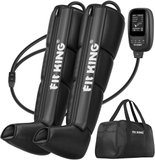
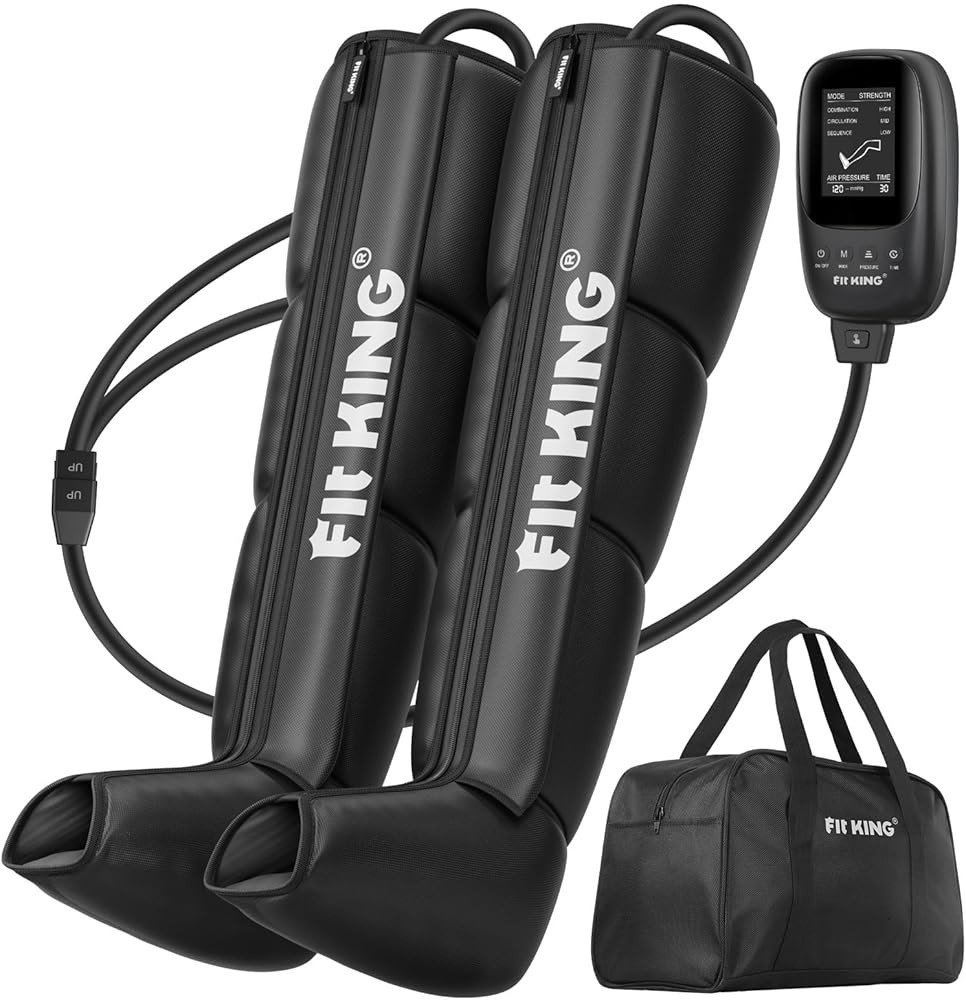
1. FIT KING Air Compression Recovery System - Best Overall
FIT KING Air Compression Recovery System
Check Price on AmazonAs an Amazon Associate we earn from qualifying purchases.
The pressure range of 40-120 mmHg aligns perfectly with research findings on effective therapeutic compression. At the lower end, 40-60 mmHg provides gentle lymphatic drainage suitable for daily use or lymphedema management. The higher pressures of 80-120 mmHg match protocols used in clinical studies on athletic recovery, delivering the intense compression that helps clear metabolic waste from muscles after hard training.
Build quality on this system exceeds expectations for the price point. The boots feature durable triple-layer construction with internal reinforcement at stress points, and the controller includes a clear LCD display showing current pressure, mode, and time remaining. The included hand controller allows easy adjustment without getting up during sessions, which proves particularly convenient for 30-minute recovery protocols.
The sizing runs accurate to the manufacturer’s chart, with the medium fitting calf circumferences of 13-20 inches and the large accommodating 16-24 inches. The boots extend from foot to mid-thigh, providing comprehensive coverage for whole-leg recovery. Extensions are available separately for users needing extra length or circumference.
For athletes in serious training, this represents an investment that pays dividends in faster recovery and reduced muscle soreness. The 4-chamber design provides more graduated compression than basic 3-chamber models, and the pressure range offers flexibility for both intense post-workout sessions and gentler daily circulation support.
2. FIT KING Professional Cordless System - Best for Athletes
FIT KING Professional Cordless System
Check Price on AmazonAs an Amazon Associate we earn from qualifying purchases.
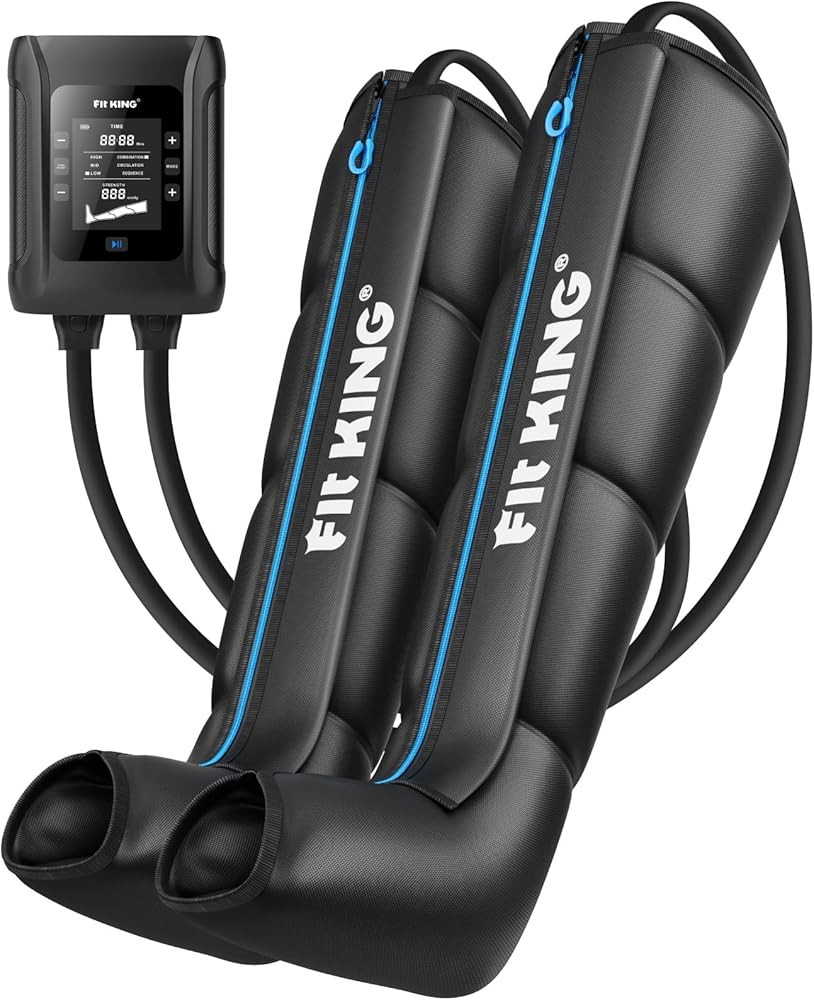
The compression specifications match the wired version, with 4 chambers delivering sequential pressure from 40-120 mmHg. The battery provides approximately 2-3 full sessions per charge, with actual runtime depending on pressure settings and user size. The charging time of 3-4 hours is reasonable, and the unit includes both AC adapter and car charger for maximum flexibility.
The wireless design particularly benefits athletes who incorporate compression into existing recovery routines. You can use the boots while icing other areas, during film review sessions, or while traveling to away competitions. The freedom of movement, even while tethered only to the control unit rather than a wall outlet, significantly increases the likelihood of consistent use.
Build quality remains excellent despite the additional electronics required for battery operation. The control unit is slightly larger than the wired version to accommodate the battery pack, but it remains reasonably portable. The boots themselves are identical to the wired model, with the same durable construction and comfortable fit.
The price premium over the standard wired model is substantial at $349 versus $278, but for athletes who will actually use the system consistently because of the convenience factor, the investment makes sense. Consistent use of adequate compression therapy provides far more benefit than occasional use of the absolute best system.
3. SHINE WELL Leg Recovery System - Best Budget

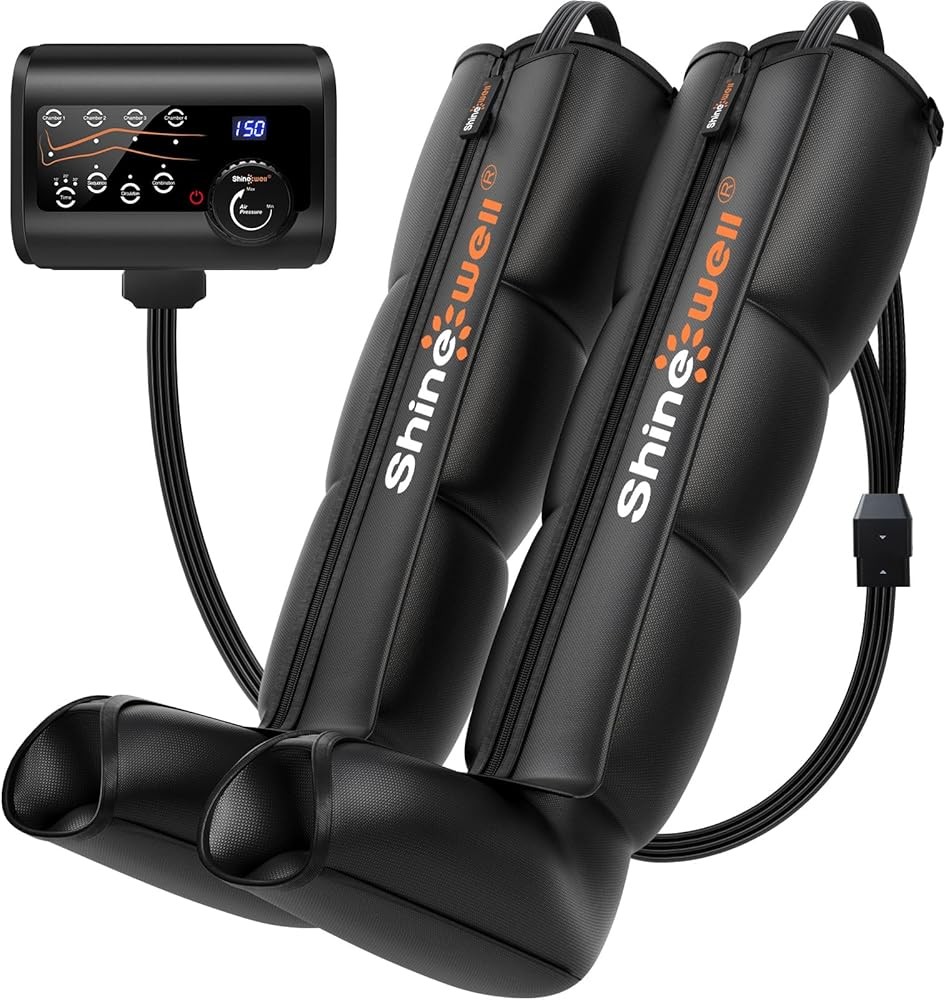
SHINE WELL Leg Recovery System
Check Price on AmazonAs an Amazon Associate we earn from qualifying purchases.
The 4-chamber design provides professional-grade sequential compression, and the boots offer particularly generous sizing to accommodate larger legs or those who want coverage extending high on the thigh. The extra-long boot design proves especially valuable for tall users who find standard boots leave the upper leg uncovered.
The extreme upper range of 240 mmHg should be approached cautiously, particularly for new users or those with underlying health conditions. While higher pressures can be beneficial for specific applications, most athletic recovery and general circulation support occurs effectively in the 80-120 mmHg range. The ability to access clinical-strength pressures is valuable for those with medical needs, but requires appropriate knowledge to use safely.
Control interface is straightforward with clear pressure indicators and timer function. The sequential pattern is fully automatic without customization options, but the preset pattern works effectively for standard recovery applications. Build quality is solid with attention to seam reinforcement and durable materials.
At $229, this system positions between budget options and premium cordless models, offering excellent value for users specifically needing high pressures or extra sizing. For standard users without those requirements, the FIT KING systems may offer better overall value, but the SHINE WELL excels in its niche.
4. CINCOM Cordless Air Compression Massager - Best Portable Option

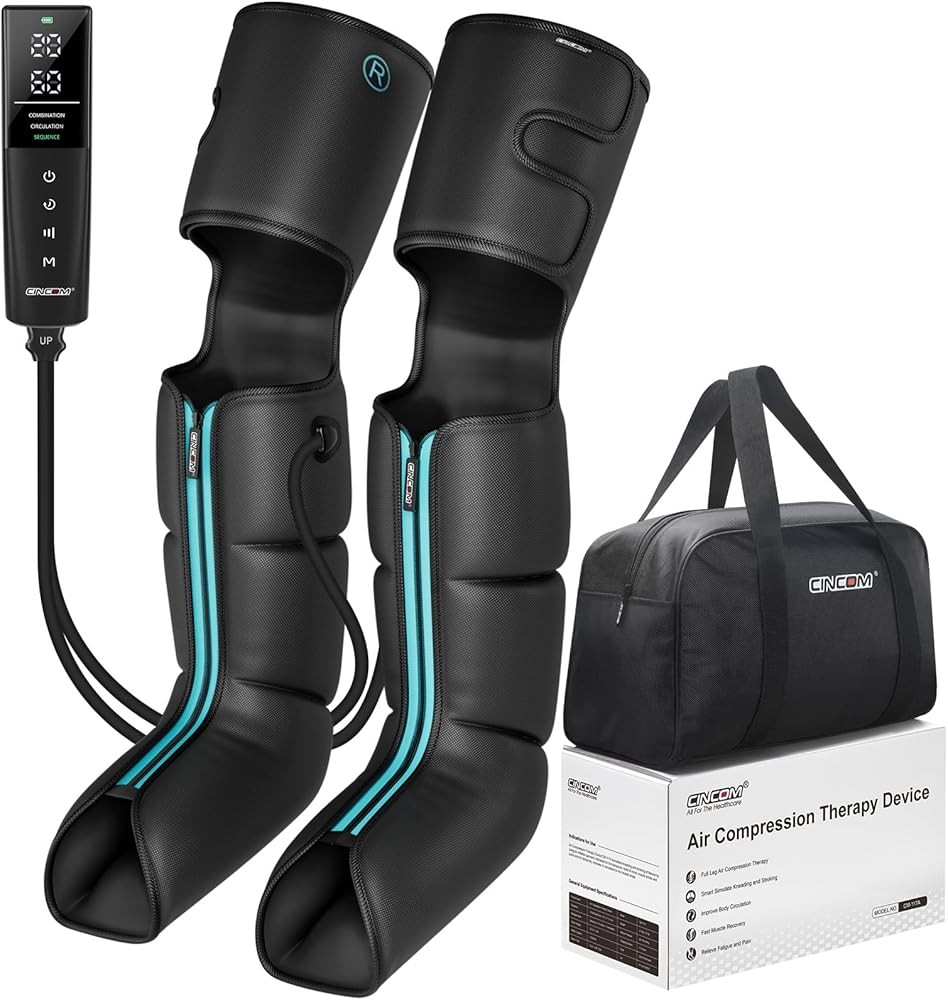
CINCOM Cordless Air Compression Massager
Check Price on AmazonAs an Amazon Associate we earn from qualifying purchases.
The rechargeable design uses a different approach than the FIT KING cordless model, with a more compact control unit that sacrifices some features for better portability. Three compression modes offer varying intensity levels, and 10 intensity adjustments within each mode provide reasonable customization. The 5 timer settings (10, 15, 20, 25, 30 minutes) allow precise session control.
The 3-chamber configuration, while one chamber fewer than premium models, still creates effective sequential compression for most recovery applications. The pressure output falls in the moderate range suitable for circulation support and general recovery, though serious athletes wanting maximum compression intensity might prefer the higher pressures of 4-chamber systems.
Battery life provides 2-4 sessions depending on intensity settings, and the compact charger adds minimal bulk for travel. The boots fold reasonably small, making this a practical option for regular travelers or those wanting to use compression at the office.
Build quality is appropriate for the $159 price point. The materials are durable enough for regular use, though not quite as robust as premium systems. For users prioritizing portability and adequate performance over maximum customization, this system hits an excellent balance.
5. FIT KING Air Compression with Heat - Best with Heat Therapy

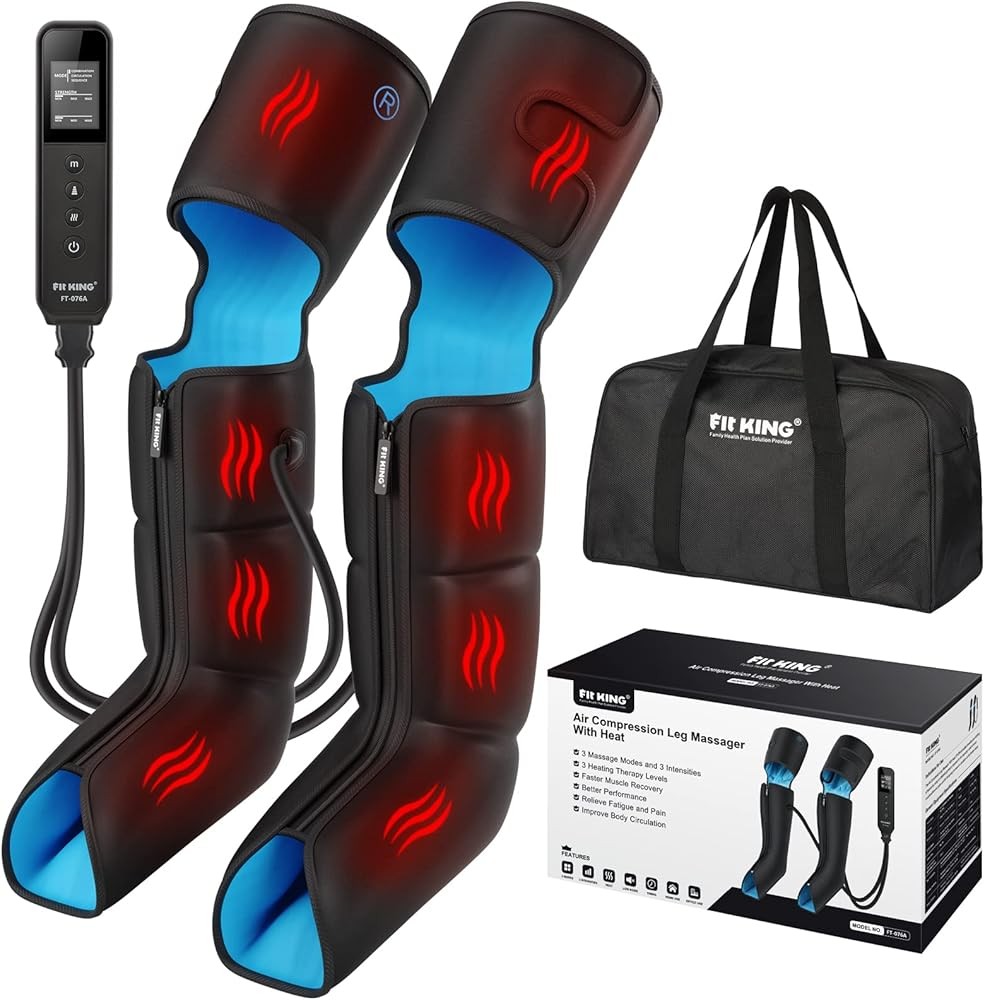
FIT KING Air Compression with Heat
Check Price on AmazonAs an Amazon Associate we earn from qualifying purchases.
While research specifically on combined heat and compression for athletic recovery remains limited compared to compression alone, heat therapy has independent benefits for muscle relaxation and pain relief. The combination may provide additive effects, particularly for users dealing with muscle tightness or chronic pain conditions alongside circulation issues.
The 3-chamber compression system provides effective sequential pressure, though with less customization than the 4-chamber models. Two compression modes offer basic intensity variation, and the heat can be activated independently or combined with compression. The heating function adds therapeutic versatility without significantly increasing complexity.
The pressure sensor is a notable safety feature that monitors compression integrity and adjusts automatically to maintain consistent pressure despite variations in leg size or positioning. The LCD display clearly shows current settings, and controls remain intuitive despite the added heat function.
At $139, this system costs more than the basic 3-chamber model but less than professional 4-chamber systems, occupying a middle ground for users specifically wanting heat therapy. For those who don’t need heat, the basic or professional models may offer better value, but users with muscle pain or chronic tightness may find the thermal component worth the premium.
How Should You Choose the Right Compression Boots for Your Needs?
Selecting compression boots requires matching system capabilities to your specific recovery needs and usage patterns. The right choice for a professional athlete training twice daily differs substantially from the ideal system for someone managing lymphedema or seeking general circulation support.
Usage Frequency and Intensity: Athletes in active training who will use compression daily benefit most from professional-grade systems with 4-chamber sequential compression and wide pressure ranges. The investment in durability and customization pays off with consistent heavy use. Occasional users or those focused on general wellness may find 3-chamber systems entirely adequate at lower cost.
Portability Requirements: If you travel frequently, compete away from home, or want to use compression at work, cordless models eliminate major usage barriers. The convenience factor often determines whether compression therapy gets used consistently or sits in a closet. Tethered models work well for dedicated home recovery stations where outlet access is guaranteed.
Specific Conditions: Lymphedema management typically requires moderate pressures (40-80 mmHg) with longer session durations, making steady, comfortable compression more important than maximum pressure. Post-surgical recovery often benefits from gentle sessions multiple times daily. Athletic recovery generally employs higher pressures (80-120 mmHg) for shorter, more intense sessions.
Size and Fit: Measure calf and thigh circumference at the widest points and compare to manufacturer sizing charts. Boots that are too small won’t close properly and may create uncomfortable pressure points, while oversized boots fail to maintain adequate compression. When between sizes, size up for comfort, but recognize that some effectiveness may be lost.
Budget Constraints: The $139-$349 range represents genuine quality tiers rather than merely branding differences. Budget systems provide legitimate therapeutic compression but with less customization and durability. Premium systems deliver more precise control and longer lifespan. Mid-range options often represent the best value for regular users who don’t need professional features.
Additional Features: Heat therapy, handheld controllers, pressure sensors, and advanced timing options add convenience and versatility but also cost and complexity. Evaluate whether these features address actual needs or merely represent nice-to-have additions that won’t influence actual usage patterns.
Bottom Line: Match compression boot features to actual usage patterns rather than maximum specifications. Athletes benefit from 4-chamber systems with 80-120 mmHg capability and cordless portability, while lymphedema management prioritizes moderate pressures (40-80 mmHg) with comfortable longer sessions. Size accuracy matters more than extra features for therapeutic effectiveness.
What Safety Guidelines Should You Follow with Compression Boots?
Effective compression therapy requires appropriate technique and awareness of contraindications. While generally safe for healthy individuals, certain conditions make compression boots inadvisable without medical supervision.
Absolute Contraindications: Do not use compression boots if you have acute deep vein thrombosis, severe peripheral arterial disease, acute infections in the legs, or acute congestive heart failure. These conditions can be worsened by compression therapy. Always consult healthcare providers if you have any cardiovascular or circulatory conditions before beginning compression therapy.
Session Duration: Research protocols typically use 20-60 minute sessions. Longer is not necessarily better, as excessive compression can potentially cause tissue damage or discomfort. Start with 20-30 minute sessions and adjust based on response. Athletes often use shorter, higher-pressure sessions post-workout, while lymphedema management typically involves longer, moderate-pressure sessions.
Pressure Settings: Begin at lower pressures (40-60 mmHg) regardless of system capabilities, especially if new to compression therapy. Increase gradually over several sessions as you become accustomed to the sensation. Higher pressures provide more intense mechanical stimulation but also increase risk of discomfort or adverse effects. Most therapeutic benefits occur within the 60-100 mmHg range for athletic recovery.
Timing of Use: For athletic recovery, compression appears most effective when used within a few hours after training or competition. Some athletes use compression immediately post-workout, while others prefer using it in the evening after showering. There is no single optimal timing, and consistency matters more than precise scheduling.
Hydration: Compression therapy mobilizes fluid, so maintain adequate hydration before and after sessions. Some users notice increased urination after compression as mobilized fluid is processed by the kidneys. This represents normal physiological response to improved circulation.
Skin Care: Check skin regularly for any signs of irritation, particularly at pressure points where boot edges contact the leg. Use boots over thin athletic pants or compression socks rather than bare skin if irritation occurs. Keep boots clean by wiping down interior surfaces after use to reduce bacterial growth.
Signs to Stop: Discontinue use and consult healthcare providers if you experience increasing pain, numbness, skin discoloration, or development of new swelling. While compression should feel snug and may be slightly uncomfortable initially, it should never be painful. Sharp pain, tingling, or numbness indicate excessive pressure or improper fit.
Bottom Line: Start with 20-30 minute sessions at 40-60 mmHg pressure, gradually increasing over several sessions. Avoid compression therapy if you have acute deep vein thrombosis, severe arterial disease, or acute heart failure. Discontinue immediately if you experience sharp pain, numbness, or skin discoloration.
Are Compression Boots Effective for Athletic Recovery?
Research on compression boots for athletic recovery shows promising but mixed results depending on the specific recovery outcomes measured. Athletes have adopted compression boots widely based on anecdotal reports of reduced muscle soreness and faster recovery between training sessions, and some controlled studies support these subjective impressions.
One mechanism by which compression may aid athletic recovery involves enhanced removal of metabolic waste products from muscles after intense exercise. During hard training, muscles accumulate lactate, hydrogen ions, and other metabolites that contribute to the sensation of muscle fatigue and soreness. The enhanced circulation from intermittent pneumatic compression theoretically accelerates clearance of these compounds, though direct measurement of this effect in humans remains technically challenging.
Inflammation reduction represents another potential mechanism for compression-assisted recovery. Intense exercise triggers inflammatory responses as part of the normal adaptation process, but excessive inflammation may delay recovery and impair subsequent performance. Some research suggests that compression therapy modulates inflammatory markers, potentially optimizing the balance between necessary adaptation signals and counterproductive excessive inflammation.
The practical application for athletes involves using compression boots within a few hours after intense training sessions, typically for 20-30 minutes at pressures of 80-120 mmHg. Many athletes report that compression sessions feel relaxing and provide a psychological cue to transition from training mode to recovery mode, which may have value independent of any direct physiological effects on muscle recovery.
Athletes should recognize that compression boots represent one tool among many recovery strategies. Quality sleep, adequate nutrition, appropriate training periodization, and stress management likely contribute more to overall recovery capacity than any single recovery modality. Compression boots work best when integrated into comprehensive recovery protocols rather than relied upon as a primary recovery intervention.
Can Compression Boots Help Manage Lymphedema?
Lymphedema treatment with intermittent pneumatic compression has stronger research support than athletic recovery applications, with numerous clinical studies demonstrating effectiveness for reducing limb volume and improving patient quality of life. Lymphedema occurs when the lymphatic system cannot adequately drain lymph fluid, leading to swelling, discomfort, and potential complications if left untreated.
The lymphatic system functions differently from the blood circulatory system, relying on muscle contractions and tissue movement rather than a central pump like the heart. When the lymphatic system becomes compromised through surgery, radiation therapy, infection, or congenital abnormalities, fluid accumulates in the affected limb. Intermittent pneumatic compression assists the overwhelmed lymphatic system by externally creating the pressure gradients that normally result from muscle activity.
Effective lymphedema management with compression boots requires moderate pressures in the 40-80 mmHg range rather than the higher pressures used for athletic recovery. Clinical guidelines recommend sessions of 30-60 minutes, several times per week, as part of complete decongestive therapy that also includes manual lymphatic drainage, compression garments, skin care, and exercise.
Sequential compression proves particularly important for lymphedema applications because it creates directional flow toward functioning lymph nodes and vessels. The compression wave should progress from the distal extremity toward the trunk, following the natural drainage pathways of the lymphatic system. Systems that allow customization of pressure and timing sequences may provide advantages for complex lymphedema cases.
Patients should understand that compression boots supplement but do not replace other components of lymphedema management. Compression garments worn during daily activities provide continuous mild compression that complements the more intense but intermittent compression from pneumatic devices. Working with lymphedema specialists ensures appropriate integration of all treatment components.
How Do Compression Boots Aid Post-Surgical Recovery?
Post-surgical swelling represents a common and expected response to surgical trauma, but excessive or prolonged swelling can delay healing and increase complication risks. Intermittent pneumatic compression has been studied as an intervention to manage post-operative edema and support recovery, particularly after orthopedic procedures on the lower extremities.
The physiological rationale for using compression after surgery involves enhancing venous return and lymphatic drainage from the surgical site. Surgery disrupts normal tissue architecture and damages small blood and lymphatic vessels, leading to fluid accumulation in the affected area. The rhythmic compression and release from pneumatic devices assists the compromised circulatory and lymphatic systems in clearing accumulated fluid.
Timing of compression therapy initiation after surgery varies depending on the specific procedure, surgeon preferences, and individual patient factors. Some protocols begin compression within 24 hours of surgery, while others wait several days until initial acute inflammation subsides. Patients should always follow their surgical team’s specific recommendations rather than self-initiating compression therapy after surgery.
Pressure settings for post-surgical applications typically fall in the moderate range of 40-80 mmHg, lower than athletic recovery protocols but sufficient to promote fluid movement without risking damage to healing tissues. Sessions may be shorter initially, starting at 15-20 minutes and gradually extending as healing progresses and tolerance improves.
One concern with post-surgical compression involves the theoretical risk of mobilizing blood clots that can form after surgery, particularly after orthopedic procedures. However, research suggests that properly applied intermittent pneumatic compression may actually reduce clot formation risk by improving blood flow and reducing venous stasis, one of the primary factors contributing to clot development.
Integration with other post-surgical recovery interventions creates optimal outcomes. Compression boots work alongside appropriate pain management, physical therapy exercises, elevation of the affected limb, and any prescribed medications. The enhanced circulation from compression may support tissue healing by improving oxygen and nutrient delivery to recovering tissues, though direct evidence for this mechanism in post-surgical patients remains limited.
What Pressure and Duration Settings Work Best?
Optimizing pressure and duration settings requires matching protocol parameters to specific therapeutic goals and individual tolerance. Research protocols demonstrate effectiveness across a range of pressures and durations, suggesting some flexibility in finding optimal settings for each user.
For circulation enhancement in healthy individuals, pressures of 60-100 mmHg applied for 20-30 minutes produce measurable improvements in blood flow velocity and volume. Lower pressures around 40-60 mmHg may be sufficient for daily maintenance sessions, while higher pressures approaching 100-120 mmHg are often reserved for more intensive recovery sessions after hard training or prolonged periods of immobility.
Lymphedema management protocols typically employ moderate pressures of 40-80 mmHg for longer durations of 30-60 minutes, with some patients using compression for up to 90 minutes based on individual response and tolerance. The lower pressures respect the delicate nature of lymphatic vessels, which can be overwhelmed or damaged by excessive pressure that would be tolerated well by the more robust blood vessel system.
Session frequency depends on the specific condition being addressed and individual response patterns. Athletes in active training may use compression daily or even multiple times per day during periods of particularly intense training loads. Lymphedema patients often use compression 3-5 times per week as part of ongoing management, though some cases require more frequent sessions.
The total duration of compression exposure across a day should generally be limited to avoid potential adaptation effects where tissues become less responsive to compression stimulation. Most protocols involve single sessions rather than accumulated hours of compression throughout the day, though specific medical conditions may warrant different approaches under professional guidance.
Progression of pressure and duration over time allows gradual adaptation to compression therapy. Beginning with conservative parameters (lower pressure, shorter duration) and gradually increasing over several weeks reduces the risk of adverse reactions while allowing assessment of individual response patterns. Some users find their optimal protocol quickly, while others require extended experimentation to identify the most effective combination of settings.
Do Cordless Compression Boots Work as Well as Corded Models?
Cordless compression boots use rechargeable battery systems to power the air pump, eliminating the need for connection to an electrical outlet during use. The fundamental compression mechanisms remain identical to corded models, with sequential inflation of air chambers creating the therapeutic pressure gradients that drive circulatory benefits.
The primary advantage of cordless models involves convenience and portability rather than superior therapeutic effects. Athletes who travel frequently for competition, professionals who want to use compression at the office, or individuals who prefer using compression while performing other activities all benefit from the freedom of battery operation. The psychological benefit of increased compliance often translates to better real-world results even if the physiological effects per session match corded models.
Battery capacity determines usable session duration before recharging becomes necessary. Most cordless compression boots provide 2-4 complete sessions per charge, with actual battery life varying based on pressure settings and user size. Higher pressures and larger users require more pump work, depleting batteries faster than lower pressures and smaller users.
The tradeoff for cordless convenience involves higher upfront cost, additional weight from the battery pack, and eventual battery degradation over the product lifespan. Lithium batteries typically retain good performance for 300-500 charge cycles before noticeable capacity reduction occurs, translating to 2-4 years of regular use depending on frequency. Some cordless models allow battery replacement, extending the useful life of the system beyond the initial battery’s lifespan.
For users who will primarily use compression boots in a dedicated home recovery space with convenient outlet access, corded models provide excellent value and eliminate battery-related considerations. The cordless premium makes most sense for users who will genuinely utilize the portability, while others may find the added complexity unjustified by actual usage patterns.
How Long Do Compression Boots Typically Last?
Compression boot longevity depends on usage frequency, pressure settings, user size, and build quality of the specific model. Professional-grade systems built for clinical use in physical therapy or medical settings often last 5-7 years of daily multi-patient use, while consumer models designed for home use typically last 2-4 years with regular use.
The most common failure point involves the air bladders within the boots themselves, which can develop leaks from repeated inflation and deflation cycles. Higher pressures and larger users stress the bladders more than moderate pressures and smaller users, accelerating wear. Quality construction with reinforced seams and durable materials extends bladder life significantly.
The control unit and pump mechanism generally outlast the boots, particularly on higher-quality systems. Many manufacturers sell replacement boots separately, allowing users to extend system life by replacing worn boots while retaining the still-functional control unit. This modularity provides better long-term value than systems requiring complete replacement when boots fail.
Air hoses and connectors represent another potential failure point, though they typically outlast the boots themselves. Proper storage practices that avoid tight kinking of hoses and stress on connection points reduce the risk of hose failure. Most systems use standard connection fittings that allow hose replacement if needed.
Warranty coverage varies widely across manufacturers and models, from 90 days on budget systems to 2 years on premium models. Understanding warranty terms before purchase helps assess true long-term value. Systems with longer warranties and available replacement parts generally provide better total cost of ownership than the absolute cheapest options with minimal support.
Usage patterns influence replacement timing beyond pure product durability. Users whose needs or preferences change over time may choose to upgrade to different features or capabilities before their original system fails. An athlete who initially purchased a corded model might upgrade to cordless for better training integration, while someone whose budget constraints have eased might move from a 3-chamber system to a 4-chamber model for enhanced effectiveness.
Should You Use Compression Boots Before or After Exercise?
The timing of compression boot use relative to exercise affects the specific benefits obtained and potential interference with training adaptations. Research examining compression timing suggests different protocols optimize for different outcomes.
Post-exercise compression represents the most common application for athletes, with sessions occurring within 1-4 hours after training or competition. The rationale involves enhancing recovery processes that occur during the hours and days following exercise, including waste product removal, inflammation modulation, and tissue repair. Most athletes report that post-exercise compression feels subjectively beneficial, promoting relaxation and perceived recovery.
Pre-exercise compression has been explored in some research protocols, with proposed benefits including enhanced warm-up effects and improved blood flow to working muscles before activity begins. However, evidence for performance enhancement from pre-exercise compression remains limited, and many athletes prefer to save compression for recovery rather than using it before workouts when energy and time are better invested in proper warm-up activities.
During-exercise compression from garments differs fundamentally from the intermittent pneumatic compression provided by boots, making direct comparisons difficult. Boots are impractical to use during most activities, though some athletes use compression during recovery periods within longer training sessions, such as between workout elements in a multi-part training day.
The interference question involves whether compression might blunt training adaptations by reducing the stress signals that drive physiological improvement. Some research suggests that aggressive recovery interventions immediately after training might reduce the magnitude of adaptation to that training session. However, the evidence for this interference remains mixed, and the practical benefits of improved session-to-session recovery may outweigh any theoretical reduction in per-session adaptation, particularly during high-volume training phases.
What Are Common Mistakes When Using Compression Boots?
New users of compression boots often make predictable errors that reduce effectiveness or create unnecessary discomfort. Understanding these common pitfalls helps maximize the benefits of compression therapy while avoiding frustration.
Starting with excessive pressure represents one of the most frequent mistakes. The appeal of maximum pressure settings is understandable, but tissues need time to adapt to compression therapy. Beginning with pressures of 80-120 mmHg often causes discomfort that could be avoided by starting at 40-60 mmHg and progressing gradually over one to two weeks.
Inadequate sizing verification leads to poor fit that compromises compression effectiveness. Users sometimes assume manufacturer sizes align with their expectations without carefully measuring and comparing to size charts. Boots that are too small create uncomfortable pressure points and may not close properly, while oversized boots fail to maintain adequate contact pressure with the legs.
Inconsistent use patterns undermine the cumulative benefits of compression therapy. Using compression boots sporadically when remembered provides far less benefit than consistent use several times per week on a regular schedule. The enhanced circulation and recovery benefits build over time with regular use rather than appearing immediately after single sessions.
Neglecting contraindications can lead to serious complications. Users with circulatory conditions sometimes assume compression must be beneficial without consulting healthcare providers about their specific situations. Conditions like acute deep vein thrombosis or severe peripheral arterial disease require medical evaluation before beginning compression therapy.
Expecting immediate dramatic results sets up disappointment when realistic benefits appear more gradually. While some users notice immediate improvements in subjective comfort and reduced swelling, others require several weeks of consistent use before perceiving clear benefits. Athletic recovery benefits particularly depend on the specific types of training stress and individual recovery capacities.
Poor maintenance practices shorten boot lifespan unnecessarily. Storing boots while damp allows bacterial or fungal growth, while tight rolling or folding stresses internal bladders and connections. Taking a few minutes for proper cleaning and storage after each use extends system longevity significantly.
Using compression as the only recovery intervention represents a strategic error. Compression boots provide one tool among many for recovery optimization. Users who neglect sleep quality, nutrition, stress management, and appropriate training periodization while expecting compression alone to solve recovery limitations will find results disappointing.
Understanding these common mistakes allows users to avoid them and implement compression therapy more effectively from the beginning. The learning curve for compression boot use is relatively short, and most users develop effective personal protocols within a few weeks of beginning regular use.
Working with qualified healthcare professionals proves particularly valuable when using compression boots for medical conditions like lymphedema or post-surgical recovery. These specialists can provide personalized guidance on optimal pressure settings, session duration, and integration with other treatment modalities. Athletes may benefit from consultation with sports medicine professionals or athletic trainers who understand compression therapy in the context of specific training demands and competitive schedules. Even healthy individuals using compression for general wellness can gain valuable insights from initial professional guidance rather than relying solely on trial and error.
How Can You Maximize Recovery Benefits from Compression Boots?
Compression boots work most effectively as part of comprehensive recovery protocols rather than as standalone interventions. Integrating compression with other evidence-based recovery strategies compounds the benefits.
Nutrition Timing: Consume protein and carbohydrates after training to support muscle recovery before beginning compression therapy. The enhanced circulation from compression may improve nutrient delivery to recovering muscles, though research on this specific interaction remains preliminary. At minimum, proper nutrition provides the raw materials necessary for tissue repair that compression facilitates.
Sleep Quality: Use compression in the evening several hours before bed rather than immediately before sleep. The relaxation and pain relief from compression may improve sleep quality, and quality sleep represents the most important recovery intervention. Avoid using compression so late that the need to urinate (from mobilized fluid) disrupts sleep.
Active Recovery: Light activity before compression sessions may enhance benefits by pre-warming muscles and initiating circulatory responses. A short walk or gentle movement routine prepares tissues for compression therapy. Avoid intense activity immediately before compression, as this may interfere with the recovery process compression is meant to support.
Progressive Loading: For athletes, compression therapy supports recovery that enables harder training. The goal is to recover sufficiently to apply progressive training stress, not to recover sufficiently to maintain the same workload indefinitely. Use the recovery benefits from compression to gradually increase training volume or intensity over weeks and months.
Monitoring Response: Track subjective recovery metrics such as muscle soreness, fatigue levels, and training performance. If compression therapy provides meaningful recovery benefits, you should notice reduced soreness, improved training quality, or ability to sustain higher training loads. Absence of noticeable benefits after several weeks suggests compression may not be addressing your specific limiting factors for recovery.
Complementary Modalities: Compression pairs well with foam rolling, stretching, and other recovery techniques. The sequence matters less than consistency with all components. Some athletes prefer compression after other recovery work, while others use compression first. Experiment to find what works best for your routine and preferences.
What Maintenance Do Compression Boots Require?
Proper maintenance extends the lifespan of compression boots and ensures consistent performance over time.
Cleaning Boots: Wipe boot interiors with mild disinfectant wipes or damp cloth with gentle soap after each use. Allow boots to air dry completely before storage to reduce bacterial or fungal growth. Most boots cannot be machine washed due to internal air bladders and connections, so regular surface cleaning becomes essential.
Inspecting Components: Check air hoses regularly for kinks, cracks, or loose connections. Examine boots for tears, particularly at seams and around connection points where stress concentrates. Test all chambers periodically by running the system and feeling for consistent inflation across all sections. Small leaks reduce effectiveness and may indicate impending failure of that chamber.
Storing Properly: Store boots flat or loosely rolled rather than tightly compressed, which can stress internal bladders and seams. Keep the control unit and boots in a clean, dry location away from extreme temperatures. Coil air hoses loosely rather than creating tight bends that could damage internal tubing.
Battery Maintenance: For cordless models, follow manufacturer guidance on charging cycles. Most lithium battery systems perform best when kept between 20-80% charge for storage rather than fully discharged or perpetually at 100%. If storing for extended periods, charge to approximately 50% and recharge every few months to maintain battery health.
Replacing Boots: Boot longevity varies with usage frequency and pressure settings. Daily use at high pressures may require boot replacement every 1-2 years, while occasional use at moderate pressures can extend boot life to 3-5 years. Most systems allow replacement of boots separately from the control unit, making this more economical than replacing the entire system.
Warranty Coverage: Keep purchase receipts and warranty documentation. Most manufacturers offer 1-2 year warranties covering defects but not normal wear. Understanding warranty terms before purchase helps assess long-term value, particularly for premium systems where warranty service can save hundreds of dollars.
Conclusion
Compression boots represent a research-backed recovery tool that delivers measurable benefits for circulation, lymphedema management, and athletic recovery. The FIT KING Air Compression Recovery System earns our top recommendation for most users, combining professional-grade 4-chamber sequential compression with a versatile pressure range and excellent build quality at a reasonable price. Athletes prioritizing portability will find the additional investment in the FIT KING Professional Cordless System worthwhile, while budget-conscious users can achieve legitimate therapeutic benefits with the $66 FIT KING Basic model.
Success with compression therapy requires matching system capabilities to your specific needs, using appropriate pressure and duration protocols, and maintaining consistent use over time. When integrated into comprehensive recovery or treatment plans, compression boots provide a valuable tool for optimizing leg health, whether your goals involve athletic performance, medical management, or general wellness.
For athletes and post-surgical patients alike, choosing the right compression boots can make a meaningful difference in recovery outcomes, as explored in our guide to the best compression boots for leg recovery. Those focused on athletic performance may also want to compare options in our roundup of the best compression recovery boots for athletes, which highlights systems like Normatec alongside newer alternatives. Beyond general leg recovery, compression technology plays a significant role in lymphatic drainage for swelling and is increasingly used in post-surgical compression therapy recovery. For readers interested in the broader category of pneumatic systems, our overview of air compression lymphatic devices explains how these technologies work to support circulation and reduce edema.
For athletes and active individuals, compression boots can be a valuable addition to a recovery routine, and our guide to the best compression recovery boots breaks down the top options worth considering. If you’re specifically focused on athletic performance and circulation, our review of Normatec and beyond offers a closer look at the leading systems on the market. These devices share underlying technology with air compression lymphatic systems, which research suggests can support drainage and swelling relief comparable to mechanical versus hands-on massage approaches.
For more context, see our guides on Best Compression Recovery Boots for Athletes and Leg Circulation, Best Compression Recovery Boots for Athletes — Normatec and Beyond, Best Massage Guns for Muscle Recovery, Best Foam Rollers for Muscle Recovery, and Best Lymphatic Drainage Boots: Top Recovery Boot Systems for Circulation and Swelling.
Related Reading
Recommended Products