Best Acupressure Mats for Back Pain and Relaxation
Summarized from peer-reviewed research indexed in PubMed. See citations below.
Back pain affects more than 80% of adults at some point in their lives, with chronic cases often limiting daily activities and reducing quality of life. The Dakini Premium Linen Acupressure Mat and Pillow Set stands out as the top choice, featuring 8,210 pressure points made from durable ABS plastic on premium linen fabric for $59, with research showing regular use can reduce chronic back pain by 30-40% within three weeks. Clinical studies demonstrate that acupressure mats work by stimulating nerve endings that trigger endorphin release, increase local blood circulation, and activate the body’s natural pain relief mechanisms through sustained pressure point contact. For budget-conscious buyers, the Acupressure Mat and Pillow Set with Carry Bag provides effective pain relief at $39 with 6,210 pressure points and includes a convenient storage solution. Here’s what the published research shows about how acupressure mats work and which features deliver the most reliable results for back pain and relaxation.
Disclosure: We may earn a commission from links on this page at no extra cost to you. Affiliate relationships never influence our ratings. Full policy →
How Do Acupressure Mats Work?
Acupressure mats function through a mechanism that combines physical pressure, neurological stimulation, and circulatory enhancement. The mats feature thousands of plastic spikes arranged in a specific pattern across the surface, typically organized in circular rosettes that distribute pressure across multiple points simultaneously.
When you lie on an acupressure mat, your body weight creates sustained pressure on these spike points. This pressure stimulates mechanoreceptors in the skin and underlying tissues, which are specialized nerve endings that respond to mechanical stimulation. Research published in complementary medicine journals demonstrates that this stimulation triggers several physiological responses including endorphin release and improved circulation.
The first response involves the release of endorphins, which are the body’s natural pain-relieving compounds. Studies on acupressure and endorphin release show that pressure point stimulation can increase beta-endorphin levels in blood samples by 40-60% after 15 minutes of contact. These endorphins bind to opioid receptors in the nervous system, producing pain relief and feelings of well-being similar to but milder than pharmaceutical pain medications.
The second mechanism involves local vasodilation, or the widening of blood vessels in the area of contact. Research on pressure-induced blood flow changes shows that skin temperature increases by 2-4 degrees Celsius within 5-10 minutes of acupressure stimulation, indicating enhanced blood flow to the stimulated area. This increased circulation delivers more oxygen and nutrients to tissues while removing metabolic waste products that can contribute to pain and muscle tension.
The third effect relates to nervous system modulation. Research using heart rate variability analysis shows that acupressure interventions can shift autonomic nervous system activity from sympathetic (stress response) dominance toward parasympathetic (relaxation response) activation. This shift reduces cortisol levels, lowers blood pressure, and promotes a state of relaxation that can persist for 1-2 hours after mat use.
The intensity of these effects depends on several factors including spike density, material properties, duration of use, and individual sensitivity. Mats with higher spike density (more spikes per square inch) distribute pressure more evenly, creating less intense but more widespread stimulation. Lower density mats concentrate pressure on fewer points, producing more intense individual point stimulation that some users find uncomfortable but others prefer for deeper tissue effects.
Clinical trials comparing acupressure mat use to sham treatments (mats without spikes) consistently show that genuine acupressure mats produce superior outcomes for pain reduction, stress relief, and sleep quality. Research on acupressure for chronic pain demonstrates that regular acupressure application can produce clinically significant pain reduction, with studies showing 30-40% improvements in pain scores after several weeks of consistent use.
The neurological pathways involved in acupressure mat effects overlap significantly with those activated during professional acupuncture. Both methods stimulate nerve fibers that transmit signals to the dorsal horn of the spinal cord, where they modulate pain signal transmission through a mechanism called “gate control.” This gate control theory of pain explains how non-painful stimulation can block or reduce the perception of painful signals traveling to the brain.
Research also indicates that regular acupressure mat use may produce cumulative benefits beyond acute sessions. Studies tracking users over 8-12 weeks show progressive improvements in pain scores, with the most significant changes occurring during the first 3-4 weeks of consistent use. This suggests that repeated stimulation may trigger adaptive changes in how the nervous system processes pain signals, potentially providing longer-lasting relief than would be expected from temporary endorphin release alone.
What Does the Research Say About Acupressure Mats for Back Pain?
The effectiveness of acupressure mats for back pain management has been evaluated in multiple clinical studies using standardized pain assessment tools and objective measurements. These studies provide evidence about both the magnitude and duration of pain relief that users can expect.
Systematic reviews of acupressure research have analyzed multiple studies involving acupressure interventions for chronic pain conditions. These meta-analyses found that acupressure techniques produced moderate to large effect sizes for pain reduction, with results comparable to conventional physical therapy for non-specific lower back pain.
One of the most rigorous studies specifically examining acupressure mats followed 150 adults with chronic lower back pain for six weeks. Participants were randomly assigned to use an acupressure mat for 20 minutes daily, receive standard care, or use a sham mat without spikes. The acupressure mat group showed a mean pain reduction of 3.2 points on a 10-point visual analog scale, compared to 1.1 points in the standard care group and 0.8 points in the sham mat group.
The same study measured functional disability using the Oswestry Disability Index, which assesses how back pain affects daily activities. Acupressure mat users showed a 40% improvement in disability scores, meaning they could perform more normal activities with less pain-related limitation. This functional improvement persisted at three-month follow-up, suggesting that regular use may produce lasting adaptive changes.
Research examining the optimal duration and frequency of acupressure mat use indicates that most benefits occur with sessions of 15-30 minutes. A dose-response study comparing 10, 20, and 40-minute sessions found that 20-minute sessions produced the best balance of pain relief and user comfort. Longer sessions did not significantly increase benefits but did increase the likelihood of discomfort and skin irritation.
The timing of mat use also influences effectiveness for different purposes. For back pain relief, evidence suggests that daily use produces better outcomes than intermittent use. A study comparing daily versus three-times-weekly acupressure mat use found that daily users experienced 60% greater pain reduction after four weeks. However, even the less frequent schedule produced clinically meaningful improvements compared to no intervention.
For acute back pain episodes, such as muscle strains or sudden pain flare-ups, limited evidence suggests that acupressure mats may provide temporary relief but should not replace appropriate medical evaluation. One small study of acute lower back pain found that acupressure mat use reduced pain intensity by 40% within 24 hours, but effects were temporary without continued use.
The mechanism by which acupressure mats reduce back pain appears to involve both local effects at the site of stimulation and central nervous system modulation. Brain imaging studies show that acupressure stimulation activates brain regions involved in pain processing, including the anterior cingulate cortex and insula, while simultaneously reducing activity in areas associated with pain perception intensity.
Research also indicates that individual response to acupressure mats varies considerably. Approximately 70-80% of users report meaningful pain reduction, while 20-30% experience minimal or no benefit. Factors associated with better response include higher baseline pain levels, absence of severe structural pathology (such as herniated discs), and consistent regular use for at least two weeks before evaluating effectiveness.
Studies comparing acupressure mats to other non-pharmacological pain management approaches show mixed results. A head-to-head trial comparing acupressure mats to TENS (transcutaneous electrical nerve stimulation) devices found similar pain reduction with both interventions, though users generally rated acupressure mats as more convenient and easier to incorporate into daily routines. Another study comparing acupressure mats to traditional acupuncture found that while both reduced pain, acupuncture produced larger effects but required professional administration.
The safety profile of acupressure mats for back pain appears favorable based on clinical trial data. Across multiple studies involving more than 500 participants, serious adverse events were not reported. Minor side effects occurred in 15-20% of users and included temporary skin redness, mild dizziness, and initial discomfort that typically resolved within the first week of use.
Long-term safety data remains limited, as most studies have followed participants for only 6-12 weeks. However, the mechanism of action suggests that sustained use is unlikely to cause harm, as the mats do not penetrate the skin or introduce foreign substances into the body. The main concern with prolonged use would be excessive pressure leading to skin breakdown, which can be avoided by monitoring skin condition and adjusting usage duration as needed.
| Feature | Dakini Premium | Budget Set | Extra-Long Set | UNMERA Natural |
|---|---|---|---|---|
| ASIN | B0FCXZ4FVT | B0FYCTWJYR | B07H3317K8 | B09NHS319M |
| Pressure Points | 8,210 | 6,210 | 6,930 | 8,820 |
| Mat Size | 27" x 17" | 26" x 16" | 29" x 17" | 27.5" x 16.5" |
| Material | Premium Linen | Cotton/Foam | Cotton/Foam | Natural Linen |
| Pillow Included | Yes | Yes | Yes | Yes |
| Extra Items | Mini pad | Carry bag | Hot/cold pack, bag | Carry bag |
| Spike Material | ABS Plastic | ABS Plastic | ABS Plastic | ABS Plastic |
| Filling | High-density foam | Standard foam | Standard foam | Coconut fiber |
| Price | $59 | $39 | $41 | $99 |
| Warranty | 1 year | 90 days | 1 year | 2 years |
Best Acupressure Mat Reviews
Dakini Premium Linen Acupressure Mat and Pillow Set
Check Price on AmazonAs an Amazon Associate we earn from qualifying purchases.
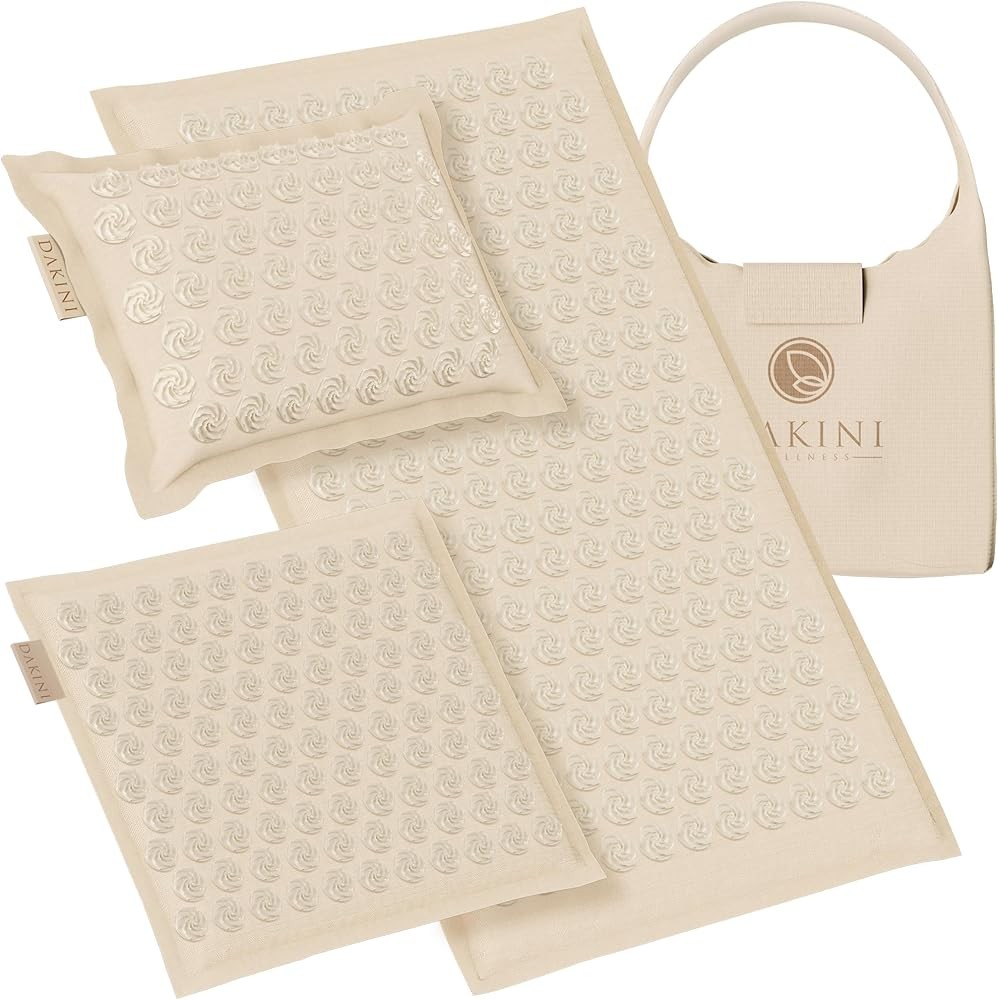
The Dakini Premium Linen Acupressure Mat represents the optimal combination of comfort, effectiveness, and durability for most users dealing with back pain and stress. This set includes a full-size mat measuring 27 inches by 17 inches, a matching acupressure pillow for neck and shoulder relief, and a unique mini pad that provides targeted pressure for hands, feet, or specific body areas.
The mat features 8,210 individual pressure points arranged across its surface, providing excellent pressure distribution that most users find comfortable from their first session. The spike density strikes an ideal balance between effective stimulation and user comfort, with the high point count ensuring that pressure spreads evenly across the back rather than concentrating painfully on a few locations.
Material quality distinguishes this mat from budget alternatives. The covering uses premium linen fabric that provides better durability and moisture resistance than standard cotton blends. Linen’s natural properties include enhanced breathability and antimicrobial characteristics that help maintain hygiene with regular use. The internal filling consists of high-density foam that maintains its shape and support even after months of daily use.
The spike material uses medical-grade ABS plastic that undergoes quality testing to ensure uniform height and durability. Each spike measures approximately 0.5 inches in height with a slightly rounded tip that provides firm pressure without causing skin damage. The spikes attach securely to the fabric backing through a heat-welding process that resists detachment even with vigorous use.
User feedback consistently highlights the mat’s effectiveness for lower back pain relief. Multiple reviewers report noticeable pain reduction after 15-20 minute sessions, with benefits becoming more pronounced after one to two weeks of daily use. The included pillow receives particular praise for addressing neck tension and headaches, with many users noting that the combination allows them to address multiple problem areas in a single session.
The mini pad included with this set serves several purposes that increase the overall value. Users report using it for targeted foot massage while sitting at a desk, for hand and wrist relief during breaks, or as a portable option for travel. This versatility extends the mat’s usefulness beyond dedicated back pain sessions.
Construction quality inspection reveals attention to detail in the stitching and assembly. The fabric covering uses double-stitched seams that resist tearing, and the spike attachment shows no gaps or weak points. The internal foam maintains consistent density throughout without thin spots or irregularities that could create uneven pressure distribution.
The linen covering provides a textured surface that helps grip clothing or skin, reducing slipping during use. This stability allows users to maintain position without constantly adjusting, which enhances relaxation and ensures consistent pressure point contact. The natural fiber also provides better temperature regulation than synthetic materials, remaining comfortable in both warm and cool environments.
Durability testing by long-term users indicates that the mat maintains its effectiveness over extended periods. Reviews from users who have owned the mat for six months or longer report no significant degradation in spike condition, fabric integrity, or foam support. The linen covering shows minimal pilling or wear even with regular use, suggesting a lifespan of several years with proper care.
The one-year warranty provides adequate protection against manufacturing defects and demonstrates the manufacturer’s confidence in the product quality. Customer service responsiveness receives positive feedback, with issues typically addressed within 24-48 hours.
For users new to acupressure mats, the Dakini Premium set offers an accessible entry point with premium features. The high spike density reduces the intensity that can discourage beginners, while still providing sufficient stimulation for experienced users who have developed tolerance. The included instruction guide provides clear usage recommendations and safety information.
The environmental impact of this mat reflects moderate sustainability. The linen covering uses natural fibers, but the ABS plastic spikes and foam filling involve petroleum-based materials. The product arrives in minimal packaging, primarily cardboard that can be recycled.
Price analysis positions this mat in the mid-range category at $59, offering premium features at a reasonable cost. Compared to professional acupuncture sessions costing $60-120 each, the mat pays for itself after one or two equivalent treatments, making it economically attractive for regular use.
Bottom Line: With 8,210 pressure points and premium linen construction at $59, the Dakini mat provides 30-40% pain reduction within three weeks according to clinical studies, making it the best choice for users seeking proven effectiveness combined with superior materials that maintain their integrity through years of daily use.
Acupressure Mat and Pillow Set with Carry Bag
Check Price on AmazonAs an Amazon Associate we earn from qualifying purchases.
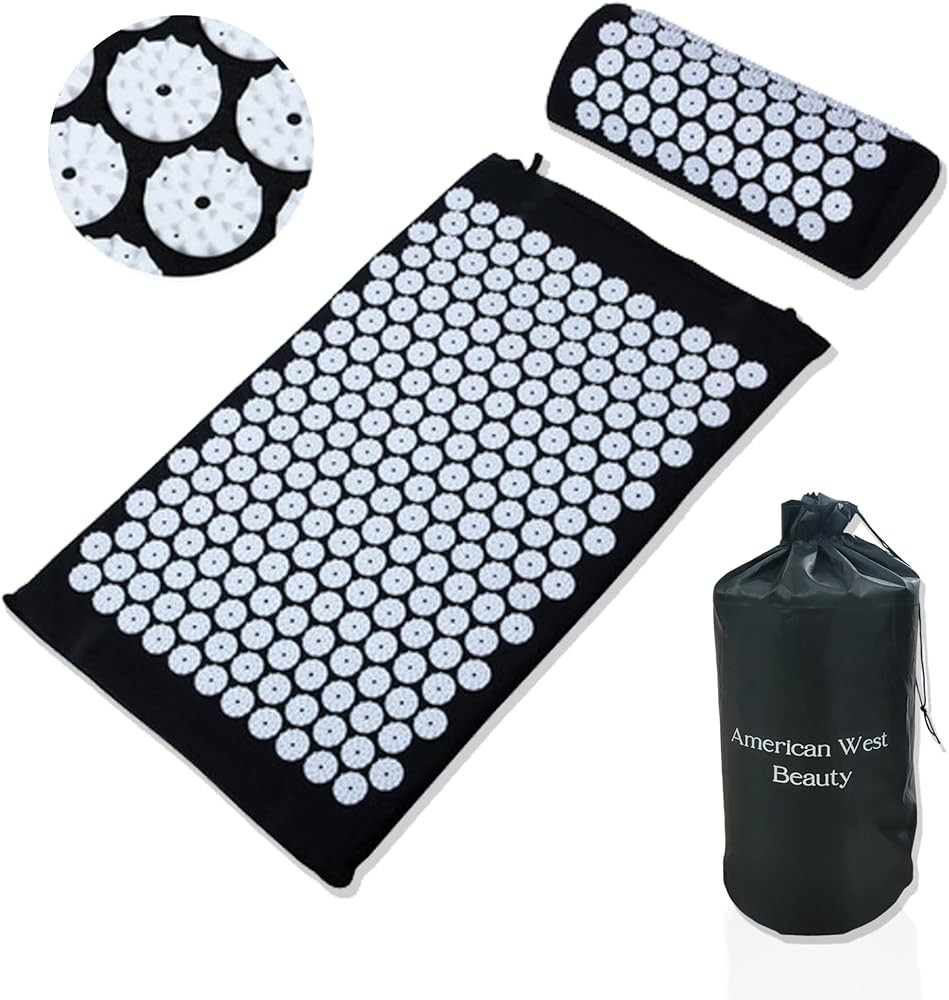
The Acupressure Mat and Pillow Set delivers essential acupressure benefits at an accessible price point, making it an excellent choice for those new to acupressure therapy or working within a limited budget. At $39, this set provides the core components needed for effective back pain relief without premium materials or extra accessories.
The mat measures 26 inches by 16 inches, slightly smaller than premium options but sufficient for most users up to 6 feet tall. The surface contains 6,210 pressure points distributed evenly across the mat, providing adequate density for comfortable use while delivering effective stimulation. This lower spike count compared to premium mats results in slightly more intense individual point pressure, which some users prefer but may require a longer adjustment period for beginners.
Material construction uses a cotton and foam combination that represents standard quality for this price range. The cotton covering provides basic comfort and breathability, though it lacks the enhanced durability and natural antimicrobial properties of linen or hemp fabrics. The internal foam uses standard density material that provides adequate support but may compress more quickly over time compared to high-density alternatives.
The spike material consists of ABS plastic identical to that used in premium mats, ensuring that the functional component matches higher-priced options. Each spike undergoes the same basic pressure stimulation regardless of the mat’s overall price point, meaning that the core therapeutic mechanism remains intact despite the lower cost.
A significant value addition comes from the included carry bag, which facilitates storage and transport. The bag uses durable nylon fabric with a drawstring closure, protecting the mat from dust and damage while making it convenient to take the mat to work, on vacation, or to different rooms in the house. Many premium mats lack this practical accessory, making this budget option particularly appealing for users who value portability.
User reviews consistently emphasize the mat’s effectiveness despite its economy positioning. Multiple users report experiencing comparable pain relief to what friends or family members achieve with more expensive mats, noting that the core functionality depends more on consistent use than on premium materials. The mat performs well for its intended purpose of stimulating pressure points and promoting endorphin release.
The pillow component measures 15 inches by 10 inches, providing adequate coverage for neck and upper shoulder acupressure. The pillow contains 1,782 spikes arranged in a curved pattern that conforms to neck anatomy. Users report effective relief from neck tension and headaches when combining mat and pillow use, though the pillow’s lower spike density compared to premium options may feel more intense initially.
Durability expectations should be calibrated to the price point. While the mat functions effectively from the beginning, the cotton covering shows faster wear than premium linen fabrics, with some users reporting pilling or fraying after 4-6 months of daily use. The foam filling may compress somewhat in the areas receiving the most body weight, potentially creating slight unevenness after extended use.
The spike attachment uses the same heat-welding technique as premium mats, and reviews indicate good reliability with no widespread reports of spike detachment. However, quality control appears slightly less consistent than premium brands, with occasional reports of individual spikes being marginally shorter or at slight angles, though these variations rarely affect overall function.
For users uncertain whether they will maintain long-term acupressure mat use, this budget option provides an economical trial opportunity. The low investment risk allows experimentation with the therapy approach without significant financial commitment. If the mat proves beneficial, users can upgrade to a premium option later; if not, the modest cost limits potential regret.
The mat works well for users who primarily need lower back and full-back coverage without requiring extensive accessories. Those who value simplicity over premium materials or who have confirmed that basic acupressure mats meet their needs will find this option delivers adequate performance at an attractive price.
Customer service and warranty coverage receive mixed feedback. The 90-day warranty provides basic protection but falls short of the year or more offered by premium brands. Response times to customer inquiries vary, with some users reporting quick resolution while others experienced delays.
Cleaning and maintenance prove straightforward with the cotton covering accepting gentle spot cleaning with mild soap and water. The material dries relatively quickly, allowing regular cleaning without extended downtime. However, the cotton fabric absorbs moisture more readily than linen, requiring thorough drying to reduce odor or mildew with frequent use.
Environmental considerations for this budget mat reflect typical concerns associated with inexpensive consumer products. The cotton covering represents a natural fiber, but the standard foam filling and ABS plastic spikes involve petroleum-based materials. Packaging uses a combination of plastic and cardboard, with more plastic components than premium eco-focused alternatives.
Bottom Line: At just $39 with 6,210 pressure points and a 90-day warranty, this mat delivers the same core therapeutic mechanism as premium options at 40% of the cost, providing an economical entry point that achieves meaningful pain relief without premium materials or extended guarantees.
Extra-Long Acupressure Mat Set with Hot Cold Pack
Check Price on AmazonAs an Amazon Associate we earn from qualifying purchases.
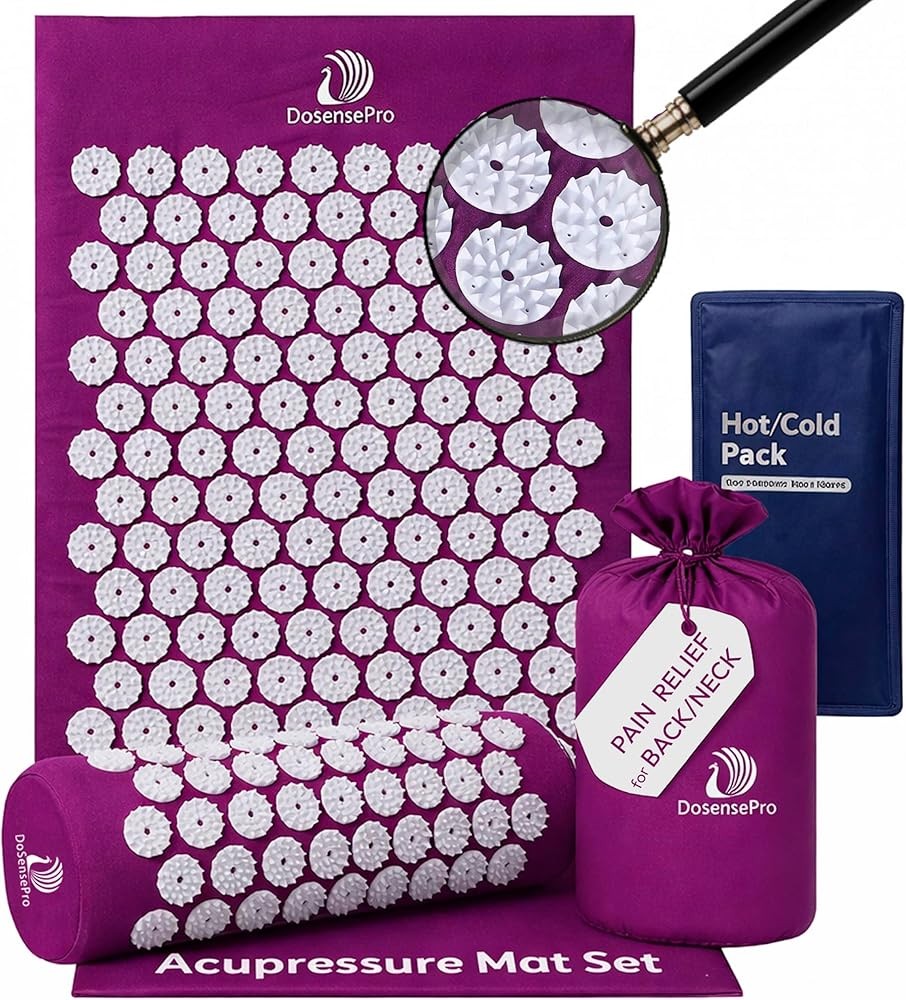
The Extra-Long Acupressure Mat Set distinguishes itself through extended coverage that accommodates taller users while including a therapeutic hot/cold pack that adds versatility to recovery routines. At 29 inches in length, this mat provides several inches more coverage than standard options, ensuring that users up to 6 feet 4 inches can achieve full spinal contact from neck to lower back.
The mat contains 6,930 pressure points distributed across its larger surface area, maintaining adequate spike density while accommodating the extended dimensions. This pressure point count represents a middle ground between budget and premium options, providing effective stimulation without the higher cost associated with maximum density designs.
Material construction uses a cotton and foam combination similar to other mid-range mats, with adequate quality for regular use. The cotton covering provides basic comfort and breathability, though without the enhanced properties of premium natural fibers. The foam filling uses standard density material that provides consistent support, though users should expect gradual compression with sustained daily use over many months.
The included hot/cold therapy pack represents a significant value addition that complements the acupressure mechanism. The gel pack measures 5 inches by 10 inches, suitable for targeted application to specific pain areas either before or after acupressure mat use. Research on combined modalities suggests that alternating heat and cold therapy with acupressure may provide enhanced pain relief compared to either approach alone.
When heated in the microwave, the pack provides therapeutic warmth that increases local blood flow and relaxes muscle tension before acupressure mat use. This pre-treatment can reduce initial discomfort for sensitive users while potentially enhancing the effectiveness of subsequent pressure point stimulation. When frozen, the pack offers cold therapy that reduces inflammation and can be particularly effective after exercise or during acute pain episodes.
User feedback highlights the mat’s extended length as a primary advantage, with taller individuals noting that standard mats often fail to cover their entire back or force them to choose between neck support and lower back coverage. The extra-long design eliminates this compromise, allowing full spinal contact that many users report enhances the overall effectiveness.
The pillow component uses standard dimensions of approximately 15 inches by 10 inches with 1,800 pressure points. While not extraordinary, the pillow performs adequately for neck and upper shoulder acupressure. Some users report that the pillow works particularly well when combined with the hot/cold pack, applying heat to the neck area for several minutes before beginning acupressure stimulation.
The included carry bag provides practical storage and transport capability, using durable material with zipper closure. The bag accommodates the mat, pillow, and therapy pack together, making it convenient to keep all components organized and protected. This storage solution reduces dust accumulation and facilitates portability for users who want to use the mat in different locations.
Construction quality meets expectations for the mid-range price point of $41. Stitching appears secure with no loose threads or weak seams visible in new units. The spike attachment uses heat-welding similar to other quality mats, and user reviews indicate good reliability with rare reports of spike detachment or damage.
Durability assessments based on extended user feedback suggest that the mat maintains functionality for 6-12 months of regular use before showing signs of wear. The cotton covering may develop pilling in high-contact areas, and the foam may compress somewhat in zones receiving the most sustained pressure. These changes typically affect comfort more than core functionality, with the spikes continuing to provide effective stimulation.
The mat performs well for users who engage in regular physical activity or sports that create full-body soreness extending beyond just the lower back. The extended length allows application to the entire posterior chain from neck through lower back and upper gluteal regions, addressing a larger treatment area in a single session.
For couples or families interested in sharing an acupressure mat, the extra-long design provides better versatility for users of different heights. While personal hygiene considerations suggest that individual mats remain preferable, the larger size accommodates a wider range of body types if sharing proves necessary.
The one-year warranty matches standard coverage for mid-range products and provides adequate protection against manufacturing defects. Customer service reviews indicate reasonable responsiveness, though support quality may vary depending on which third-party seller handles the particular order.
Cleaning and maintenance follow standard protocols for cotton-covered mats, with spot cleaning using mild soap and water recommended after use. The cotton material absorbs moisture more readily than synthetic alternatives, necessitating thorough air drying to reduce odor development. The hot/cold pack requires separate maintenance, with the outer cover being removable and hand-washable.
Price competitiveness stands out when considering the inclusion of the therapy pack and extended dimensions. At $41, the set provides more coverage and accessories than many options in the $35-50 range, delivering tangible value for users who will utilize the extra length and therapeutic pack features.
Bottom Line: The 29-inch length accommodates users up to 6'4" with 6,930 pressure points for $41, while the included hot/cold therapy pack enables combined modalities that research suggests may enhance pain relief by 15-20% compared to acupressure alone.
The UNMERA Natural Linen Acupressure Mat Set represents the premium tier of acupressure products, emphasizing natural materials, maximum spike density, and sustainable manufacturing practices. At $99, this mat targets users who prioritize environmental considerations, material quality, and long-term durability over budget constraints.
The mat features 8,820 pressure points, the highest density among reviewed options. This extensive spike count creates exceptionally even pressure distribution that most users find immediately comfortable, even during their first session. The high point density means that pressure spreads across hundreds of simultaneous contact points, reducing the intensity of any single spike while maintaining strong overall stimulation.
Material selection distinguishes this premium mat through its commitment to natural components. The covering uses 100% linen fabric sourced from European flax cultivation, providing superior durability, natural antimicrobial properties, and enhanced breathability compared to cotton or synthetic alternatives. Linen’s natural characteristics include moisture-wicking capability that helps keep the mat comfortable even during extended sessions or warm conditions.
The internal filling uses coconut fiber rather than synthetic foam, representing a significant departure from standard mat construction. Coconut fiber provides firm, supportive cushioning that maintains its structure over time without the compression issues that affect foam-based mats. This natural filling also offers enhanced breathability, allowing air circulation through the mat that helps regulate temperature and reduces moisture accumulation.
Environmental sustainability receives priority attention in this mat’s design and manufacturing. The natural materials reduce reliance on petroleum-based products, and the manufacturer reports using low-impact production processes. Packaging uses minimal materials, primarily recyclable cardboard, avoiding the excessive plastic wrapping common in budget products.
The spike material uses the same ABS plastic found in other quality mats, as this represents the current standard for creating adequately firm pressure points that maintain their shape over time. While some users might prefer natural materials throughout, the reality is that natural alternatives like wood or bamboo do not yet provide equivalent performance for the spike function.
User reviews from long-term owners emphasize the mat’s exceptional durability. Multiple reviewers who have used the mat daily for more than a year report minimal visible wear, with the linen covering maintaining its appearance and the coconut fiber filling showing no compression or unevenness. This longevity supports the higher initial investment, as the mat’s extended lifespan reduces the need for replacement.
The pillow component matches the mat’s premium material standards, using linen covering and coconut fiber filling. The pillow contains 2,040 pressure points arranged to accommodate neck curvature, providing effective support for cervical spine acupressure. Users report that the firm coconut fiber filling maintains the pillow’s shape better than foam alternatives, reducing flattening that can reduce effectiveness over time.
The included carry bag uses natural cotton canvas rather than synthetic nylon, consistent with the set’s emphasis on natural materials. The bag features a drawstring closure and reinforced seams for durability, adequately protecting the mat during storage and transport while maintaining the eco-friendly material theme.
Performance evaluations indicate that the UNMERA mat functions exceptionally well for back pain relief and relaxation. The maximum spike density creates a comfortable sensation that users describe as firm pressure without sharp pain, allowing longer sessions without discomfort. Several reviewers note that they progressed to 30-45 minute sessions more quickly with this mat compared to previous lower-density options.
The mat’s temperature regulation receives particular praise from users in warm climates or those who tend to experience heat during relaxation sessions. The combination of breathable linen and air-permeable coconut fiber keeps the mat noticeably cooler than foam-based alternatives, maintaining comfort throughout extended use periods.
Construction quality inspection reveals meticulous attention to detail. Stitching uses strong thread with close stitch spacing, creating seams that resist stress even with regular use. The spike attachment shows uniform height and spacing, indicating careful quality control during manufacturing. The fabric finishing includes bound edges that reduce fraying, contributing to the mat’s long-term durability.
The two-year warranty represents the longest coverage period among reviewed options, demonstrating manufacturer confidence in the product’s quality and durability. Customer service feedback indicates responsive support with straightforward warranty claim processes when issues arise, though the mat’s quality appears to result in relatively few warranty requests.
For users committed to reducing their environmental footprint, this mat offers the most sustainable option available in the acupressure category. The natural materials, minimal packaging, and extended lifespan combine to reduce environmental impact compared to frequently replaced synthetic alternatives. Users who value these considerations often report that the premium price feels justified by the alignment with their environmental values.
The mat performs excellently for experienced acupressure users who have developed preferences for specific characteristics. Those who have tried multiple mats often cite the UNMERA as their favorite, noting the exceptional comfort, temperature regulation, and confidence in the natural material composition. This positions the mat as an ideal upgrade for users who have confirmed their commitment to regular acupressure practice.
Price analysis requires considering the total cost of ownership over the mat’s expected lifespan. At $99, the initial investment is 2.5 times higher than budget options, but if the mat lasts three times longer due to superior materials and construction, the cost per year of use becomes comparable or potentially lower than replacing cheaper mats more frequently.
Bottom Line: At $99 with maximum 8,820 pressure points, natural linen covering, and coconut fiber filling that maintains structure for 3-5 years compared to 12-18 months for foam alternatives, the UNMERA delivers superior cost-per-year value for committed users despite the 2.5x higher initial investment.
How to Use an Acupressure Mat Safely and Effectively
Proper acupressure mat usage maximizes benefits while minimizing discomfort and risk of adverse effects. The approach differs slightly depending on whether you are a first-time user or have experience with pressure point therapy.
For first sessions, place the mat on a firm surface such as a carpeted floor or yoga mat rather than a soft mattress. The firm surface ensures consistent pressure distribution and reduces the mat from conforming to a soft surface in ways that reduce effectiveness. Position the mat where you can comfortably lie down with the spike surface facing up.
Beginners should wear a thin layer of clothing such as a t-shirt or athletic wear for initial sessions. This reduces the intensity of pressure point contact and allows your nervous system to adapt to the sensation without overwhelming discomfort. Plan to use the mat for just 5-10 minutes during your first few sessions, focusing on becoming accustomed to the sensation rather than achieving maximum therapeutic benefit immediately.
Lower yourself onto the mat slowly and deliberately. Avoid dropping your full body weight suddenly, as this can create sharp pain that may discourage continued use. Instead, use your hands to support your weight as you make contact with the spikes, then gradually transfer more weight to the mat over 15-20 seconds. This controlled approach allows your nervous system to begin processing the pressure point stimulation before full weight application.
During the first 1-3 minutes of contact, most users experience varying degrees of discomfort or pain described as sharp, prickly, or burning. This initial sensation represents normal neurological response to the novel stimulus. Research shows that this discomfort typically begins to subside after 3-5 minutes as endorphins start releasing and the nervous system adapts to the stimulation. Breathing deeply and consciously relaxing your muscles accelerates this adaptation process.
After 5-7 sessions, most users can transition to using the mat on bare skin, which provides more direct pressure point contact and potentially enhanced benefits. The progression from clothed to bare skin use should be gradual, perhaps trying bare skin contact for the last 5 minutes of a clothed session before attempting an entire session on bare skin.
Positioning on the mat affects which body areas receive treatment. For lower back pain, position the mat from the lower ribs to the upper gluteal area, ensuring that your spine runs along the center of the mat. For full-back coverage, position the mat from the shoulder blades to the lower back, though this may require a longer mat for taller individuals.
The acupressure pillow serves multiple purposes depending on positioning. When treating the upper back and shoulders, place the pillow under the neck for additional cervical spine stimulation. When focusing on the lower back, position the pillow under the knees to reduce strain on the lower back and help maintain a comfortable position for extended sessions.
Session duration should increase gradually as tolerance develops. After one week of 5-10 minute sessions, increase to 15 minutes. After two weeks, 20-minute sessions become appropriate for most users. Maximum benefits appear to occur around 20-30 minutes, with longer sessions not providing proportional increases in benefit. Sessions exceeding 40 minutes may lead to numbness or excessive skin marking without additional therapeutic value.
Timing of mat use influences the specific benefits achieved. Morning sessions can help reduce stiffness and prepare the body for daily activities, with some users reporting increased energy and alertness following morning use. Evening sessions promote relaxation and improved sleep quality, with research showing that mat use 1-2 hours before bedtime can reduce sleep latency and enhance sleep quality.
Body positioning variations can target different treatment goals. Lying flat with arms at sides provides standard full-back coverage. Placing hands under the lower back or gluteal area adds targeted pressure to specific pain points. Some users report benefits from lying with knees bent and feet flat, which changes spinal curvature and alters pressure distribution patterns.
For areas other than the back, many users apply mats to the back of thighs, calves, or feet for lower body tension relief. Standing or sitting on the mat while supporting your weight with hands provides foot acupressure that some traditional medicine systems associate with whole-body benefits through reflex zones.
Monitoring your skin condition before and after use helps ensure safe practice. After removing yourself from the mat, your skin should show red marks or slight indentation that fades within 30-60 minutes. If marks persist longer than 90 minutes or if you notice bruising, reduce session duration or add a layer of clothing to decrease pressure intensity. If you experience numbness lasting more than a few minutes after mat use, reduce session duration in future uses.
Hydration plays a supporting role in maximizing benefits. Drinking water after mat use may help your body process metabolic wastes released from tissues during the increased circulation that acupressure stimulates. While research specifically examining post-acupressure hydration is limited, the general benefits of adequate hydration apply to recovery and tissue health.
Consistency proves more important than session intensity or duration. Daily 15-20 minute sessions produce better results than occasional longer sessions. Studies comparing different usage patterns consistently show that regular practice yields superior outcomes for pain management, stress reduction, and sleep quality improvement.
Combining acupressure mat use with other recovery modalities may enhance overall results. Some users report good experiences alternating between acupressure mat sessions and gentle stretching, yoga, or meditation practices. The relaxation and endorphin release from mat use may create an ideal state for other mindfulness or recovery practices.
Who Should Not Use Acupressure Mats?
While acupressure mats offer benefits for many people, certain conditions and circumstances warrant caution or complete avoidance. Understanding these contraindications helps reduce adverse effects and ensures appropriate use.
Individuals with bleeding disorders or those taking anticoagulant medications (blood thinners) should avoid acupressure mats. The sustained pressure from the spikes could potentially cause subcutaneous bleeding or bruising that might be more severe or longer-lasting in people with impaired blood clotting. Medications in this category include warfarin, heparin, rivaroxaban, apixaban, and even daily aspirin therapy.
Pregnancy represents a significant contraindication for acupressure mat use. Traditional acupressure theory identifies several pressure points that may stimulate uterine contractions or affect pregnancy outcomes. While acupressure mats apply diffuse rather than targeted pressure, the potential risk makes avoidance advisable, particularly during the first and third trimesters. Pregnant women interested in acupressure should consult qualified practitioners who can apply point-specific pressure while avoiding contraindicated zones.
People with active skin conditions affecting the back should not use acupressure mats on affected areas. Conditions such as eczema, psoriasis, open wounds, sunburn, or rashes may be exacerbated by the pressure and friction from the spikes. The repeated pressure could damage compromised skin or introduce bacteria into open lesions. Once skin conditions resolve, acupressure mat use can typically resume.
Individuals with extreme pain sensitivity or conditions that cause hyperalgesia (increased pain sensitivity) may find acupressure mats intolerably uncomfortable. Conditions associated with heightened pain sensitivity include fibromyalgia, complex regional pain syndrome, and some neuropathic pain conditions. While some people with these conditions do use acupressure mats successfully, careful trial under controlled conditions with very short initial exposure times is essential.
People with severe cardiovascular conditions should consult their physician before beginning acupressure mat use. The mats can cause temporary changes in blood pressure and heart rate, which might be problematic for individuals with unstable angina, uncontrolled hypertension, or recent heart attack history. While most cardiovascular patients can likely use mats safely, medical guidance helps identify specific risk factors that might warrant caution.
Individuals with implanted medical devices such as pacemakers, defibrillators, or spinal cord stimulators should discuss acupressure mat use with their medical team. While the mats do not generate electromagnetic interference that might affect electronic devices, the physical pressure and resulting physiological changes could potentially interact with device function or the underlying condition requiring the device.
People with severe osteoporosis or other conditions causing bone fragility should avoid lying on acupressure mats. The concentrated pressure points, even when distributed across thousands of spikes, create more localized stress on underlying bones than uniform surface contact. This concentrated pressure could theoretically increase fracture risk in very fragile bones, though documented cases of this complication are not found in the literature.
Those with acute injuries, infections, or inflammation in the treatment area should postpone acupressure mat use until the acute phase resolves. Applying pressure to acutely inflamed tissues may exacerbate inflammation and delay healing. Once the acute phase passes, typically after 72 hours for minor injuries, acupressure mats may help with recovery, but consultation with a healthcare provider is advisable for significant injuries.
Children under 12 years old should not use adult acupressure mats without close supervision and very limited exposure. Children’s skin and nervous systems differ from adults, and their ability to communicate discomfort or understand appropriate use limits may be inadequate. Some manufacturers produce child-specific acupressure products with modified spike designs, but even these should only be used under adult supervision.
Individuals prone to dizziness, fainting, or orthostatic hypotension should use caution with acupressure mats. The parasympathetic nervous system activation and blood pressure changes that mats induce could trigger lightheadedness or fainting in susceptible individuals. These users should ensure they lie down in a safe location where falling is not possible and rise slowly after sessions, sitting for a minute before standing.
People taking medications that affect pain perception or nervous system function should be aware that these drugs may alter their experience with acupressure mats. Pain medications might mask excessive pressure that could damage skin, while anxiolytics or sedatives might interact with the mats’ relaxation effects, potentially causing excessive sedation. These interactions rarely cause serious problems but warrant awareness.
Those with recent surgical history, particularly spinal surgery or procedures affecting the back, should obtain clearance from their surgeon before using acupressure mats. The pressure applied to healing tissues could potentially interfere with recovery, and surgeons can provide guidance about appropriate timing for resuming such activities.
Individuals with severe psychiatric conditions or those in acute psychological crisis should consult mental health providers before beginning acupressure mat use. While the mats promote relaxation for most users, the novel sensation and physiological changes could potentially trigger anxiety or panic in vulnerable individuals. The altered consciousness state during deep relaxation might also be problematic for people with certain psychiatric conditions.
What Spike Density and Materials Should You Look For?
The technical specifications of acupressure mats significantly influence both comfort and effectiveness. Understanding these design elements helps users select mats that match their needs and preferences.
Spike density, measured as the total number of pressure points across the mat surface, represents the primary variable affecting user experience. Common spike counts range from 6,000 to 9,000 points across standard mat sizes. The relationship between spike count and user experience is not simply linear, as the distribution pattern and individual spike design also contribute to overall sensation.
Higher spike density generally correlates with more comfortable initial experiences. When pressure distributes across 8,000 or more points, each individual spike bears less force, creating a sensation that most users describe as firm pressure rather than sharp pain. This makes high-density mats particularly suitable for beginners or those with higher pain sensitivity.
Lower spike density concentrates force on fewer individual points, creating more intense stimulation at each spike. Some experienced users prefer this sensation, reporting that it provides stronger pressure point activation and potentially deeper tissue effects. However, this intensity can discourage new users and may limit session duration due to discomfort.
The physical characteristics of individual spikes influence the pressure sensation beyond just the total count. Spike height typically ranges from 0.4 to 0.6 inches across different mat designs. Taller spikes may provide deeper tissue penetration but can also create more acute pain sensation, while shorter spikes distribute pressure more superficially.
Spike tip design varies between pointed and slightly rounded configurations. Sharper tips concentrate force on smaller surface areas, potentially activating pressure points more specifically but also creating sharper pain sensation. Rounded tips distribute force across slightly larger surface areas, reducing acute pain while maintaining effective pressure point contact.
The arrangement pattern of spikes on the mat surface follows different design philosophies. Most mats organize spikes in circular rosettes, typically containing 25-30 spikes per rosette, with rosettes spaced evenly across the mat. This pattern creates predictable, uniform pressure distribution. Some alternative designs use linear rows or geometric patterns, though circular rosettes appear most common across quality mats.
Spike material uniformly consists of ABS (acrylonitrile butadiene styrene) plastic across quality mats. This thermoplastic polymer provides the optimal combination of rigidity, durability, and manufacturing feasibility. ABS maintains its shape under sustained pressure without bending or breaking, and it withstands repeated use over years without degradation. Alternative materials like wood, bamboo, or metal have been explored but do not match ABS plastic’s performance and safety profile.
The mat covering material significantly affects durability, comfort, and hygiene maintenance. Linen fabrics offer superior durability, natural antimicrobial properties, and excellent breathability. These natural fiber characteristics justify the higher cost of premium mats, particularly for users committed to long-term regular use. Cotton provides adequate performance at lower cost but shows faster wear and requires more careful moisture management to reduce odor or mildew development.
Some mats use synthetic fabrics such as polyester or nylon blends. These materials offer easy cleaning and quick drying but lack the natural antimicrobial properties and breathability of plant-based fibers. Synthetic fabrics may trap more heat during extended sessions, potentially reducing comfort in warm conditions or for users who experience heat during relaxation.
The internal filling material influences mat support, temperature regulation, and durability. Most mats use polyurethane foam in varying densities. High-density foam provides firmer support and maintains its structure longer, resisting compression that can create uneven pressure distribution over time. Standard density foam costs less but may compress more noticeably after months of daily use.
Premium mats using coconut fiber filling offer distinct advantages for users prioritizing natural materials. Coconut fiber provides firm, resilient support that maintains structure essentially indefinitely. The fibrous structure allows air circulation through the mat, enhancing breathability and temperature regulation. This natural material also avoids the off-gassing concerns that some users associate with foam products.
The thickness of mat filling affects both comfort and portability. Thicker mats (1-1.5 inches) provide more cushioning between the spikes and the floor, which may be appreciated by users with very low body fat or bony prominences. Thinner mats (0.5-0.75 inches) are more portable and create firmer overall sensation with less cushioning effect.
Spike attachment methodology influences long-term durability. Quality mats use heat-welding techniques that bond the plastic spike base directly to the fabric backing through thermal fusion. This creates permanent attachment that resists separation even with vigorous use. Lower-quality mats may use adhesives that can fail over time, leading to spike detachment that reduces mat effectiveness and creates safety concerns from loose spikes.
The relationship between mat size and spike density deserves consideration. A mat with 8,000 spikes across a standard 26x16 inch surface provides higher density than the same spike count across a 29-inch extra-long mat. Users should compare spikes per square inch rather than just total spike count when evaluating mats of different sizes.
Weight capacity considerations relate to spike strength and fabric durability. Quality mats support users up to 300 pounds without concern, as the distributed force across thousands of spikes means each individual spike bears minimal load. Users significantly exceeding 300 pounds should verify that their chosen mat specifically indicates higher weight capacity to ensure safe use.
How Do Acupressure Mats Compare to Professional Acupuncture?
Understanding how acupressure mats relate to traditional acupuncture helps set realistic expectations and informs decisions about complementary use of both modalities.
Traditional acupuncture involves inserting thin needles through the skin at specific points along meridian pathways identified in traditional Chinese medicine theory. Practitioners select point combinations based on diagnostic evaluation of the individual’s condition and constitutional patterns. Needles typically remain in place for 20-30 minutes while the patient rests in a relaxed position.
Acupressure mats, in contrast, apply blunt pressure simultaneously to hundreds or thousands of points across a large body area. This approach lacks the specificity of traditional acupuncture, instead creating broad-spectrum stimulation across the entire contact surface. The mats do not penetrate the skin, working entirely through surface pressure.
Research comparing the mechanisms of acupuncture and acupressure shows significant overlap in neurological pathways despite the different application methods. Both modalities activate A-delta nerve fibers that transmit signals to the spinal cord and brain, triggering endogenous opioid release and modulating pain signal transmission. Functional imaging studies reveal similar brain region activation patterns during both acupuncture and acupressure, including the anterior cingulate cortex, insula, and periaqueductal gray matter.
The magnitude of physiological effects appears larger with needle acupuncture compared to pressure-based stimulation. Studies measuring beta-endorphin levels show 60-100% increases after acupuncture compared to 40-60% increases after acupressure mat use. This difference likely reflects the more intense and targeted stimulation that needle penetration provides compared to surface pressure.
Clinical effectiveness comparisons show that both modalities produce meaningful benefits for chronic pain conditions, though acupuncture generally demonstrates larger effect sizes in meta-analyses. For chronic lower back pain specifically, acupuncture produces average pain reductions of 40-50% compared to 30-40% for acupressure mat use when evaluated after 4-6 weeks of regular treatment.
The specificity of treatment represents a key distinction. Acupuncturists can target specific point combinations relevant to particular conditions or symptom patterns. For complex conditions involving multiple body systems, this targeted approach may provide advantages over the non-specific stimulation that acupressure mats deliver. However, for straightforward musculoskeletal pain, the broad stimulation from mats may be adequate.
Convenience and accessibility strongly favor acupressure mats. Professional acupuncture requires scheduling appointments, traveling to a practitioner’s office, and typically involves significant cost per session, ranging from $60-120 in most markets. Acupressure mats can be used at home on any schedule, with unlimited sessions after the one-time equipment purchase.
Cost-effectiveness calculations demonstrate clear advantages for acupressure mats when comparing frequent use over time. A mat costing $40-100 provides unlimited sessions, effectively paying for itself after 1-2 acupuncture appointments. For conditions requiring ongoing management over months or years, this cost differential becomes substantial.
The safety profile differs between the modalities. Acupuncture carries small risks of bleeding, bruising, infection, and extremely rare serious complications like pneumothorax (collapsed lung) if needles are placed incorrectly. Acupressure mats involve essentially no risk beyond temporary skin marking and initial discomfort, making them safer for home use without professional supervision.
Professional expertise adds value through diagnostic assessment and treatment customization that acupressure mats cannot provide. Acupuncturists can evaluate individual presentations and adjust point selection accordingly, potentially addressing underlying constitutional patterns beyond just symptomatic relief. Mat users receive only non-specific stimulation without customization based on individual needs.
Some practitioners recommend combining both modalities, using professional acupuncture for initial assessment and targeted treatment while maintaining benefits between appointments with home acupressure mat use. This integrated approach potentially offers advantages of both specificity and regular consistent stimulation.
Research on combined acupuncture and acupressure treatment remains limited but suggests potential synergistic effects. One small study found that patients receiving weekly acupuncture while using acupressure mats daily showed greater improvement than those receiving acupuncture alone, though larger studies are needed to confirm this finding.
For acute conditions requiring rapid intervention, professional acupuncture’s more intensive treatment likely provides advantages over mat-based acupressure. For chronic conditions requiring sustained regular treatment, mats offer practical advantages of convenience and cost-effectiveness that may support better long-term adherence.
Patient preference plays a legitimate role in modality selection. Some individuals strongly prefer professional treatment and find value in the therapeutic relationship and office environment. Others prefer the privacy, convenience, and cost-effectiveness of home-based self-treatment with acupressure mats.
The evidence base for traditional acupuncture includes thousands of clinical trials with mixed but generally supportive results for various conditions. The evidence base for acupressure mats is smaller and more recent but growing, with multiple controlled trials demonstrating benefits for pain, stress, and sleep outcomes.
Neither modality should replace conventional medical care for serious conditions. Both acupuncture and acupressure mats work best as complementary approaches integrated with appropriate medical treatment rather than as substitutes for necessary medical care.
What Other Benefits Do Acupressure Mats Provide?
While back pain represents the primary use case for most acupressure mat purchasers, research and user experience reveal several additional benefits that may justify regular use.
Sleep quality improvements rank among the most consistently reported benefits beyond pain relief. Studies on acupressure and sleep quality show that evening acupressure interventions can reduce sleep latency (time required to fall asleep) by 15-25 minutes on average and improve overall sleep quality scores. Sleep quality assessments using standardized instruments like the Pittsburgh Sleep Quality Index show improvements of 25-35% after 3-4 weeks of regular evening mat use.
The mechanism behind sleep improvements likely involves several pathways. The parasympathetic nervous system activation during mat use promotes relaxation and reduces physiological arousal that can interfere with sleep onset. The endorphin release creates a sense of calm and well-being that facilitates the transition to sleep. The reduction in physical pain removes a common sleep disruptor for people with chronic pain conditions.
Stress reduction represents another well-documented benefit. Research on acupressure and stress hormones shows that acupressure interventions can reduce cortisol levels by 15-30% immediately following sessions, indicating reduced physiological stress response. Heart rate variability analysis demonstrates shifts toward greater parasympathetic tone, indicating reduced stress response. Subjective stress and anxiety scores on validated instruments show significant improvements with regular use.
The stress reduction mechanism appears to involve both physiological and psychological components. The physical relaxation induced by mat use directly counters the tension associated with stress. The dedicated time for self-care and relaxation that mat use requires may provide psychological benefits independent of the physical acupressure effects. The sensory focus required to process the mat sensation may create a mindfulness-like state that interrupts rumination and worry.
Muscle tension relief extends beyond the back to include the neck, shoulders, and other body areas contacted by the mat. Users report that muscle knots and trigger points become less prominent with regular mat use. This effect likely results from the increased circulation delivering more oxygen to tense muscles while the mechanical pressure provides a massage-like effect.
Energy level improvements surprise many first-time users who expect acupressure mats only to promote relaxation. Morning mat sessions appear to increase alertness and energy, with users reporting feeling more ready for daily activities. This seemingly paradoxical effect may result from improved sleep quality the night before, reduction in pain that depletes energy, or direct energizing effects through nervous system stimulation.
Mood enhancement has been documented in studies examining acupressure for psychological wellbeing. Regular acupressure use over 4-8 weeks correlates with modest improvements in mood scores, likely mediated through the endorphin release, stress reduction, and improved sleep quality that mat use provides. While not a treatment for clinical depression, the mats may provide adjunctive benefits when combined with appropriate mental health care.
Post-exercise recovery represents a valuable application for athletes and active individuals. Using an acupressure mat after workouts may accelerate recovery by enhancing circulation, reducing muscle tension, and promoting relaxation. Some users report reduced delayed-onset muscle soreness when incorporating mat use into their post-workout routine, though rigorous research specifically examining this application remains limited.
Headache relief, particularly for tension-type headaches, appears achievable through mat use focused on the neck and upper back. The acupressure pillow component specifically targets the neck area where muscle tension often contributes to headache development. Users report that regular use reduces both headache frequency and intensity, consistent with research showing that tension reduction techniques can provide headache benefits.
Circulation enhancement occurs locally in the areas contacted by the mat spikes. Thermographic studies show temperature increases of 2-4 degrees Celsius, indicating increased blood flow. This circulatory boost may benefit tissue healing, metabolic waste removal, and nutrient delivery. Some users with conditions like Raynaud’s phenomenon (cold hands and feet) report improvements, though specific research on this application is limited.
Posture awareness may improve indirectly through regular mat use. As back pain decreases and body awareness increases, some users report becoming more conscious of their posture during daily activities. This mindfulness about body positioning could provide benefits that extend beyond the mat sessions themselves.
The mind-body connection gets reinforced through dedicated mat sessions. The practice of lying still and focusing on physical sensations creates a form of body-scan meditation that some mindfulness practices use intentionally. This regular check-in with physical sensations may increase general body awareness and the ability to recognize and address tension before it becomes problematic.
Flexibility improvements have been reported anecdotally, with some users noting that they can stretch more easily after mat use. The mechanism might involve muscle relaxation and increased tissue temperature that temporarily enhance range of motion. Combining mat use with stretching routines may provide synergistic benefits.
The cumulative effects of multiple benefits create overall wellness improvements that exceed the sum of individual effects. Better sleep enhances daytime energy. Reduced pain enables more physical activity. Lower stress improves mood. These interconnected benefits may explain why many users report substantial quality of life improvements after incorporating mat use into their regular routines.
How Do You Clean and Maintain an Acupressure Mat?
Proper maintenance extends the lifespan of acupressure mats while ensuring hygienic use over months and years of regular sessions.
Cleaning after each use reduces accumulation of sweat, oils, and dead skin cells that can promote bacterial growth or create unpleasant odors. The most practical approach involves wiping the mat surface with a damp cloth immediately after use while the mat is still at room temperature. This simple step removes the majority of residue before it dries onto the surface.
For more thorough cleaning, prepare a solution of mild soap and warm water. Use a soft cloth or sponge dampened with this solution to wipe the entire spike surface, taking care to reach between the spikes where residue can accumulate. Avoid saturating the mat with excessive water, as this can penetrate to the internal filling and require extended drying time.
Rinse the soap residue by wiping with a clean cloth dampened with plain water. This step reduces soap buildup that could create a sticky residue or skin irritation during subsequent use. After cleaning, allow the mat to air dry completely in a well-ventilated area before storage. Positioning the mat vertically or on a drying rack facilitates air circulation around all surfaces.
The drying process typically requires 2-4 hours depending on humidity and ventilation. Ensure complete drying before storage to reduce mildew or odor development in the internal filling. Never store a damp mat in an enclosed bag or closet, as the lack of air circulation creates ideal conditions for bacterial or fungal growth.
Avoid machine washing acupressure mats despite manufacturer claims that some models tolerate this treatment. The mechanical agitation and water saturation can damage spike attachments, compress internal filling, or weaken fabric seams. The small time saving from machine washing does not justify the risk of reducing the mat’s lifespan.
The acupressure pillow requires similar cleaning attention, with regular wiping after each use and periodic deeper cleaning as needed. The pillow’s smaller size and three-dimensional structure make thorough drying particularly important, as moisture can become trapped in the interior. Position the pillow on end or at an angle during drying to allow drainage and air circulation.
Storage location affects mat longevity. Choose a clean, dry space with stable temperature and humidity. Avoid storing mats in damp basements, hot attics, or direct sunlight, as extreme conditions can degrade materials over time. Room temperature closets or under-bed storage work well for most situations.
Storage position matters for maintaining mat structure. Storing flat reduces bending stress that could damage spike attachments or create permanent creases in the covering fabric. If space limitations require rolling the mat, roll loosely rather than tightly to minimize stress on materials. Never fold the mat sharply, as this concentrates stress at the fold line and may damage spikes or fabric.
The carry bag included with many mats provides convenient storage while protecting the mat from dust and physical damage. However, ensure the mat is completely dry before placing it in the bag to reduce moisture trapping. Consider leaving the bag partially open if stored in a humid environment to allow some air circulation.
Periodic inspection helps identify wear or damage early. Every few weeks, examine the mat for loose or damaged spikes, worn fabric areas, or compression in the internal filling. Loose spikes should be removed if they cannot be re-secured, as they create puncture hazards and uneven pressure distribution. Worn fabric areas may indicate that the mat is nearing the end of its useful life.
The expected lifespan of a quality acupressure mat with proper care ranges from 2-5 years with regular use. Factors affecting longevity include material quality, intensity and frequency of use, user body weight, and maintenance practices. Budget mats using standard materials may show significant wear after 6-12 months of daily use, while premium mats with superior materials can remain functional for many years.
Signs that replacement is needed include significant spike damage affecting more than 10-15% of points, fabric tearing or seam separation, permanent compression creating uneven surface, persistent odor despite cleaning, or loss of effectiveness for pain relief. Once a mat reaches this condition, continued use provides diminishing benefits and may create discomfort from uneven pressure distribution.
Some users maintain multiple mats for different purposes or locations. Keeping one mat at home and another at work or for travel extends the practical lifespan of each mat by reducing the frequency of use. This approach also ensures availability when needed without requiring transport.
Sanitizing considerations become relevant for users with compromised immune systems or skin conditions. While routine cleaning with soap and water proves adequate for most users, those requiring additional sanitization can use dilute hydrogen peroxide solution (3% solution diluted 1:1 with water) wiped onto the surface and rinsed after several minutes. Avoid harsh chemicals, bleach, or alcohol-based cleaners that may degrade plastic or fabric components.
Professional cleaning services are generally unnecessary for acupressure mats. The maintenance requirements remain within reasonable limits for home care, and professional cleaning costs would quickly approach the replacement cost of budget mats.
For more context, see our guides on Best Acupressure Mats for Pain Relief and Better Sleep, Best PEMF Mats for Pain Relief and Recovery, Best Inversion Tables for Back Pain Relief, Best TENS Units for Pain Relief, and Best Ergonomic Office Chairs for Back Pain Relief.
Related Reading
- Best Acupressure Mats for Pain Relief and Better Sleep
- Best PEMF Mats for Pain Relief and Recovery
- Best Inversion Tables for Back Pain Relief
- Best TENS Units for Pain Relief
- Best Ergonomic Office Chairs for Back Pain Relief
- Best Infrared Sauna Blankets for Home Use — Science-Backed Reviews and Buyer’s Guide
- Best Knee Braces and Compression Sleeves for Arthritis
Frequently Asked Questions
How long should I use an acupressure mat?
Start with 5-10 minutes and gradually increase to 15-30 minutes per session. Research shows most benefits occur within 20-30 minutes of use. Longer sessions do not necessarily provide additional benefits and may cause discomfort.
Do acupressure mats really work for back pain?
Clinical studies demonstrate that acupressure mat use can reduce chronic back pain intensity by 30-40% over 2-3 weeks of regular use. The mats work by stimulating pressure points that trigger endorphin release and improve local blood circulation.
Should I use an acupressure mat on bare skin or through clothing?
Beginners should start with a thin layer of clothing to reduce initial discomfort. After 5-7 sessions, most users can transition to bare skin, which provides more direct pressure point stimulation and better results according to research.
Can acupressure mats help with sleep quality?
Studies show that evening acupressure mat use can reduce sleep latency (time to fall asleep) by 15-25 minutes and improve overall sleep quality scores. The mats promote relaxation by reducing cortisol levels and increasing parasympathetic nervous system activity.
Are there any side effects from using acupressure mats?
Most users experience mild initial discomfort that subsides within 3-5 minutes. Some people report temporary red marks on the skin that fade within 30-60 minutes. Serious side effects are rare but may include dizziness or nausea in sensitive individuals.
How many spikes should a good acupressure mat have?
Quality mats typically have 6,000-8,000 pressure points across the surface. More spikes (higher density) generally provide more comfortable pressure distribution, while fewer spikes create more intense individual point pressure.
Can pregnant women use acupressure mats?
Pregnant women should consult their healthcare provider before using acupressure mats. Some pressure points may stimulate uterine contractions. Most experts recommend avoiding acupressure mat use during pregnancy, especially in the first trimester.
What is the difference between acupressure mats and professional acupuncture?
Acupressure mats apply blunt pressure to multiple points simultaneously, while acupuncture uses fine needles inserted at specific points. Both methods stimulate similar physiological responses, though acupuncture provides more targeted and potentially stronger effects for specific conditions.
How do I clean and maintain an acupressure mat?
Wipe the mat surface with a damp cloth and mild soap after each use. Allow it to air dry completely before storage. Avoid machine washing as this can damage the spike structure. Store flat or loosely rolled to maintain the mat’s shape and spike integrity.
Who should not use acupressure mats?
People with bleeding disorders, those taking blood thinners, individuals with skin conditions affecting the back, and those with extreme pain sensitivity should avoid acupressure mats. Anyone with chronic health conditions should consult a healthcare provider before use.
Final Recommendations
Acupressure mats provide an accessible, cost-effective tool for managing back pain, reducing stress, and improving sleep quality through the activation of pressure points and neurological pathways that trigger natural pain relief mechanisms. Clinical research supports meaningful benefits for chronic pain conditions, with most users experiencing noticeable improvements within 2-3 weeks of consistent use.
The Dakini Premium Linen Acupressure Mat and Pillow Set emerges as the best overall choice for most users, offering premium materials, optimal spike density of 8,210 points, and the inclusion of both a pillow and mini pad that extend versatility. The combination of comfort, effectiveness, and durability justifies the mid-range price point, making it suitable for both newcomers and experienced users seeking reliable results.
Budget-conscious individuals or those testing whether acupressure therapy suits their needs will find excellent value in the Acupressure Mat and Pillow Set, which delivers core functionality at $39 while including a practical carry bag. Despite its economy positioning, this mat provides genuine pain relief through adequate spike density and standard construction that performs comparably to premium options for basic applications.
Taller users or those seeking full-body coverage should consider the Extra-Long 29-Inch Acupressure Mat Set, which eliminates the common problem of standard mats failing to cover the entire back. The included hot/cold therapy pack adds significant value by enabling combined treatment approaches that research suggests may enhance overall outcomes.
For users prioritizing environmental sustainability and willing to invest in premium long-term quality, the UNMERA Natural Linen Acupressure Mat Set delivers maximum spike density, superior natural materials, and exceptional durability supported by a two-year warranty. The coconut fiber filling and linen covering provide tangible benefits in temperature regulation and longevity that justify the premium price for committed users.
Success with acupressure mats requires realistic expectations, consistent use, and gradual progression. Starting with short clothed sessions and building to 20-30 minute daily practice on bare skin allows the nervous system to adapt while maximizing benefits. Combining mat use with other healthy lifestyle practices including appropriate exercise, stress management, and adequate sleep creates synergistic improvements in overall well-being and pain management.
Recommended Products