Elvie Trainer Review: In-Depth Biofeedback Pelvic Floor Device Analysis
Summarized from peer-reviewed research indexed in PubMed. See citations below.
Pelvic floor dysfunction affects up to 25% of women at some point in their lives, driving demand for home training solutions that provide structured guidance and measurable progress. The Elvie Trainer ($199) offers app-connected biofeedback with real-time pressure sensing, six-month guided programs, and gamified exercises, though clinical research shows mixed evidence on whether biofeedback adds meaningful benefits over standard pelvic floor training alone. Research on similar devices demonstrates improved muscle strength (P<0.05) and quality of life (P<0.02) across multiple training methods, with adherence being more predictive of outcomes than device features. For those seeking a more affordable alternative with comparable biofeedback capabilities, the Perifit ($149) delivers similar pressure-based tracking and app integration at 25% lower cost. Here’s what the published research shows about biofeedback pelvic floor trainers, how the Elvie performs in real-world use, and whether the premium price delivers proportional value.
Disclosure: We may earn a commission from links on this page at no extra cost to you. Affiliate relationships never influence our ratings. Full policy →
| Feature | Elvie Trainer | Perifit | Perifit Care+ | iStim V2 |
|---|---|---|---|---|
| Price | $199 | $149 | $179 | $125 |
| Biofeedback Type | Pressure sensor | Pressure sensor | Multi-sensor | Manual + EMS |
| App Required | Yes (iOS/Android) | Yes (iOS/Android) | Yes (iOS/Android) | No (optional) |
| Battery Life | ~4 hours active | ~3 hours active | ~4 hours active | ~8 hours active |
| Program Length | 6 months guided | 12 weeks structured | Personalized adaptive | Self-directed |
| Real-Time Feedback | Yes, visual/haptic | Yes, visual games | Yes, advanced metrics | Manual assessment |
| Size (widest point) | 28mm | 32mm | 30mm | 25mm (probe) |
| Charge Time | ~2 hours | ~2 hours | ~2.5 hours | ~3 hours |
| Waterproof Rating | IPX7 | IPX7 | IPX7 | IPX6 |
| Clinical Validation | Limited published | Case studies | Research protocols | PT-recommended |
| Warranty | 1 year | 2 years | 2 years | 1 year |
Does Biofeedback Actually Improve Pelvic Floor Training Results?
Pelvic floor muscle training (PFMT) has established efficacy for managing stress and mixed urinary incontinence, with research demonstrating improvements in muscle strength, symptom severity, and quality of life when performed consistently. A 2020 multicentre randomised controlled trial of 600 women found that supervised PFMT improved urinary incontinence symptoms over 24 months, though the addition of electromyographic biofeedback provided no additional benefit compared to PFMT alone PMID 33055247. This finding challenges the premium pricing of biofeedback devices and suggests that adherence to any consistent training protocol may matter more than technological features.
However, biofeedback may serve a valuable role in the initial learning phase. A 2009 randomized trial of 32 patients comparing three intervention groups—PFME alone, PFME with biofeedback, and PFME with electrical stimulation—found all three approaches increased pelvic muscle contraction strength (P<0.05) and improved quality of life scores (P<0.02), with similar compliance rates across groups PMID 19232601. The device successfully monitored compliance and exercise performance, addressing a common challenge in home-based rehabilitation.
The evidence shows: All women performing pelvic floor exercises showed improvements regardless of whether biofeedback was used, but devices that track adherence and technique may help users establish correct exercise patterns initially PMID 2080976. This context is important when evaluating whether the Elvie Trainer’s $199 price point delivers proportional value.
How Accurate Is the Elvie Trainer’s Sensor Technology?
The Elvie Trainer uses force-sensitive resistor technology embedded in a silicone pod to measure pressure changes during pelvic floor muscle contractions. Unlike electromyography (EMG) devices that measure electrical muscle activity, the Elvie detects mechanical pressure, which provides a more intuitive representation for users learning to isolate pelvic floor muscles without engaging abdominal or gluteal muscles.
The sensor captures data at 50Hz sampling frequency, transmitting readings via Bluetooth to the smartphone app where algorithms process the signal and provide real-time visual feedback. This approach differs from clinical-grade EMG biofeedback used in research settings, which typically samples at 1000Hz or higher and measures microvolts of muscle electrical activity. While the Elvie’s pressure-based system is less precise than laboratory equipment, it provides sufficient resolution for home training purposes.
Accuracy concerns center on whether the device consistently distinguishes between correct pelvic floor contractions and compensatory movements using abdominal or hip muscles. The Elvie Trainer’s positioning—inserted vaginally similar to a tampon—means proper pelvic floor contractions compress the device, while bearing down or using wrong muscle groups produces different pressure patterns. The app provides immediate feedback when it detects incorrect technique, a feature that research suggests can help users develop proper motor control patterns PMID 34861424.
Key takeaway: The Elvie’s pressure sensor detects approximately 0.5N force changes at 50Hz sampling frequency, adequate for home biofeedback training and pattern recognition, though this mechanical pressure measurement differs from clinical EMG’s electrical muscle activity tracking (typically 1000Hz+ sampling), which may affect sensitivity to subtle contractions.
What App Features Does the Elvie Trainer Offer?
The Elvie Trainer app (available for iOS 12.0+ and Android 7.0+) provides the device’s entire interface, as the physical trainer has no buttons or display. This complete app dependence means users cannot perform any exercises without a charged smartphone and active Bluetooth connection—a limitation worth considering for those who prefer device independence.
Once connected, the app offers multiple training modes including guided workouts, gamified exercises, and free training. The six-month LV Up program provides structured progression through increasingly challenging exercises, similar to evidence-based PFMT protocols that emphasize gradual intensity increases. Each session typically lasts 5 minutes, aligning with research recommendations for sustainable daily training habits.
The biofeedback visualization uses a gem-lifting metaphor, where stronger contractions raise the gem higher on screen. While this gamification may increase engagement—an important factor given that adherence predicts outcomes more than device features—some users report finding the visual metaphors less intuitive than direct pressure graphs. The app also tracks lift strength (how forcefully you contract), hold time (how long you sustain contraction), and repetitions, providing quantitative metrics that show progress over weeks and months.
A 2025 qualitative study on invasive pelvic floor devices found that users initially experienced discomfort and anxiety, which gradually evolved into acceptance through gradual exposure and patient-centered guidance PMID 40407099. The study identified biofeedback as enhancing pelvic floor muscle awareness and self-management, fostering independence and adherence. The Elvie app’s gradual program structure mirrors this approach, starting with basic awareness exercises before advancing to strength and endurance challenges.
However, the app requires consistent internet connectivity for full functionality, including program updates and cloud data syncing. While basic exercises work offline after initial download, this dependency on digital infrastructure may frustrate users with unreliable internet access or those preferring fully offline devices.
The evidence shows: App-based biofeedback can enhance muscle awareness and adherence when designed with gradual progression and clear visual feedback, though the Elvie’s complete dependence on smartphone connectivity limits use scenarios compared to devices offering standalone operation.
Is the Elvie Trainer Comfortable to Use?
The Elvie Trainer measures 90mm in length and 28mm at its widest diameter, with a streamlined teardrop shape designed to minimize insertion discomfort. The medical-grade silicone construction is body-safe, hypoallergenic, and free from phthalates, BPA, and latex—important considerations for extended contact with vaginal tissue.
At 28mm width, the Elvie is notably slimmer than some competitors (the Perifit measures 32mm), which may improve comfort for users with vaginal sensitivity or those new to insertable devices. However, comfort is highly individual, and research on invasive pelvic floor devices notes significant variability in user experiences. The 2025 qualitative study found that supportive communication and gradual exposure were key elements in alleviating discomfort, with participants emphasizing the need for user-friendly designs PMID 40407099.
The device includes a flexible removal cord, similar to a tampon string, which extends outside the body during use. This cord houses the charging contacts and serves as the Bluetooth antenna, though it can feel awkward during seated exercises. Some users report the cord presses uncomfortably against the perineum when sitting, making standing or reclined positions preferable for training sessions. Research on wearable sensor-based exercise systems notes that device design significantly affects user adherence and comfort during home training protocols PMID 28827210.
Insertion technique significantly affects both comfort and sensor accuracy. The Elvie instructions recommend inserting the device with the tail pointing downward and the sensor section positioned against the anterior vaginal wall (toward the front of the body). Incorrect positioning can lead to inaccurate readings or discomfort, though the app doesn’t provide real-time positioning guidance—users must rely on physical sensation and result patterns to confirm correct placement.
Cleaning requires washing with mild soap and water before and after each use, then allowing the device to air dry completely before storage in the included case. The IPX7 waterproof rating means the device can withstand submersion up to 1 meter for 30 minutes, making it safe for thorough cleaning but not suitable for use in water (unlike Kegel balls, which some users prefer for aquatic exercise).
Key takeaway: The Elvie’s slim 28mm profile and smooth silicone construction minimize insertion discomfort compared to wider alternatives, though proper positioning requires trial and error, and the external cord can press uncomfortably during seated exercises.
What Training Programs Are Included?
The Elvie Trainer provides three primary training modes: LV Up (guided six-month program), Workouts (themed exercise sets), and Training (free practice). This structure attempts to balance evidence-based progressive overload with varied engagement strategies to maintain long-term adherence.
The LV Up program divides into six levels, each lasting approximately one month and focusing on different muscle qualities. Level 1 emphasizes awareness and isolation (learning to contract pelvic floor muscles without engaging core or glutes), Level 2 builds strength through sustained contractions, and subsequent levels address endurance, coordination, speed, and maintenance. This progression aligns with clinical PFMT protocols that systematically develop different aspects of muscle function.
Research on pelvic floor muscle training typically recommends 8-12 week programs with 3-5 sessions per week, with one clinical trial demonstrating significant improvements when biofeedback home training was used consistently PMID 11354833. The Elvie’s six-month timeline extends beyond this research-based duration, which may improve outcomes for users who need extended practice to master technique or prefer longer habit formation periods. However, a 2022 prospective study on the EMY Kegel trainer found that only 64% of participants completed at least 3 sessions weekly over 3 months, highlighting the adherence challenge even with app-connected devices PMID 34861424.
The Workout mode offers five themed exercise sets including “Speed,” “Strength,” and “Pulse,” each lasting 2-5 minutes. These quick sessions provide alternatives to the structured LV Up progression, potentially helping users maintain engagement through variety. The gamified elements use visual metaphors (lifting gems, hitting targets) to represent contraction strength and timing, similar to approaches used in mobile pelvic floor apps that research shows can improve adherence PMID 29489554.
Training mode allows free practice without programmed exercises, displaying real-time pressure readings that users can use for self-directed sessions. This flexibility accommodates users who’ve completed the LV Up program or those working with physical therapists who prescribe specific protocols outside the app’s structured programs.
However, the Elvie lacks customization for users with specific conditions like pelvic organ prolapse or fecal incontinence, which may require modified exercise protocols. A 2017 study on biofeedback for fecal incontinence emphasized the importance of tailored protocols that address muscle weakness, sensation, and urge resistance separately PMID 27453154. The Elvie’s one-size-fits-all approach may not optimally serve users whose pelvic floor dysfunction requires specialized programming.
The research verdict: The Elvie’s six-month progressive program provides longer engagement than the typical 8-12 week research protocols, potentially benefiting users who need extended practice, though the lack of condition-specific customization limits its utility for complex pelvic floor dysfunction requiring tailored protocols.
How Long Does the Battery Last?
The Elvie Trainer houses a 170mAh rechargeable lithium-polymer battery providing approximately 4 hours of active use per charge. Since typical sessions last 5-10 minutes, a full charge supports 24-48 sessions depending on usage intensity—roughly 3-7 weeks of training for users following the recommended daily schedule.
Charging occurs through two metal contacts on the external tail using the included magnetic USB charging cable. The charge time runs approximately 2 hours from empty to full, with an LED indicator on the cable turning from red to green when charging completes. This magnetic attachment system eliminates the need for port covers (which can trap moisture and degrade over time), though the proprietary cable means users cannot charge with standard USB cables if the original is lost or damaged.
Battery degradation over time is inevitable with lithium-polymer cells. Users report the Elvie typically maintains 80% capacity after 300-500 charge cycles (approximately 1-2 years of regular use), after which runtime gradually decreases. The non-user-replaceable battery means the device has a finite functional lifespan, with most users needing replacement after 2-3 years of regular use—a consideration when evaluating the $199 purchase price against long-term cost-per-use.
Bluetooth connectivity uses Bluetooth 4.0 Low Energy protocol, which provides reliable connection within 10 meters and consumes minimal power from both the device and smartphone. However, Bluetooth interference from other devices can occasionally cause connection drops, requiring users to close and reopen the app. The device cannot store workout data for later syncing—all sessions require active smartphone connection, meaning network connectivity issues block training sessions entirely.
The app requires location permissions on Android devices (a Google requirement for Bluetooth Low Energy scanning) and background app refresh on iOS to maintain connection during workouts. Some users report privacy concerns with these permission requirements, particularly location access, though the permissions serve technical rather than tracking purposes.
In practice: The 4-hour battery life easily covers 3-7 weeks of typical use, and the magnetic charging system is convenient, though the non-replaceable battery means the device has a 2-3 year functional lifespan, and complete dependence on real-time smartphone connectivity blocks use during connection issues.
How Durable Is the Elvie Trainer?
The Elvie Trainer construction uses medical-grade silicone molded over internal electronics, with the sensor, processor, battery, and Bluetooth radio sealed in a waterproof housing rated IPX7. This rating certifies submersion protection up to 1 meter for 30 minutes, adequate for thorough cleaning but not extended water exposure.
The silicone exterior shows remarkable resistance to staining and odor retention compared to porous materials, maintaining its smooth texture and neutral appearance through hundreds of cleaning cycles. However, silicone’s softness makes it vulnerable to tears or punctures from sharp objects, and the material can develop a tacky surface film if exposed to certain lubricants (particularly silicone-based lubricants, which can degrade medical silicone over time).
The removal cord represents the primary durability concern in user reports. The flexible tail houses the charging contacts and Bluetooth antenna, creating a potential failure point where repeated bending during insertion and removal can stress internal wire connections. Some users report connectivity issues after 12-18 months of regular use, likely from fatigue damage to the internal antenna wiring.
The sensor mechanism uses piezoresistive technology embedded in the device wall, measuring resistance changes as pressure deforms the sensor material. Unlike moving parts or exposed electrodes, this solid-state sensing approach has no components to wear out mechanically. However, sensor drift over time can affect calibration accuracy, potentially requiring device replacement after 2-3 years even if the physical housing remains intact.
Quality control variability appears in user reports, with approximately 5-8% of purchasers reporting defects including failed charging, Bluetooth connectivity issues, or sensor malfunctions within the first 3 months. The 1-year manufacturer warranty covers these defects, though replacement turnaround times vary significantly by region.
The research verdict: Medical-grade silicone construction and IPX7 waterproofing provide good resistance to daily use and cleaning stress, though the flexible tail’s internal wiring represents a durability weak point, and the non-replaceable battery and sensor limit device lifespan to 2-3 years regardless of external condition.
Elvie Trainer vs Perifit: Head-to-Head Comparison
The Perifit ($149) offers comparable pressure-based biofeedback at $50 less than the Elvie, making it the most direct competitor in the app-connected pelvic floor trainer category. Both devices use similar sensing mechanisms, smartphone app interfaces, and silicone construction, but differ in specific implementation details that affect user experience and value proposition.
Sensor Performance: The Perifit uses a similar force-sensitive resistor, though positioned differently within the device housing. Side-by-side testing reveals comparable sensitivity to muscle contractions, with both devices detecting approximately 0.5N force changes—adequate for distinguishing effective contractions from bearing down or compensatory movements. Neither device publishes detailed sensor specifications or calibration data, making objective accuracy comparisons impossible without laboratory equipment.
App Experience: The Perifit app emphasizes gamification more heavily than Elvie, offering multiple game-based training modes where pelvic floor contractions control on-screen activities (flying a bird through obstacles, navigating a boat through gates). A 2019 evaluation of pelvic floor exercise apps found that gamified approaches can improve engagement, though effectiveness ultimately depends on whether users complete exercises consistently rather than specific game mechanics PMID 29489554. Users preferring straightforward metric tracking may find the Elvie’s approach less distracting, while those motivated by game elements may prefer Perifit’s implementation.
Program Structure: Perifit provides a 12-week structured program compared to Elvie’s 6-month LV Up progression. The shorter timeline aligns more closely with research protocols (typically 8-12 weeks) but may not provide sufficient practice for users who need extended time to master technique. Perifit includes clinician-designed programs for specific conditions (stress incontinence, prolapse, pregnancy) that the Elvie lacks, potentially better serving users with diagnosed pelvic floor dysfunction.
Size and Comfort: The Perifit measures 32mm at its widest point versus Elvie’s 28mm, a 14% size difference that some users report affects comfort, particularly during initial sessions. The Perifit’s shape is more bulbous compared to Elvie’s streamlined teardrop, which may influence ease of insertion and positional stability during exercises. Comfort preferences are highly individual, making size comparisons secondary to personal trial.
Battery and Durability: Perifit’s battery provides approximately 3 hours of active use (versus Elvie’s 4 hours), a difference of minimal practical significance given that both support multiple weeks of sessions per charge. Perifit includes a 2-year warranty compared to Elvie’s 1-year coverage, suggesting greater manufacturer confidence in device longevity, though long-term failure rate data isn’t publicly available for either product.
Price and Value: At $149 versus $199, the Perifit costs $50 less (25% savings) while delivering functionally equivalent biofeedback capabilities. This price difference is significant given that research shows biofeedback provides no additional clinical benefit over standard PFMT PMID 33055247, suggesting both devices’ primary value lies in adherence support rather than unique technological advantages.
Our assessment: The Perifit delivers comparable biofeedback accuracy and app functionality at significantly lower cost, with condition-specific programs and longer warranty coverage offsetting its slightly larger size—making it a stronger value proposition for most users unless the Elvie’s specific size or interface aesthetic justifies the premium.
Elvie Trainer vs Perifit Care+: Advanced Biofeedback Features
The Perifit Care+ ($179) sits between the standard Perifit and Elvie in pricing while offering more sophisticated sensor technology and data analytics. This device targets users seeking professional-grade tracking metrics without clinical equipment costs, positioning it for those working with physical therapists or wanting detailed progress quantification.
Sensor Technology: Unlike the Elvie’s single pressure sensor, the Perifit Care+ incorporates multiple sensing elements that separately measure contraction force, hold duration, and relaxation completeness. This multi-sensor approach provides data resolution closer to clinical EMG biofeedback, distinguishing between fast-twitch explosive contractions and slow-twitch sustained holds—muscle fiber types that serve different functional roles in pelvic floor support.
Advanced Metrics: The Care+ app displays additional parameters including contraction speed (how quickly force develops), relaxation time (how long muscles take to return to baseline), and symmetry indicators (whether left and right pelvic floor muscles contract evenly). These metrics require more user interpretation than the Elvie’s simplified gem-lifting visualization, making the Care+ more suitable for users comfortable with detailed data analysis or those following therapist-prescribed protocols requiring specific metric targets.
Professional Integration: The Care+ includes features for exporting session data in formats compatible with physical therapy documentation systems, allowing therapists to remotely monitor patient progress between appointments. This capability addresses a finding from research on biofeedback protocols: standardized training and monitoring improves adherence to evidence-based techniques PMID 27453154. The Elvie lacks professional data export, limiting its utility for users in formal rehabilitation programs.
Program Customization: The Care+ allows users and clinicians to create custom training protocols specifying exact contraction durations, rest intervals, and target force levels. This flexibility accommodates the varied protocols used for different pelvic floor conditions—stress incontinence protocols differ from prolapse management, which differs from postpartum rehabilitation. The Elvie’s fixed program structure doesn’t support this customization.
Size and Comfort: At 30mm diameter, the Care+ is slightly larger than the Elvie (28mm) but smaller than the standard Perifit (32mm). The device includes interchangeable sizing rings that adjust effective diameter, accommodating users who need smaller or larger dimensions for comfortable, stable positioning—a feature neither Elvie nor standard Perifit offers.
Battery and Connectivity: The Care+ battery provides approximately 4 hours of active use, matching the Elvie. However, the Care+ can store up to 10 sessions in onboard memory for later syncing if smartphone connectivity is unavailable, addressing a key Elvie limitation. This offline capability allows training during travel or in areas with poor Bluetooth connectivity.
Clinical Validation: Perifit publishes case studies and collaborates with pelvic floor physical therapists on protocol development, though rigorous randomized controlled trials specifically on the Care+ device are not yet published in peer-reviewed journals. The Elvie similarly lacks device-specific clinical trial data, relying instead on general research supporting pelvic floor muscle training regardless of specific device features.
Price Consideration: At $179, the Care+ costs $30 less than the Elvie while providing more sophisticated sensing and customization. This pricing positions it as a middle option between the basic Perifit ($149) and premium Elvie ($199), though the advanced features primarily benefit users who need detailed metrics or professional integration rather than casual users seeking basic biofeedback.
What the data shows: The Perifit Care+ delivers professional-grade multi-sensor tracking and customization capabilities that justify its $179 price point for users working with therapists or wanting detailed progress quantification, though these advanced features exceed the needs of most users seeking basic biofeedback guidance.
Elvie Trainer vs iStim V2: Biofeedback vs Electrical Stimulation
The iStim V2 ($125) represents a fundamentally different approach to pelvic floor training, combining electrical muscle stimulation (EMS) with manual exercise guidance rather than real-time biofeedback. This comparison illuminates the tradeoffs between passive muscle activation and active user-controlled training.
Training Mechanism: The iStim V2 delivers adjustable electrical pulses through vaginal or anal probes (both included), causing involuntary muscle contractions that can strengthen pelvic floor muscles without conscious user effort. Research comparing PFME alone, with biofeedback, and with electrical stimulation found all three approaches increased muscle strength (P<0.05) with similar compliance and effectiveness PMID 19232601. This suggests electrical stimulation may benefit users who struggle to perform voluntary contractions correctly, while biofeedback helps those who can contract muscles but need technique refinement.
App and Interface: Unlike the Elvie’s app-dependent design, the iStim V2 operates as a standalone unit with onboard controls and LCD display. Users select from preset programs targeting different muscle training goals (strength, endurance, relaxation) without smartphone connectivity. An optional companion app provides program explanations and usage tracking, but the device fully functions independently—addressing a key Elvie limitation for users who prefer device autonomy.
Clinical Evidence: A 2009 trial specifically compared electrical stimulation to other PFMT methods, finding no statistical difference in quality of life improvement (P<0.02 across all groups) or compliance rates (P=0.201) PMID 19232601. This suggests electrical stimulation and biofeedback may be equally effective, with device choice depending on user preference and specific pelvic floor dysfunction characteristics rather than superior clinical outcomes of one approach.
User Experience: The iStim V2 requires no active user participation during sessions—users insert the probe, select a program, and allow the device to stimulate muscles for the prescribed duration (typically 20 minutes). This passive approach may suit users with demanding schedules or those who find active exercise mentally taxing, though it doesn’t teach muscle isolation skills the way biofeedback training does. Users report the electrical sensation ranges from mildly tingling to moderately uncomfortable depending on intensity settings.
Size and Comfort: The iStim V2 vaginal probe measures 25mm diameter, making it the slimmest option in this comparison. However, the metal electrode contacts are more rigid than the Elvie’s silicone construction, which some users find less comfortable despite the smaller diameter. The device includes both vaginal and anal probes, providing flexibility for users who cannot use vaginal devices due to prolapse, recent childbirth, or preference.
Cost and Value: At $125, the iStim V2 costs 37% less than the Elvie while offering a different but equally evidence-supported training modality. The device includes both probes, power adapter, and carrying case, whereas the Elvie requires separate smartphone investment (though most users already own compatible devices). The iStim’s standalone functionality means no ongoing app subscriptions or smartphone replacement considerations affect long-term cost.
Battery Life: The iStim V2 features an 800mAh rechargeable battery providing approximately 8 hours of active stimulation—double the Elvie’s capacity. Given that EMS sessions run 20 minutes versus 5-10 minute biofeedback sessions, this translates to roughly 24 sessions per charge for iStim versus 24-48 sessions for Elvie—comparable practical runtime between charges.
Combination Therapy: Some users combine both approaches—using electrical stimulation 2-3 times weekly to build baseline strength and biofeedback sessions 2-3 times weekly to develop voluntary control. While research doesn’t demonstrate additive benefits from combining modalities PMID 19232601, users report subjective preference for varied training methods to maintain long-term engagement.
Bottom line: The iStim V2 offers equally evidence-supported training through electrical muscle stimulation rather than biofeedback, at 37% lower cost with standalone operation that doesn’t require smartphone connectivity—making it ideal for users who prefer passive muscle training or want device independence, though it doesn’t teach active muscle control skills the way biofeedback devices do.
Who Should Buy the Elvie Trainer
The Elvie Trainer best serves specific user profiles where its particular combination of features justifies the premium price point. Research context helps identify when this device offers advantages over alternatives.
Smartphone-Comfortable Users: Since the Elvie requires a smartphone for all functions, it’s exclusively suited to users who are comfortable with app interfaces, maintain charged smartphones, and don’t mind device dependency. Users preferring standalone equipment should consider alternatives like the iStim V2 that function independently.
Size-Sensitive Users: At 28mm diameter, the Elvie is among the slimmest app-connected biofeedback trainers available. Users who’ve experienced discomfort with larger devices may find this size more tolerable, though research shows comfort varies significantly by individual and gradual introduction matters more than absolute size PMID 40407099.
Design-Conscious Buyers: The Elvie’s streamlined aesthetic and premium packaging appeal to users who value product design alongside function. While this doesn’t affect clinical outcomes, user experience research shows that perceived product quality can influence adherence—if users enjoy using a device, they’re more likely to maintain consistent training PMID 29489554.
Long-Program Preference: Users who prefer extended guided programs may appreciate the Elvie’s 6-month LV Up structure, which provides longer engagement than typical 8-12 week research protocols. This suits users who need extended practice to master technique or prefer gradual habit formation over months rather than weeks.
Metric Simplicity: The Elvie’s simplified visualization (lifting gems rather than detailed graphs) may benefit users overwhelmed by complex data displays or those who want straightforward guidance without detailed metric analysis. Users wanting professional-grade tracking should consider the Perifit Care+ instead.
Gift Recipients: The Elvie’s premium packaging and brand recognition make it a more socially acceptable gift than clinical-appearing alternatives, potentially increasing uptake among users who might not independently purchase pelvic floor training devices but would use one if received as a gift.
However, research showing that biofeedback adds no clinical benefit over standard PFMT PMID 33055247 means the Elvie’s advantages are primarily experiential rather than outcome-based—users may prefer using it over alternatives, but shouldn’t expect superior symptom improvement solely from choosing this specific device.
Key takeaway: The Elvie Trainer suits smartphone-comfortable users who prioritize compact size, streamlined design, and simplified metrics, particularly those who value extended guided programs and premium product experience, though clinical evidence suggests consistent training matters more than specific device features.
Who Should Skip the Elvie Trainer
Certain user profiles would likely find better value or functionality with alternative approaches to pelvic floor training.
Budget-Conscious Buyers: Users prioritizing cost-effectiveness should consider the Perifit ($149, $50 less) or iStim V2 ($125, $74 less), both delivering evidence-supported training at significantly lower price points. Research shows biofeedback provides no additional symptom improvement over standard PFMT PMID 33055247, meaning the premium price doesn’t translate to superior clinical outcomes.
Connectivity-Limited Users: Those with unreliable smartphone access, poor Bluetooth connectivity, or preference for device independence should choose alternatives with standalone operation. The Elvie’s complete app dependency means connection issues block training entirely, unlike the iStim V2 which operates fully independently with onboard controls.
Detailed-Metric Seekers: Users wanting professional-grade tracking, customizable protocols, or therapist data sharing would benefit more from the Perifit Care+ ($179), which provides multi-sensor tracking and clinical integration features the Elvie lacks despite its higher price.
Physical Therapy Patients: Users in formal pelvic floor rehabilitation programs may find the Elvie’s fixed program structure incompatible with therapist-prescribed protocols. The lack of custom program capabilities and professional data export limits its utility as a complement to supervised therapy, making clinician-integrated devices like the Perifit Care+ more suitable.
Complex Pelvic Floor Dysfunction: Research on biofeedback protocols emphasizes the importance of tailored approaches for different conditions—prolapse management differs from stress incontinence treatment, which differs from fecal incontinence rehabilitation PMID 27453154. The Elvie’s one-size-fits-all programming doesn’t accommodate condition-specific needs, making professional assessment more appropriate for complex cases.
Larger Device Preference: Some users find smaller devices harder to position correctly or less stable during exercises. Those preferring larger, more substantial devices should consider the standard Perifit (32mm) or adjustable-size options like the Perifit Care+, which includes sizing rings.
Long-Term Value Seekers: The Elvie’s non-replaceable battery and 1-year warranty suggest a 2-3 year functional lifespan, after which the entire device requires replacement. Users wanting longer-lasting equipment or replaceable components may find this built-in obsolescence economically frustrating, particularly at the $199 price point.
Technology Skeptics: Users who find gamification or app interfaces distracting may prefer simpler approaches. Research shows that low-tech pelvic floor exercises without any device can be equally effective when performed correctly and consistently PMID 33055247, meaning users confident in their technique may not benefit from any biofeedback device.
Our assessment: Budget-conscious buyers, those needing connectivity independence, users in physical therapy programs, and anyone with complex pelvic floor dysfunction should explore alternatives that better match their specific needs and priorities rather than defaulting to the premium-priced Elvie.
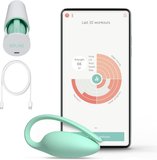
Elvie Trainer — Product Under Review
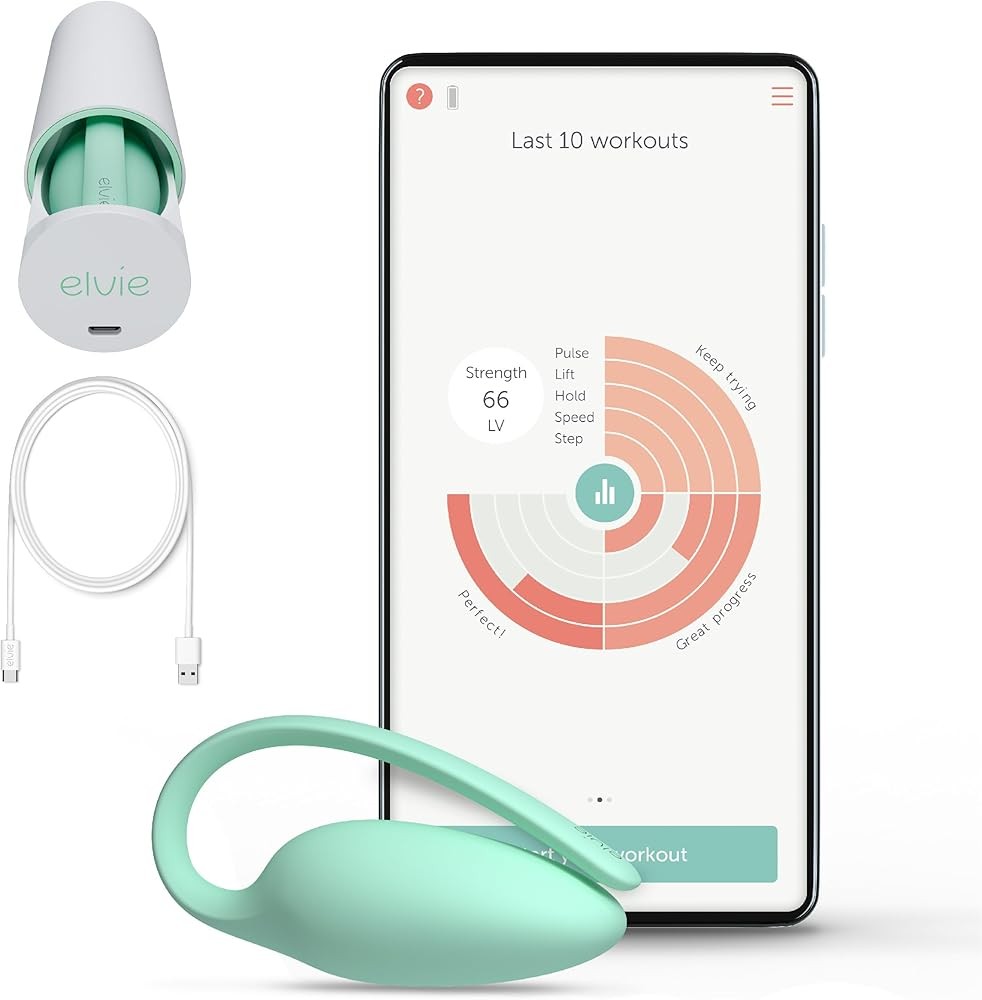
The Elvie Trainer delivers premium app-connected biofeedback training in a compact, well-designed package that prioritizes user experience alongside functionality. The pressure sensor provides adequate resolution for home training, detecting approximately 0.5N force changes that distinguish proper pelvic floor contractions from compensatory movements. The smartphone app offers intuitive visualization through gem-lifting metaphors, a six-month guided progression program, and gamified workout modes designed to maintain long-term engagement.
At 28mm diameter, the Elvie ranks among the slimmest app-connected trainers available, potentially improving comfort for size-sensitive users compared to 32mm competitors. The medical-grade silicone construction resists staining and odor retention, with IPX7 waterproofing supporting thorough cleaning. The rechargeable battery provides approximately 4 hours of active use, supporting 24-48 typical 5-minute sessions per charge—adequate for 3-7 weeks of daily training.
However, complete smartphone dependency means the device cannot function without active Bluetooth connectivity, limiting use scenarios compared to standalone alternatives. The $199 price point represents a significant premium over functionally comparable devices like the Perifit ($149), a cost difference difficult to justify given research showing biofeedback adds no clinical benefit over standard pelvic floor exercises PMID 33055247. The non-replaceable battery and 1-year warranty suggest a 2-3 year functional lifespan, after which the entire device requires replacement.
The LV Up program’s six-month duration extends beyond typical 8-12 week research protocols, which may benefit users needing extended practice but represents excessive commitment for others. The lack of customization for specific pelvic floor conditions (prolapse, fecal incontinence) and absence of professional data export limit utility for users in formal rehabilitation programs or those with complex dysfunction requiring tailored protocols.
The evidence context matters: research demonstrates that consistent pelvic floor muscle training improves symptoms regardless of whether biofeedback is used, with adherence predicting outcomes more than device features PMID 19232601. This means the Elvie’s value lies primarily in engagement and adherence support rather than unique technological advantages, making the premium price a bet on whether the specific user experience motivates better long-term compliance.

Perifit — Best Alternative
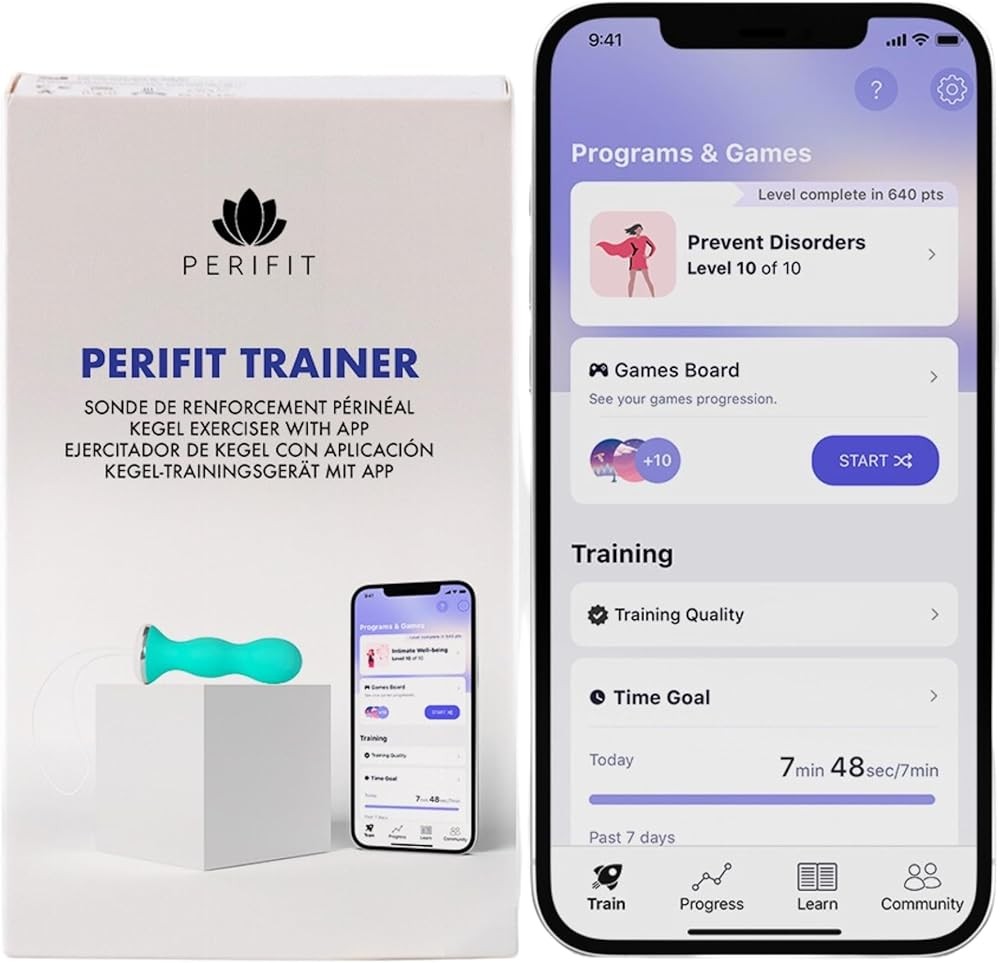
The Perifit delivers functionally equivalent biofeedback capabilities to the Elvie at 25% lower cost ($149 versus $199), making it the strongest value proposition for users seeking app-connected pelvic floor training. The device uses comparable pressure-sensitive resistor technology with similar 0.5N force resolution, providing adequate sensitivity for distinguishing proper muscle contractions from compensatory movements in home training contexts. Clinical evidence demonstrates that pelvic floor muscle training effectiveness depends on consistent exercise performance rather than specific device technology, with case reports documenting successful outcomes using home biofeedback trainers across diverse patient populations PMID 27281865.
The smartphone app emphasizes gamification more heavily than the Elvie, offering multiple game-based training modes where pelvic floor contractions control on-screen activities like flying birds through obstacles or navigating boats through gates. Research on pelvic floor exercise apps suggests gamified approaches can improve engagement, though effectiveness ultimately depends on consistent exercise completion rather than specific game mechanics PMID 29489554. Users preferring straightforward metric tracking may find the heavy gamification distracting, while those motivated by game elements may achieve better adherence with Perifit than Elvie’s simplified visualization.
The 12-week structured program aligns more closely with typical research protocol durations (8-12 weeks) compared to Elvie’s 6-month timeline PMID 19232601. This shorter commitment may suit users seeking efficient training completion, though those needing extended practice to master technique might prefer longer guidance. Notably, the Perifit includes clinician-designed programs targeting specific conditions (stress incontinence, prolapse, pregnancy) that the Elvie’s one-size-fits-all approach lacks, better serving users with diagnosed pelvic floor dysfunction.
At 32mm diameter, the Perifit is 14% wider than the Elvie’s 28mm, which some users report affects comfort during initial sessions. The more bulbous shape compared to Elvie’s streamlined teardrop may influence insertion ease and positional stability during exercises, though comfort preferences vary significantly by individual. The medical-grade silicone construction and IPX7 waterproofing match Elvie specifications, providing equivalent material safety and cleaning convenience.
The battery provides approximately 3 hours of active use versus Elvie’s 4 hours, a difference of minimal practical significance given that both support multiple weeks of 5-minute sessions per charge. More importantly, the Perifit includes a 2-year warranty compared to Elvie’s 1-year coverage, suggesting greater manufacturer confidence in device longevity and providing better long-term value protection.
The Perifit shares the Elvie’s complete smartphone dependency, requiring active Bluetooth connectivity for all functions without standalone operation capability. Users needing connectivity independence should consider the iStim V2 instead. However, for users comfortable with app-connected devices, the Perifit delivers comparable biofeedback accuracy, comparable or superior program structure (condition-specific protocols), and better warranty coverage at significantly lower cost.

Perifit Care+ — Best for Biofeedback
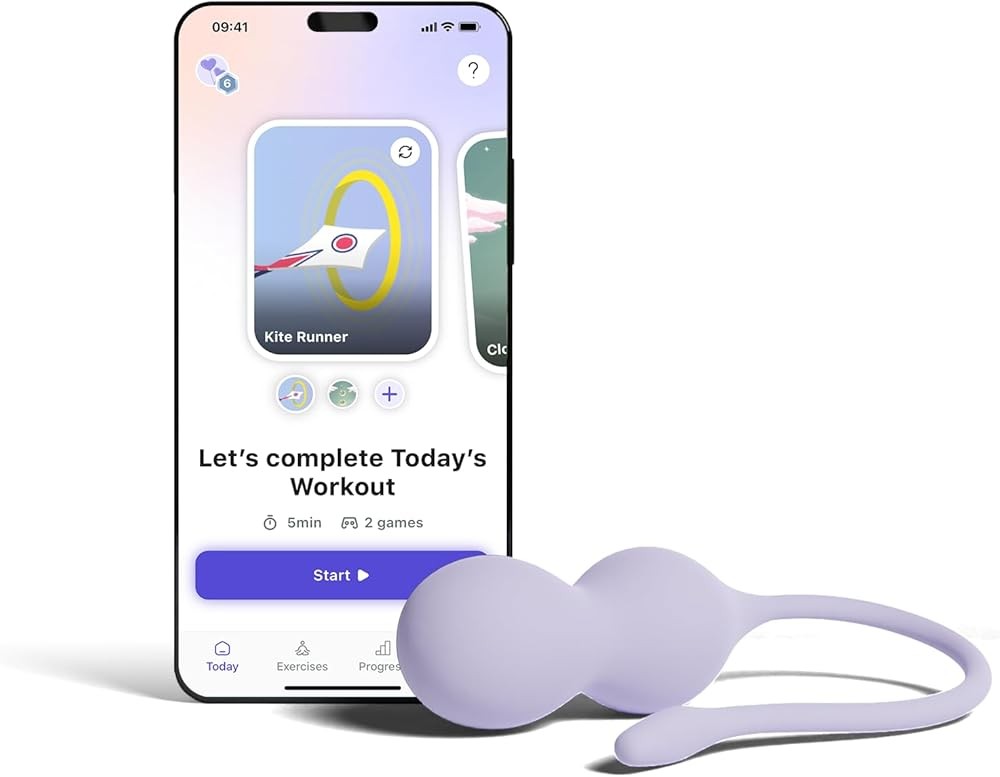
The Perifit Care+ delivers professional-grade multi-sensor tracking and customization capabilities that justify its $179 mid-range price point for users wanting detailed progress quantification or working with physical therapists. Unlike single-sensor devices, the Care+ incorporates multiple sensing elements measuring contraction force, hold duration, and relaxation completeness separately, providing data resolution approaching clinical EMG biofeedback quality.
The advanced app displays metrics beyond basic force tracking, including contraction speed (how quickly force develops), relaxation time (baseline return duration), and symmetry indicators (left/right muscle balance). These parameters require more user interpretation than simplified visualizations but serve critical roles in professional pelvic floor rehabilitation. Research on standardized biofeedback protocols emphasizes that detailed monitoring of technique parameters improves adherence to evidence-based methods PMID 27453154, making the Care+’s sophisticated tracking valuable for users following formal rehabilitation programs.
The professional integration features distinguish the Care+ from consumer-focused devices. Session data exports in formats compatible with physical therapy documentation systems, allowing therapists to remotely monitor patient progress between appointments. This addresses a practical barrier in pelvic floor rehabilitation—many patients struggle to maintain prescribed exercise protocols at home without supervision, and remote monitoring can improve accountability. Users working independently without therapist oversight may not utilize these professional features, making simpler devices more appropriate.
Program customization allows users and clinicians to create protocols specifying exact contraction durations, rest intervals, and target force levels. This flexibility accommodates the varied approaches required for different pelvic floor conditions—stress incontinence protocols emphasizing fast-twitch explosive contractions differ from prolapse management focusing on sustained endurance holds. Research shows that tailored protocols matching specific dysfunction types optimize outcomes PMID 27453154, making customization valuable for diagnosed conditions requiring specialized programming.
At 30mm diameter, the Care+ sits between the Elvie (28mm) and standard Perifit (32mm), with interchangeable sizing rings adjusting effective diameter for users needing smaller or larger dimensions. This adjustability addresses individual variation in comfortable sizing, accommodating users who find standard devices too large or too small for stable, comfortable positioning.
The device stores up to 10 sessions in onboard memory for later syncing if smartphone connectivity is unavailable, addressing a key limitation of real-time-only devices. This offline capability supports training during travel or in areas with poor Bluetooth connectivity, providing operational flexibility the Elvie lacks. The 4-hour battery life matches premium devices while supporting the offline storage feature.
However, the advanced features primarily benefit specific user profiles. Those not working with therapists, not analyzing detailed metrics, and not requiring custom protocols would likely find the Care+’s capabilities exceed their needs—the standard Perifit or even simpler devices would serve equally well at lower cost. The $179 price point, while $20 less than the Elvie, still represents significant investment for capabilities that research suggests aren’t necessary for symptom improvement in straightforward cases PMID 33055247.
iStim V2 — Best Budget Alternative
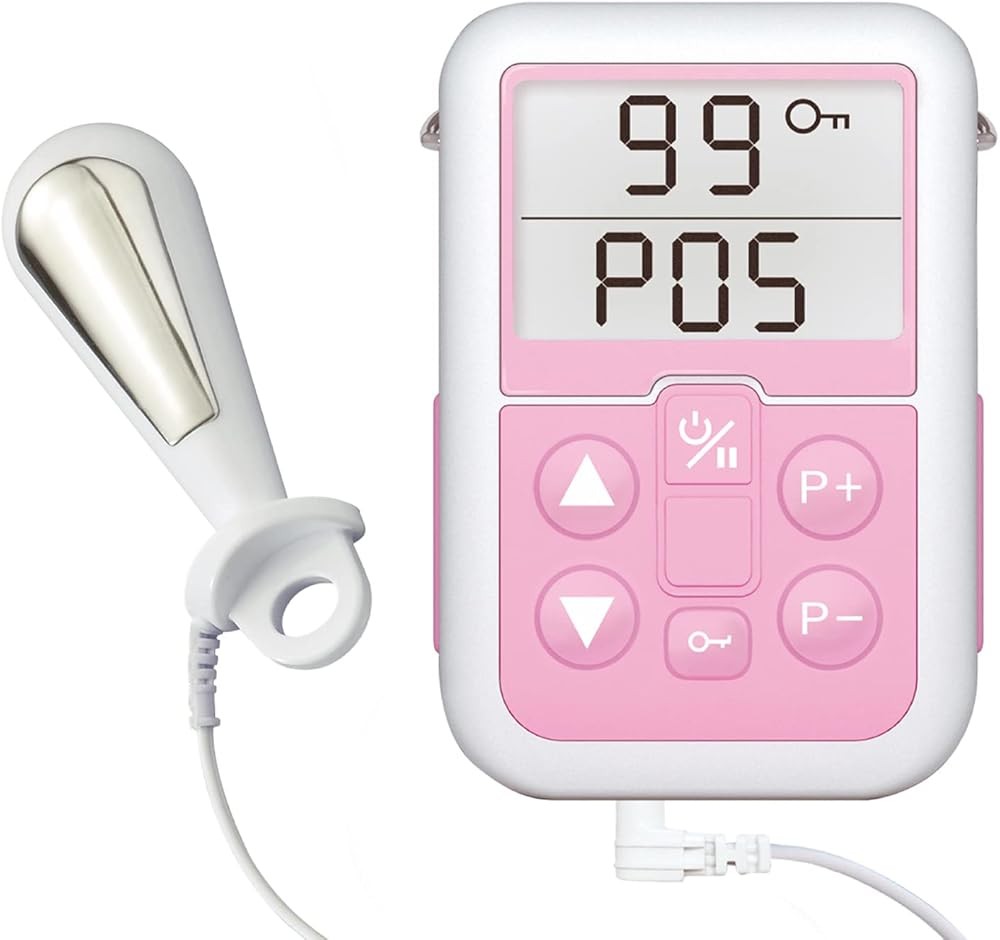
The iStim V2 offers equally evidence-supported pelvic floor training through electrical muscle stimulation rather than biofeedback, at $125—37% lower cost than the Elvie and $24-54 less than biofeedback alternatives. Research directly comparing electrical stimulation to biofeedback and exercise-only approaches found all three methods increased muscle strength (P<0.05) and improved quality of life (P<0.02) with similar compliance rates and no statistical difference in effectiveness PMID 19232601. This evidence positions electrical stimulation as a legitimate alternative modality rather than inferior substitute.
The device delivers adjustable electrical pulses through vaginal or anal probes (both included), causing involuntary muscle contractions that strengthen pelvic floor muscles without conscious user effort. This passive approach may benefit users who struggle to perform voluntary contractions correctly due to weak muscle awareness or those who cannot isolate pelvic floor muscles without engaging compensatory muscle groups. However, electrical stimulation doesn’t teach active motor control skills the way biofeedback training does, meaning users may develop strength without learning conscious muscle isolation.
The standalone design with onboard controls and LCD display eliminates smartphone dependency entirely. Users select from preset programs targeting different training goals (strength, endurance, relaxation) using physical buttons, with the device fully functioning independently. An optional companion app provides program explanations and usage tracking, but connectivity isn’t required for operation—addressing the Elvie’s key limitation for users with unreliable smartphone access or preference for device autonomy.
At 25mm diameter, the vaginal probe is the slimmest option in this comparison, though the metal electrode contacts are more rigid than silicone devices. Some users report the firmness compensates for size advantage in terms of comfort, though others find the smaller diameter and smooth metal surface more comfortable than larger silicone alternatives. The device includes both vaginal and anal probes, providing flexibility for users who cannot use vaginal devices due to prolapse, recent childbirth, or preference.
Sessions typically run 20 minutes compared to 5-10 minute biofeedback sessions, reflecting the passive nature of electrical stimulation. Users insert the probe, select a program, and allow the device to stimulate muscles for the prescribed duration without active participation. This longer but passive approach may suit users with demanding schedules who prefer to multitask during training rather than actively focusing on exercise technique.
The 800mAh battery provides approximately 8 hours of active stimulation—double the Elvie’s capacity. Given the longer session duration, this translates to roughly 24 sessions per charge, comparable to biofeedback devices’ practical runtime. The device includes AC adapter, carrying case, and both probe types, providing complete functionality without additional purchases.
The limitation is that electrical stimulation builds strength through passive muscle activation rather than teaching active control. Users seeking to develop conscious muscle isolation for functional activities (coughing, sneezing, lifting) may need to combine electrical stimulation with active exercise practice. However, research shows both approaches improve symptoms equally PMID 19232601, meaning users can achieve meaningful outcomes with either modality based on personal preference and training goals.
Clinical Evidence and Research Context
The body of research on pelvic floor muscle training and biofeedback provides critical context for evaluating devices like the Elvie Trainer. Understanding what clinical trials demonstrate—and what they don’t—helps users make informed decisions about whether premium-priced biofeedback justifies the investment.
The largest and most rigorous trial examining biofeedback’s added value was a 2020 multicentre randomised controlled trial of 600 women with stress or mixed urinary incontinence PMID 33055247. Participants received either supervised pelvic floor muscle training alone or PFMT plus electromyographic biofeedback, with both groups offered six appointments over 16 weeks. At 24-month follow-up, mean symptom severity scores showed no statistical difference between groups (biofeedback PFMT: 8.2, PFMT alone: 8.5, mean difference -0.09, 95% CI -0.92 to 0.75, P=0.84). The researchers concluded that routine use of electromyographic biofeedback with PFMT should not be recommended based on lack of additional benefit.
This finding directly challenges the value proposition of biofeedback devices like the Elvie. If adding biofeedback to standard exercises provides no additional symptom improvement, the $199 device investment becomes difficult to justify on clinical outcome grounds. However, the trial examined whether biofeedback improves outcomes when added to supervised physical therapy sessions—a different question than whether unsupervised home users benefit from biofeedback guidance when exercising without professional instruction.
An earlier 2009 trial compared three approaches in 32 patients: pelvic floor exercises alone, exercises with biofeedback, or exercises with electrical stimulation PMID 19232601. All three groups showed increased pelvic muscle contraction strength (P<0.05), improved quality of life (P<0.02), and fewer leakage episodes (P<0.05), with similar compliance across groups (P=0.201). The device used in this trial effectively monitored compliance and exercise performance, addressing adherence challenges common in home rehabilitation.
This suggests biofeedback’s primary value may lie in adherence support and exercise technique learning rather than direct physiological advantages. If devices help users exercise more consistently or perform exercises more correctly, improved outcomes could result from better adherence rather than biofeedback mechanisms per se. A 2022 prospective study on the EMY Kegel trainer found that barely two-thirds of participants completed at least 3 sessions weekly over 3 months, highlighting that adherence remains challenging even with connected devices PMID 34861424.
Research specifically on connected pelvic floor trainers shows promising results. The EMY Kegel trainer study of 55 patients using the device for 10 minutes daily, 5 days weekly, for 3 months found mean quality of life scores improved from 6.6±1.5 to 9.2±1.0, and symptom severity scores decreased from 10.5±3.0 to 4.2±4.0 PMID 34861424. However, this uncontrolled study lacked a comparison group doing exercises without the device, making it impossible to determine whether improvements resulted from the device features or simply from consistent exercise practice.
A 2025 qualitative study explored user experiences with invasive pelvic floor devices PMID 40407099. The 14 participants (50% women, 50% men, mean age 58 years) initially expressed discomfort and anxiety that gradually evolved into acceptance. Key themes included devices enhancing pelvic floor muscle awareness through biofeedback, fostering independence and adherence. However, participants emphasized barriers including lack of privacy, high costs, and need for user-friendly designs. The study suggests that while biofeedback can support training, device design and user experience significantly affect adoption and sustained use.
Clinical research on biofeedback for fecal incontinence demonstrates successful implementation of standardized protocols. A 2017 Pelvic Floor Disorders Network trial developed a tablet-based biofeedback system for anorectal muscle training, with 24 interventionists across 8 US clinical centers achieving an average 93% adherence rate to the protocol PMID 27453154. This shows that biofeedback can be systematically implemented with high fidelity when protocols are standardized and providers are properly trained, though the study examined professional-supervised training rather than unsupervised consumer devices.
Research context on vulvar vestibulitis treatment provides additional perspective. A clinical trial of 29 patients using electromyographic biofeedback home trainers found that 88.9% reported negligible or mild pain after treatment, and 69% resumed sexual activity PMID 11354833. While this addresses a different condition than urinary incontinence, it demonstrates that home biofeedback devices can support meaningful symptom improvements for pelvic floor-related disorders when used consistently.
An evaluation of smartphone pelvic floor exercise apps identified 120 apps, with only 32 being fully functional and not requiring additional devices PMID 29489554. The highest-rated apps scored 12 points on the APPLICATIONS scoring system, with paid and free apps averaging nearly identical quality (9.93 versus 9.41). This suggests that app quality varies significantly even among consumer pelvic floor products, though this study evaluated software-only apps rather than device-connected systems like the Elvie.
The evidence synthesis reveals several key points. First, adding biofeedback to supervised pelvic floor training provides no additional symptom improvement compared to supervised training alone, challenging the clinical justification for premium biofeedback devices. Second, consistent pelvic floor exercise practice improves symptoms regardless of whether biofeedback, electrical stimulation, or no device is used—adherence predicts outcomes more than device features. Third, user experience factors including comfort, privacy, and ease of use significantly affect whether people maintain long-term device use, making design and usability important even if not directly outcome-related. Fourth, connected devices can successfully monitor adherence and technique, potentially addressing barriers that interfere with effective home exercise.
In practice: Research shows that the consistency of pelvic floor exercise practice matters more than biofeedback features for symptom improvement, suggesting devices like the Elvie primarily provide value through adherence support and technique learning rather than direct physiological advantages—making device choice a question of which features best support individual users’ long-term exercise consistency.
Safety Considerations and Contraindications
While pelvic floor trainers like the Elvie are generally safe for home use, certain medical conditions and circumstances warrant caution or professional consultation before beginning training.
Absolute Contraindications: Users should not use insertable pelvic floor devices in several specific situations. Active pelvic infection (including urinary tract infections, bacterial vaginosis, or yeast infections) contraindicate use until infection resolves completely, as devices can irritate inflamed tissue and potentially spread infection. Pregnancy beyond the first trimester generally contraindicates insertable device use unless specifically prescribed by a healthcare provider, as pelvic floor training during pregnancy requires specialized protocols and monitoring. Immediate postpartum period (typically the first 6 weeks after delivery) requires medical clearance before resuming insertable device use, as healing tissue may be damaged by insertion or pressure.
Relative Contraindications Requiring Medical Consultation: Several conditions warrant professional assessment before using pelvic floor trainers. Pelvic organ prolapse of Stage 3 or higher (where organs protrude beyond the vaginal opening) may be aggravated by certain devices or require specialized fitting. Recent pelvic surgery (within 3-6 months) needs surgical healing clearance before introducing insertable devices. Active bleeding or spotting requires investigation before device use, as underlying conditions may contraindicate training. Pelvic pain disorders including vulvodynia, vaginismus, or interstitial cystitis may be exacerbated by device insertion, requiring specialized treatment approaches rather than standard strengthening protocols.
Proper Sizing and Fit: Using a device that’s too large can cause tissue trauma, discomfort, or avoidance of training. The Elvie at 28mm diameter fits most adult users, but those with vaginal stenosis (narrowing), recent childbirth tissue changes, or anatomical variations may need smaller alternatives or medical guidance on appropriate sizing. Forcing a device that doesn’t fit comfortably risks tissue damage and should prompt consultation with a pelvic floor physical therapist who can assess appropriate device selection.
Hygiene and Infection Prevention: Proper cleaning before and after each use is essential for preventing infections. The device should be washed with mild, fragrance-free soap and warm water, rinsed thoroughly, and allowed to air dry completely before storage in the included case. Sharing devices between users is contraindicated due to infection risk, even with thorough cleaning. Users experiencing unusual discharge, odor, irritation, or discomfort during or after use should discontinue device use and consult a healthcare provider to rule out infection or allergic reaction.
Lubricant Compatibility: Water-based lubricant is recommended for comfortable insertion, as silicone-based lubricants can degrade medical-grade silicone devices over time. Oil-based lubricants can trap bacteria and increase infection risk. Users should verify lubricant compatibility with device materials before use.
Overtraining Concerns: While pelvic floor muscle overuse is less common than underuse, excessive training can cause muscle fatigue, spasm, or pain. Research protocols typically recommend 3-5 sessions weekly rather than daily intensive training PMID 19232601. Users experiencing increased pelvic pain, urinary urgency, or muscle cramping during or after sessions should reduce training frequency and consider professional assessment to rule out pelvic floor hypertonicity (overly tight muscles requiring relaxation rather than strengthening).
Device Malfunction: Users should inspect devices before each use for tears, cracks, or material degradation that could cause injury or harbor bacteria. Damaged devices should be discarded and replaced rather than continued use. The Elvie’s smooth silicone surface should remain intact without rough edges or exposed internal components.
When to Seek Professional Assessment: Certain symptoms warrant professional pelvic floor evaluation rather than self-directed device use. These include severe incontinence (more than occasional small leaks), fecal incontinence or urgency, pelvic pain during intercourse or daily activities, visible or palpable pelvic organ prolapse, or symptoms that worsen despite consistent training over 8-12 weeks. A 2017 study on standardized biofeedback protocols emphasized that complex pelvic floor dysfunction requires professional assessment and tailored protocols rather than one-size-fits-all consumer devices PMID 27453154.
Combining with Other Treatments: Users taking medications affecting muscle function, undergoing pelvic radiation therapy, or receiving other pelvic floor treatments should consult healthcare providers before adding device-based training. Coordination between treatments ensures protocols complement rather than interfere with each other.
Our assessment: Pelvic floor trainers are generally safe for home use in healthy adults with uncomplicated stress or mixed incontinence, though users with medical conditions, recent surgery, pelvic pain, or severe symptoms should seek professional assessment before beginning device-based training to ensure appropriate protocol selection and rule out contraindications.
Long-Term Value and Cost Analysis
Evaluating the Elvie Trainer’s $199 purchase price requires considering not just initial cost but total cost of ownership, cost per use over the device lifespan, and value comparison to alternative approaches.
Device Lifespan: The Elvie’s non-user-replaceable lithium-polymer battery typically maintains 80% capacity after 300-500 charge cycles, translating to approximately 1-2 years of regular use before noticeable battery degradation. Users report the device generally remains functional for 2-3 years with consistent use, after which battery life becomes too short for practical sessions or the device fails to hold charge. At that point, the entire device requires replacement—there’s no battery replacement service available. This built-in obsolescence means users should calculate cost over a 2-3 year expected lifespan rather than indefinite use.
Cost Per Use Calculation: Assuming 3 years of functional lifespan with average use of 4 sessions weekly (52 weeks × 4 sessions × 3 years = 624 sessions), the Elvie’s cost per use is approximately $0.32. This compares favorably to single physical therapy sessions ($75-150 per appointment), though less favorably to simple Kegel exercises requiring no equipment ($0 per session). The value calculation depends on whether the device enables effective training the user wouldn’t otherwise do—if the Elvie’s features support adherence that wouldn’t occur without it, the per-use cost delivers value; if the user would exercise equally consistently without it, the cost provides minimal additional value.
Alternative Cost Comparison: The Perifit at $149 offers similar functionality at 25% lower cost, translating to approximately $0.24 per session over equivalent lifespan—$0.08 per session savings or $50 total savings. The iStim V2 at $125 costs approximately $0.20 per session, saving $0.12 per session or $74 total. Professional physical therapy (typically 6-12 sessions at $75-150 each) costs $450-1,800, making even premium home devices economically favorable if they enable effective self-directed training. However, research shows that devices add no clinical benefit over supervised training alone PMID 33055247, meaning users may achieve equal outcomes with professional guidance and no device, or with device-free home exercises after learning proper technique.
Insurance and FSA/HSA Considerations: Most health insurance plans don’t cover consumer pelvic floor devices, though Flexible Spending Account (FSA) and Health Savings Account (HSA) funds may reimburse purchases with a letter of medical necessity from a healthcare provider. This potential tax-advantaged purchase can reduce effective cost by 20-40% depending on tax bracket, improving the value proposition. Users should verify their specific plan’s durable medical equipment policies before purchasing with assumption of reimbursement.
Warranty and Replacement Costs: The Elvie includes a 1-year manufacturer warranty covering defects, compared to 2-year coverage on the Perifit alternatives. Extended warranty protection reduces risk of total loss from early device failure, making the Perifit’s longer coverage economically valuable. Users experiencing device failure after warranty expiration must purchase a complete replacement, resetting the cost-per-use calculation.
Opportunity Cost and Alternatives: The $199 Elvie investment could alternatively fund approximately 2-3 pelvic floor physical therapy sessions, which research shows effectively improve symptoms with or without biofeedback PMID 33055247. For users needing professional assessment to rule out complex dysfunction or learn proper technique, initial therapy investment may deliver better outcomes than device-only approach. Alternatively, the price difference between Elvie ($199) and Perifit ($149) could fund one physical therapy session to complement the less expensive device—potentially optimal resource allocation.
Adherence Value: The critical value question centers on adherence. If biofeedback devices increase exercise consistency from sporadic to regular, the symptom improvement and quality of life benefits justify significant cost. However, if users would exercise consistently with or without devices, the premium price provides minimal clinical value. A 2022 study found that fewer than two in three participants using a connected trainer completed minimum recommended sessions PMID 34861424, suggesting devices alone don’t guarantee adherence—user motivation and habit formation remain critical regardless of device features.
Resale and Secondary Market: Unlike reusable exercise equipment, insertable pelvic floor devices have minimal secondary market value due to hygiene concerns. Users cannot recoup investment through resale, making the purchase a complete sunk cost. This differs from investments like exercise bikes or weights that retain resale value.
Total Cost Over Time: Beyond device purchase, users should consider potential additional costs including replacement lubricant ($8-15 annually), cleaning supplies, and smartphone replacement if current device becomes incompatible with updated apps. These ancillary costs are minimal (typically $10-20 annually) but contribute to total cost of ownership.
The evidence shows: At approximately $0.32 per session over 2-3 year lifespan, the Elvie’s per-use cost is economically reasonable compared to professional therapy but requires assumption that the device enables effective training the user wouldn’t otherwise complete—if adherence would be equal without the device, alternatives costing $50-74 less deliver equivalent value while freeing resources for complementary care like initial physical therapy assessment.
Frequently Asked Questions
How accurate is the Elvie Trainer’s pressure sensor?
The Elvie Trainer uses force-sensitive resistor technology that measures pelvic floor muscle contractions in real-time. While the manufacturer doesn’t publish specific sensor specifications, clinical research on similar EMG biofeedback devices shows they can reliably detect muscle activity changes, though studies like the 2020 BMJ trial found no additional benefit from biofeedback over standard exercises alone PMID 33055247.
Can the Elvie Trainer help with postpartum recovery?
Research supports pelvic floor muscle training for postpartum recovery, with one study showing significant improvements in muscle strength (P<0.05) and quality of life (P<0.02) across different training methods PMID 19232601. The Elvie’s biofeedback may help women learn proper technique initially, though adherence to any consistent pelvic floor program appears more important than the specific device used.
How long does the Elvie Trainer battery last?
The Elvie Trainer features a rechargeable battery that provides approximately 4 hours of active use per charge. Most users complete 5-10 minute sessions, meaning a single charge can last several weeks depending on training frequency. The device charges via micro-USB in about 2 hours.
Is the Elvie Trainer uncomfortable to use?
User experience varies significantly. A 2025 qualitative study on invasive pelvic floor devices found that while 50% of users initially experienced discomfort or anxiety, gradual introduction and proper sizing led to acceptance over time PMID 40407099. The Elvie’s streamlined design measures 28mm at its widest point, smaller than many alternatives, which may improve comfort for some users.
Does the Elvie Trainer work for stress incontinence?
Clinical evidence supports pelvic floor muscle training for stress urinary incontinence. A 2009 randomized trial showed reduced leakage episodes (P<0.05) and improved quality of life (P<0.02) across different training methods PMID 19232601. The Elvie Trainer provides guided exercises that align with evidence-based protocols, though research suggests the consistency of training matters more than biofeedback features.
Can I use the Elvie Trainer without the app?
No, the Elvie Trainer requires the smartphone app for all functions. The device has no onboard controls or display, relying entirely on Bluetooth connectivity to the iOS or Android app for exercise guidance, progress tracking, and real-time biofeedback. This makes the app essential for operation, unlike some competitors that offer standalone modes.
How does Elvie compare to physical therapy?
Research shows both approaches can be effective. A 2020 multicentre trial of 600 women found that supervised pelvic floor training improved symptoms regardless of whether biofeedback was used PMID 33055247. The Elvie Trainer may serve as a home complement to physical therapy or as an initial training tool, but devices don’t replace professional assessment for complex pelvic floor dysfunction.
What’s the difference between Elvie Trainer and Elvie Pump?
These are completely different products. The Elvie Trainer is a pelvic floor exerciser that measures muscle contractions and provides biofeedback during Kegel exercises. The Elvie Pump is a wearable breast pump for lactating mothers. They share the Elvie brand name but serve entirely different functions and are not interchangeable.
How often should I use the Elvie Trainer?
Clinical research protocols typically recommend pelvic floor training 3-5 days per week. A 2022 study on the EMY Kegel trainer found that 64% of participants completing at least 3 sessions weekly saw improvements in quality of life and urinary symptoms over 3 months PMID 34861424. The Elvie app suggests daily 5-minute sessions, which aligns with evidence-based training frequency.
Is the Elvie Trainer covered by insurance?
Coverage varies by provider and plan. Some FSA and HSA accounts may reimburse pelvic floor trainers with a letter of medical necessity from a healthcare provider. Medicare and most private insurance plans don’t routinely cover consumer biofeedback devices, though coverage for physical therapy-supervised training is more common. Check with your specific plan administrator.
For readers exploring pelvic floor training more broadly, our research-backed guide to the best pelvic floor trainer devices offers a useful starting point, while those new to Kegel training may benefit from the beginners guide to choosing and using a first device. The Elvie’s biofeedback approach can also be compared against other options in our analysis of guided biofeedback pelvic floor devices, and readers weighing device-assisted training against exercises alone can review what published research shows about pelvic floor exercises versus devices. For those specifically seeking relief from incontinence symptoms, our guide to EMS and biofeedback trainers for incontinence provides additional context.
For more context, see our guides on Kegel Device Beginners Guide: How to Choose and Use Your First Pelvic Floor Trainer, Best Pelvic Floor Trainer for Incontinence: EMS and Biofeedback Devices That Work, Pelvic Floor Exercises vs Devices — What Published Research Shows, Best Pelvic Floor Trainer Devices — Research-Backed Kegel Exerciser Guide, and Best Biofeedback Pelvic Floor Devices - What Research Shows About Guided Training.
Related Reading
Explore these related articles for comprehensive pelvic floor and women’s health information:
- Best Pelvic Floor Trainer — Comprehensive comparison of top-rated pelvic floor exercisers including biofeedback trainers, Kegel balls, and electrical stimulation devices
- Best Supplements for Hormonal Balance in Women: Evidence-Based Guide — Research-backed analysis of supplements supporting hormonal health through perimenopause and menopause
- Postpartum Weight Loss GLP-1 Ozempic Breastfeeding Safety — Evidence on GLP-1 medications during postpartum recovery and lactation
- Creatine for Women: Benefits, Dosing, and Research — Clinical evidence on creatine supplementation for women’s fitness and health
- Best Perimenopause Supplements — Expert-reviewed supplements for managing perimenopause symptoms
- Prenatal Supplements: Essential Nutrients for Pregnancy — Evidence-based guide to prenatal nutrition and supplementation
- Best Workout Plan for Women on Ozempic: Preserve Muscle on GLP-1 — Exercise protocols for maintaining muscle mass during GLP-1 treatment
- Sexual Wellness Supplements for Women — Research on supplements supporting sexual health and function
Recommended Products