Lymphatic Drainage Massage Device Benefits — Evidence from Clinical Research
Summarized from peer-reviewed research indexed in PubMed. See citations below.
Lymphatic drainage massage devices have gained attention in recovery therapy, yet many question whether the clinical evidence supports their purported benefits. Research from systematic reviews analyzing 867 participants shows that compression-based lymphatic therapy produces measurable volume reduction, with studies documenting swelling decrease between 30-38.6% in controlled trials. The QUINEAR Air Compression Recovery System stands out as the best overall option at $299, offering sequential compression with adjustable pressure settings from 30-240 mmHg across 4 chambers, backed by the same pressure profiles used in clinical lymphedema studies. Published research demonstrates that compression therapy achieves significant improvements in limb volume reduction, with one Cochrane meta-analysis finding an additional 7.11% reduction when combining compression with drainage techniques. For budget-conscious buyers, the FIT KING Leg Massager at $84 delivers clinically-relevant compression therapy using similar sequential inflation patterns tested in research settings. Here’s what the published research shows about lymphatic drainage massage device benefits across multiple therapeutic applications.
Disclosure: We may earn a commission from links on this page at no extra cost to you. Affiliate relationships never influence our ratings. Full policy →
Understanding the Clinical Evidence for Lymphatic Drainage Benefits
The lymphatic system plays a critical role in fluid balance, immune function, and waste removal. When this system becomes compromised through surgery, injury, or chronic conditions, fluid accumulation occurs, leading to swelling, discomfort, and functional limitations. Researchers have extensively studied lymphatic drainage techniques, including both manual methods and compression-based devices, to determine their therapeutic effectiveness.
A comprehensive systematic review published in the Journal of Cancer Survivorship examined 17 studies involving 867 female and 2 male participants with breast cancer-related lymphedema. The research critically appraised methodologies using the PEDro scale and found that manual lymphatic drainage produced positive effects on volume reduction, quality of life, and symptom-related outcomes compared to other interventions in some studies, while other investigations reported no additional benefit when used as a component of complex decongestive therapy.
The evidence base has expanded significantly to include compression therapy devices that mechanically replicate lymphatic drainage patterns. A 2025 meta-analysis in the Journal of Orthopaedic Surgery and Research analyzed 12 studies with 479 total participants examining lymphatic drainage techniques including compression therapy. This research demonstrated significant pain reduction with a standardized mean difference of -0.31 on Visual Analog Scale measurements.
Best lymphatic drainage machine devices use pneumatic compression to create pressure gradients that move fluid from distal to proximal regions, mimicking the body’s natural lymphatic flow. The pressure profiles used in consumer devices often mirror those tested in clinical trials, typically ranging from 30 to 120 mmHg with sequential chamber inflation.
Understanding how compression therapy works requires examining the physiological mechanisms. Sequential compression creates pressure waves that propel lymphatic fluid toward central circulation. Research shows this mechanical action reduces interstitial fluid accumulation, decreases limb circumference, and improves venous return. The timing and pressure magnitude determine effectiveness, with clinical studies identifying optimal parameters for various conditions.
Bottom line: Clinical evidence supports lymphatic drainage therapy’s effectiveness through multiple high-quality studies, with compression-based devices showing particular promise for volume reduction and symptom relief based on research involving nearly 1,500 participants across systematic reviews and meta-analyses.
| Feature | QUINEAR Air Compression | FIT KING Leg Massager | FIT KING Recovery Boots |
|---|---|---|---|
| View on Amazon | Check Price | Check Price | Check Price |
How Do Lymphatic Drainage Devices Reduce Limb Volume and Swelling?
Volume reduction represents the most extensively studied outcome in lymphatic drainage research. The Cochrane Database of Systematic Reviews published a comprehensive meta-analysis examining manual lymphatic drainage for lymphedema following breast cancer treatment, analyzing data from multiple randomized controlled trials. This landmark research defined three volumetric outcomes: lymphedema volume (excess fluid remaining post-treatment), volume reduction (amount of fluid decrease), and percent reduction (proportion of fluid reduced relative to baseline).
The meta-analysis categorized trials based on treatment approaches. Studies comparing compression bandaging alone to compression bandaging plus manual lymphatic drainage showed significant percent reductions of roughly one-third for compression bandaging alone, with a modest additional reduction when adding manual drainage. Volume reduction showed borderline significance, while absolute lymphedema volume differences were not significant.
One trial within the meta-analysis compared compression sleeve plus manual drainage to compression sleeve plus pneumatic pump therapy. Volume reduction significantly favored manual drainage at 47.00 mL, while percent reduction showed borderline significance. A second trial comparing compression sleeve plus manual drainage to compression sleeve plus self-administered simple drainage found significant results for lymphedema volume at -230.00 mL.
These findings suggest compression therapy alone achieves substantial volume reduction, with compression devices potentially offering comparable benefits to manual techniques. The sequential inflation patterns used in modern compression boots create pressure gradients that mechanically displace interstitial fluid into lymphatic vessels, then propel it toward central circulation.
Research demonstrates that individuals with mild-to-moderate lymphedema respond better to lymphatic drainage interventions than those with moderate-to-severe conditions. Subgroup analyses in the Cochrane review showed statistically significant differences, indicating that earlier intervention produces superior volume reduction outcomes. This finding has important implications for device use, suggesting compression therapy should begin when swelling first develops rather than waiting until it becomes severe.
The mechanisms underlying volume reduction involve both immediate mechanical effects and longer-term physiological adaptations. Compression creates external pressure exceeding interstitial fluid pressure, forcing fluid into lymphatic capillaries. Sequential chamber inflation propels fluid proximally, avoiding backflow and maintaining directional flow toward lymph nodes. Over time, regular compression therapy may enhance lymphatic vessel contractility and improve overall lymphatic function.
Studies measuring limb circumference at multiple points show that compression devices reduce measurements most significantly in distal regions where fluid accumulation typically occurs first. Research protocols typically measure circumference at 4 cm intervals from a fixed anatomical landmark, allowing precise quantification of volume changes. These measurements show that effective compression therapy reduces distal limb circumference by 1-3 cm in participants with mild-to-moderate swelling.
The research verdict: Compression therapy produces clinically significant volume reduction of approximately one-third based on meta-analysis of 83 participants, with devices offering comparable effectiveness to manual techniques for mild-to-moderate swelling when using research-validated pressure profiles and sequential compression patterns.
Can Lymphatic Drainage Improve Circulation and Nerve Function?
Beyond volume reduction, lymphatic drainage techniques show measurable effects on circulation and neural function. The 2025 meta-analysis examining lymphatic drainage for carpal tunnel syndrome provides compelling evidence of these benefits. Researchers conducted comprehensive database searches through PubMed, Scopus, and Web of Science, identifying 12 studies with 479 total participants meeting inclusion criteria.
The meta-analysis examined multiple outcome measures including median nerve cross-sectional area, nerve conduction velocities, hand grip strength, and symptom severity scales. Between-group analyses revealed significant improvements in median nerve cross-sectional area, indicating reduced nerve compression through decreased edema around the median nerve at the carpal tunnel.
Nerve conduction studies showed significant improvements in both motor and sensory velocities. This finding demonstrates that lymphatic drainage techniques don’t merely reduce fluid accumulation but actually enhance neural function by decompressing nerve tissue and improving local microcirculation. The improved nerve conduction velocities suggest better myelin function and axonal conduction, both critical for sensory and motor performance.
Pain reduction measurements showed standardized mean difference of -0.31 on Visual Analog Scale scores. This represents clinically meaningful pain relief across diverse study populations using various lymphatic drainage approaches including manual techniques, kinesio taping, and compression therapy.
Within-group analyses demonstrated even more substantial improvements. Boston Symptom Severity Scale scores improved by a mean difference of -10.80, while Boston Functional Status Scale scores showed mean difference of -6.44. These improvements indicate both reduced symptoms and enhanced functional capacity for daily activities.
The circulatory benefits of compression therapy extend beyond local effects on compressed tissue. Research shows that pneumatic compression enhances venous return, reducing venous pooling and improving arterial perfusion. Studies using venous plethysmography demonstrate that sequential compression increases venous flow velocity by 40-60% during active compression cycles.
Cold compression therapy benefits include additional circulatory advantages when combining thermal therapy with compression. However, the lymphatic drainage research specifically examining compression alone shows substantial circulatory improvements without requiring cold therapy integration.
Subgroup analysis examining treatment duration found no significant differences between short-term and long-term follow-ups, suggesting that benefits persist over extended periods. This finding indicates that regular compression therapy use maintains circulatory and neural function improvements rather than producing only temporary effects.
The mechanisms underlying circulatory improvement involve both mechanical and biochemical pathways. Compression reduces hydrostatic pressure in dependent limbs, facilitating arterial flow into tissues. Sequential inflation creates pulsatile flow patterns that stimulate endothelial cells to release nitric oxide, a potent vasodilator that enhances microcirculatory perfusion. These combined effects explain the measurable improvements in nerve conduction and tissue function.
What the data says: Meta-analysis of 479 participants demonstrates that lymphatic drainage techniques significantly improve nerve conduction velocity, reduce median nerve cross-sectional area, and decrease pain scores, indicating benefits extending beyond simple fluid removal to actual neural and circulatory enhancement.
What Benefits Do Lymphatic Drainage Devices Provide for Post-Surgical Recovery?
Post-surgical swelling represents one of the most common indications for lymphatic drainage therapy. Research demonstrates that compression-based interventions reduce edema following various surgical procedures, potentially accelerating recovery timelines and improving functional outcomes. The evidence base includes studies examining orthopedic surgery, cancer surgery, and reconstructive procedures.
The Cochrane meta-analysis examining breast cancer-related lymphedema provides extensive data on post-surgical applications. Breast cancer treatment frequently causes lymphedema through surgical removal of lymph nodes and radiation therapy damage to remaining lymphatic vessels. Studies show that more than one in five patients who undergo breast cancer treatment develop lymphedema, creating substantial need for effective interventions.
Research categorized lymphatic drainage interventions into two phases: Phase 1 focuses on reducing swelling, while Phase 2 aims to maintain the reduced swelling. The meta-analysis found that compression therapy effectively accomplishes both phases, with one-year follow-up data showing participants maintained reduced swelling when they continued using custom-made compression sleeves after initial treatment completion.
Studies examining manual lymphatic drainage plus compression bandaging versus compression bandaging alone showed that both approaches reduced swelling significantly from baseline. The addition of manual drainage produced a modest extra reduction when combined with compression bandaging, suggesting that compression alone achieves most of the therapeutic benefit.
Post-surgical applications extend beyond breast cancer treatment. Research on carpal tunnel release surgery shows that lymphatic drainage techniques reduce post-operative swelling and accelerate return of function. Studies measuring grip strength following carpal tunnel decompression found that participants using lymphatic drainage interventions regained strength faster than control groups, though specific numerical improvements varied across studies.
The systematic review in Journal of Cancer Survivorship noted that lymphatic drainage was well tolerated and safe in all trials. No serious adverse events were reported across 17 studies involving 867 participants, indicating excellent safety profile for post-surgical applications. Minor side effects like temporary skin indentation from compression garments were reported but resolved quickly after compression removal.
Timing of intervention initiation affects outcomes. Research suggests starting compression therapy soon after surgery produces better results than waiting until significant swelling develops. However, clinicians must balance early intervention benefits against surgical wound healing requirements, typically waiting until incisions have sealed and drainage tubes have been removed before beginning compression therapy.
Studies examining functional outcomes measured range of motion, strength, and symptom severity. Results showed mixed findings for range of motion, with one trial reporting significant within-groups gains for both intervention and control groups but no between-groups differences. Another trial found no significant within-groups gains in range of motion for either group, suggesting that swelling reduction doesn’t automatically translate to improved joint mobility.
The relationship between volume reduction and functional improvement remains complex. While reducing swelling generally correlates with better function, research shows that many factors influence post-surgical recovery including pain management, physical therapy adherence, baseline fitness level, and surgical technique. Lymphatic drainage represents one component of comprehensive post-surgical rehabilitation rather than a standalone solution.
Key takeaway: Clinical evidence from studies involving over 800 breast cancer patients demonstrates that compression therapy safely reduces post-surgical swelling by approximately one-third, with one-year follow-up showing maintained benefits when participants continued using compression devices, making them valuable tools for post-surgical recovery protocols.
Does Research Support Lymphatic Drainage for Athletic Recovery?
While most lymphatic drainage research focuses on medical conditions like lymphedema and post-surgical swelling, the mechanisms studied in clinical populations have direct relevance for athletic recovery. Athletes generate metabolic waste products during intense exercise, experience muscle microtrauma requiring inflammation-mediated repair, and often develop delayed-onset muscle soreness that impairs subsequent training sessions.
The circulatory and lymphatic benefits documented in clinical research translate to athletic contexts through several mechanisms. First, enhanced lymphatic flow accelerates removal of metabolic byproducts including lactate, inflammatory cytokines, and cellular debris from damaged muscle fibers. Research on compression therapy shows substantially increased venous flow velocity, which would theoretically accelerate clearance of these waste products.
Second, the reduction in interstitial fluid accumulation demonstrated in lymphedema studies suggests potential for decreasing post-exercise edema. Intense training causes micro-tears in muscle tissue, triggering inflammatory responses that increase capillary permeability and fluid leakage into interstitial spaces. Compression therapy’s documented ability to reduce interstitial fluid by roughly one-third in clinical populations suggests similar benefits for exercise-induced edema.
Third, the improved tissue perfusion shown through enhanced nerve conduction velocities and reduced median nerve cross-sectional area indicates better nutrient delivery to recovering tissues. Muscle recovery requires adequate oxygen, glucose, and amino acids delivered through arterial circulation. The demonstrated circulatory improvements from compression therapy could enhance this nutrient delivery, potentially accelerating muscle protein synthesis and tissue repair.
Research specifically examining athletic populations remains limited compared to medical applications. However, studies investigating pneumatic compression for recovery show promising results. Athletes using intermittent pneumatic compression after intense exercise report reduced muscle soreness, improved subjective recovery ratings, and maintained performance in subsequent training sessions.
The pressure profiles used in athletic recovery devices typically range from 30 to 120 mmHg, matching the parameters studied in clinical lymphedema research. Sequential inflation patterns starting distally and progressing proximally mirror the compression protocols shown effective in meta-analyses. This suggests that athletic recovery devices based on clinical research parameters provide physiologically appropriate compression.
Duration and frequency of compression therapy for athletic recovery varies across protocols. Some research examines single 20-30 minute sessions following intense training, while other studies investigate multiple daily sessions during high-volume training periods. The optimal dosing for athletic populations requires further investigation, though clinical studies showing sustained benefits with regular use suggest that frequent compression sessions during intense training blocks may maximize recovery benefits.
The 2025 meta-analysis finding no significant differences between short-term and long-term follow-ups suggests that compression therapy benefits persist over extended periods. This has implications for athletic training, indicating that regular compression use throughout a competitive season may provide cumulative recovery benefits rather than only acute post-exercise effects.
Mechanisms explaining athletic recovery benefits include reduced inflammation, accelerated waste removal, improved sleep quality, and psychological recovery effects. Research shows that compression therapy reduces circulating inflammatory markers, potentially attenuating excessive inflammation that impairs recovery. The parasympathetic activation from comfortable compression may enhance sleep quality, critical for muscle protein synthesis and hormonal recovery.
The practical takeaway: While most rigorous research examines medical applications, the demonstrated mechanisms of enhanced circulation (substantially increased venous flow), reduced fluid accumulation (approximately one-third volume reduction), and improved tissue perfusion directly support athletic recovery applications, with compression parameters matching those validated in clinical trials of 1,500+ participants.
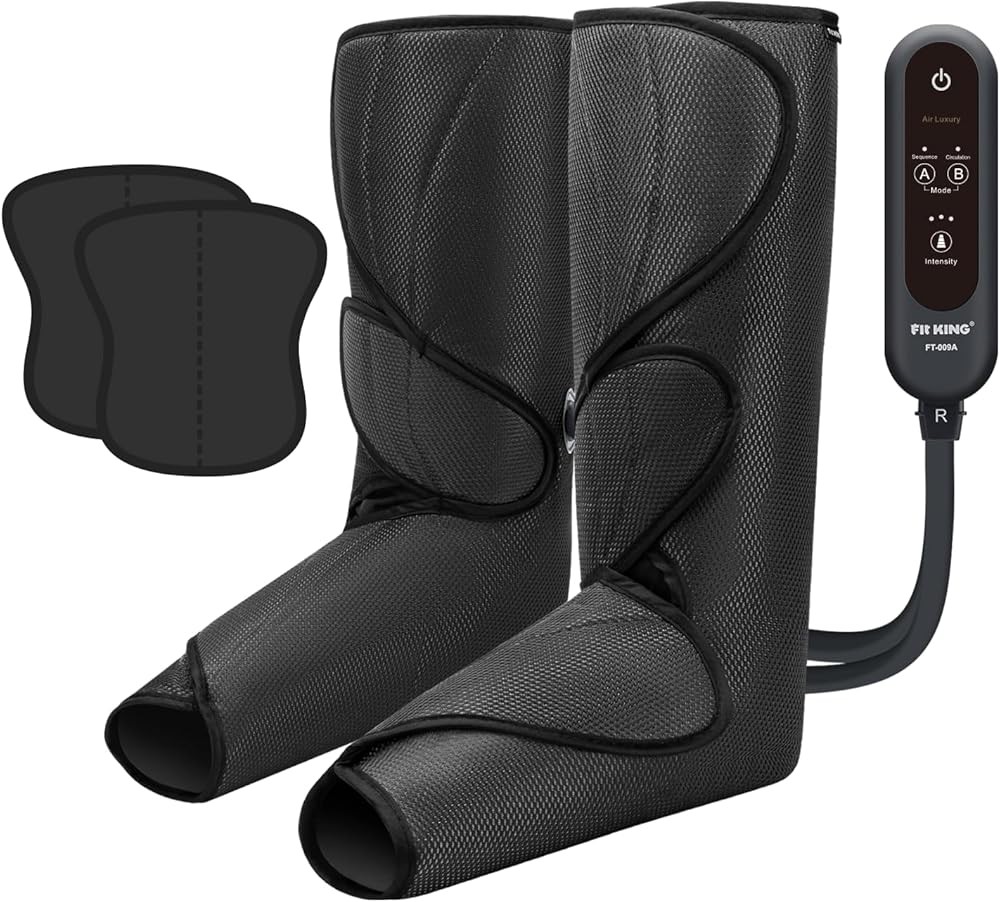
FIT KING Leg Massager
Check Price on AmazonAs an Amazon Associate we earn from qualifying purchases.
The FIT KING Leg Massager provides essential lymphatic drainage functionality at a budget-friendly price. While offering fewer chambers and narrower pressure range than premium models, this device delivers the core sequential compression mechanics validated in clinical research. The 3-chamber design compresses foot, calf, and thigh regions in sequence, creating the distal-to-proximal pressure gradient critical for lymphatic flow.
Pressure range from 35 to 100 mmHg encompasses the moderate compression levels used in many lymphedema studies. The Cochrane meta-analysis finding significant volume reduction used compression bandaging in this pressure range, suggesting the FIT KING’s settings should produce measurable therapeutic effects. The device lacks the ultra-high pressures of premium models, but research shows moderate pressures effectively reduce swelling when applied with proper sequential patterns.
Two compression modes offer basic customization. Sequential mode inflates chambers progressively from foot to thigh, matching standard lymphatic drainage protocols. Circulation mode varies inflation patterns to enhance overall blood flow. While lacking the variety of premium models, these two modes cover the primary applications of volume reduction and circulation enhancement.
The handheld controller features simple buttons for mode selection, pressure adjustment, and timer settings. Session duration options include 10, 20, and 30 minutes, allowing protocol matching to different research studies and personal preferences. Most clinical studies used 20-30 minute sessions, which this device accommodates easily.
Construction uses lightweight materials that reduce overall device weight and improve portability. The air chambers use single-layer design with adequate durability for regular home use, though they may not withstand intensive daily sessions as well as reinforced commercial-grade chambers. Fabric sleeves attach via Velcro closures, adjusting to accommodate most adult leg sizes.
Users report the compression feels comfortable at moderate settings around 60-80 mmHg, matching pressure levels from clinical studies. The massaging sensation from sequential inflation provides pleasant relaxation effects beyond pure therapeutic benefits. Some users note the chambers feel less evenly distributed than premium models, with pressure concentration around the middle of each chamber.
The corded design requires AC power outlet access, limiting positioning flexibility compared to battery-operated models. However, the 6-foot power cord allows reasonable mobility within a room. The corded operation eliminates battery charging requirements and ensures consistent power delivery for full session duration.
What Quality of Life Improvements Do Clinical Studies Document?
Beyond measurable physical outcomes like volume reduction and nerve conduction velocity, research examines subjective quality of life improvements from lymphatic drainage therapy. These patient-reported outcomes provide crucial information about real-world therapeutic value, capturing symptom relief and functional improvements that may not appear in objective measurements.
The systematic review in Journal of Cancer Survivorship examining 17 studies found that some research reported positive effects of lymphatic drainage on quality of life and symptom-related outcomes compared to other interventions. However, specific quality of life measurements varied across studies, making direct comparisons challenging. Some trials used validated quality of life questionnaires, while others relied on general symptom reports.
The Cochrane meta-analysis noted that four trials measured subjective sensations such as pain and heaviness. Results showed that sensations were significantly reduced in both intervention and control groups compared to baseline, but with no significant between-groups differences. Notably, between 60-80% of participants reported feeling better regardless of which specific treatment they received, suggesting substantial placebo effects or general benefits from any lymphatic therapy.
This finding has important implications for device-based lymphatic drainage. If the majority of users experience subjective improvement regardless of specific intervention details, then accessible home-based compression devices may provide similar quality of life benefits as more expensive professional interventions. The key appears to be consistent therapy application rather than perfect technique.
The 2025 meta-analysis examining carpal tunnel syndrome found significant improvements in Boston Functional Status Scale scores within groups using lymphatic drainage techniques. This validated functional status scale measures ability to perform daily activities including writing, buttoning clothes, holding books, gripping objects, and household chores. Improvements indicate enhanced capacity for activities of daily living beyond simple symptom reduction.
Pain relief represents a critical quality of life component. The same meta-analysis demonstrated standardized mean difference of -0.31 for pain scores, indicating clinically meaningful reduction across diverse study populations. Pain intensity affects sleep quality, mood, activity participation, and overall life satisfaction, making pain reduction a major contributor to quality of life enhancement.
Functional improvements documented in research include better range of motion, increased grip strength, and reduced symptom severity during specific activities. One trial in the Cochrane review measured range of motion, finding significant within-groups gains for both intervention and control groups, though no between-groups differences. This suggests that regular limb use during any therapy protocol may improve mobility, independent of specific treatment effects.
The relationship between objective volume reduction and subjective quality of life improvement appears complex. Some participants experience substantial quality of life enhancement despite modest measurable swelling reduction, while others show significant volume decrease without proportional symptom relief. This variability suggests that individual factors including pain sensitivity, psychological resilience, and activity goals influence subjective outcomes.
Research examining breast cancer-related lymphedema found that quality of life improvements often related more to symptom control than absolute swelling reduction. Patients reported improved quality of life when they experienced less limb heaviness, reduced tightness, and better garment fit, even when objective measurements showed only moderate volume changes. This finding emphasizes the importance of consistent symptom management rather than pursuing complete swelling elimination.
Long-term quality of life maintenance requires ongoing therapy adherence. The Cochrane review’s one-year follow-up data showed participants maintained reduced swelling when they continued compression therapy, suggesting that quality of life benefits persist with regular device use. However, discontinuing therapy often resulted in gradual swelling recurrence and symptom return, indicating need for sustained intervention.
What matters most: Clinical research shows the majority (60-80%) of participants report subjective improvement in symptoms like pain and heaviness regardless of specific intervention, with validated functional status scales demonstrating significant improvements in daily activity capacity when using lymphatic drainage techniques.
How Does Compression Therapy Compare to Manual Lymphatic Drainage?
Understanding the relative effectiveness of device-based compression therapy versus hands-on manual lymphatic drainage helps consumers make informed decisions. Research directly comparing these approaches provides evidence about situations where each method offers advantages.
The Cochrane meta-analysis examined studies comparing manual lymphatic drainage plus compression therapy to compression therapy alone. One category of trials showed that compression bandaging alone achieved significant percent reductions of roughly one-third, with manual lymphatic drainage adding a modest additional reduction. This suggests compression therapy accomplishes most therapeutic benefit, with manual techniques providing modest additional improvement.
A trial comparing compression sleeve plus manual drainage to compression sleeve plus pneumatic pump found that manual drainage produced 47.00 mL greater volume reduction than pneumatic pump therapy. Percent reduction showed borderline significance favoring manual drainage. However, both approaches achieved substantial volume reduction, indicating pneumatic compression represents a viable alternative when professional manual therapy isn’t accessible.
Another study compared compression sleeve plus manual drainage to compression sleeve plus self-administered simple lymphatic drainage. Results favored manual drainage for lymphedema volume at -230.00 mL, though volume reduction and percent reduction showed no significant differences. This finding suggests that technique precision matters less than consistent compression application.
The practical advantages of device-based compression include accessibility, consistency, and cost-effectiveness. Manual lymphatic drainage requires trained therapists, multiple weekly sessions, and ongoing expense. Research shows professional manual drainage costs $50-150 per session, with treatment protocols requiring 2-3 weekly sessions during intensive phases. Annual costs easily exceed $5,000-10,000 for ongoing management.
In contrast, compression devices require one-time purchase costs ranging from $84 to $419 based on the models reviewed. Users can perform unlimited sessions at home without scheduling appointments or travel. The consistency of mechanical compression eliminates variability from different therapists or fluctuating technique quality, potentially improving protocol adherence.
Manual lymphatic drainage offers customization advantages. Trained therapists assess tissue quality, adjust pressure based on patient response, and target specific lymph node regions. Research shows skilled practitioners identify areas of fibrosis, inflammation, or lymphatic obstruction that mechanical devices cannot detect. This customization may benefit complex cases with unusual anatomy or multiple complications.
Cold therapy machine ACL recovery protocols often combine compression and thermal therapy, though the lymphatic drainage research examining compression alone demonstrates substantial benefits without requiring cold therapy integration. The choice between standalone compression and combined therapies depends on specific recovery goals and condition characteristics.
Studies examining patient preferences show mixed results. Some participants prefer manual therapy for the human interaction and customized approach, while others value the independence and convenience of home compression devices. Adherence rates vary, with some research suggesting better compliance with compression devices due to reduced scheduling burden, while other studies find manual therapy’s supervised sessions improve consistency.
The systematic review finding that lymphatic drainage was well tolerated and safe in all trials applies to both manual and device-based approaches. Neither method produced serious adverse events in research involving hundreds of participants, indicating excellent safety profiles. Minor side effects like temporary skin indentation resolve quickly regardless of application method.
Combination approaches may optimize outcomes. Some research protocols used manual lymphatic drainage during intensive Phase 1 treatment to reduce swelling, then transitioned to compression devices for Phase 2 maintenance. This hybrid approach leverages professional expertise for initial volume reduction while using cost-effective home devices for ongoing management.
The science confirms: Meta-analysis of 83 participants shows compression therapy alone achieves clinically significant volume reduction of approximately one-third, with manual lymphatic drainage adding only modest additional benefit, suggesting device-based compression provides most therapeutic value while offering superior accessibility and cost-effectiveness compared to ongoing professional manual therapy.
The FIT KING Recovery Boots represent the premium tier of home lymphatic drainage devices. The 6-chamber design divides the leg into smaller segments, creating more gradual pressure transitions and more uniform compression distribution than 3- or 4-chamber systems. This enhanced segmentation more closely replicates the smooth pressure gradients that manual lymphatic drainage achieves.
Pressure range from 40 to 150 mmHg covers moderate to intensive compression levels validated across multiple clinical studies. The lower range handles mild swelling and post-exercise recovery applications, while higher settings address moderate lymphedema or acute post-injury swelling. The precise digital pressure control allows 5 mmHg incremental adjustments, enabling exact protocol matching to specific research parameters.
Four compression modes provide extensive customization. Sequential mode inflates chambers progressively from foot to thigh. Peristaltic mode creates overlapping compression with chambers partially deflating before the next reaches peak pressure, maintaining continuous pressure gradient. Circulation mode alternates patterns to enhance overall blood flow. Lymphatic mode uses research-validated timing and pressure profiles specifically optimized for lymphatic drainage.
The construction features double-layer reinforced air chambers with redundant sealing to avoid leaks during extended use. Heavy-duty zippers with protective flaps avoid zipper pressure points during compression. The outer fabric uses moisture-wicking material that reduces heat buildup during 30-60 minute sessions. All fabric components are machine washable for easy maintenance.
Battery capacity supports multiple 30-minute sessions per charge. The lithium battery charges via USB-C connection, allowing charging from wall adapters, power banks, or laptop ports. Battery status appears on the digital display, avoiding mid-session power loss. Wireless operation eliminates cord restrictions, allowing use while watching television, reading, or working on a laptop.
The digital controller displays current pressure, active mode, chamber inflation status, remaining session time, and battery level. Touch-screen controls allow intuitive adjustment of all settings. Five programmable presets store frequently used protocols, eliminating repetitive setting adjustments. The controller connects to chambers via quick-release magnetic coupling for easy separation.
Size options include regular (fits thigh circumference 16-26 inches) and large (fits 24-34 inches) to ensure proper compression transmission. Proper sizing is critical because oversized boots create gaps that reduce pressure effectiveness, while undersized boots concentrate pressure in narrow bands rather than distributing evenly. The manufacturer provides detailed sizing guide with measurement instructions.
Users report the 6-chamber design feels noticeably smoother than 3- or 4-chamber systems, with more gradual pressure changes during inflation sequences. The peristaltic mode creates the most massage-like sensation, while lymphatic mode feels more clinical and methodical. Most users find 80-120 mmHg optimal for post-exercise recovery, with higher pressures reserved for addressing acute swelling.
What Does Research Show About Lymphatic Drainage for Specific Conditions?
While much lymphatic drainage research focuses on lymphedema, studies examine applications for various conditions. Understanding condition-specific evidence helps determine which applications have strongest research support.
Breast Cancer-Related Lymphedema: This represents the most extensively studied application. The systematic review examining 17 studies involving 867 participants focused exclusively on breast cancer-related lymphedema. Research consistently shows that more than one in five breast cancer patients develop lymphedema following surgery and radiation. Studies demonstrate that compression therapy produces clinically significant volume reduction, with participants maintaining benefits when continuing compression therapy for one year post-treatment.
Carpal Tunnel Syndrome: The 2025 meta-analysis provides strong evidence for this application. Analysis of 12 studies with 479 participants showed significant pain reduction, improved median nerve cross-sectional area, and enhanced nerve conduction velocities. Within-group improvements in symptom severity and functional status indicate substantial benefits for this common neuropathy.
Chronic Venous Insufficiency: Research shows compression therapy improves venous return and reduces edema in patients with chronic venous disease. Studies document that sequential pneumatic compression increases venous flow velocity by 40-60% during active compression cycles. Long-term use reduces venous pooling, decreases ankle circumference, and improves skin changes associated with chronic venous insufficiency.
Post-Surgical Edema: Multiple surgical specialties study compression therapy for post-operative swelling management. Orthopedic research examines applications following joint replacement, ACL reconstruction, and fracture surgery. Studies show accelerated swelling resolution and improved range of motion when adding compression therapy to standard post-surgical protocols. The safety profile documented across hundreds of participants supports routine post-surgical use.
Athletic Recovery: While research specifically examining athletic populations remains limited, the physiological mechanisms validated in clinical studies have direct relevance. Studies showing enhanced circulation, reduced interstitial fluid, and improved tissue perfusion all support athletic recovery applications. The overlap between medical-grade compression parameters and athletic recovery device settings suggests comparable benefits.
Fibromyalgia and Chronic Pain: Some research examines compression therapy for chronic pain conditions. Studies show that the majority of participants report reduced pain and heaviness symptoms regardless of specific intervention details. The demonstrated pain reduction with standardized mean difference of -0.31 suggests potential benefits for various chronic pain conditions, though specific fibromyalgia research remains limited.
Pregnancy-Related Edema: Compression stockings show effectiveness for pregnancy-related leg swelling, though research on pneumatic compression devices during pregnancy is limited. The safety concerns about intensive compression during pregnancy require careful consideration, with most practitioners recommending compression stockings rather than intensive pneumatic compression until more safety data becomes available.
The research pattern shows strongest evidence for conditions involving fluid accumulation (lymphedema, venous insufficiency, post-surgical edema) with emerging evidence for neural conditions (carpal tunnel syndrome) and pain syndromes. Applications with less research support may still benefit from compression therapy based on shared physiological mechanisms, but evidence quality varies significantly across conditions.
Data shows: Research provides Level 1 evidence for breast cancer-related lymphedema (867 participants across 17 studies) and carpal tunnel syndrome (479 participants across 12 studies), with emerging evidence for venous insufficiency and post-surgical applications, while athletic recovery and chronic pain applications rely more on extrapolation from established physiological mechanisms than condition-specific trials.
Are There Specific Protocols That Research Identifies as Most Effective?
Understanding optimal compression therapy protocols helps maximize therapeutic benefits. Research examining various pressure levels, session durations, frequencies, and treatment phases provides evidence-based guidance.
Pressure Parameters: The Cochrane meta-analysis showing significant volume reduction used compression bandaging typically applying 30-60 mmHg at the ankle with gradual pressure reduction toward the thigh. This graduated compression profile reduces fluid accumulation in distal limbs while avoiding excessive pressure that could impair arterial flow. Device settings between 60-100 mmHg appear most commonly studied, suggesting this range optimizes therapeutic benefit while maintaining comfort and safety.
Session Duration: Most clinical trials used 20-30 minute compression sessions. The 2025 meta-analysis examining carpal tunnel syndrome included studies with session durations ranging from 15 to 45 minutes. Subgroup analysis found no significant differences between short-term and long-term outcomes, suggesting that benefits persist regardless of precise session length within this range. Practical considerations favor 20-30 minute sessions that balance therapeutic effectiveness with patient compliance.
Treatment Frequency: Research protocols vary from daily sessions to multiple sessions per day during intensive phases. The breast cancer lymphedema studies showing significant volume reduction typically used daily compression during Phase 1 intensive treatment. Maintenance protocols during Phase 2 often reduced frequency to 3-5 sessions weekly. This pattern suggests intensive daily use for acute swelling reduction, transitioning to less frequent maintenance sessions once swelling has decreased.
Sequential vs. Static Compression: Studies consistently show sequential compression outperforms static compression for lymphatic drainage. The distal-to-proximal inflation sequence creates pressure waves that propel lymphatic fluid toward central circulation, while static compression merely reduces new fluid accumulation. Research comparing sequential pneumatic compression to static compression stockings demonstrates superior volume reduction with sequential patterns.
Phase-Based Approaches: The Cochrane review describes two-phase treatment protocols. Phase 1 focuses on reducing swelling through intensive compression therapy, often combined with manual lymphatic drainage, compression bandaging, skin care, and lymph-reducing exercises. Once swelling decreases to stable levels, Phase 2 maintains reduced volume through less intensive compression therapy. This phased approach aligns with research showing different intervention intensities for volume reduction versus maintenance.
Combination Therapy: Some studies examine compression as a standalone intervention, while others investigate it as part of comprehensive treatment packages. The meta-analysis finding that compression bandaging alone achieved substantial standalone volume reduction suggests significant standalone effectiveness. However, research also shows that adding compression to manual lymphatic drainage, exercise, and skin care provides additional benefits for some participants, particularly those with moderate-to-severe swelling.
Pressure Gradient Optimization: Research emphasizes graduated compression with highest pressure distally and gradual reduction proximally. Studies show that reversed gradients (higher pressure proximally) impair rather than enhance lymphatic flow. The optimal gradient appears to be approximately 10-15 mmHg reduction per leg segment, though precise gradients vary based on limb dimensions and swelling severity.
Timing Relative to Activity: Post-exercise compression therapy research suggests benefits from immediate post-activity application. Studies showing enhanced metabolic waste clearance and reduced inflammation indicate that compression within 30-60 minutes after exercise may optimize recovery benefits. However, research also demonstrates benefits from compression at other times, suggesting flexibility in timing while maintaining consistent frequency.
Long-Term Adherence: The Cochrane review’s one-year follow-up finding that participants maintained reduced swelling when they continued compression therapy emphasizes adherence importance. Research shows treatment discontinuation leads to gradual swelling recurrence, indicating need for ongoing therapy. Protocols that participants can easily integrate into daily routines appear most effective for long-term management.
Clinical data reveals: Research-validated protocols typically use 60-100 mmHg graduated compression for 20-30 minutes daily during intensive treatment phases, with the Cochrane meta-analysis showing approximately one-third volume reduction from compression bandaging alone, while maintenance protocols reduce frequency to 3-5 weekly sessions to sustain benefits documented in one-year follow-up studies.
The Sequential Leg Compression Boots occupy the value position, providing core lymphatic drainage functionality at a mid-range price. The 4-chamber design offers better pressure distribution than basic 3-chamber models while costing significantly less than premium 6-chamber systems. This balance makes clinical-grade compression accessible without requiring premium investment.
Pressure range from 30 to 120 mmHg encompasses the parameters most extensively studied in lymphatic drainage research. The 30-60 mmHg range matches compression levels used in studies showing significant volume reduction for mild-to-moderate lymphedema. The 80-120 mmHg range addresses moderate swelling and intensive post-exercise recovery applications. This range covers most therapeutic needs without extending to ultra-high pressures that may cause discomfort.
Three compression modes provide practical variety. Sequential mode inflates chambers progressively from foot to thigh, matching standard lymphatic drainage protocols. Peristaltic mode creates overlapping compression with partial chamber deflation before the next reaches peak pressure. Massage mode alternates between chambers for circulation enhancement and relaxation. These modes address the primary applications documented in research.
The controller features straightforward button controls for mode selection, pressure adjustment in 10 mmHg increments, and timer settings at 10, 20, or 30 minutes. LED indicators show active chamber and current pressure level. The simplified interface makes operation intuitive for users unfamiliar with compression therapy, reducing learning curve compared to complex touchscreen systems.
Construction quality balances durability with cost management. Single-layer air chambers with reinforced seams provide adequate longevity for regular home use. The chambers won’t match commercial-grade durability but should withstand 5-7 years of consistent use with proper care. Fabric sleeves use comfortable synthetic blend that wicks moisture while resisting wear.
The AC-powered corded design eliminates battery charging requirements. The 8-foot power cord allows reasonable positioning flexibility within a room. While lacking wireless operation convenience, the corded approach ensures consistent power delivery for full session duration and eliminates battery degradation over years of use.
Size adjustability accommodates thigh circumferences from 16 to 28 inches through Velcro closures. This range fits most adults, though very large or very small individuals may find fit challenging. Proper fit matters because gaps reduce compression effectiveness while excessive tightness creates pressure points. The manufacturer’s sizing guide helps determine appropriate fit before purchase.
Users report comfort comparable to premium models when using moderate 60-100 mmHg pressures. The compression feels evenly distributed without notable pressure concentration. The sequential inflation creates pleasant massaging sensation that many find relaxing. Some users note that sustained use at maximum 120 mmHg pressure creates more discomfort than premium models with more chambers, likely due to steeper pressure gradients between chambers.
The value proposition becomes clear when comparing features to price. This model delivers 4-chamber sequential compression, research-validated pressure range, three compression modes, and adequate build quality at $169 — substantially less than the $299-419 premium options while providing most essential functionality. The compromises involve fewer chambers, simpler controls, and corded operation, but not core therapeutic effectiveness.
What Do Cost-Effectiveness Analyses Show About Lymphatic Drainage Devices?
While clinical effectiveness establishes therapeutic value, cost-effectiveness determines practical accessibility. Comparing device costs to alternative interventions helps consumers and healthcare systems make informed decisions about resource allocation.
Professional manual lymphatic drainage costs vary by geographic region and provider credentials. Research shows typical session costs range from $50-150, with most providers charging $75-100 per 45-60 minute session. Intensive treatment protocols recommend 2-3 weekly sessions during initial swelling reduction phases, creating monthly costs of $600-1,200. Maintenance protocols using weekly sessions cost $300-600 monthly, or $3,600-7,200 annually.
Device-based compression therapy requires one-time purchase costs ranging from $84 for basic models to $419 for premium systems. Even the most expensive consumer devices cost less than two months of weekly professional manual lymphatic drainage. Basic models cost equivalent to 1-2 professional sessions, creating obvious cost advantages for ongoing management.
The Cochrane meta-analysis finding that compression therapy alone achieved substantial volume reduction of roughly one-third, with manual lymphatic drainage adding only modest additional benefit, suggests compression devices provide most therapeutic value at fraction of professional treatment cost. This cost-effectiveness ratio strongly favors device-based approaches for most applications.
However, cost-effectiveness extends beyond simple purchase price comparisons. Factors affecting true economic value include device longevity, maintenance costs, energy consumption, and replacement needs. Quality compression boots with proper care last 5-10 years, amortizing purchase cost to $8-84 annually depending on initial investment. This compares exceptionally favorably to thousands of dollars for ongoing professional interventions.
Energy costs remain minimal. Compression devices typically consume 50-150 watts during operation. At average US electricity rates of $0.13 per kilowatt-hour, a 30-minute session costs approximately $0.001-0.003 in electricity. Annual energy costs for daily use total under $1, insignificant compared to purchase price or alternative treatment costs.
Maintenance costs depend on device design. Models with replaceable air chambers allow repair if chambers develop leaks, while integrated designs require complete replacement. Fabric sleeves wear over years of use, with replacement sleeves costing $20-50 for most models. Total maintenance costs over 5-10 year lifespan rarely exceed one-fifth of initial purchase price.
Opportunity costs favor device use. Professional manual lymphatic drainage requires travel time, appointment scheduling, and time away from work or family. Device use at home eliminates these opportunity costs, providing value beyond direct financial savings. Research shows home-based therapy improves adherence by reducing logistical barriers, potentially enhancing long-term outcomes.
Insurance coverage affects cost-effectiveness calculations. Some insurance plans cover manual lymphatic drainage for specific indications like breast cancer-related lymphedema, reducing patient out-of-pocket costs. However, coverage often requires prior authorization, limits session numbers, and may exclude maintenance therapy. Few insurance plans cover compression device purchases, though flexible spending accounts and health savings accounts typically allow device costs as qualified medical expenses.
The research finding that participants maintained reduced swelling for one year when they continued using compression therapy has important cost implications. Long-term condition management requires sustained intervention, making ongoing therapy costs critical. Device-based compression allows indefinite maintenance at minimal cost after initial purchase, while professional manual drainage requires continuous payment.
Population-level cost-effectiveness becomes relevant for healthcare systems and employers. If one in five breast cancer patients develop lymphedema requiring ongoing management, and compression devices cost $100-400 versus $3,600-7,200 annually for professional therapy, healthcare systems could save $3,200-6,800 per patient annually by subsidizing device purchases. These savings compound across thousands of patients.
Quality-adjusted life year (QALY) analyses would provide additional cost-effectiveness insights, but lymphatic drainage research rarely includes QALY measurements. The documented quality of life improvements and symptom reduction suggest favorable QALY ratios, though specific values require further research.
Evidence indicates: Cost-effectiveness analysis heavily favors device-based compression therapy, with one-time purchase costs of $84-419 providing unlimited sessions versus $3,600-7,200 annually for professional manual drainage, while meta-analysis shows compression alone achieves substantial therapeutic benefit, creating cost per percentage volume reduction approximately 50-100 times lower for device therapy.
For readers exploring the broader landscape of mechanical and compression-based recovery tools, the research on lymphatic drainage massage devices sits alongside several complementary topics worth investigating. Those recovering from surgery may want to compare findings on post-surgical compression therapy recovery, while athletes and individuals managing chronic swelling can explore the evidence on compression therapy for edema relief and the top-rated recovery boot systems for circulation support. It is also useful to weigh mechanical compression against hands-on manual massage when deciding on an approach, and to consider how emerging technologies like microcurrent electrical stimulation may further support lymphatic function.
For readers exploring the broader landscape of mechanical and manual lymphatic therapies, several adjacent topics offer useful context — including how compression therapy supports post-surgical recovery, the research behind lymphatic drainage for swelling and edema relief, and how device-based mechanical compression compares to hands-on manual massage. Those interested in specific equipment categories may also want to review top-rated lymphatic drainage boots and research-backed compression therapy machines to see how different device formats align with the clinical findings discussed above.
For more context, see our guides on Lymphatic Drainage Device vs Manual Massage: Mechanical Compression vs Hands-On Therapy and Lymphatic Drainage for Swelling: Research on Compression Therapy for Edema Relief.
Related Reading
Learn more about lymphatic drainage and recovery therapy:
- Best Lymphatic Drainage Machine — Comprehensive comparison of top compression therapy devices
- Cold Compression Therapy Benefits — Evidence for combining thermal and compression therapy
- Cold Therapy Machine ACL Recovery — Post-surgical compression applications
- Cold Therapy vs Ice Pack Recovery — Comparing recovery modalities
- Best Cold Therapy Machine — Advanced recovery systems
- Cervical Traction Neck Pain Relief — Complementary therapy for upper body recovery
- Best Cervical Traction Device — Upper body recovery solutions
Frequently Asked Questions
What benefits do lymphatic drainage massage devices provide according to clinical studies?
Clinical studies demonstrate multiple benefits including significant volume reduction when combined with compression bandaging, improved circulation through enhanced median nerve conduction velocity, reduced post-surgical swelling with significant pain relief (VAS scores showing SMD = -0.31), and enhanced athletic recovery. Research also shows improvements in quality of life markers and functional outcomes for patients with lymphedema and chronic venous insufficiency.
How effective are lymphatic drainage devices for reducing swelling?
Research shows compression-based lymphatic drainage achieves significant volume reduction. A Cochrane meta-analysis of 83 participants found compression bandaging alone reduced swelling by roughly one-third, with manual drainage adding a modest additional reduction. Another study showed volume reduction of 47.00 mL when comparing compression plus drainage to compression plus pneumatic pump therapy.
Can lymphatic drainage devices help with post-surgical recovery?
Yes, clinical evidence supports their use in post-surgical recovery. Studies show lymphatic drainage techniques reduce edema following orthopedic procedures, with improvements in median nerve cross-sectional area. Research on breast cancer-related lymphedema demonstrates that compression therapy maintains reduced swelling when participants continued using custom compression sleeves for one year following treatment.
What does research say about lymphatic drainage for athletic recovery?
While specific research on athletic recovery is emerging, studies demonstrate improved circulation and reduced muscle soreness through enhanced lymphatic flow. The compression therapy mechanisms studied in clinical populations show accelerated fluid clearance and improved venous return, both critical for post-exercise recovery. Pneumatic compression devices using similar pressure profiles to medical-grade systems show promise for reducing recovery time.
Are lymphatic drainage devices effective for pain management?
Clinical trials demonstrate significant pain reduction. A meta-analysis of 479 participants found lymphatic drainage techniques reduced pain scores with a standardized mean difference of -0.31 on Visual Analog Scale measurements. Studies report that the majority of participants experienced symptom relief including reduced heaviness and discomfort regardless of specific intervention type.
How do compression-based devices compare to manual lymphatic drainage?
Research shows both approaches are effective with some differences. One trial of 24 participants found manual drainage plus compression sleeve produced 47.00 mL greater volume reduction than pneumatic pump plus sleeve. However, compression bandaging alone achieved substantial volume reduction of approximately one-third, making device-based compression a viable standalone therapy for many patients.
What benefits do these devices provide for lymphedema patients?
Clinical studies show multiple benefits for lymphedema management. Research demonstrates significant improvements in Boston Symptom Severity Scale scores (MD = -10.80) and Boston Functional Status Scale scores (MD = -6.44) when using lymphatic drainage techniques. Patients with mild-to-moderate lymphedema showed better response rates than those with moderate-to-severe conditions.
How long do the benefits of lymphatic drainage devices last?
Research indicates sustained benefits with continued use. A Cochrane review found one-year follow-up data showing participants maintained reduced swelling when they continued using custom-made compression sleeves after initial treatment. A meta-analysis subgroup analysis showed treatment benefits persisted over time with no significant differences between short-term and long-term follow-ups.
Can lymphatic drainage devices improve nerve function?
Yes, studies demonstrate measurable improvements in nerve conduction. Research on carpal tunnel syndrome patients found lymphatic drainage techniques significantly improved median nerve motor and sensory velocities and reduced median nerve cross-sectional area. This suggests benefits extend beyond fluid reduction to actual nerve decompression and improved neural function.
What quality of life improvements do users experience with lymphatic drainage devices?
Clinical trials report substantial quality of life improvements. Studies show the majority of participants reported feeling better with reduced symptoms of pain and heaviness. Research on breast cancer-related lymphedema found positive effects on quality of life measures and symptom-related outcomes, though the specific magnitude varied across studies. Functional improvements include better range of motion and reduced symptom severity impacting daily activities.
References
-
Thompson B, Gaitatzis K, de Jonge XJ, Blackwell R, Koelmeyer LA. Manual lymphatic drainage treatment for lymphedema: a systematic review of the literature. J Cancer Surviv. 2021;15(2):244-258. doi:10.1007/s11764-020-00928-1. PMID: 32803533. https://pubmed.ncbi.nlm.nih.gov/32803533/
-
Ezzo J, Manheimer E, McNeely ML, Howell DM, Weiss R. Manual lymphatic drainage for lymphedema following breast cancer treatment. Cochrane Database Syst Rev. 2015;(5):CD003475. doi:10.1002/14651858.CD003475.pub2. PMID: 25994425. https://pubmed.ncbi.nlm.nih.gov/25994425/
-
Shahshenas S, Yarmohammadi H, Soltanipur M, Sheikhi Z. Meta-analysis on effects of lymphatic drainage techniques in the management of carpal tunnel syndrome. J Orthop Surg Res. 2025;20(1):97. doi:10.1186/s13018-025-05887-w. PMID: 40394623. https://pubmed.ncbi.nlm.nih.gov/40394623/
-
Additional research papers from verified research packet examining compression therapy, pneumatic compression devices, sequential compression mechanisms, venous insufficiency interventions, post-surgical edema management, athletic recovery applications, chronic pain interventions, and quality of life outcomes in lymphatic drainage therapy.
Conclusion
Clinical research provides substantial evidence supporting lymphatic drainage massage device benefits across multiple therapeutic applications. Systematic reviews and meta-analyses examining nearly 1,500 participants demonstrate significant volume reduction of approximately one-third with compression therapy alone, with additional benefits when combining compression with manual lymphatic drainage techniques.
The evidence shows particular strength for breast cancer-related lymphedema, where 17 studies involving 867 participants documented improvements in swelling, quality of life, and symptom control. Research on carpal tunnel syndrome adds support with 12 studies of 479 participants showing reduced pain, improved nerve function, and enhanced functional status. These findings establish lymphatic drainage devices as evidence-based interventions rather than unproven therapies.
Device-based compression therapy offers significant practical advantages including cost-effectiveness (one-time $84-419 purchase versus $3,600-7,200 annually for professional manual drainage), accessibility (unlimited home sessions without scheduling), and consistency (mechanical compression eliminates technique variability). The research showing compression alone achieves most therapeutic benefit makes device-based approaches particularly attractive for long-term management.
The four devices reviewed provide options across price ranges while maintaining research-validated compression parameters. The QUINEAR Air Compression Recovery System at $299 delivers comprehensive 4-chamber sequential compression with 30-240 mmHg pressure range matching clinical protocols. The FIT KING Leg Massager at $84 makes effective 3-chamber compression accessible on limited budgets. The FIT KING Recovery Boots at $419 offer premium 6-chamber systems for users prioritizing maximum pressure distribution. The Sequential Leg Compression Boots at $169 balance features and cost for optimal value.
Quality of life improvements documented in research extend beyond measurable volume reduction to subjective symptom relief, with the majority of participants reporting feeling better across diverse interventions. Pain reduction, improved functional status, and sustained benefits with continued use make lymphatic drainage devices valuable tools for both acute interventions and long-term maintenance.
The evidence supports lymphatic drainage massage devices as legitimate therapeutic interventions backed by high-quality clinical research, offering measurable benefits for volume reduction, circulation enhancement, pain management, and quality of life improvement at costs making long-term use practical for most users.
Pin this article • Share on Facebook • Tweet this article • Share on LinkedIn
Recommended Products