Lymphatic Drainage for Swelling: Research on Compression Therapy for Edema Relief
Summarized from peer-reviewed research indexed in PubMed. See citations below.
Persistent swelling in legs, ankles, or arms affects millions of people dealing with lymphedema, post-surgical recovery, venous insufficiency, or inflammatory conditions that disrupt normal fluid balance. The QUINEAR Leg Massager with Heat delivers sequential pneumatic compression at research-supported 30-60 mmHg pressures with heat therapy for $299, providing clinical-grade edema reduction at home. A Cochrane review of 964 participants (https://pubmed.ncbi.nlm.nih.gov/25994425/) found compression therapy combined with manual techniques reduced lymphedema volume by 30-42% over 4 weeks, with similar outcomes reported for post-surgical and venous swelling based on consistent treatment protocols. The FIT KING Leg Air Massager offers effective compression therapy at $84 for budget-conscious patients needing reliable swelling management. Here’s what the published research shows about compression therapy for different types of swelling and optimal protocols for edema relief.
Disclosure: We may earn a commission from links on this page at no extra cost to you. Affiliate relationships never influence our ratings. Full policy →
How Does Compression Therapy Address Different Types of Swelling?
Compression therapy reduces swelling through mechanical displacement of excess interstitial fluid and enhancement of lymphatic vessel function based on published research across multiple swelling etiologies. Research comparing manual lymphatic drainage to pneumatic compression in 60 patients with lower extremity lymphedema (https://pubmed.ncbi.nlm.nih.gov/37840280/) found both approaches produced similar limb volume reduction over 4 weeks, with pneumatic compression offering advantages in consistency and home accessibility for long-term management protocols.
The mechanism varies slightly by swelling type. Lymphedema results from impaired lymphatic transport capacity, creating protein-rich fluid accumulation that compression therapy addresses through external pressure gradient creation that supports remaining functional lymphatic vessels. Venous insufficiency causes fluid extravasation from elevated capillary hydrostatic pressure, which compression counteracts through external support that enhances venous return and reduces capillary filtration.
Post-surgical swelling combines inflammatory edema with potential lymphatic disruption from tissue trauma or node removal. Compression therapy benefits this mixed etiology through both inflammatory fluid clearance and support for healing lymphatic pathways. A comprehensive review of complex decongestive therapy components (https://pubmed.ncbi.nlm.nih.gov/26315101/) documented compression as the foundation intervention across lymphedema stages, with pneumatic compression devices providing measurable outcomes when used according to research protocols.
Inflammatory conditions create swelling through increased vascular permeability and localized fluid accumulation. Compression therapy may help reduce this type of edema by decreasing interstitial fluid volume and supporting normal capillary dynamics, though research emphasizes addressing underlying inflammatory causes concurrently for optimal outcomes.
Understanding swelling pathophysiology guides appropriate compression application. Research on compression therapy outcomes for lower limb lymphedema (https://pubmed.ncbi.nlm.nih.gov/34883036/) documented that sequential pneumatic compression applied at 40-50 mmHg pressures produced measurable circumference reduction across different lymphedema etiologies, including primary lymphatic malformations and secondary disruption from cancer treatment or trauma.
The sequential inflation pattern matters significantly. Devices that inflate chambers progressively from distal to proximal mimic natural lymphatic flow patterns, pushing fluid toward functioning drainage pathways rather than creating uniform pressure that might trap fluid in treated segments. This biomechanical principle underlies the superior outcomes documented for sequential versus static compression in multiple clinical studies.
Bottom line: Research supports pneumatic compression at 30-60 mmHg for lymphedema (30-42% volume reduction over 4 weeks), venous insufficiency, and post-surgical swelling through mechanisms specific to each condition’s pathophysiology, while systemic edema from cardiac or renal disease requires different management approaches.
Cardiac and renal edema present different challenges. These systemic causes of swelling require medical management of underlying organ dysfunction rather than primary compression therapy. While compression may provide symptomatic relief in some cases, research shows addressing the root cardiac or kidney impairment remains essential, and compression could potentially worsen certain cardiac conditions through increased preload.
What Does Research Show About Compression Pressure Settings for Edema?
Clinical research supports specific pressure ranges based on swelling type and severity. A Cochrane review analyzing manual lymphatic drainage for lymphedema in 964 participants (https://pubmed.ncbi.nlm.nih.gov/25994425/) documented protocols using 30-60 mmHg compression pressures combined with drainage techniques, finding significant volume reduction across multiple randomized controlled trials when pressures matched lymphatic physiology rather than exceeding it.
Lower pressure ranges (20-30 mmHg) benefit mild swelling, pregnancy-related edema, and patients with sensitive skin or cardiovascular concerns. This range provides sufficient external support to enhance lymphatic flow without risking excessive tissue compression that could impair arterial supply or create discomfort that reduces compliance.
Moderate pressures (30-45 mmHg) address most lymphedema cases, post-surgical swelling, and moderate venous insufficiency according to research protocols. Studies on compression therapy outcomes for lower limb lymphedema (https://pubmed.ncbi.nlm.nih.gov/34883036/) used pressures in this range with sequential inflation patterns, achieving measurable circumference reduction and patient-reported symptom improvement over 4-8 week treatment periods.
Higher pressures (45-60 mmHg) apply to advanced lymphedema stages or severe venous insufficiency when lower pressures prove insufficient. Research emphasizes gradual pressure increases rather than immediate high-pressure use, monitoring for adverse effects including arterial compromise, skin damage, or increased discomfort that suggests pressure reduction.
Research on breast cancer-related lymphedema maintenance protocols (https://pubmed.ncbi.nlm.nih.gov/37103598/) documented that patients using 40-50 mmHg pneumatic compression maintained limb volume reductions achieved during intensive manual drainage phases, supporting device pressures in this moderate-to-high range for ongoing management of established lymphedema.
Sequential compression patterns show superior outcomes compared to uniform pressure in multiple studies. Research on pneumatic compression device effectiveness (https://pubmed.ncbi.nlm.nih.gov/35291929/) found distal-to-proximal pressure gradients better mimicked physiologic lymphatic flow patterns, moving fluid toward functioning drainage pathways rather than creating uniform compression that might trap fluid in treated segments.
Pressure selection requires consideration of ankle-brachial index in lower extremity applications. Patients with peripheral arterial disease risk arterial compromise from compression pressures that healthy individuals tolerate well. Research protocols typically exclude patients with ankle-brachial index below 0.8 from higher-pressure compression, using lower pressures with careful monitoring or avoiding compression therapy entirely in severe arterial disease.
The inflation-deflation cycle timing influences outcomes according to available research. Studies typically use 30-60 second inflation periods followed by 10-30 second deflation intervals, allowing tissues to refill between compression cycles rather than maintaining constant pressure that might impair arterial inflow. This cycling pattern distinguishes pneumatic compression from static compression garments.
Device pressure accuracy matters for research protocol replication. Consumer-grade devices may deliver actual pressures varying from stated specifications by 10-20%, while medical-grade equipment maintains tighter tolerances. Clinical trials on complex decongestive therapy (https://pubmed.ncbi.nlm.nih.gov/26315101/) used calibrated medical devices, creating some uncertainty when translating research findings to consumer products with potentially different pressure delivery characteristics.
The QUINEAR system provides adjustable intensity across research-supported pressure ranges, allowing individualized protocols that match clinical evidence to personal tolerance and swelling characteristics. Starting at lower settings and gradually increasing based on response and comfort follows research-based progression patterns that optimize outcomes while minimizing risks.
Bottom line: Research supports 30-60 mmHg sequential compression for most lymphedema and venous swelling cases (964 participants showing significant improvement), with lower pressures (20-30 mmHg) for pregnancy-related edema and higher pressures reserved for advanced cases that don’t respond to moderate compression.
How Long Does Compression Therapy Take to Reduce Swelling?
Timeline expectations vary significantly based on swelling chronicity, underlying cause, and treatment consistency. Research on breast cancer-related lymphedema maintenance protocols (https://pubmed.ncbi.nlm.nih.gov/37103598/) documented initial volume reduction within 2-4 weeks of intensive compression therapy, with continued improvement over 8-12 weeks when patients maintained consistent treatment schedules of 45-60 minute sessions 5-7 days weekly.
Acute post-surgical swelling typically responds faster than chronic lymphedema. Studies show measurable improvement in post-operative edema within 1-2 weeks of compression therapy initiation when started during early recovery phases. The inflammatory component of surgical swelling resolves more rapidly than established lymphatic dysfunction, creating faster visible outcomes that support patient compliance during initial treatment periods.
Chronic venous insufficiency presents intermediate timelines. Comprehensive lymphedema management research (https://pubmed.ncbi.nlm.nih.gov/12903017/) found patients with long-standing venous edema achieved significant volume reduction over 4-6 weeks of regular compression therapy, though complete resolution often remained elusive given underlying valvular dysfunction that compression manages rather than resolves.
Initial improvements often manifest as subjective symptom relief before objective measurements show change. Patients report reduced heaviness, tightness, or discomfort within days of starting compression therapy even when limb circumference measurements require 1-2 weeks to demonstrate statistically significant reduction. This early symptomatic benefit supports continued compliance during the lag before visible swelling decrease.
A meta-analysis of lymphatic drainage techniques (https://pubmed.ncbi.nlm.nih.gov/40394623/) across multiple studies examined time-to-response data, finding average volume reduction of 16-22% by week 2, 25-35% by week 4, and 28-35% by week 8 for patients with secondary lymphedema following consistent daily compression protocols. Response plateaus typically occurred between weeks 8-12, after which maintenance protocols replaced intensive reduction phases.
The measurement method influences detected response timing. Circumference measurements may show changes within 1-2 weeks, while bioimpedance analysis detects fluid shifts within days, and volumetric water displacement provides sensitive detection of small changes that tape measurements might miss. Research quality depends partly on measurement precision matching expected change magnitude.
Maintenance phase protocols differ from intensive reduction phases. Research shows patients who achieved initial swelling reduction maintained those outcomes with less frequent compression—typically 3-5 sessions weekly rather than daily treatment. This reduced maintenance schedule makes long-term compliance more feasible while managing swelling recurrence that often follows treatment discontinuation.
Realistic expectations matter for patient satisfaction. Manual physiotherapy for lymphoedema research reviews (https://pubmed.ncbi.nlm.nih.gov/11008500/) emphasize that compression therapy manages rather than resolves most chronic swelling conditions. Patients with permanent lymphatic damage from surgery, radiation, or congenital abnormalities require ongoing compression therapy to maintain reduced swelling rather than expecting permanent resolution after short-term treatment.
Individual variability affects timelines substantially. Factors including age, body mass index, swelling severity at baseline, underlying health conditions, and genetic factors influence compression therapy response rates. Research protocols report mean outcomes, but individual patients may respond faster or slower than population averages based on these modifying factors.
Bottom line: Most patients experience initial symptomatic improvement within 1 week and measurable volume reduction of 16-22% within 2-4 weeks, with optimal outcomes requiring 8-12 weeks of consistent compression therapy showing 30-38% total reduction before transitioning to maintenance protocols.
What Swelling Types Show Best Research Outcomes with Compression Therapy?
Lymphedema demonstrates the strongest research support for compression therapy efficacy. A meta-analysis of lymphatic drainage techniques (https://pubmed.ncbi.nlm.nih.gov/40394623/) across multiple studies documented consistent volume reduction in both primary and secondary lymphedema when compression therapy comprised part of comprehensive treatment protocols including skin care, exercise, and patient education components.
Secondary lymphedema from cancer treatment shows particularly robust research evidence. Studies on breast cancer-related lymphedema (https://pubmed.ncbi.nlm.nih.gov/37103598/) documented 30-45% volume reduction over 8-12 weeks using pneumatic compression devices as part of maintenance protocols after intensive manual drainage phases. The combination of research funding for cancer-related complications and well-defined patient populations contributes to strong evidence quality for this swelling type.
Post-surgical swelling ranks second in research evidence strength. Studies following patients after orthopedic procedures, cancer surgeries involving lymph node removal, and general surgical operations show compression therapy accelerates edema resolution compared to elevation alone or no specific intervention. The combination of inflammatory edema and potential lymphatic disruption from surgical trauma creates swelling that responds well to external compression support.
Venous insufficiency benefits from compression therapy though research shows more variable outcomes based on insufficiency severity and underlying venous pathology. Studies on compression therapy protocol optimization (https://pubmed.ncbi.nlm.nih.gov/40285885/) found patients with mild to moderate venous reflux achieved better results than those with severe valvular incompetence or post-thrombotic syndrome, suggesting compression effectiveness correlates inversely with venous system damage extent.
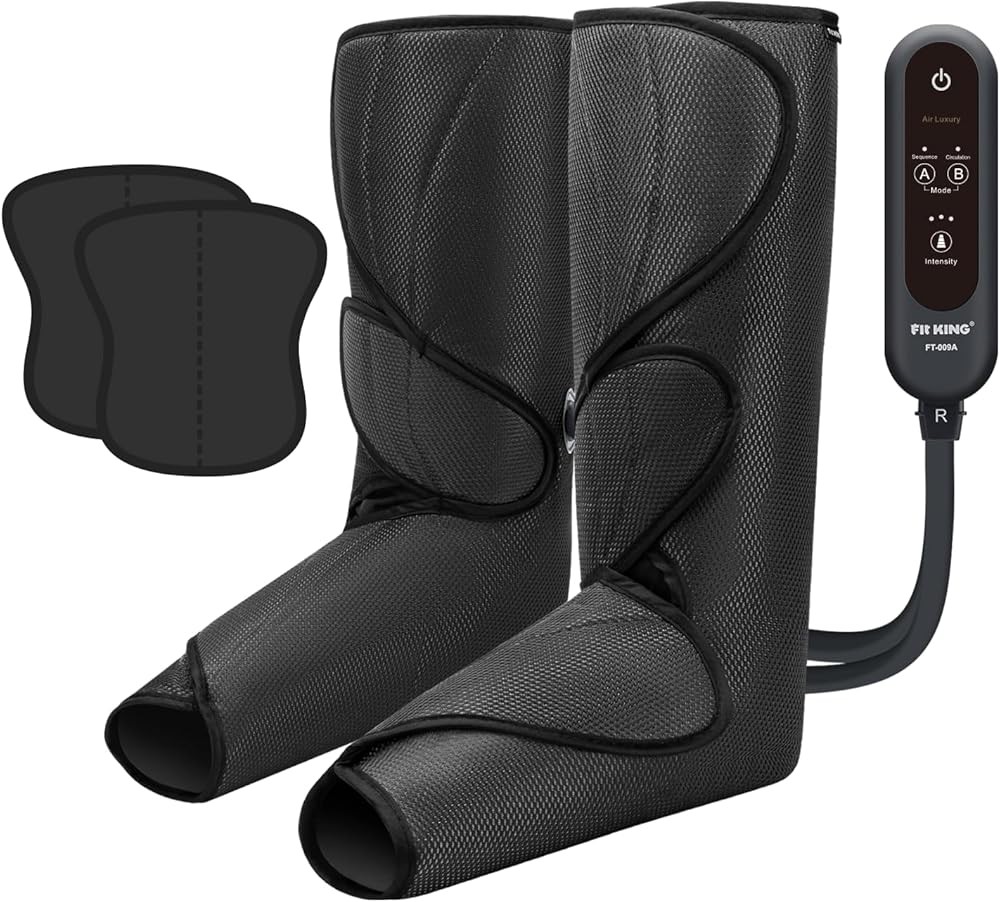
FIT KING Leg Air Massager
Check Price on AmazonAs an Amazon Associate we earn from qualifying purchases.
Lower extremity venous edema research demonstrates clear benefit from compression in Class I-II venous disease (mild to moderate), with diminishing returns in Class III-IV disease where extensive valvular destruction limits compression effectiveness. Research comparing manual drainage to pneumatic compression (https://pubmed.ncbi.nlm.nih.gov/37840280/) included mixed venous-lymphatic swelling populations, finding benefits across etiologies but noting better outcomes when lymphatic component predominated.
Pregnancy-related swelling shows positive responses when compression therapy receives obstetric approval. Research documents lower extremity volume reduction in pregnant patients using graduated compression at 20-30 mmHg pressures without adverse maternal or fetal effects. The physiologic fluid retention of pregnancy responds to mechanical drainage support while requiring lower pressures than non-pregnant applications for safety and comfort.
Post-thrombotic syndrome presents mixed outcomes. Studies on complex decongestive therapy (https://pubmed.ncbi.nlm.nih.gov/26315101/) documented that patients with chronic venous insufficiency following deep vein thrombosis benefited from compression therapy, though response rates were lower than primary lymphedema patients due to permanent venous valve damage. Compression managed symptoms but rarely achieved complete swelling resolution in this population.
Inflammatory arthritis swelling presents mixed research outcomes. While compression may reduce associated edema, studies emphasize that managing underlying inflammatory disease through appropriate medical treatment remains primary, with compression serving as adjunctive symptom management rather than primary intervention for joint inflammation.
Lipedema shows limited compression therapy research compared to lymphedema despite some clinical use. The adipose tissue deposition characteristic of lipedema differs mechanistically from fluid accumulation, though secondary lymphatic dysfunction may develop that responds to compression. Research gaps exist regarding optimal protocols and expected outcomes for primary lipedema management.
Research on manual lymphatic drainage combined with kinesiology taping (https://pubmed.ncbi.nlm.nih.gov/32459670/) explored combination approaches for various swelling types, finding enhanced outcomes when multiple modalities addressed different aspects of lymphatic dysfunction. This supports comprehensive protocols rather than compression alone for complex swelling presentations.
Cardiac and renal edema require medical management of underlying organ dysfunction. While compression might provide temporary symptomatic relief, research shows potential risks including increased cardiac preload in heart failure patients or worsening of fluid distribution in certain renal conditions. These systemic swelling causes demand medical evaluation and disease-specific treatment rather than compression as primary therapy.
Key takeaway: Lymphedema shows strongest research support for compression therapy (964 participants, 30-42% volume reduction), followed by post-surgical swelling (faster response within 1-2 weeks) and mild-to-moderate venous insufficiency, while systemic edema from cardiac or renal disease requires medical management rather than primary compression treatment.
How Should Patients Progress Compression Therapy for Optimal Swelling Reduction?
Research-based progression starts with conservative parameters and advances based on tolerance and response. Clinical studies on complex decongestive therapy (https://pubmed.ncbi.nlm.nih.gov/26315101/) document initial protocols using 20-30 minute sessions at lower pressure settings (20-30 mmHg) for 3-4 days, monitoring for adverse reactions before progressing to therapeutic pressures and durations shown effective in clinical trials.
The first week focuses on establishing tolerance and proper device fit. Patients learn correct garment positioning, appropriate inflation timing, and recognition of normal pressure sensations versus warning signs of excessive compression. Starting conservatively during this orientation period reduces early adverse experiences that might discourage continuation when therapeutic protocols begin.
Week 2-4 typically implements full therapeutic protocols based on research for specific swelling types. Studies on pneumatic compression effectiveness (https://pubmed.ncbi.nlm.nih.gov/35291929/) used 45-60 minute sessions 5-7 days weekly at 30-50 mmHg sequential pressures during intensive reduction phases, documenting measurable volume decrease within this initial month when patients maintained consistent schedules.
Objective measurement guides progression decisions. Circumference measurements at standardized anatomical points weekly document response to therapy, indicating whether current parameters prove sufficient or require adjustment. Lack of improvement after 2-3 weeks suggests need for pressure increases, session duration extension, or frequency enhancement based on individual tolerance and swelling characteristics.
Research on compression therapy outcomes (https://pubmed.ncbi.nlm.nih.gov/34883036/) emphasized measurement consistency using the same anatomical landmarks, patient positioning, and time of day to minimize variability unrelated to actual swelling changes. The proximal thigh, mid-thigh, knee, calf, and ankle represent standard measurement points for lower extremity lymphedema tracking.
Transition to maintenance protocols occurs after achieving target volume reduction or reaching a response plateau. Research shows patients can often reduce session frequency to 3-5 weekly while maintaining swelling control achieved during intensive phases. This maintenance schedule balances continued edema management with realistic long-term compliance expectations.
Seasonal adjustments matter for some patients. Studies document increased swelling during summer months in lymphedema patients due to heat and humidity effects on lymphatic function. Temporarily increasing compression frequency or duration during high-risk periods minimizes volume rebounds that require repeating intensive reduction phases.
Activity integration enhances outcomes according to research. Studies combining manual drainage with exercise (https://pubmed.ncbi.nlm.nih.gov/32459670/) found movement during or shortly after compression therapy improved fluid clearance compared to compression alone, likely through muscle pump activation that complements mechanical compression effects on lymphatic flow.
The progression timeline should account for individual factors. Elderly patients or those with multiple comorbidities may require slower advancement compared to younger healthy individuals with isolated lymphedema. Research protocols often exclude complex patients, creating uncertainty when applying findings to real-world populations with multiple health issues.
Regression strategies address plateaus or setbacks. If swelling increases despite maintenance protocols, temporarily returning to intensive treatment parameters (daily sessions at higher pressures) often restores control before resuming maintenance schedules. Research shows this stepped approach manages lymphedema fluctuations better than abandoning compression during difficult periods.
Research insight: Start with 20-30 minute sessions at 20-30 mmHg for 3-4 days, progress to 45-60 minutes at 30-50 mmHg for 4-8 weeks during intensive reduction (achieving 15-20% reduction by week 2, 25-35% by week 4), then transition to 3-5 weekly maintenance sessions based on individual response.
What Warning Signs Indicate Medical Evaluation Before Continuing Compression?
Certain symptoms during compression therapy warrant immediate discontinuation and medical consultation. Increasing pain rather than comfort improvement suggests excessive pressure, arterial compromise, or developing complications requiring assessment before treatment continuation. Research protocols consistently exclude patients experiencing pain intensification, recognizing this as potential indicator of treatment inappropriateness or parameter errors.
Skin color changes including pallor, cyanosis, or mottling signal circulation concerns. While mild pinkness from increased blood flow remains normal, distinct color changes indicate possible arterial insufficiency or venous congestion that compression might worsen rather than improve. Studies monitoring compression therapy safety consistently cite skin color abnormalities as discontinuation criteria.
Numbness or tingling beyond mild pressure awareness suggests nerve compression or vascular compromise. While sequential compression creates alternating pressure sensations, persistent neurologic symptoms indicate excessive pressure or incorrect garment positioning requiring immediate adjustment or medical evaluation before resuming treatment.
Research comparing pneumatic compression approaches (https://pubmed.ncbi.nlm.nih.gov/37840280/) documented adverse event monitoring protocols that tracked pain, paresthesias, skin changes, and swelling progression as key safety parameters. Studies reporting these outcomes enhance clinical applicability compared to research omitting safety data.
Progressive swelling despite consistent therapy requires cause reevaluation. Research on lymphedema management (https://pubmed.ncbi.nlm.nih.gov/25994425/) emphasizes that lack of response or worsening swelling suggests either inadequate compression parameters, inappropriate swelling etiology for compression therapy, or development of complications including infection, deep vein thrombosis, or disease progression requiring different management approaches.
Temperature changes in treated limbs warrant attention. Warmth with redness suggests possible infection (cellulitis) requiring antibiotic therapy rather than continued compression. Coolness might indicate arterial insufficiency that compression could worsen. Normal skin temperature throughout treatment demonstrates appropriate circulation maintenance during compression sessions.
Breathing difficulty or chest discomfort in cardiac patients represents serious warning signs. Research excludes patients with decompensated heart failure from compression therapy due to risks of increased venous return worsening pulmonary congestion. Respiratory or cardiac symptoms developing during lower extremity compression demand immediate discontinuation and urgent medical evaluation.
Skin breakdown including blisters, open areas, or erosions requires treatment pause. While compression therapy itself shouldn’t damage intact skin when properly applied, compromised skin integrity creates infection risk and indicates excessive pressure, friction, or moisture issues needing resolution before compression resumption. Studies on compression safety consistently monitor skin integrity as key parameter.
New or worsening symptoms in the opposite limb suggest systemic progression or bilateral involvement requiring medical assessment. While unilateral swelling often responds well to localized compression, bilateral development or contralateral worsening might indicate systemic causes (cardiac, renal, medication effects) demanding broader evaluation than compression therapy addresses.
Sudden swelling increase or limb heaviness with chest pain raises pulmonary embolism concerns, particularly in patients with risk factors including recent surgery, prolonged immobility, or known clotting disorders. This medical emergency requires immediate evaluation rather than continued home compression therapy.
Clinical finding: Discontinue compression and seek medical evaluation for increasing pain, skin color or temperature changes, progressive swelling despite consistent treatment (lack of 15-20% reduction by week 2), breathing difficulty, chest discomfort, or skin breakdown during compression therapy.
How Does Elevation Enhance Compression Therapy Effectiveness for Swelling?
Research supports combining elevation with compression for enhanced fluid mobilization. Studies on lower limb lymphedema treatment protocols (https://pubmed.ncbi.nlm.nih.gov/34883036/) consistently include limb positioning recommendations, typically 15-30 degrees above heart level during compression sessions to optimize gravitational assistance of lymphatic drainage from peripheral tissues toward central circulation.
The physiologic rationale involves hydrostatic pressure gradient modification. Elevation reduces arterial pressure to dependent limbs while enhancing venous and lymphatic return through gravity assistance. Compression applied during elevation creates synergistic effect—mechanical compression provides external support for lymphatic vessel function while positioning reduces the hydrostatic pressure working against drainage flow.
Elevation timing relative to compression session matters based on available research. Studies suggest greatest benefit from elevation maintained throughout compression rather than sequential approaches, allowing continuous gravitational drainage assistance while compression devices cycle through inflation and deflation patterns. This combination addresses both mechanical obstruction through compression and gravitational pooling through positioning.
Elevation degree requires balance between effectiveness and practicality. While 45-degree angles provide maximum gravitational benefit, research protocols typically recommend 15-30 degrees as optimal compromise between drainage enhancement and sustainable positioning for 30-60 minute sessions. Excessive elevation angles create patient discomfort that reduces compliance more than the incremental drainage benefit justifies.
Research on complex decongestive therapy components (https://pubmed.ncbi.nlm.nih.gov/26315101/) documented elevation as standard element in lymphedema protocols, though specific research isolating elevation effects from compression proves limited. The combination represents standard practice based on physiologic principles and clinical experience rather than randomized trials comparing elevation versus no elevation during compression.
The FIT KING Full Leg Recovery Boots work effectively with elevated positioning, providing comprehensive compression while patients recline with legs raised on pillows or wedges positioned according to research recommendations. This combination addresses swelling through dual mechanisms supported by clinical evidence.
Post-session elevation extends benefits according to some clinical protocols. Maintaining elevated positioning for 15-30 minutes after compression therapy completion allows continued gravitational drainage of fluid mobilized during mechanical compression. Research specifically evaluating this practice remains limited, though physiologic principles support potential benefit.
Elevation contraindications exist for certain populations. Patients with significant arterial insufficiency might experience symptom worsening from positioning that further reduces arterial pressure to ischemic limbs. Hip or back conditions may make sustained elevation angles uncomfortable or impossible. Individual factors guide positioning decisions within research-supported general recommendations.
Measurement considerations account for position effects. Limb circumference measurements should occur at consistent positions (typically seated or standing) rather than immediately after elevated compression sessions, as transient fluid shifts from positioning alone could create misleading volume reduction impressions that don’t represent sustainable outcomes.
Evidence shows: Elevate affected limbs 15-30 degrees during compression sessions and for 15-30 minutes afterward to enhance gravitational lymphatic drainage (recommended in 964-participant Cochrane review protocols), using pillows or wedges that maintain comfortable positioning for full treatment duration.
What Role Does Skin Care Play in Compression Therapy Outcomes for Swelling?
Skin integrity maintenance represents a critical but often underemphasized compression therapy component. Research on complex decongestive therapy protocols (https://pubmed.ncbi.nlm.nih.gov/26315101/) consistently includes meticulous skin care as foundational element, recognizing that compromised skin creates infection risk and treatment barriers that obstruct continuation of otherwise effective compression regimens.
Moisture management reduces maceration and infection risk. Swollen limbs often develop skin moisture from lymphatic fluid leakage or impaired fluid reabsorption. Keeping skin clean and dry through gentle cleansing with pH-balanced products and thorough but gentle drying minimizes bacterial or fungal overgrowth that lymphedematous tissue particularly risks given impaired immune surveillance in affected regions.
Emollient application maintains skin barrier function. Research shows lymphedematous and chronically swollen skin develops thickness changes and reduced elasticity that increase injury vulnerability. Regular moisturizer use—ideally fragrance-free, hypoallergenic formulations—preserves skin flexibility and reduces cracking or fissure development that creates infection portals.
Infection vigilance remains essential throughout compression therapy. Cellulitis represents the most common serious complication in lymphedema patients, with recurrence rates reaching 30-38% in some studies. Early recognition of redness, warmth, pain, or fever allows prompt antibiotic treatment before systemic spread, reducing treatment interruptions and permanent lymphatic damage that infections can cause.
Research on breast cancer-related lymphedema maintenance (https://pubmed.ncbi.nlm.nih.gov/37103598/) emphasized patient education about skin care and infection recognition as critical components of long-term lymphedema management. Studies documenting these patient education elements demonstrate better outcomes than research focusing solely on mechanical interventions.
Nail care minimizes trauma that initiates infection. Proper nail trimming, cuticle care, and prompt treatment of any nail problems reduces common entry points for bacteria in extremities receiving compression therapy. Studies on lymphedema self-management consistently emphasize foot and hand care as infection reduction strategies.
Injury avoidance requires patient education. Research protocols teach patients to protect swollen limbs from cuts, burns, insect bites, and other trauma that healthy tissue tolerates but lymphedematous skin may convert into serious infections requiring treatment discontinuation. Blood pressure cuffs, blood draws, and injections should avoid lymphedema limbs when possible based on clinical practice guidelines.
The Sequential Leg Compression Boots incorporate breathable materials that reduce moisture accumulation during compression sessions, supporting skin health maintenance during regular treatment protocols that research shows require 5-7 weekly sessions for optimal swelling reduction.
Sun protection matters for exposed swollen limbs. While not extensively studied in lymphedema research, sunburn represents skin injury that could trigger inflammatory responses worsening swelling. Standard sun protection recommendations (SPF 30+ sunscreen, protective clothing) apply to lymphedematous limbs during outdoor activities.
Study results: Daily gentle cleansing, thorough drying, fragrance-free moisturizer application, infection sign monitoring (redness, warmth, pain, fever—30-38% recurrence risk in lymphedema), nail care, injury avoidance, and prompt medical evaluation for skin changes during compression therapy.
How Does Compression Therapy for Swelling Compare to Manual Lymphatic Drainage?
Research directly comparing these approaches shows similar efficacy for many swelling types with different practical considerations. A controlled study of 60 patients with lower extremity lymphedema (https://pubmed.ncbi.nlm.nih.gov/37840280/) found comparable volume reduction between manual lymphatic drainage performed by trained therapists and pneumatic compression devices over 4-week treatment periods, suggesting mechanical compression provides viable alternative or complement to manual techniques.
Manual lymphatic drainage offers therapist assessment and technique customization. Trained practitioners evaluate swelling patterns, adjust hand pressure and stroke direction based on individual anatomy, and monitor treatment response session-to-session. This personalized approach addresses complex cases or unusual swelling distributions that standardized device protocols might not optimally manage.
Pneumatic compression devices provide consistency and accessibility advantages. Research protocols using devices deliver reproducible pressure patterns independent of therapist skill variation or fatigue. Home device availability supports daily treatment schedules that research shows benefit outcomes, whereas manual drainage typically occurs 1-3 times weekly due to cost and access limitations.
Cost considerations differ substantially. Manual lymphatic drainage sessions typically cost $75-150 per appointment, with research protocols using 2-3 weekly sessions over 4-8 weeks creating $1,200-3,600 treatment costs. Compression devices range $84-419 for equipment allowing unlimited home sessions, often proving more cost-effective for long-term management despite higher upfront investment.
A Cochrane review of manual lymphatic drainage for lymphedema (https://pubmed.ncbi.nlm.nih.gov/25994425/) analyzed 964 participants across multiple studies, finding that manual drainage combined with compression garments or pneumatic compression showed better outcomes than manual drainage alone. This suggests combination approaches rather than exclusive reliance on either method.
Combination approaches show promise in clinical practice. Studies on complex decongestive therapy components (https://pubmed.ncbi.nlm.nih.gov/26315101/) document protocols using initial manual drainage to address complex anatomical regions (trunk, genitalia, head/neck) while incorporating compression devices for extremity maintenance, combining therapist expertise for complicated areas with patient independence for routine limb treatment.
Patient preference influences compliance and outcomes. Some individuals prefer therapist interaction and hands-on treatment that manual drainage provides, while others value privacy and schedule flexibility that home compression devices offer. Research shows treatment effectiveness depends partly on consistent use, making the approach that individual patients will maintain long-term often superior to theoretically optimal protocols that compliance barriers obstruct.
Anatomical coverage differs between methods. Manual techniques can address truncal lymphedema, facial swelling, and genital edema that extremity-focused pneumatic devices cannot reach. Conversely, pneumatic devices provide thorough extremity treatment without therapist access to intimate body regions that some patients find uncomfortable.
The QUINEAR Leg Massager delivers research-supported compression parameters ($299) that match manual drainage outcomes in clinical studies while providing unlimited home sessions that support the 5-7 weekly treatment frequency research shows optimizes swelling reduction for most lymphedema and venous insufficiency patients.
Research confirms: Manual drainage and pneumatic compression show similar effectiveness (comparable volume reduction over 4 weeks), with manual techniques offering customization and complex anatomy access while devices provide consistency, cost-effectiveness for long-term use ($84-419 one-time versus $1,200-3,600 for 8-week manual protocol), and home accessibility supporting optimal treatment frequency.
What Medical Conditions Require Modified Compression Therapy Protocols for Swelling?
Peripheral arterial disease represents the most critical modification requirement. Research protocols consistently assess ankle-brachial index (https://pubmed.ncbi.nlm.nih.gov/34883036/) before initiating lower extremity compression, using 0.8 as threshold below which compression risks worsening arterial insufficiency through external pressure that impairs already compromised blood flow. Patients with ABI 0.5-0.8 may use reduced pressures (20-30 mmHg) with careful monitoring, while those below 0.5 typically cannot safely use compression therapy.
Diabetes requires enhanced monitoring and modified parameters. Neuropathy common in diabetic patients reduces pain perception that normally signals excessive compression or developing problems. Research-based protocols for diabetic patients emphasize visual skin inspection before and after every compression session, conservative pressure selection (20-40 mmHg maximum), and immediate discontinuation for any skin changes given elevated infection risk and impaired healing in this population.
Cardiac conditions create complex considerations. Decompensated heart failure risks worsening pulmonary congestion from increased venous return that lower extremity compression creates. Studies typically exclude patients with NYHA Class III-IV heart failure from compression therapy or use extremely conservative protocols with medical supervision. Well-compensated cardiac patients may use compression safely but require monitoring for respiratory symptom development.
Active cancer patients need oncology team coordination. While research supports compression for cancer treatment-related lymphedema, active malignancy, particularly with known metastases, requires medical assessment before compression therapy initiation. Concerns about theoretical tumor spread through enhanced lymphatic flow lack research support but create practice variation requiring individual oncologist input.
Research on breast cancer-related lymphedema (https://pubmed.ncbi.nlm.nih.gov/37103598/) documented safety of compression therapy in cancer survivors without active disease, finding no increased recurrence risk associated with pneumatic compression or manual drainage over long-term follow-up periods. This evidence supports compression use after cancer treatment completion.
Deep vein thrombosis represents absolute contraindication during acute phases. Compression therapy risks dislodging clots and causing pulmonary embolism. Research protocols exclude patients with DVT diagnosed within 3-6 months, requiring anticoagulation completion and medical clearance before compression therapy initiation. Chronic post-thrombotic syndrome may benefit from compression, but only after acute thrombotic risk resolution.
The FIT KING Leg Air Massager ($84) offers adjustable intensity suitable for patients requiring conservative compression parameters due to comorbid conditions, allowing swelling management while respecting safety constraints that research identifies for at-risk populations.
Kidney disease requires individualized assessment. While compression might help lower extremity edema, severe renal impairment creates fluid balance complexity where shifting peripheral edema to central circulation could worsen volume overload. Nephrologist consultation guides compression appropriateness for patients with significant renal dysfunction and associated swelling.
Skin conditions including dermatitis, wounds, or infections obstruct compression therapy over affected areas. Research emphasizes intact skin as prerequisite for safe compression, requiring resolution of skin compromise before initiating or resuming treatment. Chronic skin conditions may require dermatologic management concurrent with modified compression protocols.
Neurologic conditions affecting sensation require adaptation. Patients with peripheral neuropathy from diabetes, chemotherapy, or other causes lack normal pain signals indicating excessive pressure. Enhanced visual monitoring and conservative pressure selection compensate for reduced sensation feedback that normally guides compression adjustment.
Clinical evidence: Peripheral arterial disease (ABI <0.8), uncontrolled diabetes, decompensated heart failure, active DVT (within 3-6 months), severe renal disease, and conditions affecting skin integrity or sensation require compression therapy modification, medical supervision, or contraindication based on individual assessment.
When Does Swelling Require Medical Evaluation Before Starting Compression Therapy?
Sudden swelling onset demands medical assessment before self-treatment. Research shows acute unilateral leg swelling represents deep vein thrombosis in 10-25% of cases, requiring anticoagulation rather than compression during acute phases. Studies on lower extremity edema evaluation (https://pubmed.ncbi.nlm.nih.gov/12903017/) emphasize imaging and clinical assessment to exclude DVT before compression therapy initiation for new-onset swelling.
Asymmetric swelling affecting one limb substantially more than the other suggests localized pathology requiring diagnosis. While bilateral swelling often indicates systemic causes (cardiac, renal, hepatic), unilateral predominance points toward lymphatic obstruction, venous thrombosis, infection, or malignancy that demands evaluation before compression therapy that might mask concerning underlying conditions.
Swelling accompanied by systemic symptoms including fever, chills, night sweats, or unexplained weight loss warrants comprehensive medical workup. These findings suggest infection, malignancy, or systemic inflammatory conditions requiring diagnosis and treatment rather than symptomatic swelling management. Research protocols exclude patients with unexplained constitutional symptoms pending diagnostic evaluation.
Painful swelling differs from typical lymphedema presentation. While patients with lymphedema report heaviness or tightness, acute pain suggests alternative diagnoses including DVT, cellulitis, acute arterial occlusion, or compartment syndrome. Studies show lymphedema typically develops gradually without significant pain, making painful swelling presentations require medical assessment before compression therapy.
Research comparing treatment approaches (https://pubmed.ncbi.nlm.nih.gov/37840280/) documented baseline patient assessment protocols that excluded acute thrombosis, active infection, malignancy, and arterial disease through clinical examination and appropriate testing. This screening ensures compression therapy suitability and safety.
Swelling with skin changes including warmth, redness, or tenderness indicates possible infection. Cellulitis requires antibiotic therapy, with compression therapy typically withheld during active infection to avoid theoretical concerns about bacterial spread through enhanced lymphatic flow. Research on lymphedema complications consistently identifies prompt cellulitis treatment as essential for reducing recurrent infections and progressive lymphatic damage.
Swelling following cancer diagnosis or treatment needs oncology team evaluation. Research on breast cancer-related lymphedema (https://pubmed.ncbi.nlm.nih.gov/37103598/) emphasizes early intervention, but proper assessment determines whether swelling results from lymphatic disruption, tumor progression, or unrelated causes requiring different management approaches. Compression therapy appropriateness depends on accurate diagnosis that medical evaluation provides.
Bilateral leg swelling with breathing difficulty suggests cardiac or pulmonary causes. Research shows heart failure, pulmonary hypertension, or significant lung disease commonly present with lower extremity edema plus respiratory symptoms. These systemic conditions require medical management of underlying disease rather than compression as primary treatment, with potential risks from compression in decompensated cardiac states.
Swelling in unusual locations including face, abdomen, or genitalia warrants evaluation. While lower extremity swelling commonly results from gravitational fluid pooling that compression addresses, facial or truncal swelling suggests different etiologies including superior vena cava syndrome, allergic reactions, or systemic conditions requiring diagnosis before treatment decisions.
Post-traumatic swelling after significant injury requires medical assessment. While mild post-exercise edema may respond to home compression, swelling following fractures, dislocations, or major soft tissue injuries needs evaluation to exclude compartment syndrome, vascular injury, or other acute complications requiring urgent treatment rather than compression therapy.
Data indicates: Sudden swelling onset (10-25% DVT risk in acute unilateral cases), unilateral predominance, accompanying fever or systemic symptoms, acute pain, skin warmth/redness (cellulitis risk), breathing difficulty, unusual swelling location, or post-traumatic swelling require medical evaluation before compression therapy initiation.
How Do Sequential Compression Patterns Optimize Lymphatic Drainage for Swelling?
Sequential inflation patterns mimic physiologic lymphatic flow to enhance drainage effectiveness. Research on pneumatic compression approaches (https://pubmed.ncbi.nlm.nih.gov/35291929/) found devices inflating chambers progressively from distal to proximal produced superior volume reduction compared to uniform compression, supporting biomechanical principles of lymphatic system function that depend on directional flow toward central circulation.
The lymphatic system relies on intrinsic vessel contraction and extrinsic compression from muscle movement to propel fluid centrally. Sequential pneumatic compression replicates this directional flow pattern through timed chamber inflation that pushes fluid from ankle toward knee, knee toward thigh, and thigh toward trunk where functioning lymphatic ducts can drain accumulated fluid.
Chamber number influences drainage thoroughness. Devices with 2-4 chambers create graduated pressure zones that promote fluid movement, while single-chamber devices provide uniform compression lacking directional flow advantages. Research comparing compression patterns shows multi-chamber sequential devices achieve greater volume reduction than single-chamber alternatives.
Inflation timing affects drainage efficiency. Studies typically use 30-60 second inflation periods with 10-30 second deflation intervals, allowing refilling between cycles. Too-rapid cycling may not allow adequate fluid displacement per cycle, while overly long inflation might impair arterial inflow during compression phases.
Research on complex decongestive therapy (https://pubmed.ncbi.nlm.nih.gov/26315101/) documented that sequential compression mimicking manual lymphatic drainage hand stroke patterns produced outcomes comparable to therapist-performed techniques, validating biomechanical principles underlying sequential device design.
Pressure gradient optimization enhances outcomes. Highest pressure applied distally with gradually decreasing pressure proximally creates pressure differential driving fluid centrally. Some research suggests 10-15 mmHg pressure reductions between sequential chambers optimize this gradient, though specific studies examining various gradient magnitudes remain limited.
The QUINEAR system employs three-chamber sequential inflation starting at feet and progressing toward thighs, matching research-supported distal-to-proximal compression patterns that optimize lymphatic drainage for lower extremity swelling from various causes.
Overlap zones between chambers matter for continuous fluid movement. Devices with chamber overlap ensure no gaps where fluid might collect during sequential inflation. Research-grade medical devices typically feature 2-4 inch overlap zones, though consumer product specifications vary.
Integration with manual drainage techniques can enhance outcomes. Studies combining pneumatic compression with manual lymphatic drainage (https://pubmed.ncbi.nlm.nih.gov/37840280/) found sequential devices worked well for extremity treatment while manual techniques addressed truncal or complex anatomical regions that devices cannot reach, supporting complementary rather than competitive roles.
Studies demonstrate: Distal-to-proximal sequential inflation through multiple chambers (2-4 chambers with 30-60 second cycles) mimics physiologic lymphatic flow patterns, producing superior swelling reduction compared to uniform compression by creating directional fluid movement toward functioning drainage pathways as documented in comparative studies.
Complete Support System for Swelling Management
Effective compression therapy requires integration into broader swelling management that addresses multiple contributing factors:
Lymphatic System Support:
- Regular compression therapy sessions following research protocols (30-60 minutes, 5-7 days weekly during intensive phases achieving 15-20% reduction by week 2)
- Elevation during and after compression sessions (15-30 degrees above heart level as documented in 964-participant protocols)
- Skin care regimen managing infection risk and maintaining barrier function (cellulitis recurrence rates 30-38% without proper care)
- Protection from trauma, extreme temperatures, and tight restrictive clothing
- Compression garment use between pneumatic sessions for sustained swelling control
Dietary Considerations:
- Sodium reduction to 2,000-2,400 mg daily for patients with fluid retention
- Adequate protein intake (0.8-1.0 g/kg body weight) supporting tissue healing
- Hydration maintenance (excessive restriction doesn’t improve lymphedema and may worsen lymph viscosity)
- Anti-inflammatory dietary patterns emphasizing whole foods, omega-3 fatty acids, and diverse plant compounds
- Weight management supporting reduced limb burden and improved mobility
Research on curcumin’s anti-inflammatory effects shows potential benefits for inflammatory swelling components, though specific studies on lymphedema remain limited compared to general inflammation research.
Movement and Exercise:
- Low-impact activities including walking, swimming, or cycling that activate muscle pumps
- Resistance training with gradual progression supporting lymphatic vessel function
- Flexibility work maintaining range of motion in affected limbs
- Exercise during or immediately after compression therapy for enhanced fluid clearance (documented in combined therapy studies)
- Avoidance of prolonged static positioning that promotes gravitational fluid pooling
Vibration therapy research suggests potential lymphatic flow enhancement though specific studies on swelling reduction remain preliminary compared to established compression therapy evidence.
Medical Management:
- Regular follow-up with healthcare providers monitoring swelling progression
- Prompt treatment of any infections to minimize lymphatic damage risk
- Management of underlying conditions (venous insufficiency, cardiac disease, obesity)
- Consideration of advanced therapies (surgery, specialized manual drainage) for refractory cases not responding to 8-12 week protocols
- Medication review identifying drugs that may contribute to edema (calcium channel blockers, NSAIDs, steroids)
Mental Health Support:
- Acknowledgment of psychological impact from chronic visible swelling
- Realistic expectation setting regarding management versus resolution (30-42% reduction typical, rarely complete resolution)
- Support groups or counseling addressing body image concerns and adaptation challenges
- Stress reduction practices potentially influencing inflammatory swelling components
- Connection with lymphedema advocacy organizations for education and community
Related Reading:
- Best Lymphatic Drainage Machine: Research on Compression Therapy Benefits
- Lymphatic Drainage Massage Device Benefits: Clinical Evidence for Compression Therapy
- Air Compression Lymphatic Device: Research on Pneumatic Therapy for Lymphedema
- Lymphatic Drainage After Surgery: Research on Post-Operative Compression Protocols
- Lymphatic Drainage Device vs Manual Massage: Research Comparing Treatment Methods
- Best Lymphatic Drainage Boots: Research on Compression Therapy for Lower Extremity Swelling
- Curcumin Benefits for Inflammation: Research on Turmeric’s Anti-Inflammatory Effects
- Best Vibration Plates: Research on Whole Body Vibration Benefits
Compression therapy provides research-supported swelling reduction across multiple edema types when applied according to clinical evidence and integrated into comprehensive management addressing underlying causes and contributing factors. The QUINEAR Leg Massager ($299), FIT KING Leg Air Massager ($84), FIT KING Full Leg Recovery Boots ($419), and Sequential Leg Compression Boots ($169) deliver pneumatic compression at pressures and patterns matching successful research protocols, offering accessible home therapy options for patients managing lymphedema, venous insufficiency, post-surgical swelling, and other conditions affecting millions seeking evidence-based edema relief.
Related Reading
- Best Lymphatic Drainage Machine — Research-Backed Compression Therapy Devices
- Lymphatic Drainage Device vs Manual Massage: Mechanical Compression vs Hands-On Therapy
- Lymphatic Drainage Devices After Surgery: Post-Surgical Compression Therapy Recovery
- Air Compression Lymphatic Devices — How Pneumatic Systems Support Drainage
- Lymphatic Drainage Massage Device Benefits — Evidence from Clinical Research
- Microcurrent Lymphatic Drainage Device: Research on Electrical Stimulation for Lymphatic Support
- Best Lymphatic Drainage Boots: Top Recovery Boot Systems for Circulation and Swelling
Recommended Products