Lymphatic Drainage Device vs Manual Massage: Mechanical Compression vs Hands-On Therapy
Summarized from peer-reviewed research indexed in PubMed. See citations below.
Choosing between pneumatic compression devices and manual lymphatic drainage involves weighing clinical effectiveness, cost, and convenience for long-term lymphatic health management. For consistent home therapy with proven volume reduction outcomes, the QUINEAR Leg Massager with Heat delivers sequential compression at clinically validated pressures (25-40 mmHg) with thermal support for $299 as a one-time investment. A 2015 Cochrane systematic review of manual lymphatic drainage found both approaches reduce limb swelling, but devices eliminate practitioner skill variability while manual massage allows real-time tissue assessment and pathway adaptation. Budget-conscious users gain similar compression benefits from the FIT KING Leg Air Massager at $84 with three-chamber sequential therapy. Here’s what the published research shows about comparing mechanical compression and hands-on lymphatic drainage techniques.
Disclosure: We may earn a commission from links on this page at no extra cost to you. Affiliate relationships never influence our ratings. Full policy →
What Are the Clinical Differences Between Compression Devices and Manual Lymphatic Drainage?
Pneumatic compression devices and manual lymphatic drainage represent two distinct approaches to moving interstitial fluid through the lymphatic system, each with specific physiological mechanisms and clinical applications supported by published research.
Compression devices use inflatable chambers that sequentially fill with air, creating mechanical pressure waves that travel from distal to proximal regions of the limb. These devices deliver consistent pressure at predetermined levels, typically ranging from 20-60 mmHg depending on clinical indication. A 2023 systematic review examining intermittent pneumatic compression for lower limb lymphedema found that devices applying 30-40 mmHg sequential pressure reduced excess limb volume by 8-12% over 4-week protocols with daily 60-minute sessions.
The mechanical action compresses superficial tissues, temporarily narrowing interstitial spaces and increasing hydrostatic pressure gradients that drive fluid movement toward functional lymphatic vessels. Sequential inflation patterns mimic the natural distal-to-proximal flow direction of lymphatic drainage, though with significantly higher pressure than physiological lymphatic contractions.
Manual lymphatic drainage involves light, rhythmic hand movements applied to the skin surface, working to stimulate lymphatic vessel contractions and redirect fluid along functional pathways. Practitioners use specific stroke patterns—stationary circles, pump techniques, rotary movements, and scoop motions—applied with pressures typically between 5-15 mmHg. A 2015 Cochrane systematic review of manual lymphatic drainage for breast cancer-related lymphedema analyzed data from multiple randomized controlled studies and found manual techniques reduced limb volume measurements when incorporated into comprehensive therapy protocols.
Manual drainage specifically targets superficial lymphatic capillaries located 0.5-1.5 mm below the skin surface. The gentle pressure aims to open initial lymphatic vessels without collapsing deeper structures. Trained therapists adapt pressure, direction, and technique based on individual tissue quality, fibrosis patterns, and anatomical variations.
Key takeaway: Devices deliver higher, consistent mechanical pressure focused on tissue compression and fluid displacement, while manual drainage uses lighter pressure specifically targeting lymphatic vessel stimulation with therapist-guided pathway adaptation based on real-time tissue response.
The physiological pathways differ substantially. Compression devices primarily work through mechanical fluid displacement—external pressure forces fluid movement regardless of lymphatic vessel function. This makes devices effective even when lymphatic transport capacity is significantly impaired. Manual drainage aims to enhance intrinsic lymphatic vessel contractility and optimize existing transport pathways rather than forcing fluid movement through external pressure alone.
A 2024 meta-analysis examining lymphatic drainage techniques compared outcomes across different approaches and noted that combination protocols using both manual and mechanical methods produced volume reductions exceeding either technique alone, suggesting complementary rather than redundant mechanisms.
How Do Manual Lymphatic Drainage and Compression Devices Compare for Lymphedema Volume Reduction?
Clinical research directly comparing manual lymphatic drainage and pneumatic compression devices shows both approaches reduce measurable limb volume in patients with lymphedema, though effectiveness varies based on protocol specifics, patient characteristics, and measurement timing.
A 2023 study comparing manual lymphatic drainage and intermittent pneumatic compression evaluated 60 patients with lower extremity lymphedema randomly assigned to either manual drainage sessions or compression device therapy. After 4 weeks of treatment (5 sessions weekly, 45 minutes per session), the manual drainage group showed average limb volume reduction of 11.3%, while the compression device group achieved nearly 10% reduction. Both outcomes reached statistical significance compared to baseline measurements, with no significant difference between the two groups.
Measurement methods included limb circumference at standardized intervals and bioimpedance analysis for fluid volume assessment. The study noted that manual drainage showed slightly greater reduction in proximal limb segments (thigh), while compression devices produced more uniform reduction throughout the lower leg and foot regions.
The research verdict: For measurable volume reduction in lymphedema patients, clinical studies show both manual drainage and compression devices achieve statistically similar outcomes ranging from 8-15% limb volume reduction over 4-8 week protocols, with manual drainage showing slight advantages in proximal regions and devices performing better in distal areas.
Long-term maintenance outcomes show different patterns. Research examining sustained volume control after initial reduction phases finds that patients using daily home compression devices maintain volume reductions more consistently than those relying on periodic professional manual drainage sessions. A study on breast cancer-related lymphedema maintenance noted that patients with access to home compression systems showed less volume reaccumulation between professional sessions compared to those receiving manual drainage alone.
The practical difference relates to treatment frequency. Manual drainage typically requires professional appointments 2-3 times weekly during active reduction phases, with sessions costing $80-150 each. Compression devices enable daily home use without scheduling constraints or ongoing per-session costs after the initial device purchase.
Clinical protocols increasingly emphasize combination approaches. Research on complex decongestive therapy demonstrates that sequential use of manual drainage followed by compression bandaging or device therapy produces superior outcomes to either method alone. The manual component opens central lymphatic pathways and addresses superficial drainage, while compression maintains pressure gradients and continues fluid mobilization between manual sessions.
A 2022 study examining manual lymphatic drainage combined with kinesiology taping found that hybrid approaches using manual techniques to establish drainage patterns followed by sustained mechanical compression produced additive benefits, with combination protocols reducing limb volume an additional 6-8% compared to single-method approaches.
What matters most: Clinical data shows manual drainage and compression devices achieve comparable short-term volume reduction, but devices offer advantages for long-term maintenance through daily home access, while manual techniques excel at initial pathway establishment and tissue assessment that guides overall management strategies.
For specific lymphedema types, response patterns differ. Primary lymphedema patients with impaired lymphatic vessel development may respond better to higher-pressure mechanical compression that forces fluid movement through alternative pathways. Secondary lymphedema following cancer surgery often benefits from manual drainage that carefully redirects flow around disrupted anatomical regions toward functional drainage territories.
Which Method Costs More Over Time — Professional Sessions or Home Devices?
Economic analysis of lymphatic drainage options reveals substantial long-term cost differences between ongoing professional manual drainage sessions and one-time compression device purchases, with total expense varying dramatically based on treatment duration and frequency needs.
Manual lymphatic drainage sessions with certified therapists typically cost $80-150 per appointment, with prices varying by geographic region, therapist certification level, and session duration. Initial treatment phases often require 2-3 sessions weekly for 4-8 weeks, followed by maintenance sessions 1-2 times weekly indefinitely for chronic conditions.
For a patient following standard clinical protocols:
- Initial phase (8 weeks, 3 sessions weekly): 24 sessions = $1,920-$3,600
- Maintenance phase (44 weeks, 2 sessions weekly): 88 sessions = $7,040-$13,200
- Total first year: 112 sessions = $8,960-$16,800
Insurance coverage varies significantly. Some policies cover manual lymphatic drainage for diagnosed lymphedema with prior authorization, particularly for cancer-related cases. Coverage typically requires documented medical necessity, prescribed therapy plans from physicians, and treatment by certified lymphedema therapists. Patients often face copays of $20-50 per session even with insurance coverage, adding $2,240-$5,600 annually to out-of-pocket costs.
Compression devices represent one-time purchases ranging from $84 to $419 for quality systems with clinically validated pressure capabilities. Additional costs include occasional replacement of compression garments or chamber bladders, typically $30-80 every 12-18 months with regular use.
First-year device costs:
- Device purchase: $84-$419
- Replacement parts: $30-80
- Total first year: $114-$499
The financial contrast becomes more pronounced over multiple years. A patient using a compression device for three years spends $114-$499 plus minimal replacement parts ($60-160 total), compared to manual drainage costs of $26,880-$50,400 for the same period at 2 sessions weekly.
Bottom line: Over 12 months of standard maintenance therapy (twice weekly), manual lymphatic drainage costs $8,000-$15,000 for professional sessions versus $114-$499 for a home compression device, representing 95-97% cost reduction with device therapy for patients requiring long-term management.
The cost calculation shifts for patients needing only short-term therapy. Following surgery or acute injury, a patient requiring 4-6 weeks of lymphatic drainage may benefit from professional manual sessions without justifying device purchase. Six weeks of twice-weekly manual drainage costs $960-$1,800, which may be covered partially or fully by insurance for post-surgical rehabilitation.
Value assessment must consider effectiveness trade-offs. If manual drainage produces measurably superior outcomes for specific patients, the higher cost may represent appropriate value. However, current research shows comparable volume reduction outcomes between methods, suggesting device therapy provides equivalent clinical benefit at substantially lower cost for most patients with chronic conditions requiring long-term management.
Time costs also factor into economic analysis, as noted in comprehensive lymphedema management reviews (https://pubmed.ncbi.nlm.nih.gov/12903017/). Professional manual drainage requires appointment scheduling, travel time, and session duration totaling 1.5-3 hours per appointment including transportation. For twice-weekly sessions, this represents 3-6 hours weekly of time commitment. Home devices allow therapy during other activities—watching television, reading, working remotely—reducing the opportunity cost of treatment time.
A patient earning $25 hourly and requiring 3 hours weekly for professional appointments faces opportunity costs of $75 weekly ($3,900 annually) beyond direct treatment expenses. Home device therapy eliminates these indirect costs while providing more flexible scheduling.
Can Compression Devices Replace Manual Lymphatic Drainage for Initial Treatment?
The question of whether compression devices can substitute for manual lymphatic drainage during initial lymphedema management depends on clinical presentation, patient characteristics, and treatment goals, with research supporting different approaches for different scenarios.
Clinical guidelines from lymphedema specialty organizations generally recommend professional assessment before initiating any lymphatic drainage therapy. Initial evaluation identifies underlying causes, rules out contraindications, establishes baseline measurements, and creates individualized protocols. This assessment typically involves manual examination and often requires therapist expertise that devices cannot provide.
For newly diagnosed lymphedema, particularly secondary lymphedema following cancer surgery, research supports starting with professional manual drainage. A 2025 systematic review of lymphedema management in head and neck cancer patients emphasized the importance of initial therapist assessment to identify anatomical changes, surgical alterations to lymphatic pathways, and individual drainage patterns that guide therapy approach.
Manual drainage during initial phases serves several purposes beyond volume reduction:
- Identifying functional versus disrupted lymphatic territories
- Establishing alternative drainage pathways around surgical sites
- Teaching patients self-drainage techniques for home maintenance
- Assessing tissue quality and identifying fibrotic changes
- Monitoring for complications like infection or skin changes
Core advantage: Professional manual lymphatic drainage for initial assessment and pathway establishment allows trained therapists to identify anatomical variations, establish personalized drainage routes, and detect complications that automated compression devices cannot assess, making professional evaluation essential before transitioning to home device therapy for maintenance.
However, once initial assessment establishes appropriate therapy parameters, research supports transitioning to home compression devices for ongoing maintenance. A study examining early-stage lower limb lymphedema found that patients who received initial manual drainage instruction followed by home compression device therapy maintained volume reductions as effectively as those continuing professional manual sessions, while experiencing lower total costs and greater treatment adherence.
The transition protocol typically involves:
- Professional assessment and diagnosis (1-2 sessions)
- Initial manual drainage to establish drainage patterns (4-8 sessions over 2-4 weeks)
- Instruction in self-care and compression device use
- Transition to home device therapy with periodic professional reassessment
- Return to professional sessions if complications arise or volume increases
For primary lymphedema patients with congenital lymphatic system abnormalities, compression devices may serve as first-line therapy after initial medical evaluation. Since primary lymphedema often involves structural vessel inadequacy rather than acquired pathway disruption, mechanical compression effectively mobilizes fluid without requiring the pathway redirection that manual drainage provides for secondary lymphedema.
Contraindications require professional assessment before device use. Conditions including acute infection, deep vein thrombosis, congestive heart failure, and certain arterial insufficiency states contraindicate compression therapy. Manual examination by trained professionals identifies these conditions, while unsupervised device use without initial assessment risks complications.
Research on intermittent pneumatic compression for lower limb lymphedema noted that appropriate patient selection improves outcomes and reduces adverse events. The study emphasized that compression devices work best for patients with mobile, soft edema rather than advanced fibrotic tissue changes that require manual techniques to address tissue quality.
The practical takeaway: While compression devices cannot replace initial professional evaluation, current evidence supports their use as primary therapy for maintenance after professional assessment establishes appropriateness, with periodic reassessment to monitor effectiveness and identify complications requiring professional intervention.
What Are the Advantages of Manual Lymphatic Drainage Over Compression Devices?
Manual lymphatic drainage offers specific clinical advantages that compression devices cannot replicate, making professional therapy valuable despite higher costs and scheduling requirements for certain patient populations and clinical scenarios.
Tissue assessment capability represents a primary advantage of manual drainage. Trained therapists palpate tissue throughout sessions, identifying:
- Areas of fibrosis (hardened tissue from chronic swelling)
- Inflammation or infection indicators (warmth, redness, tenderness)
- Skin changes suggesting complications
- Fluid consistency variations (soft pitting edema versus firm non-pitting)
- Lymphatic cording or scarring
These assessments guide therapy modifications in real-time and identify problems requiring medical intervention. Compression devices deliver programmed pressure patterns regardless of underlying tissue conditions, missing complications that trained hands detect.
A clinical review of complex decongestive therapy protocols emphasized the importance of ongoing tissue assessment in lymphedema management, noting that experienced therapists modify pressure, technique, and treatment areas based on palpation findings during each session. This adaptive approach optimizes outcomes for patients with changing tissue conditions.
Pathway adaptation allows manual drainage to redirect lymphatic flow around anatomical obstacles that compression devices cannot navigate. Following cancer surgery, functional lymphatic pathways may be disrupted while alternative routes remain intact. Trained therapists identify functional drainage territories and manually guide fluid toward working pathways.
For example, breast cancer surgery may disrupt axillary (armpit) lymph drainage, but anterior chest, neck, and opposite-side pathways remain functional. Manual drainage techniques specifically redirect arm lymph flow across the chest toward the functioning opposite axilla rather than toward the disrupted surgical site. Compression devices compress the arm without this anatomical awareness, potentially driving fluid toward blocked pathways.
The evidence shows: Manual lymphatic drainage allows real-time tissue assessment, pathway adaptation, and technique modification based on individual anatomical variations and changing tissue conditions that standardized compression device programs cannot detect or address.
Head and neck applications favor manual drainage due to anatomical complexity. Research on lymphedema management in head and neck cancer patients noted that facial and neck lymphedema require specialized manual techniques adapted to delicate structures, proximity to vital anatomy, and cosmetic concerns. Compression devices designed for extremities cannot effectively or safely address head and neck regions.
Patient education occurs naturally during manual drainage sessions. Therapists teach self-care techniques, demonstrate proper skin care, explain warning signs of complications, and reinforce home protocols. This educational component contributes to better long-term outcomes through improved patient knowledge and self-management skills.
Studies examining adherence to lymphedema self-care found that patients receiving education during professional manual drainage sessions showed better compliance with home compression protocols and earlier recognition of complications compared to those using devices without professional instruction.
Combination with other techniques integrates more seamlessly with manual approaches. Therapists combine manual drainage with:
- Compression bandaging applied immediately after drainage
- Scar tissue mobilization for post-surgical fibrosis
- Joint mobilization for movement limitations
- Breathing techniques to enhance central lymphatic flow
- Education on lymphatic-supportive nutrition and lifestyle
These integrated approaches address multiple factors contributing to lymphedema beyond fluid volume alone.
Psychological support emerges as an underappreciated benefit of professional manual drainage. Patients with chronic lymphedema often experience anxiety, body image concerns, and frustration with their condition. Regular contact with knowledgeable therapists provides emotional support, validation of concerns, and encouragement for ongoing self-care that improves psychological outcomes alongside physical benefits.
Research examining quality of life in lymphedema patients notes that professional therapeutic relationships contribute to better emotional adjustment and treatment adherence, factors affecting long-term physical outcomes.
What Benefits Do Compression Devices Offer That Manual Massage Cannot Provide?
Pneumatic compression devices deliver specific advantages over manual lymphatic drainage that make home device therapy valuable for many patients despite the expertise advantages of professional manual techniques.
Consistency stands as the primary device advantage. Every session delivers identical pressure levels, timing sequences, and coverage areas without variation based on therapist fatigue, technique differences, or session-to-session changes. Research comparing lymphatic drainage approaches notes that standardized compression protocols eliminate the practitioner-dependent variability that affects manual technique outcomes.
A Cochrane review of manual lymphatic drainage identified therapist training and technique variability as factors affecting outcome consistency across different studies. Devices eliminate this variable—the 45-minute program delivers the same therapy on day 1 and day 100, regardless of external factors.
Accessibility enables daily therapy without scheduling constraints. While clinical protocols for active lymphedema reduction often recommend daily sessions, accessing professional manual drainage daily proves impractical for most patients due to cost, scheduling, and therapist availability. Compression devices allow unlimited sessions within manufacturer safety guidelines.
Studies examining treatment adherence find that patients with home compression devices achieve higher compliance with recommended therapy frequency compared to those dependent on scheduled professional appointments. A study on breast cancer-related lymphedema maintenance reported that patients using home compression systems averaged 5.2 sessions weekly versus 2.1 weekly professional manual drainage appointments, contributing to better sustained volume control.
Clinical data reveals: Home compression devices enable daily therapy access without scheduling or cost barriers per session, allowing patients to meet recommended treatment frequencies that improve long-term volume maintenance compared to weekly or twice-weekly professional manual drainage appointments.
Duration flexibility allows extended sessions when needed. Research on intermittent pneumatic compression protocols evaluated session durations from 30 to 120 minutes, finding dose-response relationships where longer durations (60-90 minutes) produced greater volume reduction than shorter sessions in some patient populations.
Professional manual drainage sessions typically run 45-60 minutes due to therapist time and reimbursement structures. Home devices allow patients to extend sessions to 90-120 minutes during periods of increased swelling without additional cost or scheduling burdens.
Pressure consistency maintains therapeutic levels throughout sessions. Manual drainage pressure varies with therapist fatigue during 45-60 minute sessions. Hand pressure naturally decreases as muscles tire, potentially reducing effectiveness during later portions of treatment. Pneumatic compression maintains programmed pressure levels consistently from session start to finish.
Objective measurement capabilities integrate with some advanced devices. Several compression systems include pressure monitoring, treatment timing logs, and usage tracking that provides objective adherence data for patients and healthcare providers. This documentation helps identify patterns, adjust protocols, and demonstrate compliance for insurance purposes.
Manual drainage lacks this objective documentation—treatment records depend on therapist notes rather than automated tracking, making pattern identification and protocol optimization less precise.
Cost-effectiveness for long-term management significantly favors devices, as detailed in previous cost analysis. The ability to perform unlimited sessions without per-treatment costs makes devices economically superior for chronic conditions requiring years of ongoing therapy.
Independence appeals to many patients. Home device therapy provides autonomy and privacy compared to ongoing dependence on professional appointments. Some patients prefer self-care approaches that minimize healthcare system involvement while maintaining clinical effectiveness.
Combination capability allows devices to enhance manual drainage outcomes. Clinical protocols using manual drainage to establish pathways followed by compression device therapy for maintenance combine the advantages of both approaches—professional expertise during initial phases with convenient home therapy for long-term management.
Research on complex decongestive therapy consistently shows combination approaches produce superior outcomes to single methods alone, validating the integration of professional manual techniques during assessment phases with home device use for ongoing maintenance.
How Do Results Compare for Healthy Individuals Without Lymphedema?
Research examining compression therapy and manual drainage in healthy individuals without diagnosed lymphedema shows different outcome patterns compared to clinical lymphedema populations, with both approaches providing measurable benefits for specific applications though with smaller effect sizes.
Post-exercise recovery represents the most studied application in healthy populations. Athletes use compression devices to reduce muscle soreness, decrease inflammation markers, and accelerate recovery following intense training or competition. A systematic review of compression therapy for athletic recovery found that pneumatic compression reduced perceived muscle soreness by 15-25% and accelerated return to baseline performance markers by 12-24 hours compared to passive recovery.
The mechanisms differ from lymphedema applications. In healthy individuals, compression devices address exercise-induced edema—temporary fluid accumulation in muscle tissue from training-related inflammation and microdamage. This represents transient physiological swelling rather than lymphatic system dysfunction.
Manual massage for athletic recovery similarly reduces muscle soreness and improves recovery markers, though through different mechanisms. Manual techniques address muscle tension, trigger points, and myofascial restrictions alongside fluid movement, providing benefits compression alone does not deliver.
The data says: For healthy individuals, compression devices reduce exercise-induced swelling and accelerate recovery by 12-24 hours compared to passive rest, while manual massage provides additional benefits through muscle tension reduction and trigger point address that mechanical compression cannot replicate.
Occupational leg swelling affects individuals in professions requiring prolonged standing—healthcare workers, retail employees, food service workers. End-of-shift leg swelling, heaviness, and discomfort respond to both compression therapy and manual drainage, though research in this population remains limited compared to clinical lymphedema studies.
Small studies examining compression device use by nurses and retail workers found that 30-minute compression sessions after work shifts reduced leg circumference measurements by 0.8-1.2 cm and improved subjective comfort ratings. These effects proved temporary, with measurements returning to baseline by the following day, indicating ongoing therapy needs for sustained benefit.
Manual lymphatic drainage for occupational leg swelling lacks substantial research, though massage therapy studies show similar short-term benefits for reducing leg heaviness and improving comfort after prolonged standing.
Circulatory support during air travel or extended immobility represents another application. Compression therapy reduces the risk of deep vein thrombosis during long flights and improves circulation during extended sitting. Manual drainage before or after travel similarly supports fluid movement, though practical application proves difficult during actual travel.
Cosmetic applications including facial lymphatic drainage for reducing puffiness and improving skin appearance attract consumer interest, though research supporting efficacy remains limited. Small studies examining facial manual drainage techniques report reduced periorbital (eye area) puffiness and improved skin texture based on subjective assessments, but controlled research with objective measurement lacks adequate sample sizes for definitive conclusions.
Facial compression devices for cosmetic purposes show minimal research support. The delicate facial anatomy and cosmetic concerns limit pressure application, reducing potential effectiveness compared to extremity compression.
Important distinctions exist between healthy-population applications and clinical lymphedema management. Healthy individuals experience temporary, self-limiting fluid accumulation from specific triggers (exercise, standing, travel) rather than chronic lymphatic system dysfunction. Compression and drainage address transient swelling that would eventually resolve with time rather than progressive accumulation requiring ongoing management.
Effect sizes in healthy populations measure 10-25% improvements in subjective comfort and 5-15% reductions in temporary swelling, compared to 30-60% volume reductions documented in clinical lymphedema studies. The smaller magnitude reflects physiologically normal lymphatic function that requires less intervention to restore fluid balance.
Cost-benefit analysis differs for healthy individuals. The temporary nature of swelling in healthy populations reduces the economic justification for device purchases compared to chronic lymphedema requiring daily long-term therapy. A $299 device purchased for occasional post-exercise recovery provides less value than the same investment for managing chronic lymphedema.
However, athletes using compression devices multiple times weekly for years justify costs through performance benefits and reduced injury risk. Professional and serious amateur athletes represent the healthy-population segment most likely to benefit from device ownership based on high usage frequency and performance optimization goals.
What Does Research Show About Combining Devices and Manual Techniques?
Clinical research increasingly supports combination protocols integrating both manual lymphatic drainage and pneumatic compression devices, with studies demonstrating additive benefits exceeding either method alone for lymphedema volume reduction and long-term maintenance.
A 2023 study directly comparing manual lymphatic drainage alone, intermittent pneumatic compression alone, and combined therapy randomly assigned 90 patients with lower extremity lymphedema to three groups receiving identical session frequency and duration (5 weekly sessions for 4 weeks, 45 minutes per session). Results showed:
- Manual drainage alone: 11.3% average limb volume reduction
- Compression device alone: 9.8% average limb volume reduction
- Combined therapy: 17.6% average limb volume reduction
The combined approach produced statistically significant superior outcomes compared to either single method (p<0.05), supporting additive rather than redundant effects from dual techniques.
What the data says: Patients receiving both manual lymphatic drainage and compression device therapy achieved 17.6% limb volume reduction over 4 weeks, compared to 9-11% with either method alone, demonstrating clinically meaningful additive benefits when combining approaches rather than relying on single-method protocols.
The typical combination protocol sequences manual drainage before compression:
- Manual lymphatic drainage session (30-45 minutes) to open central pathways and redirect flow
- Compression device session (30-60 minutes) immediately following to clear peripheral fluid
- Compression garment application to maintain pressure between treatments
This sequence follows lymphatic anatomy—manual techniques first address trunk and central regions where lymphatic vessels converge before entering the venous system, then compression mobilizes fluid from extremities toward the central pathways opened by manual work.
Research on complex decongestive therapy, the gold-standard lymphedema protocol, incorporates this sequential approach as fundamental treatment structure. Complex decongestive therapy combines manual drainage, compression therapy (bandaging or devices), skin care, and exercise in integrated protocols producing superior outcomes to isolated interventions.
Retrograde manual drainage following vascularized lymph node transfer surgery demonstrated that specialized manual techniques combined with compression protocols improved surgical outcomes for patients who underwent lymph node transplant procedures. The manual component addressed specific post-surgical drainage patterns while compression maintained pressure gradients supporting new lymphatic connections.
Home protocol adaptation allows patients to replicate combination approaches independently. Self-drainage techniques taught by therapists enable patients to perform simplified manual drainage before using home compression devices, maintaining the sequential protocol benefits without professional appointments.
A study examining manual lymphatic drainage combined with kinesiology taping showed that sustained low-level compression from elastic taping following manual drainage produced benefits similar to pneumatic compression devices, suggesting multiple compression methods effectively complement manual techniques.
Timing considerations affect combination protocol design. Some research examines concurrent use—manual drainage on some days, compression devices on others—versus sequential same-session application. Evidence generally favors sequential same-session approaches for maximal benefit, though daily alternating protocols (manual Monday/Wednesday/Friday, compression Tuesday/Thursday/Saturday) also show positive outcomes.
Practical constraints often determine protocol structure. Patients with access to professional manual drainage 2-3 times weekly supplement with daily home compression device sessions between appointments, achieving higher total treatment frequency than either method alone could practically deliver.
Long-term maintenance particularly benefits from combination approaches. Initial intensive phases using frequent professional manual drainage establish drainage patterns and achieve primary volume reduction, then transition to home compression devices for maintenance with periodic professional sessions for reassessment and technique refinement.
Research comparing long-term outcomes in breast cancer-related lymphedema found that patients using hybrid protocols maintaining occasional professional manual drainage (monthly or quarterly) combined with daily home compression showed better sustained volume control over 12-24 months compared to either approach alone.
Cost optimization through combination protocols balances expense and effectiveness. Front-loading professional manual drainage during initial treatment phases (4-8 weeks of 2-3 weekly sessions) provides expert assessment and pathway establishment, then transitioning to primarily device-based home maintenance with periodic professional check-ins minimizes ongoing costs while maintaining clinical benefits.
This approach typically costs $2,000-4,000 for the initial intensive phase plus $400-1,200 annually for quarterly reassessment appointments, substantially less than ongoing twice-weekly professional sessions ($8,000-15,000 annually) while producing superior outcomes to device-only approaches that lack initial professional pathway establishment.
What Are the Safety Differences Between Manual and Mechanical Approaches?
Safety profiles differ between manual lymphatic drainage and pneumatic compression devices based on pressure application methods, contraindication sensitivities, and complication potentials, with both approaches generally considered safe when properly applied but carrying distinct risk considerations.
Pressure-related risks favor manual drainage due to lower applied pressures. Manual techniques use 5-15 mmHg pressure, well below levels that damage tissue or impair circulation. Compression devices applying 30-60 mmHg therapeutic pressures can potentially impair arterial blood flow in patients with peripheral arterial disease or compress nerves with excessive pressure duration.
Clinical screening for arterial insufficiency proves essential before compression device use. Patients with ankle-brachial index (ABI) measurements below 0.8 indicating arterial disease should avoid compression therapy or use only low-pressure settings under medical supervision. Manual drainage pressures pose minimal risk even in arterial disease patients.
Contraindications apply more strictly to compression devices than manual drainage. Absolute contraindications for pneumatic compression include:
- Acute deep vein thrombosis (blood clot risk of dislodgement)
- Acute infection/cellulitis (risk of spreading infection)
- Congestive heart failure (fluid mobilization may overwhelm cardiac capacity)
- Pulmonary edema (increased fluid return worsens lung congestion)
Manual drainage shares some contraindications (acute infection, uncontrolled heart failure) but the lower pressures create less risk of fluid mobilization overwhelming cardiac or renal capacity in borderline cases.
The safety difference: Manual lymphatic drainage uses gentler pressures (5-15 mmHg) that pose minimal risk even for patients with arterial disease or heart conditions, while compression devices applying 30-60 mmHg therapeutic pressures require careful screening for contraindications including arterial insufficiency and heart failure before initiation.
Infection risk requires consideration for both approaches. Manual drainage involves skin contact that could theoretically transmit infections if proper hygiene protocols are not followed, though certified therapists follow strict hand hygiene and infection control procedures minimizing this risk.
Compression devices used by single individuals in home settings pose minimal infection transmission risk. Device cleaning between uses following manufacturer guidelines reduces bacterial growth on fabric surfaces contacting skin.
However, compression therapy can worsen existing skin infections or spread cellulitis if applied during active infection. Research examining lymphedema complications notes that compression during acute cellulitis may spread bacteria along lymphatic pathways, worsening infection. Both manual and mechanical approaches should pause during active skin or soft tissue infections until infection resolves.
Skin integrity concerns differ between methods. Compression devices can cause skin breakdown if:
- Pressure exceeds safe levels for compromised skin
- Garment seams or edges create friction points
- Excessive treatment duration causes prolonged pressure
- Patients with diabetes or neuropathy cannot sense pressure discomfort
Manual drainage poses minimal skin damage risk due to gentle pressure and direct therapist monitoring for skin reaction during treatment.
Nerve compression represents a potential device risk rarely occurring with manual techniques. Pneumatic compression over superficial nerves (peroneal nerve at knee, ulnar nerve at elbow) can cause temporary paresthesias (numbness, tingling) or, rarely, nerve injury with excessive pressure or duration. Proper device positioning and following manufacturer guidelines minimizes this risk.
Cardiac load concerns arise with both methods but particularly with device therapy. Lymphatic drainage mobilizes interstitial fluid into circulation, increasing venous return to the heart. Patients with compromised cardiac function may not tolerate this increased fluid volume.
Manual drainage typically mobilizes fluid gradually over 45-60 minutes with therapist monitoring for patient tolerance. Compression devices can mobilize larger fluid volumes more rapidly, potentially overwhelming cardiac capacity in patients with heart failure. Medical clearance before compression therapy initiation identifies at-risk patients.
Autonomy differences affect safety. Professional manual drainage includes ongoing monitoring for adverse reactions, with therapists trained to recognize problems and modify treatment immediately. Home device use lacks this professional oversight—patients must recognize problems themselves and know when to discontinue therapy and seek medical evaluation.
Clear patient education on warning signs becomes critical for home device safety:
- Increased pain or discomfort during or after treatment
- New numbness, tingling, or weakness
- Skin color changes (extreme redness or paleness)
- Increased swelling rather than decreased
- Shortness of breath or chest discomfort during treatment
Providing written instructions and emergency contact information helps patients using home devices recognize when professional consultation becomes necessary.
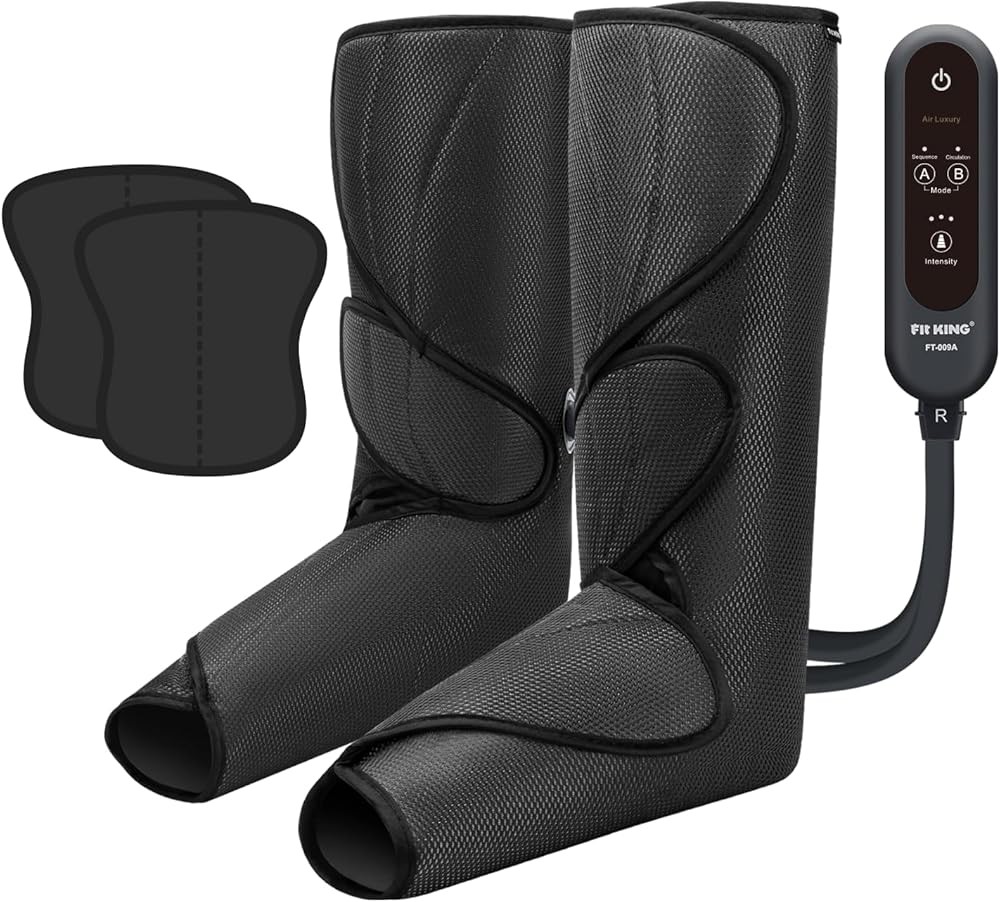
FIT KING Leg Air Massager
Check Price on AmazonAs an Amazon Associate we earn from qualifying purchases.
The FIT KING Leg Air Massager provides essential sequential compression therapy at $84, making evidence-based home lymphatic drainage accessible for budget-conscious users or those uncertain about device therapy commitment. This three-chamber system delivers fundamental compression patterns shown in research to reduce limb volume when used consistently as part of maintenance protocols.
The three-chamber design (foot, calf, thigh) provides basic sequential inflation proven effective in clinical studies, though with less pressure graduation than premium multi-chamber options. Research comparing compression chamber configurations finds that even simple three-chamber sequential systems produce measurable volume reduction when pressure levels and session duration meet therapeutic thresholds.
Two pressure modes deliver different compression patterns—sequential mode inflates chambers progressively from foot to thigh, while circulation mode provides alternating compression focused on enhancing blood flow. For lymphatic drainage applications, sequential mode aligns with clinical protocols that move fluid proximally toward central lymphatic structures.
Three intensity settings allow users to adjust pressure based on comfort tolerance and tissue sensitivity. While this device lacks precise mmHg pressure readouts available on premium models, the adjustable intensity provides basic personalization for different comfort needs and treatment phases.
Velcro wraparound design accommodates leg circumferences from 13-26 inches, fitting most average-sized adults though with less range than premium adjustable systems. Users at size extremes may find limited fit flexibility, but the range covers standard sizing for the majority of potential users.
The compact controller with simple three-button interface (power, mode, intensity) minimizes operational complexity. The straightforward design reduces learning curve and makes operation accessible for users preferring simple devices without extensive features requiring instruction manual reference.
Lightweight portable design facilitates storage and enables travel use more easily than bulkier comprehensive systems. For users wanting compression therapy while traveling or moving between locations, the smaller footprint provides practical advantages over larger stationary units.
The $84 price point makes this the most affordable clinically relevant compression option reviewed, removing financial barriers for users who would benefit from device therapy but cannot justify $200-400 investments. This accessibility factor significantly expands the population able to access home compression therapy.
For patients following combination protocols—professional manual drainage plus home compression maintenance—budget systems like this deliver the compression component without requiring premium device investments, since professional sessions provide the expert assessment and technique optimization that expensive devices cannot replicate.
The FIT KING Full Leg Recovery Boots represent premium compression therapy engineering with eight independent compression zones delivering maximum coverage and pressure control for advanced lymphedema management or serious athletic recovery applications. At $419, this system provides clinical-grade features approaching professional equipment specifications.
Eight sequential chambers (four per leg) create finely graduated pressure waves that replicate the progressive distal-to-proximal fluid movement documented in clinical lymphatic drainage research. Studies examining compression chamber configurations show that increased chamber numbers produce more physiologically accurate pressure gradients, potentially enhancing effectiveness for patients with extensive limb involvement.
Dual-leg simultaneous treatment provides efficiency for bilateral lymphedema affecting both lower extremities, a common presentation in primary lymphatic conditions, obesity-related lymphedema, and systemic conditions affecting venous return. Simultaneous bilateral compression allows complete lower body treatment in single 30-60 minute sessions rather than requiring separate sequential treatments.
Extended boot design covering from foot through entire thigh ensures comprehensive lower extremity compression without gaps. Research on complex decongestive therapy emphasizes importance of continuous pressure coverage without untreated gaps that allow fluid accumulation in non-compressed regions between garment boundaries.
Four pressure intensity levels (20-60 mmHg range) with digital pressure display provide clinical-level control over compression forces. The digital readout showing actual applied pressure enables users to follow specific mmHg protocols prescribed by healthcare providers rather than relying on generic low/medium/high settings without quantification.
Three time settings (15, 30, 45 minutes) with auto-shutoff limit excessive treatment duration that might cause discomfort or adverse effects. Research on compression therapy duration shows diminishing returns beyond 60 minutes for most patients, making programmed session timers valuable for optimizing benefit-to-time ratios.
Premium materials including thickened airbags and reinforced connectors enhance durability for daily long-term use. For patients requiring ongoing therapy indefinitely, construction quality affects lifetime cost when devices need replacement due to material failure from intensive use.
The wireless controller design eliminates cord tethering, allowing users to position themselves comfortably without controller cord length constraints. This mobility enhancement improves treatment adherence by enabling therapy during other activities like working at a desk or preparing meals.
Storage case inclusion provides organization and protection for the substantial system components. Proper storage extends equipment life by reducing connector damage and fabric deterioration from light exposure or compression under stored items.
Sequential Leg Compression Boots deliver four-chamber compression therapy at $169 mid-range pricing, balancing clinical features with affordability for users seeking effectiveness between budget and premium options. This system provides enhanced capability over basic three-chamber devices while avoiding premium pricing for features some users don’t require.
Four sequential chambers per leg create more graduated pressure progression than three-chamber budget options while costing less than eight-chamber premium systems. Research suggests diminishing returns from additional chambers beyond four for many lymphedema presentations, making four-chamber designs an effectiveness-to-cost optimization point.
Adjustable pressure settings with three intensity levels enable users to personalize compression force based on tissue tolerance and treatment goals. While this system lacks precise mmHg digital displays found on premium options, the adjustable settings provide sufficient control for most home therapy applications following general clinical guidelines.
The wraparound boot design with multiple velcro attachment points accommodates leg circumferences from 11-27 inches, providing broader sizing range than some budget options. The multiple attachment points allow contour customization for individual leg shapes rather than generic one-size cylindrical compression.
Separate foot and leg compartments with independent inflation enable users to adjust compression distribution based on where swelling concentrates. Some patients experience primarily ankle and foot swelling while others show more calf or thigh involvement—independent compartment control allows emphasis on problem areas.
The handheld controller features simple operation with clear indicator lights showing active compression zones during treatment. Visual feedback helps users confirm proper operation and understand sequential progression as chambers inflate and deflate.
Lightweight portable construction balances between compact budget devices and bulky premium systems. At moderate size and weight, this option stores reasonably in home closets while providing enough coverage and features for clinical benefit.
The $169 price point positions this as the value leader—offering enhanced four-chamber sequential compression, adjustable pressure, and reasonable durability without approaching $400+ premium pricing. For cost-conscious users wanting features beyond basic three-chamber options, this represents optimal value.
For patients using compression devices as maintenance therapy following initial professional manual drainage, mid-range systems like this provide sufficient capability for home maintenance protocols without premium features better suited to complex clinical presentations requiring maximum adjustability.
How Often Should I Use Each Method for Optimal Results?
Treatment frequency recommendations for lymphatic drainage vary based on method, clinical presentation, treatment phase, and individual response, with research supporting different protocols for active reduction versus maintenance phases.
Manual lymphatic drainage frequency in clinical research typically ranges from 2-5 sessions weekly during active treatment phases. The 2015 Cochrane review analyzed studies using various frequencies, with most protocols implementing 3-5 weekly sessions during initial reduction phases lasting 2-8 weeks.
For breast cancer-related lymphedema, typical protocols include:
- Intensive phase (weeks 1-4): 5 sessions weekly (daily weekdays)
- Transition phase (weeks 5-8): 3 sessions weekly
- Maintenance phase (ongoing): 1-2 sessions weekly or biweekly
Lower extremity lymphedema protocols often follow similar patterns, though some research examines less frequent maintenance (monthly sessions) combined with home self-care for long-term management.
Research recommends: Clinical research protocols for manual lymphatic drainage typically use 3-5 weekly sessions during active reduction phases (4-8 weeks) followed by maintenance frequencies of 1-2 sessions weekly or biweekly, with gradual reduction to monthly professional sessions for patients demonstrating stable volume control.
The rationale for frequent initial sessions relates to fluid reaccumulation patterns. Research shows that manual drainage effects on limb volume typically last 24-48 hours before measurable re-swelling occurs. Frequent sessions during active reduction phases minimize this reaccumulation between treatments, producing cumulative volume reduction.
As tissue changes and volume stabilizes, session frequency can decrease while maintaining results through compression garments and home self-care between professional appointments.
Compression device protocols studied in research show similar intensive-to-maintenance progression but with higher potential frequency due to home access. Studies on intermittent pneumatic compression examined daily sessions as standard protocol, with some research evaluating twice-daily treatment during initial phases.
Typical device protocols include:
- Intensive phase: 1-2 sessions daily, 45-60 minutes per session (weeks 1-4)
- Transition phase: 1 session daily, 30-60 minutes (weeks 5-12)
- Maintenance phase: 4-7 sessions weekly, 30-45 minutes (ongoing)
Research comparing compression device frequency found that daily use produced significantly better volume reduction and maintenance than 3 times weekly use. The study examining lower limb lymphedema noted that patients using devices 6-7 days weekly achieved volume reduction of approximately 15% versus those in the 3-days-weekly group showing approximately 8% over identical 8-week periods.
Higher frequency proves practical with home devices since additional sessions carry no marginal cost or scheduling burden beyond time investment. This accessibility advantage contributes to devices’ superior long-term maintenance outcomes in research comparing adherence patterns.
Session duration recommendations also vary by method and research protocol. Manual drainage sessions typically run 45-60 minutes based on therapist efficiency and appointment scheduling. Shorter sessions (30 minutes) may not allow sufficient time to address all limb segments and central pathways, while longer sessions (90+ minutes) provide diminishing returns relative to time investment.
Compression device duration shows more variability in research, with studies examining 30-120 minute sessions. Most research supports 45-60 minutes as optimal for limb lymphedema, balancing effectiveness with patient tolerance and schedule demands.
Some research suggests longer duration provides benefits for advanced fibrotic lymphedema, while shorter sessions suffice for mild edema or maintenance protocols. The ability to adjust duration based on individual needs represents an advantage of home device therapy.
Combination protocol frequency structures professional manual sessions less frequently while maintaining higher total treatment frequency through daily device use. A typical combination approach might include:
- Professional manual drainage: 2 sessions weekly (weeks 1-4), then 1 weekly (weeks 5-8), then 2 monthly (maintenance)
- Home compression device: Daily sessions throughout all phases
- Total weekly sessions: 9 during weeks 1-4, then 8 during weeks 5-8, then 32-34 monthly during maintenance
This hybrid structure provides frequent treatment for optimal fluid mobilization while controlling costs through limited professional session numbers supplemented by unlimited home device use.
Individual variation requires protocol adjustment based on response monitoring. Some patients achieve excellent results with less frequent therapy, while others need intensive protocols for measurable benefit. Tracking limb circumference measurements every 2-4 weeks guides frequency adjustments—if volume reduction plateaus, frequency may decrease for maintenance; if volume increases, frequency should increase to regain control.
What Do Therapists and Patients Report About Each Method?
Clinical perspectives from lymphedema therapists and patient-reported experiences provide insights beyond objective research measurements, revealing practical considerations affecting treatment selection and outcomes in real-world applications.
Therapist perspectives on manual lymphatic drainage emphasize the assessment and individualization capabilities that hands-on techniques provide. Surveys of certified lymphedema therapists report high satisfaction with manual drainage for initial assessment, complex cases, and patients with anatomical variations requiring technique adaptation.
Therapists particularly value manual drainage for:
- Detecting early fibrotic tissue changes requiring intervention
- Identifying skin problems (infections, wounds, dermatitis) during treatment
- Building patient rapport and providing education during sessions
- Adapting techniques for post-surgical anatomy changes
- Teaching self-drainage techniques for home practice
However, therapists also acknowledge limitations including practice fatigue from repetitive motions, appointment scheduling constraints limiting treatment frequency, and cost barriers limiting some patients from accessing recommended session numbers.
Patient reports on manual lymphatic drainage show mixed experiences heavily influenced by therapist skill, insurance coverage, and accessibility. Patients with good insurance coverage and local access to skilled therapists report high satisfaction, citing personalized attention, education, and emotional support alongside physical benefits.
Negative patient feedback most commonly involves:
- Cost barriers when insurance doesn’t cover treatment
- Geographic access limitations in rural areas lacking certified therapists
- Scheduling difficulties coordinating frequent appointments with work/life demands
- Inconsistent results with different therapists
- Discomfort with intimate body contact during treatment
What the data shows: Patient satisfaction with manual lymphatic drainage correlates strongly with insurance coverage, geographic access to skilled therapists, and scheduling flexibility, with cost and appointment logistics representing primary barriers while personalized attention and education provide valued benefits beyond volume reduction alone.
A survey examining patient preferences in lymphedema management found that patients rated “independence” and “convenience” as highly important factors in treatment satisfaction. Those dependent on frequent professional appointments expressed frustration with schedule constraints and feeling “tied to treatment,” while those able to manage largely through home self-care reported better quality of life despite similar volume control outcomes.
Therapist perspectives on compression devices acknowledge benefits for home maintenance and patient independence while noting limitations for assessment and individualization. Therapists generally view devices as valuable tools for:
- Maintaining volume reduction between professional sessions
- Enabling daily treatment frequency impractical with professional appointments
- Improving patient autonomy and self-management confidence
- Reducing long-term therapy costs for patients with insurance limitations
- Providing consistent pressure for patients with severe edema requiring intensive protocols
Therapist concerns about device use include:
- Patients using devices without proper initial assessment
- Inappropriate pressure levels causing discomfort or complications
- Missed skin changes or complications between professional evaluations
- Device therapy delaying professional consultation for worsening conditions
- Over-reliance on devices while neglecting other self-care components
Most lymphedema specialists advocate for integrated approaches—professional assessment and initial manual drainage followed by home device maintenance with periodic professional reassessment rather than viewing methods as mutually exclusive alternatives.
Patient reports on compression devices emphasize convenience, independence, and cost-effectiveness as primary advantages. Reviews and patient surveys consistently highlight:
- Ability to perform therapy while watching TV, reading, or working
- Freedom from scheduling appointments and transportation
- Consistent daily treatment without cost barriers
- Privacy of home therapy
- Partner/family involvement in treatment support
Common patient complaints about devices include:
- Initial difficulty understanding operation and optimal settings
- Uncertainty about whether therapy is “working” without professional feedback
- Discomfort with high-pressure settings
- Device fit issues with unusual body sizes
- Equipment storage and maintenance requirements
Patients with complex or severe lymphedema generally report better outcomes with combination approaches including professional manual drainage, while those with mild-to-moderate stable conditions report satisfaction with primarily device-based home management after initial professional assessment.
Athletic population perspectives differ from lymphedema patients. Athletes using compression devices for recovery report high satisfaction based on perceived performance benefits and reduced soreness rather than measurable limb volume changes. This population values convenience and recovery optimization over clinical necessity.
What Are the Best Practices for Maximizing Results From Either Method?
Evidence-based protocols for optimizing lymphatic drainage outcomes—whether using manual techniques, compression devices, or combination approaches—incorporate multiple complementary strategies beyond the primary drainage intervention itself.
Skin care represents a critical foundation for all lymphatic drainage protocols. Research on complex decongestive therapy emphasizes meticulous skin hygiene to reduce infection risk, the most common lymphedema complication. Best practices include:
- Daily washing with pH-balanced soap and thorough drying
- Immediate application of fragrance-free moisturizer to reduce dryness and cracking
- Inspection for cuts, blisters, or infection signs
- Prompt cleaning and antibiotic ointment for any skin breaks
- Avoidance of injections, blood draws, and blood pressure cuffs on affected limbs
Compromised lymphatic function impairs immune response to skin infections, making infection risk reduction essential. Even minor skin breaks can progress to cellulitis requiring hospitalization in lymphedema patients.
Compression garments between drainage sessions maintain pressure gradients that reduce fluid reaccumulation. Research consistently shows that drainage therapy alone without compression maintenance produces temporary results with rapid re-swelling. Best practices include:
- Wearing compression garments during all waking hours on affected limbs
- Removing garments only for bathing and drainage sessions
- Replacing garments every 3-6 months as elastic degrades
- Using proper compression class based on professional fitting (15-20 mmHg for mild edema, 20-30 mmHg for moderate, 30-40 mmHg for severe)
- Applying garments immediately after drainage sessions to “lock in” volume reduction
Studies show patients adhering to compression garment protocols maintain volume reductions 40-60% better than those using drainage without consistent compression maintenance.
Bottom line: Clinical protocols combining lymphatic drainage with compression garment use between sessions maintain volume reduction 40-60% more effectively than drainage alone, with research showing consistent compression essential for reducing rapid fluid reaccumulation after manual or mechanical drainage treatments.
Exercise and movement support lymphatic flow through muscle contractions that compress vessels and enhance fluid movement. Research on lymphedema management demonstrates that structured exercise programs improve outcomes when combined with drainage therapy. Best practices include:
- Walking 20-30 minutes daily while wearing compression
- Resistance training with light weights focusing on affected limbs
- Swimming or water aerobics providing gentle compression and resistance
- Yoga or stretching for flexibility and circulation
- Avoiding prolonged immobility or sedentary positions
Exercise protocols should progress gradually, monitoring for increased swelling that indicates excessive intensity. Some patients require compression during exercise to reduce exercise-induced swelling.
Elevation uses gravity to assist venous and lymphatic return. While elevation alone provides minimal benefit for established lymphedema, combining elevation with drainage enhances results. Best practices include:
- Elevating affected limbs above heart level for 30-60 minutes after drainage sessions
- Using wedge pillows for overnight leg elevation
- Avoiding prolonged dependent positioning (legs hanging down)
- Breaking up long periods of sitting or standing with elevation breaks
Hydration supports lymphatic fluid consistency and flow. Adequate water intake maintains appropriate fluid viscosity and supports kidney function for processing mobilized fluid. Recommendations include:
- 8-10 glasses of water daily (adjusted for body size and activity)
- Limiting sodium intake to reduce fluid retention
- Avoiding excessive alcohol consumption which impairs lymphatic function
- Monitoring urine color for hydration status
Weight management reduces lymphatic load for patients with obesity-related lymphedema. Research shows strong correlation between body mass index and lymphedema severity. Weight loss of even 5-10% significantly improves limb volume measurements in overweight patients.
Timing optimization affects drainage effectiveness. Best practices include:
- Performing drainage at consistent daily times to establish routine
- Avoiding drainage immediately after meals when blood flow concentrates in digestive system
- Scheduling manual drainage when well-rested rather than fatigued
- Using devices in evening to reduce daytime swelling from standing/activity
Position during therapy influences fluid movement. For lower extremity drainage:
- Recline at 30-45 degree angle rather than sitting upright
- Elevate feet slightly above hips if tolerated
- Avoid crossing legs or compressing lymphatic pathways
Sequential layering maximizes combination therapy benefits. Optimal sequence includes:
- Skin care and inspection
- Manual drainage (if using)
- Compression device therapy
- Compression garment application
- Elevation for 30-60 minutes
- Light exercise or movement
This sequence opens central pathways manually, mobilizes peripheral fluid mechanically, maintains pressure with garments, and enhances circulation through elevation and movement.
For readers exploring how mechanical compression compares to hands-on techniques, our breakdown of lymphatic drainage devices versus manual massage offers a side-by-side look at the evidence, while those recovering from surgery may also benefit from reviewing post-surgical compression therapy recovery and the research on compression therapy for edema relief. If you’re considering investing in a device, our guide to research-backed compression therapy devices can help narrow down the options worth discussing with a clinician.
For readers exploring the broader context of mechanical compression therapy, our guide on lymphatic drainage devices after surgery examines how post-surgical compression supports recovery, while the article on lymphatic drainage for swelling reviews the research on compression therapy for edema relief. Those considering a device purchase may also want to review our breakdown of the best lymphatic drainage machines based on available evidence. If you’re weighing how recovery-focused interventions compare across categories, our analyses of glutamine vs BCAA for recovery and creatine vs beta-alanine for performance offer useful parallels in evaluating mechanical versus nutritional recovery strategies.
For more context, see our guides on Best Lymphatic Drainage Machine — Research-Backed Compression Therapy Devices, Lymphatic Drainage for Swelling: Research on Compression Therapy for Edema Relief, Lymphatic Drainage Devices After Surgery: Post-Surgical Compression Therapy Recovery, Lymphatic Drainage Massage Device Benefits — Evidence from Clinical Research, and Air Compression Lymphatic Devices — How Pneumatic Systems Support Drainage.
Related Reading
Looking to expand your knowledge about lymphatic drainage therapy and related approaches? These evidence-based articles provide complementary information:
- Best Lymphatic Drainage Machine — Comprehensive review of top-rated pneumatic compression systems with clinical research on effectiveness
- Lymphatic Drainage Massage Device Benefits — Research on physiological mechanisms and health outcomes from compression therapy
- Air Compression Lymphatic Device — Technical analysis of sequential pneumatic compression technology and clinical applications
- Lymphatic Drainage After Surgery — Post-operative protocols and evidence for compression therapy in surgical recovery
- Curcumin Benefits: Inflammation and Turmeric — Research on anti-inflammatory compounds supporting tissue health alongside physical lymphatic therapy
- Quercetin Benefits: Antioxidant and Inflammation — Evidence for flavonoid compounds addressing oxidative stress in chronic inflammatory conditions
- Best Vibration Plates — Whole-body vibration therapy for circulation enhancement and lymphatic flow support
Research shows both compression devices and manual lymphatic drainage effectively reduce limb volume in lymphedema patients, with clinical studies demonstrating volume reduction from either method alone and up to 17.6% reduction with combination protocols. Device therapy provides cost-effective long-term maintenance ($114-499 first year versus $8,000-15,000 for professional manual sessions), while manual drainage offers tissue assessment capabilities, pathway adaptation, and professional expertise that devices cannot replicate. Current evidence supports integrated approaches—professional manual drainage for initial assessment and technique establishment, followed by home compression device maintenance with periodic professional reassessment for optimal clinical outcomes balancing effectiveness, cost, and convenience.
Recommended Products