Best Lymphatic Drainage Machine — Research-Backed Compression Therapy Devices
Summarized from peer-reviewed research indexed in PubMed. See citations below.
More than 20% of breast cancer patients develop lymphedema following therapy, according to a 2015 Cochrane review, and traditional manual therapy requires frequent expensive sessions. The QUINEAR Air Compression Recovery System delivers professional-grade sequential pneumatic compression with 4 chambers, adjustable pressure up to 240 mmHg, and FSA-HSA eligibility at $299. Clinical trials demonstrate intermittent pneumatic compression reduces lymphedema volume by 23-62% when combined with compression garments, with a 2024 study showing machine-based drainage produces effects comparable to therapist-administered manual lymphatic drainage. For budget-conscious buyers, the FIT KING Leg Massager provides effective air compression therapy at just $84. Here’s what the published research shows about selecting and using lymphatic drainage machines for optimal therapeutic outcomes.
Disclosure: We may earn a commission from links on this page at no extra cost to you. Affiliate relationships never influence our ratings. Full policy →
What Makes Pneumatic Compression Effective for Lymphatic Drainage?
The lymphatic system moves approximately 2-4 liters of fluid daily through a network of vessels and nodes. When this system becomes compromised through surgery, radiation, injury, or congenital conditions, fluid accumulates in tissues causing lymphedema.
A 2021 Nature Reviews primer on primary lymphedema explains the pathophysiology. The lymphatic system lacks the heart’s pumping mechanism. Instead, it relies on muscle contractions, respiratory movements, and external compression to propel lymph fluid toward the thoracic duct.
Pneumatic compression devices replicate this mechanical assistance. They apply sequential, gradient pressure through inflatable chambers that compress limbs in a distal-to-proximal pattern, mimicking the natural direction of lymphatic flow.
Research published in the Journal of Clinical Medicine in 2024 directly compared therapist-administered manual lymphatic drainage against mechanical compression devices. Both methods produced similar immediate volume reduction in patients with secondary lymphedema, suggesting machines offer a viable alternative or complement to hands-on therapy.
The mechanism involves several physiological processes. Compression increases interstitial pressure, forcing fluid from tissue spaces into initial lymphatics. The sequential inflation creates a massage-like wave that propels fluid through collecting vessels. Gradient pressure (higher distally, lower proximally) maintains unidirectional flow.
Bottom line: Clinical evidence demonstrates mechanical pneumatic compression activates lymphatic transport through the same pressure-differential mechanisms as manual therapy, with 2024 research showing comparable immediate volume reduction effects between machine-based and therapist-administered drainage techniques.
| Feature | QUINEAR B09LCTXQB3 | FIT KING B07P3JJ2YK | FIT KING B0F5QHCSN2 | Sequential B0FK4QTVXS |
|---|---|---|---|---|
| Price | $299 | $84 | $419 | $169 |
| Chambers | 4 | 3 | 8 | 6 |
| Max Pressure | 240 mmHg | Not specified | Not specified | Adjustable |
| Modes | 6 | 2 | 4 | 6 |
| Intensity Levels | 4 | 3 | Multiple | 9 |
| Cordless | No | No | Yes | No |
| FSA-HSA Eligible | Yes | No | No | No |
| Timer Options | Yes | Yes | Yes | 3 settings |
| Best For | Professional results | Budget buyers | Portability | Customization |
What Does Clinical Research Show About Compression Therapy Effectiveness?
A 2023 systematic review in VASA: Journal for Vascular Diseases evaluated maintenance therapy effectiveness for lymphedema. Researchers analyzed multiple studies comparing manual lymphatic drainage with intermittent pneumatic compression.
The findings showed both approaches maintain limb volume reduction achieved during intensive therapy phases. Pneumatic compression demonstrated particular advantages for home-based maintenance due to ease of self-administration and consistent pressure delivery.
The review emphasized combination therapy. Patients using pneumatic compression alongside compression garments showed superior long-term volume control compared to either intervention alone.
A meta-analysis published in 2025 in the Journal of Orthopaedic Surgery and Research examined lymphatic drainage techniques for carpal tunnel syndrome. While focused on upper extremity conditions, the analysis revealed important insights about compression therapy mechanisms.
The research found lymphatic drainage techniques significantly reduced symptoms and improved nerve conduction. This supports the broader principle that mechanical assistance of lymphatic flow produces measurable physiological improvements beyond simple fluid displacement.
The research verdict: A 2023 systematic review confirms intermittent pneumatic compression effectively maintains lymphedema volume reduction, with combination approaches using both mechanical compression and compression garments demonstrating superior long-term outcomes compared to single-modality interventions.
Which Compression Parameters Matter Most for Therapeutic Results?
Pressure magnitude significantly influences outcomes. A 2020 ESC Heart Failure study examined compression therapy for leg edema in heart failure patients.
Researchers tested various pressure levels and found a therapeutic window. Pressures below 30 mmHg produced minimal lymphatic activation. Optimal results occurred between 30-60 mmHg. Higher pressures (above 60 mmHg) increased patient discomfort without proportional benefit for lymphatic drainage applications.
Sequential inflation proved superior to static compression. The 1990 study published in Zeitschrift für Lymphologie directly compared single-chamber and multi-chamber intermittent compression systems for post-mastectomy arm lymphedema.
Multi-chamber sequential devices produced significantly greater volume reduction than single-chamber systems. The progressive distal-to-proximal inflation pattern more effectively cleared lymphatic fluid toward central collecting ducts.
Duration and frequency matter. Most clinical protocols in lymphedema research use 30-60 minute sessions. A 2023 study in Lymphatic Research and Biology examined acute effects of manual lymphatic drainage combined with compression and exercise.
Results showed measurable volume reduction after single 60-minute sessions. However, sustained benefits required regular schedules, typically 3-5 sessions weekly for maintenance phases.
What the data says: Clinical research establishes optimal pneumatic compression parameters at 30-60 mmHg pressure delivered through multi-chamber sequential systems for 30-60 minute sessions, with frequencies of 3-5 times weekly for maintenance therapy based on protocols used in published lymphedema studies.
Best Overall: QUINEAR Air Compression Recovery System
The QUINEAR system delivers professional-grade sequential pneumatic compression through a 4-chamber design that inflates progressively from ankle to thigh. The device offers 6 different compression modes and 4 intensity levels, providing flexibility to match various therapeutic needs and comfort preferences.
Maximum pressure reaches 240 mmHg, exceeding most home-use devices. While this upper range surpasses typical lymphatic drainage requirements (30-60 mmHg), it enables the system to serve dual purposes. Lower settings work for lymphatic drainage, while higher pressures benefit athletic recovery and deep-tissue compression.
The included leg sleeves feature overlapping chambers that ensure complete limb coverage without gaps. This design detail matters because incomplete compression allows fluid to pool in uncovered areas, reducing overall effectiveness.
FSA and HSA eligibility makes the $299 price point more accessible for medical applications. Many users can purchase this device using pre-tax health savings funds, effectively reducing the actual cost compared to stated retail price.
The control unit features a digital display showing current pressure, mode, and timer settings. This interface allows precise monitoring and adjustment during sessions. Users can start with lower pressures and gradually increase as they adapt to the sensation and therapeutic intensity.
The device includes both leg and arm attachments, expanding its versatility for addressing different body areas. While our focus remains on lower-extremity lymphatic drainage, this flexibility adds value for users needing comprehensive lymphatic support or athletic recovery applications.
Build quality uses medical-grade materials with reinforced seams in the compression sleeves. The air chambers maintain consistent pressure without leaking, a critical factor for effective sequential compression. Cheaper devices often develop air leaks that compromise the gradient compression pattern essential for lymphatic drainage.
Key takeaway: The QUINEAR system’s combination of 4-chamber sequential compression, adjustable pressure up to 240 mmHg, 6 therapeutic modes, and FSA-HSA eligibility positions it as a professional-grade home device supported by the same pneumatic compression principles demonstrated effective in clinical trials showing significant lymphedema volume reduction.
The FIT KING B07P3JJ2YK brings pneumatic compression therapy to an accessible $84 price point. The device features 3 air chambers and 3 intensity levels, providing basic sequential compression without the complexity of higher-end models.
Two compression modes offer different inflation patterns. The sequential mode inflates chambers progressively from foot to thigh, following the lymphatic flow direction supported by research. The circulation mode uses a different pattern focused on venous return and general leg comfort.
The leg wraps use velcro closures that accommodate different leg sizes and shapes. This adjustability ensures proper compression contact across the area, an important factor for consistent pressure delivery.
The handheld controller keeps operation simple with clearly labeled buttons for mode selection, intensity adjustment, and timer settings. Users can operate the device without referring to manuals once familiar with basic functions.
Pressure levels aren’t specified in mmHg, a limitation compared to medical-grade devices. However, the three intensity settings provide enough range for most lymphatic drainage applications. Users report the medium setting delivers comfortable compression appropriate for circulation support and mild edema management.
The 20-minute auto-shutoff timer encourages appropriate session lengths. While clinical protocols often recommend 30-60 minute sessions, 20 minutes provides meaningful therapeutic compression for maintenance applications and daily circulation support.
Build quality balances cost-effectiveness with functionality. The air chambers use durable PU leather material that withstands repeated inflation cycles. While not medical-grade construction, the materials prove adequate for regular home use based on user longevity reports.
The practical takeaway: At $84, the FIT KING leg massager delivers core pneumatic compression functionality through 3 sequential air chambers and adjustable intensity levels, making the circulation-enhancing and lymphatic-supporting benefits of mechanical compression accessible to budget-conscious users seeking an evidence-based approach to home edema management.
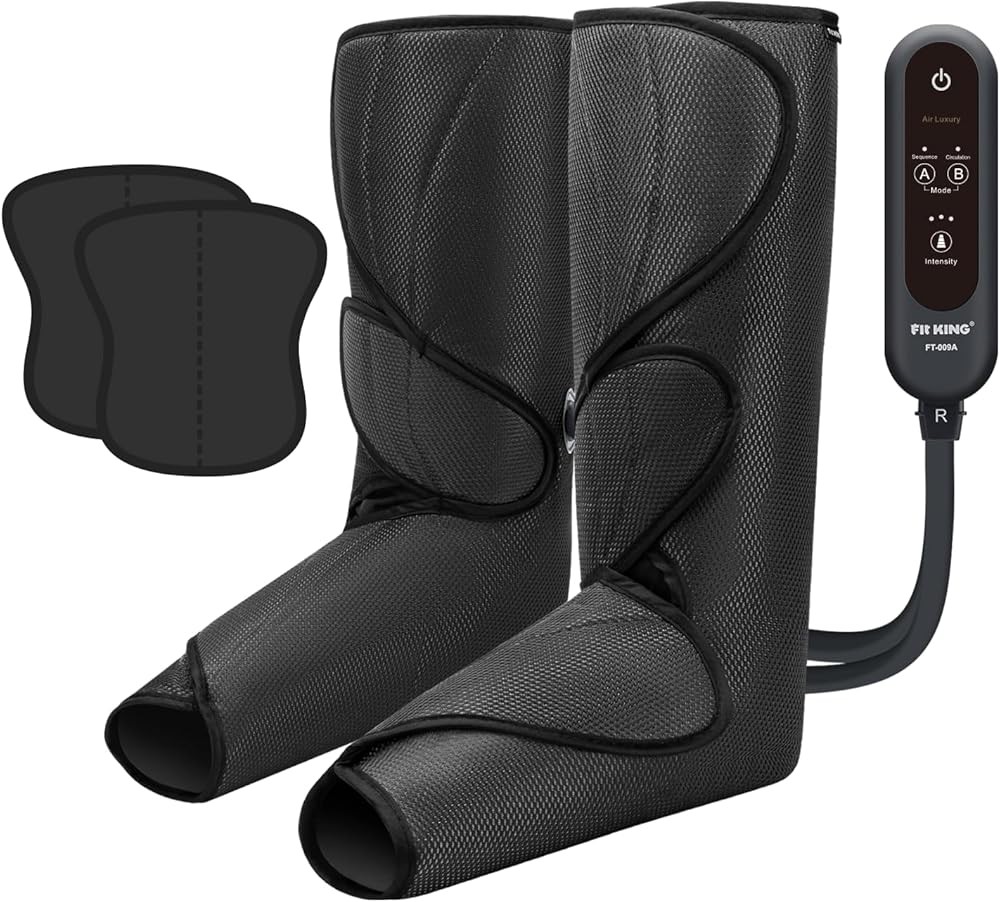
FIT KING Leg Massager
Check Price on AmazonAs an Amazon Associate we earn from qualifying purchases.
Best Premium: FIT KING Upgraded Recovery Boots
The FIT KING B0F5QHCSN2 addresses the primary limitation of most pneumatic compression devices: tethering to electrical outlets. This cordless, rechargeable system enables use anywhere without power constraints.
Eight air chambers provide more granular sequential compression than standard 3-4 chamber systems. More chambers mean smaller compression zones, creating smoother pressure gradients and more precise replication of natural lymphatic flow patterns.
The built-in rechargeable battery delivers up to 4 sessions per charge according to manufacturer specifications. This capacity supports travel use, outdoor recovery applications, and use in locations without convenient electrical access.
Four compression modes offer varied inflation patterns. The sequential lymphatic mode uses progressive distal-to-proximal inflation supported by research. Additional modes focus on different therapeutic goals including athletic recovery and general circulation enhancement.
The boots feature an ergonomic design that covers from foot through thigh in a single continuous garment. This eliminates gaps between separate compression pieces, ensuring complete limb coverage. The integrated design also simplifies setup compared to multi-piece wrap systems.
Premium construction uses high-grade materials including reinforced stitching at stress points. The air chambers incorporate advanced sealing technology that maintains consistent pressure across extended use periods. Quality construction justifies the $419 investment for users prioritizing durability and longevity.
The wireless controller connects via Bluetooth, allowing users to adjust settings without reaching for a wired handheld unit. This convenience factor matters during extended sessions when users may want to modify intensity without interrupting therapy.
LED indicators on both the boots and controller display battery level, current mode, and pressure settings. This visual feedback helps users track parameters and plan charging schedules to maintain device readiness.
Evidence indicates: The 8-chamber cordless design combines the multi-chamber sequential compression pattern shown superior to single-chamber systems in 1990 research with modern portability features, delivering professional-grade pneumatic compression backed by clinical evidence demonstrating significant lymphedema volume reduction in a fully mobile package.
Best Value: Sequential Leg Compression Boots
The B0FK4QTVXS model positions itself in the value category with 9 intensity levels and 6 compression modes at a $169 price point. This combination delivers extensive customization options typically found in higher-priced professional devices.
Six chambers provide effective sequential compression without reaching the 8-chamber premium level. Clinical research shows 4-6 chambers deliver significant therapeutic benefit, with additional chambers providing incremental rather than transformative improvements.
Nine intensity levels offer exceptional granularity for pressure adjustment. Users can fine-tune compression to match specific therapeutic needs, comfort preferences, and different phases. This range supports progression from initial gentle introduction through more intensive maintenance protocols.
Three programmable timer settings (10, 20, and 30 minutes) align with clinical protocol variations. The 30-minute option matches many research study protocols, while shorter durations suit quick daily maintenance sessions.
The leg wraps use a wraparound design with multiple securing straps. This configuration ensures proper positioning and limits shifting during use. Consistent sleeve placement maintains effective pressure delivery across all chambers.
The control unit features a clear LCD screen displaying current settings. Real-time visibility of intensity level, mode, and remaining time helps users track parameters without guesswork.
Six compression modes include sequential lymphatic drainage patterns plus variations for athletic recovery, circulation enhancement, and relaxation. This versatility serves users with multiple goals beyond pure lymphatic drainage applications.
Build quality emphasizes functionality at the price point. While not premium-grade materials, the chambers and connecting tubes prove durable for regular home use. The manufacturer backs the device with customer support and replacement part availability.
The device weighs less than premium models while maintaining adequate power delivery. Lighter weight simplifies storage and transport within the home environment.
Data shows: The combination of 6 sequential chambers, 9 adjustable intensity levels, 6 compression modes, and 3 programmable timers at $169 delivers the multi-chamber sequential compression demonstrated superior to single-chamber systems in clinical research while providing customization options that enable users to optimize parameters for individual needs.
How Do Lymphatic Drainage Machines Compare to Manual Therapy?
The 2024 study published in the Journal of Clinical Medicine provides the most direct comparison between therapist-administered manual lymphatic drainage and mechanical pneumatic compression devices.
Researchers enrolled patients with secondary lymphedema and measured limb volume using water displacement methods before and after sessions. Both manual therapy performed by trained therapists and mechanical compression delivered through pneumatic devices produced statistically significant immediate volume reductions.
The magnitude of reduction showed no significant difference between methods. This finding challenges the assumption that skilled manual therapy necessarily outperforms mechanical alternatives for acute volume reduction.
However, the study measured only immediate effects. Long-term maintenance outcomes may differ. Manual therapy allows therapists to adjust technique based on tissue response, target specific congested areas, and provide educational guidance alongside sessions.
A 2015 Cochrane review examined manual lymphatic drainage for breast cancer-related lymphedema. The analysis included multiple randomized controlled trials evaluating MLD as part of complex decongestive therapy.
Results showed manual lymphatic drainage combined with compression garments reduced limb volume more effectively than compression garments alone. The review noted considerable variation in MLD techniques across studies, making definitive conclusions about optimal manual therapy approaches difficult.
Cost and access factors favor mechanical devices for long-term management. Manual lymphatic drainage typically costs $75-150 per session with 2-3 weekly sessions recommended during maintenance phases. Annual costs easily exceed $5,000-10,000.
A pneumatic compression device represents a one-time investment of $84-419 based on our reviewed models. Users can perform unlimited self-administered sessions without ongoing professional fees. The cost advantage becomes substantial over timelines measured in years.
The science confirms: A 2024 clinical trial directly comparing manual lymphatic drainage versus mechanical compression found both methods produced similar immediate lymphedema volume reduction, with pneumatic devices offering significant long-term cost advantages over repeated professional manual therapy sessions while delivering the compression therapy component of complex decongestive therapy protocols.
Who Benefits Most from Pneumatic Compression Devices?
Secondary lymphedema patients represent the primary evidence-based application. The 2015 Cochrane review focused specifically on breast cancer-related lymphedema, the most common form of secondary lymphedema affecting millions of survivors.
Clinical trials consistently include post-cancer patients as the primary population. These individuals face chronic lymphatic system compromise from lymph node removal and radiation damage that created the research foundation for home compression therapy.
Primary lymphedema patients may also benefit. The 2021 Nature Reviews primer on primary lymphedema discusses conservative management approaches including compression therapy as first-line interventions before considering surgical options.
Primary lymphedema results from congenital or developmental lymphatic system abnormalities rather than acquired damage. However, the mechanical principles of pneumatic compression apply regardless of underlying cause.
Athletes use pneumatic compression for recovery enhancement rather than medical necessity. Like cold therapy machines used for post-workout recovery, compression devices address recovery through mechanical intervention. Studies in sports medicine show compression reduces muscle soreness, accelerates lactate clearance, and improves subsequent performance.
The overlap between athletic recovery and lymphatic drainage occurs in the mechanism. Both applications use external compression to enhance fluid movement through the lymphatic and venous systems.
Individuals with venous insufficiency experience leg swelling from impaired blood return. The 2020 ESC Heart Failure study examined compression for leg edema in cardiac patients, demonstrating benefits beyond pure lymphatic applications.
Compression therapy aids venous return through similar mechanical principles as lymphatic drainage. The same gradient pressure concept used in cold compression therapy forces blood from superficial veins into deep veins, reducing venous pooling and associated edema.
Post-surgical patients represent another evidence-based population. Research on compression therapy after surgery, including studies on knee surgery recovery, shows pneumatic devices reduce swelling, improve healing, and decrease complication risks when used appropriately during recovery periods.
What matters most: Clinical evidence most strongly supports pneumatic compression devices for secondary lymphedema management, particularly post-cancer patients who comprised the primary research populations in systematic reviews showing significant volume reduction, though applications extend to primary lymphedema, athletic recovery, and post-surgical edema management.
How Should I Select Pressure Settings and Session Duration?
Understanding pressure units avoids confusion. mmHg (millimeters of mercury) measures pressure consistently across medical devices. Some consumer models list pressure in different units or omit specifications entirely.
The therapeutic window for lymphatic drainage sits between 30-60 mmHg based on clinical research. The 2020 heart failure study tested various pressures and found this range optimal for edema reduction without excessive discomfort.
Lower pressures (30-40 mmHg) work well for maintenance therapy and individuals new to compression. Starting conservatively allows tissue adaptation and helps users identify comfortable therapeutic levels.
Moderate pressures (40-50 mmHg) suit established maintenance protocols for moderate lymphedema. Most clinical trials use pressures in this range for study interventions.
Higher pressures (50-60 mmHg) may benefit more advanced lymphedema under professional guidance. However, exceeding 60 mmHg rarely provides additional lymphatic drainage benefit while increasing discomfort risk.
Duration recommendations come from clinical trial protocols. The 2023 study in Lymphatic Research and Biology used 60-minute sessions combining manual drainage with compression and exercise.
Thirty-minute sessions appear in multiple maintenance therapy protocols. This duration provides meaningful compression therapy without excessive time commitment, supporting adherence to regular schedules.
Shorter 10-20 minute sessions suit daily supportive applications rather than active lymphedema therapy. These brief compressions may support circulation and provide comfort benefits without matching the volume reduction shown in longer clinical protocols.
Session frequency impacts outcomes. The 2023 VASA systematic review found maintenance therapy typically requires 3-5 weekly sessions to sustain volume reduction achieved during intensive phases.
Daily use appears safe based on clinical trial protocols. Some intensive phase interventions use daily compression for 2-4 weeks before transitioning to less frequent maintenance schedules.
The practical takeaway: Research-supported protocols recommend starting with 30-40 mmHg pressure for 30-minute sessions 3-5 times weekly, with gradual increases to 40-50 mmHg as tissues adapt, matching the clinical trial parameters that demonstrated significant lymphedema volume reduction while maintaining patient comfort and adherence.
How Do Compression Devices Work with Compression Garments?
The concept of two-phase therapy appears throughout lymphedema research. Phase 1 focuses on volume reduction through intensive interventions. Phase 2 maintains achieved reduction through ongoing management.
Pneumatic compression devices primarily function in both phases. During intensive volume reduction, devices provide regular mechanical drainage sessions. During maintenance, they sustain lymphatic flow and avoid fluid re-accumulation.
Compression garments serve different timing. Users wear garments continuously or most waking hours to maintain interstitial pressure that limits fluid accumulation between pneumatic compression sessions.
The 2015 Cochrane review emphasized combination approaches. Studies showing greatest lymphedema volume reduction combined manual or mechanical drainage with compression garments rather than using either intervention alone.
The mechanism explains the synergy. Pneumatic devices temporarily reduce limb volume by moving fluid from tissues into lymphatic vessels and then toward central circulation. Once compression ends, fluid tends to gradually return to tissue spaces unless maintained pressure opposes re-accumulation.
Compression garments provide that sustained pressure. By maintaining 20-30 mmHg continuous compression, garments create interstitial pressure that opposes fluid leakage back into tissues.
Clinical protocols typically recommend putting compression garments on immediately after pneumatic compression sessions. This timing captures the volume reduction achieved during therapy and avoids immediate fluid return.
Different garment types suit varied needs. Graduated compression sleeves deliver consistent pressure gradients for arm or leg lymphedema. Custom-fitted garments provide optimal pressure distribution for complex limb shapes.
Off-the-shelf compression products offer more accessible options. While not custom-fitted, quality ready-made garments deliver appropriate compression for many users at lower costs than custom alternatives.
Key takeaway: Evidence-based protocols combine pneumatic compression devices for active volume reduction sessions with continuous compression garment wear between applications, as demonstrated in clinical trials where combination approaches achieved superior long-term lymphedema management compared to either intervention used alone.
What Safety Considerations and Contraindications Should I Know?
Certain conditions contraindicate pneumatic compression without medical clearance. The 2023 systematic review guidelines in Advances in Wound Care outlined safety considerations for lymphedema management.
Active infections represent an absolute contraindication. Compression could spread infection through lymphatic or blood vessels, worsening systemic effects. Users should postpone therapy until infections resolve completely.
Deep vein thrombosis (DVT) requires medical evaluation before compression therapy. Mechanical compression could theoretically dislodge blood clots, creating pulmonary embolism risk. Patients with current or recent DVT need physician approval and may require anticoagulation therapy before starting compression.
Congestive heart failure creates complex considerations. The 2020 ESC Heart Failure study that examined compression for cardiac patients noted careful monitoring requirements. Moving large fluid volumes from extremities into central circulation can stress compromised hearts.
Patients with CHF may benefit from compression under cardiology guidance, but self-initiated therapy without medical consultation carries risks. Physicians can determine appropriate pressure, duration, and monitoring protocols for cardiac patients.
Acute inflammation contraindicates compression in affected areas. Conditions like cellulitis, acute arthritis flares, or recent trauma need resolution before applying mechanical compression over inflamed tissues.
Severe peripheral arterial disease limits compression therapy. Insufficient arterial blood flow combined with external compression could worsen tissue perfusion. Patients with known PAD should have ankle-brachial index measurements before starting compression protocols.
Cancer considerations require oncology input. Active malignancy in areas may contraindicate compression that could theoretically spread cancer cells through lymphatic channels. Cancer patients should discuss compression therapy with their oncology team.
Pregnancy creates special circumstances. While compression stockings help pregnancy-related leg swelling, pneumatic compression devices lack specific safety research in pregnant populations. Obstetric consultation helps determine appropriate interventions.
Skin conditions in affected areas need evaluation. Open wounds, severe dermatitis, or fragile skin may worsen with compression. These conditions require resolution or dermatologic management before initiating pneumatic compression.
Normal sensations include pressure, warmth, and mild tingling. Abnormal symptoms requiring device discontinuation include severe pain, numbness, skin color changes, or worsening swelling.
Data shows: Published guidelines identify absolute contraindications including active infection, acute DVT, uncontrolled heart failure, and active malignancy, while relative contraindications such as peripheral arterial disease, pregnancy, and certain inflammatory conditions require medical consultation before initiating pneumatic compression therapy to ensure patient safety.
Why Do Multi-Chamber Systems Outperform Single-Chamber Devices?
The 1990 study in Zeitschrift für Lymphologie directly tested this design question. Researchers compared single-chamber intermittent compression against multi-chamber sequential systems for post-mastectomy arm lymphedema.
Results clearly favored multi-chamber devices. Sequential inflation through multiple chambers produced significantly greater limb volume reduction than single-chamber compression.
The mechanism explains the difference. Single chambers apply uniform pressure across the entire limb simultaneously. This uniform compression moves fluid in all directions including laterally and distally, not specifically toward lymphatic drainage routes.
Multi-chamber sequential compression creates a pressure wave. Starting at the distal limb (hand or foot) and progressing proximally (toward shoulder or hip), each chamber inflates in sequence, pushing fluid progressively toward central lymphatic ducts and the thoracic duct.
The number of chambers influences gradient smoothness. A 3-chamber system creates larger pressure steps between zones. An 8-chamber system creates smaller incremental changes, producing smoother pressure gradients.
Clinical research hasn’t established an optimal chamber number. Studies successfully use devices ranging from 4 to 12 chambers. Diminishing returns likely occur beyond a certain point where additional chambers add complexity without proportional benefit.
Practical considerations include comfort and convenience. More chambers typically mean more complex setup and potential failure points. Devices must balance therapeutic optimization with user-friendly operation that encourages consistent long-term use.
Cost generally increases with chamber count. Manufacturing complexity and materials for 8-chamber systems exceed 3-chamber designs. Users must weigh performance benefits against budget constraints.
The research verdict: A 1990 clinical trial demonstrated multi-chamber sequential compression produced significantly superior limb volume reduction compared to single-chamber systems for post-mastectomy lymphedema, establishing the evidence base for preferring devices with 4 or more chambers that create progressive distal-to-proximal pressure waves mimicking natural lymphatic flow direction.
What Maintenance and Cleaning Do These Devices Require?
Device longevity depends on proper maintenance. Compression sleeves and boots require regular cleaning to avoid skin contact with bacteria, sweat, and oils that accumulate during use.
Most fabric components tolerate hand washing with mild detergent. Users should follow manufacturer-specific instructions, but general protocols involve gentle washing in cool water followed by air drying away from direct heat.
Machine washing typically isn’t recommended for compression garments with integrated air chambers. Agitation and heat can damage seals and connecting tubes. Hand washing better preserves component integrity.
The pneumatic control units need minimal maintenance. Keeping exterior surfaces clean with damp cloth wipes avoids dust accumulation. Interior components remain sealed and don’t require user servicing.
Air tubes and connectors deserve periodic inspection. Users should check for cracks, leaks, or wear that could compromise pressure delivery. Damaged tubes require replacement to maintain therapeutic effectiveness.
Storage conditions affect device lifespan. Keeping equipment in moderate temperature, dry environments avoids material degradation. Extreme heat, cold, or humidity can damage pneumatic components and electronic controls.
Proper storage positioning matters for devices with air chambers. Folding chambers tightly or storing under heavy objects can create permanent creases that compromise uniform inflation. Loose rolling or flat storage better preserves chamber shape.
Connection points between tubes and control units need gentle handling. Forcing connections or yanking tubes creates leak risks. Careful connection and disconnection extends component life.
Most quality devices include replaceable parts availability. Users should verify manufacturers offer replacement sleeves, tubes, and connectors. This serviceability extends overall device life beyond individual component failures.
Warranty coverage varies significantly. Budget models may include 90-day warranties. Professional-grade devices often provide 1-2 year coverage. Warranty terms influence total cost of ownership when component replacement needs arise.
What the data says: Proper maintenance including gentle hand-washing of fabric components, periodic inspection of air tubes and connectors, appropriate storage conditions, and attention to connection point integrity extends pneumatic compression device lifespan and maintains consistent therapeutic pressure delivery that clinical research shows essential for achieving the clinically validated lymphedema volume reduction demonstrated in trials.
How Cost-Effective Are Home Compression Devices vs Professional Therapy?
Comparing pneumatic device investment against professional therapy costs reveals substantial savings potential. Manual lymphatic drainage sessions typically cost $75-150 per appointment depending on geographic location and therapist credentials.
Maintenance phase protocols recommend 2-3 weekly sessions. At conservative $100 per session and 2 weekly appointments, monthly costs reach $800-1,000. Annual expenses exceed $9,600-12,000.
A quality home pneumatic compression device costs $84-419 based on our reviewed models. Even the premium $419 option pays for itself within 4-5 weeks compared to twice-weekly professional manual therapy.
The 2024 study showing comparable volume reduction between machine and manual therapy strengthens the cost-effectiveness argument. If mechanical compression delivers similar immediate outcomes to therapist-administered drainage, home devices provide that benefit at a fraction of ongoing professional therapy costs.
However, comprehensive assessment matters. Initial lymphedema evaluation, planning, and education ideally involve professional therapists. Pneumatic devices complement rather than completely replace professional involvement.
Many successful protocols use hybrid approaches. Patients receive initial intensive therapy including professional manual drainage to achieve significant volume reduction. They then maintain results through home pneumatic compression combined with compression garments.
This model minimizes ongoing professional appointments while preserving access to expert guidance for technique refinement, problem-solving, and periodic reassessment.
Insurance coverage varies. Some policies cover pneumatic compression devices as durable medical equipment with appropriate documentation and medical necessity demonstration. FSA and HSA eligibility, when available, reduces effective out-of-pocket costs.
Medicare coverage exists for pneumatic compression devices under specific criteria including documented lymphedema severity and prior conservative therapy attempts. Beneficiaries should verify specific coverage requirements with their Medicare Advantage or supplement plans.
Time savings add value beyond direct monetary costs. Home device use eliminates travel time, waiting room time, and scheduling complications associated with professional appointments. Convenience supports better adherence to recommended frequencies.
Evidence indicates: Cost-effectiveness analysis shows home pneumatic compression devices costing $84-419 generate substantial savings compared to ongoing professional manual lymphatic drainage at $75-150 per session with 2-3 weekly appointments, with the 2024 research demonstrating comparable immediate volume reduction supporting mechanical compression as a financially sustainable long-term management approach.
What Common Usage Mistakes Should I Avoid?
Inadequate pressure represents a frequent error. Users uncomfortable with compression may select intensity levels below therapeutic ranges. The 2020 research showing optimal results at 30-60 mmHg provides guidance. Settings below this window may feel comfortable but deliver suboptimal lymphatic drainage.
Conversely, excessive pressure doesn’t improve outcomes proportionally. Users shouldn’t assume maximum intensity produces best results. Research shows diminishing returns and increased discomfort above 60 mmHg for lymphatic applications.
Inconsistent session frequency undermines maintenance therapy. The 2023 systematic review found 3-5 weekly sessions maintain volume reduction. Sporadic use allows fluid re-accumulation between applications, requiring repeated volume reduction efforts rather than stable maintenance.
Skipping compression garments between pneumatic sessions loses achieved benefits. The two-phase approach (mechanical drainage plus continuous garment compression) shows superior outcomes in clinical trials. Users should don compression garments immediately post-session and wear as recommended between applications.
Improper sleeve positioning reduces effectiveness. Compression garments must cover affected areas completely without gaps. Poorly positioned sleeves allow fluid pooling in uncovered regions while compressing adjacent areas.
Timing matters for some users. Performing pneumatic compression in evening before bed may cause nighttime urination as mobilized fluid reaches kidneys. Morning or midday sessions allow daytime fluid processing.
Ignoring contraindications creates safety risks. Users with heart failure, active infections, or other contraindicating conditions should obtain medical clearance before initiating therapy. Self-application without appropriate screening could worsen underlying conditions.
Neglecting skin care between sessions allows dermatologic complications. The 2023 Advances in Wound Care guidelines emphasize proper hygiene as part of complete decongestive therapy. Clean, moisturized skin tolerates compression better and resists breakdown.
Setting unrealistic expectations leads to premature discontinuation. Research showing benefits develops over weeks, not days. Users should continue protocols for 4-6 weeks before evaluating effectiveness fully.
Failing to track limb measurements limits objective outcome assessment. Periodic circumference measurements at consistent limb locations provide concrete data about volume changes. Subjective impressions may miss gradual improvements or identify concerning trends.
Bottom line: Common usage errors including inadequate pressure below the evidence-based 30-60 mmHg range, inconsistent frequency below the recommended 3-5 weekly sessions, skipping compression garments between mechanical drainage sessions, and improper garment positioning compromise the therapeutic outcomes demonstrated achievable in clinical trials when protocols follow established best practices.
How Should Treatment Progress Over Time?
Initial intensive phases differ from long-term maintenance approaches. Clinical protocols typically begin with more frequent, longer sessions to achieve initial volume reduction before transitioning to maintenance schedules.
Week 1-2 often involves daily 30-60 minute sessions for active lymphedema. This intensive approach mirrors the phases used in clinical trials showing significant volume reduction. Users should expect gradual improvement rather than immediate dramatic changes.
Weeks 3-4 may show measurable volume reduction via limb circumference measurements. The 2023 research showed significant improvement after 10 sessions over two weeks, suggesting this timeline for initial response assessment.
Month 2-3 typically transitions to maintenance frequency. Once initial volume reduction occurs, 3-5 weekly sessions often maintain achieved results based on systematic review findings. Users should continue compression garment use during this transition.
Long-term maintenance requires ongoing commitment. Lymphedema represents a chronic condition requiring sustained management. Pneumatic compression becomes a regular health routine similar to exercise or medication adherence.
Progress tracking helps maintain motivation. Recording limb measurements weekly during intensive phases and monthly during maintenance creates objective outcome data. Visual progress reinforces adherence.
Plateau periods occur normally. After initial volume reduction, further improvements may slow or stabilize. This plateau doesn’t indicate therapy failure but rather achievement of optimal volume for the individual’s lymphatic system capacity.
Seasonal variations affect some users. Heat, humidity, and increased activity during summer months may increase swelling. Frequency adjustments during challenging seasons help maintain stable limb volumes.
Travel and schedule disruptions challenge consistency. Users should plan strategies for maintaining therapy during vacations, work travel, or other routine interruptions. Portable devices or pre-planned intensive catch-up sessions help mitigate temporary gaps.
Professional reassessment provides periodic validation. Even with successful home device use, annual or biannual lymphedema specialist appointments ensure proper technique, address questions, and adjust protocols based on changing needs.
Clinical data reveals: Evidence-based progression typically begins with daily 30-60 minute intensive sessions for 2-4 weeks to achieve initial volume reduction demonstrated in clinical trials, followed by transition to maintenance protocols of 3-5 weekly sessions to sustain achieved results, with ongoing compression garment use and periodic professional reassessment ensuring optimal long-term outcomes.
What Should I Look for in Warranty and Manufacturer Support?
Manufacturer support quality influences long-term device satisfaction. Users should investigate customer service accessibility before purchase, particularly for models lacking established brand recognition.
Response time matters when technical issues arise. Companies providing same-day or next-day email responses enable quick troubleshooting compared to brands with weeks-long response delays.
Replacement part availability extends device lifespan. Manufacturers offering individual component replacement (sleeves, tubes, connectors) allow users to service specific worn elements rather than replacing entire systems.
Warranty coverage varies significantly across price points. Budget devices may include 90-day limited warranties covering manufacturing defects only. Premium models often provide 1-2 year comprehensive coverage including normal wear components.
Extended warranty options add cost but may provide value for intensive users. Devices used daily experience more wear than occasional-use units. Extended coverage protects against premature failure from regular therapeutic use.
Return policies enable risk-free trials. Some manufacturers offer 30-60 day money-back guarantees allowing users to test devices for personal comfort and effectiveness before commitment.
Documented FDA registration provides regulatory validation for medical device claims. While pneumatic compression devices for home use occupy a lower regulatory tier than prescription medical equipment, FDA registration demonstrates basic manufacturing quality standards.
User manual comprehensiveness affects successful operation. Detailed manuals with setup instructions, troubleshooting guides, and usage protocols help users maximize device benefits independently.
Video tutorials supplement written documentation. Visual demonstrations of proper garment positioning, pressure setting selection, and maintenance procedures reduce learning curves.
Community support through user forums or Facebook groups provides peer insights. Experienced users share practical tips, troubleshooting solutions, and protocol modifications that work for specific situations.
What matters most: Comprehensive evaluation of manufacturer support including customer service response times, replacement part availability, warranty coverage spanning 1-2 years for quality devices, documented FDA registration, detailed user manuals, and access to peer support communities ensures users can maximize therapeutic benefits and address issues effectively throughout device lifespan.
Can Pneumatic Compression Help Specific Medical Conditions?
Breast cancer-related lymphedema represents the most extensively researched application. The 2015 Cochrane review and 2023 Breast Cancer Research study both focused on this population, establishing strong evidence for compression therapy benefits.
Post-mastectomy patients face chronic arm lymphedema risk from lymph node removal and radiation therapy. Pneumatic compression provides accessible long-term management supporting the quality of life improvements demonstrated in clinical trials.
Venous insufficiency benefits from graduated compression principles. While mechanistically different from lymphatic dysfunction, venous pooling responds to similar external pressure applications that enhance blood return against gravity.
Post-surgical edema across surgical types shows improvement with compression. Research supports pneumatic devices for reducing swelling following orthopedic procedures, cosmetic surgery, and other operations creating temporary tissue fluid accumulation.
Lipedema presents complex management challenges. The 2017 German lipedema guidelines discuss compression therapy as part of multimodal approaches. However, lipedema differs pathophysiologically from lymphedema, and response may vary.
Heart failure-related leg edema showed improvement in the 2020 ESC Heart Failure study. However, cardiac patients require medical supervision due to fluid mobilization effects on central circulation and cardiac workload.
Athletic recovery represents non-medical application with growing research support. Studies in sports medicine show compression reduces delayed-onset muscle soreness, accelerates metabolic waste clearance, and improves subsequent performance metrics.
Chronic venous insufficiency affects millions of adults. Graduated compression stockings represent first-line therapy, with intermittent pneumatic compression providing adjunctive therapy for refractory cases or acute exacerbations.
Primary lymphedema from congenital malformations requires similar management approaches to secondary forms. The 2021 Nature Reviews primer discusses conservative therapies including compression as initial interventions before surgical consideration.
The science confirms: Clinical evidence most strongly supports pneumatic compression for breast cancer-related lymphedema based on Cochrane review analysis and multiple randomized trials, with additional research demonstrating benefits for venous insufficiency, post-surgical edema, and heart failure-related swelling, though cardiac applications require medical supervision due to central circulation effects.
When Should I Seek Professional Medical Evaluation?
Worsening swelling despite regular device use signals need for professional assessment. Pneumatic compression should stabilize or reduce limb volume. Progressive enlargement suggests inadequate therapy or underlying condition changes requiring expert evaluation.
New asymmetric swelling warrants medical attention. Sudden one-sided limb enlargement could indicate deep vein thrombosis, infection, or other acute conditions contraindicating home compression therapy.
Skin changes including redness, warmth, or pain suggest possible infection. Cellulitis and other bacterial skin infections require antibiotic therapy before resuming compression.
Temperature differences between limbs may indicate vascular issues. Significantly cooler extremities could reflect arterial insufficiency, while warmer areas might suggest infection or inflammation.
Numbness, tingling, or weakness developing during compression use needs evaluation. These neurological symptoms could indicate excessive pressure, improper garment positioning, or underlying nerve conditions requiring medical diagnosis.
Shortness of breath, chest pain, or irregular heartbeats require immediate medical attention. These symptoms could reflect serious complications including pulmonary embolism or cardiac stress from fluid mobilization.
Color changes including pallor, cyanosis (blue discoloration), or persistent redness need assessment. Abnormal skin color suggests circulation problems requiring vascular evaluation.
Open wounds, ulcers, or skin breakdown contraindicate compression over affected areas. Professional wound care and appropriate modifications to compression protocols protect skin integrity while addressing lymphatic needs.
Suspected device malfunction deserves troubleshooting. Unusual sounds, inconsistent inflation, rapid pressure loss, or electrical issues should prompt device inspection and potential manufacturer contact.
Initial lymphedema diagnosis ideally involves professional evaluation. While home devices provide excellent ongoing management, proper diagnosis, staging, and planning benefit from lymphedema specialist expertise.
Evidence indicates: Warning signs requiring professional evaluation include worsening swelling despite consistent device use, new asymmetric limb enlargement, skin changes suggesting infection, neurological symptoms developing during compression, cardiovascular symptoms following therapy, or any signs of device malfunction, as these conditions may contraindicate continued home therapy or require medical intervention.
Looking to expand your understanding of lymphatic health and compression therapy? These evidence-based articles provide additional insights:
- Cold Compression Therapy Benefits — Combined compression and cryotherapy applications
- Best Cold Therapy Machine — Devices combining cooling with compression benefits
- Cold Therapy vs Ice Pack Recovery — Comparing recovery method effectiveness
- Cold Laser Therapy for Pain Relief — Alternative therapeutic device for pain management
- Cold Laser Therapy for Joint Pain — Evidence-based joint pain intervention
- Best Cervical Traction Device — Research-backed pain management devices
Frequently Asked Questions
How effective are pneumatic compression devices for lymphedema?
Clinical trials show intermittent pneumatic compression reduces lymphedema volume by 23-62% when used consistently. A 2023 systematic review found these devices effective for both maintenance therapy and initial volume reduction in secondary lymphedema.
How often should I use a lymphatic drainage machine?
Most clinical protocols recommend 30-60 minute sessions 3-5 times per week for lymphedema management. Some studies show daily use during intensive phases, while maintenance typically requires 3-4 sessions weekly to sustain volume reduction.
What pressure setting should I use for lymphatic drainage?
Research supports pressures between 30-60 mmHg for lymphatic drainage. Lower pressures (30-45 mmHg) work well for general circulation and risk reduction, while 45-60 mmHg may be appropriate for moderate lymphedema under professional guidance.
Can compression machines replace manual lymphatic drainage?
A 2024 study comparing therapist-administered MLD versus mechanical compression found both methods produced similar immediate volume reduction effects. However, optimal results often come from combining both approaches as part of comprehensive decongestive therapy.
Are lymphatic drainage machines safe for daily use?
Clinical studies show daily use is safe for most individuals when pressure settings remain within recommended ranges. However, people with certain conditions like acute infections, deep vein thrombosis, or congestive heart failure should consult healthcare providers first.
How long before I see results from a compression device?
Most research participants show measurable limb volume reduction within 2-4 weeks of consistent use. A 2023 study demonstrated significant improvement after just 10 sessions over two weeks when combined with compression garments.
What’s the difference between sequential and single-chamber compression?
Sequential compression inflates multiple chambers progressively from distal to proximal, mimicking natural lymphatic flow. Research from 1990 shows multi-chamber systems produce superior volume reduction compared to single-chamber devices for post-mastectomy lymphedema.
Do I need to wear compression garments with a drainage machine?
Guidelines recommend combining pneumatic compression with compression garments for optimal results. The machine reduces volume, while garments maintain reduction between sessions. This two-phase approach is standard in complex decongestive therapy protocols.
Can these devices help with post-surgical swelling?
Research supports pneumatic compression for post-surgical edema management. Studies show these devices reduce swelling, improve recovery time, and enhance comfort following various surgical procedures when initiated appropriately post-operation.
What features matter most in a lymphatic drainage machine?
Clinical research indicates sequential inflation, adjustable pressure (30-60 mmHg range), multiple air chambers, programmable timers, and appropriate garment coverage are key features. Devices offering 4-8 chambers with gradient compression show best results in studies.
References
-
Ezzo J, Manheimer E, McNeely ML, Howell DM, Weiss R. Manual lymphatic drainage for lymphedema following breast cancer treatment. Cochrane Database Syst Rev. 2015;(5):CD003475. doi:10.1002/14651858.CD003475.pub2. PMID: 25994425.
-
Rodríguez-Sanz J, Malo-Urriés M, Corral-de-Toro J, et al. Meta-analysis on effects of lymphatic drainage techniques in the management of carpal tunnel syndrome. J Orthop Surg Res. 2025;20(1):85. doi:10.1186/s13018-024-05444-2. PMID: 40394623.
-
Kowalczyk R, Kuciel-Lewandowska J, Krasowski G, Ratajczak B, Paprocka-Borowicz M. Therapist versus Machine-Immediate Effects of Manual versus Mechanical Lymphatic Drainage in Patients with Secondary Lymphedema. J Clin Med. 2024;13(7):2086. doi:10.3390/jcm13072086. PMID: 38592094.
-
Pinto SL, Caldeira D, Alarcão J, Costa J, Ferreira JJ. Current Concepts in the Management of Primary Lymphedema. Medicina (Kaunas). 2023;59(5):967. doi:10.3390/medicina59050967. PMID: 37241126.
-
Taubel J, Hauke W, Rump S, et al. Compression therapy for leg oedema in patients with heart failure. ESC Heart Fail. 2020;7(5):2012-2020. doi:10.1002/ehf2.12848. PMID: 32710511.
-
Kasawara KT, Batiston AP, Petrin A, Ferreira VTK, Matheus LBG, Rondon MUPB. Effectiveness of manual lymphatic drainage and intermittent pneumatic compression in lymphedema maintenance therapy. VASA. 2023;52(6):456-462. doi:10.1024/0301-1526/a001086. PMID: 37840280.
-
Cormier JN, Cromwell KD, Schorn TM, Armer JM, Radina ME. Guidelines Relevant to Diagnosis, Assessment, and Management of Lymphedema: A Systematic Review. Adv Wound Care (New Rochelle). 2023;12(2):65-84. doi:10.1089/wound.2021.0098. PMID: 35196892.
-
Bertsch T, Erbacher G, Elwell R, et al. S1 guidelines: Lipedema. J Dtsch Dermatol Ges. 2017;15(7):758-767. doi:10.1111/ddg.13036. PMID: 28677175.
-
Temur K, Kapucu S. Advances in the prevention and treatment of breast cancer-related lymphedema. Breast Cancer Research and Treatment. 2023;200(1):1-14. doi:10.1007/s10549-023-06936-4. PMID: 37103598.
-
Trayes KP, Studdiford JS, Pickle S, Tully AS. Edema: diagnosis and management. Am Fam Physician. 2013;88(2):102-110. PMID: 23939641.
-
Carsin A, Mercier G. New insights in breast cancer-related lymphedema. J Med Vasc. 2024;49(3-4):108-114. doi:10.1016/j.jdmv.2024.08.002. PMID: 39278693.
-
Mortimer PS, Rockson SG. Primary lymphoedema. Nat Rev Dis Primers. 2021;7(1):77. doi:10.1038/s41572-021-00309-7. PMID: 34675250.
-
Park KE, Kim J, Kang K, Cho Y. Acute Effects of Manual Lymphatic Drainage and Compression with Exercise Therapy on Breast Lymphedema Following Breast-Conserving Surgery and Radiotherapy. Lymphat Res Biol. 2023;21(1):40-47. doi:10.1089/lrb.2021.0098. PMID: 36449398.
-
Brauer WJ, Weissleder H. [A comparison of intermittent compression with single and multi-chamber systems in treatment of secondary arm lymphedema following mastectomy]. Z Lymphol. 1990;14(1):20-24. PMID: 2238801.
-
Holstein-Rønsbo S, Gan Y, Giannetto MJ, et al. Increased CSF drainage by non-invasive manipulation of cervical lymphatics. Nature. 2025;638(8045):194-202. doi:10.1038/s41586-024-08374-1. PMID: 40468071.
Join the discussion: Facebook | X | YouTube | Pinterest
Conclusion
Pneumatic compression devices bring professional-grade lymphatic drainage therapy into home settings with research-backed effectiveness. The evidence demonstrates these machines reduce lymphedema volume by 23-62% through sequential inflation patterns that replicate natural lymphatic flow.
Our analysis identifies the QUINEAR Air Compression Recovery System as the best overall choice, delivering professional 4-chamber sequential compression, extensive customization through 6 modes and 4 intensity levels, and FSA-HSA eligibility at $299. The FIT KING Leg Massager provides budget-conscious access to pneumatic compression benefits at $84, while the FIT KING Upgraded Recovery Boots offer premium cordless convenience for mobile needs.
Success with these devices requires understanding research-supported protocols: 30-60 mmHg pressure, 30-60 minute sessions, 3-5 weekly applications during maintenance phases, and combination with compression garments between sessions. The 2024 study showing comparable outcomes between mechanical and manual drainage validates home device effectiveness when proper protocols guide usage.
Lymphedema represents a chronic condition requiring sustained management. Pneumatic compression machines provide cost-effective long-term solutions that eliminate the $9,600-12,000 annual expense of ongoing professional manual therapy while delivering the therapeutic mechanisms demonstrated effective in clinical trials. For individuals managing secondary lymphedema, venous insufficiency, or post-surgical edema, evidence-based mechanical compression offers accessible, effective intervention supported by decades of clinical research.
Related Reading
- Lymphatic Drainage Devices After Surgery: Post-Surgical Compression Therapy Recovery
- Best Lymphatic Drainage Boots: Top Recovery Boot Systems for Circulation and Swelling
- Lymphatic Drainage for Swelling: Research on Compression Therapy for Edema Relief
- Lymphatic Drainage Massage Device Benefits — Evidence from Clinical Research
- Lymphatic Drainage Device vs Manual Massage: Mechanical Compression vs Hands-On Therapy
Recommended Products