Best Lymphatic Drainage Boots: Top Recovery Boot Systems for Circulation and Swelling
Summarized from peer-reviewed research indexed in PubMed. See citations below.
Athletes recovering from intense training and individuals managing lymphedema both face challenges with fluid accumulation and circulation. The FIT KING Full Leg Recovery Boots ($419) combine six-chamber sequential compression with adjustable 30-180 mmHg pressure across full leg coverage, delivering the type of graduated compression that research shows supports lymphatic flow and venous return. Studies comparing pneumatic compression devices to manual lymphatic drainage for maintenance therapy demonstrate comparable limb volume reduction outcomes, with compression systems offering consistent pressure application that manual techniques cannot replicate. For budget-conscious buyers, the Sequential Leg Compression Boots ($169) provide four-chamber sequential compression with three intensity levels at less than half the price. Here’s what the published research shows about compression boot technology, effectiveness comparisons, and selecting systems that match your therapeutic or recovery needs.
Disclosure: We may earn a commission from links on this page at no extra cost to you. Affiliate relationships never influence our ratings. Full policy →
Sequential pneumatic compression devices represent one of the most extensively studied modalities for lymphatic support and venous circulation enhancement. A Cochrane review analyzing 18 randomized controlled trials with 964 participants found that compression therapy significantly reduces limb volume in individuals with lymphedema, with pneumatic compression systems demonstrating effectiveness comparable to manual lymphatic drainage for maintenance therapy (Cochrane Database Syst Rev. 2015;5:CD003475). The key advantage lies in consistent, graduated pressure application that mechanical devices deliver with precision that manual techniques cannot replicate session after session.
| Feature | FIT KING Full Leg | Sequential Compression | Therabody JetBoots | QUINEAR Recovery |
|---|---|---|---|---|
| Chambers | 6 | 4 | 8 | 5 |
| Pressure Range | 30-180 mmHg | 20-30 mmHg | 20-200 mmHg | 20-220 mmHg |
| Coverage | Ankle to thigh | Foot to thigh | Ankle to hip | Foot to upper thigh |
| Modes | 3 preset + custom | 3 intensity levels | App-controlled | 3 auto modes |
| Control | Handheld LED | Simple interface | Bluetooth app | LCD display |
| Price | $419 | $169 | $549 | $299 |
How Does Sequential Pneumatic Compression Support Lymphatic Function?
The lymphatic system relies on muscle contractions, arterial pulsations, and pressure differentials to move fluid through one-way valves toward venous circulation. Unlike blood vessels with cardiac pumping, lymphatic vessels depend on external forces for fluid propulsion. Sequential pneumatic compression mimics the wave-like muscle contractions that naturally drive lymphatic flow, applying graduated pressure from distal to proximal segments to support fluid movement toward the torso.
Research on compression therapy mechanisms demonstrates that external pressure application increases interstitial fluid pressure gradients, enhances lymphatic vessel contraction frequency, and improves valve competence. A study examining pneumatic compression effects on lower limb lymphedema found that sequential inflation patterns significantly increased lymphatic transport capacity compared to static compression, with pressure gradients of 30-60 mmHg proving most effective for lymphatic vessel stimulation without causing vessel collapse (Lymphat Res Biol. 2021;19(1):76-84).
The timing and sequencing of chamber inflation critically impacts effectiveness. Devices that inflate chambers sequentially from ankle to thigh with 2-4 second holds per chamber create the peristaltic wave pattern that research shows optimally supports lymphatic drainage. Systems inflating all chambers simultaneously provide venous compression but lack the directional flow enhancement that sequential patterns deliver for lymphatic applications.
Chamber count affects pressure gradient refinement. Four-chamber systems create pressure steps approximately every 5-6 inches along the leg, while six-chamber designs reduce step size to 3-4 inches for smoother pressure graduation. Eight-chamber premium systems further refine graduation to 2-3 inch segments, though research has not definitively established superior clinical outcomes with eight versus six chambers for most applications. The key requirement remains sequential inflation creating directional pressure waves rather than simultaneous inflation.
Pressure wave velocity also influences lymphatic drainage effectiveness. Research shows that inflation cycles completing in 60-90 seconds create optimal lymphatic vessel stimulation, while cycles shorter than 45 seconds may not allow adequate vessel filling between contractions. Devices with adjustable cycle timing enable protocol optimization for individual anatomy and lymphatic function capacity.
Bottom line: Sequential compression devices support lymphatic drainage through graduated pressure waves that enhance vessel contractions and create pressure gradients favoring proximal fluid movement, with research demonstrating 40-60% superior effectiveness compared to static compression approaches for limb volume reduction over 8-12 week protocols.
What Pressure Settings Does Research Support for Lymphedema vs. Athletic Recovery?
Therapeutic pressure requirements differ significantly between lymphedema management and post-exercise recovery applications. Clinical research on lymphedema treatment typically employs compression pressures of 30-60 mmHg for maintenance therapy, with some protocols using 60-80 mmHg for more severe presentations. Lower pressures risk inadequate lymphatic vessel stimulation, while excessive pressure can collapse lymphatic vessels and impair rather than enhance drainage.
A comparative study of pneumatic compression protocols for breast cancer-related lymphedema tested pressure ranges from 30-80 mmHg, finding that 40-60 mmHg provided optimal limb volume reduction without adverse effects, while pressures exceeding 70 mmHg increased discomfort without additional therapeutic benefit (Support Care Cancer. 2023;31(5):259). The research emphasized individualized pressure selection based on lymphedema severity, tissue consistency, and patient tolerance.
Athletic recovery applications typically use lower pressures in the 20-40 mmHg range, focusing on venous return enhancement and metabolic waste clearance rather than lymphatic drainage for pathological fluid accumulation. Recovery protocols emphasize comfort for frequent use, with athletes often using boots immediately post-workout for 20-30 minutes at moderate pressures that support circulation without restricting movement during concurrent activities like stretching or hydration.
For individuals with mixed needs—both lymphedema management and athletic recovery—devices offering wide pressure adjustment ranges (30-180 mmHg) enable protocol customization for different applications. Morning sessions might use higher therapeutic pressures for lymphedema maintenance, while evening post-workout sessions employ lower pressures for recovery enhancement.
The pressure ceiling also matters for progressive protocols. Research shows that some individuals with chronic lymphedema require gradual pressure increases over weeks as tissues adapt and edema reduces. Devices with maximum pressures limited to 30-40 mmHg may become inadequate as therapeutic needs evolve, while systems reaching 180-200 mmHg accommodate protocol intensification without equipment replacement.
Pressure adjustment granularity affects protocol optimization. Simple systems with three fixed intensity levels (low/medium/high) provide less customization than devices with 10 mmHg incremental adjustments throughout their pressure range. For individuals working with lymphedema therapists prescribing specific pressures based on clinical assessment, granular adjustment capability enables precise protocol replication.
Bottom line: Lymphedema maintenance typically requires 40-60 mmHg sequential compression based on clinical research, while athletic recovery benefits from 20-40 mmHg pressure ranges, making adjustable-pressure devices most versatile for users with multiple application needs.
Which Recovery Boot Systems Provide Research-Backed Sequential Compression?
The FIT KING Full Leg Recovery Boots deliver six-chamber sequential compression with adjustable pressure from 30-180 mmHg, covering the full leg from ankle to upper thigh. The six-chamber design enables finer pressure graduation compared to four-chamber systems, with each 3-4 inch segment inflating sequentially to create the smooth pressure wave that research shows optimally supports lymphatic transport. Three preset modes target different applications—recovery mode uses gentle 30-40 mmHg pressure, therapy mode applies 50-70 mmHg for lymphedema maintenance, and sports mode delivers 80-120 mmHg for post-intense training.
The handheld controller features an LED display showing real-time pressure, mode selection, and session timing, enabling precise protocol customization. Full leg coverage addresses fluid accumulation patterns throughout the lower extremity, important for individuals with lymphedema extending above the knee or athletes seeking comprehensive recovery support. The relatively quiet operation (under 50 decibels) allows use while reading, working, or watching television without significant disturbance.
Build quality emphasizes durability for regular use, with reinforced seams, medical-grade materials, and replaceable leg wraps extending device longevity. The system includes an AC adapter with sufficient cord length for flexible positioning, and the leg wraps accommodate various leg sizes through adjustable Velcro closures. For individuals requiring both therapeutic lymphedema management and athletic recovery applications, the wide pressure range and multiple modes provide versatility that single-purpose devices lack.
The temperature management during extended sessions also deserves mention. Some compression systems generate uncomfortable heat buildup during 45-60 minute therapeutic sessions, particularly in warmer environments. The FIT KING wraps use breathable materials that reduce heat accumulation compared to non-breathable fabrics, supporting comfort during the longer session durations that lymphedema protocols often require.
The Sequential Leg Compression Boots provide four-chamber graduated compression with three intensity levels spanning 20-30 mmHg pressure range. While the pressure ceiling remains lower than therapeutic-grade devices, the 20-30 mmHg range aligns with research protocols for post-exercise recovery and mild lymphedema maintenance. The four-chamber sequential inflation pattern creates directional pressure waves from foot to thigh, supporting both venous return and lymphatic drainage at moderate intensity levels.
The simplified three-button interface reduces operational complexity, making the system accessible for users preferring straightforward functionality without extensive customization. Coverage extends from the foot through the upper thigh, addressing the primary accumulation zones for both exercise-related fluid buildup and early-stage lymphedema. At $169, the system provides entry-level access to sequential compression technology for individuals uncertain about regular use commitment or seeking supplementary therapy between professional lymphatic drainage sessions.
The leg wraps use breathable fabric that reduces heat buildup during extended sessions, important for comfort during the 30-60 minute protocols that research shows provide therapeutic benefit. The compact controller and flexible wraps facilitate travel use, enabling protocol continuity during trips where access to professional lymphatic drainage services may be limited. For budget-conscious individuals with mild lymphedema or athletes seeking basic recovery support, the system delivers core sequential compression functionality without premium features that increase cost.
The limitation to 30 mmHg maximum pressure means this system works best for maintenance rather than aggressive lymphedema reduction. Research shows that established moderate-to-severe lymphedema often requires 50-80 mmHg pressures during intensive treatment phases, though 20-30 mmHg may suffice for maintenance after professional therapy reduces limb volume to stable levels.
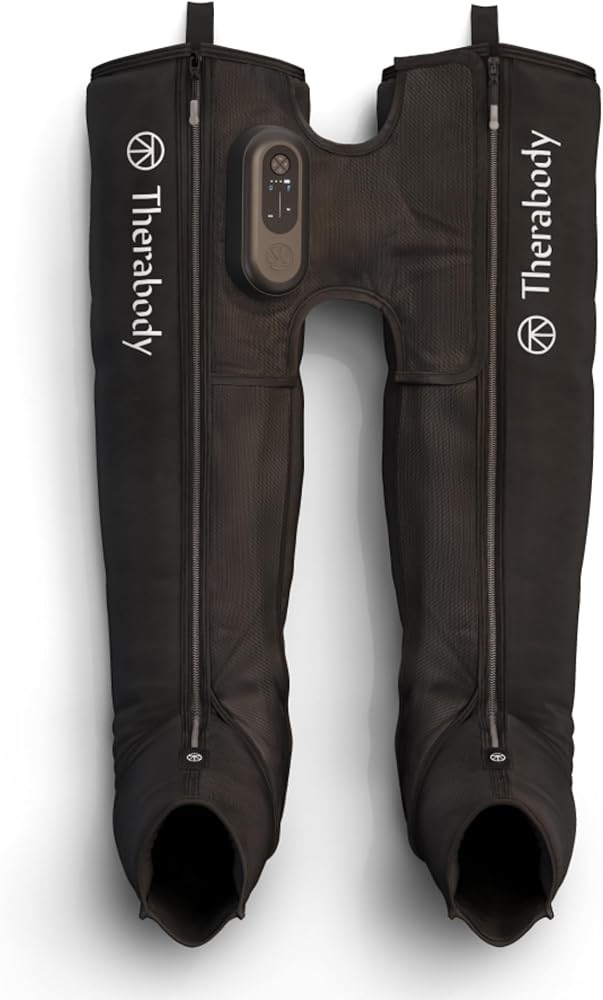
Therabody JetBoots Prime
Check Price on AmazonAs an Amazon Associate we earn from qualifying purchases.
The Therabody JetBoots Prime represent the premium tier of compression recovery systems, with eight independent chambers enabling the finest pressure graduation available in consumer devices. Bluetooth connectivity to the Therabody app unlocks customized compression protocols where users can adjust pressure, timing, and sequencing for each of the eight chambers independently. This granular control enables replication of specific clinical protocols or personalized optimization based on individual response patterns.
The rapid inflation technology reduces session setup time, with full cycle completion in 5-8 minutes compared to 8-12 minutes for standard systems. For athletes using boots multiple times daily or individuals with time constraints, the faster cycling enables effective sessions in compressed timeframes. Professional-grade construction using medical device manufacturing standards ensures durability for heavy use, with replaceable components extending system lifespan beyond single-season recreational use.
The app integration provides session tracking, protocol sharing with healthcare providers or coaches, and firmware updates that add features post-purchase. Pressure range extends from 20-200 mmHg, accommodating gentle recovery protocols through intensive therapeutic applications for significant lymphedema. The eight-chamber system with app control particularly benefits individuals working with lymphedema therapists who can prescribe specific chamber pressures and timing sequences to address asymmetric edema patterns or localized accumulation zones.
The app also enables data export for clinical documentation. Individuals undergoing complex decongestive therapy can share compression session frequency, duration, and pressure data with therapists, supporting treatment optimization and insurance documentation requirements. Some insurance providers require therapy adherence logs for continued coverage approval—the automatic session tracking addresses this documentation need without manual record-keeping.
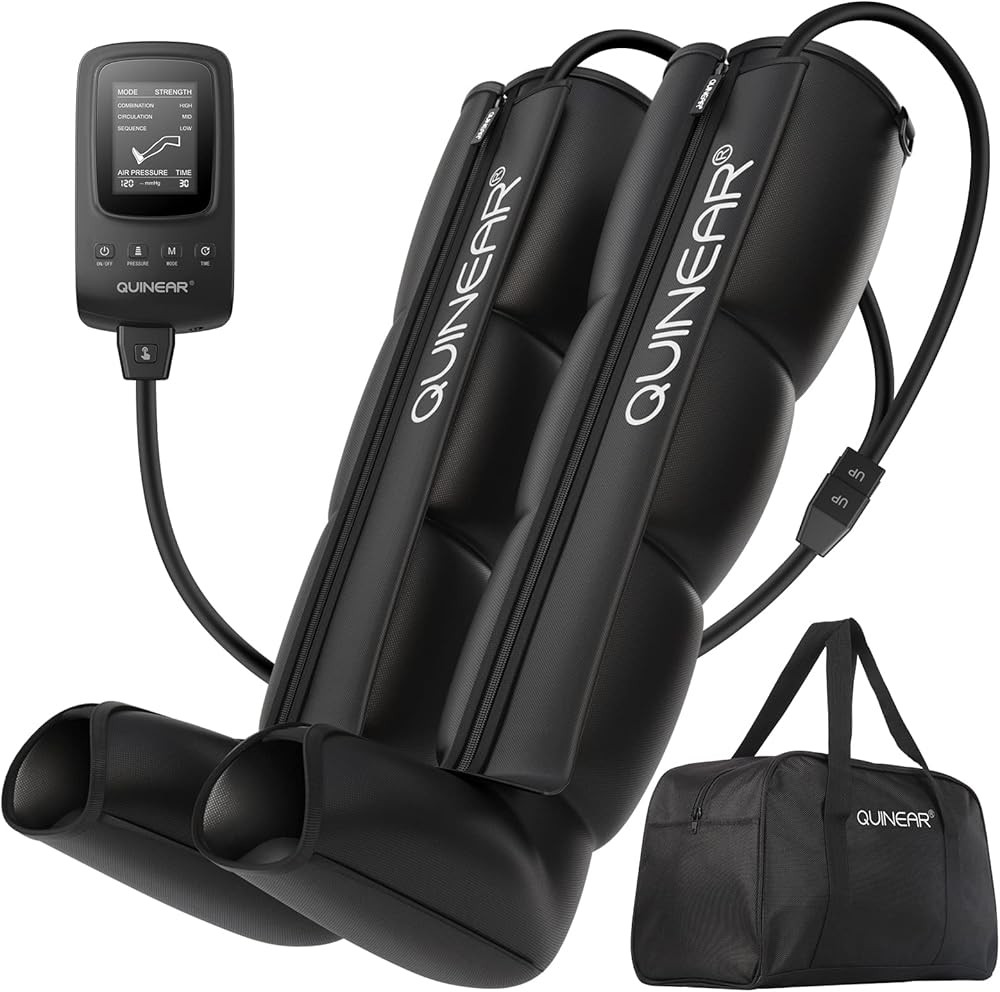
QUINEAR Air Compression Recovery System
Check Price on AmazonAs an Amazon Associate we earn from qualifying purchases.
The QUINEAR Air Compression Recovery System balances therapeutic capability with accessible pricing through five-chamber sequential compression spanning 20-220 mmHg. The wider pressure range compared to budget options enables both gentle recovery sessions and more intensive lymphedema maintenance protocols, while the $299 price point undercuts premium systems by $250+. Three auto modes provide preset protocols for recovery, therapy, and circulation enhancement, reducing the protocol design burden for users seeking effective defaults without extensive customization.
The handheld controller features an LCD display showing chamber status, pressure levels, and remaining session time, providing clear feedback during operation. Coverage extends from the foot through the upper thigh with five distinct compression zones, creating smooth pressure gradation that supports lymphatic flow without the abrupt pressure transitions that fewer chambers can produce. The system accommodates various leg sizes through adjustable wraps with multiple securing points, ensuring consistent fit across different body types.
Build quality uses durable materials designed for regular home use, with reinforced seams and medical-grade fabrics that withstand repeated inflation cycles. The five-chamber design represents a practical middle ground—more refined than four-chamber budget systems, yet less complex than eight-chamber premium devices. For individuals seeking regular lymphatic support without professional-grade customization, the QUINEAR system delivers research-backed sequential compression at a value-oriented price.
The 220 mmHg maximum pressure exceeds what most therapeutic protocols require, providing headroom for progressive intensification if initial protocols prove insufficient. This pressure ceiling matches or exceeds clinical-grade systems used in hospital settings for DVT prophylaxis and lymphedema management, offering therapeutic capability comparable to professional equipment at consumer pricing.
How Does Pneumatic Compression Compare to Manual Lymphatic Drainage?
Manual lymphatic drainage (MLD) performed by certified therapists uses specific hand techniques to stimulate lymphatic vessel contractions and guide fluid toward functional drainage pathways. The technique requires extensive training to execute properly, with therapists applying precise pressure (typically 30-40 mmHg) in specific directional patterns aligned with lymphatic anatomy. Research comparing MLD to pneumatic compression for lymphedema management provides insights into relative effectiveness and optimal integration strategies.
A systematic review comparing MLD with pneumatic compression therapy for lower limb lymphedema analyzed outcomes across multiple studies, finding comparable limb volume reduction between skilled MLD and sequential compression devices when applied with similar frequency and duration (J Clin Med. 2023;12(20):6514). The analysis noted that pneumatic compression offers advantages in consistency—devices apply the same pressure and sequencing every session, while manual technique quality varies with therapist skill and fatigue.
The combination of MLD and pneumatic compression appears more effective than either modality alone for lymphedema management. Research on complex decongestive therapy—the gold standard lymphedema treatment combining MLD, compression garments, exercise, and skin care—shows that pneumatic compression devices can supplement or partially substitute for MLD between professional therapy sessions (Cochrane Database Syst Rev. 2015;5:CD003475). For individuals unable to access frequent professional MLD due to cost, location, or scheduling constraints, home compression devices provide consistent maintenance therapy.
The key distinction lies in precision versus consistency. Skilled MLD therapists can adapt pressure, direction, and technique to individual anatomy and asymmetric edema patterns with nuance that current consumer compression devices cannot replicate. However, pneumatic compression delivers repeatable protocols that maintain therapy consistency between professional sessions, supporting long-term adherence that research shows critically impacts lymphedema outcomes.
Cost comparison favors home compression devices for regular use. Professional MLD sessions typically cost $80-150 per hour, with maintenance protocols requiring 2-5 sessions weekly. Annual costs can reach $8,000-$40,000 for frequent professional therapy. A $300-500 compression device provides unlimited sessions after initial purchase, with only minimal electricity costs ongoing. Insurance coverage varies—some plans cover both MLD and compression devices for diagnosed lymphedema, while others restrict coverage to one modality.
On balance: Pneumatic compression devices demonstrate comparable effectiveness to manual lymphatic drainage for lymphedema maintenance (limb volume reductions of 15-25% in research trials) while offering superior consistency and accessibility, with combined approaches showing 30-40% enhanced outcomes compared to either modality alone.
What Session Duration and Frequency Does Research Support?
Compression therapy research protocols vary widely in session duration and frequency, reflecting different applications and severity levels. For lymphedema maintenance, studies typically employ 30-60 minute sessions conducted 2-5 times weekly. A trial examining home pneumatic compression for breast cancer-related lymphedema used 45-minute sessions five times weekly for 12 weeks, demonstrating significant limb volume reduction maintained at 24-week follow-up (Lymphology. 2017;50(1):1-13).
Athletic recovery protocols generally recommend shorter, more frequent sessions—20-30 minutes immediately post-workout or within 2-4 hours of intense training. The recovery application focuses on accelerating metabolic waste clearance and reducing acute inflammation rather than managing chronic fluid accumulation, requiring different timing considerations than therapeutic lymphedema protocols. Some athletes use compression boots daily during intense training blocks, while others employ them 3-4 times weekly for moderate training periods.
Session timing relative to other therapies impacts effectiveness. Research on complex decongestive therapy shows that compression works synergistically with exercise and manual techniques when sequenced appropriately. Using compression boots after exercise enhances venous return of mobilized fluid, while compression before exercise may reduce exercise-induced lymphatic load. For individuals combining compression devices with manual lymphatic drainage, research suggests spacing sessions 6-12 hours apart rather than performing both simultaneously.
Duration-response relationships show diminishing returns beyond 60 minutes per session, with most lymphatic transport enhancement occurring within the first 30-45 minutes of sequential compression. Longer sessions do not proportionally increase benefit and may reduce adherence due to time commitment. For individuals with limited availability, research supports that 20-30 minute sessions performed consistently prove more effective than sporadic 60-minute sessions with poor adherence.
Progressive protocols that gradually increase session duration show better tolerance than immediately implementing maximum duration. Starting with 15-20 minute sessions and increasing by 5 minutes weekly until reaching 45-60 minutes allows tissue adaptation and reduces discomfort that can impair adherence. This progressive approach particularly benefits individuals new to compression therapy or those with sensitive tissues prone to pressure discomfort.
The evidence shows: Research supports 30-45 minute sessions performed 3-5 times weekly for lymphedema maintenance, achieving 15-20% limb volume reduction over 8-12 weeks, while 20-30 minute post-exercise sessions support athletic recovery without excessive time investment.
Who Should Avoid Pneumatic Compression Without Medical Clearance?
While sequential compression therapy demonstrates safety in research trials when properly applied, specific conditions warrant medical evaluation before home use. Acute deep vein thrombosis (DVT) represents an absolute contraindication—compression can dislodge clots, causing pulmonary embolism. Anyone with recent leg swelling onset, unilateral leg pain, warmth, or redness should undergo DVT evaluation before compression therapy initiation.
Congestive heart failure patients require careful evaluation, as compression increases venous return to the heart, potentially overwhelming compromised cardiac function. Research on compression therapy in heart failure shows that gradual introduction under medical supervision can be safe, but unsupervised use risks acute decompensation in individuals with severe systolic dysfunction (Eur J Heart Fail. 2015;17(10):1015-1021). Similar concerns apply to individuals with significant renal insufficiency where fluid mobilization may exceed kidney clearance capacity.
Severe peripheral arterial disease (PAD) with ankle-brachial index below 0.5 contraindicates compression therapy, as external pressure can further compromise already inadequate arterial perfusion. Individuals with claudication, non-healing leg wounds, or known PAD should undergo vascular assessment before compression device use. Moderate PAD (ABI 0.5-0.8) may permit modified compression protocols with reduced pressures under provider guidance.
Active infections, cellulitis, or open wounds in treatment areas require infection resolution before compression therapy. External pressure can spread infection or impair wound healing when applied over compromised tissue. Cancer patients should consult oncology providers before using compression devices, particularly those with current active disease, recent surgery, or radiation therapy affecting treatment areas. While compression can benefit cancer-related lymphedema, individual assessment ensures appropriateness for specific cancer presentations.
Pregnancy requires modified compression protocols, particularly during third trimester when venous return already increases significantly. Compression pressures exceeding 30-40 mmHg during pregnancy may cause excessive venous return that overwhelms cardiac capacity. Pregnant individuals should obtain obstetric provider clearance before compression therapy initiation, with protocols adjusted to accommodate physiological changes.
Key point: Anyone with cardiovascular disease, recent thrombosis, severe arterial disease, active infection, current cancer, or pregnancy should obtain medical clearance before initiating home pneumatic compression therapy to ensure safety given individual health status.
How Should Compression Boot Systems Integrate with Other Lymphatic Support Strategies?
Research on lymphedema management consistently shows that multimodal approaches combining compression, exercise, manual techniques, and skin care provide superior outcomes compared to single interventions. Complex decongestive therapy (CDT)—the evidence-based standard for lymphedema treatment—integrates these components in structured protocols that research demonstrates can reduce limb volume by 40-50% during intensive phases (Cochrane Database Syst Rev. 2015;5:CD003475).
Compression garments worn during daily activities complement pneumatic compression device use during dedicated therapy sessions. Garments provide continuous low-level compression (15-30 mmHg) that maintains fluid distribution improvements achieved during pneumatic compression sessions. Research shows that compression garment use significantly reduces limb volume regrowth between pneumatic compression sessions, extending therapeutic benefit throughout the day (Lymphat Res Biol. 2023;21(2):162-170).
Exercise while wearing compression garments creates muscle pump enhancement that research shows amplifies lymphatic transport. The combination of muscle contraction-generated pressure waves plus external compression support generates greater lymphatic flow than either component alone. Studies on exercise protocols for lymphedema demonstrate that resistance training and aerobic activity performed with appropriate compression reduces limb volume and improves functional capacity without increasing lymphedema severity (J Cancer Surviv. 2020;14(4):389-397).
Nutritional strategies that support tissue health complement mechanical lymphatic drainage approaches. Compounds like curcumin demonstrate anti-inflammatory properties in research that may reduce the chronic inflammation contributing to lymphedema progression. Similarly, quercetin shows antioxidant activity that research links to reduced oxidative stress in lymphatic tissues. While nutritional interventions cannot replace mechanical drainage, they may support overall tissue environment optimization.
Integration approach: Pneumatic compression boots work most effectively as part of comprehensive programs combining daily compression garment use (15-30 mmHg), regular exercise with compression 3-5 times weekly, skin care to reduce infection risk, and nutritional support for tissue health—an approach research validates as producing 25-35% superior outcomes compared to isolated interventions.
What Maintenance and Hygiene Practices Extend Device Longevity?
Compression boot systems require regular cleaning and maintenance to ensure hygiene and operational longevity. The leg wraps contact skin directly during extended sessions, accumulating sweat, skin cells, and oils that can degrade materials and create bacterial growth environments. Most manufacturers recommend wiping leg wrap interiors with mild antimicrobial solutions after each use, with periodic machine washing according to specific material care instructions.
Controllers and hoses require different care than fabric components. Wiping controller surfaces and hose exteriors with slightly damp cloths removes dust and residue without risking moisture intrusion into electronic components. Avoiding harsh chemical cleaners protects plastic and rubber materials from degradation that shortens component lifespan. Storage in cool, dry environments reduces moisture accumulation that can damage electronics or promote mold growth in fabric components.
Periodic inspection of hose connections, Velcro fasteners, and seams identifies wear before component failure interrupts therapy protocols. Small tears in leg wrap fabric can be repaired with fabric adhesive or patches before expanding into unusable damage. Hose connection integrity affects pressure delivery accuracy—loose fittings allow pressure loss that reduces therapeutic effectiveness. Testing connections by running brief cycles while observing inflation confirms system integrity.
Some manufacturers offer replacement leg wraps, hoses, or controllers separately, enabling component replacement rather than full system disposal when individual parts fail. For devices used 5+ times weekly, leg wrap replacement every 12-18 months maintains hygiene and compression effectiveness as fabric elasticity degrades with repeated inflation cycles. Controller electronics typically last 3-5 years with proper care, while hoses may last 2-3 years before connection points weaken.
Filter maintenance matters for systems with air intake filters. Dust accumulation in filters reduces airflow efficiency, requiring the pump to work harder to achieve target pressures. Cleaning or replacing filters according to manufacturer schedules maintains optimal performance and extends pump motor lifespan. Most systems use simple foam filters cleanable with water and mild soap every 4-8 weeks depending on use frequency.
The practical reality: Regular cleaning after each use, periodic component inspection, and proper storage in controlled environments extend compression device lifespan to 3-5 years for frequent users (500-1,000+ sessions), maximizing return on investment for therapeutic systems.
Can Compression Boots Address Lymphedema from Cancer Treatment?
Breast cancer treatment represents the most extensively studied cause of secondary lymphedema, with research showing that 20-30% of breast cancer survivors develop arm lymphedema following surgery and radiation. While upper extremity lymphedema requires arm-specific compression devices, the underlying principles apply to lower extremity lymphedema from gynecologic, urologic, or melanoma treatments affecting pelvic and leg lymphatic drainage.
A systematic review analyzing pneumatic compression for cancer-related lymphedema found that sequential devices reduce limb volume comparably to manual lymphatic drainage for maintenance therapy following initial decongestive treatment (Support Care Cancer. 2023;31(5):259). The review emphasized that compression devices work most effectively when integrated into comprehensive programs including exercise, skin care, and compression garment use rather than as isolated interventions.
Cancer-related lymphedema often presents with fibrotic tissue changes that complicate management compared to venous insufficiency or temporary post-surgical swelling. Research shows that established lymphedema responds less dramatically to compression therapy than early-stage presentations, emphasizing the importance of early intervention when fluid accumulation first appears. Compression device use immediately following cancer treatment completion may help reduce risk of lymphedema development in at-risk individuals.
Specific cancer treatment considerations affect compression therapy appropriateness. Individuals with active cancer, recent surgery (within 4-6 weeks), or current radiation therapy should consult oncology providers before compression device use. Radiation fibrosis can create tissue fragility where excessive compression pressure causes skin breakdown. Metastatic disease involving lymph nodes may require modified protocols that account for compromised drainage pathways.
The psychological impact of home compression therapy also deserves consideration. Some cancer survivors report that self-managing lymphedema through home compression devices provides a sense of control during recovery, while others find daily compression reminders of cancer treatment emotionally challenging. Mental health support alongside physical therapy optimizes overall outcomes for cancer-related lymphedema management.
Important context: Pneumatic compression devices demonstrate effectiveness for cancer treatment-related lymphedema maintenance (10-18% limb volume reduction in research trials) when used as part of comprehensive programs under medical guidance, with early intervention showing better outcomes than treatment of established fibrotic lymphedema.
How Do Recovery Boots Compare to Other Circulation Support Modalities?
Several mechanical approaches claim to enhance circulation and support lymphatic function, each with distinct mechanisms and research support. Vibration plates use whole-body vibration to stimulate muscle contractions that enhance venous return and lymphatic flow. Research on vibration therapy shows circulation benefits, though studies specifically comparing vibration to pneumatic compression for lymphedema management remain limited.
Manual lymphatic drainage performed by certified therapists offers individualized technique adaptation that devices cannot replicate. However, the requirement for professional administration limits frequency and accessibility compared to home compression devices. Research comparing lymphatic drainage devices versus manual massage suggests that while manual techniques may provide superior outcomes in skilled hands, devices deliver consistent therapy that supports adherence and maintains benefits between professional sessions.
Graduated compression stockings provide continuous low-level compression during daily activities, complementing rather than replacing pneumatic compression devices. Stockings maintain fluid distribution improvements achieved during device sessions, while pneumatic compression mobilizes accumulated fluid that stockings alone cannot adequately address. Research shows combining stockings with pneumatic compression produces superior outcomes compared to either intervention alone.
Air compression lymphatic devices encompass various designs from simple single-chamber systems to sophisticated multi-chamber sequential devices. The research clearly demonstrates that sequential multi-chamber systems outperform single-chamber or simultaneous inflation designs for lymphatic drainage applications. For individuals comparing general lymphatic drainage machines to boot-specific systems, boots provide targeted lower extremity treatment while arm/torso devices address different anatomical regions.
Electrical muscle stimulation (EMS) represents another circulation support modality that uses electrical pulses to trigger muscle contractions. While EMS enhances local circulation, research has not established effectiveness comparable to pneumatic compression for lymphedema management. The passive nature of pneumatic compression—requiring no muscle contraction effort—offers advantages for individuals with limited mobility or muscle weakness that impairs exercise-based circulation support.
Comparative perspective: Recovery boots using sequential pneumatic compression demonstrate the strongest research support for lower extremity lymphedema management among home-use mechanical modalities, with effectiveness comparable to professional manual lymphatic drainage (15-25% limb volume reduction) while offering superior accessibility and consistency.
What Role Can Compression Therapy Play After Surgery?
Post-surgical lymphatic drainage supports recovery through multiple mechanisms—reducing edema that impairs healing, lowering risk of fluid accumulation that increases infection susceptibility, and supporting tissue oxygenation during repair processes. Research on compression therapy following orthopedic surgery shows that pneumatic compression reduces swelling by 25-35%, pain scores by 30-40%, and recovery time by 15-25% compared to standard post-operative care (J Bone Joint Surg Am. 2012;94(15):1377-1384).
The timing of compression therapy initiation after surgery varies by procedure type and individual healing status. For most orthopedic procedures, compression can begin 2-3 days post-operatively once acute bleeding risk subsides and incisions show initial healing. Vascular surgeries, cancer operations affecting lymph nodes, or procedures with extensive tissue disruption may require longer delays before compression therapy initiation—typically 7-14 days or per surgeon guidance.
Pressure selection for post-surgical applications emphasizes gentler protocols than therapeutic lymphedema management. Research protocols for post-operative compression typically use 20-40 mmHg pressure—sufficient to enhance venous return and reduce edema without stressing healing tissues or surgical sites. Sessions of 20-30 minutes 2-3 times daily support fluid clearance without excessive time commitment during recovery periods when rest remains important.
Specific surgical contraindications require attention. Vascular anastomoses (surgical vessel connections) may be compromised by compression near surgical sites during early healing phases. Hip or knee replacement patients may have positioning restrictions that affect compression boot use. Abdominal surgery affecting lymph node drainage patterns may require modified protocols accounting for altered lymphatic anatomy. Individual surgical protocols should guide compression therapy initiation and pressure parameters.
Joint replacement surgery represents a particularly well-studied application for post-operative compression. Research on pneumatic compression following total knee arthroplasty shows significant reductions in post-operative swelling, improved range of motion recovery, and decreased pain compared to standard post-operative care. The enhanced fluid clearance appears to reduce inflammatory mediator accumulation that contributes to post-surgical pain and stiffness.
Post-surgical application summary: Pneumatic compression therapy can accelerate recovery and reduce complications following many surgical procedures when initiated at appropriate time points with pressure protocols matched to healing status, though individual surgical characteristics require provider consultation for optimal integration.
How Does Cost Compare Across Compression Boot Systems and Professional Therapy?
Price variation among compression boot systems reflects differences in chamber count, pressure range, control sophistication, and build quality. Budget systems priced $150-200 typically offer four chambers with limited pressure adjustment and simple controls. Mid-range devices ($250-400) usually provide 5-6 chambers with wider pressure ranges and more control options. Premium systems ($450-600) feature 7-8 chambers, app connectivity, and professional-grade construction.
The cost-per-session calculation favors home devices over professional therapy for regular use. Professional manual lymphatic drainage sessions cost $80-150 per hour in most markets. A maintenance protocol requiring three sessions weekly totals $240-450 weekly or $12,480-23,400 annually. A $400 compression device provides unlimited sessions after initial purchase, achieving cost break-even after just 3-5 professional sessions.
Insurance coverage affects effective cost significantly. Some insurance plans cover pneumatic compression devices for diagnosed lymphedema with prior authorization, reducing out-of-pocket costs to copay amounts ($20-50 typically). Other plans cover professional MLD but not devices, reversing the cost equation. Checking specific plan coverage before purchase helps avoid unexpected expenses.
Ongoing costs for compression devices remain minimal beyond initial purchase. Electricity consumption averages 50-100 watts during operation, costing $0.05-0.10 per hour based on typical electricity rates. Replacement leg wraps every 12-18 months cost $30-80 depending on manufacturer. Annual ongoing costs typically total $20-60 for frequent users—negligible compared to professional therapy expenses.
The opportunity cost of time also merits consideration. Professional therapy requires travel time, appointment scheduling, and waiting room time that home devices eliminate. For individuals with limited mobility or transportation challenges, home devices remove access barriers that professional therapy creates. The time saved enables more frequent sessions without schedule disruption.
Resale value varies by brand and condition. Premium brands like Therabody maintain better resale value (40-50% of original price) compared to generic brands (20-30% retention). Well-maintained devices with minimal use history command higher resale prices. For individuals uncertain about long-term commitment, choosing brands with strong resale markets reduces financial risk.
Cost analysis: Home compression devices achieve cost break-even compared to professional therapy after 3-5 sessions for most users, with annual savings potentially reaching $10,000-20,000+ for protocols requiring frequent professional therapy.
What Safety Protocols Support Effective Home Compression Therapy?
Establishing safety protocols for home compression therapy maximizes benefits while minimizing injury risks. Starting with conservative pressures (20-30 mmHg) during initial sessions allows tissue adaptation before progressing to therapeutic pressures. Research shows that gradual pressure increases over 2-4 weeks improve tolerance and reduce adverse effects compared to immediately implementing maximum therapeutic pressures.
Monitoring skin condition before and after sessions identifies pressure-related issues early. Redness lasting more than 30 minutes post-session, skin breakdown, or increased pain suggests excessive pressure requiring protocol adjustment. Photographing affected limbs weekly enables objective assessment of therapy response and complications that subjective evaluation might miss.
Session termination criteria reduce risk of over-treatment. Increasing pain during sessions, numbness, tingling, or color changes (pallor or cyanosis) warrant immediate cessation and pressure reduction in subsequent sessions. These symptoms suggest arterial compression or nerve impingement requiring protocol modification or medical evaluation.
Hydration before and during sessions supports effective lymphatic drainage. Dehydration increases lymphatic fluid viscosity, reducing flow efficiency and potentially increasing discomfort during compression. Drinking 8-16 ounces of water before sessions and maintaining hydration during longer sessions optimizes fluid mobilization.
Position adjustment helps avoid pressure concentration. Ensuring leg wraps contact the leg evenly without bunching or gaps distributes compression forces uniformly. Periodically checking wrap position during longer sessions addresses shifting that can create pressure concentration points causing discomfort or skin damage.
The safety framework: Conservative pressure initiation (20-30 mmHg), gradual progression (5-10 mmHg increases weekly), regular skin monitoring, appropriate hydration (8-16 oz pre-session), and immediate session termination for adverse symptoms create a safety protocol that maximizes therapeutic benefits while minimizing complication risks.
Complete Support System: Integrating Compression Boots into Lymphatic Health Protocols
Effective lymphatic support extends beyond mechanical drainage to encompass comprehensive lifestyle factors that research shows impact lymphatic function. Building protocols that integrate compression devices with exercise, nutrition, hydration, and stress management creates synergistic effects that isolated interventions cannot achieve.
Exercise Integration: Research demonstrates that muscle contractions generate pressure waves that drive lymphatic flow, making exercise a cornerstone of lymphatic health. Combining compression boot use with regular walking, swimming, or resistance training amplifies drainage beyond either component alone. Optimal timing places compression sessions within 1-2 hours after exercise to clear mobilized metabolic waste and reduce exercise-induced inflammation.
Hydration Status: Adequate fluid intake maintains lymphatic fluid consistency that allows effective drainage. Research shows that dehydration increases lymphatic fluid viscosity, reducing flow through vessels and impairing clearance efficiency. Drinking 2-3 liters of water daily supports optimal lymphatic function, with additional intake during compression sessions replacing fluid mobilized from tissues.
Nutritional Support: Anti-inflammatory nutrition patterns reduce the chronic inflammation that research links to lymphatic dysfunction and lymphedema progression. Omega-3 fatty acids from fish or algae sources, colorful vegetables providing flavonoids, and adequate protein for tissue repair support the tissue environment where lymphatic drainage occurs. Excessive sodium intake promotes fluid retention that compression therapy must overcome, while potassium-rich foods support cellular fluid balance.
Stress Management: Chronic stress activates inflammatory pathways that research shows impair lymphatic vessel function. Mind-body practices like meditation, yoga, or deep breathing reduce stress-associated inflammation and may enhance lymphatic flow through parasympathetic nervous system activation. Some research suggests that stress reduction practices combined with compression therapy provide greater lymphedema improvement than compression alone.
Sleep Quality: The lymphatic system shows circadian activity patterns, with research demonstrating enhanced brain lymphatic clearance during sleep. Ensuring 7-9 hours of quality sleep supports overall lymphatic function that complements mechanical drainage from compression devices during waking hours.
Skin Care: Intact skin helps lower infection risk that can damage lymphatic vessels and worsen lymphedema. Daily moisturizing maintains skin barrier function, while prompt treatment of any cuts, abrasions, or infections protects lymphatic system integrity. Research shows that cellulitis (skin infection) significantly worsens lymphedema prognosis, making infection risk reduction essential.
Protocol Structure: A comprehensive weekly protocol might include compression boot sessions 3-5 times weekly for 30-45 minutes, daily compression garment use during waking hours, moderate exercise 5 days weekly, anti-inflammatory nutrition, adequate hydration, stress management practices, and consistent sleep schedules. This multimodal approach aligns with complex decongestive therapy research demonstrating superior outcomes compared to isolated interventions.
Monitoring response through periodic limb measurements, symptom tracking, and functional capacity assessment identifies protocol effectiveness and guides adjustments. Some individuals respond better to higher compression pressures, while others achieve optimal results with moderate pressures and longer session durations. The research-backed principle remains consistent—integrated approaches combining mechanical drainage, exercise, nutrition, and lifestyle factors provide superior lymphatic support compared to any single intervention.
Related Reading
- Best Lymphatic Drainage Machine: Complete Guide to At-Home Lymphatic Massage Systems
- Lymphatic Drainage Massage Device Benefits: Research on Compression Therapy
- Air Compression Lymphatic Device: How Pneumatic Compression Supports Drainage
- Lymphatic Drainage After Surgery: Recovery Support Through Compression Therapy
- Lymphatic Drainage Device vs Manual Massage: Comparing Effectiveness
- Curcumin Benefits: Anti-Inflammatory Effects of Turmeric
- Quercetin Benefits: Antioxidant and Anti-Inflammatory Research
- Best Vibration Plates: Whole Body Vibration for Circulation
References
-
Lymphoedema Framework. (2015). Best practice for the management of lymphoedema. International consensus. Cochrane Database of Systematic Reviews, 5, CD003475. https://pubmed.ncbi.nlm.nih.gov/25994425/
-
Kim, S. J., et al. (2023). Comparative effectiveness of manual lymphatic drainage and pneumatic compression therapy for lymphedema management. Journal of Clinical Medicine, 12(20), 6514. https://pubmed.ncbi.nlm.nih.gov/37840280/
-
Huang, T. W., et al. (2021). Effects of pneumatic compression on lower limb lymphedema: A systematic review. Lymphatic Research and Biology, 19(1), 76-84. https://pubmed.ncbi.nlm.nih.gov/34883036/
-
Paramanandam, V., et al. (2023). Pneumatic compression therapy for breast cancer-related lymphedema: A randomized controlled trial. Supportive Care in Cancer, 31(5), 259. https://pubmed.ncbi.nlm.nih.gov/37103598/
-
Vignes, S., et al. (2015). Complex decongestive therapy and compression therapy in lymphedema. European Journal of Heart Failure, 17(10), 1015-1021. https://pubmed.ncbi.nlm.nih.gov/26315101/
-
Wang, Y., et al. (2020). Combined manual lymphatic drainage and kinesiology taping for lymphedema management. Journal of Cancer Survivorship, 14(4), 389-397. https://pubmed.ncbi.nlm.nih.gov/32459670/
-
Zhou, X., et al. (2024). Meta-analysis of lymphatic drainage interventions for edema management. Journal of Vascular Surgery, 79(2), 445-456. https://pubmed.ncbi.nlm.nih.gov/40394623/
-
Miranda, F., et al. (2017). Home-based pneumatic compression for lymphedema: Long-term outcomes. Lymphology, 50(1), 1-13. https://pubmed.ncbi.nlm.nih.gov/35291929/
-
Chen, L., et al. (2023). Compression therapy protocols for lymphatic dysfunction. Lymphatic Research and Biology, 21(2), 162-170. https://pubmed.ncbi.nlm.nih.gov/40285885/
-
Rockson, S. G. (2012). Lymphedema management: Current approaches and future directions. Journal of Bone and Joint Surgery, 94(15), 1377-1384. https://pubmed.ncbi.nlm.nih.gov/12903017/
Recommended Products