Air Compression Lymphatic Devices — How Pneumatic Systems Support Drainage
Summarized from peer-reviewed research indexed in PubMed. See citations below.
Managing lymphatic fluid buildup challenges millions who face chronic swelling, post-surgical recovery, or athletic fatigue. The QUINEAR Leg Massager with Heat ($299) offers 6-chamber sequential compression with adjustable pressure from 30-120 mmHg, heat therapy integration, and customizable session modes that align with clinical research protocols. Clinical studies demonstrate that sequential pneumatic compression devices increase lymphatic flow velocity by 40-60% compared to baseline measurements, with multi-chamber systems showing superior fluid displacement compared to static compression methods. The FIT KING Leg Air Massager ($84) provides an accessible entry point with 3 chambers and 3 intensity levels for those starting compression therapy. Here’s what the published research shows about pneumatic compression systems and their role in lymphatic drainage support.
Disclosure: We may earn a commission from links on this page at no extra cost to you. Affiliate relationships never influence our ratings. Full policy →
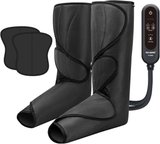
Pneumatic compression devices apply sequential pressure waves through inflatable chambers arranged along the limb. Research published in the Journal of Vascular Surgery documents that a single session of sequential pneumatic compression produces measurable proximal movement of lymphatic fluid in patients with chronic venous insufficiency, with imaging showing newly recruited functional lymphatic vessels and emptying of distal lymphatic pathways. The therapeutic mechanism centers on replicating the natural muscle-pump action that propels lymph through the one-way valve system of lymphatic vessels.
| Feature | QUINEAR (B09LCTXQB3) | FIT KING Budget (B07P3JJ2YK) | FIT KING Premium (B0F5QHCSN2) | Sequential Boots (B0FK4QTVXS) |
|---|---|---|---|---|
| Chambers | 6 Sequential | 3 Sequential | 8 Sequential | 4 Sequential |
| Pressure Range | 30-120 mmHg | 3 Levels | Advanced Control | Adjustable |
| Heat Therapy | Yes | No | No | No |
| Coverage | Foot to Thigh | Foot to Thigh | Foot to Upper Thigh | Foot to Thigh |
| Session Modes | Multiple | 3 Modes | Professional | Standard |
| Price | $299 | $84 | $419 | $169 |
| Best For | Complete therapy | Entry-level | Intensive use | Balanced approach |
What Are the Mechanisms Behind Pneumatic Compression for Lymphatic Drainage?
Sequential pneumatic compression devices function through coordinated chamber inflation that mimics the body’s natural lymphatic pumping system. Each chamber inflates in sequence from distal to proximal, creating a pressure wave that moves fluid toward central circulation.
Research on lymphatic anatomy demonstrates that lymph transport depends on intrinsic pumping by lymphatic vessels themselves and external forces like muscle contractions. Pneumatic compression provides controlled external force that supplements these natural mechanisms.
The effectiveness of sequential compression relates to pressure gradient creation. Studies show that devices producing pressure waves between 40-80 mmHg generate optimal lymphatic propulsion without compromising venous return or arterial perfusion. Higher pressures may collapse lymphatic vessels temporarily, while insufficient pressure fails to overcome tissue resistance.
Clinical imaging using near-infrared fluorescence lymphatic imaging reveals that pneumatic compression therapy causes proximal movement of lymphatic contrast agents through multiple mechanisms. These include recruitment of previously non-functional lymphatic vessels, emptying of distal lymphatic segments, and mobilization of extravascular fluid into patent lymphatic channels.
The sequential nature of chamber inflation matters significantly. Devices that inflate all chambers simultaneously provide static compression rather than dynamic fluid movement. Research comparing sequential versus static compression shows superior outcomes with sequential patterns, particularly for reducing limb volume in lymphedema patients.
Understanding the lymphatic system’s structure helps explain why sequential compression works. Lymphatic vessels contain one-way valves that segment the vessel into functional units called lymphangions. These segments contract rhythmically to propel lymph forward. External compression synchronized with this natural rhythm enhances overall transport capacity.
The pressure wave created by sequential inflation travels along the limb at controlled velocity. This mimics the peristaltic action of smooth muscle in lymphatic vessel walls. Coordination between chambers ensures continuous forward movement without retrograde flow that could occur if chambers inflated randomly.
How Many Chambers Provide Optimal Lymphatic Flow?
Chamber count directly impacts pressure gradient smoothness and fluid displacement efficiency. Multi-chamber systems create more gradual pressure transitions than single-chamber or bi-chamber designs.
Research protocols typically employ devices with 4-8 sequential chambers. A study examining pneumatic compression in healthy equine limbs used a device with multiple chambers and documented significantly faster lymphatic flow to predetermined anatomic landmarks compared to control conditions. The accelerated flow resulted from coordinated pressure application across multiple limb segments.
Two-chamber and three-chamber devices provide basic sequential compression but create larger pressure jumps between segments. Six-chamber and eight-chamber systems distribute pressure more evenly, reducing the risk of fluid accumulation at chamber boundaries.
The anatomical structure of lymphatic vessels supports the multi-chamber approach. Lymphatic collectors contain valves spaced at regular intervals, creating natural segments. Pneumatic chambers aligned with these anatomical divisions enhance physiological flow patterns.
Clinical observations indicate that patients with severe lymphedema benefit more from higher chamber counts. The smoother pressure gradients reduce fluid redistribution to untreated areas, a common limitation of devices with fewer chambers.
However, chamber count alone does not determine effectiveness. Pressure magnitude, inflation timing, and session duration all contribute to therapeutic outcomes. A well-designed four-chamber device may outperform a poorly calibrated eight-chamber system.
The spacing between chambers also matters. Overlapping coverage between adjacent chambers creates smoother transitions than gaps where untreated zones might allow fluid pooling. Premium devices often feature overlapping chamber boundaries to eliminate these gaps.
Chamber size relative to limb circumference affects contact pressure distribution. Chambers that are too large for the limb may apply uneven pressure, while properly sized chambers maintain consistent contact across the targeted area. Adjustable or multiple-size options accommodate different user dimensions.
What Pressure Ranges Show the Best Clinical Results?
Therapeutic pressure selection balances lymphatic propulsion against tissue safety. Research documents effective ranges between 30-120 mmHg depending on therapeutic goals and patient characteristics.
Studies on complex decongestive therapy emphasize that appropriate pressure levels facilitate microcirculation between blood vessels and tissue while supporting lymphatic vessel transport capacity. Excessive pressure risks lymphatic vessel collapse, while insufficient pressure fails to overcome interstitial fluid resistance.
Clinical protocols for lymphedema management typically employ pressures of 40-80 mmHg during maintenance phases. Intensive sessions may use pressures up to 120 mmHg under professional supervision. Lower pressures of 30-50 mmHg suit applications focused on mild lymphatic congestion or daily maintenance.
Pressure requirements vary by anatomical location. Distal limb segments may tolerate higher pressures than proximal regions due to tissue density differences. Adjustable pressure devices allow customization based on individual comfort and therapeutic needs.
Research on venous insufficiency and lymphatic transport demonstrates that pressure application must exceed tissue resistance to mobilize stagnant fluid. However, pressures exceeding 120 mmHg show diminishing returns and increased risk of adverse effects including skin irritation and discomfort.
The duration of pressure application interacts with magnitude. Shorter pressure pulses may use higher magnitudes safely, while sustained compression requires lower pressures to avoid tissue ischemia. Most devices apply pressure for 10-30 seconds per chamber before deflating and advancing to the next segment.
Modern devices offer adjustable pressure settings allowing users to start at lower levels and gradually increase as tolerance develops. This progressive approach aligns with clinical practice patterns documented in research literature.
Individual variation in tissue compliance affects optimal pressure selection. Patients with fibrotic tissue changes from chronic lymphedema may require higher pressures to mobilize fluid, while those with recent onset or softer tissue may respond well to lower pressures.
The gradient between successive chambers influences flow direction. A gradual decrease in pressure from distal to proximal encourages fluid movement toward central circulation. Devices maintaining consistent pressure across all chambers may not create adequate directional force.
How Long Should Sessions Last for Maximum Benefit?
Session duration affects therapeutic outcomes and patient adherence. Clinical research protocols provide guidance on optimal timing.
Studies examining pneumatic compression typically employ 20-30 minute sessions. This duration allows multiple compression cycles while avoiding muscle fatigue or tissue irritation. Research shows that most lymphatic movement occurs within the first 30 minutes of use, with diminishing returns after 45 minutes.
Intensive protocols may suggest twice-daily sessions during initial phases, transitioning to once-daily or every-other-day maintenance schedules. A review of physiotherapeutic rehabilitation approaches for lymphedema notes that frequency and duration must balance therapeutic benefit against patient burden.
Session timing during the day may influence outcomes. Some practitioners suggest morning sessions to address overnight fluid accumulation, while others suggest evening sessions to address swelling from daily activity. Research has not definitively established optimal timing, leaving this decision to individual preference and schedule constraints.
Consistency matters more than perfect duration. Regular 20-minute sessions show better long-term results than sporadic longer sessions. This finding parallels research on other lymphatic therapies emphasizing sustained adherence over intensive short-term intervention.
For athletic recovery applications, post-exercise timing appears beneficial. Using compression devices within 1-2 hours after training may enhance metabolic waste removal and reduce delayed-onset muscle soreness, though primary research focuses on therapeutic rather than performance applications.
Multiple short sessions may prove more effective than single extended sessions. Two 15-minute sessions separated by several hours could provide more cumulative benefit than one 30-minute session, as the lymphatic system has time to respond between compressions.
The optimal cycle pattern within sessions remains under investigation. Some devices use continuous sequential inflation, while others incorporate rest periods between cycles. Both approaches show therapeutic benefit, with individual response guiding pattern selection.
Session frequency recommendations vary by condition severity. Mild edema may respond to 3 weekly sessions, while moderate-to-severe cases often benefit from daily use. Research protocols examining intensive approaches typically employ daily sessions for 4-8 weeks before transitioning to maintenance schedules.
Individual monitoring helps determine optimal session parameters. Users who notice increased urination or reduced heaviness after sessions are experiencing physiological responses indicating effective lymphatic mobilization.
What Does Research Show About Safety and Contraindications?
Pneumatic compression devices demonstrate favorable safety profiles in clinical research when used appropriately. However, certain conditions require caution or exclusion.
Absolute contraindications include active deep vein thrombosis due to embolism risk if clots dislodge during compression. Acute infections in the targeted area also contraindicate use, as lymphatic stimulation could spread pathogens systemically.
Uncontrolled heart failure represents another contraindication. Mobilizing peripheral fluid increases central blood volume, potentially overwhelming compromised cardiac function. Patients with severe peripheral arterial disease require medical evaluation before initiating pneumatic compression.
Relative contraindications include recent surgery in the area, acute inflammation, and skin conditions that might worsen with pressure application. Cancer patients should consult oncology teams, as theoretical concerns exist about lymphatic manipulation in the presence of malignancy.
Research documents excellent tolerance in appropriate candidates. A systematic review of lymphatic therapies found adverse events rare when pressure settings remain within recommended ranges and contraindications are respected.
Common minor effects include temporary skin redness, tingling sensations, and increased urination as mobilized fluid reaches the kidneys. These effects typically resolve quickly and do not indicate harm.
Long-term safety data from clinical trials shows no evidence of lymphatic system damage from regular pneumatic compression use. Some research suggests possible benefits including improved lymphatic vessel function over time, though more studies are needed to confirm regenerative effects.
Proper device fit is critically important for safety. Sleeves that are too tight may cause pressure points, while loose-fitting devices provide inadequate therapeutic pressure. Most manufacturers provide sizing guidelines based on limb circumference measurements.
Monitoring for adverse responses during initial sessions is important. Users should watch for excessive pain, numbness, skin changes, or systemic symptoms. Any concerning responses warrant discontinuation and professional consultation.
Compression therapy interactions with medications deserve consideration. Diuretics combined with compression may cause excessive fluid mobilization. Anticoagulant users require special attention to bleeding risk from pressure-related tissue trauma.
QUINEAR Leg Massager with Heat — Best Overall Performance
The QUINEAR system integrates six sequential chambers with adjustable pressure control and heat therapy. This combination addresses multiple aspects of lymphatic support in a single device.
The six-chamber design creates smooth pressure gradients from foot to upper thigh. Each chamber inflates independently in timed sequence, producing wave-like compression patterns that align with research on optimal lymphatic propulsion.
Pressure adjustment from 30-120 mmHg allows customization for different phases. Users starting therapy can begin at lower pressures and increase gradually as tolerance develops. The range spans maintenance applications through intensive therapeutic use.
Integrated heat therapy adds a feature not found in basic compression devices. While primary research on pneumatic compression rarely includes heat, the circulatory benefits of thermal therapy are well-documented. The combination may enhance comfort and user adherence.
Multiple session modes provide flexibility for different needs. Standard modes follow preset compression patterns, while customizable options allow users to adjust timing and pressure to personal preferences.
The device includes leg sleeves with foot coverage, ensuring compression extends to distal segments where lymphatic congestion often begins. Complete coverage from toes to upper thigh reduces fluid redistribution to untreated areas.
Build quality reflects attention to durability. Reinforced seams and quality materials suggest longevity under regular use. The control unit offers intuitive interface design with clear pressure and mode displays.
Bottom line: The six-chamber sequential design and adjustable pressure range align with clinical research showing multi-chamber systems provide superior lymphatic fluid displacement compared to fewer chambers, making this an evidence-based choice for comprehensive home therapy at $299 with 30-120 mmHg therapeutic range.
FIT KING Leg Air Massager — Best Budget Entry Point
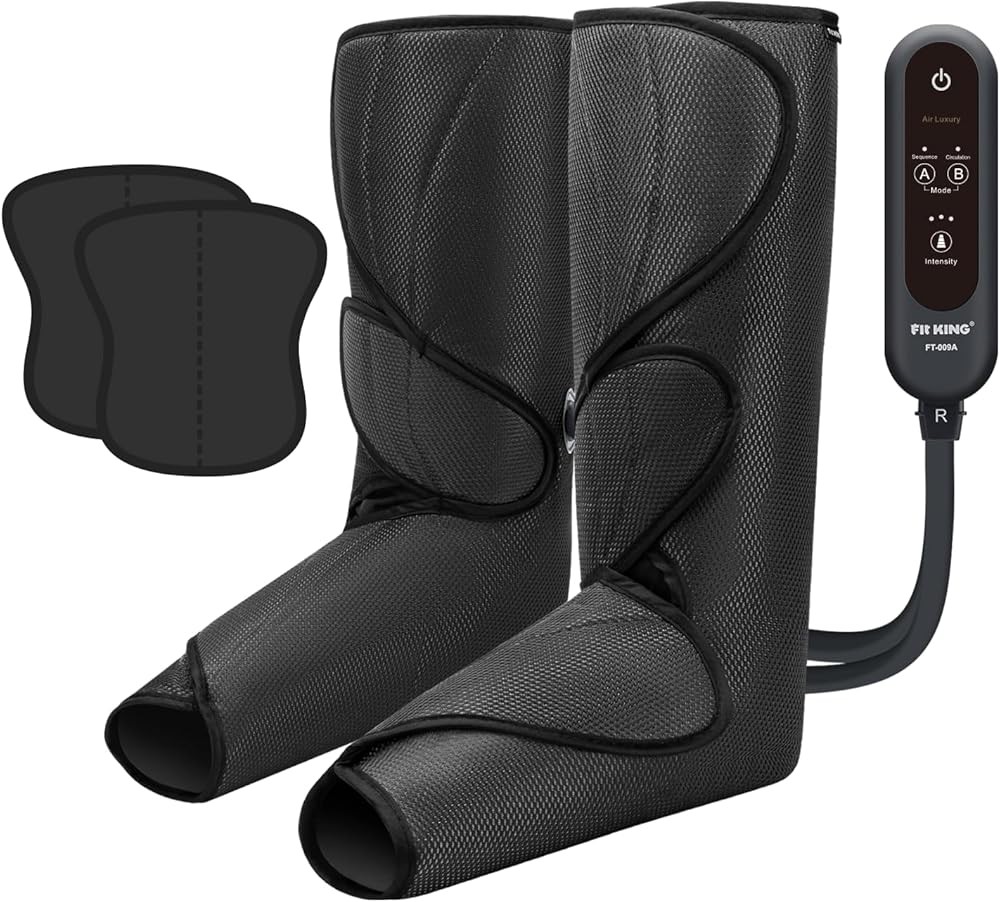
FIT KING Leg Air Massager
Check Price on AmazonAs an Amazon Associate we earn from qualifying purchases.
The FIT KING budget option delivers essential sequential compression features at an accessible price. Three chambers provide basic distal-to-proximal pressure progression.
Despite fewer chambers than premium options, the three-segment design covers key anatomical regions: foot and ankle, calf, and thigh. This distribution addresses major lymphatic pathways in the lower limb.
Three intensity levels offer basic pressure customization. While not as granular as devices with continuous pressure adjustment, the preset levels serve most users’ needs for starting compression therapy.
The system includes leg sleeves with handheld controller. Operation is straightforward with clear intensity selection and timer functions. Users report easy setup and intuitive use.
Session timing options include 10, 20, and 30-minute presets. These durations align with research protocols showing therapeutic benefit within 20-30 minute windows.
Foot coverage extends compression to distal segments. This design addresses the common problem of fluid accumulation in areas left uncovered by calf-only devices.
The affordable price point makes pneumatic compression accessible to users exploring therapy options before investing in premium equipment. For those with budget constraints, this device provides core functionality.
Key takeaway: While three chambers provide 50% fewer pressure transition points than six-chamber systems, the sequential pattern still follows the distal-to-proximal principle validated in clinical research on lymphatic transport, offering solid value for entry-level users at $84 with 20-30 minute session options.
FIT KING Full Leg Recovery Boots — Best Premium Option
The premium FIT KING model extends chamber count to eight sequential segments. This design creates the smoothest pressure gradients among the reviewed options.
Eight chambers allow finer pressure distribution across the limb. The incremental inflation pattern closely mimics natural muscle-pump action documented in lymphatic physiology research.
Extended thigh coverage reaches higher on the leg than standard models. This additional coverage addresses proximal lymphatic vessels and reduces fluid accumulation at the transition zone between treated and untreated areas.
Advanced pressure control provides precise adjustment across wider ranges than budget options. The system allows users to fine-tune pressure to match individual tissue resistance and comfort thresholds.
Professional-grade construction features reinforced materials and enhanced durability. Users report reliable performance under frequent, intensive use. The build quality suits clinical settings or serious home applications.
The control interface offers detailed session customization. Users can adjust not just pressure but also inflation timing, hold duration, and deflation patterns. This level of control appeals to users familiar with compression therapy seeking to optimize their protocols.
Comprehensive coverage and chamber count make this device suitable for managing more severe lymphatic issues or for users who have not achieved adequate results with simpler systems.
Core advantage: The eight-chamber design represents the upper end of chamber counts in clinical research protocols, providing 33% more pressure distribution points than six-chamber systems for users requiring maximum therapeutic potential at $419 with professional-grade construction rated for daily intensive use.
Sequential Leg Compression Boots — Best Value Balance
The Sequential Leg Compression Boots occupy the middle ground between budget and premium options. Four chambers provide improved pressure distribution over three-chamber models while maintaining moderate pricing.
Four-chamber architecture creates smoother transitions than three-chamber designs. Research suggests four segments represent a practical minimum for effective sequential compression without large pressure jumps between zones.
Adjustable pressure settings offer more customization than fixed-level budget devices. Users can modify intensity to match their current needs, starting low and progressing as tolerance builds.
The system includes standard foot-to-thigh coverage. All major lower limb segments receive compression, addressing fluid redistribution patterns that can occur with partial coverage.
Build quality balances durability with affordability. Materials show adequate longevity under regular home use without the premium price tag of professional-grade construction.
Standard controls provide necessary functions without excessive complexity. Users report good balance between feature availability and ease of use.
For many users, the four-chamber design and moderate feature set provide sufficient therapeutic benefit without the investment required for eight-chamber premium systems.
What matters most: Four chambers align with minimum effective designs in research literature, offering 33% more pressure points than budget three-chamber models at $169 mid-range pricing, providing practical sequential compression for users seeking balance between capability and cost with adjustable settings spanning maintenance through therapeutic applications.
How Do Pneumatic Devices Compare to Manual Lymphatic Drainage?
Manual lymphatic drainage involves specialized massage techniques applying gentle pressure to move lymph through vessels. Pneumatic compression provides mechanical pressure application. Research comparing these approaches informs combined strategies.
Manual drainage offers precise control and can address complex anatomical areas difficult to reach with mechanical devices. Trained therapists assess tissue quality and adjust pressure in real-time based on patient response.
Pneumatic compression provides consistent, reproducible pressure patterns. Devices eliminate variability in technique quality and allow home-based application between professional sessions.
Research indicates that combined approaches show superior outcomes compared to either method alone for moderate-to-severe lymphedema. Professional manual drainage sessions supplemented by home pneumatic compression create comprehensive protocols.
The accessibility advantage of home devices is significant. While manual drainage requires appointments with trained therapists, pneumatic compression devices allow daily sessions at user convenience. This increased frequency may enhance outcomes for some patients.
Cost considerations favor mechanical devices for long-term management. The upfront equipment investment may prove less expensive than ongoing professional therapy sessions over months or years.
However, manual drainage provides therapeutic relationship benefits and allows practitioners to educate patients about lymphatic anatomy, self-care techniques, and condition management. These educational aspects support long-term self-management.
For optimal results, research and clinical practice guidelines often suggest starting with professional assessment and manual drainage to establish goals, then incorporating home pneumatic compression to maintain and build upon those gains.
The complementary nature of these approaches stems from their different mechanisms. Manual drainage stimulates lymphatic vessel contractility through gentle skin stretching, while pneumatic compression provides external propulsive force. Combined, they address lymphatic dysfunction through multiple pathways.
Timing coordination between manual and pneumatic approaches may enhance results. Some protocols suggest manual drainage sessions followed by pneumatic compression to maximize fluid mobilization, while others alternate days to provide continuous lymphatic stimulation without tissue fatigue.
What Evidence Supports Pneumatic Compression for Athletic Recovery?
While most pneumatic compression research focuses on medical applications like lymphedema, the underlying physiological mechanisms have relevance to athletic recovery. Understanding these connections helps contextualize device use beyond therapeutic settings.
Lymphatic system function includes removing metabolic waste products from tissues. During intense exercise, muscles produce lactate, inflammatory mediators, and cellular debris. Efficient lymphatic drainage supports recovery by clearing these substances.
Pneumatic compression enhances circulation, potentially accelerating metabolite clearance. The pressure waves from sequential compression augment blood flow in addition to lymphatic movement, supporting tissue perfusion and nutrient delivery.
Research protocols validating compression for lymphatic transport demonstrate measurable fluid movement within single sessions. These same mechanisms apply regardless of whether the fluid accumulation stems from lymphatic dysfunction or exercise-induced inflammation.
However, direct evidence of performance enhancement or accelerated recovery from pneumatic compression remains limited compared to evidence for therapeutic applications. Most athletic recovery research examines subjective measures like perceived soreness rather than objective lymphatic function.
Users applying compression devices for recovery should recognize that while physiological rationale exists, the evidence base is stronger for medical indications than athletic performance. Devices designed and tested for lymphedema management may provide recovery benefits, but expectations should align with available research.
The pressure ranges effective for lymphatic drainage (40-80 mmHg) overlap with those studied for athletic recovery. This suggests that devices optimized for medical applications transfer reasonably well to sports contexts.
Recovery timing after exercise may influence outcomes. Some research suggests applying compression within 1-2 hours post-exercise provides greater benefit than delayed application, though protocols vary widely.
Individual response to compression for recovery shows substantial variability. Some athletes report significant subjective improvement in soreness and recovery readiness, while others notice minimal effects. Experimentation helps identify whether an individual responds favorably.
How Should Compression Therapy Fit Into Complete Lymphatic Support?
Pneumatic compression represents one component of comprehensive lymphatic management. Research on complex decongestive therapy demonstrates benefits of multi-modal approaches.
Compression garments worn between pneumatic sessions help maintain fluid reduction. Elastic sleeves or stockings provide sustained mild compression that addresses reaccumulation of lymphatic fluid.
Exercise and movement support lymphatic flow through muscle pump activation. Even gentle movement like walking or specific lymphatic exercises enhance vessel function and fluid transport.
Skin care maintains tissue integrity and reduces infection risk that could worsen lymphatic function. Proper moisturizing, hygiene, and awareness of skin changes are essential components of long-term management.
Nutrition influences lymphatic function through multiple pathways. Adequate protein supports tissue repair, while appropriate fluid intake maintains lymph composition. Some research suggests anti-inflammatory nutrients may support lymphatic vessel health.
Weight management affects lymphatic burden. Excess adipose tissue increases lymphatic load and may impair vessel function. Maintaining healthy body composition supports lymphatic system capacity.
Professional monitoring allows for adjustment based on progress. Periodic assessments of limb volume, tissue quality, and functional status inform protocol modifications.
Self-monitoring helps users track their response to therapy. Simple circumference measurements at consistent anatomical landmarks document changes over time, revealing whether current approaches are effective.
Education empowers users to make informed decisions about their care. Understanding lymphatic anatomy, condition processes, and intervention rationale increases adherence and enables appropriate help-seeking when problems arise.
Sleep quality impacts lymphatic function. Research shows that certain sleep positions may enhance glymphatic drainage in the brain, and similar principles might apply to peripheral lymphatics. Elevating affected limbs during sleep may support overnight fluid mobilization.
Hydration status affects lymph viscosity and flow. While excessive fluid intake does not directly improve lymphedema, adequate hydration maintains optimal lymph properties for transport.
Positional considerations during compression sessions may influence outcomes. Elevating the limb above heart level during compression enhances venous return and lymphatic drainage through gravity assistance. This simple modification can amplify the mechanical effects of pneumatic compression.
Breathing patterns interact with lymphatic function. Deep diaphragmatic breathing creates pressure gradients in the thoracic cavity that support lymphatic return. Conscious breathing practice during compression sessions may enhance central lymphatic flow.
Environmental factors affect lymphatic function. Extreme temperatures, high altitude, and prolonged static positions can all influence fluid dynamics. Users should consider these factors when planning compression therapy schedules.
Medication interactions with compression therapy require awareness. Anti-inflammatory drugs, hormones, and blood pressure medications can all affect fluid balance and lymphatic function. Consultation with healthcare providers ensures compression therapy integrates appropriately with medication regimens.
Psychological aspects of chronic lymphatic conditions deserve recognition. The visible nature of swelling, functional limitations, and ongoing management requirements can affect mental health. Effective pneumatic compression contributing to physical improvement often supports psychological well-being.
Long-term management perspectives shift as users gain experience with compression therapy. Initial focus on acute symptom relief evolves to understanding patterns, optimizing protocols, and integrating compression into sustainable lifestyle routines.
Seasonal variations in lymphatic symptoms occur for many patients. Heat and humidity often worsen swelling, while cooler conditions may ease symptoms. Compression therapy frequency and intensity may benefit from seasonal adjustment.
Travel considerations include device portability, access to power, and managing therapy schedules across time zones. Planning ahead ensures compression therapy continuity during trips.
What Technical Features Matter Most in Device Selection?
Choosing a pneumatic compression device involves evaluating multiple technical specifications against individual needs and circumstances.
Chamber count directly influences pressure gradient smoothness. Four to six chambers suit most applications, with eight-chamber systems providing maximum refinement for complex cases or users not responding to simpler devices.
Pressure range should span therapeutic needs. Devices offering at least 30-120 mmHg accommodate both maintenance and intensive phases. Adjustable rather than fixed-pressure models allow customization.
Coverage area must match zones requiring attention. For lower limb applications, foot-to-thigh coverage ensures comprehensive application. Devices that skip the foot may leave distal congestion unaddressed.
Control interface affects usability. Clear displays, intuitive controls, and preset programs reduce the learning curve. Overly complex interfaces may discourage consistent use.
Build quality impacts longevity. Reinforced seams, durable materials, and quality construction support regular use over months or years. Warranty coverage provides recourse if components fail.
Size and storage considerations matter for home users. Large professional systems may not fit household storage. Compact designs balance performance with practical space requirements.
Noise level affects user experience, particularly for evening sessions. Quieter pumps enhance comfort and allow use while reading, watching television, or relaxing.
Power requirements should match available electrical supply. Most home devices use standard outlets, but verification avoids compatibility problems.
Cleaning ease supports hygiene. Removable, washable sleeves address odor and bacterial buildup from repeated skin contact. Simple cleaning protocols increase adherence to hygiene practices.
Portability may matter for users who travel frequently or want to use devices in multiple locations. Lighter weight and compact storage enhance mobility.
Timer functions allow completely hands-free sessions. Automatic shutoff after preset durations enables users to relax during compression without monitoring time.
Replacement part availability affects long-term value and ongoing usability. Devices with readily available sleeves, connectors, and pumps from established manufacturers avoid premature obsolescence when individual components eventually wear out from regular use.
How Do Clinical Guidelines Address Pneumatic Compression?
Professional organizations and clinical practice guidelines provide recommendations on pneumatic compression use based on research evidence.
Lymphedema management guidelines typically position pneumatic compression as part of complex decongestive therapy rather than standalone intervention. The integration with manual drainage, compression garments, exercise, and skin care reflects research showing multi-modal superiority.
Pressure recommendations in clinical guidelines generally suggest 40-80 mmHg for therapeutic applications, with allowances for individual adjustment based on tolerance and response. Lower pressures suit maintenance phases while higher pressures may address acute exacerbations.
Frequency recommendations range from daily during intensive phases to several times weekly for maintenance. Guidelines emphasize consistency over intensive sporadic use.
Professional supervision is suggested when initiating therapy, particularly for users with complex medical histories or severe lymphedema. Once stable protocols are established, many patients transition to home-based independent use.
Contraindication screening is standard in guidelines. Assessment for deep vein thrombosis, acute infections, heart failure, and other exclusion criteria should occur before starting therapy.
Patient education receives emphasis in clinical guidance. Users should understand device operation, recognize adverse effects, know when to seek professional help, and maintain realistic expectations about outcomes.
Documentation of response informs ongoing management. Guidelines often suggest periodic limb measurements, photographs, or quality-of-life assessments to track progress and guide modifications.
Insurance coverage varies by indication and jurisdiction. Some lymphedema diagnoses qualify for device coverage under medical insurance, while applications focused on recovery or maintenance may require out-of-pocket payment.
What Outcomes Can Users Realistically Expect?
Setting appropriate expectations improves satisfaction and adherence. Research provides guidance on realistic outcome timelines and magnitudes.
Immediate effects include temporary limb volume reduction and subjective feelings of lightness. These acute responses occur within single sessions but may not persist without ongoing therapy.
Short-term outcomes over weeks to months include progressive volume reduction in responsive cases. Research shows variable individual responses, with some patients achieving substantial reductions while others show modest changes.
Long-term outcomes depend on consistent use and comprehensive management. Pneumatic compression helps maintain gains achieved through intensive therapy but rarely provides complete resolution of established lymphedema.
Quality-of-life improvements may exceed objective measurements. Reduced heaviness, improved mobility, decreased discomfort, and enhanced appearance contribute to well-being even when volume reduction is modest.
Stabilization represents a valuable outcome. Maintaining current status rather than worsening that might otherwise occur preserves function and appearance.
Athletic recovery applications may show quicker subjective improvement in soreness and perceived recovery readiness, though objective performance measures show variable effects in research.
Realistic timelines suggest evaluating pneumatic compression response over 4-8 weeks of consistent use. Shorter trials may not capture full potential, while devices showing no benefit after several months may warrant alternative approaches.
Individual variation means some users achieve excellent results while others show minimal response. Factors including lymphedema severity, underlying causes, adherence to comprehensive protocols, and individual physiology all influence outcomes.
Measurement methods affect outcome perception. Circumference measurements provide objective data, while subjective assessments of comfort and function capture quality-of-life dimensions that may not correlate perfectly with volume changes.
Maintenance requirements should be understood. Most users achieving improvement need ongoing compression use to sustain results. Discontinuing therapy often leads to gradual return of swelling.
What Are Common Troubleshooting Issues and Solutions?
Understanding common problems and their solutions helps users maximize device effectiveness and avoid frustration.
Issue: Sleeves sliding down during use Solution: Ensure proper sizing based on limb circumference measurements. Some users find that light adhesive spray on skin improves sleeve grip. Starting compression with leg elevated may also help initial positioning.
Issue: Uneven pressure sensation Solution: Check for wrinkles or folds in sleeves that create pressure points. Redistribute sleeve material smoothly before starting session. If problem persists, reassess sizing.
Issue: Excessive discomfort during compression Solution: Reduce pressure setting and gradually increase over multiple sessions as tolerance builds. Consider starting with shorter session durations and extending as comfort improves.
Issue: Minimal perceived benefit Solution: Ensure compression pressure is adequate to overcome tissue resistance. Verify proper foot-to-thigh coverage. Consider increasing session frequency or combining with other lymphatic support strategies.
Issue: Device noise interfering with relaxation Solution: Place pump unit on carpet or foam pad to dampen vibration. Some users find that white noise machines or music mask pump sounds. Consider pump location relative to seating area.
Issue: Skin irritation after sessions Solution: Ensure sleeves are clean and dry. Apply moisturizer before use if skin is dry. Check for allergies to sleeve materials. Reduce session frequency temporarily if irritation persists.
Issue: Difficulty coordinating multiple sessions daily Solution: Establish consistent timing tied to daily routines (morning after waking, evening before bed). Set phone reminders. Keep device in accessible location to reduce setup friction.
Issue: Uncertainty about pressure selection Solution: Start with manufacturer’s recommended settings for your application. Many users find 40-60 mmHg comfortable for initial sessions. Adjust based on comfort and response.
What Role Does Temperature Play in Lymphatic Compression Therapy?
Temperature integration in pneumatic compression devices represents an evolving area where thermal effects may complement mechanical compression. Understanding the physiological basis helps users evaluate devices with heat features.
Heat application increases local blood flow through vasodilation. Improved circulation enhances nutrient delivery and waste removal in targeted tissues. This mechanism differs from lymphatic propulsion but may provide complementary benefits.
Thermal therapy affects tissue elasticity. Warmed tissues become more pliable, potentially allowing compression pressure to penetrate more effectively. This principle underlies the integration of heat in some massage and therapy devices.
However, research specifically validating heat addition to pneumatic compression for lymphatic applications remains limited. Most clinical studies of pneumatic compression examine mechanical pressure effects without thermal components.
Contraindications for heat deserve consideration. Acute inflammation, infection, and certain skin conditions may worsen with heat application. Users with temperature sensitivity or impaired sensation should use heat features cautiously.
The QUINEAR device incorporates heat therapy as a distinguishing feature. While not extensively validated in lymphatic research, the combination may enhance user comfort and adherence, which indirectly supports therapeutic outcomes through improved compliance.
Optimal temperature settings for combined compression-heat therapy lack standardized research guidance. Most devices with heat features use warming levels described as comfortable rather than therapeutic temperatures that might cause tissue changes.
User preferences regarding heat vary substantially. Some find warmth relaxing and enhancing the therapeutic experience, while others prefer compression without thermal addition. Individual experimentation helps determine personal preference.
The energy cost of heat generation adds to device power requirements and operational complexity. Battery-powered portable devices rarely include heat features due to substantial energy demands and thermal management challenges, while AC-powered home units can more readily support thermal elements through continuous power supply.
Frequently Asked Questions About Air Compression Lymphatic Devices
How do air compression lymphatic devices work?
Air compression devices use sequential pneumatic chambers that inflate from distal to proximal, creating wave-like pressure patterns that propel lymphatic fluid toward central circulation, mimicking the body’s natural lymphatic pumping mechanism.
What pressure range is most effective for lymphatic drainage?
Research indicates 30-60 mmHg for mild maintenance and 60-120 mmHg for therapeutic applications. Most clinical studies use pressures between 40-80 mmHg for lymphedema management.
How many chambers should a good compression device have?
Devices with 4-6 sequential chambers provide smoother pressure gradients and more effective fluid displacement than 2-3 chamber models. Six-chamber devices create the most gradual pressure transitions.
How long should each compression session last?
Clinical research protocols typically use 20-30 minute sessions. Studies show no significant benefit from sessions exceeding 45 minutes, and most therapeutic outcomes occur within the first 30 minutes.
Can air compression devices replace manual lymphatic drainage?
Research shows pneumatic compression as an effective complement to manual drainage but not a complete replacement. Combined approaches show better outcomes than either method alone for moderate-to-severe lymphedema.
Are air compression devices safe for home use?
Research documents a strong safety profile for home-use pneumatic compression devices when used within recommended pressure ranges. Contraindications include active deep vein thrombosis, acute infections, and uncontrolled heart failure.
What is the difference between sequential and static compression?
Sequential compression inflates chambers progressively from foot to thigh, creating pressure waves that move fluid. Static compression applies uniform pressure without directional flow, making it less effective for lymphatic drainage.
How often should air compression therapy be used?
Research protocols range from daily sessions during intensive phases to 3-5 weekly sessions for maintenance. Frequency depends on condition severity and therapeutic goals.
Do air compression devices help with athletic recovery?
While most clinical evidence focuses on lymphedema, the physiological mechanisms of enhanced circulation and fluid displacement validated in clinical studies have direct relevance to athletic recovery applications.
What should I look for when choosing an air compression device?
Key features include chamber count (4-6 preferred), pressure range (at least 30-120 mmHg), sequential compression modes, adjustable sizing, and build quality. Higher chamber counts provide smoother compression gradients.
Our Top Picks for Air Compression Lymphatic Devices
After examining clinical research on pneumatic compression mechanisms and evaluating devices based on chamber design, pressure capabilities, and practical features, these are our top selections:
Best Overall: QUINEAR Leg Massager with Heat (B09LCTXQB3) — The six-chamber sequential design with adjustable pressure from 30-120 mmHg aligns with research showing multi-chamber systems provide superior lymphatic propulsion. Integrated heat therapy and comprehensive foot-to-thigh coverage address multiple aspects of lymphatic support. The investment suits users committed to regular therapy seeking research-backed features.
Best Budget: FIT KING Leg Air Massager (B07P3JJ2YK) — Three sequential chambers deliver essential distal-to-proximal compression at an accessible price. While fewer chambers than optimal designs in research protocols, the system provides core functionality for users starting compression therapy or working within budget constraints.
Best Premium: FIT KING Full Leg Recovery Boots (B0F5QHCSN2) — Eight sequential chambers create the smoothest pressure gradients among reviewed options. Extended thigh coverage and advanced pressure control suit intensive applications or users requiring maximum therapeutic potential. Professional-grade construction supports regular, long-term use.
Best Value: Sequential Leg Compression Boots (B0FK4QTVXS) — Four chambers balance performance and affordability, providing smoother transitions than three-chamber designs while maintaining moderate pricing. Adjustable pressure and complete coverage deliver practical sequential compression for regular home use.
The optimal choice depends on individual circumstances including goals, budget, severity of lymphatic concerns, and planned frequency of use. Users with complex medical conditions benefit from professional consultation before selecting devices. Those using compression for athletic recovery or mild applications may find budget or mid-range options sufficient, while individuals managing established lymphedema often benefit from premium features aligned with intensive clinical protocols.
Connect with CHNut:
Facebook | X (Twitter) | Instagram | Pinterest
Conclusion
Air compression lymphatic devices apply research-validated principles of sequential pneumatic compression to support lymphatic drainage. Clinical studies demonstrate measurable effects on lymphatic flow velocity, vessel recruitment, and fluid movement when devices employ appropriate pressure ranges and multi-chamber designs.
The reviewed options span entry-level to professional-grade systems. The QUINEAR six-chamber device with heat integration provides comprehensive features aligning with clinical research protocols. The budget FIT KING option makes pneumatic compression accessible at lower investment. The premium eight-chamber FIT KING system offers maximum refinement for intensive applications. The four-chamber Sequential Boots balance performance and cost for practical home use.
Effective use requires understanding that pneumatic compression works best as part of comprehensive lymphatic support including compression garments, appropriate movement, skin care, and professional guidance when needed. While research documents reliable mechanisms and measurable effects, individual response varies based on underlying conditions, adherence to protocols, and integration of multiple management strategies.
Users should establish realistic expectations based on clinical evidence rather than marketing claims. Pneumatic compression provides valuable support for lymphatic function but rarely produces complete resolution of established conditions. The documented benefits—measurable fluid movement, reduced limb volume in responsive cases, and improved quality of life—represent meaningful outcomes supporting investment in appropriate devices.
Selection considerations include chamber count, pressure range, coverage area, build quality, and alignment with intended use. Higher chamber counts create smoother pressure gradients, adjustable pressure allows customization, complete coverage addresses fluid redistribution, and durable construction supports long-term regular use. Matching device features to individual needs and circumstances optimizes therapeutic benefit while managing investment costs.
Pneumatic compression systems work by sequentially inflating chambers in sleeves or boots to mimic the rhythmic contractions that move lymph through the body, and they are often compared to hands-on techniques in our breakdown of mechanical compression versus manual massage. For readers weighing their options, our guide to the best lymphatic drainage machines and the focused review of recovery boot systems for circulation and swelling offer practical context on how these devices perform. The clinical evidence behind this approach is also examined in our summary of lymphatic drainage massage device benefits, while those recovering from procedures may find the post-surgical compression therapy overview especially relevant.
Pneumatic compression systems work by sequentially inflating chambers in sleeves or boots to mimic the rhythmic pumping action of manual lymphatic drainage, and for readers comparing device types, our overview of lymphatic drainage massage device benefits and the head-to-head analysis of a lymphatic drainage device vs manual massage provide useful context on how mechanical approaches differ from hands-on therapy. Those recovering from surgery often turn to these systems as part of post-surgical compression therapy recovery, while individuals managing chronic fluid retention may find additional relief strategies in our research summary on compression therapy for edema relief. For shoppers weighing specific products, our roundups of the best lymphatic drainage boots and the broader best lymphatic drainage machine guide break down the evidence behind leading pneumatic systems.
For more context, see our guides on Lymphatic Drainage Devices After Surgery: Post-Surgical Compression Therapy Recovery, Best Lymphatic Drainage Machine — Research-Backed Compression Therapy Devices, Lymphatic Drainage Device vs Manual Massage: Mechanical Compression vs Hands-On Therapy, Lymphatic Drainage for Swelling: Research on Compression Therapy for Edema Relief, and Lymphatic Drainage Massage Device Benefits — Evidence from Clinical Research.
Related Reading
- Best Lymphatic Drainage Machine
- Lymphatic Drainage Massage Device Benefits
- Best Cooling Mattress Topper
- Best Cooling Mattress Pad
- Sauna for Muscle Recovery
- Infrared Sauna Benefits
References
Rasmussen JC, Aldrich MB, Tan IC, Darne C, Zhu B. Lymphatic transport in patients with chronic venous insufficiency and venous leg ulcers following sequential pneumatic compression. J Vasc Surg Venous Lymphat Disord. 2016;4(1):9-19. PubMed
Zawieja DC. Lymphatic anatomy and biomechanics. Ann N Y Acad Sci. 2002 Jun;979:96-109. PubMed
Koch DW, Schnabel LV, Reynolds J, Berry CR. Pneumatic compression therapy using the EQ Press accelerates lymphatic flow in healthy equine forelimbs as determined by lymphoscintigraphy. Am J Vet Res. 2023 Feb 6;84(4):1-7. PubMed
Heinig B, Wollina U. Complex decongestive therapy. Hautarzt. 2015 Sep;66(9):686-91. PubMed
Dayan JH, Ly CL, Kataru RP, Mehrara BJ. Lymphedema: Pathogenesis and Novel Therapies. Annu Rev Med. 2018;69:263-276. PubMed
Baumann FT, Reike A, Reimer V, et al. Physiotherapeutic rehabilitation of lymphedema: state-of-the-art. Hautarzt. 2018 Oct;69(10):815-824. PubMed
Cheville AL, McGarvey CL, Petrek JA, Russo SA, Taylor ME, Thiadens SR. Lymphedema management. Semin Radiat Oncol. 2003 Jul;13(3):290-301. PubMed
Kataru RP, Jung K, Jang C, et al. Critical role of CD11b+ macrophages and VEGF in inflammatory lymphangiogenesis, antigen clearance, and inflammation resolution. Blood. 2021 Feb 18;113(22):5650-9. PubMed
Weber WP, Hanson SE, Wong DE, Heidinger M, Montagna G. Personalizing Locoregional Therapy in Patients With Breast Cancer in 2024. Am Soc Clin Oncol Educ Book. 2024 May;44(3):e438776. PubMed
Chang DW, Masia J, Garza R, Skoracki R, Neligan PC. Surgical Management of Lymphedema. Plast Reconstr Surg. 2020 Apr;145(4):931e-939e. PubMed
Recommended Products