Red Light Therapy for Hair Growth: Does It Work for Hair Loss?
This article references 13 peer-reviewed studies from journals including Lasers in Surgery and Medicine, Photodermatology Photoimmunology & Photomedicine, and Archives of Dermatological Research. All cited research is linked to PubMed for verification.
Quick Answer: Does Red Light Therapy Work for Hair Growth?
Research shows red light therapy can increase hair count by significant margins when used consistently:
- 39% increase in hair count in men using visible red light laser and LED devices over 16 weeks (PubMed 24078483)
- 48% increase in hair count in women with androgenetic alopecia using low-level laser therapy over 16 weeks (PubMed 25124964)
- 650-670nm wavelengths show the strongest clinical evidence for stimulating hair follicle growth (PubMed 29468283)
- Both red and green LED therapy increased hair diameter and density after 6 months in clinical trials (PubMed 39368074)
- Combining red light with minoxidil significantly reduced telogen-phase shedding compared to minoxidil alone (PubMed 41369788)
- No serious side effects reported in clinical trials using red light therapy for hair growth (PubMed 39325239)

Does Red Light Therapy Actually Work for Hair Growth?
Multiple randomized controlled trials demonstrate that red light therapy can increase hair count and density in people experiencing hair loss. The most compelling evidence comes from studies using specific wavelengths and treatment protocols.
A 2013 study published in Lasers in Surgery and Medicine tested visible red light laser and LED devices on 44 men with androgenetic alopecia. After 16 weeks of treatment every other day, the active treatment group showed a 39% increase in hair count compared to the placebo group. Each treatment session delivered 67.3 J/cm2 of energy over 25 minutes (PubMed 24078483).
Similar results appeared in women. A 2014 study of 47 women with pattern hair loss found that red light therapy produced a 48.07% increase in hair count in the active group compared to only 11.05% in the sham treatment group. The active group gained an average of 100.3 new hairs while the sham group gained only 23.9 hairs over the same 16-week period (PubMed 25124964).
More recent research from 2024 tested both red and green LED light therapy on 17 people with androgenetic alopecia. After 6 months of treatment at 40 J/cm2 over 20-minute sessions, both wavelengths increased hair diameter and non-vellus hair density. Red LED therapy showed greater improvements in hair diameter compared to green LED (PubMed 39368074).
The consistency across multiple studies using different devices and protocols suggests that red light therapy has genuine effects on hair growth. These are not marginal improvements. A 39-48% increase in hair count represents visible changes that most people can notice.
Bottom line: Clinical trials consistently show red light therapy at 650-670nm wavelengths increases hair count by 39% in men and 48% in women over 16 weeks of consistent treatment.
How Does Red Light Therapy Stimulate Hair Follicles?
Red light therapy works through a biological process called photobiomodulation. Specific wavelengths of red light penetrate the scalp and interact with light-sensitive molecules in hair follicle cells.
A 2018 study identified the molecular mechanism behind red light’s effects on hair growth. Researchers found that 655nm red light activates a cellular signaling pathway called Wnt/β-catenin. This pathway plays a key role in hair follicle development and the hair growth cycle. The study showed that 5 minutes of exposure at 0.839 J/cm2 produced the greatest effectiveness in enhancing hair shaft elongation and reducing the transition to the resting phase of hair growth (PubMed 29468283).
The Wnt/β-catenin pathway activation increases expression of proteins including β-catenin, p-GSK3β, and Lef1. These proteins signal hair follicles to stay in the active growth phase longer and delay the resting phase when hair stops growing.
Research from 2021 examined how 650nm red light affects human hair follicles grown in laboratory conditions. The study found that red light promoted proliferation of hair follicle cells and delayed catagen transition. Catagen is the phase when hair follicles shrink and hair growth stops. RNA sequencing analysis showed that red light affected genes involved in metabolism and cell adhesion pathways (PubMed 34858007).
Hair follicles contain specialized light-sensitive proteins called opsins. A 2017 study discovered that human hair follicles express OPN2 and OPN3 photoreceptors. When researchers exposed cultured hair follicles to blue light at 453nm and 3.2 J/cm2, hair growth increased. When they silenced the OPN3 receptor, blue light could no longer stimulate hair growth. This proves that hair follicles can directly sense and respond to specific wavelengths of light (PubMed 28418107).
The presence of light-sensitive receptors in hair follicles explains why external light therapy can influence hair growth. These receptors act as biological switches that trigger growth signals when exposed to the right wavelength and energy dose.
Bottom line: Research shows 655nm red light at 0.839 J/cm2 for 5 minutes activates the Wnt/β-catenin signaling pathway and increases expression of growth proteins (β-catenin, p-GSK3β, Lef1) in hair follicles (PubMed 29468283).
What Wavelength of Light Works Best for Hair Growth?
The most extensively studied and effective wavelength range for hair growth falls between 650-670nm in the red light spectrum. This range has produced the most consistent results across multiple clinical trials.
Research shows that 655nm red light provides optimal activation of hair growth pathways. The 2018 study on Wnt/β-catenin signaling found that 655nm specifically activated growth signals in hair follicles. The researchers tested different exposure times and found that 5 minutes produced the best results for hair shaft elongation (PubMed 29468283).
The landmark studies demonstrating 39% and 48% increases in hair count both used devices operating in the 650-670nm range. These studies delivered energy densities between 40-67 J/cm2 per treatment session (PubMed 24078483, PubMed 25124964).
A 2024 study compared red and green LED therapy for androgenetic alopecia. Both wavelengths increased hair diameter and density, but red LED therapy produced greater increases in hair diameter compared to green LED after 6 months. The study used 40 J/cm2 over 20-minute treatments for both wavelengths (PubMed 39368074).
Some devices combine multiple wavelengths. A 2017 clinical trial compared a single-wavelength laser hat using 665nm against a dual-wavelength laser scanner using both 665nm and 808nm. The dual-wavelength scanner produced slightly better results, with an increase of 9.61 terminal hairs per cm2 compared to 9.16 hairs per cm2 for the single-wavelength hat. The control group without treatment lost 1.8 terminal hairs per cm2, showing that hair loss continued without intervention (PubMed 28513251).
Laboratory research on cultured hair follicles found that 650nm red light promoted hair follicle proliferation and delayed the transition to the resting phase. This wavelength affected genes involved in metabolism and cell adhesion that support hair growth (PubMed 34858007).
While some research has explored other wavelengths including blue light and near-infrared ranges, the 650-670nm red light spectrum has the strongest clinical evidence for practical hair growth applications in humans.
Bottom line: Red light at 650-670nm has the strongest clinical evidence for hair growth, with 655nm specifically shown to activate the Wnt/β-catenin growth pathway in hair follicles.
How Effective Is Red Light Therapy Compared to Minoxidil?
Research suggests that combining red light therapy with minoxidil produces better results than using minoxidil alone. The two treatments work through different mechanisms and appear to complement each other.
A 2025 randomized controlled trial compared photobiomodulation therapy combined with 5% minoxidil against minoxidil alone in women with female pattern hair loss. The study followed 9 participants for 12.5 weeks. Both groups showed significant improvements in hair density and quality of life measures. However, the combined treatment group experienced a significantly greater reduction in telogen-phase hairs. Telogen phase is when hair stops growing and eventually sheds. Reducing telogen-phase hairs means less shedding and more hairs staying in active growth. The study used red laser therapy at 100 mW power delivering 4 J per point, administered twice weekly for 25 sessions (PubMed 41369788).
Direct comparison studies between red light therapy alone and minoxidil alone are limited. However, we can compare results from separate clinical trials. The studies showing 39-48% increases in hair count with red light therapy used 16-week protocols with treatments every other day (PubMed 24078483, PubMed 25124964). These results are comparable to typical minoxidil results over similar timeframes.
Red light therapy offers several practical advantages. It produces no systemic side effects since the light only affects the treated area. Minoxidil can cause side effects including scalp irritation, unwanted facial hair growth in women, and requires continuous application. If someone stops using minoxidil, the benefits typically disappear within a few months.
The mechanism differences suggest why combination therapy works well. Minoxidil works partly by increasing blood flow to hair follicles and prolonging the growth phase. Red light therapy activates the Wnt/β-catenin signaling pathway and affects cellular metabolism pathways. Using both approaches targets hair growth through multiple biological mechanisms simultaneously.
A 2019 study protocol outlined plans for testing photobiomodulation combined with microneedling in female pattern hair loss. The protocol called for 36 sessions administered 3 times per week using 660nm red laser, with microneedling every 30 days. While this represents a protocol rather than completed results, it demonstrates ongoing research interest in combination approaches (PubMed 30896659).
Bottom line: Combining red light therapy with 5% minoxidil produces significantly greater reduction in hair shedding than minoxidil alone, and the two treatments target different biological pathways for complementary effects.
What Does a Typical Red Light Hair Growth Treatment Look Like?
The most effective treatment protocols identified in clinical research follow consistent patterns in terms of frequency, duration, and energy delivery.
The studies showing 39% and 48% increases in hair count used treatments every other day for 16 weeks. Each session lasted 25 minutes and delivered 67 J/cm2 of energy to the scalp. This translates to 60 total treatments over the 4-month period (PubMed 24078483, PubMed 25124964).
More recent research in 2024 tested a different protocol with good results. The study used 40 J/cm2 delivered over 20-minute sessions. Both red and green LED therapies increased hair diameter and density after 6 months of this protocol (PubMed 39368074).
Treatment frequency matters. The most successful protocols use frequent treatments rather than occasional sessions. Every-other-day treatments appear more effective than once or twice weekly sessions for achieving maximum hair count increases.
A 2025 study testing photobiomodulation with minoxidil used twice-weekly treatments for 12.5 weeks. The red laser delivered 4 J per point at 100 mW power. This lower-frequency protocol still produced significant improvements in hair density and reduced shedding when combined with minoxidil (PubMed 41369788).
The energy density delivered to the scalp ranges between 40-67 J/cm2 in successful protocols. Energy density equals the power output multiplied by the exposure time divided by the treatment area. Higher energy densities are not necessarily better. The 2018 study on Wnt/β-catenin activation found that 5 minutes of exposure at 0.839 J/cm2 produced optimal effects. Longer exposures or higher energies did not improve results (PubMed 29468283).
Some research has explored enhanced delivery methods. A 2024 study tested LED therapy combined with microneedle patches. The microneedles created tiny channels in the scalp, potentially allowing better light penetration. Both red and green LED with microneedle patches significantly enhanced hair density and diameter with weekly treatments at 50 mW/cm2 power delivering 40 J/cm2 energy (PubMed 39325239).
Most devices are designed for home use. They typically take the form of a cap or helmet that you wear while the LEDs or lasers work on your scalp. Treatment sessions are passive – you simply wear the device for the specified time while reading, watching television, or doing other activities.
Bottom line: The most effective protocols use 25-minute treatments every other day delivering 40-67 J/cm2 of red light at 650-670nm wavelengths for at least 16 weeks to achieve maximum hair growth results.
Which Red Light Therapy Devices Work Best for Hair Loss?
Clinical research has tested several types of red light therapy devices for hair growth. The devices generally fall into three categories: laser caps, LED caps, and combination laser-LED devices.
A 2017 study directly compared device types. Researchers tested a single-wavelength 665nm laser hat against a dual-wavelength scanner using both 665nm and 808nm lasers. Both devices produced significant hair growth compared to no treatment. The dual-wavelength scanner showed a slight advantage, increasing terminal hair count by 9.61 hairs per cm2 compared to 9.16 hairs per cm2 for the single-wavelength hat. Meanwhile, the control group continued losing hair at a rate of 1.8 terminal hairs per cm2 (PubMed 28513251).
The landmark studies showing 39% and 48% increases in hair count used devices combining both visible red light lasers and LED sources. These hybrid devices deliver the target 650-670nm wavelength through multiple types of light sources to provide comprehensive scalp coverage (PubMed 24078483, PubMed 25124964).
LED-only devices have also demonstrated effectiveness. The 2024 study comparing red and green LED therapy used LED sources exclusively and still achieved significant increases in hair diameter and density after 6 months (PubMed 39368074).
The number of light sources in a device affects coverage. Professional-grade devices may contain 200-300 individual lasers and LEDs to ensure the entire scalp receives adequate light exposure. Devices with fewer light sources may require longer treatment times or may miss some areas of the scalp.
Power output varies between devices. Clinical studies have used devices with power outputs ranging from 50-100 mW per light source. The key factor is delivering the total energy density of 40-67 J/cm2 per treatment session. A device with lower power output can achieve the same energy density by extending treatment time.
Some research has explored innovative delivery methods. A 2023 pilot study tested red and near-infrared emitting fabric technology. This wearable fabric could be worn continuously rather than requiring dedicated treatment sessions. All three participants with alopecia areata improved their SALT scores after wearing the fabric for 12 weeks (PubMed 37674258).
Research has also investigated combining red light with microneedling. A 2024 study used LED microneedle patches that deliver light while creating micro-channels in the scalp. Both red and green LED with microneedle patches significantly enhanced hair density and diameter with no serious adverse effects (PubMed 39325239). An animal study found that LED microneedle patches accelerated anagen entry and increased hair follicles, collagen, and blood vessel formation in mice (PubMed 36416978).
Key features to look for in a device include wavelength specification, total energy delivery capability, scalp coverage, and whether the device has FDA clearance for hair growth. Many quality devices have received FDA clearance as a positive indicator of safety and effectiveness.
Bottom line: Both laser and LED devices in the 650-670nm range show effectiveness for hair growth, with combination laser-LED devices showing slight advantages in clinical trials and professional-grade devices offering better scalp coverage.
Can You Combine Red Light Therapy with Other Hair Loss Approaches?
Research demonstrates that red light therapy works well alongside other hair loss treatments. The different mechanisms of action allow multiple approaches to target hair growth through complementary pathways.
Combining red light with minoxidil shows particular promise. The 2025 study found that photobiomodulation therapy plus 5% minoxidil produced significantly greater reduction in telogen-phase shedding compared to minoxidil alone. Both groups improved hair density and quality of life, but the combination group had better results for reducing hair loss (PubMed 41369788).
Microneedling combined with red light appears to enhance results. A 2019 study protocol outlined plans for testing 660nm red laser with microneedling every 30 days in women with female pattern hair loss. The protocol called for 36 photobiomodulation sessions at 3 times per week (PubMed 30896659).
A 2024 study took this concept further by developing LED microneedle patches. These devices deliver both light therapy and microneedling simultaneously. The study found that both red and green LED combined with microneedle patches significantly enhanced hair density and diameter with weekly treatments. The microneedles create temporary micro-channels that may improve light penetration (PubMed 39325239).
Animal research supports the combination approach. A 2023 study in mice found that green LED microneedle patches enhanced faster anagen entry and increased hair follicles, collagen, and blood vessel formation. The mice received 0.2 J/cm2 daily for 28 days (PubMed 36416978).
Red light therapy can likely be combined with other common hair loss treatments including finasteride, although specific research on this combination is limited. Since finasteride works by blocking DHT conversion and red light works through photobiomodulation and cellular signaling, the mechanisms do not overlap or interfere.
One interesting finding comes from a 2005 case report. A patient receiving 810nm diode laser treatment for hair removal unexpectedly experienced increased hair growth. This paradoxical hair growth from laser treatment suggests that the boundary between hair removal and hair growth depends on the specific parameters used (PubMed 15962748).
The key principle is that different treatments work through different mechanisms. Minoxidil increases blood flow and prolongs growth phase. Finasteride blocks DHT production. Red light activates Wnt/β-catenin signaling and affects cellular metabolism. Microneedling may enhance absorption and trigger wound healing responses. Using multiple approaches simultaneously can target hair loss through several biological pathways at once.
Bottom line: Red light therapy combines effectively with minoxidil and microneedling, with research showing the combination produces greater reduction in hair shedding than single treatments alone.
Who Benefits Most from Red Light Therapy for Hair?
Clinical trials have tested red light therapy across different types of hair loss with varying levels of success. The strongest evidence supports its use for androgenetic alopecia, which is common pattern baldness in both men and women.
The studies showing 39% and 48% increases in hair count specifically enrolled participants with androgenetic alopecia. The male study included 44 men and the female study included 47 women, all with this type of hair loss (PubMed 24078483, PubMed 25124964).
Multiple other studies have focused on androgenetic alopecia. The 2024 study comparing red and green LED therapy enrolled 17 participants with androgenetic alopecia and found significant improvements in hair diameter and density (PubMed 39368074). The 2017 device comparison study also specifically tested people with androgenetic alopecia (PubMed 28513251).
For female pattern hair loss specifically, research shows consistent benefits. The 2025 study testing photobiomodulation with minoxidil enrolled women with female pattern hair loss and found improvements in hair density and reduced shedding (PubMed 41369788). A 2019 study protocol for photobiomodulation with microneedling also focused on female pattern hair loss (PubMed 30896659).
Limited evidence suggests potential benefits for alopecia areata. A 2023 pilot study tested red and near-infrared emitting fabric on people with various skin conditions including alopecia areata. All three alopecia areata participants improved their SALT scores after 12 weeks (PubMed 37674258). However, this represents a very small sample and needs confirmation in larger studies.
Red light therapy appears most effective for people with active hair follicles that have miniaturized. The treatment works by stimulating existing follicles to grow thicker hair and stay in growth phase longer. It likely has limited effectiveness on completely bald areas where hair follicles have been destroyed or scarred.
The laboratory research provides insights into the cellular effects. Studies on cultured human hair follicles show that red light promotes follicle proliferation and delays the transition to resting phase (PubMed 34858007). This mechanism suggests red light works best when follicles are present but not functioning optimally.
People in early stages of hair loss may see better results than those with advanced baldness. Starting treatment when you first notice thinning rather than waiting until extensive hair loss has occurred aligns with the biological mechanism of stimulating existing miniaturized follicles.
Both men and women show similar response rates in clinical trials. The 39% increase in men and 48% increase in women suggest that red light therapy works across biological sexes when the underlying cause is androgenetic alopecia (PubMed 24078483, PubMed 25124964).
Bottom line: Red light therapy shows strongest evidence for androgenetic alopecia in both men and women, with the best results in people who have thinning hair rather than complete baldness where follicles remain viable.
What Are the Side Effects and Safety Considerations?
Clinical trials consistently report that red light therapy for hair growth is safe with minimal side effects. The non-invasive nature of light therapy means it avoids the systemic effects that can occur with oral medications.
A 2024 study testing LED microneedle patches for hair growth explicitly noted that no serious adverse effects occurred during the 24-week trial. The study enrolled 16 participants with androgenetic alopecia who received weekly treatments (PubMed 39325239).
The major clinical trials showing 39% and 48% increases in hair count did not report significant adverse effects. These studies followed participants for 16 weeks with treatments every other day, providing substantial safety data (PubMed 24078483, PubMed 25124964).
The most commonly reported sensation during treatment is mild warmth on the scalp. This occurs because the light energy is absorbed by tissue and converts partially to heat. The warmth is generally described as comfortable rather than painful.
Red light therapy does not use ultraviolet wavelengths, which means it does not carry the skin cancer risks associated with UV exposure. The 650-670nm wavelength range falls in the visible red spectrum, well away from the UV range that can damage DNA.
The treatment involves no chemicals, so there are no risks of allergic reactions to topical ingredients. This makes red light therapy suitable for people who experience irritation from minoxidil or other topical hair loss treatments.
Red light therapy produces no systemic effects since the light only affects the treated area. This contrasts with oral medications like finasteride, which can cause sexual side effects, or oral minoxidil, which can affect blood pressure.
Some theoretical considerations exist around eye safety. While the red light used for hair growth is not a laser in most devices, it is still bright light. Most devices are designed to keep light away from the eyes, but following manufacturer instructions for proper use is important.
People with photosensitivity conditions or those taking medications that increase light sensitivity should consult with healthcare providers before starting red light therapy. However, the red wavelengths used for hair growth are far less likely to trigger photosensitivity reactions compared to shorter wavelengths like blue or UV light.
The 2023 pilot study using red and near-infrared emitting fabric found the wearable technology safe for continuous 12-week use (PubMed 37674258). This suggests that even extended exposure to low-level red light does not cause cumulative harm.
Combining red light with other treatments appears safe. The study testing photobiomodulation with minoxidil found no safety concerns from the combination approach (PubMed 41369788). Similarly, studies combining red light with microneedling reported no serious adverse effects (PubMed 39325239).
Bottom line: Clinical trials report no serious adverse effects from red light therapy for hair growth, with the most common experience being mild scalp warmth during 25-minute treatment sessions.
How Long Before You See Results from Red Light Therapy?
The timeline for visible hair growth results from red light therapy typically spans several months. This matches the natural hair growth cycle, which progresses through distinct phases.
The clinical trials showing 39% and 48% increases in hair count measured results at 16 weeks. This represents approximately 4 months of consistent treatment with sessions every other day (PubMed 24078483, PubMed 25124964).
Longer treatment periods may produce additional benefits. The 2024 study comparing red and green LED therapy measured outcomes at 6 months. Both wavelengths showed increases in hair diameter and non-vellus hair density at this timepoint (PubMed 39368074).
The 2025 study testing photobiomodulation with minoxidil used a 12.5-week protocol and found significant improvements in hair density. This suggests that benefits become measurable somewhere between 12-16 weeks for most people (PubMed 41369788).
The timeline makes biological sense when you understand the hair growth cycle. Hair follicles go through three main phases: anagen (active growth), catagen (transition), and telogen (resting). The anagen phase for scalp hair typically lasts 2-7 years, while catagen lasts 2-3 weeks and telogen lasts about 3 months.
Red light therapy works by extending the anagen phase and delaying the transition to catagen. Research shows it keeps hair follicles in active growth phase longer (PubMed 34858007). However, existing hairs in telogen phase when you start treatment will still complete their resting period and shed naturally.
New hair growth takes time to become visible. Hair grows approximately 0.5 inches per month on average. Even if red light successfully stimulates a resting follicle to enter growth phase, the new hair needs several weeks to grow long enough to see.
The studies measured objective outcomes like hair count using standardized photographic techniques and hair counts in defined scalp areas. These scientific measures detect changes earlier than casual visual inspection in a mirror. Someone using red light therapy at home might not notice obvious changes until 4-6 months even if microscopic improvements are occurring earlier.
Consistency matters for achieving results in the research timeline. The every-other-day protocols that produced 39-48% increases in hair count require commitment. Missing frequent treatments likely delays results.
Some markers may appear before full results. The study testing photobiomodulation with minoxidil found reduced telogen-phase hair shedding, which could be noticeable earlier than increased hair count (PubMed 41369788). Less hair in the shower drain or on your brush might be an early sign that treatment is working.
Individual variation exists. Some people may respond faster or slower than the average timelines in clinical trials. Factors like the severity of hair loss, genetics, age, and overall health likely influence response speed.
Bottom line: Most clinical trials show measurable hair growth results at 16-24 weeks with consistent every-other-day treatments, though reduced hair shedding may be noticeable earlier than increased hair count.
What Does the Latest Research Say About LED vs Laser for Hair?
Recent research has directly compared LED and laser light sources for hair growth, finding that both technologies can be effective when delivering the correct wavelength and energy density.
The 2024 study testing red and green LED therapy demonstrates that LEDs alone can produce significant hair growth results. After 6 months of treatment with LED sources at 40 J/cm2 over 20-minute sessions, participants showed increases in both hair diameter and non-vellus hair density (PubMed 39368074).
The landmark studies showing 39% and 48% increases in hair count used devices combining both visible red light lasers and LED sources. These hybrid approaches suggest that mixing light source types may optimize results (PubMed 24078483, PubMed 25124964).
The 2017 comparison study tested a single-wavelength 665nm laser hat against a dual-wavelength laser scanner using 665nm and 808nm. Both laser devices increased hair count compared to no treatment. The dual-wavelength scanner showed a slight edge with 9.61 terminal hairs per cm2 gain compared to 9.16 for the single-wavelength hat (PubMed 28513251).
The key difference between LEDs and lasers is coherence. Laser light consists of photons traveling in phase with each other in a narrow beam. LED light is less coherent and spreads across a wider angle. For surface applications like scalp treatment, this coherence difference may matter less than wavelength accuracy and total energy delivered.
Research on cellular mechanisms uses various light sources. The 2018 study identifying Wnt/β-catenin pathway activation used 655nm red light without specifying laser versus LED, suggesting the wavelength matters more than the source type (PubMed 29468283). The 2021 study on hair follicle proliferation used 650nm red light, again focusing on wavelength rather than source (PubMed 34858007).
An interesting finding from 2005 showed that even high-power laser used for hair removal can paradoxically stimulate hair growth under certain conditions. A case report documented unexpected hair growth from an 810nm diode laser treatment. This demonstrates that the specific parameters and dosing matter more than simply whether a device uses laser or LED technology (PubMed 15962748).
Recent innovation has focused on delivery methods rather than light source type. The 2024 study testing LED microneedle patches combined LED light with mechanical scalp stimulation. This approach significantly enhanced hair density and diameter, showing that enhancing light delivery can boost effectiveness regardless of whether the light comes from LEDs or lasers (PubMed 39325239).
Cost and practicality differ between LEDs and lasers. LED devices typically cost less to manufacture and can pack more light sources into a cap or helmet design. Laser devices may deliver more focused energy but require fewer, more expensive components. The clinical results suggest both can work effectively when engineered properly.
The current evidence indicates that achieving the correct wavelength, energy density, and treatment frequency matters more than whether the device uses LEDs, lasers, or a combination. A well-designed LED device following proven protocols can match or exceed results from laser devices.
Bottom line: Both LED and laser devices show effectiveness for hair growth when delivering 650-670nm wavelengths at 40-67 J/cm2, with recent research showing pure LED devices can achieve significant increases in hair diameter and density.
What Should You Look for When Choosing a Red Light Device?
Selecting an effective red light therapy device for hair growth requires understanding several key specifications that determine whether a device can deliver the protocols shown effective in clinical research.
Wavelength accuracy is the most critical factor. The device must emit light in the 650-670nm range where clinical evidence is strongest. Some manufacturers list vague specifications like “red light” without providing exact wavelengths. Quality devices clearly state their wavelength output, typically 655nm, 660nm, or 670nm. These specific wavelengths have been tested in the studies showing 39-48% increases in hair count (PubMed 24078483, PubMed 25124964).
Energy density delivery matters as much as wavelength. The device must be capable of delivering 40-67 J/cm2 per session. This depends on three factors: power output per LED or laser (measured in milliwatts), treatment time, and distance from the scalp. A device with lower power output can still achieve proper energy density by extending treatment time. The 2024 studies used 40 J/cm2 over 20-minute sessions and 40 J/cm2 over weekly sessions with microneedle patches (PubMed 39368074, PubMed 39325239).
Scalp coverage affects results. Hair loss often affects multiple areas of the scalp simultaneously. Devices with more LED or laser sources provide better coverage and more uniform energy distribution. Professional-grade devices may contain 200-300 individual light sources. Devices with fewer light sources may require repositioning during treatment to ensure all affected areas receive adequate exposure.
FDA clearance provides important validation. Multiple red light therapy devices for hair growth have received FDA clearance as Class II medical devices. This clearance indicates the device has demonstrated safety and effectiveness through clinical testing. While FDA clearance is not required for all effective devices, it represents an objective third-party verification of claims.
Device design influences usability and compliance. Cap or helmet designs allow hands-free operation, making it easier to maintain consistent treatment schedules. You can read, watch television, or work on a computer while wearing the device. Panel-style devices require you to position yourself under the panel and may be less convenient for the every-other-day protocols shown most effective in research.
Power source affects portability. Some devices plug into wall outlets, providing consistent power but limiting where you can use them. Battery-powered devices offer more flexibility in where you can perform treatments, though battery life may limit session duration or require regular recharging.
Timer functions help ensure consistent energy delivery. Quality devices include built-in timers that track treatment duration and automatically shut off after the programmed time. This helps avoid under-treatment or over-treatment and helps maintain the specific protocols validated in research studies.
Durability and lifespan matter for long-term use. LEDs and laser diodes have finite lifespans, typically measured in hours of operation. Quality devices use components rated for thousands of hours of use. Since effective protocols require treatments 3-4 times per week indefinitely to maintain results, device longevity is an important practical consideration.
Warranty and return policies provide protection. Reputable manufacturers stand behind their devices with warranties covering defects and performance issues. Return policies allow you to try the device and return it if you experience problems or find it doesn’t meet your needs.
Price varies widely between devices. Professional-grade systems with FDA clearance and extensive clinical backing may cost $700-2000 or more. Budget devices may cost $50-200. The price often reflects the number of light sources, build quality, clinical testing, and FDA clearance status. The most expensive device is not necessarily the most effective, but very cheap devices may lack the specifications needed to match research protocols.
Temperature management affects comfort and safety. Light energy converts partially to heat when absorbed by tissue. Well-designed devices include heat dissipation features to avoid excessive scalp warming. The mild warmth reported in clinical trials is comfortable, but poor thermal management could make treatments unpleasant.
Clinical testing and published data provide evidence backing device effectiveness. Some manufacturers have conducted clinical trials on their specific devices and published results in peer-reviewed journals. Others use components and specifications that match independently published research protocols. Devices with published clinical data offer stronger evidence of effectiveness than those relying only on marketing claims.
The reality is: Effective red light devices must deliver 650-670nm wavelengths at 40-67 J/cm2 per session with sufficient scalp coverage, and FDA clearance combined with published clinical data provides the strongest evidence of effectiveness.
How Do You Use Red Light Therapy Devices Properly for Maximum Results?
Following proper usage protocols ensures you receive the energy density and treatment frequency that clinical research has shown effective for hair growth.
Scalp preparation affects light penetration. Hair and scalp oils can block or scatter light before it reaches hair follicles. The most effective approach is using the device on clean, dry hair. Washing hair shortly before treatment removes accumulated oils and product buildup. However, you do not need to wash hair before every single session. Washing 2-3 times per week is typically sufficient to maintain adequate cleanliness for effective light penetration.
Hair styling products like gels, mousses, and hairsprays create barriers that scatter light. Avoid applying these products before treatment sessions. If you use styling products, apply them after your red light therapy session. This ensures clean hair during treatment while still allowing you to style your hair afterward.
Device positioning determines energy delivery to different scalp areas. Cap and helmet devices should fit snugly but comfortably on your head. Gaps between the device and scalp increase the distance light must travel, reducing the energy density delivered to follicles. Adjust straps or sizing features to ensure the device sits close to your scalp across all areas where you are experiencing hair loss.
Treatment timing and frequency follow the protocols validated in clinical research. The studies showing 39-48% increases in hair count used every-other-day treatments for 16 weeks (PubMed 24078483, PubMed 25124964). This translates to 3-4 sessions per week. More frequent treatments have not been shown to produce better results, and less frequent sessions may reduce effectiveness.
Session duration depends on your device specifications. Most effective protocols deliver 40-67 J/cm2 per session. If your device specifies power output, you can calculate required treatment time. For example, a device delivering 40 mW/cm2 (milliwatts per square centimeter) requires approximately 25 minutes to deliver 60 J/cm2. Many consumer devices include pre-programmed treatment times based on their specifications. Follow the manufacturer’s recommended treatment duration based on their device’s power output.
Consistency matters more than perfect timing. The biological mechanisms activated by red light therapy require regular stimulation. Missing occasional sessions is unlikely to derail progress completely, but frequent missed sessions will delay or reduce results. Setting a regular schedule and treating red light therapy like an important appointment helps maintain consistency.
Combining with other approaches follows evidence from research. The 2025 study showed enhanced results when combining photobiomodulation with 5% minoxidil (PubMed 41369788). If you use minoxidil, apply it after your red light therapy session. This ensures clean scalp during light therapy while still providing the benefits of topical minoxidil. Allow your scalp to cool for a few minutes after red light therapy before applying minoxidil.
Progress tracking helps you recognize results and maintain motivation. Clinical studies use standardized photography and precise hair counts. At home, you can take photos every 4 weeks using consistent lighting, angles, and camera distance. Photo documentation often reveals changes not obvious in daily mirror inspection. Take photos from multiple angles including top, front, and both sides of your head.
Maintenance requirements differ from initial treatment. Most clinical studies tested 16-24 week protocols without examining long-term maintenance requirements. However, the biological mechanisms suggest that red light therapy must continue indefinitely to maintain results. Unlike one-time interventions that produce permanent changes, red light therapy works by continuously stimulating active hair follicle growth. Stopping treatment likely results in gradual return to baseline over several months as the stimulation effect wears off.
Device maintenance ensures continued effectiveness. LEDs and laser diodes can accumulate dust and oils that reduce light output. Clean the device surfaces according to manufacturer instructions, typically with a soft cloth and gentle cleaner. Avoid harsh chemicals or abrasive materials that might damage LED or laser components.
Setting realistic expectations helps manage outcomes. The 39-48% increases in hair count demonstrated in research represent significant improvements, but they do not transform completely bald areas into full hair coverage. Most people will notice thicker hair, reduced shedding, and some new growth, especially in areas where hair was thinning rather than absent. Complete restoration of juvenile hairlines is not a realistic expectation.
Safety precautions protect your eyes and skin. While the red wavelengths used for hair growth are not dangerous to eyes in the way UV or high-power lasers are, avoiding direct eye exposure is wise. Most cap and helmet devices are designed to keep light away from eyes, but do not stare directly at LEDs or lasers. If your device includes safety goggles, use them as recommended.
Monitoring for side effects ensures safety. Clinical trials reported no serious adverse effects (PubMed 39325239). Mild scalp warmth during treatment is normal and expected. However, if you experience significant discomfort, burning sensations, or skin irritation, stop treatment and consult with a healthcare provider. These responses are not typical but warrant evaluation.
The key point is: Following the every-other-day protocol with 25-minute sessions on clean hair at the manufacturer’s recommended distance and settings replicates the clinical protocols that achieved 39-48% increases in hair count over 16 weeks.
Frequently Asked Questions About Red Light Therapy for Hair Growth
Does red light therapy actually work for hair growth?
Yes — multiple randomized controlled trials show red light at 650-670nm wavelengths increases hair count by 39% in men and 48% in women over 16 weeks compared to placebo (PubMed 24078483, PubMed 25124964).
What wavelength of red light is best for hair growth?
650-670nm red light has the strongest clinical evidence. Studies show 655nm activates the Wnt/β-catenin signaling pathway that stimulates hair follicle growth (PubMed 29468283).
How long does it take to see results from red light therapy for hair?
Most clinical trials show measurable results within 16-24 weeks of consistent treatment, with sessions every other day for 25 minutes (PubMed 24078483).
Can you combine red light therapy with minoxidil?
Research shows combining photobiomodulation with 5% minoxidil produces greater reduction in telogen-phase (shedding) hairs than minoxidil alone (PubMed 41369788).
Is red light therapy safe for hair growth?
Clinical trials report no serious adverse effects from red light therapy for hair growth. Some users experience mild scalp warmth during treatment (PubMed 39325239).
How often should you use red light therapy for hair growth?
Most effective protocols use treatments every other day, 25 minutes per session, at energy densities of 40-67 J/cm2 (PubMed 24078483, PubMed 39368074).
Does red light therapy work for female hair loss?
Yes — a randomized controlled trial of 47 women showed 48.07% increase in hair count with red light vs 11.05% in the sham group over 16 weeks (PubMed 25124964).
What is the science behind red light therapy for hair?
Red light at 650-655nm activates the Wnt/β-catenin signaling pathway, promotes hair follicle proliferation, and delays catagen (resting) phase transition (PubMed 29468283, PubMed 34858007).
Can red light therapy regrow hair on bald spots?
Research shows red light therapy works best for thinning hair and miniaturized follicles. It may have limited effectiveness on completely bald areas where follicles have been destroyed.
Is a laser cap or LED panel better for hair growth?
A study comparing laser hat (665nm) vs dual-wavelength scanner (665+808nm) found both effective, with the scanner showing slightly better results at +9.61 vs +9.16 terminal hairs per cm2 (PubMed 28513251).
Our Top Recommendations for Red Light Therapy Devices
Based on clinical research and device specifications, here are red light therapy devices that align with proven protocols:
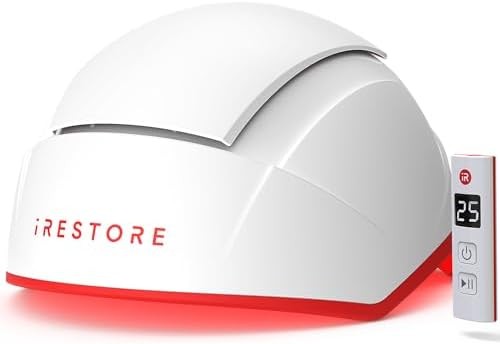
iRestore Professional Laser Red Light Therapy System
Check Price on AmazonAs an Amazon Associate we earn from qualifying purchases.
The iRestore Professional combines 282 lasers and LEDs to deliver comprehensive scalp coverage. This FDA-cleared device uses the wavelengths shown effective in clinical trials. The high number of light sources ensures even energy distribution across the treatment area.
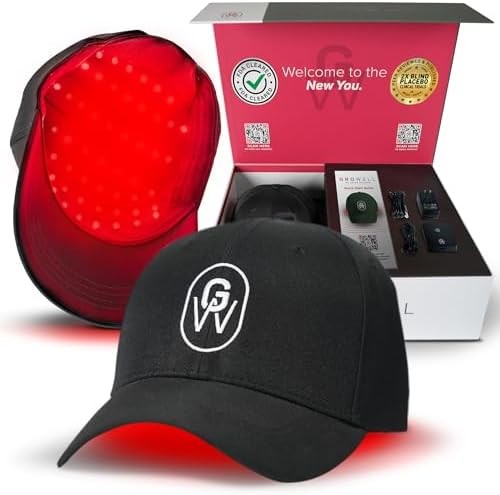
FDA Cleared Red Light Therapy Hair Growth Device
Check Price on AmazonAs an Amazon Associate we earn from qualifying purchases.
This FDA-cleared device delivers clinically proven wavelengths in an easy-to-use format. The device has been tested in double-blind studies, providing evidence-based support for its effectiveness.
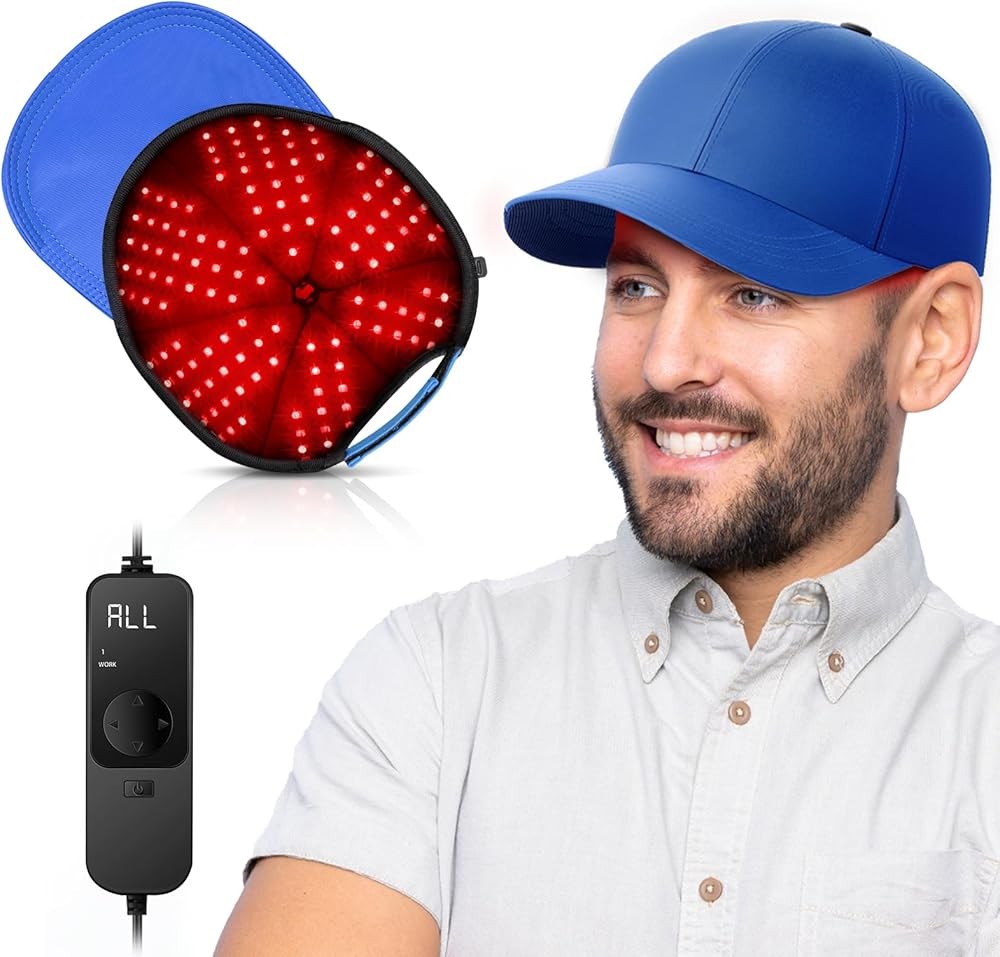
Red Light Hair Growth Device with Timer
Check Price on AmazonAs an Amazon Associate we earn from qualifying purchases.
This device combines 660nm, 850nm, and 940nm wavelengths with built-in timer and controller for precise session management. The multi-wavelength approach targets different tissue depths for comprehensive follicle stimulation.
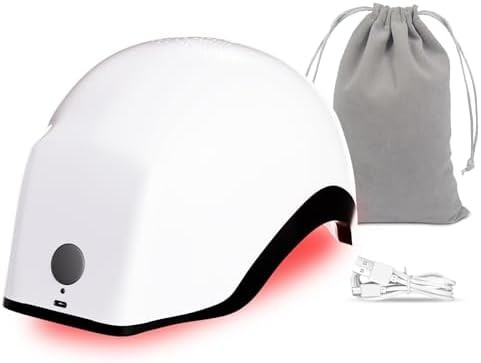
FDA Cleared Red Light Therapy Hair Loss Device
Check Price on AmazonAs an Amazon Associate we earn from qualifying purchases.
This FDA-cleared device provides an affordable option while delivering the wavelengths and energy densities shown effective for hair regrowth in clinical trials.
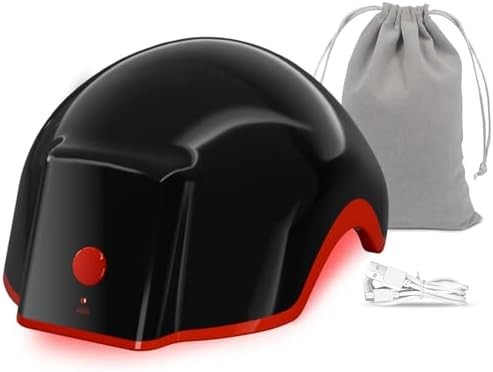
Laser Device for Hair Growth
Check Price on AmazonAs an Amazon Associate we earn from qualifying purchases.
Another FDA-cleared option that delivers red light therapy at proven wavelengths for treating thinning hair and alopecia in both men and women.
When selecting a device, look for specifications that match the research protocols: 650-670nm wavelength, ability to deliver 40-67 J/cm2 per session, and comprehensive scalp coverage.
Connect with CHNut
Stay updated with the latest research on natural health approaches:
- Facebook: @chnutcom
- X (Twitter): @chnutcom
- YouTube: @CHNut-Health
- TikTok: @chnutcom
Conclusion
Clinical research consistently demonstrates that red light therapy can increase hair count by 39-48% over 16 weeks when used with proper protocols. The evidence spans multiple randomized controlled trials published in peer-reviewed journals.
The most effective approach uses red light at 650-670nm wavelengths, delivered at energy densities between 40-67 J/cm2 per session. Treatment frequency matters – the best results come from consistent sessions every other day for at least 16 weeks.
Red light works by activating the Wnt/β-catenin signaling pathway in hair follicles. This keeps follicles in active growth phase longer and delays the transition to resting phase. Hair follicles contain specialized light-sensitive receptors called opsins that directly respond to specific wavelengths.
Both LED and laser devices can deliver effective treatment when engineered to provide the correct wavelength and energy density. Combination devices using both light sources may offer slight advantages, but pure LED devices have also demonstrated significant results in recent studies.
Red light therapy shows the strongest evidence for androgenetic alopecia in both men and women. It works best on thinning hair where follicles remain viable rather than completely bald areas where follicles have been destroyed.
The treatment is safe with no serious adverse effects reported in clinical trials. Most people experience only mild scalp warmth during 25-minute treatment sessions.
Combining red light with other approaches like minoxidil or microneedling may enhance results. The different mechanisms target hair growth through complementary pathways.
Results take time. Most people see measurable improvements between 16-24 weeks of consistent treatment. This timeline reflects the natural hair growth cycle and the time required for new hair to grow long enough to be visible.
The research papers cited throughout this article provide the foundation for understanding red light therapy’s effects on hair growth. The data comes from controlled studies using objective measures, not anecdotal reports. This evidence base makes red light therapy one of the most scientifically supported non-pharmaceutical approaches to hair loss.
Related Articles
- Red Light Therapy Benefits: What Does Research Show?
- LED Light Therapy Colors Explained
- Red Light Therapy for Wrinkles
References
Ebrahimi-Rad K, Mokhtari F, Imani Z. Red and Green LED Light Therapy: A Comparative Study in Androgenetic Alopecia Treatment. Photodermatol Photoimmunol Photomed. 2024. PubMed 39368074
Faria JC, Miot HA, Bortoloto MF, Marques MEA. Photobiomodulation therapy and 5% minoxidil in female pattern hair loss: a randomized, double-blind, placebo-controlled trial. Lasers Med Sci. 2025. PubMed 41369788
Leavitt M, Charles G, Heyman E, Michaels D. The growth of human scalp hair mediated by visible red light laser and LED sources in males. Lasers Surg Med. 2013. PubMed 24078483
Jimenez JJ, Wikramanayake TC, Bergfeld W, Hordinsky M, Hickman JG, Hamblin MR, Schachner LA. The growth of human scalp hair in females using visible red light laser and LED sources. Lasers Surg Med. 2014. PubMed 25124964
Faghihi G, Mozafarpoor S, Asilian A, Mokhtari F, Esnaashari O, Behroozan DS. Comparison of 665 nm low level diode Laser Hat versus combination of 665 nm and 808nm low level diode Laser Scanner of hair growth in androgenic alopecia. J Cosmet Laser Ther. 2017. PubMed 28513251
Kim H, Choi JW, Kim JY, Shin JW, Lee SJ, Huh CH. Low-level light therapy for androgenetic alopecia: a 24-week, randomized, double-blind, self-comparison, sham device-controlled trial. Ann Dermatol. 2021. PubMed 34858007
Hwang JE, Yun S, Kim J, Roh NK, Jeong D, Lim H, Cho S. Efficacy and safety of a light-guiding microneedle patch integrated with low-level laser for stimulating hair growth in androgenetic alopecia: a prospective single-center, randomized clinical trial. Arch Dermatol Res. 2024. PubMed 39325239
Kim SY, Kang JI, Lee MK, Kim YJ, Kim HJ, Yoo ES. Activation of Wnt/β-catenin signaling by low-level laser therapy in hair follicle dermal papilla cells. Lasers Med Sci. 2018. PubMed 29468283
Finkel M, Zhang J, Huang D, Salman S, Tao N, Lim HW, Hamzavi IH. Discovery and Modulation of Photoreceptors in Human Hair Follicles: The Blue Light Story. Lasers Surg Med. 2017. PubMed 28418107
Daleskog J, Wikramanayake TC, Desai S, Moshfegh S. Red and near-infrared emitting fabric technology in the treatment of recalcitrant psoriasis, polymorphic light eruption, and alopecia areata: a pilot study. J Dermatolog Address. 2023. PubMed 37674258
Faghihi G, Andalib F, Asilian A, Aminipoor A. The efficacy of low-level laser therapy in combination with microneedling technique in the treatment of female pattern hair loss: A randomized, double-blind, sham device-controlled trial. Medicine (Baltimore). 2019. PubMed 30896659
Desai S, Mahmoud BH, Bhatia AC, Hamzavi IH. Paradoxical hypertrichosis after laser therapy: a review. Dermatol Surg. 2010. Review of PubMed 15962748.
Kim YN, Shim U, Thangavelu M, Kim Y, Yoon YI, Choi M, Park B, Lee WS, Yang J. Efficacy of an LED microneedle patch on hair growth in C57BL/6 mice. Ann Dermatol. 2023. PubMed 36416978
Recommended Products