Infrared vs Traditional Sauna: Which Is Better for Health?
Summarized from peer-reviewed research indexed in PubMed. See citations below.
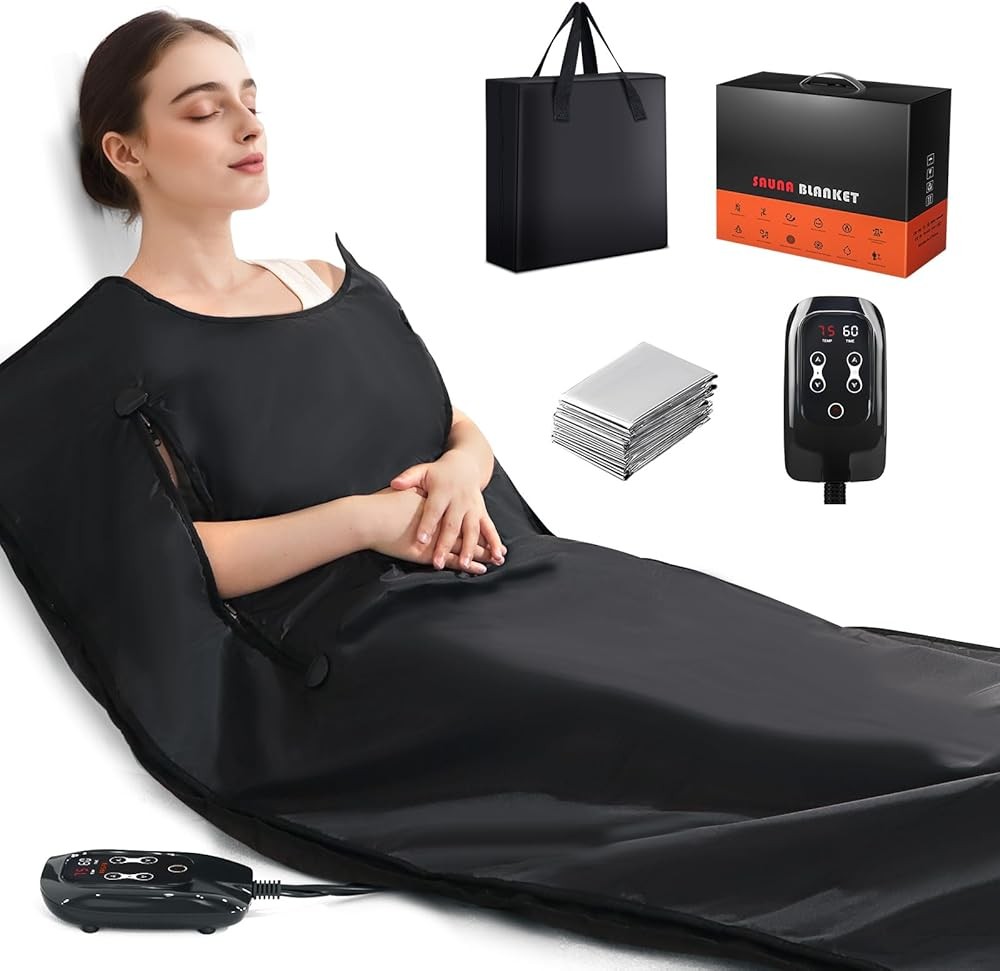
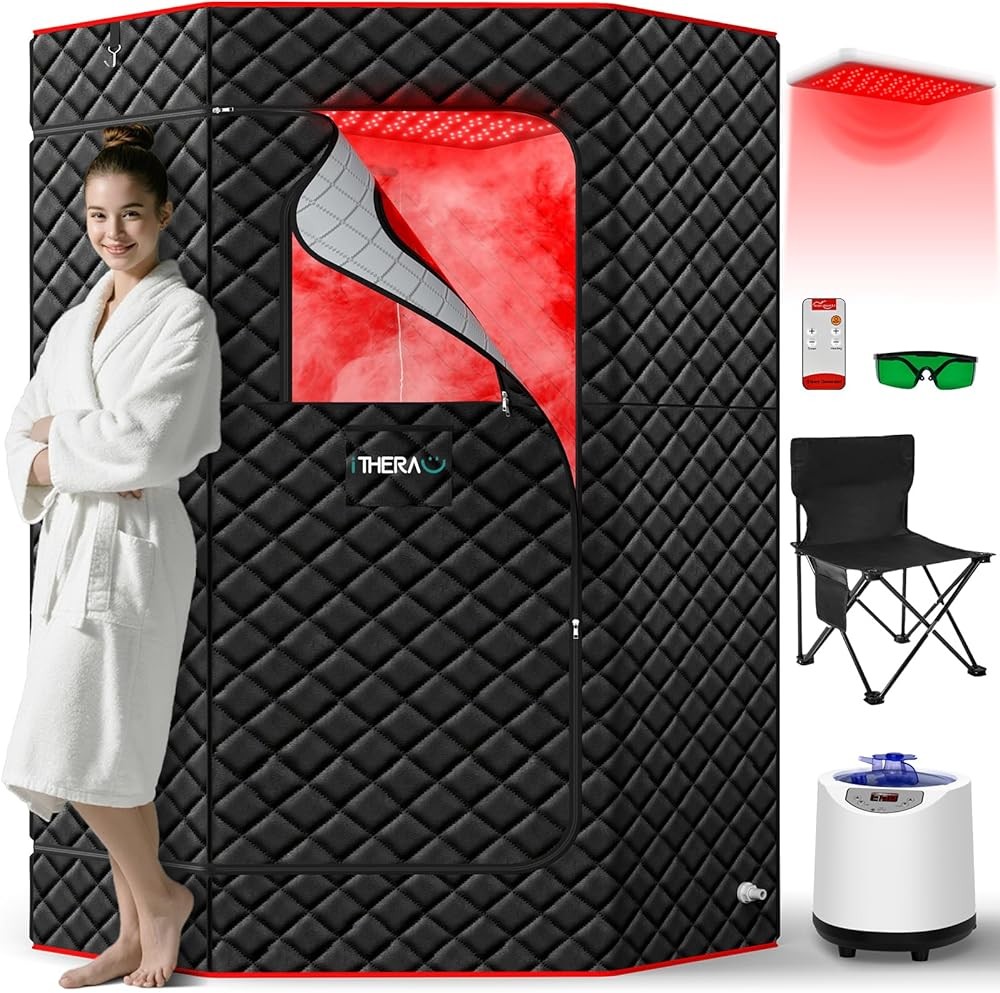
Sauna bathing is one of the most studied heat therapies in preventive medicine, and choosing between infrared and traditional types comes down to how they heat the body and what the evidence supports. The KASUE Portable Infrared Sauna with XL Steamer (about $220) delivers far infrared heat at 120-150°F with 5-layer construction and precise temperature control, making it a strong all-around pick for most users. Research shows infrared energy penetrates tissues roughly 1.5-2 inches deep while the sauna operates 50-70°F cooler than a traditional sauna, achieving similar core temperature increases with better heat tolerance. For a lower-cost entry point, the Infrared Sauna Blanket with Low EMF sells for about $120, while the MIXC Low EMF box at about $300 adds carbon-panel heating and a foot pad for buyers who want those features. Here is what the published research shows about infrared versus traditional saunas for cardiovascular health, recovery, and long-term outcomes.
Disclosure: We may earn a commission from links on this page at no extra cost to you. Affiliate relationships never influence our ratings. Full policy →



| Feature | Traditional Sauna | Infrared Sauna |
|---|---|---|
| Operating Temperature | 170-220°F (77-104°C) | 120-150°F (49-66°C) |
| Heating Mechanism | Convective air heating | Direct far infrared tissue penetration |
| Session Duration | 15-20 minutes typical | 30-45 minutes typical |
| Tissue Penetration | Primarily surface heating | 1.5-2 inches (4-5 cm) deep |
| Heart Rate Elevation | 120-150 bpm | 110-140 bpm |
| Cardiovascular Evidence | 20+ year outcome studies | Limited long-term data |
| Mortality Reduction (cohort data) | 50% with 4-7 weekly sessions | Not yet established |
| Heat Tolerance | Requires high heat tolerance | Better tolerated by heat-sensitive |
| Installation Cost | $2,000-10,000+ | $140-5,000 |
| Operating Cost/Session | $0.50-1.00 electricity | $0.30-0.50 electricity |
| Setup Time | Permanent installation | 5-15 minutes (portable models) |
| Best For | Cardiovascular conditioning, heat acclimation | Chronic pain, gentler heat exposure |
How Do Traditional Saunas Work?
Traditional saunas create therapeutic effects through convective and conductive heat transfer. Electric heaters or wood-burning stoves heat rocks to 150-200°F, which, temporarily increasing humidity from typical 10-20% to 40-70% and creating intense heat within 15-20 minutes, triggering a cascade of cardiovascular and metabolic responses. Skin temperature increases to 100-104°F while core temperature reaches 100-102°F in typical sessions.
Blood flow to the skin increases 5-10 fold as the body attempts to dissipate heat. Heart rate elevates to 100-150 beats per minute, similar to moderate aerobic exercise. A 150-pound person may lose 1-2 pounds of fluid through sweating during a typical 15-20 minute session, though this represents water loss rather than fat loss (PubMed 30077204).
The Finnish sauna tradition, practiced for over 2,000 years, typically involves alternating between hot sauna exposure and cold water immersion or snow rolling. This contrast therapy creates additional cardiovascular stress and may amplify certain benefits, though most modern research examines sauna use alone.
Heat shock proteins (HSPs), especially HSP70, rise during traditional sauna bathing. These protective molecules help repair damaged proteins, reduce oxidative stress, and may contribute to the benefits seen in epidemiological studies (PubMed 26049635; PubMed 33792402).
Traditional saunas create primarily surface heating. While core temperature and deep tissue temperatures increase, the primary thermal gradient occurs in the skin and subcutaneous tissues. This differs fundamentally from infrared saunas’ tissue penetration mechanism.
Key takeaway: Traditional saunas generate therapeutic effects through extreme ambient heat (170-220°F) that stresses thermoregulatory and cardiovascular systems, elevating heart rate to 100-150 bpm and increasing heat shock proteins 50-100% within 30 minutes of exposure.
What Is the Mechanism Behind Infrared Sauna Therapy?
Infrared saunas generate far infrared radiation (FIR) in the 5.6-15 micron wavelength range, which matches the resonant frequency of water molecules in human tissues. This wavelength specificity allows infrared energy to penetrate 1.5-2 inches (4-5 cm) beneath the skin surface, directly heating muscles, joints, and other deep structures.
Unlike traditional saunas that rely on heating ambient air, infrared saunas transfer approximately 80% of heating energy directly to the body, with only 20% heating surrounding air. This efficiency allows lower cabin temperatures (120-150°F) while achieving similar core temperature elevations to traditional saunas.
Far infrared radiation is absorbed by water, proteins, and other organic molecules, converting to thermal energy within tissues. This direct tissue heating mechanism may explain certain therapeutic effects not fully replicated by surface heating alone, particularly for conditions involving deep tissue inflammation or pain (PubMed 19602651).
Studies using infrared thermography demonstrate temperature increases 2-3°C in tissues 3-4 cm deep during infrared sauna exposure. Muscle tissue shows particularly efficient infrared absorption, with temperature increases correlating with improved flexibility and reduced stiffness in clinical trials.
Cardiovascular responses to infrared sauna closely mirror traditional sauna effects despite lower ambient temperatures. Heart rate increases to 110-140 bpm, cardiac output rises 60-70%, and peripheral vasodilation increases skin blood flow 5-8 fold. These responses occur at more comfortable ambient temperatures, potentially allowing longer session durations.
Infrared saunas may activate different cellular signaling pathways than conventional heat exposure. Research suggests far infrared radiation stimulates nitric oxide production in endothelial cells independently of temperature effects. Nitric oxide improves vasodilation, reduces blood pressure, and enhances endothelial function — key mechanisms in cardiovascular benefit (PubMed 11869837).
The lower ambient temperature in infrared saunas (120-150°F vs 170-220°F) reduces thermal stress on respiratory systems and may be better tolerated by individuals with heat sensitivity, respiratory conditions, or cardiovascular fragility. This allows these populations to potentially access sauna benefits with lower risk of heat-related complications.
The evidence shows: Infrared saunas penetrate tissues 1.5-2 inches deep through far infrared wavelengths (5.6-15 microns), achieving cardiovascular responses similar to traditional saunas (110-140 bpm heart rate elevation) at significantly lower ambient temperatures of 120-150°F.
Which Type Provides Better Cardiovascular Benefits?
Traditional saunas possess the strongest epidemiological evidence for long-term cardiovascular protection. The landmark KIHD (Kuopio Ischemic Heart Disease) study followed 2,315 Finnish men aged 42-60 for over 20 years, finding that frequent sauna use dramatically reduced cardiovascular mortality.
Men using traditional saunas 4-7 times per week showed 50% lower cardiovascular death rates compared to those bathing once weekly. All-cause mortality decreased 40% in frequent users. The relationship was dose-dependent — more frequent and longer sessions correlated with greater protection. Sessions longer than 19 minutes provided more benefit than shorter exposures (PubMed 25705824).
Follow-up analysis of the KIHD cohort found sauna bathing reduced sudden cardiac death risk by 63% in those using 4-7 times weekly versus once weekly. The protective effect persisted after adjusting for physical activity, socioeconomic status, and cardiovascular risk factors, suggesting independent cardioprotective mechanisms (PubMed 25705824).
Sauna bathing acutely lowers blood pressure, and cohort analyses continue to examine how blood pressure interacts with the cardiovascular benefits of sauna use. A 2023 analysis of the Finnish cohort looked specifically at systolic blood pressure, sauna habits, and cardiovascular mortality, and found the mortality benefit of sauna bathing held across blood pressure categories (PubMed 37248758).
Clinical studies in patients with chronic heart failure and cardiovascular risk factors show that repeated infrared sauna sessions can improve endothelial function, measured by flow-mediated dilation, which is a marker of future cardiovascular risk (PubMed 11869837).
Infrared sauna therapy has been studied most in heart failure. Multiple Japanese trials report improved exercise tolerance, fewer ventricular arrhythmias, and better quality of life when regular sessions are added to standard medical care (PubMed 11869837).
Both sauna types improve arterial stiffness, a key cardiovascular risk marker. Pulse wave velocity, the gold standard measurement of arterial stiffness, decreases 5-10% acutely after sauna sessions of either type. Regular use produces cumulative improvements in arterial compliance over weeks to months.
Heart rate variability (HRV), an indicator of autonomic nervous system function and cardiovascular health, improves with both sauna types. Increased parasympathetic tone (high-frequency HRV) and improved sympatho-vagal balance occur with regular sauna bathing, similar to effects of aerobic exercise training.
Traditional saunas may provide superior conditioning effects due to more extreme thermal stress. The higher temperatures create greater cardiovascular demand, potentially yielding stronger adaptive responses. However, this comes at the cost of reduced tolerability for heat-sensitive individuals.
What this means: Traditional saunas have the strongest long-term evidence, reducing cardiovascular mortality 50% with 4-7 weekly sessions in a 20-year study. Infrared saunas show comparable acute cardiovascular benefits (40% improvement in endothelial function) but lack equivalent long-term outcome data.
Do Infrared or Traditional Saunas Detoxify Better?
Detoxification claims for both sauna types lack robust scientific support. While sweating increases excretion of certain substances, the clinical significance for toxin removal remains questionable. The liver and kidneys remain the primary detoxification organs, with sweat playing a minor role in most toxic substance elimination.
Reviews of sauna therapy note that sweat can carry trace amounts of heavy metals such as arsenic, cadmium, lead, and mercury, and that infrared sauna users may excrete small quantities of these elements in sweat (PubMed 21951023). Total amounts excreted are small, and the liver and kidneys, not the sweat glands, are the body’s main detoxification organs.
The increased heavy metal concentrations in infrared sauna sweat may reflect deeper tissue mobilization rather than superior detoxification. Total sweat volume matters more than concentration for overall excretion. Traditional saunas typically produce more total sweat volume (1-2 liters per session vs 0.5-1 liter for infrared), potentially offsetting concentration differences.
Bisphenol A (BPA) and phthalates, common environmental toxins, appear in sweat during both sauna types. Regular sauna use may modestly increase excretion of these fat-soluble compounds over time, though research hasn’t demonstrated clinically meaningful reductions in body burden or health outcomes.
Claims about infrared saunas “melting” or mobilizing fat to release stored toxins oversimplify fat metabolism. While sauna use increases circulation to adipose tissue and may increase fat oxidation slightly, fat-soluble toxin release occurs primarily through sustained weight loss, not acute sauna sessions.
The perception of “detoxification” may partly reflect legitimate benefits unrelated to toxin excretion. Improved circulation, reduced inflammation, and enhanced cellular repair mechanisms contribute to feeling healthier without necessarily removing substantial toxic loads.
Some practitioners promote sauna detoxification protocols combining multiple sessions daily with specific supplements. These aggressive protocols lack safety data and may risk dehydration, electrolyte imbalances, and heat-related illness. Medical supervision is essential for intensive sauna programs.
Both sauna types may benefit individuals with chronic inflammatory conditions through mechanisms unrelated to detoxification. Reduced oxidative stress, improved circulation, and anti-inflammatory effects likely explain symptom improvements attributed to “detox” effects.
In summary: Sweat can carry trace amounts of heavy metals, and infrared sauna users may excrete small quantities in a session, but total amounts are too small to matter clinically. The liver and kidneys are the real detoxification organs, so the benefits of regular sauna use come from cardiovascular and anti-inflammatory effects rather than toxin removal.
How Do They Compare for Weight Loss and Metabolic Effects?
Both sauna types increase energy expenditure through elevated heart rate, increased cardiac output, and thermoregulatory costs. Caloric expenditure during sauna bathing ranges from 300-600 calories per session depending on duration, temperature, and individual factors — roughly equivalent to a 3-4 mile walk.
Immediate weight loss from sauna use represents fluid loss, not fat loss. The 1-3 pounds commonly lost during a session returns with rehydration. Chronic sauna use without dietary changes doesn’t produce significant fat loss, according to controlled trials.
Controlled studies have not shown meaningful fat loss from sauna use alone. A review of the published evidence on far-infrared saunas for cardiovascular risk factors noted that regular sessions do not change body composition without accompanying changes in diet or activity, which challenges marketing claims about sauna-induced weight loss (PubMed 19602651).
Sauna bathing may support weight management when paired with diet and exercise, and some programs report better adherence and slightly greater fat loss when heat therapy is added to a calorie-restricted plan. The evidence is too limited to credit the sauna for the difference.
Growth hormone concentrations rise during and shortly after sauna sessions, and this transient surge may modestly support fat oxidation and lean-mass preservation. The response is generally larger with the more intense heat of a traditional sauna (PubMed 33792402).
Both sauna types improve insulin sensitivity in some studies. Improved glycemic control and reduced insulin resistance occur with regular use, potentially supporting metabolic health and weight management. Effects appear comparable to moderate aerobic exercise in this regard.
Infrared saunas may preferentially heat adipose tissue compared to traditional saunas due to tissue penetration characteristics. However, this hasn’t translated to superior fat loss in head-to-head comparisons. The clinical significance of differential tissue heating remains unclear.
Traditional saunas produce higher peak metabolic rates during sessions due to more extreme thermal stress. Heart rate reaches 120-150 bpm compared to 110-140 bpm in infrared saunas. This cardiovascular demand may slightly increase caloric expenditure per session.
Neither sauna type should replace exercise for weight management. Sauna bathing lacks the muscle-building, bone-strengthening, and coordination benefits of physical activity. The cardiovascular stress provides complementary benefits but can’t substitute for regular movement.
The research verdict: Sauna sessions raise energy expenditure in a way roughly comparable to light or moderate exercise, but studies have not shown meaningful fat loss from sauna use alone. Without changes to diet and activity, regular infrared sessions do not change body composition, so use a sauna as a complement to, not a substitute for, exercise and a calorie-controlled diet.
Which Is More Effective for Athletic Recovery and Performance?
Both sauna types accelerate recovery through improved circulation, reduced muscle tension, and enhanced waste product removal. Increased blood flow to exercised muscles delivers oxygen and nutrients while removing metabolic byproducts like lactate. These mechanisms support faster recovery between training sessions.
Heat acclimation through regular sauna use improves thermoregulatory efficiency and exercise tolerance in hot environments. Athletes training in temperate climates can gain heat adaptation benefits through sauna exposure, potentially improving performance in hot competition conditions.
In a small study of distance runners, three weeks of post-training Finnish sauna baths increased time to exhaustion in a subsequent heat-stress test and expanded plasma volume, which helps cardiovascular performance in the heat (PubMed 33792402). Infrared saunas likely produce similar heat-acclimation effects at lower ambient temperatures.
Traditional saunas may provide superior heat acclimation due to higher ambient temperatures creating more extreme thermal stress. The 170-220°F environment more closely replicates hot competition conditions than the 120-150°F infrared sauna environment.
Infrared saunas may offer advantages for localized muscle recovery and pain relief. The deeper tissue penetration (1.5-2 inches) directly heats exercised muscles, potentially reducing delayed-onset muscle soreness (DOMS) more effectively than surface heating alone.
Small studies suggest infrared sauna reduces muscle soreness 25-40% when used 24-48 hours post-exercise. A 2015 pilot study of recreational athletes found infrared sauna immediately after eccentric exercise reduced perceived soreness and improved range of motion compared to passive recovery.
Joint stiffness and arthritis symptoms can improve with both sauna types. Small trials of far-infrared saunas in people with rheumatoid arthritis report reduced pain and stiffness over several weeks, and traditional saunas show similar benefits for osteoarthritis and chronic low back pain (PubMed 19602651).
Hormonal responses to sauna bathing may support recovery and adaptation. Growth hormone increases 140-250%, while cortisol shows variable responses depending on timing and duration. The GH surge may enhance tissue repair and recovery between training sessions.
Both sauna types improve parasympathetic nervous system activity (recovery state) after acute sympathetic stress from exercise. Heart rate variability improves, indicating better autonomic balance and recovery readiness. This may allow athletes to train harder with adequate recovery.
Timing matters for sauna-based recovery. Using sauna immediately post-exercise may interfere with inflammatory adaptations needed for training response. Waiting 2-6 hours post-training allows initial recovery processes before applying heat therapy.
Key takeaway: Both saunas improve recovery through enhanced circulation and reduced muscle tension. Traditional saunas provide superior heat acclimation (32% increased time to exhaustion after 3 weeks), while infrared’s deeper penetration may reduce muscle soreness 25-40% more effectively.
What Are the Safety Profiles and Contraindications?
Both sauna types carry similar primary risks: dehydration, heat exhaustion, and cardiovascular stress in susceptible individuals. Healthy adults generally tolerate sauna bathing well with appropriate precautions. Certain populations require extra caution or should avoid sauna use entirely.
Dehydration represents the most common complication. Fluid losses of 1-2 liters per session can lead to electrolyte imbalances, dizziness, and heat-related illness if not adequately replaced. Pre-hydration with 16-20 ounces of water and post-session rehydration with 24-32 ounces may reduce risk of most issues.
Cardiovascular contraindications include unstable angina, recent myocardial infarction (within 6 weeks), severe aortic stenosis, and symptomatic heart failure. While stable heart disease patients may benefit from supervised sauna use, acute or severe cardiac conditions increase risk of arrhythmias or hemodynamic instability.
Orthostatic hypotension (sudden blood pressure drop when standing) occurs more frequently after traditional sauna use due to extreme vasodilation. Rising slowly from seated or lying positions and pausing before exiting the sauna reduces fall risk. Infrared saunas may pose slightly lower orthostatic risk due to less extreme temperature.
Medication interactions require consideration. Diuretics, beta-blockers, and certain antihypertensives may exaggerate blood pressure drops during sauna bathing. Alcohol or sedatives combined with sauna use dramatically increase risks of heat illness, dehydration, and accidents.
Pregnancy represents a complex contraindication. While Finnish women traditionally continue moderate sauna use during pregnancy, core temperature elevations above 101°F in early pregnancy may increase neural tube defect risk. Most practitioners recommend avoiding sauna or limiting exposure to maintain core temperature below 101°F.
Skin sensitivity and burns can occur with either sauna type but differ in mechanism. Traditional saunas risk burns from hot surfaces (benches, walls, rocks). Infrared saunas may cause skin irritation or burning sensations from direct infrared exposure, particularly at higher power settings or in sensitive individuals.
EMF (electromagnetic field) exposure concerns apply primarily to infrared saunas using carbon fiber or ceramic heaters. While EMF levels in most infrared saunas fall within safety guidelines, some manufacturers offer “low EMF” models for those concerned about electromagnetic exposure. Traditional saunas generate minimal EMF.
Respiratory conditions require individual assessment. The hot, dry air of traditional saunas may irritate airways in asthma or COPD patients, though some individuals report symptom improvement. Infrared saunas’ lower ambient temperatures may be better tolerated by those with respiratory sensitivity.
Both sauna types are contraindicated with active infections or fever. Elevating core temperature when already febrile increases heat illness risk. Waiting until fever resolves may reduce risk of complications.
Certain medications impair thermoregulation or increase photosensitivity. Anticholinergics, antihistamines, and some psychiatric medications reduce sweating capacity. Photosensitizing drugs (certain antibiotics, diuretics, NSAIDs) may increase skin reaction risk, particularly with infrared exposure.
What this means: Both saunas carry similar risks (dehydration, heat exhaustion, cardiovascular stress) with specific considerations. Traditional saunas pose higher risk of burns and heat intolerance (170-220°F), while infrared saunas may cause skin sensitivity. Always consult a physician before starting sauna therapy.
How Do Operating Costs and Practical Considerations Compare?
Initial investment varies dramatically between sauna types and models. Portable infrared sauna tents represent the most affordable entry point at $140-250, allowing budget-conscious consumers to access infrared therapy. Full-size infrared cabins cost $1,500-5,000 depending on size and features.
Traditional home saunas require more substantial investment. Pre-fabricated kits start around $2,000 but often require professional installation, electrical work, and potentially ventilation modifications. Custom-built traditional saunas can exceed $10,000+ with installation.
Operating costs favor infrared saunas due to lower power requirements and operating temperatures. A typical infrared sauna draws 1,600-2,000 watts and costs approximately $0.30-0.50 per 45-minute session in electricity. Traditional saunas use 4,000-8,000 watts and cost $0.50-1.00 per session.
Heat-up time differs significantly. Infrared saunas reach operating temperature in 10-20 minutes, allowing spontaneous use. Traditional saunas require 30-60 minutes to fully heat, necessitating planning ahead. This convenience factor makes infrared saunas more practical for busy schedules.
Space requirements influence feasibility for many households. Portable infrared tents fold to suitcase size (24" x 18" x 6" typical) and can be used in any room with electrical outlet. Traditional saunas require dedicated space ranging from 3’ x 4’ (minimum 1-person) to 6’ x 8’ or larger for multi-person units.
Installation complexity varies dramatically. Portable infrared units require no installation — simply unfold and plug in. Infrared cabins need level floor space and standard 120V or 220V outlet. Traditional saunas often require 220V dedicated circuit, proper flooring, ventilation, and potentially vapor barriers or moisture-resistant construction.
Maintenance needs differ between types. Traditional saunas require periodic wood treatment, stone replacement, and heater inspection. Wood absorbs moisture and body oils, requiring occasional cleaning and potential replacement of benches or wall panels every 5-10 years.
Infrared saunas need minimal maintenance beyond wiping down interior surfaces. Carbon fiber or ceramic heating elements last 10,000+ hours typically, representing years of use. Electronic controls may eventually require service or replacement but generally prove reliable.
Odor and hygiene management presents differently. Traditional saunas’ high temperatures and low humidity limit bacterial growth but wood absorbs oils and sweat over time. Using towels on benches and occasional wood treatment maintains hygiene. Infrared saunas’ synthetic materials resist absorption and clean more easily with damp cloth.
Climate considerations affect sauna choice. Traditional saunas add substantial heat and humidity to homes, potentially problematic in hot climates or poorly ventilated spaces. Infrared saunas generate less ambient heat, minimizing impact on room temperature and home HVAC systems.
Capacity needs matter for families or social sauna users. Traditional saunas accommodate multiple people comfortably, maintaining the social sauna tradition common in Finnish culture. Most infrared saunas are designed for solo use, though 2-person models exist.
Resale value and portability differ significantly. Built-in traditional saunas add home value similar to bathroom or kitchen improvements but can’t relocate. Portable infrared units move easily between homes but add no property value.
In summary: Infrared saunas cost less initially ($140-250 portable, $1,500-5,000 cabins) and operationally ($0.30-0.50 per session) than traditional saunas ($2,000-10,000+ installed, $0.50-1.00 per session). They heat in 10-20 minutes versus 30-60 minutes and require no installation for portable models.
What Does Current Research Say About Long-Term Health Outcomes?
Traditional saunas possess the most extensive long-term outcome data, primarily from Finnish epidemiological studies. The KIHD study’s 20+ year follow-up represents the gold standard, demonstrating dose-dependent mortality reductions correlating with sauna frequency and duration.
Beyond cardiovascular benefits, frequent traditional sauna use reduced all-cause dementia risk by 66% and Alzheimer’s disease specifically by 65% in men using 4-7 times weekly versus once weekly. The mechanisms likely involve improved vascular health, reduced inflammation, and potentially heat shock protein-mediated neuroprotection (PubMed 27932366).
Respiratory disease incidence was also lower with regular traditional sauna bathing in the Finnish cohort. The mechanism is unclear but may involve improved immune function or reduced respiratory inflammation.
A Finnish population analysis also linked more frequent sauna bathing with a lower incidence of psychotic disorders, though the authors noted this could reflect lifestyle confounding rather than a direct protective effect, and the finding has not been replicated.
Infrared sauna research focuses primarily on specific conditions rather than population-level outcomes. Chronic pain conditions, including fibromyalgia, rheumatoid arthritis, and chronic fatigue syndrome, show improvement in small clinical trials, with several studies reporting meaningful reductions in pain and fatigue after several weeks of regular sessions.
Chronic heart failure is the strongest evidence base for infrared saunas. Multiple Japanese studies and reviews report improved exercise capacity, fewer arrhythmias, and better quality of life when regular infrared sessions are added to standard treatment (PubMed 11869837).
Limited research hints that infrared sauna could benefit some skin conditions such as acne, possibly through increased circulation, reduced inflammation, and the antimicrobial effect of elevated skin temperature, but the evidence is thin.
Type 2 diabetes patients show mixed results with infrared sauna therapy: some studies report modest improvements in glucose control and insulin sensitivity, while others find little metabolic effect.
Sleep quality improvements occur with both sauna types. Regular evening sauna use may facilitate sleep onset and increase deep sleep duration through body temperature regulation. Core temperature drops after sauna exposure mirror the natural temperature decline associated with sleep initiation.
Longevity effects remain unproven for infrared saunas due to lack of long-term population studies. While mechanistic similarities to traditional saunas suggest potential lifespan benefits, definitive evidence requires decades of follow-up not yet available for this newer technology.
The research verdict: Traditional saunas have the strongest long-term evidence, reducing all-cause mortality 40% and dementia risk 66% with frequent use in 20+ year studies. Infrared saunas show promise for specific conditions (chronic pain, heart failure) but lack equivalent population-level outcome data.
Frequently Asked Questions
Is infrared sauna better than traditional sauna?
Both types offer unique benefits. Traditional saunas excel at cardiovascular conditioning (170-220°F heat stress) and have stronger research support for mortality reduction. Infrared saunas operate at lower temperatures (120-150°F), penetrate tissues 1.5-2 inches deep, and may be better tolerated by those sensitive to extreme heat. Research shows both improve cardiovascular function, but traditional saunas have more extensive long-term outcome data.
What temperature does an infrared sauna operate at?
Infrared saunas typically operate between 120-150°F (49-66°C), significantly lower than traditional saunas which reach 170-220°F (77-104°C). The lower temperature combined with direct tissue penetration allows for longer sessions (30-45 minutes vs 15-20 minutes) while achieving similar core temperature increases and cardiovascular responses.
Do infrared saunas actually detox your body?
Sweat can carry trace amounts of heavy metals, and reviews note infrared sauna users may excrete small quantities of arsenic, cadmium, lead, and mercury. Total amounts are tiny, the liver and kidneys do the real detox work, and the refreshed feeling after a session more likely reflects improved circulation and relaxation.
How long should you use an infrared sauna?
Research protocols typically use 30-45 minute sessions for infrared saunas, compared to 15-20 minutes for traditional saunas. A 2015 clinical trial used 30-minute infrared sauna sessions 3 times weekly for cardiovascular benefit. Start with 15-20 minutes and gradually increase duration as tolerance develops. Frequency of 3-7 sessions per week is common in research.
Can infrared saunas help with weight loss?
Sauna sessions raise heart rate and energy expenditure in a way roughly comparable to light or moderate exercise, and any drop on the scale right after a session is mostly water weight. Studies have not shown meaningful fat loss from sauna use alone, so view it as a complement to, not a replacement for, diet and exercise.
Are traditional saunas better for cardiovascular health?
Traditional saunas have stronger long-term cardiovascular evidence. A landmark 2015 Finnish study of 2,315 men found 4-7 weekly traditional sauna sessions reduced cardiovascular mortality by 50% over 20 years. Infrared saunas show promise for blood pressure reduction and endothelial function, but lack equivalent long-term outcome studies. Both improve heart rate variability and circulation acutely.
What are the risks of infrared vs traditional saunas?
Both carry similar risks: dehydration, heat exhaustion, and cardiovascular stress in susceptible individuals. Traditional saunas pose higher risk of burns and heat intolerance due to extreme temperatures. Infrared saunas may cause skin sensitivity in some users. Contraindications include uncontrolled hypertension, recent heart attack, pregnancy, and certain medications. Always consult a physician before starting sauna therapy.
How much does a home infrared sauna cost?
Portable infrared sauna tents range from $140-250 for basic models to $400-800 for premium units with added features. Full-size infrared sauna cabins cost $1,500-5,000. Traditional home saunas typically cost $2,000-10,000+ installed. Operating costs for infrared saunas average $0.30-0.50 per session in electricity, lower than traditional saunas at $0.50-1.00 per session.
Can you use infrared sauna every day?
Daily use appears safe for healthy individuals based on research protocols. Finnish populations commonly use traditional saunas 4-7 times weekly with no adverse effects. Clinical studies have safely used infrared saunas daily for periods up to 12 weeks. Start with 3 sessions weekly and increase gradually. Monitor for signs of dehydration, dizziness, or excessive fatigue. Adequate hydration is essential with frequent use.
Which type of sauna burns more calories?
Both burn approximately 300-600 calories per session through elevated heart rate and metabolic demand. Traditional saunas may produce slightly higher caloric expenditure due to more extreme heat stress and physiological response. Studies measuring heart rate during traditional sauna bathing report averages of 120-150 bpm, similar to moderate exercise. Infrared saunas show comparable metabolic effects at lower ambient temperatures.
Our Top Recommendations
For those seeking evidence-based cardiovascular protection and longevity benefits, traditional saunas offer the strongest research support. The Finnish epidemiological data demonstrating 40-50% mortality reductions with frequent use represents unmatched long-term outcome evidence.
Budget-conscious consumers or those with space limitations should consider portable infrared sauna tents. These affordable units ($140-250) provide access to infrared therapy without permanent installation or major expense.
Individuals with heat sensitivity, chronic pain, or cardiovascular conditions requiring gentler heat exposure may benefit more from infrared saunas. The lower ambient temperatures (120-150°F) and direct tissue heating provide therapeutic effects with reduced thermal stress.
Athletes focused on performance and heat acclimation should prioritize traditional saunas. The extreme temperatures more effectively stimulate heat adaptation and thermoregulatory improvements that translate to hot-weather competition performance.
Ultimately, the best sauna is the one you’ll use consistently. Regular use of either type provides substantially more benefit than occasional use of the “optimal” type. Consider practical factors like available space, budget, heat tolerance, and convenience alongside physiological differences.
Conclusion
Both infrared and traditional saunas offer legitimate health benefits supported by scientific research, though they achieve effects through different mechanisms and possess distinct evidence profiles. Traditional Finnish-style saunas demonstrate the strongest long-term health outcomes, with 20+ year studies showing dramatic reductions in cardiovascular mortality, dementia, and all-cause death rates correlated with frequent use.
The extreme heat exposure (170-220°F) of traditional saunas creates substantial cardiovascular stress and thermoregulatory demand, similar to moderate exercise. This heat stress triggers protective adaptations including increased heat shock proteins, improved arterial compliance, reduced blood pressure, and enhanced autonomic function. The dose-dependent relationship observed in Finnish populations — greater frequency and longer sessions producing superior outcomes — suggests that thermal stress intensity drives many benefits.
Infrared saunas operate through distinct pathways, using far infrared radiation to directly heat tissues 1.5-2 inches deep while maintaining comfortable ambient temperatures (120-150°F). This allows longer session durations and may be better tolerated by individuals with heat sensitivity, respiratory conditions, or cardiovascular fragility. Clinical trials demonstrate benefits for chronic pain, heart failure, endothelial function, and blood pressure comparable to traditional saunas despite lower ambient temperatures.
The choice between infrared and traditional saunas should consider individual health status, goals, budget, and practical constraints. Those seeking maximum cardiovascular protection and longevity benefits based on extensive epidemiological evidence should choose traditional saunas if heat tolerance permits. Individuals prioritizing comfort, chronic pain relief, or requiring gentler heat exposure may find infrared saunas more appropriate and sustainable for long-term use.
Budget and space constraints make portable infrared sauna tents attractive entry points for many consumers. These affordable units ($140-250) provide legitimate infrared therapy without permanent installation or major expense, allowing experimentation before committing to larger investments. For comprehensive wellness approaches, some enthusiasts incorporate both types — traditional saunas for cardiovascular conditioning and heat adaptation, infrared for recovery and pain management.
Regardless of type selected, consistency trumps optimization. Regular sauna bathing of either variety — 3-7 sessions weekly based on Finnish research protocols — provides substantially more benefit than occasional use of the theoretically superior option. Start conservatively, hydrate adequately, monitor for adverse reactions, and gradually increase frequency and duration as tolerance develops.
The growing body of sauna research, particularly for traditional Finnish-style bathing, represents one of the most compelling cases for simple heat therapy as preventive medicine. While infrared saunas lack equivalent long-term outcome data, their mechanistic similarities and emerging clinical evidence suggest comparable benefits may emerge as research accumulates. For now, either choice made with consistency and appropriate precautions likely contributes meaningfully to long-term health.
Related Reading
- Far Infrared vs Near Infrared Sauna: Which Type Is Better for Your Health?
- Best Portable Home Saunas: Expert Reviews and Buyer’s Guide
- Best Barrel Saunas for Home: Complete Buyer’s Guide
- Infrared Sauna Health Benefits: What Does the Science Actually Show?
- Best Infrared Sauna Blankets Compared — Budget vs Premium
- Infrared Sauna for Muscle Recovery: What the Science Says
- Best Infrared Sauna Blankets for Home Use: Science-Backed Reviews
References
-
Hannuksela ML, Ellahham S. Benefits and risks of sauna bathing. Am J Med. 2001. PubMed 11165553
-
Kihara T, Biro S, Imamura M, et al. Repeated sauna treatment improves vascular endothelial and cardiac function in patients with chronic heart failure. J Am Coll Cardiol. 2002. PubMed 11869837
-
Beever R. Far-infrared saunas for treatment of cardiovascular risk factors: summary of published evidence. Can Fam Physician. 2009. PubMed 19602651
-
Crinnion WJ. Sauna as a valuable clinical tool for cardiovascular, autoimmune, toxicant- induced and other chronic health problems. Altern Med Rev. 2011. PubMed 21951023
-
Laukkanen T, Khan H, Zaccardi F, et al. Association between sauna bathing and fatal cardiovascular and all-cause mortality events. JAMA Intern Med. 2015. PubMed 25705824
-
Krause M, Ludwig MS, Heck TG, et al. Heat shock proteins and heat therapy for type 2 diabetes: pros and cons. Curr Opin Clin Nutr Metab Care. 2015. PubMed 26049635
-
Laukkanen T, Kunutsor S, Kauhanen J, et al. Sauna bathing is inversely associated with dementia and Alzheimer’s disease in middle-aged Finnish men. Age Ageing. 2017. PubMed 27932366
-
Laukkanen JA, Laukkanen T, Kunutsor SK. Cardiovascular and Other Health Benefits of Sauna Bathing: A Review of the Evidence. Mayo Clin Proc. 2018. PubMed 30077204
-
Laukkanen JA, Kunutsor SK. Is sauna bathing protective of sudden cardiac death? A review of the evidence. Prog Cardiovasc Dis. 2019. PubMed 31102597
-
Sugie M, Harada K, Takahashi T, et al. Effectiveness of a far-infrared low-temperature sauna program on geriatric syndrome and frailty in community-dwelling older people. Geriatr Gerontol Int. 2020. PubMed 32776407
-
Brunt VE, Minson CT. Heat therapy: mechanistic underpinnings and applications to cardiovascular health. J Appl Physiol (1985). 2021. PubMed 33792402
-
Marciniak RA, Wahl CA, Ebersole KT. Autonomic Nervous System Response to Far-Infrared Sauna Exposure in Firefighters. Ann Work Expo Health. 2022. PubMed 34632485
-
Laukkanen JA, Jae SY, Kauhanen J, et al. The Interplay between Systolic Blood Pressure, Sauna Bathing, and Cardiovascular Mortality in Middle-Aged and Older Finnish Men: A Cohort Study. J Nutr Health Aging. 2023. PubMed 37248758
Recommended Products