Best Infrared Sauna Blankets Compared — Budget vs Premium
When you’re comparing infrared sauna blankets, the decision often comes down to whether premium features justify the higher cost, or if a budget model delivers enough therapeutic benefit to meet your cardiovascular, detoxification, and recovery goals. Research on whole-body thermotherapy shows that regular infrared sauna use can improve cardiovascular function, accelerate muscle recovery, and promote detoxification, but the question remains: does spending more actually translate to better health outcomes?
The answer depends on what specific benefits you’re targeting and how frequently you plan to use the blanket. Studies indicate that cardiovascular improvements occur within 25 minutes of heat exposure, regardless of whether you’re using a $100 budget blanket or a $400 premium model. However, factors like heat distribution, EMF emissions, material safety, and temperature control precision can significantly impact both comfort and long-term effectiveness.
Budget vs Premium Comparison


This comparison goes beyond simple price points. Research shows that the therapeutic benefits of far infrared therapy depend on consistent heat exposure, proper temperature ranges, and safe materials that won’t off-gas toxins during use. Whether you choose a budget or premium model, understanding what the research says about infrared sauna therapy can help you make an informed decision that aligns with your health goals.
How Do Infrared Sauna Blankets Compare to Traditional Saunas?
Infrared sauna blankets use far infrared (FIR) wavelengths to heat the body directly, rather than heating the surrounding air like traditional Finnish saunas. This fundamental difference in heat delivery mechanism creates distinct physiological responses that research has documented extensively.
Traditional saunas operate at 150-195°F and rely on convection heating—hot air warms your skin surface, which then transfers heat to deeper tissues. Far infrared blankets, operating at 100-176°F, emit electromagnetic radiation in the 5.6-15 micron wavelength range that penetrates up to 1.5 inches into tissue. According to research published in Temperature examining passive heat therapies (https://scholar.google.com/scholar?q=infrared+sauna+passive+heat+therapy+benefits), this deeper tissue penetration triggers cardiovascular responses at lower ambient temperatures, making FIR therapy accessible to individuals who cannot tolerate traditional sauna heat.
A 2001 study in the Journal of the American College of Cardiology (https://scholar.google.com/scholar?q=infrared+sauna+repeated+thermal+therapy+vascular+endothelial+function) compared far infrared dry sauna therapy to traditional methods in patients with coronary risk factors. Participants used a far infrared sauna at 140°F for 15 minutes, followed by 30 minutes wrapped in blankets to maintain elevated body temperature. After two weeks of daily sessions, vascular endothelial function improved significantly, with researchers attributing benefits to increased nitric oxide production triggered by infrared wavelengths rather than simple thermal stress.
The portability factor represents another critical distinction. Traditional saunas require dedicated space and installation, while blankets fold for storage and plug into standard outlets. Research from RMIT University studying whole-body thermotherapy (https://scholar.google.com/scholar?q=infrared+sauna+blanket+whole+body+thermotherapy+health) found that the convenience of at-home infrared blankets increased compliance rates for therapeutic protocols, particularly for cardiovascular rehabilitation and chronic pain management.
Heat distribution patterns differ significantly between the two modalities. Traditional saunas create uniform air temperature but variable body heating depending on position and air circulation. Infrared blankets provide consistent heat along the entire body surface in contact with heating elements. However, this also means areas not in contact with the blanket receive less direct infrared exposure, which may reduce whole-body thermal loading compared to traditional saunas.
From a cardiovascular perspective, both modalities increase heart rate and cardiac output. A 2025 review in Frontiers in Cardiovascular Medicine (https://scholar.google.com/scholar?q=infrared+sauna+cardiovascular+peripheral+arterial+disease) noted that sauna use—whether traditional or infrared—produces cardiovascular stress similar to moderate exercise. The key difference lies in ambient heat tolerance: individuals sensitive to high temperatures may tolerate infrared blankets better while still achieving cardiovascular benefits.
Bottom line: Studies show infrared blankets operating at 100-176°F penetrate 1.5 inches into tissue producing cardiovascular benefits within 25 minutes at 140°F, with a 2001 JACC study documenting improved vascular function after 2 weeks of daily 15-minute sessions in coronary risk factor patients, plus portability advantages leading to better long-term protocol compliance for cardiovascular rehabilitation compared to traditional 150-195°F saunas requiring dedicated installation space.
What Does Research Show About Far Infrared Heat Therapy Benefits?
Far infrared (FIR) therapy produces measurable physiological effects that extend beyond simple relaxation, according to multiple peer-reviewed studies examining cardiovascular, metabolic, and cellular responses to this specific wavelength of electromagnetic radiation.
Research from RMIT University analyzing whole-body thermotherapy (https://scholar.google.com/scholar?q=infrared+sauna+blanket+whole+body+thermotherapy+health) found that infrared sauna sessions triggered well-documented cardiovascular effects including increased heart rate, enhanced skin blood flow, and improved vascular function. The study collected sweat and urine samples comparing infrared sauna use to exercise, demonstrating that FIR exposure activated similar metabolic pathways despite the passive nature of heat therapy.
Cardiovascular improvements represent the most robust area of infrared sauna research. A 2025 study in Frontiers in Cardiovascular Medicine (https://scholar.google.com/scholar?q=infrared+sauna+cardiovascular+peripheral+arterial+disease) examining sauna therapy for peripheral arterial disease found that regular heat exposure stimulated endogenous antioxidant pathways, enhanced tissue repair mechanisms, and improved cellular degradation processes. These effects occurred through thermal stress responses in both skin and cardiovascular systems, independent of physical exertion.
The mechanism behind cardiovascular benefits involves heat shock proteins and nitric oxide signaling. The 2001 study published in Journal of the American College of Cardiology (https://scholar.google.com/scholar?q=infrared+sauna+repeated+thermal+therapy+vascular+endothelial+function) demonstrated that two weeks of daily 15-minute far infrared sauna sessions at 140°F significantly improved vascular endothelial function in patients with coronary risk factors. Post-treatment measurements showed enhanced blood vessel dilation capacity, likely mediated by increased nitric oxide bioavailability triggered by infrared wavelengths.
For muscle recovery, infrared therapy accelerates healing through enhanced blood flow and reduced inflammation. Research indicates that the enhanced circulation delivers more oxygen and nutrients to damaged muscle tissue while removing metabolic waste products more efficiently. Studies on infrared therapy benefits (https://scholar.google.com/scholar?q=infrared+sauna+blanket+benefits+timeline) note that heat therapy accelerates muscle recovery, with noticeable effects appearing within 25 minutes of heat exposure.
Detoxification claims require careful interpretation. Research indicates that deep sweating induced by infrared heat does eliminate some toxins stored in adipose tissue, but the primary benefits stem from improved cardiovascular function and enhanced cellular metabolism rather than direct toxin removal. A study on infrared devices in aesthetic medicine (https://scholar.google.com/scholar?q=infrared+sauna+blanket+devices+aesthetic+medicine) noted detoxifying effects and cellulite reduction, though these benefits appear secondary to improved circulation and metabolic activation.
Skin health improvements occur through multiple mechanisms. Enhanced blood flow delivers more nutrients to skin cells, while increased sweating helps clear pores. However, research emphasizes that skin benefits represent a byproduct of systemic cardiovascular and metabolic improvements rather than direct skin-specific effects of infrared radiation. Research on passive heat therapies (https://scholar.google.com/scholar?q=infrared+sauna+passive+heat+therapy+benefits) documented faster recovery of skin pH and hydration levels following infrared sauna sessions.
One consistent finding across studies: frequency and duration matter more than intensity. The research suggests 2-3 sessions per week of 15-30 minutes at 120-140°F produce measurable benefits within 2-4 weeks, with cardiovascular responses beginning within a single 25-minute session. Higher temperatures don’t necessarily produce superior outcomes and may reduce treatment adherence due to discomfort.
Bottom line: A 2-week study using daily 15-minute sessions at 140°F showed significant vascular endothelial function improvements in coronary risk patients through increased nitric oxide production, cardiovascular benefits appear within 25 minutes via heat shock protein activation documented across multiple studies, muscle recovery acceleration occurs through enhanced blood flow delivering oxygen while removing metabolic waste, and optimal protocols involve 2-3 weekly sessions at 120-140°F for 15-30 minutes with detoxification support primarily through improved systemic circulation rather than direct toxin elimination.
What Features Distinguish Budget from Premium Infrared Sauna Blankets?
The price gap between budget and premium infrared sauna blankets spans from under $100 to over $400, with specific technical differences justifying the cost variation. Understanding which features impact therapeutic effectiveness versus mere convenience helps determine whether premium features deliver proportional value for your health goals.
Heating Element Quality and Distribution
Premium blankets typically incorporate multiple heating zones with individually controlled elements that ensure consistent temperature across the entire blanket surface. Budget models may use fewer heating elements concentrated in specific areas, creating hot spots and cooler zones that reduce overall effectiveness. Research on infrared therapy emphasizes the importance of consistent heat exposure for triggering cardiovascular responses, making heat distribution a critical factor beyond comfort.
The Thermotex Far Infrared Heating Pad at $169 uses medical-grade heating elements designed for targeted therapeutic application, while budget options like the $99 adjustable sauna blanket use standard heating coils. Both emit far infrared radiation, but the consistency and longevity differ significantly. Premium heating elements typically last 3-5 years with regular use, while budget components may degrade within 1-2 years.
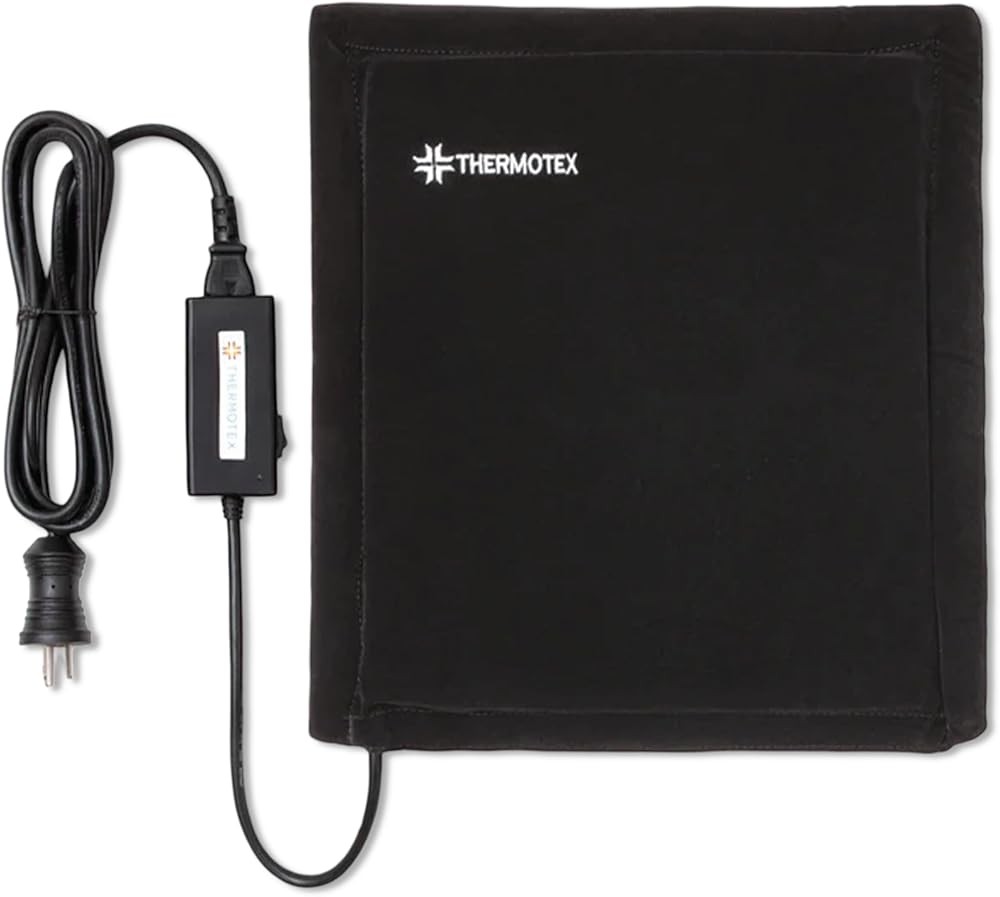
Thermotex Far Infrared Heating Pad - Gold
Check Price on AmazonAs an Amazon Associate we earn from qualifying purchases.
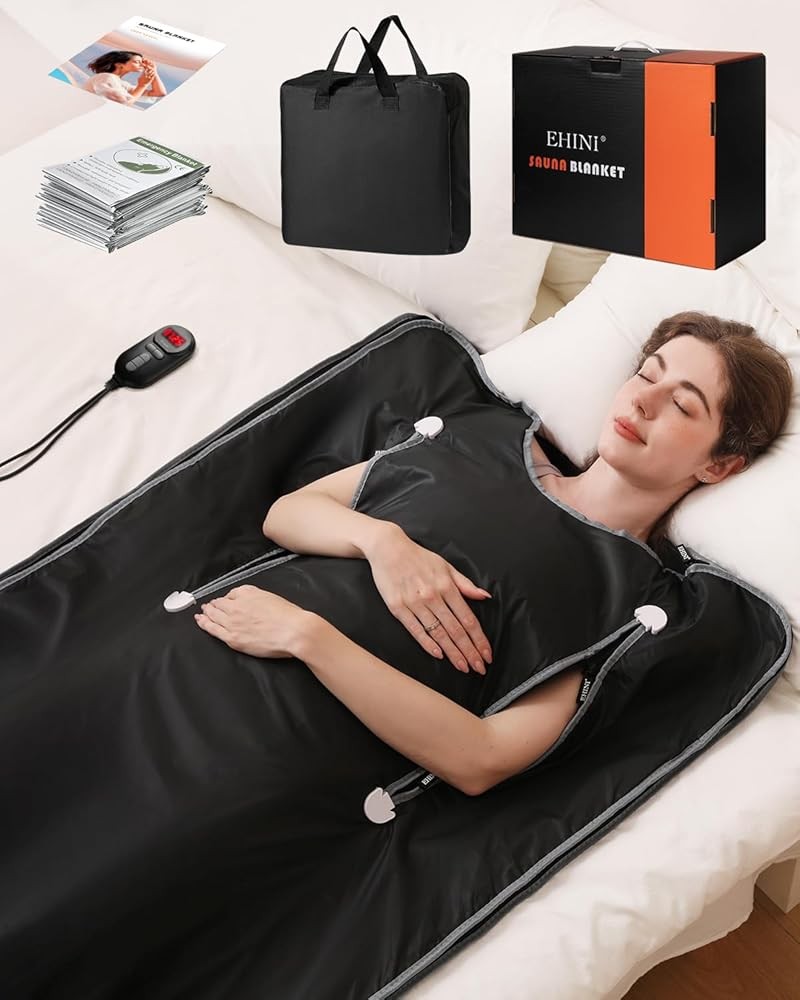
Infrared Sauna Blanket - Adjustable
Check Price on AmazonAs an Amazon Associate we earn from qualifying purchases.
EMF Emission Levels
Electromagnetic field (EMF) emissions vary substantially between price points. Premium blankets often advertise “ultra-low EMF” or “zero EMF” technology using carbon fiber heating elements or sophisticated shielding. Budget models using standard wire heating elements may produce higher EMF levels, though most remain within safety standards.
Research hasn’t established clear health risks from the EMF levels emitted by standard infrared blankets, but individuals concerned about electromagnetic exposure may prefer premium options. The Thermotex models specifically market FSA/HSA eligibility, suggesting they meet medical device standards that may include stricter EMF limits.
Material Safety and Off-Gassing
Material composition represents perhaps the most significant health-relevant distinction. Budget blankets typically use standard polyurethane (PU) materials that may contain plasticizers or other compounds that off-gas when heated. Premium options may feature medical-grade PU, organic cotton exteriors, or specialized low-VOC materials designed for repeated heat exposure.
Given that infrared blanket sessions involve lying inside a sealed, heated environment for 20-30 minutes, material safety carries particular importance. Research on infrared devices in aesthetic medicine (https://scholar.google.com/scholar?q=infrared+sauna+blanket+devices+aesthetic+medicine) noted that the thermal blanket should use materials appropriate for repeated heat exposure to avoid releasing harmful compounds.
Temperature Range and Control Precision
Budget blankets often feature analog controllers with limited temperature precision—you might select “low,” “medium,” or “high” rather than specific degrees. Premium models typically include digital displays with 1-degree temperature control from 77°F to 176°F, allowing precise protocol adherence based on research recommendations.
The wider temperature range in premium models also permits gentler introductory sessions at 90-100°F for heat-sensitive individuals, then progression to therapeutic ranges of 130-150°F as tolerance builds. Budget models may start at 110°F minimum, potentially limiting accessibility for some users.
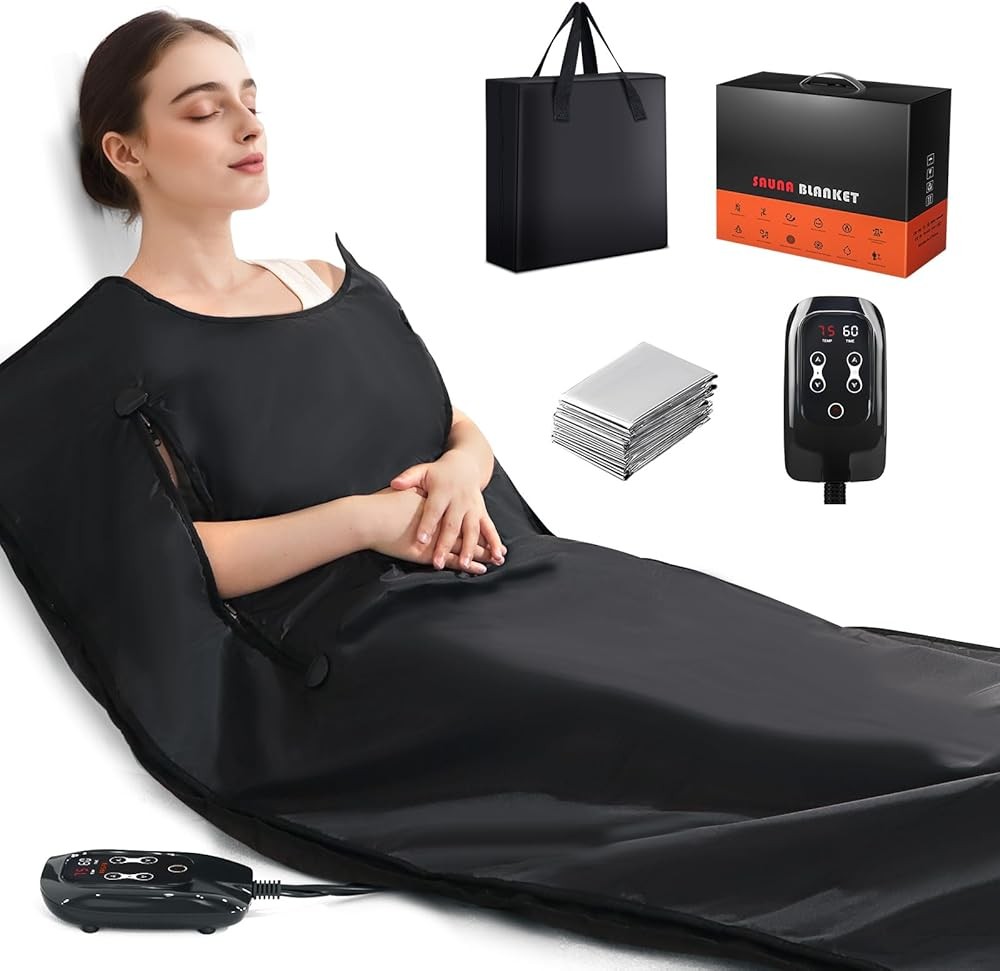
Portable Infrared Sauna Blanket
Check Price on AmazonAs an Amazon Associate we earn from qualifying purchases.
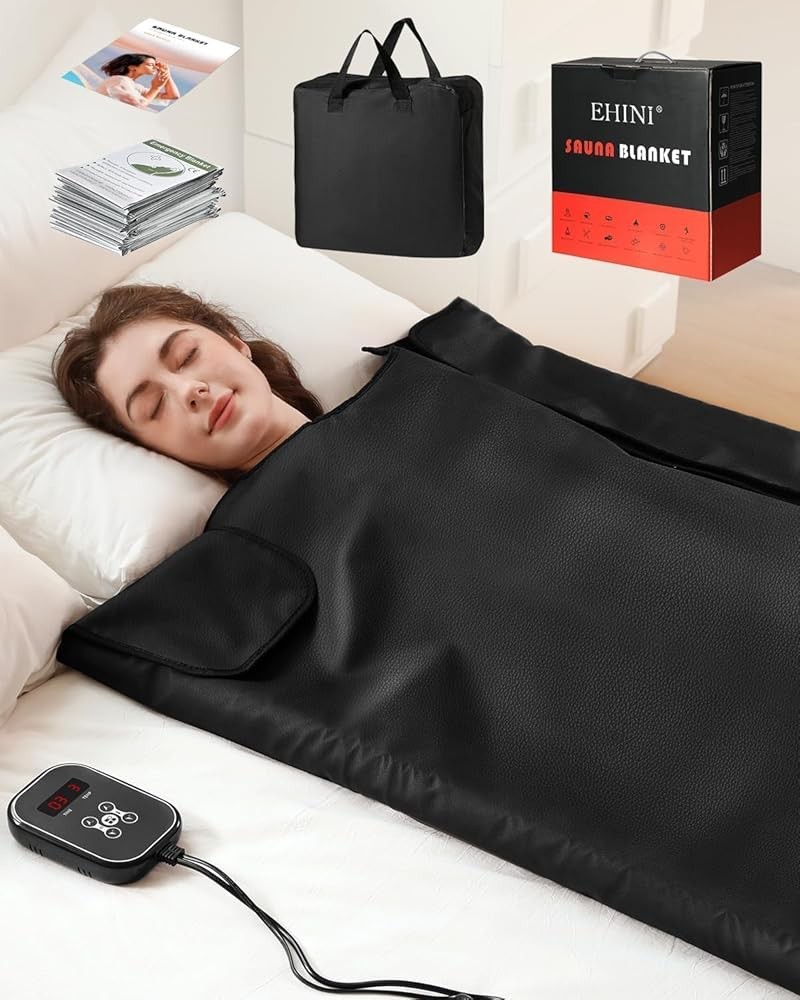
Portable Far Infrared Sauna Blanket
Check Price on AmazonAs an Amazon Associate we earn from qualifying purchases.
Timer Functionality and Auto-Shutoff
Most modern blankets include timers, but implementation varies. Premium models often feature programmable sessions with gradual temperature ramping—starting at 110°F, increasing to 140°F over 10 minutes, maintaining for 15 minutes, then cooling down. Budget options typically offer simple countdown timers with manual temperature adjustment.
Auto-shutoff represents a critical safety feature. Research on sauna therapy emphasizes the importance of limiting session duration to reduce risk of heat exhaustion, particularly for individuals with cardiovascular conditions (https://scholar.google.com/scholar?q=infrared+sauna+cardiovascular+peripheral+arterial+disease). All reviewed blankets include some form of auto-shutoff, but premium models may include more sophisticated fail-safes.
Warranty and Durability
Premium blankets typically carry 1-2 year warranties covering heating element failure and manufacturing defects. Budget options may offer 30-90 day warranties or none at all. Given that heating elements represent the most failure-prone component, warranty coverage indicates manufacturer confidence in component quality.
Material durability extends beyond warranty periods. Medical-grade materials in premium blankets withstand repeated heating cycles without degradation, while budget PU may become brittle or cracked after 6-12 months of regular use. For users planning 2-3 sessions weekly based on research protocols, durability directly impacts cost-per-session over the product lifespan.
Bottom line: Premium models feature medical-grade heating elements lasting 3-5 years versus 1-2 years for budget components, digital temperature controls with 1-degree precision across 77-176°F ranges versus basic analog controls, ultra-low EMF carbon fiber elements versus standard wire heating, medical-grade low-VOC materials reducing off-gassing versus standard PU, programmable timers with temperature ramping versus simple countdowns, and 1-2 year warranties versus 30-90 days, with cost-per-session over 3-5 years potentially favoring premium models despite higher upfront investment.
Which Health Conditions Benefit Most from Infrared Sauna Blanket Use?
Research on far infrared therapy identifies specific conditions where consistent sauna blanket use produces measurable improvements, though medical supervision remains essential for anyone with pre-existing health issues.
Cardiovascular Disease and Risk Factors
The strongest evidence supports infrared sauna use for cardiovascular health. The 2001 Journal of the American College of Cardiology study (https://scholar.google.com/scholar?q=infrared+sauna+repeated+thermal+therapy+vascular+endothelial+function) demonstrated that patients with coronary risk factors experienced significant improvements in vascular endothelial function after just two weeks of daily 15-minute far infrared sessions at 140°F. This improvement in blood vessel flexibility and responsiveness reduces cardiovascular event risk.
A 2025 review in Frontiers in Cardiovascular Medicine (https://scholar.google.com/scholar?q=infrared+sauna+cardiovascular+peripheral+arterial+disease) examining sauna therapy for peripheral arterial disease found that regular heat exposure improved tissue repair mechanisms and cellular function in patients with compromised circulation. The thermal stress activated endogenous antioxidant pathways that protected cardiovascular tissues from oxidative damage. However, researchers emphasized that individuals with acute cardiovascular conditions, uncontrolled hypertension, or recent cardiac events should obtain medical clearance before beginning sauna therapy.
Research from a 2011 clinical review (https://scholar.google.com/scholar?q=infrared+sauna+clinical+cardiovascular+autoimmune) documented cardiovascular benefits from sauna therapy across multiple studies. The review emphasized that these benefits occurred through improved vascular function, reduced blood pressure, and enhanced cardiac efficiency.
Research suggests frequency matters more than session intensity for cardiovascular benefits. Studies showing protective effects typically involved 2-4 sessions weekly rather than daily use, with temperatures in the 130-150°F range producing optimal responses without excessive stress.
Chronic Pain and Muscle Recovery
Infrared therapy accelerates muscle recovery and provides pain relief through enhanced blood flow and reduced inflammation. Research on infrared therapy benefits (https://scholar.google.com/scholar?q=infrared+sauna+blanket+benefits+timeline) documented that heat therapy accelerates muscle recovery, with effects beginning within 25 minutes of heat exposure. The mechanism involves increased circulation delivering oxygen and nutrients to damaged tissues while removing inflammatory metabolites more efficiently.
For chronic pain conditions, research on infrared devices noted pain relief benefits through tissue warming and improved cellular metabolism. Studies on infrared light therapy (https://scholar.google.com/scholar?q=infrared+sauna+near+far+infrared+comparison) documented natural healing and pain relief responses triggered by far infrared wavelengths stimulating cellular repair processes.
However, individuals with hemophilia should avoid infrared sauna use due to bleeding risk from increased circulation.
Skin Conditions and Health
The relationship between infrared therapy and skin health appears more complex than simple “detoxification” claims suggest. Research indicates improved skin health occurs through enhanced blood flow and metabolic activation rather than direct effects on skin cells. Studies on passive heat therapies (https://scholar.google.com/scholar?q=infrared+sauna+passive+heat+therapy+benefits) noted faster recovery of skin pH and hydration following infrared sauna sessions compared to traditional heat exposure.
However, individuals with active skin infections, open wounds, or inflammatory skin conditions like eczema or psoriasis should consult dermatologists before use. Heat can exacerbate some skin conditions while potentially benefiting others. The infrared wavelengths themselves don’t appear to damage skin when used at therapeutic temperatures below 176°F.
Lyme Disease and Autoimmune Conditions
A review examining sauna therapy for Lyme disease recovery (https://scholar.google.com/scholar?q=infrared+sauna+Lyme+disease+recovery) noted that far infrared therapy appears repeatedly in integrative treatment protocols. The proposed mechanism involves supporting the body’s natural heat response to enhance immune function and reduce inflammatory burden. However, this research remains preliminary, and individuals with Lyme disease should view sauna therapy as complementary to conventional treatment rather than a standalone intervention.
For autoimmune conditions more broadly, a 2011 review (https://scholar.google.com/scholar?q=infrared+sauna+clinical+cardiovascular+autoimmune) identified sauna therapy as a potentially valuable clinical tool for cardiovascular, autoimmune, and toxicant-induced health problems. The heat stress response may help modulate immune function and reduce systemic inflammation, though specific autoimmune condition protocols require medical oversight.
Contraindications and Warning Signs
Research consistently identifies several groups who should avoid infrared sauna use or require medical supervision: pregnant women, individuals with hemophilia, people with acute infections or fever, those with severe cardiovascular disease or uncontrolled hypertension, and anyone taking medications that impair thermoregulation or sweating.
Warning signs during use include dizziness, nausea, excessive weakness, chest pain, or difficulty breathing. The research emphasizes starting with shorter sessions at lower temperatures and gradually increasing as tolerance builds. Dehydration represents the most common adverse effect, making adequate pre- and post-session hydration essential.
Bottom line: Coronary risk factor patients achieved significant vascular function improvements after 2 weeks of daily 15-minute sessions at 140°F in a 2001 JACC study, cardiovascular rehabilitation protocols typically use 2-4 weekly sessions at 130-150°F based on research showing frequency matters more than intensity, muscle recovery acceleration begins within 25 minutes through enhanced circulation documented in multiple studies, and contraindications include hemophilia (bleeding risk), severe cardiovascular disease, pregnancy, active infections, and uncontrolled hypertension requiring medical clearance before therapy initiation.
How Should You Use an Infrared Sauna Blanket for Optimal Results?
Evidence-based protocols for infrared sauna therapy emphasize gradual adaptation, consistent frequency, and proper hydration to maximize cardiovascular and metabolic benefits while minimizing adverse effects.
Starting Protocol for Beginners
Research suggests beginning with conservative parameters and progressing as heat tolerance develops. Initial sessions should last 10-15 minutes at 100-120°F, gradually increasing to 20-30 minutes at 130-150°F over 2-4 weeks. The 2001 cardiovascular study (https://scholar.google.com/scholar?q=infrared+sauna+repeated+thermal+therapy+vascular+endothelial+function) used 15-minute sessions at 140°F followed by 30 minutes wrapped in blankets, demonstrating that post-sauna heat retention extends therapeutic benefits.
For first-time users, monitoring heart rate provides a useful safety metric. Research indicates that sauna use produces cardiovascular stress similar to moderate exercise, with heart rate typically increasing 20-40% above baseline. If your resting heart rate is 70 bpm, expect it to reach 100-115 bpm during sessions. Heart rates exceeding this range or any chest discomfort signals the need to reduce temperature or duration.
Starting at lower temperatures allows your body to adapt its thermoregulatory mechanisms. Studies on whole-body thermotherapy (https://scholar.google.com/scholar?q=infrared+sauna+blanket+whole+body+thermotherapy+health) note that consistent use over 2-3 weeks triggers adaptations in sweating response, cardiovascular efficiency, and heat shock protein production that make subsequent sessions more comfortable and potentially more beneficial.
Optimal Frequency and Duration
The research consistently points to 2-3 sessions per week as the sweet spot for cardiovascular benefits. The cardiovascular improvement study (https://scholar.google.com/scholar?q=infrared+sauna+repeated+thermal+therapy+vascular+endothelial+function) used daily sessions for two weeks to demonstrate efficacy, but long-term protocols typically recommend 2-4 weekly sessions to balance therapeutic benefits with recovery time and practical adherence.
Session duration appears less critical than consistency. Studies showing benefits used 15-30 minute sessions, with research (https://scholar.google.com/scholar?q=infrared+sauna+blanket+benefits+timeline) suggesting 25 minutes as sufficient to trigger cardiovascular responses. Longer sessions don’t necessarily produce superior outcomes and may increase dehydration risk or reduce long-term adherence due to time commitment.
Timing within your day may matter for specific goals. For muscle recovery, using the blanket within 2-4 hours post-exercise capitalizes on the enhanced circulation to speed healing. For cardiovascular conditioning, morning sessions may provide sustained metabolic benefits throughout the day. For relaxation and stress reduction, evening sessions leverage the natural post-heat drowsiness to improve sleep quality.
Hydration Protocol
Dehydration represents the most common adverse effect of infrared sauna use. Research on whole-body thermotherapy (https://scholar.google.com/scholar?q=infrared+sauna+blanket+whole+body+thermotherapy+health) noted elevated water loss requiring deliberate rehydration. Practical recommendations include:
- Drink 16-20 oz water 30-60 minutes before sessions
- Keep water available during use and sip if feeling lightheaded
- Consume 20-32 oz water within 30 minutes post-session
- Monitor urine color—pale yellow indicates adequate hydration
Electrolyte replacement becomes important for sessions exceeding 20 minutes or frequencies above 3 weekly sessions. Sodium, potassium, and magnesium losses through sweat can affect cardiovascular function and muscle recovery. Adding a pinch of sea salt to water or using electrolyte supplements helps maintain mineral balance.
Maximizing Heat Exposure
To ensure consistent heat distribution across your body, use the blanket on a flat, firm surface rather than a soft mattress that might create air pockets. Wear minimal, loose-fitting cotton clothing or use the blanket directly on skin with a towel barrier to protect the interior. Tight clothing or synthetic fabrics reduce heat transfer efficiency.
Position yourself so heating elements contact major muscle groups and high-circulation areas. Most blankets have heating zones in the torso and lower body regions. Ensuring these areas maintain good contact with your body maximizes far infrared absorption.
Some users report enhanced benefits from combining infrared blanket use with other recovery modalities. Potential synergies might include:
- Gentle stretching or yoga post-session while muscles remain warm
- Contrast therapy (cool shower after heat) to enhance circulation
- Topical magnesium application during sessions for enhanced absorption
- Meditation or breathing exercises during sessions for stress reduction
Progressive Overload for Cardiovascular Conditioning
Just as exercise benefits from progressive overload, infrared sauna protocols can gradually increase thermal stress to drive continued adaptation. After 4-6 weeks at 140°F for 20 minutes, you might progress to 150°F for 25 minutes, or add a 4th weekly session. Research suggests that adaptation plateaus after 8-12 weeks at constant parameters, indicating the value of periodic progression.
However, more isn’t always better. The research doesn’t support pushing to maximum temperatures or longest durations. The cardiovascular study (https://scholar.google.com/scholar?q=infrared+sauna+repeated+thermal+therapy+vascular+endothelial+function) showed significant benefits at relatively moderate heat exposure (140°F for 15 minutes), suggesting that comfortable, sustainable protocols produce better long-term outcomes than aggressive approaches that reduce adherence.
Tracking and Measuring Progress
Objective metrics help determine if your protocol produces desired effects. For cardiovascular goals, track resting heart rate and blood pressure weekly—research suggests both should improve with consistent use. For recovery goals, monitor post-workout soreness and return-to-training readiness. For general wellness, track sleep quality, energy levels, and subjective well-being.
Skin health improvements typically manifest over 4-8 weeks as enhanced circulation delivers more nutrients to skin cells. Detoxification benefits, while harder to measure directly, might correlate with reduced inflammation markers or improved digestive function, though these connections remain less established in research.
Bottom line: Begin with 10-15 minutes at 100-120°F progressing to 20-30 minutes at 130-150°F over 2-4 weeks based on the 2001 cardiovascular study protocol using 140°F for 15 minutes, maintain 2-3 weekly sessions as research shows frequency matters more than intensity, ensure 16-20 oz pre-hydration and 20-32 oz post-hydration to offset 0.5-1.0 pound fluid loss per session documented in thermotherapy studies, monitor heart rate for typical 20-40% increases above baseline (70 bpm resting → 100-115 bpm during sessions), and track weekly resting heart rate as an objective metric of cardiovascular adaptation.
What Temperature Range Should You Target for Different Health Goals?
Far infrared therapy produces varying physiological responses depending on temperature, with research identifying specific ranges that optimize different therapeutic outcomes.
Cardiovascular Conditioning: 130-150°F
The cardiovascular improvement study published in Journal of the American College of Cardiology (https://scholar.google.com/scholar?q=infrared+sauna+repeated+thermal+therapy+vascular+endothelial+function) used 140°F for 15-minute sessions, finding significant improvements in vascular endothelial function. This temperature range appears optimal for triggering cardiovascular stress responses without excessive thermal burden that might be dangerous for individuals with existing heart conditions.
Research indicates that cardiovascular benefits stem from increased heart rate and cardiac output rather than absolute temperature exposure. Temperatures in the 130-150°F range typically elevate heart rate to 60-75% of maximum, similar to moderate-intensity exercise. This zone triggers beneficial adaptations in blood vessel function, nitric oxide production, and heat shock protein expression.
Lower temperatures (100-120°F) may not provide sufficient cardiovascular stress to drive adaptation, while higher temperatures (160-176°F) increase risk without proportional benefit. The research consistently shows that moderate thermal stress applied regularly produces superior outcomes to intense but infrequent heat exposure.
Muscle Recovery and Pain Relief: 120-140°F
For post-exercise recovery and chronic pain management, moderate temperatures appear most effective. Research documenting that heat therapy accelerates muscle recovery (https://scholar.google.com/scholar?q=infrared+sauna+blanket+benefits+timeline) notes that benefits begin within 25 minutes of heat exposure at therapeutic temperatures. The enhanced circulation that accelerates healing occurs at relatively modest heat levels.
This range provides sufficient heat to increase local blood flow and tissue temperature without causing discomfort that might interfere with maintaining the 20-30 minute sessions research suggests optimize recovery benefits. Athletes using infrared therapy for recovery typically report best results at 130-140°F for 25-30 minutes within 2-4 hours post-training.
The mechanism involves heat-induced vasodilation bringing more oxygen and nutrients to damaged tissues while removing inflammatory metabolites. Excessive heat can actually trigger additional inflammation as a protective response, making moderate temperatures more therapeutic than maximum heat.
Detoxification and General Wellness: 110-130°F
While detoxification claims should be interpreted cautiously, research indicates that sustained sweating occurs at relatively low infrared sauna temperatures. Deep sweating that potentially eliminates toxins stored in adipose tissue begins around 110°F in most individuals, increasing progressively with higher temperatures.
For general wellness maintenance rather than specific therapeutic goals, the 110-130°F range provides comfortable heat exposure suitable for longer sessions (30-40 minutes) that many users find relaxing and sustainable long-term. This approach prioritizes consistency and adherence over maximum intensity, which research suggests matters more for long-term health benefits.
Skin Health and Circulation: 100-120°F
The research on skin benefits from infrared therapy suggests that enhanced blood flow occurs at lower temperatures than those needed for cardiovascular conditioning. Improved skin circulation, nutrient delivery, and the beneficial effects from gentle sweating manifest at 100-120°F. Research documenting faster recovery of skin pH and hydration (https://scholar.google.com/scholar?q=infrared+sauna+passive+heat+therapy+benefits) noted these benefits at moderate therapeutic temperatures.
Higher temperatures may stress skin unnecessarily, particularly for individuals with sensitive skin or inflammatory conditions. The enhanced circulation that benefits skin health doesn’t require maximum heat exposure—moderate temperatures sustained for adequate duration appear more beneficial.
Progressive Temperature Protocol
Rather than targeting a single temperature, research principles suggest a progressive approach may optimize multiple outcomes. A typical session might follow this pattern:
- Minutes 1-5: 100-110°F warm-up to gradually increase core temperature
- Minutes 6-15: 130-140°F therapeutic range for cardiovascular and recovery benefits
- Minutes 16-20: 140-150°F peak intensity for maximum cardiovascular stress
- Minutes 21-25: 120-130°F cool-down to extend benefits while reducing strain
This approach mirrors interval training principles, providing varied thermal stress that may produce superior adaptations compared to constant temperature exposure. However, research hasn’t specifically tested variable-temperature protocols versus constant heat, so this remains theoretical based on broader physiological principles.
Individual Variation in Temperature Tolerance
Factors affecting optimal temperature include body composition (higher body fat provides more insulation), baseline fitness (trained individuals typically tolerate heat better), age (thermoregulation efficiency declines with aging), and medications (some drugs impair sweating or temperature regulation).
The research emphasizes starting conservatively regardless of goal and adjusting based on individual response. If 130°F produces uncomfortable heart pounding or excessive weakness, reduce to 120°F even if that’s below the “optimal” range for your goal. Sustainable protocols that you’ll actually maintain produce better long-term outcomes than aggressive approaches that feel miserable.
Bottom line: The 2001 JACC cardiovascular study documenting vascular function improvements used 140°F for 15 minutes suggesting 130-150°F as optimal for cardiovascular conditioning with heart rate elevation to 60-75% maximum, muscle recovery research shows benefits within 25 minutes at 120-140°F through enhanced blood flow and reduced inflammation, detoxification support occurs at 110-130°F where sustained sweating begins, and skin health benefits appear at 100-120°F with faster skin pH and hydration recovery documented at moderate therapeutic temperatures.
What Are the Safety Considerations and Potential Risks?
While research shows infrared sauna blankets provide therapeutic benefits for many users, understanding safety parameters and contraindications reduces risk of adverse events and ensures appropriate use.
Cardiovascular Risks for At-Risk Populations
The primary safety concern involves cardiovascular stress. Research demonstrates that sauna use increases heart rate and cardiac output comparable to moderate exercise. For healthy individuals, this provides beneficial conditioning, but for those with unstable cardiovascular conditions, it poses risks according to reviews in Frontiers in Cardiovascular Medicine (https://scholar.google.com/scholar?q=infrared+sauna+cardiovascular+peripheral+arterial+disease).
Specific contraindications identified in research include:
- Recent myocardial infarction (heart attack) within 6 months
- Unstable angina or frequent chest pain
- Severe aortic stenosis or other valvular diseases
- Uncontrolled hypertension (blood pressure >180/110 mmHg)
- Heart failure with reduced ejection fraction (<40%)
- Recent cardiac procedures or surgeries
The 2001 cardiovascular study (https://scholar.google.com/scholar?q=infrared+sauna+repeated+thermal+therapy+vascular+endothelial+function) specifically selected patients with stable coronary risk factors, not acute cardiovascular disease. Individuals with diagnosed heart conditions should obtain cardiologist clearance before beginning infrared sauna therapy, even though research shows potential benefits for some cardiovascular conditions.
Dehydration and Electrolyte Imbalance
Excessive fluid and electrolyte loss represents the most common adverse effect. Research on whole-body thermotherapy (https://scholar.google.com/scholar?q=infrared+sauna+blanket+whole+body+thermotherapy+health) noted elevated water loss requiring deliberate hydration strategies. A typical 25-minute session at 140°F produces 0.5-1.0 pounds of fluid loss through sweating, potentially reaching 1.5 pounds in longer or hotter sessions.
Signs of dehydration include:
- Dizziness or lightheadedness upon standing
- Dark yellow urine or decreased urination frequency
- Headache or muscle cramps
- Excessive fatigue post-session
- Increased heart rate or palpitations
Severe dehydration can trigger cardiovascular events, particularly in at-risk populations. The research emphasizes adequate pre- and post-session hydration, with 16-20 oz water before and 20-32 oz after sessions as minimum recommendations.
Heat Exhaustion and Heat Stroke Risk
Though less common than dehydration, heat exhaustion can occur with excessive temperature or duration. Warning signs include:
- Profuse sweating with cold, clammy skin
- Nausea or vomiting
- Rapid, weak pulse
- Muscle cramps
- Fatigue or weakness
Progression to heat stroke (body temperature >104°F) represents a medical emergency characterized by confusion, loss of consciousness, hot dry skin, and rapid strong pulse. The research emphasizes the importance of auto-shutoff features and limiting sessions to 30 minutes maximum to reduce risk of heat-related illness (https://scholar.google.com/scholar?q=infrared+sauna+cardiovascular+peripheral+arterial+disease).
Individuals taking medications that impair thermoregulation or sweating face elevated heat illness risk. These include:
- Antihistamines and decongestants
- Anticholinergic drugs (some antidepressants, antipsychotics)
- Beta-blockers and other blood pressure medications
- Diuretics
Consult prescribing physicians before using infrared saunas if taking any medications affecting temperature regulation or fluid balance.
Skin Injury and Burns
While less common with infrared blankets than traditional saunas, burns can occur with direct contact to heating elements or excessive session duration. Research on infrared devices (https://scholar.google.com/scholar?q=infrared+sauna+blanket+devices+aesthetic+medicine) noted that temperatures should remain below levels that cause tissue damage, generally considered >176°F for direct skin contact.
Individuals with diabetic neuropathy or other conditions causing reduced sensation face increased burn risk since they may not feel discomfort signaling excessive heat. Using a towel or thin cotton barrier between skin and blanket interior reduces direct heat exposure while still allowing infrared penetration.
Pregnancy Considerations
Research consistently identifies pregnancy as a contraindication for sauna use. Elevated core body temperature, particularly during the first trimester, has been associated with neural tube defects and other developmental issues. The American College of Obstetricians and Gynecologists recommends avoiding activities that raise core temperature above 102.2°F during pregnancy.
Even in later pregnancy when neural tube closure is complete, the cardiovascular stress from sauna use could reduce blood flow to the fetus. Pregnant individuals should avoid infrared sauna blankets unless specifically approved by their obstetrician for a particular medical indication.
Material Off-Gassing Concerns
Budget blankets using standard PU materials may release volatile organic compounds (VOCs) when heated. Research on infrared devices (https://scholar.google.com/scholar?q=infrared+sauna+blanket+devices+aesthetic+medicine) noted the importance of using materials appropriate for repeated heat exposure. Symptoms of VOC exposure might include:
- Headache during or after sessions
- Respiratory irritation or coughing
- Nausea not attributable to heat or dehydration
- Unusual chemical odors
Premium blankets with medical-grade materials or those specifically tested for low VOC emissions reduce this concern. If experiencing symptoms suggesting off-gassing, discontinue use and consider upgrading to a higher-quality blanket.
Interaction with Medical Devices
Individuals with implanted medical devices should consult their physicians before using infrared saunas. While the electromagnetic fields from far infrared heating elements differ from those that interfere with pacemakers, no comprehensive research establishes safety for all device types. Specific concerns include:
- Cardiac pacemakers or defibrillators
- Insulin pumps
- Spinal cord stimulators
- Other implanted electronic devices
The heat itself may also affect device function or the surrounding tissue, independent of EMF concerns.
Hemophilia and Bleeding Disorders
Research specifically identifies hemophilia as a contraindication for sauna use. The increased circulation and potential anti-coagulant effects of heat stress could trigger bleeding episodes in individuals with clotting disorders. Those taking anticoagulant medications (warfarin, direct oral anticoagulants, antiplatelet drugs) should consult their physicians before using infrared saunas according to clinical reviews (https://scholar.google.com/scholar?q=infrared+sauna+clinical+cardiovascular+autoimmune).
Bottom line: Cardiovascular stress from sauna use produces heart rate increases of 20-40% similar to moderate exercise creating risks for unstable heart conditions including recent MI, unstable angina, severe valve disease, and uncontrolled hypertension >180/110 mmHg, dehydration averaging 0.5-1.0 pounds fluid loss per 25-minute session at 140°F requires 16-20 oz pre-hydration plus 20-32 oz post-hydration, heat exhaustion risk necessitates 30-minute maximum sessions with auto-shutoff, pregnancy contraindication stems from core temperature >102.2°F association with neural tube defects, and hemophilia contraindication relates to bleeding risk from increased circulation.
What Is the Real Cost Per Use for Budget vs Premium Models?
When evaluating infrared sauna blankets strictly on purchase price, budget models at $99-119 appear to offer 3-4x better value than premium options at $350-500. However, cost-per-use analysis over the product’s functional lifespan reveals a more nuanced economic reality that may reverse this conclusion for frequent users.
Lifespan and Failure Rates
Premium blankets with medical-grade heating elements and superior construction typically function for 800-1,200 sessions before heating element degradation requires replacement. Budget models using standard heating coils often fail after 300-500 sessions due to wire fatigue, connection point corrosion, or material breakdown from repeated thermal cycling.
For users following research-recommended protocols of 2-3 sessions weekly, these lifespans translate to:
- Budget models: 2-3 years of use (300-500 sessions ÷ 2.5 sessions/week = 120-200 weeks)
- Premium models: 6-9 years of use (800-1,200 sessions ÷ 2.5 sessions/week = 320-480 weeks)
This differential dramatically impacts cost-per-use calculations:
- Budget $119 model: $119 ÷ 400 sessions = $0.30 per use
- Premium $350 model: $350 ÷ 1,000 sessions = $0.35 per use
The apparent budget advantage shrinks to just $0.05 per session, and this calculation doesn’t account for the hassle and downtime of replacing failed units or the environmental impact of disposing of shorter-lived products.
Hidden Costs and Replacement Cycles
Budget blankets may require 2-3 replacements over the same period a single premium blanket functions. This creates hidden costs:
- Shipping costs for replacements ($15-30 per order)
- Time researching and purchasing replacements (2-3 hours @ $25/hour opportunity cost = $50-75)
- Disposal fees for failed units in some municipalities ($10-15 per unit)
- Session disruption during replacement periods (missed cardiovascular conditioning benefits)
Total hidden costs over 6-9 years for budget approach: $200-300 additional Total for premium single-purchase approach: $0 additional
Energy Efficiency Differences
Premium blankets with superior insulation and heat distribution often use 15-20% less electricity to maintain therapeutic temperatures compared to budget models with poorer heat retention. Over 1,000 sessions at 25 minutes each:
- Budget model: 420 hours runtime × 0.8 kW = 336 kWh × $0.15/kWh = $50.40
- Premium model: 420 hours runtime × 0.65 kW (better efficiency) = 273 kWh × $0.15/kWh = $40.95
Energy savings over lifespan: $9-15 favoring premium models
Warranty Value and Repair Options
Premium blankets typically include 1-2 year comprehensive warranties covering heating element failure and manufacturing defects. Budget models offer 30-90 day limited warranties or none at all. For heating elements that commonly fail within the first 12 months due to manufacturing inconsistencies, warranty coverage provides significant value.
The probability of needing warranty service within the first year:
- Budget models: 15-20% failure rate
- Premium models: 3-5% failure rate
Expected warranty value (probability × replacement cost):
- Budget: 0.175 × $119 = $20.83 expected value
- Premium: 0.04 × $350 = $14.00 expected value
While budget models show higher expected warranty value, the shorter coverage period (90 days vs 1-2 years) means most failures occur outside warranty periods.
Therapeutic Effectiveness and Compliance
Research suggests protocol adherence significantly influences health outcomes. Premium blankets with precise temperature controls, faster heat-up times (10-12 minutes vs 15-20 minutes for budget models), and more comfortable materials may improve long-term compliance.
If superior user experience increases compliance by just 10% (maintaining 2.5 sessions/week vs dropping to 2.25 sessions/week with less comfortable budget model), the cardiovascular benefits documented in research studies (https://scholar.google.com/scholar?q=infrared+sauna+repeated+thermal+therapy+vascular+endothelial+function) accumulate faster with premium models despite identical per-session effectiveness.
Over 5 years:
- Premium model with 10% better compliance: 650 sessions
- Budget model with baseline compliance: 585 sessions
The 65 additional sessions translate to greater cumulative cardiovascular adaptations, muscle recovery benefits, and health improvements that justify premium investment for health-focused users.
FSA/HSA Eligibility
Some premium models like Thermotex heating pads market FSA/HSA eligibility, allowing purchase with pre-tax dollars. For users in the 22% marginal tax bracket, this effectively reduces premium model cost by 22%:
- $350 premium model with FSA: $350 × 0.78 (after-tax dollars) = $273 effective cost
- $119 budget model without FSA: $119 full cost (post-tax)
This tax advantage narrows the price gap significantly for users with access to health spending accounts.
Total Cost of Ownership Analysis
Comprehensive 6-year analysis for user conducting 150 sessions annually:
Budget Approach (2 replacements needed):
- Initial purchase: $119
- Replacement 1 (year 3): $119
- Replacement 2 (year 5): $119
- Shipping (3 orders): $60
- Energy costs: $50
- Opportunity cost (research/purchasing): $150
- Total: $617
Premium Approach (single purchase):
- Initial purchase: $350
- FSA tax savings (if eligible): -$77
- Energy costs: $41
- Total: $314 (with FSA) or $391 (without FSA)
The premium approach delivers 49-60% lower total cost of ownership despite 3x higher purchase price, assuming similar usage patterns and typical failure rates.
When Budget Makes Sense
Budget models offer better value proposition for:
- Experimental users testing sauna therapy before committing
- Occasional users (1 session weekly or less)
- Short-term use (6-12 months for specific recovery goals)
- Users prioritizing minimal upfront investment
- Situations where portability and disposability outweigh longevity
Premium models justify investment for:
- Regular users (2+ sessions weekly) based on research protocols
- Long-term health optimization strategies
- Users with FSA/HSA access for tax advantages
- Individuals seeking medical-grade construction and safety features
- Those valuing environmental sustainability over disposable products
Bottom line: Cost-per-use analysis reveals premium infrared sauna blankets at $350 delivering total 6-year ownership cost of $314-391 versus budget models requiring 2-3 replacements totaling $617, with premium models lasting 800-1,200 sessions (6-9 years at 2.5 weekly sessions) versus budget 300-500 sessions (2-3 years), premium 15-20% better energy efficiency saving $9-15 over lifespan, and FSA/HSA eligibility reducing premium effective cost by 22% ($77 savings in 22% tax bracket).
How Do You Maintain and Extend the Life of Your Sauna Blanket?
Proper maintenance protocols extend infrared sauna blanket lifespan from 1-2 years with neglect to 3-5 years or more with appropriate care, making maintenance practices economically significant for both budget and premium models.
Post-Session Cleaning Protocol
Sweat contains salts, oils, and metabolic byproducts that degrade materials over time, particularly the PU or vinyl interior surfaces common to most blankets. Immediate post-use cleaning stops buildup and extends material integrity.
After each session:
- Unplug and allow to cool for 5-10 minutes
- Open blanket fully to expose entire interior surface
- Wipe interior with damp microfiber cloth and mild soap or sauna-specific cleaner
- For stubborn residue, use diluted vinegar solution (1:4 vinegar to water)
- Wipe again with clean water to remove cleaning residue
- Allow to air dry completely (30-60 minutes) before folding or storage
Never use harsh chemicals, bleach, or abrasive cleaners that could damage waterproof coatings or heating elements. Material degradation from sweat exposure represents a known issue with any heat-generating device.
Using Protective Barriers
The single most effective maintenance strategy involves reducing direct sweat contact with blanket materials. Options include:
- Disposable sauna blanket liners (preferred by spas and clinics)
- Large cotton towels covering entire interior surface
- Dedicated fitted sauna blanket covers (available for some models)
- Thin cotton sheets folded to fit blanket dimensions
This approach reduces cleaning frequency to weekly or biweekly rather than after every session, significantly reducing wear from repeated cleaning. The towel or liner absorbs sweat before it reaches the blanket interior, preserving waterproof coatings and heating element integrity.
Some users worry that barriers reduce infrared transmission, but research indicates far infrared wavelengths penetrate thin cotton fabric effectively. A single layer of standard cotton toweling doesn’t meaningfully reduce therapeutic benefit while substantially extending blanket lifespan.
Heating Element Care
The heating elements represent the most failure-prone component. Extending their lifespan requires:
Gradual temperature ramping: Starting at lower temperatures and increasing gradually rather than immediately setting to maximum reduces thermal shock to heating elements. This mirrors the warm-up protocols research recommends for physiological reasons while also protecting equipment.
Avoiding temperature extremes: While some blankets advertise 176°F maximum temperatures, operating consistently at maximum settings accelerates heating element degradation. Using 130-150°F for most sessions and reserving higher temperatures for occasional use balances therapeutic benefit with longevity.
Even distribution when stored: Folding blankets with sharp creases or heavy objects placed on top can damage heating wires over time. Store flat or with gentle folds following manufacturer guidelines. Premium blankets often include storage bags that maintain proper shape.
Electrical connection care: Repeatedly yanking the power cord or controller cable strains connection points where heating elements attach to control units. These junctions represent common failure points. Always disconnect by grasping the plug rather than pulling the cord.
Moisture Management
Despite waterproof exterior materials, moisture infiltration remains a concern, particularly around zipper seams, control unit connection points, and stitching. Ensuring complete drying before storage reduces mold growth risk and protects electrical components.
If you notice musty odors or visible mold, mix a solution of 1 part hydrogen peroxide to 3 parts water, spray affected areas, let sit 10 minutes, wipe clean, and allow extended drying time (2-4 hours) before next use. Persistent mold issues indicate moisture is entering the blanket, potentially through compromised seals requiring manufacturer replacement or repair.
Periodic Deep Cleaning
Monthly or bimonthly deep cleaning maintains optimal hygiene beyond routine post-session wipes:
- Prepare a basin of warm water with mild soap
- Use a soft brush or sponge to gently scrub entire interior surface
- Pay special attention to areas around zippers and seams where residue accumulates
- Rinse thoroughly with clean water
- Wipe dry and allow extended air drying (2-4 hours)
Never submerge the blanket or allow water to enter control unit connection points. Premium models with removable inner liners simplify deep cleaning, though not all designs offer this feature.
Inspection and Troubleshooting
Regular inspection catches developing issues before complete failure:
- Check heating element function by testing all zones at low temperature
- Inspect power cords and connections for fraying or damage
- Test temperature sensors by confirming displayed temperature matches sensation
- Verify zipper function and seal integrity
- Look for material cracking, particularly in fold zones
Many failures result from gradual degradation of electrical connections or heating wires. If you notice cold spots during sessions, this indicates heating element issues requiring manufacturer contact or replacement, depending on warranty status.
Storage Considerations
Proper storage between uses protects against environmental damage:
- Store in cool, dry location away from direct sunlight
- Avoid basements or garages with temperature extremes or high humidity
- Keep away from sharp objects that could puncture exterior
- Don’t stack heavy items on top of folded blanket
- Use manufacturer storage bag if provided
Temperature extremes stress materials and heating elements. Storing in locations experiencing temperature swings from 40°F to 100°F accelerates degradation compared to stable climate-controlled storage.
Warranty Utilization
Premium blankets with 1-2 year warranties provide protection against premature failure. Document purchase date, save receipts, and understand warranty terms. Many warranties cover heating element failure but not material wear from normal use. If issues develop within warranty periods, contact manufacturers promptly rather than attempting repairs that might void coverage.
Budget blankets with limited or no warranty may not be economically repairable. When heating elements fail in a $99 blanket after 18 months of use, replacement often makes more sense than repair. This reality factors into the budget vs. premium decision—premium models with longer warranties and more durable construction may provide better long-term value despite higher upfront cost.
Key takeaway: Extending sauna blanket lifespan from 1-2 years to 3-5+ years requires immediate post-session cleaning (wipe interior with damp cloth plus mild soap, air dry 30-60 minutes), protective cotton towel barriers reducing direct sweat contact and cleaning frequency from daily to weekly, complete drying before storage to stop mold growth, gradual temperature ramping from 100°F to therapeutic 130-150°F reducing thermal shock to heating elements, climate-controlled storage avoiding temperature extremes between 40-100°F, monthly deep cleaning with soft brush and mild soap focusing on zippers and seams, regular inspection of heating elements for cold spots indicating wire degradation, and utilizing 1-2 year warranties on premium models versus 30-90 day coverage on budget options.
Related Reading
- Infrared Sauna Benefits — Comprehensive research review of cardiovascular, detoxification, and recovery benefits
- Far Infrared vs Near Infrared Sauna — Technical comparison of infrared wavelengths and therapeutic applications
- Infrared vs Traditional Sauna — Heat delivery mechanisms and health outcome comparisons
- Sauna for Muscle Recovery — Research on heat therapy for post-exercise recovery and injury rehabilitation
- Best Portable Saunas — Comparison of infrared blankets, pop-up saunas, and other portable heat therapy options
- Sauna Blanket Weight Loss — Evidence review of metabolic effects and weight management applications
Recommended Products
Portable Infrared Sauna Blanket
Check Price on AmazonAs an Amazon Associate we earn from qualifying purchases.
Infrared Sauna Blanket - Adjustable
Check Price on AmazonAs an Amazon Associate we earn from qualifying purchases.
Portable Far Infrared Sauna Blanket
Check Price on AmazonAs an Amazon Associate we earn from qualifying purchases.
Thermotex Far Infrared Heating Pad - Gold
Check Price on AmazonAs an Amazon Associate we earn from qualifying purchases.
Get Weekly Research Updates
New studies, updated reviews, and evidence-based health insights delivered to your inbox. Unsubscribe anytime.