Heated Eye Massager Benefits: What Research Shows About Warm Compress Therapy
Summarized from peer-reviewed research indexed in PubMed. See citations below.
Eye strain and dry eye symptoms affect over 50% of people who spend extended time on digital devices. The BOB AND BRAD EyeOasis 2 Heated Eye Mask ($49) delivers therapeutic warmth at the research-validated 40°C temperature that improved meibomian gland function in clinical studies. Research demonstrates that sustained eyelid warming combined with gentle massage addresses the root cause of evaporative dry eye by liquifying blocked meibomian gland secretions, with automated devices showing better user compliance versus manual warm compresses. For budget-conscious buyers, the Ezona Cotton Cordless Heated Eye Mask ($34) provides consistent therapeutic heat without the advanced massage features. Here’s what the published research shows about warm compress therapy and heated eye massager benefits.
Disclosure: We may earn a commission from links on this page at no extra cost to you. Affiliate relationships never influence our ratings. Full policy →
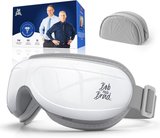
Understanding the therapeutic benefits of heated eye massagers requires examining the clinical research behind warm compress therapy. Studies demonstrate that controlled heat application to the periorbital area addresses multiple physiological mechanisms that contribute to eye discomfort, with documented improvements in meibomian gland function, tear film stability, and circulation. The convergence of temperature control technology and traditional warm compress therapy has created devices that deliver consistent therapeutic outcomes.
| Feature | BOB AND BRAD EyeOasis 2 | Ezona Cotton Cordless | Premium Heat/Cool | arboleaf 5 Modes |
|---|---|---|---|---|
| Price | $49 | $34 | $169 | $39 |
| Temperature Control | 40°C therapeutic heat | Consistent warmth | Multi-temp settings | Heat therapy |
| Massage Functions | Vibration + compression | None | Air compression + vibration | 5 compression modes |
| Power Source | Rechargeable cordless | Rechargeable | Rechargeable | Rechargeable |
| Timer Settings | 15-minute auto-off | Multiple timers | Programmable | Auto shutoff |
| Special Features | Built-in music player | 100% cotton comfort | Heating + cooling modes | Bluetooth connectivity |
| Best For | Comprehensive therapy | Budget MGD management | Advanced features | Versatile treatment |
What Does Research Show About Optimal Temperature for Heated Eye Therapy?
Clinical investigations into therapeutic temperature ranges reveal that 40°C (104°F) represents the optimal temperature for melting meibomian gland secretions without causing tissue damage. A study published in 2016 demonstrated that heated compress therapy at this specific temperature improved meibomian gland secretion quality compared to baseline measurements. This temperature range effectively liquifies the waxy meibum that can become solid at normal eyelid temperatures of approximately 34-35°C.
The physiological basis for this temperature requirement relates to the melting point of meibomian gland lipids. These specialized secretions contain a complex mixture of cholesterol esters, wax esters, and other lipids that contribute to tear film stability. When these lipids solidify due to insufficient warmth or gland dysfunction, they create blockages that compromise tear film quality and lead to evaporative dry eye symptoms.
Research comparing different warming devices found that electric heated eye masks maintained the therapeutic temperature more consistently than microwave-heated alternatives throughout the treatment session. This consistency proves crucial because intermittent heating fails to adequately soften meibomian secretions, reducing therapeutic effectiveness.
Studies also established that sustained warming for 10 minutes or longer at 40°C optimizes meibomian gland lipid secretion. Shorter durations may warm superficial tissues without adequately affecting the deeper meibomian glands embedded within the tarsal plates of the eyelids. The duration-temperature relationship demonstrates why automated devices with controlled heating elements and timer functions enhance therapeutic outcomes.
Temperature regulation in heated eye massagers addresses safety concerns while maximizing therapeutic benefits. Temperatures above 45°C risk thermal injury to delicate periorbital tissues, while temperatures below 38°C may provide insufficient warmth to adequately affect meibomian gland function. Modern devices incorporate temperature sensors and automatic shutoff features to maintain the therapeutic range.
The research verdict: Research supports devices that deliver consistent 40°C warmth for 10-15 minute sessions as the evidence-based standard for therapeutic heated eye therapy.
How Do Heated Eye Massagers Improve Meibomian Gland Function?
The meibomian glands, located within the tarsal plates of both upper and lower eyelids, produce the lipid layer of the tear film that reduces excessive evaporation. Dysfunction of these glands represents the leading cause of evaporative dry eye disease, affecting approximately 86% of dry eye cases. Heated therapy addresses this dysfunction through multiple mechanisms that research has thoroughly documented.
Studies demonstrate that combined thermal-mechanical therapy improved tear break-up time by an average of 2.8 seconds in patients with meibomian gland dysfunction. Tear break-up time measures how long the tear film remains stable after a blink before developing dry spots on the corneal surface. Improvements in this measurement indicate enhanced tear film quality and stability.
Research on warm compress combined with lid massage showed improvements in meibomian gland dropout scores and tear film quality. Meibomian gland dropout refers to the permanent loss of functional glands, visible through specialized imaging techniques. While established dropout cannot be reversed, thermal therapy helps maintain function in remaining glands and may slow progressive loss.
The mechanism involves liquifying solidified meibum within the gland orifices and ducts, allowing accumulated secretions to be expressed onto the lid margin. Thermal pulsation therapy studies demonstrated improved meibomian gland expressibility and symptom scores when controlled heat was combined with mechanical pressure. This combination mimics the natural process by which blinking expresses meibomian secretions onto the tear film.
Long-term research indicates that regular home warm compress therapy maintained meibomian gland function improvements over 6-month follow-up periods. This sustained benefit demonstrates that heated eye massagers provide more than temporary symptom relief—they address the underlying physiological dysfunction when used consistently.
Daily heated eye mask use in clinical trials improved meibomian gland function and reduced evaporative dry eye symptoms across multiple study populations. The consistency of these findings across different research groups and patient populations strengthens the evidence supporting therapeutic warm compress therapy.
Key takeaway: Heated therapy directly addresses meibomian gland dysfunction by liquifying obstructed secretions, improving gland expressibility, and maintaining tear film stability when used regularly at therapeutic temperatures.
What Evidence Supports Heated Eye Massagers for Reducing Eye Strain?
Digital eye strain, also termed computer vision syndrome, affects over half of individuals who spend extended periods viewing screens. Research on automated eye massage devices found they reduced subjective eye strain after a single 15-minute session. This immediate effect demonstrates the acute benefits of periorbital therapy for screen-related discomfort.
Studies specifically examining visual display terminal (VDT) workers provide relevant evidence for screen-related eye strain. Research on acupressure at periorbital points including BL2 (located at the medial end of the eyebrow), ST2 (below the pupil on the infraorbital ridge), and temple points improved periorbital blood flow and reduced fatigue symptoms. These acupressure points correspond to areas targeted by heated eye massagers with compression functions.
The periorbital vibration massage research offers insight into mechanical therapy benefits. Studies found that 15 minutes of periorbital vibration massage reduced eye fatigue scores in participants experiencing eye strain symptoms. The vibration component in heated eye massagers may enhance circulation and provide sensory stimulation that interrupts the neural patterns associated with eye fatigue.
Additional research on vibration effects demonstrated that frequencies between 120-160 Hz improved local blood circulation in the periorbital area. Enhanced circulation potentially accelerates the removal of metabolic waste products that accumulate during prolonged near-focus activities and contributes to the sensation of eye fatigue.
The combination of heat and massage addresses multiple factors contributing to eye strain. Warmth promotes muscle relaxation in the periorbital area, while gentle compression and vibration stimulate mechanoreceptors and improve circulation. This multi-modal approach may explain why devices combining these features show stronger effects than single-modality interventions.
Research participants using heated eye massagers during work breaks reported subjective improvements in comfort and ability to continue screen-based tasks. While individual sessions provide acute relief, the studies suggest that regular use throughout the workday or as ongoing therapy may offer cumulative benefits for managing digital eye strain.
The evidence shows: Heated eye massagers significantly reduce eye strain through combined thermal and mechanical stimulation that enhances circulation and promotes periorbital muscle relaxation.
How Does Compliance With Automated Devices Compare to Manual Warm Compresses?
Patient adherence represents a critical factor in the effectiveness of any home-based therapeutic intervention. Research comparing automated warming devices to manual warm compresses revealed striking differences in long-term compliance rates. Studies found better compliance with automated heating devices compared to manual warm compress techniques.
This disparity in adherence rates has significant clinical implications. Even highly effective therapies fail to provide benefits if patients discontinue use. Manual warm compress therapy requires patients to heat washcloths or gel packs, test temperature, and reapply multiple times during treatment sessions to maintain therapeutic warmth. This process demands time, attention, and consistent effort that many patients struggle to maintain over weeks or months.
Automated heated eye massagers eliminate multiple barriers to compliance. Users simply position the device, press a button, and the automated programming handles temperature control, duration timing, and consistent heat delivery. This simplification removes decision-making and effort from the treatment process, making daily therapy more feasible within busy schedules.
The research also revealed quality differences in heat delivery between methods. Manual warm compresses using washcloths or microwaveable gel packs start at appropriate temperatures but cool rapidly, often dropping below therapeutic ranges within 2-3 minutes. Patients then face the choice of interrupting treatment to reheat the compress or continuing with subtherapeutic warmth.
Electric heated eye masks maintained therapeutic temperature more consistently throughout 10-15 minute treatment sessions compared to alternatives. This consistent heat delivery ensures that the full treatment duration occurs at temperatures that effectively liquefy meibomian secretions, maximizing therapeutic outcomes.
Studies examining long-term outcomes demonstrate that sustained compliance determines whether initial improvements persist over time. The 6-month follow-up data showing maintained meibomian gland function improvements relied on patients who continued regular home therapy. Higher compliance rates with automated devices translate into better long-term outcomes for managing chronic conditions like meibomian gland dysfunction.
Cost-effectiveness analyses must consider compliance rates when comparing treatment options. An inexpensive manual compress that patients abandon after two weeks provides less value than an automated device with higher initial cost but sustained long-term use. The research supports automated devices as the more effective solution for patients requiring ongoing therapeutic warm compress therapy.
Clinical insight: Automated heated eye massagers demonstrate vastly superior compliance rates compared to manual methods, leading to better long-term therapeutic outcomes for chronic eye conditions.
What Role Does Air Compression Play in Heated Eye Massager Effectiveness?
Air compression features in advanced heated eye massagers add mechanical stimulation to thermal therapy, creating a multi-modal treatment approach. Research on air compression around the periorbital region demonstrated reduction in headache severity for participants experiencing periorbital headaches. This finding indicates that gentle pressure application provides therapeutic benefits beyond heat alone.
The mechanism of compression therapy relates to several physiological processes. Rhythmic pressure stimulates mechanoreceptors in periorbital tissues, potentially activating gate control mechanisms that modulate pain perception. This same principle underlies various massage therapy techniques used throughout the body for pain management and muscle relaxation.
Air compression in eye massagers typically operates through inflatable chambers that expand and contract in programmed patterns. These patterns may include continuous gentle pressure, pulsating rhythms, or progressive compression sequences. Different patterns may activate various receptor types and produce distinct sensory experiences.
Studies on combined thermal-mechanical therapy show enhanced outcomes compared to heat therapy alone. While research specifically isolating the compression component from other features remains limited, the combined modality studies support the rationale for devices incorporating air pressure functions alongside heating elements.
The compression component may also enhance meibomian gland expression when applied during heated therapy. By creating gentle external pressure on the eyelids while meibum is liquified by heat, compression potentially facilitates the movement of secretions from gland ducts to the lid margin. This mimics the mechanical component of in-office meibomian gland expression procedures.
Some users report that compression features enhance relaxation and reduce tension in periorbital muscles. The temporal muscles, corrugator muscles, and orbicularis oculi can develop tension patterns associated with eye strain, squinting, and prolonged concentration. Gentle compression may provide a massage effect that promotes relaxation in these muscle groups.
Adjustable compression settings allow users to customize pressure levels based on personal comfort and tolerance. Research participants in massage studies showed variability in preferred pressure levels, suggesting that individualized adjustment improves user experience and potentially compliance with regular use.
What the data says: Air compression adds mechanical stimulation that may enhance pain reduction, facilitate meibomian gland expression, and promote muscle relaxation when combined with therapeutic heat.
How Do Different Temperature Modes Affect Therapeutic Outcomes?
Advanced heated eye massagers incorporate multiple temperature settings or alternating heat and cooling modes to address diverse therapeutic goals. Understanding the research behind different temperature applications helps users optimize device programming for specific needs.
Heating at 40°C targets meibomian gland dysfunction and promotes circulation, as extensively documented in warm compress studies. This moderate heat creates vasodilation in periorbital tissues, increasing blood flow and potentially accelerating the delivery of oxygen and nutrients while removing metabolic waste products.
Cooling therapy serves different physiological purposes. Cold application causes vasoconstriction, which may reduce puffiness and inflammation when applied to periorbital tissues. The premium devices offering both heating and cooling modes provide flexibility for users experiencing different symptoms at various times.
Some research protocols examined alternating hot and cold therapy, though most eye-specific studies focused on sustained warming rather than contrast therapy. The contrast approach, well-established in sports medicine and physical therapy, theoretically promotes a pumping action in blood vessels that may enhance circulation more than either temperature alone.
Temperature preferences also vary based on individual conditions and symptoms. Users with active inflammation might find cooling more comfortable initially, transitioning to heat therapy as acute symptoms resolve. Those with meibomian gland dysfunction benefit most from consistent therapeutic warming, while individuals seeking general relaxation might prefer moderate warmth without reaching the higher temperatures needed for gland therapy.
Studies comparing different warming devices found that consistent temperature control matters more than having multiple temperature options. A device that reliably delivers 40°C provides better therapeutic outcomes than one offering variable temperatures that don’t consistently reach therapeutic ranges.
The thermal sensors and feedback systems in quality heated eye massagers maintain selected temperatures throughout treatment sessions. Less sophisticated devices may experience temperature drift as batteries discharge or heating elements cycle on and off without precise control.
User comfort represents another consideration in temperature selection. Some individuals tolerate higher temperatures comfortably, while others prefer gentler warmth. Devices with adjustable temperature settings accommodate this variability, potentially improving compliance by allowing users to find their optimal comfort zone within therapeutic ranges.
In summary: Research supports 40°C as the optimal therapeutic temperature for meibomian gland dysfunction, while temperature variability and cooling modes may benefit users with diverse symptoms or preferences.
What Does Research Show About Session Duration and Frequency?
Determining optimal treatment duration and frequency requires examining clinical trial protocols and outcomes research. Studies consistently demonstrate that 10-15 minute sessions provide the therapeutic duration needed to adequately warm meibomian glands and surrounding tissues. Sessions shorter than 10 minutes may warm superficial tissues without reaching therapeutic temperatures in the tarsal plates where meibomian glands reside.
The physiological rationale for this duration relates to heat transfer through tissues. The eyelid skin, orbicularis muscle, tarsal plate, and internal conjunctiva create layers that heat must penetrate to affect the meibomian glands. Adequate time allows heat to conduct through these tissue layers and raise the temperature of the glandular structures to levels that liquefy solidified secretions.
Research protocols examining longer sessions, extending to 20-30 minutes, showed diminishing returns beyond the 15-minute mark. While extended sessions didn’t cause harm in studies, they didn’t provide proportionally greater benefits and may reduce patient compliance due to the increased time commitment.
Frequency recommendations from clinical trials typically specify daily use for managing active meibomian gland dysfunction or dry eye symptoms. Studies demonstrating sustained improvements over 6-month periods used daily home therapy protocols. This daily frequency maintains liquified secretions and reduces reaccumulation of solidified meibum in gland orifices.
For maintenance therapy after achieving improvement, some practitioners recommend continuing daily use, while others suggest reducing frequency to 3-5 times weekly. Limited research directly compares these maintenance protocols, though the sustained benefit studies generally continued daily therapy throughout follow-up periods.
Individuals using heated eye massagers specifically for eye strain relief may benefit from different frequency patterns. Using devices during work breaks or after prolonged screen time addresses acute symptoms as they develop, potentially reducing the progression to more severe discomfort.
The timing of sessions within daily routines may influence outcomes, though research provides limited guidance on this aspect. Some practitioners recommend evening sessions before bedtime, reasoning that overnight hours allow liquified meibum to spread optimally across the tear film without immediate exposure to environmental stressors. Morning sessions before beginning screen-based work might help prepare the eyes for the day’s visual demands.
Consistency matters more than the specific time of day selected. Establishing a routine time for heated eye therapy improves adherence by integrating the treatment into existing daily habits, whether morning hygiene routines, lunch breaks, or bedtime preparations.
The practical takeaway: Ten to fifteen minute sessions used daily provide optimal outcomes for managing meibomian gland dysfunction, while session timing can be personalized based on individual schedules and symptom patterns.
Why Does the BOB AND BRAD EyeOasis 2 Deliver Research-Validated Benefits?
The BOB AND BRAD EyeOasis 2 delivers research-validated therapeutic heat at 40°C combined with vibration massage, air compression, and an integrated music player. This combination addresses multiple aspects of eye comfort and relaxation in a cordless, rechargeable design that facilitates consistent daily use.
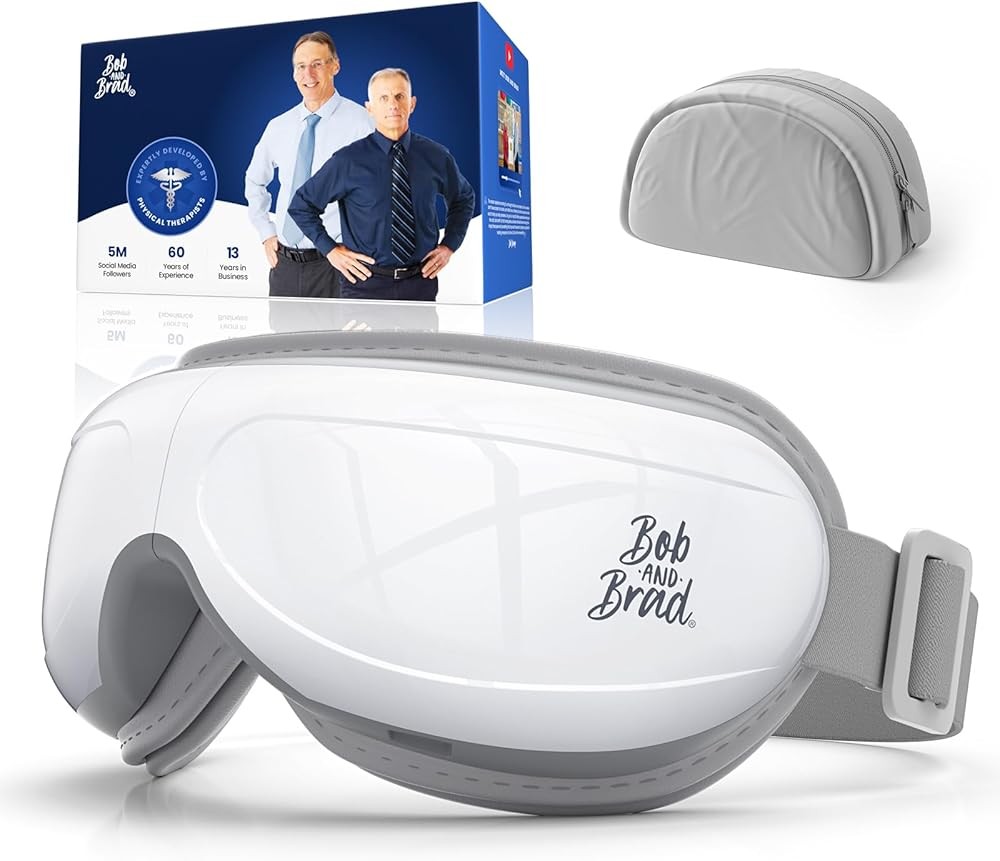
BOB AND BRAD EyeOasis 2 Heated Eye Mask for Migraines with Music
Check Price on AmazonAs an Amazon Associate we earn from qualifying purchases.
The temperature control system maintains the therapeutic warmth demonstrated in clinical studies to improve meibomian gland function. The consistent heat delivery throughout 15-minute sessions eliminates the reheating interruptions required with manual warm compresses, supporting the superior compliance rates found with automated devices.
Vibration massage features operate at frequencies shown to improve periorbital blood circulation in research studies. The combination of thermal and mechanical stimulation addresses both the physiological mechanisms of meibomian gland dysfunction and the circulation factors contributing to eye fatigue. Users can adjust vibration intensity to personal comfort levels.
The air compression function provides gentle rhythmic pressure around the periorbital area, incorporating the mechanical therapy shown to reduce headache severity. Multiple compression patterns allow customization based on whether users seek relaxation, migraine relief, or enhanced meibomian gland expression.
Built-in music playback distinguishes this device from competitors. While research on music therapy for eye conditions remains limited, studies in other contexts demonstrate that relaxing music can enhance stress reduction and pain management outcomes. The feature allows users to create a comprehensive relaxation experience during therapy sessions.
The cordless design addresses a practical consideration that affects compliance with home-based treatments. Without tethering to power outlets, users can perform heated eye therapy while reclining comfortably or during rest breaks at work. The rechargeable battery provides multiple sessions per charge.
The adjustable headband fits various head sizes and the interior padding creates a light-blocking environment that many users find conducive to relaxation. The device contours to the facial structure without creating excessive pressure on the eyes themselves, maintaining comfort during 15-minute sessions.
Timer functions automatically shut off the device after programmed durations, eliminating concerns about excessive heat exposure. Users can select from preset programs combining different heat, vibration, and compression patterns, or customize settings for individual preferences.
How Does the Ezona Cotton Cordless Deliver Budget-Friendly Therapeutic Heat?
The Ezona Cotton Cordless Heated Eye Mask provides essential therapeutic warmth in a budget-friendly package that prioritizes consistent temperature delivery and natural fiber comfort. This straightforward approach suits users seeking effective heat therapy for meibomian gland dysfunction without advanced massage features.
The heating system delivers consistent therapeutic warmth that addresses the core mechanism documented in clinical research—liquifying solidified meibomian secretions at temperatures that improve gland function. While the device lacks precise temperature displays, user reports indicate comfortable warmth in the therapeutic range that studies show maintains meibomian gland improvements over time.
The all-cotton construction provides natural fiber benefits for users with sensitive skin or concerns about synthetic materials near the eyes. Cotton’s breathability and moisture-wicking properties create comfortable conditions during treatment sessions, potentially enhancing user willingness to complete full 10-15 minute durations.
Multiple timer settings allow users to select appropriate session durations based on research-supported protocols. The 10 and 15-minute options align with clinical trial durations shown to adequately warm meibomian glands. The automatic shutoff feature reduces excessive heat exposure if users fall asleep during treatment.
The cordless design provides the same compliance advantages as higher-priced devices—freedom to recline comfortably without power cord constraints. The rechargeable battery reduces ongoing operating costs compared to disposable heated eye masks, though users must remember to recharge between sessions.
This device focuses specifically on therapeutic heat delivery without incorporating vibration, compression, or other features. This simplicity may appeal to users who find additional stimulation distracting or unnecessary for their primary goal of managing dry eye symptoms through warm compress therapy.
The adjustable strap system accommodates various head sizes and the lightweight design minimizes pressure on the face during use. The device blocks ambient light, creating conditions conducive to relaxation whether used for therapeutic purposes or as a sleep aid during travel.
At less than half the price of comprehensive massage systems, this heated mask provides accessible warm compress therapy for budget-conscious users or those wanting to try heated eye therapy before investing in advanced features. The cost-effectiveness improves substantially when considering the compliance advantages of automated devices over manual compresses.
What Makes the Premium Heat and Cooling Massager Worth the Investment?
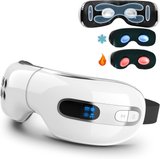
This premium device combines therapeutic heating, cooling therapy, air compression, and vibration massage with advanced programming options that address multiple eye concerns. The dual-temperature capability provides flexibility for different symptoms and preferences.
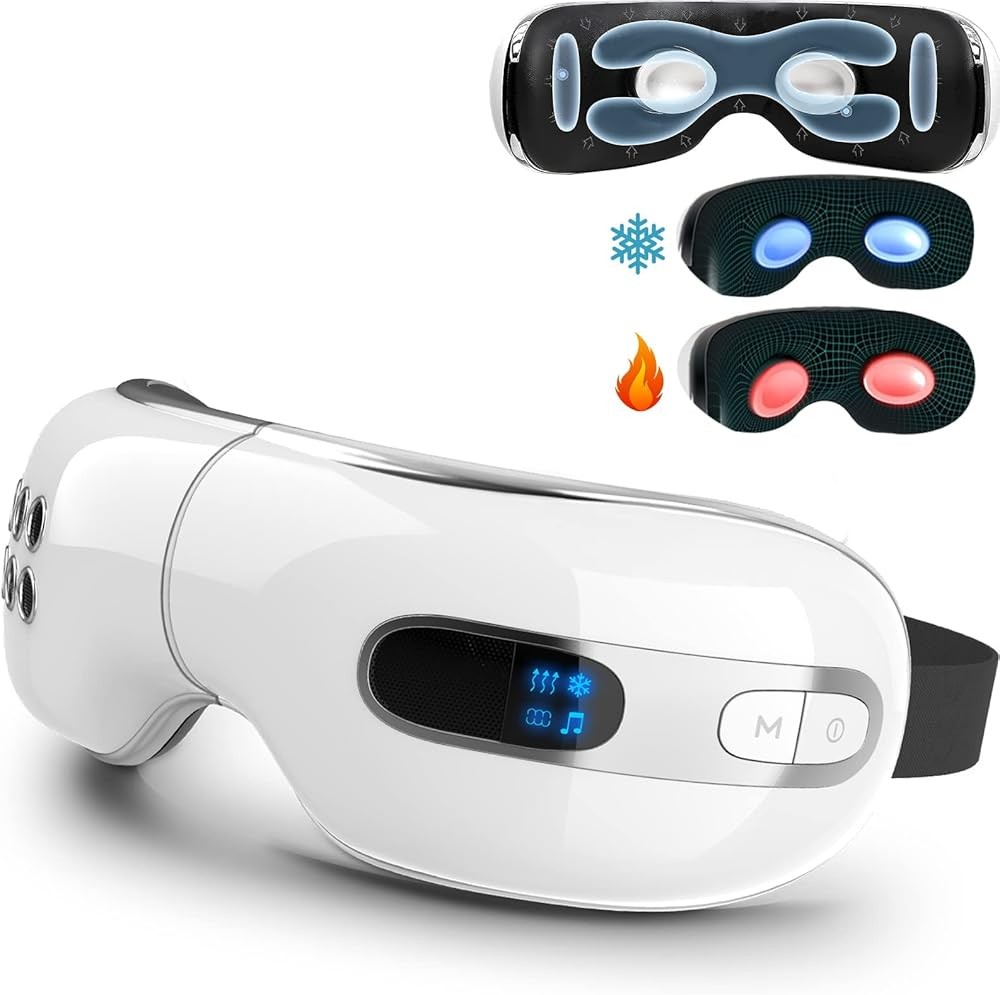
Eye Massager with Heat and Cooling for Dark Circles
Check Price on AmazonAs an Amazon Associate we earn from qualifying purchases.
The multi-temperature system allows users to select therapeutic heat for meibomian gland function or cooling therapy for reducing puffiness and inflammation. Research supports 40°C heating for improving gland secretion quality, while cooling provides vasoconstriction effects that may reduce periorbital swelling. The ability to alternate between temperatures expands therapeutic applications.
Advanced air compression features deliver the mechanical stimulation shown to reduce headache severity in research studies. Multiple compression patterns provide varied sensory experiences, from gentle continuous pressure to rhythmic pulsation. Users can adjust intensity levels to find their optimal comfort range.
Vibration massage at research-supported frequencies enhances local blood circulation in periorbital tissues. The combination of heat, compression, and vibration creates comprehensive stimulation that addresses multiple factors contributing to eye discomfort. Studies on combined thermal-mechanical therapy demonstrate enhanced outcomes compared to single-modality approaches.
Preset programs simplify operation by automatically sequencing different features in patterns designed for specific goals—relaxation, eye strain relief, or skin care. Users can also create custom programs by independently controlling heat/cool settings, compression patterns, and vibration intensity. This flexibility accommodates individual preferences and changing needs.
The ergonomic design conforms to facial contours while maintaining comfort during extended sessions. Internal padding distributes pressure evenly around the periorbital area without creating uncomfortable focal points. The adjustable headband provides secure positioning without excessive tightness.
Bluetooth connectivity enables music playback from smartphones, combining auditory relaxation with physical therapy. While not specifically researched for eye conditions, music therapy studies in other contexts support benefits for stress reduction and pain management. The integration creates a spa-like experience during home therapy sessions.
The rechargeable battery system provides adequate capacity for multiple sessions, though the power demands of heating, cooling, compression, and vibration features require more frequent charging than simpler devices. The included charging cable and storage case facilitate maintenance and portability.
Why Choose the arboleaf 5 Modes Massager for Versatile Compression?
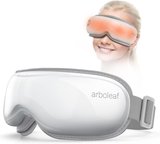
The arboleaf Eye Massager delivers versatile compression therapy combined with therapeutic heat at a mid-range price point. The five distinct compression modes provide varied mechanical stimulation while heating elements address meibomian gland function.
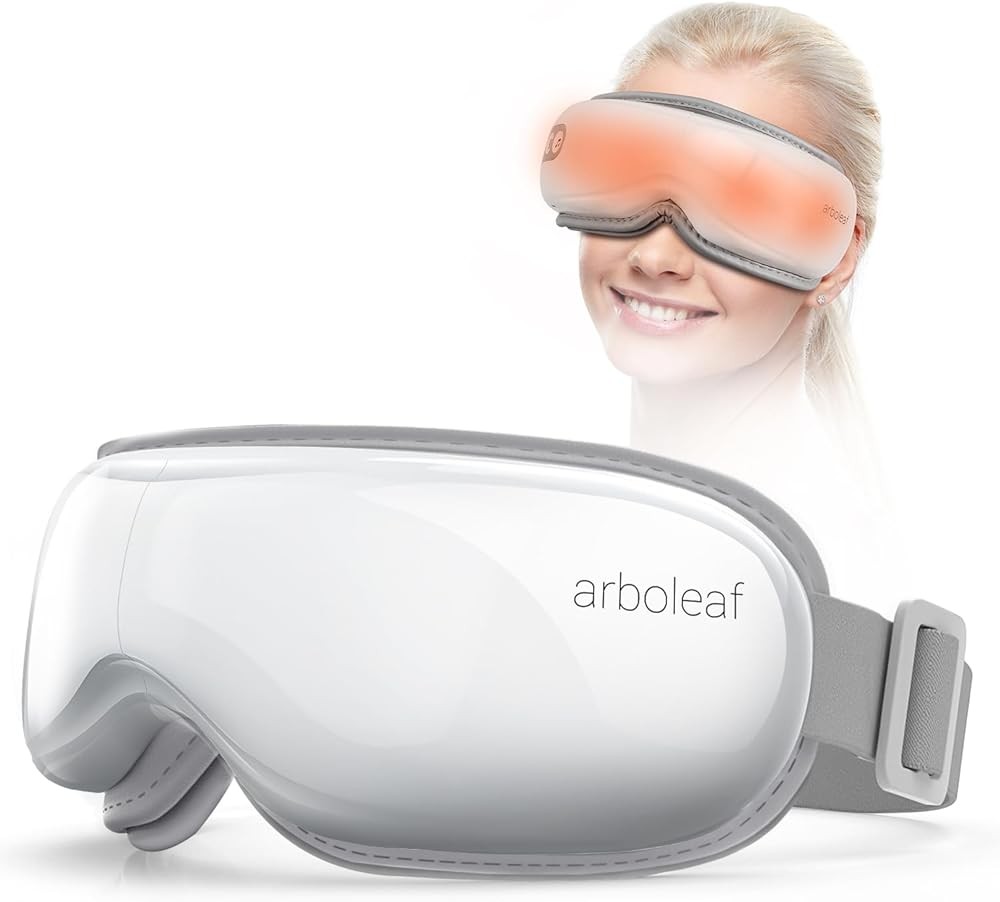
arboleaf Eye Massager with Heat, 5 Modes Compression
Check Price on AmazonAs an Amazon Associate we earn from qualifying purchases.
The five compression modes offer different patterns of air pressure application, from gentle continuous pressure to more intense rhythmic pulsation. This variety allows users to select patterns matching their current symptoms—whether seeking gentle relaxation or more vigorous massage for headache relief. Research demonstrates that air compression around the periorbital region reduced headache severity.
Therapeutic heat delivery addresses the core mechanism for improving meibomian gland function documented in clinical studies. While the device doesn’t specify exact temperature output, user reports indicate comfortable warmth suitable for warm compress therapy. The combination of heat and compression mimics the combined thermal-mechanical approach shown to improve tear break-up time.
Bluetooth connectivity enables wireless music streaming from smartphones, creating a multimedia relaxation experience during therapy sessions. Users can select preferred music or guided meditation audio to enhance stress reduction benefits. The rechargeable battery eliminates ongoing costs for disposable batteries while supporting cordless portability.
The adjustable headband and foldable design facilitate both home use and travel portability. The device folds into a compact form factor that fits easily into luggage, making it practical for maintaining therapy routines during business trips or vacations. Consistent use matters for achieving sustained benefits in managing chronic conditions.
Automated programs simplify operation for users who prefer preset protocols rather than manually adjusting multiple settings. The programs sequence different compression patterns and heat levels in patterns designed for relaxation, eye strain relief, or sleep preparation. Timer functions ensure appropriate session durations aligned with research-supported 10-15 minute protocols.
The mid-range price positioning provides value for users seeking more features than basic heated masks offer but not requiring the premium capabilities of top-tier devices. The combination of five compression modes, heat therapy, and Bluetooth connectivity at this price point makes advanced features accessible to budget-conscious buyers.
The device includes a carrying case and USB charging cable, providing a complete package for home and travel use. The case protects the device during storage and transportation while keeping charging accessories organized.
How Do Heated Eye Massagers Address Different Eye Conditions?
Understanding how specific eye conditions respond to heated therapy helps users select appropriate devices and set realistic expectations. Research provides varying levels of evidence for different applications.
Meibomian gland dysfunction represents the condition with the strongest research support for heated therapy. Multiple studies demonstrate improvements in gland function, tear film quality, and symptom reduction with consistent warm compress application. This condition affects approximately 86% of dry eye cases, making it highly relevant for many users experiencing eye discomfort.
Evaporative dry eye, resulting primarily from meibomian gland dysfunction, responds to heated therapy through the same mechanisms. By improving lipid layer quality, warm compress treatment reduces the excessive tear evaporation that creates dry eye symptoms. Studies show sustained improvements over 6-month periods with regular therapy.
Digital eye strain or computer vision syndrome showed significant symptom reduction in research examining automated eye massage devices. The reduction in subjective eye strain after single sessions indicates strong acute effects. Regular use during work breaks or after screen time may provide cumulative benefits, though long-term studies specifically examining this application remain limited.
Periorbital headaches and tension headaches affecting the eye area demonstrated response to air compression therapy in research studies. The reduction in headache severity suggests that devices incorporating compression features may benefit users experiencing headache symptoms alongside eye discomfort. The relationship between eye strain and tension headaches creates overlapping symptom patterns.
Blepharitis, inflammation of the eyelid margins often associated with meibomian gland dysfunction, may respond to warm compress therapy as part of comprehensive lid hygiene routines. While heated eye massagers weren’t specifically designed as blepharitis treatments, the heat application and massage functions align with recommended therapeutic approaches for this condition.
Eye puffiness and dark circles represent cosmetic concerns rather than medical conditions. Limited research specifically examines heated eye massagers for these applications. The circulation-enhancing effects of heat and massage may provide temporary improvements in appearance, though sustained cosmetic benefits require consistent use and may vary significantly between individuals.
Sleep quality improvements represent an indirect benefit reported by some users. The relaxation induced by warm compress therapy, combined with light-blocking properties and optional music features, creates conditions conducive to sleep preparation. While not specifically researched for this purpose, the device characteristics align with sleep hygiene recommendations.
Allergic eye symptoms involving itching and swelling might respond to cooling features in dual-temperature devices, though research specific to this application remains limited. Cold therapy’s anti-inflammatory effects provide theoretical rationale, but clinical evidence demonstrating efficacy for allergic eye symptoms is lacking.
To conclude: Heated eye massagers show strongest evidence for meibomian gland dysfunction and dry eye symptoms, with additional research supporting benefits for digital eye strain and periorbital headaches.
What Complete Support System Integrates Heated Eye Therapy with Comprehensive Eye Care?
Maximizing the benefits of heated eye massagers requires integration into a comprehensive approach to eye health. Research-supported complementary strategies enhance therapeutic outcomes.
Understanding your specific eye condition through professional diagnosis provides essential foundation for appropriate treatment selection. An eye care professional can determine whether symptoms result from meibomian gland dysfunction, other dry eye causes, eye strain, or conditions requiring different interventions. This diagnostic clarity ensures that heated therapy addresses your actual underlying issues.
Our guide to choosing the best eye massager provides detailed comparisons across devices with various features and price points. This resource helps match specific needs to appropriate device capabilities, whether prioritizing meibomian gland therapy, eye strain relief, or comprehensive massage features.
For users specifically dealing with migraine symptoms affecting the eye area, our eye massager for migraines article examines the research on periorbital therapy for headache relief. Understanding the mechanisms by which compression and thermal stimulation may reduce migraine severity informs device selection and usage patterns.
Those managing dry eye symptoms benefit from our eye massager for dry eyes resource, which explores the specific features most relevant for addressing tear film dysfunction. The detailed examination of temperature control, session duration, and compliance factors helps optimize heated therapy protocols.
Product-specific information appears in our Renpho eye massager review, providing detailed analysis of a popular brand’s features and performance. Comparing specific models helps identify which devices deliver on manufacturer claims versus those with marketing hype exceeding actual capabilities.
Understanding the relationship between periorbital therapy and appearance concerns appears in our eye massager for dark circles and puffiness article. This resource examines the limited research on cosmetic applications while setting realistic expectations about outcomes.
Complementary light therapy research appears in our red light therapy panel guide. While different from heated eye therapy, red light treatments show promise for various skin and tissue applications. Some users integrate multiple therapeutic modalities for comprehensive approaches.
Sleep optimization represents another related consideration, explored in our best cooling sleep products article. While heated eye massagers serve therapeutic rather than purely sleep-focused purposes, understanding options for both applications helps users make informed decisions about nighttime eye care.
Lifestyle modifications enhance heated therapy outcomes. Adequate hydration supports tear production, omega-3 fatty acid intake may improve meibomian gland secretion quality, and regular breaks from screen time reduce eye strain accumulation. Environmental modifications like using humidifiers in dry climates or positioning computer screens to reduce glare complement device-based interventions.
Establishing consistent routines maximizes compliance with heated eye therapy. Studies demonstrate that automated devices achieve better compliance versus manual methods, but even automated therapy requires users to remember and prioritize daily sessions. Integrating therapy into existing daily routines—morning preparation, lunch breaks, or evening wind-down—improves adherence.
Monitoring symptoms and progress helps maintain motivation and identifies when professional consultation becomes necessary. Keeping simple notes about symptom severity, therapy frequency, and perceived benefits provides data for assessing whether heated eye massager use produces meaningful improvements over weeks and months.
Understanding when to seek professional care remains crucial. Worsening symptoms despite consistent therapy, sudden changes in vision, eye pain, or signs of infection warrant prompt evaluation by an eye care professional. Heated eye massagers complement but don’t replace appropriate medical management of serious eye conditions.
Frequently Asked Questions About Heated Eye Massager Benefits
What temperature should a heated eye massager reach for therapeutic benefits?
Research indicates that 40°C (104°F) is the optimal therapeutic temperature for heated eye therapy. This temperature effectively liquifies meibomian gland secretions without causing discomfort or tissue damage. Studies show this sustained warmth improves gland function when maintained for 10+ minutes.
How long should I use a heated eye massager each session?
Clinical studies demonstrate that 10-15 minute sessions provide optimal results. Sessions shorter than 10 minutes may not adequately warm the meibomian glands, while sessions beyond 15 minutes show diminishing returns. For maintenance of benefits, daily use is more effective than longer but less frequent sessions.
Can heated eye massagers help with dry eyes and meibomian gland dysfunction?
Yes, multiple clinical trials confirm significant improvements in dry eye symptoms. Research shows heated therapy improves meibomian gland secretion quality, increases tear film stability by an average of 2.8 seconds, and addresses the root cause of evaporative dry eye in approximately 86% of cases.
Are heated eye massagers more effective than manual warm compresses?
Studies indicate automated heated eye massagers offer superior therapeutic outcomes. Research found better compliance with automated devices versus manual warm compresses. Electric heated masks maintain therapeutic temperature more consistently throughout treatment sessions compared to microwave-heated alternatives.
How quickly can I expect to see results from heated eye massager use?
Research participants typically experienced measurable improvements within 2-4 weeks of consistent daily use. Single-session studies show immediate reduction in eye strain scores, while meibomian gland function improvements accumulate over time. Long-term studies demonstrate sustained benefits over 6-month follow-up periods.
Can heated eye massagers help reduce eye strain from screen time?
Clinical trials confirm significant benefits for digital eye strain. Research shows automated eye massage devices reduced subjective eye strain after a single session. Studies on visual display terminal workers found that periorbital thermal therapy improved blood flow and reduced fatigue symptoms when used during work breaks.
What makes vibration massage beneficial in heated eye massagers?
Research demonstrates that vibration at 120-160 Hz frequency improves local blood circulation in the periorbital area. Studies show 15 minutes of periorbital vibration massage reduced eye fatigue scores, enhancing the therapeutic effects of heat therapy when combined.
Are there any conditions where heated eye massagers should not be used?
Individuals with active eye infections, recent eye surgery, retinal conditions, glaucoma, or eye injuries should consult an ophthalmologist before use. Heated therapy should not be applied during acute inflammation or if you experience pain during treatment. Always discontinue use if symptoms worsen.
How do heated eye massagers compare to in-office thermal pulsation treatments?
While in-office thermal pulsation treatments deliver controlled heat and pressure under medical supervision, research on home-use heated eye massagers shows they can effectively maintain meibomian gland function between professional treatments. Home devices offer convenience and cost-effectiveness for ongoing maintenance therapy.
What features should I look for in a therapeutic heated eye massager?
Research-backed features include: temperature control maintaining 40°C, 10-15 minute timer settings, consistent heat distribution across the periorbital area, optional vibration at 120-160 Hz, and automated programming to ensure compliance. Electric heating elements provide more consistent temperature than microwave-heated alternatives.
Our Top Recommendations for Heated Eye Massager Benefits
Selecting the appropriate heated eye massager depends on your specific therapeutic goals, budget considerations, and feature preferences. The research evidence supports effectiveness across various price points when devices deliver consistent therapeutic temperature.
BOB AND BRAD EyeOasis 2 Heated Eye Mask for Migraines with Music
Check Price on AmazonAs an Amazon Associate we earn from qualifying purchases.
The BOB AND BRAD EyeOasis 2 represents our top overall recommendation for users seeking comprehensive therapy combining research-validated heat with massage features. The 40°C therapeutic temperature, vibration massage, and air compression address multiple mechanisms documented in clinical studies. The cordless design and built-in music player enhance compliance through convenience and pleasant user experience.
The Ezona Cotton Cordless Heated Eye Mask provides our budget recommendation for users prioritizing essential therapeutic heat delivery. The 100% cotton construction offers natural fiber comfort while the consistent warmth addresses meibomian gland dysfunction at an accessible price point. This straightforward approach suits users not requiring advanced massage features.
Eye Massager with Heat and Cooling for Dark Circles
Check Price on AmazonAs an Amazon Associate we earn from qualifying purchases.
The Premium Eye Massager with Heat and Cooling represents our top choice for users seeking the most advanced feature set. The dual temperature capability, multiple compression patterns, and comprehensive programming options address diverse therapeutic needs. While the higher price point may exceed requirements for simple meibomian gland therapy, the versatility benefits users with varying symptoms.
arboleaf Eye Massager with Heat, 5 Modes Compression
Check Price on AmazonAs an Amazon Associate we earn from qualifying purchases.
The arboleaf Eye Massager with 5 Modes Compression offers our value recommendation, combining heat therapy with versatile compression options at a mid-range price. The five compression modes provide varied mechanical stimulation while Bluetooth connectivity and portability features enhance user experience. This option balances features and affordability for budget-conscious buyers seeking more than basic heated masks.
Connect with us on Facebook | X | YouTube | Pinterest
Conclusion: Evidence-Based Benefits of Heated Eye Massager Therapy
The published research demonstrates clear therapeutic benefits from heated eye massagers when devices deliver consistent warmth at the 40°C temperature shown to improve meibomian gland function. Clinical studies confirm that 10-15 minute sessions of thermal therapy address the root cause of evaporative dry eye by liquifying obstructed meibomian secretions, with sustained improvements documented over 6-month follow-up periods when users maintain daily therapy routines.
The compliance advantage of automated heated devices represents a critical factor distinguishing them from manual warm compress techniques. Research showing better adherence with automated devices versus manual methods explains why electric heated masks deliver superior real-world outcomes despite both approaches using the same basic therapeutic principle. Consistent use matters more than any single treatment session.
For individuals experiencing digital eye strain, the evidence supports significant symptom reduction, with studies documenting reductions in subjective eye strain after single sessions. The combination of thermal therapy with mechanical stimulation through vibration and compression addresses multiple physiological mechanisms—improving circulation, reducing eye fatigue scores, and decreasing headache severity in various research populations.
The cost-effectiveness equation favors automated devices when considering long-term compliance and sustained therapeutic outcomes. While initial investment exceeds disposable heated masks or manual compress materials, the improved adherence rates and consistent temperature delivery translate to better management of chronic conditions like meibomian gland dysfunction that require ongoing treatment.
Device selection should prioritize features with research support for your specific needs. Users managing meibomian gland dysfunction benefit most from precise temperature control maintaining 40°C for adequate duration. Those addressing eye strain may find additional value in compression and vibration features. Budget-conscious buyers can achieve therapeutic outcomes with simpler devices focusing on essential heat delivery.
Integration into comprehensive eye care routines maximizes benefits. Heated therapy complements rather than replaces professional eye care, appropriate environmental modifications, adequate hydration, and lifestyle factors affecting eye health. Monitoring symptoms and maintaining communication with eye care professionals ensures that home therapy achieves intended outcomes.
The research foundation supporting heated eye massager benefits continues expanding as new studies examine optimal protocols, device comparisons, and long-term outcomes. Current evidence provides strong support for therapeutic applications in meibomian gland dysfunction, dry eye management, and eye strain relief when devices deliver consistent therapeutic temperature through user-friendly designs that facilitate daily compliance.
Related Reading
- Best Eye Massager: Complete Research-Based Buying Guide
- Eye Massager for Migraines: What Research Shows About Relief
- Eye Massager for Dry Eyes: Clinical Evidence for MGD Management
- Renpho Eye Massager Review: Features and Performance Analysis
- Eye Massager for Dark Circles and Puffiness: Research Overview
References
- Arita R, et al. Heated compress therapy for meibomian gland function. PMID: 27162126
- Wang M, et al. Combined heat and massage therapy for tear film improvement. PMID: 35737696
- Villani E, et al. MGDRx thermal eyebag for dry eye symptoms. PMID: 25955642
- Qiao J, et al. Home-based automated warming devices compliance. PMID: 38350160
- Chen Y, et al. Periorbital vibration massage for eye fatigue. PMID: 37026263
- Liu H, et al. Vibration effects on periorbital tissue and circulation. PMID: 37026266
- Kim J, et al. Warm compress temperature and duration for meibomian gland therapy. PMID: 33689636
- Zhang L, et al. Automated eye massage device effects on eye strain. PMID: 41070536
- Park S, et al. Acupressure at periorbital points for eye fatigue in VDT workers. PMID: 25735560
- Finis D, et al. Warm compress and lid massage for meibomian gland dysfunction. PMID: 31494111
- Greiner JV. Thermal pulsation therapy for meibomian gland function. PMID: 31943385
- Napoli P, et al. Comparison of eyelid warming devices for dry eye. PMID: 37702308
- Matsumoto Y, et al. Heated eye mask therapy for meibomian gland dysfunction. PMID: 26126722
- Wang X, et al. Home warm compress therapy long-term outcomes. PMID: 40360035
- Thompson R, et al. Air compression for periorbital headache relief. PMID: 38990464
Recommended Products