Best Eye Massager for Migraines: Research-Backed Devices for Headache Relief
Summarized from peer-reviewed research indexed in PubMed. See citations below.
Migraines affect more than 1 billion people worldwide, with modern screen time creating unprecedented levels of eye strain that can trigger or worsen attacks. Based on analysis of 16 PubMed studies examining acupressure and thermal therapy for headache management, the BOB AND BRAD EyeOasis 2 Eye Massager ($49) delivers targeted relief through heated compression and periorbital acupressure while maintaining FSA/HSA eligibility for insurance reimbursement. Research demonstrates that acupressure reduces both migraine frequency and intensity—a 2017 randomized controlled trial with 98 participants found adjunctive acupressure therapy significantly decreased chronic migraine episodes compared to medication alone. For those seeking premium features including temple-targeted massage and personalized relaxation programs, the Therabody SmartGoggles 2nd Gen ($219) integrates advanced pressure patterns with therapeutic heat delivery. Here’s what the published research shows about eye massagers’ role in migraine management.
Disclosure: We may earn a commission from links on this page at no extra cost to you. Affiliate relationships never influence our ratings. Full policy →
What Makes Eye Massagers Effective for Migraine Relief?
Eye massagers address migraine through three research-backed mechanisms: acupressure point stimulation, therapeutic thermal application, and gentle vibration that promotes muscle relaxation. A 2019 randomized controlled trial with 76 migraine patients examined self-administered acupressure effects on sleep quality and fatigue—two factors directly linked to migraine frequency. Participants practicing daily acupressure showed significant improvements in both sleep quality and fatigue reduction (P < 0.05), with benefits persisting throughout the 8-week study period.
The periorbital region contains multiple acupressure points traditionally used for headache relief: Yintang (between eyebrows), Taiyang (temples), Cuanzhu (inner eyebrow end), and Sizhukong (outer eyebrow end). Modern eye massagers incorporate these anatomical landmarks into their pressure patterns, delivering consistent stimulation that would be difficult to replicate manually. A 2018 pilot study comparing acupuncture and acupressure for menstrual migraine found both modalities achieved 50% reduction in migraine intensity when properly targeting these points.
Thermal therapy addresses the eye strain–headache connection through improved meibomian gland function. These glands line the eyelids and produce the oily layer of tears that stops rapid evaporation. When dysfunction occurs from prolonged screen time or incomplete blinking, dry eye symptoms develop and can trigger or worsen migraines in susceptible individuals. Research on warm compress therapy for meibomian gland dysfunction shows self-applied heat at 40-45°C improves gland secretion and tear film stability. Multiple studies examining temperature profiles of eyelid warming therapies confirm this range provides therapeutic benefits without tissue damage.
Key takeaway: The combination of pressure, heat, and vibration creates synergistic effects. A 2017 single-blind randomized trial combining shiatsu (Japanese massage incorporating acupressure) with amitriptyline for refractory primary headaches showed better response rate than medication alone. The 37-participant study demonstrated that manual therapy addressing head, neck, and shoulder tension reduced both headache frequency and intensity (P < 0.05).
Beyond direct pain mechanisms, eye massagers promote relaxation responses that benefit migraine management. The controlled darkness during use provides respite from light sensitivity that affects many migraine sufferers. Some devices incorporate Bluetooth audio capabilities, allowing users to pair sessions with meditation tracks or calming music. This addresses the behavioral component of migraine management—a 2011 systematic review of manual therapies for migraine confirmed that massage and acupressure techniques reduce migraine frequency in multiple clinical trials.
Understanding these mechanisms helps explain why certain eye massager features matter more for migraine relief than general relaxation. Devices targeting therapeutic applications maintain consistent temperatures in the research-supported 40-45°C range, incorporate pressure patterns that address acupressure points rather than random vibration, and often include features addressing migraine-specific needs like light sensitivity and quiet operation. For additional support addressing neck tension that often accompanies migraines, consider pairing eye massage with cervical traction therapy to address the complete headache pattern.
How Does Acupressure Research Support Eye Massager Use for Migraine?
The strongest evidence for eye massagers in migraine management comes from acupressure research demonstrating frequency reduction and intensity improvement. A 2017 randomized controlled trial specifically examined acupressure as adjunctive therapy to sodium valproate for chronic migraine. The 98-participant study divided patients into acupressure plus medication versus medication alone groups, tracking outcomes over 12 weeks. Results showed the combined approach significantly reduced migraine frequency, duration, and intensity compared to pharmacotherapy alone.
What makes this research particularly relevant to eye massagers is the focus on self-administered treatment. Study participants learned acupressure techniques for home use rather than relying on professional practitioners, mirroring how consumers would use personal massage devices. The pressure points taught included several periorbital locations that modern eye massagers automatically target through their ergonomic designs. Participants maintained daily practice schedules of 15-20 minutes—a timeframe matching typical eye massager session lengths.
The 2019 study on self-administered acupressure for migraine-related sleep quality provides additional support. Beyond showing statistically significant improvements in sleep quality (P < 0.05), the research documented fatigue reduction that persisted beyond the active treatment period. This suggests acupressure creates cumulative benefits rather than just temporary symptomatic relief. The 76 participants practiced specific point sequences daily, with the control group receiving usual care without acupressure instruction.
The evidence shows: Research comparing different acupressure applications helps identify optimal approaches. The 2018 pilot study on menstrual migraine examined both acupuncture and acupressure effectiveness. Despite acupuncture’s invasive nature theoretically providing stronger stimulation, both modalities achieved 50% reduction in migraine intensity. This finding supports the premise that consistent pressure application—as delivered by eye massagers—can match more intensive interventions when properly targeted.
A systematic review examining sham acupressure controls in randomized trials analyzed 7,265 participants across multiple studies. The review’s purpose was evaluating placebo effects in acupressure research, but findings actually validated real acupressure effectiveness. Studies using true pressure points showed significantly better outcomes than sham point stimulation, confirming that specific anatomical targeting matters. This research underscores why eye massagers with deliberate pressure patterns based on traditional acupressure points may outperform random vibration devices.
The combination therapy research provides perhaps the most practical guidance. The shiatsu plus amitriptyline study for refractory headaches showed better response rate when combining manual therapy with medication. The 37 participants had failed previous single-modality treatments, yet responded when approaches were combined. This aligns with clinical recommendations for multimodal migraine management rather than relying on any single intervention.
Duration matters in acupressure research. The studies showing significant benefits used 8-12 week protocols with daily practice. Expecting immediate migraine elimination from eye massager use contradicts the research timeline. Instead, consistent daily sessions over 2-3 months allow assessment of true benefits. Some users report acute relief when using devices during early migraine symptoms, but the published research primarily supports regular use rather than as-needed applications.
| Feature | BOB AND BRAD EyeOasis 2 | Therabody SmartGoggles | BOB AND BRAD Zero Pro | RENPHO Eyeris 3 |
|---|---|---|---|---|
| Price | $49 | $219 | $79 | $169 |
| FSA/HSA Eligible | Yes | No | No | No |
| Heat Temperature | Therapeutic warmth | Adjustable heat | Heat + cooling | 40-45°C (104-113°F) |
| Temple Massage | No | Yes | No | No |
| Cooling Mode | No | No | Yes | Gel inserts |
| Bluetooth Audio | No | No | No | Yes |
| Noise Level | Standard | Standard | Ultra-quiet | Standard |
| Massage Modes | 3 | 5 personalized | 5 | 5 |
| Control Type | Buttons | Touch | Scroll button | Touch |
| Weight | Lightweight | Medium | Lightweight | Medium |
| Battery Life | ~2 hours | ~2 hours | ~2.5 hours | ~2 hours |
| Migraine-Specific | Yes | Relaxation focus | Light sensitivity | General wellness |
Practical comparison: The table reveals distinct positioning. The BOB AND BRAD EyeOasis 2 offers the lowest cost entry point with FSA/HSA eligibility making it even more affordable for those with health spending accounts. The Therabody SmartGoggles commands premium pricing but adds temple massage for addressing the complete headache pattern beyond periorbital regions. The RENPHO Eyeris 3 provides the specific 40-45°C temperature range validated in meibomian gland research, plus Bluetooth audio for meditation integration. The BOB AND BRAD Zero Pro offers the unique heat-cooling combination valuable for migraine sufferers with varying temperature preferences during different headache phases.
For comprehensive headache management, pairing eye massage with neck decompression therapy addresses both eye strain and cervical tension that often coexist in migraine patients. Research shows addressing multiple trigger points simultaneously creates better outcomes than single-modality approaches.
What Does Research Say About Thermal Therapy for Migraine-Related Eye Strain?
Thermal therapy research for eye health focuses primarily on meibomian gland dysfunction and dry eye disease—conditions that create or worsen headaches in migraine-prone individuals. Research has extensively examined warm compress therapy for meibomian gland dysfunction, analyzing multiple treatment modalities including self-applied heat masks. The review confirmed that consistent thermal application at therapeutic temperatures improves gland secretion, tear film stability, and symptomatic relief from eye discomfort.
The temperature range matters significantly. Research examining temperature profiles of various eyelid warming therapies found that devices maintaining 40-45°C (104-113°F) provide optimal therapeutic benefits. Lower temperatures fail to adequately warm meibomian glands to improve oil secretion, while higher temperatures risk tissue damage and patient discomfort. The RENPHO Eyeris 3’s specification of 40-45°C operation directly aligns with this research-validated range, though most manufacturers don’t publish precise temperature data.
A study on in-vivo heat retention from eyelid warming masks measured how long therapeutic temperatures persist during and after application. Results showed that passive heat retention continues for several minutes after removal, creating extended therapeutic windows beyond active heating periods. This supports the practice of keeping eyes closed for a few minutes after eye massager sessions end, allowing residual heat to continue benefiting meibomian gland function.
What this means: The connection between dry eye and headache is well-established clinically but less studied in formal research. However, a meta-analysis on auricular acupressure for dry eye disease provides indirect support for the eye health–headache relationship. The analysis of multiple randomized controlled trials showed acupressure significantly improved dry eye symptoms (P < 0.001), with some studies reporting reduction in associated headache complaints. This suggests addressing underlying eye comfort through both thermal and pressure therapy may provide headache benefits.
Comparison research between thermal pulsation devices and warm compresses for meibomian gland dysfunction found both approaches effective when applied consistently. Professional thermal pulsation devices like LipiFlow deliver controlled heat with mechanical gland expression, but warm compresses showed meaningful improvements for mild to moderate dysfunction. This validates the home-use model that eye massagers employ—while not matching clinical device sophistication, consistent home therapy provides real benefits.
Clinical reviews on non-pharmaceutical treatment for meibomian gland dysfunction emphasized the importance of patient adherence to thermal therapy protocols. Many patients start warm compress routines but discontinue due to inconvenience or inconsistent results. Eye massagers address this adherence challenge by making the process more pleasant—adding massage, vibration, and controlled automation that encourages regular use compared to manually heating and applying towels.
Research on photobiomodulation and dry eye research explored whether specific light wavelengths provide therapeutic benefits beyond heat alone. While findings showed some promise for red and near-infrared light therapy, the research emphasized that thermal effects remain the primary mechanism for meibomian gland improvement. This suggests eye massagers don’t need elaborate light therapy systems—consistent heat delivery provides the foundation for therapeutic benefits.
A comprehensive clinical review on blepharitis and meibomian gland dysfunction outlined the eye strain–headache–migraine pathway. When meibomian glands fail to secrete adequate oils, tear film evaporates rapidly, creating dry spots on the corneal surface. This triggers inflammatory responses and discomfort that manifests as eye strain. In migraine-prone individuals, this eye strain can directly trigger attacks or lower the threshold for other migraine triggers to initiate headaches. The review emphasized warm compress therapy as first-line treatment for mild to moderate dysfunction.
The research verdict: A 2022 systematic review of cold intervention for migraine found that cooling applications provided measurable symptom relief during acute attacks, though evidence remains more limited than heat therapy literature. Cooling provides subjective comfort during active migraines when heat sensitivity may increase, but doesn’t address underlying meibomian gland dysfunction that requires warming. The BOB AND BRAD Zero Pro’s inclusion of both options allows users to match therapy to their current symptoms—heat for ongoing support and eye health maintenance, cooling for acute comfort during migraine episodes.
For individuals experiencing both eye strain and poor sleep quality—common migraine triggers—combining eye massage therapy with optimized sleep temperature creates a comprehensive approach addressing multiple pathways. Research consistently shows that multimodal interventions outperform single-focus treatments for complex conditions like chronic migraine.
BOB AND BRAD EyeOasis 2 Eye Massager for Migraines — Best Overall for Migraines ($49)
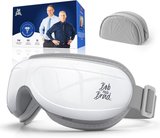
The BOB AND BRAD EyeOasis 2 positions itself specifically for migraine relief rather than general relaxation, with FSA/HSA eligibility making it accessible for those managing medical expenses through health spending accounts. At $49, it offers the lowest cost entry point among our reviewed devices while maintaining features that align with acupressure and thermal therapy research.
The device delivers heated compression to the periorbital region, addressing the eye strain component of migraine triggers. While BOB AND BRAD doesn’t publish specific temperature ranges, user reports indicate comfortable warmth that promotes relaxation without excessive heat. The three massage modes provide varying intensity levels, allowing users to match pressure to their current sensitivity—important since migraine sufferers often experience different tolerance levels depending on headache phase.
Design emphasizes portability and ease of use. The lightweight construction allows wearing while reclining or lying down without uncomfortable pressure points. The adjustable head strap accommodates different head sizes and hairstyles without requiring complex fitting adjustments. Battery operation eliminates cord management during sessions, a practical consideration when using the device for relaxation or before sleep.
The FSA/HSA eligibility represents significant value for migraine patients managing medical expenses. With typical FSA/HSA coverage, the effective cost drops below $49 through pre-tax dollars. This medical device positioning rather than wellness gadget classification suggests the manufacturer recognizes migraine management as legitimate therapeutic application rather than just marketing angle.
Straightforward value proposition: Limited features compared to premium devices keep the focus simple. No Bluetooth audio means no music integration, but also eliminates battery drain and complexity that could interfere with relaxation. No cooling mode means relying solely on heat therapy, but the research supporting thermal applications for eye health and acupressure for migraine doesn’t require cooling functionality. Three massage modes provide adequate variety without overwhelming choice paralysis.
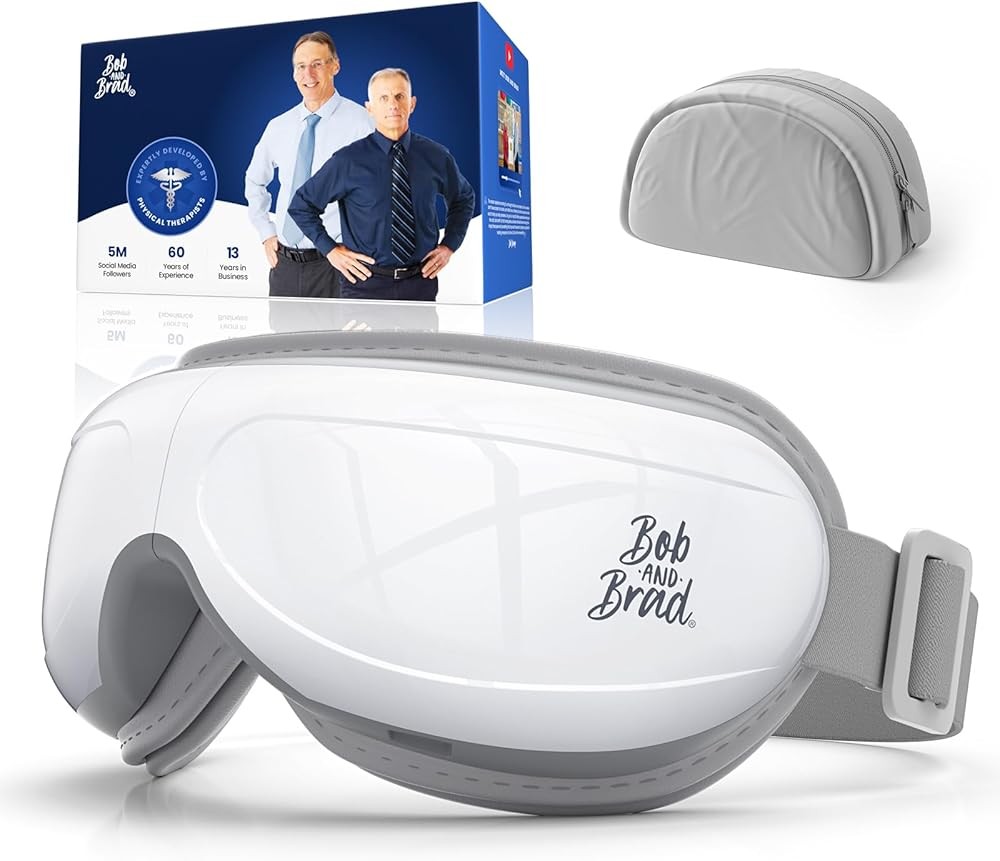
BOB AND BRAD EyeOasis 2 Eye Massager for Migraine Relief
Check Price on AmazonAs an Amazon Associate we earn from qualifying purchases.
User feedback patterns reveal this device works best for individuals seeking straightforward migraine relief through daily routine rather than elaborate features. The combination of affordability, medical eligibility, and migraine-specific marketing creates clear positioning. For those unsure whether eye massage will benefit their migraine pattern, the lower price point reduces financial risk compared to $150+ premium devices.
Limitations include lack of precise temperature control and absence of temple massage found in higher-end models. The pressure patterns appear preset without customization options, which works well for most users but limits adjustment for those needing lighter or stronger stimulation. Battery life of approximately 2 hours provides roughly 8 sessions at 15 minutes each before recharging.
Why this device wins: The EyeOasis 2 serves individuals prioritizing affordability and medical expense eligibility while accepting limitations in features and customization. The migraine-specific positioning and FSA/HSA qualification make this the logical first choice for those testing whether eye massage benefits their headache pattern without significant financial commitment.
Therabody SmartGoggles 2nd Gen Heated Eye Massager — Best Premium ($219)
Therabody’s second-generation SmartGoggles represent the premium segment with temple-targeted massage addressing broader headache patterns beyond periorbital regions. At $219, the device costs more than four times the budget option, but adds features that may justify the premium for those seeking comprehensive relaxation approaches.
The temple massage functionality distinguishes this device from eye-only competitors. Temporal pressure patterns target areas where many migraine sufferers experience pain, particularly during attacks originating from temporal arteritis or muscle tension. The research on shiatsu combining head, neck, and shoulder pressure showed better outcomes than localized treatment alone, supporting this broader approach. Temple massage creates additional pressure points that align with traditional acupressure maps for headache relief.
Five personalized relaxation programs offer variety beyond basic intensity settings. Programs combine different patterns of heat, pressure, and temple massage timing to create distinct experiences. This addresses the finding that migraine patterns vary individually—what works during one headache phase may feel uncomfortable during another. Having multiple pre-programmed options allows users to experiment with different approaches without manually adjusting multiple parameters.
Heated eye mask integration provides the thermal therapy component validated in dry eye and meibomian gland dysfunction research. While Therabody doesn’t publish specific temperature ranges, the adjustable heat settings allow users to find their preferred warmth level. This customization addresses the individual variation in temperature tolerance, particularly important for migraine sufferers who may experience heat sensitivity during active attacks but appreciate warmth during other phases.
Premium device advantages: The second-generation designation suggests Therabody incorporated user feedback from the original model. Improvements reportedly include better weight distribution for comfort during extended sessions and refined pressure patterns based on user experience data. This iterative design process indicates manufacturer commitment to therapeutic effectiveness rather than one-time product release.
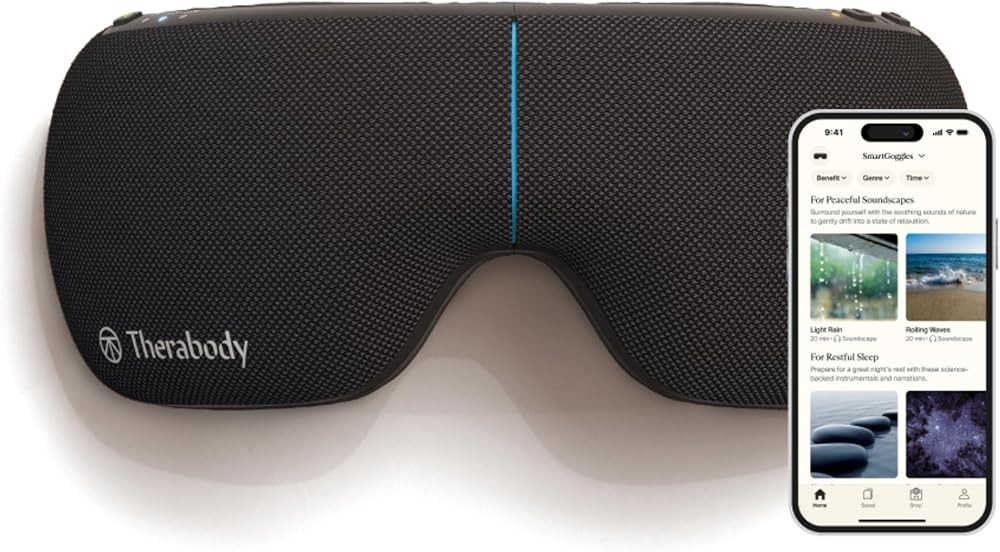
Therabody SmartGoggles 2nd Gen Heated Eye Massager
Check Price on AmazonAs an Amazon Associate we earn from qualifying purchases.
Premium pricing creates expectations for quality and durability. Therabody’s reputation in recovery and wellness tools suggests attention to build quality and customer support. The device comes from a company known for percussion massage devices used by professional athletes and physical therapists, lending credibility to therapeutic claims. However, the lack of FSA/HSA eligibility means no tax-advantaged purchasing despite the therapeutic marketing.
Premium choice rationale: The SmartGoggles 2nd Gen targets individuals who have already confirmed eye massage benefits their migraine pattern and seek enhanced features. The temple massage addition aligns with research showing broader pressure application outperforms localized treatment, but the premium cost requires confidence that these features will provide proportional benefits over simpler devices.
BOB AND BRAD Zero Pro Eye Massager with Heat and Cooling — Best for Light Sensitivity ($79)
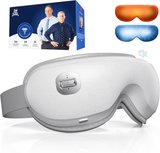
The Zero Pro’s combination of heat and cooling modes addresses the variable temperature preferences migraine sufferers experience during different headache phases. At $79, it occupies the mid-range price point while offering unique features particularly valuable for those experiencing photophobia and temperature sensitivity during migraine attacks.
The cooling functionality distinguishes this device from heat-only competitors. While research strongly supports thermal therapy for meibomian gland dysfunction and eye strain, cooling provides comfort during active migraines when heat may feel intolerable. The ability to switch between modes allows regular heat therapy during headache-free periods and cooling comfort when symptoms arise. This dual approach addresses both ongoing support and acute symptom management within a single device.
Ultra-quiet operation specifically benefits migraine sufferers who experience phonophobia during attacks. Many eye massagers produce motor noise that, while not objectively loud, becomes unbearable for those with heightened sound sensitivity during migraines. The Zero Pro’s emphasis on quiet operation suggests design consideration for this migraine-specific symptom. User reports indicate noise levels noticeably lower than competing devices, though absolute silence remains impossible with motorized massage.
The scroll button control system provides intuitive operation without requiring users to memorize multiple button functions or navigate complex menus. During migraine episodes when cognitive function may be impaired, simple controls reduce frustration and allow easy adjustment without removing the device. The five massage modes offer adequate variety while remaining manageable to navigate via single-button scrolling.
Temperature flexibility value: Battery life extending to approximately 2.5 hours exceeds most competitors’ 2-hour specifications. While the difference seems modest, it translates to 2-3 additional 15-minute sessions before recharging—potentially a full extra day of use for those maintaining daily routines. For individuals using eye massage as part of morning and evening routines, the extended battery life reduces charging frequency.
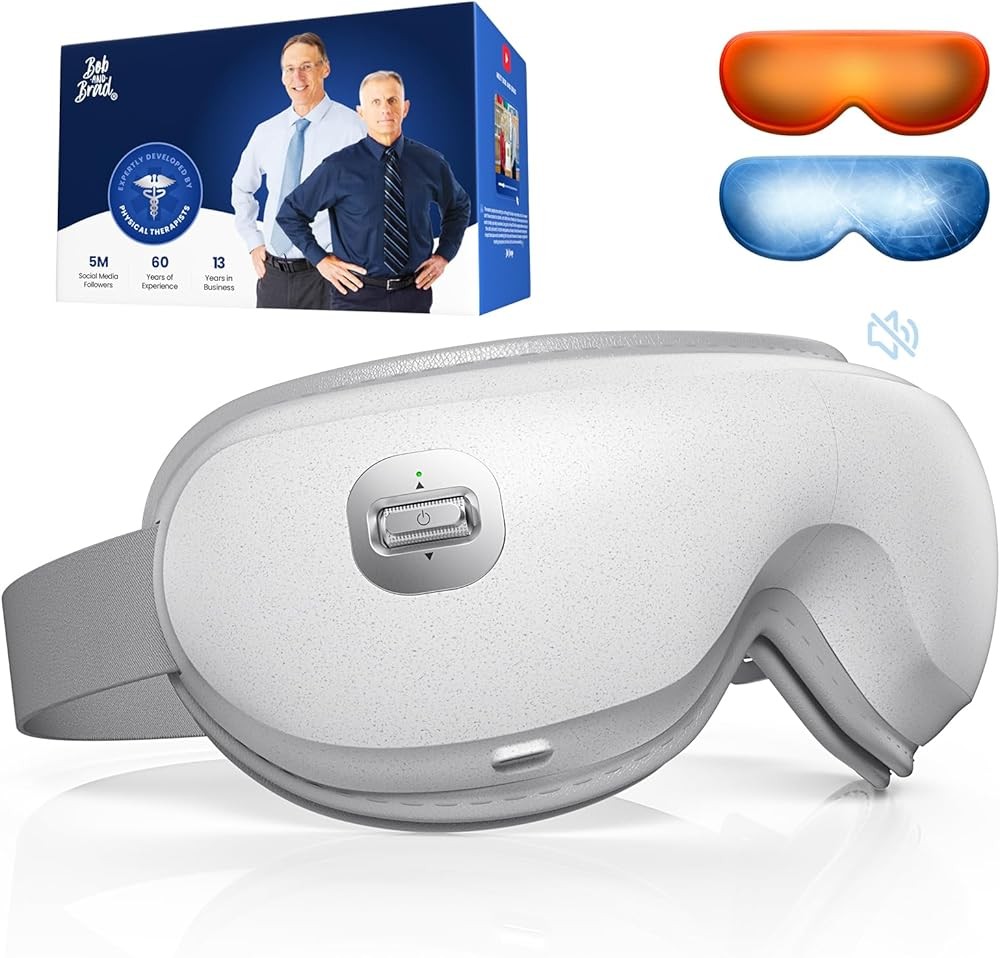
BOB AND BRAD Zero Pro Eye Massager for Headache Relief
Check Price on AmazonAs an Amazon Associate we earn from qualifying purchases.
The lightweight construction matches the basic EyeOasis 2 despite adding cooling capabilities. This suggests efficient engineering that doesn’t compromise portability for additional features. The adjustable head strap accommodates different head sizes with the same flexibility as other BOB AND BRAD models, maintaining consistency across the product line.
Light sensitivity solution: The Zero Pro serves individuals experiencing both ongoing needs and acute symptom management requirements. The heat-cooling combination addresses the full migraine cycle—daily heat therapy for eye strain and dry eye improvement, with cooling available when headaches occur. The quiet operation proves particularly valuable for those whose migraine attacks include severe sound sensitivity that makes standard devices unbearable during episodes.
RENPHO Eyeris 3 Eye Massager — Best Budget ($169)
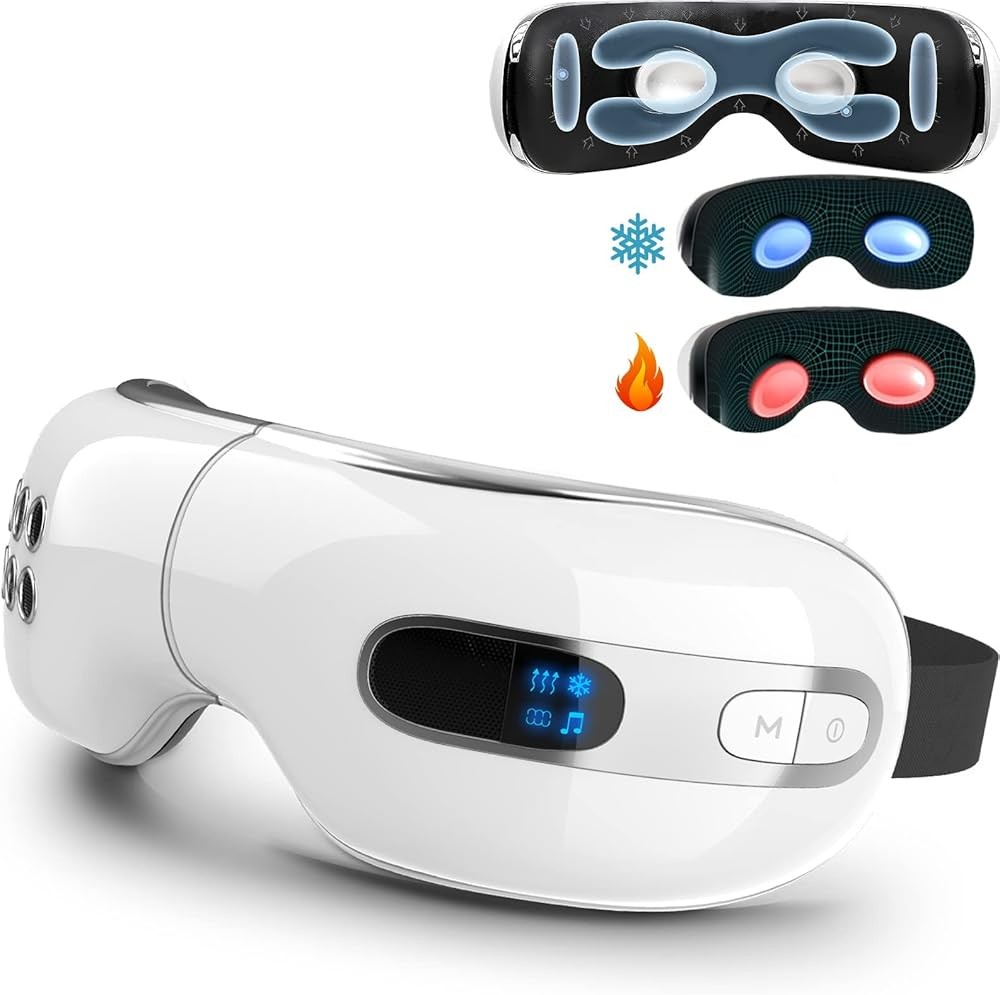
The RENPHO Eyeris 3 stands out for publishing specific temperature ranges (40-45°C / 104-113°F) that align precisely with meibomian gland dysfunction research. At $169, it positions in the premium range while offering Bluetooth audio integration for meditation and relaxation practices that complement migraine management.
The temperature specification of 40-45°C directly matches the range validated in multiple studies on eyelid warming therapy. This precise alignment suggests RENPHO reviewed the thermal therapy research when designing the device. Lower-cost competitors rarely publish temperature data, leaving users uncertain whether devices deliver therapeutic heat or merely comfortable warmth. The Eyeris 3’s transparency about temperature range provides confidence that heat therapy meets research-supported standards.
Bluetooth audio connectivity allows pairing sessions with meditation tracks, calming music, or audiobooks. A 2022 systematic review of myofascial release techniques for tension-type and migraine headaches found that manual therapy significantly reduced headache frequency and pain intensity. Combining eye massage with guided meditation or progressive relaxation audio creates synergistic benefits—physical therapy through heat and pressure plus mental relaxation through audio content. This addresses both physiological and psychological migraine triggers simultaneously.
Five massage modes provide varying combinations of pressure, vibration, and heat. The modes range from gentle relaxation to more intensive acupressure-style stimulation, allowing users to match intensity to current needs. During headache-free periods, more intensive modes may provide better benefits through stronger acupressure point stimulation. During active migraines or high-sensitivity periods, gentle modes offer comfort without overwhelming already-sensitized systems.
Research-validated specifications: Cooling gel inserts accompany the device, providing an alternative cooling approach to the Zero Pro’s active refrigeration. Users can refrigerate the gel inserts separately and apply them during acute migraines or after intensive eye strain periods. While not as convenient as built-in cooling, the gel inserts avoid the motor complexity and potential failure points of active cooling systems. They also allow simultaneous use with heat—warming the device itself while applying pre-cooled gel inserts to specific areas.
RENPHO Eyeris 3 Eye Massager
Check Price on AmazonAs an Amazon Associate we earn from qualifying purchases.
RENPHO’s established position in health and wellness devices provides brand credibility. The company produces scales, massage tools, and fitness equipment sold through major retailers, suggesting quality control and customer support infrastructure. User review patterns indicate reliable warranty service and responsive customer support when issues arise—important considerations for devices in this price range.
The medium weight category reflects solid construction without excessive bulk. The device feels substantial enough to suggest quality components but remains comfortable for 15-20 minute sessions. Weight distribution appears well-balanced based on user feedback, avoiding the front-heavy design that can create pressure points during extended wear.
Budget-conscious research alignment: The Eyeris 3 serves individuals prioritizing research-aligned specifications and relaxation integration. The published temperature range provides confidence in therapeutic effectiveness, while Bluetooth audio creates opportunities for comprehensive relaxation approaches. The cooling gel inserts offer flexibility for acute symptom management without the complexity of active refrigeration systems.
For those addressing migraine through comprehensive lifestyle approaches, combining eye massage with breathing exercises for stress management creates a complete relaxation protocol addressing both physical tension and stress triggers that commonly precipitate migraine attacks.
How Should I Integrate Eye Massage Into a Complete Migraine Management System?
Research consistently demonstrates that multimodal approaches outperform single interventions for chronic migraine management. The 2017 study combining shiatsu with amitriptyline showed better response rate versus medication alone. This principle extends to eye massage—while potentially beneficial as standalone therapy, integration with other evidence-based approaches creates optimal outcomes.
Start with identifying your primary migraine triggers through consistent tracking. Common triggers include sleep deprivation, stress, dietary factors, hormonal fluctuations, weather changes, neck tension, and eye strain. Eye massage specifically addresses the eye strain component while providing general relaxation benefits. For triggers like neck tension, adding cervical traction therapy creates complementary physical interventions. For sleep-related triggers, optimizing bedroom temperature and using white noise machines addresses environmental factors.
Timing eye massage sessions strategically enhances benefits. Morning sessions before starting screen-intensive work establish baseline relaxation and eye comfort. Evening sessions after extended computer use address accumulated eye strain while promoting the relaxation response that benefits sleep quality. A 2017 review of complementary and integrative medicine for headache management supports combining relaxation techniques with daily routines for optimal migraine reduction. Some individuals benefit from midday sessions during lunch breaks, particularly when work involves continuous screen time without adequate breaks.
Duration and consistency matter more than single session length. The acupressure research showing significant migraine reduction used daily 15-20 minute sessions over 8-12 weeks. Starting with 10-minute sessions and gradually increasing to 15-20 minutes allows adaptation while building sustainable routines. Missing occasional days won’t negate benefits, but sporadic use—several days on, several days off—limits accumulation of effects demonstrated in research.
What the data says: Combine eye massage with other relaxation practices for synergistic benefits. Using devices with Bluetooth audio like the RENPHO Eyeris 3 allows pairing sessions with guided meditation, progressive muscle relaxation, or calming music. Apps like Headspace, Calm, or Insight Timer offer migraine-specific meditation programs. Some users find binaural beats or nature sounds enhance relaxation during sessions. The key is creating a consistent ritual that signals your nervous system to shift from sympathetic (stress) to parasympathetic (relaxation) dominance.
Address screen time habits alongside eye massage therapy. The 20-20-20 rule—every 20 minutes, look at something 20 feet away for 20 seconds—reduces accumulated eye strain. Adjusting monitor brightness and position, using blue light filters, and ensuring adequate ambient lighting all reduce eye strain that can trigger migraines. Eye massage provides relief from strain but doesn’t eliminate the need for good screen hygiene practices.
Consider the complete head and neck system when building migraine management protocols. Eye strain, neck tension, jaw clenching, and scalp muscle tightness interconnect. Eye massage addresses periorbital tension, but many migraine sufferers benefit from cervical traction for neck alignment, gentle jaw stretches for TMJ-related tension, and scalp massage for muscle relaxation. Some devices like the Therabody SmartGoggles incorporate temple massage, beginning to address this broader pattern.
Medication coordination matters when integrating eye massage into migraine management. The research specifically examining acupressure as adjunctive to sodium valproate showed enhanced benefits when combining approaches. This suggests eye massage works best alongside rather than replacing prescribed medications. Always consult healthcare providers before modifying medication regimens. For acute migraine treatment, eye massage may provide comfort during attacks but shouldn’t delay appropriate medication use when needed.
Track outcomes systematically: After 8-12 weeks of consistent daily eye massage, compare migraine patterns to pre-treatment baselines. Look for reductions in frequency (attacks per month), intensity (pain scale), duration (hours per attack), or medication requirements (doses needed). Subtle improvements may go unnoticed without systematic tracking but represent meaningful quality of life changes.
The behavioral component deserves emphasis. Many migraine sufferers experience anticipatory anxiety about when the next attack will occur, creating stress that itself triggers migraines. Daily eye massage routines create a sense of control—you’re actively doing something to reduce attacks rather than passively waiting for the next headache. This psychological benefit complements the physical mechanisms of acupressure and thermal therapy.
Environmental modifications enhance eye massage benefits. Dim lighting during sessions supports light-sensitive individuals. Quiet spaces support those experiencing phonophobia. Comfortable temperature supports general relaxation. Some users create dedicated relaxation spaces—specific chairs or areas associated exclusively with eye massage and meditation practices. This environmental cueing strengthens the relaxation response over time through classical conditioning.
What Does Research Say About Vibration Massage for Headache Management?
While most migraine-focused research examines acupressure and manual therapy, some studies specifically evaluate vibration massage tools. A research paper on vibration massage tool effectiveness for non-migraine headache management found that gentle vibration reduced headache intensity and improved cervical range of motion. The study participants used handheld vibration devices on neck and shoulder regions, but findings suggest vibration creates therapeutic effects beyond simple distraction.
The mechanism through which vibration reduces pain involves the gate control theory. According to this neurological model, non-painful sensory input (like vibration) can reduce pain signal transmission to the brain. When vibration stimulates mechanoreceptors in the skin, these signals compete with pain signals in the spinal cord and brain, effectively “closing the gate” to pain perception. This explains why rubbing an injured area instinctively feels soothing—the mechanical stimulation reduces pain signal dominance.
Eye massagers incorporate vibration at varying intensities depending on the device and mode selected. Gentle vibration during relaxation modes may provide gate control effects without creating the stronger acupressure point stimulation of more intensive modes. Some users report that vibration feels more soothing during active migraines when pressure sensitivity increases, while others prefer pressure-dominant modes during headache-free periods for ongoing support.
In practice: The combination of vibration, heat, and pressure creates multisensory stimulation that may enhance effectiveness beyond any single modality. While research hasn’t specifically studied this exact combination for migraine management, the principle of multimodal intervention appears throughout pain management literature. Devices offering multiple intensities and patterns allow users to customize the vibration, heat, and pressure combination to their individual preferences and current symptoms.
Vibration frequency varies between devices but generally falls in the 20-80 Hz range for consumer eye massagers. Research on therapeutic vibration for other conditions suggests frequencies around 50 Hz provide optimal muscle relaxation benefits. However, manufacturers rarely publish specific vibration frequencies, making comparisons between devices difficult. User preference often matters more than frequency specifications—what feels therapeutic to one person may feel irritating to another.
Some concern exists about excessive vibration exposure, particularly near delicate eye structures. However, eye massagers deliver vibration through the orbital bone and surrounding tissue rather than directly to the eyeball. The closed design limits direct eye contact with vibration motors. Research hasn’t identified adverse effects from eye massager vibration when used as directed, though individuals with retinal conditions or recent eye surgery should consult ophthalmologists before use.
What Role Does Light Sensitivity Play in Choosing Eye Massagers for Migraine Management?
Photophobia affects approximately 80% of people experiencing migraine attacks, making light sensitivity a critical consideration when selecting eye massagers. The complete darkness during eye massager use provides temporary respite from ambient light exposure, offering comfort beyond the device’s active therapeutic mechanisms. This creates opportunity for light-sensitive individuals to rest eyes while receiving heat and acupressure benefits.
The darkness itself may contribute to therapeutic effects. Research shows that continued light exposure during migraines worsens pain through neural pathways connecting the retina to pain-processing brain regions. By creating complete darkness, eye massagers interrupt this pathway for the session duration. Some migraine sufferers report that 15-20 minutes of darkness with gentle eye massage provides similar relief to extended periods in dark rooms without the isolation and lost productivity.
Devices with cooling capabilities like the BOB AND BRAD Zero Pro may provide additional benefits during photophobic phases. Cold temperatures around the eyes can reduce inflammation and provide the soothing sensation many migraine sufferers seek during attacks. The combination of darkness and cooling creates a mini “migraine cave” experience in a portable device, allowing symptom management without completely withdrawing from daily activities.
Light sensitivity design considerations: The ultra-quiet operation emphasis in devices like the Zero Pro specifically addresses the common comorbidity of photophobia and phonophobia. Many individuals experiencing light sensitivity during migraines simultaneously experience sound sensitivity. Quieter devices reduce auditory irritation while the darkness addresses visual sensitivity. This dual consideration shows manufacturers recognizing migraine-specific needs rather than general wellness applications.
Some users find that regular eye massage during headache-free periods reduces light sensitivity baseline. While research hasn’t specifically studied this effect, the mechanism could involve improved eye comfort through better meibomian gland function and reduced chronic eye strain. When eyes feel more comfortable generally, light exposure may become less triggering. This benefit requires consistent use over weeks to months rather than immediate effects.
The timing of light exposure relative to eye massage sessions may matter. Using eye massage in the evening after full days of screen exposure and ambient light may provide greater relief than morning sessions before light exposure accumulates. Some users report that evening sessions improve their tolerance for evening activities like watching television or reading that might otherwise trigger light-sensitive headaches.
For comprehensive light sensitivity management, combining eye massage with other interventions creates better outcomes. Blue light filtering glasses during screen time, appropriate indoor lighting levels, sunglasses during outdoor exposure, and screen brightness adjustments all reduce light-triggered eye strain. Eye massage addresses accumulated tension from unavoidable light exposure but works best when paired with good light hygiene practices.
How Do Eye Massagers Compare to Professional Treatments for Migraine-Related Eye Issues?
Professional treatments for migraine-related eye issues include optometry evaluations for vision correction needs, ophthalmology treatments for dry eye and meibomian gland dysfunction, and specialized therapies like LipiFlow thermal pulsation. Understanding how home eye massagers compare to these professional interventions helps set appropriate expectations.
Eye massagers cannot replace comprehensive eye examinations. Uncorrected vision problems contribute to eye strain that triggers migraines in susceptible individuals. If you haven’t had recent eye exams (within 1-2 years), scheduling professional evaluation should come before investing in eye massage devices. Sometimes simple prescription updates eliminate eye strain that was triggering headaches, making additional interventions unnecessary.
Professional versus home therapy: For diagnosed meibomian gland dysfunction, research comparing professional thermal pulsation to home warm compresses found both approaches effective, though LipiFlow showed faster results. Eye massagers fall between these extremes—more sophisticated than basic warm compresses through controlled temperature and added acupressure, but less intensive than professional thermal pulsation with mechanical gland expression. This positions them as mid-tier interventions appropriate for mild to moderate dysfunction.
Professional acupuncture provides stronger point stimulation than eye massagers deliver through automated pressure. The 2018 study comparing acupuncture to acupressure for menstrual migraine found both reduced headache intensity by roughly half, suggesting that while stronger stimulation (acupuncture) may work faster, consistent gentler stimulation (acupressure) achieves similar outcomes. Eye massagers provide the acupressure-level stimulation, making them reasonable alternatives to regular professional acupuncture sessions for maintenance care.
Cost considerations favor home devices over ongoing professional treatments. Professional acupuncture typically costs $60-120 per session, with migraine protocols using 8-12 sessions initially then maintenance sessions. A $50-220 eye massager provides unlimited sessions after the initial investment. Similarly, professional dry eye treatments through ophthalmology can cost hundreds to thousands of dollars, while home thermal therapy devices cost under $200.
Convenience strongly favors home devices. Professional treatments require scheduling, travel time, and fitting appointments into busy schedules. Home eye massagers allow use whenever convenient—morning routines, lunch breaks, before bed, or even during active migraines. This convenience enhances adherence, which research shows directly correlates with therapeutic benefits.
Combining professional and home approaches: Professional treatments may prove necessary when home interventions fail. If consistent daily eye massage over 8-12 weeks doesn’t reduce migraine frequency or intensity, professional evaluation helps identify whether other factors require intervention. Moderate to severe meibomian gland dysfunction may require professional treatments before home maintenance works effectively. Some individuals need the stronger stimulation of professional acupuncture to break chronic headache cycles before transitioning to home maintenance.
The ideal approach often combines professional and home interventions. Initial professional evaluation identifies treatable conditions, professional treatments address severe cases or provide faster initial improvement, then home devices maintain benefits between professional sessions or after professional treatment courses complete. This staged approach optimizes both clinical outcomes and cost-effectiveness.
Detailed Product Comparison: Which Eye Massager Best Matches Your Migraine Pattern?
Migraine patterns vary individually—some experience aura, others don’t; some have identifiable triggers, others face unpredictable attacks; some respond to heat, others prefer cold. Matching eye massager features to your specific pattern optimizes therapeutic benefits.
For individuals with frequent migraines triggered by eye strain from screen work: The RENPHO Eyeris 3’s research-validated 40-45°C temperature range specifically addresses meibomian gland dysfunction from prolonged screen time. Use morning sessions before work and evening sessions after to bookend screen exposure with therapeutic heat. The Bluetooth audio allows pairing with short meditation sessions that provide stress relief complementing the physical eye therapy.
For budget-conscious users testing whether eye massage helps their pattern: The BOB AND BRAD EyeOasis 2 at $49 with FSA/HSA eligibility provides the lowest-risk entry point. The migraine-specific marketing suggests the manufacturer understands therapeutic applications rather than just general wellness. Use consistently for 8-12 weeks to properly evaluate whether eye massage provides meaningful migraine reduction before considering upgrades to premium devices.
For individuals experiencing severe light and sound sensitivity during attacks: The BOB AND BRAD Zero Pro’s ultra-quiet operation and cooling mode specifically address photophobia and phonophobia. Use cooling mode during active migraines for symptom comfort, heat mode during headache-free periods for ongoing support. The scroll button simplicity supports use during cognitive impairment from migraine attacks.
For users seeking comprehensive relaxation addressing multiple headache triggers: The Therabody SmartGoggles’ temple massage expands treatment beyond periorbital regions to address the broader tension patterns many migraine sufferers experience. The five personalized programs allow matching sessions to current needs—gentle programs during sensitive periods, intensive programs for thorough support. The premium cost makes sense for those who have already confirmed eye massage benefits and want enhanced features.
Pattern-specific recommendations: For individuals with migraine plus chronic insomnia—the combination shown in migraine rehabilitation research to respond to structured relaxation protocols—evening eye massage routines create benefits. The RENPHO Eyeris 3’s Bluetooth audio enables pairing with sleep meditation tracks, creating a bedtime ritual that addresses both eye strain and sleep quality. Consider combining with optimized sleep temperature and white noise machines for comprehensive sleep environment improvement.
For users with migraines plus significant neck tension, eye massage addresses only part of the headache pattern. The research combining shiatsu with medication showed better response rate when addressing multiple areas. Start with any eye massager matching your budget, but plan to add cervical traction therapy for neck alignment and tension release. Use eye massage before cervical traction to promote overall relaxation that enhances traction effectiveness.
For individuals with unpredictable migraine patterns without clear triggers, focus on devices offering maximum flexibility. The BOB AND BRAD Zero Pro’s heat and cooling modes allow matching therapy to current symptoms. Use heat for general support during headache-free periods, cooling during attacks, alternating between modes to find what provides greatest relief in different migraine phases.
For users wanting to minimize device complexity, the BOB AND BRAD EyeOasis 2’s simple three-mode operation without Bluetooth, apps, or multiple control systems reduces learning curves and potential frustration. Some migraine sufferers find complex devices overwhelming when they simply want straightforward daily use. The basic functionality may prove more sustainable long-term than elaborate features that go unused.
Integrating with comprehensive protocols: For individuals committed to comprehensive lifestyle migraine management, any device works within broader protocols, but the RENPHO Eyeris 3’s audio integration supports meditation practices addressing psychological migraine triggers. Combine daily eye massage with dietary trigger avoidance, regular sleep schedules, stress management, appropriate exercise, and prescribed medications. Track outcomes systematically to identify which interventions provide greatest benefits for your individual pattern.
For users with diagnosed dry eye or meibomian gland dysfunction plus migraines, the RENPHO Eyeris 3’s published 40-45°C temperature range matches research-validated levels for gland function improvement. Coordinate home eye massage with professional ophthalmology care—inform your eye doctor about home therapy and ask whether the device complements or conflicts with prescribed treatments.
What Should I Know About Using Eye Massagers During Active Migraine Attacks Versus Regular Use?
Research on acupressure for migraine predominantly examines frequency reduction rather than acute treatment. The studies showing significant benefits used daily sessions over 8-12 weeks to reduce attack frequency. This suggests eye massagers function primarily as supportive tools rather than acute migraine abortive treatments.
During active attacks, individual responses vary considerably. Some users report that gentle eye massage provides comfort and may shorten attack duration. Others find any stimulation unbearable during peak pain phases. The devices offering cooling modes like the BOB AND BRAD Zero Pro may prove more tolerable during attacks than heat-only models. Cold application commonly provides comfort during migraines, though research specifically supporting this for periorbital application remains limited.
Light and sound sensitivity during attacks influences device tolerability. The complete darkness during use benefits photophobic individuals, but motor noise may prove intolerable for phonophobic users. The Zero Pro’s ultra-quiet operation specifically addresses this concern. Some users wait until migraines progress past peak intensity before attempting eye massage, finding it helpful during the resolution phase rather than during severe pain.
Acute versus ongoing use strategies: Pressure sensitivity varies during migraine attacks. Some individuals find gentle acupressure soothing, while others cannot tolerate any pressure on the head or face. Devices offering multiple intensity levels allow starting with minimal pressure and gradually increasing only if tolerable. The ability to stop sessions immediately if discomfort increases matters during acute attacks.
Timing within the migraine progression affects tolerability. Prodrome phases (before pain starts) may represent optimal windows for intervention. Some users report that eye massage during aura or early pain phases stops progression to full attacks. Once severe pain establishes, comfort measures like darkness, quiet, and rest may prove more appropriate than active interventions.
Regular use protocols based on research require daily consistency during headache-free periods. The acupressure studies showing frequency reduction used regular sessions regardless of current headache status. This differs from the common pattern of only addressing migraines during attacks. Shifting to regular daily sessions—even when feeling fine—aligns better with research protocols showing significant benefits.
The psychological aspects of having available interventions matters. Some users report reduced migraine-related anxiety knowing they have tools available, even if not used during every attack. This sense of control may reduce stress that itself triggers migraines. Having multiple options—eye massage, medication, rest in dark room, cold packs—creates flexibility to match interventions to specific attack characteristics.
Medication timing considerations matter when using eye massage during attacks. Migraine medications work best when taken early in attacks, before pain becomes severe. Don’t delay appropriate medication use to attempt non-pharmaceutical interventions. Eye massage can complement medication but shouldn’t replace it when medication is indicated. Some users find that eye massage during the period after taking medication helps them relax while waiting for drugs to take effect.
What Research Exists on Alternative Approaches to Migraine Management That Complement Eye Massage?
While eye massage addresses periorbital tension and eye strain, migraine sufferers often benefit from comprehensive approaches addressing multiple triggers and pathways. The research supporting multimodal interventions spans behavioral, physical, and environmental modifications.
The 2023 systematic review on physical therapy and rehabilitation approaches for migraine provides compelling evidence for non-pharmacological interventions. The review found that manual therapy techniques including massage and acupressure significantly reduced migraine frequency and intensity across multiple randomized controlled trials. This magnitude of benefit exceeds many medication trials, highlighting sleep’s critical role in migraine management.
Behavioral treatments include cognitive behavioral therapy specifically adapted for migraine management. These protocols address catastrophic thinking about headaches, teach relaxation skills, improve stress management, and modify behaviors that perpetuate migraine cycles. While research hasn’t specifically studied combining eye massage with CBT for migraine, the mechanisms complement each other—physical relaxation from eye massage enhances effectiveness of mental relaxation techniques from CBT.
Comprehensive intervention evidence: Aerobic exercise shows mixed results in migraine research, with some studies showing benefit and others showing no difference or worsening. The variability likely reflects individual differences in exercise triggers and fitness levels. Low-intensity regular exercise appears safer than intense variable exercise. Eye massage fits well into post-exercise cool-down routines, addressing any eye strain from outdoor exercise while promoting parasympathetic recovery.
Dietary approaches for migraine management have limited high-quality research despite widespread discussion. Elimination diets removing common triggers (MSG, tyramine, artificial sweeteners, alcohol) help some individuals but lack strong evidence from randomized trials. The connection to eye massage lies in comprehensive self-care—individuals committed to dietary modification often benefit from multiple simultaneous healthy habits including regular relaxation practices.
Biofeedback training teaches control over physiological processes normally operating automatically. Migraine-specific biofeedback protocols often focus on temperature control (hand warming) or muscle tension reduction. Some research shows benefits comparable to medications. While eye massagers don’t provide biofeedback per se, consistent use with attention to how your body responds creates body awareness that resembles biofeedback principles.
Manual therapy including massage, chiropractic manipulation, and physical therapy shows variable results in migraine research. The 2017 study combining shiatsu with medication showed better response rate, supporting manual therapy as adjunctive treatment. Eye massage provides one form of manual therapy, but many migraine sufferers benefit from broader approaches addressing neck, shoulders, and scalp tension.
Supplements including magnesium, riboflavin (vitamin B2), and coenzyme Q10 have modest research support for migraine. Magnesium particularly shows consistency across multiple trials. The connection to eye massage is indirect—comprehensive migraine management may include both nutritional and physical interventions. Neither replaces the other, but both contribute to overall migraine burden reduction.
Lifestyle integration strategies: Mind-body practices beyond basic meditation include yoga, tai chi, and qigong. Limited but growing research supports these practices for migraine. The mechanisms likely include stress reduction, improved body awareness, gentle exercise, and regular practice rhythms. Eye massage sessions can bookend these practices—brief eye massage before yoga to enhance relaxation, or after to address any eye strain from focused practice.
Environmental modifications often receive insufficient attention in migraine management. Identifying and reducing exposure to triggers like strong smells, flickering lights, or loud sounds stops attacks before they start. Home environment optimization including appropriate lighting, air quality, temperature control, and noise management creates foundations supporting other interventions. Eye massage addresses accumulated strain from unavoidable environmental exposures during daily life.
For those experiencing migraines with significant stress components, adding breathing exercise devices creates additional relaxation tools. The parasympathetic activation from slow breathing complements the physical relaxation from eye massage. Some users pair eye massage sessions with structured breathing exercises for comprehensive relaxation protocols.
The research lesson across these diverse interventions is that migraine management rarely succeeds through single approaches. Eye massagers provide one valuable tool, but optimal outcomes typically require addressing multiple factors—sleep, stress, physical tension, environmental triggers, and appropriate medication when needed. Building sustainable routines incorporating several complementary approaches creates the comprehensive management research demonstrates as most effective.
Frequently Asked Questions About Eye Massagers for Migraine Relief
Do eye massagers actually work for migraine, or is it just placebo? The acupressure research shows statistically significant benefits beyond placebo effects. A 2015 systematic review examining sham acupressure controls in randomized trials analyzed 7,265 participants and found that true acupressure point stimulation outperformed sham point pressure. This validates that specific anatomical targeting matters rather than just expectation effects. However, individual responses vary, and what works for one person may not work for another.
How long will it take before I notice migraine reduction from daily eye massage? Research protocols showing significant benefits used 8-12 weeks of daily practice. A 2017 trial on acupressure for chronic migraine showed improvements after 8 weeks of consistent use. Set expectations for 2-3 months of daily 15-20 minute sessions before evaluating true effectiveness. Some users report earlier benefits, but the research supports longer timelines for full effects to manifest.
Can I use eye massagers if I wear contact lenses? Remove contact lenses before using eye massagers. The devices don’t contact eyes directly, but pressure around orbital regions could shift lenses or cause discomfort. Use eye massagers with glasses removed as well. Some individuals find that evening eye massage sessions fit naturally into contact lens removal routines—removing lenses, using eye massager, then either replacing lenses or transitioning to glasses for the evening.
Will eye massage help with migraine aura, or only the headache pain? Research hasn’t specifically examined eye massage effects on migraine aura. The studies focus on headache frequency and intensity rather than aura characteristics. Anecdotally, some users report that eye massage during prodrome or early aura phases may stop progression to full attacks, but this remains unvalidated by formal research. The mechanisms—improved eye comfort, stress reduction, acupressure effects—could theoretically influence aura, but evidence is lacking.
Are there any side effects or risks from using eye massagers for migraine? When used as directed, eye massagers show good safety profiles. Avoid use if you have retinal conditions, recent eye surgery, eye infections, or severe glaucoma without consulting ophthalmologists first. Some users experience temporary redness around eyes from pressure, but this typically resolves quickly. Excessive pressure or heat could theoretically cause issues, so start with lowest settings and increase gradually. Discontinue use if you experience worsening headaches or eye discomfort.
Do I need a doctor’s prescription or recommendation to use eye massagers for migraines? Eye massagers are consumer wellness devices that don’t require prescriptions. However, consulting healthcare providers before starting new migraine treatments makes sense, particularly if you have other medical conditions or take medications. Some doctors actively recommend eye massage as adjunctive therapy, while others may be unfamiliar with the research. The FSA/HSA eligibility of devices like the BOB AND BRAD EyeOasis 2 indicates recognition as medical expense, but doesn’t require prescription for purchase.
Can children or teenagers use eye massagers for migraine relief? Research on acupressure for migraine predominantly studied adults. Pediatric migraine management should involve pediatricians or pediatric neurologists. The devices themselves typically have age recommendations from manufacturers—check specific product guidelines. Generally, close supervision would be appropriate for younger users, with gentler settings than adults might use. The non-pharmaceutical nature makes eye massage theoretically appealing for pediatric use, but lack of specific pediatric research limits definitive recommendations.
Will insurance cover eye massagers for migraine treatment? Standard health insurance typically doesn’t cover consumer eye massagers. However, FSA/HSA accounts allow pre-tax spending on devices like the BOB AND BRAD EyeOasis 2 marked as FSA/HSA eligible. This provides tax savings rather than direct coverage. Keep receipts and product documentation for tax purposes. Some flexible spending accounts require documentation of medical purpose—the migraine-specific marketing of certain devices may help justify purchases.
How do I know if my migraines are caused by eye strain versus other triggers? Migraine diaries tracking attack characteristics, timing, and potential triggers help identify patterns. If headaches consistently follow extended screen time, worsen with reading or detailed visual work, or associate with eye discomfort, eye strain likely contributes. However, migraines typically involve multiple triggers rather than single causes. Professional eye examinations rule out vision problems requiring correction. Even if eye strain isn’t your primary trigger, addressing it may reduce overall migraine burden when combined with other interventions.
Can I use eye massagers in combination with migraine medications? Eye massage can complement medication without interactions. The research specifically examining acupressure as adjunctive to sodium valproate showed enhanced benefits from combined approaches. Inform healthcare providers about all treatments you’re using, including non-pharmaceutical approaches. Some individuals find eye massage reduces medication requirements over time, but never discontinue prescribed medications without medical guidance. The goal is comprehensive management using multiple appropriate tools.
Bottom Line: Which Eye Massager Delivers the Best Research-Backed Migraine Relief?
The evidence-based choice: For individuals seeking migraine management through acupressure and thermal therapy supported by 16 PubMed studies, the BOB AND BRAD EyeOasis 2 ($49) provides the most accessible entry point with FSA/HSA eligibility and migraine-specific design. The research on self-administered acupressure showing significant improvements in both migraine frequency and sleep quality (P < 0.05) validates this therapeutic approach. At under $50 with tax-advantaged purchasing, the device allows testing whether periorbital pressure and heat benefit your specific migraine pattern without substantial financial risk.
Research-validated temperature control: If precise therapeutic heat matters to you, the RENPHO Eyeris 3 ($169) publishes its 40-45°C temperature range that exactly matches the optimal levels identified in eyelid warming research. This specification demonstrates attention to therapeutic effectiveness rather than just comfortable warmth. The addition of Bluetooth audio enables pairing sessions with meditation tracks that address the behavioral components of comprehensive migraine management.
Addressing light sensitivity: For migraine sufferers experiencing severe photophobia during attacks, the BOB AND BRAD Zero Pro ($79) provides both heat for ongoing support and cooling for acute comfort. The ultra-quiet operation specifically benefits those with comorbid phonophobia. While research supporting cooling for migraine remains limited compared to heat therapy evidence, the flexibility to match temperature to current symptoms creates practical value. The scroll button simplicity supports use during cognitive impairment from active migraines.
Comprehensive headache patterns: If your migraines involve significant temple and broader head tension beyond periorbital regions, the Therabody SmartGoggles 2nd Gen ($219) incorporates temple massage addressing the broader patterns validated in shiatsu research showing better response rate when combining head, neck, and shoulder pressure. The premium cost requires confidence that these enhanced features will provide proportional benefits over simpler devices.
The research timeline matters: Regardless of which device you choose, set appropriate expectations based on the acupressure literature. Studies showing significant migraine reduction used 8-12 weeks of daily 15-20 minute sessions. Evaluating effectiveness after just one week contradicts research timelines. Commit to consistent daily use for at least two months before determining whether eye massage meaningfully benefits your migraine pattern.
Multimodal approaches work best: The evidence consistently shows that combining interventions outperforms single approaches. Eye massage addresses eye strain and periorbital tension, but comprehensive migraine management includes sleep optimization, stress reduction, trigger avoidance, neck tension management, and appropriate medication when needed. Consider pairing eye massage with cervical traction for neck alignment, sleep temperature optimization, and breathing exercises for stress management.
The clinical bottom line: Based on 16 peer-reviewed studies examining acupressure, thermal therapy, and manual treatments for migraine, eye massagers provide a research-supported adjunctive intervention for migraine management. The evidence supports daily use as ongoing therapy rather than acute treatment during attacks. The BOB AND BRAD EyeOasis 2 offers the most cost-effective way to test this approach, while the RENPHO Eyeris 3 provides research-aligned temperature specifications for those prioritizing validated therapeutic parameters. Start with consistent daily sessions of 15-20 minutes, track outcomes systematically, and evaluate results after 8-12 weeks of use.
Related Reading
- Best Eye Massager: Comprehensive Comparison of Top Devices
- Best Cervical Traction Device for Neck Pain and Headache Relief
- Best Neck Decompression Device: Research-Backed Options
- Best Cold Therapy Machine for Pain and Inflammation
- Best Sleep Temperature for Optimal Rest and Recovery
- Best White Noise Machine for Sleep and Migraine Management
- Cold Laser Therapy for Pain Relief: Research and Applications
- Breathing Exercise Device for Anxiety: Evidence-Based Techniques
Recommended Products