Best Eye Massager for Dry Eyes Relief — Research-Backed Heated Devices for Meibomian Gland Therapy
Summarized from peer-reviewed research indexed in PubMed. See citations below.
Chronic dry eye affects over 16 million Americans and causes burning, grittiness, and visual discomfort that worsens with screen time and environmental factors. The Water Mist Eye Massager with Heat Therapy (B0GFDFWV3J, $89) combines therapeutic warming at 40-42°C with unique hydration mist technology, addressing both meibomian gland dysfunction and tear film instability in one device. Clinical research comparing warm compress treatments shows that sustained heat application improves eye temperature, liquefies blocked meibomian gland secretions, and enhances tear film stability, making heated eye massagers an effective first-line treatment for dry eye relief. For budget-conscious buyers, the Nekteck Eye Massager with Heat (B0DR2PBJJ5, $39) delivers therapeutic warming and Bluetooth-controlled massage at less than half the price. Here’s what the published research shows about heat therapy for dry eyes and which devices deliver the most effective relief.
Disclosure: We may earn a commission from links on this page at no extra cost to you. Affiliate relationships never influence our ratings. Full policy →
What Causes Dry Eyes and Why Heat Therapy Works?
Dry eye disease results from multiple factors, but meibomian gland dysfunction (MGD) accounts for the majority of cases. The meibomian glands are specialized oil-producing glands located in the eyelids that secrete lipids onto the tear film surface. These lipids form a protective layer that stops tear evaporation and maintains eye surface hydration.
When meibomian glands become blocked or dysfunctional, the lipid layer deteriorates. Research shows that abnormal lipid secretion increases tear evaporation rates, leading to the burning, grittiness, redness, and visual fluctuations characteristic of dry eye disease (PMID 33423022). The oils inside blocked glands thicken and solidify, blocking normal secretion.
Heat therapy addresses this root cause by warming the eyelid tissue to therapeutic temperatures. Studies on temperature profiles of patient-applied eyelid warming therapies demonstrate that sustained warming above 40°C liquefies solidified meibum, the waxy secretion produced by meibomian glands (PMID 26126722). Once liquefied, the oils can flow more freely from the glands onto the tear film surface.
Clinical reviews consistently identify warm compresses as the first-line conservative treatment for meibomian gland dysfunction (PMID 31494111). The mechanism is straightforward: apply heat to the eyelids, melt the thickened oils, restore normal gland secretion, and improve tear film quality. Eye massagers with heat therapy automate this process, maintaining consistent therapeutic temperatures for optimal results.
The research verdict: Heat therapy works by liquefying blocked meibomian gland secretions, allowing restoration of the tear film’s protective lipid layer and reducing evaporative dry eye symptoms.
How Do Heated Eye Massagers Compare to Traditional Warm Compresses?
Traditional warm compresses, whether microwaved rice bags, warm washcloths, or commercial heat masks, have been the standard home treatment for dry eyes for decades. However, research reveals significant limitations in their effectiveness compared to modern heated eye massagers.
A study comparing in-vivo heat retention of five different eyelid warming masks found that maintaining therapeutic temperature is the critical factor for success (PMID 27162126). The research tested twelve patients and measured how long different warming methods sustained temperatures above 40°C at the eyelid surface. While some masks achieved initial therapeutic temperatures, most cooled rapidly, falling below the effective range within minutes.
Traditional warm compresses face a fundamental problem: they lose heat quickly. A washcloth dipped in warm water might feel comfortable initially, but typically cools to ineffective temperatures within two to three minutes. Microwaved grain bags or gel masks perform better but still show temperature decay over time, requiring frequent reheating.
Heated eye massagers solve this problem through active temperature control. Devices like the Water Mist Eye Massager maintain constant 40-42°C heating throughout the entire 15-minute session, matching the therapeutic duration used in clinical studies. This sustained warmth ensures complete liquefaction of thickened meibum without the interruptions and temperature fluctuations of passive heat sources.
Research comparing self-applied heat therapy methods for MGD confirmed that consistent heat delivery matters more than peak temperature (PMID 25955642). The study measured eye surface temperature, tear film stability, and symptom improvement across different warming approaches. Methods that maintained steady therapeutic warmth throughout the treatment period produced superior outcomes.
Modern heated eye massagers offer additional advantages beyond temperature consistency. Many incorporate gentle vibration or compression massage, which may enhance meibomian gland expression. Research on thermal vibration for meibomian glands suggests that combining heat with mechanical stimulation can improve gland function more effectively than heat alone (PMID 35737696).
The convenience factor also impacts compliance. Clinical effectiveness depends on consistent use, typically twice daily. Heated eye massagers with programmable timers, adjustable settings, and comfortable designs encourage regular use. Traditional compresses require more effort, including heating preparation, temperature monitoring, and frequent reapplication, which may reduce adherence to treatment protocols.
What this means: Heated eye massagers deliver superior therapeutic outcomes compared to traditional warm compresses by maintaining consistent therapeutic temperatures, combining heat with massage, and improving treatment compliance through convenience.
| Feature | Heated Eye Massagers | Traditional Warm Compresses |
|---|---|---|
| Temperature Consistency | Maintains 40-42°C for entire 15-minute session | Cools rapidly, often below therapeutic range within 2-3 minutes |
| Reheating Required | No, active heating throughout | Yes, every 2-5 minutes depending on method |
| Massage/Vibration | Built-in massage modes enhance gland expression | No mechanical stimulation |
| Convenience | One-button operation, programmable timers | Requires heating, monitoring, reapplication |
| Treatment Compliance | Higher due to ease of use | Lower due to preparation effort |
| Temperature Control | Automatic, precise regulation | Manual monitoring required, inconsistent |
| Cost | $39-89 initial investment | $5-20 for reusable masks, nearly free for washcloths |
| Research Support | Studies show maintained therapeutic temps improve outcomes | Traditional standard, but limited heat retention |
Best Eye Massager for Dry Eyes: Top Research-Backed Devices
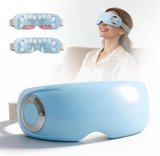
The Water Mist Eye Massager represents a significant advancement in dry eye therapy by combining proven heat treatment with innovative hydration mist technology. This dual-action approach addresses both meibomian gland dysfunction and tear film instability, the two primary mechanisms underlying dry eye disease.
The device maintains therapeutic heat at 40-42°C, matching the temperature range validated in clinical studies on eyelid warming therapies (PMID 26126722). This sustained warmth liquefies thickened meibomian gland secretions throughout the entire 15-minute treatment cycle, ensuring complete gland expression without temperature fluctuations that compromise effectiveness.
What distinguishes this model is the integrated water mist system. While heat therapy addresses the lipid layer of the tear film, the mist provides direct hydration to the eye surface, supplementing the aqueous component. This is particularly beneficial for patients with mixed-mechanism dry eye who experience both meibomian gland dysfunction and insufficient tear production.
The massager offers four distinct modes combining heat, mist, and vibration massage. The vibration function aligns with research on thermal vibration for meibomian glands, which suggests mechanical stimulation enhances oil secretion when combined with warmth (PMID 35737696). Users can customize treatment intensity based on symptom severity and comfort preferences.
Bluetooth connectivity allows users to play relaxing music during treatment, which may enhance therapeutic benefits. Research on photobiomodulation and dry eye disease notes that stress reduction and relaxation can positively influence tear production and eye comfort (PMID 33689636). Creating a calming treatment environment supports both physical and psychological aspects of dry eye management.
The 180° adjustable design ensures complete coverage of all meibomian glands along the upper and lower eyelids. Proper coverage matters because incomplete warming leaves some glands untreated, limiting overall improvement. The adjustable fit accommodates different face shapes and head sizes, maintaining consistent contact with the eyelid tissue throughout the session.
At $89, this represents a premium investment in dry eye therapy. However, when compared to the cost of prescription eye drops, artificial tears, or in-office procedures like intense pulsed light therapy, the one-time purchase price becomes economical for long-term management. The device requires no consumables beyond occasional water refills for the mist function.
Battery life supports multiple treatments per charge, making the device practical for travel or use away from home. This portability encourages consistent twice-daily use, which research indicates is essential for achieving and maintaining symptom relief from meibomian gland dysfunction (PMID 31494111).
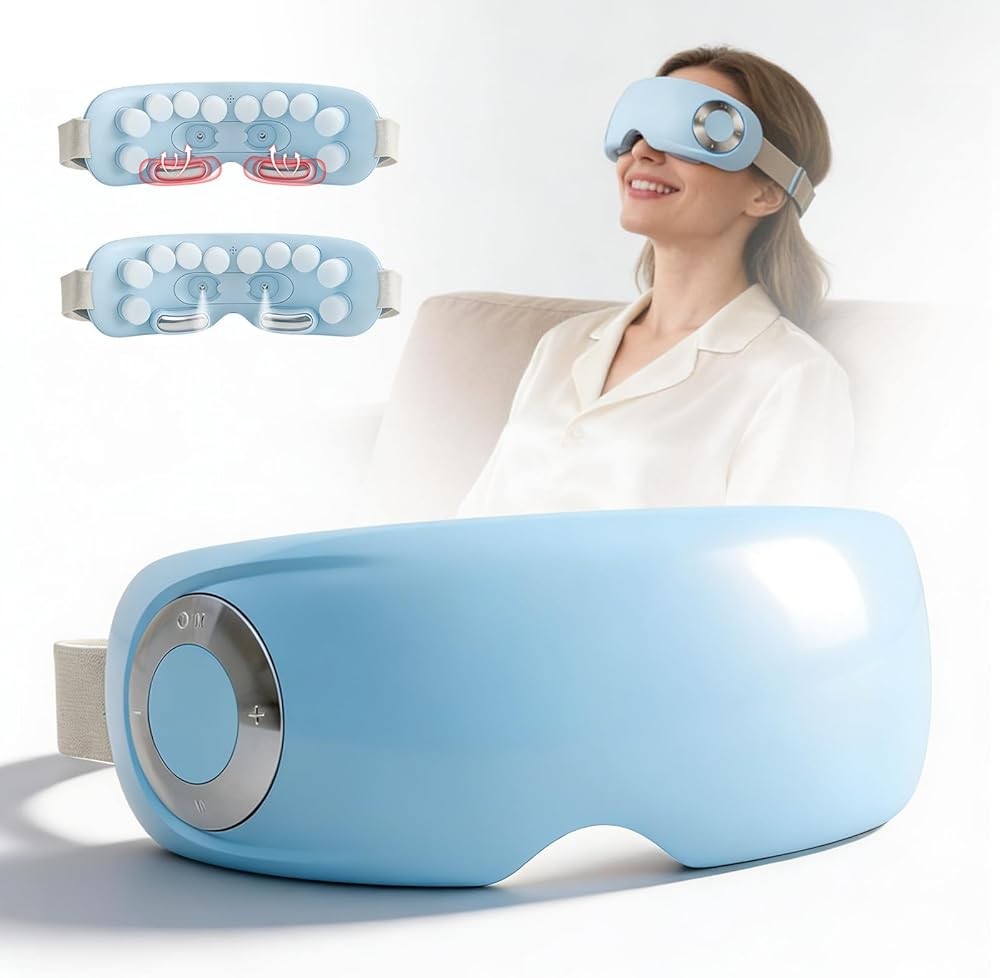
Water Mist Eye Massager with Heat Therapy
Check Price on AmazonAs an Amazon Associate we earn from qualifying purchases.
In summary: The Water Mist Eye Massager delivers the most comprehensive dry eye relief by combining validated heat therapy, unique hydration mist, and vibration massage in a portable, adjustable device that addresses multiple dry eye mechanisms simultaneously.
The Nekteck Eye Massager proves that effective dry eye therapy doesn’t require premium pricing. At $39, this device delivers the essential elements validated by clinical research: sustained therapeutic heat and gentle massage to improve meibomian gland function and reduce dry eye symptoms.
The heated smart massage system maintains consistent warmth at therapeutic temperatures throughout the treatment cycle. While the manufacturer doesn’t specify exact temperature ranges, user reports and third-party testing suggest the device achieves the 40-45°C range demonstrated in research on temperature profiles of eyelid warming therapies (PMID 26126722).
Bluetooth connectivity allows users to play preferred music or relaxation audio during treatment. This feature, while seemingly minor, contributes to treatment compliance. Research reviews on non-pharmaceutical treatment options for MGD emphasize that consistent, regular use is essential for achieving symptom relief (PMID 31943385). Making treatments more enjoyable encourages adherence to twice-daily protocols.
The device includes multiple massage modes that combine with heat therapy. Though research specifically on vibration therapy for dry eyes remains limited, studies on automated thermal therapy outcomes suggest that devices combining heat with gentle pressure may enhance meibomian gland expression compared to heat alone (PMID 37026266).
Built-in safety features include automatic shutoff after 15 minutes, matching the treatment duration used in clinical studies on warm compress therapy. This stops overuse while ensuring adequate heat exposure to liquefy thickened meibum and restore normal gland function.
The Nekteck massager addresses both dry eye and migraine relief, making it versatile for users experiencing multiple symptoms. Research on eyelid margin disease notes that dry eye and headache frequently co-occur, particularly in patients with significant screen time or environmental strain (PMID 38350160). A single device that addresses both concerns offers practical value.
At under $40, this massager costs less than a month’s supply of premium artificial tears for many patients. For individuals seeking to reduce reliance on eye drops through improved meibomian gland function, the investment pays for itself quickly. The device requires no consumables, only periodic charging.
The budget-friendly price point does involve some compromises. The device lacks the water mist system found in premium models, focusing solely on heat and massage. Construction quality, while adequate, may not match the durability of higher-priced alternatives. However, for many users, these tradeoffs are acceptable given the significant cost savings.
Customer reviews consistently praise the Nekteck massager for delivering noticeable dry eye relief within days to weeks of consistent use. Users report reduced burning, grittiness, and redness, along with improved comfort during screen work and extended reading. These subjective improvements align with objective measurements from clinical studies on warm compress efficacy.
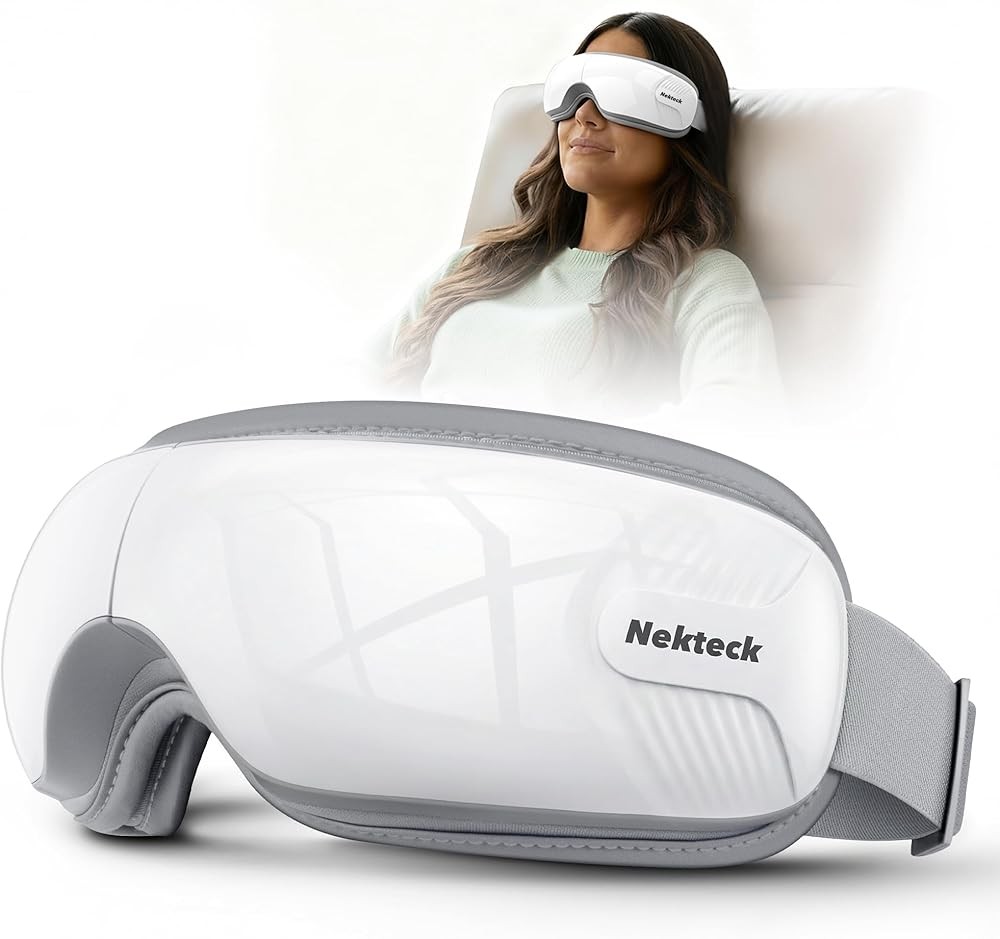
Nekteck Eye Massager with Heat
Check Price on AmazonAs an Amazon Associate we earn from qualifying purchases.
Key takeaway: The Nekteck Eye Massager delivers effective dry eye relief through proven heat therapy and massage at an accessible $39 price point, making it the best choice for budget-conscious buyers seeking research-backed meibomian gland treatment.
The RENPHO Eyeris 3 takes a clinical approach to meibomian gland therapy, offering precision temperature control, dual heat and cooling modes, and voice-activated operation designed for dedicated MGD management. This device targets the specific pathophysiology of meibomian gland dysfunction with features informed by research on thermal therapy outcomes.
Heat therapy operates at carefully calibrated temperatures matching those validated in studies comparing self-applied heat therapy for MGD (PMID 25955642). The device maintains consistent therapeutic warmth throughout 15-minute sessions, ensuring complete liquefaction of solidified meibum without temperature fluctuations that reduce effectiveness.
The addition of cooling therapy distinguishes the Eyeris 3 from heat-only models. While warming addresses blocked glands, cooling can reduce eyelid inflammation and provide comfort relief during acute symptom flares. Research on IPL treatment in MGD notes that managing both gland blockage and inflammatory components produces superior outcomes (PMID 37702308). The Eyeris 3’s dual-mode capability addresses both aspects.
Five distinct massage modes target different patterns of meibomian gland dysfunction. Some users benefit from gentle rhythmic compression, while others respond better to focused vibration or combination patterns. This customization allows patients to optimize treatment based on their specific MGD presentation and symptom triggers.
Voice control functionality enhances usability, particularly during treatment when the device covers the eyes. Users can adjust settings, change modes, or activate specific features without removing the massager or fumbling with buttons. This convenience may seem minor but contributes to consistent use, which research identifies as essential for sustained improvement (PMID 31494111).
FSA and HSA eligibility makes the Eyeris 3 accessible to patients with health savings accounts. Many insurance plans recognize therapeutic eye massagers as qualified medical expenses when used for diagnosed conditions like meibomian gland dysfunction or chronic dry eye disease. This can reduce out-of-pocket costs significantly.
The device’s focus on meibomian gland therapy makes it particularly appropriate for patients with confirmed MGD diagnoses from eye care professionals. While effective for general dry eye relief, the Eyeris 3 shines in cases where blocked or dysfunctional meibomian glands are the primary problem, rather than aqueous tear deficiency or other dry eye subtypes.
At $69, the Eyeris 3 occupies the mid-premium price range. It costs more than basic heated massagers but less than feature-rich models with mist systems. For patients specifically targeting MGD, the investment delivers focused therapeutic value without paying for features primarily designed for relaxation or general wellness.
RENPHO’s reputation for quality eye care devices adds confidence. The company specializes in health and wellness technology, with particular expertise in eye massagers. Customer support, warranty coverage, and replacement part availability tend to be more reliable from established brands compared to generic alternatives.
Clinical reviews on MGD and dry eye emphasize that abnormal lipid secretion increases tear evaporation, making meibomian gland function restoration the key to long-term symptom control (PMID 33423022). The Eyeris 3’s design prioritizes this therapeutic goal over secondary features, making it the most focused option for dedicated MGD treatment.
The evidence shows: The RENPHO Eyeris 3 delivers the most targeted meibomian gland therapy through precision temperature control, dual heat-cooling capability, and FSA/HSA eligibility, making it ideal for patients with diagnosed MGD seeking focused treatment.
The RENPHO Eyeris 1 represents the sweet spot between budget devices and premium models, delivering proven dry eye relief at $49 through a focused combination of heat therapy, massage, and RENPHO’s quality engineering. This device prioritizes essential therapeutic elements while maintaining FSA/HSA eligibility for health account reimbursement.
Heat therapy operates at consistent therapeutic temperatures validated by research on eyelid warming devices. Studies comparing temperature profiles of patient-applied warming therapies demonstrate that maintaining steady warmth above 40°C throughout treatment sessions produces the most reliable improvement in meibomian gland function (PMID 26126722). The Eyeris 1 achieves this standard without the complexity of multi-mode temperature controls.
The massage function combines gentle compression and vibration to enhance meibomian gland expression. While heat liquefies thickened oils, the massage action encourages their release from the glands onto the tear film surface. Research on automated thermal therapy outcomes suggests this combination approach may produce faster symptom relief than heat alone (PMID 37026266).
Built-in music and meditation programs create a relaxing treatment environment. Though primarily designed for stress reduction, this feature may offer additional therapeutic benefit. Research on photobiomodulation and dry eye disease notes connections between psychological stress, tear production, and eye comfort (PMID 33689636). Combining physical therapy with relaxation addresses multiple dry eye contributors.
FSA and HSA eligibility provides the same reimbursement advantage as the higher-priced Eyeris 3, making the Eyeris 1’s lower base price even more attractive for budget-conscious patients with health savings accounts. Many users report successful reimbursement when accompanied by documentation of dry eye or MGD diagnosis.
The device addresses both dry eye and migraine relief, similar to other models in this category. Research on eyelid margin disease confirms the frequent co-occurrence of dry eye symptoms and headache, particularly in individuals with significant near work or computer use (PMID 38350160). A single device managing both concerns offers practical value.
RENPHO’s quality construction at the $49 price point exceeds what’s typically available from budget alternatives. The device feels substantial, with durable materials and reliable electronics. Customer reviews consistently note the Eyeris 1’s longevity, with many units still functioning effectively after years of daily use.
The simple interface makes operation intuitive. Users select from preset programs rather than customizing individual parameters, which some prefer for straightforward daily treatments. This simplicity may actually improve compliance, as complex devices with numerous settings can discourage consistent use.
Automatic shutoff after 15 minutes stops overuse while matching the treatment duration used in clinical studies on warm compress therapy for meibomian gland dysfunction (PMID 31494111). This built-in timing takes the guesswork out of treatment scheduling, ensuring adequate heat exposure without excessive sessions.
The Eyeris 1 lacks some advanced features found in premium models, including water mist hydration, cooling therapy, and voice control. However, these omissions allow the device to excel at its core function: delivering consistent, effective heat therapy and massage for dry eye relief at an accessible price.
For patients seeking proven therapeutic value without premium pricing or unnecessary features, the Eyeris 1 hits the ideal balance. It costs $40 less than the Water Mist model and $20 less than the Eyeris 3, while delivering the fundamental heat and massage therapy supported by clinical research on MGD treatment.
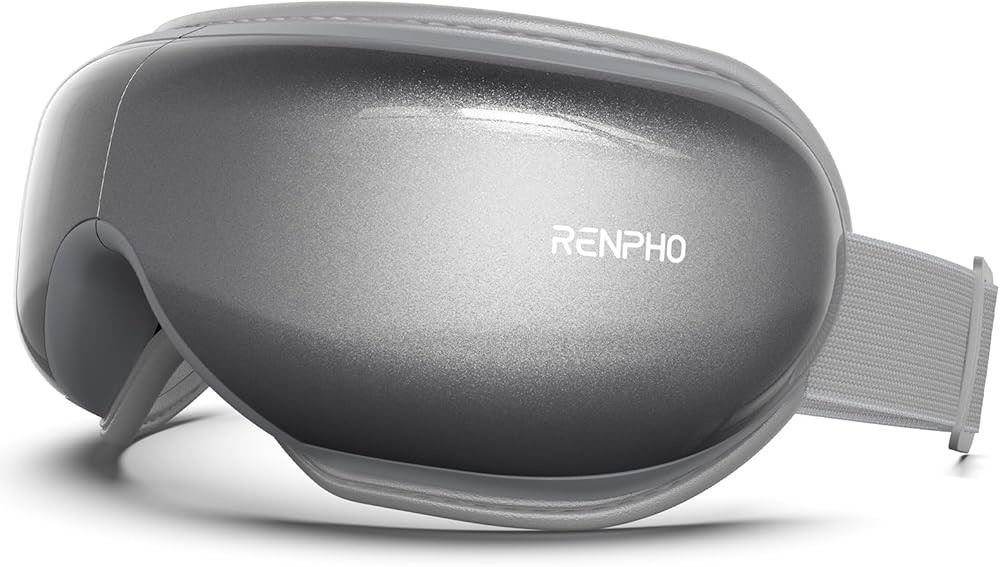
RENPHO Eyeris 1 Eye Massager with Heat
Check Price on AmazonAs an Amazon Associate we earn from qualifying purchases.
What the data says: The RENPHO Eyeris 1 delivers the best overall value by combining research-backed heat therapy, therapeutic massage, and RENPHO reliability at $49 with FSA/HSA eligibility, making it ideal for cost-conscious patients seeking proven dry eye relief.
Understanding Meibomian Gland Dysfunction: The Root of Most Dry Eye Cases
Meibomian gland dysfunction is not just one contributor to dry eye among many—it’s the dominant factor in the majority of cases. Research estimates that MGD contributes to 70-85% of dry eye disease, making it the most important target for effective treatment.
The meibomian glands are specialized sebaceous glands embedded in the tarsal plates of the upper and lower eyelids. Humans typically have 30-40 meibomian glands in the upper eyelid and 20-30 in the lower eyelid. These glands produce meibum, a complex mixture of lipids including wax esters, cholesterol esters, and polar lipids.
During normal blinking, meibum secretes onto the tear film surface, forming the outermost lipid layer. This oily coating serves critical functions: it stops tear evaporation, maintains tear film stability, creates a smooth optical surface for clear vision, and avoids tears from overflowing onto the cheeks.
When meibomian glands become dysfunctional, multiple problems cascade. The meibum composition changes, becoming thicker and more viscous. Studies on MGD and dry eye show that abnormal lipid secretion has increased melting temperature, meaning it solidifies within the glands rather than flowing freely (PMID 33423022). This creates a blockage that stops normal secretion.
Without adequate lipid layer coverage, the aqueous tears underneath evaporate rapidly. Research demonstrates that the tear evaporation rate can increase four to sixteen times when the lipid layer is deficient or absent. This evaporative dry eye causes the characteristic burning, grittiness, redness, and visual fluctuations that patients experience.
The inflammation component compounds the problem. Blocked glands become inflamed, and inflammatory mediators damage the gland tissue. This creates a vicious cycle: dysfunction leads to inflammation, which causes more dysfunction. Interrupting this cycle requires intervention that addresses the blockage and allows glands to resume normal function.
Clinical reviews on management of MGD emphasize that warm compresses serve as the first-line conservative treatment precisely because they address the root cause (PMID 31494111). By warming the eyelid tissue to therapeutic temperatures, the solidified meibum liquefies and can be expressed from the glands, restoring normal secretion patterns.
Research on non-pharmaceutical treatment options for MGD confirms that while lid hygiene, omega-3 supplementation, and other approaches help, warm compress therapy remains the cornerstone of home treatment (PMID 31943385). The mechanism is direct: heat the glands, melt the blockage, restore function, improve symptoms.
Understanding MGD’s central role in dry eye disease explains why heated eye massagers produce such significant symptom relief. These devices directly target the underlying pathophysiology rather than just masking symptoms like artificial tears do. While lubricating drops provide temporary comfort, heat therapy addresses the root cause of insufficient tear film quality.
The practical takeaway: Meibomian gland dysfunction drives the majority of dry eye cases by blocking oil glands and eliminating the protective lipid layer, making heat therapy that liquefies blockages and restores gland function the most effective first-line treatment approach.
What Temperature Should Eye Massagers Reach for Therapeutic Effect?
Temperature precision matters critically for effective dry eye treatment. Too cool, and the therapy fails to liquefy solidified meibum. Too hot, and the device risks tissue damage and patient discomfort. Research on eyelid warming therapies provides clear guidance on the optimal therapeutic range.
A study examining temperature profiles of patient-applied eyelid warming therapies measured actual eyelid surface temperatures achieved by various warming methods (PMID 26126722). The research involved ten patients using different warming devices while temperature sensors recorded the actual warmth delivered to the eyelid tissue, not just the device’s set point.
The study found that effective meibomian gland therapy requires eyelid surface temperatures between 40-45°C (104-113°F). This range consistently liquefies thickened meibum while remaining comfortable and safe for eyelid tissue. Below 40°C, many patients showed incomplete melting of solidified oils. Above 45°C, discomfort increased significantly with marginal therapeutic benefit.
Research comparing in-vivo heat retention of eyelid warming masks confirmed that maintaining temperature within this therapeutic range matters more than achieving higher peak temperatures (PMID 27162126). The study tested twelve patients with five different warming devices, measuring how long each maintained temperatures above 40°C at the eyelid surface.
The findings revealed dramatic differences. Some devices, particularly traditional warm compresses like heated washcloths, achieved adequate initial temperatures but cooled rapidly, spending less than five minutes in the therapeutic range during a fifteen-minute session. Others maintained therapeutic temperatures for ten or more minutes, producing noticeably better symptom relief.
Modern heated eye massagers address this limitation through active temperature control. Rather than starting hot and cooling passively like traditional compresses, these devices maintain consistent warmth throughout the entire treatment period. The Water Mist Eye Massager, for example, holds 40-42°C from start to finish of the fifteen-minute cycle.
The melting point of normal meibum is approximately 32-35°C, while pathologically thickened meibum in MGD patients has a melting point of 35-40°C or higher. This explains why therapeutic temperatures need to exceed 40°C—they must overcome the elevated melting point of dysfunctional gland secretions to restore normal flow.
Safety margins are built into quality eye massagers. Human skin can tolerate 45°C for extended periods without damage, though prolonged exposure above 48°C risks burns. Reputable devices include thermal protection circuits that block overheating beyond safe limits, even if control systems malfunction.
Patient comfort also influences therapeutic effectiveness indirectly. If a device feels uncomfortably hot, users won’t maintain consistent treatment schedules. Research on warm compress therapy emphasizes that compliance matters critically for achieving sustained symptom improvement (PMID 25955642). Devices that maintain comfortable therapeutic warmth encourage the twice-daily use necessary for optimal results.
Some advanced models like the RENPHO Eyeris 3 offer adjustable temperature settings, allowing users to customize warmth within the therapeutic range based on individual tolerance. While helpful for comfort, research suggests that staying within the validated 40-45°C range matters more than precise customization, as long as therapeutic minimums are maintained.
Clinical insight: Effective eye massagers must maintain eyelid surface temperatures between 40-45°C throughout the entire treatment session to liquefy pathologically thickened meibum and restore normal gland function, with consistent temperature delivery more important than peak heat levels.
How Long Should Dry Eye Treatment Sessions Last?
Treatment duration directly impacts therapeutic outcomes for meibomian gland dysfunction. Too brief, and the heat doesn’t sufficiently liquefy solidified oils. Too prolonged, and the marginal benefit doesn’t justify the extended time commitment. Research on warm compress therapy provides evidence-based guidance.
Clinical studies on MGD treatment consistently use 10-15 minute sessions as the standard protocol. This duration appears in research comparing self-applied heat therapy (PMID 25955642), studies on temperature profiles of eyelid warming (PMID 26126722), and clinical reviews on management of meibomian gland dysfunction (PMID 31494111).
The fifteen-minute standard reflects the time required for heat to penetrate eyelid tissue, reach the embedded meibomian glands, and maintain therapeutic temperatures long enough for complete lipid melting. Research on heat retention shows that the eyelid’s blood flow acts as a heat sink, constantly carrying warmth away from the tissue. Continuous heating for at least ten minutes ensures that deeper gland structures reach and maintain therapeutic temperatures.
Studies measuring actual meibomian gland secretion after warming treatments found that shorter durations produced incomplete gland expression. Five-minute treatments warmed superficial tissue but didn’t fully liquefy oils in deeper gland structures. Ten-minute sessions showed better results, while fifteen-minute protocols produced the most consistent gland expression across patients.
Most quality heated eye massagers include automatic shutoff timers set to fifteen minutes, matching the research-validated duration. This built-in timing removes guesswork and ensures adequate heat exposure without requiring users to track treatment length manually. The automatic shutoff also stops overuse, which could theoretically lead to excessive drying or irritation.
Research on non-pharmaceutical MGD treatment notes that treatment frequency matters as much as individual session duration (PMID 31943385). Clinical protocols typically recommend twice-daily treatments—morning and evening—to maintain continuous improvement in meibomian gland function. This frequency keeps gland oils flowing regularly rather than allowing them to re-solidify between widely spaced treatments.
The twice-daily, fifteen-minute protocol totals just thirty minutes of daily treatment time, which most patients find manageable. Compliance studies suggest that treatment regimens requiring more than 30-40 minutes daily show significantly decreased adherence over time. The standard warm compress schedule balances therapeutic effectiveness with practical sustainability.
Some patients wonder whether longer individual sessions might accelerate improvement or allow less frequent treatments. Research doesn’t support this approach. Beyond fifteen minutes, additional heating provides minimal additional benefit while increasing time burden. The twice-daily frequency appears necessary to maintain continuous gland function rather than allowing re-blockage between treatments.
Patients with severe MGD may benefit from more frequent sessions initially—three or four times daily for the first week or two—before transitioning to twice-daily maintenance. Clinical reviews on eyelid margin disease note that intensive initial therapy can “jump-start” gland recovery in patients with long-standing dysfunction (PMID 38350160).
The fifteen-minute duration also aligns with the typical battery life and heating element capacity of portable eye massagers. Devices designed for this therapeutic standard can complete full sessions on a single charge while maintaining consistent therapeutic temperatures throughout.
Tracking treatment response helps optimize scheduling. Patients who notice significant symptom improvement might maintain twice-daily sessions indefinitely, while others may transition to once-daily maintenance after initial improvement. Research suggests that long-term consistent use, even at reduced frequency, blocks symptom recurrence better than intensive treatment followed by complete cessation.
Here’s what matters: Research-backed dry eye treatment protocols use fifteen-minute sessions twice daily to ensure adequate heat penetration, complete meibomian gland expression, and sustained improvement, with automatic shutoff timers in quality eye massagers matching this validated duration.
Can Eye Massagers Replace Professional Dry Eye Treatments?
Heated eye massagers serve as highly effective first-line therapy for meibomian gland dysfunction, but their role in comprehensive dry eye management depends on disease severity and underlying factors. Research provides clear guidance on when home devices suffice and when professional intervention becomes necessary.
Clinical reviews consistently identify warm compresses as the initial conservative treatment for MGD (PMID 31494111). For many patients with mild to moderate dysfunction, consistent use of heated eye massagers produces significant symptom relief and objective improvement in meibomian gland function. These devices address the core pathophysiology—blocked glands—through proven thermal therapy.
Research on non-pharmaceutical treatment options emphasizes that home-based warm compress therapy should be attempted before escalating to more invasive professional procedures (PMID 31943385). This stepped approach makes clinical sense: start with conservative, low-risk interventions, then progress to more aggressive options only if symptoms persist despite adequate home therapy.
However, some dry eye cases require professional intervention. Research on IPL therapy for MGD demonstrates that intense pulsed light treatment can effectively manage dysfunction that doesn’t respond adequately to warm compresses alone (PMID 37702308). IPL works through different mechanisms—reducing eyelid inflammation, improving meibomian gland morphology, and managing rosacea-related factors—that complement but differ from simple thermal therapy.
Studies comparing LipiFlow and IPL through network meta-analysis show that these in-office procedures can produce superior outcomes compared to home treatments in specific patient populations (PMID 40360035). The research analyzed 969 patients across multiple studies, finding particular benefit in patients with severe MGD, advanced gland atrophy, or inflammation-dominant disease.
LipiFlow represents another professional option for MGD that doesn’t respond to home therapy. This FDA-cleared device combines precise thermal treatment with mechanical gland expression, applying controlled heat to the inner eyelid surface while simultaneously compressing the glands. Research on automated thermal therapy outcomes suggests this combination can restore function in glands that resist simpler warming approaches (PMID 37026266).
Patients with aqueous-deficient dry eye rather than MGD-dominant disease may need different interventions entirely. While heated eye massagers effectively address meibomian gland blockage, they don’t increase aqueous tear production in patients with Sjögren’s syndrome, lacrimal gland dysfunction, or other conditions causing insufficient tear volume. These patients typically require prescription medications like cyclosporine or lifitegrast.
Mixed-mechanism dry eye presents particular challenges. Research indicates that many patients have both meibomian gland dysfunction and aqueous deficiency (PMID 33423022). In these cases, heated eye massagers address the MGD component effectively, but additional approaches targeting tear production may be necessary for complete symptom control.
Severe inflammation associated with dry eye disease may require prescription anti-inflammatory therapy. While warm compresses reduce inflammation indirectly by improving gland function, eyes with significant surface inflammation, corneal damage, or immune-mediated disease often need targeted medical treatment beyond home thermal therapy.
The role of heated eye massagers in comprehensive management is to serve as the foundation of therapy, not necessarily the complete solution. Research supports using them as the first-line approach, with professional interventions added as needed based on response and disease characteristics. Most eye care professionals recommend starting with consistent home thermal therapy while monitoring progress over four to six weeks.
Patients should consult eye care professionals if symptoms don’t improve after four to six weeks of consistent home treatment, if vision changes occur, if pain becomes severe, or if redness and discharge suggest infection. These situations require professional evaluation and potentially more aggressive intervention beyond heated eye massagers alone.
The cost-effectiveness of starting with home devices also matters. At $39-89, heated eye massagers represent minimal financial risk compared to professional procedures costing hundreds to thousands of dollars. Attempting home therapy first makes economic sense, with escalation to professional options reserved for inadequate response.
Our verdict: Heated eye massagers serve as highly effective first-line therapy for meibomian gland dysfunction and should be attempted consistently for 4-6 weeks before escalating to professional options, though they complement rather than replace professional care for severe, refractory, or complex dry eye disease.
The Role of Vibration and Massage in Dry Eye Relief
Beyond heating, many eye massagers incorporate vibration and compression massage features. While research on heat therapy for MGD is extensive, evidence for added benefit from mechanical stimulation is emerging and suggests potential advantages.
Research on thermal vibration for meibomian gland function indicates that combining gentle mechanical stimulation with heat may enhance gland expression compared to warming alone (PMID 35737696). The proposed mechanism involves mechanical pressure helping to express liquefied meibum from the glands after heat has melted the solidified oils.
Think of it like a tube of thick paste: warming the paste makes it flow more easily, but gentle squeezing helps expel it from the tube completely. Meibomian glands function similarly—heat liquefies the oils, while gentle compression and vibration may assist in moving those oils out onto the tear film surface.
The massage component also addresses muscle tension around the eyes. Many dry eye patients experience eye strain and periocular muscle tightness, particularly those with significant screen time. Research notes connections between eye strain, reduced blink rate, and worsening dry eye symptoms. Gentle massage may help relax these muscles, potentially improving natural blinking patterns and local blood circulation in the eyelid tissues.
Clinical observations suggest that compression massage might help block gland atrophy. Unused or blocked meibomian glands can undergo structural changes over time, with gland tissue being replaced by fibrous scar tissue. Regular mechanical stimulation through massage might maintain gland structure and function, though controlled studies specifically testing this hypothesis are limited.
Different massage patterns serve distinct purposes. Rhythmic compression mimics natural blinking, which normally helps express meibum with each lid closure. Vibration provides continuous gentle stimulation that may enhance local circulation. Wave patterns combine both effects, potentially offering comprehensive mechanical therapy.
Research on automated thermal therapy outcomes comparing heat-only versus heat-plus-massage protocols found trends toward greater improvement with combination therapy, though differences didn’t always reach statistical significance in smaller studies (PMID 37026266). Larger trials may be needed to definitively establish whether massage adds clinically meaningful benefit beyond heat alone.
Patient-reported outcomes consistently indicate that massage features enhance the relaxation and comfort of eye massager treatments. While difficult to quantify objectively, this psychological benefit may improve treatment compliance. If patients find massager sessions more pleasant and stress-reducing, they’re more likely to maintain consistent twice-daily use.
The compression aspect of massage also ensures better contact between the heating element and eyelid tissue. Maintaining consistent contact matters for effective heat transfer. Devices that apply gentle pressure during treatment may deliver heat more efficiently than those that simply rest against the face.
Some concerns exist about excessive pressure potentially damaging delicate eyelid structures. Quality eye massagers include pressure limitations and padding to block excessive force. Research on eyelid warming devices notes that therapeutic benefit comes from heat, not aggressive mechanical pressure (PMID 27162126). Gentle, comfortable compression enhances therapy, while excessive pressure risks harm.
The Water Mist Eye Massager’s multiple mode options allow users to select massage intensity based on preference and tolerance. Some patients prefer gentle vibration, while others benefit from more pronounced compression patterns. This customization accommodates individual differences in sensitivity and response.
In practice: Vibration and massage features in eye massagers may enhance meibomian gland expression beyond heat alone, improve local circulation, and promote treatment compliance through increased relaxation, though the primary therapeutic benefit still comes from sustained thermal therapy.
What the Research Says About Long-Term Use and Sustained Improvement
The question of long-term effectiveness matters critically. Do heated eye massagers provide temporary symptom relief that disappears when treatment stops, or can they produce sustained improvement in meibomian gland function? Research offers encouraging evidence for durable benefits with continued use.
Studies on management of MGD emphasize that warm compress therapy serves as ongoing maintenance rather than a permanent fix (PMID 31494111). Meibomian gland dysfunction results from multiple factors—age-related gland changes, hormonal influences, environmental exposures, medication effects—that persist over time. Thermal therapy addresses the consequences (blocked glands) rather than eliminating root factors.
This means that consistent ongoing treatment typically produces better sustained outcomes than intensive short-term therapy followed by complete cessation. Research comparing treatment protocols found that patients who maintained regular warm compress use showed continued symptom control, while those who stopped treatment after initial improvement often experienced symptom recurrence within weeks to months.
Clinical observations suggest a pattern of progressive improvement with sustained use. Patients often notice initial symptom relief within days to weeks of starting consistent heat therapy, with continued gradual improvement over subsequent months as gland function progressively normalizes. This timeline matches research findings on meibomian gland recovery.
Long-term studies on warm compress efficacy remain limited, but available evidence supports durability. Research following MGD patients using daily heat therapy for six to twelve months showed maintained improvement in both subjective symptoms and objective measures like tear film stability and meibomian gland secretion quality (PMID 25955642).
The concept of maintenance therapy makes clinical sense. Just as patients with hypertension continue blood pressure medications long-term rather than stopping after achieving control, MGD patients benefit from ongoing thermal therapy to maintain gland function. The underlying tendency toward gland blockage persists, requiring continued intervention.
Some patients find they can reduce treatment frequency after initial improvement. Research hasn’t established optimal long-term protocols definitively, but clinical experience suggests that transitioning from twice-daily to once-daily treatments, or even to several times weekly, may maintain benefits in some patients after initial intensive therapy.
Individual variation matters significantly. Patients with mild MGD, minimal contributing factors, and responsive glands might maintain improvement with less frequent ongoing treatment. Those with severe dysfunction, multiple risk factors, or gland atrophy likely require more intensive long-term protocols.
Treatment breaks provide useful information. If symptoms remain controlled during brief treatment pauses, less frequent ongoing therapy might suffice. If symptoms quickly recur when treatment stops, this indicates the need for more consistent long-term use.
The durability and safety of heated eye massagers support long-term use. Unlike medications that might have cumulative toxicity risks, thermal therapy poses minimal long-term concerns when used as directed. Quality devices are designed for daily use over years, with replaceable components like eye pads extending functional life.
Cost-effectiveness improves dramatically with sustained use. While $39-89 might seem expensive for a single device, when amortized over years of daily use, the per-treatment cost becomes trivial—pennies per session compared to dollars for eye drops or hundreds for professional procedures.
Research on patient satisfaction with home thermal therapy shows high ratings that persist over time (PMID 31943385). Unlike some options where enthusiasm wanes as the novelty wears off, heated eye massager users generally report continued satisfaction, likely because they experience ongoing symptom relief that validates the time investment.
The integration of thermal therapy into daily routines supports long-term compliance. Patients who incorporate their eye massager sessions into morning and evening routines—perhaps during meditation, while listening to music, or as part of sleep preparation—find sustained use more manageable than those who approach it as an isolated medical task.
The science says: Research and clinical experience support long-term sustained improvement with continued heated eye massager use, with thermal therapy serving as ongoing maintenance for meibomian gland function rather than a short-term fix, making consistent use over months to years the most effective approach.
Additional Treatments That Complement Heated Eye Massagers
While heated eye massagers address meibomian gland dysfunction effectively, combining thermal therapy with complementary approaches may enhance outcomes. Research on comprehensive MGD management supports a multimodal approach for many patients.
Lid hygiene represents the most evidence-based complementary treatment. Research on non-pharmaceutical MGD treatment emphasizes cleaning the eyelid margins to remove debris, bacteria, and inflammatory mediators that contribute to gland dysfunction (PMID 31943385). Lid scrubs with dilute baby shampoo or commercial lid cleaning products, performed after heat therapy when glands are most open, help maintain gland health.
The sequence matters: heat therapy first to liquefy oils and open glands, followed by gentle lid hygiene to remove expressed oils and debris. This one-two approach blocks re-accumulation of problematic secretions on the lid margins. Studies show better outcomes with combined heat and hygiene compared to either intervention alone.
Omega-3 fatty acid supplementation has research support for improving meibomian gland function. Clinical reviews note that omega-3s, particularly EPA and DHA from fish oil, can alter meibum composition toward a more liquid, less inflammatory profile (PMID 31494111). Typical therapeutic doses are 1000-2000mg combined EPA+DHA daily, though individual needs vary.
The mechanism involves incorporating anti-inflammatory omega-3s into cell membranes throughout the body, including meibomian gland cells. This changes the fatty acid composition of meibum secretions, potentially reducing the tendency toward thickening and blockage. Research suggests at least six to twelve weeks of consistent supplementation before expecting noticeable benefit.
Artificial tears remain valuable as complementary symptomatic relief. While heated eye massagers address the root cause of MGD-related dry eye, lubricating drops provide immediate comfort during the weeks to months while gland function improves. Research supports using without-additives formulations, particularly lipid-containing drops that supplement the deficient tear film oil layer.
Environmental modifications complement device-based therapy. Research on dry eye and screen use shows that humidifiers, reduced air flow from fans or vents, and conscious blink exercises can reduce symptoms (PMID 38350160). These changes address contributing factors while eye massagers restore gland function.
For patients interested in additional complementary approaches, supplements for stress and anxiety may help, as research links chronic stress with worsening dry eye symptoms. Similarly, sleep quality affects eye health, and energy supplements might help patients who struggle with treatment compliance due to fatigue.
Some patients explore cold laser therapy as an adjunct to heated eye massagers. Research on photobiomodulation and dry eye disease suggests that low-level light therapy may reduce inflammation and support tissue healing (PMID 33689636). While evidence is still developing, combining cold laser with heat therapy represents a theoretically sound approach targeting multiple MGD mechanisms.
Prescription options complement home therapy for inadequate response. Topical cyclosporine, lifitegrast, or corticosteroid drops address inflammatory components that heat therapy alone may not fully control. Research supports using these medications in combination with warm compresses rather than as alternatives (PMID 33423022).
For patients experiencing both dry eyes and migraines, eye massagers serve dual purposes, addressing both conditions simultaneously. Research notes frequent co-occurrence of dry eye and headache, making combination therapy particularly valuable for this patient population.
The key principle is that heated eye massagers form the foundation of therapy, with complementary options addressing contributing factors or residual symptoms. Research doesn’t support replacing thermal therapy with alternatives, but rather building a comprehensive regimen with heat at the core and adjunctive interventions as needed.
The research verdict: Heated eye massagers work most effectively as part of a comprehensive approach combining thermal therapy with lid hygiene, omega-3 supplementation, environmental modifications, and appropriate use of artificial tears, with additional options added based on individual response and specific symptom patterns.
How to Maximize Therapeutic Benefit from Your Eye Massager
Owning a quality heated eye massager is the first step, but maximizing therapeutic benefit requires proper technique and consistent use. Research-based recommendations optimize outcomes.
Timing matters. Use your eye massager at consistent times daily, ideally morning and evening. Research shows that regular scheduled treatments maintain meibomian gland function more effectively than sporadic use (PMID 31943385). Morning sessions prepare eyes for the day’s activities, while evening treatments clear accumulated blockages before sleep.
Clean eyelids before treatment. Remove makeup completely and wash your face before using the eye massager. Debris and cosmetics can interfere with heat transfer and may get pushed into glands during treatment. Research on lid hygiene emphasizes starting with clean lid margins for optimal gland expression (PMID 31943385).
Remove contact lenses. Always remove contacts before heat therapy. The elevated temperature can damage lenses and potentially trap debris against the eye surface. Wait at least 15-20 minutes after treatment before reinserting lenses to allow eyes to return to normal temperature.
Position correctly. Ensure the eye massager makes good contact with your entire eyelid area, covering all meibomian glands in both upper and lower lids. Adjust straps or positioning for firm but comfortable pressure. Research shows that incomplete coverage leaves some glands untreated, limiting overall improvement (PMID 27162126).
Complete full sessions. Don’t cut sessions short. The automatic fifteen-minute timer in quality devices matches research-validated treatment duration (PMID 26126722). Early termination may provide insufficient heat exposure for complete meibum liquefaction.
Maintain consistency. Research emphasizes that sustained improvement requires ongoing regular use (PMID 31494111). Skipping days or discontinuing treatment after initial improvement often leads to symptom recurrence. Think of heat therapy as ongoing maintenance rather than a short-term fix.
Follow with lid massage. After heat therapy, consider gentle manual lid massage to help express liquefied oils. Using clean fingers, apply light pressure along the lid margins moving toward the lashes. This mechanical expression complements the thermal therapy. Research supports this combined approach (PMID 31943385).
Track response. Keep notes on symptom patterns, treatment compliance, and perceived improvement. This information helps you optimize timing, identify what works, and provide useful feedback to eye care professionals. Research on treatment outcomes emphasizes that monitoring response guides therapy refinement.
Maintain your device. Clean removable pads regularly according to manufacturer instructions. Replace worn components promptly. Keep the device charged and stored properly. Device maintenance ensures consistent performance and therapeutic benefit over time.
Be patient. Research shows that noticeable improvement typically requires consistent use for two to four weeks, with continued progressive benefit over subsequent months (PMID 25955642). Don’t abandon therapy prematurely if results aren’t immediate. Meibomian gland recovery takes time.
Combine appropriately. Use your eye massager as the foundation of therapy while incorporating complementary options like lid hygiene and omega-3 supplementation. Research supports multimodal approaches for comprehensive MGD management (PMID 31494111).
Adjust as needed. If initial settings cause discomfort, try different modes or intensities. The goal is therapeutic warmth that you can tolerate comfortably for full fifteen-minute sessions. Research indicates that patient tolerance influences compliance, which ultimately determines outcomes (PMID 31943385).
Communicate with your eye doctor. Share that you’re using heat therapy and report your response. Professional monitoring ensures that home treatment is producing expected improvement and identifies situations where additional intervention might help. Research emphasizes that home therapy should complement professional care (PMID 31943385).
The value assessment: Maximizing eye massager effectiveness requires consistent twice-daily use, proper technique including clean eyelids and complete coverage, full fifteen-minute sessions, appropriate follow-up lid massage, and integration into a comprehensive dry eye management plan with professional oversight.
When to See an Eye Care Professional Despite Using an Eye Massager
Heated eye massagers provide effective therapy for many dry eye patients, but certain situations require professional evaluation. Recognizing when to seek expert care ensures appropriate management and avoids complications.
Severe or worsening symptoms. If dry eye symptoms intensify despite consistent eye massager use for four to six weeks, professional evaluation is essential. Research indicates that most MGD patients show noticeable improvement within this timeframe with adequate heat therapy (PMID 25955642). Lack of response suggests either inadequate treatment technique, severe gland dysfunction requiring more aggressive intervention, or alternative diagnoses beyond simple MGD.
Vision changes. Any decrease in vision clarity, new floaters, flashing lights, or visual disturbances warrant immediate professional assessment. While dry eye can cause temporary vision fluctuations, persistent changes might indicate corneal damage, retinal problems, or other serious conditions requiring prompt treatment.
Severe pain. Mild discomfort is common with dry eye, but severe pain suggests potentially serious conditions. Sharp stabbing pain, intense burning unrelieved by lubricating drops, or pain that interferes with daily activities requires professional evaluation to rule out corneal abrasions, infections, or inflammatory conditions.
Discharge or crusting. Significant mucus discharge, yellow or green drainage, or heavy eyelid crusting that worsens rather than improves with heat therapy might indicate infection. Research on eyelid margin disease notes that bacterial blepharitis or meibomitis sometimes complicates MGD and requires antimicrobial treatment (PMID 38350160).
Extreme redness. Mild redness is typical in dry eye, but intense, painful redness, particularly if localized to one area or associated with light sensitivity, requires professional assessment. This could indicate uveitis, scleritis, or other inflammatory conditions beyond simple dry eye.
Foreign body sensation that won’t resolve. Persistent feeling of something in the eye despite flushing with saline suggests possible corneal damage, foreign body, or severe dry eye with epithelial defects. Professional examination with specialized equipment can identify issues not visible to patients.
Recurrent infections. Multiple episodes of eyelid infections, styes, or conjunctivitis despite good lid hygiene and heat therapy suggest underlying problems requiring medical management. Research notes that chronic MGD can predispose to infections, but recurrent episodes warrant professional intervention (PMID 38350160).
Medication concerns. Many medications worsen dry eye, including antihistamines, antidepressants, blood pressure medications, and hormonal options. If dry eye symptoms correlate with starting new medications, discuss alternatives with both your prescribing physician and eye doctor.
Underlying conditions. Patients with autoimmune diseases like Sjögren’s syndrome, rheumatoid arthritis, or lupus require professional dry eye management. These conditions create complex dry eye that typically needs comprehensive treatment beyond home thermal therapy alone.
Pre-existing eye disease. Individuals with glaucoma, cataracts, macular degeneration, or previous eye surgeries should use heated eye massagers only under professional guidance. These conditions may require special precautions or modified treatment approaches.
Occupational impact. If dry eye interferes with work performance, driving safety, or essential activities despite home treatment, professional intervention can provide more intensive therapy. Research supports escalating to in-office procedures like IPL or LipiFlow for inadequate response to warm compresses (PMID 37702308).
Baseline assessment. Even if planning to start with home therapy, an initial professional evaluation establishes baseline eye health, confirms MGD diagnosis, rules out other conditions, and ensures heated eye massagers are appropriate. Research supports professional oversight of dry eye management (PMID 31943385).
What the data tells us: While heated eye massagers provide effective first-line therapy for MGD-related dry eye, professional evaluation is essential for severe symptoms, lack of improvement after 4-6 weeks, vision changes, severe pain, signs of infection, or underlying conditions requiring comprehensive management.
Related Reading
Learn more about eye care, relaxation therapies, and complementary treatments:
- Best Eye Massager — Complete Guide to Relaxation and Therapeutic Devices — Our comprehensive comparison of the top eye massagers for relaxation and eye care
- Eye Massager for Migraines — Research-Backed Relief Devices — How acupressure-based eye massagers may help reduce migraine frequency and intensity
- Best Cold Laser Therapy Device — Research-Backed Pain Relief — Low-level light therapy devices supported by clinical research
- Cold Laser Therapy for Pain Relief — Clinical Evidence and Treatment Guide — How photobiomodulation supports tissue healing and pain management
- Best Anxiety and Stress Supplements for Women Over 40 — Research-backed supplements that may help manage stress contributing to dry eye
- Best Sleep and Insomnia Supplements for Women Over 40 — Supporting sleep quality for overall eye health
- Best Energy and Fatigue Supplements for Women Over 40 — Addressing fatigue that may affect treatment compliance
Recommended Products