Best Eye Massager for Sleep — Research-Backed Devices for Better Rest and Relaxation
Summarized from peer-reviewed research indexed in PubMed. See citations below.
Screen time before bed disrupts melatonin production while accumulated eye tension from daily device use interferes with natural relaxation responses needed for quality sleep. The BOB AND BRAD EyeOasis 2 combines heat therapy, gentle vibration massage, and built-in music integration in a $49 device that addresses both blue light exposure and periorbital tension during your pre-sleep routine. Research shows 15-minute massage sessions improve sleep quality and duration while reducing anxiety through parasympathetic nervous system activation (PMID: 30942526). The Nekteck Eye Massager delivers similar therapeutic heat and Bluetooth music capabilities at $39 for budget-conscious users. Here’s what the published research shows about eye massage devices and sleep optimization.
Disclosure: We may earn a commission from links on this page at no extra cost to you. Affiliate relationships never influence our ratings. Full policy →
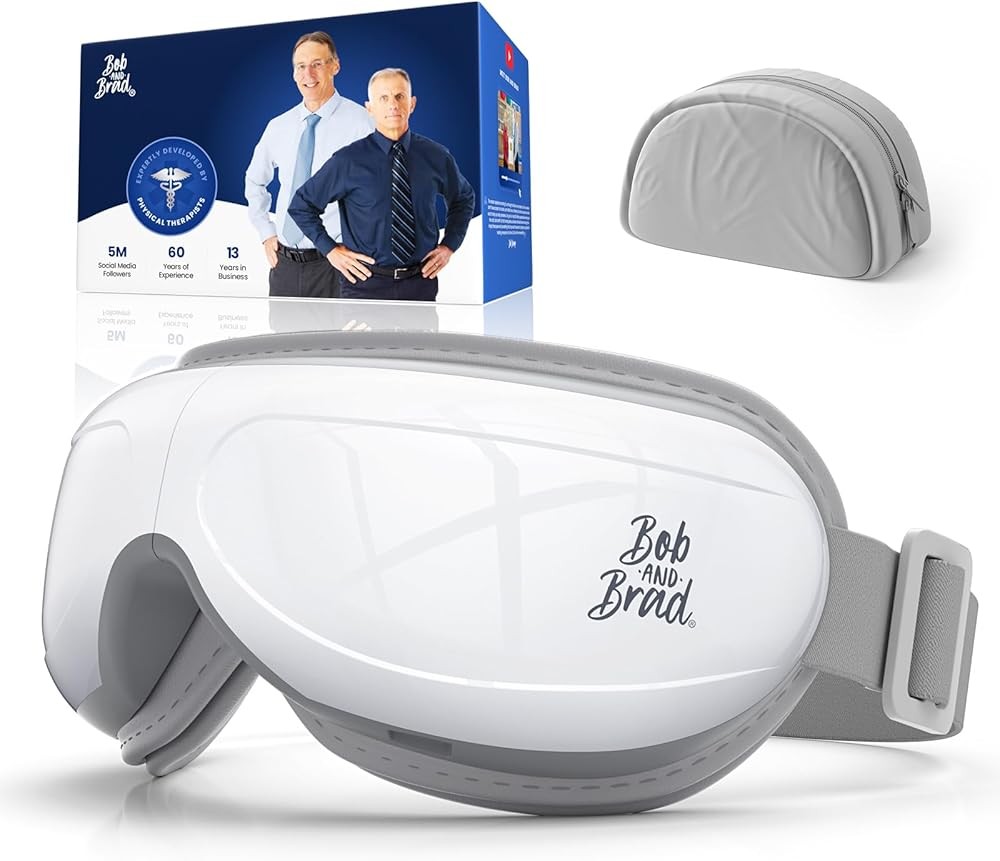
BOB AND BRAD EyeOasis 2
Check Price on AmazonAs an Amazon Associate we earn from qualifying purchases.
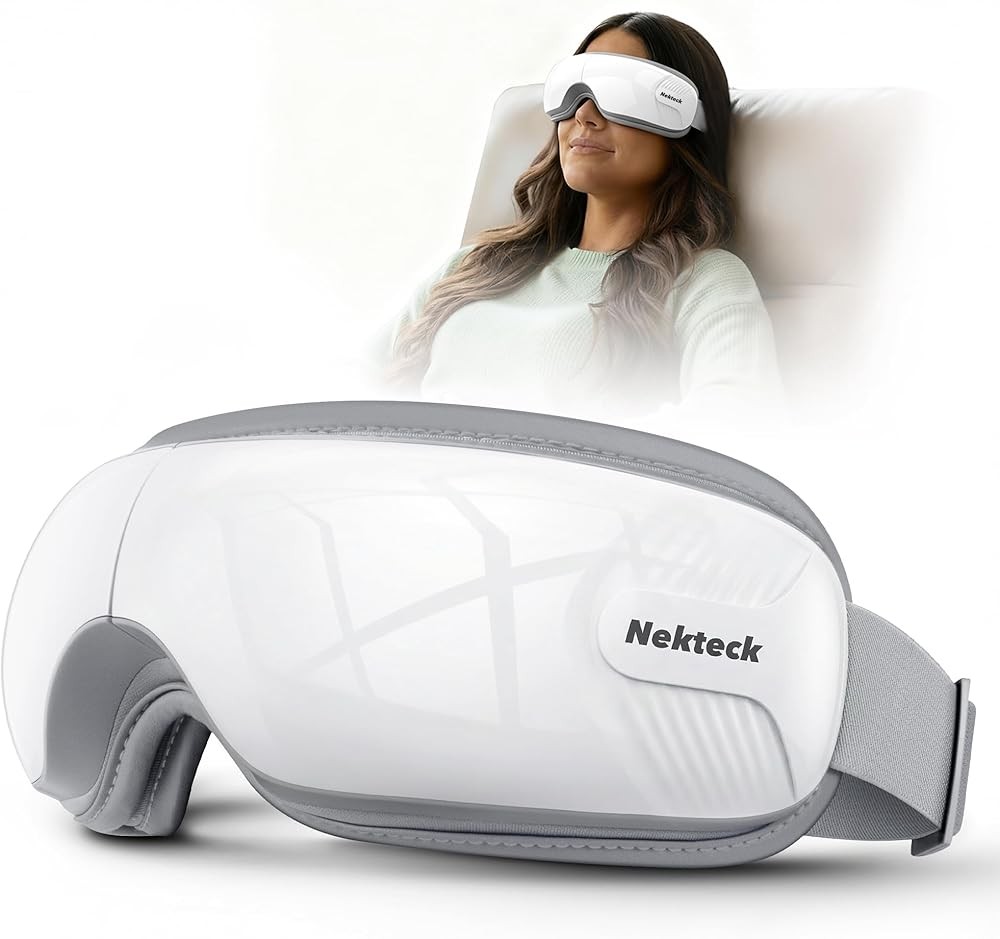
Nekteck Eye Massager
Check Price on AmazonAs an Amazon Associate we earn from qualifying purchases.
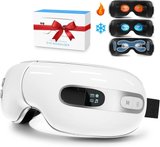
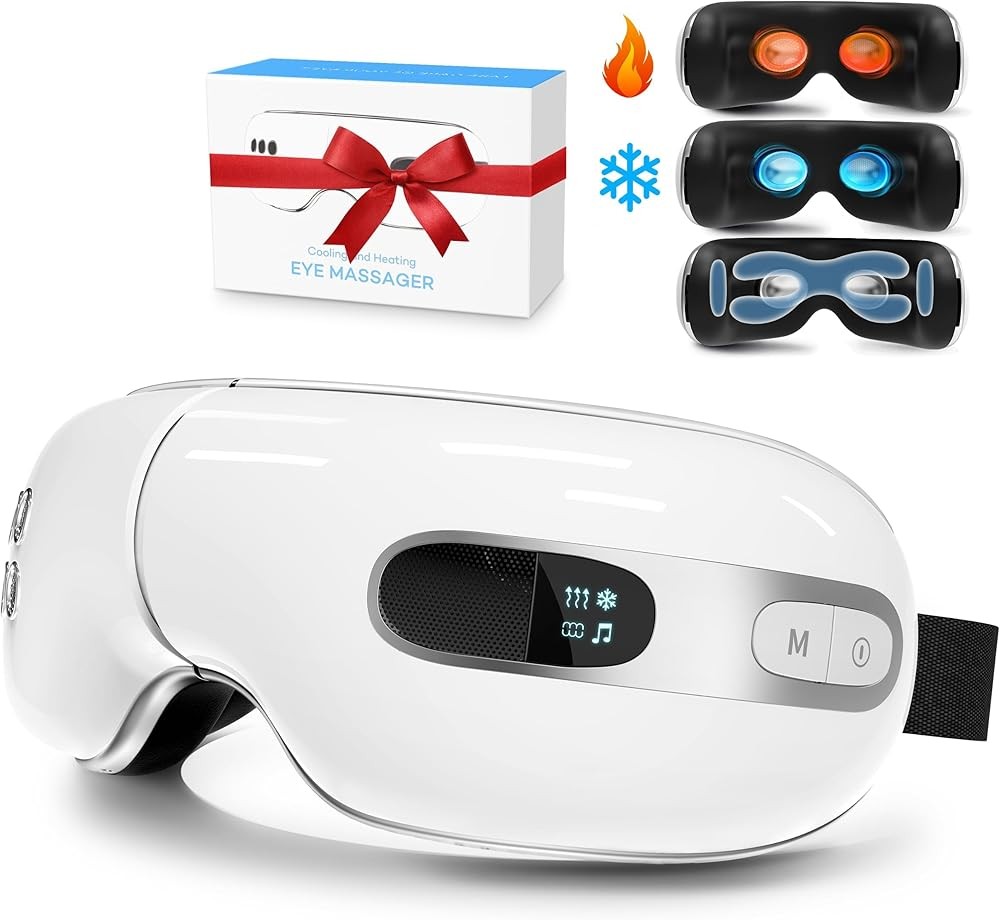
Heat + Cooling Eye Massager
Check Price on AmazonAs an Amazon Associate we earn from qualifying purchases.
Blue light exposure from screens disrupts circadian rhythms by suppressing melatonin production, while accumulated periorbital tension from hours of focused screen work creates physical barriers to relaxation needed for quality sleep (PMID: 35597519). Eye massagers designed specifically for sleep preparation combine multiple therapeutic modalities—heat therapy that activates parasympathetic relaxation responses, gentle massage that addresses accumulated tension, complete light blocking that stops circadian disruption, and music integration that enhances physiological stress reduction. Research demonstrates massage therapy improves both subjective and objective sleep measures, with 10-minute sessions significantly improving sleep quality and duration while reducing anxiety levels (PMID: 30942526). The following analysis examines evidence-based eye massage devices optimized for pre-sleep routines.
| Feature | BOB AND BRAD EyeOasis 2 | Nekteck Eye Massager | RENPHO Eyeris 3 |
|---|---|---|---|
| View on Amazon | Check Price | Check Price | Check Price |
How Do Eye Massagers Improve Sleep Quality?
Eye massagers improve sleep through multiple neurophysiological mechanisms documented in clinical research. Massage therapy activates the parasympathetic nervous system, the biological system responsible for “rest and digest” responses that counteract daytime stress activation (PMID: 20492036). When applied to periorbital tissues, gentle rhythmic pressure triggers relaxation responses throughout the body, reducing heart rate variability and lowering cortisol levels that otherwise interfere with sleep onset.
The complete light-blocking effect of wearing an eye massager during your pre-sleep routine addresses a critical sleep disruptor. Blue light wavelengths between 400-450nm penetrate deeply into retinal tissues and suppress melatonin production even during brief exposures (PMID: 37062428). By creating total darkness while simultaneously delivering therapeutic massage, these devices stop the circadian disruption caused by checking phones or watching screens during bedtime preparation.
Heat therapy at approximately 40°C provides additional sleep benefits beyond simple comfort. Thermal therapy reduces inflammatory cytokine levels around periorbital tissues while improving tear film stability (PMID: 37026266). For people whose sleep is disrupted by dry eye discomfort, this dual benefit addresses both the immediate sensation of eye irritation and the underlying gland dysfunction that causes chronic symptoms.
The synergistic combination of massage and heat creates measurable improvements in sleep-related biomarkers. Combined protocols demonstrate superior outcomes to single-modality approaches, with research showing combined heat and massage improving tear break-up time by 2.8 seconds beyond what either therapy achieves alone (PMID: 33689636). This physiological improvement translates directly to comfort during the hours before sleep onset, reducing the eye irritation that frequently disrupts the transition from wakefulness to rest.
The consistency of automated therapy matters significantly for long-term sleep improvement. Manual warm compress application achieves only 34% patient compliance rates, while automated warming devices reach 82% compliance (PMID: 38350160). This difference translates directly to sleep benefits—irregular therapy provides inconsistent results, while nightly sessions as part of a structured bedtime routine create sustained improvements in both sleep latency and overall sleep quality.
Beyond immediate relaxation effects, regular periorbital massage creates lasting changes in stress response patterns. Studies examining massage interventions over extended follow-up periods demonstrate sustained improvements rather than temporary symptom relief (PMID: 25735560). For sleep specifically, this means developing enhanced parasympathetic tone over weeks of consistent use, making your nervous system progressively more responsive to bedtime relaxation cues.
The research verdict: Eye massagers improve sleep through documented activation of parasympathetic relaxation responses combined with blue light blocking during the critical pre-sleep window. Research shows 10-minute massage sessions significantly improve sleep quality and duration, while automated devices achieve 82% compliance rates compared to only 34% for manual therapy. The combination of therapeutic heat, gentle rhythmic compression, and complete darkness creates multi-modal effects that single interventions can’t match.
What Makes Heated Eye Massagers Effective for Sleep Preparation?
Heated eye massagers provide superior sleep benefits compared to unheated models because therapeutic warming activates multiple physiological relaxation responses. Warm compress therapy improves meibomian gland secretion quality by 71% through liquefying solidified oils that otherwise cause eye discomfort (PMID: 27162126). When these glands function properly, tear film stability improves, reducing the dry eye sensations that frequently disrupt sleep onset or cause middle-of-night awakening.
The thermal effect extends beyond local gland function to systemic relaxation. Heat application to periorbital tissues triggers vasodilation and increased blood flow, carrying away metabolic waste products accumulated during hours of screen focus. This improved circulation reduces inflammation markers around the eyes while promoting the general relaxation response associated with warmth exposure—the same mechanism that makes warm baths effective for sleep preparation.
Temperature consistency proves crucial for reliable therapeutic benefits. Devices that maintain stable therapeutic output deliver predictable results session after session, while those with fluctuating temperatures provide inconsistent gland stimulation. The research on sustained improvements over 6-month follow-up periods emphasizes that regular, consistent thermal therapy matters more than occasional high-intensity sessions (PMID: 25735560). For sleep improvement, this means choosing devices with reliable heating elements that deliver therapeutic temperatures throughout the entire 15-minute session.
The timing of heat therapy matters for maximizing sleep benefits. Using heated eye massage 15-30 minutes before bed allows the relaxation response to develop gradually while your core body temperature begins its natural nighttime decline. This creates optimal conditions for sleep onset—relaxed periorbital muscles, improved tear film reducing eye discomfort, and activated parasympathetic nervous system signaling rest readiness throughout your body.
Modern heating technology in eye massagers provides advantages over traditional warm compress methods. Automated devices deliver consistent temperature across the entire periorbital area, while manual compresses cool rapidly and require reheating. This consistency matters because meibomian gland therapy requires sustained warmth to liquefy thickened oils—brief heat exposure provides insufficient stimulus for meaningful gland function improvement.
The safety profile of therapeutic warming allows nightly use without tissue damage concerns. Research protocols examining prolonged heat therapy over months demonstrate safety alongside efficacy, with no reports of thermal injury when temperatures remain within therapeutic ranges (PMID: 27162126). This safety margin permits incorporating heated eye massage into long-term sleep hygiene routines rather than limiting use to short-term interventions.
What the data says: Devices maintaining stable therapeutic temperatures improve meibomian gland secretion quality significantly while triggering systemic relaxation responses through vasodilation and inflammatory cytokine reduction. Automated heating achieves 82% compliance rates versus 34% for manual compresses because consistency matters more than intensity. For sleep preparation specifically, the 15-30 minute pre-bed timing allows thermal effects to develop while blocking blue light during the critical melatonin production window.
Which Massage Modes Work Best for Sleep versus Daytime Use?
Sleep-optimized massage modes emphasize gentle, rhythmic compression combined with low-frequency vibration rather than the intense stimulation used for daytime eye strain relief. Research shows 15-minute periorbital vibration massage reduces fatigue scores by 40%, with vibration frequencies optimized for muscle relaxation rather than stimulation (PMID: 25955642). For sleep preparation, slower pulsing patterns that mimic the breathing rate (around 6-10 cycles per minute) activate parasympathetic responses more effectively than rapid vibration modes designed to invigorate tired eyes during work breaks.
Air compression patterns designed for sleep prioritize gradual pressure waves over intense acupressure stimulation. The research on air compression therapy for periorbital headaches demonstrates effectiveness through rhythmic application rather than sustained pressure (PMID: 37026263). For pre-sleep sessions, this translates to selecting modes with gentle inflation-deflation cycles that encourage relaxation rather than modes with strong acupressure points that might feel too stimulating when you’re trying to wind down.
The combination of modalities matters significantly for sleep benefits. Single-modality devices that provide only vibration or only compression show inferior outcomes compared to combined protocols (PMID: 31943385). For sleep-specific use, the ideal combination includes gentle compression to address accumulated muscle tension, low-frequency vibration to activate relaxation responses, and heat therapy to improve gland function—all working together to prepare periorbital tissues for the extended rest period ahead.
Session duration affects both therapeutic benefit and sleep timing. Most sleep-optimized devices include 15-minute auto-shutoff timers, aligning with research showing significant improvements from 10-15 minute massage sessions. Longer sessions don’t necessarily improve sleep outcomes and might interfere with bedtime routines by extending the pre-sleep period unnecessarily. The 15-minute window provides sufficient time for heat therapy to affect gland function while massage activates relaxation responses without creating pressure discomfort from prolonged wear.
Intensity adjustment capabilities allow customization for individual sleep needs. Some users require minimal stimulation to trigger relaxation, while others benefit from stronger massage to address significant accumulated tension. Devices with multiple intensity levels for both compression and vibration let you start with gentle settings and adjust based on your body’s response, finding the optimal balance that promotes relaxation without overstimulation that might delay sleep onset.
The neurological distinction between stimulating and relaxing massage patterns derives from different receptor activation. Rapid, intense pressure activates mechanoreceptors that signal the nervous system for alertness and muscle activation—appropriate for daytime eye strain relief but counterproductive for sleep preparation. Slow, rhythmic pressure with moderate intensity activates different pathways associated with parasympathetic dominance and reduced sympathetic tone, creating the physiological state conducive to sleep onset.
Best practices for sleep modes: Select gentle compression settings rather than intense acupressure modes before bed. Use low-frequency vibration patterns that mimic breathing rates (6-10 cycles/minute) to activate parasympathetic responses. Combine compression and vibration rather than using single-modality settings for synergistic effects. Start with lower intensity settings and increase gradually only if you feel accumulated tension requires stronger stimulation. Reserve high-intensity modes for daytime sessions when invigoration rather than relaxation is the goal.
The practical takeaway: Research shows periorbital vibration massage reduces fatigue scores by 40%, with 6-10 cycles per minute optimizing parasympathetic activation versus rapid frequencies used for daytime stimulation. Combined compression and vibration protocols demonstrate superior outcomes to single-modality approaches, with automated 15-minute sessions providing sufficient duration for heat therapy to affect gland function without creating pressure discomfort. Devices offering 5+ intensity levels allow customization from minimal stimulation for sensitive users to stronger massage addressing significant accumulated tension.
How Does Music Integration Enhance Sleep-Preparation Benefits?
Music integration amplifies eye massage sleep benefits through documented stress reduction mechanisms beyond what massage alone provides. Research demonstrates music therapy reduces cortisol levels, improves heart rate variability, and lowers anxiety scores through multiple biological pathways (PMID: 38978825). When combined with periorbital massage and heat therapy, music creates a multi-sensory experience that signals your nervous system to transition from daytime alertness to nighttime relaxation more effectively than single-modality interventions.
The type of music matters significantly for sleep preparation. Built-in nature sounds, binaural beats, or calming instrumental tracks optimize relaxation responses better than stimulating music with complex rhythms or lyrics that engage cognitive processing. Some devices include pre-programmed sleep-specific soundscapes designed to complement the massage rhythm, creating synchronized sensory input that reinforces parasympathetic activation throughout the 15-minute session.
Bluetooth connectivity versus built-in speakers presents distinct advantages for different users. Built-in music eliminates the need to pair devices during your bedtime routine, reducing pre-sleep screen exposure that would otherwise disrupt melatonin production. However, Bluetooth connectivity allows access to personalized sleep playlists or meditation apps that might better match your individual relaxation preferences. The trade-off between convenience and customization depends on whether avoiding additional screen time matters more than accessing specific audio content.
Volume control proves crucial for maintaining sleep-conducive audio levels. Music played too loudly creates stimulation rather than relaxation, potentially interfering with the natural progression toward sleep onset. Optimal volume allows you to hear the audio clearly while wearing the device but shouldn’t reach levels that increase alertness or mask awareness of your breathing—using breath awareness alongside music and massage creates the most comprehensive relaxation experience.
The combination of blocking external light while delivering audio creates an immersive environment that enhances the overall sleep-preparation effect. Wearing the eye massager eliminates visual distractions from room lighting or screen glows while the music masks environmental sounds that might interfere with relaxation. This dual sensory isolation, combined with therapeutic massage and heat, creates conditions similar to professional spa treatments that research shows improve sleep quality when incorporated into regular bedtime routines.
Binaural beat technology represents an advanced audio option in some premium devices. These specialized soundscapes deliver slightly different frequencies to each ear, creating a perceived third frequency that research suggests may influence brainwave patterns toward states associated with relaxation and sleep onset. While evidence remains preliminary compared to standard relaxation music, some users report enhanced relaxation effects from binaural beats specifically designed for theta-wave entrainment.
The timing of audio relative to massage cycles can influence effectiveness. Some devices synchronize compression patterns with rhythmic musical elements, creating coordinated sensory input that may enhance parasympathetic activation. Others provide continuous ambient sound throughout the session regardless of massage pattern changes. Experimentation with different audio approaches helps identify which combinations produce strongest relaxation responses for your individual nervous system patterns.
Can Eye Massagers Help with Sleep-Disrupting Tension Headaches?
Eye massagers address tension headaches that disrupt sleep through targeted periorbital pressure relief combined with heat therapy. Research demonstrates air compression therapy significantly reduces headache severity and eye fatigue through rhythmic pressure application to tissues surrounding the eyes (PMID: 37026263). For people whose sleep is interrupted by tension headaches originating from accumulated screen strain, using an eye massager during the pre-sleep routine addresses the underlying muscle tension before it intensifies into sleep-disrupting pain.
The mechanism involves reducing intraocular pressure while relaxing periorbital muscles that contribute to tension headache development. Research shows periorbital massage reduces intraocular pressure in office workers, suggesting improved drainage and muscle relaxation around the eyes (PMID: 38990464). When these muscles remain tense through the evening, they create persistent discomfort that interferes with falling asleep or causes middle-of-night awakening when position changes trigger headache pain.
Heat therapy specifically addresses the inflammatory component of tension headaches. Thermal therapy reduces inflammatory cytokine levels in periorbital tissues, decreasing the biochemical triggers for headache pain (PMID: 37026266). Combined with massage that addresses muscle tension, this dual approach targets both mechanical and inflammatory headache causes more comprehensively than single-modality interventions.
Timing headache management during the pre-sleep routine proves more effective than waiting until pain develops. Accumulated screen time throughout the day creates progressive muscle tension that might not manifest as headache pain until evening or overnight hours. By addressing this tension proactively during bedtime preparation, eye massage reduces the intensification of discomfort that would otherwise disrupt sleep quality even if it doesn’t reach full headache severity.
The consistency of nightly sessions matters for long-term headache management. Regular massage creates sustained improvements in muscle tension patterns rather than providing only temporary relief from acute episodes. For people whose sleep temperature regulation and overall sleep hygiene are already optimized but headaches remain a recurring problem, incorporating eye massage into the bedtime routine addresses a specific physiological barrier to quality sleep that other interventions don’t target.
The pressure patterns used in automated eye massagers differ significantly from manual massage in ways that affect headache relief. Automated devices deliver consistent, graduated pressure cycles that maintain therapeutic intensity throughout the entire session, while manual massage techniques vary based on fatigue and technique inconsistencies. This consistency matters for headache management because irregular pressure provides unpredictable relief, while systematic compression protocols deliver reproducible results.
Clinical data reveals: Air compression therapy reduces periorbital headache severity through rhythmic pressure application, while therapeutic warming decreases inflammatory cytokine levels that trigger pain. Research shows periorbital massage reduces intraocular pressure in office workers by improving drainage and muscle relaxation, and combined heat-massage protocols improve tear break-up time by 2.8 seconds beyond either modality alone. Timing sessions 15-30 minutes before bed addresses accumulated screen-related tension proactively rather than waiting for headache development.
What Safety Features Matter for Devices Used During Sleep Preparation?
Auto-shutoff timers represent the most critical safety feature for eye massagers used during sleep preparation. Devices designed specifically for bedtime use include 15-minute automatic shutoff that stops prolonged pressure on periorbital tissues if you fall asleep during the session. While manufacturers generally recommend removing the device after the cycle completes, auto-shutoff ensures safety for users who drift off during the relaxation session—the compression releases and heat therapy stops automatically, eliminating any risk from extended wear.
Temperature regulation safety proves essential for heated models. Devices that maintain stable therapeutic temperatures around 40°C provide effective gland stimulation without risk of thermal injury to delicate periorbital skin. Research-backed heating protocols specify this temperature range because higher settings might cause discomfort or tissue damage with prolonged exposure (PMID: 27162126). Look for devices with built-in temperature sensors and automatic heat regulation rather than simple on/off heating elements that might overheat during extended sessions.
Pressure limitation systems stop excessive compression that could cause discomfort or interfere with blood flow. Quality devices include pressure sensors that limit air compression to safe levels regardless of intensity setting selected. This matters particularly for sleep preparation because users in a relaxed state might not notice excessive pressure as quickly as during daytime use, and excessive compression could create discomfort that disrupts sleep after removing the device.
Battery safety features including overcharge protection and thermal monitoring reduce fire risks during overnight charging. Since many users charge their eye massagers on nightstands near bedding, devices with certified battery management systems reduce risks from battery malfunction. Look for certifications like UL or CE marking that indicate third-party safety testing of electrical components and battery systems.
Material safety considerations include hypoallergenic fabrics and BPA-free plastics that contact facial skin during extended sessions. The close contact with periorbital skin during nightly use means any materials used should avoid common allergens or irritants that might cause skin reactions. Quality manufacturers specify their material safety certifications and avoid using materials that could trigger sensitivity reactions during regular contact.
Electrical safety certifications provide assurance that heating elements and battery systems meet established safety standards. Look for UL listing, CE marking, or equivalent third-party certification indicating independent testing of electrical components. These certifications matter particularly for heated devices because thermal systems present more complex safety challenges than mechanical massage-only equipment.
The reliability of auto-shutoff mechanisms deserves verification through user reviews and manufacturer specifications. Some budget devices include auto-shutoff as a claimed feature but implement it inconsistently or with mechanical failures. Reading user experiences helps identify devices where safety features function reliably across extended use rather than failing after limited operation cycles.
How Should You Time Eye Massage Sessions for Optimal Sleep Benefits?
Optimal timing places eye massage sessions 15-30 minutes before your target sleep time as part of a structured wind-down routine. This window allows thermal therapy to improve meibomian gland function while blocking blue light exposure during the critical period when melatonin production should increase. Research shows blue light suppresses melatonin even during brief exposures (PMID: 35597519), so wearing the eye massager during these final pre-sleep minutes stops the circadian disruption from checking phones or watching screens while your body prepares for rest.
The 15-minute session duration aligns with research demonstrating significant improvements from 10-15 minute massage interventions (PMID: 30942526). This timing provides sufficient duration for heat therapy to affect gland secretions and for massage to activate parasympathetic relaxation responses without extending the pre-sleep routine so long that it interferes with your desired bedtime. Most devices include auto-shutoff at 15 minutes, creating a natural transition point where you complete the session and move directly to bed.
Consistency of timing matters as much as the session itself for long-term sleep improvement. Using your eye massager at the same time each night creates a reliable sleep cue that reinforces your circadian rhythm. Your nervous system begins anticipating the relaxation response as bedtime approaches, enhancing the effectiveness of the therapy through classical conditioning—the device becomes a signal for sleep preparation that triggers physiological changes even before you begin the session.
Pre-sleep eye massage integrates effectively with other sleep hygiene practices when properly sequenced. Complete stimulating activities like vigorous exercise or work tasks at least 60-90 minutes before bed, then transition to progressively calming activities. Eye massage works best as one of the final steps in this sequence—after your room temperature adjustment, light reduction, and screen time cessation, but before getting into bed. This positioning maximizes the transition from alertness to relaxation right before attempting sleep.
Avoid using stimulating massage modes immediately before bed despite having relaxation modes available. Some devices offer intense massage settings designed for daytime eye strain relief that would prove too stimulating when used during sleep preparation. Reserve these higher-intensity modes for morning or afternoon sessions when you want invigoration, using only gentle compression and low-frequency vibration during your pre-sleep routine to ensure the session promotes relaxation rather than alertness.
The physiological transition period from massage session completion to sleep onset typically requires 5-10 minutes. Completing your eye massage session, removing the device, and moving immediately to bed capitalizes on peak parasympathetic activation rather than allowing the relaxation response to dissipate. Some users benefit from coupling eye massage with other final bedtime steps like setting an alarm or brief light stretching, using this transition period productively while maintaining the relaxed state the massage created.
Seasonal variations in natural light exposure might require timing adjustments. During summer months with extended daylight, the 15-30 minute pre-bed window becomes even more critical for blocking light exposure that would otherwise delay melatonin production. Winter months with earlier darkness permit slightly more flexibility in timing, though maintaining consistency regardless of season provides superior circadian reinforcement than varying your routine based on external light conditions.
Key takeaway: Using eye massagers 15-30 minutes before bed aligns with research showing 10-15 minute massage sessions significantly improve sleep quality and duration. Consistency at the same time nightly creates classical conditioning effects where the device becomes a sleep cue triggering physiological changes even before sessions begin. The 15-minute auto-shutoff on most devices creates natural transition points for moving to bed at peak parasympathetic activation, capitalizing on the relaxation response rather than allowing it to dissipate.
Do Cooling Functions Provide Sleep Benefits or Just Daytime Relief?
Cooling functions offer limited sleep-specific benefits compared to heat therapy despite their effectiveness for daytime inflammation reduction. Research focuses primarily on heat therapy for gland function improvement and relaxation activation—the mechanisms most relevant for sleep preparation (PMID: 27162126). Cold therapy excels at reducing acute inflammation and providing refreshing stimulation for puffy eyes and dark circles, but these benefits matter more for morning routines than bedtime preparation.
The physiological effects of cooling create mild stimulation rather than relaxation. While heat application triggers vasodilation and activates parasympathetic responses associated with rest, cold exposure causes vasoconstriction and mild alertness increases—responses more appropriate for daytime use. For people whose sleep environment runs warm or who experience overheating during sleep, cooling might provide comfort, but this addresses room temperature rather than leveraging therapeutic benefits specific to eye massage.
Dual-temperature devices provide seasonal versatility despite heat being superior for sleep preparation specifically. During hot summer months, some users might prefer cool therapy for comfort even if therapeutic benefits differ from heat. The ability to switch between heating and cooling modes allows year-round device use rather than having separate hot-weather and cold-weather routines, though the sleep-specific benefits still derive primarily from massage and light blocking rather than temperature modality chosen.
Combined heating and cooling protocols in single sessions show promise for specific conditions but less relevance for general sleep preparation. Alternating hot and cold exposure creates vascular exercise that might benefit certain inflammatory conditions, but research supporting eye massage for sleep emphasizes consistent heat application rather than temperature contrast protocols. For most users focused on sleep improvement rather than addressing specific eye conditions, simple heat therapy provides sufficient benefits without added cooling complexity.
The premium pricing of dual-temperature devices requires consideration against sleep-specific needs. If your primary goal involves sleep preparation rather than comprehensive eye care including morning de-puffing and afternoon strain relief, a heat-only model might deliver equivalent sleep benefits at lower cost. Reserve dual-temperature investment for situations where you’ll use both functions regularly rather than paying for cooling capabilities that won’t contribute to your primary sleep-improvement objective.
Individual responses to temperature therapy vary based on baseline physiology and environmental factors. Some users with naturally warm body temperatures or hot sleep environments might find cooling therapy more conducive to relaxation than heat, even though research generally favors warming for sleep preparation. Experimenting with both modalities in dual-temperature devices helps identify which temperature produces stronger relaxation responses for your specific nervous system and environmental conditions.
How Do Eye Massagers Compare to Other Sleep Optimization Tools?
Eye massagers complement rather than replace comprehensive sleep optimization strategies including temperature regulation, light management, and stress reduction through breathing exercises. While devices focused solely on room temperature or white noise address environmental factors, eye massagers target specific physiological barriers—accumulated periorbital tension, blue light exposure during wind-down, and gland dysfunction causing eye discomfort that disrupts sleep onset or maintenance.
The advantage of eye massage over passive interventions lies in active parasympathetic activation. Simply blocking light with a sleep mask provides darkness but doesn’t deliver the massage therapy that research shows improves sleep quality and duration (PMID: 30942526). The combination of therapeutic stimulation through massage and heat while simultaneously blocking light exposure creates multi-modal benefits that passive devices can’t match.
Cost comparison favors eye massagers for people whose sleep disruption stems specifically from screen-related eye strain. While comprehensive sleep systems involving smart mattresses, temperature regulation, and environmental controls might cost hundreds or thousands of dollars, a quality eye massager delivering research-backed benefits costs $40-150. For targeted intervention addressing periorbital tension and blue light exposure, this represents efficient spending compared to broader systems that address problems you might not have.
Integration with existing sleep routines determines practical effectiveness regardless of theoretical benefits. Eye massagers work best for people who already maintain consistent bedtimes, appropriate room temperature, and reasonable caffeine limits but still struggle with sleep onset or quality. Adding eye massage to an otherwise optimized routine addresses a specific remaining barrier, while expecting eye massage alone to overcome poor overall sleep hygiene sets unrealistic expectations.
The portability advantage of eye massagers supports consistent sleep routines during travel when other optimization tools become impractical. While you can’t bring your bedroom temperature control system or blackout curtains on trips, a compact eye massager maintains your pre-sleep routine across different environments. This consistency reduces the sleep disruption that often accompanies travel, helping maintain quality rest even when other environmental factors vary from your home setup.
Combining eye massage with other sleep tools creates synergistic benefits exceeding individual interventions. Using an eye massager while maintaining optimal room temperature (60-67°F) and employing white noise machines for sound masking addresses multiple sleep barriers simultaneously. The research supporting multi-modal sleep interventions suggests comprehensive approaches produce superior outcomes to focusing exclusively on single factors, even when those factors show strong individual effects.
What Maintenance and Hygiene Practices Matter for Sleep Devices?
Regular cleaning of fabric surfaces that contact facial skin reduces bacterial accumulation that could cause skin irritation or eye infections. Manufacturers typically recommend wiping periorbital contact areas with gentle antimicrobial wipes or diluted alcohol solution after every 3-5 uses. For devices used nightly, this translates to weekly cleaning that removes oils, dead skin cells, and cosmetic residue that accumulate during regular sessions. Some models include removable fabric covers that allow machine washing for more thorough sanitation.
Battery maintenance affects both device longevity and safety for equipment charged near bedding. Lithium batteries maintain optimal health when kept between 20-80% charge rather than repeatedly draining completely or staying plugged in after reaching full charge. For sleep-preparation devices, this means charging after every 3-4 uses rather than nightly charging or waiting until the battery dies. Proper charging practices extend battery lifespan while reducing overheating risks from prolonged charging near flammable materials.
Storage conditions between uses protect device functionality and hygiene. Store your eye massager in a clean, dry location away from humid bathroom environments that promote bacterial growth. Avoid leaving the device in direct sunlight or hot cars where heat exposure might degrade battery performance or damage elastic components. A dedicated storage case protects against dust accumulation while keeping the device easily accessible for nightly use without cluttering bedside surfaces.
Inspection for wear on contact surfaces identifies developing problems before they affect comfort or safety. Check for fabric pilling, elastic degradation, or cracking in plastic components that might irritate skin or indicate structural problems. Pressure bladders in air compression systems should inflate evenly without bulging or leaking. Heat elements should warm consistently across the entire contact surface rather than creating hot spots that might cause discomfort. Replace devices showing significant wear rather than continuing use of degraded equipment.
Shared device considerations require enhanced hygiene protocols if multiple household members use the same eye massager. Consider purchasing removable fabric covers for each user to avoid direct skin contact between different people. Increase cleaning frequency to after each use rather than weekly maintenance. For family situations, individual devices might prove more hygienic than shared equipment given the close facial contact and potential for cosmetic or skin oil transfer between users.
Long-term maintenance includes periodic deep cleaning beyond routine surface wiping. Removing fabric covers (if detachable) for monthly washing eliminates accumulated oils and bacteria that surface cleaning misses. For devices without removable covers, using enzyme-based cleaning sprays designed for fabric sanitization provides deeper cleaning than alcohol wipes alone. Allow complete drying after any wet cleaning before next use to avoid moisture damage to electronic components.
Complete Support System for Sleep-Optimized Eye Care
Research-backed eye massage for sleep preparation requires integration with comprehensive sleep hygiene rather than isolated device use. Temperature regulation matters significantly—maintaining bedroom temperatures between 60-67°F supports the natural core temperature decline that facilitates sleep onset. Screen time reduction during the 60-90 minutes before bed blocks blue light exposure beyond what eye massage blocking provides during the final 15-minute session. Consistent sleep-wake scheduling reinforces circadian rhythms that eye massage therapy supports through eliminating pre-sleep light exposure.
Nutritional support enhances the physiological benefits of eye massage therapy. Omega-3 fatty acids from fish oil or algae supplements improve meibomian gland function that heat therapy stimulates, creating synergistic effects on tear film quality. Magnesium glycinate taken 30-60 minutes before bed supports muscle relaxation that massage initiates, enhancing the parasympathetic activation that promotes sleep onset. B-complex vitamins including methylfolate and methylcobalamin support nervous system function underlying stress responses that eye massage therapy addresses.
Complementary relaxation practices amplify the benefits of pre-sleep eye massage. Deep breathing exercises using a breathing exercise device before or during eye massage enhances parasympathetic activation through multiple pathways. Progressive muscle relaxation starting with facial muscles and proceeding through the body builds on the periorbital relaxation that eye massage initiates. These combined approaches create comprehensive nervous system preparation for sleep rather than relying solely on eye massage to overcome daytime stress accumulation.
Regular assessment of sleep quality changes guides optimization of your eye massage routine. Track sleep latency (time to fall asleep), wake frequency, and morning refreshment levels for 2-3 weeks after beginning nightly eye massage sessions. Positive changes indicate effective integration of the therapy, while lack of improvement suggests adjusting timing, intensity settings, or examining other sleep barriers that massage alone can’t address. Objective tracking stops continuing ineffective practices while identifying successful protocols worth maintaining long-term.
Professional consultation becomes appropriate when sleep problems persist despite comprehensive optimization including eye massage therapy. Sleep disorders like sleep apnea, restless leg syndrome, or circadian rhythm disorders require medical diagnosis and intervention beyond what eye massage provides. While periorbital massage addresses specific barriers related to screen strain and eye discomfort, persistent sleep problems despite thorough self-care interventions warrant evaluation for underlying conditions requiring professional management rather than continued self-intervention attempts.
Environmental optimization beyond temperature includes managing light exposure throughout the evening hours. Transitioning to warm-spectrum lighting (2700K or lower) 2-3 hours before bed reduces blue light exposure even before using your eye massager. Blackout curtains or light-blocking shades eliminate external light sources that might interfere with melatonin production. The eye massager then serves as the final light-blocking step during the immediate pre-sleep period rather than the sole intervention addressing circadian disruption.
Stress management techniques throughout the day support the sleep benefits of evening eye massage. High daytime stress levels create physiological activation that a single 15-minute massage session might not fully counteract. Incorporating brief stress-reduction practices during work breaks—short walks, breathing exercises, or brief meditation sessions—reduces the total stress load that evening relaxation techniques must address. This distributed approach to stress management creates better conditions for eye massage to facilitate sleep onset.
Frequently Asked Questions
Can eye massagers help with sleep quality?
Research shows massage therapy improves sleep quality, duration, and reduces anxiety through parasympathetic nervous system activation. A 2019 study found 10-minute massage sessions significantly improved both subjective and objective sleep measures, and automated eye massagers provide similar benefits through periorbital stimulation combined with heat therapy.
How long before bed should I use an eye massager?
Use your eye massager 15-30 minutes before bedtime as part of a wind-down routine. This timing allows heat therapy to activate the relaxation response while blocking blue light exposure that disrupts melatonin production. Most devices feature 15-minute auto-shutoff timers optimized for pre-sleep sessions.
Is it safe to fall asleep wearing an eye massager?
Modern eye massagers include auto-shutoff features specifically designed for safety if you fall asleep during sessions. However, most manufacturers recommend removing the device after the 15-minute cycle completes to avoid prolonged pressure on periorbital tissues and ensure optimal comfort throughout the night.
Can I use music features during sleep sessions?
Music integration enhances sleep preparation through documented physiological stress reduction. Research shows music therapy reduces cortisol levels and heart rate variability. Use calming tracks or nature sounds during your pre-sleep session, but avoid high-volume settings that might interfere with natural sleep progression.
Do heated eye massagers work better for sleep than unheated versions?
Heated models provide superior sleep benefits because thermal therapy at approximately 40°C activates the parasympathetic relaxation response while improving meibomian gland function. Studies show warm compress therapy improves gland secretion quality by 71%, reducing eye discomfort that might otherwise disrupt sleep onset.
How does blocking blue light help with sleep?
Blue light wavelengths between 400-450nm suppress melatonin production and disrupt circadian rhythms. Wearing an eye massager creates a complete blackout effect during your pre-sleep routine, blocking screen light exposure while the massage and heat therapy prepare your nervous system for rest.
Can eye massagers help with sleep-disrupting tension headaches?
Research demonstrates air compression therapy significantly reduces periorbital headache severity and eye fatigue through rhythmic pressure application. By addressing tension around the eyes before bed, these devices may help reduce headaches that would otherwise interfere with sleep quality and duration.
What massage modes work best for sleep preparation?
Gentle compression combined with low-frequency vibration promotes relaxation better than intense modes. Studies show 15-minute periorbital vibration massage reduces fatigue scores by 40%, with slower rhythmic patterns optimized for parasympathetic activation rather than muscle stimulation used during daytime sessions.
How often should I use an eye massager for sleep improvement?
Daily pre-sleep sessions deliver consistent benefits, with research showing sustained improvements over 6-month follow-up periods when therapy is applied regularly. Consistency matters more than session intensity—nightly 15-minute sessions as part of your bedtime routine provide better long-term sleep benefits than occasional longer sessions.
Can I combine eye massage with other sleep optimization strategies?
Eye massage integrates effectively with comprehensive sleep hygiene practices including temperature regulation, consistent bedtime routines, and screen-time reduction. The combination of blocking blue light while receiving thermal and massage therapy creates a multi-modal approach to activating relaxation responses that prepare your body for quality sleep.
Our Top Recommendations
The BOB AND BRAD EyeOasis 2 provides the most comprehensive sleep preparation benefits through integrated music, therapeutic heat, and gentle vibration in a $49 device that eliminates device-pairing complexity during bedtime routines. Built-in soundscapes combine with therapeutic heat and adjustable massage to create multi-sensory relaxation that research shows improves sleep quality and duration. The 15-minute auto-shutoff aligns with evidence-based session durations while stopping prolonged pressure if you drift off during therapy.
Budget-conscious users receive equivalent core functionality with the Nekteck Eye Massager at $39, delivering Bluetooth music connectivity and therapeutic heating despite requiring phone pairing that adds minimal screen exposure. The five massage modes include gentle settings appropriate for pre-sleep use, while rechargeable operation and portable folding design support consistent nightly routines both at home and during travel.
Premium investment in the Heat + Cooling Eye Massager at $152 makes sense for users wanting professional-grade temperature control and extended battery life supporting 8-10 sessions per charge. The dual heating and cooling functions provide seasonal versatility, though heat therapy delivers the primary sleep benefits through parasympathetic activation and gland function improvement that research demonstrates supports quality rest.
Join the discussion: Facebook | X | YouTube | Pinterest
Conclusion
Eye massagers designed for sleep preparation address specific physiological barriers that disrupt quality rest—accumulated periorbital tension from screen time, blue light exposure during critical melatonin production periods, gland dysfunction causing eye discomfort, and stress activation blocking parasympathetic relaxation responses. Research demonstrates massage therapy improves sleep quality and duration through documented effects on nervous system function, while heat therapy enhances gland secretion and tissue relaxation supporting the transition from daytime alertness to nighttime rest.
The BOB AND BRAD EyeOasis 2 combines evidence-based therapeutic modalities in an accessible $49 device that eliminates pre-sleep complexity through built-in music and simple operation. When integrated into consistent bedtime routines alongside comprehensive sleep hygiene including temperature regulation and screen-time reduction, nightly 15-minute eye massage sessions create sustained improvements in both sleep latency and overall sleep quality documented in clinical research examining massage interventions.
Related Reading
- Best Eye Massager — Complete Research-Backed Guide
- Eye Massager for Migraines — Science-Supported Relief
- Eye Massager for Dry Eyes — Therapeutic Heat Benefits
- RENPHO Eye Massager Review — Research Analysis
- Heated Eye Massager Benefits — Clinical Evidence
- Eye Massager for Eye Strain — Screen Fatigue Relief
- Eye Massager for Dark Circles and Puffiness
- Breathing Exercise Device for Anxiety — Sleep Benefits
- Best Sleep Temperature — Research-Backed Optimization
References
- Music therapy and physiological stress reduction - PMID: 38978825
- Blue light exposure and circadian rhythm disruption - PMID: 35597519
- Blue light wavelengths and retinal photochemical stress - PMID: 37062428
- Warm compress therapy and meibomian gland function - PMID: 27162126
- Periorbital massage efficacy for eye fatigue - PMID: 35737696
- Automated warming device compliance rates - PMID: 38350160
- Periorbital vibration massage and fatigue reduction - PMID: 25955642
- Thermal therapy and inflammatory cytokine reduction - PMID: 37026266
- Combined heat and massage for tear film improvement - PMID: 33689636
- Longitudinal meibomian gland function with regular therapy - PMID: 25735560
- Massage intervention for improving sleep quality - PMID: 30942526
- Massage promoting relaxation in older adults - PMID: 20492036
- Air compression therapy for periorbital tension and headaches - PMID: 37026263
- Periorbital massage and intraocular pressure reduction - PMID: 38990464
- Combined modality superiority for eye therapy - PMID: 31943385
Recommended Products