Dog Gastroenteritis: Causes, Symptoms, and Complete Recovery Guide
Summarized from peer-reviewed research indexed in PubMed. See citations below.
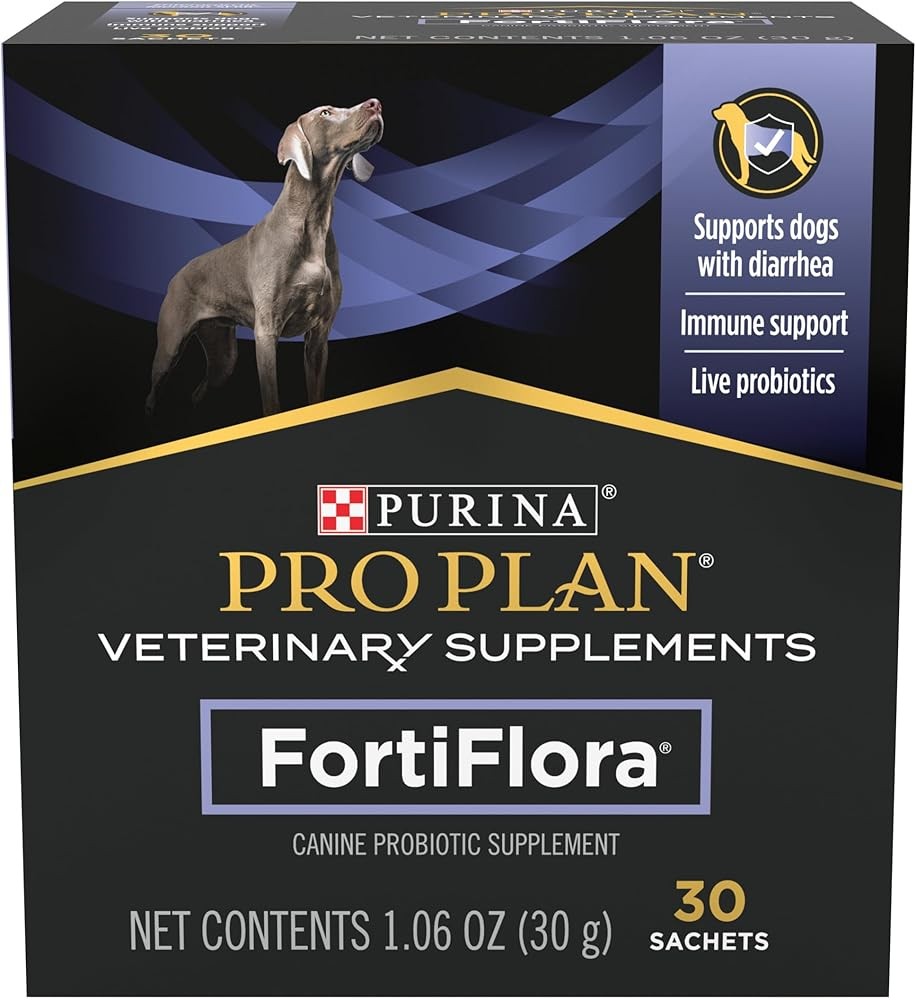
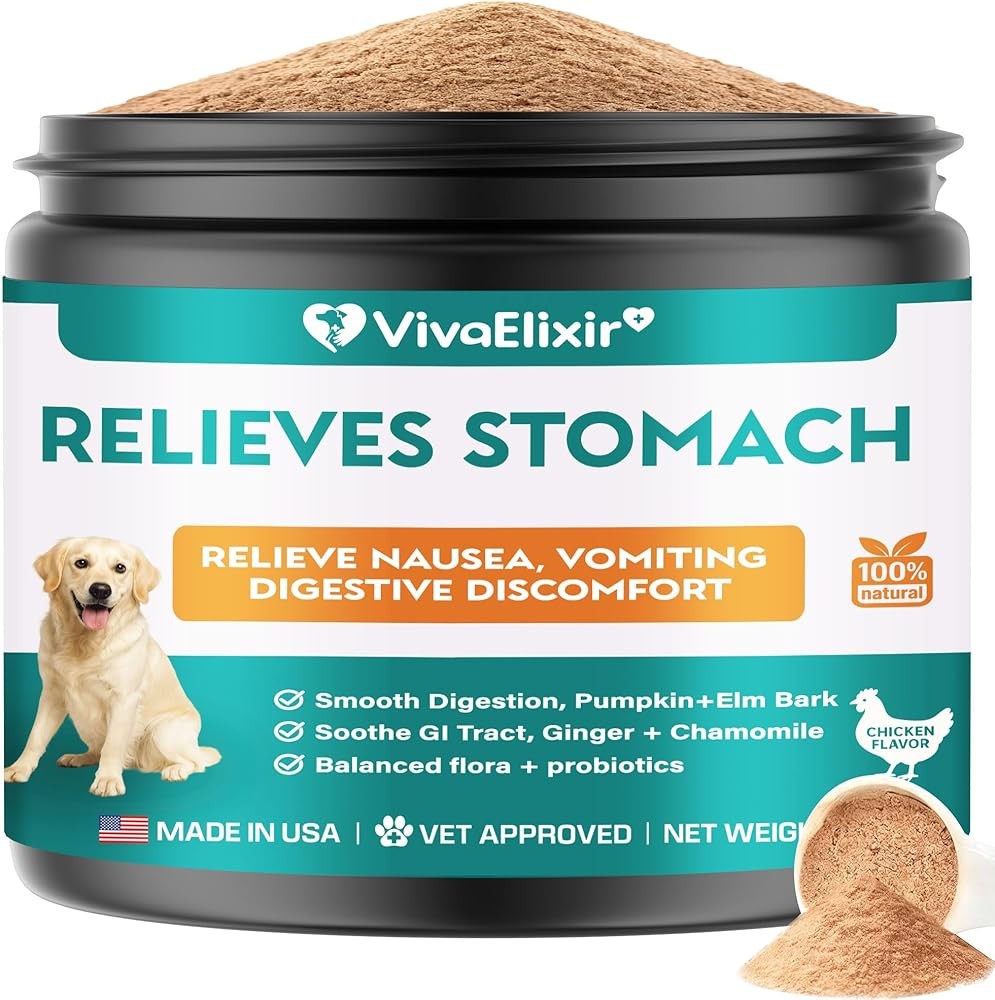
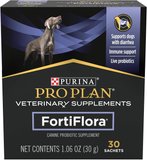
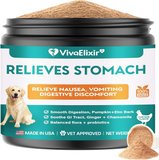
Research indicates gastroenteritis in dogs is an inflammation of the stomach and intestines that typically causes vomiting and diarrhea, with most cases resolving within 3-7 days of supportive care. Based on published veterinary research, Purina Pro Plan FortiFlora probiotic powder, which delivers the clinically studied Enterococcus faecium SF68 strain in single-dose packets at about $31 for 30, is a common veterinarian-recommended option for supporting digestive recovery. For a budget-friendly alternative, Dog Upset Stomach Relief probiotic powder combines Bacillus coagulans with slippery elm, pumpkin, and L-glutamine at about $20 per tub. Here is what the research shows about recognizing warning signs, managing mild cases at home, and supporting a full recovery.
Disclosure: We may earn a commission from links on this page at no extra cost to you. Affiliate relationships never influence our ratings. Full policy →
While many cases resolve with supportive home care within 3-7 days, some require immediate veterinary attention to avoid life-threatening complications.
This comprehensive guide summarizes research regarding gastroenteritis in dogs, covering information from identifying potential warning signs to outlining recovery protocols investigated in studies. We’ll examine causes identified in research, outline treatment strategies used in clinical settings, provide bland diet recipes as recommended by veterinary sources, and present supplements that studies suggest may support gut healing.
Understanding gastroenteritis helps caregivers respond appropriately when a dog shows symptoms, and published research suggests that with appropriate care most dogs recover and return to normal health within about a week.
What Is Gastroenteritis in Dogs?
Gastroenteritis is a broad medical term indicating inflammation of the stomach (gastro-) and intestinal tract (-enteritis). This inflammatory response disrupts normal digestive function, leading to the hallmark symptoms of vomiting and diarrhea. The condition can affect any dog regardless of age, breed, or health status, though puppies, senior dogs, and those with compromised immune systems face higher risks of severe complications.
The digestive system relies on a delicate balance of beneficial bacteria, digestive enzymes, and protective mucous membranes. When gastroenteritis occurs, this balance is disrupted. The intestinal lining becomes inflamed and irritated, reducing its ability to absorb nutrients and fluids. Simultaneously, the stomach’s normal contractions become erratic, triggering nausea and vomiting.
Veterinarians classify gastroenteritis into two main categories based on duration and severity:
Acute gastroenteritis develops suddenly and typically resolves within 7-14 days. This is the most common form, often triggered by dietary indiscretion (eating garbage, spoiled food, or foreign objects), mild infections, or stress. Most cases respond well to supportive care and dietary management.
Chronic gastroenteritis persists for more than three weeks or recurs frequently. This form suggests underlying conditions such as inflammatory bowel disease, food allergies, chronic parasitic infections, or organ dysfunction. Chronic cases require comprehensive veterinary workup including blood tests, fecal analysis, imaging, and sometimes intestinal biopsies to identify the root cause.
A particularly severe variant called acute hemorrhagic diarrhea syndrome (AHDS), formerly known as hemorrhagic gastroenteritis (HGE), causes sudden onset of bloody diarrhea with a characteristic “strawberry jam” appearance. AHDS can lead to severe dehydration and shock within hours and requires immediate emergency treatment. Research suggests this condition may result from infection with or hypersensitivity to Clostridium perfringens bacteria, particularly the netF toxin strain (PubMed 33131918).
The principal treatment of gastroenteritis focuses on rehydration and restoring blood electrolyte balance (sodium, potassium, chloride). Depending on severity, fluid replacement may be administered orally through frequent small drinks, subcutaneously via fluids injected under the skin, or intravenously through catheter placement in hospitalized patients.
Key takeaway: Research indicates gastroenteritis is characterized by inflammation of the stomach and intestines, often presenting with vomiting and diarrhea. Studies suggest acute cases typically resolve in 3-7 days, while severe Acute Hemorrhagic Diarrheal Syndrome (AHDS) cases, according to research, may require immediate emergency treatment to potentially help reduce the risk of life-threatening dehydration and shock.
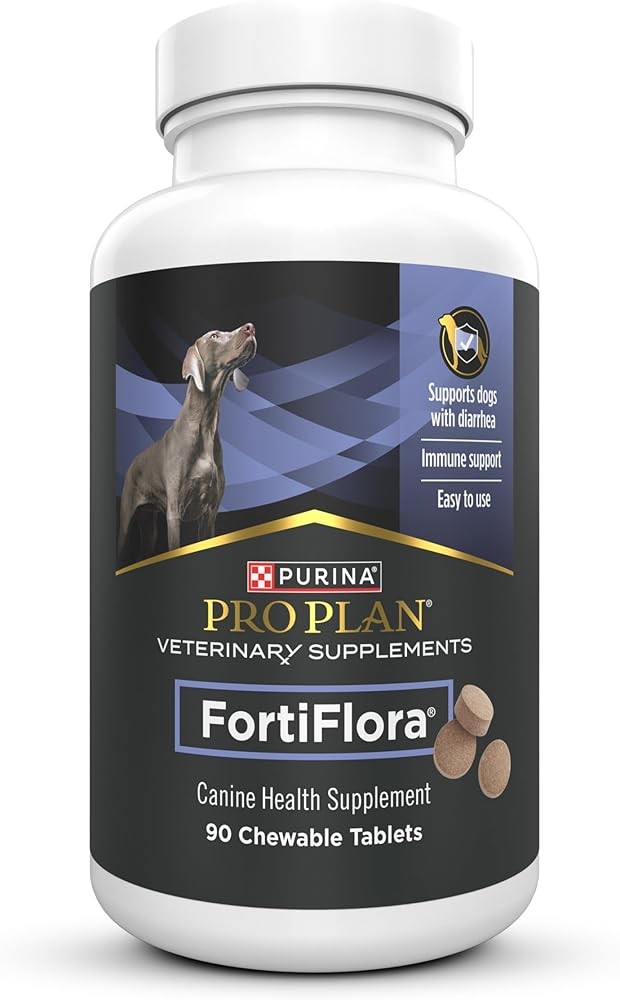
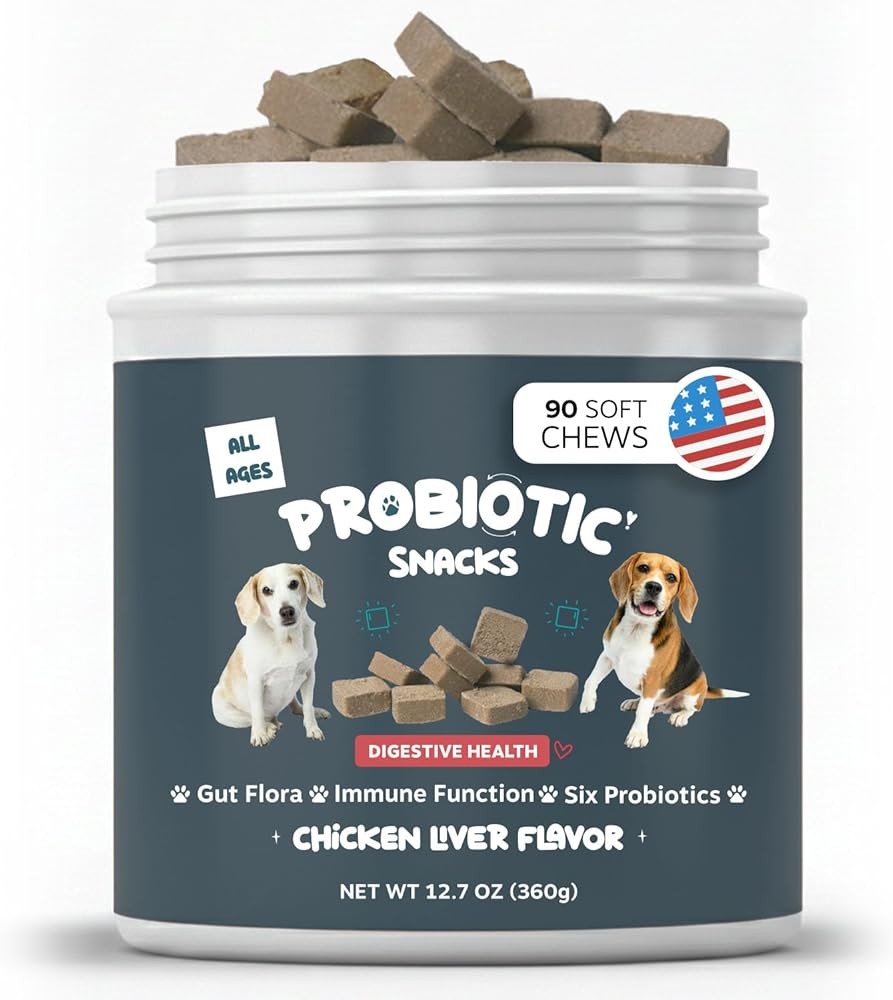
| Feature | FortiFlora Powder | Upset Stomach Relief | FortiFlora Tablets | Bruno & Lukas Chews |
|---|---|---|---|---|
| Probiotic Strain | E. faecium SF68 | Bacillus coagulans | E. faecium SF68 | Multi-strain blend |
| CFU per Serving | 100 million | 1 billion | Guaranteed live cultures | Not stated |
| Form | Powder packets | Powder | Chewable tablets | Soft chews |
| Additional Ingredients | None | FOS, slippery elm, pumpkin, ginger, L-glutamine | None | Prebiotics and pumpkin |
| Container Size | 30 packets | 2.12 oz | 90 tablets | 90 chews |
| Price | $30.99 | $19.99 | $80.99 | $7.99 |
| Best For | Vet-recommended recovery | Budget-friendly soothing support | Easy administration | Multi-strain value |
What Are the Common Causes of Gastroenteritis in Dogs?
Gastroenteritis stems from numerous potential triggers, ranging from simple dietary mistakes to serious infectious diseases. Identifying the underlying cause helps determine appropriate treatment and may help reduce the risk of recurrence.
Dietary Indiscretion
The most common cause of acute gastroenteritis is dietary indiscretion - veterinary terminology for “eating something they shouldn’t have.” Dogs are notorious scavengers, and their curiosity often leads them to consume inappropriate items including garbage, spoiled food, dead animals, feces (coprophagia), compost, fatty table scraps, toxic plants, and foreign objects.
When dogs consume spoiled or contaminated food, harmful bacteria multiply rapidly in the digestive tract, releasing toxins that irritate the intestinal lining. High-fat foods like bacon, butter, or fried items overwhelm the pancreas and digestive system, triggering inflammation and vomiting. Foreign objects - from socks to children’s toys - can cause mechanical irritation, blockages, or even intestinal perforations requiring emergency surgery.
Sudden diet changes, even to high-quality food, can also trigger gastroenteritis. The gut microbiome needs time to adjust to new protein sources and formulations. Switching foods abruptly can disrupt this bacterial balance, causing temporary digestive upset. This is why veterinarians recommend gradual transitions over 7-10 days, slowly mixing increasing amounts of new food with decreasing amounts of old food.
Bacterial Infections
Numerous bacterial pathogens can cause gastroenteritis in dogs:
Clostridium perfringens is increasingly recognized as a significant cause of acute diarrhea and AHDS. This bacterium produces toxins that damage the intestinal lining, particularly the netF toxin associated with hemorrhagic gastroenteritis. Research has identified Clostridium species through bacterial culture and immunohistological evaluation in small intestinal biopsies from dogs with AHDS.
Salmonella and Campylobacter infections typically result from consuming contaminated raw meat, eggs, or fecal material. These bacteria cause severe inflammation, leading to bloody diarrhea, fever, and systemic illness. Dogs with salmonellosis can also transmit the bacteria to humans, making proper hygiene critical during illness (PubMed 22092607).
Escherichia coli (E. coli) strains, particularly pathogenic variants, can proliferate in the digestive tract after antibiotic use or stress, producing toxins that trigger vomiting and diarrhea. Multidrug-resistant E. coli pathotypes have been isolated from dogs with hemorrhagic diarrhea and secondary septicemia (PubMed 35075964).
Viral Infections
Several viral diseases lead to severe gastrointestinal inflammation:
Canine parvovirus-2 (CPV-2) ranks among the most serious infectious diseases in dogs and may be characterized by severe enteritis, vomiting, hemorrhagic diarrhea, and shock (PubMed 6316616). Parvovirus targets rapidly dividing cells in the intestinal lining, causing massive cell death and allowing bacteria from the gut to enter the bloodstream (sepsis). Puppies aged 6 weeks to 6 months face the highest risk, particularly unvaccinated or incompletely vaccinated dogs. The virus is extremely hardy, surviving in the environment for months and resisting most household disinfectants.
Canine coronavirus causes milder gastroenteritis compared to parvovirus, typically producing watery diarrhea, vomiting, and decreased appetite. Most adult dogs experience mild symptoms, but puppies can develop more severe disease, especially when infected concurrently with parvovirus.
Canine distemper virus, while primarily respiratory and neurological, can also cause gastrointestinal symptoms including vomiting and diarrhea in the early stages of infection.
Rotavirus infections occur most commonly in puppies, causing mild to moderate diarrhea that usually resolves with supportive care. Canine astrovirus has also been detected in dogs with gastrointestinal disease, adding to the list of viral causes of diarrhea (PubMed 39057987).
Parasitic Infections
Internal parasites are a frequent cause of gastroenteritis, especially in puppies, dogs from shelters or breeding facilities, and those with outdoor access:
Roundworms (Ascarids) are the most common intestinal parasite in dogs. Heavy worm burdens cause vomiting, diarrhea, pot-bellied appearance, and poor growth in puppies. Adult worms can sometimes be visible in vomit or stool, appearing as white, spaghetti-like strands.
Hookworms attach to the intestinal wall and feed on blood, causing bloody diarrhea, anemia, weakness, and weight loss. Severe hookworm infections can be life-threatening, particularly in young puppies.
Whipworms inhabit the large intestine, causing chronic intermittent diarrhea often containing mucus and fresh blood. Whipworm infections can be challenging to diagnose as eggs are shed inconsistently in feces.
Giardia is a single-celled protozoan parasite that causes soft, greasy diarrhea with a characteristic foul odor. Giardia cysts contaminate water sources and can survive in the environment for extended periods.
Coccidia are protozoan parasites that primarily affect puppies and immunocompromised dogs, causing watery or bloody diarrhea and dehydration.
Comprehensive fecal testing, including flotation and direct smear examination, helps identify parasitic causes of gastroenteritis.
The evidence shows: Gastroenteritis stems from diverse causes including dietary indiscretion (most common), bacterial infections like Clostridium perfringens and Salmonella, viral diseases like parvovirus-2 (especially in puppies 6 weeks to 6 months), and parasitic infections including roundworms, hookworms, and Giardia.
Other Causes
Additional triggers for gastroenteritis include:
Stress and anxiety can disrupt the gut-brain axis, altering digestive function and triggering diarrhea and vomiting. Common stressors include boarding, travel, moving to a new home, addition of new pets, or changes in routine.
Food allergies and sensitivities develop when the immune system reacts to specific proteins (commonly beef, chicken, dairy, wheat, or soy), causing chronic or intermittent digestive upset along with skin issues.
Toxin ingestion from poisonous plants, household chemicals, medications, chocolate, xylitol, grapes, or other toxic substances can cause severe gastroenteritis as the body attempts to expel the offending agent.
Inflammatory bowel disease (IBD) involves chronic immune-mediated inflammation of the intestinal lining, causing persistent or recurrent vomiting and diarrhea requiring long-term management.
Pancreatitis - inflammation of the pancreas often triggered by high-fat foods - causes severe vomiting, diarrhea, abdominal pain, and requires immediate veterinary care.
Organ dysfunction including kidney disease, liver disease, or Addison’s disease can manifest with gastrointestinal symptoms as metabolic waste products accumulate.
In summary: Beyond infection and dietary indiscretion, gastroenteritis may be linked to stress, food allergies, toxin exposure, inflammatory bowel disease, pancreatitis, and organ dysfunction. Each of these has its own workup and management plan, which is why persistent or recurring signs deserve a veterinary evaluation.
How Can You Tell If Your Dog’s Gastroenteritis Is an Emergency?
Recognizing the difference between mild gastroenteritis manageable at home and severe cases requiring emergency veterinary care can be life-saving. Your dog’s body provides numerous clues about the severity of their condition.
Emergency Warning Signs - Seek Immediate Veterinary Care
Certain symptoms indicate severe gastroenteritis, rapid dehydration, or life-threatening complications requiring immediate professional intervention:
Bloody diarrhea or vomit signals internal bleeding or severe intestinal damage. Fresh red blood in stool indicates lower intestinal bleeding, while black, tarry stool (melena) suggests upper digestive tract bleeding. Vomit that looks like coffee grounds indicates digested blood and requires urgent evaluation.
Extreme lethargy or collapse suggests severe dehydration, electrolyte imbalances, or shock. If your dog cannot stand, walk normally, or shows extreme weakness, this is a medical emergency.
Refusal to drink water or inability to keep water down accelerates dehydration. If your dog refuses all water for 6+ hours or vomits immediately after drinking despite small amounts, veterinary intervention is needed.
Frequent vomiting - three or more episodes within 24 hours, or continuous vomiting where your dog cannot keep anything down - rapidly depletes fluids and electrolytes, especially dangerous for puppies and senior dogs.
Severe abdominal pain manifests as a hunched posture, tense abdomen, reluctance to move, whining when the belly is touched, or protective guarding of the abdomen. This may indicate intestinal blockage, pancreatitis, or organ rupture.
Pale or white gums indicate poor blood circulation, anemia from blood loss, or shock. Normal gum color is pink; pale, white, blue, or bright red gums require emergency care. Check capillary refill time by pressing on the gums - color should return within 1-2 seconds.
Distended or bloated abdomen particularly in deep-chested breeds, could indicate gastric dilatation-volvulus (bloat), a life-threatening condition where the stomach twists and fills with gas.
Dehydration signs include loss of skin elasticity (skin doesn’t snap back when pulled gently), dry sticky gums, sunken eyes, and extreme lethargy. To check hydration, gently pull up on the skin between the shoulder blades - it should immediately return to normal position. If it remains tented or returns slowly, your dog is dehydrated.
Fever above 103°F (39.4°C) or hypothermia below 99°F (37.2°C) indicates systemic infection or shock requiring immediate treatment.
Puppies under 6 months, senior dogs over 8 years, or dogs with existing health conditions should receive veterinary evaluation sooner, as they deteriorate more rapidly and face higher complication risks.
Known toxin ingestion including chocolate, xylitol, grapes, antifreeze, medications, or poisonous plants requires immediate emergency care even before symptoms develop.
Non-Emergency Signs - May Be Manageable at Home
Mild gastroenteritis often responds to conservative home care when certain criteria are met:
One to two episodes of vomiting with no blood, followed by normal alertness and willingness to drink water.
Soft stool or mild diarrhea without blood, occurring 2-4 times within 24 hours but showing signs of improvement.
Normal energy levels - your dog is alert, responsive, and moves normally despite digestive upset.
Willingness to drink water - even if not interested in food, maintaining hydration through water consumption is positive.
No signs of severe pain - mild discomfort is expected, but your dog should not show extreme pain when the abdomen is gently touched.
Known dietary indiscretion within the past 12-24 hours (you saw your dog eat garbage, table scraps, or spoiled food) with otherwise normal behavior.
However, even mild symptoms warrant veterinary attention if they persist beyond 24-48 hours, occur in very young puppies or senior dogs, or if you have any concerns about your dog’s condition. When in doubt, contact your veterinarian for guidance - they can help determine whether immediate care is needed or if home management is appropriate.
Dehydration Assessment
Dehydration is the most dangerous complication of gastroenteritis and develops rapidly when vomiting and diarrhea persist. Learning to recognize dehydration stages helps you act quickly:
Mild dehydration (5-6% fluid loss): Slightly tacky gums, subtle loss of skin elasticity, mild lethargy. Can often be managed with oral rehydration at home under veterinary guidance.
Moderate dehydration (6-8% fluid loss): Noticeably dry gums, definite skin tenting that returns slowly (2-3 seconds), sunken eyes, reduced urine output, weakness. Requires veterinary evaluation and possible subcutaneous or IV fluids.
Severe dehydration (10-12% fluid loss): Very dry sticky gums, skin remains tented, severely sunken eyes, extreme lethargy or collapse, rapid heart rate, cold extremities, no urine production. Life-threatening emergency requiring immediate IV fluid therapy.
Puppies and small dogs dehydrate much faster than large adult dogs. A small puppy can progress from mild to severe dehydration within 6-12 hours of continuous vomiting and diarrhea.
Emergency warning signs that warrant prompt veterinary attention include bloody diarrhea or vomit, extreme lethargy, refusal to drink water, frequent vomiting, and pale gums. Mild cases with one or two vomiting episodes and a willingness to drink can often be monitored at home with close observation and plenty of rest.
How Do Veterinarians Diagnose Gastroenteritis in Dogs?
When you bring your dog to the veterinarian for gastroenteritis, they will perform a thorough examination to determine the underlying cause and appropriate treatment. Understanding these diagnostic steps helps you know what to expect.
Physical Examination
Your veterinarian begins with a comprehensive physical exam, checking:
- Hydration status through skin turgor testing, gum moisture, and capillary refill time
- Body temperature to detect fever or hypothermia
- Heart rate and rhythm to assess cardiovascular function
- Respiratory rate and effort to ensure adequate oxygenation
- Abdominal palpation to detect pain, masses, foreign objects, or organ enlargement
- Gum color to evaluate circulation and potential anemia
- Body condition score and weight measurement
The veterinarian will ask detailed questions about symptom onset, duration, frequency of vomiting and diarrhea, stool appearance, appetite changes, recent diet changes, potential toxin exposure, vaccination status, and travel history.
Diagnostic Testing
Based on physical findings and history, your veterinarian may recommend various diagnostic tests:
Fecal examination is essential for identifying parasitic causes. A fecal flotation concentrates parasite eggs and cysts for microscopic examination, while direct fecal smear can identify motile parasites like Giardia. Some clinics offer fecal antigen tests (ELISA) for specific parasites including Giardia and parvovirus.
Parvovirus testing uses a fecal antigen test that provides results within 10-15 minutes. This is critical for puppies with bloody diarrhea, as early parvovirus diagnosis allows for aggressive supportive care that significantly improves survival rates.
Complete blood count (CBC) evaluates red blood cells, white blood cells, and platelets. Elevated white blood cells may indicate bacterial infection, while decreased red blood cells suggest blood loss or anemia. Severe dehydration causes hemoconcentration with elevated red blood cell counts and total protein.
Blood chemistry panel assesses organ function, electrolyte levels, blood glucose, and protein levels. Vomiting and diarrhea can cause dangerous electrolyte imbalances including low potassium (hypokalemia), low sodium (hyponatremia), and low chloride (hypochloremia). Elevated kidney values suggest dehydration or kidney dysfunction.
Abdominal radiographs (X-rays) help identify foreign objects, intestinal obstructions, organ enlargement, or free gas indicating intestinal perforation.
Abdominal ultrasound provides detailed visualization of organ structure, intestinal wall thickness, lymph nodes, and fluid accumulation. Ultrasound can detect intestinal blockages, masses, or inflammatory changes not visible on radiographs.
Bacterial culture may be recommended for severe or persistent diarrhea to identify specific bacterial pathogens and determine antibiotic sensitivity.
Endoscopy involves passing a flexible camera through the mouth or rectum to visualize the stomach and intestinal lining directly. Biopsies can be collected during endoscopy for histopathological examination to diagnose inflammatory bowel disease, cancer, or other chronic conditions.
Not every dog with gastroenteritis requires extensive testing. For young, healthy dogs with mild symptoms and known dietary indiscretion, supportive care without diagnostics is often appropriate. However, severe cases, chronic symptoms, or gastroenteritis in puppies, senior dogs, or those with underlying health conditions warrant more comprehensive evaluation.
Key finding: A veterinary workup for gastroenteritis combines a physical examination (hydration status, temperature, abdominal palpation) with diagnostic tests as needed: fecal examination for parasites, parvovirus antigen testing for puppies with bloody diarrhea, blood work to assess infection, hydration, and organ function, and imaging when an obstruction or structural problem is suspected.
How Can You Address Mild Gastroenteritis at Home?
When your dog has mild gastroenteritis without emergency warning signs, veterinarian-approved home care protocols can support recovery. These guidelines apply only to dogs that are alert, drinking water, and showing no signs of severe dehydration or distress.
Hour 0-12: Initial Response and Fasting Period
Immediate actions when symptoms begin:
-
Remove all food immediately. Research suggests allowing the digestive system a period of rest and recovery may be beneficial when inflammation is present. Studies indicate that continuing to offer food during active vomiting may prolong the issue.
-
Remove water bowls temporarily. While maintaining hydration is important, research suggests allowing a dog to ingest large volumes of water when experiencing nausea may contribute to further episodes of vomiting.
-
Monitor closely for emergency warning signs including bloody diarrhea, extreme lethargy, collapse, or worsening symptoms.
-
Document symptoms including time of onset, number of vomiting episodes, diarrhea frequency and appearance, and any potential triggers.
Hour 12-24: Controlled Water Reintroduction
After vomiting stops for at least 2-4 hours, begin offering small amounts of water:
Give water in small amounts at first: 1-2 tablespoons every 15-30 minutes for small dogs, 1/4 cup every 30 minutes for medium dogs, and 1/2 cup every 30-60 minutes for large dogs.
Key hydration principles:
- Offer water frequently in small amounts rather than allowing free access to large quantities
- Use room temperature water, as cold water can trigger stomach contractions
- If vomiting resumes after drinking, wait 2 hours before trying again
- Consider offering ice chips or cubes for dogs that gulp water too quickly
- Oral electrolyte solutions designed for dogs have been evaluated for rehydrating dogs with mild to moderate dehydration from diarrhea (PubMed 24004233). Ask your veterinarian before using a pediatric product.
Signs that hydration is improving: Your dog eagerly drinks offered water, stays alert, produces small amounts of urine, and does not vomit after drinking.
Signs that warrant a vet call: Your dog refuses water, vomits shortly after drinking, or becomes noticeably lethargic. Call your veterinarian the same day.
Hour 24-48: Bland Diet Introduction
If your dog has not vomited for 12-24 hours and is keeping water down successfully, introduce a bland diet using easily digestible ingredients that minimize digestive stress.
Classic Bland Diet Recipe:
- 2 parts boiled white rice
- 1 part boiled lean protein (chicken breast, turkey, or extra-lean ground beef)
- All ingredients must be cooked plain with NO seasonings, oils, or additives
- Remove all skin, bones, and visible fat from meat
- Cook rice until very soft and slightly overcooked
- Mix together when both ingredients are cooled to room temperature
Alternative Bland Diet Options:
- Boiled white rice with low-fat cottage cheese (2:1 ratio)
- Boiled white rice with plain canned pumpkin (3:1 ratio)
- Boiled sweet potato with lean turkey (2:1 ratio)
- Commercial prescription digestive diet (available from veterinarians)
Feeding Schedule and Portions:
Start with very small meals offered frequently throughout the day:
Day 1 of feeding:
- Start with a total daily amount of about 2 tablespoons of the bland diet mixture per 10 pounds of body weight, divided into 6-8 small meals
- Offer one small portion every 2-3 hours
- If vomiting resumes, stop feeding immediately and contact your veterinarian
Example for a 30-pound dog: Total daily amount is about 6 tablespoons (roughly 3/4 cup), divided into 6 meals of 2 tablespoons each, offered every 2-3 hours through the day.
Day 2-3 of feeding: If your dog is tolerating the bland diet, gradually increase portion sizes and reduce feedings to 4-5 meals per day. Stick to 100% bland diet with no snacks or regular food yet.
Signs the bland diet is working: Stools begin to form again (they may stay soft at first), your dog stays hydrated, energy levels return, vomiting has stopped, and appetite is good.
Days 4-7: Gradual Transition to Regular Food
Never abruptly switch back to regular food, as this can trigger relapse. Implement a slow, methodical transition:
Day 4: 75% bland diet + 25% regular food Day 5: 50% bland diet + 50% regular food Day 6: 25% bland diet + 75% regular food Day 7: Return to 100% regular food
Monitor stool quality throughout the transition. If diarrhea returns, slow down the transition process and maintain the current ratio for an additional 2-3 days before advancing.
Additional Home Care Measures
Activity restriction: Keep your dog calm and quiet during recovery. Excessive activity can worsen nausea and slow healing. Short, calm walks for bathroom breaks only.
Hygiene and isolation: If you have multiple pets, isolate the sick dog to help reduce the risk of potential disease spread. Clean and disinfect food bowls, water bowls, and bedding daily. Wash your hands thoroughly after handling the sick dog or cleaning up vomit and diarrhea.
Environmental management: Keep your dog in areas with easy-to-clean flooring. Provide comfortable bedding that can be washed frequently. Ensure constant access to fresh water once the initial restriction period ends.
Temperature monitoring: If you have a digital thermometer, monitor your dog’s temperature twice daily. Normal rectal temperature is 101-102.5°F (38.3-39.2°C). Contact your veterinarian if temperature exceeds 103°F or drops below 99°F.
Research-supported approaches: Studies indicate a structured protocol may be helpful for managing mild gastroenteritis: research has used withholding food for 12-24 hours, offering small amounts of water every 15-60 minutes based on dog size, introducing a bland diet (2:1 rice to chicken) starting at 2 tablespoons per 10 pounds body weight divided into 6-8 small meals, then gradually transitioning back to regular food over 5-7 days while monitoring for symptom recurrence.
What users report: If a dog experiences mild gastroenteritis, research indicates temporarily removing all food and water for the first 12 hours may support digestive system rest and potentially help reduce the risk of further vomiting. Studies suggest close monitoring for any emergency signs is important.
What Veterinary Treatments Are Available for Severe Gastroenteritis?
Severe gastroenteritis requiring hospitalization receives aggressive supportive care aimed at preventing life-threatening complications while the underlying condition resolves.
Fluid Therapy
Intravenous (IV) fluid therapy is the cornerstone of treatment for moderate to severe dehydration. Veterinarians calculate precise fluid requirements based on:
- Dehydration deficit: The amount of fluid already lost (estimated as percentage of body weight)
- Maintenance needs: Daily fluid requirements for normal body functions
- Ongoing losses: Continued fluid loss through vomiting and diarrhea
Crystalloid fluids (Lactated Ringer’s solution or 0.9% saline) restore hydration and electrolyte balance. The rate of fluid administration is carefully controlled based on patient perfusion, degree of dehydration, and ongoing losses. Too-rapid fluid administration can cause complications, while insufficient fluids allow worsening dehydration.
Electrolyte supplementation is added to IV fluids based on blood work results. Potassium chloride supplements correct hypokalemia (low potassium), which can cause severe weakness and cardiac arrhythmias. Severe electrolyte imbalances require frequent monitoring and adjustment.
Colloid fluids (like hetastarch) may be administered to dogs with low blood protein levels or those in shock to maintain blood pressure and vascular integrity.
Anti-Nausea Medications (Antiemetics)
For acute gastroenteritis, antiemetic therapy is often used during the initial 24-48 hours when vomiting is a prominent clinical sign. Controlling vomiting helps dogs hold down fluids, improves comfort, and limits irritation of the esophagus from stomach acid.
Common antiemetic medications include:
Maropitant (Cerenia): The most effective antiemetic for dogs, blocking substance P receptors in the vomiting center of the brain. Available as injection or tablets, typically given once daily. Especially useful for motion sickness and chemotherapy-induced nausea.
Ondansetron (Zofran): Blocks serotonin receptors involved in nausea, particularly effective for severe or refractory vomiting.
Metoclopramide (Reglan): Promotes stomach emptying while reducing nausea, particularly useful when gastric motility is impaired.
Gastrointestinal Protectants
Medications that protect and soothe the inflamed intestinal lining support healing:
Sucralfate forms a protective coating over ulcerated or irritated areas in the stomach and intestines, preventing further damage from stomach acid and allowing tissue repair.
Famotidine (Pepcid) or omeprazole (Prilosec) reduce stomach acid production, preventing acid-related damage to the esophagus and stomach lining during vomiting episodes.
Antibiotic Therapy
Antibiotics are not routinely recommended for uncomplicated acute gastroenteritis, as most cases are self-limiting or viral in nature. However, antibiotics may be indicated for:
- Dogs with bloody diarrhea suggesting intestinal wall compromise that allows bacterial translocation into the bloodstream
- Confirmed bacterial infections identified through fecal culture
- Immunocompromised dogs at higher risk of secondary bacterial infections
- Suspected sepsis with fever, severe lethargy, and elevated white blood cell counts
Metronidazole has both antibacterial and anti-inflammatory properties, commonly used for acute diarrhea.
Tylosin is a macrolide antibiotic effective for certain causes of diarrhea, particularly chronic colitis.
Broad-spectrum antibiotics like amoxicillin-clavulanate or fluoroquinolones may be used for suspected sepsis or serious bacterial infections.
Anthelmintic Treatment
If fecal testing identifies parasitic infection, appropriate deworming medication is administered:
- Pyrantel pamoate for roundworms and hookworms
- Fenbendazole or febantel for roundworms, hookworms, whipworms, and some protozoans
- Praziquantel for tapeworms
- Metronidazole or fenbendazole for Giardia
Nutritional Support
Hospitalized dogs receive nutritional support as soon as vomiting is controlled:
Enteral feeding (feeding through the digestive tract) is preferred whenever possible. Small amounts of easily digestible food are offered frequently, gradually increasing as tolerance improves. If oral feeding triggers vomiting, temporary feeding tubes may be placed to bypass the stomach while providing essential nutrition.
Parenteral nutrition (IV nutrition) is reserved for dogs that cannot tolerate any enteral feeding for extended periods, as it carries higher risks of complications and doesn’t support intestinal healing as effectively as enteral feeding.
In the hospital: Severe gastroenteritis is managed with IV crystalloid fluids (such as lactated Ringer’s solution or 0.9% saline) at rates calculated from the dog’s dehydration deficit, daily maintenance needs, and ongoing losses. Potassium and other electrolytes are added based on blood work, since prolonged vomiting and diarrhea commonly cause low potassium, sodium, and chloride.
What Does the Day-by-Day Recovery Timeline Look Like?
Understanding the typical recovery trajectory helps you monitor your dog’s progress and recognize concerning deviations from the expected pattern.
Days 0-24 Hours: Acute Phase
What to expect:
- Active vomiting episodes decreasing in frequency
- Diarrhea may continue or worsen initially as the digestive tract expels irritants
- Decreased energy and appetite
- Mild abdominal discomfort
- Beginning dehydration if fluid intake is insufficient
Management focus:
- Withhold food for 12-24 hours
- Controlled water reintroduction after vomiting stops
- Close monitoring for emergency warning signs
- Veterinary consultation if symptoms are severe or your dog is high-risk
Positive progress indicators:
- Vomiting frequency decreases then stops
- Dog shows interest in drinking water
- Maintains some alertness despite discomfort
- Produces small amounts of urine
Days 24-48 Hours: Stabilization Phase
What to expect:
- Vomiting should completely resolve
- Diarrhea continues but may start forming slightly
- Energy levels remain below normal but showing subtle improvement
- Interest in food returns
- Hydration stabilizes with adequate water consumption
Management focus:
- Introduction of bland diet in small, frequent meals
- Continued hydration emphasis
- Gradual increase in bland diet portions if well-tolerated
- Rest and activity restriction
Positive progress indicators:
- No vomiting for 12+ hours
- Eagerness to eat offered bland diet
- Stool beginning to form (though still soft)
- Increased alertness and responsiveness
- Normal gum color and skin elasticity returning
Concerning signs requiring veterinary contact:
- Return of vomiting after bland diet introduction
- Bloody diarrhea developing
- Refusal to eat or drink
- Worsening lethargy
Days 48-72 Hours: Early Recovery Phase
What to expect:
- Diarrhea should be significantly improved, producing formed (though potentially still soft) stools
- Energy levels noticeably improved, approaching 60-70% of normal
- Good appetite for bland diet
- Normal drinking behavior
- Playfulness may begin returning
Management focus:
- Continue bland diet 4-5 times daily
- Begin planning transition back to regular food
- Gradual increase in short, calm activity
- Maintain strict diet - no snacks or table scraps
Positive progress indicators:
- 1-2 formed bowel movements daily
- Normal energy for eating and drinking
- Interest in surroundings and family activities
- No vomiting episodes
- Normal hydration status
Days 4-7: Transition Phase
What to expect:
- Stool quality returning to normal consistency
- Energy levels 80-90% of baseline
- Good appetite
- Return of normal behavior patterns
- Complete resolution of vomiting
Management focus:
- Gradual transition from bland diet to regular food over 4-5 days
- Resume normal activity levels
- Consider probiotic supplementation to support microbiome recovery
- Maintain vigilance for any symptom recurrence during transition
Positive progress indicators:
- Normal, well-formed stools during food transition
- Full energy restoration
- Normal eating patterns
- Complete symptom resolution
Week 2 and Beyond: Full Recovery and Prevention
What to expect:
- Complete return to normal health
- Regular stool consistency and frequency
- Full energy and activity levels
- Normal appetite for regular food
Management focus:
- Resume 100% regular diet
- Continue probiotics for 2-4 weeks to fully restore gut health
- Implement prevention strategies to avoid recurrence
- Monitor for any signs of chronic digestive issues
When to worry:
- Recurring episodes of vomiting or diarrhea
- Persistent soft stools beyond two weeks
- Chronic low energy or poor appetite
- Weight loss or failure to regain lost weight
Chronic symptoms suggest underlying conditions like inflammatory bowel disease, food allergies, or persistent parasitic infections requiring comprehensive veterinary workup.
Recovery timeline: Days 0-24 hours show active vomiting decreasing with focus on fasting and controlled water reintroduction; days 24-48 hours vomiting resolves with bland diet introduction in small frequent meals; days 48-72 hours stool consistency improves to formed (though soft) with energy at 60-70% normal; days 4-7 gradual transition from bland to regular food; week 2+ complete symptom resolution with probiotic continuation for 2-4 weeks to restore gut health.
The practical takeaway: During the stabilization phase (days 24-48 hours), vomiting should cease completely.
What Supplements Support Dogs with Gastroenteritis?
Several supplements are commonly used alongside a bland diet during gastroenteritis recovery. Probiotics help restore gut bacteria, L-glutamine provides fuel for intestinal lining cells, slippery elm soothes irritated tissue, digestive enzymes support nutrient breakdown, and plain pumpkin adds gentle soluble fiber. None of these replace veterinary care, and a vet should approve anything you add.
Strategic supplementation accelerates intestinal healing, restores beneficial gut bacteria, and reduces the likelihood of recurrent digestive issues. These evidence-based supplements support different aspects of digestive health during and after gastroenteritis recovery.
Probiotics: Restoring the Microbiome
The gut microbiome, the community of beneficial bacteria in the intestines, supports digestion, immune function, and gut barrier health. Gastroenteritis can disrupt this balance, and probiotic supplementation is the most studied way to help replenish beneficial bacteria during and after recovery.
How probiotics help during recovery:
- They may help restore beneficial bacterial populations depleted during illness
- They compete with harmful bacteria for nutrients and attachment sites
- They produce short-chain fatty acids that nourish intestinal cells
- They support intestinal barrier function and help modulate immune responses
- They may improve stool consistency and shorten the duration of diarrhea
Products that pair a lactic acid bacteria probiotic with digestive enzymes are marketed for both microbiome support and easier digestion, though the enzyme doses in these formulas are modest.
Choosing an effective probiotic:
Look for products containing multiple beneficial bacterial strains at appropriate doses:
- A clinically studied strain at a meaningful dose. FortiFlora, for example, delivers 100 million CFU of the studied SF68 strain per packet, while many multi-strain formulas provide 1-20 billion CFU. Strain evidence and consistency matter more than the highest number on the label.
- Multiple bacterial strains including Lactobacillus species (L. acidophilus, L. casei, L. plantarum) and Bifidobacterium species (B. animalis, B. longum)
- Prebiotics (food for beneficial bacteria) such as fructooligosaccharides (FOS) or inulin
- Shelf-stable formulations or refrigerated products with guaranteed potency through expiration date
- Dog-specific formulations designed for canine digestive systems
Recommended timing and duration:
- Begin probiotics as soon as your dog can tolerate oral medications (usually after vomiting resolves)
- Continue for minimum 2-4 weeks after symptoms resolve
- Give probiotics at least 2 hours apart from antibiotics so the antibiotic does not kill the probiotic bacteria
- Long-term daily probiotic supplementation benefits dogs with recurrent digestive issues
L-Glutamine: Intestinal Barrier Repair
L-glutamine is the most abundant amino acid in the body and the primary fuel source for enterocytes, the rapidly dividing cells that line the intestine. During gastroenteritis the intestinal lining sustains significant damage, and L-glutamine provides the building blocks needed for tissue repair, barrier function, and nutrient uptake. It may also help reduce intestinal permeability (the “leaky gut” state seen with gut inflammation), which is why it appears in many canine gut-support formulas.
Evidence for L-glutamine in dogs is limited, so view it as a possible support rather than a proven therapy, and confirm the dose with your veterinarian.
Dosing guidelines:
- Typical dosing guidance: 250-500 mg per 10 pounds of body weight per day, split into 2 doses (confirm with your veterinarian)
- Divide into 2 doses given 12 hours apart
- Mix with small amount of water or bland food
- Continue for 2-4 weeks during recovery period
- Can be used long-term for dogs with chronic digestive issues
Slippery Elm: Soothing Mucilage Coating
Slippery elm bark (Ulmus rubra) has been used for centuries in traditional medicine to soothe digestive inflammation. This herb contains mucilage - a gel-like substance that coats and helps soothe the mucous membranes lining the digestive tract.
What slippery elm does:
- Its mucilage coats and soothes irritated mucous membranes in the digestive tract
- It may help firm up loose stools and calm an inflamed stomach lining
- Traditional use and veterinary formularies describe it as a gentle digestive soother, though controlled canine studies are lacking
Usage guidelines: A common dosing reference is 1/4 teaspoon of powder per 10 pounds of body weight. Mix it with a little warm water and let it sit about 5 minutes to form a slurry, then give it 30-60 minutes before a meal, up to 2-3 times daily while symptoms are active, tapering to once daily as your dog improves.
Important considerations:
- Give slippery elm at least 2 hours apart from medications, as the mucilage coating may reduce drug absorption
- Use pure slippery elm bark powder without additives
- Generally very safe with minimal side effects
Digestive Enzymes: Enhanced Nutrient Absorption
Digestive enzymes break down proteins, fats, and carbohydrates into absorbable nutrients. Gastroenteritis damages the intestinal lining where many digestive enzymes are produced, temporarily impairing digestive capacity, and supplemental enzymes can reduce digestive stress, improve nutrient absorption, and ease gas and bloating while the gut recovers.
The combination of digestive enzymes breaking down proteins, fats, and carbs, with prebiotics feeding beneficial bacteria, can reduce gut irritation and improve nutrient absorption for dogs with sensitive stomachs.
Enzyme types and functions:
- Proteases: Break down proteins into amino acids
- Lipases: Digest fats and oils
- Amylases: Convert starches into simple sugars
- Cellulases: Help break down plant fiber
Dosing recommendations:
- Follow product-specific instructions based on your dog’s weight
- Administer with each meal during recovery (usually 2-4 weeks)
- Choose products with multiple enzyme types for comprehensive support
- Look for formulations that include probiotics for combined benefits
Pumpkin: Soluble Fiber and Prebiotic Benefits
Plain, canned pumpkin (not pumpkin pie filling) is a veterinary-recommended supplement for both diarrhea and constipation due to its unique fiber composition. Pumpkin contains high levels of soluble fiber that absorbs excess water in the intestines while also providing prebiotic compounds that feed beneficial bacteria.
What pumpkin does: Its soluble fiber absorbs excess water in the intestines, which can help firm up loose stools, and fiber fermentation feeds beneficial gut bacteria. Plain canned pumpkin is low in calories and generally well accepted by dogs.
The soluble fiber content in pumpkin adds bulk to your dog’s stool by absorbing water, and fiber fermentation produces beneficial fatty acids that supply energy to cells, stimulate intestinal sodium and water absorption, and lower the pH level of the large intestines.
Feeding guidelines:
- Small dogs: 1/2 to 1 teaspoon per meal
- Medium dogs: 1 to 2 tablespoons per meal
- Large dogs (over 50 lbs): 2 to 4 tablespoons per meal
- Start with smaller amounts and increase gradually
- Mix with bland diet or regular food
- Use only plain, canned pumpkin (100% pumpkin puree)
- Never use pumpkin pie filling: it is sweetened and spiced, not pure pumpkin, and can make diarrhea worse
Pumpkin is a staple of home care for mild diarrhea, and many owners see firmer stools within a day or two of adding it to meals.
Other Beneficial Supplements
Deglycyrrhizinated licorice (DGL) soothes irritated tissue, promotes healing, and provides anti-inflammatory effects without the side effects of regular licorice.
Marshmallow root contains mucilage similar to slippery elm, coating and protecting inflamed digestive tissues.
N-acetyl glucosamine helps strengthen the intestinal barrier and supports the protective mucous layer.
Omega-3 fatty acids (fish oil) provide anti-inflammatory effects that reduce intestinal inflammation and support tissue healing. Use products specifically formulated for dogs with appropriate EPA/DHA ratios.
Combination Supplement Products
Several veterinary-formulated products combine multiple gut-healing ingredients:
Combination supplements containing L-glutamine, slippery elm, and probiotics may support healthy mucous membranes and encourage gut flora while potentially enhancing the digestive tract’s immune response.
Benefits of combination formulas:
- Synergistic effects from multiple ingredients
- Convenient single-product administration
- Formulated with appropriate ratios and doses
- Often more cost-effective than buying individual supplements
When choosing supplements, look for:
- Products specifically formulated for dogs
- Clear ingredient lists with guaranteed analysis
- Reputable manufacturers with quality control standards
- Third-party testing verification when available
- Veterinarian approval, especially if your dog takes other medications
Always consult your veterinarian before starting supplements, particularly if your dog has underlying health conditions or takes medications that might interact with supplemental ingredients.
What you need to know: Probiotics with a studied strain (such as FortiFlora at 100 million CFU per dose) or a multi-strain formula are the best-supported supplement for recovery. L-glutamine (about 250-500 mg per 10 pounds per day) may support intestinal lining repair, slippery elm (about 1/4 teaspoon per 10 pounds) soothes irritated tissue, and plain canned pumpkin (1/2 teaspoon to 4 tablespoons per meal depending on dog size) adds gentle soluble fiber.
Recommended Products for Gastroenteritis Recovery
The products below support different stages of recovery, from restoring gut bacteria after a bout of diarrhea to making a bland diet easier to feed. Each is a currently available formulation matched to the supplement guidance above, with prices checked against the live listings.
Purina Pro Plan FortiFlora Probiotic Powder for Dogs
FortiFlora is one of the most widely recommended canine probiotics. Each single-dose packet delivers the clinically studied Enterococcus faecium SF68 strain with guaranteed live counts, and the powder format makes it easy to sprinkle over a bland diet once your dog is keeping food down.
Key features:
- Contains Enterococcus faecium SF68, the strain used in published canine digestive research
- Powder in single-dose packets, easy to mix into food
- Supports normal intestinal balance during and after diarrhea
- Frequently recommended by veterinarians for dietary-related digestive upset
- 30 packets per box, about $31
Dog Upset Stomach Relief Probiotic Powder for Dogs
This combined support powder pairs the probiotic Bacillus coagulans with prebiotic FOS, then adds slippery elm, pumpkin, ginger, chamomile, and L-glutamine, the same soothing ingredients covered in the supplement section. The chicken-flavored powder blends easily into food.
Key features:
- 1 billion CFU Bacillus coagulans per serving with FOS prebiotic
- Slippery elm, pumpkin, ginger, chamomile, and L-glutamine
- Chicken-flavored powder, 2.12 oz tub
- Made in the USA and GMP-certified
- About $20
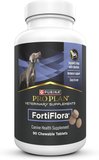
Purina Pro Plan FortiFlora Chewable Tablets for Dogs
FortiFlora tablets deliver the same clinically studied probiotic strain as the powder in a chewable form, which suits owners who would rather not mix powder into every meal, especially when traveling.
Key features:
- Contains the same Enterococcus faecium SF68 strain as the FortiFlora powder
- Chewable tablets for simple, mess-free dosing
- 90 tablets per bottle
- Supports digestive and immune health
- About $81
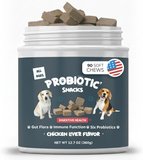
Bruno & Lukas Probiotic Chews for Dogs
Bruno & Lukas probiotic chews are a budget-friendly, multi-strain option for owners who want a soft chew rather than a powder or tablet. The 90-chew bottle makes them a practical choice for longer supplementation through the recovery window.
Key features:
- Multi-strain probiotic blend for broader gut flora support
- Soft chew format most dogs accept readily
- 90 chews per bottle
- Made in the USA
- About $8
How Can You Reduce the Risk of Gastroenteritis in Dogs?
While not all cases of gastroenteritis can be avoided, studies indicate implementing research-supported strategies may help reduce the risk of recurrent episodes in dogs.
Dietary Management
Feed high-quality, consistent diet: Choose premium dog food with named protein sources, appropriate fat content for your dog’s age and activity level, and minimal fillers. Once you find a food that works well, stick with it consistently.
Avoid table scraps and people food: Human food often contains excessive fat, seasonings, and ingredients that trigger digestive upset. Fatty foods like bacon, fried items, and rich gravies can cause pancreatitis and gastroenteritis.
Implement slow diet transitions: When changing foods, transition gradually over 7-10 days:
- Days 1-3: 75% old food + 25% new food
- Days 4-6: 50% old food + 50% new food
- Days 7-9: 25% old food + 75% new food
- Day 10: 100% new food
Control portion sizes: Overfeeding stresses the digestive system. Follow feeding guidelines on dog food packaging based on ideal body weight, not current weight if your dog is overweight.
Use slow-feeder bowls: Dogs that eat too quickly swallow air and overwhelm their digestive systems. Slow-feeder bowls with raised obstacles force dogs to eat more slowly and mindfully.
Scheduled feeding times: Feed at consistent times each day rather than free-feeding. This establishes regular digestive rhythms and allows you to monitor appetite and intake.
Environmental Management
Secure trash cans: Use trash cans with locking lids or store them in cabinets your dog cannot access. Much gastroenteritis results from dogs raiding trash for fatty, spoiled, or dangerous items.
Supervise outdoor time: Monitor your dog during walks and yard time to help reduce the risk of scavenging. Use “leave it” command training to stop your dog from eating found items.
Remove toxic plants: Many common household and garden plants cause gastroenteritis when ingested. Remove or fence off oleander, azalea, rhododendron, sago palm, and other toxic species.
Proper food storage: Store dog food in airtight containers to help reduce the risk of spoilage and contamination. Discard any food that smells off or shows signs of mold.
Clean food and water bowls daily: Bacteria can grow rapidly in food residue and water bowls. Wash bowls with hot, soapy water daily and rinse thoroughly.
Parasite Prevention
Year-round heartworm prevention: Most heartworm preventives also protect against intestinal parasites including roundworms, hookworms, and whipworms. Administer monthly without missing doses.
Regular fecal testing: Have your veterinarian examine stool samples annually (more frequently for puppies or dogs with outdoor access) to detect parasitic infections before they cause symptoms.
Immediate cleanup: Pick up feces from your yard daily to help reduce the risk of re-infection and environmental contamination with parasite eggs and cysts.
Avoid contaminated water sources: Don’t allow your dog to drink from puddles, ponds, or streams which may contain Giardia cysts or other parasites.
Vaccination and Preventive Care
Maintain current vaccinations: Core vaccines including distemper and parvovirus protect against viral causes of gastroenteritis. Puppies need a series of vaccinations, while adult dogs require regular boosters based on your veterinarian’s recommendations.
Annual wellness examinations: Regular veterinary checkups detect early signs of conditions that can lead to gastroenteritis, including organ dysfunction, inflammatory bowel disease, and food allergies.
Dental care: Dental disease and periodontal bacteria can contribute to digestive issues. Maintain good oral hygiene through regular teeth brushing, dental chews, and professional cleanings as needed.
Stress Reduction
Maintain consistent routines: Dogs thrive on predictability. Consistent feeding times, walk schedules, and daily routines reduce stress-related digestive upset.
Gradual introduction to changes: When introducing new pets, moving to a new home, or implementing schedule changes, do so gradually while maintaining as much routine as possible.
Provide mental stimulation: Boredom and anxiety can manifest as digestive issues. Provide puzzle toys, training sessions, and appropriate exercise to keep your dog mentally and physically satisfied.
Calming supplements: For dogs whose digestive upset is tied to stress or anxiety, supplements containing L-theanine or chamomile are sometimes used alongside behavior management. Check with your veterinarian first, and only use products labeled for dogs.
Prevention in practice: The highest-impact steps are feeding a consistent, high-quality diet; keeping trash secured and supervising outdoor time so dogs cannot scavenge; maintaining year-round parasite prevention with regular fecal checks; keeping core vaccines current; and keeping routines steady to limit stress-related upset.
Training and Behavior
“Leave it” command: Train a reliable “leave it” command so your dog passes up food and other items found on walks or around the house.
Crate training: A properly crate-trained dog is safer when unsupervised, unable to access trash or other hazards that cause gastroenteritis.
Manage resource guarding: Dogs that gulp food rapidly due to resource guarding or competition with other pets are more prone to digestive upset. Feed dogs separately if needed and work with a trainer on resource guarding issues.
Even small amounts of very fatty human food, like bacon grease or fried scraps, can trigger an episode of gastroenteritis or pancreatitis, so keeping people food off the menu is one of the simplest ways to protect your dog’s stomach.
What Happens When Gastroenteritis Becomes Chronic?
While most acute gastroenteritis episodes resolve within a week, some dogs experience recurrent or chronic digestive issues requiring more comprehensive evaluation and management.
Defining Chronic Gastroenteritis
Chronic gastroenteritis is characterized by:
- Symptoms persisting for more than three weeks
- Recurrent episodes occurring monthly or more frequently
- Failure to respond to standard treatments for acute gastroenteritis
- Progressive weight loss despite normal or increased appetite
- Increasingly frequent or severe symptoms over time
Chronic gastroenteritis suggests underlying conditions beyond simple dietary indiscretion or transient infections.
Potential Underlying Causes
Inflammatory bowel disease (IBD): A group of immune-mediated conditions that cause chronic inflammation in the intestinal lining. Diagnosis typically requires intestinal biopsies, and management usually combines a hydrolyzed or novel-protein diet with medication (PubMed 22201965; PubMed 17338144).
Food allergies or sensitivities: Research indicates that immune responses to specific proteins (commonly beef, chicken, dairy, wheat) can be observed in true food allergies, while food sensitivities appear to cause symptoms without immune involvement. Studies show diagnosis may require elimination diet trials lasting 8-12 weeks using hydrolyzed protein or novel protein sources. Published research suggests that once improvement occurs, individual ingredients are systematically reintroduced to identify potential triggers.
Chronic parasitic infections: Some parasites like Giardia can be difficult to reduce, requiring extended treatment courses or alternative medication protocols. Tritrichomonas foetus, a protozoal parasite, causes chronic diarrhea particularly in young cats but occasionally affects dogs.
Management relies on lifelong pancreatic enzyme replacement with every meal, which most dogs tolerate well once the right dose is found.
Research indicates antibiotics such as metronidazole or tylosin, sometimes paired with probiotics, have been used to help restore a normal bacterial population in the small intestine.
Protein-losing enteropathy (PLE): Severe intestinal disease causes protein loss through the damaged intestinal wall, leading to low blood protein, fluid accumulation (ascites, edema), and weight loss. This serious condition requires intensive treatment and carries a guarded prognosis.
Cancer: Intestinal lymphoma and other gastrointestinal tumors can cause chronic vomiting and diarrhea. Diagnosis typically requires imaging (ultrasound, CT scan) and biopsy. Treatment options depend on tumor type and location.
Diagnostic Workup for Chronic Cases
Veterinarians investigating chronic gastroenteritis may recommend:
- Advanced blood work including complete blood count, comprehensive chemistry panel, thyroid function, cobalamin (vitamin B12) and folate levels, and specific tests like TLI and PLI (pancreatitis)
- Multiple fecal examinations using various techniques (flotation, direct smear, antigen testing, PCR panels) to detect difficult-to-find parasites
- Abdominal imaging via radiographs and ultrasound to evaluate organ structure, intestinal wall thickness, and detect masses or obstructions
- Endoscopy with biopsies allowing direct visualization of the stomach and intestinal lining while collecting tissue samples for histopathology
- Food elimination trial using hydrolyzed protein or novel protein diet for 8-12 weeks
- Bacterial culture and sensitivity testing if infection is suspected
- Advanced imaging (CT scan, MRI) for complex cases
In summary: If symptoms last more than three weeks or episodes recur monthly, the problem is likely chronic gastroenteritis rather than a passing upset, and a veterinary workup should look for underlying causes such as inflammatory bowel disease.
How Should You Manage Gastroenteritis in Puppies and Senior Dogs?
Age significantly impacts both gastroenteritis risk and appropriate management strategies.
Puppies (Under 12 Months)
Higher vulnerability: Puppies have immature immune systems, making them more susceptible to infections like parvovirus. They also dehydrate much faster than adult dogs due to higher surface area to body weight ratio.
Parvovirus concern: Unvaccinated or incompletely vaccinated puppies showing bloody diarrhea, severe vomiting, and lethargy should receive immediate emergency evaluation for parvovirus. This highly contagious and potentially fatal disease requires intensive hospitalization with IV fluids, antibiotics, and supportive care. Survival rates exceed 90% with appropriate treatment but approach only 10% without care.
Rapid changes in hydration levels: Studies indicate puppies can experience a shift from mild to severe dehydration within 6-12 hours. Research suggests any puppy exhibiting vomiting and diarrhea may benefit from veterinary evaluation on the same day, as a delayed assessment may present risks.
Nutritional needs: Research indicates puppies may benefit from frequent meals (3-4 times daily) to support growth and blood sugar maintenance. Studies show prolonged fasting may be associated with hypoglycemia (low blood sugar), potentially leading to weakness, seizures, or coma. Published research suggests veterinary guidance appears to have some benefit for managing gastroenteritis in puppies.
Parasite prevalence: Puppies commonly harbor intestinal parasites passed from mothers or contracted from environments. Regular deworming protocols and fecal testing are critical preventive measures.
Senior Dogs (7-8+ Years)
These dogs may need more intensive monitoring and a slower return to normal food.
Vomiting and diarrhea can change how oral medications are absorbed, so ask your veterinarian whether doses of daily medications should be adjusted or temporarily delayed during the episode.
Reduced resilience: Older dogs have less physiologic reserve to handle stress of acute illness. They may deteriorate faster and require longer recovery periods than young, healthy adults.
Cancer concerns: Chronic or recurrent gastroenteritis in senior dogs warrants investigation for gastrointestinal tumors, particularly if accompanied by weight loss or poor appetite.
Dental disease: Poor dental health in senior dogs can contribute to digestive issues through bacteria swallowed from infected gums and teeth.
Looking ahead: Close monitoring matters most in the first 24 hours. Puppies and small dogs can move from mild to severe dehydration within 6-12 hours of continuous vomiting and diarrhea.
How Does the Gut-Brain Connection Affect Digestion?
Emerging research reveals complex bidirectional communication between the digestive system and brain - the gut-brain axis. This connection explains why stress triggers digestive upset and why digestive problems can affect mood and behavior.
The vagus nerve serves as the primary communication pathway, transmitting signals between the brain and digestive tract. Additionally, gut bacteria produce neurotransmitters including serotonin, dopamine, and GABA that influence mood and behavior.
Stress-induced gastroenteritis occurs when anxiety, fear, or environmental stressors activate the sympathetic nervous system, altering digestive motility, reducing blood flow to intestines, and disrupting the protective mucous barrier. Common triggers include boarding, travel, new pets or family members, moving, loud noises (thunderstorms, fireworks), and changes in routine.
Supporting dogs experiencing stress-related gastroenteritis:
-
Research suggests identifying and minimizing stress triggers may be beneficial
-
Maintaining consistent daily routines has been explored in studies
-
Providing safe spaces where dogs can retreat when stressed may be supportive, according to research
-
Calming supplements or pheromone diffusers have been used in clinical settings
-
Collaboration with a veterinary behaviorist may be helpful for dogs with severe anxiety
-
Studies indicate addressing separation anxiety through training and environmental management may offer support.
Research indicates stress affects the gut directly: the vast majority of the body’s serotonin, a neurotransmitter linked to mood and motility, is produced in the intestines rather than the brain.
How Does the Microbiome Affect Digestive Health?
The canine gut microbiome consists of trillions of microorganisms - bacteria, fungi, viruses - living in the digestive tract. This complex ecosystem performs essential functions including:
- Nutrient metabolism: Breaking down complex carbohydrates and fiber humans and dogs cannot digest alone
- Vitamin synthesis: Producing B vitamins and vitamin K
- Immune system development: Training the immune system to distinguish beneficial organisms from pathogens
- Pathogen protection: Competing with harmful bacteria for nutrients and attachment sites
- Intestinal barrier maintenance: Supporting the protective intestinal lining
Dysbiosis - an imbalance in the microbiome with reduced beneficial species and increased harmful species - contributes to many digestive disorders including chronic gastroenteritis, inflammatory bowel disease, and food sensitivities.
Factors disrupting the microbiome:
- Antibiotic use (necessary for infections but may help combat pathogens while also reducing beneficial bacteria)
- Diet changes and poor-quality diet
- Stress and anxiety
- Chronic illness
- Environmental toxins and medications
Supporting microbiome health:
-
Research suggests feeding a high-quality diet with appropriate fiber content may be beneficial.
-
Studies indicate supplementing with probiotics during and after gastroenteritis may support recovery.
-
Including prebiotic foods (small amounts of pumpkin, sweet potato, certain vegetables) appears to have some benefit, according to research.
-
Studies suggest avoiding unnecessary antibiotic use may help maintain gut health.
-
Research indicates minimizing stress and maintaining a healthy lifestyle may be beneficial.
-
For dogs with recurrent issues, regular probiotic supplementation is commonly recommended by veterinarians as part of a longer-term gut health plan
What this means for you: A balanced microbiome supports digestion, vitamin synthesis, and immune function. Limiting unnecessary antibiotic use, feeding a quality diet with appropriate fiber, and using probiotics during and after GI illness all help protect that balance.
What Are the Long-Term Outcomes and Prognosis?
Research indicates the majority of dogs with acute gastroenteritis recover fully with no long-term effects when supportive care starts promptly. The outlook depends on the cause, how quickly treatment begins, and whether the dog has other health conditions.
Excellent prognosis cases:
- Mild to moderate dietary indiscretion with early intervention
- Uncomplicated parasitic infections treated appropriately
- Stress-related gastroenteritis with stress management
- Generally healthy adult dogs without underlying conditions
Good prognosis with appropriate care:
- Bacterial infections caught early and treated with antibiotics
- Mild to moderate parvovirus in puppies receiving intensive hospital care
- Pancreatitis managed with appropriate treatment and dietary changes
Guarded to poor prognosis:
- Severe acute hemorrhagic diarrhea syndrome with shock
- Parvovirus without treatment or with delayed treatment
- Protein-losing enteropathy
- Intestinal cancer
- Severe chronic inflammatory bowel disease resistant to treatment
Factors improving outcomes:
- Early recognition of symptoms and prompt veterinary care
- Appropriate treatment including IV fluids for dehydration
- Compliance with medication and feeding instructions
- Good supportive home care during recovery
- Prevention strategies to avoid recurrence
Most dogs that ate something they should not have recover within a day or two once vomiting settles, while infections such as parvovirus typically need a week or more of supportive care.
What Are the Key Takeaways for Dog Owners?
Gastroenteritis is a common but potentially serious condition requiring appropriate response based on severity. Understanding these core principles helps you protect your dog’s health:
Recognize emergency warning signs: Bloody diarrhea or vomit, extreme lethargy, refusal to drink, frequent vomiting, severe abdominal pain, or pale gums require immediate veterinary care. When in doubt, call your veterinarian - they can help determine whether immediate care is needed.
Home care for mild cases: Research suggests withholding food for 12-24 hours may be a supportive measure while offering small amounts of water frequently. Studies indicate that once vomiting subsides, introducing a bland diet in small, frequent meals may be helpful. Published research shows a gradual transition back to regular food over 5-7 days appears to have been used in some cases.
Hydration is critical: Dehydration is the most dangerous complication. Ensure your dog drinks adequate water and watch for dehydration signs including skin tenting, dry gums, and sunken eyes.
Research suggests supplements may support recovery: Studies indicate probiotics, L-glutamine, slippery elm, digestive enzymes, and pumpkin may aid healing and potentially reduce recurrence risk. Research has used probiotics for 2-4 weeks post-symptom resolution.
Prevention matters: Feed consistent high-quality diet, secure trash cans, maintain parasite prevention, keep vaccinations current, manage stress, and supervise outdoor time to help reduce the risk of scavenging.
Puppies and seniors need special attention: These vulnerable populations require earlier veterinary intervention due to faster dehydration and higher complication risks.
Chronic symptoms require investigation: If gastroenteritis recurs frequently or symptoms persist beyond 2-3 weeks, comprehensive veterinary workup is needed to identify underlying causes like food allergies, inflammatory bowel disease, or organ dysfunction.
With proper understanding, prompt appropriate action, and preventive strategies, you can protect your dog from gastroenteritis complications and ensure rapid recovery when illness does occur.
Clinical insight: Recognize emergency signs like blood in vomit or stool, extreme lethargy, and severe abdominal pain. When any of these appear, skip home care and call a veterinarian immediately.
Frequently Asked Questions
Q: What are the most common causes of acute gastroenteritis in dogs?
A: Dietary indiscretion (eating garbage, spoiled food) and bacterial infections like Clostridium perfringens and Salmonella are the most common causes.
Q: How long does acute gastroenteritis usually last in dogs?
A: Most acute cases resolve within 3-7 days with proper treatment, while mild cases due to dietary indiscretion may improve in 24-48 hours.
Q: When should I seek immediate veterinary care for my dog with gastroenteritis?
A: Seek immediate care if your dog shows signs like bloody diarrhea/vomit, extreme lethargy, refusal to drink, vomiting 3+ times in 24 hours, pale gums, or severe dehydration (skin tenting, sunken eyes).
Q: How can I address gastroenteritis at home for my adult dog?
A: Follow a staged protocol: withhold food for 12-24 hours, offer small amounts of water every 15-60 minutes depending on size, then introduce a bland diet (2 parts rice to 1 part boiled chicken) at about 2 tablespoons per 10 pounds of body weight, divided into 6-8 small meals.
Q: What supplements can help my dog recover from gastroenteritis?
A: Probiotics with a clinically studied strain, such as FortiFlora with E. faecium SF68 at 100 million CFU per dose, or a multi-strain formula (1-20 billion CFU), are the best-supported option. L-glutamine, slippery elm, and plain canned pumpkin can also help during recovery.
Q: How quickly can puppies dehydrate with gastroenteritis?
A: Puppies can dehydrate within 6-12 hours, so they require same-day veterinary evaluation.
Q: What is the survival rate for parvovirus in puppies with proper treatment?
A: Parvovirus survival rate exceeds 90% with proper treatment.
Related Reading
- Dog Diarrhea with Blood: Causes, Treatment, and When It’s an Emergency
- Dog Constipation Relief: Natural Approaches and Causes
- Dog Vomiting Yellow Bile or Foam: Causes, When to Worry, and Treatment
- Dog Diarrhea: Causes, Symptoms, When to Worry, and Treatment
- Dog Bloated Stomach Hard: Causes, Emergency Signs, and When It’s GDV
- Dog Gurgling Stomach: Causes, Approaches, and When It’s Serious
- Dog Urinary Tract Infections: Symptoms, Treatment & Prevention
References
- Unterer S, et al. (2011). Treatment of aseptic dogs with hemorrhagic gastroenteritis with amoxicillin/clavulanic acid: a prospective blinded study. Journal of Veterinary Internal Medicine, 25(5):973-979. PubMed: 21781168
- Marks SL, et al. (2011). Enteropathogenic bacteria in dogs and cats: diagnosis, epidemiology, treatment, and control. Journal of Veterinary Internal Medicine, 25(6):1195-1208. PubMed: 22092607
- Acute Hemorrhagic Diarrhea Syndrome in Dogs. Veterinary Clinics of North America: Small Animal Practice, 2021. PubMed: 33131918
- Evaluation of an oral electrolyte solution for treatment of mild to moderate dehydration in dogs with hemorrhagic diarrhea. Journal of the American Veterinary Medical Association, 2013. PubMed: 24004233
- Canine viral enteritis. Veterinary Clinics of North America: Small Animal Practice, 1983. PubMed: 6316616
- Isolation of a multidrug-resistant Escherichia coli pathotype Stx2:Cnf1:Cnf2:Eae as a potential cause of hemorrhagic diarrhea and secondary septicemia in a dog. Journal of Veterinary Diagnostic Investigation, 2022. PubMed: 35075964
- First report on the molecular detection of canine astrovirus (CaAstV) in dogs with gastrointestinal disease in Ecuador. Veterinary Sciences, 2024. PubMed: 39057987
- Clinical signs, histology, and CD3-positive cells before and after treatment of dogs with chronic enteropathies. Journal of Veterinary Internal Medicine, 2008. PubMed: 18673423
- Inflammatory bowel disease in veterinary medicine. Frontiers in Bioscience (Elite Edition), 2012. PubMed: 22201965
- Evaluation of clinical, macroscopic, and histopathologic response to treatment in nonhypoproteinemic dogs with lymphocytic-plasmacytic enteritis. Journal of Veterinary Internal Medicine, 2007. PubMed: 17338144
- The use of diets in the diagnosis and treatment of common gastrointestinal diseases in dogs and cats. Advances in Experimental Medicine and Biology, 2024. PubMed: 38625524
- Outbreak of Clostridium difficile-associated disease in a small animal veterinary teaching hospital. Journal of Veterinary Internal Medicine, 2003. PubMed: 14658717
- From diagnosis to resolution: a practical guide to acute diarrhea in veterinary patients. Veterinary Clinics of North America: Small Animal Practice, 2026. PubMed: 41763984
Recommended Products