Best Orthopedic Dog Beds for Senior Dogs
Summarized from peer-reviewed research indexed in PubMed. See citations below.
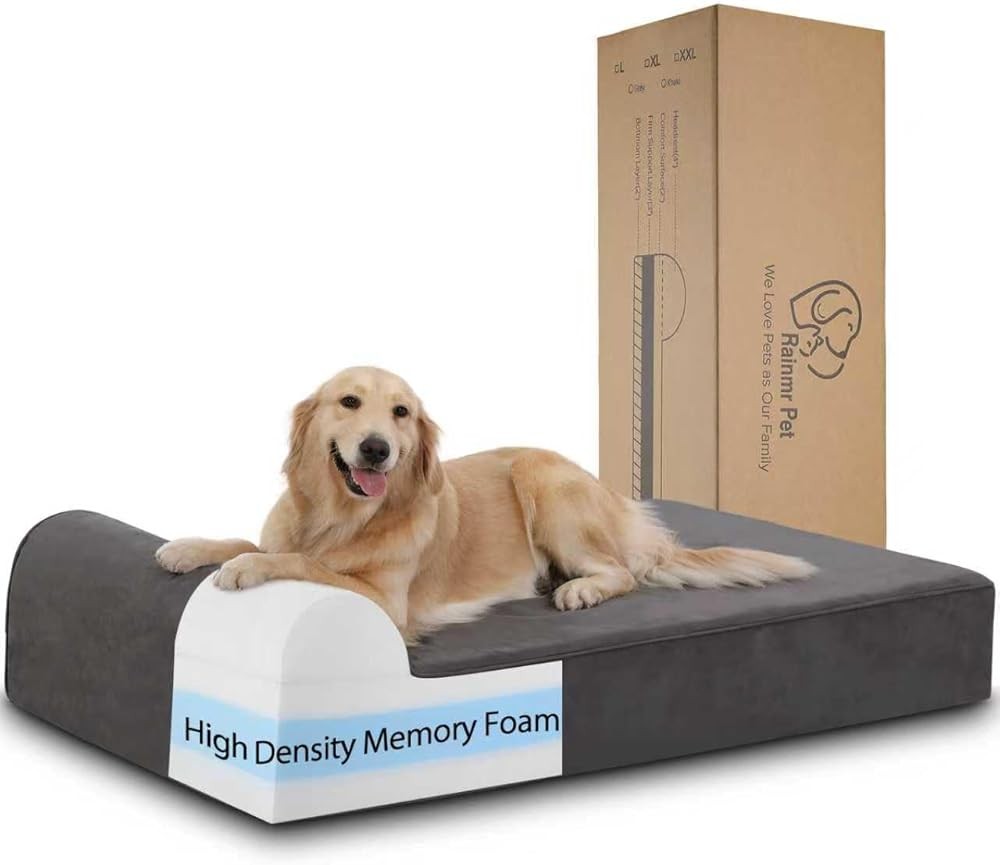
Senior dogs with joint stiffness and arthritis need specialized sleeping surfaces that provide adequate support during extended rest periods. The Orthopedic Memory Foam Dog Bed (B0CJHYL3LP) delivers optimal pressure relief through its 5-inch high-density memory foam core, waterproof liner, and washable cover, typically priced around $79.99 for large sizes. Research on canine osteoarthritis management emphasizes that multimodal approaches including environmental modifications can support joint comfort alongside traditional treatments, and proper bedding represents a foundational environmental factor (PMID: 35562224). For budget-conscious pet owners, the Orthopedic Dog Bed Medium Dogs (B09ZFYV499) offers 4-inch memory foam construction with similar pressure-relieving properties at approximately $49.99. Here’s what the published research shows about supporting senior dogs with joint issues through proper bedding.
Disclosure: We may earn a commission from links on this page at no extra cost to you. Affiliate relationships never influence our ratings. Full policy →
Understanding Orthopedic Dog Beds for Senior Canines
Orthopedic dog beds differ fundamentally from standard pet bedding through their construction materials, support characteristics, and pressure distribution capabilities. These specialized sleeping surfaces incorporate high-density memory foam, therapeutic gel layers, or egg-crate foam configurations designed to conform to a dog’s body contours while maintaining structural integrity.
The aging process affects dogs similarly to humans, with joint cartilage degrading over time and leading to osteoarthritis in many senior canines. Research on patellofemoral joint biomechanics demonstrates how cartilage mechanics play crucial roles in understanding joint disorders across species (PMID: 15995425). When senior dogs rest on inadequate surfaces, pressure concentrates at bony prominences like hips, shoulders, and elbows, potentially causing discomfort and disrupting restorative sleep.
Memory foam technology addresses these issues through viscoelastic properties that respond to body heat and pressure. As foam warms from contact with your dog’s body, it softens and molds to their shape, distributing weight across a broader surface area rather than concentrating force at specific points. This pressure redistribution helps minimize stress on joints affected by arthritis, hip dysplasia, or general age-related degeneration.
High-density foam specifications matter significantly for durability and support. Foam density typically ranges from 3 to 6 pounds per cubic foot (pcf) in quality orthopedic beds. Lower-density foams (below 3 pcf) compress quickly and lose supportive properties within months, while higher-density options (4+ pcf) maintain structural integrity for years even with daily use by heavy dogs.
Thickness represents another critical specification. For medium to large senior dogs (40+ pounds), minimum foam thickness should reach 4-5 inches to provide adequate cushioning between your dog’s body and the floor. Smaller dogs can benefit from 3-4 inches, while giant breeds often require 6+ inches for proper support. Insufficient thickness allows dogs to “bottom out,” where their weight compresses foam completely and they essentially rest on the hard floor beneath.
Understanding these foundational principles helps evaluate specific products and match bed characteristics to your senior dog’s individual needs.
What Memory Foam Density Works Best for Senior Dogs with Joint Issues?
Memory foam density directly influences both support quality and longevity in orthopedic dog beds. Density measures foam mass per cubic foot, expressed in pounds per cubic foot (pcf). This specification determines how foam responds to pressure, how quickly it recovers its shape, and how long it maintains supportive properties.
Low-density foam (2-3 pcf) feels soft initially but compresses easily under weight. For senior dogs, this means insufficient support as foam bottoms out, defeating the orthopedic purpose. These foams also develop permanent body impressions within 6-12 months of regular use, requiring premature replacement.
Medium-density foam (3-4 pcf) provides better support and durability. This range works well for dogs under 40 pounds or for secondary beds used occasionally. Recovery time after compression typically ranges from 3-5 seconds, meaning foam returns to its original shape relatively quickly after your dog moves.
High-density foam (4-6 pcf) delivers optimal performance for senior dogs with joint issues. This density maintains supportive properties even for heavy dogs, distributes weight effectively, and typically lasts 3-5 years with proper care. Recovery time may extend to 5-10 seconds, but this slower response actually benefits senior dogs by providing consistent support throughout rest periods.
Temperature sensitivity varies with density as well. Higher-density foams tend to sleep warmer because they restrict airflow more than lower-density alternatives. This can benefit arthritic dogs in cool climates but may cause overheating in warm environments or for dogs with thick coats.
Indentation Load Deflection (ILD) or Indentation Force Deflection (IFD) represents another relevant specification. This measures foam firmness—the force required to compress foam 25% of its thickness. Orthopedic dog beds typically range from 8-15 ILD for softer support to 20-35 ILD for firmer options. Senior dogs with advanced arthritis often prefer softer surfaces (lower ILD), while dogs needing spinal support benefit from firmer configurations (higher ILD).
When evaluating beds, look for manufacturers that disclose both density and thickness specifications. Products listing only thickness without density information often use inferior foams that won’t provide lasting orthopedic benefits.
| Feature | B0CJHYL3LP Best Overall | B09YQHH34L Large Breed | B09ZFYV499 Budget | B0FBM7H3XR Premium |
|---|---|---|---|---|
| Foam Thickness | 5 inches | 6 inches | 4 inches | N/A (elevated mesh) |
| Foam Type | High-density memory | Therapeutic memory | Standard memory | Orthopedic mesh |
| Weight Capacity | Up to 100 lbs | Up to 150 lbs | Up to 60 lbs | Up to 120 lbs |
| Waterproof Liner | Yes | Yes | No | Yes (waterproof fabric) |
| Washable Cover | Machine washable | Machine washable | Machine washable | Wipe clean |
| Non-Slip Bottom | Yes | Yes | Yes | Stable legs |
| Design Style | Flat with bolsters | Flat with bolsters | Flat basic | Elevated platform |
| Best For | General arthritis | Large breeds, heavy dogs | Budget, medium dogs | Airflow, mobility |
| Price Range | ~$79.99 | ~$99.99 | ~$49.99 | ~$89.99 |
How Do Bolstered Edges Benefit Dogs with Mobility Challenges?
Bolstered or raised edges around orthopedic beds provide multiple functional advantages for senior dogs experiencing mobility limitations. These padded borders typically measure 4-8 inches in height and encircle three or four sides of the sleeping surface.
Head and neck support represents the primary benefit. Many senior dogs prefer resting their heads on elevated surfaces rather than flat positions. Bolsters allow dogs to achieve this comfortable posture without requiring separate pillows or risking neck strain from awkward angles. This positioning can help dogs with arthritis in cervical (neck) vertebrae find relief during rest.
Sense of security matters psychologically for many dogs. Bolstered beds create a nest-like environment where dogs feel enclosed and protected. This can reduce anxiety and promote deeper, more restorative sleep—particularly important for senior dogs whose sleep quality affects their overall wellbeing and joint recovery.
Temperature regulation improves with bolsters in cooler environments. Dogs can curl against raised edges to conserve body heat, beneficial for seniors with reduced body condition or those who get cold easily. Conversely, dogs can avoid bolsters and use the flat center section when they need cooling.
Structural support during position changes helps dogs with significant mobility impairment. When rising from a lying position, dogs can brace against bolsters for leverage, reducing strain on weakened joints. This feature proves especially valuable for dogs with hip dysplasia or hind limb weakness.
However, bolsters present potential drawbacks. Dogs unable to step over raised edges may struggle to access the bed’s center. Very large breeds might find bolsters too small to provide adequate head support. Additionally, bolsters increase overall bed dimensions, potentially creating space challenges in smaller areas.
For senior dogs with severe mobility restrictions, flat orthopedic beds without bolsters often provide easier access. These dogs benefit more from low-profile designs they can walk directly onto rather than needing to step over or navigate around raised borders.
The Orthopedic Memory Foam Dog Bed (B0CJHYL3LP) incorporates moderate bolsters that balance support with accessibility, while the Orthopedic Dog Bed Medium Dogs (B09ZFYV499) offers a flatter profile more suitable for dogs with limited mobility.
Orthopedic Memory Foam Dog Bed
Check Price on AmazonAs an Amazon Associate we earn from qualifying purchases.
Should You Choose Elevated or Flat Orthopedic Beds for Arthritic Dogs?
Elevated orthopedic beds raise the sleeping surface 4-10 inches above the floor using a frame with legs, while flat beds rest directly on the ground. Each design offers distinct advantages for senior dogs with arthritis and joint issues.
Elevated beds improve airflow circulation around your dog’s body. This cooling effect benefits dogs who overheat easily, those with thick coats, or in warm climates. Better air circulation can also reduce moisture accumulation and odor, maintaining fresher sleeping conditions.
Pressure sore prevention represents another elevation advantage. Dogs spending extensive time lying down can develop pressure sores or calluses at bony contact points, especially on hard floors. Elevated beds prevent direct floor contact entirely while the orthopedic fabric distributes pressure across a broader area.
Easier access for dogs with specific mobility patterns favors elevated designs. Some senior dogs struggle to lower themselves to ground level but can more easily step onto a slightly raised platform. This depends on individual mobility challenges—dogs with hip issues often find elevation helpful, while those with front leg arthritis may prefer low surfaces.
Hygiene and cleaning simplify with elevated beds. You can vacuum or mop underneath without moving the bed, and the elevated design prevents floor moisture or cold from reaching your dog. This matters particularly in basements, garages, or outdoor covered areas.
However, flat orthopedic beds with thick memory foam typically provide superior pressure relief and joint support. The 4-6 inches of high-density foam in quality flat beds conforms precisely to your dog’s body shape in ways that taut elevated fabric cannot. For dogs whose primary issue is joint pain rather than temperature regulation or mobility, flat memory foam usually delivers better results.
Fall risk considerations matter for dogs with balance problems or cognitive decline. Elevated beds require dogs to navigate on and off the raised surface. Disoriented or unsteady dogs might miss the edge and fall, potentially causing injury. Flat beds eliminate this risk entirely.
Weight capacity differs between designs. Flat beds can typically support heavier dogs because weight distributes across the entire floor surface. Elevated beds concentrate weight on frame legs, and cheaper models may bow or collapse under heavy dogs.
The research on joint management emphasizes individualized treatment approaches (PMID: 35562224). Similarly, bed selection should account for your specific dog’s combination of issues. A dog with arthritis plus overheating problems might benefit most from an elevated design, while a dog with severe hip dysplasia but no temperature issues would likely prefer thick memory foam.
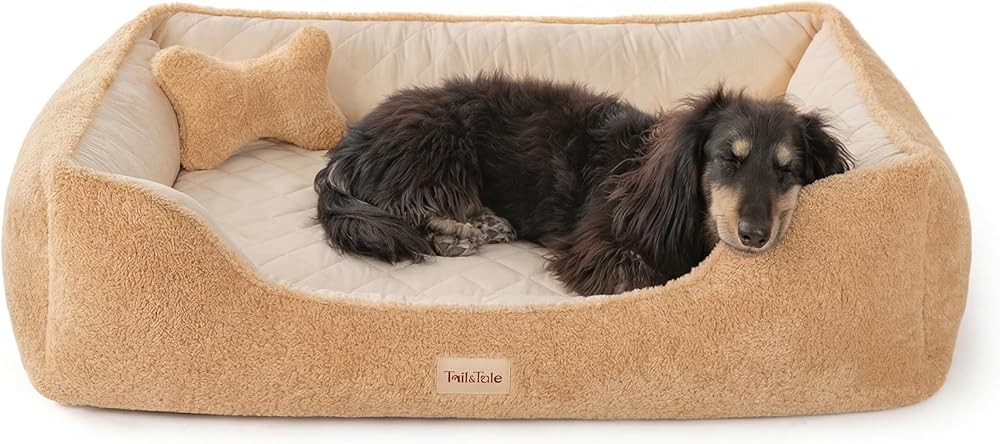
The Elevated Orthopedic Dog Bed (B0FBM7H3XR) offers the benefits of elevation with orthopedic mesh fabric, while the Orthopedic Dog Bed Large Breed (B09YQHH34L) provides maximum memory foam support in a flat configuration.
Elevated Orthopedic Dog Bed
Check Price on AmazonAs an Amazon Associate we earn from qualifying purchases.
What Role Does Bed Size Play in Supporting Senior Dogs?
Proper bed sizing directly affects how well an orthopedic bed supports your senior dog’s joints and comfort needs. Undersized beds force dogs into cramped positions that can aggravate arthritis, while oversized options waste space and money without providing additional benefits.
Measurement methodology matters for accurate sizing. Measure your dog from nose to base of tail (not tip) while they’re lying in their preferred sleeping position. Add 6-12 inches to this measurement to determine minimum bed length. For width, measure the widest point of your dog when lying on their side, then add 4-8 inches.
Senior dogs often shift positions more frequently than younger dogs as they seek comfortable configurations for aching joints. Extra space allows this natural movement without forcing dogs off the bed or into uncomfortable contorted positions against bed edges.
Dogs who prefer curled sleeping positions require different calculations. Measure the diameter of their curl from nose to tail when fully circled, then add 6 inches minimum. Some curling dogs appreciate slightly smaller beds that create a cozy den feel, but beds should never force dogs into tighter curls than they naturally choose.
Stretching space benefits dogs with spinal arthritis or hip issues. These dogs frequently extend their legs fully to relieve joint pressure. Beds should accommodate full extension in at least one direction without legs hanging off edges or pressing against bolsters.
Weight capacity specifications differ from size dimensions. A bed might physically fit a 90-pound dog but only rate for 75 pounds. Exceeding weight limits compresses foam beyond its design parameters, reducing support effectiveness and accelerating wear. Always select beds rated for at least 25% more than your dog’s current weight to ensure adequate support.
Breed-specific recommendations provide starting points but shouldn’t replace measurements. “Large breed” beds typically suit dogs 50-90 pounds, while “extra-large” accommodates 90-140+ pounds. However, body proportions vary significantly even within breeds. A stocky Bulldog might need a larger bed than a lean Labrador of similar weight.
Multi-dog households require special consideration. If dogs share beds, measure both dogs together in their typical sleeping arrangement and add appropriate margins. However, many veterinary professionals recommend separate beds for senior dogs to ensure each receives proper support and to prevent younger or more active dogs from disturbing arthritic companions.
Room layout influences practical sizing choices. Measure available floor space before purchasing, accounting for clearance around the bed for your dog to approach and exit comfortably. Beds wedged tightly between furniture restrict access for dogs with mobility limitations.
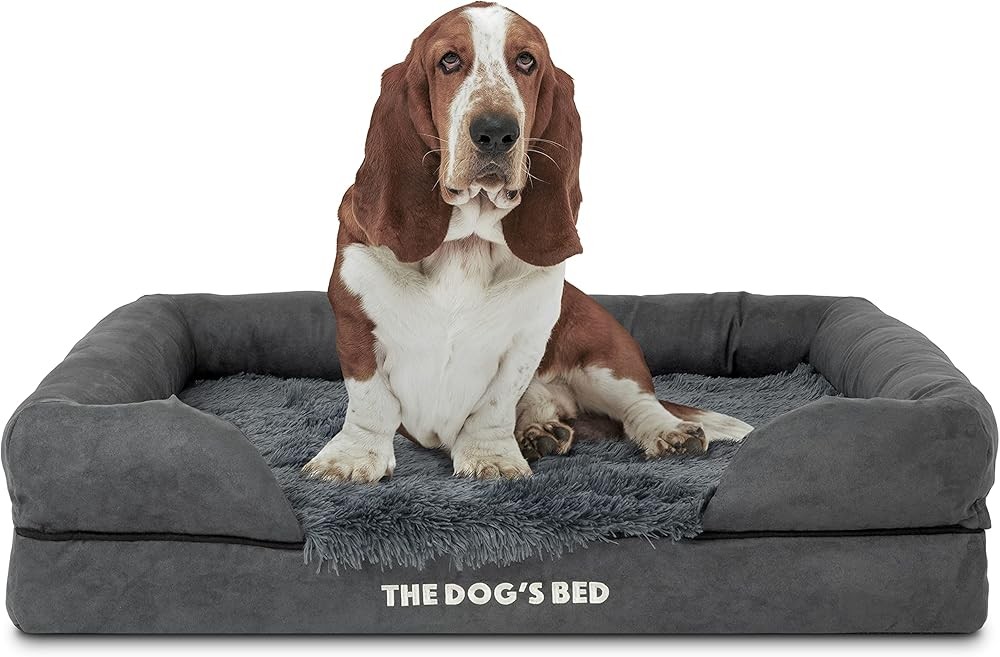
The Orthopedic Dog Bed Large Breed (B09YQHH34L) offers extended dimensions specifically for bigger dogs, while the Orthopedic Dog Bed Medium Dogs (B09ZFYV499) provides appropriate sizing for 30-60 pound seniors.
Orthopedic Dog Bed Large Breed
Check Price on AmazonAs an Amazon Associate we earn from qualifying purchases.
How Do Waterproof Liners and Washable Covers Affect Orthopedic Bed Maintenance?
Senior dogs frequently experience incontinence issues, making waterproof protection essential for orthopedic bed longevity. Waterproof liners create barriers between the outer cover and foam core, preventing urine, drool, or spilled water from saturating foam and causing permanent damage.
Liner materials vary in quality and effectiveness. Polyurethane-backed fabric liners provide basic water resistance but may crack or delaminate after repeated washing. Thermoplastic polyurethane (TPU) membranes offer superior durability and maintain waterproof properties through hundreds of wash cycles. Some premium beds incorporate vinyl liners, though these can feel stiff and create noise when dogs move.
Waterproof protection matters because memory foam cannot be thoroughly cleaned once contaminated. Foam’s porous structure traps liquids, bacteria, and odors deep within its cellular matrix. Even thorough spot-cleaning only addresses surface contamination. Once foam becomes saturated with urine, odor and bacteria persist indefinitely, requiring complete foam replacement.
Liner quality affects comfort as well as protection. Poorly designed waterproof barriers trap heat and moisture against your dog’s body, potentially causing discomfort in warm weather. Quality liners incorporate breathable membranes that block liquids while allowing air circulation, maintaining temperature regulation.
Washable outer covers simplify maintenance and hygiene. Look for covers with heavy-duty zippers that fully open for easy removal, even when foam has fully expanded. YKK zippers and similar quality hardware resist breakage better than generic alternatives.
Cover fabric selection influences both durability and comfort. Microfiber and microsuede fabrics resist tearing, don’t snag on nails, and provide soft surfaces. Sherpa or fleece covers offer warmth but may overheat some dogs. Canvas and denim provide extreme durability for dogs who dig or scratch beds but feel rougher against skin.
Washing frequency recommendations vary based on your dog’s habits. Dogs with incontinence issues or who drool heavily may require weekly cover washing. Dogs without these issues can typically go 2-4 weeks between washes. Always follow manufacturer temperature and drying instructions—high heat can damage waterproof membranes.
Some orthopedic beds offer replacement covers, extending bed lifespan even after original covers wear out. This feature provides better long-term value than beds requiring complete replacement when covers deteriorate.
Spot cleaning between full washes maintains hygiene. Enzyme-based pet cleaners break down organic matter without harsh chemicals that might degrade foam or waterproof barriers. Apply cleaners to the outer cover only, never directly to foam, and allow complete drying before your dog uses the bed.
The Orthopedic Memory Foam Dog Bed (B0CJHYL3LP) incorporates waterproof inner lining with machine-washable outer cover, while the budget Orthopedic Dog Bed Medium Dogs (B09ZFYV499) lacks waterproof protection but includes a washable cover.
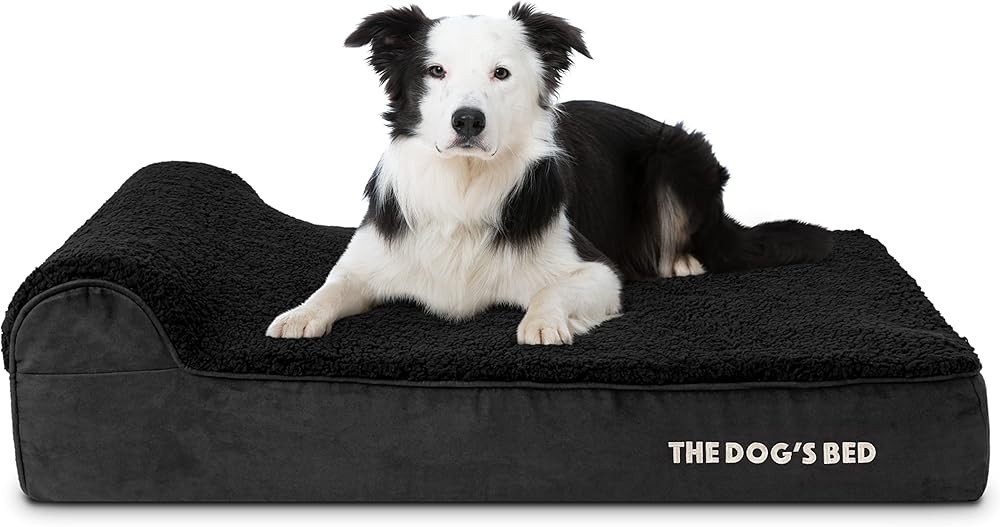
Orthopedic Dog Bed Medium Dogs
Check Price on AmazonAs an Amazon Associate we earn from qualifying purchases.
What Temperature Regulation Features Matter for Senior Dogs?
Senior dogs often struggle with temperature regulation more than younger counterparts. Age-related metabolic changes, reduced mobility, and certain health conditions affect their ability to maintain comfortable body temperatures. Orthopedic bed features can either help or hinder thermoregulation.
Memory foam naturally sleeps warm because dense cellular structure restricts airflow. This warmth benefits arthritic dogs in cool climates or during winter months—gentle heat can provide soothing comfort to stiff joints. However, this same property causes overheating in warm weather or for dogs with thick coats.
Gel-infused memory foam addresses overheating through small gel beads distributed throughout foam. Gel absorbs and disperses heat more effectively than standard foam, creating a cooler sleeping surface. This technology works well for dogs who need orthopedic support but tend to overheat.
Phase-change materials (PCM) represent advanced temperature regulation technology in premium beds. These materials absorb heat when your dog’s body temperature rises above a threshold (typically 85-95°F) and release heat when body temperature drops. This creates a more consistent sleeping temperature throughout rest periods.
Cover fabric selection significantly impacts temperature. Microfiber and microsuede sleep relatively cool and wick moisture away from your dog’s body. Fleece and sherpa fabrics provide warmth but trap heat. Some manufacturers offer seasonal cover options—cooling mesh for summer, plush fleece for winter.
Elevated beds provide superior cooling through enhanced airflow circulation around your dog’s entire body. Dogs prone to overheating, those with thick double coats, or in hot climates often benefit more from elevation than from flat memory foam despite superior joint support from the latter.
Color affects heat absorption when beds sit in sunny spots. Light-colored fabrics reflect heat, while dark colors absorb it. If your dog’s bed receives direct sunlight during any part of the day, lighter colors help maintain cooler temperatures.
Bed placement within your home influences temperature comfort. Placing memory foam beds on cool basement floors helps dissipate heat, while beds on upper floors in warm rooms may cause overheating. Consider seasonal adjustments—moving beds to cooler locations in summer and warmer spots in winter.
Dogs with compromised thermoregulation due to thyroid disorders, Cushing’s disease, or other conditions require careful bed selection. Consult with your veterinarian about whether your senior dog needs cooling or warming support and choose beds accordingly.
Research on canine osteoarthritis emphasizes individualized approaches to management (PMID: 35562224). This principle extends to bed selection—understanding your specific dog’s temperature preferences and needs guides appropriate feature selection.
How Does Non-Slip Bottom Design Prevent Injuries in Senior Dogs?
Non-slip bottom surfaces on orthopedic beds serve critical safety functions for senior dogs with mobility challenges and reduced coordination. As dogs age, proprioception (awareness of body position) declines, balance becomes less stable, and muscle weakness increases fall risk.
Bed sliding creates multiple hazards. When dogs step onto or off beds that slide across floors, they can lose balance and fall. For dogs with hip dysplasia or hind limb weakness, unexpected bed movement can cause leg splaying, potentially injuring joints or straining muscles. Research on orthopedic management emphasizes the importance of preserving joint function (PMID: 9606759), and preventing sliding-related injuries supports this goal.
Flooring type influences sliding risk. Hardwood, laminate, tile, and vinyl floors provide minimal friction, allowing beds without proper grip to slide easily. Carpeted floors offer more resistance, though short-pile carpet and carpet over concrete still allow movement with heavy dogs.
Non-slip technology varies across products. Rubber or silicone grip surfaces on bed bottoms provide direct friction against floors. These materials should cover the entire bottom surface or form substantial grip patterns rather than small corner dots. Full-coverage grip performs better than partial coverage.
Textured fabric bottoms offer moderate slip resistance on some floor types but prove less effective than rubber compounds. These may work adequately on carpet but slide on hard surfaces.
Some beds incorporate heavy-duty Velcro strips that attach to complementary Velcro pads you secure to your floor. This system provides maximum stability but requires floor modification and works best in permanent bed locations rather than areas where you might want to move the bed regularly.
Weight and foam density affect sliding tendency. Heavier beds with dense foam move less readily than lightweight alternatives, even without specific non-slip features. However, relying solely on weight leaves beds vulnerable to sliding when dogs with momentum climb on or off.
Bed shape influences stability as well. Wide, flat beds with low profiles resist sliding better than tall, narrow designs. This matters particularly for bolstered beds where concentrated weight at corners can create pivot points allowing rotation even if the bed doesn’t slide linearly.
Testing non-slip effectiveness before purchasing helps ensure adequate safety. If possible, try pushing the bed across a hard floor surface similar to your home flooring. The bed should resist movement with moderate pressure—if it slides easily during testing, it will slide dangerously when your senior dog uses it.
For beds with inadequate non-slip features, you can add aftermarket solutions. Rubber mesh shelf liners, foam mat squares, or rug gripper pads placed under beds improve traction. Double-sided carpet tape provides more permanent anchoring but may damage some floor finishes.
All reviewed products include non-slip bottom surfaces, though effectiveness varies. The Orthopedic Memory Foam Dog Bed (B0CJHYL3LP) and Orthopedic Dog Bed Large Breed (B09YQHH34L) feature full-coverage rubber bottoms, while the Elevated Orthopedic Dog Bed (B0FBM7H3XR) uses stable leg design to prevent movement.
When Should You Replace an Aging Orthopedic Dog Bed?
Orthopedic dog beds don’t maintain supportive properties indefinitely. Foam degradation, cover deterioration, and hygiene concerns eventually necessitate replacement even with proper care. Recognizing replacement indicators helps ensure your senior dog receives consistent support.
Foam compression testing provides objective replacement criteria. Press firmly into the bed’s center with your palm, applying significant pressure. Release and observe how quickly foam returns to its original shape. Quality memory foam should recover within 10 seconds maximum. If foam remains compressed for 15+ seconds or never fully rebounds, supportive properties have degraded.
Permanent body impressions indicate foam failure. When your dog isn’t on the bed, you shouldn’t see deep, lasting depressions in areas where they typically lie. Slight contouring immediately after use is normal, but impressions persisting 30+ minutes after your dog moves signal that foam has permanently compressed and lost its ability to distribute pressure effectively.
Visible foam deterioration requires immediate replacement. Crumbling, cracking, or yellowing foam indicates advanced breakdown. Some foam yellowing results from normal oxidation and doesn’t affect performance, but significant color change combined with texture changes suggests deterioration.
Cover condition affects both hygiene and comfort. Tears, holes, or fraying seams expose foam to contamination and may create hazards if your dog chews loose threads. Zippers that break or stick make cover removal impossible, preventing proper washing and maintenance.
Persistent odors despite thorough cleaning indicate that contamination has reached the foam core. This typically occurs when waterproof liners fail or when beds lack such protection. Once foam absorbs urine or other bodily fluids, odor-causing bacteria colonize deep within foam’s porous structure where cleaning cannot reach.
Timeline guidance suggests replacing orthopedic beds every 2-3 years for most senior dogs. Heavy dogs (over 75 pounds) stress foam more and may require replacement every 18-24 months. Dogs under 30 pounds create less compression, potentially extending bed lifespan to 3-4 years.
Usage intensity influences longevity. Dogs who spend 18+ hours daily on their beds compress foam more than active dogs using beds primarily for nighttime sleep. Multiple dogs sharing a bed accelerate wear significantly.
Environmental factors affect durability. Beds in humid climates may develop mold or mildew issues sooner than those in dry environments. Direct sunlight exposure degrades foam and fabric faster through UV damage. Temperature extremes—particularly heat—accelerate foam breakdown.
Comparing new and old beds objectively helps assess when replacement becomes necessary. If possible, press on a friend’s new orthopedic bed or a display model in a store, then compare the feel and responsiveness to your current bed. Significant differences in firmness, support, or recovery time indicate your bed needs replacement.
Financial planning for replacement helps ensure your senior dog receives continuous support. Budget approximately $50-100 annually for bed replacement costs, adjusting based on your dog’s size and bed quality level. This proactive approach prevents situations where you delay replacement due to unexpected expense, leaving your dog on inadequate bedding.
Some manufacturers offer warranties covering premature foam compression or defects. Review warranty terms when purchasing and document purchase dates. Quality beds typically include 1-2 year warranties, with premium options extending to 3+ years.
What Foam Certifications and Safety Standards Should You Look For?
Foam safety certifications help identify products free from harmful chemicals that could affect your senior dog’s health. Several organizations test and certify foams meeting specific safety and environmental standards.
CertiPUR-US certification indicates foam manufactured without ozone depleters, flame retardants, mercury, lead, and other heavy metals. Certified foams also meet strict emissions standards for volatile organic compounds (VOCs)—chemicals that off-gas from foam and could cause respiratory irritation. Third-party laboratories test foams annually to verify compliance.
This certification matters particularly for senior dogs who spend extended time on their beds. Dogs with respiratory conditions, allergies, or immune system weakening face greater risks from chemical exposure. While research on chemical sensitivity in dogs remains limited compared to human studies, minimizing unnecessary exposure represents prudent caution.
OEKO-TEX certification applies to fabrics and textiles, testing for hundreds of potentially harmful substances. Covers bearing this certification don’t contain levels of toxic chemicals exceeding safe thresholds. This includes pesticides, formaldehyde, certain dyes, and other compounds sometimes present in textile manufacturing.
Greenguard certification focuses specifically on chemical emissions and indoor air quality. Foams meeting Greenguard standards demonstrate low VOC emissions under standardized testing conditions. The more stringent Greenguard Gold certification requires even lower emission levels appropriate for sensitive individuals.
Made in USA labeling doesn’t guarantee safety but indicates production subject to U.S. manufacturing regulations and oversight. Imported foams, particularly from countries with less stringent environmental and safety standards, may contain chemicals banned or restricted domestically.
Flame retardant-free designation deserves attention. Traditional flame retardants linked to health concerns in animal studies include polybrominated diphenyl ethers (PBDEs) and chlorinated tris. While regulations have limited some problematic flame retardants, alternatives used in some products remain understudied. Beds using naturally flame-resistant materials like wool or rayon rather than chemical treatments provide safer options.
Off-gassing duration and intensity affect initial bed use. New memory foam typically emits noticeable odors for 24-72 hours after unpackaging—this represents VOC release as foam expands from shipping compression. Airing new beds in well-ventilated areas or outdoors for 24-48 hours before introducing your dog minimizes their exposure to concentrated off-gassing.
However, strong chemical odors persisting beyond one week may indicate inferior foam quality or excessive chemical content. Quality certified foams should achieve odor-neutral status within 3-5 days with proper airing.
Beware of vague or meaningless claims like “eco-friendly” or “non-toxic” without supporting certifications. These terms lack standardized definitions and don’t require independent verification. Legitimate certifications come from third-party testing organizations, not manufacturer self-assessment.
Documentation availability indicates transparency. Reputable manufacturers provide certification documents or verification numbers you can check against certifying organizations’ databases. Companies unwilling to provide this information may make unsubstantiated claims.
While none of the specific products featured carry explicit certification details in their descriptions, when purchasing orthopedic beds, prioritize products with at least CertiPUR-US foam certification and OEKO-TEX fabric certification to ensure your senior dog’s bed meets basic safety standards.
How Do Orthopedic Beds Support Dogs with Specific Conditions?
Different joint and mobility conditions affect dogs in varying ways, and orthopedic bed features provide targeted support for specific issues. Understanding these relationships helps match bed characteristics to your senior dog’s particular health challenges.
Hip dysplasia, a condition where hip joints don’t develop properly, causes pain primarily when dogs bear weight on affected hips. During rest, pressure relief becomes critical. Memory foam beds that conform to hip contours distribute weight across broader surface areas, reducing concentrated pressure at the joint. Thicker foam (5-6 inches minimum) benefits dogs with hip dysplasia by preventing bottoming out during side-lying positions when entire body weight concentrates on the lower hip.
Arthritis affects joints throughout the body, causing inflammation, pain, and stiffness. Research indicates that multimodal approaches to osteoarthritis management, including environmental modifications, support overall treatment effectiveness (PMID: 35562224). Orthopedic beds serve as foundational environmental modifications by reducing pressure during the 12-16 hours daily that senior dogs spend resting. Pressure relief during these extended periods helps minimize additional stress on already compromised joints.
Elbow dysplasia and calluses commonly affect large breed dogs who rest significant weight on elbow joints when lying in sphinx position. Front bolsters or thick foam in the front portion of beds provides cushioning specifically for these pressure points. Some dogs develop painful calluses or hygromas (fluid-filled swellings) at elbows from repeatedly lying on hard surfaces. Adequate orthopedic padding helps prevent these secondary complications.
Degenerative myelopathy, a progressive spinal cord disease primarily affecting German Shepherds and similar breeds, causes hind limb weakness and coordination loss. Dogs with this condition benefit from beds with lower profiles they can access easily without needing to step over high edges. Non-slip surfaces become critical as affected dogs may drag or scuff paws when moving on or off beds.
Intervertebral disc disease (IVDD) affects spinal discs and causes back pain, nerve impingement, and potential paralysis. Spinal support during rest helps minimize additional stress on affected discs. Firm to medium-firm memory foam provides better spinal alignment than very soft surfaces that allow spines to sag. Flat beds without bolsters may work better than bolstered versions for dogs with IVDD who need to maintain neutral spinal positions.
Post-surgical recovery following orthopedic procedures requires careful bedding consideration. Research on joint management emphasizes early range of motion as paramount for preserving long-term joint function (PMID: 9606759). Quality orthopedic beds support recovery by providing comfortable rest surfaces that encourage dogs to lie down and rest rather than attempting to get comfortable on inadequate bedding and potentially disrupting healing.
Obesity compounds all joint conditions by increasing stress on already compromised structures. While weight management represents the primary treatment approach, appropriate bedding helps minimize additional joint strain. Beds rated for weight substantially exceeding your dog’s current weight ensure adequate support despite the extra load.
Neurological conditions affecting coordination and balance require safety-focused bed selection. Dogs with vestibular disease, cognitive decline, or general weakness benefit most from flat beds positioned against walls or furniture to prevent falls. Avoid elevated beds that create fall hazards for dogs with balance problems.
Multiple concurrent conditions require prioritization. A dog with both hip dysplasia and overheating issues might benefit most from a well-ventilated elevated bed despite flat memory foam providing superior hip support. Consult with your veterinarian about which conditions should drive bed selection when your dog faces multiple challenges.
For hip dysplasia and generalized arthritis, the Orthopedic Memory Foam Dog Bed (B0CJHYL3LP) provides optimal pressure relief. Large breed dogs with multiple joint issues benefit from the extended dimensions and thick foam in the Orthopedic Dog Bed Large Breed (B09YQHH34L). Dogs with mobility and temperature regulation challenges may prefer the Elevated Orthopedic Dog Bed (B0FBM7H3XR).
What Additional Bed Accessories Support Senior Dog Comfort?
Beyond the orthopedic bed itself, several accessories enhance comfort and functionality for senior dogs with joint issues and mobility limitations.
Heating pads specifically designed for pets provide therapeutic warmth that helps soothe arthritic joints. These pads sit between the bed and your dog, delivering consistent gentle heat. Look for pads with automatic shut-off features, chew-resistant cords, and low-voltage operation for safety. Never use human heating pads, which lack appropriate temperature regulation for dogs and can cause burns.
Cooling mats offer the opposite effect for dogs who overheat easily. These gel-filled or phase-change mats absorb excess body heat, creating a cooler sleeping surface without requiring electricity. Particularly useful in summer or for dogs with thick coats struggling with temperature regulation.
Waterproof bed pads and washable pee pads provide extra protection for dogs with incontinence beyond beds’ built-in waterproof liners. These disposable or washable pads sit on top of the bed, absorbing accidents before they reach the cover. This layered protection approach extends bed lifespan when dealing with frequent incontinence.
Bed stairs or ramps help senior dogs access beds positioned on platforms or furniture. While orthopedic floor beds typically don’t require these aids, some owners place beds on elevated surfaces to improve their own access for petting and interaction. Gentle-incline ramps work better than stairs for dogs with severe hip or knee arthritis.
Blankets and throws provide customizable warmth levels. Senior dogs can burrow under blankets when cold or push them aside when comfortable. Choose machine-washable options without loose threads or fringe that dogs might chew and ingest.
Calming aids like lavender-scented inserts or pheromone diffusers help anxious senior dogs settle more readily. Stress reduction may improve sleep quality, though evidence for these products’ effectiveness varies. Never apply essential oils directly to beds or dogs—only use products specifically formulated for pet use.
Bed toppers add extra cushioning to aging beds whose foam has begun compressing. These 1-2 inch foam layers sit atop the existing bed, extending its functional life by 6-12 months. However, toppers represent temporary solutions—severely compressed beds require full replacement to provide proper support.
Portable or travel orthopedic beds help maintain consistent support when your senior dog accompanies you away from home. Inflatable orthopedic beds or foldable memory foam options provide joint support during trips without requiring you to transport full-size beds.
Bed placement mats or platforms elevate beds off cold basement floors or provide stable surfaces on carpets where even non-slip bottoms might shift. These typically consist of hard plastic or wooden platforms with non-slip surfaces top and bottom.
The necessity of accessories depends on your specific dog’s needs and challenges. Dogs managing well with a quality orthopedic bed alone don’t require additional purchases. However, dogs with multiple issues—such as arthritis plus incontinence plus anxiety—may benefit from combining several accessories with their primary bed.
How Can You Transition a Senior Dog to a New Orthopedic Bed?
Some senior dogs readily accept new beds, while others resist change or need gradual introduction. Successful transitions require patience and strategic approaches, particularly for dogs with cognitive decline or anxiety.
Placement strategy influences acceptance. Position the new orthopedic bed in the same location as your dog’s previous bed. Familiar surroundings reduce resistance to the new sleeping surface. Avoid introducing a new bed while simultaneously changing its location—this compounds the novelty and may increase rejection.
Scent transfer encourages acceptance. Place your dog’s old bed cover, a favorite blanket, or unwashed clothing bearing your scent on the new bed. These familiar smells help your dog recognize the bed as theirs despite its different appearance and feel.
Gradual introduction works for resistant dogs. Keep both old and new beds available for 3-7 days. Many dogs naturally explore the new option and choose it once they experience superior comfort. Don’t remove the old bed until your dog consistently selects the new orthopedic bed.
Positive reinforcement accelerates acceptance. Offer treats when your dog approaches or sniffs the new bed. Reward them for lying on it, even briefly. Avoid forcing dogs onto beds—this creates negative associations that increase resistance.
Timing the transition to coincide with positive events helps. Introduce the new bed after enjoyable activities like walks or meals when your dog feels relaxed and content. They’ll associate these positive feelings with the new bed.
Memory foam feel differs from other bedding. Some dogs initially find the conforming sensation strange, especially memory foam that softens and molds with body heat. Allow 2-3 days for dogs to acclimate to this different feel before concluding they dislike the bed.
Temperature considerations matter during transition. If switching from a thin bed to thick memory foam in summer, your dog might initially avoid it due to increased warmth. Introduce memory foam beds during moderate temperatures when neither heating nor cooling dominates their bed choice.
Cognitive decline complicates transitions. Dogs with canine cognitive dysfunction may struggle to recognize or remember the new bed. These dogs benefit most from maintaining familiar bed placement and maximizing scent transfer from previous bedding.
Multiple-dog households require individual consideration. Don’t assume all dogs will transition identically. Some may immediately claim the new orthopedic bed while others prefer familiar options. If purchasing orthopedic beds for multiple senior dogs, introduce them one at a time to prevent competition or anxiety.
Physical assistance helps dogs with severe mobility limitations. If your senior dog struggles to step onto or settle into the new bed due to arthritis or weakness, gently guide them and help them find comfortable positions. Repeat this assistance several times daily until they navigate independently.
Expected adjustment timeline runs 3-7 days for most dogs. Brief initial resistance or hesitation typically resolves within this window as dogs discover the superior comfort. Resistance extending beyond one week suggests potential issues—the bed may cause discomfort due to inappropriate firmness, size problems, or temperature issues.
Problem-solving persistent rejection requires systematic evaluation. First, ensure you’ve selected appropriate bed specifications for your dog’s size and weight. Second, check if the bed creates temperature discomfort. Third, verify the bed is positioned in a location your dog considers safe and familiar. Fourth, consult with your veterinarian to rule out pain or discomfort that makes lying down difficult regardless of bed quality.
The Orthopedic Memory Foam Dog Bed (B0CJHYL3LP) typically requires 2-3 days for acceptance as dogs acclimate to memory foam feel. The Elevated Orthopedic Dog Bed (B0FBM7H3XR) may need slightly longer transition for dogs unaccustomed to climbing onto raised surfaces.
Do Warranties and Return Policies Matter When Purchasing Orthopedic Dog Beds?
Financial protection through warranties and return policies provides important safeguards when investing in orthopedic beds that typically cost $50-150. These policies vary significantly across manufacturers and retailers.
Warranty coverage typically addresses manufacturing defects rather than normal wear. Common warranty terms include foam compression exceeding specified amounts (often 1 inch or more), seam failures, zipper breakage, and waterproof liner defects. Warranties typically span 1-3 years depending on bed quality level.
Reading warranty terms carefully prevents disappointment. Many warranties exclude damage from chewing, scratching, or accidents—precisely the issues senior dogs might cause. Others require photographs documenting defects, original purchase receipts, and specific claim filing procedures. Missing these requirements can invalidate otherwise legitimate claims.
Pro-rated warranties reduce replacement value over time. A bed with 50% coverage after year one provides only half the original purchase price toward a replacement if foam compresses prematurely. Full replacement warranties offer better protection but cost more initially.
Return policies provide different protection by allowing product returns within specific timeframes if the bed doesn’t meet expectations. Generous return windows (30-90 days) let you adequately evaluate whether the bed truly benefits your senior dog. Your dog needs several weeks to transition to a new bed and for you to assess whether their mobility, comfort, and sleep quality improve.
Restocking fees and return shipping costs can consume significant value from returns. A 20% restocking fee on a $100 bed costs $20, and return shipping might add $15-25. These combined costs mean you only recover $55-65 from a $100 purchase. Free return shipping and no restocking fees provide much better value protection.
“Satisfaction guaranteed” claims require scrutiny. These marketing phrases may mean generous no-questions-asked returns, or they might simply restate limited standard return policies. Verify specific terms rather than relying on vague satisfaction promises.
Trial periods specifically for pet products acknowledge that determining whether orthopedic beds truly help senior dogs requires extended evaluation. Some companies offer 60-90 day trials where you can return beds even after your dog has fully used them, provided they remain reasonably clean.
Third-party retailer policies may override manufacturer warranties. Purchasing through Amazon, Chewy, or other major retailers often provides more flexible returns through the retailer’s own policies regardless of manufacturer terms. These platforms typically favor customers in disputes and process returns more readily than direct manufacturer purchases.
Extended warranty purchases rarely prove worthwhile. These add-on protections often cost 15-25% of purchase price but cover little beyond standard warranties. The money spent on extended warranties could instead fund part of a replacement bed when needed.
Documentation requirements warrant attention. Photograph your new bed upon arrival, documenting its condition and any defects. Keep purchase receipts and warranty information accessible. Take additional photographs if you notice concerning foam compression or cover deterioration—this documentation supports warranty claims.
Understanding whether reviews mention successful warranty claims or hassle-free returns provides insight into whether companies honor their policies. Consistent complaints about denied claims or difficult return processes should influence purchase decisions regardless of stated policy terms.
For budget purchases like the Orthopedic Dog Bed Medium Dogs (B09ZFYV499), warranty coverage may be minimal or nonexistent. Premium options should include at least 1-2 year warranties covering foam compression and manufacturing defects. Evaluate whether extra cost for premium beds provides proportionally better warranty protection.
What Do Clinical Studies Reveal About Environmental Modifications for Dogs with Joint Disease?
While specific research on orthopedic dog beds remains limited, broader veterinary literature addresses environmental modifications as components of multimodal osteoarthritis management in canine patients.
A comprehensive review in Veterinary Clinics of North America examined evidence-based complementary and alternative approaches to canine orthopedic medicine (PMID: 35562224). The authors noted that many canine patients with osteoarthritis have comorbidities that preclude traditional medical options, making environmental modifications increasingly important. While the review focused primarily on acupuncture and herbal supplements, it emphasized multimodal management approaches that incorporate various supportive strategies rather than relying solely on pharmaceutical interventions.
The principle of reducing mechanical stress on compromised joints applies broadly across species. Research on human orthopedic management consistently demonstrates that proper support surfaces reduce pressure, improve comfort, and may slow joint deterioration. While direct translation from human to canine studies requires caution, fundamental biomechanical principles remain similar.
Research on joint function preservation following orthopedic injuries emphasizes early mobilization and appropriate support (PMID: 9606759). The study examined orthopedic management of septic arthritis, highlighting goals including joint decompression and preservation of function. While addressing acute infection rather than chronic degeneration, these principles underscore the importance of reducing unnecessary joint stress during recovery and rest periods.
Biomechanical research on joint mechanics provides foundational understanding relevant to bedding considerations (PMID: 15995425). Studies examining cartilage mechanics and joint biomechanics help explain how pressure distribution affects joint health. Surfaces that concentrate force at specific contact points increase stress on already compromised cartilage, while proper support distributes force across broader areas.
The gap between research and product recommendations remains significant. Specific studies comparing memory foam versus standard bedding in dogs with arthritis would provide valuable guidance but haven’t been conducted or published in accessible peer-reviewed literature. This leaves veterinary recommendations based primarily on biomechanical principles, clinical experience, and analogies from human research rather than canine-specific trial data.
Understanding this evidence limitation helps set appropriate expectations. Orthopedic beds likely provide comfort benefits and may support overall joint health as part of multimodal management, but they don’t constitute treatments for arthritis or other joint diseases. Dogs with significant joint disease require veterinary care including pain management, anti-inflammatory medications when appropriate, weight management, and exercise modification.
Environmental modifications including proper bedding should complement rather than replace veterinary care. The research emphasis on multimodal approaches (PMID: 35562224) supports combining orthopedic beds with other management strategies rather than viewing beds as standalone solutions.
Choosing the right orthopedic bed is just one piece of supporting a senior dog’s comfort, and it pairs well with other mobility-focused upgrades like elevated bowls and ramps or stairs that reduce joint strain throughout the day. For dogs already showing signs of arthritis, combining a supportive sleep surface with targeted joint supplements and emerging options like red light therapy may offer additional relief. Nutrition also plays a role, and switching to a formula designed for senior dogs with arthritis can complement these physical and therapeutic interventions. If you’re shopping for a bigger breed, our guide to beds for large senior dogs with arthritis narrows down the most supportive options.
For senior dogs struggling with arthritis, pairing an orthopedic bed with the right supportive gear can make a meaningful difference in daily comfort—elevated dog bowls can ease strain during meals, while dog ramps help reduce joint stress when navigating furniture or stairs. Beyond physical aids, evidence-based options like red light therapy and cold laser therapy offer additional non-pharmaceutical support for joint pain. Nutrition also plays a key role, and choosing a joint-supportive senior dog food alongside targeted hip and joint supplements can help round out a comprehensive arthritis care plan.
- Medical Management of Osteoarthritis.. PubMed 42618363
- Structured therapeutic exercise program effect on PROM and muscle mass in dogs with osteoarthritis: a prospective clinical study.. PubMed 42519725
- Efficacy and Safety of Cannabis Extracts for the Treatment of Osteoarthritis: A Systematic Review and Meta-Analysis of Preclinical and Human Studies.. PubMed 42515994
- Bedinvetmab (Librela/Beransa) in dogs raises safety concerns, including rapidly progressive osteoarthritis, and warrants vigilant adverse event reporting.. PubMed 42361372
References
- Utility of Infrared Thermography in Dogs with Osteoarthritis.. PubMed 42588997
- Initial psychometric evaluation of the Korean version of the Canine Brief Pain Inventory for canine osteoarthritis.. PubMed 42551991
- Evaluation of clinical effects and plasma metabolomic profiles after the administration of grapiprant in dogs affected by osteoarthritis: a prospective, off-on-off, clinical study.. PubMed 42375512
- Is All Fat Created Equal? A Comparative Study of Chondrogenesis Potential of Peri-Ovarian Adipose Tissues in Dogs.. PubMed 42353509
- Piclidenoson, an A3 adenosine receptor agonist, demonstrates clinical benefit in canine osteoarthritis: a pilot study.. PubMed 42339095
- Intra-articular injection of allogeneic canine adipose-derived stem cell enriched secretome in dogs undergoing tibial plateau leveling osteotomy: a prospective double-blind and randomized pilot trial.. PubMed 42287504
- Safety pin tie-in external skeletal fixation in pediatric feline and canine humeral/femoral fractures: 3 cases.. PubMed 42266339
- Efficacy of bedinvetmab on pain, activity, and body composition in obese dogs with osteoarthritis: A randomized double-blind placebo-controlled trial.. PubMed 42245458
For more context, see our guides on Senior Dog Supplements: Joint Health and Cognitive Support for Aging Dogs, Best Dog Ramps and Stairs for Senior Dogs, Best Orthopedic Dog Beds for Large Senior Dogs With Arthritis, Best Dog Food for Senior Dogs with Arthritis, and Best Dog Ramps for Senior Dogs With Arthritis.
Related Reading
For more information on supporting senior dogs and managing mobility challenges, explore these research-backed guides:
- Best Dog Wheelchairs for Mobility - Comprehensive review of mobility aids for dogs with hind limb weakness or paralysis
- Best Dog Cooling Vests - Temperature regulation solutions for senior dogs who overheat easily
- Senior Dog Nutrition Guide - Evidence-based nutritional strategies to support aging dogs
- Labrador Hip Dysplasia Guide - Breed-specific information on managing this common genetic condition
- German Shepherd Degenerative Myelopathy - Understanding and managing progressive spinal cord disease in at-risk breeds
Recommended Products