Best Dog Pools for Hydrotherapy
Summarized from peer-reviewed research indexed in PubMed. See citations below.
Dogs recovering from orthopedic surgery or managing chronic joint conditions need low-impact exercise that maintains muscle strength without aggravating inflammation. The VISTOP Medium Foldable Dog Pool (37-inch, B0BN63VWPD) offers the best combination of durability, size versatility, and non-slip construction at $42, with reinforced PVC walls that support dogs up to 110 pounds during aquatic exercise. Published research on hydrotherapy demonstrates that water-based exercise significantly improved joint mobility and reduced pain in subjects with osteoarthritis, with one systematic review showing clinically meaningful improvements in function after 12 weeks of twice-weekly aquatic sessions . For budget-conscious dog owners, the Niubya Foldable Dog Pool (48x12 inches, B0BRVB9TR4) provides similar aquatic exercise benefits at just $25. Here’s what the published research shows about hydrotherapy for joint health and rehabilitation.
Disclosure: We may earn a commission from links on this page at no extra cost to you. Affiliate relationships never influence our ratings. Full policy →
What Is Canine Hydrotherapy?
Hydrotherapy uses water’s unique physical properties to support rehabilitation and exercise. The buoyancy of water reduces the effective weight-bearing load on joints, allowing dogs to move more freely than on land. A dog standing chest-deep in water experiences approximately 60% reduction in weight-bearing stress on their limbs.
Water resistance provides natural strengthening benefits. Every movement through water encounters resistance from all directions, engaging stabilizing muscles that may not activate during land-based exercise. This multi-directional resistance helps rebuild muscle mass around injured or arthritic joints without the impact forces of walking or running.
Temperature plays a role in therapeutic benefits. Warm water (80-90°F) increases blood flow to muscles and soft tissues, promoting relaxation and reducing muscle tension (PMID 15900815). The warmth can help decrease joint stiffness, similar to how warm compresses ease discomfort in inflamed areas.
Professional canine rehabilitation facilities use specialized hydrotherapy equipment including underwater treadmills, resistance jets, and temperature-controlled pools (PMID 2335553). These controlled environments allow precise adjustment of water depth, resistance level, and duration. Home dog pools provide a more accessible alternative, offering buoyancy and low-impact exercise without the cost of professional sessions.
Research on aquatic exercise demonstrates measurable benefits for joint conditions. While most published hydrotherapy studies focus on human patients, the biomechanical principles apply to canine rehabilitation. A Cochrane systematic review analyzing 1,190 human participants with knee and hip osteoarthritis found that aquatic exercise produced small but clinically meaningful improvements in pain and physical function. Participants showed an average five-point improvement on a 100-point pain scale after 12 weeks of aquatic exercise programs - the same buoyancy and resistance principles that benefit arthritic dogs .
Bottom line: Hydrotherapy leverages water’s physical properties to reduce joint stress while maintaining muscle activity, with published evidence supporting its benefits for osteoarthritis and post-surgical rehabilitation.
How Does Water Exercise Benefit Dogs with Joint Problems?
Joint Support and Mobility
Buoyancy reduces compressive forces on weight-bearing joints. When a dog stands in chest-deep water, the upward force of buoyancy counteracts approximately 60% of their body weight. This reduction allows dogs with arthritis or recovering joint injuries to move through fuller ranges of motion with less pain (PMID 31011106).
Water resistance provides constant, gentle opposition to movement. Unlike land-based exercise where resistance comes primarily from gravity during certain phases of movement, water creates 360-degree resistance. This comprehensive resistance pattern helps maintain muscle strength around compromised joints without high-impact loading.
Published research on hydrotherapy demonstrates benefits that apply across species. Human studies on knee osteoarthritis show the same joint biomechanics that affect arthritic dogs. A randomized controlled trial comparing pool-based exercise to gym-based rehabilitation in knee replacement patients found the pool group achieved better outcomes in joint range of motion after 15 sessions, plus superior improvements in pain reduction and muscle strength - benefits relevant to canine orthopedic rehabilitation (PMID 34165447).
Cardiovascular Exercise
Swimming provides aerobic conditioning without joint impact. A dog swimming or walking through chest-deep water maintains an elevated heart rate similar to land-based trotting, but without the repetitive impact forces on joints and spine. This makes aquatic exercise particularly valuable for overweight dogs needing cardiovascular conditioning without exacerbating joint problems.
Water exercise can improve endurance capacity in dogs similarly to documented human benefits. Research on aquatic interventions in rehabilitation patients found that participants completing water-based exercise programs showed improvements in the 6-minute walk test, a standard measure of cardiovascular endurance. The study documented statistically significant improvements in walking distance after pool-based rehabilitation - the same cardiovascular adaptations occur in dogs during aquatic conditioning.
Muscle Strengthening
The resistance properties of water help rebuild muscle mass. Dogs recovering from orthopedic surgery often experience rapid muscle atrophy in the affected limb. Aquatic exercise allows earlier return to muscle-strengthening activity than land-based exercise permits during recovery phases.
Multi-directional resistance engages stabilizing muscles. Water resistance occurs in all planes of movement, activating muscle groups that maintain joint stability. This comprehensive muscle engagement helps restore balanced strength around joints, reducing risk of compensatory movement patterns that can lead to secondary injuries.
Studies examining aquatic interventions for movement rehabilitation demonstrate muscle strengthening effects that apply to canine therapy. Swimming-based exercise programs show measurable increases in muscle strength testing across various populations. The water resistance that builds muscle power in rehabilitation patients provides the same strengthening stimulus for dogs recovering from orthopedic injuries.
Pain and Stiffness Reduction
Warm water therapy reduces muscle tension and joint stiffness (PMID 15900815). The combination of warmth and buoyancy creates a relaxing environment that can decrease protective muscle guarding around painful joints. This relaxation allows dogs to move more comfortably during exercise sessions.
Research demonstrates measurable pain reduction from aquatic exercise across species. Human studies show participants with osteoarthritis experienced an average reduction of five points on a 100-point pain scale after 12 weeks of twice-weekly sessions. These statistically significant improvements result from the same buoyancy-supported movement that reduces pain in arthritic dogs during water exercise.
A systematic review on hydrotherapy for fibromyalgia found strong evidence for pain reduction benefits (PMID 18751709). Multiple randomized controlled trials within the review reported positive outcomes for pain management through aquatic exercise interventions.
Bottom line: Water exercise provides joint support through buoyancy, muscle strengthening through resistance, and pain reduction through warmth and relaxation, with multiple published studies documenting these benefits across various conditions.
What Features Should You Look for in a Hydrotherapy Pool?
Size Considerations
Pool dimensions must accommodate your dog’s full body length plus turning space. Measure your dog from nose to tail tip, then add at least 12-18 inches to determine minimum pool diameter or length. Dogs need enough room to turn around, enter and exit safely, and move during exercise sessions.
Depth requirements vary by exercise type and dog size. For standing exercises with partial buoyancy support, water should reach chest height when your dog stands. This typically requires 10-14 inches for medium dogs and 16-20 inches for large breeds. For swimming exercise, depth should reduce risk of your dog from easily touching bottom.
Weight capacity affects pool stability. Check manufacturer specifications for maximum weight limits. Reinforced pools with thicker PVC walls maintain structural integrity better when supporting larger dogs. Pools that sag or deform under your dog’s weight create uneven footing and reduce safety.
Material Durability
PVC thickness determines puncture resistance and longevity. Standard foldable pools use 0.4-0.6mm PVC, while heavy-duty options feature 0.8mm or thicker material. Thicker PVC resists damage from dog nails better, though no material is completely puncture-proof with sharp claws.
Reinforced seams reduce risk of leaks under repeated use. Look for double-stitched or heat-sealed seams rather than single-layer construction. Weak seams often fail first in foldable pools, particularly at stress points where walls meet the bottom.
UV-resistant materials maintain integrity with outdoor use. Prolonged sun exposure degrades standard PVC, causing brittleness and cracking. UV-stabilized materials extend lifespan for pools used on patios or in yards.
Non-Slip Surfaces
Bottom traction reduce risk ofs slipping during exercise. Dogs pushing off to swim or walking through water need secure footing. Textured, non-slip bottoms provide better grip than smooth PVC surfaces. Some pools feature rubberized or foam-padded bottoms that reduce slipping.
Scratch-resistant coatings protect against nail damage. While no coating makes pools completely nail-proof, scratch-resistant treatments reduce surface damage that can progress to punctures. These coatings also make cleaning easier by reduce risk ofing debris from adhering to roughened surfaces.
Drainage Systems
Efficient drainage saves time between sessions. Bottom drain plugs allow gravity-assisted emptying without lifting or tipping heavy water-filled pools. Side drains at pool bottom corners empty more completely than center drains, which can leave standing water.
Drain plug quality affects leak reduce risk ofion. Cheap rubber plugs may not seal tightly, causing slow drips during use. Look for screw-in plugs with rubber gaskets or twist-lock designs that create watertight seals.
Hose attachment compatibility speeds water removal. Some pools feature drain valves that connect to standard garden hoses, allowing water to be directed away from the pool area. This reduce risk ofs creating muddy areas around the pool during drainage.
Portability and Storage
Foldable designs enable compact storage. Pools that fold or collapse to a fraction of their filled size can be stored in closets or garages between uses. This feature makes hydrotherapy pools practical for homes without dedicated space for permanent installations.
Weight when empty affects setup ease. Most foldable pools weigh 5-15 pounds empty, making them manageable for one person to move and position. Heavier pools with reinforced construction may require two people for setup.
Setup time varies by design. Simple foldable pools open and fill in 5-10 minutes. More complex models with frame supports may take 15-30 minutes for initial assembly. Consider how frequently you’ll set up and take down the pool when evaluating setup complexity.
Bottom line: Choose pool size based on your dog’s dimensions plus turning room, prioritize durable materials with non-slip surfaces, and consider drainage efficiency and storage requirements for your available space.
| Feature | VISTOP Medium | VISTOP XXL | Niubya | CACSPS |
|---|---|---|---|---|
| Size | 37" diameter | 67" x 20" | 48" x 12" | 47" x 12" |
| Capacity | 110 lbs | 150+ lbs | 100 lbs | 110 lbs |
| Material | Reinforced PVC | Extra-thick PVC | Standard PVC | Scratch-resistant PVC |
| Bottom | Non-slip | Textured | Textured | Extra-thick non-slip |
| Drainage | Bottom plug | Side drain | Bottom plug | Bottom drain plug |
| Foldable | Yes | Yes | Yes | Yes |
| Price | $42 | $64 | $25 | $35 |
Best Dog Pools for Hydrotherapy
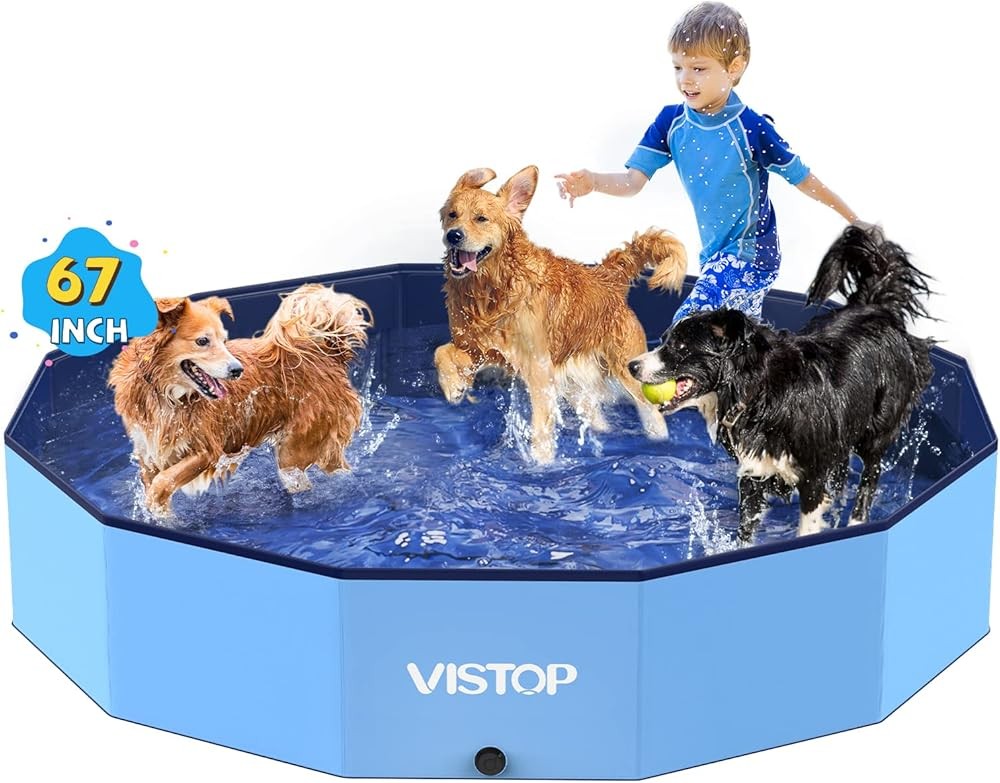
VISTOP Extra Large Foldable Dog Pool XXL
Check Price on AmazonAs an Amazon Associate we earn from qualifying purchases.
The VISTOP XXL pool provides the space needed for large breed hydrotherapy. At 67 inches in diameter with 20-inch walls, this pool accommodates dogs weighing 100-150 pounds with adequate room for swimming and movement. The increased depth allows larger dogs to achieve chest-deep immersion for maximum buoyancy benefit.
Extra-thick PVC construction handles the stress of supporting heavy dogs. The reinforced material resists deformation under weight, maintaining pool shape during use. This structural integrity reduce risk ofs sagging or bulging that can create unsafe conditions or reduce effective water depth.
The side drain placement enables complete water evacuation. Located at the pool bottom corner, this drain removes water more thoroughly than center drains, reducing the need to tip or manipulate a heavy pool for final drainage. The drain connects to standard garden hoses for directed water removal.
A textured bottom provides grip for large breeds with powerful leg drive. Big dogs generate more force when pushing off to swim or performing walking exercises. The anti-slip surface helps reduce risk of legs from sliding, maintaining proper exercise form and reducing injury risk.
The larger size means longer fill and drain times compared to smaller pools. Using a standard garden hose, filling to 16 inches of water takes 30-45 minutes depending on water pressure. Plan hydrotherapy sessions to accommodate this prep time. Similarly, draining takes 20-30 minutes even with hose assistance.
Storage requires more space when folded. While still foldable, the XXL size compresses to approximately 24 x 18 x 6 inches. This fits in larger closets or garage storage areas but may not work for extremely limited spaces. The empty pool weighs approximately 12 pounds.
Research on aquatic rehabilitation shows that adequate pool size affects exercise effectiveness. Dogs need sufficient space to perform full movement patterns without restriction. The 67-inch diameter provides this space for large breeds like German Shepherds, Golden Retrievers, and Labrador Retrievers.
The Niubya pool offers accessible hydrotherapy at an entry-level price. At $25, this pool removes cost as a barrier to starting aquatic exercise for joint health. The 48-inch diameter with 12-inch depth accommodates dogs up to 100 pounds, covering most medium to large breeds.
Standard PVC construction (0.4mm thickness) provides adequate durability for regular use with trimmed nails. While thinner than reinforced options, this material resists punctures when dogs have properly maintained claws. The pool works best for dogs who step in gently rather than jumping.
The bottom drain plug allows gravity-assisted emptying. This basic plug system effectively drains water, though it lacks the sealing quality of premium gasket designs. Some users report minor drips during use, requiring periodic checking and tightening during longer sessions.
A textured bottom surface offers reasonable traction. While not as grippy as rubberized non-slip coatings, the textured PVC reduce risk ofs the worst slipping on smooth surfaces. Dogs can push off and turn without their legs splaying uncontrollably.
The foldable design enables storage in tight spaces. The pool collapses to approximately 15 x 12 x 4 inches, fitting easily in closets or under beds. This makes it practical for apartments or homes without garage storage. Empty weight of six pounds means single-person handling for all setup and storage tasks.
Budget construction means shorter expected lifespan. With careful use and proper storage away from UV exposure, expect 1-2 seasons of regular use. Sharp nails, rough entry, or leaving the pool exposed to sun will reduce longevity. Consider this a starter pool or short-term solution rather than a permanent fixture.
The Cochrane review on aquatic exercise found that even basic pool access provided benefits for osteoarthritis . The key factor was consistent use, not pool sophistication. A budget pool used regularly provides more benefit than an expensive pool used occasionally.
CACSPS Foldable Dog Pool
Check Price on AmazonAs an Amazon Associate we earn from qualifying purchases.
The CACSPS pool prioritizes traction with an extra-thick non-slip bottom. This enhanced grip surface exceeds standard textured PVC, providing maximum security for dogs with mobility challenges or balance issues. The non-slip material helps senior dogs and those recovering from surgery maintain footing during therapeutic exercises.
Scratch-resistant PVC coating protects against surface damage from nails. While not puncture-proof, this coating resists the scratching that often precedes punctures in standard PVC pools. The coating also makes cleaning easier, as debris and algae adhere less readily to the treated surface.
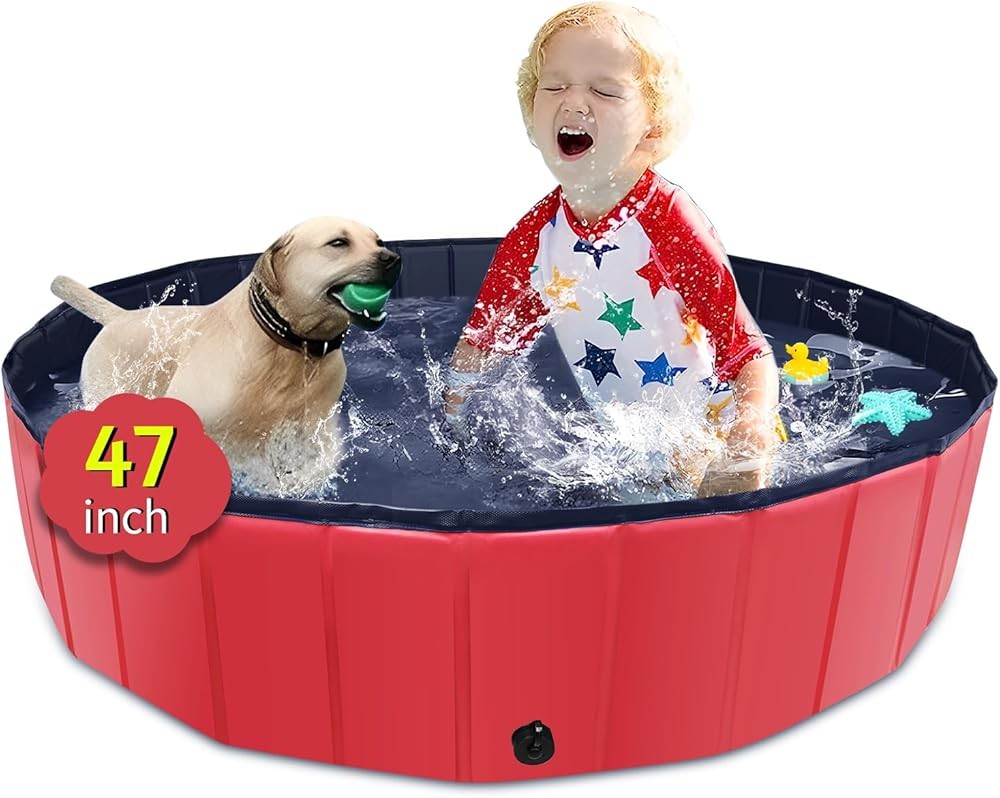
The 47-inch diameter with 12-inch depth fits most medium to large dogs. This mid-size option works for breeds ranging from Border Collies to smaller German Shepherds. The 110-pound weight capacity accommodates the majority of dogs who would benefit from home hydrotherapy.
A bottom drain plug with a threaded design creates a more secure seal than simple push-in plugs. The screw-in mechanism compresses a rubber gasket against the drain opening, virtually eliminating drips during use. This design also makes the plug less likely to pop out accidentally during exercise sessions.
The pool folds to a compact 16 x 14 x 5 inches for storage. At nine pounds empty, it remains manageable for single-person setup and takedown. The slightly heavier weight compared to budget options reflects the thicker materials and enhanced non-slip bottom.
UV-resistant material extends outdoor lifespan. While indoor use remains ideal for consistent water temperature, the UV resistance means this pool can live on a patio or deck without rapid degradation. Expect 2-3 seasons of regular outdoor use with proper drainage and cleaning between sessions.
Research on hydrotherapy facilities emphasizes the importance of safety features in therapeutic environments. A review of pool-associated infections noted that proper pool surfaces and cleaning protocols reduce risk during aquatic therapy (PMID 15183262). Non-slip surfaces and scratch-resistant coatings contribute to both safety and hygiene.
How Do You Set Up and Use a Dog Pool Safely?
Location Selection
Choose a level surface for pool stability. Uneven ground causes water to pool on one side, reducing effective depth in other areas and creating instability. Concrete patios, level decks, or flat lawn areas work best. Check levelness with a carpenter’s level before filling.
Indoor locations provide temperature control advantages. Garages, basements, or enclosed patios maintain warmer ambient temperatures that keep water comfortable longer. Indoor settings also protect from wind and rain that can chill water rapidly. Ensure adequate drainage in indoor spaces to handle splashing and draining.
Outdoor locations require sun exposure consideration. Direct sun warms water naturally but also promotes algae growth if pools remain filled for extended periods. Partial shade balances warmth with hygiene. Avoid placing pools under trees that drop leaves or debris into water.
Access to water supply and drainage affects convenience. Position pools near outdoor faucets for easy filling via garden hose. Consider where drained water will go - directing hundreds of gallons onto lawn areas rather than toward house foundations. Some locations may require long hoses for both filling and draining.
Water Preparation
Fill pools 1-2 hours before exercise sessions to allow temperature equilibrium. Water directly from outdoor faucets often runs too cold for comfortable hydrotherapy, particularly in winter months. Allowing water to sit in a garage or warm outdoor location raises temperature toward ambient levels.
Test water temperature before sessions. Ideal therapeutic temperature ranges from 80-90°F. Most home pools lack heating systems, making this temperature challenging to achieve without warm weather or indoor heated spaces. Even room temperature water (68-72°F) provides buoyancy benefits, though cooler water offers less muscle relaxation.
Add warm water from indoor faucets to adjust temperature. Mixing hot and cold water from different sources can raise pool temperature to comfortable levels. Fill the pool partially with outdoor water, then top off with warmer indoor water while monitoring temperature with an aquarium or pool thermometer.
Consider water treatment for pools kept filled multiple days. Chlorine-free pet-safe water treatments reduce risk of bacterial growth without irritating skin or causing toxic exposure if ingested. Even small amounts of chlorine can irritate eyes and skin in sensitive dogs. Change water completely every 2-3 days regardless of treatment.
Introducing Your Dog to the Pool
Start with empty pool familiarization. Allow your dog to explore the empty pool, step in and out, and receive food rewards for calm interaction. This reduces anxiety about the novel object before adding water. Some dogs show immediate interest while others need multiple brief exposures.
Add shallow water (2-3 inches) for initial wet introduction. This depth allows dogs to explore without swimming requirements or deep water anxiety. Let your dog step in at their own pace. Tossing food rewards into shallow water encourages movement and creates positive associations.
Gradually increase depth over multiple sessions. Add 2-3 inches of water each session as your dog becomes comfortable. Watch body language - relaxed dogs will explore willingly, while anxious dogs may freeze, pant excessively, or try to escape. Never force a frightened dog into deeper water.
Use high-value food rewards and praise throughout sessions. Reward any willing interaction with the pool and water. For therapeutic exercise, create a calm, relaxed environment rather than high-energy play. You want your dog moving steadily but not creating the excitement that can lead to overexertion or injury.
Support dogs who show fear or uncertainty. Some dogs benefit from ramps to enter gradually rather than stepping over pool walls. Others need physical support from you standing in the pool with them during initial sessions. Patient, gradual introduction reduce risk ofs long-term water fear.
Research on hydrotherapy programs emphasizes the importance of proper acclimatization. Studies documenting exercise benefits used graduated protocols that allowed subjects to build comfort and skill progressively (PMID 12610848). Rushing introduction can create anxiety that interferes with therapeutic benefits.
Exercise Protocol
Begin with short 5-10 minute sessions for deconditioned dogs. Dogs recovering from injury or managing chronic conditions often have reduced stamina. Starting with brief sessions reduce risk ofs overexertion while building tolerance for aquatic exercise. Monitor for fatigue signs including excessive panting, slowing movement, or attempting to exit the pool.
Increase duration gradually to 15-20 minutes as endurance improves. Published studies on aquatic rehabilitation typically used 20-30 minute session lengths (PMID 34165447). Progress to this duration over several weeks based on your dog’s response and recovery patterns.
Structure sessions with specific exercises rather than free play. Walking back and forth across the pool diameter engages leg muscles evenly. Standing and weight-shifting exercises improve balance and proprioception. For dogs able to swim, short swimming intervals build endurance and cardiovascular fitness.
Maintain twice-weekly minimum frequency for therapeutic effects. The Cochrane review on aquatic exercise found significant benefits with programs using two sessions per week for 12 weeks . Less frequent sessions may maintain current function but provide limited improvement potential.
Cool down with gentle movement at session end. Avoid abrupt stopping after vigorous exercise. Several minutes of slow walking or standing in the water allows heart rate to decrease gradually and reduce risk ofs blood pooling in extremities.
Post-Session Care
Dry your dog thoroughly after each session. Water trapped in fur, especially in skin folds or ear canals, creates environments for bacterial or fungal growth. Pay particular attention to areas between toes, in ear canals, and in skin folds on wrinkled breeds.
Check skin for any irritation or hot spots. Monitor for redness, swelling, or areas your dog licks or scratches excessively after sessions. These may indicate sensitivity to water chemicals if you use pool treatments, or bacterial irritation from contaminated water.
Drain pools completely between uses unless daily sessions are planned. Standing water promotes bacterial growth and algae development. Completely draining also allows pool material to dry, reducing mildew and prolonging material life.
Clean pool surfaces regularly. Rinse with fresh water and mild pet-safe soap every few uses. Avoid harsh chemicals that leave residues that could irritate skin or be toxic if ingested. Allow pools to dry completely before folding for storage.
Bottom line: Set up pools on level surfaces with drainage access, gradually introduce dogs to water starting shallow, structure sessions with specific exercises for 15-20 minutes, and maintain twice-weekly frequency for therapeutic benefits.
How Does Hydrotherapy Compare to Land-Based Exercise?
Impact Forces on Joints
Land-based exercise creates repetitive impact forces with each step. During a trot, the forces on weight-bearing joints can reach 2-3 times body weight. For an 80-pound dog, this means 160-240 pounds of force compressing through joints with each stride. These impact forces contribute to cartilage wear in arthritic joints.
Water exercise eliminates most impact forces. The buoyancy of water counteracts gravity’s downward pull, reducing effective body weight and impact with each movement. This allows dogs to exercise muscle groups and cardiovascular systems without the repetitive compression that aggravates joint damage.
Research quantifies buoyancy effects on weight-bearing. Studies measuring ground reaction forces in water show that chest-deep immersion reduces weight-bearing by approximately 60% (PMID 31011106). This reduction allows arthritic dogs to move through ranges of motion that would be painful on land.
Range of Motion Benefits
Restricted joint mobility often develops with arthritis and post-surgical conditions. Pain, swelling, and protective muscle guarding all limit how far dogs move their joints. Reduced range of motion leads to muscle atrophy, weakened connective tissues, and progressive stiffness.
Buoyancy allows movement through fuller ranges with less pain. The reduced weight-bearing in water decreases pain signals during movement. Dogs often achieve significantly greater joint extension and flexion during water exercise compared to land-based activity at the same pain level.
A randomized trial comparing pool-based to gym-based rehabilitation found superior range of motion improvements in the pool group (PMID 34165447). After 15 sessions, pool participants showed statistically significant greater improvements in joint mobility measurements.
Muscle Strengthening Patterns
Water resistance provides comprehensive muscle engagement. Unlike gravity-based resistance that primarily works muscles during the downward or lifting phase of movement, water creates resistance in all directions. This 360-degree resistance pattern activates stabilizing muscles that maintain joint alignment and protect against injury.
Land-based exercise may allow compensation patterns. Dogs with unilateral injuries often shift weight to the unaffected limb during walking and running. This compensation reduces load on the injured side but reduce risk ofs proper muscle rebuilding and can cause secondary problems in the overloaded limb.
Water exercise reduces compensation ability. The resistance in all directions makes it harder for dogs to avoid using affected limbs. The buoyancy support reduces fear and pain that drive compensation, encouraging more symmetrical movement patterns. This balanced use promotes even muscle development.
Research on aquatic interventions documented muscle strength improvements. A study examining swimming-based exercise found significant increases in muscle power measurements compared to control groups . The swimming group showed measurable gains in strength testing after the intervention period.
Cardiovascular Conditioning
Swimming provides high-intensity cardiovascular work without joint stress. A dog swimming vigorously can achieve heart rates comparable to running while experiencing a fraction of the impact forces. This makes aquatic exercise ideal for overweight dogs needing calorie expenditure without exacerbating joint problems.
Water walking offers moderate cardiovascular challenge. Even walking through chest-deep water requires more effort than land walking due to resistance. Heart rate and respiratory rate increase significantly, providing aerobic conditioning benefits with minimal joint stress.
Study findings support cardiovascular benefits from aquatic exercise. Research on pool-based rehabilitation programs found improvements in the 6-minute walk test, a standard measure of cardiovascular endurance and functional capacity (PMID 34165447). Participants showed statistically significant improvements in walking distance after completing the program.
Recovery Time and Soreness
Low-impact exercise typically requires less recovery time. The reduced muscle damage and joint stress from water exercise means dogs often recover faster between sessions. This allows for more frequent exercise without increased injury risk or excessive soreness.
Post-exercise inflammation appears reduced with aquatic activity. While limited research exists specifically on canine responses, studies in human subjects show that water exercise produces less muscle soreness and inflammatory marker elevation compared to equivalent-intensity land exercise.
More frequent sessions become possible with shorter recovery needs. Published reviews on aquatic exercise protocols used twice-weekly sessions, though some included studies used three sessions per week. Land-based high-impact exercise often requires more rest days between sessions due to greater tissue stress.
Bottom line: Water exercise provides cardiovascular and strengthening benefits comparable to land-based activity while eliminating impact forces, allowing fuller range of motion, and reducing recovery time between sessions.
Which Conditions Benefit Most from Hydrotherapy?
Post-Surgical Rehabilitation
Orthopedic surgery requires careful rehabilitation to restore function. Procedures like cruciate ligament repair, hip replacement, or fracture stabilization benefit from early controlled movement that doesn’t overload recovering tissues. Hydrotherapy allows earlier return to exercise than high-impact land activities.
Typical post-surgical protocols begin with passive range of motion exercises, progress to assisted walking, and eventually return to normal activity. Water exercise fits into the middle phases, bridging the gap between passive therapy and full weight-bearing exercise. The buoyancy support protects recovering tissues while muscle activity reduces risk of atrophy.
Start hydrotherapy 2-4 weeks post-surgery with veterinary approval. Individual timing depends on the specific procedure, healing progress, and your dog’s pain levels. Some orthopedic surgeons incorporate hydrotherapy into standard post-operative protocols, while others prefer waiting longer. Always follow your veterinarian’s specific recommendations.
Research on orthopedic rehabilitation demonstrates that pool-based therapy produces superior outcomes compared to gym-based exercise. Human studies following knee replacement surgery found the hydrotherapy group showed better improvements in pain, stiffness, joint mobility, and muscle strength after rehabilitation - benefits that apply to dogs recovering from cruciate repair, hip surgery, or other orthopedic procedures.
Arthritis Management
Osteoarthritis causes progressive joint cartilage breakdown, inflammation, and pain. The condition affects an estimated 20% of dogs over one year of age, with prevalence increasing to 65% or higher in senior dogs. Management focuses on pain control, maintaining mobility, and slowing progression.
Exercise plays a crucial role in arthritis management. Controlled activity maintains muscle strength that supports affected joints, preserves range of motion, and helps manage weight. However, high-impact exercise can worsen inflammation and accelerate cartilage damage. This creates a challenging balance between beneficial movement and harmful overload.
Hydrotherapy provides ideal exercise for arthritic dogs. The buoyancy reduces joint stress while water resistance builds supporting muscle strength. The warmth of pool water can decrease stiffness and improve comfort during exercise sessions.
The Cochrane systematic review analyzing over 1,000 participants with knee and hip osteoarthritis found that aquatic exercise produced clinically meaningful improvements in pain and function . Participants experienced an average five-point improvement on a 100-point pain scale and similar improvements in physical function measures.
Bottom line: Aquatic exercise provides low-impact conditioning that maintains strength and mobility in arthritic joints while reducing pain through buoyancy support and warm water therapy.
Weight Management
Excess weight accelerates joint damage and reduces mobility in dogs with orthopedic conditions. Each extra pound creates multiplied forces on weight-bearing joints during movement. A dog 10 pounds overweight experiences 30-40 additional pounds of force on joints during walking due to biomechanical leverage effects.
Exercise helps create the caloric deficit needed for weight loss (PMID 31011106). However, overweight dogs with joint problems face a catch-22 situation. They need exercise to lose weight, but their excess weight makes land-based exercise painful and potentially harmful to already compromised joints.
Water exercise solves this dilemma (PMID 34165447). The buoyancy support allows overweight dogs to exercise at higher intensities and longer durations than possible on land. Swimming and water walking burn significant calories while protecting damaged joints from the impact forces that would occur during equivalent land-based activity.
Combining dietary management with aquatic exercise optimizes weight loss. Research consistently shows that diet plus exercise produces better outcomes than either approach alone. For dogs with joint disease, aquatic exercise provides the activity component without exacerbating joint damage.
Neurological Conditions
Dogs with nerve damage, spinal injuries, or degenerative neurological diseases often struggle with balance and coordination. Partial paralysis, weakness, and proprioceptive deficits make land-based exercise challenging and potentially dangerous due to fall risk.
Water provides an inherently safer environment for neurologically impaired dogs. Buoyancy reduce risk ofs falls and reduces injury risk from loss of balance. The constant resistance from all directions provides sensory feedback that can help improve proprioception and body awareness.
Research on aquatic therapy for neurological rehabilitation demonstrates improvements in balance and motor function. While published studies focus on human patients, the neurological principles of proprioceptive feedback and balance training in buoyant environments apply similarly to canine patients with movement disorders from spinal or brain conditions.
A study on aquatic interventions found benefits for balance and motor control . Participants showed improvements in balance testing and coordination measures after completing aquatic exercise programs.
Athletic Conditioning
Working and sporting dogs benefit from cross-training with varied exercise types. Hydrotherapy provides conditioning that complements land-based work while reducing cumulative impact stress. Police dogs, field trial competitors, and agility athletes can maintain fitness with reduced injury risk through partial aquatic training.
Swimming builds cardiovascular endurance and muscle strength without the repetitive impact of running. This allows for high-intensity conditioning sessions that don’t contribute to overuse injuries common in dogs with heavy training schedules.
Water resistance training can target specific muscle groups. Walking through water with resistance from jets or against current builds power in leg muscles. This targeted strengthening can address muscle imbalances or weaknesses that contribute to injury risk.
Off-season maintenance of fitness becomes easier with aquatic options. During breaks from competition or after minor injuries, hydrotherapy maintains conditioning without the wear and tear of sport-specific training. This helps reduce risk of deconditioning during recovery periods.
Bottom line: Use hydrotherapy for post-surgical rehabilitation starting 2-4 weeks after procedures, ongoing arthritis management with twice-weekly sessions, weight loss programs for overweight dogs with joint disease, neurological rehabilitation, and athletic conditioning for working dogs.
What Safety Precautions Are Essential for Home Hydrotherapy?
Water Safety and Drowning Prevention
Never leave dogs unattended in pools. Even strong swimmers can fatigue, panic, or become trapped. Constant supervision allows immediate intervention if your dog struggles, shows distress, or attempts to exit unsuccessfully. This is particularly critical for dogs new to water exercise or those with mobility limitations.
Provide secure entry and exit points. Dogs must be able to enter and exit independently to reduce risk of panic. For above-ground foldable pools, this may require ramps, steps, or assistance for lifting dogs in and out. Ensure exit routes remain clear and accessible throughout sessions.
Use life jackets for non-swimming dogs or those with weakness. Flotation vests provide additional buoyancy support and include handles for controlling and supporting dogs in water. This is essential for dogs doing early rehabilitation who cannot fully support themselves through swimming.
Monitor for signs of fatigue during sessions. Excessive panting, slowed movement, dog paddling in place rather than moving forward, or attempting to exit all indicate tiredness. End sessions before exhaustion occurs. Overtired dogs have higher drowning risk if they cannot support themselves.
Temperature-Related Concerns
Avoid water that is too cold or too hot. Water below 65°F can cause muscle tension, cramping, and excessive energy expenditure for temperature regulation. This reduces therapeutic benefits and can lead to hypothermia with prolonged exposure. Water above 95°F can cause overheating, particularly in brachycephalic breeds prone to heat stress.
Monitor for signs of hypothermia in cool water (PMID 12610848). Shivering, lethargy, and reluctance to move indicate body temperature dropping. Remove dogs from water immediately if these signs appear. Dry thoroughly and allow rewarming before resuming activity.
Watch for overheating signs in warm water or weather. Excessive panting, bright red gums and tongue, drooling, and weakness suggest heat stress. Move to a cool environment, offer water to drink, and cool with room-temperature water on paws, belly, and ears. Seek veterinary care if signs persist after cooling.
Hygiene and Skin Health
Change water regularly to reduce risk of bacterial growth. Stagnant water promotes multiplication of bacteria that can cause skin infections, particularly in dogs with skin folds or damaged skin barriers. Drain pools completely after each use if sessions are more than 2-3 days apart.
Clean and dry pools thoroughly between uses. Rinse away organic material and allow pools to dry completely before folding for storage. Moisture trapped in folded pools creates ideal conditions for mold and mildew growth that can cause respiratory irritation or skin problems.
Monitor for skin irritation or infection. Check skin after each session for redness, bumps, or areas your dog scratches or licks excessively. These may indicate bacterial or fungal infection from contaminated water. Consult your veterinarian if skin problems develop.
Avoid pools with open wounds or skin infections. Broken skin provides direct pathways for bacteria to enter the body. Wait until wounds close completely before resuming hydrotherapy. If other dogs use the same pool, ensure they have no active skin infections to reduce risk of disease transmission.
Research on therapeutic pool safety emphasizes the importance of water quality maintenance (PMID 15183262). Proper water treatment, regular monitoring, and cleaning protocols reduce infection risk during aquatic therapy activities.
Physical Limitations and Contraindications
Consult your veterinarian before starting hydrotherapy. Some conditions may require modified protocols or make water exercise inappropriate. Your veterinarian can assess your dog’s specific situation and provide guidance on safe implementation.
Heart disease may limit exercise intensity and duration. Dogs with cardiac conditions require careful monitoring during any exercise. The cardiovascular demands of swimming can be substantial. Your veterinarian may recommend shorter sessions, warmer water to reduce temperature regulation demands, or specific heart rate targets.
Respiratory conditions require caution with swimming exercise. Dogs with collapsing trachea, laryngeal paralysis, or chronic bronchitis may struggle with the breathing demands of swimming. Water walking may be appropriate while swimming is too strenuous.
Seizure disorders present special risks in water. Dogs with epilepsy or other seizure conditions should not do hydrotherapy unsupervised. A seizure during water exercise could result in drowning. If hydrotherapy is deemed appropriate, constant hands-on supervision is mandatory.
Fearful or aggressive dogs may not be suitable for home hydrotherapy. Dogs who panic or react aggressively to water, confinement, or handling present safety risks. Professional hydrotherapy facilities with trained staff and specialized equipment better handle these challenging cases.
Bottom line: Never leave dogs unattended in water, monitor for temperature extremes and fatigue, maintain water hygiene with regular changes and cleaning, and consult your veterinarian before starting hydrotherapy to identify any contraindications.
Alternatives and Complementary Therapies
Professional Hydrotherapy Facilities
Veterinary rehabilitation centers offer specialized hydrotherapy equipment. Underwater treadmills allow precise control of water depth, treadmill speed, and session duration. These facilities maintain temperature-controlled water and provide trained staff supervision throughout sessions.
Resistance jets add challenge to water exercise. Professional pools often include water jets that create current for dogs to walk or swim against. This adjustable resistance allows progressive strengthening as dogs build endurance and muscle.
Professional supervision ensures proper technique. Certified canine rehabilitation therapists can assess movement patterns, correct compensation, and adjust exercise protocols based on individual responses. This expertise maximizes benefits and reduces injury risk.
Costs for professional hydrotherapy typically range from $40-80 per session. Most rehabilitation protocols recommend 2-3 sessions weekly for 8-12 weeks. Total costs can reach $1,000-2,500 for a complete program. Insurance may cover some costs if prescribed by a veterinarian for specific medical conditions.
Home pools provide a cost-effective alternative. While lacking sophisticated equipment, home pools deliver core hydrotherapy benefits - buoyancy, resistance, and low-impact exercise. The $25-65 investment in a foldable pool allows unlimited sessions over multiple months or years.
Land-Based Exercise Modifications
Slow leash walking provides basic conditioning. Short, frequent walks maintain muscle activity and joint mobility. Keeping dogs at a slow walk reduces impact forces compared to trotting or running. Multiple short walks throughout the day may be better tolerated than single longer sessions.
Cavaletti work improves proprioception and strengthening. Walking over low obstacles like ground poles or cavaletti encourages dogs to lift legs higher, engaging hip and stifle flexors. This controlled exercise builds strength and coordination with minimal impact stress.
Balance exercises strengthen stabilizing muscles. Having dogs stand on unstable surfaces like foam pads or balance discs activates core and leg muscles that maintain equilibrium. These exercises complement hydrotherapy by improving joint stability.
Physical therapy exercises target specific deficits. Passive range of motion, massage, stretching, and therapeutic exercises prescribed by rehabilitation therapists address individual needs. These modalities work synergistically with hydrotherapy for comprehensive rehabilitation.
Anti-Inflammatory Management
Pharmaceutical options reduce pain and inflammation. Non-steroidal anti-inflammatory drugs like carprofen or meloxicam decrease joint inflammation and associated pain. These medications allow more comfortable movement during rehabilitation. Long-term use requires monitoring for potential side effects.
Omega-3 fatty acids provide natural anti-inflammatory effects. EPA and DHA from fish oil reduce inflammatory signaling molecules. Clinical studies show modest improvements in mobility and pain scores in arthritic dogs receiving omega-3 supplementation. This complements exercise therapy for joint management.
Joint supplements support cartilage health. Glucosamine and chondroitin provide building blocks for cartilage repair. While research on effectiveness shows mixed results, some dogs appear to benefit. Green-lipped mussel extract contains omega-3s and glycosaminoglycans that may support joint function.
Weight management reduces inflammatory load. Excess adipose tissue produces inflammatory molecules that contribute to joint inflammation. Weight loss in overweight dogs often produces noticeable improvements in mobility and comfort independent of other interventions.
Acupuncture and Manual Therapies
Acupuncture may reduce pain and improve function (PMID 18751709). Veterinary acupuncture involves inserting thin needles at specific points to influence pain pathways and support recovery. Some evidence suggests benefits for chronic pain conditions in dogs. Sessions typically occur weekly or biweekly.
Massage therapy relaxes muscle tension (PMID 2335553). Therapeutic massage increases blood flow, reduces muscle guarding around painful joints, and may improve range of motion. Canine massage therapists use specific techniques appropriate for dogs’ anatomy and conditions.
Chiropractic adjustments address spinal alignment. Veterinary chiropractors assess and adjust vertebral relationships that may contribute to pain or movement dysfunction. Some dogs with back pain or neurological conditions may benefit from chiropractic care.
These manual therapies complement hydrotherapy. Massage before water sessions may improve range of motion during exercise. Acupuncture may reduce pain levels, allowing more effective participation in rehabilitation activities.
Bottom line: Professional hydrotherapy facilities provide specialized equipment and supervision at $40-80 per session, while home pools offer comparable core benefits at lower cost; combine water exercise with land-based activities, anti-inflammatory management, and complementary therapies for comprehensive joint health support.
Frequently Asked Questions
How long does it take to see results from hydrotherapy?
Most dogs show initial improvements within 2-4 weeks of consistent hydrotherapy. Early changes include increased willingness to move, improved mood during activity, and longer exercise tolerance. Measurable improvements in strength, range of motion, and gait patterns typically appear after 6-8 weeks of twice-weekly sessions.
Published research on aquatic exercise programs documented significant benefits after 12 weeks of intervention . However, individual response varies based on the underlying condition, severity, and overall health status. Dogs with mild arthritis may respond faster than those with severe joint damage or post-surgical conditions.
Can puppies use hydrotherapy pools?
Puppies can use pools for basic water exposure and low-intensity exercise. However, high-intensity swimming places stress on developing joints and growth plates. For puppies under one year old, limit sessions to 5-10 minutes of gentle water play and walking rather than prolonged swimming.
Young dogs with orthopedic conditions like hip dysplasia may benefit from controlled hydrotherapy under veterinary guidance. The low-impact nature supports affected joints during growth periods when land exercise might aggravate developing problems. Always consult your veterinarian before starting structured hydrotherapy in growing puppies.
How do I know if the water is the right temperature?
Test water temperature with an aquarium or pool thermometer before each session. Ideal therapeutic temperature ranges from 80-90°F. Water feels comfortably warm to your touch at this range - similar to a warm bath but not hot.
Most home pools lack heating systems, making this temperature range difficult to achieve without warm weather or heated indoor spaces. Even water at room temperature (68-72°F) provides buoyancy and resistance benefits, though cooler water offers less muscle relaxation and may feel uncomfortable to some dogs.
For outdoor pools in warm weather, water temperature can exceed 90°F with sun exposure. This may cause overheating, particularly in breeds prone to heat sensitivity. Add fresh cool water to reduce temperature, or exercise during cooler morning or evening hours.
What if my dog is afraid of water?
Start desensitization slowly with positive reinforcement. Begin with an empty pool, rewarding your dog for approaching, sniffing, and stepping into it. Add food rewards and praise for each small step of progress. This may take several sessions before adding any water.
When introducing water, start with just 1-2 inches - enough to wet paws but not requiring swimming. Let your dog explore at their own pace. Never force a fearful dog into water, as this can create lasting fear that reduce risk ofs future hydrotherapy attempts.
Some dogs never become comfortable with water despite patient introduction. For these dogs, land-based rehabilitation alternatives may be more appropriate. Consult with a veterinary behaviorist if your dog shows extreme fear responses that don’t improve with gradual desensitization.
Can I add Epsom salt to the pool?
Epsom salt (magnesium sulfate) is sometimes added to therapeutic baths for muscle relaxation. While small amounts are generally safe for dogs, benefits for muscle soreness or joint pain lack strong scientific support. If you choose to add Epsom salt, use minimal amounts - approximately 1/4 cup per 50 gallons of water.
Monitor your dog for any skin irritation or discomfort after using Epsom salt. Some dogs may lick or ingest water during sessions, and large amounts of magnesium sulfate can cause diarrhea or electrolyte imbalances. Rinse your dog with fresh water after sessions involving Epsom salt.
Avoid adding chlorine or other harsh chemicals to home dog pools. These can irritate skin and eyes or cause toxicity if ingested. If you need to keep water fresh for multiple days, use pet-safe water treatments specifically formulated for animal use.
How often should I replace the water?
Drain and refill pools after every use if sessions occur more than 2-3 days apart. Stagnant water allows bacterial growth that can cause skin infections or gastrointestinal problems if dogs drink from the pool. Even with only one day between uses, bacteria levels can increase significantly in warm conditions.
If doing daily sessions, you may keep water for 2-3 days maximum with proper treatment. Use pet-safe water treatment products designed for animal water features. Check water clarity daily - cloudy water indicates bacterial growth and requires immediate changing.
For pools stored filled, expect to change water every 1-2 days regardless of use. Algae and bacteria grow in standing water, particularly with organic contamination from dogs. No home pool filter system can maintain water quality like professional facilities with industrial filtration and treatment.
Can older dogs with heart conditions do hydrotherapy?
Dogs with heart disease require veterinary approval before starting any exercise program. Hydrotherapy can be appropriate for some cardiac patients, but intensity and duration need careful management based on the specific cardiac condition and its severity.
Your veterinarian may recommend monitoring heart rate during sessions to ensure safe levels. The cardiovascular demands of swimming can be substantial, potentially stressing compromised hearts. Water walking at slow speeds typically creates less cardiac demand than swimming.
Some dogs with heart disease tolerate exercise better in warmer water that reduces energy expenditure for temperature regulation. However, very warm water increases heart rate and may not be appropriate for all cardiac conditions. Follow your cardiologist’s specific recommendations for your dog’s individual situation.
Will hydrotherapy help with hip dysplasia?
Hydrotherapy provides excellent low-impact exercise for dogs with hip dysplasia. The buoyancy support reduces forces on dysplastic hip joints while the water resistance maintains muscle strength. Strong muscles around unstable hip joints improve stability and function.
Research on aquatic exercise for osteoarthritis, which commonly develops secondary to hip dysplasia, shows significant benefits . Participants experienced improvements in pain, stiffness, and physical function after 12 weeks of twice-weekly sessions.
Hydrotherapy works best as part of comprehensive hip dysplasia management. Combine water exercise with weight management, anti-inflammatory medication if needed, joint supplements, and appropriate land-based activities. For severe dysplasia, surgical correction followed by hydrotherapy rehabilitation may provide optimal outcomes.
If your dog is dealing with joint pain or mobility challenges, hydrotherapy pools can be a great starting point, but they often work best as part of a broader care plan. Pairing water exercise with joint-supporting supplements and anti-inflammatory dietary strategies may help address discomfort at its source. For dogs with more advanced mobility loss, wheelchairs and red light therapy offer additional ways to maintain quality of life, while activity trackers can help you monitor progress between sessions.
Choosing the right dog pool for hydrotherapy often goes hand-in-hand with other supportive care strategies, from pairing aquatic exercise with joint supplements like Flexitryl or Cosequin DS to complementing sessions with red light therapy for senior dogs or a cold laser therapy device to target joint pain and inflammation. For dogs with more advanced mobility challenges, a dog wheelchair can extend the benefits of low-impact water work on land, while reducing inflammation through diet may help your dog recover more comfortably between hydrotherapy sessions.
For more context, see our guides on Best Cooling Dog Beds for Summer — Heat Relief for All Breeds, Best Dog Massage Tools, Best Dog Life Jackets, Best Orthopedic Dog Beds for Large Senior Dogs With Arthritis, and Best Dog Nail Grinders for Safe and Stress-Free Trimming.
Related Reading
- Best Fish Oil Supplements for Dogs - Omega-3 supplements to reduce joint inflammation and support mobility
- How to Reduce Inflammation in Dogs Naturally Through Diet - Dietary approaches to manage joint inflammation
- Best Dog Strollers for Senior and Disabled Dogs - Transportation options for dogs with limited mobility
- Best Cooling Dog Beds for Summer - Comfortable resting surfaces for active recovery
- Best Dog Water Fountains - Hydration support for dogs in rehabilitation
- Best Automatic Dog Feeders for Weight Control - Weight management tools to reduce joint stress
- Best GPS Dog Health Collars and Activity Trackers - Monitor exercise levels and activity patterns
- Best Dog First Aid Kits - Emergency supplies for active dogs
Recommended Products