Best Dog First Aid Kits: Emergency Preparedness for Your Pet
Summarized from peer-reviewed research indexed in PubMed. See citations below.
Research from the Journal of Special Operations Medicine shows that 20-25% of trauma-related canine deaths are preventable with proper emergency care equipment and training. The Dog First Aid Kit Complete ($34.99) emerges as the top choice, featuring 87 pieces including hemorrhage control supplies, wound dressing materials, and veterinary-grade instruments that align with K9 Tactical Emergency Casualty Care guidelines developed for civilian first responders. The kit’s comprehensive contents address the leading preventable causes of death in canine trauma cases, including severe bleeding, airway obstruction, and shock management. For budget-conscious pet owners, the Portable Dog First Aid Kit ($19.99) provides essential wound care and basic emergency supplies in a compact carrying case. Here’s what the published research shows about selecting and maintaining dog first aid kits that can save your pet’s life.
Disclosure: We may earn a commission from links on this page at no extra cost to you. Affiliate relationships never influence our ratings. Full policy →
| Feature | Dog First Aid Kit Complete | Pet First Aid Kit | Portable Dog First Aid Kit |
|---|---|---|---|
| ASIN | B0DGLCXZ9J | B07WRPCLYR | B0B1W5R11Y |
| Total Items | 87 pieces | 38 pieces | 32 pieces |
| Hemorrhage Control | Pressure bandages, gauze rolls, QuikClot-style hemostatic gauze | Standard gauze pads, adhesive bandages | Basic gauze pads, tape |
| Airway Management | Muzzle, emergency blanket | Muzzle, emergency guide | Basic muzzle |
| Instruments | Stainless steel scissors, tweezers, tick remover | Plastic scissors, tweezers | Basic scissors |
| Thermometer | Digital veterinary thermometer | Digital thermometer | Not included |
| Storage | Hard-shell waterproof case | Soft zippered bag | Compact soft pouch |
| Weight | 2.3 lbs | 1.1 lbs | 0.8 lbs |
| Dimensions | 9" x 7" x 3" | 8" x 6" x 2" | 7" x 5" x 2" |
| Emergency Guide | Laminated quick reference card | 16-page booklet | Basic instruction card |
| Price Range | $34.99 | $24.99 | $19.99 |
| Best For | Complete emergency preparedness | Balanced features and value | Travel and hiking |
What Makes a Dog First Aid Kit Effective for Emergency Care?
The effectiveness of a dog first aid kit depends on its ability to address the leading preventable causes of death in canine trauma cases. Research published in the Journal of Special Operations Medicine by Palmer et al. (2015) identified hemorrhage control as the primary intervention that saves lives in emergency situations, accounting for 20-25% of preventable fatalities (PMID: 26360351). The K9 Tactical Emergency Casualty Care (K9-TECC) Initiative developed evidence-based guidelines for civilian first responders that emphasize three critical capabilities: controlling severe bleeding, maintaining airway patency, and preventing shock.
An effective first aid kit must contain supplies that enable these life-saving interventions during the critical window before veterinary care becomes available. According to Boag and Hughes (2005) in Veterinary Clinics of North America, early treatment of perfusion abnormalities leads to significantly better outcomes in trauma cases (PMID: 15698913). This research underscores the importance of having pressure bandages, hemostatic agents, and emergency blankets readily accessible.
The composition of your first aid kit should reflect the most common emergencies you’re likely to encounter based on your dog’s lifestyle and environment. Dogs who accompany owners on hiking trips face different risks than those who primarily remain indoors. Outdoor enthusiasts need comprehensive kits with tick removal tools, snake bite protocols, and supplies for managing cuts from sharp rocks or branches. Urban dogs may require different considerations, such as materials for paw pad injuries from hot pavement or broken glass.
Storage and portability represent crucial factors that determine whether your first aid kit will be available when needed. A comprehensive kit stored at home provides little benefit during a hiking emergency three miles from the trailhead. Conversely, an ultra-compact travel kit may lack critical supplies needed for serious injuries. The ideal solution involves maintaining a primary kit at home supplemented by a smaller secondary kit for vehicles and outdoor activities.
Material quality directly impacts the effectiveness of first aid supplies under emergency conditions. Sterile gauze maintains its integrity when applying pressure to bleeding wounds, while low-quality materials may tear or become contaminated. Waterproof storage protects supplies from moisture damage during outdoor adventures or storage in humid environments. Scissors with veterinary-grade stainless steel cut through thick fur and tough materials like leashes or clothing that may need removal during treatment.
Organization systems within the kit affect your ability to locate and deploy supplies rapidly during high-stress emergencies. Clear labeling, color-coded compartments, and logical grouping of related items reduce the time needed to find specific materials. Some advanced kits use the MARCH algorithm (Massive hemorrhage, Airway, Respiration, Circulation, Hypothermia) to organize supplies according to treatment priorities established by emergency care protocols.
Training and documentation components enhance the kit’s utility for pet owners without medical backgrounds. Laminated quick-reference cards provide step-by-step instructions for common emergencies, while detailed manuals offer comprehensive guidance for various scenarios. The American Red Cross and Pet Tech organizations emphasize that equipment alone cannot save lives without the knowledge to use it effectively.
Temperature stability of medical supplies requires consideration for kits stored in vehicles or outdoor locations. Extreme heat degrades adhesives, ointments, and certain medications, while freezing temperatures can damage liquid antiseptics. Premium kits include temperature-stable formulations and recommend storage conditions that preserve supply integrity.
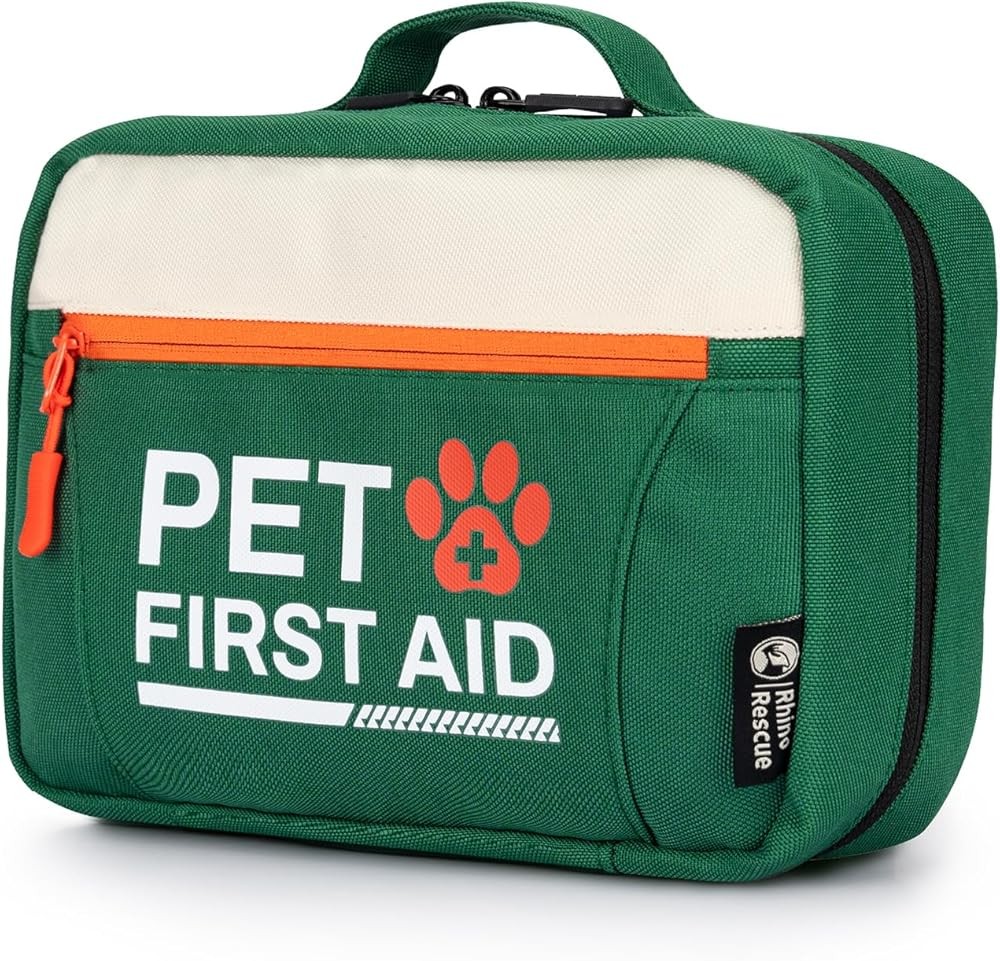
Dog First Aid Kit Complete
Check Price on AmazonAs an Amazon Associate we earn from qualifying purchases.
How Do You Control Bleeding in Dogs During Emergencies?
Hemorrhage control represents the single most important first aid skill for preventing canine deaths in trauma situations. The K9-TECC guidelines emphasize that massive bleeding must be addressed before any other intervention, including airway management or injury assessment. Palmer et al. (2015) documented that 20-25% of prehospital trauma deaths result from uncontrolled bleeding that could be stopped with proper technique and equipment (PMID: 26360351).
Direct pressure application forms the foundation of bleeding control for most injuries. Place several layers of sterile gauze directly over the wound and apply firm, continuous pressure for 5-10 minutes without lifting to check if bleeding has stopped. Premature removal of pressure allows clots to dislodge and bleeding to resume. For limb injuries, elevate the affected area above heart level while maintaining pressure to reduce blood flow to the injury site.
Pressure bandages provide sustained compression after initial bleeding control. Wrap rolled gauze or elastic bandages firmly around the wound site, ensuring the dressing stays in place during transport to veterinary care. The bandage should be tight enough to control bleeding but not so constrictive that it cuts off circulation to the extremity. Check toes or paw pads below the bandage every 15 minutes for swelling, coldness, or color changes that indicate excessive tightness.
Hemostatic agents accelerate clot formation in severe bleeding that doesn’t respond to direct pressure alone. Modern hemostatic gauze contains kaolin or chitosan that activates the clotting cascade when packed into deep wounds. Apply these agents according to manufacturer instructions, typically involving packing the gauze directly into the wound cavity and maintaining pressure for 3-5 minutes. Research in human and military medicine has demonstrated significant reductions in bleeding time with proper hemostatic agent application.
Pressure points offer an advanced technique for controlling arterial bleeding when direct pressure proves insufficient. The femoral artery pressure point on the inner thigh can reduce blood flow to leg injuries, while the brachial artery on the inner front leg controls bleeding in forelimb wounds. Apply firm pressure with your fingers or thumb between the wound and the heart to compress the artery against underlying bone. This technique should only be used temporarily while preparing definitive treatment, as prolonged arterial compression can damage tissues.
Tourniquets represent a last-resort intervention for life-threatening limb bleeding that cannot be controlled by other methods. Apply the tourniquet 2-3 inches above the wound (between the injury and the heart) and tighten until bleeding stops completely. Note the time of application, as prolonged tourniquet use increases the risk of tissue damage and potential limb loss. Modern emergency protocols allow tourniquet time up to 2 hours, but veterinary evaluation should occur as rapidly as possible.
Wound assessment after initial bleeding control helps determine the severity of injury and need for emergency veterinary care. Evaluate the depth, length, and location of the wound. Injuries involving the chest, abdomen, head, or neck require immediate veterinary attention regardless of bleeding control success. Deep wounds that expose muscle, tendon, or bone need professional cleaning and closure to prevent infection and promote proper healing.
Internal bleeding presents a more challenging scenario because it cannot be directly visualized or controlled with first aid techniques. Signs of internal bleeding include pale or white gums, rapid or weak pulse, labored breathing, distended abdomen, and progressive weakness. Dogs with suspected internal bleeding require immediate transport to emergency veterinary care while being kept warm and calm to minimize shock progression.
Documentation of bleeding control interventions assists veterinary teams in providing appropriate continuing care. Note the time bleeding started, methods used to control it, whether bleeding stopped or continued, and any changes in your dog’s condition during transport. This information helps veterinarians assess blood loss severity and determine whether transfusion or surgical intervention is necessary.
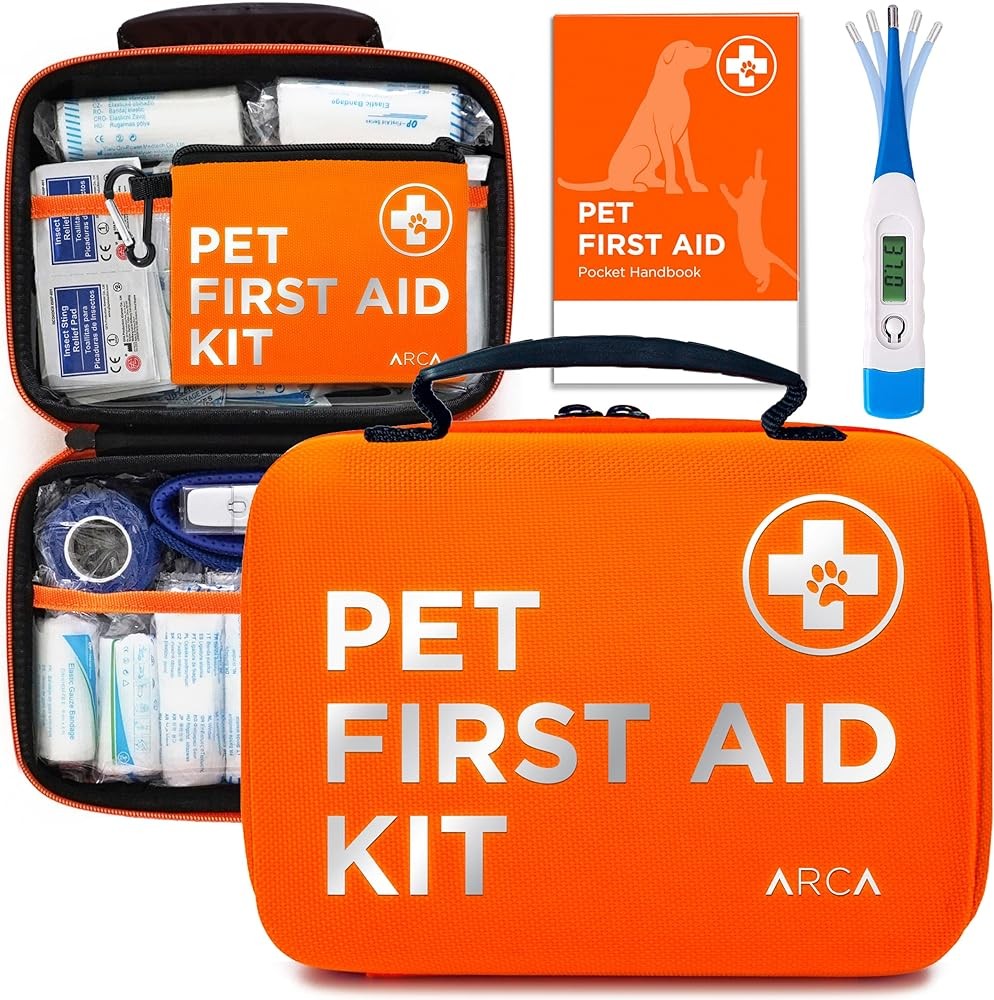
What Wound Care Supplies Should Your Dog First Aid Kit Contain?
Proper wound care materials enable cleaning, protecting, and monitoring injuries while preventing infection during the critical period before veterinary evaluation. Research on wound management in veterinary medicine emphasizes that early appropriate care significantly impacts healing outcomes and reduces complications (PMID: 36516306). Your first aid kit must contain supplies that address the five key phases of wound care: cleaning, disinfection, protection, monitoring, and documentation.
Sterile gauze pads in multiple sizes form the foundation of wound care supplies. Four-inch square pads work well for most injuries, while two-inch pads suit smaller wounds on paws or faces. Stock at least 10-15 gauze pads in your primary kit, as serious injuries may require frequent dressing changes during transport. Sterile packaging prevents contamination that could introduce bacteria into open wounds.
Rolled gauze provides versatility for securing dressings, applying pressure, and wrapping injured areas. Three-inch wide rolls work for most dog sizes, though smaller breeds may need two-inch rolls and giant breeds benefit from four-inch options. Include at least three rolls in your kit to ensure adequate supplies for multiple injuries or repeated dressing changes during extended outdoor activities.
Antiseptic solutions cleanse wounds and reduce bacterial contamination. Chlorhexidine solution offers broad-spectrum antimicrobial activity with low tissue toxicity, making it ideal for veterinary wound care. Povidone-iodine provides another effective option, though it can stain fur and may cause sensitivity in some dogs. Include at least 4-8 ounces of antiseptic solution in a leak-proof container with clearly marked expiration dates.
Adhesive tape secures dressings and bandages without requiring knots or complex wrapping techniques. Medical-grade tape adheres reliably to fur and gauze while remaining gentle enough to remove without causing additional pain. Include both one-inch and two-inch wide tape rolls to accommodate different bandaging situations. Some premium kits include self-adhering wrap that sticks to itself without requiring tape, reducing application time during emergencies.
Antibiotic ointment prevents infection in minor wounds while keeping tissues moist to promote healing. Triple antibiotic ointment containing bacitracin, neomycin, and polymyxin B offers broad-spectrum coverage against common wound pathogens. Apply a thin layer after cleaning and before covering with a sterile dressing. Single-use packets maintain sterility and prevent contamination of larger tubes during field use.
Scissors with rounded tips enable safe cutting of bandages, tape, and fur around wound sites. Blunt tips reduce the risk of accidentally puncturing skin or causing additional injury when working near wounds. Stainless steel construction allows proper sterilization between uses and maintains sharp edges through repeated applications. Include scissors at least 4-5 inches long for adequate leverage when cutting through thick fur or multiple layers of bandaging.
Tweezers remove foreign objects like splinters, thorns, glass fragments, or embedded debris from wound sites. Fine-pointed tips provide precision for grasping small objects, while broader tips work better for larger items. Stainless steel construction enables sterilization with alcohol wipes before each use. Some advanced kits include magnifying glasses to improve visualization when removing tiny foreign bodies.
Disposable gloves protect both you and your dog during wound care procedures. Nitrile gloves offer superior puncture resistance compared to latex while avoiding allergy concerns. Include multiple pairs in various sizes to ensure proper fit for different caregivers who may need to provide assistance. Change gloves between wound sites if treating multiple injuries to prevent cross-contamination.
Irrigation syringes flush debris from wounds using pressure from sterile saline or antiseptic solution. The irrigation stream dislodges contaminated material more effectively than wiping with gauze alone. Thirty to sixty milliliter syringes with blunt-tip irrigation attachments provide appropriate pressure without causing tissue damage. Include at least two syringes in case one becomes damaged or contaminated.
Emergency wound dressings offer pre-assembled combinations of absorbent pads, gauze, and securing materials for rapid application. These all-in-one products reduce the time and skill needed to create effective wound coverage during high-stress situations. While more expensive per use than individual components, their convenience during emergencies justifies including 2-3 in comprehensive kits.
Non-stick pads prevent dressings from adhering to wound surfaces, reducing pain and tissue damage during dressing changes. The smooth surface allows blood and fluid drainage while protecting exposed tissues. Use these specialized pads for wounds with significant raw tissue exposure or burns where standard gauze might stick and cause further injury upon removal.
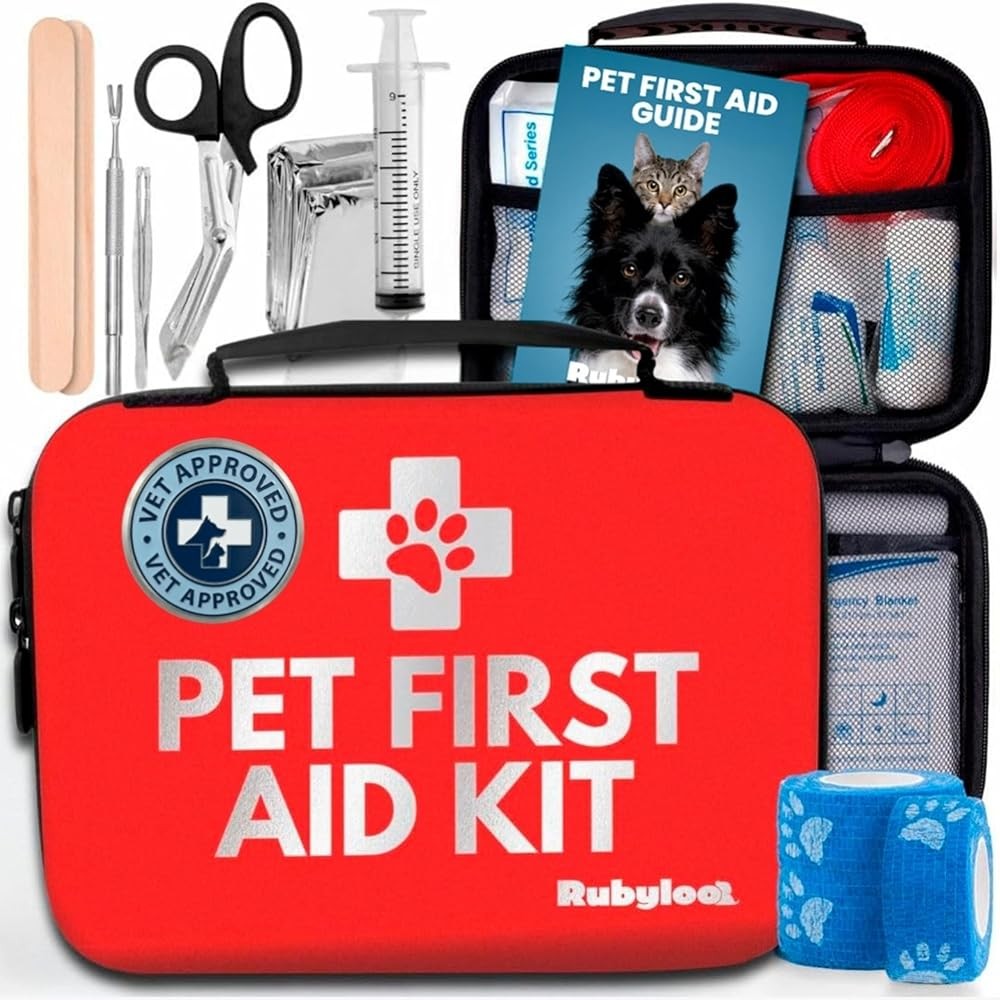
Portable Dog First Aid Kit
Check Price on AmazonAs an Amazon Associate we earn from qualifying purchases.
How Do You Assess and Manage Canine Shock During Emergencies?
Shock represents a life-threatening condition that develops when the circulatory system fails to deliver adequate oxygen and nutrients to tissues throughout the body. Boag and Hughes (2005) documented that early recognition and treatment of perfusion abnormalities significantly improves outcomes in veterinary emergency cases (PMID: 15698913). Understanding shock progression and implementing appropriate first aid interventions can stabilize your dog during critical transport time to emergency care.
The four primary types of shock affecting dogs include hypovolemic shock from blood or fluid loss, cardiogenic shock from heart failure, distributive shock from severe infections or allergic reactions, and obstructive shock from conditions that impair blood flow. Hypovolemic shock from trauma or severe bleeding represents the most common form encountered in first aid situations. Recognizing the early warning signs enables intervention before shock progresses to irreversible stages.
Clinical signs of early shock include rapid heart rate above 120-140 beats per minute, weak pulse quality, pale or white gum color, and prolonged capillary refill time exceeding 2 seconds. To assess capillary refill, press firmly on your dog’s gums until they blanch white, then release and count how many seconds the pink color takes to return. Normal refill occurs within 1-2 seconds, while delayed refill indicates poor tissue perfusion.
Respiratory changes accompany shock progression as the body attempts to increase oxygen delivery to vital organs. Watch for rapid shallow breathing exceeding 30-40 breaths per minute in resting dogs, increased respiratory effort with visible chest wall movement, or gasping respirations in severe cases. These changes indicate the cardiovascular system can no longer meet the body’s oxygen demands through normal circulation.
Mental status alterations provide important clues about shock severity. Dogs in early shock may appear anxious, restless, or unusually alert as adrenaline levels rise. As shock progresses, dogs become lethargic, unresponsive to commands, or unable to stand. Profound shock produces unconsciousness and absence of response to stimulation. Rapid deterioration in mental status indicates critical instability requiring immediate veterinary intervention.
Temperature abnormalities develop as shock disrupts normal thermoregulation. Use a digital thermometer to measure rectal temperature, with normal values ranging from 101-102.5°F (38.3-39.2°C). Hypothermia below 99°F indicates advanced shock with impaired circulation to peripheral tissues. Some dogs in early shock may show slightly elevated temperatures from stress and increased metabolic activity.
Position management helps optimize blood flow to vital organs during shock. Place your dog in lateral recumbency (lying on their side) with the head slightly lower than the body to improve blood flow to the brain. Avoid elevating the head or allowing the dog to sit up, as this reduces cerebral perfusion. Keep the neck extended in a straight line to maintain airway patency.
External warming prevents hypothermia that worsens shock progression. Wrap your dog in emergency blankets, regular blankets, or towels to conserve body heat. Avoid applying direct heat sources like heating pads or hot water bottles, as these can cause burns in dogs with impaired circulation and decreased sensation. Focus on preventing further heat loss rather than actively warming.
Fluid resuscitation represents the definitive treatment for hypovolemic shock but requires intravenous access and appropriate solutions available only in veterinary settings. Do not attempt to give fluids by mouth to dogs in shock, as decreased consciousness and impaired swallowing reflexes create aspiration risks. Your role in first aid focuses on minimizing further blood loss, preventing hypothermia, and rapidly transporting to veterinary care.
Monitoring during transport tracks shock progression and helps veterinary teams prepare appropriate interventions. Check and record heart rate, respiratory rate, gum color, and capillary refill time every 5-10 minutes. Note any changes in mental status or development of new symptoms. This information guides veterinarians in determining treatment priorities upon arrival.
Communication with emergency veterinary facilities while en route allows them to prepare for your arrival. Describe your dog’s condition, injuries sustained, first aid provided, and current vital signs. Many emergency clinics can begin preparing blood products, surgical suites, or intensive care spaces based on this advance information, reducing the time to definitive treatment.
What Items Are Essential for Managing Airway Emergencies in Dogs?
Airway obstruction represents an immediate life-threatening emergency that can progress to brain damage or death within minutes without intervention. The K9-TECC guidelines identify airway management as the second priority after massive hemorrhage control (PMID: 26360351). Your first aid kit must contain tools that enable rapid assessment and basic intervention for common airway emergencies while preparing for immediate veterinary evaluation.
Foreign body obstruction occurs when dogs inhale or swallow objects that lodge in the throat, larynx, or trachea. Common culprits include balls, rawhide pieces, sticks, bones, and toys small enough to fit in the mouth but large enough to occlude airways. Recognition of complete versus partial obstruction guides your intervention approach. Complete obstruction produces no air movement, inability to bark or vocalize, and rapid progression to unconsciousness. Partial obstruction allows some air movement with noisy breathing, coughing, and visible distress.
The canine Heimlich maneuver dislodges foreign bodies through abdominal thrusts that generate sudden pressure increases in the chest cavity. For small to medium dogs, place the dog on their side and position your hands just below the ribcage. Apply 5 quick firm thrusts inward and upward toward the spine. For large dogs, stand behind the dog and place your fist just below the ribcage, then thrust upward and forward. Check the mouth after each series of thrusts and remove any objects that become visible. Continue until the object dislodges or the dog becomes unconscious.
Mouth sweeps remove foreign bodies that become visible but remain lodged in the back of the throat. Open the mouth wide and use your fingers or curved hemostats to grasp and remove the object. Exercise extreme caution to avoid pushing objects deeper into the airway or being bitten by a panicked dog. A muzzle in your first aid kit can prevent bite injuries, though it must be removed immediately if airway obstruction is present.
Swelling from allergic reactions, insect stings, or trauma can narrow airways and create breathing difficulties. Facial swelling, tongue enlargement, and respiratory distress indicate developing airway compromise. These situations require immediate veterinary attention for medications like epinephrine and corticosteroids that reduce swelling. First aid focuses on keeping the dog calm, maintaining an upright position to ease breathing, and rapid transport to emergency care.
Bleeding in or around the airway from facial trauma, nose injuries, or mouth wounds can obstruct breathing or cause aspiration. Position the dog with the head slightly downward to allow blood to drain from the mouth rather than flowing into the lungs. Gentle suction with a bulb syringe can remove blood and fluid from the mouth, though this equipment may not be practical in compact first aid kits.
Rescue breathing provides oxygen when a dog stops breathing but still has a heartbeat. Close the dog’s mouth and seal your mouth around their nose, then give 1 breath every 3-5 seconds with enough force to see the chest rise. Watch for chest movement to confirm air is entering the lungs. If the chest doesn’t rise, reposition the head and neck to open the airway, check for foreign bodies, and attempt rescue breathing again.
Emergency tracheostomy represents an advanced procedure reserved for complete airway obstruction when all other interventions have failed and veterinary care is not immediately available. This procedure requires training and carries significant risks but may be life-saving when no other options exist. Most first aid kits do not include tracheostomy supplies, as the procedure’s complexity and risks make it inappropriate for untrained responders.
Positioning optimization helps maintain airway patency in unconscious dogs or those with decreased responsiveness. Extend the neck in a straight line from head to shoulders to prevent the tongue from falling back and occluding the airway. Place the dog in lateral recumbency (on their side) rather than on their back, which can allow the tongue to obstruct breathing. Pull the tongue forward if the dog is unconscious and has no gag reflex.
Muzzles serve dual purposes in first aid situations. They prevent bite injuries when treating painful conditions, but they must be removed immediately if any airway compromise develops. Never leave a muzzle on an unconscious dog or one showing signs of breathing difficulty, vomiting, or facial swelling. Include both basket-style and soft muzzles in your kit, as different designs work better for various situations and dog breeds.
How Do You Handle Common Toxin Exposures Before Reaching Veterinary Care?
Toxin exposures represent frequent emergencies that require rapid identification and appropriate first aid before veterinary treatment. The ASPCA Animal Poison Control Center reports over 200,000 calls annually regarding potential pet poisonings. Understanding which exposures require immediate intervention versus observation helps prioritize your response and improve outcomes during the critical window before professional care becomes available.
Identification of the specific toxin consumed provides crucial information for veterinary teams selecting appropriate antidotes and treatments. Bring the product container, packaging, or plant sample with you to the emergency clinic. Note the time of exposure, estimated amount consumed, and your dog’s weight. This information helps veterinarians calculate doses for antidotes like activated charcoal, specific chelating agents, or vitamin K for rodenticide poisoning.
Induced vomiting represents one of the few first aid interventions that pet owners can perform for toxin exposures when veterinary care will be delayed. However, this intervention is only appropriate for certain toxins and must never be performed for caustic substances, petroleum products, or if the dog is already vomiting, seizing, or unconscious. Contact the ASPCA Poison Control Center (888-426-4435) or your veterinarian before inducing vomiting to confirm it’s appropriate.
Hydrogen peroxide 3% solution is the only safe at-home emetic (vomiting-inducing agent) for dogs. The dose is 1 teaspoon per 5 pounds of body weight, with a maximum dose of 3 tablespoons for large dogs. Give the hydrogen peroxide orally using a syringe or turkey baster, then walk the dog for 15 minutes to encourage vomiting. If vomiting does not occur within 15-20 minutes, a second dose can be given. Never exceed two doses, and seek veterinary care regardless of whether vomiting occurs.
Activated charcoal binds toxins in the gastrointestinal tract and prevents absorption into the bloodstream. While veterinary-grade activated charcoal suspension provides the most effective formulation, some comprehensive first aid kits include activated charcoal tablets for emergency use. The typical dose ranges from 1-5 grams per kilogram of body weight, though veterinary consultation should guide dosing. Activated charcoal works best when given within 1-2 hours of toxin ingestion.
Dermal exposures from chemicals, insecticides, or toxic plants require immediate removal from the skin and fur. Rinse affected areas with copious amounts of lukewarm water for 15-20 minutes, using mild dish soap to remove oily or petroleum-based products. Wear disposable gloves from your first aid kit to protect yourself from toxin exposure. Prevent your dog from licking contaminated fur, using an emergency muzzle or Elizabethan collar if necessary.
Ocular exposures demand immediate irrigation with sterile saline or clean water for 15-20 minutes. Hold the eye open and allow water to flow across the surface from the inner corner to the outer corner. This washing action helps remove toxic substances before they penetrate deeper tissues. Continue irrigation during transport to veterinary care, as prolonged flushing improves outcomes for caustic exposures.
Common household toxins that frequently affect dogs include chocolate, xylitol (sugar-free sweetener), grapes and raisins, onions and garlic, macadamia nuts, unbaked bread dough, alcohol, marijuana, and human medications like ibuprofen and acetaminophen. Keep your first aid kit stocked with the ASPCA Poison Control phone number and information about common toxins and their toxicity thresholds based on dog weight.
Antifreeze (ethylene glycol) poisoning represents a particularly dangerous exposure requiring immediate intervention. Even small amounts can cause fatal kidney failure, with a treatment window of only 8-12 hours for the antidote fomepizole or ethanol therapy to be effective. Dogs who ingest antifreeze may initially appear intoxicated, then seem to recover before developing severe kidney failure 24-72 hours later. Any suspected antifreeze exposure requires immediate emergency veterinary care.
Rodenticide poisonings vary in their mechanisms and required antidotes depending on the specific product consumed. Long-acting anticoagulants like brodifacoum cause bleeding disorders that develop over 2-7 days and require vitamin K1 treatment for several weeks. Bromethalin causes neurological symptoms and brain swelling without an available antidote. Cholecalciferol products cause elevated calcium and kidney failure. Always bring the product package to help veterinarians identify the specific toxin type.
Documentation of toxin exposure details assists veterinary teams in providing targeted treatment. Record the product name, active ingredients listed on the label, estimated amount consumed, time of exposure, your dog’s weight, and any symptoms observed. Take photos of product labels with your phone if you cannot bring the packaging. This information guides veterinarians in determining prognosis and selecting appropriate monitoring protocols.
What Temperature-Related Emergency Supplies Should You Include?
Temperature regulation disorders including heatstroke, hypothermia, and frostbite represent serious conditions that require immediate recognition and intervention. Dogs lack effective cooling mechanisms and depend primarily on panting to dissipate heat, making them vulnerable to temperature extremes during outdoor activities or environmental exposure. Your first aid kit must include tools for monitoring temperature and supplies for managing thermal emergencies during transport to veterinary care.
Digital thermometers provide accurate body temperature readings that guide your assessment of thermal emergencies. Rectal temperature measurement offers the most accurate core body temperature in dogs. Normal canine body temperature ranges from 101-102.5°F (38.3-39.2°C). Readings above 104°F indicate hyperthermia requiring cooling intervention, while temperatures below 99°F suggest hypothermia needing warming measures. Include thermometers with protective covers and lubricant in your kit.
Heatstroke develops when dogs cannot dissipate heat adequately, causing body temperatures to rise above 106°F (41.1°C). Early signs include excessive panting, drooling, red gums, rapid heart rate, and weakness. As heatstroke progresses, dogs develop vomiting, diarrhea, seizures, and collapse. Brain damage and multiple organ failure can occur within minutes once temperature exceeds 108°F (42.2°C). Immediate cooling intervention is critical for survival.
Active cooling techniques lower dangerously elevated body temperatures during heatstroke emergencies. Move the dog to shade or air-conditioned environment immediately. Apply cool (not ice cold) water to the neck, groin, armpits, and paw pads where large blood vessels near the surface facilitate heat dissipation. Use a spray bottle, wet towels, or pour water directly on these areas. Place the dog in front of a fan or in moving air to enhance evaporative cooling. Check rectal temperature every 5 minutes and stop active cooling once temperature reaches 103°F to prevent overcooling.
Cooling packs provide portable temperature management for first aid kits. Instant cold packs that activate by squeezing offer convenience without refrigeration requirements. Always wrap cold packs in a towel or cloth before applying to skin to prevent thermal injury from direct contact. Focus cold pack application on the neck, groin, and armpit regions where major blood vessels allow efficient heat exchange.
Emergency blankets made from reflective metallized material serve multiple functions in temperature management. The reflective surface conserves body heat when wrapped around hypothermic dogs by preventing radiant heat loss. The same blankets can provide shade and reflection of environmental heat when suspended as a shelter during hot weather emergencies. These lightweight, compact blankets take minimal space in first aid kits while offering versatile temperature management capabilities.
Hypothermia develops when body temperature drops below 99°F (37.2°C), with severe hypothermia occurring below 90°F (32.2°C). Small dogs, puppies, elderly dogs, and those with wet fur are particularly vulnerable during cold weather exposure. Early signs include shivering, lethargy, and cool skin. Progressive hypothermia causes rigid muscles, decreased heart and respiratory rates, dilated pupils, and eventual collapse. Severe hypothermia eliminates shivering as the body exhausts energy reserves.
Rewarming techniques restore normal body temperature in hypothermic dogs. Remove wet clothing or harnesses and dry the fur with towels. Wrap the dog in dry blankets or emergency reflective blankets to prevent further heat loss. Place wrapped warm water bottles or heating packs near (not directly against) the dog’s trunk to provide external heat. Avoid rapid rewarming with hot water or direct heat sources, as this can cause dangerous shifts in circulation. Focus warming efforts on the core body rather than extremities to prevent cold blood from peripheral areas returning to the heart too quickly.
Paw protection prevents thermal injuries from hot pavement, sand, or ice during outdoor activities. Dog boots in various sizes provide barrier protection against extreme surface temperatures. When boots aren’t available or won’t stay on, your first aid kit should include materials for creating emergency paw wraps using gauze and tape to protect injured pads during evacuation from hazardous terrain.
Frostbite affects extremities including ear tips, tail tip, paw pads, and scrotum when tissue freezes from cold exposure. Affected areas initially appear pale or gray, then become red and swollen during rewarming. Severe frostbite causes tissue death and eventual sloughing of damaged areas. First aid for frostbite involves gradual rewarming with lukewarm (not hot) water and protection of affected areas from further injury. Do not rub frostbitten tissues, as this can cause additional damage.
Water availability prevents dehydration that contributes to both heat and cold emergencies. Include a collapsible water bowl and bottle of water in your first aid kit for outdoor activities. Dogs with adequate hydration tolerate temperature extremes more effectively than dehydrated animals. Replace water supplies regularly to ensure freshness, and increase amounts during hot weather or strenuous activities.
How Should You Prepare for Bleeding Control in Different Injury Scenarios?
Understanding bleeding patterns and appropriate interventions for various injury types enables effective hemorrhage control across diverse emergency scenarios. The location, severity, and nature of injuries determine which supplies from your first aid kit will be most effective and what techniques will successfully control bleeding during transport to veterinary care. Research from the K9-TECC Initiative emphasizes that hemorrhage represents the leading preventable cause of death in canine trauma cases (PMID: 26360351).
Laceration bleeding from sharp objects like glass, metal, or tools typically produces steady, continuous bleeding that responds well to direct pressure with gauze pads. The wound edges are usually clean and may gape open depending on depth and location. Deep lacerations that expose muscle, tendon, or bone require immediate veterinary repair but can be stabilized during transport with pressure dressings. Apply multiple layers of gauze directly to the wound, press firmly for 5-10 minutes, then secure with a pressure bandage to maintain compression.
Puncture wounds from bites, sticks, or penetrating objects create deep narrow channels that may bleed minimally on the surface while causing significant internal damage. The external appearance often underestimates the injury severity, particularly with dog fight injuries where canine teeth create crushing force and deep penetration. Do not remove impaled objects, as they may be plugging blood vessels and their removal could trigger massive bleeding. Stabilize the object in place using bulky dressings around the base, then transport immediately to emergency care.
Avulsion injuries where tissue is torn away produce irregular wounds with heavy bleeding and exposed underlying structures. These dramatic injuries may involve large skin flaps partially or completely detached from the body. Control bleeding with direct pressure using multiple gauze pads, then wrap the wound and any attached tissue flaps with gauze rolls to keep everything together during transport. Place detached tissue pieces in a plastic bag with a small amount of saline or water, then seal and keep cool (not frozen) for potential surgical reattachment.
Abrasion bleeding from scraping injuries typically oozes rather than flowing actively. Road rash from vehicle accidents or dragging injuries produces widespread superficial bleeding with embedded debris. Irrigate these wounds with saline or clean water to remove contamination, then apply antibiotic ointment and cover with non-stick dressings. While abrasions rarely cause life-threatening bleeding, the extensive surface area increases infection risk and requires thorough cleaning.
Pad wounds on paws bleed profusely despite their small size because of the rich blood supply to these weight-bearing structures. Direct pressure with gauze pads stops most pad bleeding within 5-10 minutes. Secure dressings with rolled gauze extending up the leg to prevent the bandage from sliding off. Wrap firmly enough to control bleeding but not so tight that you can’t slip one finger under the bandage. Check circulation to toes every 15 minutes during transport.
Nail bed injuries from torn or broken nails produce persistent bleeding that can be difficult to control with pressure alone. Kwik Stop powder or other styptic agents in your first aid kit cause rapid clotting when packed into the nail bed. If styptic powder is unavailable, cornstarch or flour can provide similar clotting effects, though they are less effective. Apply pressure for 5-10 minutes after packing the powder to ensure clot formation.
Oral bleeding from tongue, lip, or gum injuries creates additional challenges because mouth moisture prevents clot formation and dogs tend to lick wounds repeatedly. Apply gauze pads with firm direct pressure for 10-15 minutes. Some oral wounds benefit from ice packs placed on the outside of the mouth to cause vasoconstriction and reduce bleeding. Significant oral bleeding may indicate jaw fractures or dental damage requiring immediate veterinary evaluation.
Ear bleeding from lacerations, hematomas, or bites can be particularly frustrating because head shaking dislodges clots and reinitiates bleeding. Apply gauze pads to both sides of the ear and secure with a head wrap that covers the injured ear and wraps under the opposite ear and around the neck. This technique prevents head shaking while maintaining pressure on the wound. Change dressings if blood soaks through rather than removing the bandage to check underneath.
Chest wall injuries carry risks of penetrating trauma to lungs and major blood vessels. Wounds that produce bubbling or sucking sounds indicate lung penetration requiring immediate sealing to prevent air from entering the chest cavity. Cover these wounds with petroleum jelly gauze or plastic wrap taped on three sides (leaving one side open for air escape), then apply pressure dressings. These injuries require emergency veterinary care regardless of bleeding control success.
Abdominal injuries with bleeding may indicate internal organ damage that cannot be controlled with first aid interventions. Do not probe abdominal wounds or attempt to push exposed organs back inside. Cover open abdominal wounds with sterile saline-moistened gauze, then protect with a light dressing. Keep the dog calm and quiet during transport to minimize movement that could worsen internal bleeding or allow organs to protrude further.
What Specialized Tools Are Most Useful for Outdoor Emergency Scenarios?
Dogs who accompany owners on hiking, camping, backpacking, or other outdoor adventures face unique injury risks that require specialized first aid equipment beyond basic home kits. Remote locations with limited access to veterinary care demand self-sufficient supplies that enable extended wound management and stabilization during prolonged evacuations. Understanding which specialized tools provide the most utility helps optimize your outdoor first aid kit without adding excessive weight.
Tick removal tools extract embedded ticks without leaving mouthparts behind or squeezing the tick’s body and forcing additional bacteria into the bite wound. Fine-pointed tweezers or specialized tick hooks slide under the tick’s body and lift straight upward with steady pressure. Remove ticks promptly to reduce disease transmission risk, as pathogens like Lyme disease typically require 24-48 hours of attachment before transmission occurs. Store removed ticks in a sealed plastic bag with the date and location for potential testing if illness develops.
Snake bite kits specifically designed for dogs include extractor pumps, constricting bands, and protocol cards for various venomous snake species. However, current veterinary recommendations generally advise against using venom extractors or tourniquets, as these interventions may worsen local tissue damage without effectively removing venom. The most effective snake bite first aid involves immobilizing the affected limb, keeping the dog calm and quiet, and transporting immediately to veterinary care for antivenin administration within 4-8 hours of the bite.
Irrigation syringes flush dirt, debris, and bacteria from contaminated wounds when clean running water is unavailable. Large 60mL syringes with blunt irrigation tips generate appropriate pressure for cleaning without requiring excessive force. Include several sterile saline packets in your kit, as these maintain sterility better than refillable water bottles during multi-day trips. Adequate wound irrigation reduces infection rates significantly in backcountry injuries.
Emergency splint materials stabilize suspected fractures during evacuation from remote areas. Lightweight SAM splints made from foam-covered aluminum can be molded to conform to limb shapes while providing rigid support. Alternatively, improvised splints can be fashioned from tent poles, trekking poles, or sticks padded with clothing or foam sleeping pad sections. Secure splints with rolled gauze or self-adhering wrap, ensuring adequate padding prevents pressure sores during prolonged immobilization.
Israeli bandages or emergency trauma dressings combine absorbent pads, pressure bars, and wrapping materials in pre-assembled packages that enable rapid one-handed application. These military-derived products excel at controlling severe bleeding in remote settings where complex bandaging may be difficult. The integrated design eliminates the need to manage multiple separate components while trying to control bleeding and maintain pressure.
Hemostatic gauze specifically formulated for veterinary use contains kaolin, chitosan, or similar agents that accelerate clotting in severe bleeding that doesn’t respond adequately to direct pressure alone. These advanced materials prove particularly valuable for deep puncture wounds or lacerations in areas where maintaining adequate direct pressure is challenging. Pack hemostatic gauze directly into wound cavities according to manufacturer instructions, then apply pressure for 3-5 minutes to allow clot formation.
Headlamps or compact LED flashlights enable wound assessment and treatment during nighttime emergencies. Many backcountry injuries occur during evening activities or after dark, when natural light is unavailable. Include a reliable light source with your first aid kit rather than depending on phone flashlights that may have depleted batteries. Red light modes preserve night vision while providing adequate illumination for emergency care.
Emergency communication devices including satellite messengers, personal locator beacons, or satellite phones enable contact with rescue services when cell phone coverage is unavailable. While not strictly first aid equipment, these devices can summon helicopter evacuation for severe injuries in remote locations where ground transport would take hours or days. Register your devices with appropriate authorities and carry activation instructions in your first aid kit.
Casualty evacuation supplies facilitate transporting injured dogs from remote locations. Lightweight emergency stretchers or blankets with carrying handles distribute weight among multiple rescuers for easier transport. For smaller dogs, empty backpacks can serve as improvised carriers with the dog placed inside and the pack worn on the front for better weight distribution and ability to monitor the patient during evacuation.
Altitude sickness rarely affects dogs but can occur in pets who ascend rapidly to high elevations above 10,000 feet. Signs include rapid breathing, lethargy, loss of appetite, and weakness. Unlike humans, dogs cannot communicate headaches or nausea. Treatment involves descending to lower elevations and providing rest and hydration. Severe cases may require veterinary evaluation for supplemental oxygen and medications.
Wildlife encounter protocols should be included in your wilderness first aid preparation. Bear attacks, cougar encounters, and porcupine quill exposures require specific management approaches. Porcupine quills should be left in place and removed under sedation by a veterinarian, as breaking them makes removal more difficult and painful. Do not attempt field removal of quills that penetrate deeply or affect the face, mouth, or eyes.
How Do You Build a Customized First Aid Kit for Your Dog’s Specific Needs?
While commercial first aid kits provide convenient starting points, customizing supplies based on your dog’s size, breed, health conditions, and lifestyle creates more effective emergency preparedness. Understanding which variables influence supply selection helps you optimize your kit’s contents while avoiding unnecessary items that add weight and cost without providing meaningful utility for your specific situation.
Size-based considerations affect quantities and dimensions of supplies needed for effective treatment. Large and giant breed dogs require longer bandage rolls, larger gauze pads, and more antiseptic solution for similar injuries compared to small breeds. A Great Dane’s paw requires 3-4 inch gauze rolls for adequate coverage, while a Chihuahua may only need 1-2 inch materials. Stock your kit with supplies appropriately scaled for your dog’s body size to ensure adequate coverage without excessive bulk.
Breed-specific vulnerabilities guide inclusion of specialized items. Brachycephalic breeds like Bulldogs, Pugs, and French Bulldogs face increased risks of heatstroke due to compromised respiratory efficiency and should have comprehensive cooling supplies. Long-haired breeds like Golden Retrievers or Collies benefit from additional scissors or clippers for accessing wounds beneath thick fur. Breeds prone to bloat including Great Danes and Standard Poodles should have emergency veterinary contact information prominently displayed for this life-threatening condition.
Existing health conditions require medication management and specialized supplies. Dogs with diabetes need glucose sources for hypoglycemic emergencies, including glucose paste or honey packets. Epileptic dogs should have rectal diazepam or midazolam available for extended seizures, along with detailed administration instructions for caregivers. Dogs with known allergies may require epinephrine auto-injectors prescribed by veterinarians for anaphylactic reactions to insect stings or environmental allergens.
Activity level and lifestyle determine which injury scenarios are most likely. Highly active dogs who participate in agility, dock diving, or other canine sports face increased risks of muscle strains, joint injuries, and impact trauma requiring cold packs and support wraps. Hunting dogs need comprehensive supplies for remote field injuries including snake bites, porcupine quills, and puncture wounds from brambles or wire fencing. Sedentary house dogs may require simpler kits focused on common household emergencies.
Climate and geographic location influence temperature management and environmental hazard preparations. Dogs in hot climates need cooling vests, extra water supplies, and comprehensive heatstroke protocols. Cold climate dogs require hypothermia management with emergency blankets, warming packs, and paw protection for ice and snow exposure. Tick and insect-borne disease risks vary geographically, with some regions requiring more extensive tick removal tools and protocols.
Multiple dog households need larger supply quantities and consideration of simultaneous injury management. Dog fight injuries may affect multiple animals requiring separate treatment to prevent cross-contamination. Stock additional gauze, tape, and antiseptic supplies beyond single-dog quantities. Consider including multiple thermometers and separate scissors to avoid delays sterilizing equipment between patients during emergencies.
Travel frequency and duration affect portability requirements. Frequent travelers need compact, lightweight kits that fit easily in vehicles or travel bags. Include copies of vaccination records, veterinary contact information, and documentation of any chronic conditions or medications. Research emergency veterinary clinics along common travel routes and store this information with your travel first aid kit for rapid access when needed.
Age-related considerations create different supply needs for puppies versus senior dogs. Puppies face increased poisoning risks from curious exploration and ingestion of inappropriate items, necessitating hydrogen peroxide for induced vomiting and poison control contact information. Senior dogs with arthritis or mobility limitations benefit from additional padding materials for comfort during transport and extended emergency situations.
Medication organization systems prevent confusion during high-stress emergencies when precise dosing is critical. Label all medications clearly with the dog’s name, drug name, dose, and administration instructions. Include expiration dates and replace medications before they expire. Store medications in waterproof containers separate from other kit supplies to prevent contamination or moisture damage.
Documentation components enhance your ability to provide accurate information to veterinary teams. Include current photos of your dog from multiple angles to help identify them if separated during emergencies. List microchip numbers, vaccination dates, known allergies, current medications, and existing health conditions. Add your veterinarian’s contact information along with after-hours emergency clinic details for your area and common travel destinations.
What Training and Education Resources Complement Physical First Aid Supplies?
Even the most comprehensive first aid kit provides limited benefit without the knowledge to use its contents effectively. The K9-TECC Initiative emphasizes that equipment and training work synergistically to reduce preventable deaths in canine emergencies (PMID: 26360351). Investing in education resources and practical training creates the skills foundation needed to deploy your first aid supplies confidently and correctly when seconds matter.
Pet first aid certification courses offered by organizations like the American Red Cross, Pet Tech, and ProTrainings provide structured instruction in emergency response skills. These courses cover CPR technique, hemorrhage control, wound care, choking interventions, and shock management through combination of video instruction, written materials, and hands-on practice with manikins. Certification courses typically require 4-8 hours and include written examinations to verify competency. Recertification every 2-3 years maintains current knowledge as protocols evolve.
Online learning modules offer flexibility for pet owners who cannot attend in-person training sessions. Video demonstrations of bandaging techniques, CPR compression depth and rate, and foreign body removal procedures allow repeated viewing until skills are mastered. Pause and replay capabilities enable learners to practice each step before progressing to more advanced techniques. Many online courses include downloadable reference cards that can be laminated and stored with first aid kits for quick consultation during emergencies.
Veterinary practice consultations provide personalized instruction based on your specific dog’s needs. Schedule an appointment to learn proper techniques for your dog’s size and temperament. Practice bandaging, muzzle application, and restraint methods under veterinary supervision where mistakes don’t carry consequences. Ask about specific vulnerabilities related to your dog’s breed, age, or health conditions that should influence your first aid preparation.
First aid manuals specifically written for dogs offer comprehensive reference information organized by emergency type. Book formats allow quick consultation when internet access is unavailable in remote locations or during power outages. Look for manuals that include clear illustrations or photographs demonstrating techniques, decision trees for determining when veterinary care is needed, and species-specific protocols rather than general pet advice that may not apply to dogs.
Quick reference cards provide condensed emergency protocols in waterproof, durable formats suitable for storage in first aid kits. Laminated cards resist damage from moisture, blood, and repeated handling during emergencies. Effective reference cards use visual flowcharts and bulleted steps rather than dense paragraphs, allowing rapid information access when stress impairs reading comprehension. Include cards for your dog’s specific vulnerabilities such as seizure management or diabetic emergencies.
Mobile applications designed for pet first aid put emergency guidance literally at your fingertips during incidents. Apps from organizations like the American Red Cross include interactive decision tools that ask about symptoms and guide appropriate responses. GPS integration locates nearby emergency veterinary clinics and provides directions. Some apps include video demonstrations that can be consulted during emergencies when memory of training becomes uncertain.
Practice drills transform theoretical knowledge into practical skills that can be deployed during real emergencies. Conduct monthly practice sessions where you simulate injuries on a cooperative dog and apply bandages, take vital signs, and practice transport techniques. Time yourself to build speed while maintaining quality. Practice reduces panic during actual emergencies by creating muscle memory for key procedures.
Scenario-based training prepares you for decision-making under pressure. Work through hypothetical emergencies with specific details: “Your dog cut a paw pad while hiking two miles from the trailhead. Bleeding is moderate. What do you do?” Mentally rehearse each step from initial assessment through treatment and transport. This cognitive practice strengthens your ability to think clearly during actual emergencies when stress impairs judgment.
Community involvement through volunteer work at animal shelters or participation in search and rescue teams provides practical experience applying first aid skills under supervision. These opportunities expose you to diverse emergency scenarios and various dog sizes and temperaments. Learning from experienced handlers accelerates skill development beyond what individual practice can achieve.
Continuing education maintains and expands your first aid knowledge as research advances and protocols evolve. Subscribe to veterinary emergency care publications, attend workshops at veterinary conferences, or participate in online forums where emergency care professionals share insights. The K9-TECC guidelines underwent multiple revisions as field experience identified areas for improvement, illustrating how emergency care practices continuously evolve based on outcome data.
- Responsibilities of a veterinary augmentation package in support of a contingency operation.. PubMed 10920653
- Active surveillance reveals common SARS-CoV-2 infections among cats and dogs from households with human COVID-19 cases in Texas, USA.. PubMed 41852802
- Emphysematous hepatitis, emphysematous gastritis, and pneumatosis coli in a 5-month-old Shiba Inu dog.. PubMed 40322647
- Towards maintaining canine training aid integrity: Effects of environmental factors and operational use on the triacetone triperoxide polymer odor capture-and-release system.. PubMed 38528830
- EMS Canine Evaluation of Oxygen Saturation (SpO2).. PubMed 37983356
- Active surveillance reveals common SARS-CoV-2 infections among cats and dogs from households with human COVID-19 cases in Texas, USA.. PubMed 41852802
- Emphysematous hepatitis, emphysematous gastritis, and pneumatosis coli in a 5-month-old Shiba Inu dog.. PubMed 40322647
- Towards maintaining canine training aid integrity: Effects of environmental factors and operational use on the triacetone triperoxide polymer odor capture-and-release system.. PubMed 38528830
- EMS Canine Evaluation of Oxygen Saturation (SpO2).. PubMed 37983356
References
- Management and Outcomes of Pediatric Dog Bites at a Single Institution.. PubMed 42541496
- Retrospective analysis of teletriage and teleadvice administered to 1,575 dogs with gastrointestinal signs.. PubMed 42375311
- Marked Cauda Equina Compression Secondary to Intervertebral Disc Protrusion Resulting in Severe Chronic Neuritis and Neural Fibrosis in a Dog.. PubMed 42311473
- Measurement of abdominal fluid bilirubin concentration frequently fails to detect biliary tract rupture in dogs with gallbladder mucocele.. PubMed 42269679
- Pyrexia in juvenile dogs: a retrospective analysis of diagnosis and clinical features of 115 Australian cases.. PubMed 41952450
- Inadvertent Epidural Injection of Cefazolin in a Dog.. PubMed 41582882
For more context, see our guides on Dog Diarrhea with Blood: Causes, Treatment, and When It’s an Emergency, Dog Gastroenteritis: Causes, Symptoms, and Complete Recovery Guide, Dog Tail Tucked and Acting Weird: Causes and When to Worry, Dog Bloated Stomach Hard: Causes, Emergency Signs, and When It’s GDV, and Best Dog DNA Test Kits.
Related Reading
Recommended Products